Baroque music
Baroque music is European art music of about 1600 to 1750, built on basso continuo. Trace it from Monteverdi's first operas to Bach and the revival.
Europe, 1580
Classical family
Born
1580
Europe
Subgenres
18
Documented branches
Links
5
Genres it drew on or shaped
Tempo
55-160 BPMLineage
Family tree
Grew out of
Derived from
Pushed back against
Europe, 1580
Baroque music
Led to (18)
Timeline
Era by era
From the first sparks to today. Select a dot to read the story behind it.
- Monody and the first operas
1580 to 1640
- Courts, theatres and the sonata
1640 to 1680
- Concerto and counterpoint
1680 to 1750
- Rediscovery and period instruments
1829 to 2026
Eras
Moments
- 1 Monody and the first operas, 1580 to 1640
- 2 Courts, theatres and the sonata, 1640 to 1680
- 3 Concerto and counterpoint, 1680 to 1750
- 4 Rediscovery and period instruments, 1829 to 2026
around 1580
Monody and the first operas
Florentine and Mantuan composers put one sung line over a bass chord part, invent opera and open the concertato style that mixes voices and instruments.
- 1600Peri's Euridice staged in FlorenceThe earliest opera whose music survives, sung throughout in the new recitative style.
- 1607Monteverdi's L'Orfeo premieres in MantuaThe oldest opera still regularly staged, with a large instrumental ensemble.
- 1637Teatro San Cassiano opens in VeniceThe first public opera house turns opera from a court event into a ticketed one.
around 1640
Courts, theatres and the sonata
Public opera houses open in Venice, Louis XIV builds a French court style around Lully, and the Italian trio sonata spreads across Europe.
- 1643Monteverdi's L'incoronazione di Poppea in VenicePremiered in the last year of Monteverdi's life, a model for Venetian public opera.
- 1672Lully takes over the royal opera privilegeLully controls French opera and sets the French orchestral and dance style for decades.
around 1680
Concerto and counterpoint
Corelli, Vivaldi, Handel and Bach bring the concerto, oratorio and fugue to a peak; Bach's death in 1750 is the usual end date.
- 1689Purcell's Dido and Aeneas is performed in LondonEngland's first great all-sung opera, performed at a girls' school in Chelsea; its lament sits on a ground bass.
- 1700Corelli's violin sonatas Op. 5 published in RomeThe set that fixed the violin sonata and became a model across Europe.
- 1711Vivaldi's L'estro armonico published in AmsterdamTwelve concertos that spread Vivaldi's ritornello form beyond Italy.
- 1717Handel's Water Music performed on the ThamesPlayed from a barge for George I, one of the earliest big outdoor orchestral spectacles.
- 1721Bach sends the Brandenburg Concertos to BerlinSix concertos with unusual solo groupings, dedicated to the Margrave of Brandenburg.
- 1722Bach compiles The Well-Tempered Clavier, Book IPreludes and fugues in all 24 keys, a landmark for keyboard tuning and counterpoint.
- 1725Vivaldi's Four Seasons published in AmsterdamFour violin concertos with sonnets that paint spring, summer, autumn and winter.
- 1733Rameau's Hippolyte et Aricie premieres in ParisRameau's first opera splits French opinion and ends Lully's long dominance.
- 1742Handel's Messiah premieres in DublinGiven on 13 April 1742 for charity; it later became the most performed oratorio.
- 1750Bach dies in LeipzigHis death is the conventional end of the Baroque as the Classical style takes over.
1829
Rediscovery and period instruments
Mendelssohn's 1829 Bach revival starts a long return; from the 1950s specialist ensembles play on period instruments and Baroque becomes a main strand of classical recording.
- 1829Mendelssohn conducts the St Matthew Passion in BerlinThe first big performance of the work in about a century starts the 19th-century Bach revival.
- 1850Bach-Gesellschaft founded in LeipzigThe society publishes Bach's complete works in a scholarly edition.
- 1953Harnoncourt founds Concentus Musicus WienAmong the first ensembles to play Baroque music on period instruments.
- 1958Giazotto publishes the "Albinoni" AdagioCredited to Albinoni but written by his 20th-century biographer Remo Giazotto.
- 1968Switched-On Bach brings Bach to the MoogWendy Carlos's Moog album, released on Columbia, becomes a platinum-selling hit.
- 1968Paillard's Canon in D recording on EratoA slow, romantic reading turns a little-known canon into a mass favourite.
- 1991Tous les matins du monde brings the viola da gamba to cinemaAlain Corneau's film, with Jordi Savall on the soundtrack, wins seven Cesars including Best Music.
- 1999Bartoli's Vivaldi AlbumA pop-scale Decca release of rare Vivaldi opera arias for a mainstream audience.
Listening path
Anthems
The records that built the sound, grouped by the part they played. Thumbnails come from YouTube; the player loads only when you press play.
- 01
Claudio Monteverdi, 1607
Opening fanfare of the oldest opera still in the repertory, written when opera and the Baroque orchestra were new.
Origin - 02
Antonio Vivaldi, 1725
Programme music with birdsong and storms that became one of the best-selling classical works of all time.
Start hereBreakthrough - 03
George Frideric Handel, 1741
The chorus audiences stand for; the most widely known piece of Baroque choral music.
Breakthrough - 04
Henry Purcell, 1689
The most famous lament of the era, built on a ground bass that falls through five bars while the voice sings above it.
Anthem - 05
George Frideric Handel, 1717
The best-known piece from the Thames barge concert for George I, a bright easy way in to Handel's orchestra.
Start hereAnthem - 06
Johann Sebastian Bach, 1720
A rolling solo cello line that implies a full harmony; probably the best known piece of solo Baroque music.
Start hereAnthem - 07
Johann Sebastian Bach, 1721
Nine solo strings pass one driving figure around in a model of Baroque counterpoint at speed.
Anthem - 08
George Frideric Handel, 1727
Written for the 1727 coronation of George II and sung at every British coronation since.
Anthem - 09
Marin Marais, 1723
Viola da gamba piece that Savall's film soundtrack of 1991 turned into a modern hit for the instrument.
Revival - 10
Antonio Vivaldi, 1735 · Decca Classics
Bartoli's 1999 recording of this showpiece aria brought rarely played Vivaldi opera to a pop-sized audience.
Revival - 11
Johann Sebastian Bach, 1741
The theme of Bach's variation set, in Gould's slow 1981 reading, a landmark of 20th-century Bach playing.
Revival
Facts
| Family | Classical |
| Origin | Europe |
| Emerged | C. 1580-1750 |
| Status | Revival |
| Tempo | 55 to 160 BPM |
| Meter | varies |
| Grew out of | Renaissance music |
| Subgenres | 18 |
Baroque music is the Western art music of roughly 1600 to 1750, the age of Monteverdi, Purcell, Vivaldi, Handel and Bach. It began in Italy, where composers invented opera and put a bass line with chords under almost everything.
It matters because the concerto, the oratorio, the fugue and the sonata took their lasting shapes here, and because its tunes still fill concert halls, weddings and film soundtracks.
Origins
It started as a rebellion against crowded vocal polyphony. Around 1600, circles of poets and singers in Florence, including Jacopo Peri and Giulio Caccini, wanted words to be heard. They gave one singer a speech-like line, the recitative, over a simple bass part, and called the new manner monody. In 1600 Peri’s Euridice was staged in Florence, the earliest opera whose music survives.
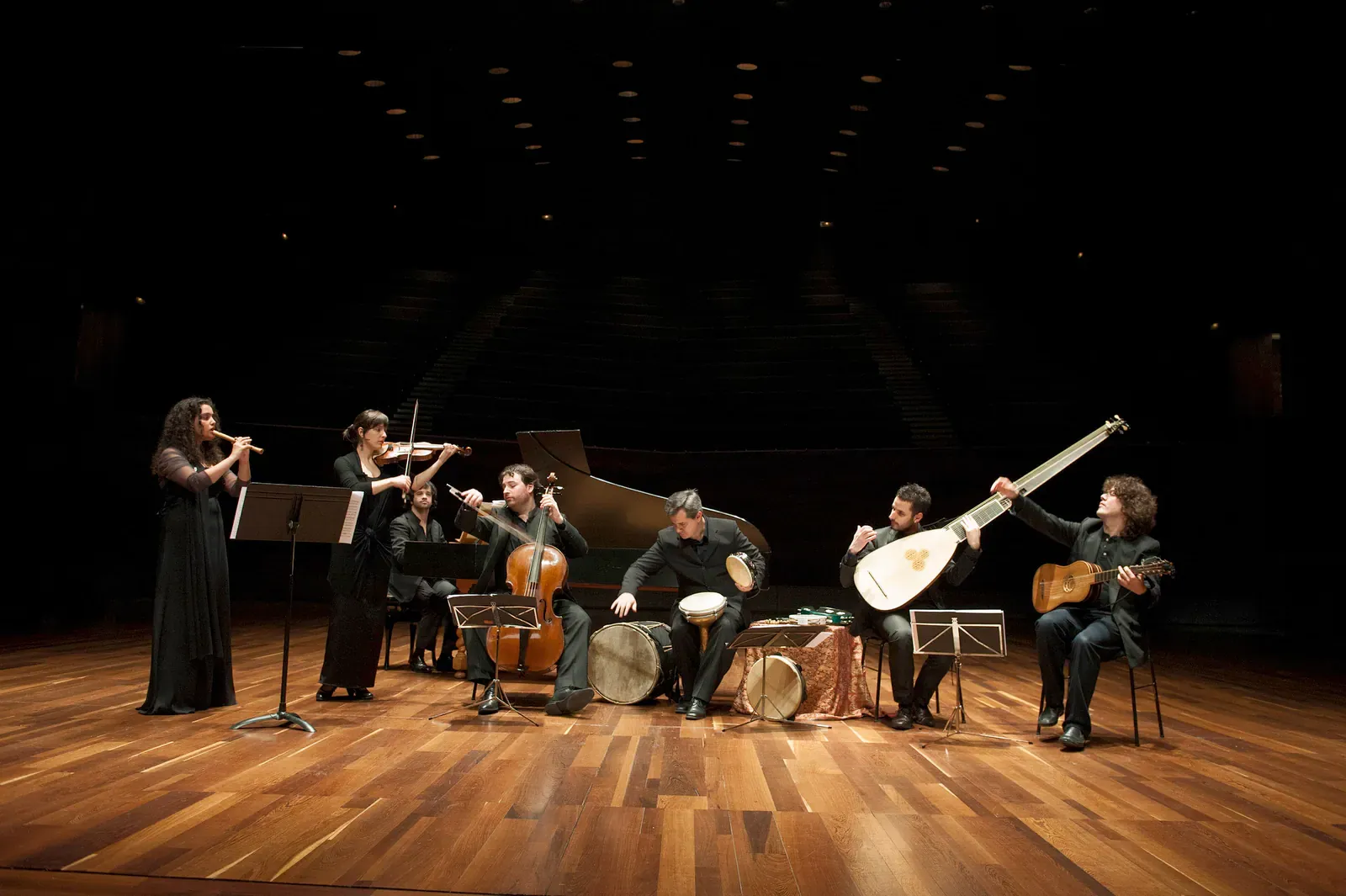
A bass line with numbers above it, the figured bass, let a keyboard or lute player invent the chords on the spot. That shorthand ran the whole period.
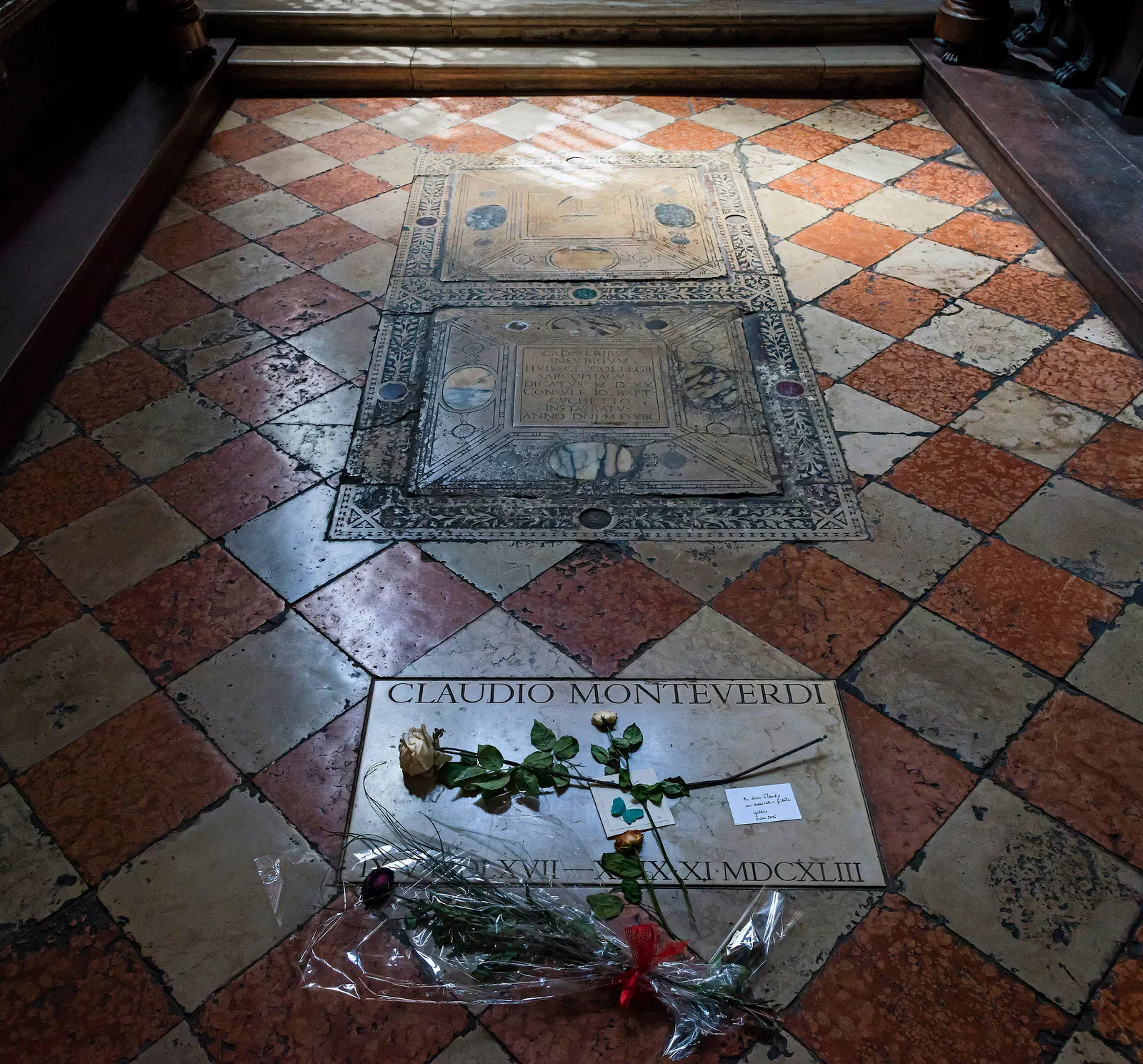
The first great masterpiece came from Mantua. Claudio Monteverdi’s L’Orfeo premiered there in 1607 at the Gonzaga court, and it is the oldest opera still staged regularly. It opens with a brass fanfare, the Toccata. Monteverdi wrote for a large instrumental ensemble and gave each character its own colours, which is the concertato idea: voices and instruments set against one another. In 1613 he took over the music at St Mark’s in Venice.
Venice, Versailles and London, 1637 to 1689
Music moved from the court into the city. In 1637 the Teatro San Cassiano opened in Venice, the first public opera house, and opera became a ticketed event instead of a royal gift. Monteverdi’s L’incoronazione di Poppea followed in Venice in 1643, the year he died, and set a model for Venetian public opera.
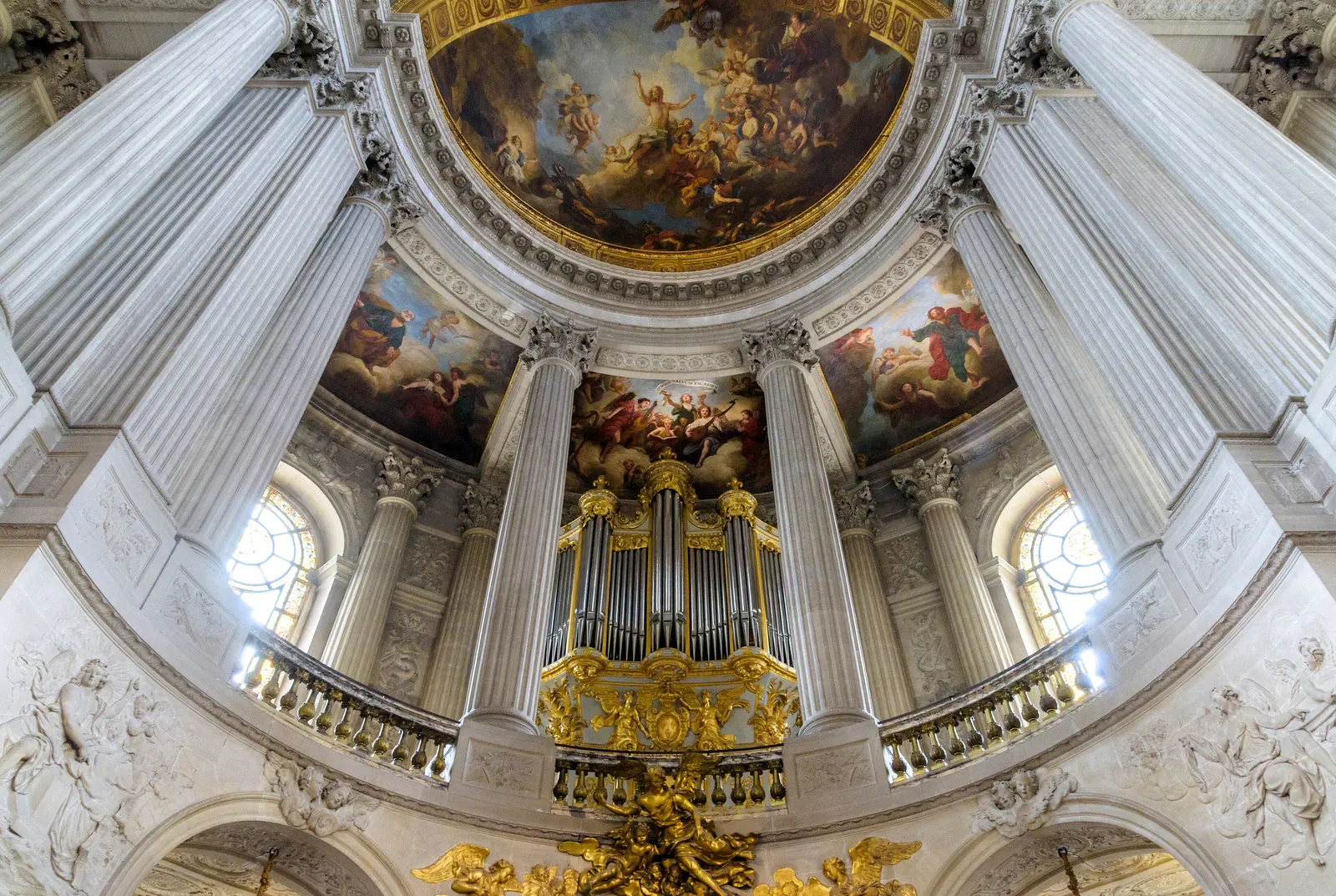
France took another road. At Versailles, Louis XIV’s court built a style around dance and ceremony, and in 1672 Jean-Baptiste Lully took over the royal opera privilege and set the French orchestral and dance manner for decades. In Italy the trio sonata, two high lines over a continuo bass, spread across Europe, and Naples became an opera factory under Alessandro Scarlatti. In London, Henry Purcell’s Dido and Aeneas was performed in 1689, England’s first great all-sung opera, staged at a girls’ school in Chelsea.
Venice, Rome and Leipzig, 1700 to 1750
Between about 1680 and 1750 the forms settled. Arcangelo Corelli’s violin sonatas Op. 5, published in Rome in 1700, fixed the violin sonata and became a model across Europe. Antonio Vivaldi’s L’estro armonico, twelve concertos published in Amsterdam in 1711, spread his ritornello form: a recurring orchestral theme alternating with solo episodes. The Four Seasons followed in 1725.
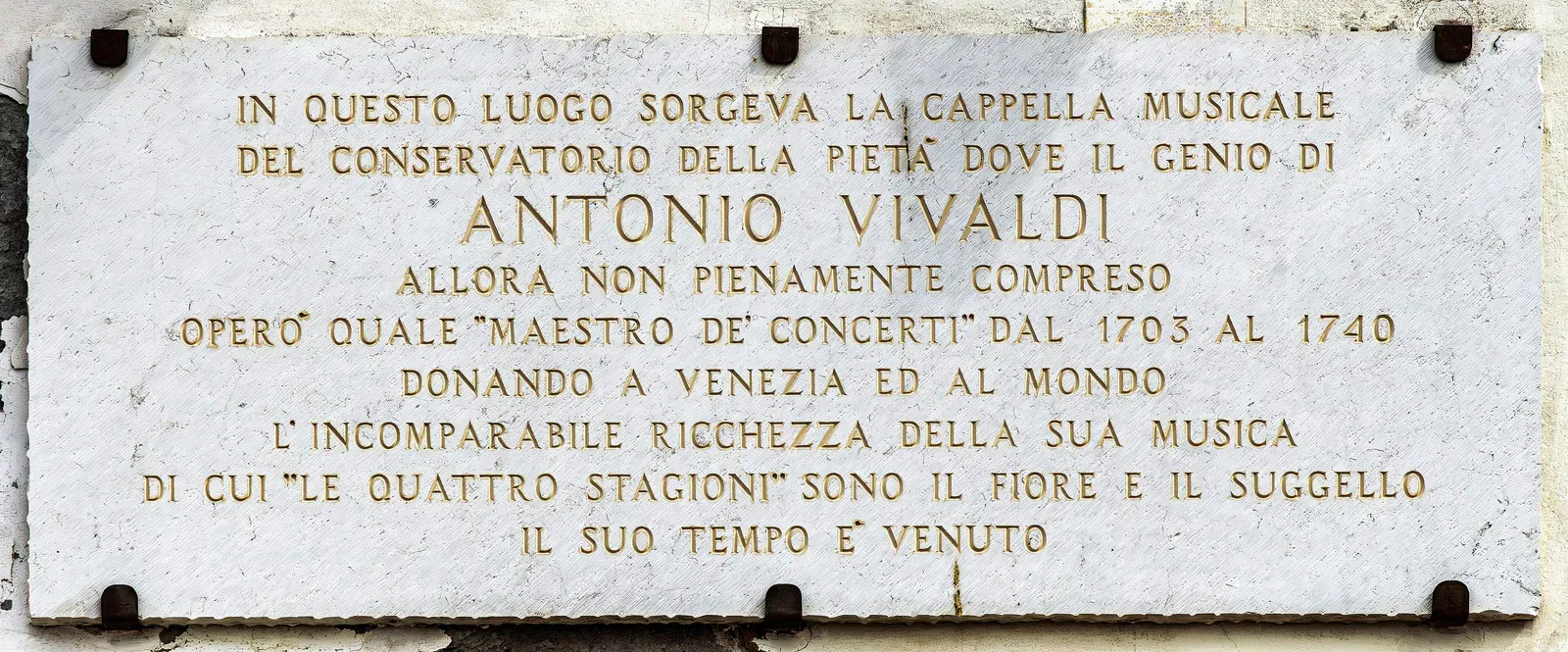
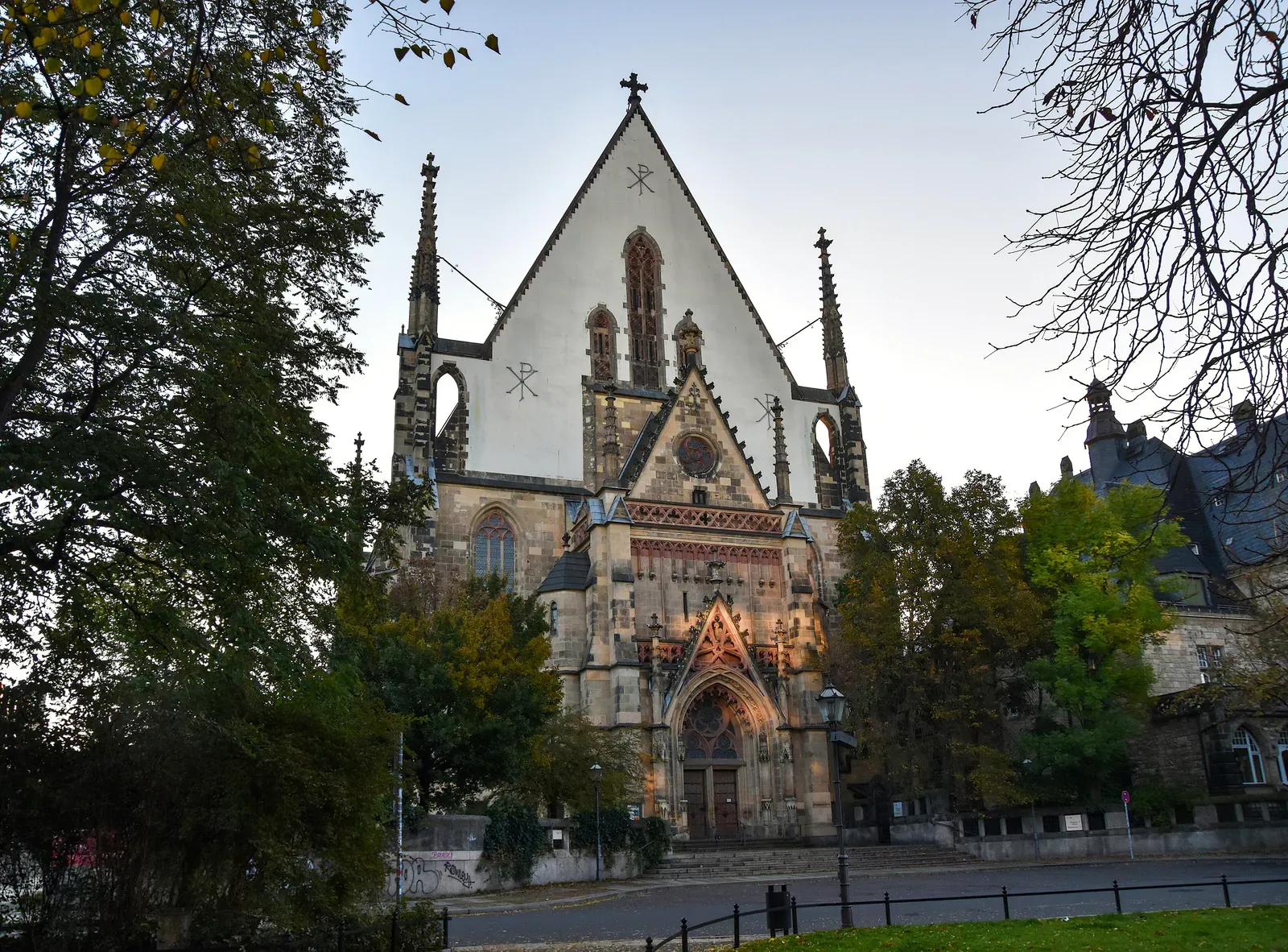
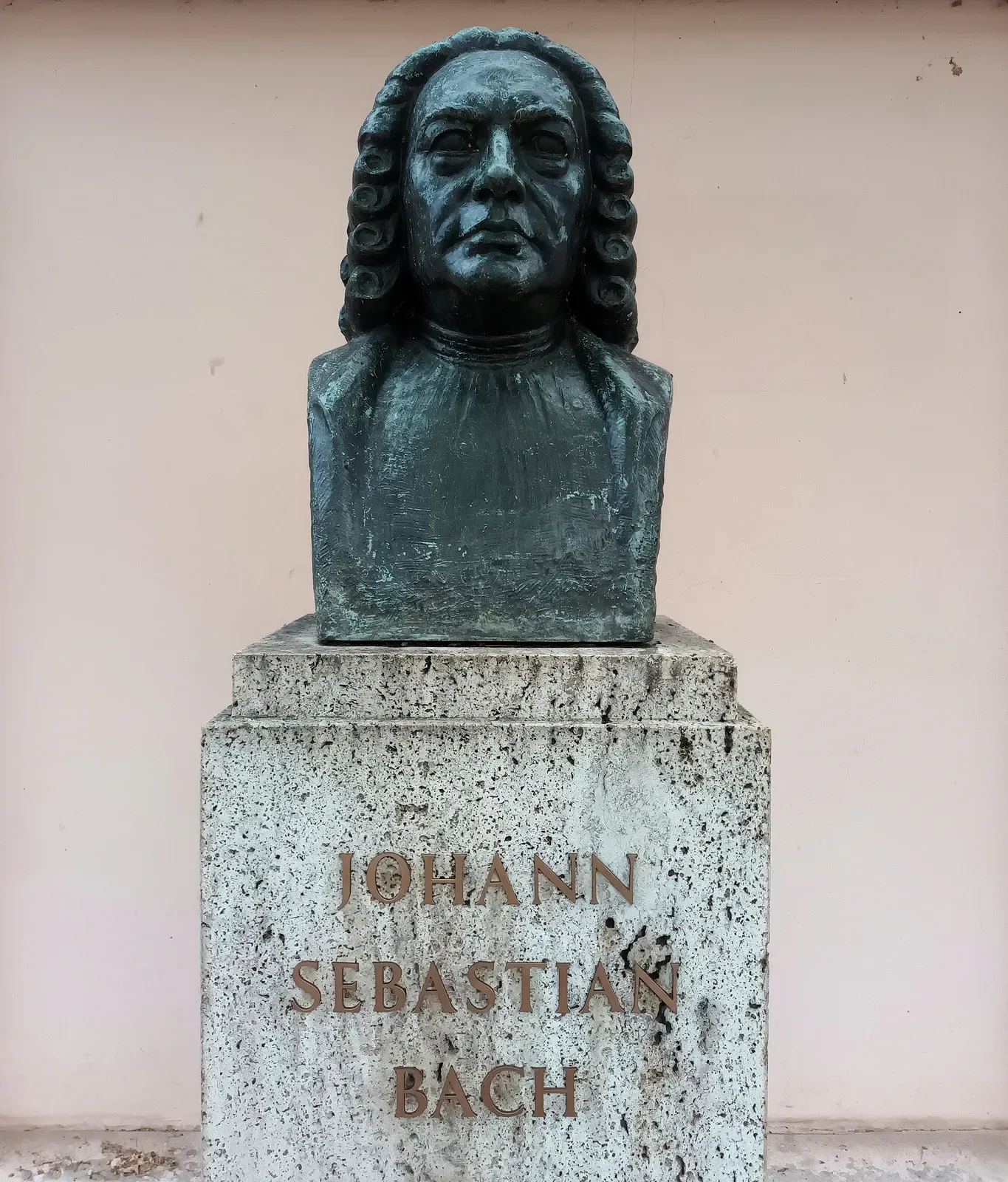
Vivaldi taught violin and led concerts at the Ospedale della Pieta, the girls’ orphanage in Venice. In Germany, Johann Sebastian Bach sent the six Brandenburg Concertos to Berlin in 1721 and compiled The Well-Tempered Clavier, Book I, in 1722, preludes and fugues in all 24 keys. The next year he became cantor of the Thomaskirche in Leipzig, where he wrote most of his church cantatas.
George Frideric Handel took the Italian style to London, where opera and then oratorio found a paying public. His Water Music was played from a barge on the Thames in 1717 for George I. Jean-Philippe Rameau’s first opera, Hippolyte et Aricie, premiered in Paris in 1733, split French opinion and ended Lully’s long dominance.
Mainstream success
In the twentieth century Baroque music reached a mass audience through the record shop and the screen. Glenn Gould’s 1955 Goldberg Variations, his debut album for Columbia Records, made a keyboard variation set a bestseller. In 1968 Wendy Carlos released Switched-On Bach, Moog synthesizer versions that went platinum and won three Grammys. The same year, a slow, romantic recording of Pachelbel’s Canon in D by the Orchestre de Chambre Jean-Francois Paillard on Erato turned a little-known canon into a wedding standard.
Later hits followed the pattern. Nigel Kennedy’s 1989 Four Seasons for EMI Classics sold over three million copies. Alain Corneau’s 1991 film Tous les matins du monde, with Jordi Savall on the soundtrack, won seven Cesars and brought the viola da gamba back into public view. In 1999 Cecilia Bartoli’s Vivaldi Album on Decca Classics gave rarely played Vivaldi opera arias a pop-sized audience.
Notable recordings
The Toccata from L’Orfeo (1607). Monteverdi wrote the opening fanfare for the Mantuan court when opera and the Baroque orchestra were both new. It is the opening call of a new kind of theatre.
Dido’s Lament (1689). In the final act of Purcell’s Dido and Aeneas, Dido sings “When I am laid in earth” over a ground bass that falls through five bars while her voice lifts above it. The repeating pattern, a ground bass, acts like a fate she cannot escape. It is the most famous lament of the era.
Hallelujah, from Messiah (1741). Handel’s Messiah premiered in Dublin on 13 April 1742 for charity, at the Fishamble Street Music Hall. The Hallelujah chorus is the part audiences stand for, and it is the most widely known piece of Baroque choral music.
Culture
It grew out of dance. The Baroque suite strings together allemande, courante, sarabande, minuet and gigue, dances that composers wrote for listening rather than moving. Court musicians wore powdered periwigs in the style of Louis XIV and his imitators.
Modern habits attached themselves too. Audiences traditionally stand for the Hallelujah chorus, and Canon in D became a standard wedding processional from the 1970s. Stanley Kubrick’s Barry Lyndon (1975) used Handel’s Sarabande as a recurring theme.
Legacy
By 1750 the style sounded old. Bach died in Leipzig that year, and the lighter Classical style took over. The revival began in Berlin in 1829, when Felix Mendelssohn conducted the St Matthew Passion, its first big performance in about a century. In 1850 the Bach-Gesellschaft was founded in Leipzig to publish Bach’s complete works.
The sound itself came back later. In 1953 Nikolaus Harnoncourt founded Concentus Musicus Wien, among the first ensembles to play Baroque music on period instruments: gut strings, valveless trumpets, harpsichords. That movement led to complete cycles such as Harnoncourt and Gustav Leonhardt’s Bach cantatas, recorded for Teldec from 1970 to 1989, and to specialist catalogues at labels such as Harmonia Mundi, Archiv Produktion, L’Oiseau-Lyre and Hyperion.
Misconceptions
Myth: “Baroque” was always a compliment. The word probably comes from a Portuguese word for an irregular pearl, and it was first used as a mild insult for music that seemed overdone.
Myth: the Albinoni Adagio is by Albinoni. It was published in 1958 under Albinoni’s name, but his 20th-century biographer Remo Giazotto wrote it.
Myth: Messiah is a Christmas piece. Its premiere was on 13 April 1742 in Dublin, in spring, and it was first given for charity. The Christmas association is a later habit, and the work covers Christ’s life, death and resurrection.
Frequently asked questions
What is Baroque music?
Baroque music is Western art music from about 1600 to 1750, marked by basso continuo, contrasting loud and soft levels, ornamented melodies and forms such as opera, concerto, oratorio and fugue.
Who are the most famous Baroque composers?
Johann Sebastian Bach, George Frideric Handel and Antonio Vivaldi lead the list, followed by Claudio Monteverdi, Henry Purcell, Georg Philipp Telemann, Arcangelo Corelli, Jean-Philippe Rameau, Jean-Baptiste Lully and Domenico Scarlatti.
When did the Baroque period end?
The usual end date is 1750, the year Bach died in Leipzig, as the lighter Classical style replaced it. The dates are approximate, and the move between styles was gradual.
What instruments are typical of Baroque music?
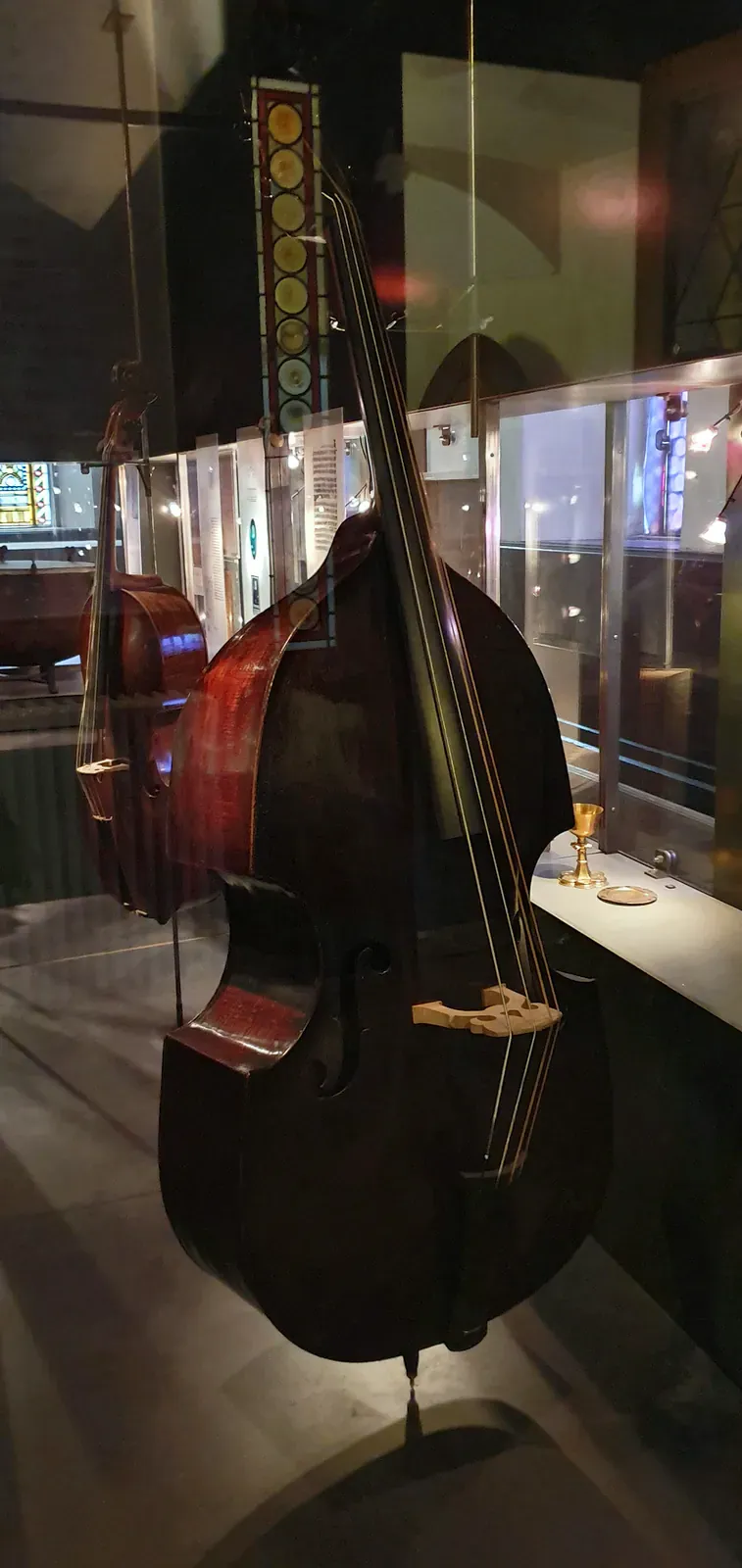
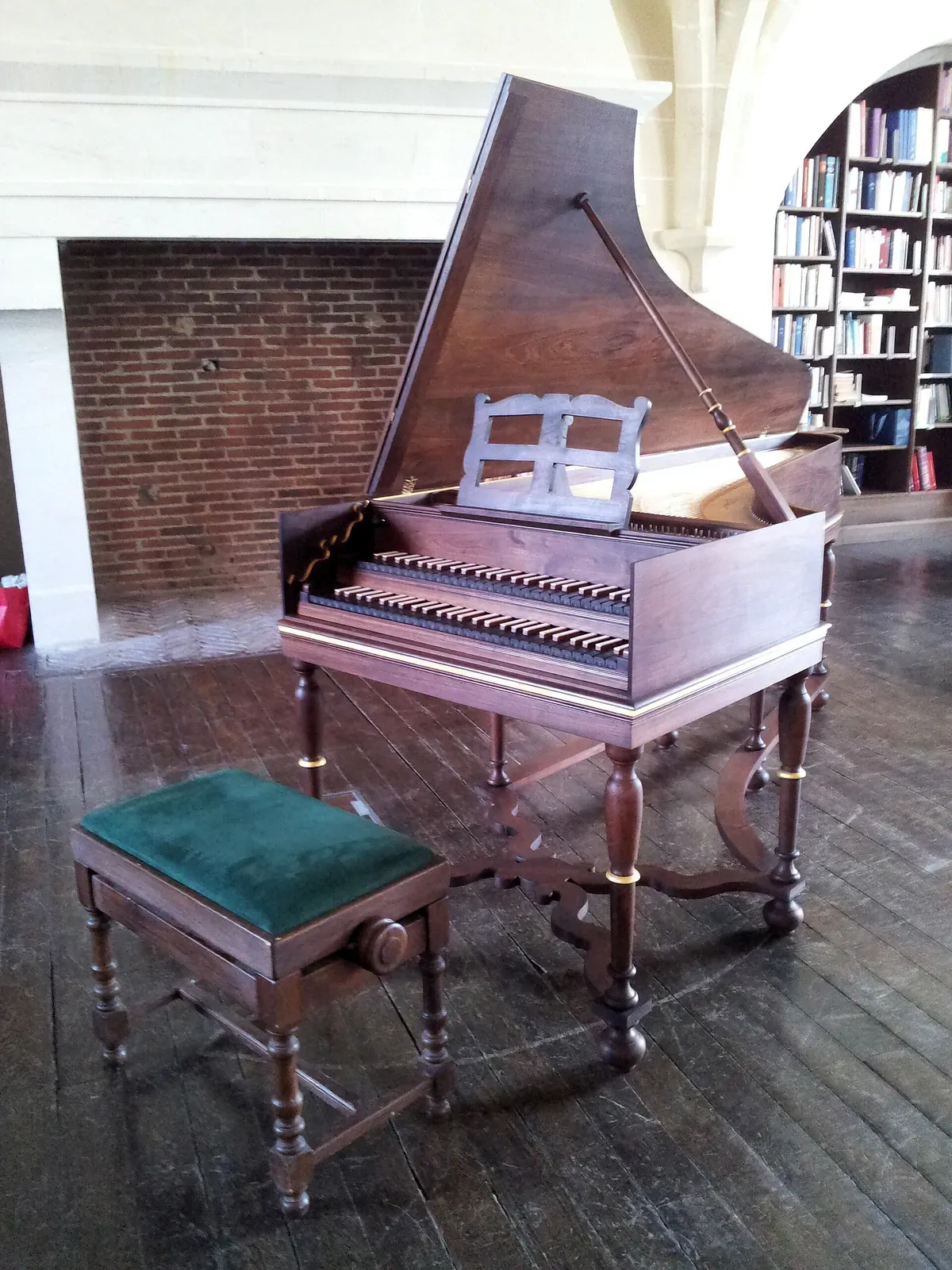
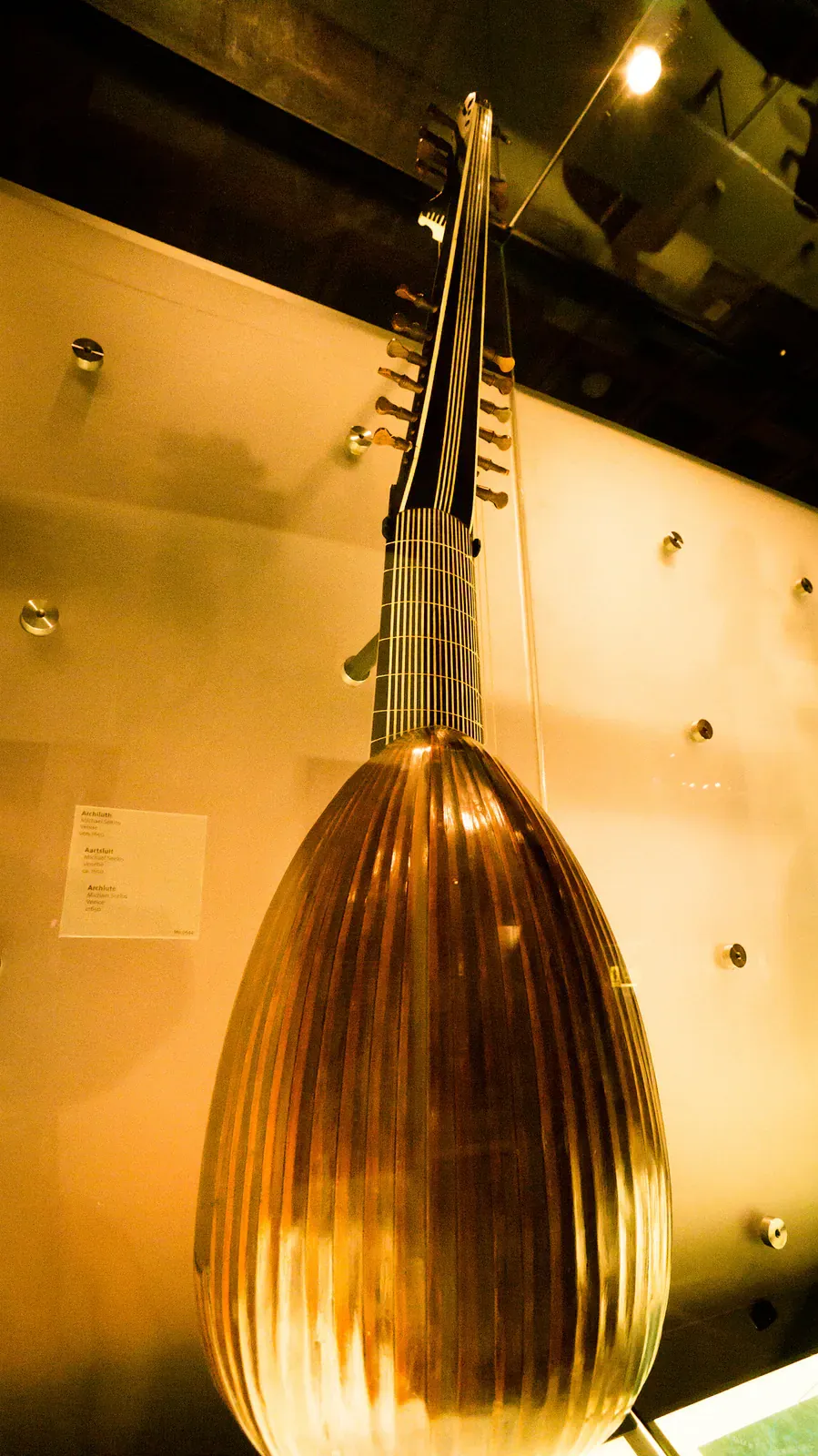
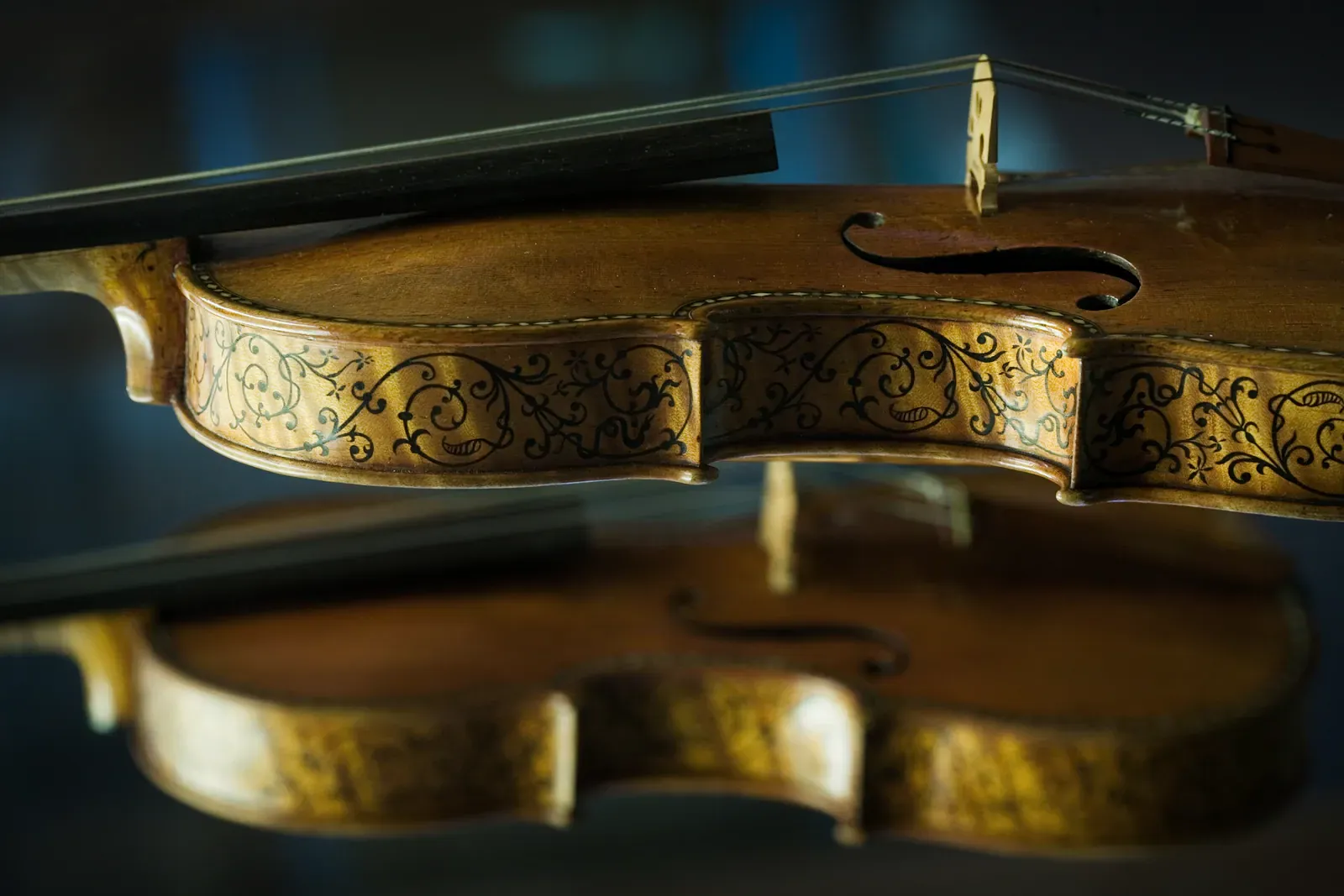
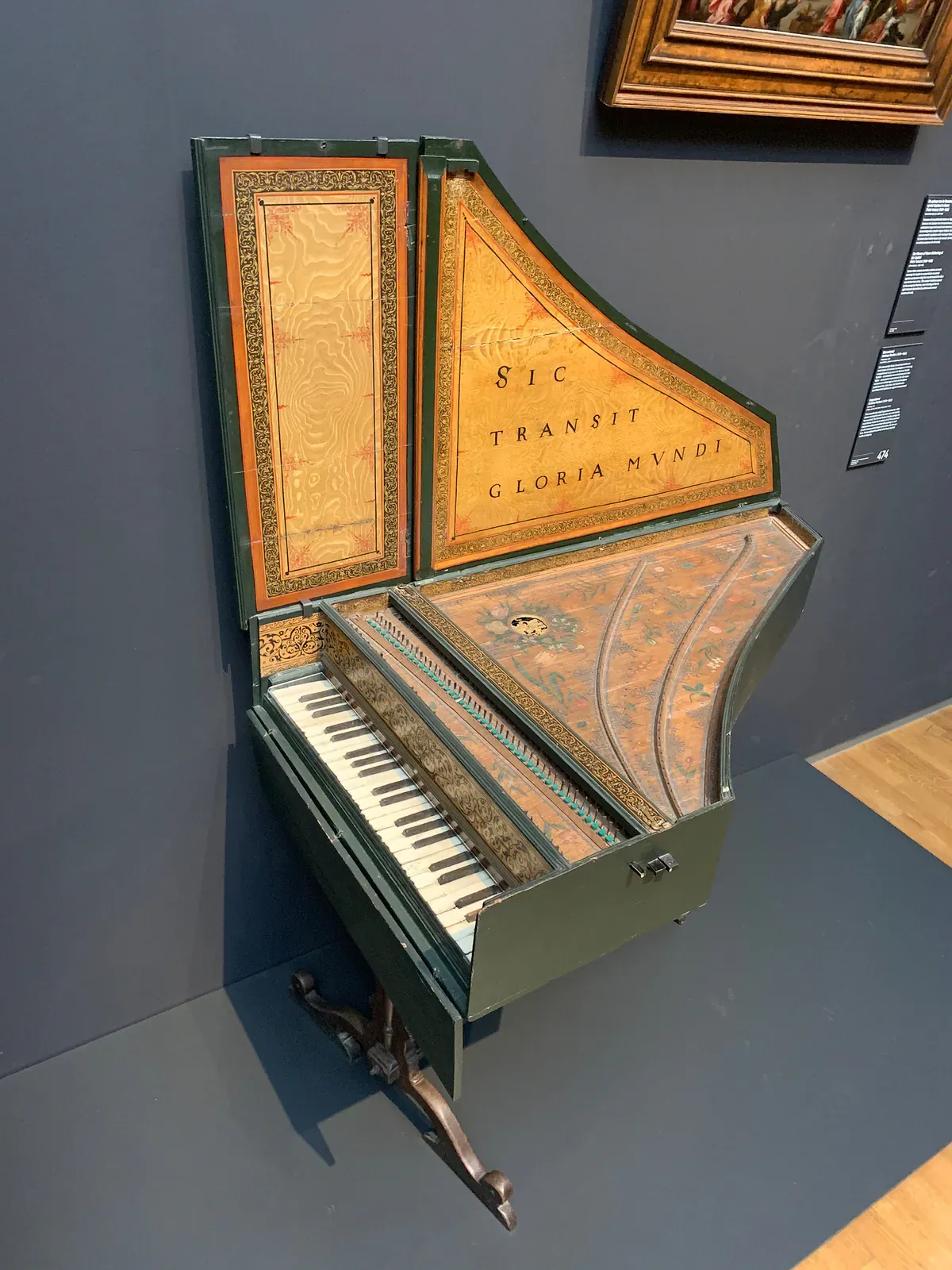
The harpsichord, pipe organ, Baroque violin, viola da gamba, theorbo and lute, natural trumpet, Baroque oboe, recorder and cello are the core. Period-instrument groups use gut strings and valveless brass to match the original sound.
Where can a beginner start with Baroque music?
Try Vivaldi’s Spring from The Four Seasons, the Prelude of Bach’s Cello Suite No. 1, Handel’s Water Music and the Hallelujah chorus. For opera, listen to Purcell’s Dido’s Lament, then move to the wider classical tradition.
Sound
Sound sheet
Signature sounds
- Basso continuo: a bass line with harpsichord or organ chords under every texture
- Ritornello form: a returning orchestral theme between solo episodes
- Terraced dynamics: sudden loud and soft levels rather than gradual swells
- Fugal entries and sequences that spin a theme through several keys
- Ornamentation: trills and added notes, often improvised on repeats
- Da capo aria in opera and cantata
Drums and percussion
- Baroque timpani
Techniques
- Basso continuo
- Ornamentation
- Terraced dynamics
- Ground bass
- Ritornello form
- Da capo aria
- Fugal counterpoint
Tuning
Period-performance ensembles today commonly tune to A=415 Hz, about a semitone below modern pitch; a modern convention, not a single historical standard
Scenes
Where it happened
Where and when the sound lived: one bar per city on a shared timeline.
Europe
Active scenes
Peak 5, 1689-1750
Court circles around Peri and Caccini create opera and the sung-speech style.
The Gonzaga court where Monteverdi wrote L'Orfeo.
St Mark's, public opera and the orphanage choirs make it the music capital of Italy.
Corelli's circle of patrons and church posts shapes the sonata and concerto grosso.
Opera factory of Alessandro Scarlatti and a conservatoire tradition.
Louis XIV's court sets the French style of Lully, Marais and Couperin.
Purcell then Handel make London a market for opera and oratorio.
Bach is cantor of the Thomaskirche and writes most of his church cantatas.
Venues and places
Venice, 1637 to today. The first public opera house.
Venice, 1613 to today. Monteverdi directed its music from 1613.
Venice, 1703 to today. Girls' orphanage where Vivaldi taught violin and led concerts.
Versailles, 1682 to today. Royal court where French Baroque opera, ballet and chapel music were heard.
Leipzig, 1723 to today. Bach's church as cantor, with its choir school.
Dublin, 1742 to today. Where Handel's Messiah was first performed.
London, 1750 to today. Held annual charity performances of Messiah from 1750.
Culture
Culture markers
- Court dance suites
Allemande, courante, sarabande, minuet and gigue formed the dance suite that composers wrote for listening.
Dance - Powdered wigs
Court musicians and conductors wore periwigs in the style of Louis XIV and his imitators.
Fashion - Standing for the Hallelujah Chorus
Audiences traditionally stand; the custom is said to start with George II in 1743.
Ritual - Canon in D at weddings
Since the 1970s a standard processional piece at weddings.
Ritual - "Baroque"
The word probably comes from a Portuguese word for an irregular pearl and was first used as a mild insult.
Slang
Media
Key media
- 1968Switched-On Bach
by Wendy Carlos. Synthesizer versions of Bach pieces that introduced the Moog to a mass audience.
Compilation - 1975Barry Lyndon
by Stanley Kubrick. Uses Handel's Sarabande as a recurring theme.
Film - 1980Ordinary People
by Robert Redford. Used the Paillard Canon in D and spread it to a wide public.
Film - 1991Tous les matins du monde
by Alain Corneau. A drama about Marais and Sainte-Colombe that made the viola da gamba famous.
Film - 1994Farinelli
by Gerard Corbiau. A film about the castrato star of Baroque opera seria.
Film
Glossary
Terms on this page
The idea that a piece or movement should portray one clear emotion.
A bass line played by a cello or viol plus a chord instrument such as harpsichord, the engine of nearly all Baroque ensembles.
A concerto that contrasts a small group of soloists with the full string orchestra.
An A-B-A aria in which the singer repeats the first section with added ornaments.
A piece in which one theme enters in turn in every voice and is developed in counterpoint.
A short bass pattern repeated under changing melody, as in Purcell's Dido's Lament.
Sung speech that carries the plot in opera and oratorio, usually over continuo only.
A recurring orchestral theme in a concerto movement that alternates with solo episodes.
Classical family