Opera
Opera is drama told in song with an orchestra, born in Florence around 1598. From Monteverdi to Caruso and the Three Tenors.
Florence, 1598
Classical family
Born
1598
Florence
Subgenres
9
Documented branches
Links
13
Genres it drew on or shaped
Tempo
60-150 BPMLineage
Family tree
Grew out of
- Monody
Derived from
- Florentine Camerata
Derived from
Influenced by
Liturgical drama
Florence, 1598
Opera
Led to (9)
Timeline
Era by era
From the first sparks to today. Select a dot to read the story behind it.
- Court experiments
1597 to 1636
- Public opera and Baroque
1637 to 1750
- Reform and Classical balance
1751 to 1814
- Bel canto, Verdi and grand opera
1815 to 1869
- Wagner, verismo and Puccini
1870 to 1926
- Radio, records and the screen
1927 to 2026
Eras
Moments
- 1 Court experiments, 1597 to 1636
- 2 Public opera and Baroque, 1637 to 1750
- 3 Reform and Classical balance, 1751 to 1814
- 4 Bel canto, Verdi and grand opera, 1815 to 1869
- 5 Wagner, verismo and Puccini, 1870 to 1926
- 6 Radio, records and the screen, 1927 to 2026
around 1597
Court experiments
Florentine circles revive Greek drama and invent sung theatre; Monteverdi turns it into full drama at the Mantuan court.
- 1598Peri's Dafne in FlorenceGenerally cited as the first work in the new sung-drama form, born of the Florentine Camerata.
- 1607Monteverdi's L'Orfeo in MantuaFirst opera still regularly staged, with a full orchestra and a dramatic arc.
1637
Public opera and Baroque
Venice opens ticketed houses; opera seria, Lully's French tragedy and Handel's London seasons spread the form across Europe.
- 1637Teatro San Cassiano opens in VeniceFirst public opera house: paying audiences replace court invitations.
- 1711Handel's Rinaldo in LondonItalian opera seria arrives in England and makes Handel's London career.
around 1751
Reform and Classical balance
Gluck pushes for plain drama; Mozart blends comedy, ensemble and psychology in Italian and German works.
- 1762Gluck's Orfeo ed Euridice in ViennaOpening of Gluck's reform that put drama ahead of vocal display.
- 1791Mozart's The Magic FluteGerman-language singspiel with the Queen of the Night's famous coloratura arias.
1815
Bel canto, Verdi and grand opera
Rossini, Bellini and Donizetti make vocal line king; Verdi fuses it with drama; Paris stages spectacle.
- 1816Rossini's The Barber of Seville in RomeComic bel canto touchstone, famously jeered at its first night.
- 1831Bellini's Norma at La ScalaDefining bel canto tragedy; Casta diva became its calling card.
- 1842Verdi's Nabucco at La ScalaVerdi's breakthrough; Va, pensiero became a Risorgimento touchstone.
1870
Wagner, verismo and Puccini
Music drama, realistic verismo and Puccini's lyricism dominate, and Caruso's records take the voice beyond the theatre.
- 1875Bizet's Carmen at the Opera-ComiqueMet a mixed reception in Paris; Bizet died three months later, before it became a world favourite.
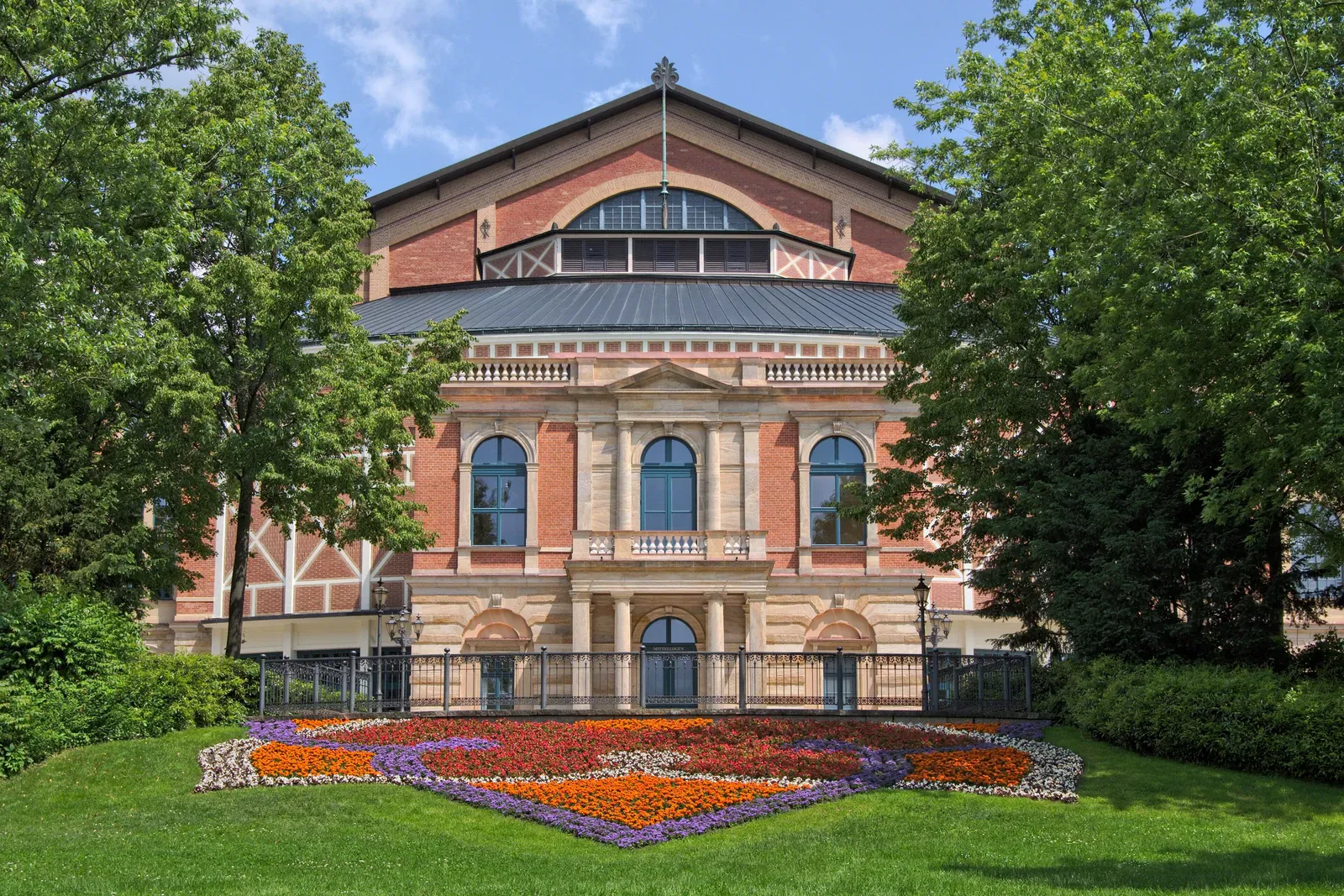
- 1876Wagner opens the Bayreuth FestspielhausPurpose-built house with a covered pit for the Ring cycle's first complete staging.
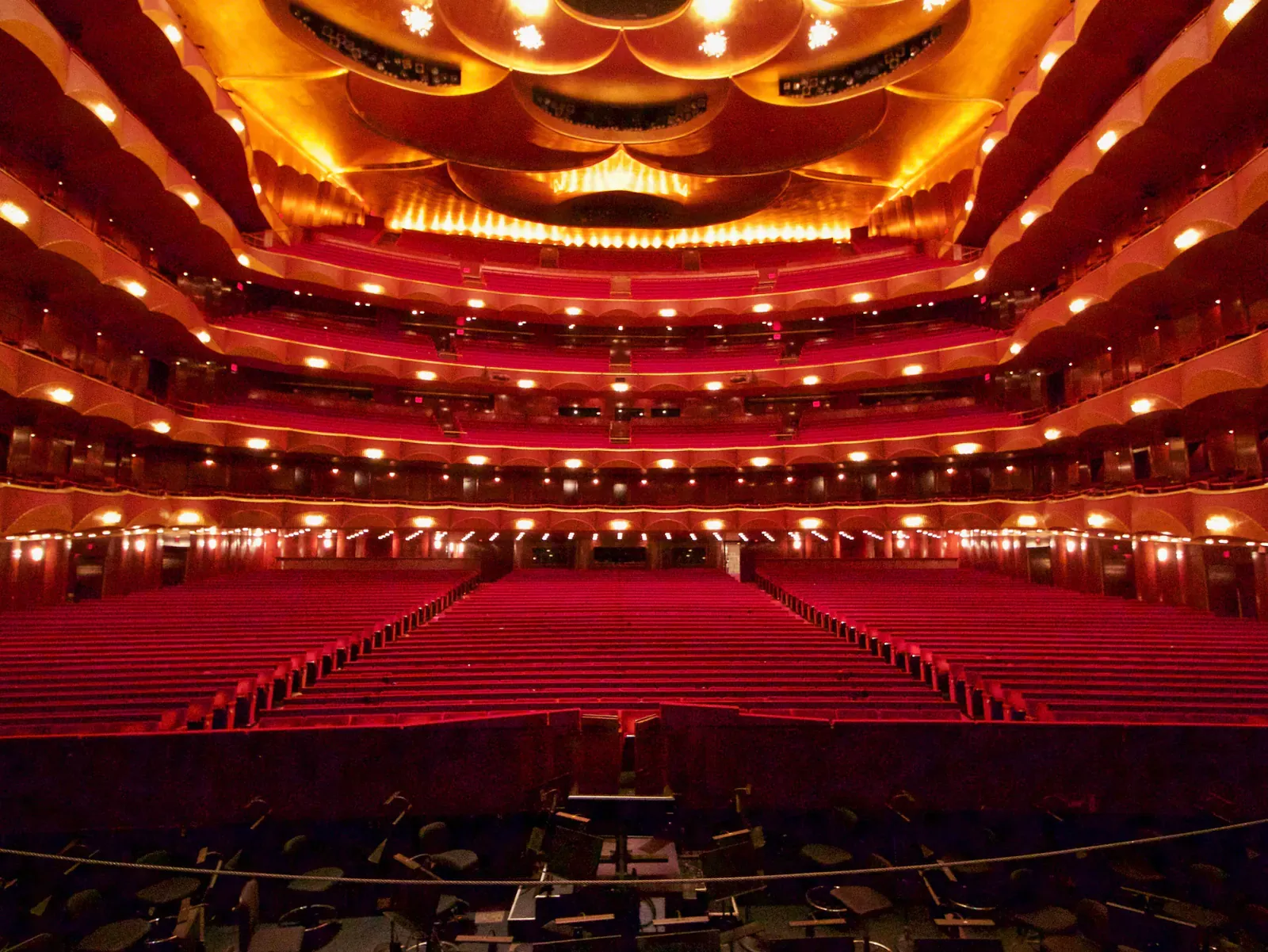
- 1883Metropolitan Opera opens in New YorkStarts the house that later made opera a mass medium in America.
- 1896Puccini's La boheme in TurinPremiered under Toscanini; it became one of the most performed operas ever.
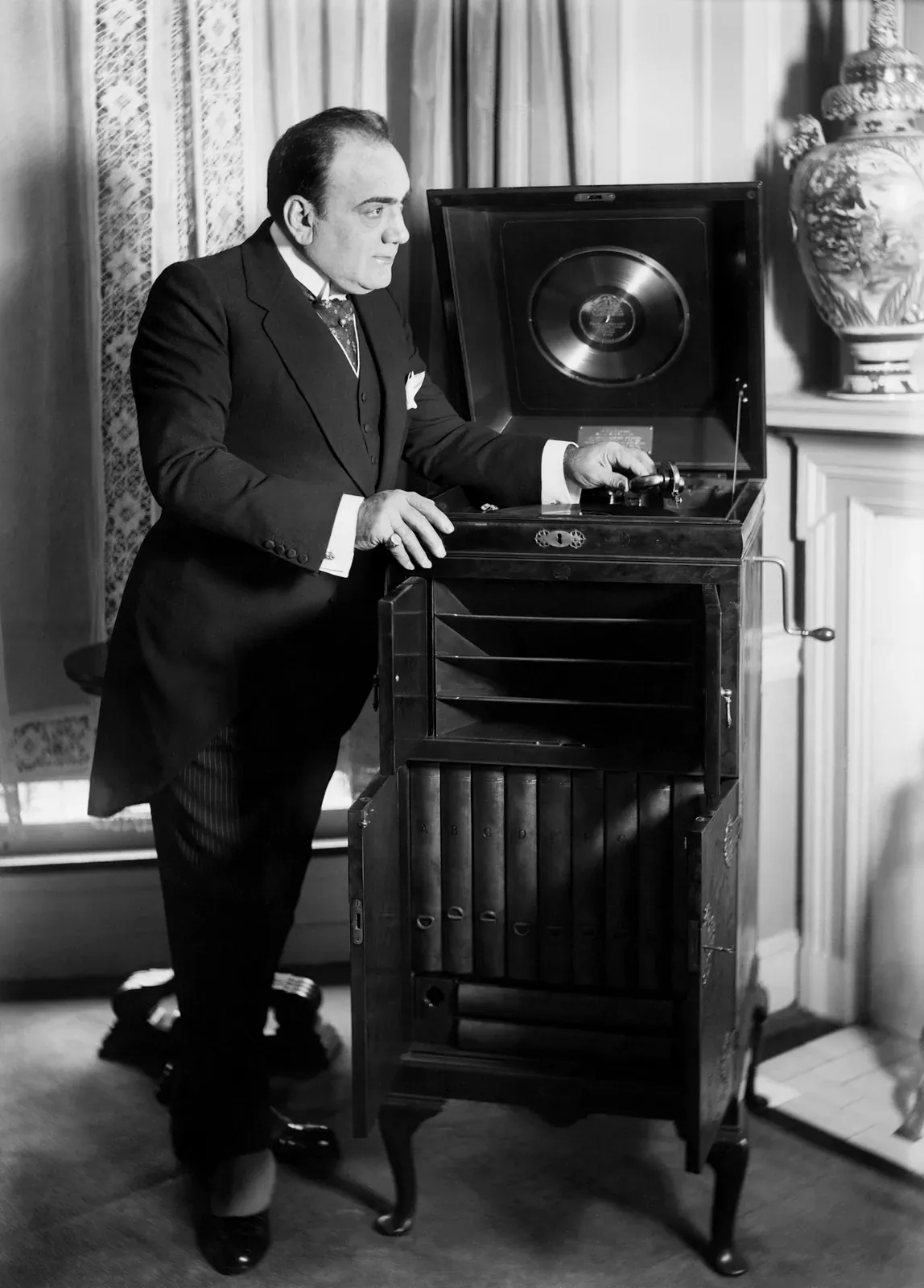
- 1902Caruso's first recordings in MilanSessions for the Gramophone Company began his recording career and the opera record business.
- 1907Caruso's Vesti la giubba sells a millionOften cited as the first million-selling record by a star singer.
- 1926Puccini's Turandot at La ScalaToscanini stopped at the point where the dying Puccini left off.
1927
Radio, records and the screen
Broadcast, LP, star tenors and cinema relays turn a house art into a global one while new works keep arriving.
- 1931Met Opera begins radio broadcastsSaturday matinee broadcasts reached listeners far beyond New York.
- 1949Callas sings I puritani in VeniceTurning point that launched her and the postwar bel canto revival.
- 1990The Three Tenors in RomePavarotti, Domingo and Carreras on the eve of the World Cup final; the album became a record seller.
- 2006Live in HD cinema transmissions beginOpera houses start beaming live performances to cinemas worldwide.
Listening path
Anthems
The records that built the sound, grouped by the part they played. Thumbnails come from YouTube; the player loads only when you press play.
- 01
Jordi Savall, 1607
Opening fanfare of the oldest opera still in the repertory; recording credited to Savall, a leading Monteverdi interpreter.
Origin - 02
Enrico Caruso, 1907 · Victor Talking Machine Company
Caruso's Victor disc is cited as the first million-selling record, taking opera to the phonograph public.
Breakthrough - 03
Luciano Pavarotti, 1990 · #2 UK Singles, 1990 · Decca Classics
Three Tenors Rome concert, 7 July 1990, credited to Pavarotti; it became the World Cup theme and took opera to stadium crowds.
Start hereBreakthrough - 04
Cecilia Bartoli, 1711
Handel's most loved aria; recording credited to Bartoli, the singer behind the modern Baroque revival.
Anthem - 05
Diana Damrau, 1791
Queen of the Night showpiece; recording credited to Damrau, from the Royal Opera House channel.
Anthem - 06
Peter Mattei, 1816
Rossini's comic patter entrance for Figaro; recording credited to Mattei, from the Metropolitan Opera channel.
Anthem - 07
Maria Callas, 1831
Bellini's prayer to the moon, the bel canto test piece that Callas made hers.
Anthem - 08
Giuseppe Verdi, 1842
Chorus of the Hebrew slaves that became Italy's unofficial anthem; recording from Teatro La Fenice, credited to Verdi.
Anthem - 09
Luciano Pavarotti, 1851
Verdi's catchy tenor aria, in Pavarotti's recording, the best-known tune of the Italian repertory.
Anthem - 10
Richard Wagner, 1870 · Deutsche Grammophon
Orchestral peak of the Ring, recording credited to Wagner on Deutsche Grammophon's Met Orchestra video.
Anthem - 11
Maria Callas, 1875
Bizet's seductive entrance song for Carmen, sung by Callas; an easy way into French opera.
Start hereAnthem - 12
Giacomo Puccini, 1918
Puccini's short, tender soprano aria, an easy entry point; recording from La Fenice, credited to Puccini.
Start hereAnthem
Facts
| Family | Classical |
| Origin | Florence, Italy |
| Emerged | C. 1598 onward |
| Status | Active |
| Tempo | 60 to 150 BPM |
| Meter | varies |
| Grew out of | Monody, Florentine Camerata |
| Subgenres | 8 |
Opera is a staged drama in which the words are sung, almost without a break, to an orchestra. It began in Florence around 1598, when a circle of scholars and musicians tried to bring back the sung theatre of ancient Greece, and it has run for more than four centuries since.
It matters because nearly every later way of telling a story in song, from film scores to stage musicals, borrowed something from it.
Origins: Florence and Mantua, 1597-1636
In the 1590s a group of Florentine thinkers, later called the Camerata, argued that Greek tragedy had been sung and that modern music had lost the power to move people with words. Jacopo Peri’s Dafne, from around 1598, is generally cited as the first work built on that idea: a single voice following the rhythm of speech over simple chords, instead of the layered polyphony of the day.
Claudio Monteverdi turned the experiment into drama. His L’Orfeo, staged at the Gonzaga court in Mantua in 1607, added a full orchestra, choruses, dances and a story with a real arc, and it is the oldest opera still staged regularly.
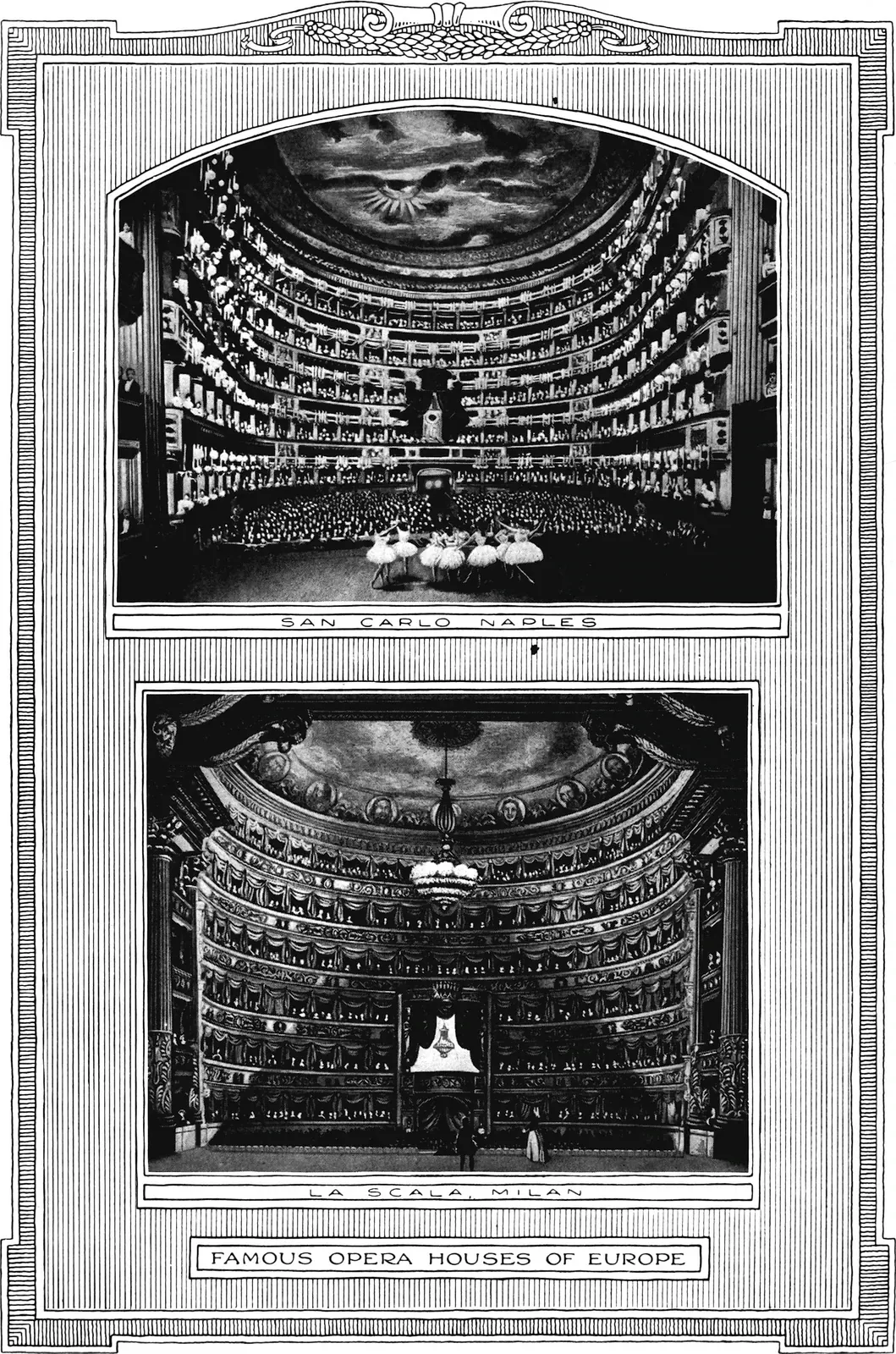
Public opera and Baroque, 1637-1750
Everything changed in 1637, when the Teatro San Cassiano opened in Venice and sold tickets. Opera now needed a crowd that would pay again and again, so composers wrote hits and impresarios hired stars. Monteverdi, by then in Venice, wrote his last operas for this new public.
The form spread by exports. In Paris, Lully’s Academie, founded in 1672, built a French tragedy in music with dance and choruses at its centre. In London, Handel’s Rinaldo of 1711 brought Italian opera seria to English audiences: long, formal works made of recitative and da capo arias (A-B-A, with the singer free to decorate the return of A).
Reform and Classical balance, 1751-1814
By the middle of the 1700s many critics found opera too full of vocal fireworks. Gluck’s Orfeo ed Euridice, staged in Vienna in 1762, put plain drama ahead of display. Mozart then fused comedy, ensemble writing and psychological insight in operas such as The Marriage of Figaro, Don Giovanni and, in 1791, the German-language The Magic Flute. The Queen of the Night’s coloratura aria “Der Holle Rache” is still one of the hardest and most famous pieces of vocal writing.
Bel canto, Verdi and grand opera, 1815-1869
After 1815 the voice became king. Rossini’s The Barber of Seville, first heard in Rome in 1816, was booed on its opening night and still became the comic touchstone of the age. Bellini’s Norma, which opened at La Scala in 1831, set the standard for tragic bel canto, a style that prized a smooth line, agility and beautiful tone. Giuseppe Verdi’s Nabucco, at La Scala in 1842, made him the leading Italian composer, and over the next decades he fused the singer’s line with real drama. Meanwhile Paris built grand opera: five acts, huge choruses, spectacle and, because the audience expected it, a ballet in the middle. The Palais Garnier, which opened in 1875, was built for exactly that kind of evening.
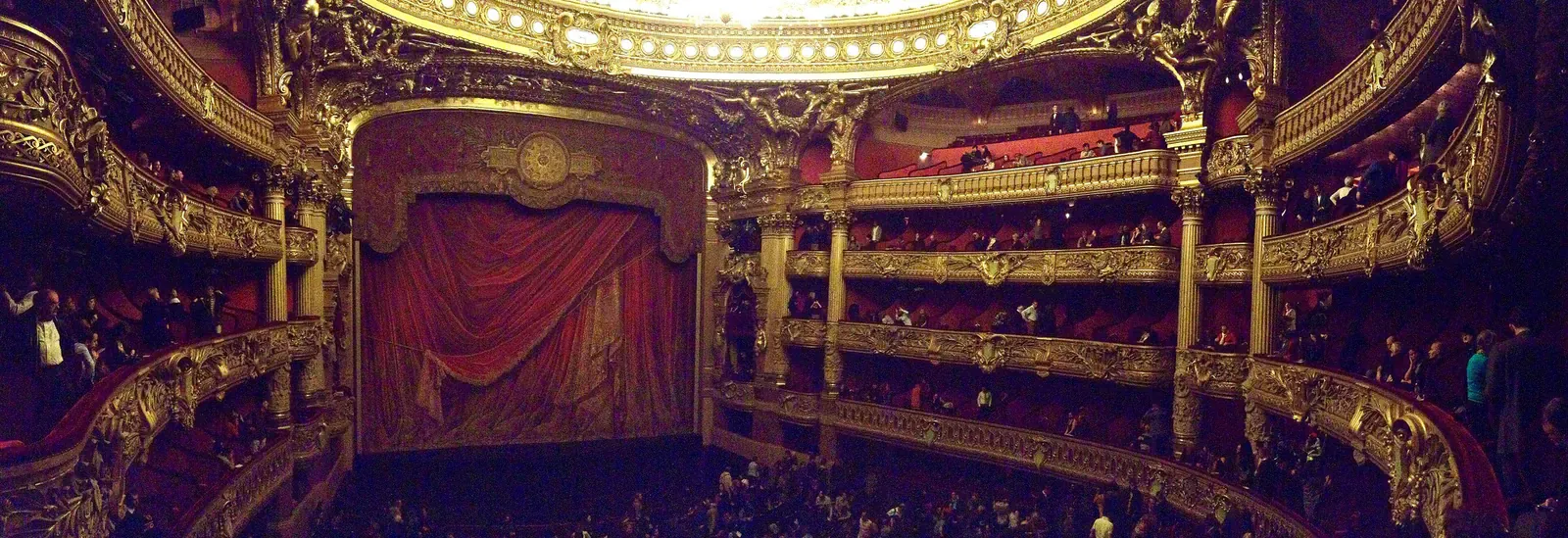
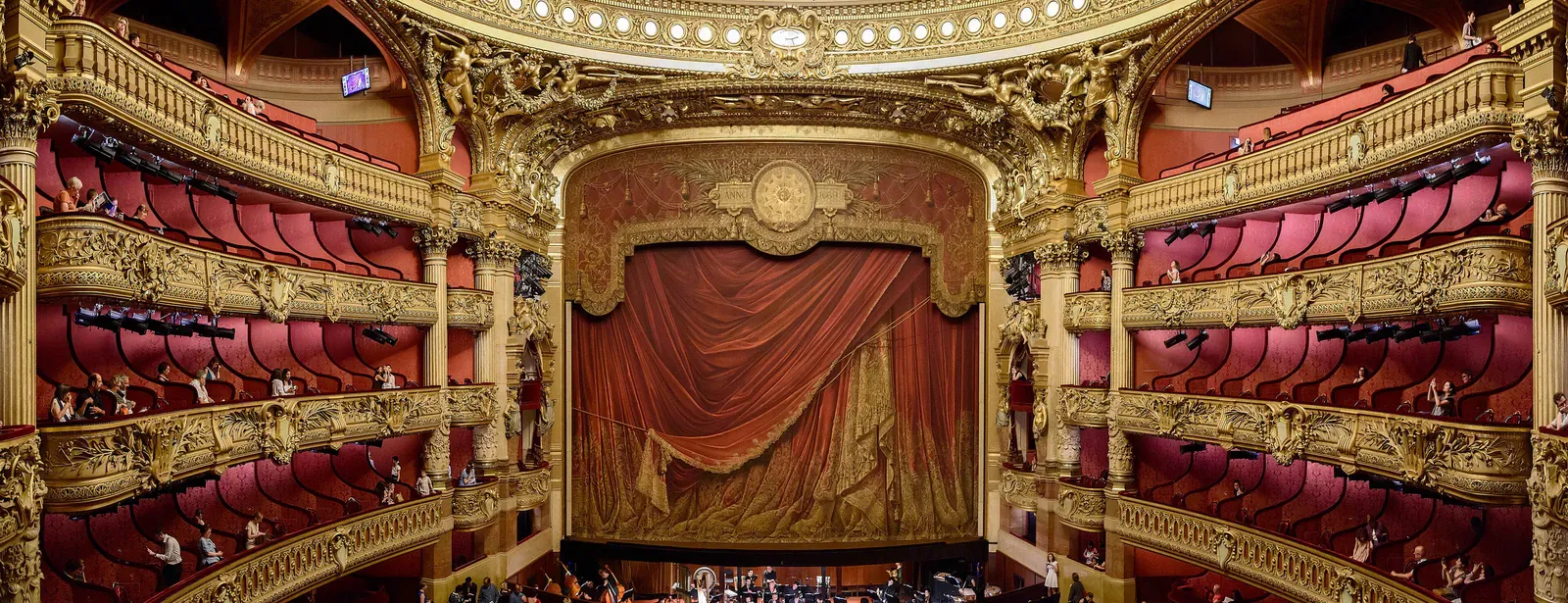
That same year Bizet’s Carmen opened at the Opera-Comique in Paris to a mixed reception, and Bizet died three months later, before it became a world favourite.
Wagner, verismo and Puccini, 1870-1926
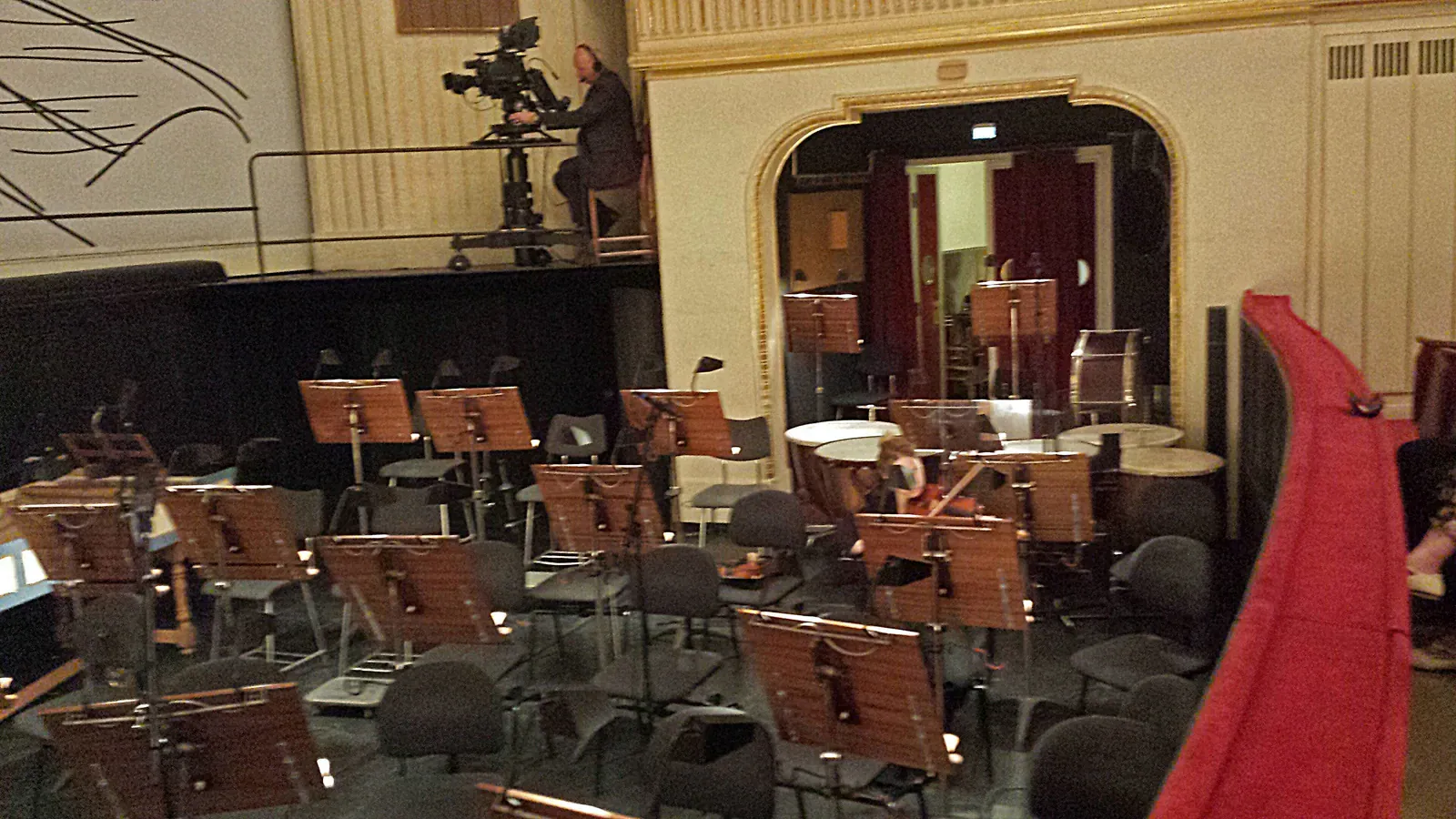
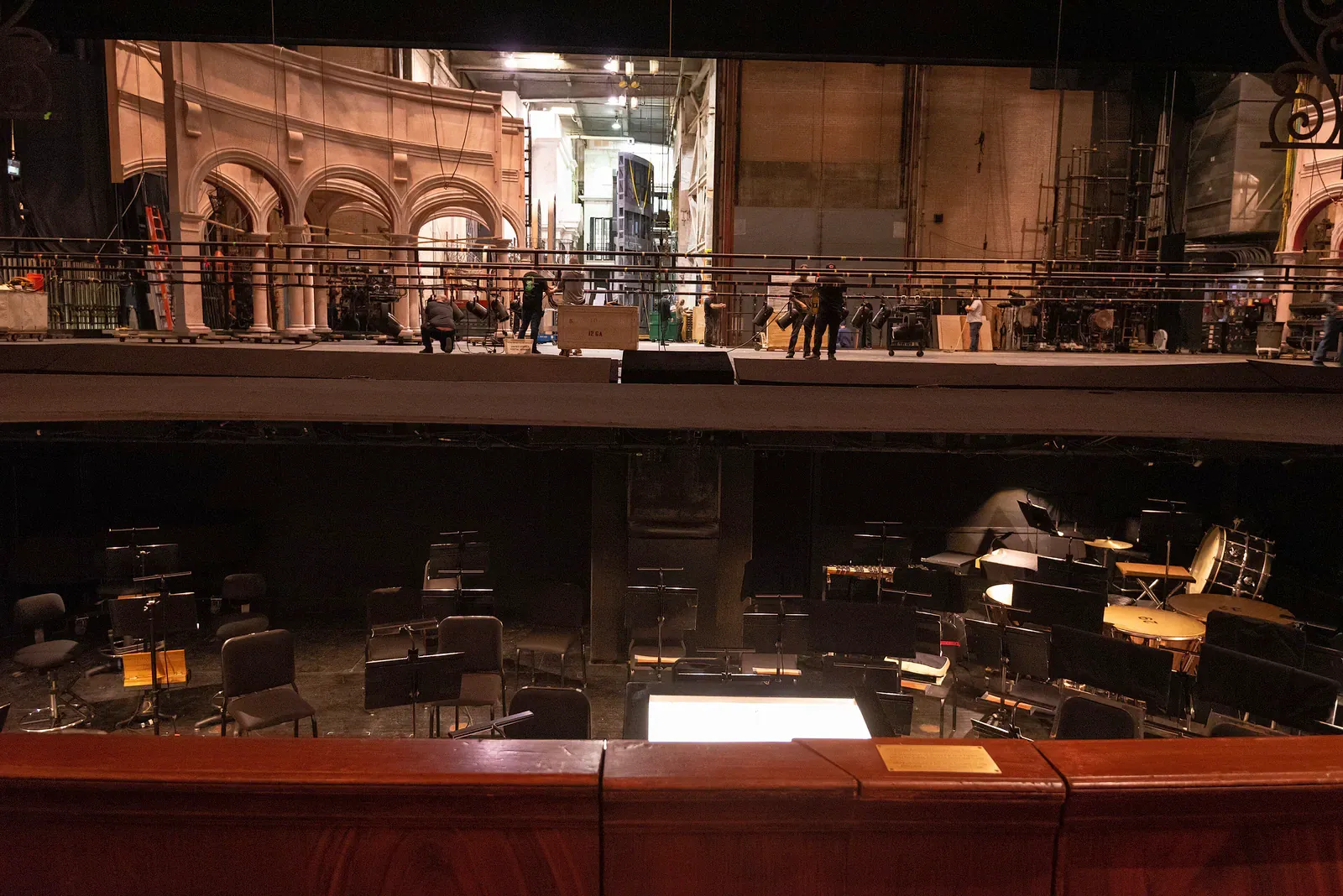
Richard Wagner rebuilt the form. He wanted continuous music with no stops for applause, an orchestra that told the story as much as the singers, and leitmotifs, short themes tied to a person or an idea. In 1876 he opened his own theatre in Bayreuth for the first complete staging of the Ring cycle, and designed it with a covered pit so the audience hears the orchestra but cannot see it.
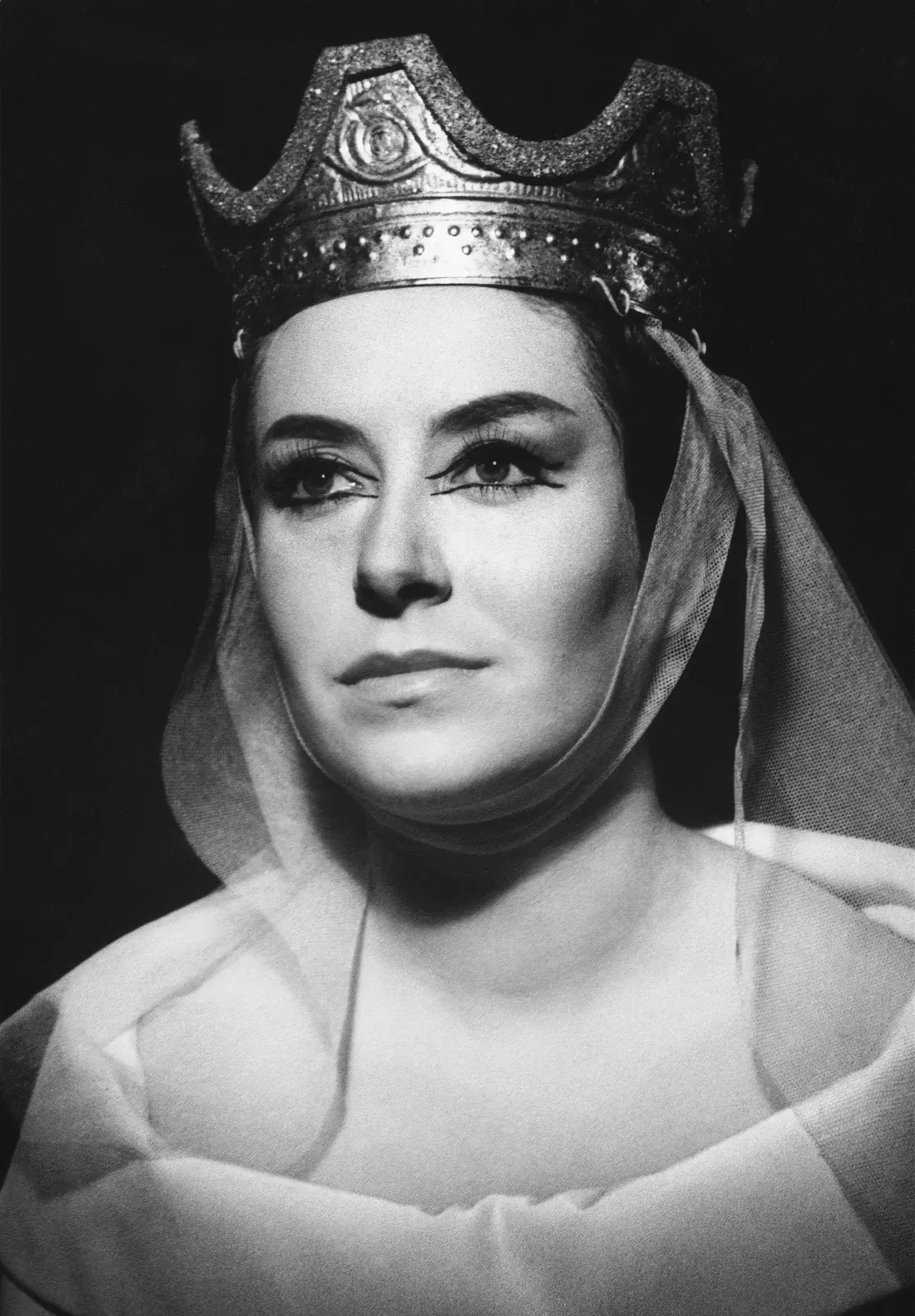
In Italy the answer was verismo, which staged raw, everyday stories, and Giacomo Puccini’s melodic gift. La boheme premiered in Turin in 1896 under a young Arturo Toscanini, and Turandot was left unfinished when Puccini died. At its La Scala premiere in 1926 Toscanini stopped the performance at the point where Puccini’s own music ended. The next year, in 1927, opera began its media age.
Radio, records and the screen, 1927-2026
The first break from the opera house was a record. Enrico Caruso made his first recordings in Milan in 1902, and his “Vesti la giubba” for the Victor company in 1907 is often cited as the first million-selling disc by a star singer. For the first time a voice could be owned, and the tenor, not the composer, became opera’s biggest popular star.
Radio widened the circle. The Metropolitan Opera began Saturday broadcasts in 1931, and families who would never see the New York house could follow an opera at home. After the Second World War, the LP and the studio recording made a second wave of stars. Maria Callas’s rise began in 1949, when she sang I puritani in Venice, and her studio sets for EMI fixed her Tosca and Norma for generations. Decca’s Solti Ring, begun in 1958, was the first complete studio Ring.
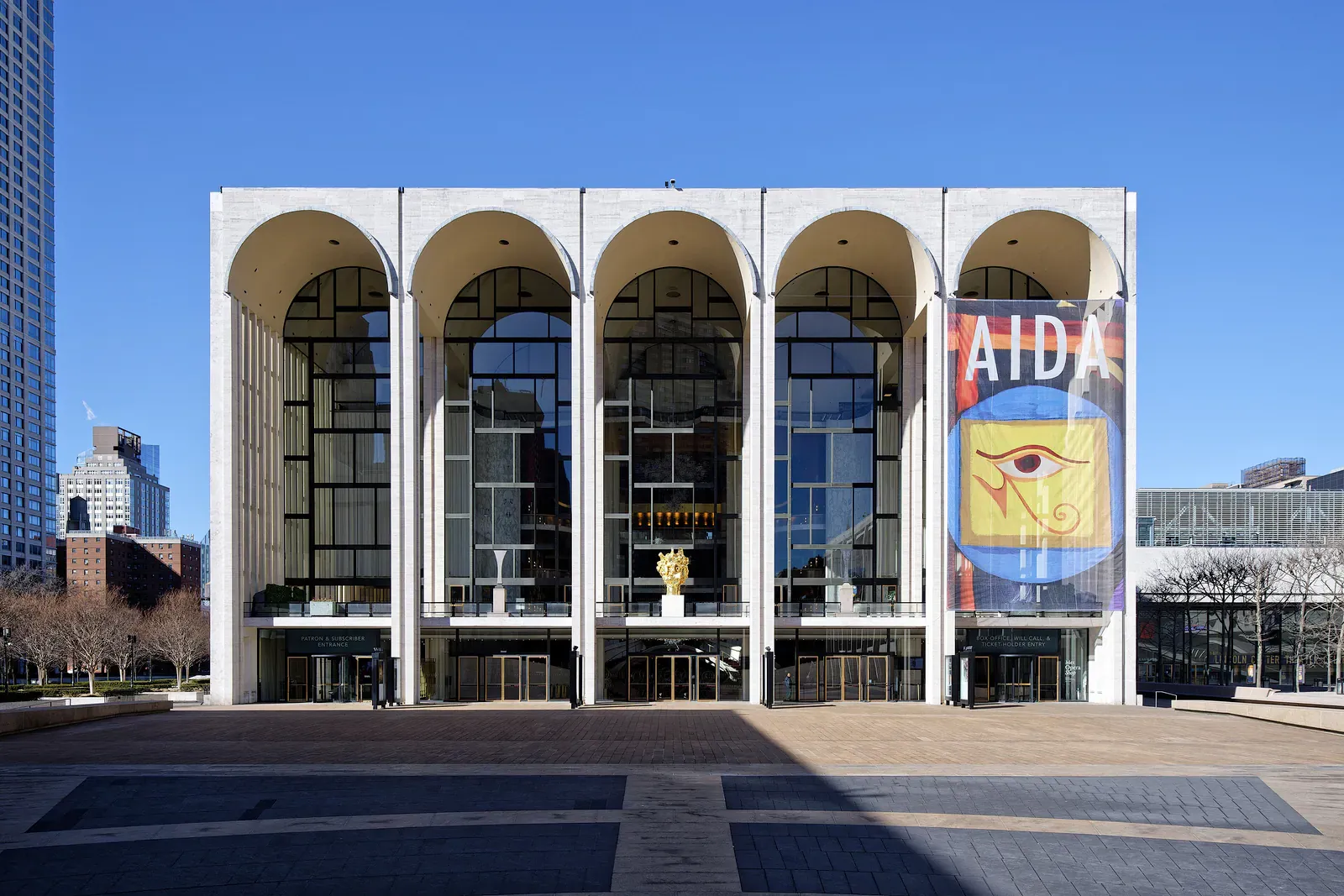
The biggest crowd came in 1990. José Carreras, Placido Domingo and Luciano Pavarotti sang together in Rome on the eve of the World Cup final, and the album is widely cited as the best-selling classical album ever. Cinema relays followed: from 2006 the Met began beaming live performances to cinemas, taking opera to rooms that had never held a stage.
Notable recordings
“Va, pensiero” (Nabucco, 1842). The chorus of Hebrew slaves, longing for their homeland, struck a nerve in a divided Italy ruled in part by Austria. Audiences came to hear it as a song about their own country, and it became an unofficial anthem of the movement for Italian unity. “Casta diva” (Norma, 1831). Bellini’s prayer to the moon is a test of breath control and line. Callas made it hers: her EMI recording under Tullio Serafin, made in 1954, is the version most singers measure themselves against.
“Nessun dorma” (Turandot, 1926). The tenor aria sung by Prince Calaf was written in Puccini’s last years and left in the final act that others completed. Pavarotti’s recording with Joan Sutherland and Zubin Mehta, made for Decca in 1972, brought it to the pop audience, and when the BBC chose it as the theme of its 1990 World Cup coverage, a Rome performance on the Three Tenors album carried it to the charts. In the UK it peaked at number 2.
Culture
Audiences shout “bravo” for a man, “brava” for a woman, and boo a poor night. The high gallery at La Scala, the loggione, is famous for its harsh verdicts, and the tenor Roberto Alagna was booed during Aida there in 2006 and walked off mid-performance. Opening nights and galas keep black tie and evening dress alive.
The vocabulary escaped the house: “prima donna” now means any demanding star.
Misconceptions
Myth: Opera was always for the rich. Court opera was, but the Venice houses of 1637 sold tickets to anyone who could pay. Caruso’s discs, the Met’s radio shows and the 1990 Rome concert show how often opera has had a mass audience.
Myth: Opera is sung in a language no one in the house follows. Since surtitles were first used by the Canadian Opera Company in 1983, a translation sits above the stage in most houses.
Myth: Opera stopped with Puccini. New operas keep arriving, from Philip Glass’s Einstein on the Beach in 1976 to John Adams’s Nixon in China in 1987.
Frequently asked questions
What is opera?
Opera is a theatre work in which singers perform the whole drama to orchestral accompaniment. It mixes arias, which express feeling, with recitative, which moves the plot, plus ensembles and choruses. It belongs to the wider family of classical music.
When and where did opera begin?
Opera began in Florence around 1598 with Jacopo Peri’s Dafne. Monteverdi’s L’Orfeo, staged in Mantua in 1607, is the oldest opera still regularly performed.
What is the difference between opera and a musical?
Opera is usually sung throughout and written for trained voices that carry over an orchestra without amplification in the house. A stage musical mixes songs with spoken dialogue and often uses microphones. Both belong to the stage world covered under stage and screen.
Which opera should a beginner hear first?
A single aria is a better start than a whole night. Bizet’s Habanera from Carmen, Puccini’s “O mio babbino caro” from Gianni Schicchi and “Nessun dorma” from Turandot are the easiest ways in, and a recording on a label such as Decca Classics or Deutsche Grammophon offers a full opera for the next step.
Sound
Sound sheet
Signature sounds
- Aria and recitative alternate: song for feeling, sung speech for plot
- Overture or prelude introducing themes before the curtain rises
- Da capo aria (A-B-A) in Baroque opera seria
- Ensembles and big act finales where several characters sing at once
- Cabaletta: fast closing section after a slow aria in bel canto
- Leitmotif network and continuous music in Wagner's music dramas
Drums and percussion
- Timpani
Techniques
- Recitativo secco
- Recitativo accompagnato
- Da capo ornamentation
- Bel canto legato
- Coloratura
- Leitmotif
Keys and modes
Major and minor tonality. Common-practice keys, with the key of an aria chosen to suit the singer's range and the mood.
Chromatic and extended harmony. Wagner's late works stretch tonality with unresolved chromatic harmony, as in the Tristan chord.
Tuning
A=415 for Baroque ensembles; A=440 to 444 in modern orchestras
Vocals
Trained voices in set ranges: soprano, mezzo-soprano, contralto, tenor, baritone and bass
Scenes
Where it happened
Where and when the sound lived: one bar per city on a shared timeline.
Europe
North America
Active scenes
Peak 5, 1883-2025
Camerata and Medici court where sung drama began with Peri and Caccini.
Gonzaga court that staged Monteverdi's L'Orfeo.
Home of the first public opera houses and Monteverdi's late works.
La Scala, premiere house for Verdi, Puccini and many bel canto works.
Gluck's reform and Mozart's operas, later the Hofoper and Staatsoper.
Lully's Academie, then grand opera and the Palais Garnier.
Wagner's festival house, devoted to his music dramas.
The Metropolitan Opera, recording and broadcast capital of opera.
Venues and places
Venice, 1637 to today. First public opera house, opened with Manelli's L'Andromeda.
Milan, 1778 to today. Opened in 1778 and hosted premieres of Nabucco, Otello and Turandot.
Venice, 1792 to today. Premiered Rigoletto and La traviata; rebuilt after its 1996 fire.
Naples, 1737 to today. One of the oldest working opera houses, centre of Neapolitan opera.
London, 1732 to today. London's main opera house; the present building dates from 1858.
Vienna, 1869 to today. Imperial court opera that became a global centre for Mozart and Strauss.
Paris, 1875 to today. Opulent home of French grand opera.
Bayreuth, 1876 to today. Wagner's own festival theatre, opened with the Ring.
New York, 1883 to today. America's largest opera company, home of radio and cinema broadcasts.
Culture
Culture markers
- Bravo, brava and booing
Audiences shout approval or disapproval; the La Scala loggione gallery is famous for it.
Ritual - Black tie and evening dress
Gala nights keep formal dress alive, as at premieres and opening nights.
Fashion - Prima donna
Leading female singer, a term that entered English for a demanding star.
Slang - It ain't over till the fat lady sings
Idiom drawn from the stereotype of the large soprano in Wagner's Ring finale.
Slang - Chagall's ceiling at the Palais Garnier
Marc Chagall painted the opera house ceiling in 1964, honouring composers and works.
Artwork - Ballet inside French grand opera
Paris audiences expected a ballet in the middle of an opera, which shaped many scores.
Dance
Media
Key media
- 1931Metropolitan Opera Saturday broadcasts
by Metropolitan Opera. Weekly radio relay that built a national opera audience.
Radio - 1967Ring Resounding
by John Culshaw. Producer's account of making the Solti Decca Ring.
Book - 1982Fitzcarraldo
by Werner Herzog. Film about a man obsessed with bringing Caruso's opera to the Amazon.
Film - 1990Pretty Woman
by Garry Marshall. Its opera-house scene with La traviata introduced many viewers to opera.
Film - 1990Carreras Domingo Pavarotti in Concert
by The Three Tenors. Decca live album, the best-selling classical album ever.
Compilation - 1993Philadelphia
by Jonathan Demme. Callas's La mamma morta powers a pivotal scene.
Film - 1994The Shawshank Redemption
by Frank Darabont. The Marriage of Figaro duet over the prison yard is a classic opera film moment.
Film
Glossary
Terms on this page
A song for one voice with orchestra where a character stops to express feeling.
Early 1800s Italian style prizing smooth line, agility and beautiful tone.
Ornate, fast, high vocal writing such as the Queen of the Night's arias.
A recurring musical theme tied to a person, object or idea, central to Wagner.
The text of an opera, written by a librettist and set by the composer.
Orchestral opening piece, often built from tunes heard later in the work.
Sung speech that moves the plot, accompanied by continuo (secco) or orchestra (accompagnato).
Late 19th-century Italian movement staging raw, realistic everyday stories.
Classical family