Stage & Screen
Stage and screen music is written for theatre, film, TV, games and anime. Follow it from 1850s music halls to Hamilton and streaming scores.
93 genres
Since 1850
Genres
93
In this family
Branches
11
Main subgenres
Since
1850
Music hall, vaudeville and operetta
Timeline
Era by era
From the first sparks to today. Select a dot to read the story behind it.
- Music hall, vaudeville and operetta
1850 to 1926
- Sound film and the Broadway golden age
1927 to 1959
- Television, pop and concept shows
1960 to 1976
- Blockbusters, megamusicals and game chips
1977 to 1999
- Hybrid scores and game orchestras
2000 to 2014
- The streaming era
2015 to 2026
Eras
Moments
- 1 Music hall, vaudeville and operetta, 1850 to 1926
- 2 Sound film and the Broadway golden age, 1927 to 1959
- 3 Television, pop and concept shows, 1960 to 1976
- 4 Blockbusters, megamusicals and game chips, 1977 to 1999
- 5 Hybrid scores and game orchestras, 2000 to 2014
- 6 The streaming era, 2015 to 2026
1850
Music hall, vaudeville and operetta
Variety halls, cabarets and book shows build the commercial stage, while silent cinema leans on live pianists, organists and compiled scores.
- 1852Canterbury Hall opens in LondonCharles Morton's Lambeth venue is widely cited as the first purpose-built music hall.
- 1866The Black Crook opens in New YorkA melodrama with songs and dancers runs over 400 performances and is often named the seed of American musical theatre.
- 1881Le Chat Noir opens in MontmartreRodolphe Salis's club gives Paris cabaret its model of songs, satire and shadow theatre.
- 1908Saint-Saens scores L'assassinat du duc de GuiseAn early original orchestral score written for a film rather than compiled from existing pieces.
- 1926Vitaphone sound-on-disc debutsWarner Bros. pairs synchronized recorded music with film, a step toward the talkies.
1927
Sound film and the Broadway golden age
Talking pictures create the film composer as a trade, and Broadway integrates songs into story. Cast albums and soundtrack albums become products in their own right.
- 1927The Jazz Singer and Show BoatSound film and the Kern and Hammerstein show both arrive in 1927, setting the two tracks of the field.
- 1933Max Steiner scores King KongA full symphonic score with recurring themes becomes the template for Hollywood scoring.
- 1943Oklahoma! opens and Decca issues the cast albumThe song-and-story integrated show and its album set the pattern for later cast recordings.
- 1946MGM Records launchesCreated to release recordings from MGM's films, it issues early soundtrack albums such as Till the Clouds Roll By.
- 1957West Side Story opens on BroadwayBernstein's score and Sondheim's lyrics bring jazz, Latin rhythm and dance to a tragedy.
- 1958Peter Gunn brings jazz to televisionHenry Mancini's score for the series becomes a hit album, and the TV theme gains pop status.
1960
Television, pop and concept shows
Television themes reach millions weekly, European composers redefine the film score, and rock and concept albums reshape the stage musical.
- 1960Herrmann scores Psycho for strings aloneThe shrieking violin cue shows how music can drive fear without any other instrument.
- 1963Astro Boy premieres on Japanese televisionThe first long-running TV anime series sets the habit of theme songs and original scores for anime.
- 1966Morricone scores The Good, the Bad and the UglyWhistles, electric guitar and voices reshape the western score and film music far beyond Italy.
- 1968Hair opens on BroadwayThe rock musical brings amplified bands and counterculture themes to the commercial stage.
- 1970Jesus Christ Superstar released as a concept albumLloyd Webber and Tim Rice raise money for the stage show through a rock album first.
1977
Blockbusters, megamusicals and game chips
Symphonic film scores return with Star Wars, London and New York export sung-through spectacles, and video games and anime grow their own composer cultures.
- 1977John Williams scores Star WarsThe London Symphony Orchestra score revives the leitmotif tradition and sells in huge numbers.
- 1985Koji Kondo writes Super Mario Bros. musicA few looping tunes on Nintendo hardware become the best-known game melodies.
- 1986The Phantom of the Opera opens in LondonA sung-through romantic score runs for decades and defines the megamusical.
- 1987Final Fantasy launches with Uematsu's scoreNobuo Uematsu's themes start a series whose music later fills concert halls.
- 1994Zimmer scores The Lion KingThe score wins an Oscar and, with the songs, turns a film soundtrack into a stage hit.
- 1997Titanic and Final Fantasy VII scores sell worldwideOrchestral film music and CD-based game scores both reach mainstream charts.
- 1998Cowboy Bebop airs with Yoko Kanno's jazz scoreA jazz-based anime score finds an international audience and soundtrack-album sales.
2000
Hybrid scores and game orchestras
Samplers blend with live orchestras in film, game scores move to concert halls, and soundtrack labels shift from CDs to digital and boutique vinyl.
- 2010Inception and the Zimmer hybrid soundBrass blasts and electronics define a loud, synth-and-orchestra style much imitated in trailers.
2015
The streaming era
Hamilton and Encanto turn cast and film songs into chart hits, streaming series commission scores at scale, and game and anime music reach global playlists.
- 2015Hamilton opens on BroadwayHip-hop, R&B and show tunes in a sung-through score yield a chart-topping cast album.
- 2018Concord acquires Varese SarabandeThe film and television score label joins Concord's Craft Recordings group.
- 2019Sony Music Masterworks acquires Milan RecordsAnother independent soundtrack label joins a major group.
- 2022We Don't Talk About Bruno tops the Hot 100An Encanto song written by Lin-Manuel Miranda reaches number one on the US Billboard Hot 100.
Facts
| Genres in the family | 93 |
| Main branches | 11 |
| Emerged | 19th century onward |
| Tempo | 65 to 160 BPM |
Stage and screen music is music made to serve a story: songs for the theatre, scores for film and television, and the music of video games and anime.
It became a commercial business in the 1850s, when London music halls and Paris cabarets sold songs to paying crowds, and later gave rise to the cast album and the soundtrack album as products. Its defining trait is service to a narrative: each era’s technology rewrote the job, from sound film (the film composer) to television (the theme tune) to console sound chips (the game melody).
Music hall, vaudeville and operetta, 1850 to 1926
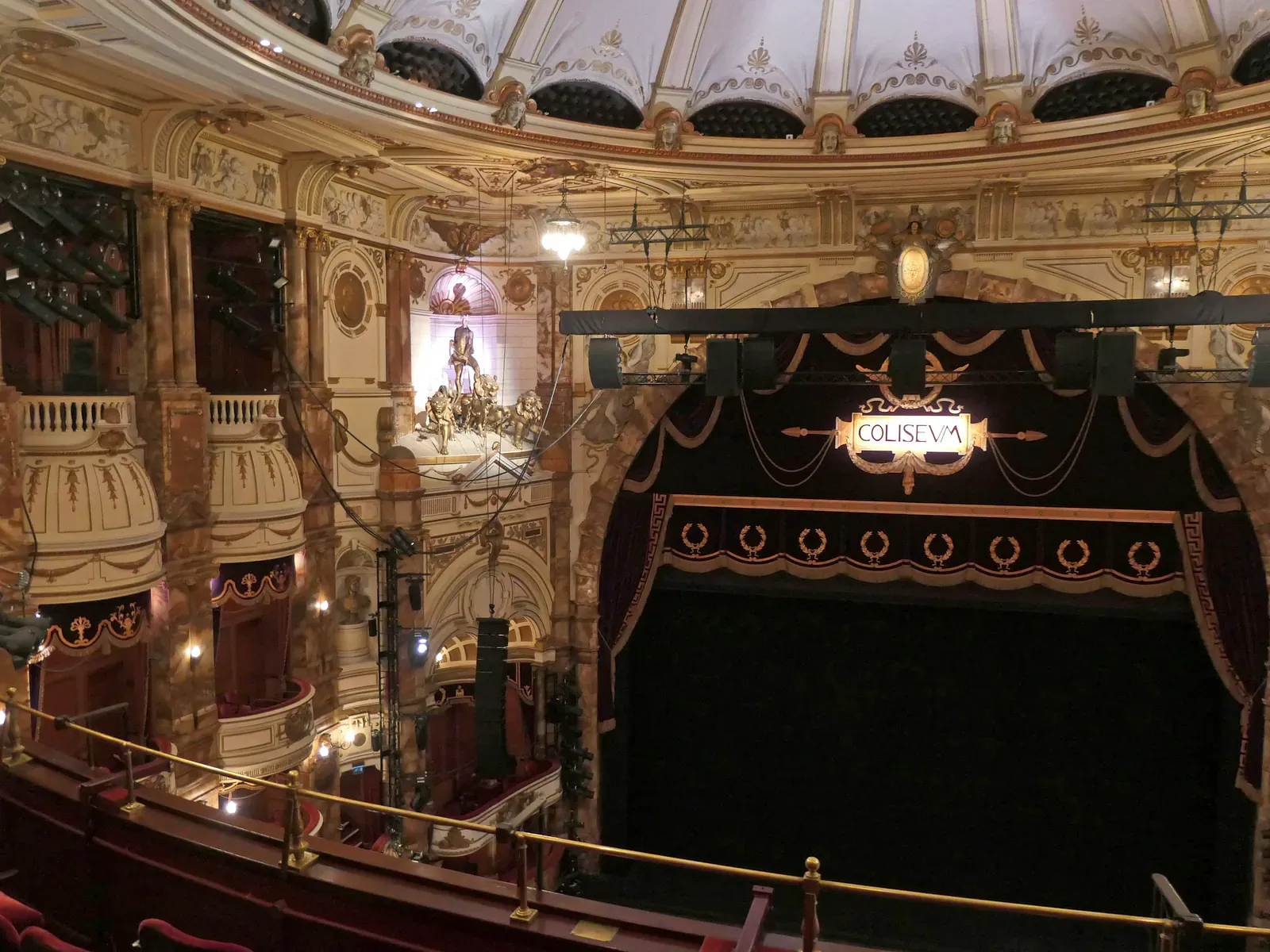
Charles Morton opened the Canterbury Hall in Lambeth in 1852, behind a pub, with food and drink served at tables. It was not the very first music hall, but it was the first of the giant ones, and hundreds of imitators followed. The cause was simple economics: a working-class audience with a little spare money and a taste for comic songs. In November 1881 Rodolphe Salis opened Le Chat Noir in Montmartre, remembered as the model of the modern cabaret.
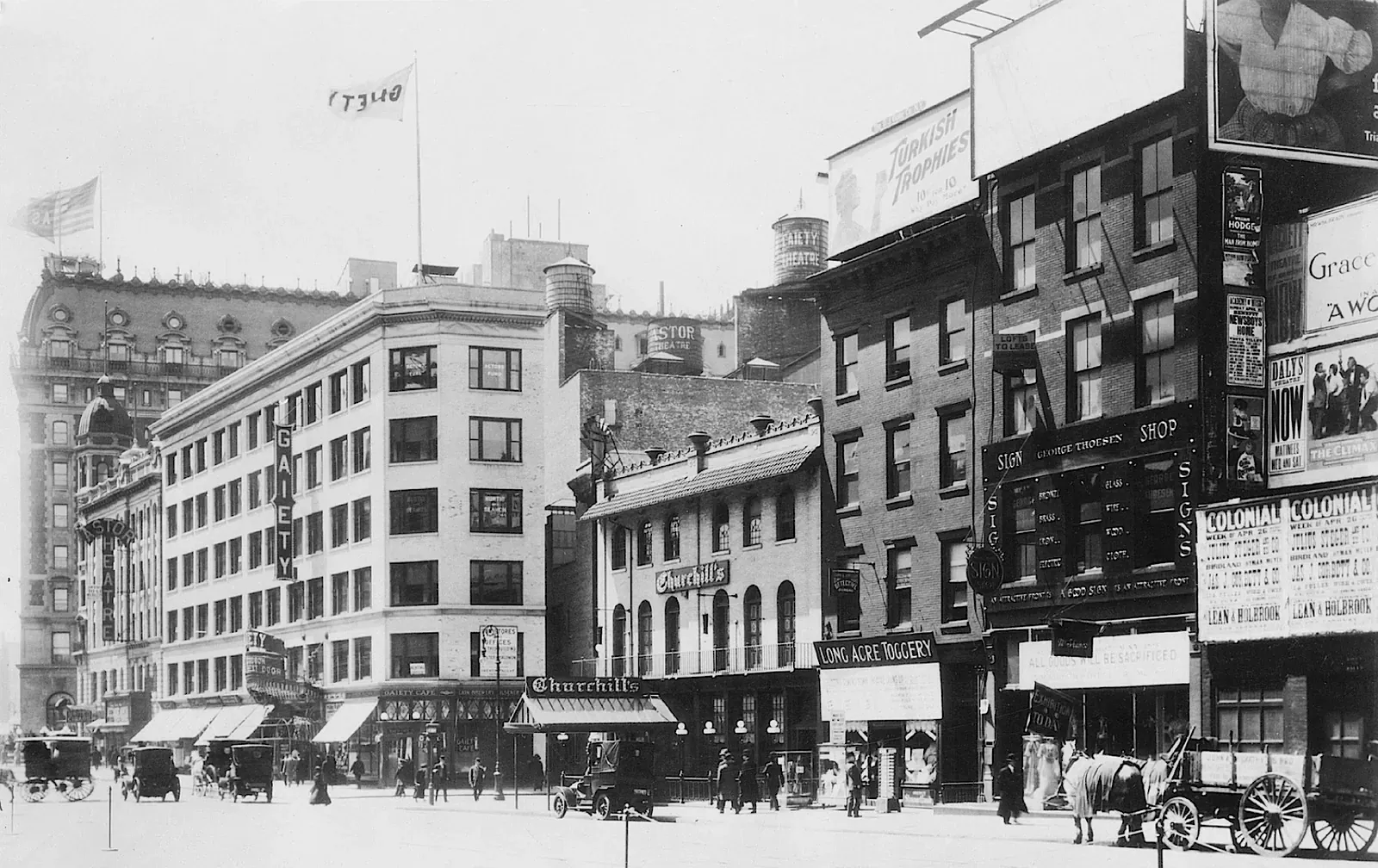
New York took a different route. The Black Crook, which opened at Niblo’s Garden on 12 September 1866, mixed a melodrama with a stranded French ballet troupe and ran for 474 performances. It is often called the first book musical. By the 1920s Broadway had its own building boom, such as the Earl Carroll Theatre on Seventh Avenue, which opened in 1922.
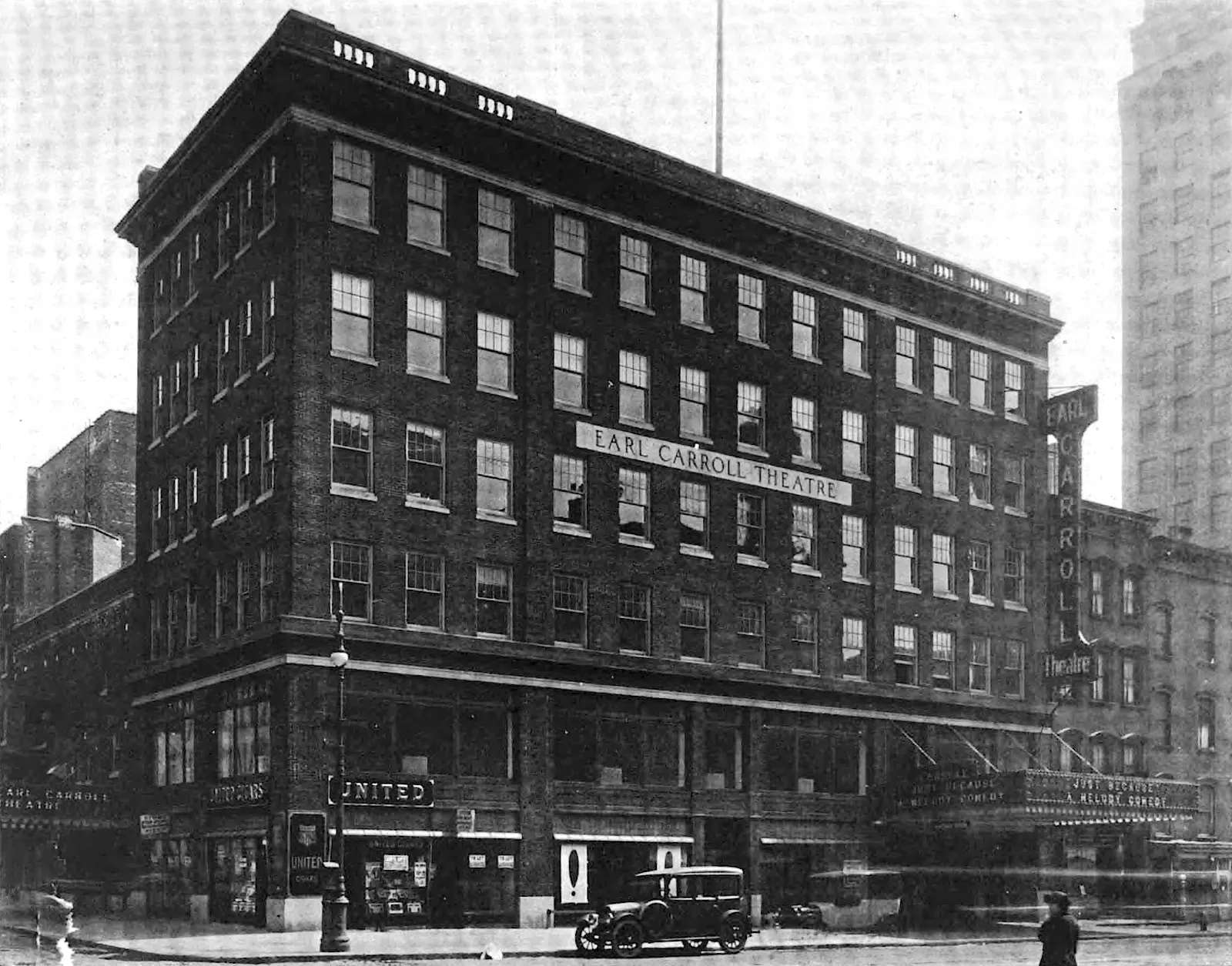
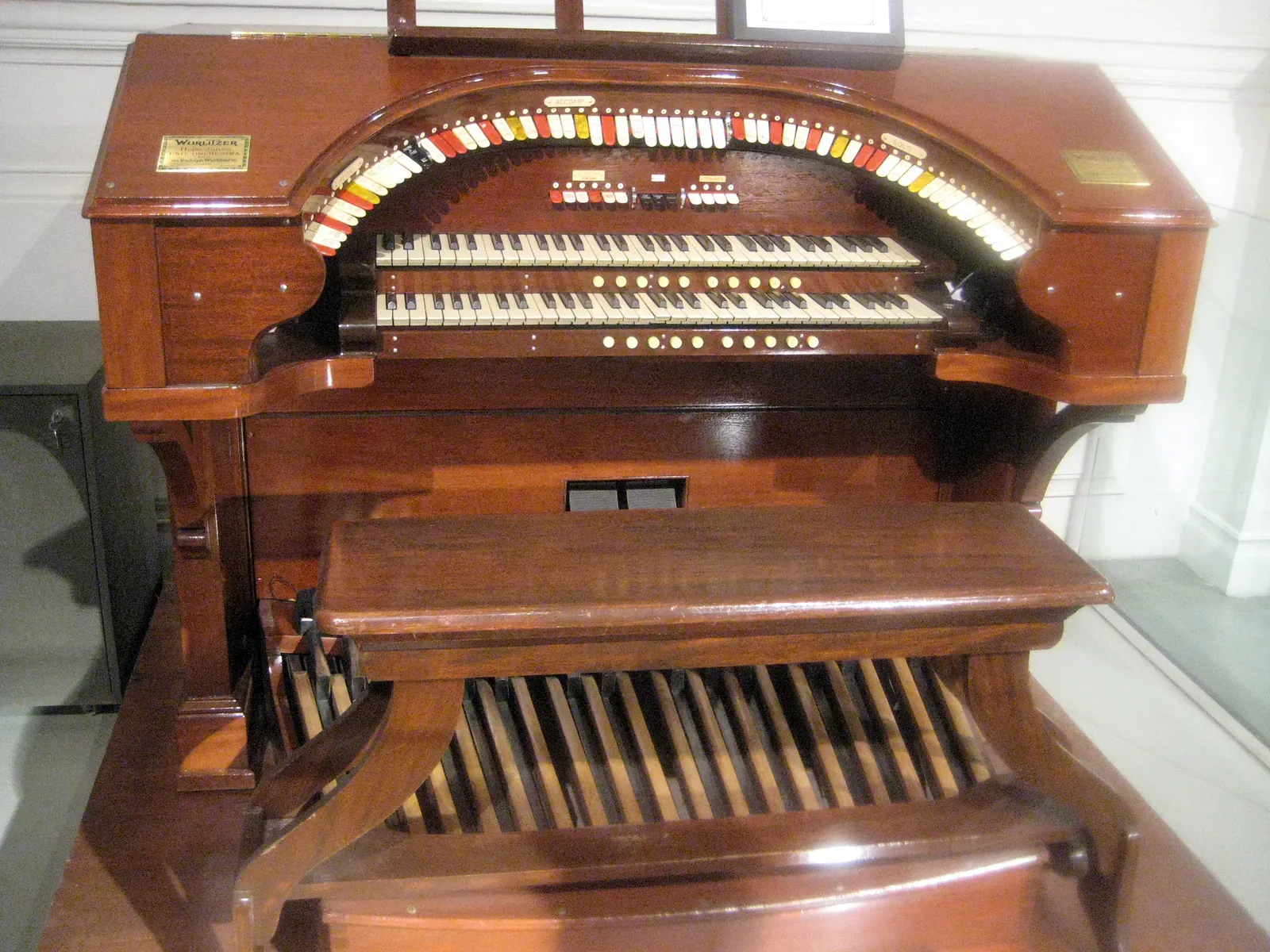
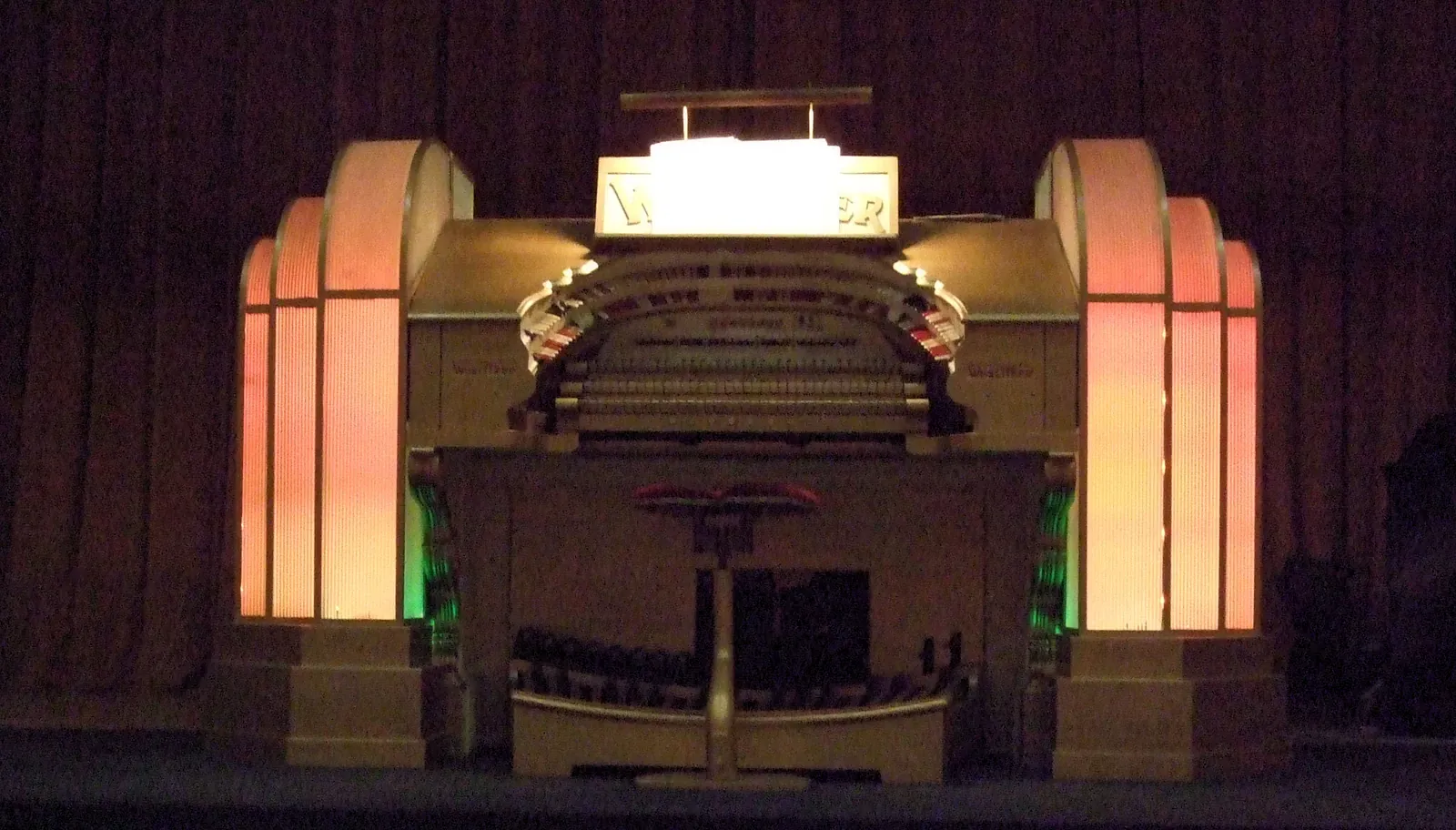
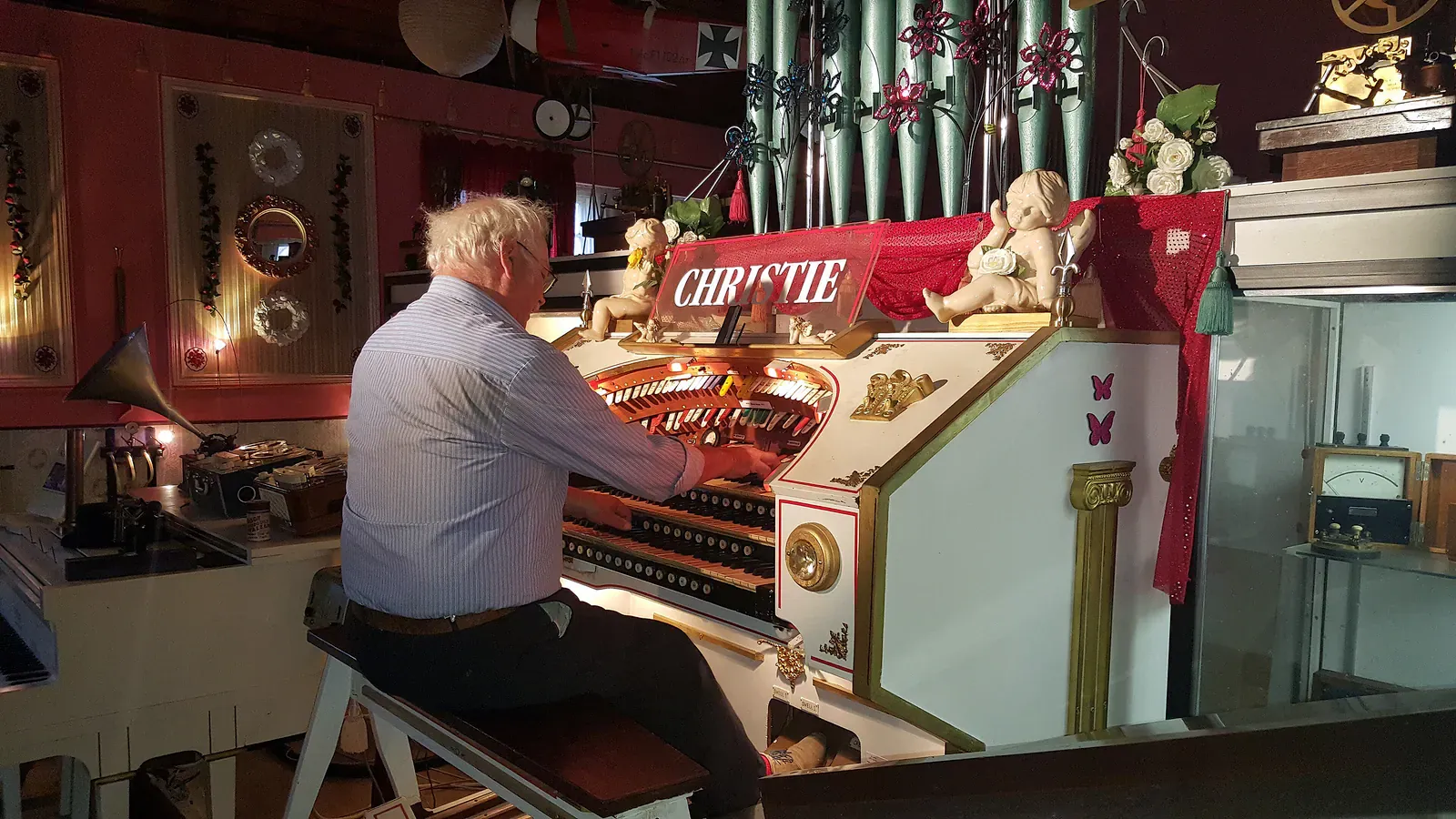
Cinema needed music from the start. Early picture houses hired pianists who had to improvise as scenes changed. Then Robert Hope-Jones’s “unit orchestra”, built by Wurlitzer, let one player replace a pit band, and hundreds of cinema organs were ordered in the 1920s. Camille Saint-Saens wrote a score for the 1908 film L’assassinat du duc de Guise, an early landmark of music composed for film. Vitaphone, the sound-on-disc system of 1926, ended that era.
Sound film and the Broadway golden age, 1927 to 1959
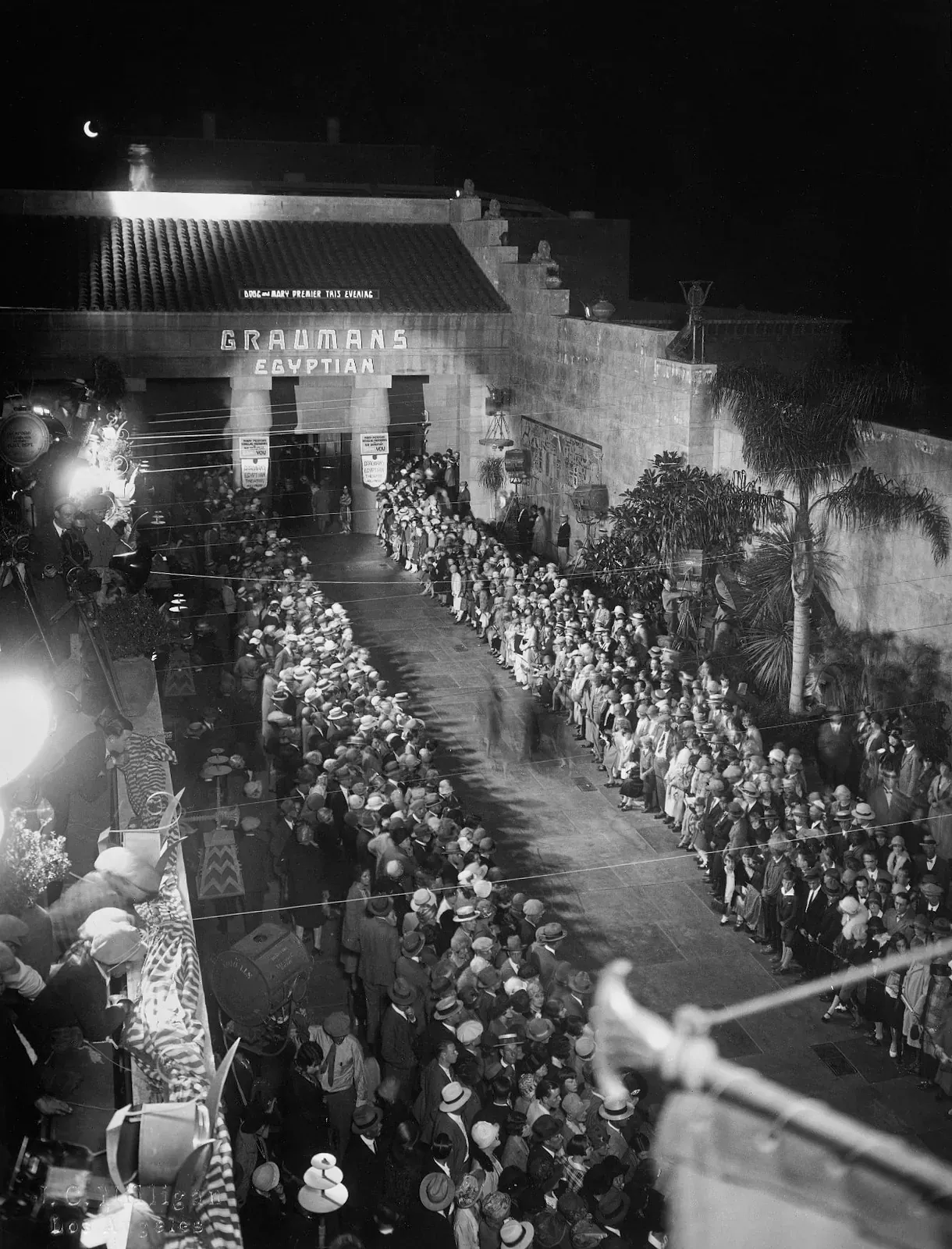
Talking pictures created the film composer as a trade. The Jazz Singer and Show Boat both arrived in 1927, one in cinemas and one on Broadway, and the studios built music departments to match. Max Steiner’s King Kong score (1933) showed that an orchestra could carry a monster movie, and the cinema organist faded from the pit.
On stage, Rodgers and Hammerstein’s Oklahoma! (1943) fused songs with the story, and Decca released the cast album on 1 December 1943 after label head Jack Kapp bet that Broadway records could sell if packaged properly. Decca Records set the template that Columbia Records followed with West Side Story in 1957. In 1946 MGM launched MGM Records with Till the Clouds Roll By, the first live-action soundtrack album, issued as four 10-inch 78 rpm records. Henry Mancini’s jazz-flavoured Peter Gunn (television, 1958; album, 1959) showed that a TV theme could become a hit record.
Television, pop and concept shows, 1960 to 1976
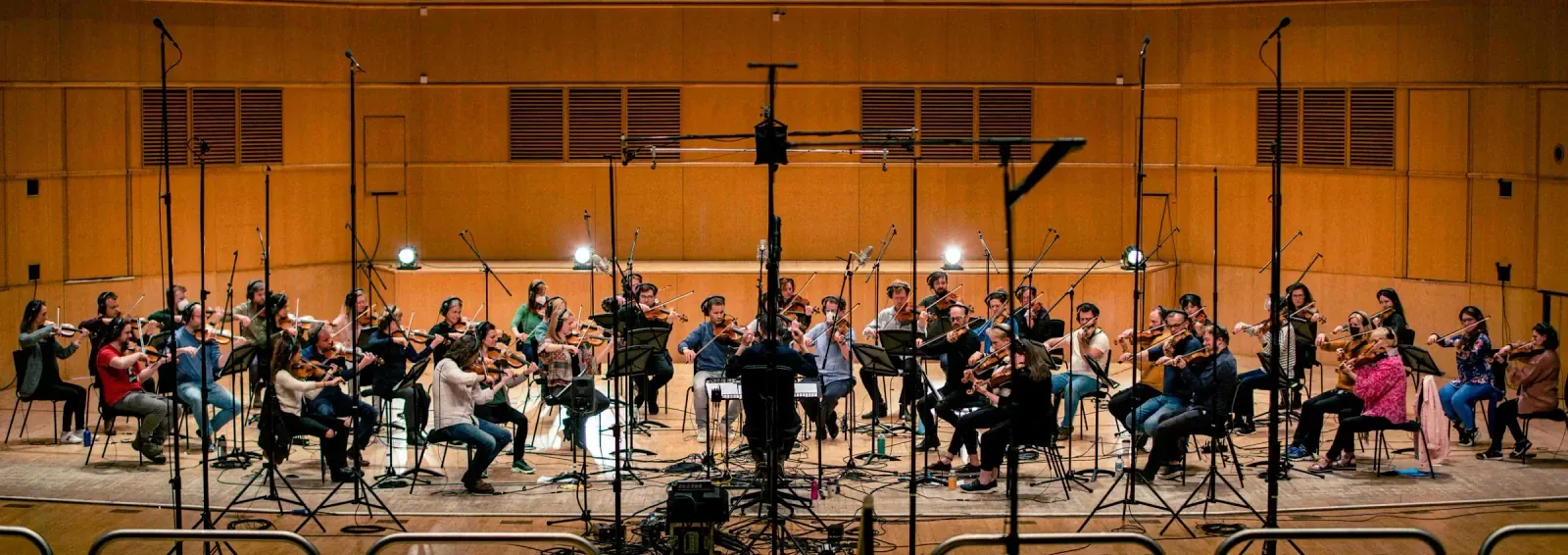
In 1960 Bernard Herrmann scored Psycho for strings alone. Budget forced a small ensemble, and he used the thin, cold sound as a “black and white” match for the images, with muted strings and no vibrato. A different kind of sound came from Italy: Ennio Morricone’s The Good, the Bad and the Ugly (1966) used whistles, guitars and voices where Hollywood used strings.
Television reached more people each week than any theatre. Astro Boy premiered on Fuji TV on New Year’s Day 1963, with a theme by Tatsuo Takai, and became the first popular animated series of the kind later known as anime. On stage, rock took over: Hair (1968) arrived on RCA Records, and Jesus Christ Superstar (1970) was released as a concept album first, so the record funded the show. United Artists Records issued the Dr. No soundtrack in 1963, the start of the James Bond albums.
Blockbusters, megamusicals and game chips, 1977 to 1999
John Williams’s Star Wars (1977), played by the London Symphony Orchestra, revived the leitmotif and the late-Romantic orchestra after a decade of pop-oriented scoring. It became a template for the blockbuster. In London, The Phantom of the Opera opened at Her Majesty’s Theatre on 9 October 1986, and the megamusical, with its sung-through score and its spectacle, became an export that played the world. It moved to Broadway in 1988.
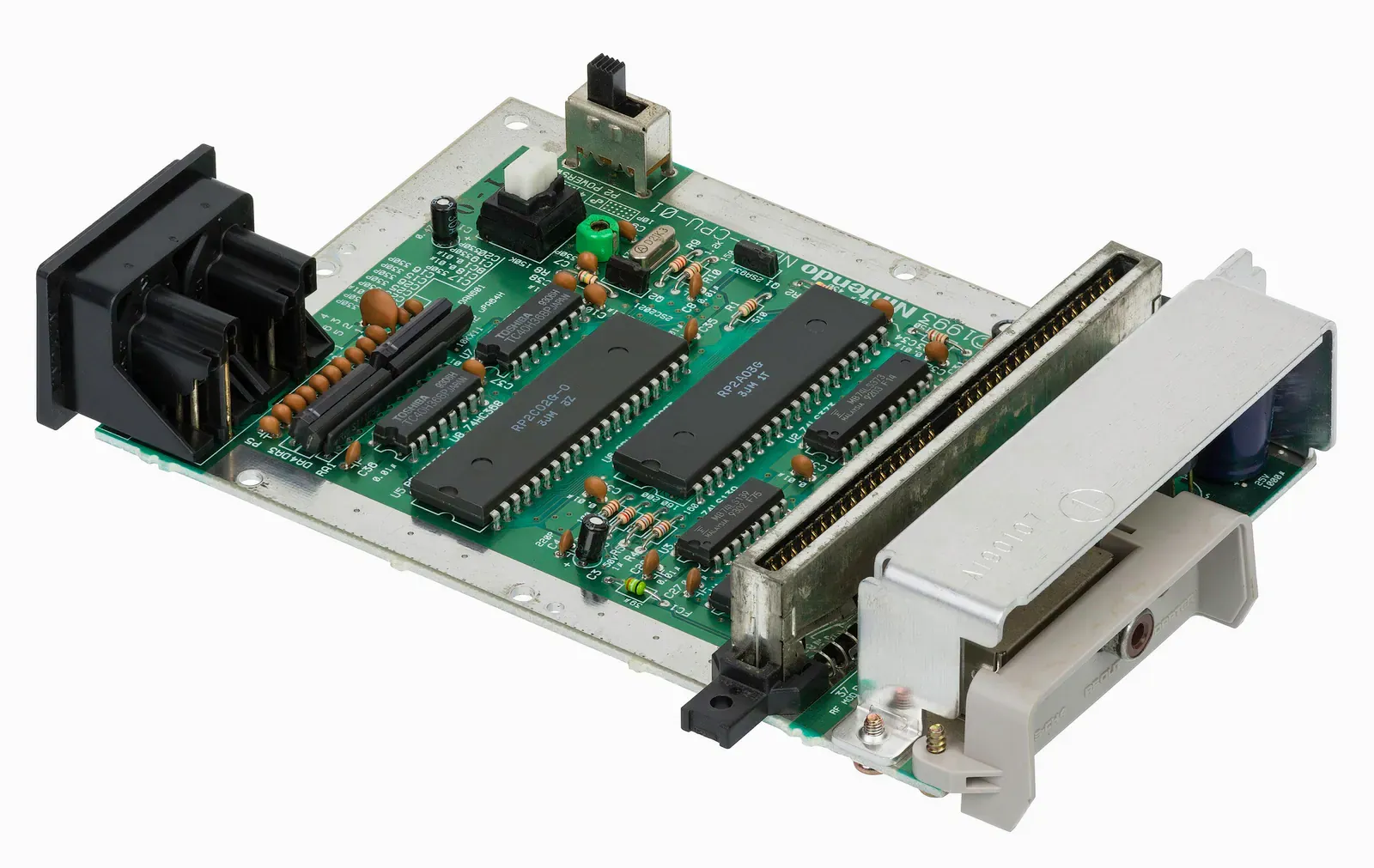
Games had their own technology. Koji Kondo’s Super Mario Bros. music (1985) had to fit the few channels of the console’s sound chip. Nobuo Uematsu’s Final Fantasy (1987) and Final Fantasy VII (1997) grew from those limits into a fan culture of orchestral concerts. Yoko Kanno’s jazz score for Cowboy Bebop (1998) did the same for anime. In 1994 Walt Disney Records released The Lion King soundtrack, with Hans Zimmer’s score and songs by Elton John and Tim Rice.

Hybrid scores and game orchestras, 2000 to 2014
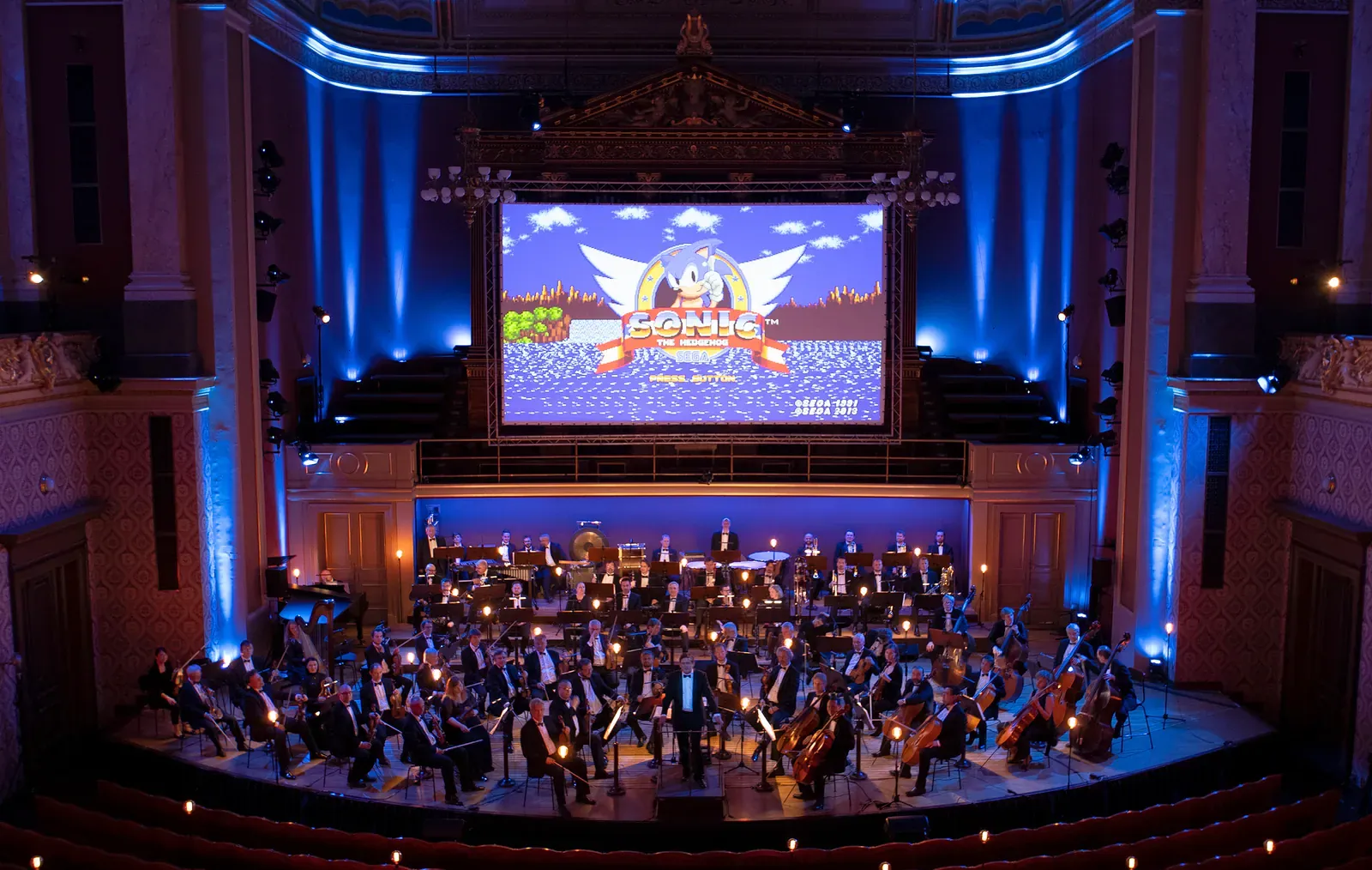
Samplers and synthesizers moved into the orchestra. Hans Zimmer’s Inception (2010) made a heavy brass-and-electronics sound widely copied in action films. Game music moved into concert halls, and the Sonic the Hedgehog theme of 1991, by Masato Nakamura, now appears on orchestra programmes.
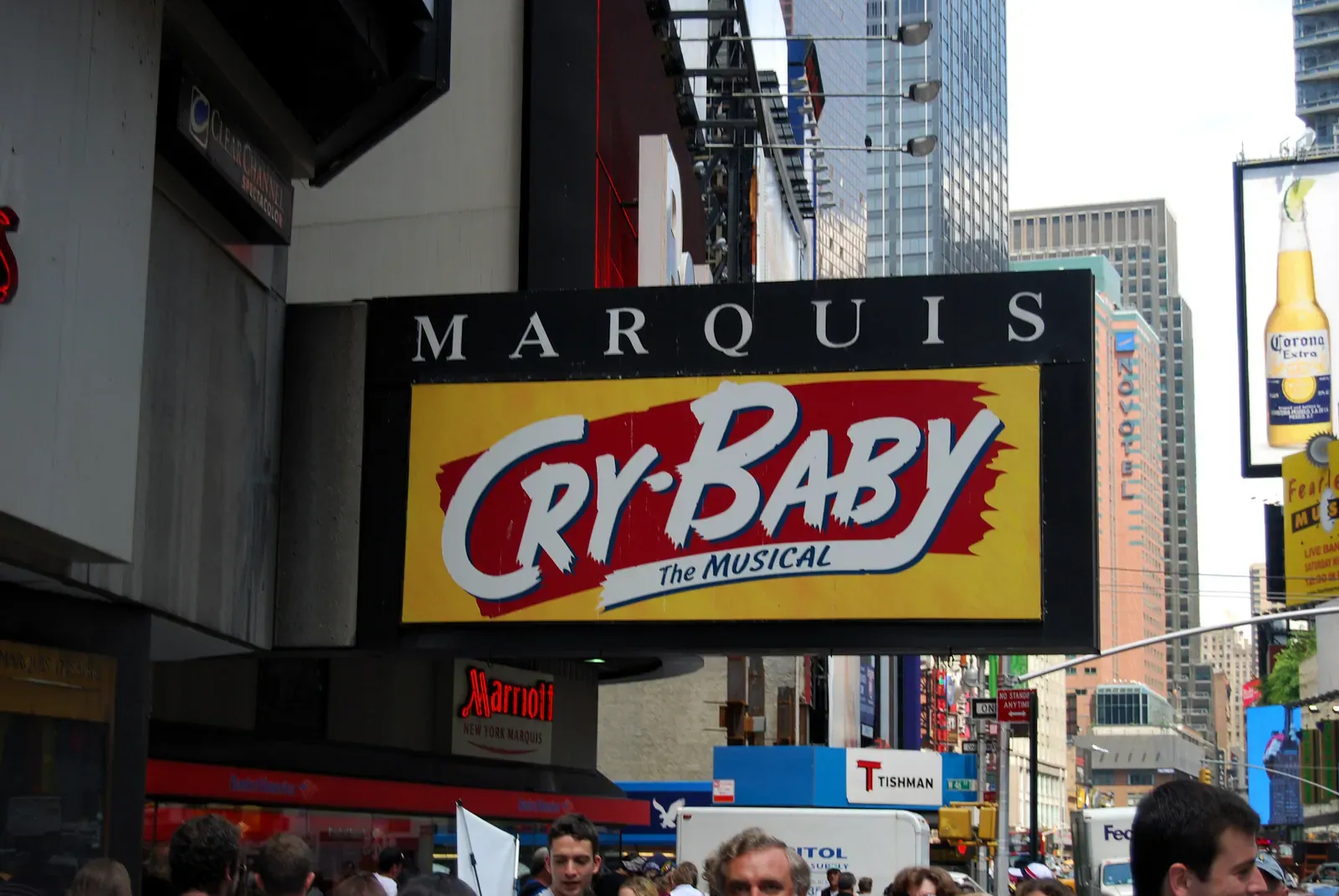
The business model changed too. CDs declined and streaming grew, and specialist labels adapted. Film Score Monthly released its last CD in 2013 after about 250 archival scores, and Waxwork Records, founded the same year, pressed horror scores on coloured vinyl. Broadway kept recording shows, among them Cry-Baby, a 2008 stage musical based on a 1990 film.
The streaming era, 2015 to 2026
Hamilton opened on Broadway in 2015, with a cast recording on Atlantic Records that won the Grammy for Best Musical Theater Album on 15 February 2016. In January 2022, “We Don’t Talk About Bruno” from Disney’s Encanto reached number one on the Billboard Hot 100, the second Disney film song to do so after “A Whole New World” (1993), and Lin-Manuel Miranda was its sole writer.
Corporate change followed. Concord acquired Varese Sarabande in 2018, and Sony Music Masterworks acquired Milan Records in July 2019. Cast albums remain the territory of Masterworks Broadway and Ghostlight Records, while Lakeshore Records and its peers release the music of streaming series.
Culture
The audience is a separate group from the pop audience. People who love a score may never have bought a record by its composer, and the collector economy is real. La-La Land Records, founded in 2002, sells limited editions of expanded scores, and Intrada Records has issued more than 350 volumes in its Special Collection. Silva Screen Records built a catalogue on re-recordings with orchestras such as the City of Prague Philharmonic.
The work is cue-based: a composer writes to picture and to a director’s notes, so a deadline shapes a score as much as an idea does. The craft’s roots are traced in classical music, and the jazz language Mancini and Kanno used is in jazz.
Misconceptions
Silent films were not silent. Cinemas always had live music, from pianists improvising to full cinema organs, and the theatre organ was designed to replace a too-quiet piano and a too-expensive orchestra.
Film music is not just background. The orchestra of Star Wars was an argument for melody: leitmotifs, in the manner of Wagner, tied themes to characters.
A soundtrack album is not the film’s music. A score is what the composer wrote for the film; a soundtrack can hold songs, edits and extra material, and albums are often re-sequenced for listening.
Frequently asked questions
What is the difference between a film score and a soundtrack?
A film score is the original music composed for a film. A soundtrack album can collect the score, pop songs used in the film, or both, and its track order is usually chosen for listening rather than for the film’s order.
What was the first original cast recording?
Decca’s 1943 recording of Oklahoma! is generally cited as the album that created the original Broadway cast recording as listeners know it, released on 1 December 1943.
Why did video game music sound like beeps?
Early consoles had very few sound channels. The NES chip offered two pulse waves, a triangle, noise and a sample channel, so Koji Kondo and his peers wrote melodies that worked within those limits.
Where should a beginner start with stage and screen music?
The listening path on this page runs from John Williams’s Star Wars main title to Hamilton’s “My Shot”, covering film scores, show songs and game music in one sequence.
Subgenres
Genres in the family
11 main branches. Names with their own page are links.
1963, 9 branches
1881, 6 branches
1895, 14 branches
1926, 2 branches
1927, 3 branches
1850, 3 branches
1866, 20 branches
1937, 5 branches
1948, 7 branches
1870, 4 branches
1975, 9 branches
Sound
What it sounds like
Tempo
- Overall65-160
- Musical theatre75-145
- Film score65-140
- Video game music65-160
- Anime music90-155
- Cabaret70-130
- Music hall105-145
Synths and software
- Yamaha CS-80
- Moog synthesizer
- Ricoh 2A03
- MOS 6581 SID
- Yamaha YM2612
- Cubase
- Kontakt
- LSDj
Techniques
- Leitmotif
- Mickey mousing
- Click track
Keys and modes
Final-chorus key change. Songs often lift the last chorus by a half step or whole step for a climax.
Vocals
Sung-through or spoken-sung stage roles, belted show songs, and screen themes sung by pop artists.
Hallmarks
- functional/underscoring
- cue-based
- tie-in releases
- commissioned for media
Instruments
- Symphony orchestra
The default film and game sound, from Steiner and Herrmann to Williams.
- Theremin
Its eerie glide colors the dream and thriller scores of the 1940s and 1950s.
- Moog synthesizer
Brought electronic textures to scores from the early 1970s onward.
- Electric guitar
Twangy guitar defines the spy theme and the spaghetti western sound.
- Nintendo NES sound chip
Its few simple voices forced the compact, memorable melodies of 8-bit game music.
- Yamaha YM2612 FM chip
The Sega Mega Drive chip gave early 1990s games their metallic FM synth sound.
- Sampler and DAW mockups
Composers draft whole scores in software, letting directors hear a cue before recording.
- Orchestra pit band
A reduced live ensemble beneath the stage, shaped by Broadway union practice and budget.
Technology that shaped it
- 1926Vitaphone
Sound-on-disc film made recorded music part of the cinema show.
- 1948Long-playing record
The LP let a whole cast or score album fit on one disc.
- 1975Dolby Stereo
Optical stereo sound improved music and effects in cinemas.
- 1983MIDI
A common protocol for synths and computers, widely used in game and TV scoring.
- 1991General MIDI
A standard instrument set that made game and computer music more portable.
- 1994PlayStation CD audio
Console CDs allowed recorded and orchestral music in games.
Essential records
- 1943Oklahoma! (Original Cast Album)
Rodgers and Hammerstein. The Decca album set became the model for preserving a Broadway score on record.
- 1957West Side Story (Original Broadway Cast)
Leonard Bernstein and Stephen Sondheim. A jazz-inflected dance score that raised the musical's musical ambition.
- 1959The Music from Peter Gunn
Henry Mancini. It proved a TV score could sell as a jazz album in its own right.
- 1966The Good, the Bad and the Ugly
Ennio Morricone. Its whistle, guitar and chorus theme became the sound of the spaghetti western.
- 1968Hair (Original Broadway Cast Recording)
Galt MacDermot. Rock on a cast album brought a youth audience to the musical.
- 1970Jesus Christ Superstar
Andrew Lloyd Webber and Tim Rice. A concept album that funded and launched a global stage hit.
- 1977Star Wars (Original Soundtrack)
John Williams. It restored the symphonic leitmotif score to the pop charts.
- 1986The Phantom of the Opera (Original London Cast)
Andrew Lloyd Webber. The defining megamusical recording of the 1980s.
- 1994The Lion King (Original Motion Picture Soundtrack)
Hans Zimmer, Elton John and Tim Rice. A film score and song album that fed the later Broadway adaptation.
- 1997Titanic (Music from the Motion Picture)
James Horner. An orchestral score album that became one of the best-selling soundtracks.
- 1997Final Fantasy VII Original Soundtrack
Nobuo Uematsu. A game score album that proved CD-era game music could carry weight without play.
- 2015Hamilton (Original Broadway Cast Recording)
Lin-Manuel Miranda. Hip-hop-driven cast album that crossed into mainstream chart success.
Scenes
Where it happened
Where and when the sound lived: one bar per city on a shared timeline.
Europe
North America
Asia
Active scenes
Peak 6, 1990-2025
Broadway and Tin Pan Alley supply the stage musical and its cast albums.
Music halls, the West End and Abbey Road recording sessions feed stage and screen.
Hollywood studios and scoring stages make film and TV composing a trade.
Montmartre cabarets such as Le Chat Noir shape the song-and-satire club format.
Weimar cabaret and Kurt Weill's stage works mix social satire with popular song.
Cinecitta studios and composers such as Morricone define the Italian film score.
Anime studios and game publishers make Tokyo a hub for screen music.
Nintendo's home city, where Koji Kondo wrote the Super Mario and Zelda themes.
Affordable orchestras and studios make it a frequent site for film, game and re-recording sessions.
Glossary
Terms on this page
A show where songs and dance carry a spoken-dialogue story.
A studio recording of a stage show's score by its performers.
A single piece of music timed to a scene.
A recurring theme tied to a character, idea or place.
Pre-recorded tracks licensed for film, TV and ads.
Music that mimics onscreen action beat for beat.
Music heard by characters in the scene, such as a radio or band.
A meeting where director and composer decide where music enters and leaves.
Placeholder music used during editing, which often shapes the final score.
Families