Library music
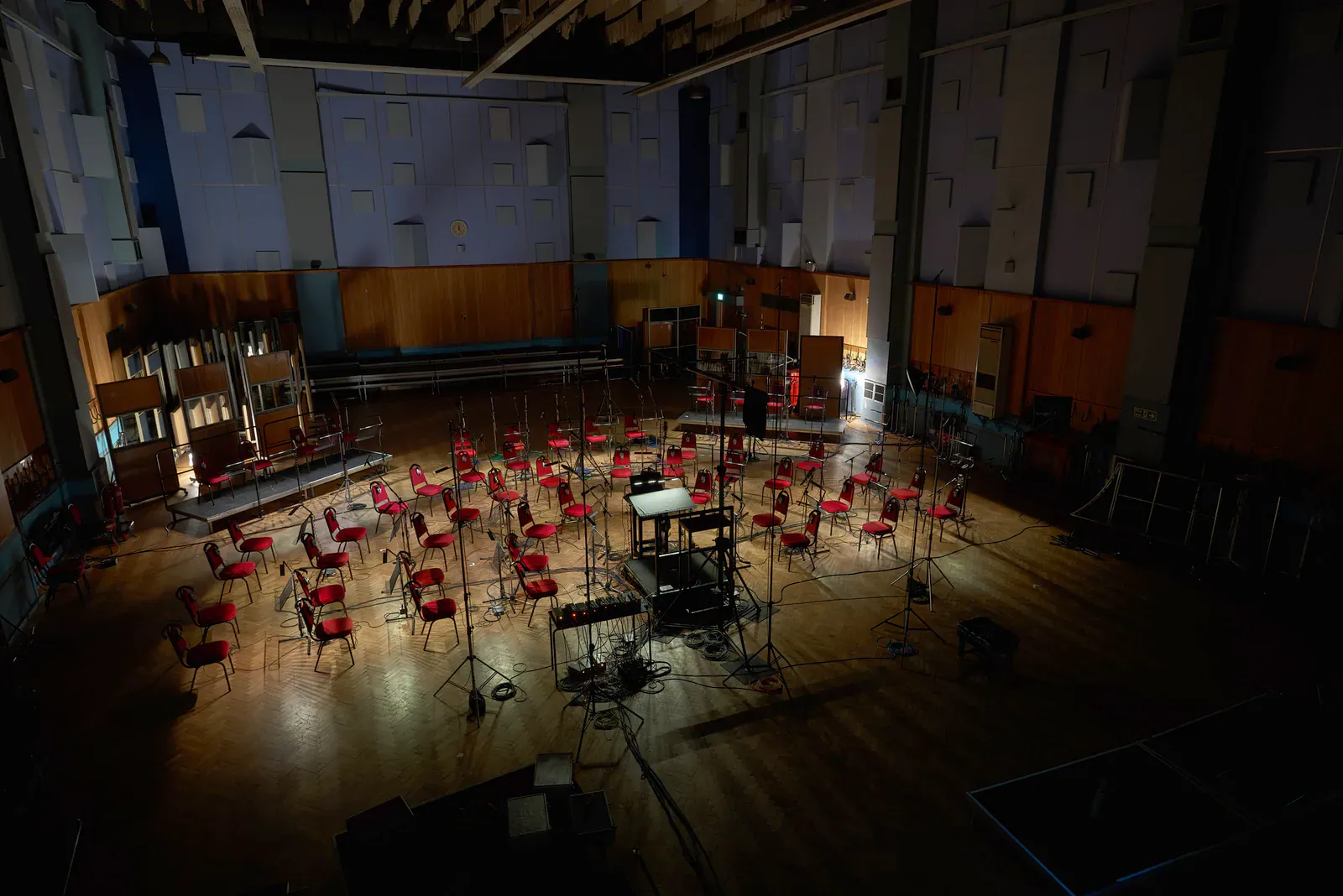
Library music is pre-recorded music owned by a library and licensed for film, TV and radio without a composer deal, a trade that began in London in 1927.
London, 1927
Stage and screen family
Born
1927
London
Subgenres
5
Documented branches
Links
12
Genres it drew on or shaped
Tempo
95-130 BPMLineage
Family tree
Grew out of
- Photoplay music
Derived from
London, 1927
Library music
Led to (5)
Timeline
Era by era
From the first sparks to today. Select a dot to read the story behind it.
- The first libraries
1927 to 1959
- The LP library boom
1960 to 1979
- Consolidation and CDs
1980 to 1994
- Crate-digging revival
1995 to today
Eras
Moments
- 1 The first libraries, 1927 to 1959
- 2 The LP library boom, 1960 to 1979
- 3 Consolidation and CDs, 1980 to 1994
- 4 Crate-digging revival, 1995 to today
1927
The first libraries
De Wolfe began its recorded library in 1927 as sound arrived in cinema, and Chappell followed in 1941. Libraries sold pre-recorded cues so producers needed no composer deal.
- 1927De Wolfe starts the first recorded libraryDe Wolfe Music, founded in 1909, begins its recorded library with the arrival of talking pictures.
- 1941Chappell Recorded Music Library beginsChappell opens a recorded mood-music library in London.
1960
The LP library boom
Sonoton opened in Munich in 1965 and KPM, Bruton and De Wolfe pressed catalogue LPs for broadcasters. Beat, funk and fanfare cues of these years became TV and sports themes.
- 1965Sonoton is formed in MunichRotheide and Gerhard Narholz found what became the largest independent production music library.
- 1968Mah Na Mah Na debutsPiero Umiliani's tune first appears in the mondo documentary Sweden: Heaven and Hell.
- 1969Funky Fanfare on KPM 1000Keith Mansfield's organ-led cue appears on the KPM 1000 Series album Beat Incidental.
- 1970Heavy Action is composedJohnny Pearson writes the brass and string fanfare for KPM; it appears on Industrial Panorama in 1974.
- 1973Superstars adopts Heavy ActionThe BBC sports show uses the cue as its theme from its first series, tying it to sport in Britain.
- 1975Chicken Man is writtenAlan Hawkshaw composes it in under an hour for Themes International; it becomes the Grange Hill theme in 1978.
1980
Consolidation and CDs
Hundreds of libraries competed in the 1980s, then majors bought them: Zomba took Bruton in 1986. CDs made old vinyl catalogues redundant and many were dumped in London charity shops.
- 1986Zomba buys Bruton MusicBruton is bought by the Zomba Group when it is one of four libraries dominating the market.
1995
Crate-digging revival
Trunk Records began in 1995 around the Bosworth archive. Collectors, reissue labels and hip-hop producers revalued the old LPs, and KPM's catalogue reached streaming in 2019.
- 1995Trunk Records is foundedJonny Trunk starts the label to release material from the Bosworth Library archive, the oldest existing music library.
- 2005The Music Library is publishedJonny Trunk's book is the first on the subject and prompts reissues of classic library records.
- 2019KPM is digitised for streamingIn January the KPM production library is fully digitised and made available for streaming online.
Listening path
Start listening
A short path from an easy way in to the deep end. Thumbnails come from YouTube; the player loads only when you press play.
- 01
Piero Umiliani, 1968
Start with the cue that crossed from a mondo film to the Muppets and the Benny Hill medley.
- 02
Keith Mansfield, 1969
Organ and rhythm section only: the stripped small-group edit of a KPM 1000 classic.
- 03
Alan Hawkshaw, 1969
The Dave Allen at Large theme, a beat cue from the KPM 1000 Series.
- 04
Johnny Pearson, 1974
Brass and string fanfare that came to mean sport on television.
- 05
Alan Hawkshaw, 1975
A quirky cue written in under an hour that became a children's TV theme.
Facts
| Family | Stage and screen |
| Origin | London, United Kingdom |
| Emerged | 1927 onward |
| Status | Active |
| Tempo | 95 to 130 BPM |
| Meter | 4/4 |
| Grew out of | Photoplay music |
| Subgenres | 3 |
Library music, also called production music or stock music, is recorded music that a library owns outright and licenses to film, television, radio and advertising producers.
Because composers write it on a work-for-hire basis, a producer can use a cue without negotiating with the person who wrote it. The trade began in London in 1927, and its best-known output, the beat, funk and fanfare records made for British and European libraries in the 1960s and 1970s, now feeds sports themes, crate-digging and hip-hop sampling. It belongs to the wider world of stage and screen music.
Origins
The first recorded library was set up by De Wolfe Music in 1927, when sound arrived in cinema and producers needed music that could be dropped under picture without a commission. De Wolfe had been founded in 1909 and had written scores for silent films before that. Chappell opened its recorded library in London in 1941. Bosworth’s library, the oldest still in existence, is the archive that Trunk Records later reissued.
The model solved a cost problem. A specially commissioned score was expensive, and licensing a popular record could cost tens or hundreds of thousands of dollars depending on the performer. A library offered thousands of cues at a standard rate, indexed by mood and style so an editor could find a chase, a fanfare or a soft piano piece in minutes.
The LP library boom, 1960-1979
Libraries sent catalogues of LPs to broadcasters, and the 1960s and 1970s were their most productive years. Sonoton was formed in Munich in 1965 and grew into the largest independent library. In London, KPM pressed its 1000 Series, mostly produced by Adrian Kerridge, while Bruton, Themes International and De Wolfe built catalogues of their own. By April 1978 Bruton alone had sixty albums in twenty categories.
The composers were session players and arrangers who worked quickly and anonymously. Alan Hawkshaw, a keyboardist who had played with the Shadows, wrote Chicken Man in under an hour in Munich for Themes International; it became the Grange Hill theme in 1978 and stayed until 1987. Johnny Pearson, who led the Top of the Pops orchestra, wrote Heavy Action for KPM in 1970, and the first series of Superstars adopted it in 1973. Keith Mansfield’s Funky Fanfare and The Young Scene, the original 1968 theme of The Big Match, came from the same circle.
Not every cue was a theme. Basil Kirchin, a drummer turned composer, built tape pieces from the sounds of birds, insects and children, and his Worlds Within Worlds appeared in 1971. Piero Umiliani, an Italian film composer, wrote Mah Na Mah Na for the 1968 mondo documentary Sweden: Heaven and Hell. It reached the Billboard chart, was performed by the Muppets on Sesame Street on 27 November 1969 and again on The Ed Sullivan Show three days later, and reached number 8 in the UK in May 1977 after The Muppet Show used it.
Consolidation and compact discs, 1980-1994
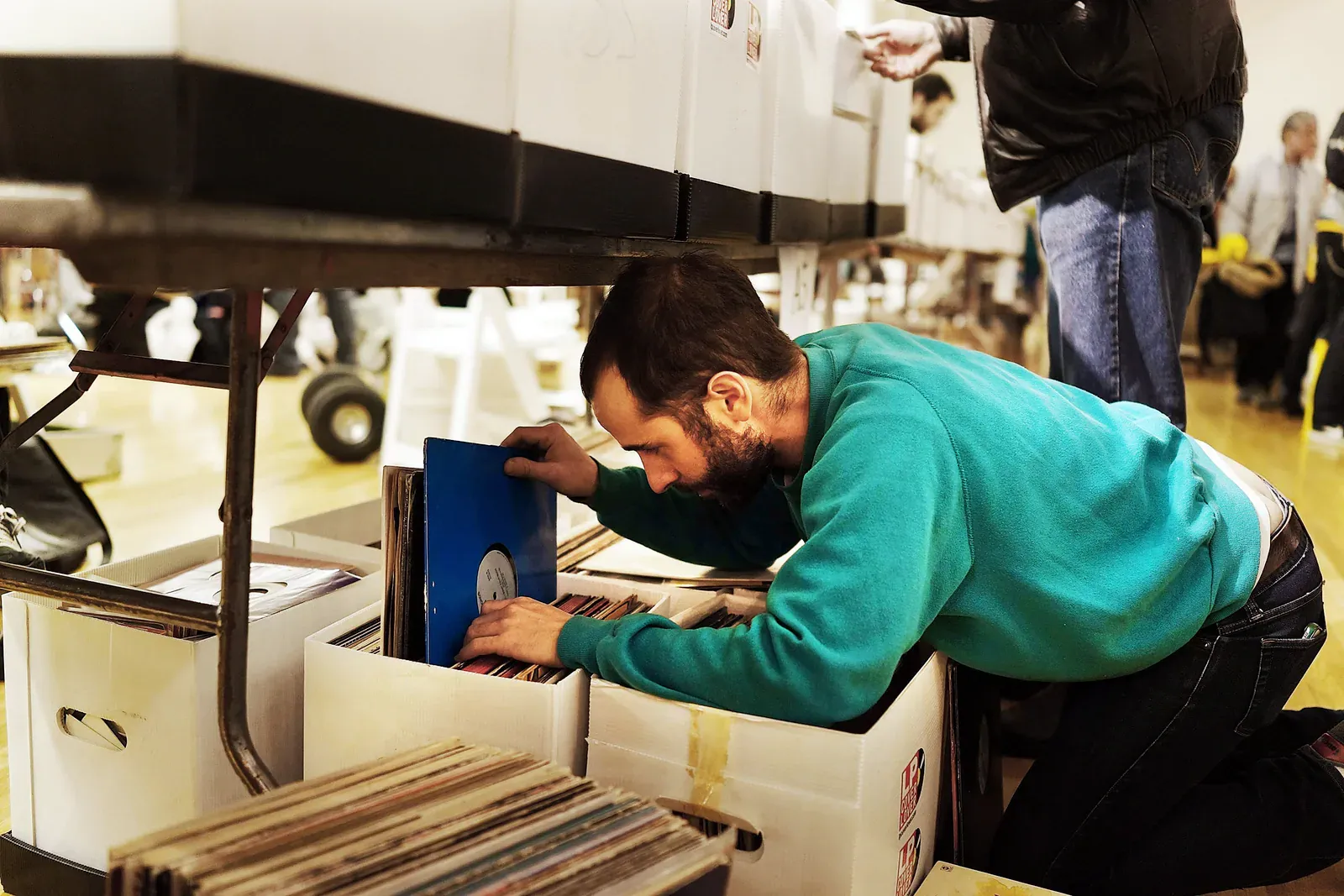
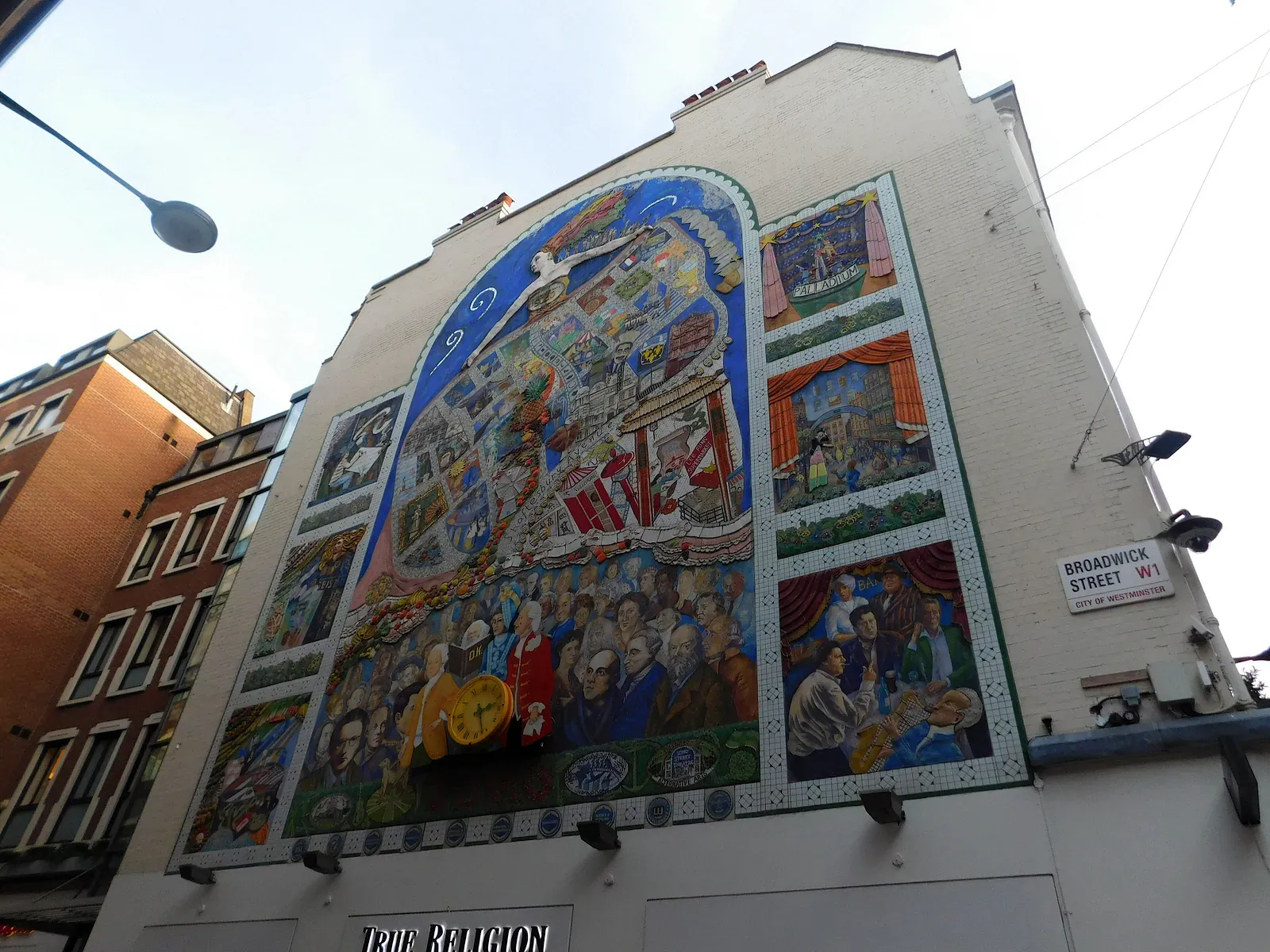
By the 1980s hundreds of libraries were competing, and the bigger music groups began buying them. The Zomba Group bought Bruton in 1986, when it was one of four libraries dominating the market. Compact discs made the old vinyl catalogues redundant, and by the mid-1990s many Soho companies were dumping obsolete records on local record and charity shops.
Crate-digging revival, 1995 onward
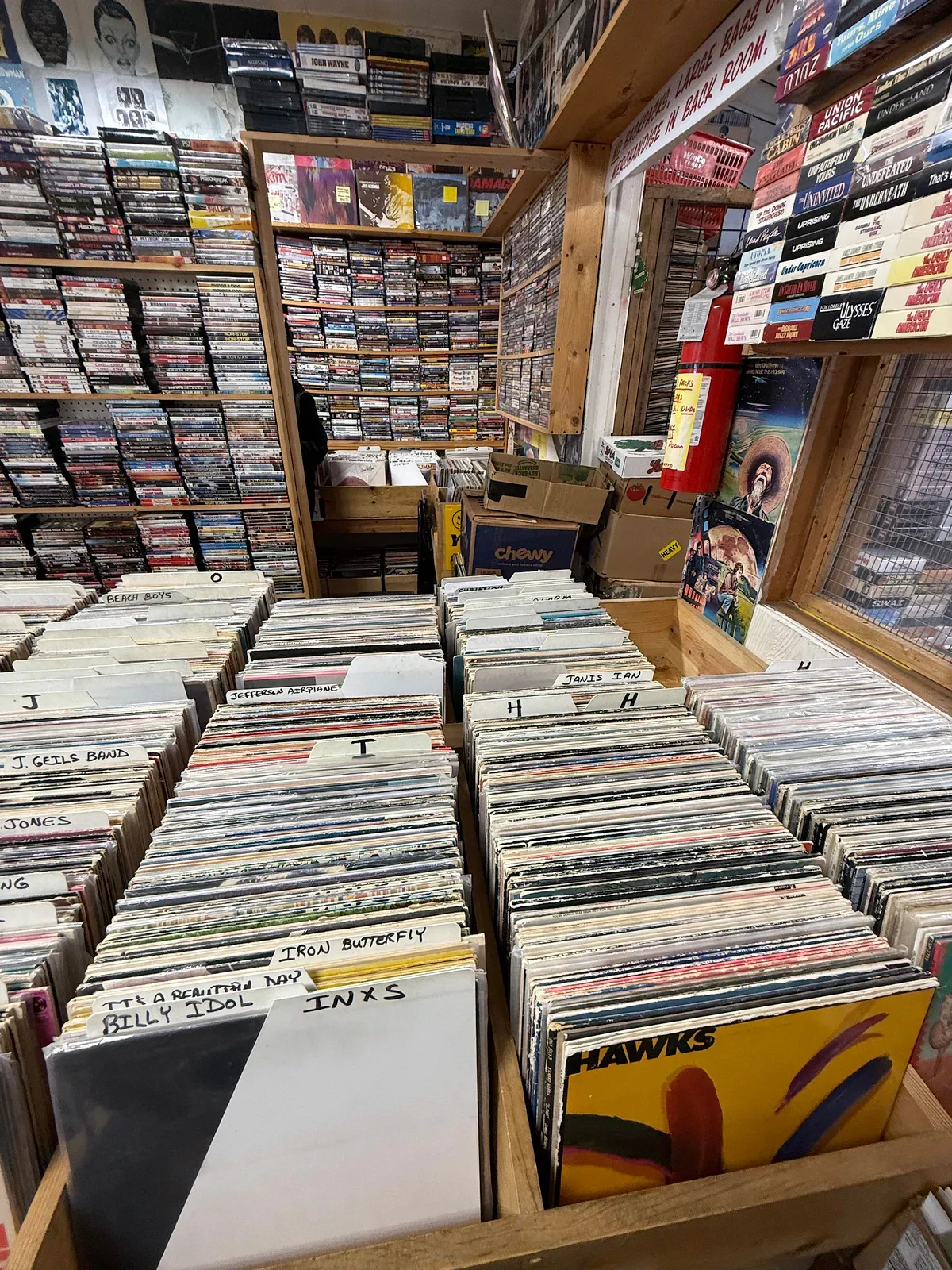
Collectors noticed what was being thrown out. Jonny Trunk founded Trunk Records in 1995, first to release material from the Bosworth archive, and in 2005 he published The Music Library, the first book on the subject. Reissues of KPM, De Wolfe and other catalogues followed. Hawkshaw, Mansfield and Pearson, who had worked unnamed for decades, drew attention again, and some of the British session players have performed their cues live as the KPM Allstars.
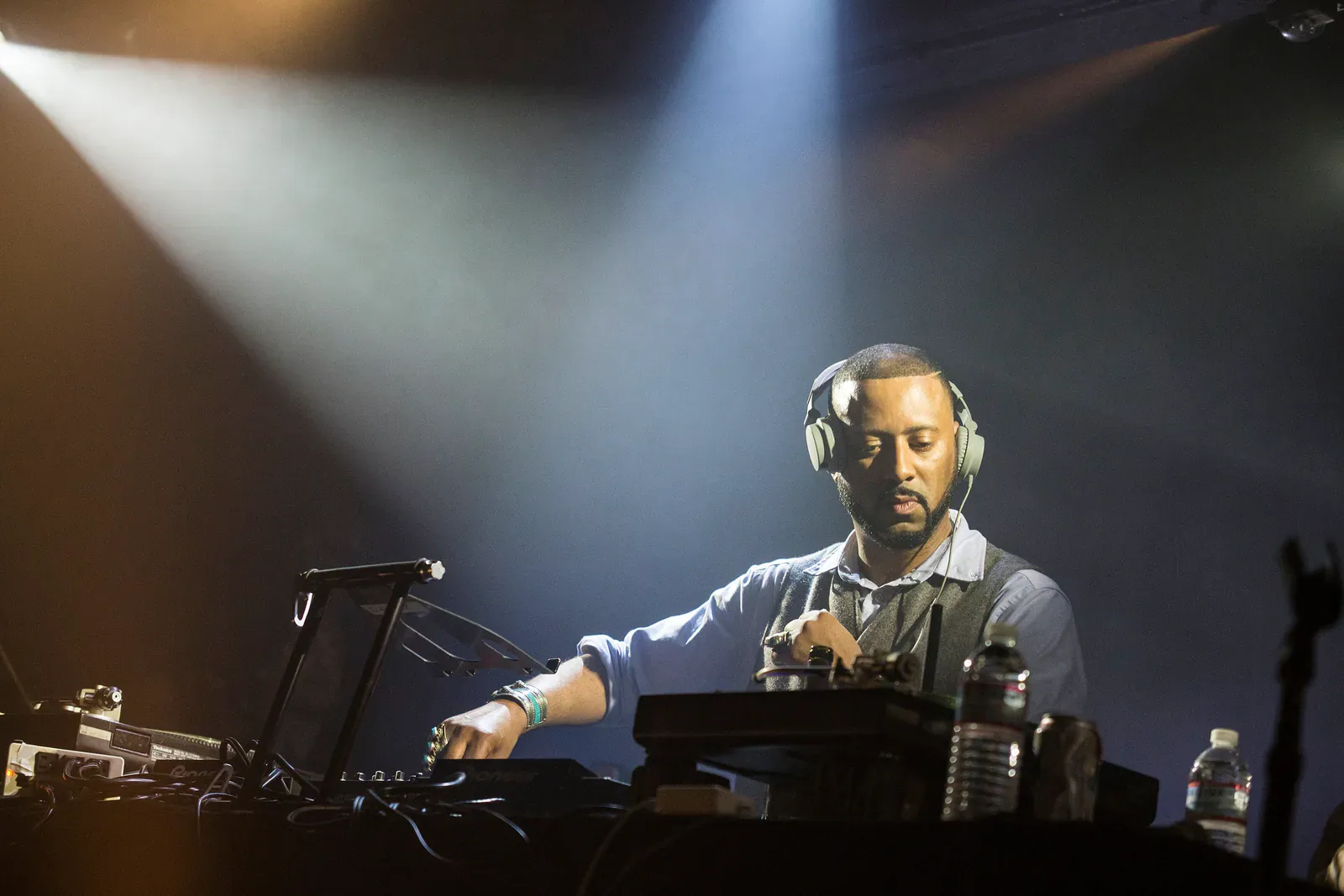
In the 2000s hip-hop producers also began to mine the records, partly because library cues raised fewer sample-clearance problems than commercial releases and partly, in Madlib’s case, for their sound. Library music has been sampled by the Avalanches, Jay-Z, Beyoncé, A$AP Rocky, Flying Lotus, RZA and Ghostface Killah, and Danger Mouse used Mansfield’s Funky Fanfare on a Danger Doom track. KPM’s library was fully digitised in January 2019, and KPM Musichouse, rebranded as EMI Production Music in 2011, took the name KPM Music in September 2021.
Characteristics
The defining feature is the business arrangement, not a musical style. A library offers a broad range of genres, and a cue usually exists in several forms: a full version, shorter alternate edits, and sometimes stripped-down versions or stems. Funky Fanfare survives in a small-group version for organ and rhythm section only. Music is indexed by mood and genre rather than by artist, and a vocal version is treated as a separate cue; Funky Fanfare became House of Jack when James Royal recorded a vocal take in 1969.
The 1960s and 1970s records most prized by collectors are the beat and electronica cues: tight rhythm sections, open drum breaks, organ, brass and strings.
Instruments and production
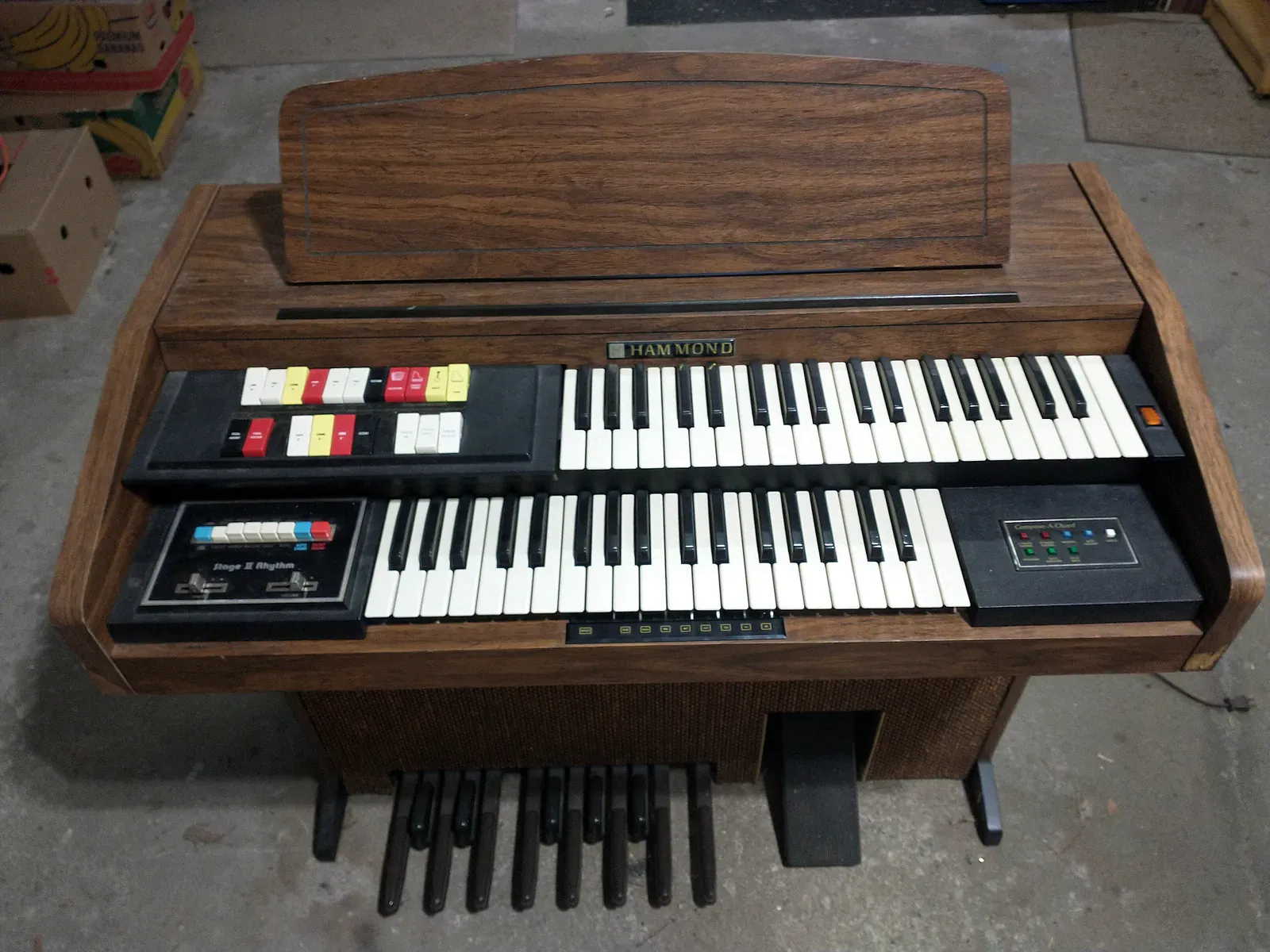
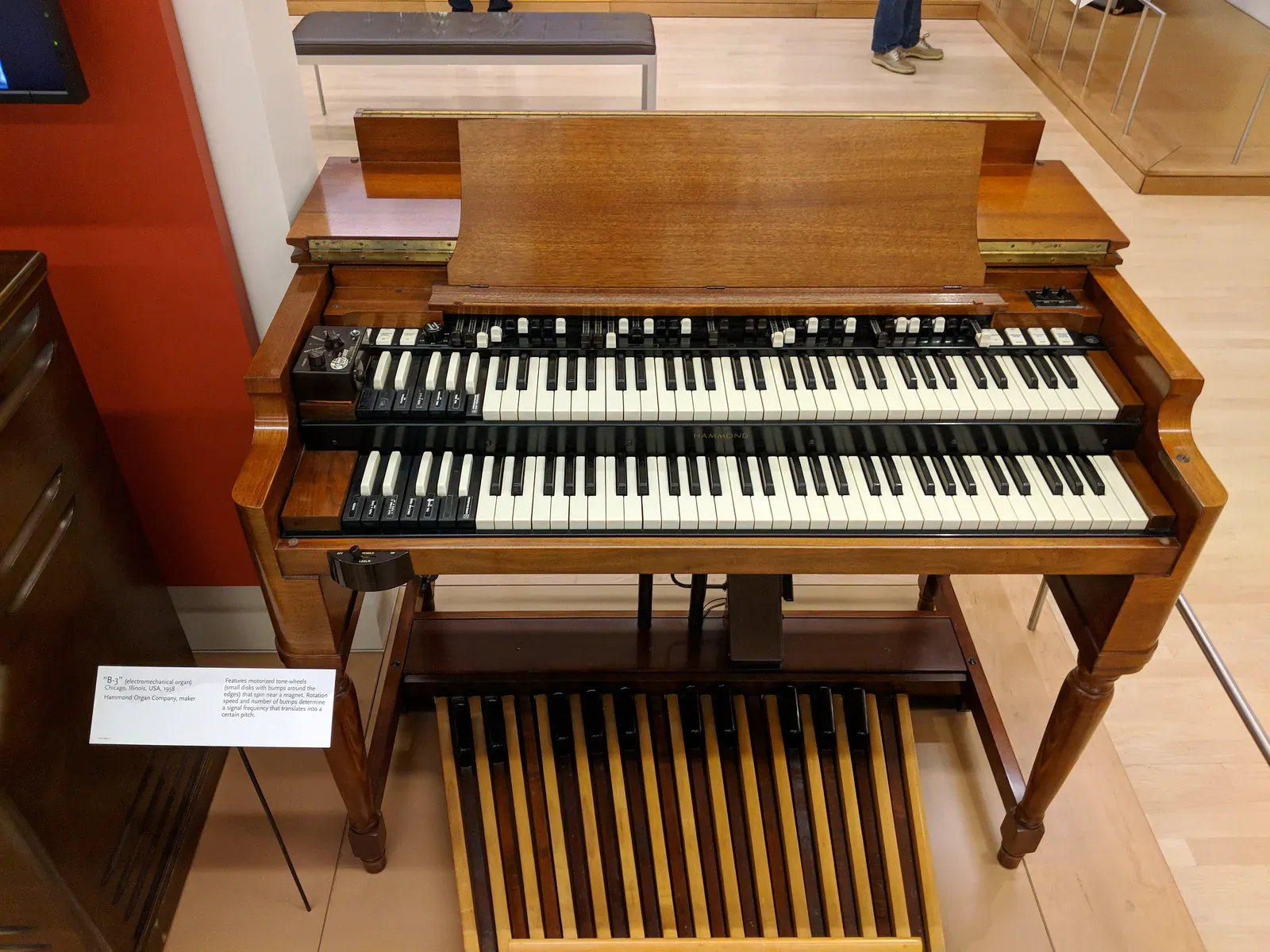
Session players recorded quickly, so the instruments were those a rhythm section and a small orchestra could supply: Hammond organ, piano, bass, drums, brass and strings. Hawkshaw was a Hammond organ exponent in the early 1960s, and organ leads run through much of the KPM beat catalogue. Fanfares such as Heavy Action pair brass and strings over a drum kit.
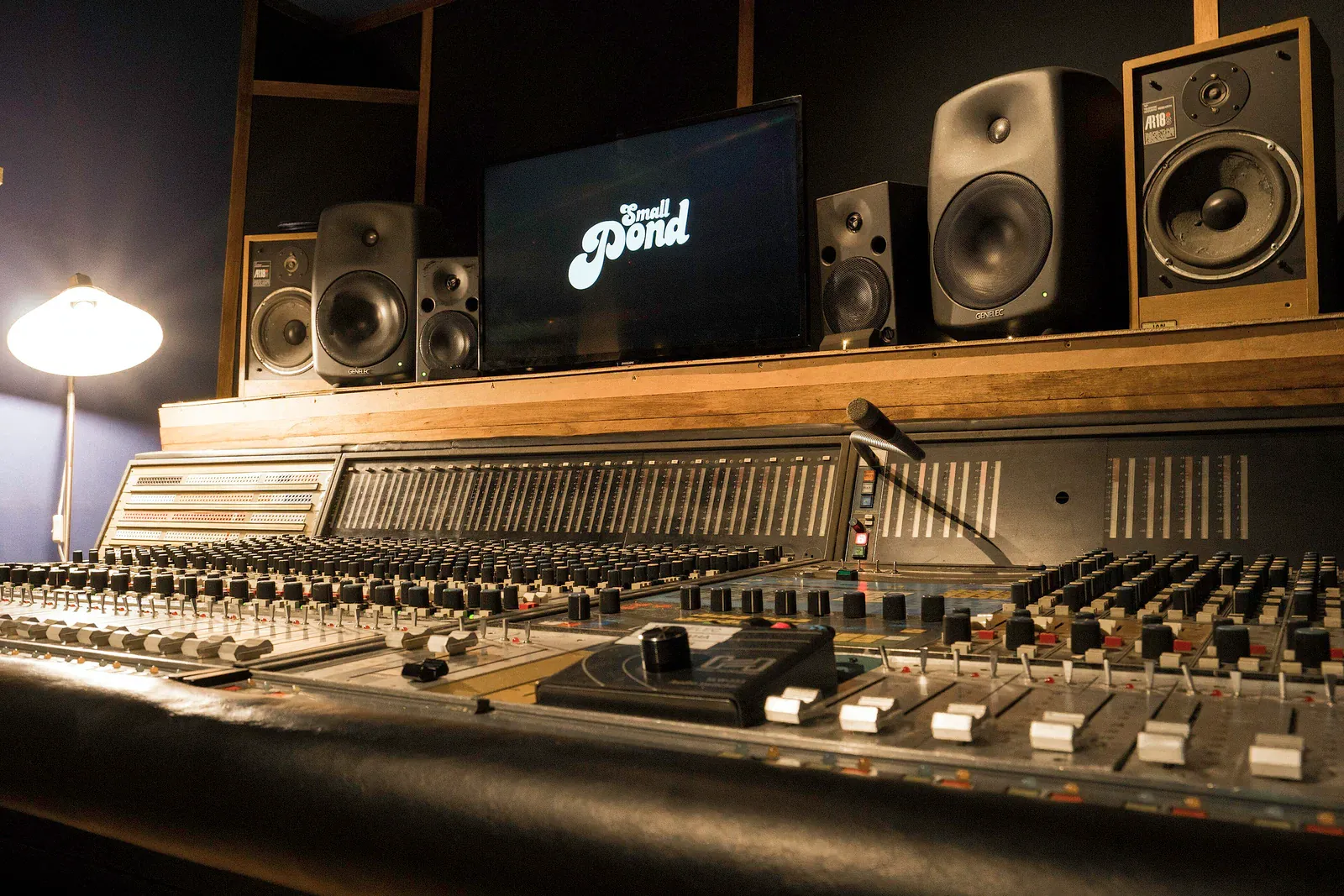
Production followed the brief. A cue had to fit under dialogue, cut cleanly to length and carry a clear mood, so arrangements are tight and the openings strong.
Mainstream success
Library music reached mass audiences as the sound of other people’s programmes. Heavy Action is synonymous with sport in Britain, where Superstars used it from 1973 and the BBC used it extensively during the 2012 Olympics. In the United States ABC acquired it for Monday Night Football in the 1975 season, made it the official theme in 1989, ESPN brought back Pearson’s original arrangement in 2018 and a Marshmello remix opened the 2022 season. Studio 69 introduced Dave Allen at Large, Funky Fanfare underscored NFL Films, and Mansfield’s Hyde Park became the long-time theme of the Brazilian sports show Esporte Espetacular after it was used there from 1977.
Mah Na Mah Na spread through the Muppets and, from 1971, through a Benny Hill Show background medley. Monty Python’s Flying Circus and The Benny Hill Show also made extensive use of library cues, many from De Wolfe.
Culture
Library composers worked anonymously and were rarely known outside the profession. Rights stayed with the library, and income came from synchronisation fees plus performance royalties paid through collecting societies, of which a library typically keeps half. The result was a hidden repertoire heard daily and credited rarely, which is much of its later appeal to collectors.
Today the market is dominated by libraries tied to large groups: KPM and Extreme Music at Sony Music Publishing, Chappell and Bruton at Universal, and Imagem and others at Concord. Sonoton remains the largest independent, and newer subscription and royalty-free services have joined them. Streaming platforms have started libraries of their own.
Legacy
Library music changed how screen and sample cultures work. It supplied the audio signature of sport and television for decades, trained a generation of session composers, and became a source for DJs and beat-makers who prize its drum breaks and its obscurity. Its model of owned, pre-cleared, mood-indexed music also underlies the royalty-free and non-exclusive libraries that dominate online video today.
Misconceptions
One myth holds that library music is faceless filler. Much of it was written by prominent session musicians, including a former Shadows keyboardist and the leader of the Top of the Pops orchestra, and some pieces became better known than the records they appeared on.
A second myth says library music is free to use. Libraries own the copyright and charge synchronisation fees, and broadcasts also generate performance royalties through collecting societies.
A third treats it as a single genre. It is a licensing model: libraries offer a broad range of styles, from orchestral and jazz to funk, electronica and experimental tape work.
Frequently asked questions
What is library music?
Library music is pre-recorded music owned by a library and licensed to media producers. It is also called production music or stock music, and the first library was De Wolfe Music in 1927.
How does library music differ from a film score?
A film score is written for one production, often to picture. Library music is written in advance and licensed again and again, which is why a producer can use it at a standard rate. A hybrid licence combines custom-scored scenes with library tracks under one agreement.
Why do producers sample library music?
Collectors and hip-hop producers value the drum breaks, organ lines and unusual sound of 1960s and 1970s library LPs, many of which were never commercially released. Some producers were also drawn by the lower clearance problems compared with commercial records.
Where are the famous library music themes heard?
Heavy Action is heard on Monday Night Football and Superstars, Chicken Man on Grange Hill, Studio 69 on Dave Allen at Large and Funky Fanfare in NFL Films footage.
Sound
Sound sheet
Anatomy of a track
| # | Part |
|---|---|
| 1 | Full-length cue |
| 2 | Shortened alternate edit |
| 3 | Small-group or stripped version |
Signature sounds
- Brass and string fanfare opening
- Organ-led small-group funk
- Beat cues built for DJs and sampling
Drums and percussion
- Session drum kit
Techniques
- Alternate edits
- Stems
- Mood and genre indexing
- Small-group versions
Keys and modes
Major and minor keys. The key follows the brief; the best-known cues sit in C, F and B flat.
Tuning
Standard 12-tone equal temperament
Vocals
Mostly instrumental; vocal versions are separate cues, such as the 1969 vocal take on Funky Fanfare.
Scenes
Where it happened
Where and when the sound lived: one bar per city on a shared timeline.
Europe
Active scenes
Peak 2, 1965-2025
Home of De Wolfe, KPM, Bruton and Chappell; Soho held many library companies until the 1990s.
Sonoton's base, and where Hawkshaw recorded Chicken Man for Themes International.
Culture
Culture markers
- Sports and TV themes
Cues such as Heavy Action and Funky Fanfare became the audio signature of sport broadcasts and quiz and children's shows.
Ritual - Charity-shop crate digging
In the mid-1990s libraries dumped old vinyl in Soho shops, where collectors found the records.
Ritual
Media
Key media
- 2005The Music Library
by Jonny Trunk. The first book on library music, written by the founder of Trunk Records.
Book
Glossary
Terms on this page
Shorter or reworked version of the same cue offered for different durations.
Deal combining custom-scored scenes with library tracks under one agreement.
Royalties paid through collecting societies when a cue is broadcast; the library usually keeps half.
Upfront payment for pairing a library cue with picture.
Arrangement in which the library owns the copyright of a cue from the start.
Stage and screen family