Anime music
Anime music, or anison, is Japanese song and score made for animation, a marketed genre since the 1970s with its own singers, labels and festivals.
Japan, 1963
Stage and screen family
Born
1963
Japan
Subgenres
8
Documented branches
Links
12
Genres it drew on or shaped
Tempo
130-180 BPMLineage
Family tree
Timeline
Era by era
From the first sparks to today. Select a dot to read the story behind it.
- Television pioneers
1963 to 1971
- Super robots and space operas
1972 to 1983
- Pop crossover
1984 to 1994
- Dedicated labels
1995 to 2004
- Voice actors and festivals
2005 to 2018
- Global streaming
2019 to 2026
Eras
Moments
- 1 Television pioneers, 1963 to 1971
- 2 Super robots and space operas, 1972 to 1983
- 3 Pop crossover, 1984 to 1994
- 4 Dedicated labels, 1995 to 2004
- 5 Voice actors and festivals, 2005 to 2018
- 6 Global streaming, 2019 to 2026
1963
Television pioneers
Astro Boy (1963) puts a sung theme on Japanese TV, and by the 1970s dedicated anime song singers such as Ichirou Mizuki and Mitsuko Horie start to appear.
- 1963Astro Boy premieres with a sung themeThe theme, with lyrics by poet Shuntaro Tanikawa and a boys choir, is often called the first anison.
1972
Super robots and space operas
Mazinger Z (1972) and Space Battleship Yamato (1974) themes make anison singers like Ichirou Mizuki and Isao Sasaki the voices of the robot and sci-fi boom.
- 1972Ichirou Mizuki sings Mazinger ZColumbia releases the theme of the super robot anime, a defining anison hit.
- 1974Isao Sasaki sings Space Battleship YamatoThe sci-fi anime premieres on 6 October 1974 and its theme becomes his best known recording.
1984
Pop crossover
Film and mainstream acts enter the field: Lynn Minmay charts at 7 in 1984, TM Network scores with City Hunter in 1987, and Kageyama sings Dragon Ball Z in 1989.
- 1984Ai Oboete Imasu ka reaches Oricon 7Mari Iijima sings the Macross film theme as Lynn Minmay; it wins the Animage Grand Prix song category.
- 1985Hironobu Kageyama joins Nippon ColumbiaCast as the singer of Dengeki Sentai Changeman, he starts the anison career that earns him the title Prince of Anison.
- 1987TM Network sing Get Wild for City HunterThe synth pop ending theme merges anison and J-pop; the band later performs it at the 72nd Kohaku Uta Gassen.
- 1989Cha-La Head-Cha-La opens Dragon Ball ZKageyama single released 1 May 1989 on Columbia and used for the first 199 episodes.
1995
Dedicated labels
After the bubble economy, labels such as Starchild (King Records) specialise in anime music; Evangelion (1995) crosses over and JAM Project forms in 2000.
- 1995A Cruel Angel's Thesis opens EvangelionYoko Takahashi single on Starchild, released 25 October 1995, one of the most famous anime themes.
- 1998Cowboy Bebop soundtrack with Tank!Yoko Kanno and Seatbelts release the big band jazz soundtrack on Victor on 21 May 1998.
- 2000JAM Project formsIchirou Mizuki founds the anison supergroup with Hironobu Kageyama, to revive the fiery spirit of earlier anime songs.
2005
Voice actors and festivals
Animelo Summer Live starts in 2005, Nana Mizuki and Hare Hare Yukai drive the voice actor boom, and K-On! character songs top the Oricon charts in 2010.
- 2005First Animelo Summer LiveThe annual anime song festival begins at Yoyogi National Gymnasium, hosted by Dwango and Nippon Cultural Broadcasting.
- 2005Nana Mizuki reaches Oricon 2 with Eternal BlazeKing Records single released 19 October 2005, the first by a voice actress to reach number 2 on the weekly chart.
- 2006Hare Hare Yukai starts the Haruhi dance crazeLantis single released 10 May 2006; its Kyoto Animation dance sparks cover dance videos from 2007.
- 2008Animelo Summer Live moves to Saitama Super ArenaAfter the Yoyogi and Nippon Budokan years the festival settles at the arena, its main venue until 2025.
- 2008Ikimonogakari release Blue BirdEpic Records Japan single of 9 July 2008, the third Naruto Shippuden opening, debuts at 3 on Oricon.
- 2009Nana Mizuki album tops the Oricon chartUltimate Diamond makes her the first solo voice actress at number 1 on the weekly albums chart.
- 2010K-On! image song tops the singles chartHo-kago Tea Time takes Oricon number 1 and 2 with Go! Go! Maniac and Listen!!, the first anime image song at the top.
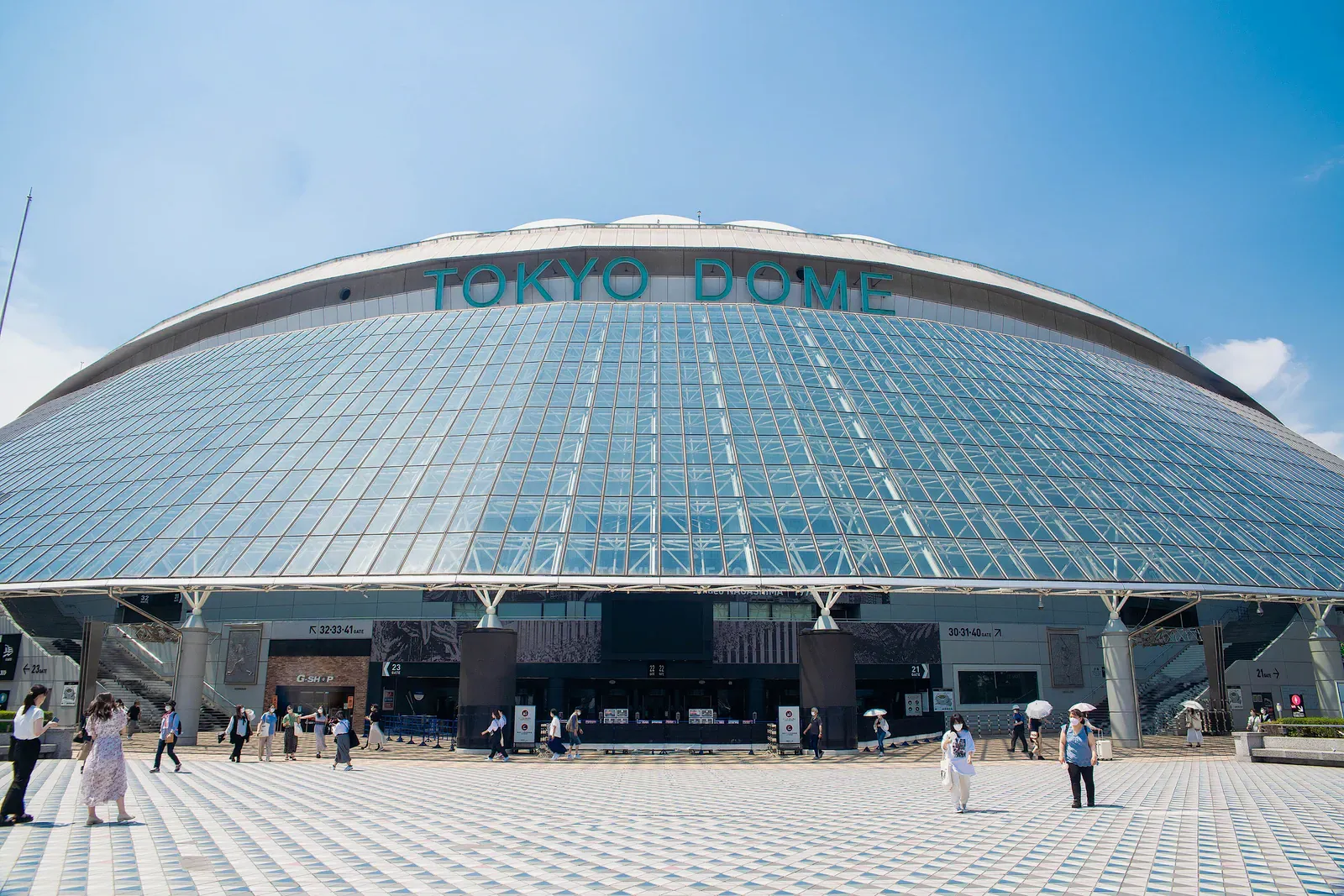
- 2011Nana Mizuki plays Tokyo DomeHer December 2011 two-day concert makes her the first voice actress to headline Japan's largest dome.
- 2013Linked Horizon release Guren no YumiyaAttack on Titan opening, digital on 8 April and on CD from Pony Canyon on 10 July 2013; it reaches the 64th Kohaku Uta Gassen.
2019
Global streaming
Demon Slayer, Chainsaw Man and Oshi no Ko themes by LiSA, Kenshi Yonezu and YOASOBI reach international charts as streaming removes import barriers.
- 2019LiSA releases Gurenge for Demon SlayerDigital release 22 April 2019; the first single by a female artist past one million downloads in Japan.
- 2022Kenshi Yonezu releases Kick BackChainsaw Man opening (12 October 2022) becomes the first Japanese-language song certified gold by the RIAA, in 2023.
- 2023YOASOBI Idol tops Billboard Global Excl. USThe Oshi no Ko opening, out 12 April 2023, is the first Japanese-language song at number 1 on that chart.
Listening path
Anthems
The records that built the sound, grouped by the part they played. Thumbnails come from YouTube; the player loads only when you press play.
- 01
Ichirou Mizuki, 1972 · Nippon Columbia
Opening of the super robot anime and the record that made Mizuki the leading anison voice; the video is a later re-recording by Mizuki himself, from the 2000s.
Origin - 02
Yoko Takahashi, 1995 · King Records (Japan)
Evangelion opening on Starchild that crossed far beyond fans and became a karaoke standard.
Start hereBreakthrough - 03
Yoasobi, 2023 · Sony Music Entertainment (Japan)
Oshi no Ko opening, the first Japanese-language song at number 1 on Billboard Global Excl. US.
Breakthrough - 04
Isao Sasaki, 1974
Theme of the 1974 space opera that powered the Yamato boom, sung by Sasaki.
Anthem - 05
Hironobu Kageyama, 1989 · Nippon Columbia
First Dragon Ball Z opening, an electronic rock anthem that defined Kageyama; the video is a later re-recording by Kageyama himself, from 2005.
Start hereAnthem - 06
Yoko Kanno, 1998 · Victor Entertainment
Seatbelts big band jazz opening of Cowboy Bebop with a Masato Honda sax solo, proof anime themes need not be vocal pop.
Anthem - 07
Nana Mizuki, 2005 · #2 Oricon Singles, 2005 · King Records (Japan)
First voice actress single to hit Oricon number 2, the anthem of the voice actor boom.
Anthem - 08
Linked Horizon, 2013 · Pony Canyon
Symphonic Attack on Titan opening that topped Billboard Japan Hot 100 and Hot Animation and reached the 64th Kohaku.
Anthem - 09
Mari Iijima, 1984 · #7 Oricon Singles, 1984 · Victor Entertainment
Macross film theme that reached Oricon 7 and won the Animage Grand Prix song category, an anime song as a real pop hit.
Crossover - 10
TM Network, 1987
City Hunter ending by a synth pop band that merged anison and J-pop; TM Network later played it at the 72nd Kohaku.
Crossover - 11
Ikimonogakari, 2008
Naruto Shippuden opening by a mainstream pop rock band, a Shonen Jump era gateway to J-pop success.
Crossover - 12
LiSA, 2019
Demon Slayer opening that sold over a million downloads and started the global streaming era of anison.
Start hereCrossover - 13
Kenshi Yonezu, 2022
Chainsaw Man opening, the first Japanese-language song certified gold by the RIAA.
Crossover
Facts
| Family | Stage and screen |
| Origin | Japan |
| Emerged | 1960s onward, named as a genre in the 1970s |
| Status | Active |
| Tempo | 130 to 180 BPM |
| Meter | 4/4 |
| Grew out of | Kayokyoku, J-pop |
| Subgenres | 8 |
Anime music, known in Japan as anison (anime song), is music written for Japanese animation and its tie-in media: opening and ending themes, insert songs, image and character songs, and background score.
It emerged with the first sung television themes of the 1960s and was marketed as a genre of its own from the 1970s, with dedicated singers, record labels and concerts. Its defining traits are lyrics tied to a series, high-energy full-band arrangements and a release cycle that follows the broadcast seasons.
Origins
The genre grew out of kayokyoku, the Japanese pop song of the mid-century, and later fed into J-pop, which it still shares artists and audiences with. The usual starting point is Astro Boy in 1963, whose theme had lyrics by the poet Shuntaro Tanikawa and was sung by a boys choir; it is often called the first anison. A theme, in this model, is a commercial song first and a title sequence second: a record that a label can sell as well as a broadcaster can air.
Television pioneers, 1963-1971
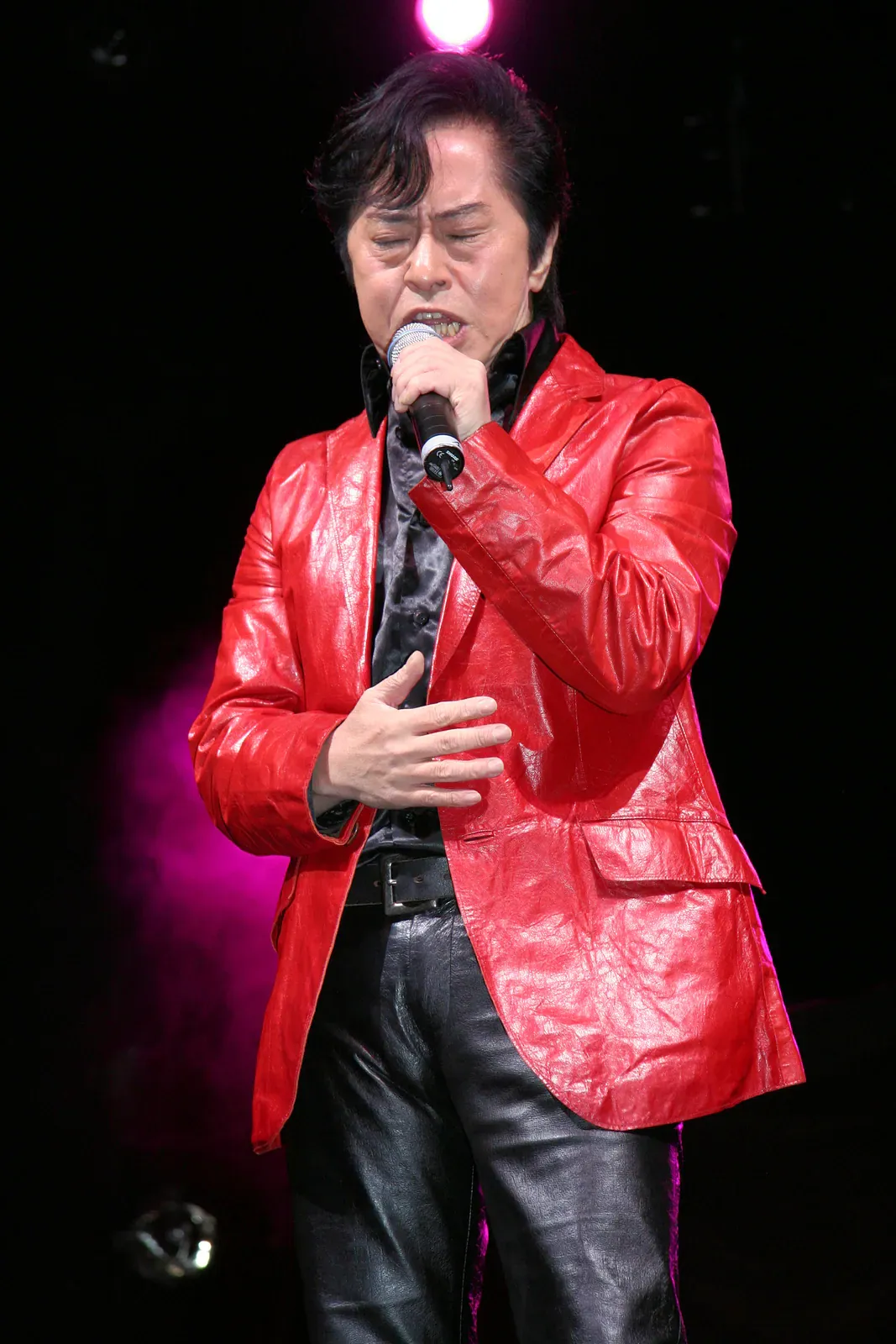
Through the 1960s the sung theme became a fixture of children’s animation, and by the 1970s dedicated anime song singers such as Ichirou Mizuki and Mitsuko Horie had appeared. The format fixed an arrangement that survives today: a full single is released on record, and an edit of about 90 seconds plays over the opening or closing credits of each episode, so the series advertises the record and the record advertises the series.
Super robots and space operas, 1972-1983
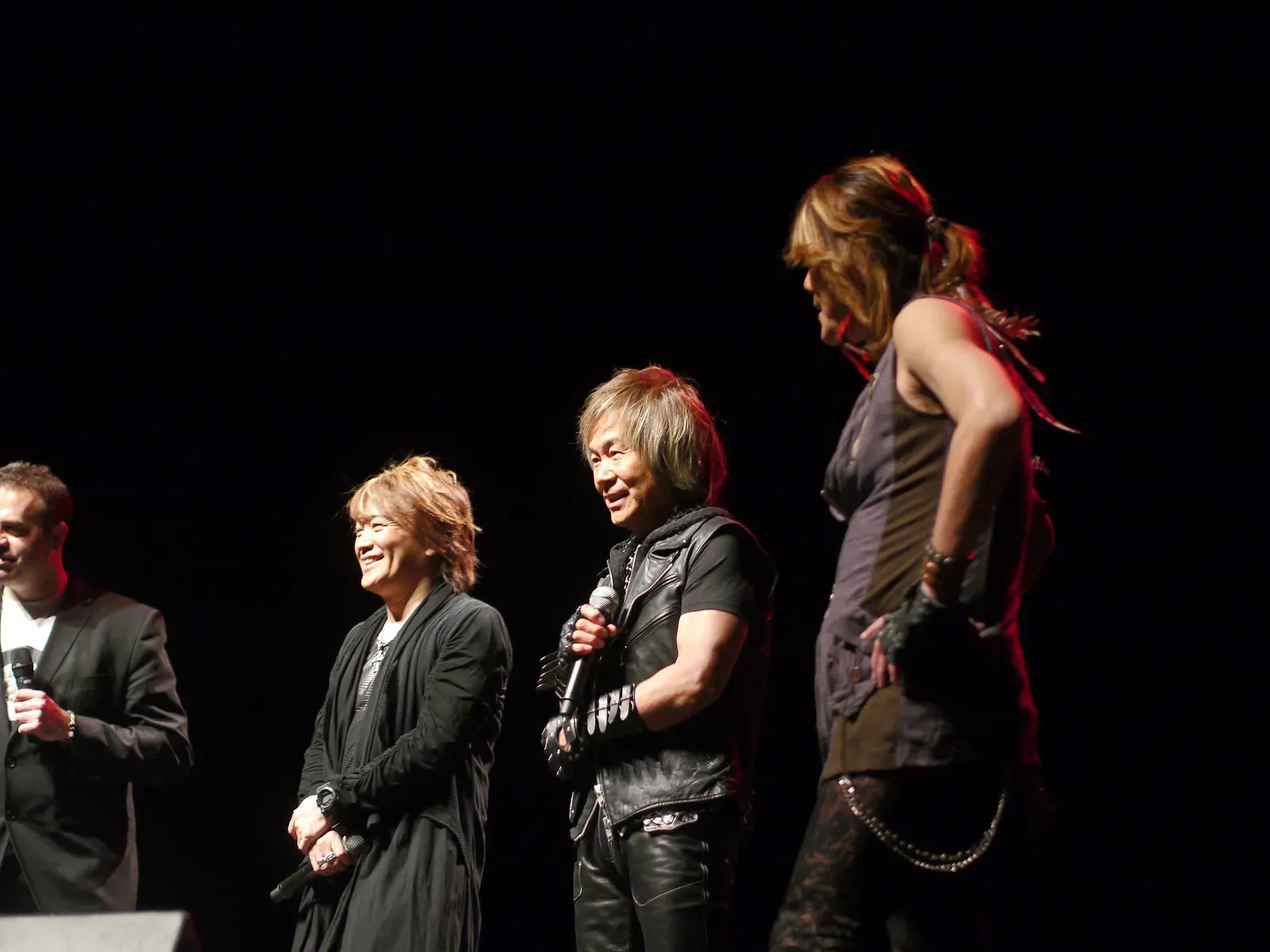
The 1970s gave the genre its sound and its stars. In 1972 Ichirou Mizuki sang the theme of the super robot series Mazinger Z for Nippon Columbia, a record that made him the leading voice of the form. Two years later Isao Sasaki sang the theme of Space Battleship Yamato, a space opera that premiered on 6 October 1974 and powered a fan boom around the series. These songs were loud and openly heroic, written to match robots and warships.
Pop crossover, 1984-1994
By the mid-1980s anime songs began to chart as pop records. Ai Oboete Imasu ka, the theme of the Macross film, was sung by Mari Iijima as the fictional idol Lynn Minmay; released by Victor Entertainment, it reached number 7 on the Oricon singles chart in 1984 and won the song category of the Animage Grand Prix.
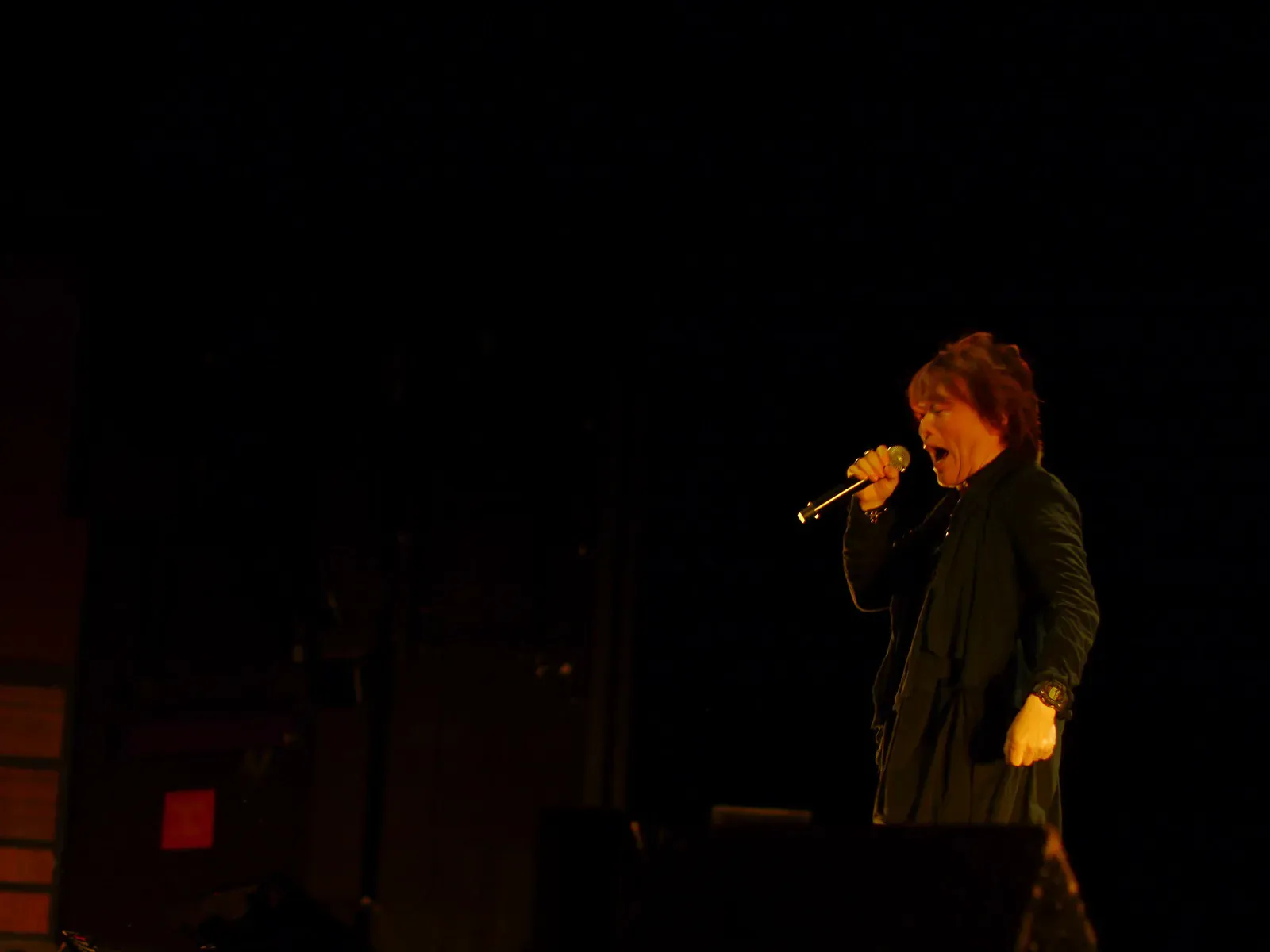
Mainstream acts followed. TM Network wrote Get Wild, a synth pop ending theme for City Hunter in 1987, which blurred the line between anison and J-pop and was later performed on the 72nd Kohaku Uta Gassen. Hironobu Kageyama joined Nippon Columbia in 1985 and began the career that earned him the nickname Prince of Anison; in 1989 his Cha-La Head-Cha-La opened Dragon Ball Z and became his signature work.
Dedicated labels, 1995-2004
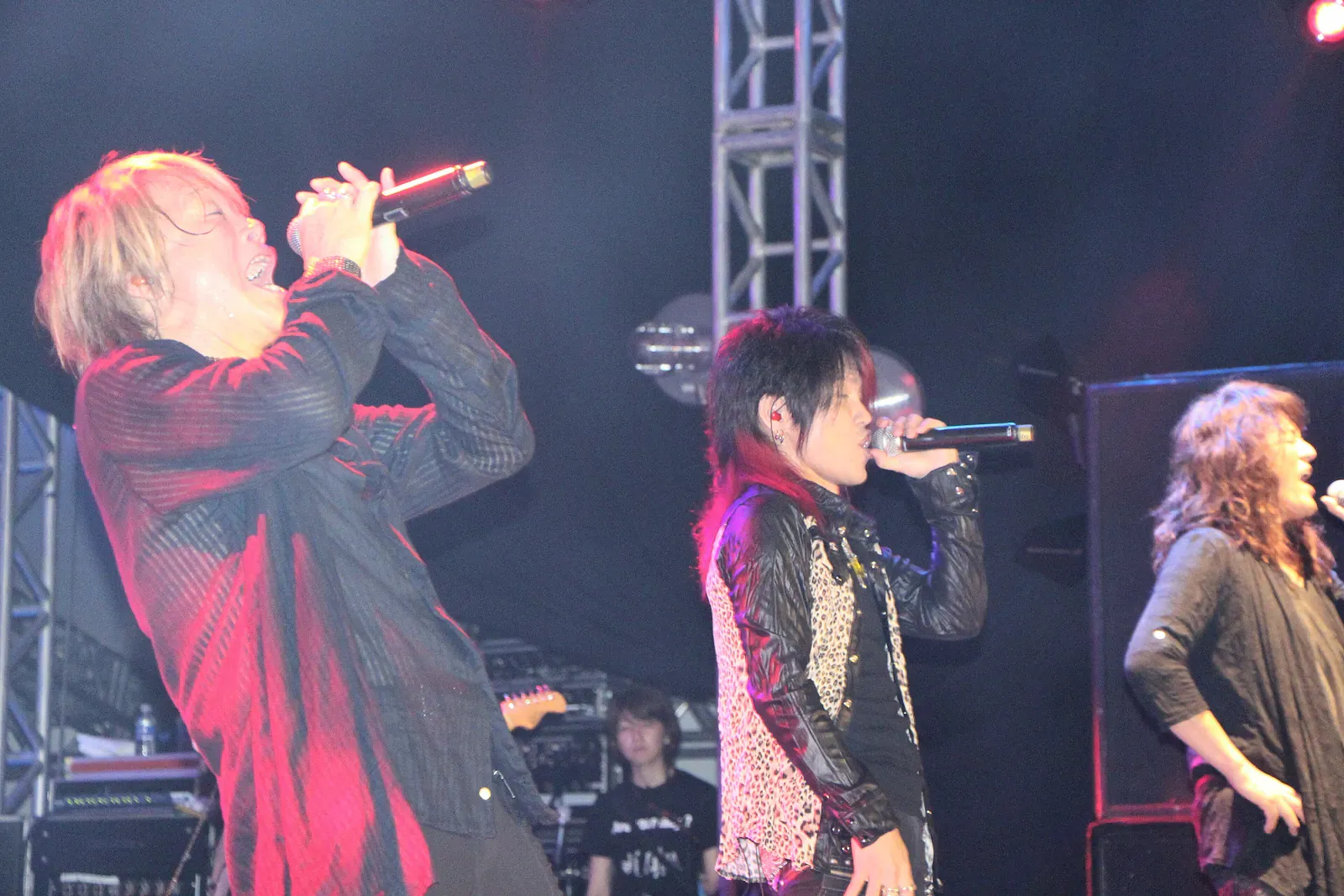
After the bubble economy ended, labels began to specialise. Starchild, an imprint of King Records, specialised in anime music, and its release of A Cruel Angel’s Thesis, the Evangelion opening sung by Yoko Takahashi on 25 October 1995, crossed far beyond the fan base and became one of the best-known anime songs anywhere. Lantis grew in the same period as another specialist, and in 2000 Mizuki and Kageyama founded the supergroup JAM Project to revive the fiery spirit of the early robot themes. Not every successful theme was a vocal pop song: in 1998 the composer Yoko Kanno and her band Seatbelts released the Cowboy Bebop soundtrack on Victor Entertainment, led by a big band jazz opening, Tank!.
Voice actors and festivals, 2005-2018
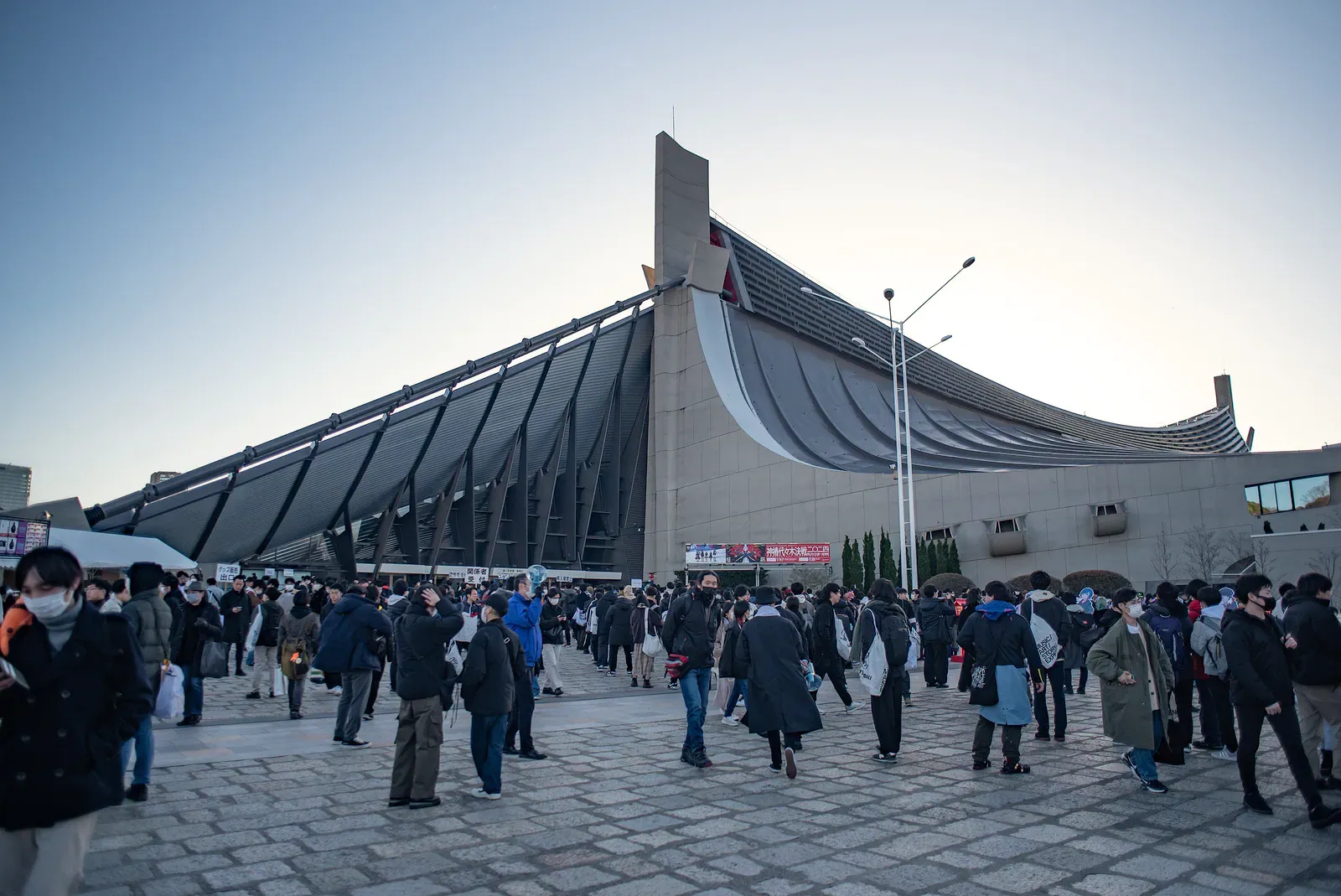
The mid-2000s turned anison into a live culture. Animelo Summer Live opened in 2005 at Yoyogi National Gymnasium, was held at the Nippon Budokan in 2006 and 2007, and moved to Saitama Super Arena in 2008, where it stayed through 2025 as the largest annual anime song festival; its 2025 edition drew about 87,000 people over three days. Each year has a shared theme song and a house band.
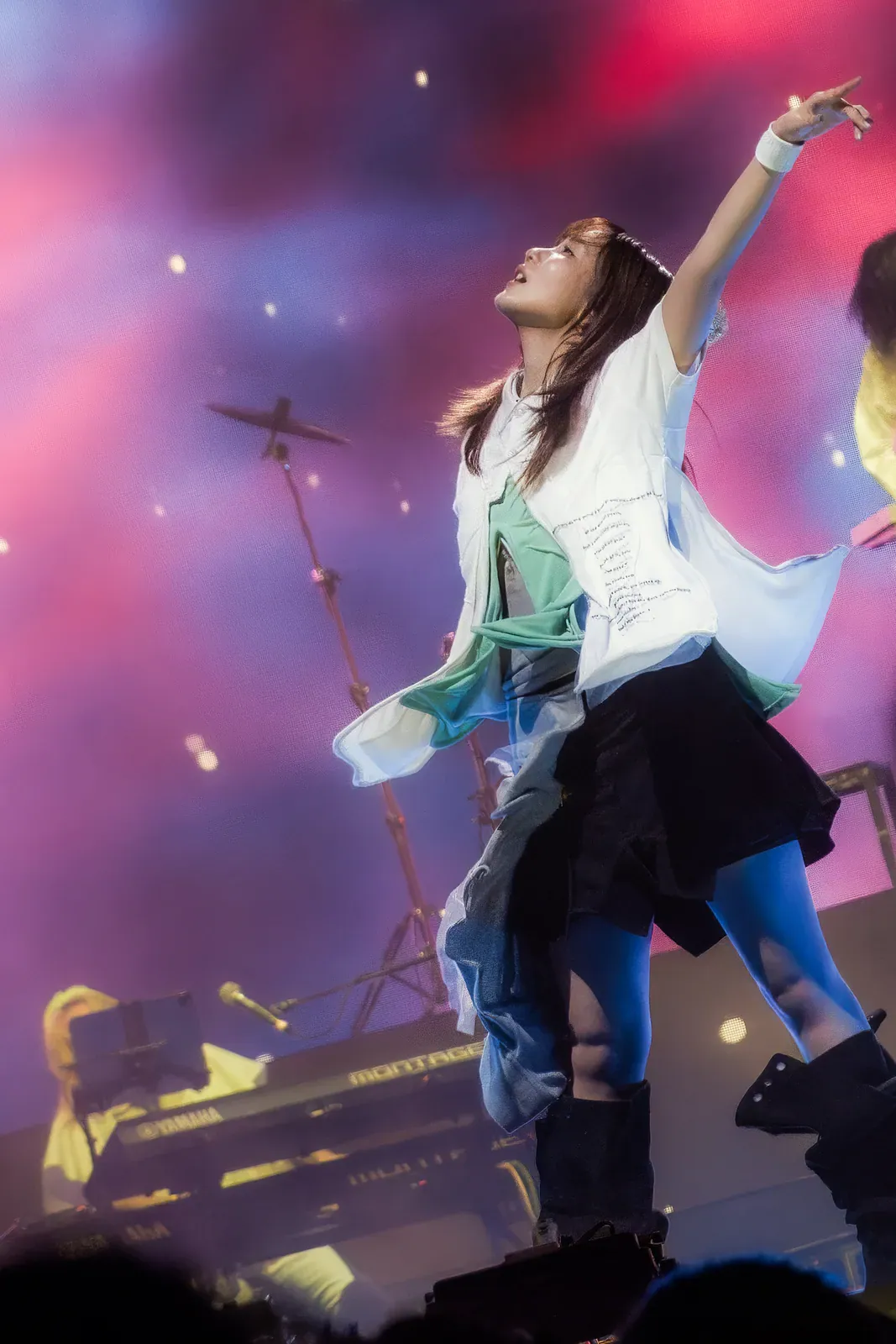
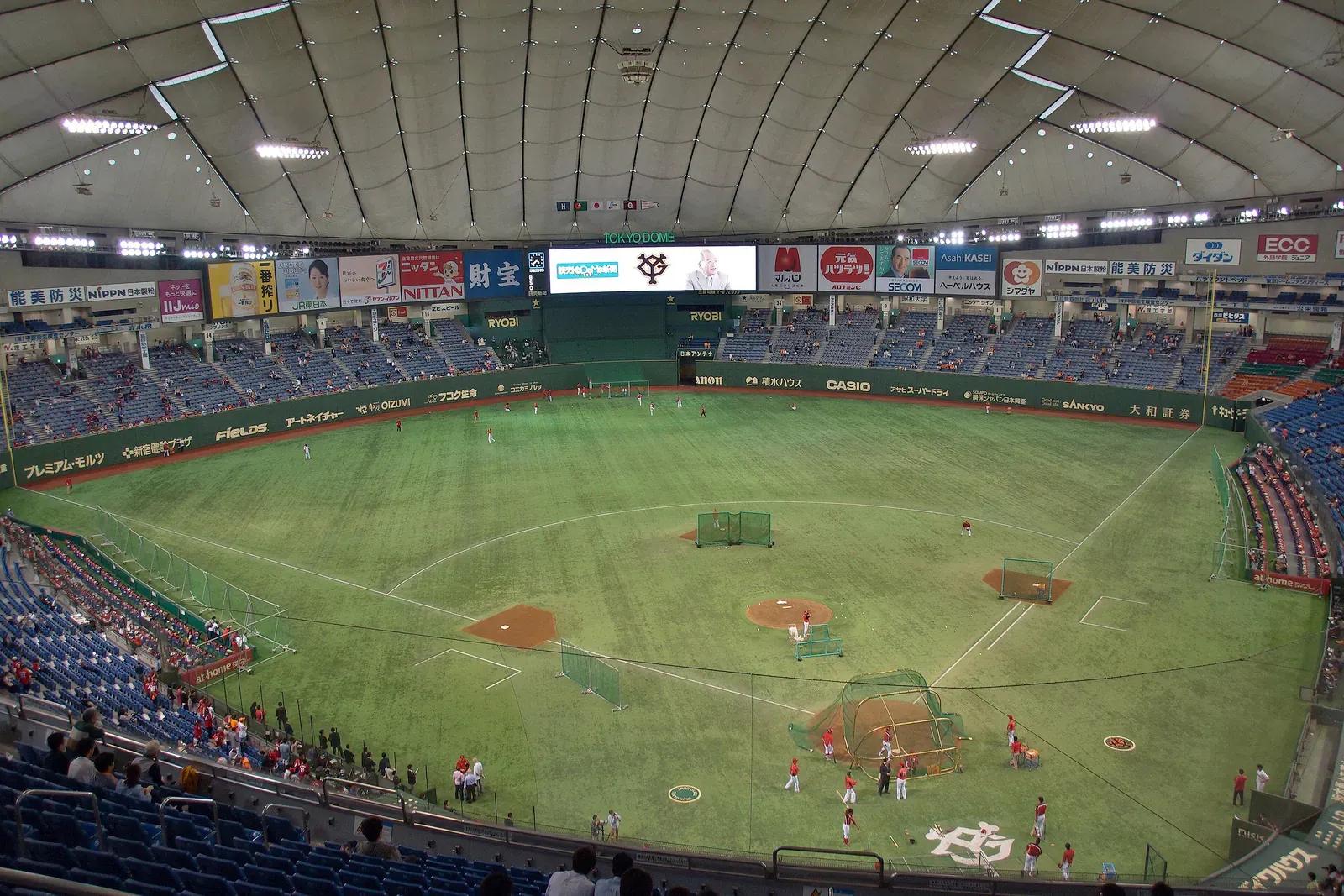
The same years raised the voice actor, or seiyu, into a singing star. Nana Mizuki’s Eternal Blaze reached number 2 on the Oricon weekly chart in 2005, the first by a voice actress to do so, and her album Ultimate Diamond reached number 1 in 2009. In December 2011 she played two days at Tokyo Dome, the first voice actress to headline Japan’s largest dome. Pop acts kept entering the field: Ikimonogakari’s Blue Bird, the third Naruto Shippuden opening, debuted at number 3 in 2008.
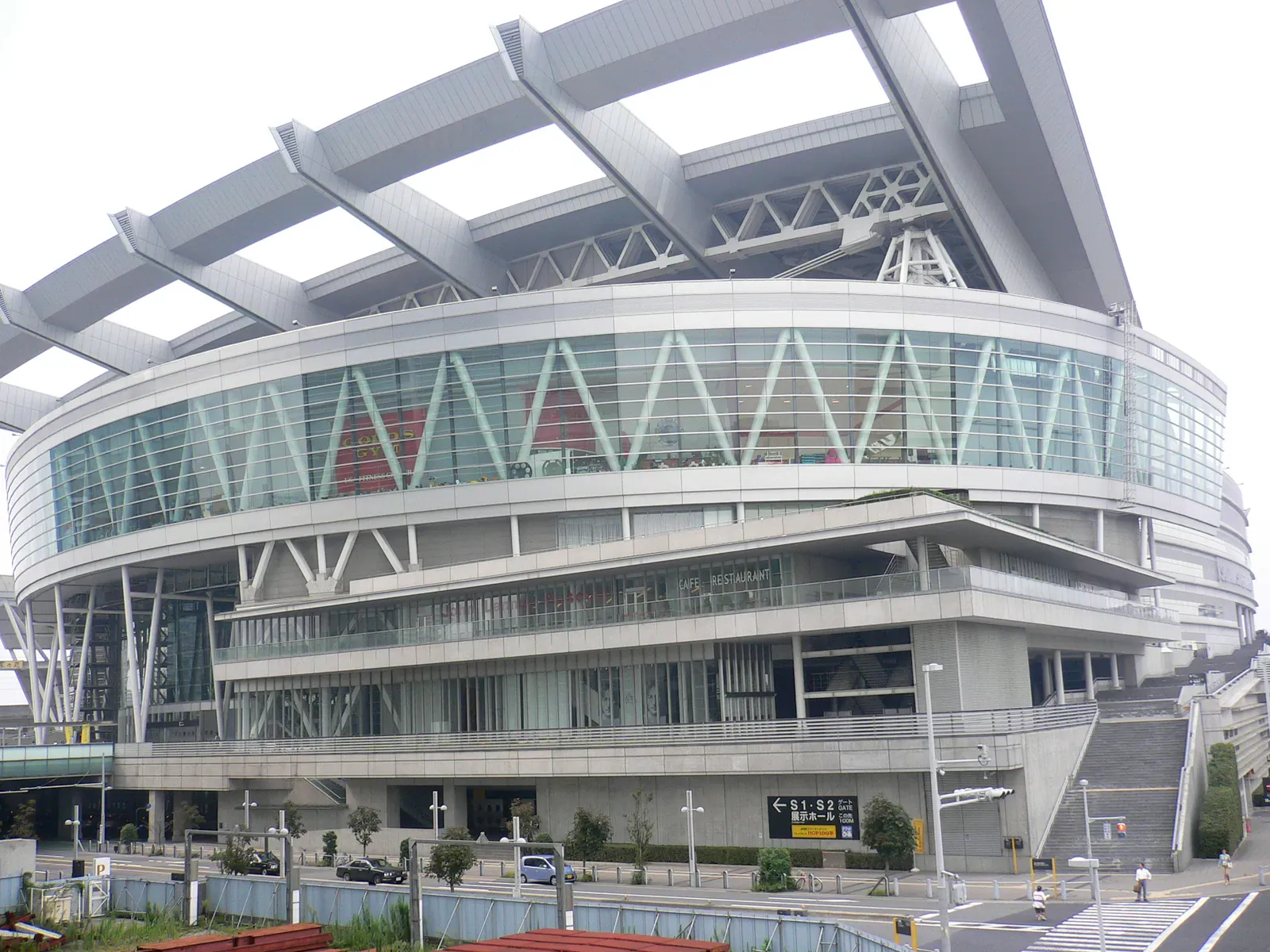
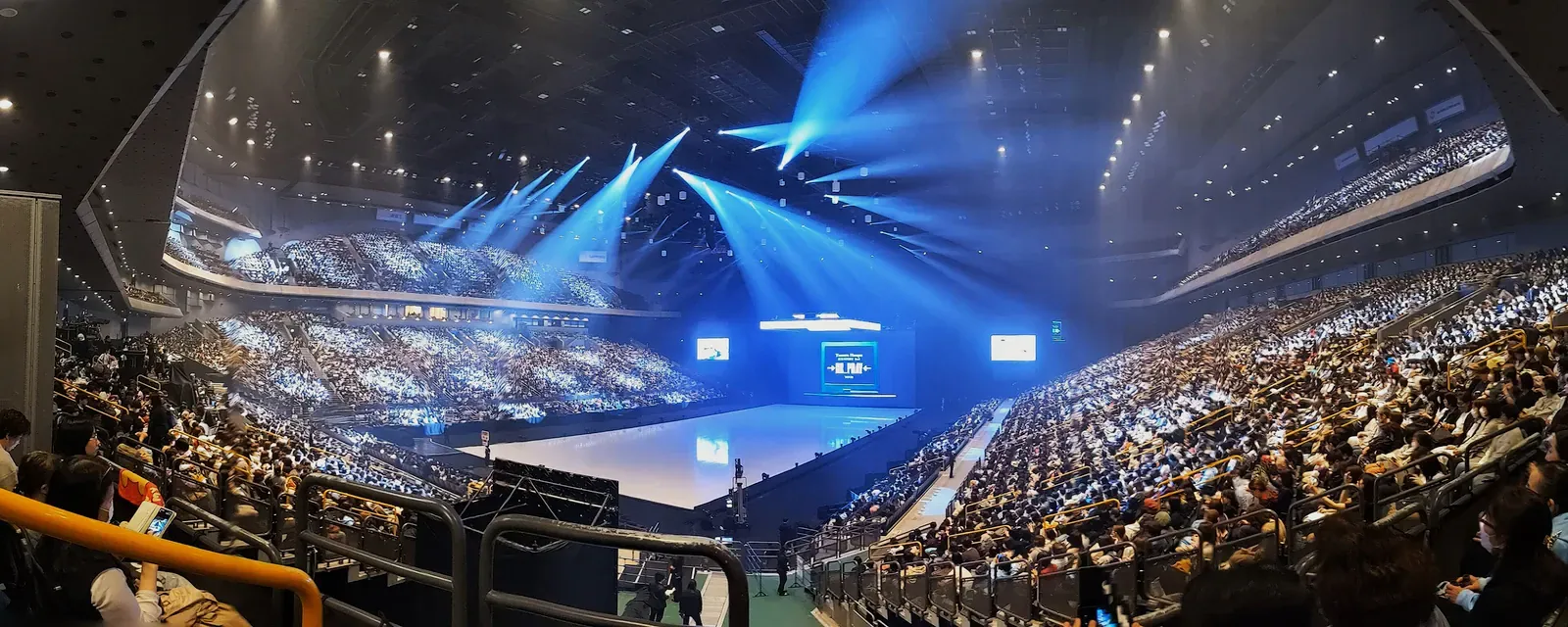
Fan practice moved with the music. The Haruhi dance from Hare Hare Yukai, released by Lantis on 10 May 2006, sparked a wave of cover dance videos from 2007. In 2010 the image songs of the K-On! band, Ho-kago Tea Time, took the first and second places on the Oricon singles chart, the first anime image songs at the top. Linked Horizon’s symphonic Guren no Yumiya, the Attack on Titan opening of 2013 on Pony Canyon, reached the 64th Kohaku Uta Gassen.
Global streaming, 2019 onward
Streaming removed the import barrier that had kept anime songs a mostly domestic market. LiSA’s Gurenge, the Demon Slayer opening of April 2019, became the first single by a female artist to pass one million downloads in Japan. Kenshi Yonezu’s Kick Back, the Chainsaw Man opening of 2022, was certified gold by the RIAA in 2023, the first Japanese-language song to be. In April 2023 YOASOBI’s Idol, the Oshi no Ko opening, became the first Japanese-language song at number 1 on the Billboard Global Excl. US chart.
Characteristics
Anime songs answer to a story. Lyrics refer to a series, a character or a theme, and a song is written around the show it promotes. The sound has no fixed form: themes range from electronic rock and synth pop to symphonic arrangements, jazz and pop rock, and many openings change tempo or key between verse and chorus.
Instruments and production
Production follows the brief: rock anison rests on a full band, 1980s themes lean on synthesizers, large-scale series commission orchestral strings, and soundtracks are written by composers working to picture. Singers such as Mizuki and Kageyama have re-recorded their early hits decades later.
Notable recordings
Mazinger Z of 1972 is the record most often cited as defining the modern genre, because Mizuki’s delivery set the heroic register that later singers took up. A Cruel Angel’s Thesis shows how long a theme can run: it opened Evangelion in 1995 and was the top karaoke song of the Heisei era on one karaoke network. Get Wild shows the opposite route, a pop band’s record that entered the genre sideways and stayed there.
Culture
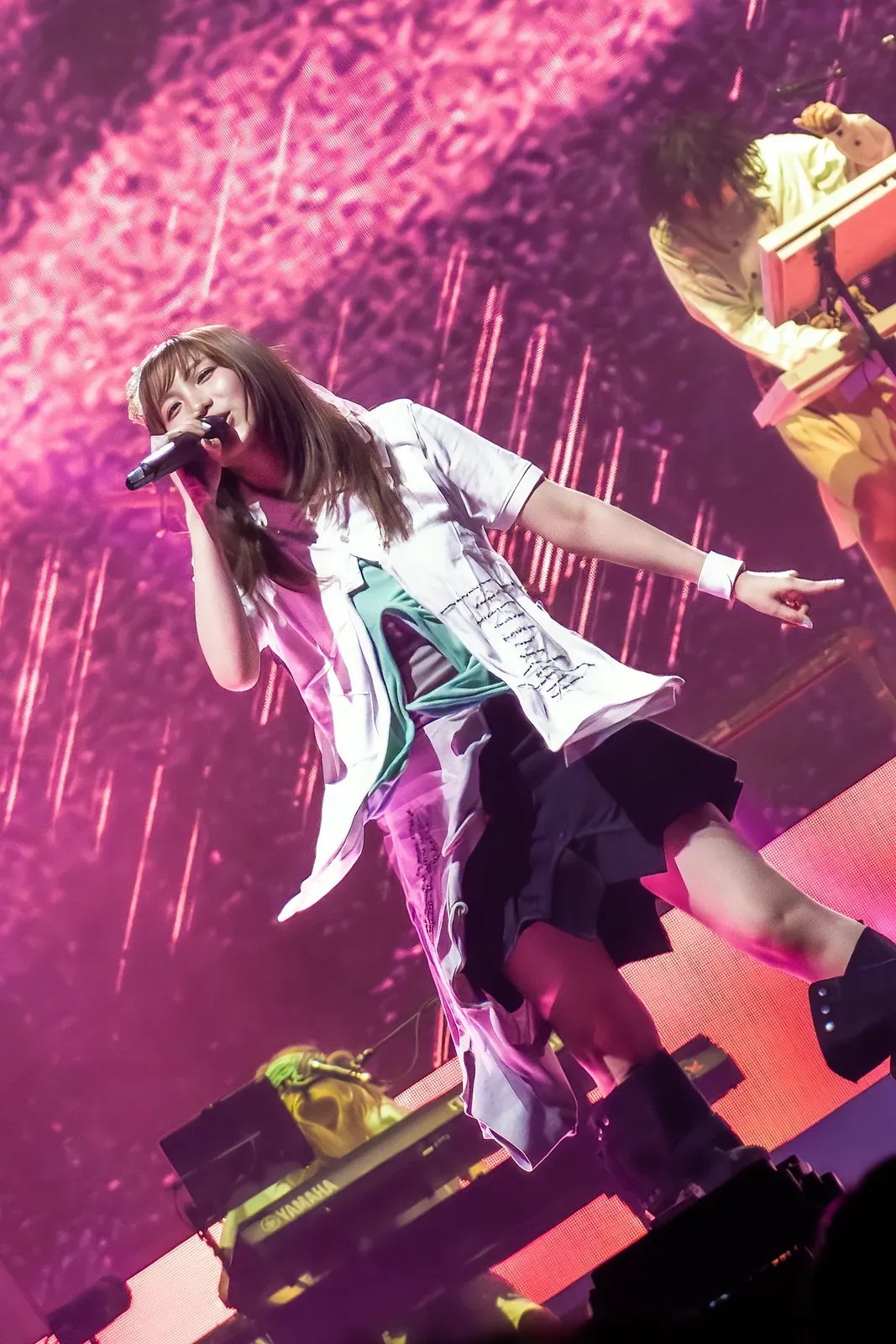
Anison has a participatory fan culture. Wotagei is the coordinated chanting, jumping and glow stick routines that audiences perform in time with the music at idol and anime events. Karaoke keeps old themes in circulation, and the cover dance videos that grew from the Haruhi routine spread through Nico Nico Douga and YouTube. Voice actor bands such as BanG Dream!, launched in 2015, put instrument-playing voice actors on stage as working bands.
The business runs on seasonal release cycles, with new openings and endings arriving as each series airs, and on labels such as King Records, Nippon Columbia and Sony Music Japan that treat anime music as a core catalogue.
Legacy
Anime music influenced nightcore, cloud rap, lo-fi hip hop and otacore, and it ties closely to doujin music, voice actor idol music and 2.5D musicals. It also gave the J-pop industry a second channel: a band with a hit opening can reach audiences it would not otherwise. For the wider field of music written for screen and stage, see Stage and screen, and for the pop tradition it grew beside, J-pop.
Misconceptions
One common claim is that anime music has a single sound, cute and fast. The catalogue shows otherwise: Tank! is big band jazz, Guren no Yumiya is symphonic, Get Wild is synth pop and Blue Bird is pop rock with harmonica.
A second claim is that the genre only matters to fans. Ai Oboete Imasu ka reached number 7 on the national singles chart in 1984, Get Wild and Guren no Yumiya reached Japan’s main year-end television broadcast, and Kick Back and Idol set records for Japanese-language songs abroad.
A third claim is that voice actors who sing are a novelty. Nana Mizuki’s number 1 album and her Tokyo Dome concert came from a career built on records and live performance, and the voice actor boom shaped the genre’s charts through the 2000s and 2010s.
Frequently asked questions
What does anison mean?
Anison is the Japanese word for anime songs. It covers opening and ending themes, insert songs, character and image songs, and by extension the singers and labels that specialise in them.
What was the first anime theme song?
The theme of Astro Boy in 1963, with lyrics by Shuntaro Tanikawa and a boys choir, is often called the first anison. Anime music as a distinct marketed genre developed in the 1970s with singers such as Ichirou Mizuki and Isao Sasaki.
What is Animelo Summer Live?
Animelo Summer Live is the largest annual anime song festival in Japan. It began in 2005 at Yoyogi National Gymnasium and was held at Saitama Super Arena from 2008 to 2025.
Is anime music the same as J-pop?
No, but they overlap. Anime music is defined by its tie-in with animation, while J-pop is defined by its pop style; many J-pop acts, such as TM Network, Ikimonogakari and YOASOBI, wrote hit anime themes.
Sound
Sound sheet
Signature sounds
- Lyrics tied to the show and its characters
- High energy full band arrangement
- Tempo or key change between verse and chorus
Techniques
- Tie-in lyrics
- Image and character songs
- Tempo or key shifts between sections
- Voice actor bands
Keys and modes
Minor keys. Common in sampled hits: Gurenge E minor, Cruel Angel's Thesis C minor, Get Wild B minor, Blue Bird F sharp minor.
Vocals
Sung by dedicated anison singers, voice actors in or out of character, and mainstream J-pop acts.
Scenes
Where it happened
Where and when the sound lived: one bar per city on a shared timeline.
Asia
Active scenes
Peak 2, 2008-2025
Home of the broadcasters and the labels, from the Astro Boy theme to King Records and Lantis.
Saitama Super Arena hosted Animelo Summer Live, the biggest annual anime song festival, from 2008 to 2025.
Venues and places
Tokyo, 2005 to today. Site of the first Animelo Summer Live in 2005.
Tokyo, 2006 to today. Hosted Animelo Summer Live in 2006 and 2007.
Saitama, 2008 to today. Main home of Animelo Summer Live; the 2025 edition drew 87,000 over three days.
Tokyo, 2011 to today. Nana Mizuki played two days here in December 2011, a first for a voice actress.
Saitama, 2005 to today. Annual festival with a shared theme song each year and a house Anisama band.
Culture
Culture markers
- Haruhi dance
The Hare Hare Yukai routine inspired the cover dance video genre on Nico Nico Douga and YouTube from 2007.
Dance - Aniki
Fans and peers called Ichirou Mizuki the big brother of anison.
Slang - Wotagei
Fans jump, chant and wave glow sticks in sync at idol and anime song events.
Ritual - Karaoke
Songs like A Cruel Angel's Thesis, Joysound's top karaoke song of the Heisei era, live on in karaoke boxes.
Ritual
Media
Key media
- 1978Animage
by Tokuma Shoten. The first mass market anime magazine; its Anime Grand Prix has a song category.
Zine - 1984Macross: Do You Remember Love?
by Studio Nue and Artland. The film whose theme Ai Oboete Imasu ka made an anime song a Top 10 single.
Film
Glossary
Terms on this page
Big brother, the nickname fans gave Ichirou Mizuki as the elder of the anison world.
Short name of Animelo Summer Live, the annual anime song festival.
Japanese word for anime songs, including opening, ending, insert and character songs.
Tie-in song about a character, sometimes sung by that character's voice actor in character.
The theme songs that start and close an episode, usually the biggest hit of a series.
A Japanese voice actor; many release records and tour as singers.
Coordinated chants, jumps and glow stick moves by fans at idol and anime events.
Stage and screen family