Video game music
Video game music is music written for games, shaped by each era's sound hardware and usually built to loop or adapt to play. It began in the 1970s arcades.
Japan, United States, 1975
Stage and screen family
Born
1975
Japan, United States
Subgenres
6
Documented branches
Links
17
Genres it drew on or shaped
Tempo
90-150 BPMLineage
Family tree
Grew out of
Japan, United States, 1975
Video game music
Led to (7)
Timeline
Era by era
From the first sparks to today. Select a dot to read the story behind it.
- Beeps and first themes
1975 to 1982
- Console sound chips
1983 to 1993
- Disc audio and sequenced scores
1994 to 2000
- Orchestras and concert halls
2001 to 2012
- Indie scores and adaptive audio
2013 to today
Eras
Moments
- 1 Beeps and first themes, 1975 to 1982
- 2 Console sound chips, 1983 to 1993
- 3 Disc audio and sequenced scores, 1994 to 2000
- 4 Orchestras and concert halls, 2001 to 2012
- 5 Indie scores and adaptive audio, 2013 to today
1975
Beeps and first themes
Arcade boards squeeze out bleeps, looping bass lines and short jingles. Music starts reacting to play and turns into a signature of the cabinet.
- 1978Space Invaders loops a four-note bass lineThe descending loop speeds up as the aliens advance, an early case of music reacting to play.
- 1980Rally-X adds continuous background musicNamco's driving game is widely cited as the first with background music playing throughout.
- 1980Pac-Man opens with a composed start jingleA short C major tune sets the cabinet's identity.
1983
Console sound chips
Famicom, Mega Drive and Game Boy chips define the sound. Composers write melodies, bass and drums for a handful of channels, and game themes become hummable.
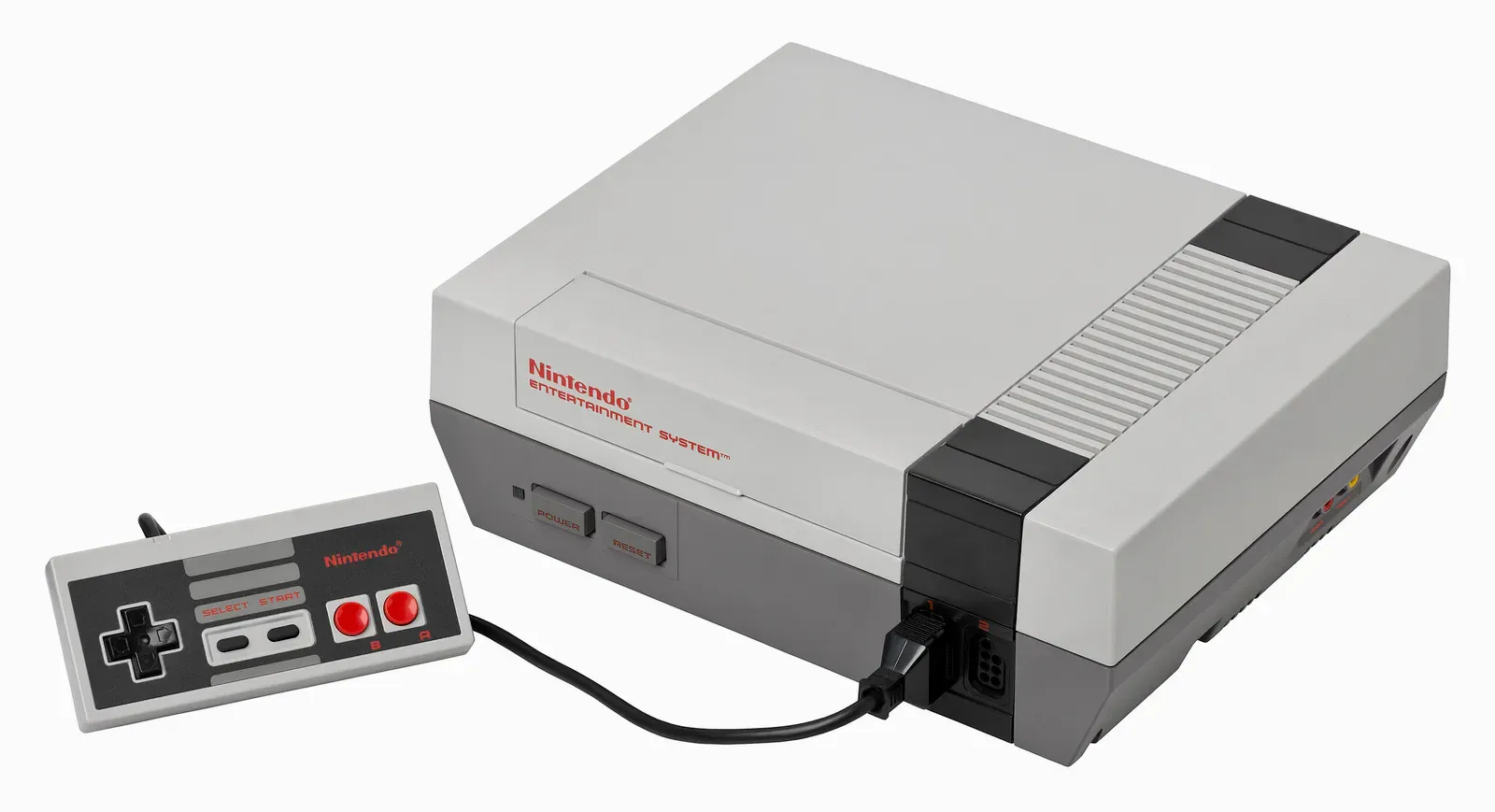
- 1983Famicom launches in JapanNintendo's console ships with a Ricoh sound chip of two pulse waves, a triangle, noise and sample channels.
- 1984Video Game Music, the first game music albumAlfa Records releases Namco arcade music, produced by Haruomi Hosono.
- 1985Super Mario Bros. ground themeKoji Kondo's syncopated tune becomes the best-known game melody.
- 1986The Legend of Zelda overworld themeKondo writes a heroic march for an open adventure.
- 1986Dragon Quest and its orchestral overtureKoichi Sugiyama brings a classical composer's approach to a console role-playing game.
- 1987First Dragon Quest orchestral concertSugiyama's Family Classic Concert is generally counted as the first game music concert.
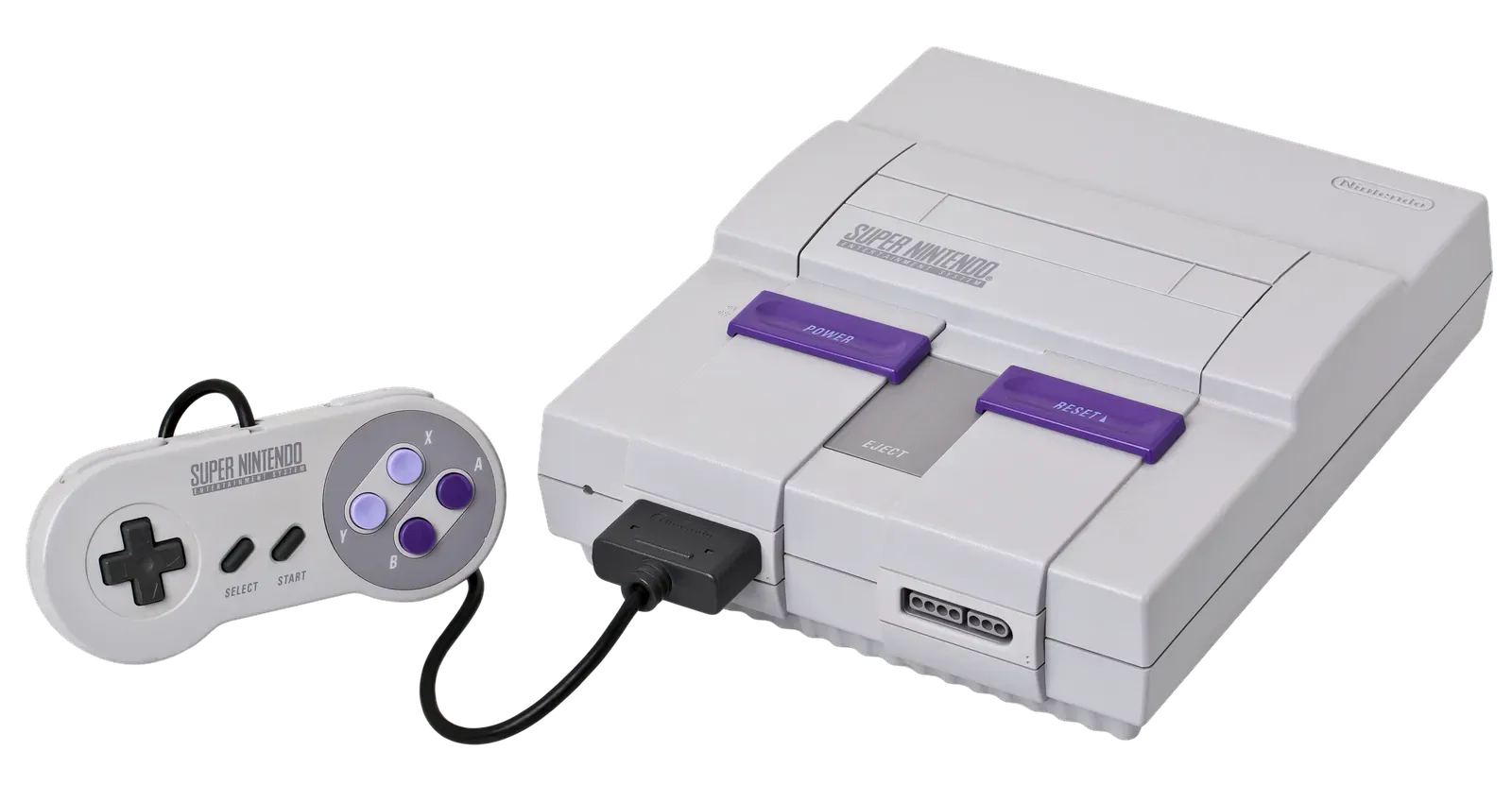
- 1988Mega Drive arrives with a Yamaha FM chipSega's console uses FM synthesis for bright, bass-heavy sound.
- 1989Game Boy Tetris plays KorobeinikiHirokazu Tanaka arranges the Russian folk tune for the handheld's A-Type theme.
- 1991LucasArts debuts iMUSEMonkey Island 2 shifts music smoothly with on-screen action.
- 1991Sonic the Hedgehog and Green Hill ZoneMasato Nakamura's pop-minded score helps sell the Mega Drive.
- 1992Streets of Rage 2 brings club music to consolesYuzo Koshiro programs house and techno-style tracks for the Mega Drive.
1994
Disc audio and sequenced scores
CD storage and sampled sound allow recorded instruments, vocals and licensed tracks. Role-playing and racing games lead the shift.
- 1995Chrono TriggerYasunori Mitsuda's debut role-playing score is still a fan favourite.
- 1997Final Fantasy VII and One-Winged AngelNobuo Uematsu's boss theme adds Latin chant and orchestral punch.
2001
Orchestras and concert halls
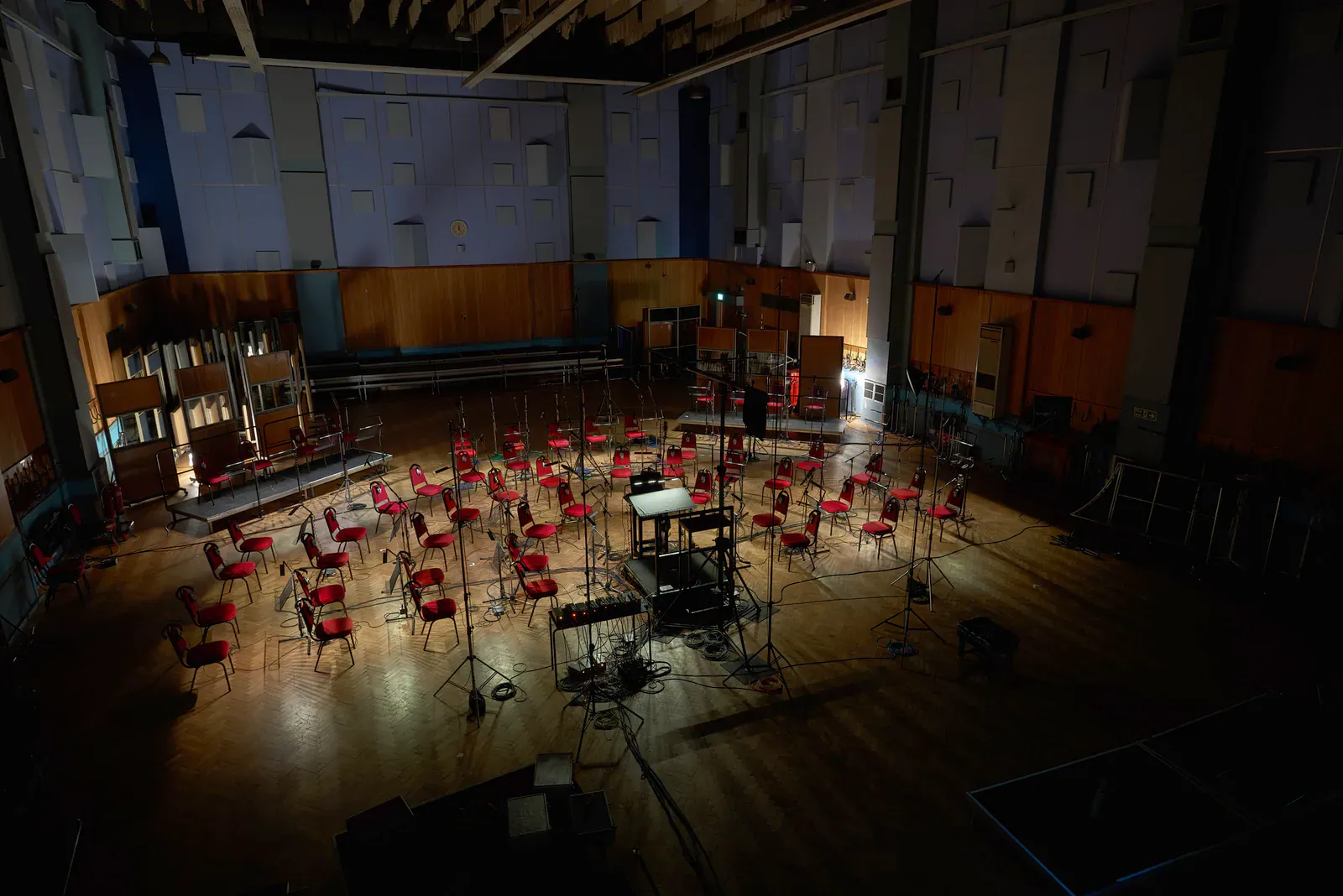
Live orchestras and choirs score big games, and concerts, Grammy wins and prom nights bring game music to concert audiences.
- 2001Halo themeMartin O'Donnell's chant-flavoured theme gives an Xbox launch title a recognizable sound.
- 2005Video Games Live debuts at the Hollywood BowlA concert series brings game scores to large audiences.
- 2011Baba Yetu wins a GrammyChristopher Tin's choral Civilization IV theme is the first game music piece to win one.
- 2011BBC Proms stage game musicThe Royal Albert Hall hosts its first video game music Prom.
- 2012Journey earns a Grammy nominationAustin Wintory's score is the first game soundtrack nominated in the visual media score category.
2013
Indie scores and adaptive audio
Solo developers, streaming and middleware widen the field. Adaptive layers, vinyl reissues and a dedicated Grammy category mark the present.
- 2015UndertaleToby Fox writes the game almost alone; its themes spread far beyond the game.
- 2016Doom returns with industrial metalMick Gordon's score revives heavy guitar in big-budget game music.
- 2023Grammys first present a game score categoryThe Best Score Soundtrack for Video Games and Other Interactive Media award is handed out for the first time.
Listening path
Anthems
The records that built the sound, grouped by the part they played. Thumbnails come from YouTube; the player loads only when you press play.
- 01
Toshio Kai, 1980
One of the first composed tunes tied to an arcade game, a short jingle that gave Pac-Man its identity.
Origin - 02
Masato Nakamura, 1991
A bright pop-style theme that carried the Mega Drive and Sonic into the mainstream.
Start hereBreakthrough - 03
Kinuyo Yamashita, 1986
Castlevania's driving stage theme set the template for gothic action game music.
Anthem - 04
Yuzo Koshiro, 1992
Club-style house on the Mega Drive made Streets of Rage 2 a dance music touchstone.
Anthem - 05
Yasunori Mitsuda, 1995
A haunting Chrono Trigger piece, loved for atmosphere on limited hardware.
Anthem - 06
Martin O'Donnell, 2001
Chant and strings gave the series an unmistakable sound for a generation of console players.
Anthem - 07
Jeremy Soule, 2011
A male-choir battle chant that defines Skyrim for its audience.
Anthem - 08
Austin Wintory, 2012
A wordless orchestral finale tied to the player's journey in the game.
Anthem - 09
Toby Fox, 2015
A fast, D minor boss theme from Undertale that became an internet-era favourite.
Start hereAnthem - 10
Nobuo Uematsu, 1997 · DigiCube
A choral and orchestral boss theme that jumped into concert halls and pop culture.
Crossover - 11
Christopher Tin, 2005
A Swahili choral piece from Civilization IV and the first game music to win a Grammy.
Start hereCrossover - 12
Jonathan Coulton, 2007
A pop song over the end credits of Portal that fans took to the wider internet.
Crossover - 13
Mick Gordon, 2016
Chugging 8-string guitars and synths brought heavy metal back to game scores.
Revival
Facts
| Family | Stage and screen |
| Origin | Japan, United States |
| Emerged | 1970s onward |
| Status | Active |
| Tempo | 90 to 150 BPM |
| Meter | 4/4 |
| Subgenres | 6 |
Video game music is music composed for video games, shaped in each era by the sound hardware available and usually written to loop or to follow what the player does.
It took form in the arcades of the late 1970s, grew up on Japanese console sound chips in the 1980s and now spans live orchestras, rock bands and solo bedroom composers.
Origins, 1975-1982
The first game soundtracks were accidents of cost. Early arcade boards had no room for a tune, so sound meant bleeps, and the earliest music was a pattern the game itself triggered. In 1978 Space Invaders looped a descending four-note bass line that sped up as the aliens advanced, an early case of music reacting to play. In 1980 Namco’s driving game Rally-X carried a continuous melodic background tune, and the same year Pac-Man opened with a short composed start jingle credited to Toshio Kai and Shigeichi Ishimura, which gave a cabinet an identity before the first coin dropped.
The hardware set the rules. Programmable sound generators such as the AY-3-8910, a three-voice chip designed in 1978 and used in arcade boards and home systems, allowed only a handful of simultaneous voices. Composers worked as programmers, entering notes as data, so a melody had to be short, memorable and cheap to store, and a few bars could loop for as long as a level lasted.
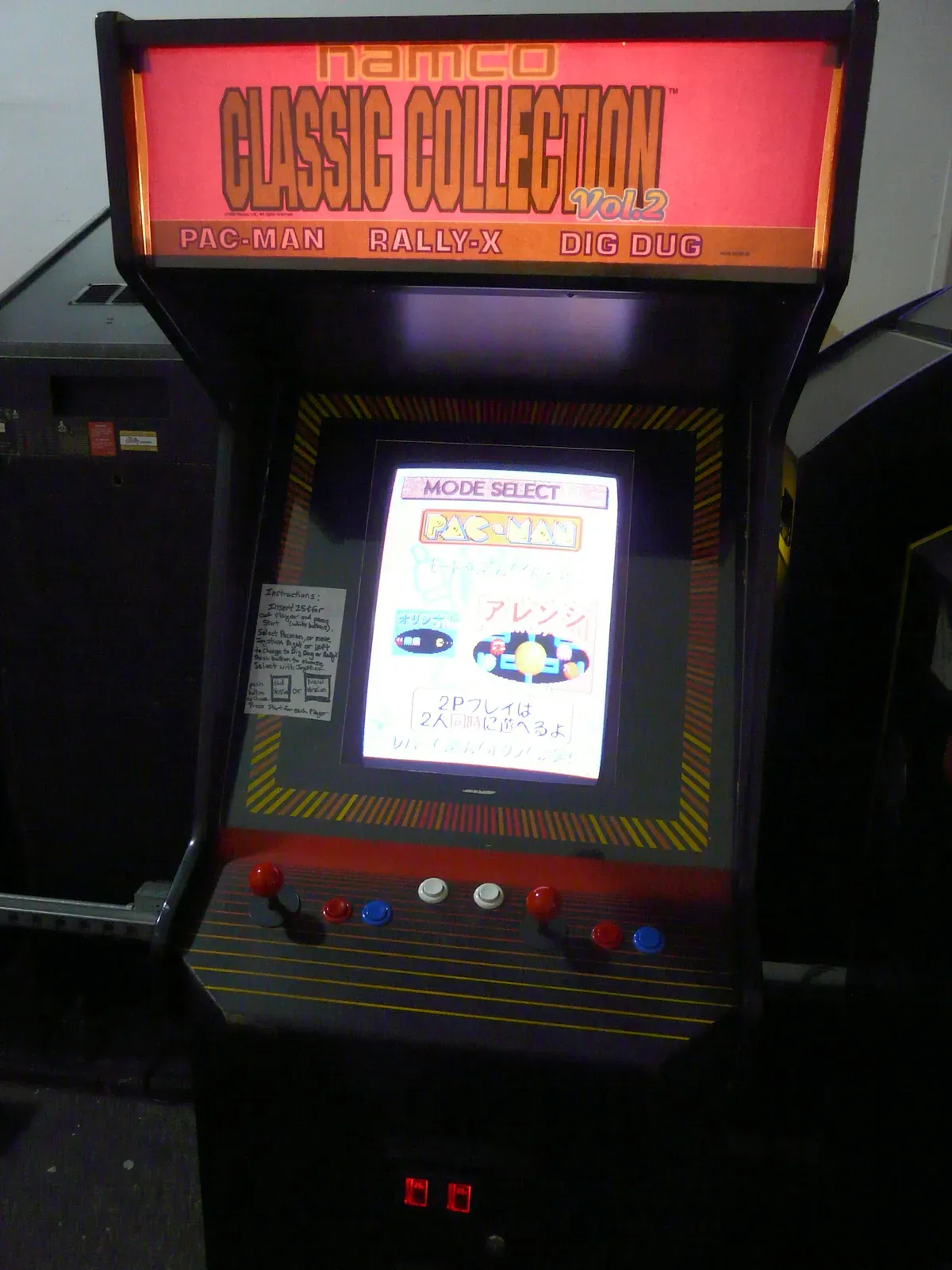
In 1984 Alfa Records released Video Game Music, produced by Haruomi Hosono from Namco arcade sounds, usually counted as the first game music album. It gave the music a second life outside the machine.
Console sound chips, 1983-1993
Nintendo’s Famicom launched in Japan in 1983 with a Ricoh sound chip of two pulse waves, a triangle, a noise channel and a sample channel. Composers had to write melody, bass and drums for those few voices, and the constraint produced hummable themes. Koji Kondo’s syncopated ground theme for Super Mario Bros. in 1985 became the best-known game melody, and his heroic march for The Legend of Zelda followed in 1986. Kinuyo Yamashita’s driving “Vampire Killer” for Konami’s Castlevania, also 1986, set a template for gothic action music.
Role-playing games gave composers longer forms. Koichi Sugiyama approached Dragon Quest in 1986 as a classical composer, and his 1987 Family Classic Concert is counted among the first game music concerts. Nobuo Uematsu’s Final Fantasy scores did the same for fantasy epics, and in 1989 Hirokazu Tanaka arranged the Russian folk tune Korobeiniki for the Game Boy Tetris.
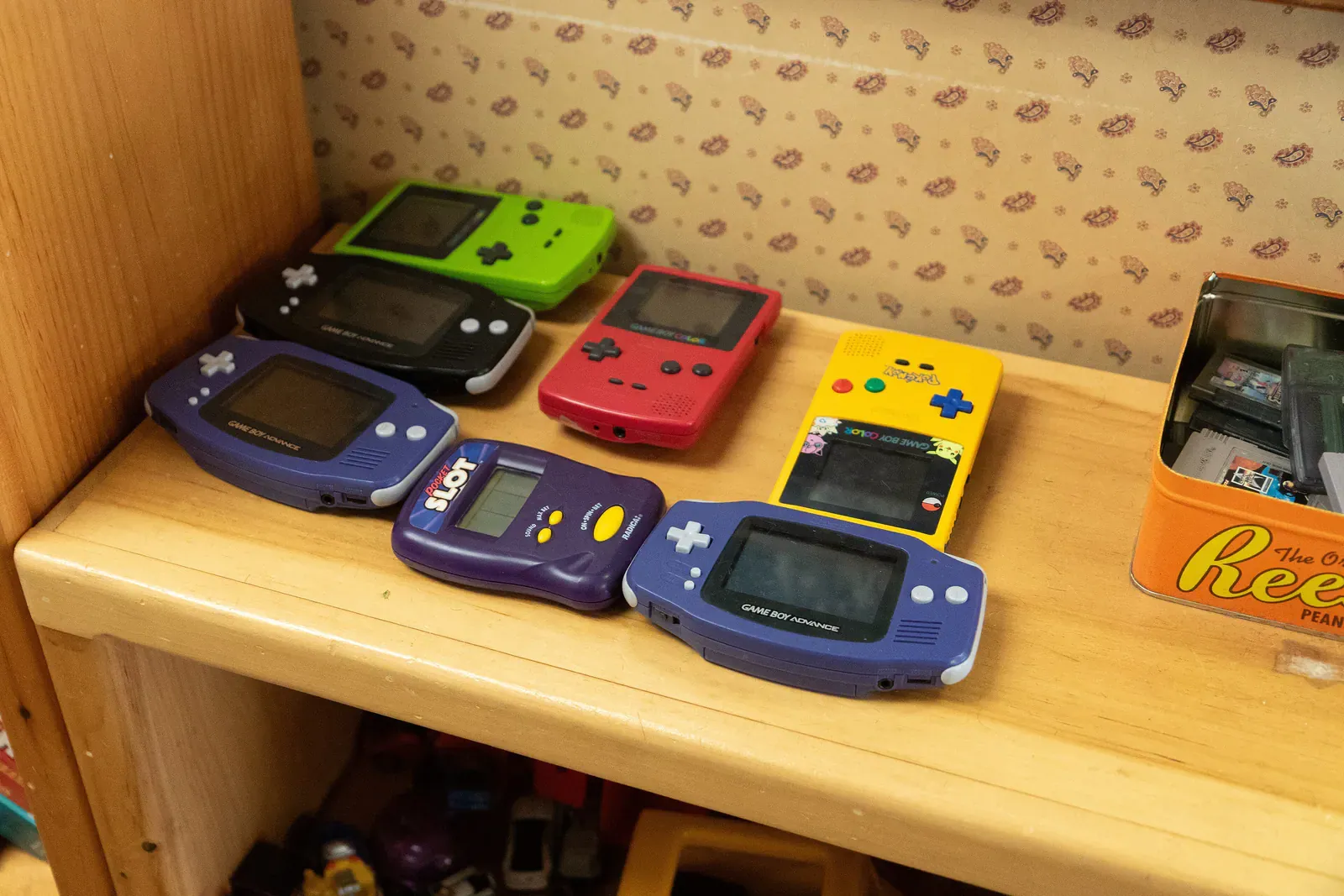
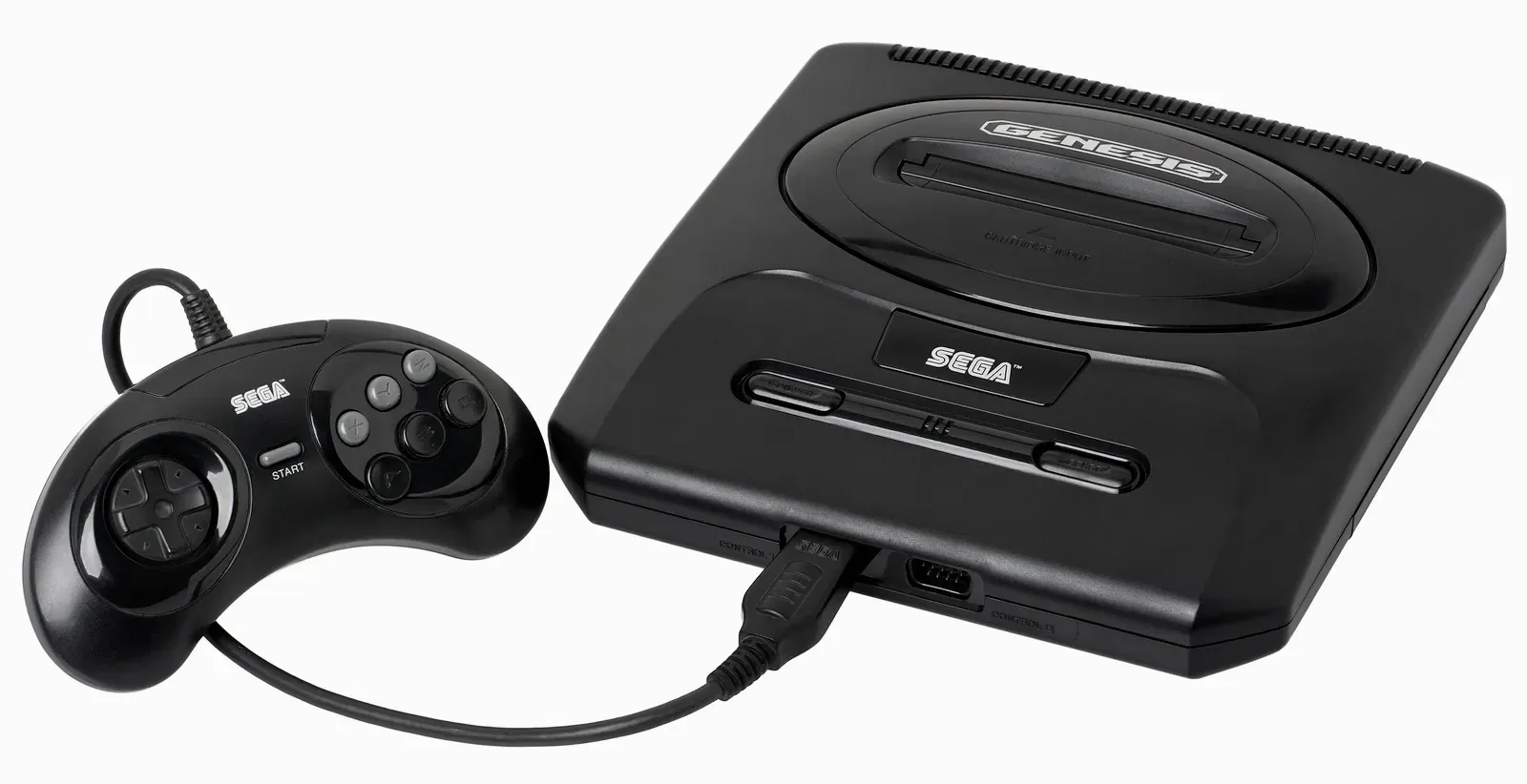
Sega’s Mega Drive, launched in Japan in 1988 and sold as the Genesis in North America, used a Yamaha FM synthesis chip beside a simple programmable sound generator. The result was a brighter, buzzier and more bass-heavy sound than Nintendo’s. Masato Nakamura, bassist of the band Dreams Come True, gave Sonic the Hedgehog in 1991 a pop-minded score, and in 1992 Yuzo Koshiro programmed house and techno-style tracks for Streets of Rage 2, bringing club music to consoles.
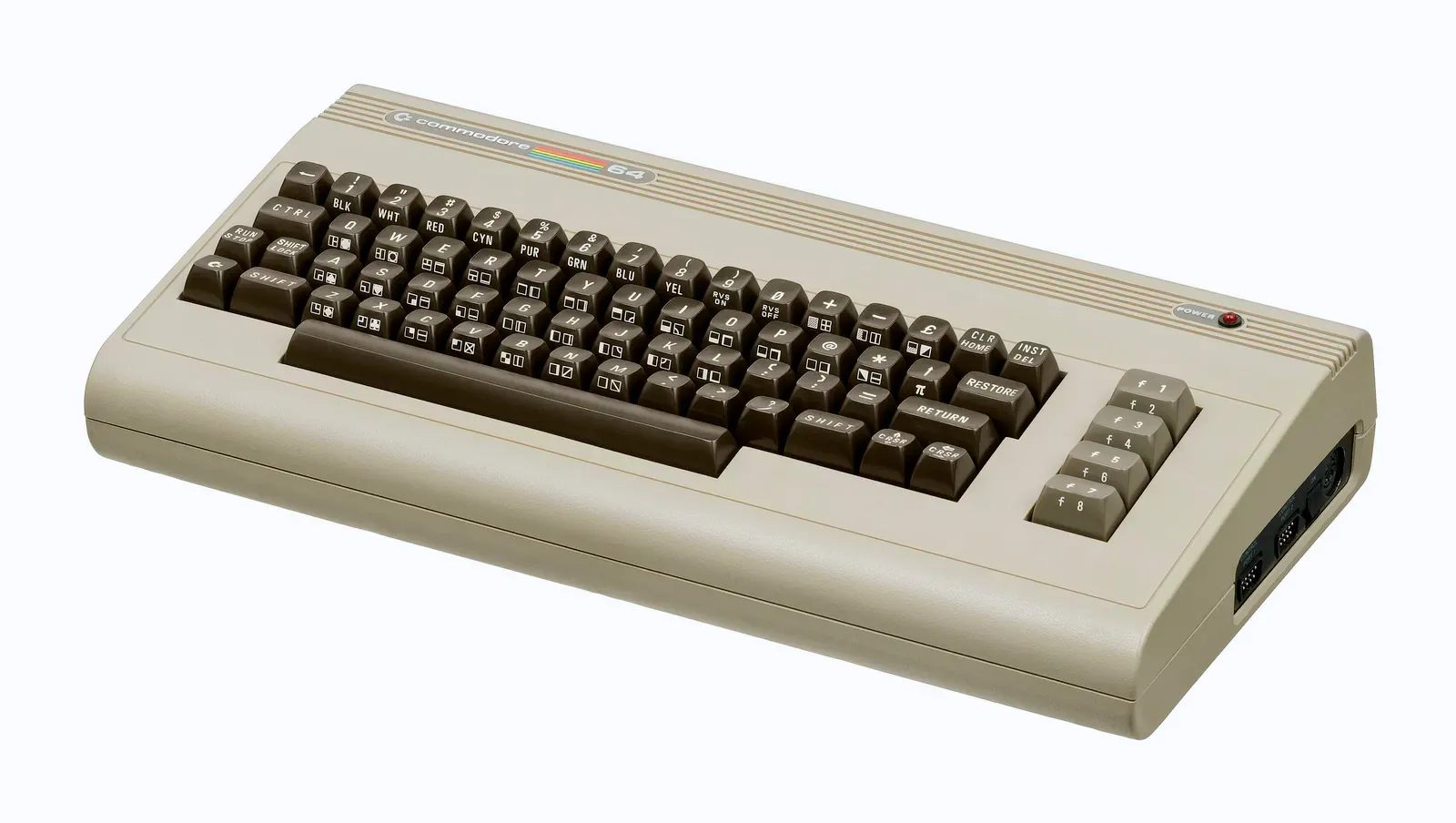
On home computers the Commodore 64’s SID chip gave three filtered voices, and the Amiga’s sample hardware led to the tracker, in which short digitised samples are arranged on a grid. Ultimate Soundtracker appeared in 1987 and spread through 1990s PC games and the demoscene.
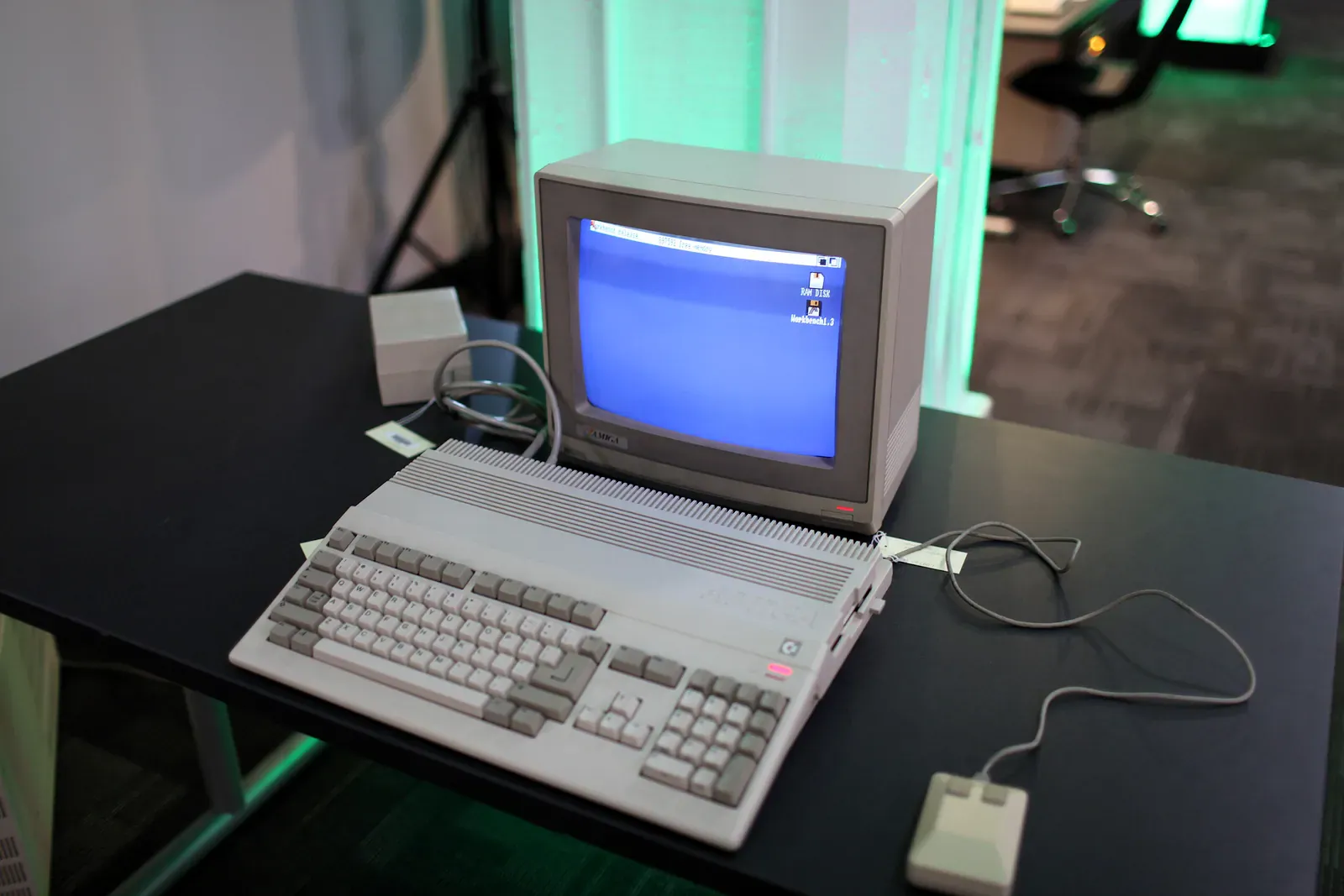
In 1991 LucasArts introduced iMUSE with Monkey Island 2, a system that shifted music to follow on-screen action, an early step toward adaptive scoring.
Disc audio and sequenced scores, 1994-2000
Optical discs ended the age of the sound chip as the only source of music. From 1994 consoles could stream recorded audio, carrying recorded instruments, vocals and licensed tracks, while many role-playing games kept sequenced scores with sampled instruments. Psygnosis in Liverpool paired Wipeout with electronic dance tracks in 1995.
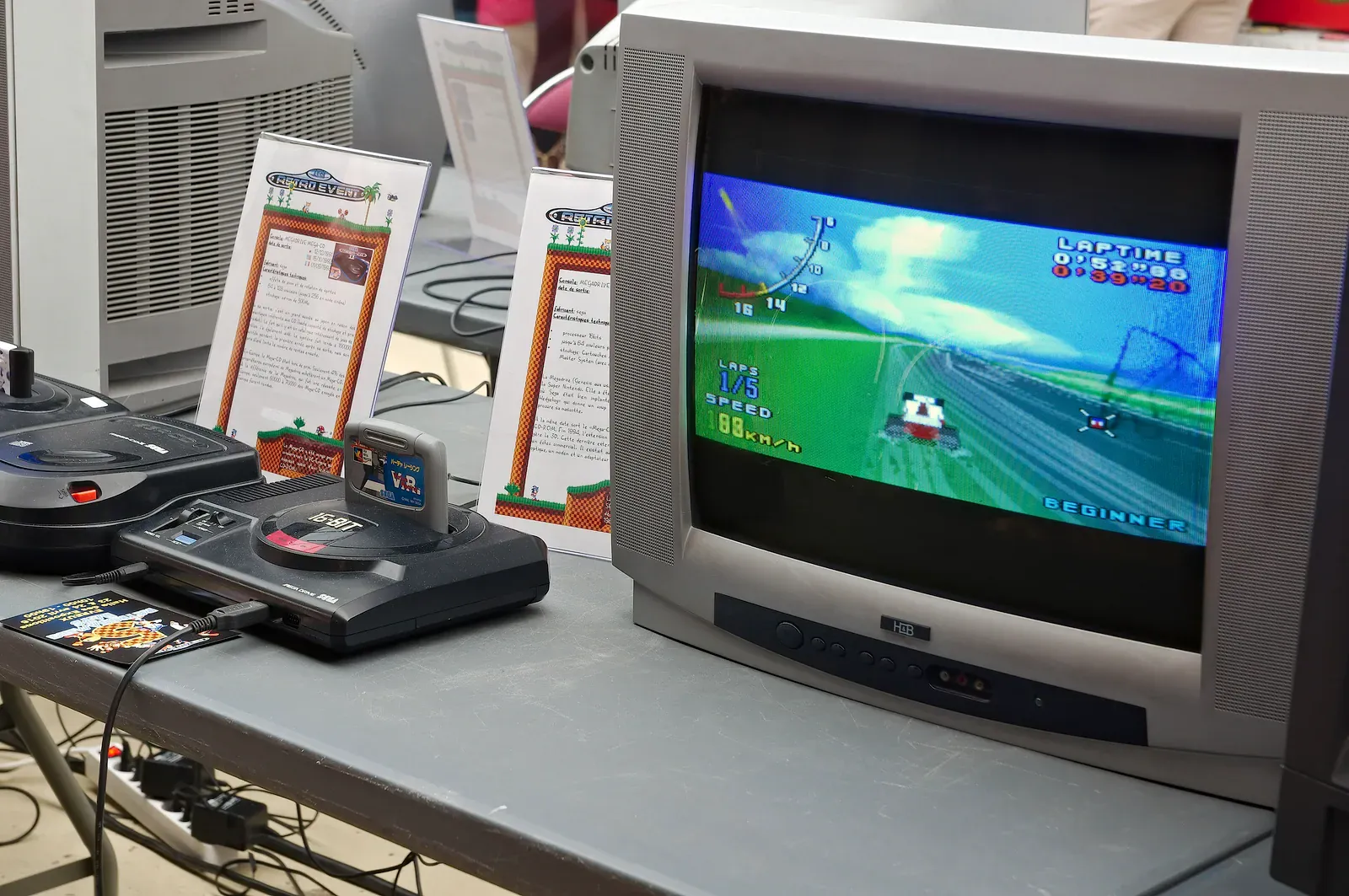
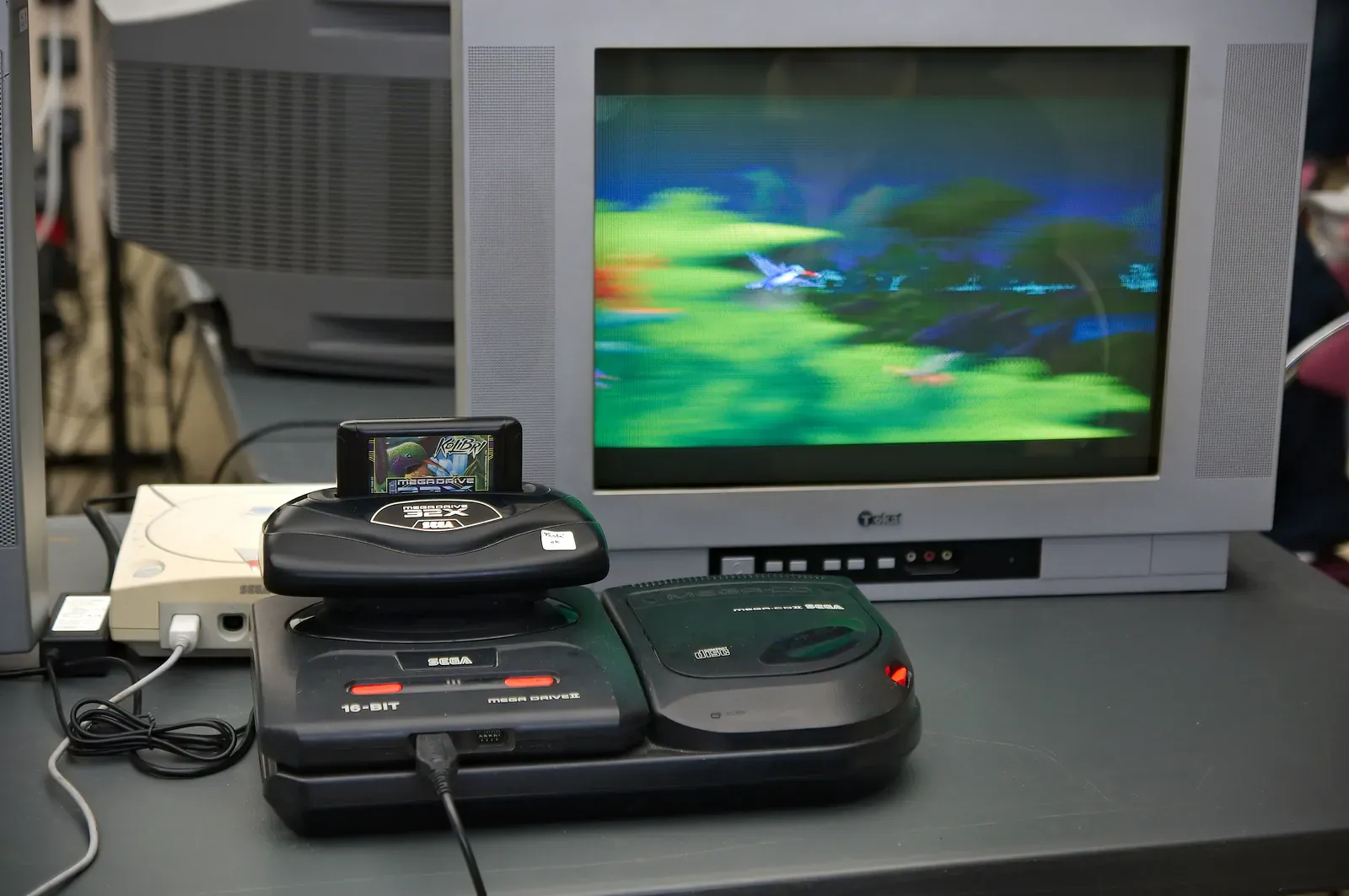
Chrono Trigger arrived in 1995 with Yasunori Mitsuda’s debut role-playing score, still a fan favourite. In 1997 Final Fantasy VII added Uematsu’s choral boss theme “One-Winged Angel” and sold in large numbers; the soundtrack came out on Digicube, which also issued piano arrangements of it. Pop and rock acts increasingly appeared on soundtracks.
Orchestras and concert halls, 2001-2012
By the 2000s a large game could afford a live orchestra and choir. Martin O’Donnell’s Halo theme in 2001 used chant and strings to give an Xbox launch title a sound people recognised at once, and the soundtrack was released the next year on Sumthing Else. Jeremy Soule scored The Elder Scrolls games with choral and orchestral fantasy writing, including the male-choir “Dragonborn” for Skyrim in 2011.
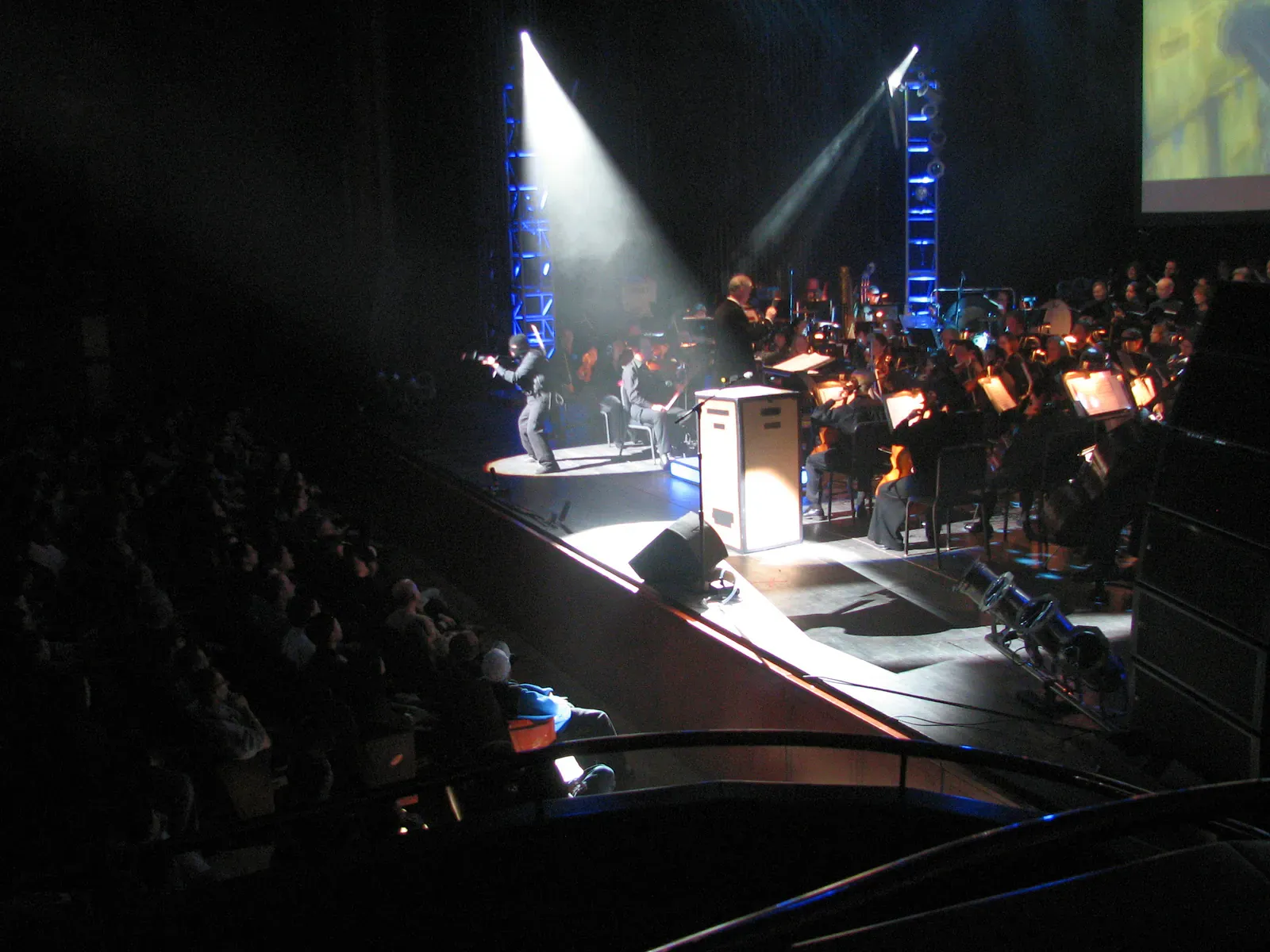
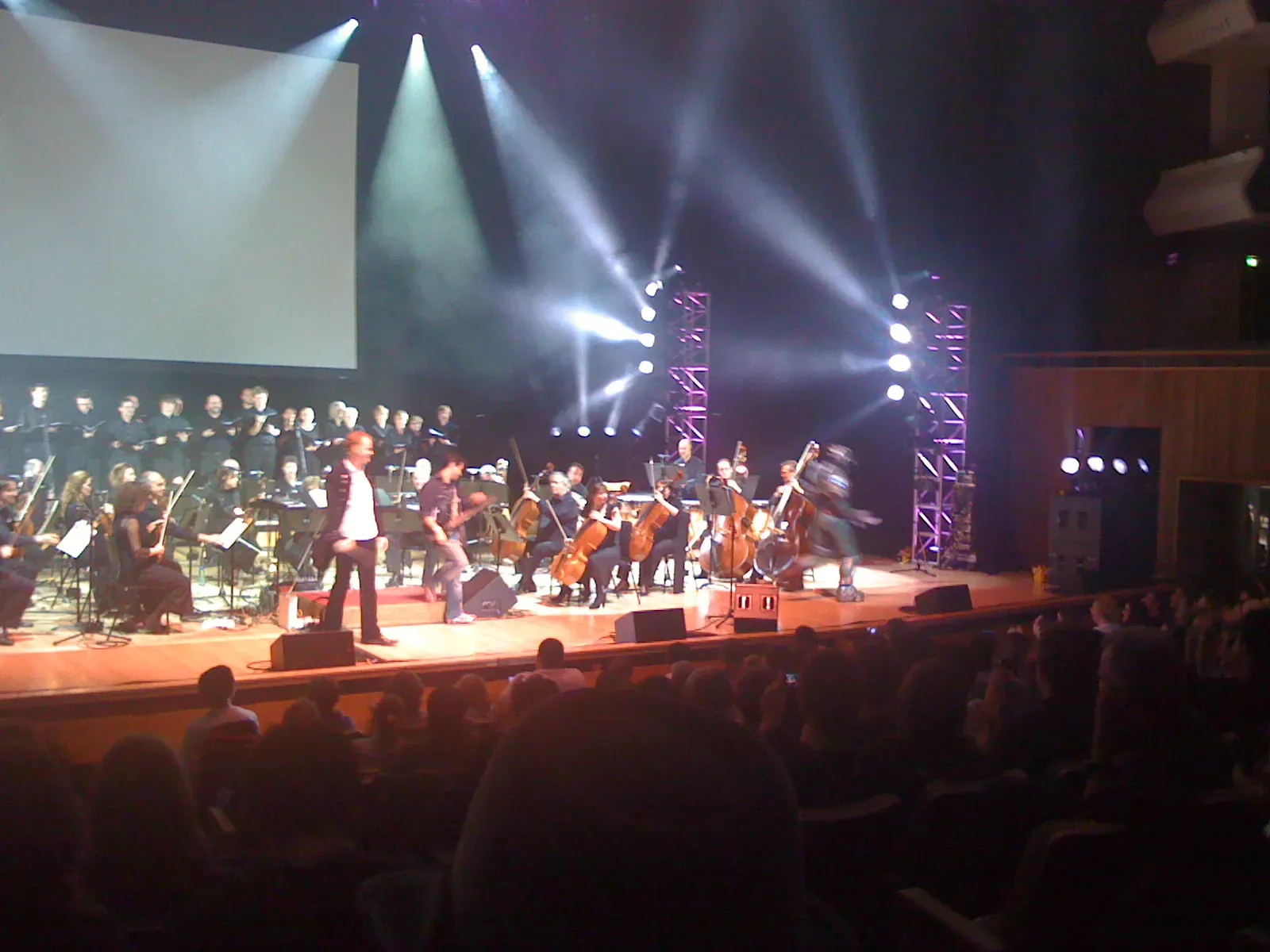
The concert hall followed. Video Games Live debuted at the Hollywood Bowl in 2005, and in 2011 the Royal Albert Hall in London staged its first BBC Proms evening of game music. That year Christopher Tin’s choral piece “Baba Yetu”, written for Civilization IV in 2005, won a Grammy, the first game music piece to do so. In 2012 Austin Wintory’s score for Journey became the first game soundtrack nominated in the visual media score category.
Indie scores and adaptive audio, 2013 onward
Cheaper tools and digital storefronts let a single developer make a complete game. Toby Fox wrote almost all of Undertale in 2015, and its themes spread far beyond the game; “Megalovania” became an internet-era favourite. In 2016 Mick Gordon gave Doom an industrial metal score built on a custom 8-string guitar sound, which restored heavy guitar to big-budget game music.
Adaptive audio matured in the same years. Middleware let composers deliver stems and sections that the game layers or swaps as combat begins, a place is entered or a boss is defeated. Vinyl reissues of game soundtracks grew, labels such as Brave Wave and Data Discs became established outlets, and in 2023 the Grammy Awards presented a Best Score Soundtrack for Video Games and Other Interactive Media category for the first time.
Characteristics
Game music is defined by its relationship to play. A track is repeated for as long as a level, battle or menu lasts, so it is built to loop without a seam and stay agreeable on the fortieth repeat. Structure favours short sections of about eight bars: a main theme, a contrasting phrase and a return.
Because voices were scarce, composers used arpeggios to imply chords on a single channel and let melodies double as rhythm. Recurring themes tie characters and places to tunes, and short stingers mark wins and defeats. Most tracks are instrumental.
Instruments and production
The instrument is often the machine. The Famicom, Mega Drive, Game Boy, Commodore 64 and Amiga each had a sound that fans can name from a few seconds of audio. Composers wrote for these chips in code, in proprietary sequencers or in trackers, and in Japan companies employed them as salaried staff, which is why many early scores are credited to a studio. From the mid-1990s the palette widened to samples, then recorded orchestras and guitars, delivered today as layered stems that engine middleware mixes in real time.
Notable recordings
“One-Winged Angel” is the clearest crossover case: a choral and orchestral boss theme that left the game for concert halls. “Baba Yetu” did so as a Swahili choral piece that won the first Grammy for game music. “Dreamer” from Streets of Rage 2 shows a chip made to sound like a club, and Jonathan Coulton’s “Still Alive”, heard over the end credits of Portal in 2007, travelled well beyond the game.
Culture
Soundtrack albums, arrangement albums that rework themes as rock, jazz or orchestral pieces, and fan remixes turned in-game tracks into stand-alone music; fans use the terms BGM and OST for in-game tracks and their releases. Concerts are the other pillar, often with game footage behind the orchestra. The demoscene and tracker communities of Europe kept module music alive as an art in itself, and the chiptune scene turned sound-chip music into a live genre.
Legacy
Video game music is now a recognised branch of composition. Its looping and layering techniques have been adopted outside games, and its timbres feed chiptune and other electronic styles. Its older sibling is film score, and both sit within Stage and screen.
Misconceptions
One belief is that all video game music is chiptune. Chiptune means music made on or styled after sound chips and covers only part of the history; since the mid-1990s many scores have been recorded with live instruments. Another is that hardware left composers no freedom. The limits were real, but arpeggios, pulse-width changes and channel sharing turned them into craft. A third is that game music is only background: Space Invaders’ accelerating bass line made music part of the game’s feedback, and adaptive scores now react to events.
Frequently asked questions
What is video game music?
Video game music is music composed for video games, usually designed to loop or to change with gameplay. It spans sound-chip tunes of the 1970s and 1980s, sequenced and sampled scores of the 1990s, and the orchestral and adaptive scores of recent decades.
When did video game music begin?
Video game music began in the late 1970s arcades. Space Invaders in 1978 used a looping bass line that sped up during play, and Pac-Man in 1980 opened with a composed start jingle. The first album of game music appeared in 1984.
What was the first video game music to win a Grammy?
“Baba Yetu”, composed by Christopher Tin for Civilization IV, was the first game music piece to win a Grammy, in 2011. The Grammys added a separate game score category in 2023.
What is the difference between video game music and chiptune?
Video game music is any music written for games. Chiptune is music made on or styled after early sound chips, so much early game music is chiptune while much later game music is not.
Sound
Sound sheet
Anatomy of a track
| # | Part | Bars |
|---|---|---|
| 1 | Intro or jingle | 4 |
| 2 | Main theme (A) | 8 |
| 3 | Contrasting phrase (B) | 8 |
| 4 | Return of A, then loop point | 8 |
Signature sounds
- Short loops that repeat without end
- Arpeggios standing in for chords
- Timbres shaped by sound-chip limits
- Recurring themes for characters and places
- Layers or switches that follow gameplay
- Short stingers for wins and defeats
Drums and percussion
- NES noise channel and sample channel
Synths and software
- Ricoh 2A03
- Yamaha YM2612
- MOS 6581 SID
- Ultimate Soundtracker
- FamiTracker
Techniques
- Arpeggio chords
- Seamless looping
- Pulse-width variation
- Adaptive layering
- Leitmotif
Keys and modes
C major. Bright major keys carry Super Mario Bros. and the Pac-Man start jingle.
A minor. Korobeiniki in the Game Boy Tetris is set in A minor.
D minor. Fast boss themes such as Megalovania sit in D minor.
Vocals
Mostly instrumental; sung themes and choirs appear as set pieces or end credits songs.
Scenes
Where it happened
Where and when the sound lived: one bar per city on a shared timeline.
Asia
Europe
North America
Active scenes
Peak 5, 2005-2025
Namco, Sega, Square and Konami build in-house sound teams and a soundtrack album market.
Nintendo's base, home of the Famicom and the Mario and Zelda music of Kondo and Tanaka.
Capcom's home, where composers wrote Mega Man and Street Fighter II scores.
Psygnosis pairs Wipeout with licensed electronic dance music.
Concert series, awards shows and film-style scoring shape the orchestral era.
Venues and places
Los Angeles, 2005 to today. Site of the first Video Games Live concert in 2005.
London, 2011 to today. Hosted the first BBC Prom devoted to video game music.
Chiba, 1996 to today. Home of Tokyo Game Show, where publishers show new games and soundtracks.
Los Angeles, 2015 to today. Longtime host of The Game Awards, which includes a score category.
Culture
Culture markers
- BGM
Fans and publishers call in-game tracks BGM or OST.
Slang - Chiptune
A label for music made on, or imitating, early sound chips.
Slang - Orchestral game concerts
Audiences gather for live symphonic performances of game scores.
Ritual
Media
Key media
- 1984Video Game Music
by Various. Namco arcade tracks on Alfa Records, the first album of its kind.
Compilation - 2008Game Sound
by Karen Collins. A scholarly history of game audio and technology.
Book - 2016Beep: A Documentary History of Game Sound
by Karen Collins. A documentary on the people and machines behind game audio.
Film
Glossary
Terms on this page
Music that changes with gameplay by layering or switching sections.
A release that reworks game tracks in a new style, common in Japan.
Japanese shorthand for background music, used for in-game tracks.
Music made on or styled after sound chips from early consoles and computers.
A recurring tune tied to a character, place or idea.
The spot where a track jumps back, so a short piece plays without end.
A short musical cue for an event such as a win, defeat or discovery.
Stage and screen family