Chiptune
Chiptune is music written for or in the style of the sound chips of arcade machines, home computers and consoles, from Japan and Britain around 1980.
Japan, United Kingdom, Sweden, United States, 1980
Electronic family
Born
1980
Japan, United Kingdom, Sweden, United States
Subgenres
11
Documented branches
Links
23
Genres it drew on or shaped
Tempo
90-150 BPMLineage
Family tree
Grew out of
Derived from
Influenced by
Japan, United Kingdom, Sweden, United States, 1980
Chiptune
Led to (11)
Timeline
Era by era
From the first sparks to today. Select a dot to read the story behind it.
- Arcades and home micros
1978 to 1984
- The programmer-composers
1985 to 1992
- Demoscene and netlabels
1993 to 2005
- Blip Festival and Game Boy music
2006 to 2009
- Indie games and crossover
2010 to today
Eras
Moments
- 1 Arcades and home micros, 1978 to 1984
- 2 The programmer-composers, 1985 to 1992
- 3 Demoscene and netlabels, 1993 to 2005
- 4 Blip Festival and Game Boy music, 2006 to 2009
- 5 Indie games and crossover, 2010 to today
1978
Arcades and home micros
Arcade boards and the Commodore 64 SID chip give programmers cheap sound hardware, and Yellow Magic Orchestra and Haruomi Hosono turn game beeps into records.
- 1978Yellow Magic Orchestra's debut albumOpens with Computer Game, built from sampled Circus and Space Invaders arcade sounds.
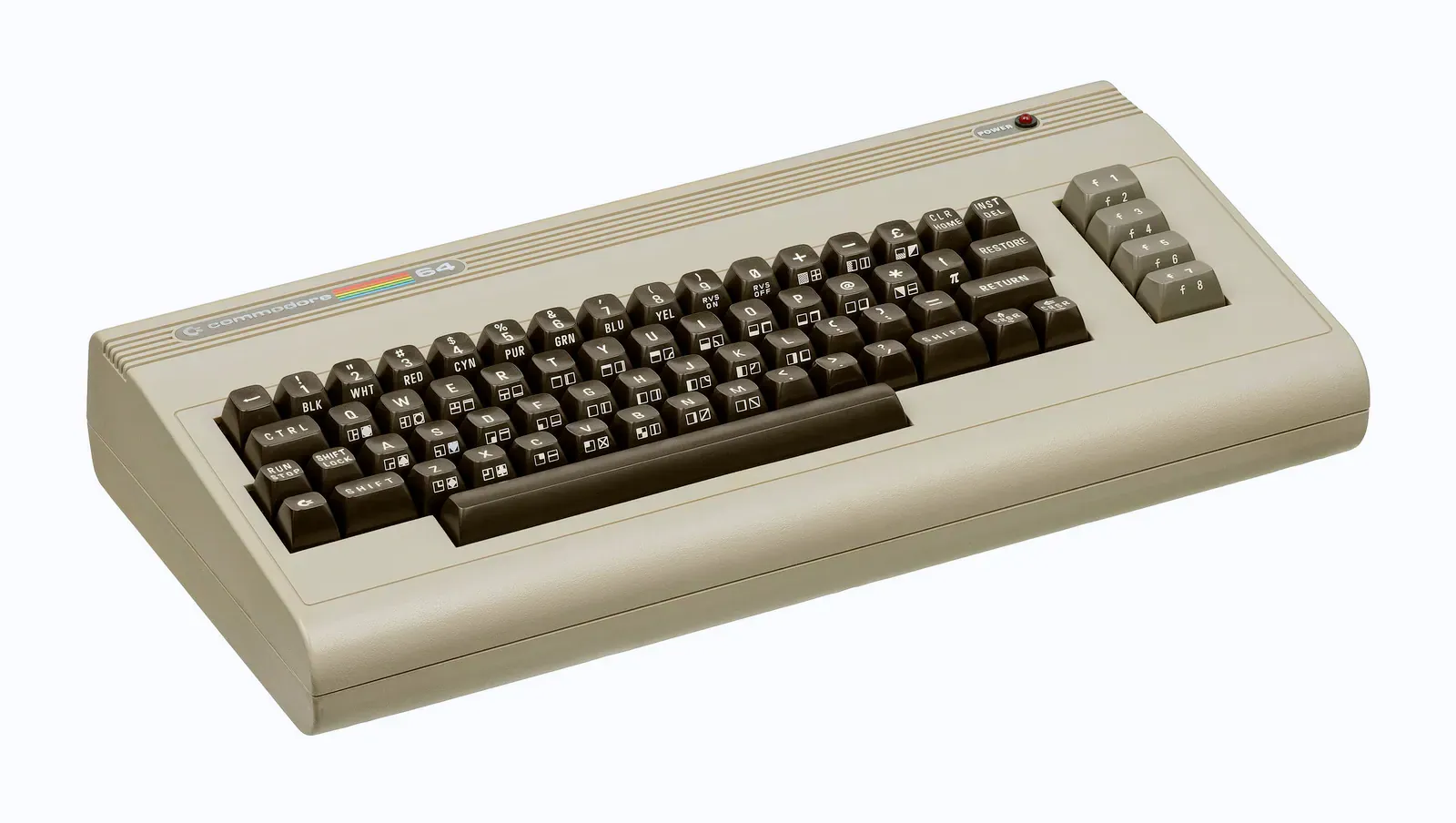
- 1982Commodore 64 and the SID chipBob Yannes' three-voice SID chip arrives with the C64 and becomes the home-computer sound of the 1980s.
- 1984Hosono's Video Game MusicHaruomi Hosono arranges Namco arcade sounds into an album, an early chip music record.
1985
The programmer-composers
Rob Hubbard, Martin Galway, Chris Huelsbeck and Yuzo Koshiro write for C64, Amiga and Mega Drive; Ultimate Soundtracker (1987) gives the scene its tracker format.
- 1985Rob Hubbard's Monty on the RunA C64 title theme that sets the standard for the platform's music.
- 1985Koji Kondo's Super Mario Bros. scoreThe ground theme becomes one of the best-known game melodies worldwide.
- 1986Huelsbeck wins the 64'er music contestHis piece Shades wins first prize and starts his career at Rainbow Arts.
- 1987Ultimate SoundtrackerKarsten Obarski releases the first music tracker for the Amiga, the model for later chip music software.
- 1987Martin Galway's Wizball and Arkanoid musicGalway scores Wizball and writes one of the first sampled C64 loader tunes for Arkanoid.
- 1991Turrican II: The Final FightHuelsbeck's main theme becomes his best-known piece, made with the TFMX sound tool.
- 1991Streets of RageYuzo Koshiro writes club-style game music on a PC-88 with his own tools.
- 1992Streets of Rage 2The sequel pushes house, techno and breakbeat influences further on the Mega Drive.
around 1993
Demoscene and netlabels
Tracker and demoscene musicians and the first chip-only labels, among them 8bitpeoples (1999), keep the sound alive on old hardware while the game industry moves to samples.
- 19998bitpeoples is foundedJeremiah Johnson (Nullsleep) and Mike Hanlon start a New York netlabel for chip music.
2006
Blip Festival and Game Boy music
Blip Festival (2006) and the 8-Bit Operators Kraftwerk covers (2007) bring Game Boy tracker artists such as Bit Shifter and Nullsleep to a wider audience.
- 2006First Blip Festival, New YorkFour days of chip music with over 30 acts, run by 8bitpeoples and The Tank.
- 20078-Bit Operators: The Music of KraftwerkChip artists cover Kraftwerk on Astralwerks and EMI; it tops the CMJ electronic chart.
2010
Indie games and crossover
Anamanaguchi's Scott Pilgrim score (2010), Disasterpeace's Fez (2012) and Chipzel's game work take chip sounds into indie games, Kickstarter-funded albums and film.
- 2010Scott Pilgrim vs. the World: The Game soundtrackAnamanaguchi's score debuts at number 3 on Billboard's Heatseekers chart.
- 2012Fez soundtrackDisasterpeace's score tops Bandcamp pre-orders and reaches beyond game audiences.
- 2012Chipzel's Super Hexagon EPTerry Cavanagh's game brings the Game Boy artist a wide new audience.
- 2013Endless Fantasy KickstarterAnamanaguchi raise $277,399 from 7,253 backers, then the second biggest music Kickstarter.
Listening path
Anthems
The records that built the sound, grouped by the part they played. Thumbnails come from YouTube; the player loads only when you press play.
- 01
Yellow Magic Orchestra, 1978 · Alfa Records
Built from sampled arcade sounds, it is an early record where game beeps become the music.
Origin - 02
Anamanaguchi, 2010
From the charting Scott Pilgrim game score, it took chip rock to a mainstream audience.
Start hereBreakthrough - 03
Rob Hubbard, 1985
The C64 theme that sets the SID standard; the linked video is a later recording of the 1985 tune, not the original release.
Anthem - 04
Chris Huelsbeck, 1991
An Amiga-era main theme known by many players; this is the official original sound version.
Start hereAnthem - 05
Anamanaguchi, 2006 · 8bitpeoples
A NES-driven band track from the Power Supply EP, released on 8bitpeoples.
Anthem - 06
Yuzo Koshiro, 1991
Club-style game music on FM hardware that carried house and techno into game audio.
Start hereCrossover - 07
Disasterpeace, 2012
The Fez opener moves chip roots toward ambient synth pads and reached beyond game fans.
Crossover - 08
Anamanaguchi, 2013
The title track of the crowdfunded album that made chip pop a live, band-driven sound.
Revival
Facts
| Family | Electronic |
| Origin | Japan, United Kingdom, Sweden, United States |
| Emerged | Late 1970s to early 1980s |
| Status | Active |
| Tempo | 90 to 150 BPM |
| Meter | 4/4 |
| Grew out of | Video game music |
| Subgenres | 9 |
Chiptune is music written for, or in the style of, the programmable sound chips found in arcade machines, 8-bit home computers and game consoles.
It formed around 1980 in Japan, Britain, Sweden and the United States, and its sound rests on a few voices of pulse, triangle and noise waves, fast arpeggios and short looped patterns.
Origins
Chiptune began as a limit. A chip in a game machine could play only a handful of notes at once, and a programmer had to write the music in the same code, and the same few kilobytes, as the game. The sound that came out of those limits was thin and precise, and a generation grew up hearing it as the sound of play.
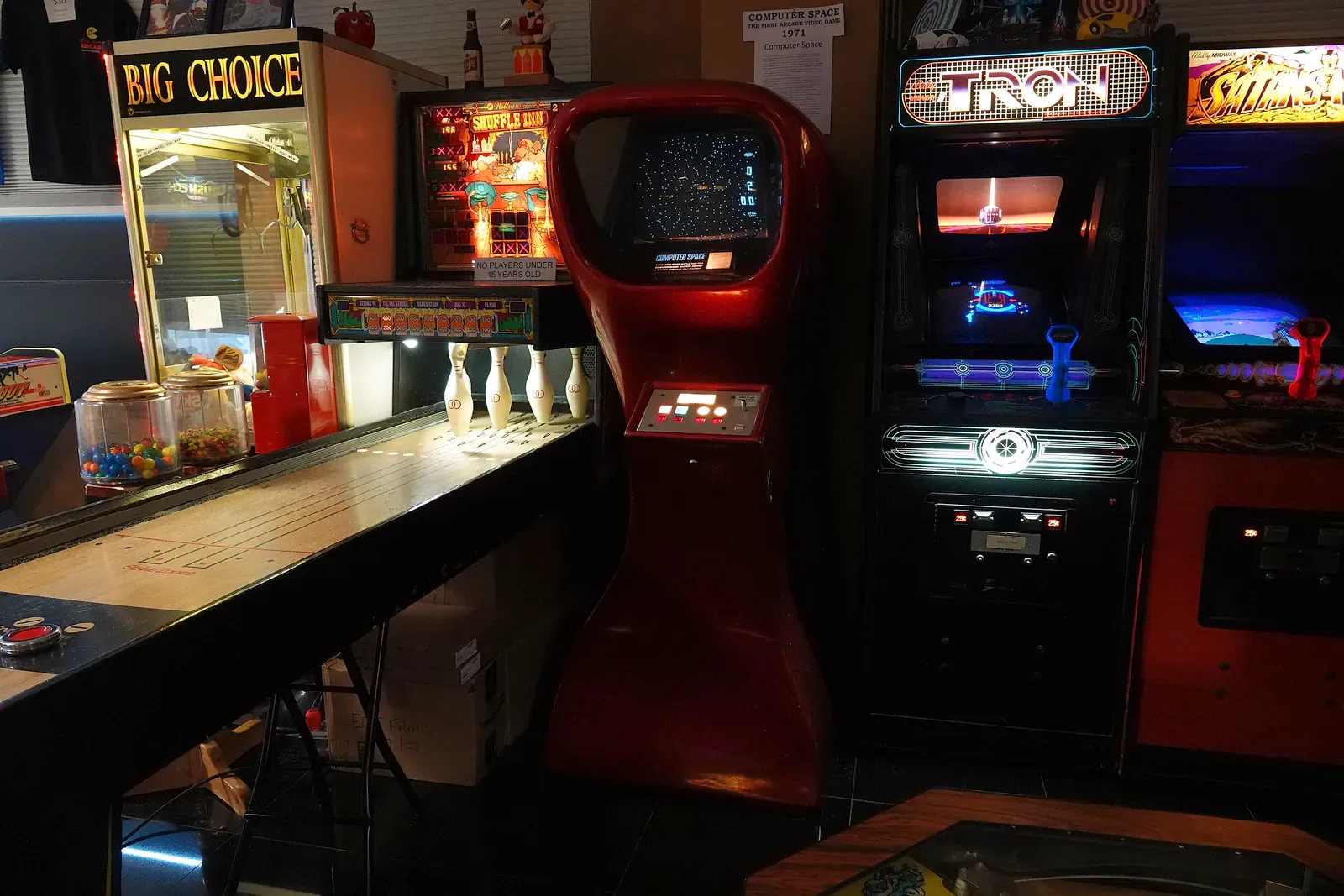
The first step toward treating it as music came from outside the games business. Yellow Magic Orchestra’s 1978 debut on Alfa Records opens with “Computer Game”, built from sampled arcade sounds from Circus and Space Invaders, so the beeps of a Tokyo arcade became the material of a pop record. It belongs to the same line as the family’s wider history in electronic music and to the older tradition of video game music, from which chiptune descends.
Arcades and home micros, 1978-1984
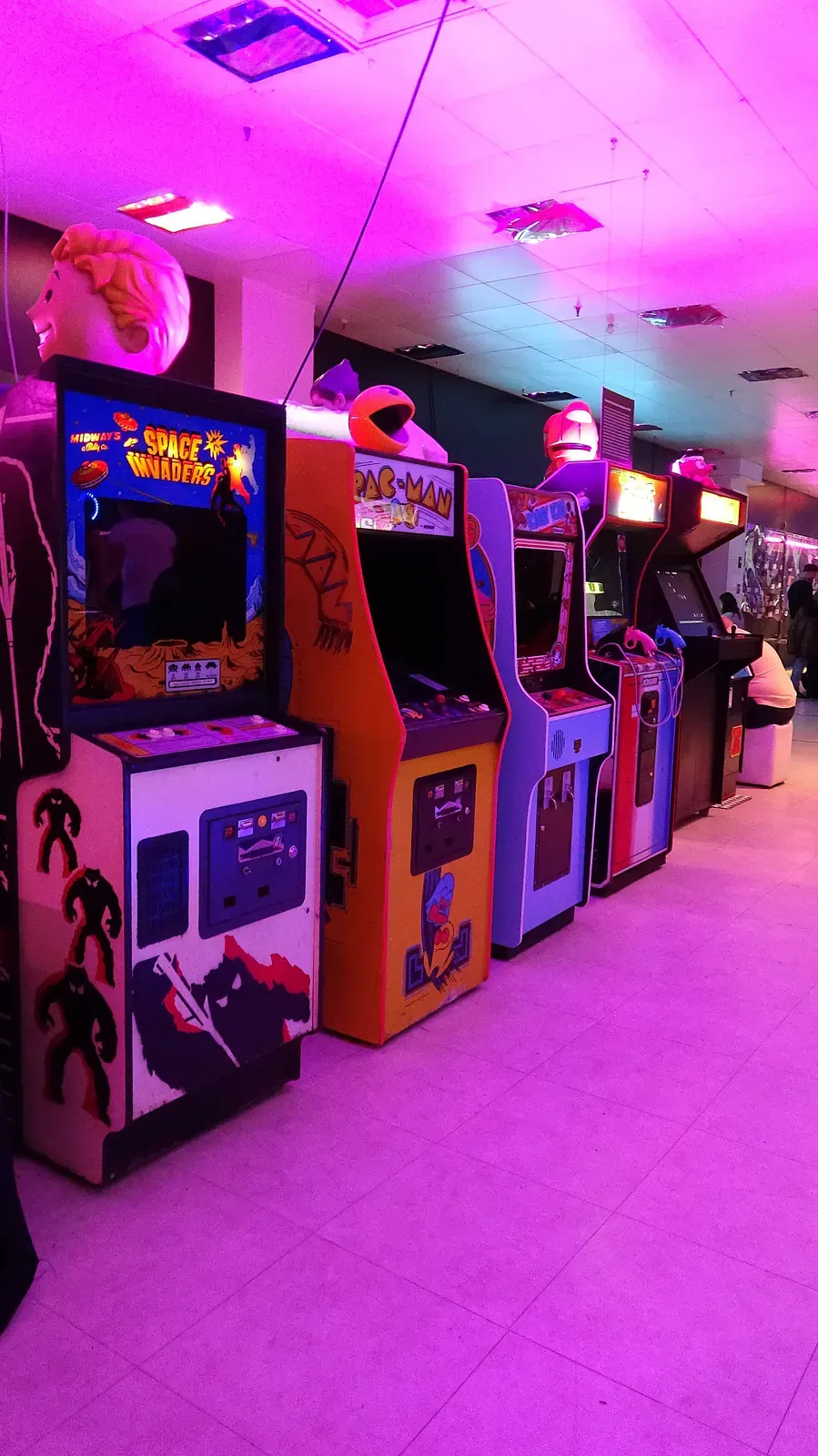
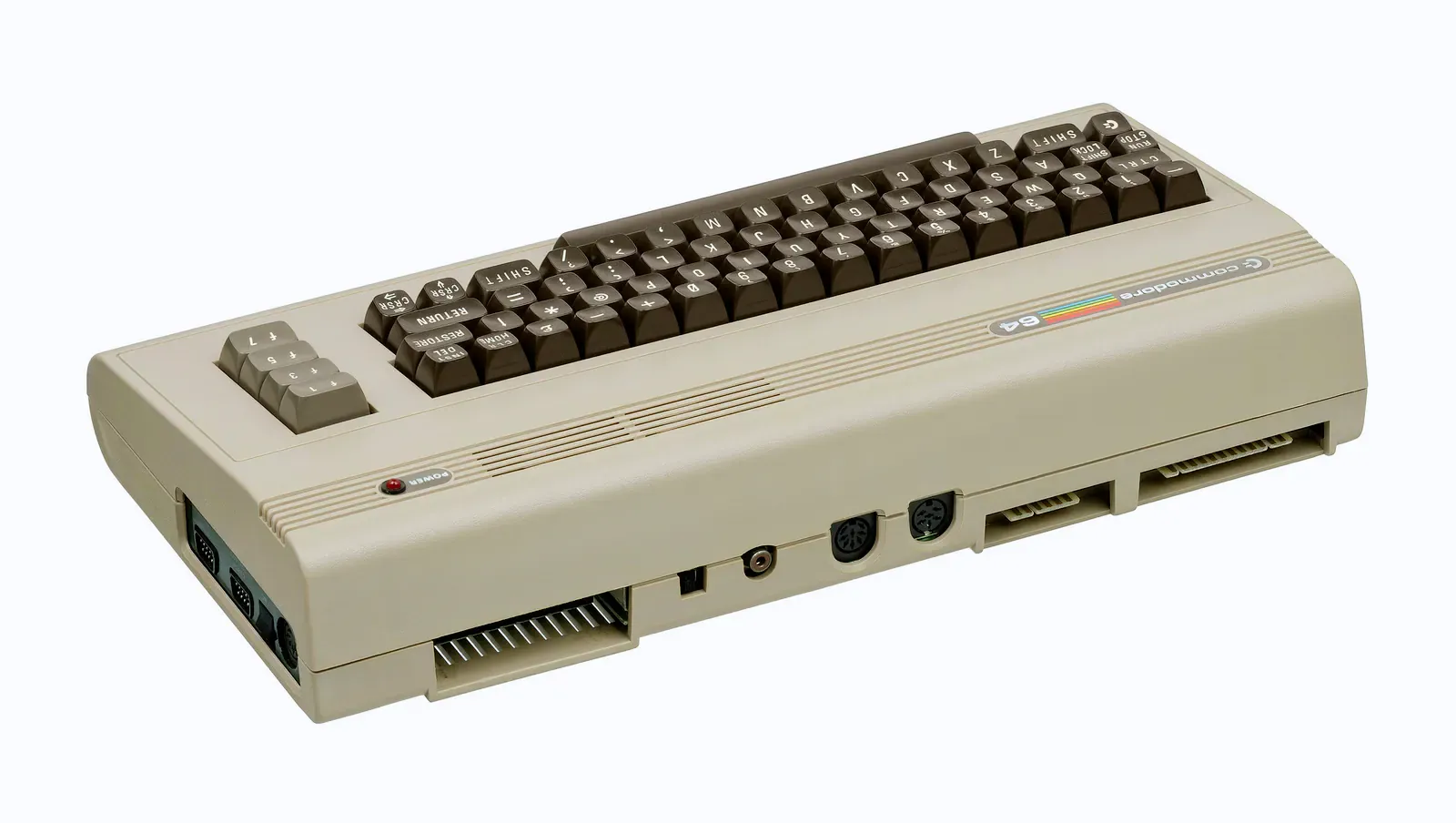
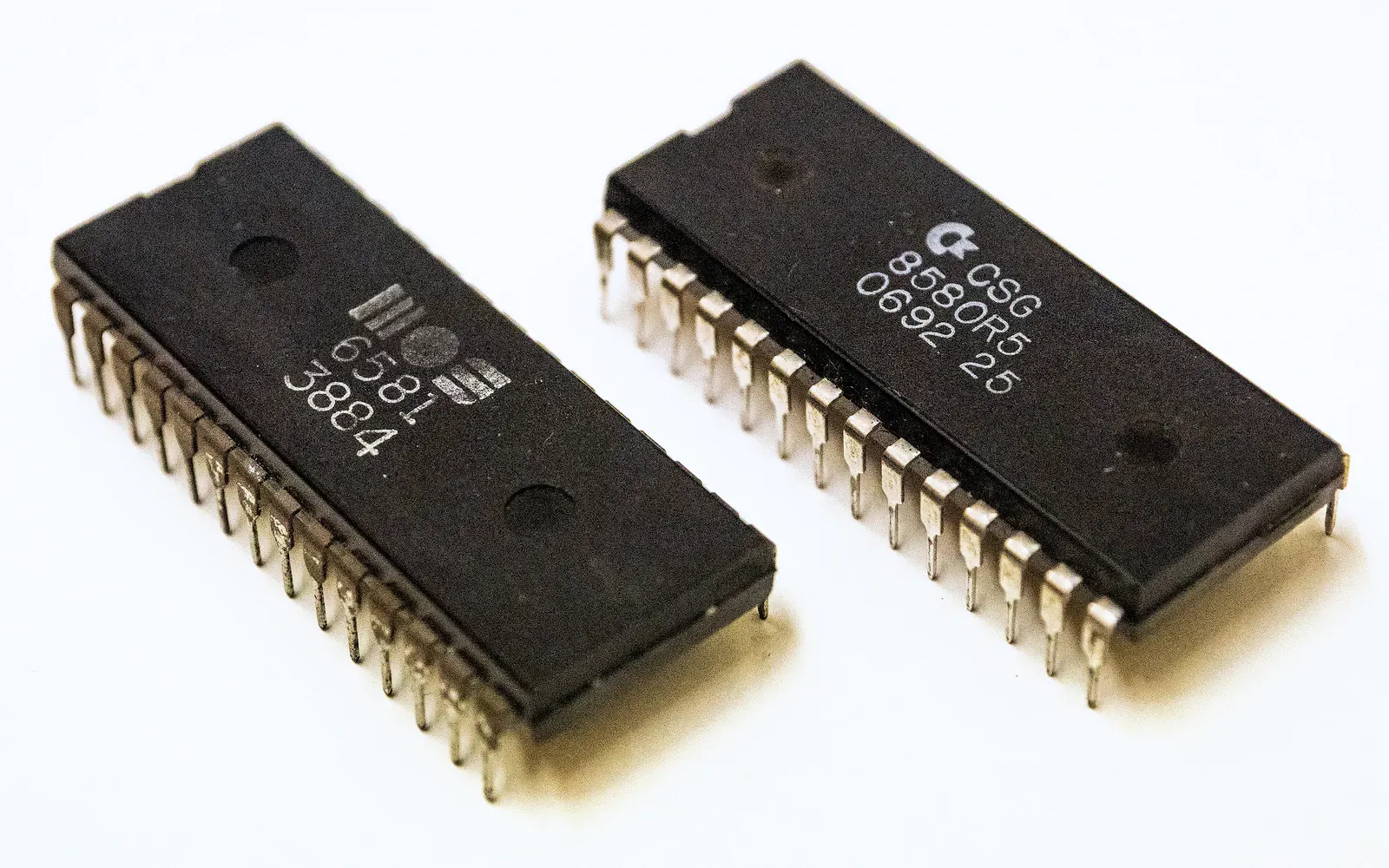
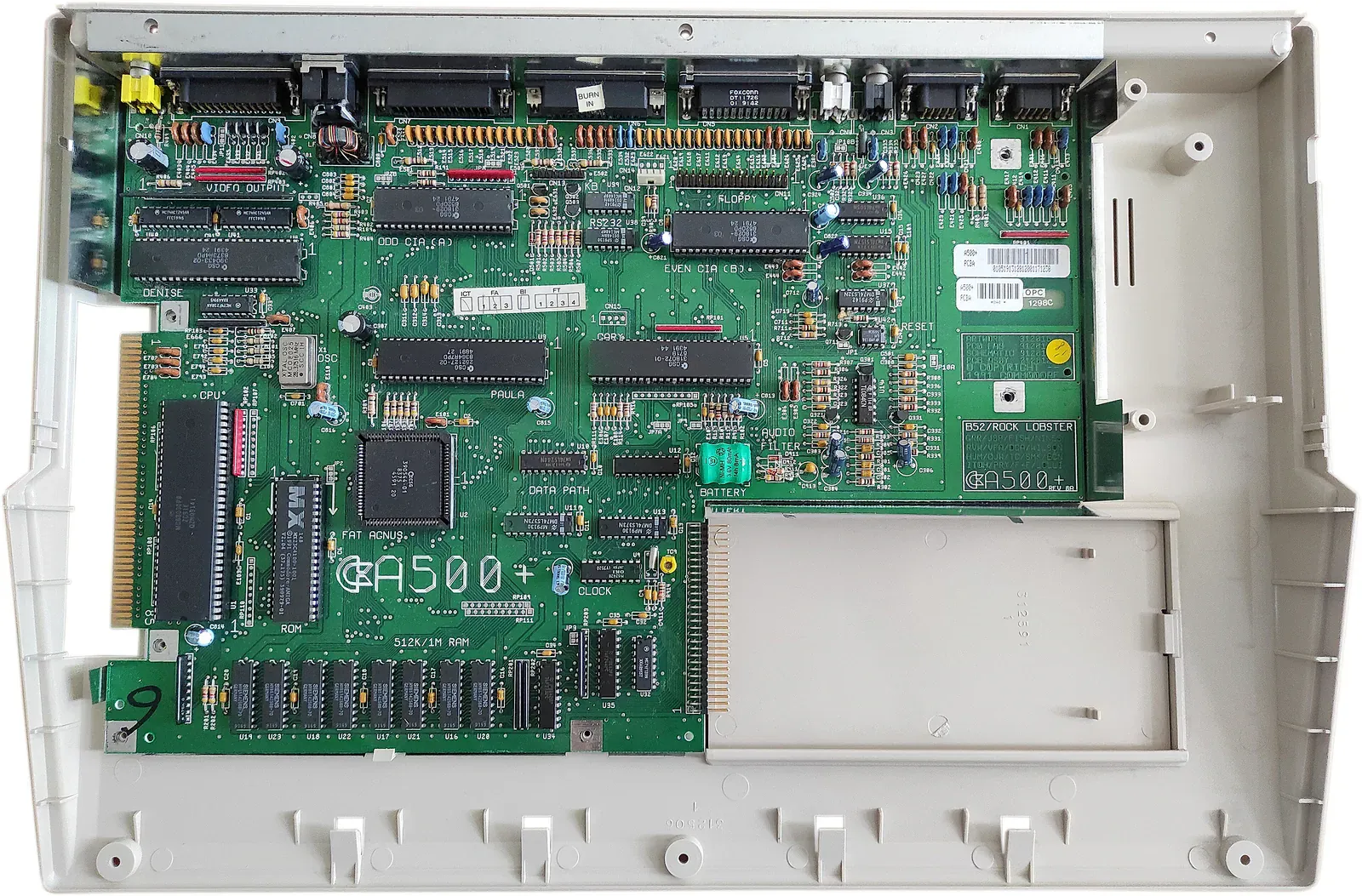
Two things happened at once. Arcade boards spread across Japan and the United States, and cheap home computers put sound hardware on the desks of teenagers. The Commodore 64 arrived in 1982 with the SID chip, designed by Bob Yannes, and gave a bedroom programmer three voices with a filter, more than most consoles of the time could offer.
In Japan the line from arcade to record was shorter. Haruomi Hosono of Yellow Magic Orchestra arranged Namco arcade sounds into the 1984 album Video Game Music, one of the earliest records to treat game audio as a repertoire worth releasing. In Tokyo, Namco and Sega composers were building the Japanese arcade and FM sound that later scenes would revisit.
The programmer-composers, 1985-1992
By the mid-1980s the best game music had named authors. Rob Hubbard’s “Monty on the Run” (1985) set the standard for the C64, and Martin Galway, working for Ocean, followed with Wizball and an early sampled loader tune for Arkanoid in 1987. In Germany, Chris Huelsbeck won the 64’er magazine music contest in 1986 and went on to Turrican and the Amiga. In Japan, Koji Kondo’s score for Super Mario Bros. in 1985 produced one of the most recognizable melodies in any medium.
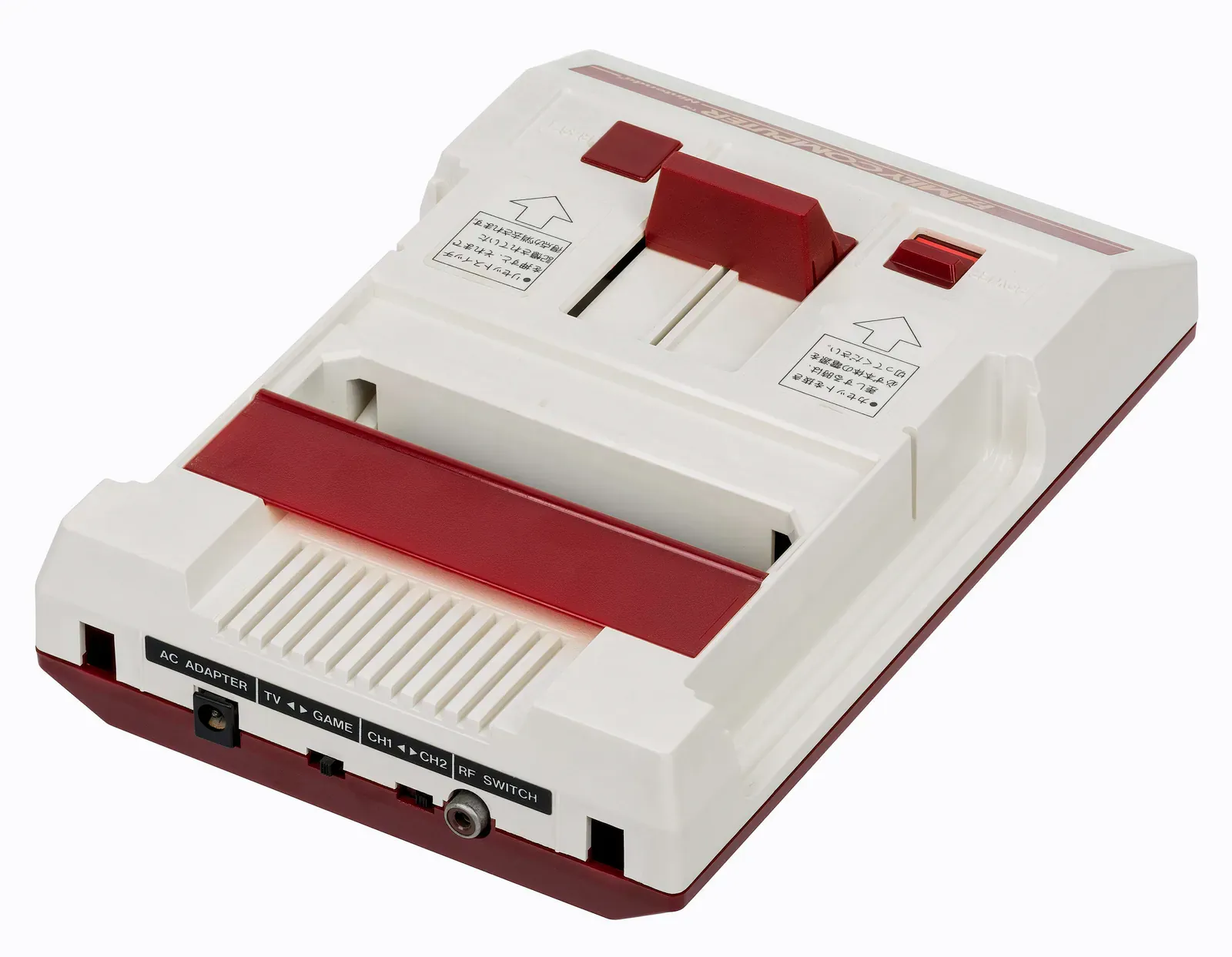
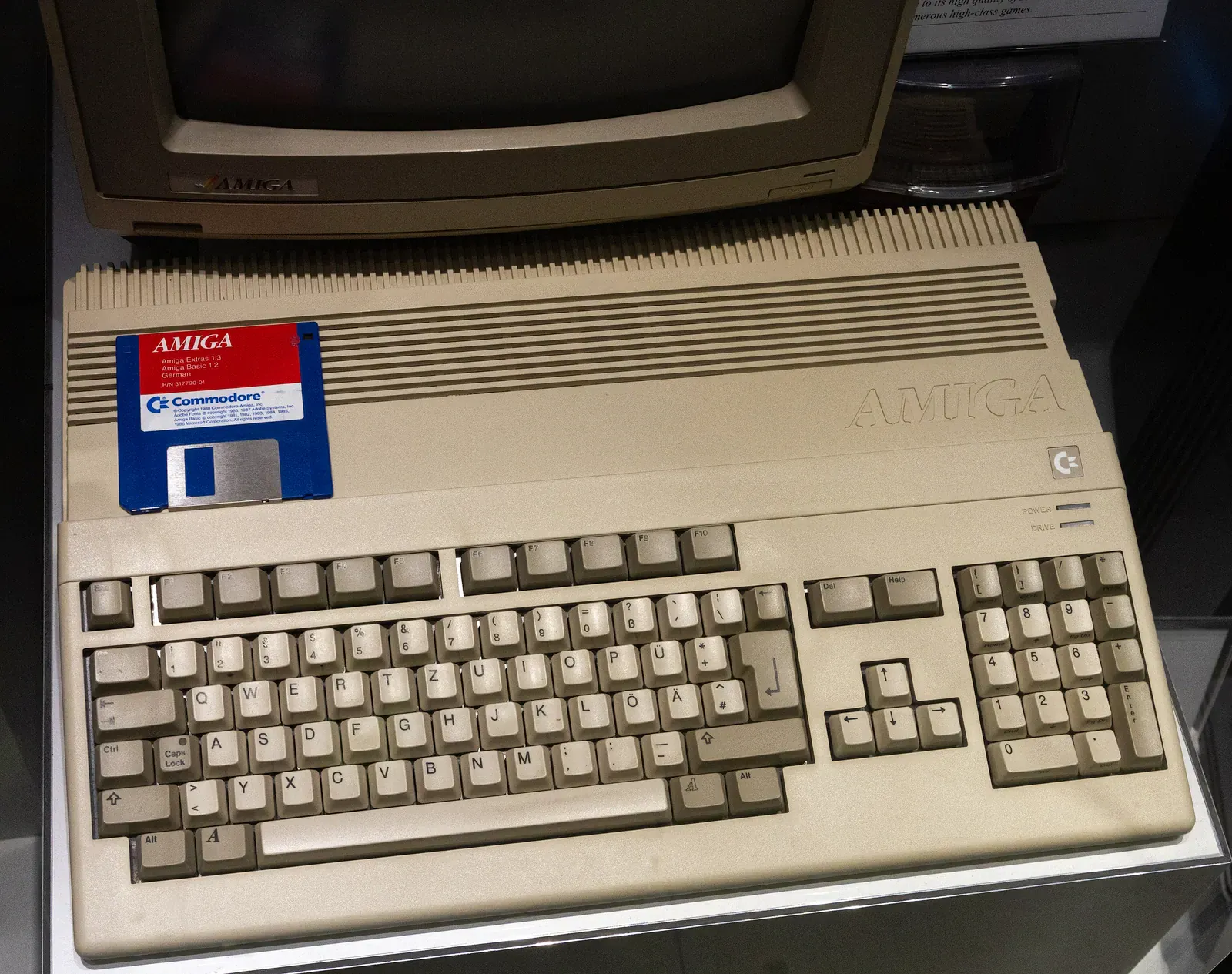
The decisive technology of the period was the tracker. Karsten Obarski’s Ultimate Soundtracker, released for the Amiga in 1987, arranged notes in vertical columns of patterns and channels, and the method spread to other platforms and later to the Game Boy. It made composing a matter of editing a grid rather than programming a chip, and it created the module files that scene members traded for years.
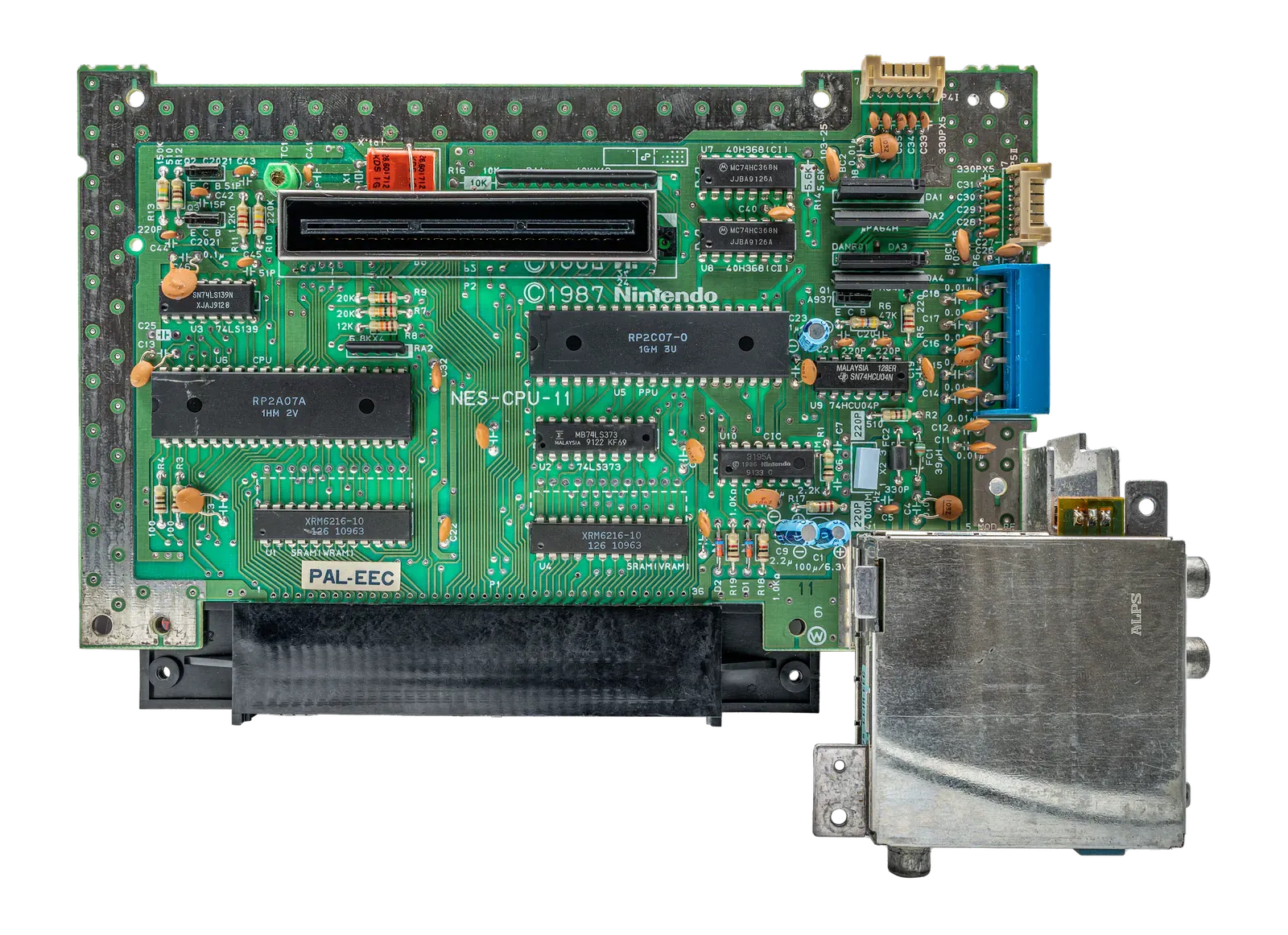
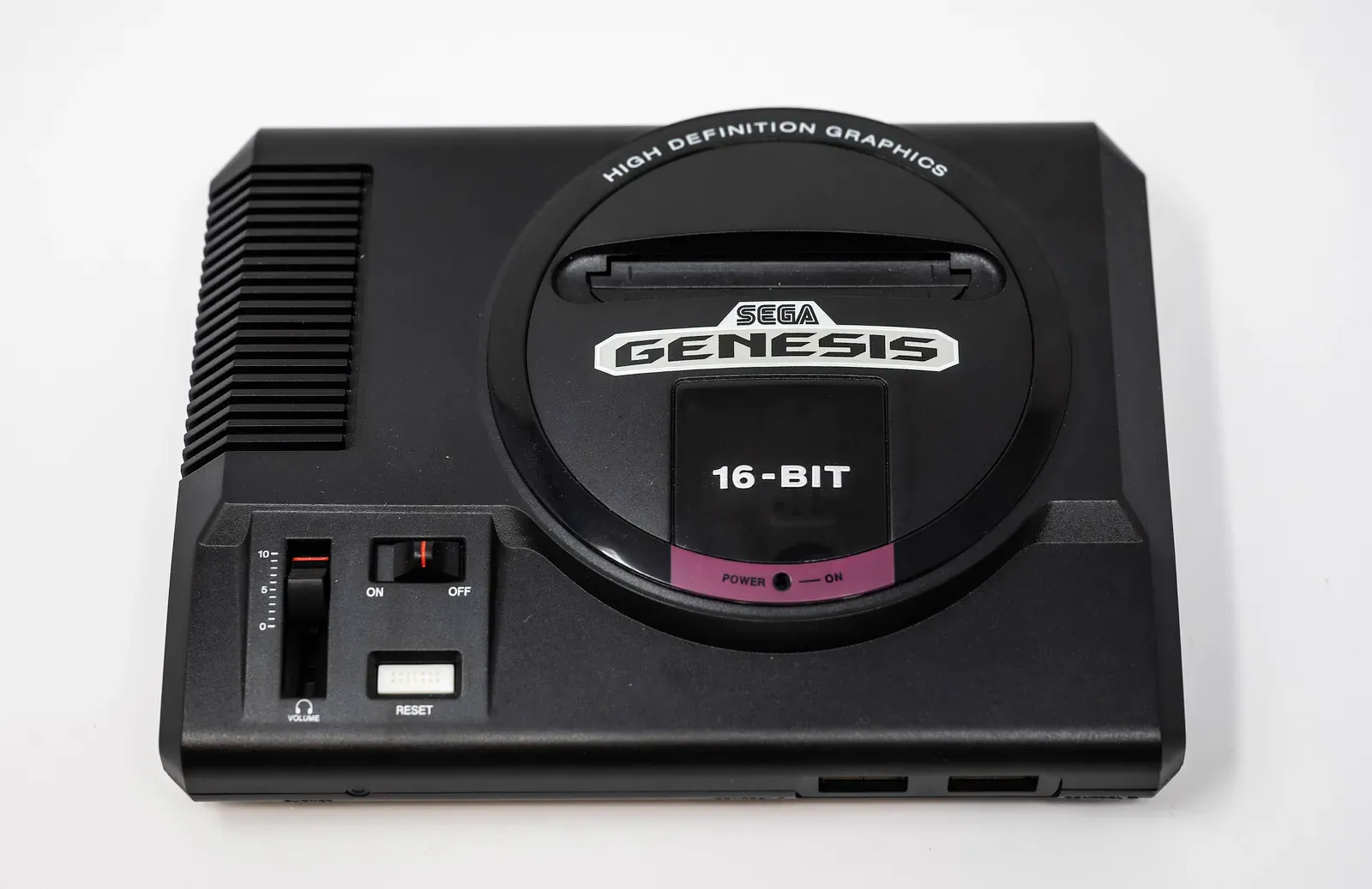
On the Sega Mega Drive, Yuzo Koshiro took a different route. He wrote the 1991 and 1992 Streets of Rage scores on a PC-88 computer with tools he built himself, using club-style house, techno and breakbeat patterns through the console’s FM chip.
Demoscene and netlabels, 1993-2005
The game industry moved to recorded samples and then to CD audio, and chip sound lost its commercial reason to exist. It survived because people kept making it. Tracker and demoscene musicians, many of them in Sweden, wrote chip pieces for competitions and for the animated intros attached to cracked games, and the format passed from company programmers to hobbyists. The first labels devoted to the sound appeared online, among them 8bitpeoples, founded in New York in 1999 by Jeremiah Johnson, known as Nullsleep, and Mike Hanlon.
Blip Festival and Game Boy music, 2006-2009
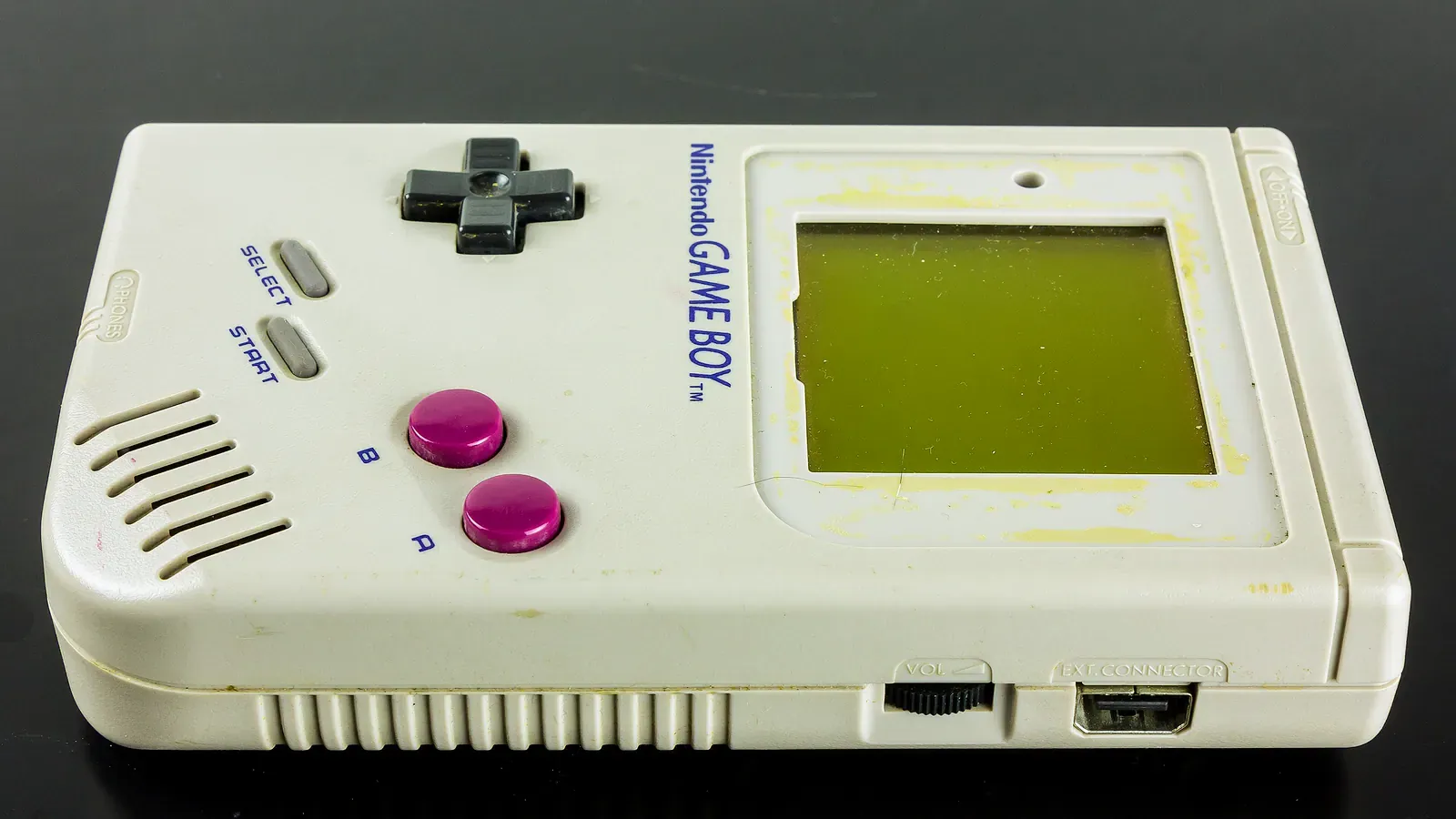
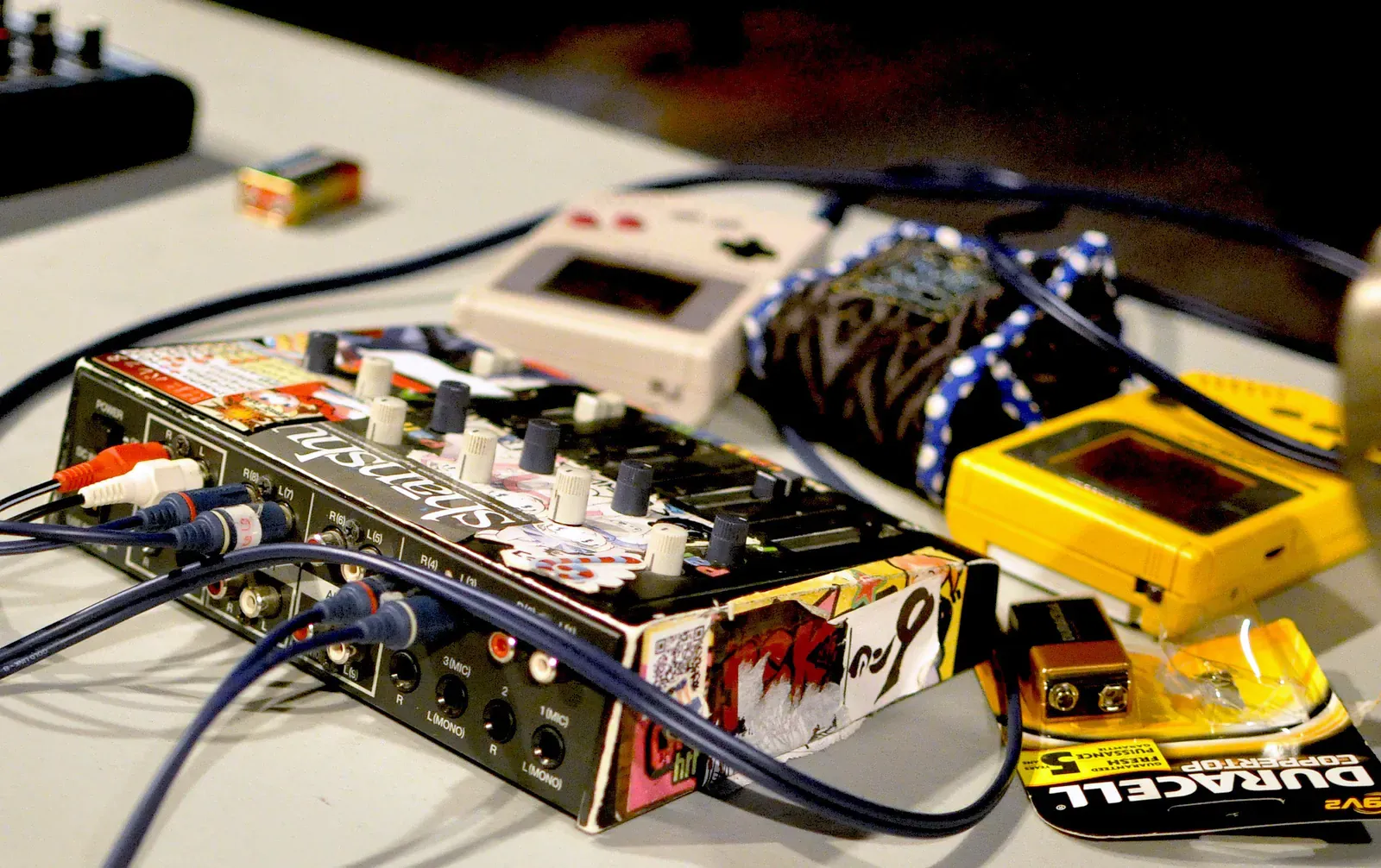
Nintendo’s Game Boy, released in 1989, became the central instrument of the next period once Johan Kotlinski’s Little Sound DJ and Oliver Wittchow’s Nanoloop turned it into a tracker and a sequencer. Players with a pair of handhelds and a mixer could perform live, and the sound escaped the computer room.
The first Blip Festival in New York in 2006, organized by 8bitpeoples and The Tank, brought over thirty acts into one four-day event. The following year the 8-Bit Operators album of Kraftwerk covers on Astralwerks and EMI, approved by Ralf Huetter, topped the CMJ electronic chart, and the festival moved to larger rooms before closing in 2012. A Tokyo edition ran from 2010 to 2012.
Indie games and crossover, 2010 onward
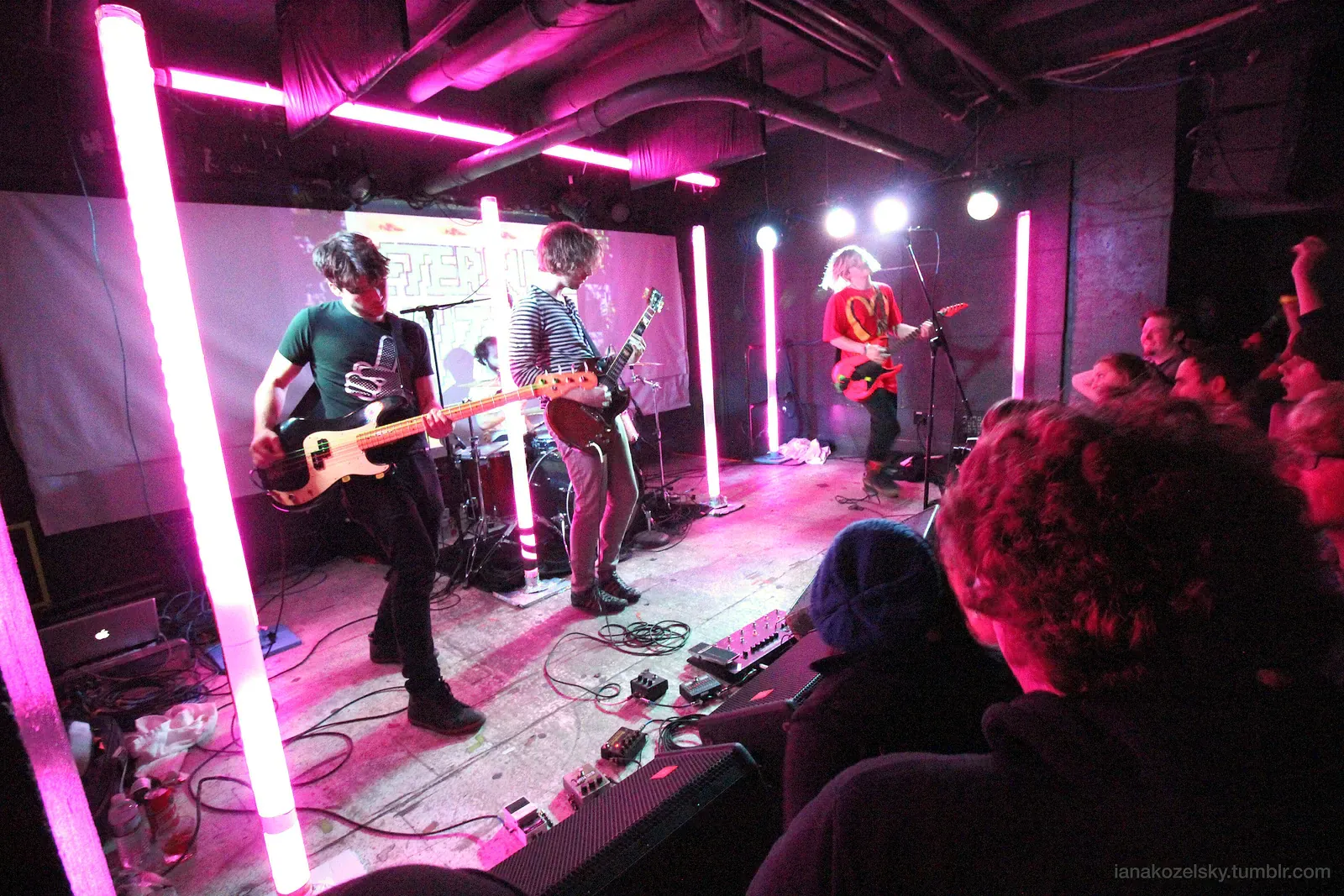
The decade after 2010 moved chip sound out of the scene and into mainstream releases. The score for Scott Pilgrim vs. the World: The Game by Anamanaguchi debuted at number 3 on Billboard’s Heatseekers chart in 2010. Disasterpeace’s Fez soundtrack in 2012 pushed the chip palette toward ambient synthesizer pads, and Chipzel’s Super Hexagon music the same year brought a Game Boy artist to a large audience. In 2013 Anamanaguchi raised $277,399 from 7,253 backers for Endless Fantasy, then the second-largest music Kickstarter.
Characteristics
The genre’s identity comes from what the hardware could not do. With few voices, composers suggested chords by running through their notes quickly and filled space with loops that repeat. Percussion came from noise and short pitched sweeps, and timbre changes came from the pulse shape rather than from an effects chain. The sound sheet on this page lists the specific techniques and instruments; the musical result is melodic, bright and compact, closer to a themed tune than to a long improvisation.
Notable recordings
“Computer Game” by Yellow Magic Orchestra marks the point where game sounds became pop material. “Monty on the Run” shows what three SID voices can do with a bass line and a lead, and “The Final Fight” from Turrican II was Huelsbeck’s best-known theme, made with the TFMX sound tool. Koshiro’s “The Street of Rage” carried house and techno into game audio. Anamanaguchi’s “Helix Nebula” is from their 2006 Power Supply EP on 8bitpeoples, and “Scott Pilgrim Anthem” took chip rock to a pop audience.
Culture
Chiptune’s community grew from the demoscene, where programmers competed with real-time audiovisual demos and added short chip tunes to cracked games, a practice that peaked from 1986 to 1989. Text-mode and ASCII graphics belong to the same tradition, and Goto80 pairs them with C64 and Game Boy music. Festivals provide the in-person side. Super MAGFest in Maryland has run a chiptune stage since 2002, closing each year with the Chip Rave show and keeping an open Chipspace room, and Blip Festival set the model for a multi-day event. Hacked Game Boys, often two on a mixer, became the movement’s signature stage instrument.
Legacy
Chiptune gave several later styles a vocabulary. Its pulse-wave leads and arpeggios echo through vaporwave and other internet-era electronic styles, and its fusion with guitars and drums produced chip rock and chipcore. Game composers who learned their craft under hardware limits, among them Kondo, Koshiro and Huelsbeck, carried those habits into later work, and a small ecosystem of labels such as Brave Wave, founded in Tokyo in 2013, keeps releasing new chip and game-music records.
Misconceptions
Chiptune is not simply another name for video game music. Game soundtracks have used samples, orchestras and licensed pop for decades, and chiptune is the narrower tradition of music made with, or modelled on, sound chips, whether it appears in a game or on a concert stage.
The name “8-bit music” is a nickname rather than a technical rule. The Mega Drive and the Amiga were 16-bit machines, and the Streets of Rage and Turrican scores that fans file under chiptune were made on them.
Chiptune also does not require original hardware. Tracker software and emulators reproduce the sound, and many releases are made on modern computers, while some of the best-known live acts play real Game Boys and NES consoles by choice.
Frequently asked questions
What is chiptune music?
Chiptune is music made with the sound chips of old computers, arcade machines and consoles, or in imitation of them. It is known for bright pulse-wave melodies, fast arpeggios and noise-based drums.
Who invented chiptune?
No single person did. Arcade sound designers, Yellow Magic Orchestra in 1978, and the C64 and Amiga composers of the mid-1980s each contributed, and the tracker format of 1987 gave the scene its tools.
What is the difference between chiptune and 8-bit music?
The two terms describe much the same music. “8-bit” is the popular label and refers to the first generation of consoles, while chiptune also covers 16-bit machines such as the Mega Drive and Amiga.
What was Blip Festival?
Blip Festival was a chip music festival that ran in New York from 2006 to 2012, with a Tokyo edition from 2010 to 2012. It was organized by 8bitpeoples and The Tank and brought the scene together for the first time on a large scale.
Sound
Sound sheet
Signature sounds
- Fast arpeggios standing in for chords
- Pulse waves with changing duty cycle
- Noise-channel hi-hats and snares
- Short looped patterns built in a tracker
Synths and software
- MOS 6581 SID
- Nintendo Game Boy (DMG-01)
- Ultimate Soundtracker
- Little Sound DJ
Techniques
- Arpeggios for chords
- Pulse width modulation
- Noise-channel percussion
- Volume-register sample playback
- Ring modulation
Scenes
Where it happened
Where and when the sound lived: one bar per city on a shared timeline.
Asia
Europe
North America
Active scenes
Peak 3, 1999-2025
Yellow Magic Orchestra, Namco and Sega composers and Yuzo Koshiro make the Japanese arcade and FM sound; Blip Tokyo ran 2010 to 2012.
8bitpeoples, Nullsleep, Bit Shifter and Anamanaguchi form the American chip scene, and Blip Festival runs here 2006 to 2012.
A hub for tracker and demoscene musicians, home of Goto80 and LSDj author Johan Kotlinski.
Venues and places
New York, 2006 to 2006. Site of the first Blip Festival in 2006.
Brooklyn, 2008 to 2009. Hosted Blip Festival in 2008 and 2009.
New York, 2012 to 2012. Hosted the New York Blip Festival in 2012.
Tokyo, 2010 to 2012. Home of Blip Tokyo for three years; the October 2012 edition closed the festival.
National Harbor, 2002 to today. Maryland game and music festival with a chiptune stage and the Chip Rave show.
Culture
Culture markers
- Cracktros
Animated intros with chip tunes, added to cracked games in the 1980s, peaked 1986 to 1989.
Artwork - Text-mode and ASCII graphics
Goto80 and others pair chip music with text graphics from the demoscene tradition.
Artwork - Chip Rave and open Chipspace
Super MAGFest closes with a chip music mainstage show and keeps an open-mic Chipspace room.
Ritual - Game Boy as instrument
Hacked Game Boys with tracker cartridges are played live, often two on a DJ mixer.
Artwork
Media
Key media
- 1984Video Game Music
by Haruomi Hosono. An early album of Namco arcade audio arranged by Hosono.
Compilation - 20078-Bit Operators: The Music of Kraftwerk
by Various. Chip artists cover Kraftwerk on a major label release.
Compilation - 2008Reformat the Planet
by 2 Player Productions. A documentary on the chipmusic scene and Blip Festival, shown at SXSW.
Film - 2018The Chiptune Story
by Steven Fletcher. A documentary with interviews of Rob Hubbard and Chris Huelsbeck.
Film
Glossary
Terms on this page
Notes of a chord played in fast sequence to suggest several voices on a chip with few channels.
A short animated intro with a chip tune, attached to cracked games in the 1980s.
The width of a pulse wave; changing it changes timbre, for example 12.5, 25 or 50 percent on the Game Boy.
Little Sound DJ, the Game Boy tracker cartridge by Johan Kotlinski.
A pseudorandom noise generator on a sound chip, used for hi-hats, snares and effects.
The Commodore 64 sound chip, known for its filter and ring modulation.
Music software that lays notes out in a vertical grid of patterns and channels, used for chip music since 1987.
Electronic family