House
House music is four-on-the-floor dance music at 115 to 130 BPM that began in Chicago clubs in the early 1980s and spread via acid, UK rave and festivals.
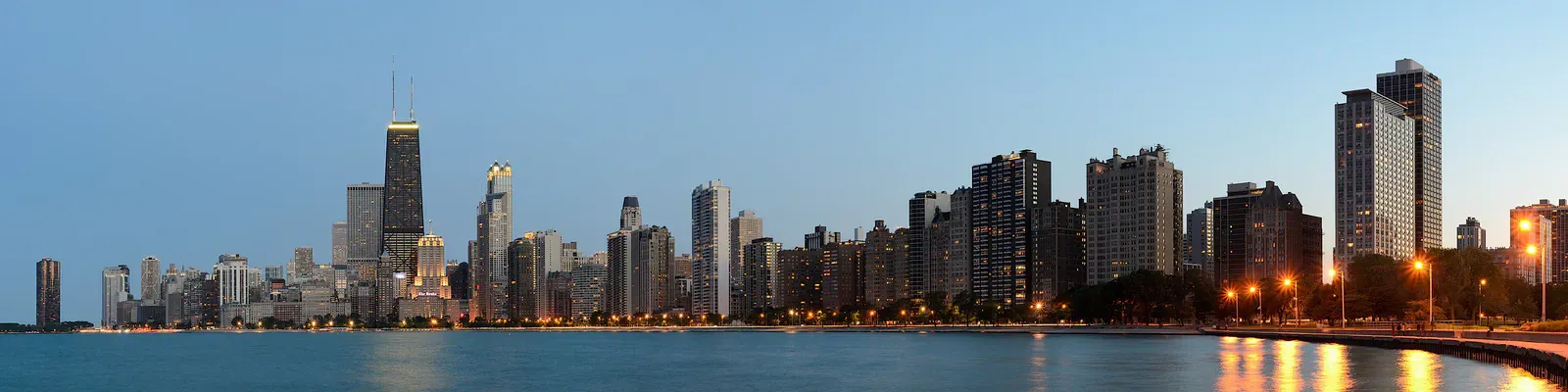
Chicago, 1983
Electronic family
Born
1983
Chicago
Subgenres
34
Documented branches
Links
62
Genres it drew on or shaped
Tempo
115-130 BPMLineage
Family tree
Grew out of
Derived from
- Post-disco
Derived from
Chicago, 1983
House
Led to (37)
Timeline
Era by era
From the first sparks to today. Select a dot to read the story behind it.
- Warehouse and Music Box
1977 to 1984
- Chicago goes to wax
1984 to 1987
- Acid and the Second Summer of Love
1987 to 1990
- Pop, New York and superclubs
1990 to 1999
- French touch to festival house
1997 to 2012
- Tech house, pop return and 40 years of Trax
2013 to today
Eras
Moments
- 1 Warehouse and Music Box, 1977 to 1984
- 2 Chicago goes to wax, 1984 to 1987
- 3 Acid and the Second Summer of Love, 1987 to 1990
- 4 Pop, New York and superclubs, 1990 to 1999
- 5 French touch to festival house, 1997 to 2012
- 6 Tech house, pop return and 40 years of Trax, 2013 to today
1977
Warehouse and Music Box
Chicago DJs Frankie Knuckles and Ron Hardy rework disco, Philadelphia soul and European electronics with drum machines and reel-to-reel edits for a mostly Black and gay dancefloor.
- 1977The Warehouse opens in ChicagoFrankie Knuckles becomes resident DJ; the club name later gave house music its name.
- 1982Ron Hardy takes over the Music BoxHis raw reel-to-reel edits and loud sets made the Music Box the rougher rival to the Warehouse scene.
1984
Chicago goes to wax
Jesse Saunders, Marshall Jefferson, Larry Heard and Steve Silk Hurley press the first house records on small Chicago labels, and the sound reaches the UK charts by 1986.
- 1984Jesse Saunders releases On and OnWidely cited as one of the first house records pressed on vinyl, on Jes Say Records.
- 1985Chicago independents start pressing houseLabels such as DJ International and Dance Mania open in 1985, and Trax grows from a pressing operation.
- 1986Marshall Jefferson's Move Your BodyThe first piano house anthem, released on Trax, and a hit with Chicago and then UK dancefloors.
- 1986Mr. Fingers releases Can You Feel ItLarry Heard's Juno-60 and TR-909 track becomes the template for deep house.
- 1986Love Can't Turn Around reaches UK number 10Farley Jackmaster Funk gives house its first UK chart entry in September 1986.
1987
Acid and the Second Summer of Love
Phuture's TB-303 acid sound, Ibiza-inspired British DJs and Manchester and London clubs turn house into a youth movement, and Inner City and Black Box put it on pop radio.
- 1987Jack Your Body is UK number oneSteve Silk Hurley's record tops the UK chart in January 1987, the first house number one there.
- 1987Phuture's Acid TracksChicago trio uses the Roland TB-303 as a squelching lead and launches acid house.
- 1987Frankie Knuckles' version of Your Love on TraxJamie Principle's 1986 song was reworked into the arpeggiated club classic.
- 1987British DJs bring Ibiza and house homeTrevor Fung, Paul Oakenfold and Danny Rampling start London nights such as Shoom in late 1987.
- 1988Second Summer of LoveAcid house parties in London and Manchester, with smiley badges, start the UK rave movement.
- 1988Inner City's Big Fun and Good LifeKevin Saunderson's Detroit group takes house vocals into the UK top ten.
- 1989Ride on Time spends six weeks at UK number oneBlack Box's Italian house hit became the UK's best-selling single of 1989.
- 1989Strictly Rhythm is founded in New YorkGladys Pizarro and Mark Finkelstein start the label that shaped 1990s New York house.
1990
Pop, New York and superclubs
Madonna and CeCe Peniston bring house vocals to pop, New York labels such as Strictly Rhythm define a polished sound, and Ministry of Sound and Defected build a club industry.
- 1990Martha Wash sues over Black Box vocalsModel Katrin Quinol mimed the vocals; Wash, who sang on other Black Box records, sued over missing credit.
- 1990Madonna releases VogueShep Pettibone produces a house record that reaches number one in over 30 countries.
- 1994UK Criminal Justice and Public Order ActThe law targets unlicensed raves with powers against gatherings around repetitive beats.
1997
French touch to festival house
Daft Punk and the French touch filter disco loops, then electro, progressive and big room house move to stadiums and festivals with Swedish House Mafia and Avicii.
- 1997Daft Punk's HomeworkThe Paris duo's debut brings raw, filtered house to a global audience.
- 1999Defected Records is founded in LondonSimon Dunmore starts the label that grows into a global house brand with Ibiza residencies.
- 2005Chicago proclaims House Unity DayMayor Richard M. Daley marks 10 August 2005 as the 21st anniversary of house music.
2013
Tech house, pop return and 40 years of Trax
Tech house acts such as Fisher chart worldwide, house returns to pop with Beyonce in 2022, and Chicago labels mark four decades with reissues and new releases.
- 2018Fisher's Losing ItThe tech house track earns a 2019 Grammy nomination for Best Dance Recording.
- 2022Beyonce's Break My Soul revives house in popRenaissance album and lead single draw on Chicago and New York house.
- 2025Trax Records marks 40 yearsThe Chicago label issues Rising Again, its first vinyl in over a decade, and a 40th anniversary collection.
Listening path
Anthems
The records that built the sound, grouped by the part they played. Thumbnails come from YouTube; the player loads only when you press play.
- 01
Jesse Saunders, 1984
One of the first house records pressed on vinyl, it showed a Chicago DJ could make his own club tracks.
Origin - 02
Marshall Jefferson, 1986 · Trax Records
First house record built on piano and the anthem that spread Chicago house beyond the city.
Start hereOrigin - 03
Larry Heard, 1986 · Trax Records
Larry Heard's Juno-60 chords made it the founding record of deep house.
Origin - 04
Jamie Principle, 1986
Home-recorded song that Frankie Knuckles reworked for the Warehouse and Trax, a defining Chicago club record.
Origin - 05
Farley Jackmaster Funk, 1986 · #10 UK Singles, 1986 · DJ International
First house record on the UK chart, peaking at number 10 in 1986.
Breakthrough - 06
Steve Silk Hurley, 1986 · #1 UK Singles, 1987
UK number one in January 1987 proving house could top a national chart.
Breakthrough - 07
Black Box, 1989 · #1 UK Singles, 1989
Italian house hit that stayed six weeks at UK number one and became the best-selling UK single of 1989.
Start hereBreakthrough - 08
Phuture, 1987 · Trax Records
Twelve minutes of TB-303 that defined acid house and fed the British rave scene.
Anthem - 09
Inner City, 1988
Detroit group's vocal house single that became an anthem of the UK scene.
Anthem - 10
CeCe Peniston, 1991
Gospel-tinged vocal house single that defined early 1990s club and radio play.
Anthem - 11
Madonna, 1990
Pop single made as a house record that carried the sound to number one in more than 30 countries.
Start hereCrossover - 12
Daft Punk, 1997
Loop-based French touch single that made filtered house a pop and video staple.
Crossover - 13
Fisher, 2018
Australian tech house track that revived club house for festival audiences and earned a Grammy nomination.
Revival
Facts
| Family | Electronic |
| Origin | Chicago, United States |
| Emerged | Early 1980s |
| Status | Active |
| Tempo | 115 to 130 BPM |
| Meter | 4/4 |
| Grew out of | Disco, Post-disco, Hi-NRG |
| Subgenres | 26 |
House is electronic dance music built on a kick drum on every beat, usually played between 115 and 130 BPM. It began in Chicago clubs in the early 1980s, when DJs rebuilt disco and soul records with drum machines. It belongs to the wider electronic music family.
Origins
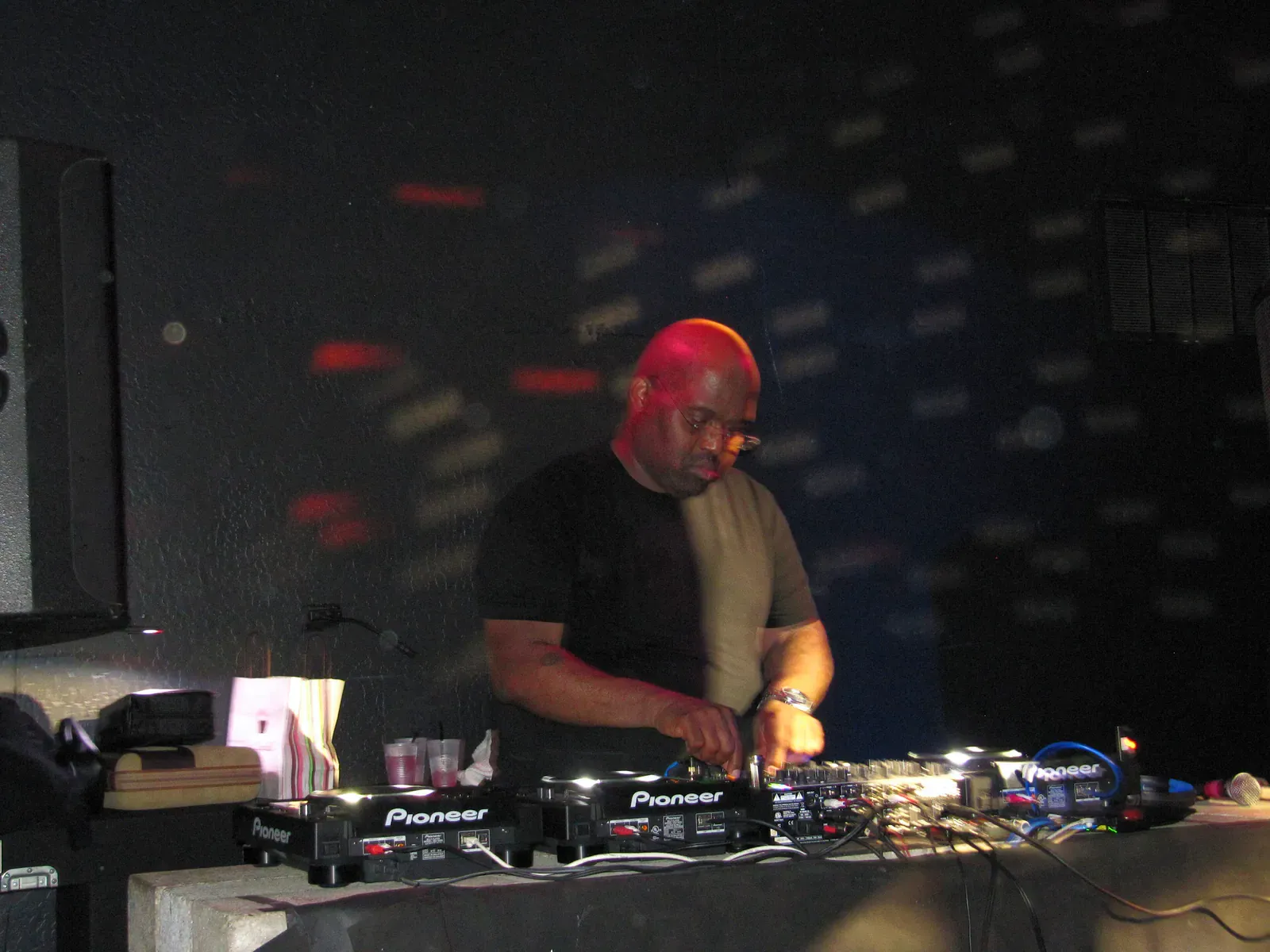
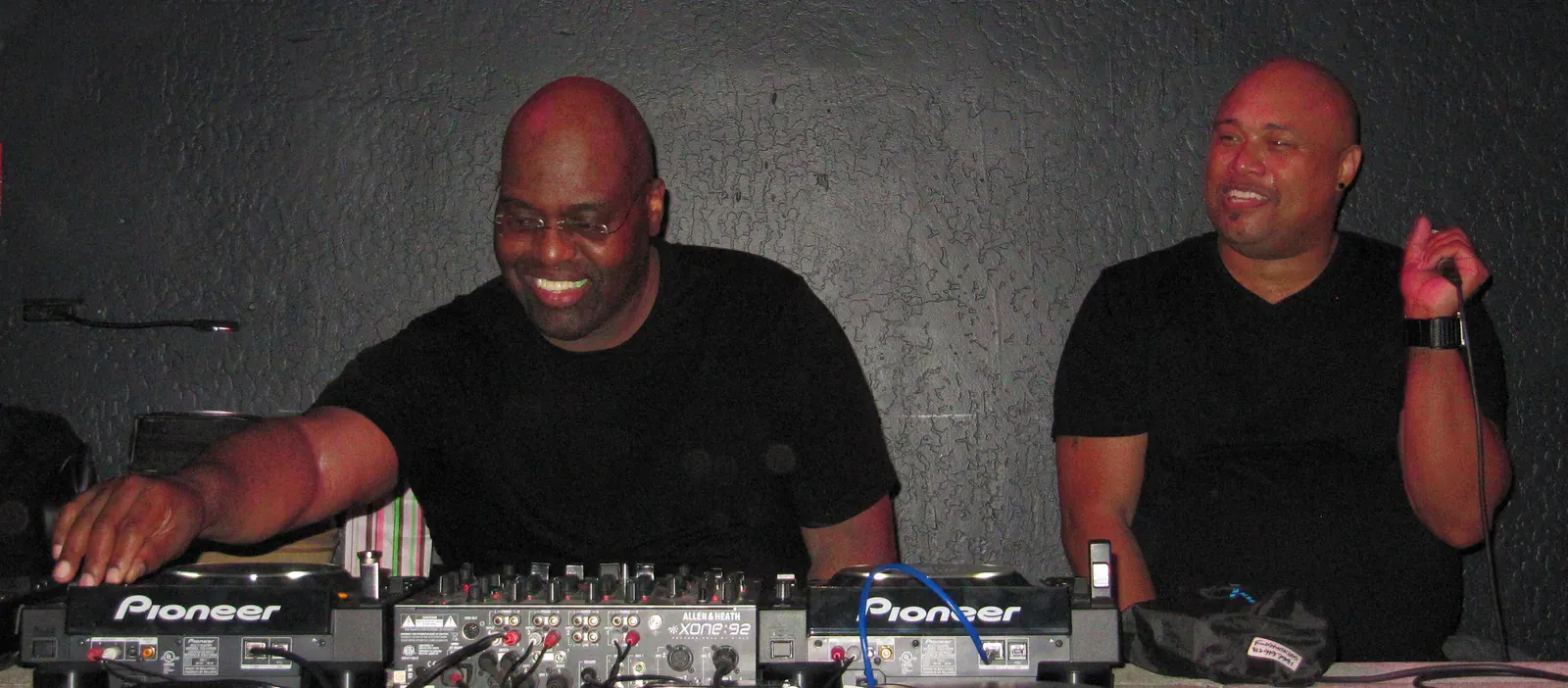
It started as a DJ’s craft before it was a record. At the Warehouse, Frankie Knuckles, resident from 1977, mixed disco, Philadelphia soul and European electronic records for a mostly Black and gay dancefloor. Chicago record shops sold what he played as “warehouse music”, and the shortened name stuck.
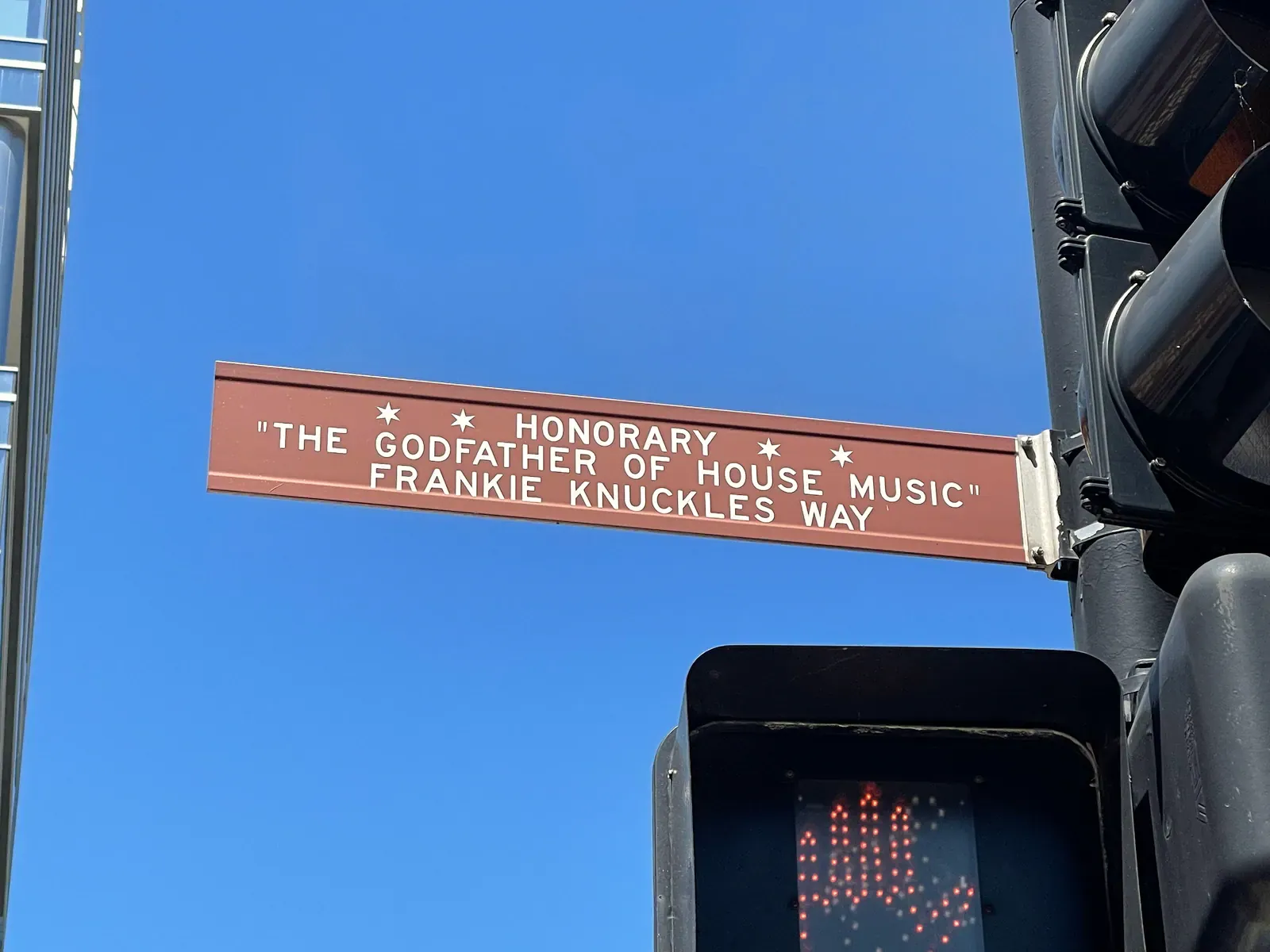
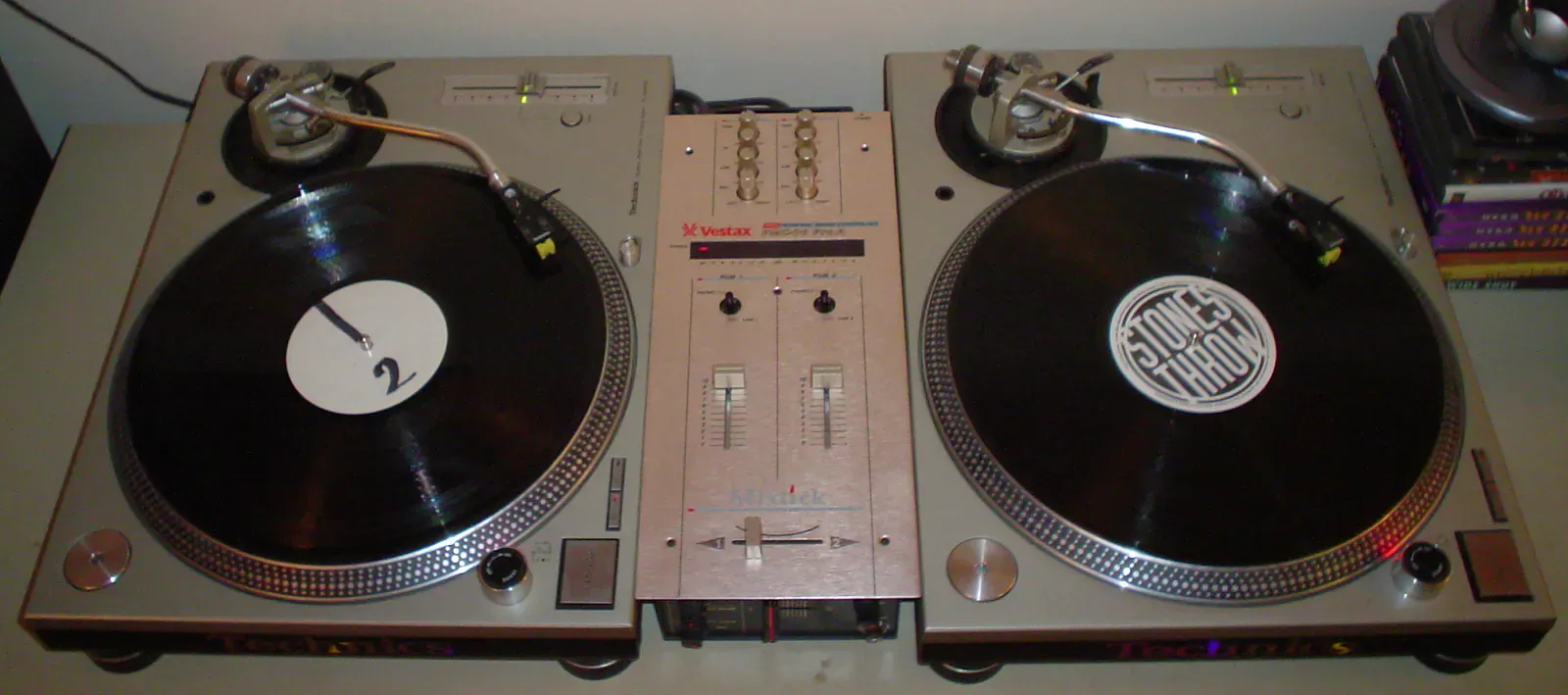
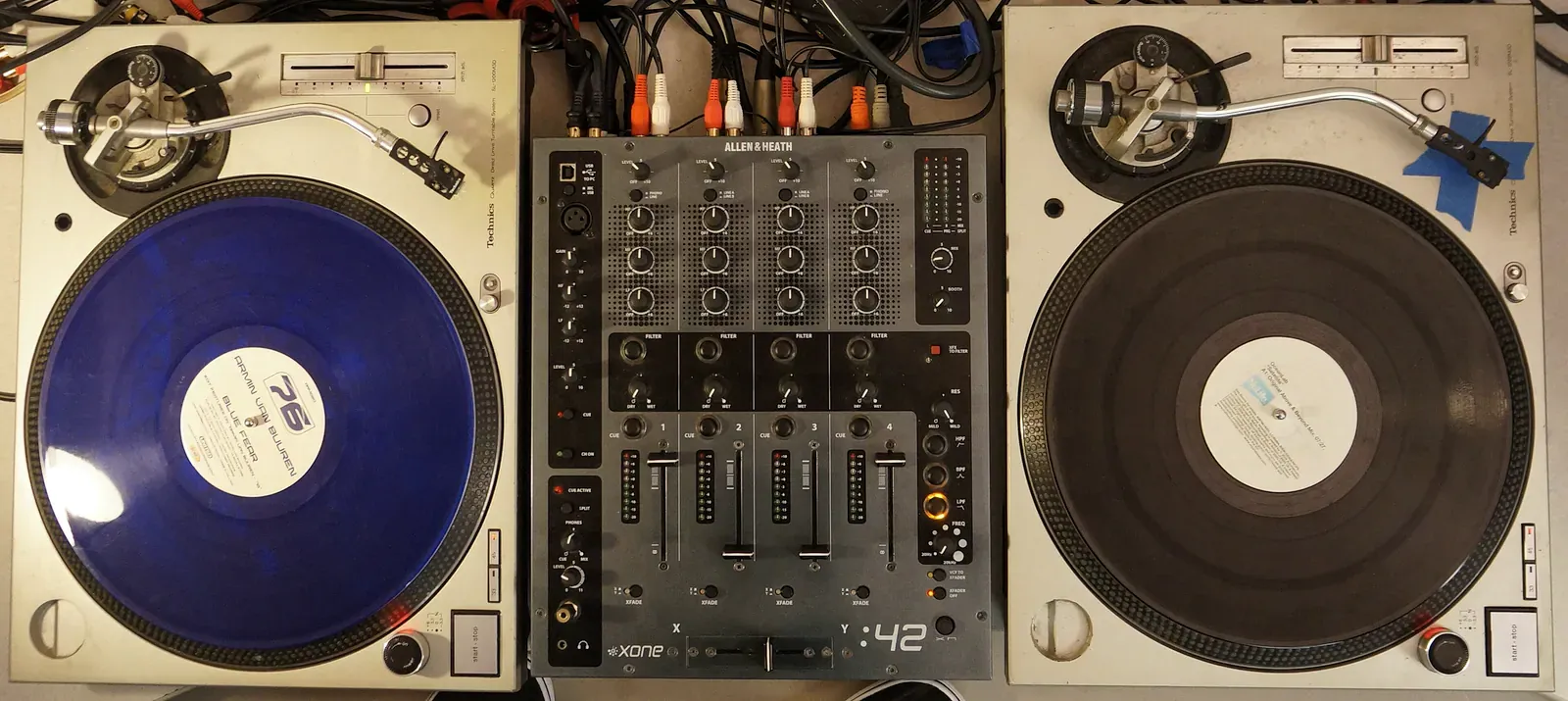
The Warehouse closed in 1982, and in the same year Ron Hardy took over the Music Box. Hardy’s sets were rawer and louder, built on reel-to-reel edits. Both men worked from the same toolkit: a pair of turntables, a reel-to-reel deck and a habit of stretching a record’s best bars.
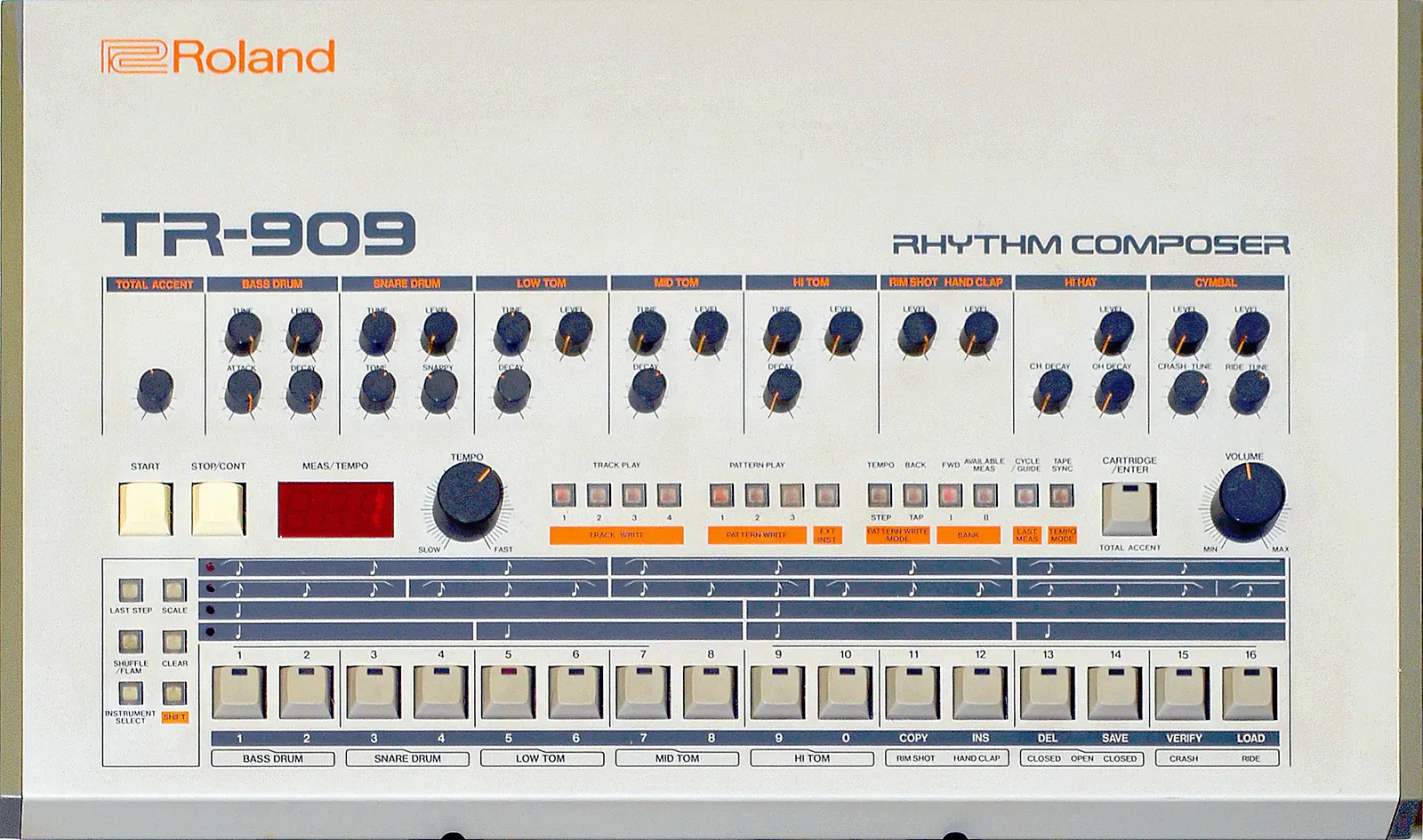
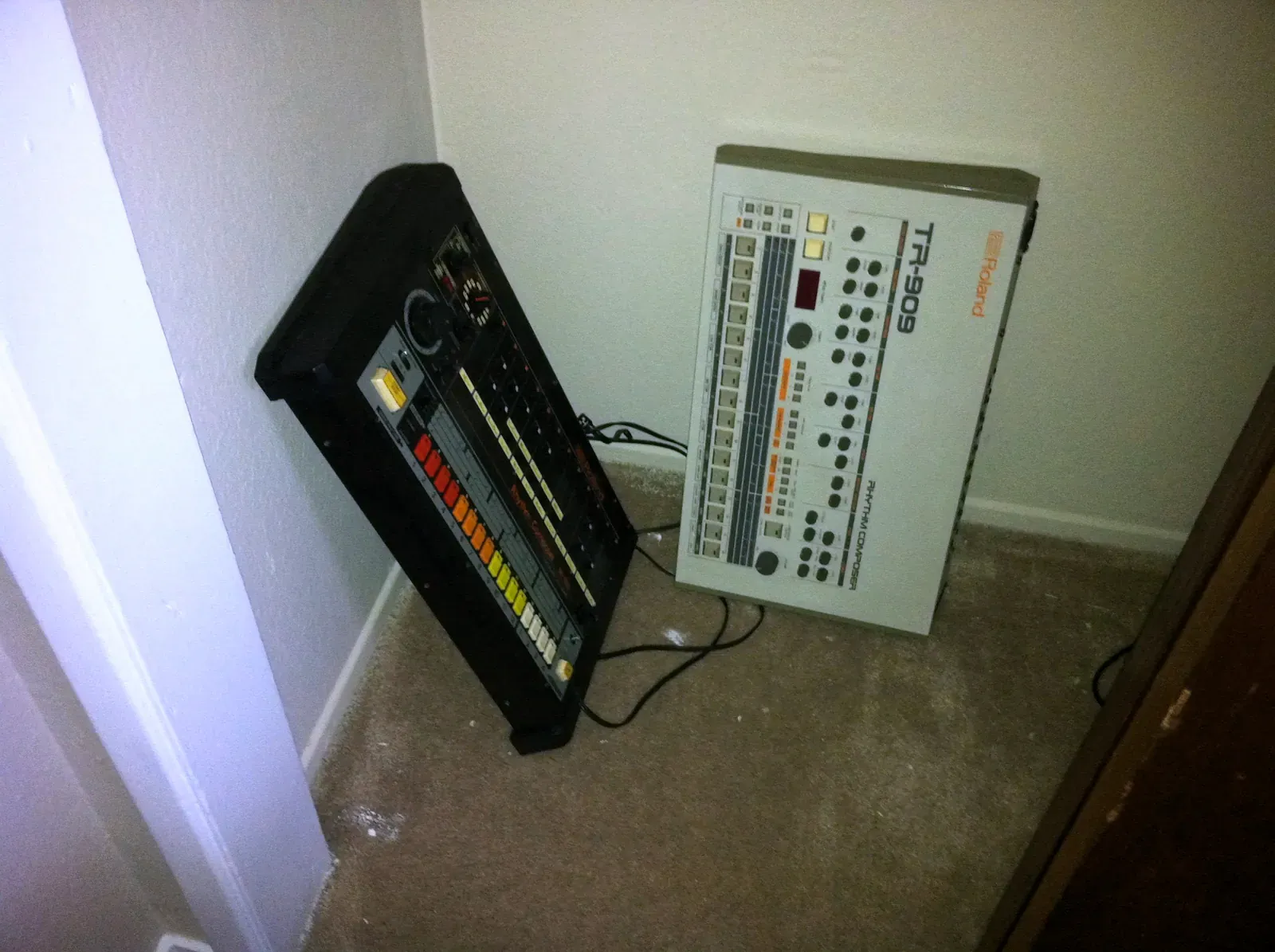
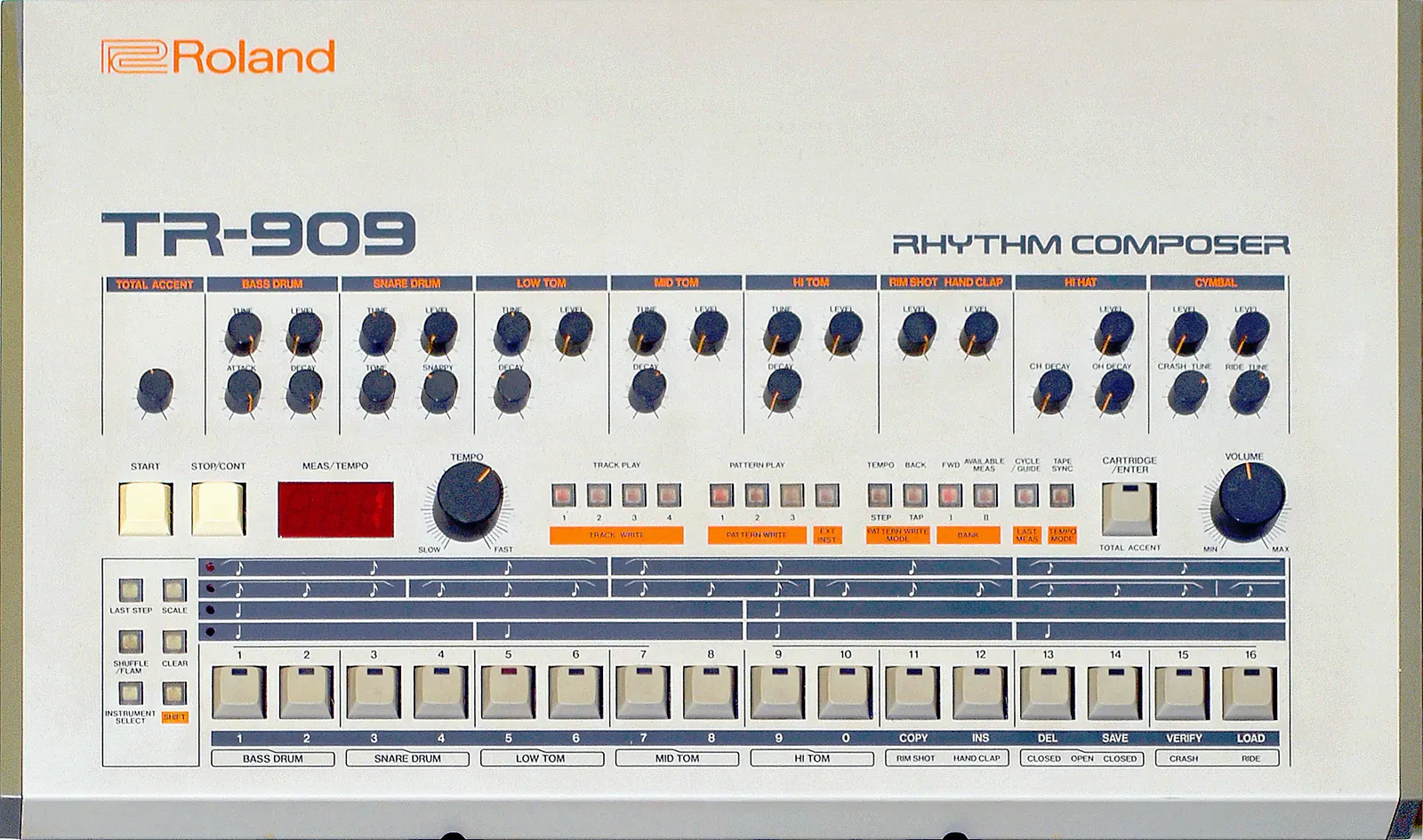
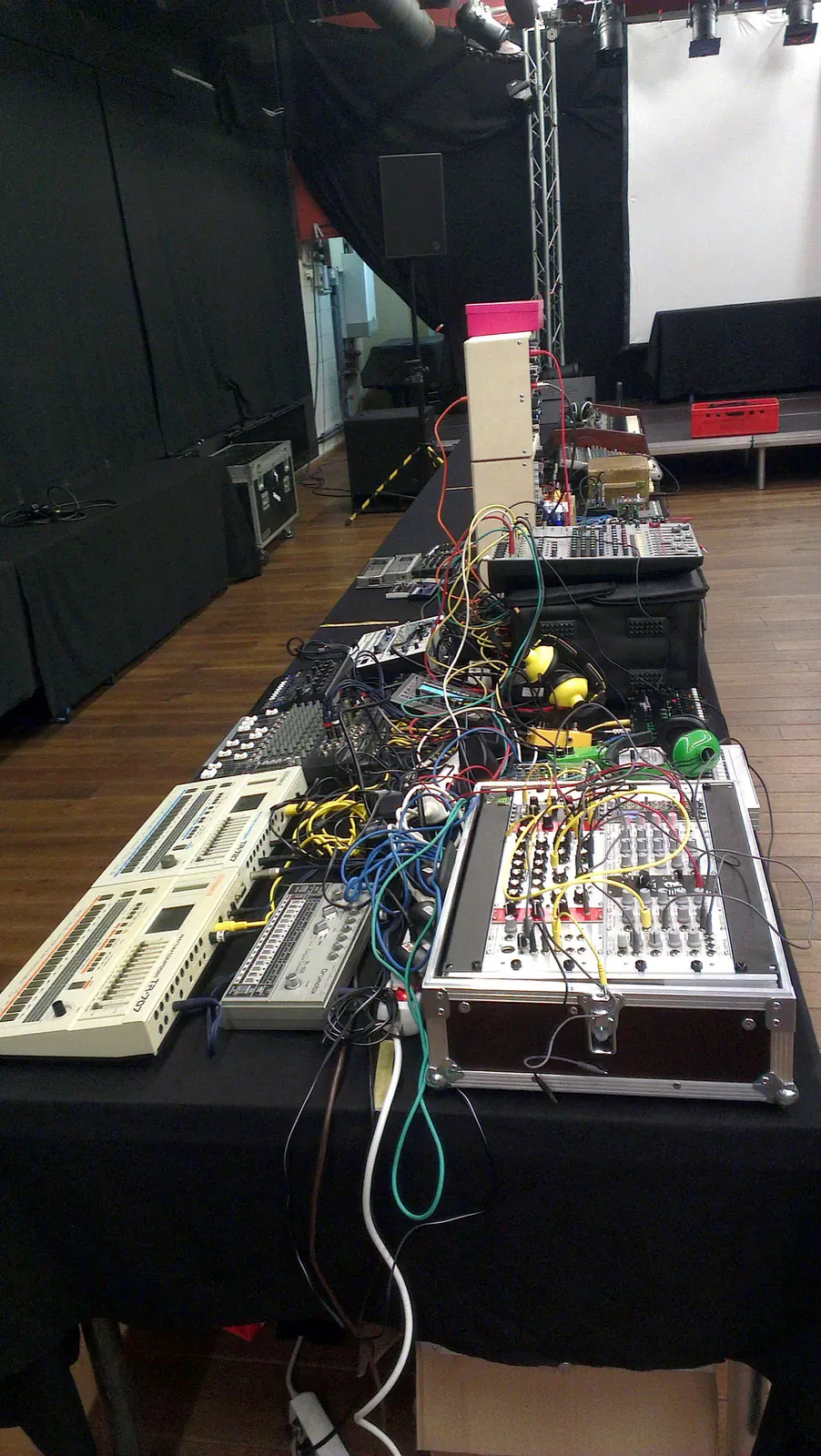
Cheap drum machines turned the edits into new records. The Roland TR-909 and TR-808 gave producers a kick and clap that never tired.
Chicago, 1984-1987
In 1984 Jesse Saunders pressed “On and On”, one of the first house records on vinyl. Small independents followed in 1985: DJ International and Dance Mania opened, and Trax grew out of a pressing operation. Hot Mix 5, a Chicago radio mix show, had played dance records on air since 1981.
The sound split quickly. Marshall Jefferson’s “Move Your Body” (1986) put a piano at the front. Larry Heard, as Mr. Fingers, recorded “Can You Feel It” with a Juno-60 and a TR-909, and its warm chords became the template for deep house. Jamie Principle’s home-recorded “Your Love” was reworked by Knuckles into an arpeggiated club classic.
Acid house and the Second Summer of Love, 1987-1990
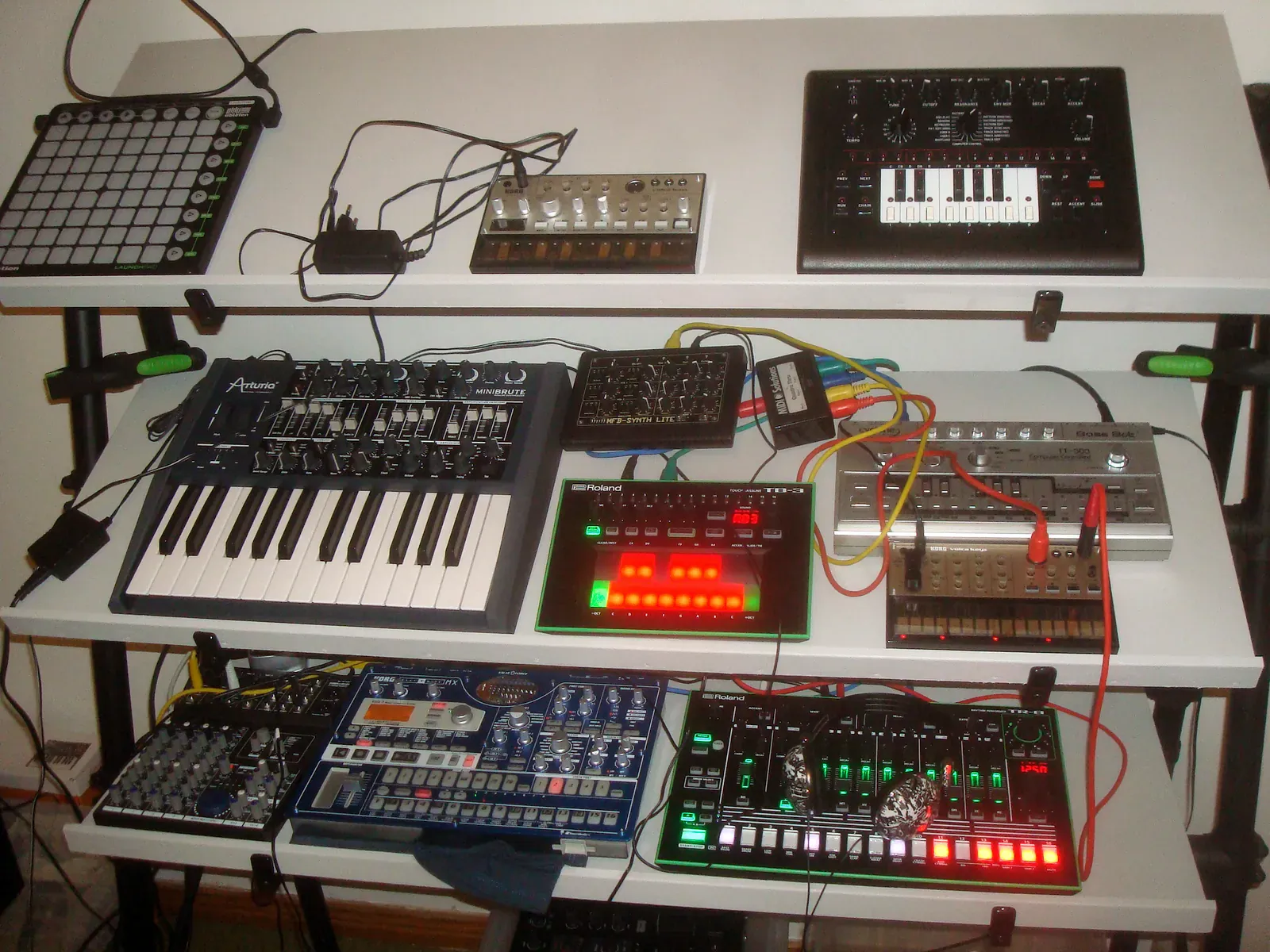
In 1987 a Chicago trio, Phuture, used the Roland TB-303 bass synthesizer as a squelching lead on “Acid Tracks”, and acid house was born. Hardy tested it at the Music Box until the crowd embraced it. The record runs twelve minutes.
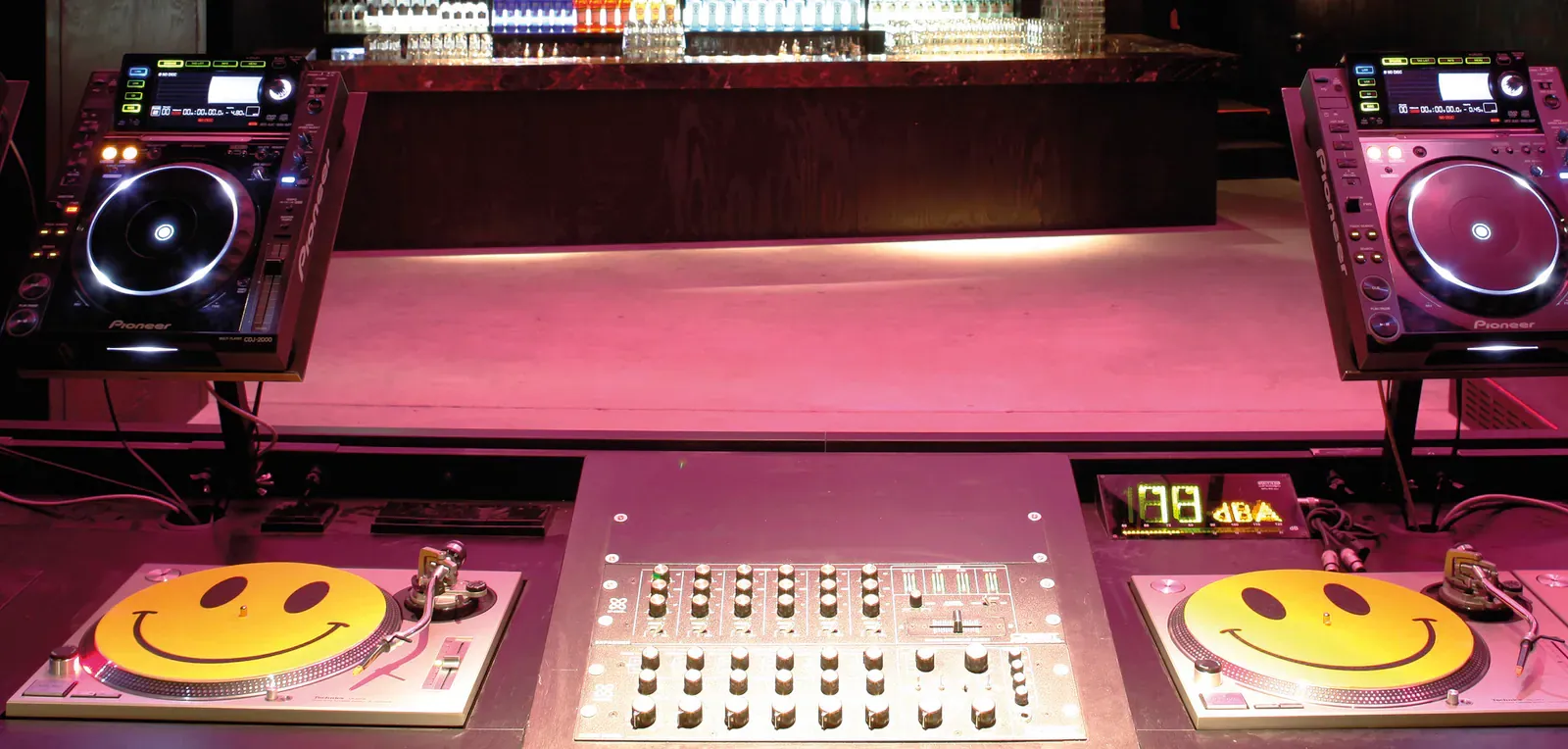
Britain took the sound home. Trevor Fung, Paul Oakenfold and Danny Rampling came back from Ibiza, where Amnesia’s Balearic mix had opened their ears, and started London nights such as Shoom in late 1987. In 1988 acid house parties in London and Manchester, with yellow smiley badges, set off the Second Summer of Love and the UK rave movement. Manchester’s Haçienda became its symbol.
At the same time, Kevin Saunderson’s Inner City took house vocals out of Detroit and into the UK top ten with “Big Fun” and “Good Life” in 1988.
Mainstream success
Pop radio got there first in the UK. “Love Can’t Turn Around” by Farley Jackmaster Funk reached number 10 in September 1986. Four months later Steve “Silk” Hurley’s “Jack Your Body” topped the UK chart, the first house number one there. In 1989 Black Box’s “Ride on Time” spent six weeks at number one and became the best-selling UK single of the year.
It also carried a scandal. Model Katrin Quinol mimed the vocals, and Martha Wash, who sang on other Black Box records, sued in 1990 over missing credit. Madonna’s “Vogue”, produced by Shep Pettibone, reached number one in more than 30 countries that year.
New York and the superclubs, 1990-1999
New York gave house a polished second home. Paradise Garage, Larry Levan’s club, lent its name to garage house, and Strictly Rhythm, founded in 1989 by Gladys Pizarro and Mark Finkelstein, shaped much of the 1990s sound. Masters at Work and Todd Terry supplied the records. CeCe Peniston’s “Finally” (1991) showed that gospel-tinged vocals could fill both clubs and radio.
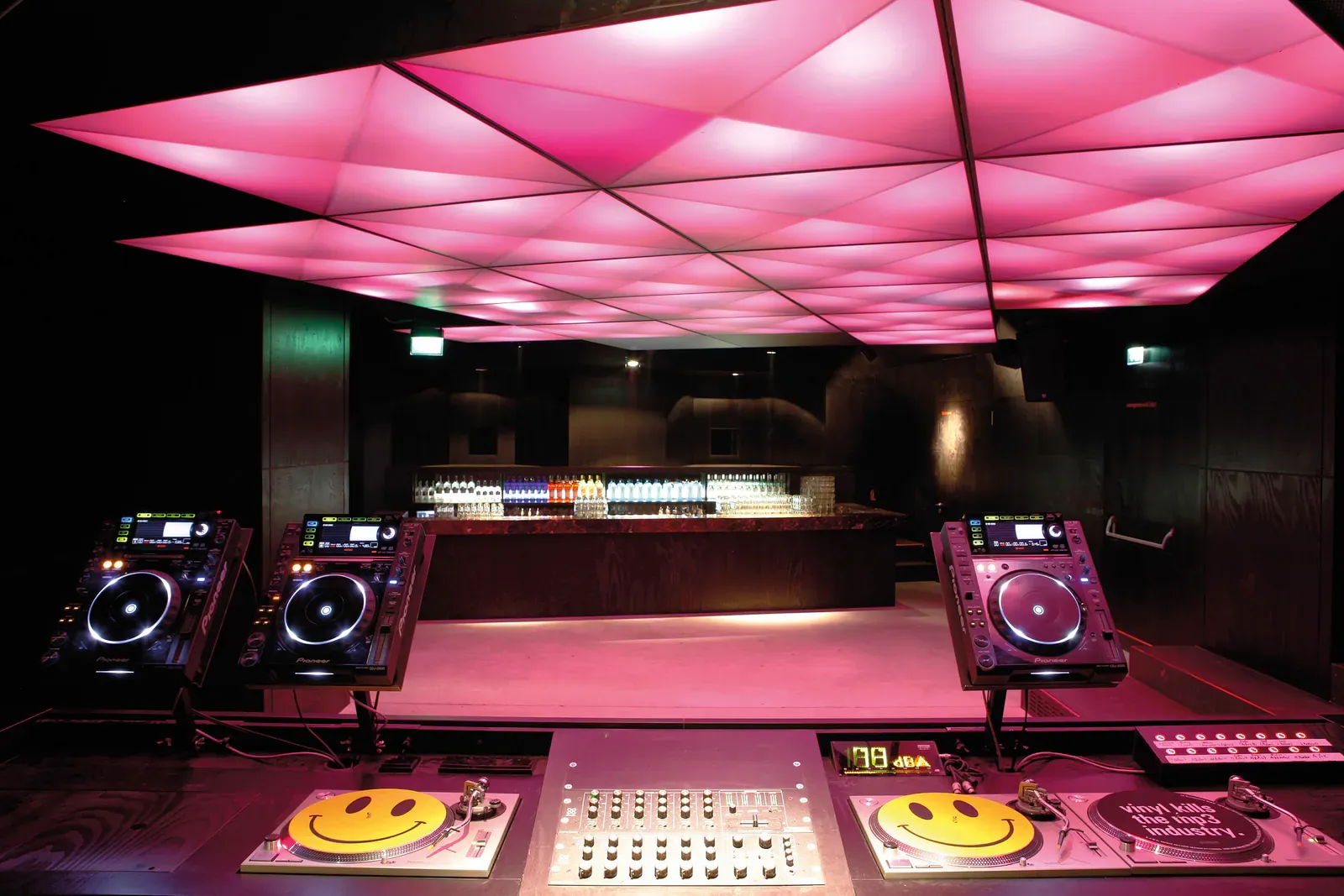
London turned the music into an industry. Ministry of Sound opened in 1991 and Defected started in 1999 under Simon Dunmore. Britain also pushed back: the 1994 Criminal Justice and Public Order Act targeted unlicensed raves with powers against gatherings around repetitive beats.

French touch to festival house, 1997-2012
Daft Punk’s “Homework” (1997) brought raw, filtered house to a global audience, and “Around the World” made the loop a video staple. The French touch of Daft Punk and Cassius filtered disco samples into pop. Then big room, progressive and electro house moved to stadiums and festivals, with Swedish House Mafia and Avicii as headliners.

Tech house and the pop return, 2013 to now
Tech house acts such as Fisher charted worldwide; “Losing It” earned a 2019 Grammy nomination for Best Dance Recording. In 2022 Beyonce’s “Break My Soul” and the Renaissance album pulled house back into pop. Chicago marked 10 August 2005 as House Unity Day, and in 2025 Trax issued its first new vinyl in over a decade, “Rising Again”, with a 40th anniversary collection.
Notable recordings
“Move Your Body” (1986). Marshall Jefferson built the first piano house anthem on Trax, and Chicago and then UK dancefloors took it up as “The House Music Anthem”.
“Acid Tracks” (1987). Phuture used the TB-303 as a squelching lead rather than a bass. Ron Hardy kept playing it at the Music Box until the crowd embraced it.
“Ride on Time” (1989). An Italian house record that sat at UK number one for six weeks. Its success also exposed how pop could credit a face over the singer.
Culture
Dance came first. Jacking, a pumping move popularised by Farley Jackmaster Funk’s “Jack the Bass”, filled Chicago floors, and New York ballroom dancers adopted tracks such as “The Ha Dance” and “Vogue”. The yellow smiley and the rave ethic PLUR (Peace, Love, Unity and Respect) travelled with the music to Britain. Since 1991 Jesse Saunders has produced the House Music Reunion Picnic in Chicago every year.
House also reached screens and shelves. “Paris Is Burning” (1990) documented New York ballroom culture, “24 Hour Party People” (2002) dramatised the Haçienda years, and “Last Night a DJ Saved My Life” (1999) tells the DJ history behind it.
Misconceptions
House is not simply disco played again. It grew out of disco records, but the machines changed it: drum-machine kicks, sequenced basslines and long edits turned selection into composition.
House did not start in the European rave scene. Chicago clubs and labels came first, and British DJs imported the records and the idea in 1987 and 1988. The first UK chart entry followed in September 1986.
House is not the same as techno. Techno came from Detroit and leans on machine rhythm. House keeps disco and soul vocals, piano and warmth, though Kevin Saunderson links the two cities. For the machine-first sibling, see techno and Detroit techno.
Frequently asked questions
What BPM is house music?
House is typically played at 115 to 130 BPM in 4/4 time. The kick lands on every beat, which is what four-on-the-floor means.
Who invented house music?
No single person did. Frankie Knuckles at the Warehouse and Ron Hardy at the Music Box shaped the sound in Chicago, and Jesse Saunders pressed one of the first house records, “On and On”, in 1984.
Why is it called house music?
The name comes from the Warehouse club in Chicago, whose records record shops sold as “warehouse music”. House shortened that.
What is the difference between house and deep house?
Deep house is a slower, warmer form of house. Larry Heard’s “Can You Feel It” (1986), built on Juno-60 chords, is its founding record.
What are good house records to start with?
Marshall Jefferson’s “Move Your Body”, Black Box’s “Ride on Time” and Madonna’s “Vogue” are good starting records. Together they cover the Chicago original, the UK breakthrough and the pop crossover. Italy’s own dance sound is covered in Italo disco.
Sound
Sound sheet
Anatomy of a track
| # | Part | Bars |
|---|---|---|
| 1 | Intro (kick and hi-hat) | 16 |
| 2 | Bassline and groove | 16 |
| 3 | Vocal or main hook | 32 |
| 4 | Breakdown | 16 |
| 5 | Return of the full groove | 32 |
| 6 | Outro (drums) | 16 |
Signature sounds
- Four-on-the-floor kick
- Off-beat open hi-hat
- Clap on beats two and four
- Sampled or live disco and soul vocals
- Piano stabs and warm chords
- Looping sequenced bassline
Drums and percussion
- Roland TR-909
- Roland TR-808
- Roland TR-707
Synths and software
- Roland TB-303
- Ableton Live
Techniques
- Sidechain pumping
- Off-beat open hi-hat
- Chord stabs
- Swing and shuffle
- Sampling disco and soul
Keys and modes
Deep house: minor and major seventh chords. Jazz-influenced minor 7th and major 7th chords give deep house, a house branch, its soulful, chord-led feel.
Vocals
Sung, spoken or sampled, from disco-style diva and gospel-trained singers to pitched samples; some tracks are instrumental.
Scenes
Where it happened
Where and when the sound lived: one bar per city on a shared timeline.
North America
Europe
Active scenes
Peak 6, 1988-1990
Birthplace: the Warehouse, the Music Box and labels such as Trax and DJ International.
Paradise Garage gave garage house its name; Strictly Rhythm and Masters at Work shaped the 1990s sound.
Kevin Saunderson's Inner City carried house vocals out of the techno city.
Amnesia and the Balearic mix of styles fed British acid house and later Defected residencies.
Shoom, Ministry of Sound and Defected built the UK club and label industry around house.
The Hacienda became the symbol of the UK acid house years.
The French touch of Daft Punk and Cassius put filtered disco loops into pop.
Venues and places
Chicago, 1977 to today. Frankie Knuckles' club, source of the genre name, open until 1982.
Chicago, 1982 to today. Ron Hardy's club, where he played Acid Tracks until the crowd embraced it.
New York, 1977 to today. Larry Levan's club, namesake of garage house.
Ibiza, 1983 to today. DJ Alfredo's residency here seeded the Balearic mix British DJs carried to London.
London, 1987 to today. Danny Rampling's night, one of the first London acid house clubs.
Manchester, 1982 to today. Manchester club that became central to the UK acid house scene from 1988.
London, 1991 to today. Superclub that turned house into a lasting club business.
Culture
Culture markers
- Jacking
The pumping dance popularised by Farley Jackmaster Funk's Jack the Bass.
Dance - Vogue and ballroom
New York ballroom dance adopted house tracks such as The Ha Dance and Vogue.
Dance - Smiley badge
Yellow smiley became the symbol of UK acid house in 1988 and 1989.
Fashion - PLUR
Peace, Love, Unity and Respect, a rave ethic of the 1990s that grew from house culture.
Ritual - House Music Reunion Picnic
Annual Chicago gathering produced by Jesse Saunders since 1991.
Ritual - Warehouse music
Chicago record shops sold "warehouse music", the origin of the name house.
Slang
Media
Key media
- 1981Hot Mix 5
by WBMX Chicago. Chicago radio mix show that played dance records before house was released on vinyl.
Radio - 1986The House Sound of Chicago
by Various. Early compilation that carried Chicago house records to a wider audience.
Compilation - 1990Paris Is Burning
by Jennie Livingston. Documentary on New York ballroom culture, with house on the soundtrack.
Film - 1999Last Night a DJ Saved My Life
by Bill Brewster and Frank Broughton. History of the disc jockey that covers the Chicago and New York roots of house.
Book - 200224 Hour Party People
by Michael Winterbottom. Feature film on Manchester's Haçienda years, using Move Your Body in its soundtrack.
Film
Glossary
Terms on this page
Large vinyl record with a long club mix, the main format for house releases.
House built on a squelching, filter-swept Roland TB-303 bassline.
Slower, jazzier house with warm chords, associated with Larry Heard.
A DJ rework of a record, often cut on reel-to-reel tape, to extend or change a section.
A steady kick drum on every beat of a 4/4 bar.
Soulful, gospel-influenced house named after New York's Paradise Garage.
A Chicago term for the pumping, rolling groove and the dance that went with it.
Electronic family