Synth-pop
Synth-pop is pop led by the synthesizer, with drum machines and sequencers. It emerged in Japan and Britain in the late 1970s and peaked in the early 1980s.
United Kingdom, Germany, Japan, 1978
Pop family
Born
1978
United Kingdom, Germany, Japan
Subgenres
1
Documented branches
Links
55
Genres it drew on or shaped
Tempo
110-150 BPMLineage
Family tree
Grew out of
Derived from
Derived from
United Kingdom, Germany, Japan, 1978
Synth-pop
Led to (5)
Timeline
Era by era
From the first sparks to today. Select a dot to read the story behind it.
- Post-punk pioneers
1977 to 1980
- Chart peak
1981 to 1985
- Dance floor and decline
1986 to 2000
- Revival and electropop
2001 to today
Eras
Moments
- 1 Post-punk pioneers, 1977 to 1980
- 2 Chart peak, 1981 to 1985
- 3 Dance floor and decline, 1986 to 2000
- 4 Revival and electropop, 2001 to today
1977
Post-punk pioneers
Post-punk and new wave bands in Britain and Japan adopted synthesizers and drum machines. Yellow Magic Orchestra, the Human League and Gary Numan set the template before the style had a name.
- 1977Suicide's debut albumThe New York duo Suicide joins synthesizers and a drum machine to post-punk on its self-titled debut.
- 1977Ultravox adopts a Roland TR-77Drummer Warren Cann's drum machine is first heard on the single Hiroshima Mon Amour in October.
- 1978Yellow Magic Orchestra forms in TokyoHaruomi Hosono, Yukihiro Takahashi and Ryuichi Sakamoto release a self-titled debut album built on synthesizers and the TR-808.
- 1978Being BoiledThe Human League's first single from Sheffield is regarded as an early synth-pop landmark.
- 1978Techno-pop is namedCritic Yuzuru Agi uses the term techno-pop in a review of Kraftwerk's The Man-Machine.
- 1979Gary Numan reaches number oneTubeway Army's Are Friends Electric? and Numan's Cars both top the UK singles chart, the latter from the album The Pleasure Principle.
- 1979Video Killed the Radio StarThe Buggles' single tops the UK chart in October and two years later is the first video shown on MTV.
1981
Chart peak
Cheaper synthesizers, MIDI and music television carried synth-pop to the top of the charts. New Romantic acts, duos and the Second British Invasion made it the sound of early-1980s pop.
- 1981Dare and Don't You Want MeThe Human League's third album gives the group the UK number one at the end of 1981.
- 1981Tainted LoveSoft Cell's cover becomes a UK number one and one of the best-selling UK singles of the year.
- 1981Depeche Mode's first albumSpeak & Spell follows the group's first chart hits New Life and Just Can't Get Enough.
- 1982Musicians' Union tries to limit synthesizersSynthesizers dominate the charts so strongly that the union attempts to restrict their use.
- 1983Sweet Dreams reaches US number oneEurythmics' single, number two in the UK in March, tops the Billboard Hot 100 in the second half of the year.
1986
Dance floor and decline
Pet Shop Boys, Erasure and others moved closer to dance music and the US dance charts, while guitar-based rock and grunge pushed the genre out of mainstream radio.
- 1986Pet Shop Boys' PleaseThe duo's debut album carries West End Girls and moves synth-pop toward dance music.
2001
Revival and electropop
Electroclash, indietronica and a wave of electropop stars revived the sound. Japanese technopop and K-pop adopted it, and the 2020 success of The Weeknd's Blinding Lights renewed 1980s-style synth-pop.
- 2008Lady Gaga's Just DanceHer breakthrough single prompts media talk of a new era of female synth-pop stars.
- 2020Blinding LightsThe Weeknd's synth-driven single peaks at number one in 29 countries.
Listening path
Start listening
A short path from an easy way in to the deep end. Thumbnails come from YouTube; the player loads only when you press play.
- 01
Gary Numan, 1979
The 1979 number one built on synthesizers; listen for the cold, repeated synth riff and detached vocal.
- 02
Depeche Mode, 1981
Vince Clarke's bright sequenced pop, the genre in its catchy three-minute form.
- 03
Soft Cell, 1981
A soul cover rebuilt with synthesizers and drum machine, one of 1981's biggest UK sellers.
- 04
The Human League, 1981
The UK and US number one that shows the genre at its commercial peak.
- 05
Pet Shop Boys, 1986
The later, dance-oriented phase, with a spoken-sung vocal over a slow electronic groove.
Facts
| Family | Pop |
| Origin | United Kingdom, Germany, Japan |
| Emerged | 1977-1980 |
| Status | Active |
| Tempo | 110 to 150 BPM |
| Meter | 4/4 |
| Grew out of | New wave, Electronic |
| Subgenres | 1 |
Synth-pop, also written synthpop and called techno-pop in Japan, is pop music in which the synthesizer is the dominant instrument, supported by drum machines and sequencers.
It arose in Japan and the United Kingdom in the post-punk and new wave years of the late 1970s and reached its commercial peak in the early 1980s. It belongs to the pop family and descends from new wave and electronic music.
Origins
Synthesizers appeared in progressive rock, art rock, electronic music and disco in the 1960s and early 1970s, and most clearly in the krautrock of Kraftwerk, formed in Düsseldorf in 1970. Early punk distrusted the synthesizer, but its do-it-yourself attitude removed the expectation that a keyboard player needed years of training.
The pieces came together between 1977 and 1979. The New York duo Suicide joined synthesizers and a drum machine to post-punk on its 1977 debut. Ultravox drummer Warren Cann’s Roland TR-77 drum machine was first heard on Hiroshima Mon Amour that October. In Tokyo, Yellow Magic Orchestra released its 1978 debut and Solid State Survivor in 1979, a melodic electronic pop that brought the Roland TR-808 into popular music and influenced early British acts. The critic Yuzuru Agi coined techno-pop in 1978 in a review of Kraftwerk’s The Man-Machine, the year the Human League issued Being Boiled in Sheffield.
Pioneers, 1977-1980
The first mass audience came through Gary Numan. His band Tubeway Army intended a guitar album, but in late 1978 he found a Minimoog left in the studio by another band and began writing on it. The result was Replicas, and its single Are Friends Electric? topped the UK chart in the summer of 1979. Numan then went solo and made The Pleasure Principle, played mostly on synthesizers, whose single Cars also reached number one.
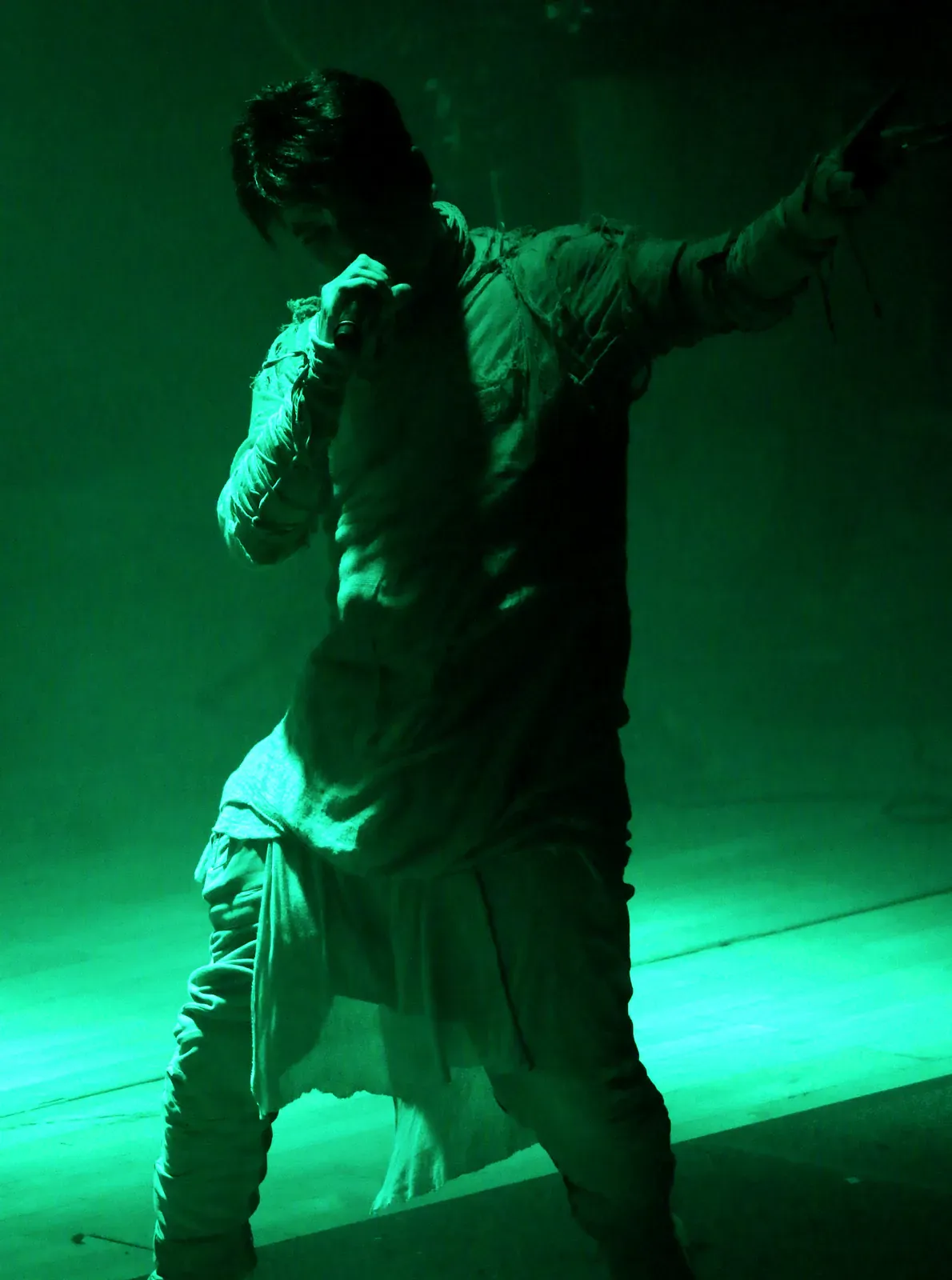
Orchestral Manoeuvres in the Dark, Britain’s first performing synth duo, released Electricity in 1979 and Enola Gay in 1980. The Buggles’ Video Killed the Radio Star topped the UK chart in October 1979 and became the first video shown on MTV in 1981.
Chart peak, 1981-1985
Cheaper instruments and MIDI made a polished electronic sound accessible. The New Romantic scene, born in the London clubs Billy’s and the Blitz, carried it into the charts: Spandau Ballet reached number 5 in December 1980, Visage’s Fade to Grey followed into the top ten, and Duran Duran added dance beats for a warmer, catchier sound.
In summer 1981 Depeche Mode, signed to Mute, had its first hits with New Life and Just Can’t Get Enough, with Vince Clarke as main songwriter. The Human League, signed to Virgin since 1979, rebuilt its line-up and released Dare, whose Don’t You Want Me topped the UK chart at the end of the year. Soft Cell’s Tainted Love, issued by Some Bizzare, also reached number one, and the two became the best-selling UK singles of 1981. The style peaked in Britain in the winter of 1981-82, with OMD, Japan, Ultravox, Yazoo and even Kraftwerk in the top ten.
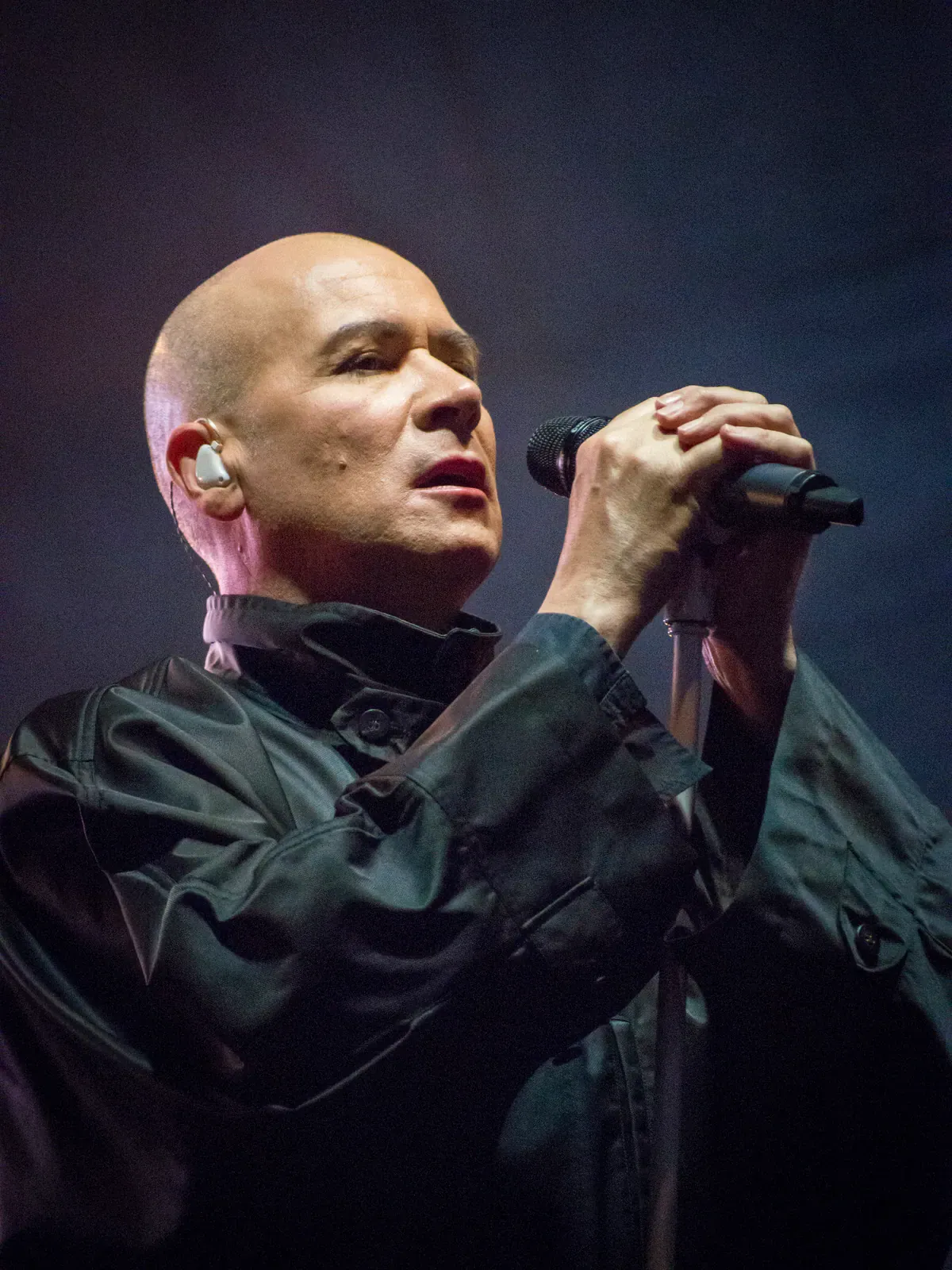
Synthesizers were so dominant that in early 1982 the Musicians’ Union tried to limit their use, while ABC and Heaven 17 mixed synth-pop with funk and soul. In the United States, where it was often filed under new wave, MTV carried the style from 1982: A Flock of Seagulls’ I Ran (So Far Away) is generally considered the first British hit to reach the Billboard top ten through video, and Eurythmics’ Sweet Dreams (Are Made of This) reached number one on the Hot 100 in 1983. The wave became known as the Second British Invasion.
Dance floor and decline, 1986-2000
From the mid-1980s duos such as Pet Shop Boys, Erasure and the Communards moved closer to dance music and found success on the US dance charts, helped by a gay audience. Pet Shop Boys’ debut album Please appeared in 1986. Meanwhile heartland rock, funk rock and, in the UK, guitar bands such as the Smiths pushed it aside; by 1991 grunge had taken over US alternative radio, and house and techno displaced it on the dance floor.
Revival, 2000-present
Electroclash, joining synth-pop, techno, punk and performance art, began in New York at the end of the 1990s. In 2003 and 2004 Ladytron, the Postal Service, Cut Copy and the Killers brought vintage synthesizer sounds into the mainstream. After Lady Gaga’s Just Dance in 2008 the media announced a new generation of female synth-pop stars including Little Boots, La Roux and Ladyhawke, and the offshoot chillwave appeared in 2009.
In Japan the producer Yasutaka Nakata and the group Perfume revived technopop from 2003, and Korean groups such as Girls’ Generation adopted the sound. In 2020 The Weeknd’s Blinding Lights, a synthwave song, peaked at number one in 29 countries.
Characteristics
Synth-pop treats the synthesizer, drum machine and sequencer as the main instruments, sometimes replacing every other instrument. Its first phase was minimalist: grooves woven from simple repeated riffs, little harmonic progression, thin treble-heavy melodies, and a robotic rigidity partly imposed by monophonic synthesizers that could play only one note at a time. Lyrics dwelt on isolation and urban anomie.
In the 1980s dance beats and rock instruments made it warmer, production thicker, and synthesizers imitated orchestras and horns. Lyrics turned to romance and aspiration. Many singers worked in duos, and the hallmark became emotional, at times operatic voices such as Marc Almond, Alison Moyet and Annie Lennox.
Synth-pop grew partly from punk but dropped its emphasis on authenticity, embracing artifice and drawing on disco and glam rock.
Instruments and production
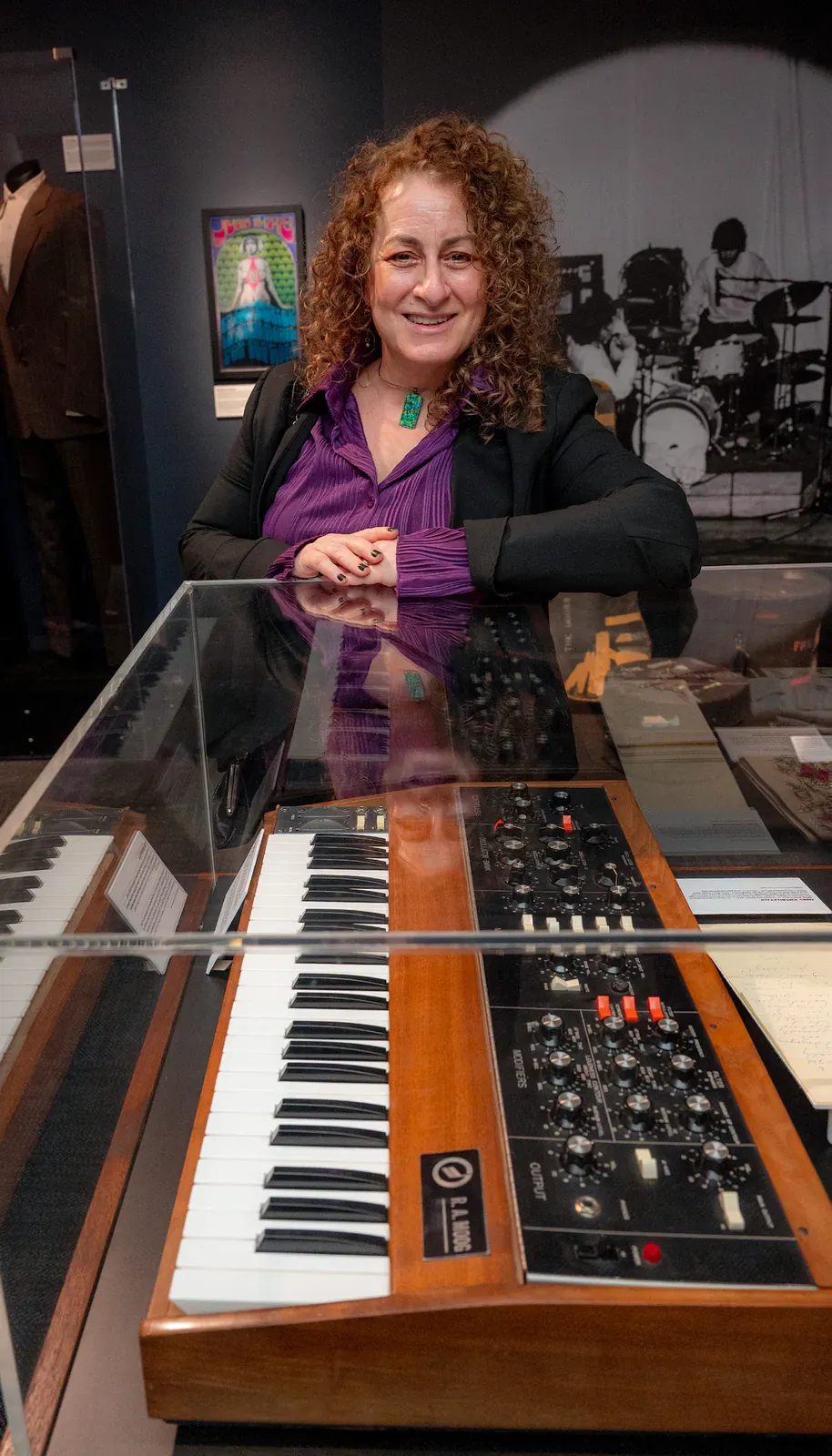
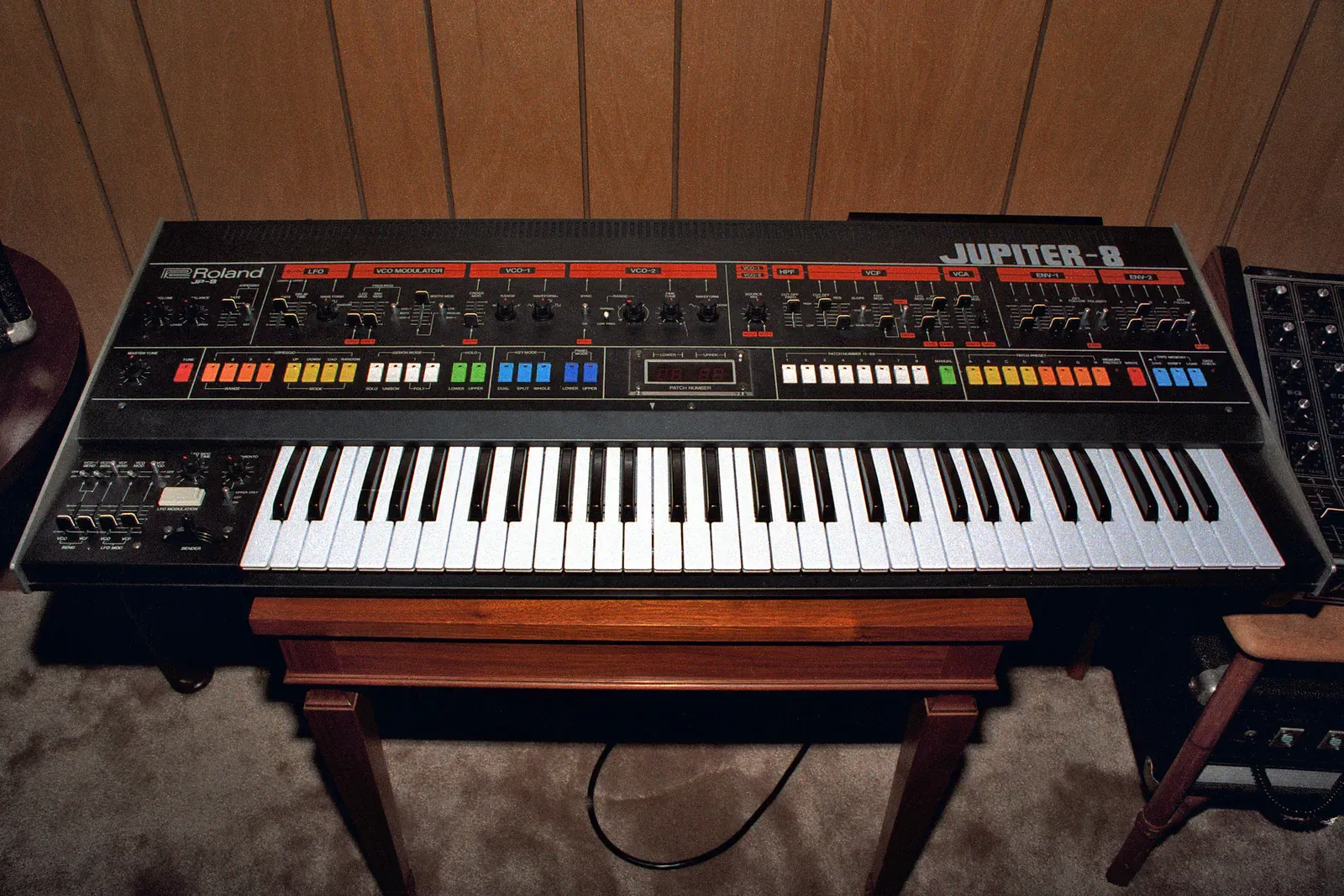
The Minimoog, introduced by Moog Music in 1970 as a cheaper and more portable version of the modular Moog, was the instrument Numan found in the studio. Polyphonic models followed, including Roland’s Jupiter-8 in 1981 and Yamaha’s digital DX7 in 1983, and drum machines moved from the TR-808 to sample-based units such as the LinnDrum of 1982.
Notable recordings
Cars, released in August 1979, built a number one single around a repeated synthesizer riff and a detached vocal. Don’t You Want Me gave the Human League a UK number one, and Steve Barron’s video casts the band as the crew of a murder-mystery film. Tainted Love reworked a 1960s soul song with synthesizer and drum machine and became Soft Cell’s signature hit.
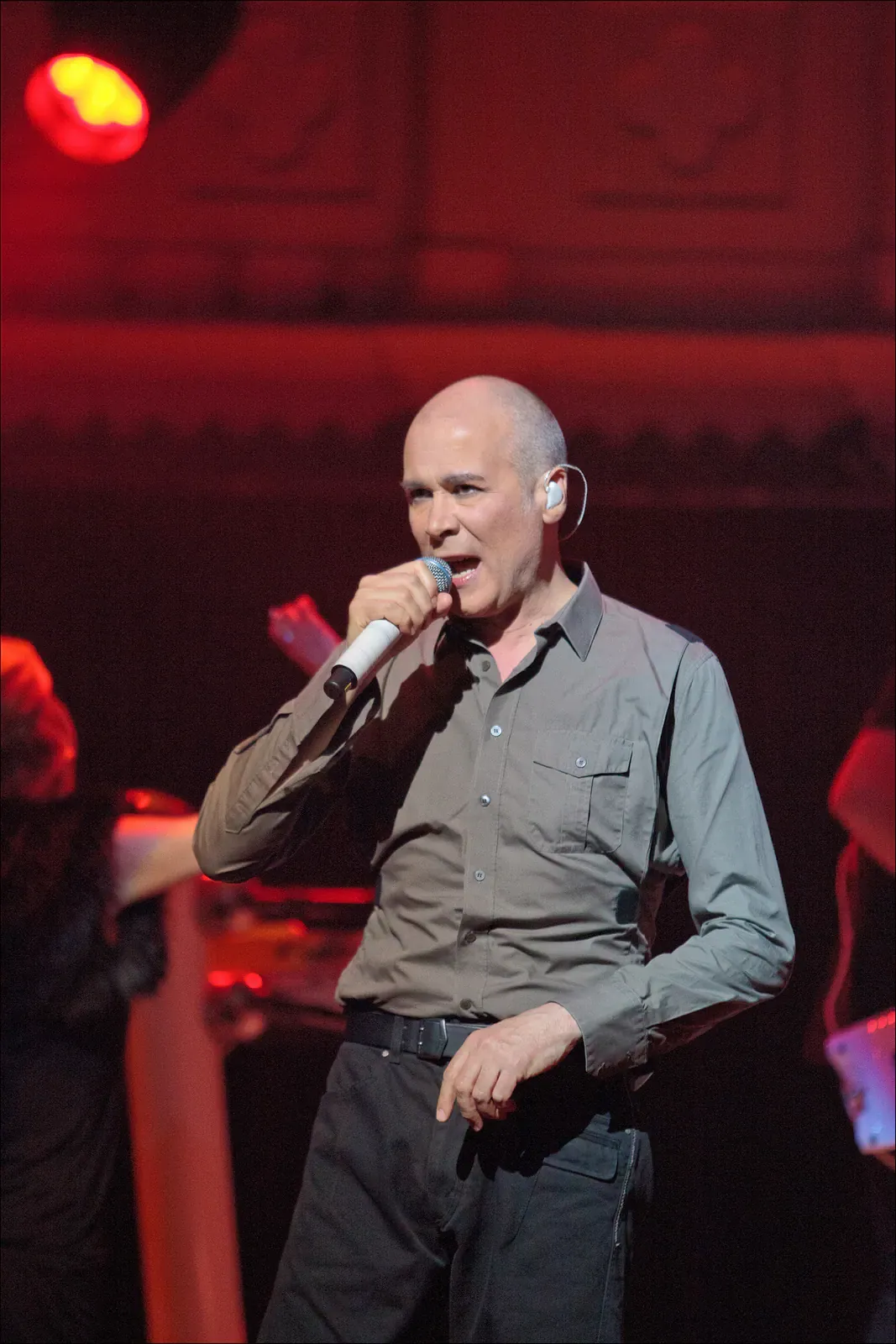
West End Girls shows the later, dance-oriented phase: issued in 1984, a hit in 1986, with a video of the duo walking through London that was nominated for Best New Artist in a Video at the 1986 MTV Video Music Awards.
Culture
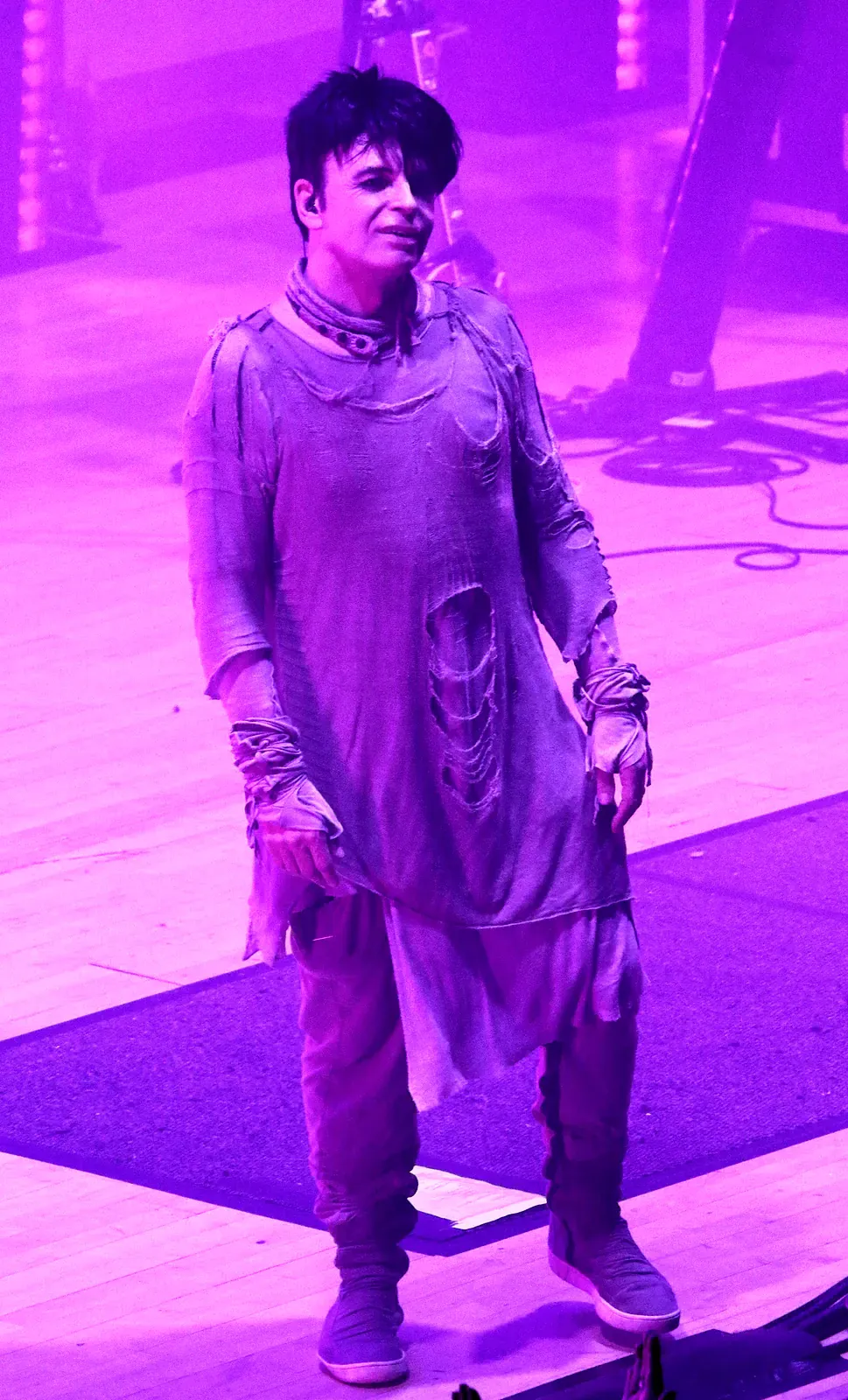
The New Romantic scene gave synth-pop its look, an elaborate style that combined elements of glam rock, science fiction and romanticism. Stars challenged rock’s masculinity: Phil Oakey’s asymmetric hair and eyeliner, Marc Almond’s leather jacket, Martin Gore’s skirts and the dominatrix image of the early Eurythmics. In the United States British acts were dismissed as English haircut bands, while the music found a following among gay, female and introverted listeners alienated from mainstream rock.
Critics called the music anaemic and soulless.
Legacy
By the mid-1980s synth-pop had made the synthesizer a primary instrument of mainstream pop, and it shaped the sound of rock acts such as Bruce Springsteen, ZZ Top and Van Halen. It was a major influence on house, and Juan Atkins, working as Model 500, Infinity and in Cybotron, developed a style influenced by synth-pop and funk that led to Detroit techno. The critic Dorian Lynskey named 1981 its peak year, citing six albums including Depeche Mode’s Speak & Spell, Soft Cell’s Non-Stop Erotic Cabaret and the Human League’s Dare.
Misconceptions
The first is that synth-pop is only 1980s nostalgia. The style took shape in 1977-1979, continued in dance form through the late 1980s, and recurred in electroclash, late-2000s electropop and Japanese technopop.
The second is that machines wrote the songs. Numan met “hostility” and “ignorance” because people assumed this, but the genre depended on songwriters such as Vince Clarke and on distinctive singers.
The third is that synth-pop and new wave are the same thing. British critics largely dropped the term new wave in the early 1980s as synth-pop reached the mainstream, while in the United States it was often filed as a new wave subgenre.
Frequently asked questions
What is synth-pop?
Synth-pop is a pop genre in which the synthesizer is the main instrument, usually with drum machines and sequencers instead of a conventional rock band. It emerged in Japan and Britain in the late 1970s.
Who invented synth-pop?
No single act did. Kraftwerk prefigured it, and Yellow Magic Orchestra, the Human League and Gary Numan developed it in 1978 and 1979. Numan’s number one singles of 1979 brought it to a mass audience in Britain.
What is the difference between synth-pop, techno-pop and electropop?
Techno-pop, coined in 1978, is used interchangeably with synth-pop, more often for the Japanese scene. Electropop is also used interchangeably, but can mean a harder, more electronic variant.
Why did synth-pop decline in the late 1980s?
Heartland rock, funk rock and grunge displaced it in the US, guitar bands such as the Smiths in the UK, and house and techno on the dance floor.
Sound
Sound sheet
Anatomy of a track
| # | Part |
|---|---|
| 1 | Sequenced riff intro |
| 2 | Verse over a repeated bass pattern |
| 3 | Chorus with added synth layers |
| 4 | Instrumental break |
| 5 | Final chorus |
Signature sounds
- Synthesizer as the lead and bass voice
- Drum machine and sequenced bass pattern
- Short repeated synth hook
- Cool, detached vocals in early records
- Three-minute new wave song form
Drums and percussion
- Roland TR-808
- LinnDrum
- Roland TR-77
Synths and software
- Minimoog
- Prophet-5
- Jupiter-8
- Yamaha DX7
Techniques
- Sequenced bass patterns
- Programmed drum patterns
- Orchestral imitation
- Dance-beat arrangement
Tuning
Equal temperament, A=440
Vocals
Cool, detached delivery in the early years; in the 1980s often emotional, operatic singers such as Marc Almond, Alison Moyet and Annie Lennox.
Scenes
Where it happened
Where and when the sound lived: one bar per city on a shared timeline.
Europe
Asia
Active scenes
Peak 5, 1980-2025
Home of Kraftwerk, the krautrock band whose electronic pop prefigured the genre.
Birthplace of the Human League, with Cabaret Voltaire another local pioneer.
Base of Yellow Magic Orchestra, the Plastics, P-Model and Hikashu.
The New Romantic clubs Billy's and the Blitz fed acts such as Duran Duran, Visage and Spandau Ballet.
Essex town where Depeche Mode formed.
Culture
Culture markers
- New Romantic style
Elaborate looks mixing glam rock, science fiction and romanticism, as worn by Visage and Spandau Ballet.
Fashion - Gender-bending image
Eyeliner, asymmetric hair and skirts on stars such as Phil Oakey and Martin Gore challenged rock masculinity.
Fashion - English haircut bands
US term for British synth-pop acts, often used dismissively.
Slang - Anglodisco
Critic Robert Christgau's early-1980s label comparing British synth-pop to Eurodisco and Italo disco.
Slang
Glossary
Terms on this page
New York scene from the late 1990s combining synth-pop, techno, punk and performance art.
Name used interchangeably with synth-pop, also for a harder, more electronic variant.
Instrument able to play only one note at a time.
London club movement with an elaborate visual style whose bands adopted synthesizers.
Early-1980s wave of British acts in the US charts, helped by MTV exposure.
Term coined in 1978 for Kraftwerk's music and now used mostly for the Japanese scene.
Pop family