Art pop
Art pop is pop made with art-school self-consciousness, begun in the mid-1960s and shaped by Roxy Music, Bowie, Kate Bush, Talking Heads and Björk.
United Kingdom, United States, 1965
Pop family
Born
1965
United Kingdom, United States
Subgenres
2
Documented branches
Links
10
Genres it drew on or shaped
Tempo
105-130 BPMLineage
Family tree
Grew out of
Influenced by
Pushed back against
United Kingdom, United States, 1965
Art pop
Led to (2)
Timeline
Era by era
From the first sparks to today. Select a dot to read the story behind it.
- Pop art and the studio, 1965-1971
1965 to 1971
- Glam and the art-school band, 1972-1977
1972 to 1977
- Post-punk, synthesizers and New Romantic, 1978-1989
1978 to 1989
- Electronica and the global stage, 1990-2007
1990 to 2007
- Hip hop, the internet and revival, 2008-present
2008 to today
Eras
Moments
- 1 Pop art and the studio, 1965-1971, 1965 to 1971
- 2 Glam and the art-school band, 1972-1977, 1972 to 1977
- 3 Post-punk, synthesizers and New Romantic, 1978-1989, 1978 to 1989
- 4 Electronica and the global stage, 1990-2007, 1990 to 2007
- 5 Hip hop, the internet and revival, 2008-present, 2008 to today
1965
Pop art and the studio, 1965-1971
Producers and pop acts such as Brian Wilson, Phil Spector and the Beatles built records as studio constructions, while Andy Warhol's circle and the Velvet Underground brought pop art ideas into rock.
- 1966Good VibrationsBrian Wilson's pocket symphony, released as a single on 10 October, reaches the top of charts in the US and UK.
- 1966Exploding Plastic InevitableAndy Warhol and Paul Morrissey stage multimedia shows of rock, film, dance and light projection around the Velvet Underground, through 1967.
- 1967The Velvet Underground & NicoThe debut album, recorded in 1966 with Warhol as co-producer and sleeve designer, is released on Verve in March.
- 1967Sgt. Pepper's Lonely Hearts Club BandReleased on 26 May, the album ties sleeve art, alter egos and studio composition into one pop statement.
- 196810cc's writers work at Strawberry StudiosFuture 10cc members begin writing and recording at their own studio in Stockport, where they later build studio-crafted pop.
1972
Glam and the art-school band, 1972-1977
Roxy Music, David Bowie, Sparks and 10cc mixed eras and genres with irony and costume, while a self-conscious art and pop community formed in New York.
- 1972Roxy MusicThe debut album, released on Island on 16 June, sets Bryan Ferry's pop art taste beside Brian Eno's synthesizer.
- 1972Virginia PlainRoxy Music's debut single, recorded in July and released in August, reaches number four in the UK.
- 1973Eno leaves Roxy MusicBrian Eno departs and starts a run of experimental solo albums; Eddie Jobson replaces him on synthesizer.
- 1974Kimono My HouseSparks' third album, released on Island on 1 May, is their commercial breakthrough.
- 1975I'm Not in Love10cc release the single in March, a studio-built ballad from the Strawberry Studios team.
- 1977LowDavid Bowie's eleventh album, released on RCA on 14 January, opens the Berlin Trilogy made with Tony Visconti and Brian Eno.
1978
Post-punk, synthesizers and New Romantic, 1978-1989
Kate Bush, Japan, Talking Heads and Grace Jones traded rock instrumentation for synthesizers and dance rhythms, with Brian Eno and Bowie as links between the scenes.
- 1978Wuthering HeightsKate Bush's debut single, inspired by Emily Bronte's novel and released on 20 January, brings a literary, theatrical art pop voice to the UK charts.
- 1979Quiet LifeJapan's third album, out in December on Hansa, is described as a detached and thoughtful European art pop.
- 1980Remain in LightTalking Heads' fourth album, released on Sire on 8 October, is their third and last produced by Eno, made at Compass Point in the Bahamas and in New York.
- 1980Ashes to AshesBowie's single, released on 1 August, reaches number one in the UK and its video features figures from the New Romantic scene.
- 1981NightclubbingGrace Jones's fifth album, recorded at Compass Point with Sly and Robbie, is released on Island in May.
- 1985Hounds of LoveKate Bush's fifth album, released on 16 September, pairs hit singles with a conceptual suite on its second side.
1990
Electronica and the global stage, 1990-2007
Björk joined house, trip hop, strings and visual art and became the style's most commercially successful artist, while P.M. Dawn carried a kaleidoscopic version into hip hop.
- 1993DebutBjörk's international debut, produced with Nellee Hooper and released on 5 July, mixes electronic pop, house, jazz and trip hop.
- 1997HomogenicBjörk's third album, released on 20 September, joins electronic beats with string instruments.
2008
Hip hop, the internet and revival, 2008-present
Kanye West, Grimes and FKA twigs drew on visual art and online culture, vaporwave producers worked with corporate sounds, and Kate Bush returned to the UK number one in 2022.
- 2008808s & HeartbreakKanye West's album is later called an art pop masterpiece and a wide influence on hip hop.
- 2022Running Up That Hill returns to number oneKate Bush's 1985 single reaches number one in the UK in June, her second chart-topper.
Listening path
Start listening
A short path from an easy way in to the deep end. Thumbnails come from YouTube; the player loads only when you press play.
- 01
Roxy Music, 1972
The debut single that took Roxy Music's pop art collage into the UK top five.
- 02
Kate Bush, 1978
A literary song written at 18 that made a high, theatrical voice a pop proposition.
- 03
David Bowie, 1980
A number one built on a Pierrot persona and New Romantic faces, the video as part of the work.
- 04
Talking Heads, 1980
Eno-era Talking Heads turning funk and world rhythms into an art pop standard.
- 05
Björk, 1993
The Michel Gondry video and the electronic pop of Debut, art pop on MTV.
Facts
| Family | Pop |
| Origin | United Kingdom, United States |
| Emerged | Mid-1960s |
| Status | Active |
| Tempo | 105 to 130 BPM |
| Meter | 4/4 |
| Subgenres | 2 |
Art pop is a loosely defined style of pop that emerged in the mid-1960s, when musicians began taking ideas from pop art, fashion, cinema and the avant-garde into commercial song.
It gives imagery, style and gesture more weight than personal expression, and treats pop’s status as commercial art as material to work with. It belongs to the pop family, and it grew in parallel with art rock.
Origins, 1965-1971
The roots lie in the recording studio. Brian Wilson and Phil Spector built pseudo-symphonic textures into pop singles, and both were known as studio obsessives who shaped records from behind the glass. Wilson’s “Good Vibrations”, released as a Beach Boys single on 10 October 1966 and described as a pocket symphony, reached the top of the charts in the United States and the United Kingdom. The Beatles added a string quartet and, with Sgt. Pepper’s Lonely Hearts Club Band (26 May 1967), tied sleeve art, alter egos and studio composition into a single statement. In those years the dominant format of pop shifted from the single to the album.
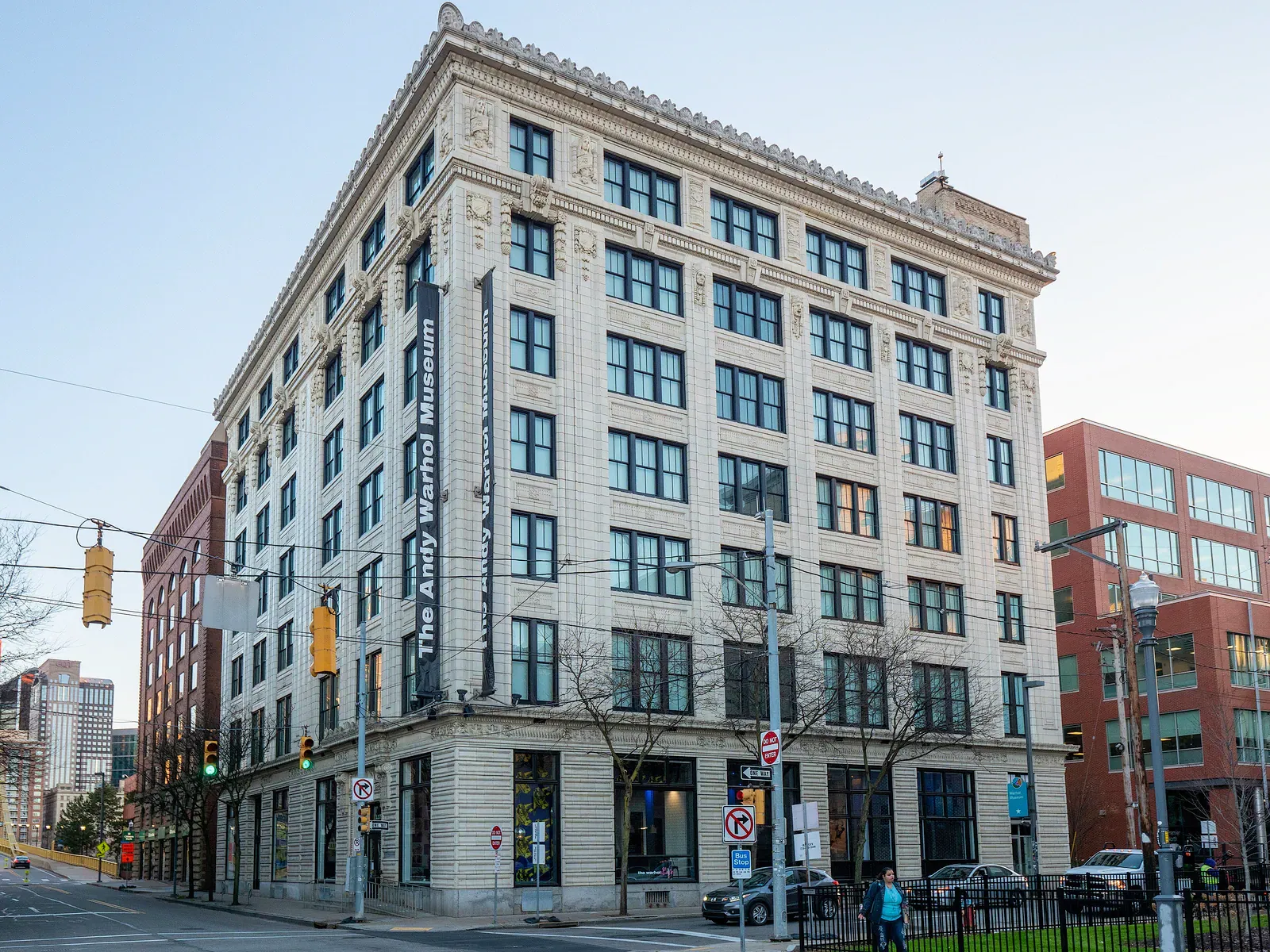
In New York the same ideas came from art rather than the studio. Andy Warhol’s studio, the Factory, was the centre of his art, film and music from 1964 to 1987, and in 1966 and 1967 he and Paul Morrissey staged the Exploding Plastic Inevitable, a multimedia show of live rock, film, dance and light projection built around the Velvet Underground. The Velvet Underground & Nico, recorded in 1966 and released on Verve in March 1967, had Warhol as co-producer and sleeve designer.
Glam and the art-school band, 1972-1977
The first golden age came in the early 1970s, when glam rock borrowed art-school habits: costume, theatre, and allusions to throwaway pop culture. David Bowie, a former art student and painter, made visual presentation central to his work. Roxy Music, formed in 1970 by Bryan Ferry, was the group most often cited as the archetype: Ferry brought the influence of his teacher, the pop art pioneer Richard Hamilton, while the synthesizer player Brian Eno drew on his study of cybernetics and art. Their debut album came out on Island on 16 June 1972, and the single “Virginia Plain”, reached number four in the UK. Eno left in 1973, replaced by Eddie Jobson, and began a run of experimental solo albums.
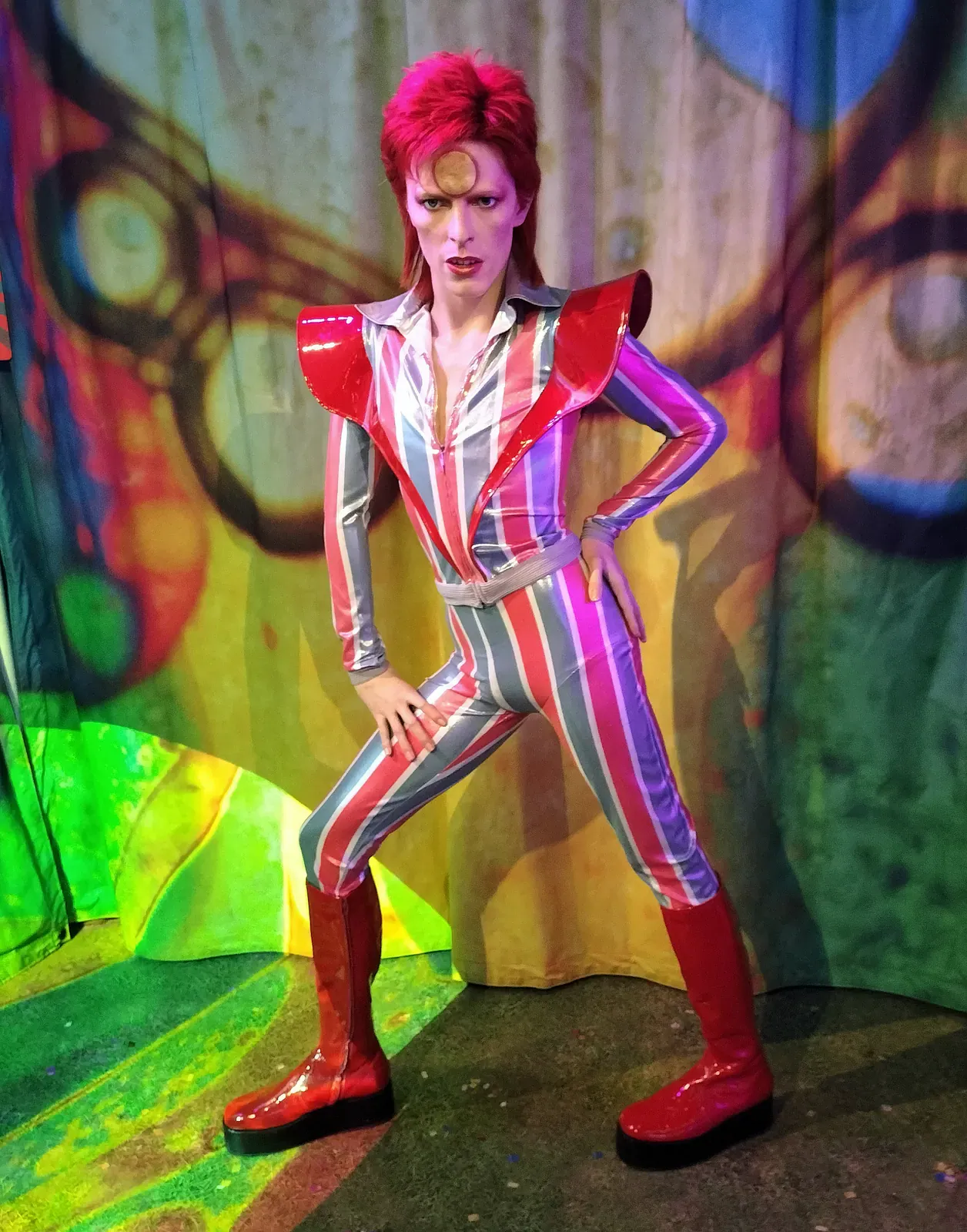
Other acts worked the same vein from different angles. 10cc, four writers who had recorded together at Strawberry Studios in Stockport since 1968, formed the band in 1972 and released “I’m Not in Love” in March 1975. Sparks, an American duo, reached their commercial breakthrough with Kimono My House, released on Island on 1 May 1974. In New York, a self-conscious art and pop community gathered around the Mercer Arts Center; Jerry Harrison, later of Talking Heads, traced it back to the Velvet Underground and everything attached to Warhol.
Bowie’s Low, released on RCA on 14 January 1977, opened the Berlin Trilogy made with Tony Visconti and Eno. Sessions ended at Hansa Studios in West Berlin in October 1976.
Post-punk, synthesizers and New Romantic, 1978-1989
After punk, the art-school tradition returned with literature, cinema and critical theory feeding the music, and with multimedia performance treated as normal. Kate Bush’s debut single “Wuthering Heights”, inspired by Emily Brontë’s novel, was released on EMI on 20 January 1978, and she had written it in one evening at 18. The singer and dancer built a career that joined glamour, conceptual work and chart success, and her fifth album Hounds of Love (16 September 1985) paired hit singles with a second side, The Ninth Wave, built as a conceptual suite.
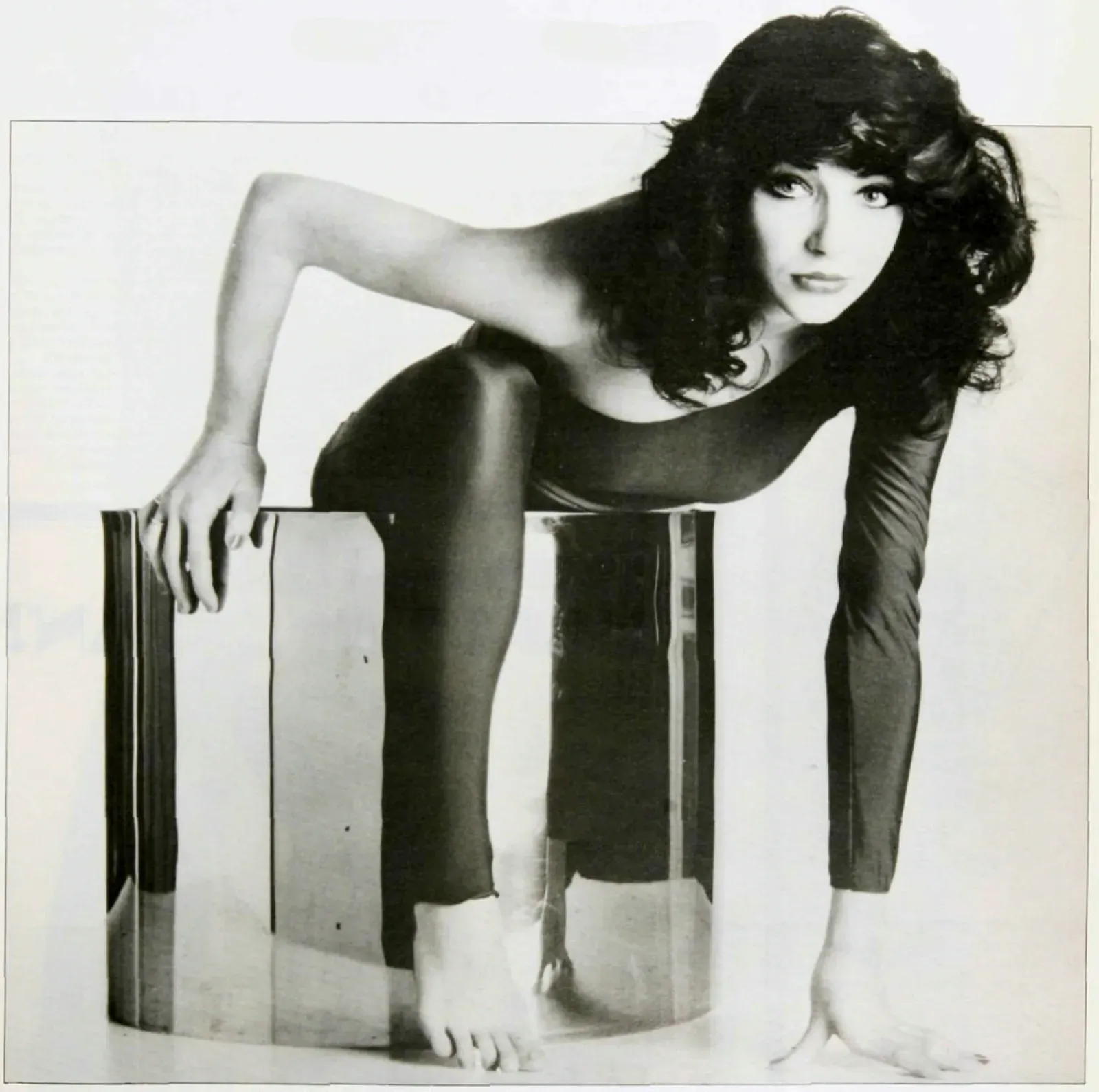
Japan, formed in Catford, south London, in 1974, moved from glam toward a European, detached sound; their third album Quiet Life appeared in December 1979 on Hansa, in January 1980 in the UK. Bowie’s “Ashes to Ashes” (1 August 1980), a sequel to “Space Oddity” with a flanged piano riff and a guitar synthesiser played by Chuck Hammer, went to number one in the UK; its video put Bowie in a Pierrot costume beside figures from the New Romantic scene.
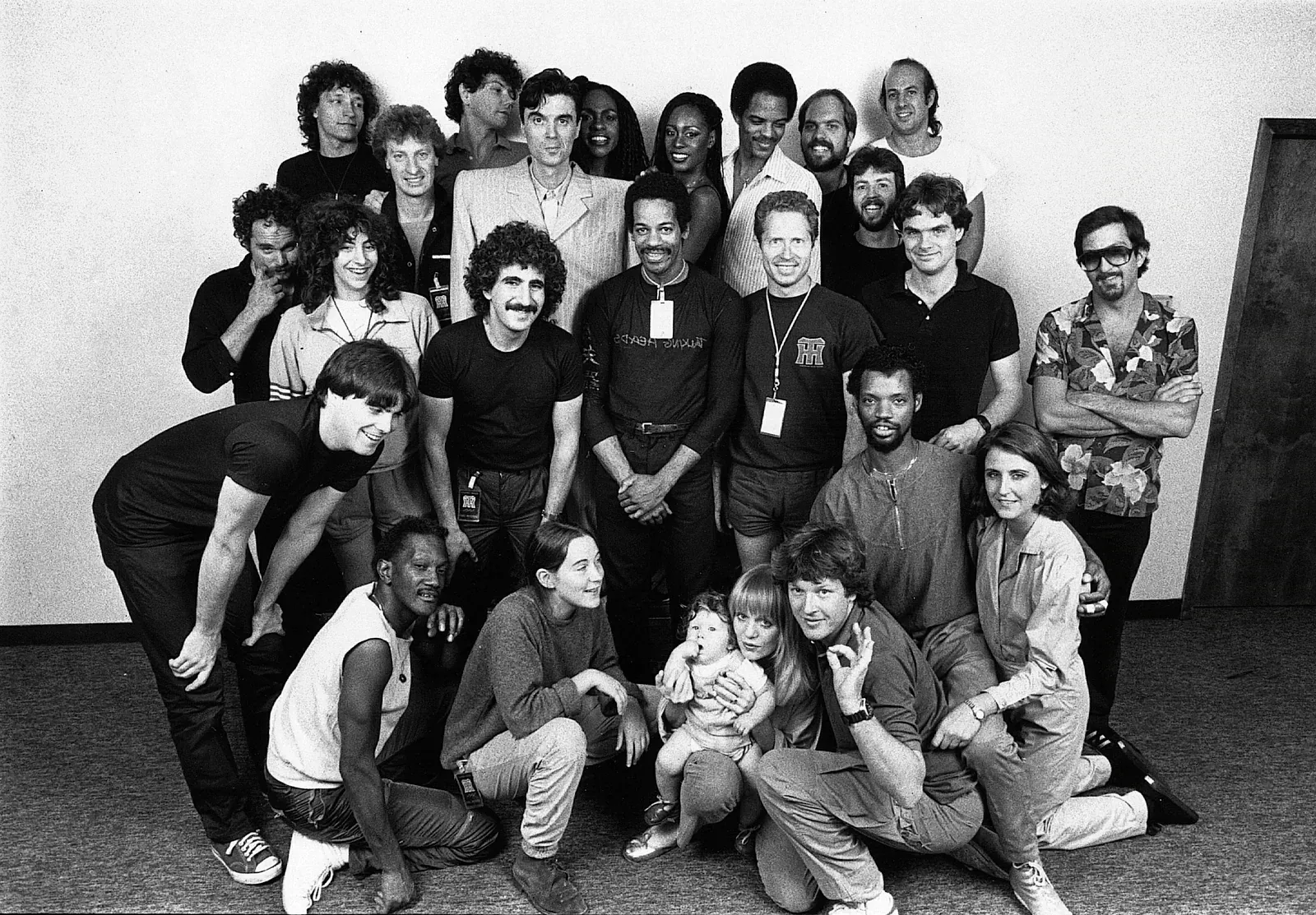
In New York, Talking Heads, formed in 1975, worked with Eno on three albums. The last, Remain in Light, came out on Sire on 8 October 1980 after sessions at Compass Point Studios in the Bahamas and Sigma Sound Studios in New York. Compass Point, founded in 1977 by Island’s Chris Blackwell, also hosted Grace Jones, whose Nightclubbing (11 May 1981), made with the rhythm section Sly and Robbie, blended reggae, dub, funk and R&B in a new wave style.
Electronica and the global stage, 1990-2007
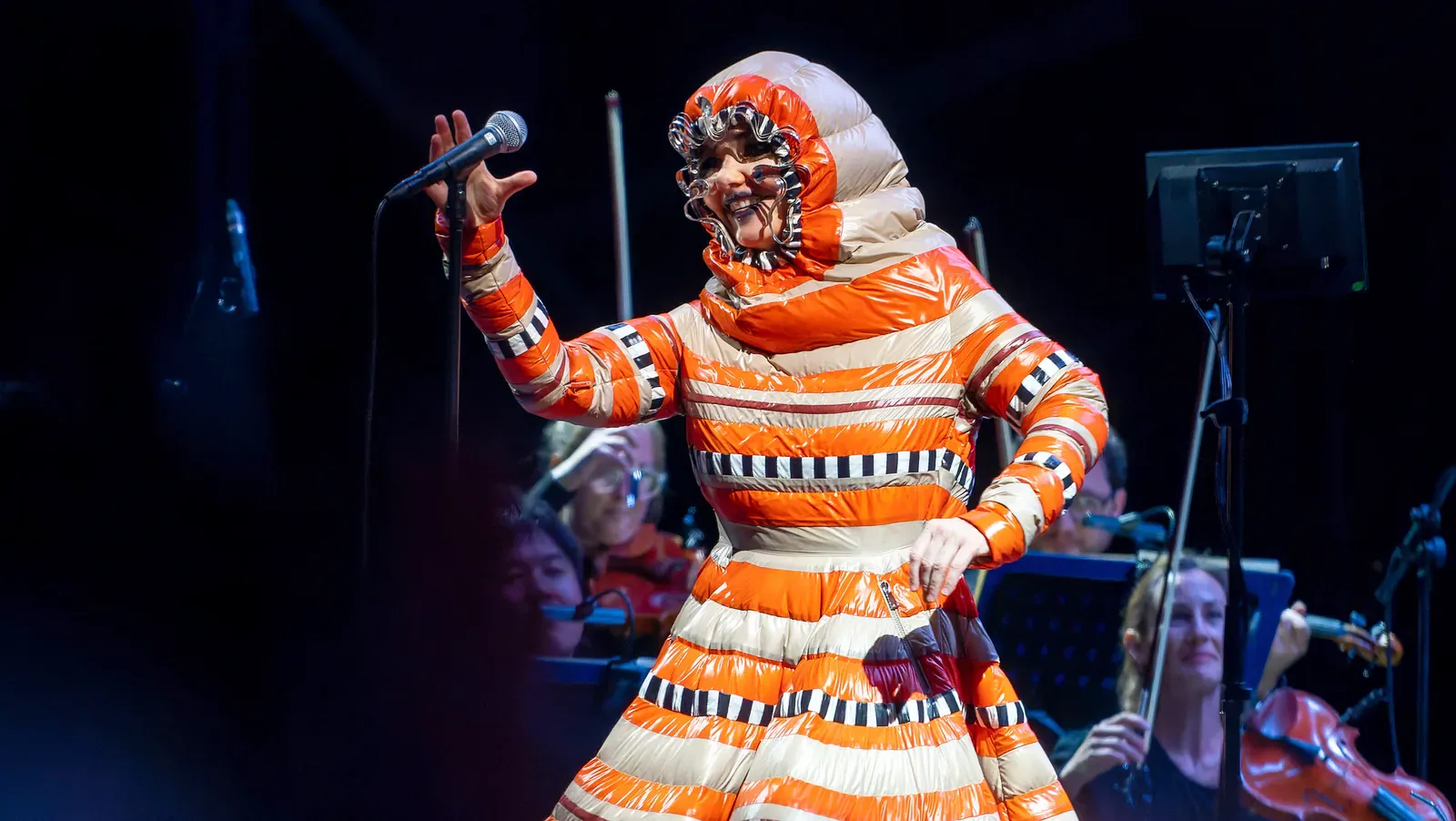
Björk, born in Reykjavik in 1965, became art pop’s most commercially successful artist in the 1990s. After the Sugarcubes dissolved she made Debut (5 July 1993) with the producer Nellee Hooper, drawing on electronic pop, house, jazz and trip hop. The video for “Human Behaviour”, directed by Michel Gondry, put her in a forest chased by an animated stuffed bear. Homogenic (20 September 1997) joined electronic beats with string instruments and songs about Iceland.
Hip hop, the internet and revival, 2008-present
Kanye West’s 808s & Heartbreak (2008) is called an art pop album that broadened hip hop beyond bravado, and critics noted a new art pop era in which musicians used visual art as a sign of wealth and creative range. Grimes, Julia Holter, Lana Del Rey and FKA twigs are placed in the line of Kate Bush, and vaporwave producers such as James Ferraro and Daniel Lopatin reworked corporate mood music, lounge and muzak. In June 2022, “Running Up That Hill” reached number one in the UK, 37 years after its first release and Bush’s second chart-topper.

Characteristics
Art pop draws on the breakdown between high and low culture and works with artifice and commerce. It manipulates signs and personae rather than offering sincere confession, which separates it from the Romantic, autonomous tradition of art rock and progressive rock. The self is treated as a construction, and style, gesture and the ironic use of past eras and genres matter more than raw feeling. Many acts aspire to the formal values of classical music or poetry while still being marketed as pop.
Instruments and production
The studio is the main instrument. Spector and Wilson layered orchestral textures that no live band could reproduce, and later acts kept the habit: Roxy Music had a synthesizer player in the line-up, a guitar synthesiser sits in “Ashes to Ashes”, and strings meet programmed beats on Homogenic. Saxophone and oboe, played in Roxy Music by Andy Mackay, gave the sound a non-rock colour.
Notable recordings
“Virginia Plain” (1972) was Roxy Music’s debut single, recorded in a month and released within weeks of the first album, a UK top five hit for a band with a synthesizer player and a saxophonist. “Wuthering Heights” turns a Victorian novel into a high-voiced pop single. “Once in a Lifetime” (1980) from Remain in Light joined funk and world rhythms to Eno’s production. “Human Behaviour” pairs Björk’s early electronic pop with a Gondry video in which the image carries as much as the song.
Culture
Art pop treats the object around the music as part of the work. Warhol designed the Velvet Underground sleeve, and the Sgt. Pepper cover is credited with making the link between art and pop explicit. Persona and costume run through Bowie’s Pierrot and Japan’s androgynous look, and Kate Bush, also a dancer, built distinctive dance into her performances.
Legacy
Its methods spread into synth-pop, post-punk, New Romantic and electronica, and into hip hop and online music. Two subgenres, avant-pop and progressive pop, pursue the more experimental and the more formally ambitious sides of the same idea.
Misconceptions
One myth is that art pop is the same as art rock. Art rock leans on the Romantic idea of the autonomous artist, while art pop draws on pop art and treats commerce and artifice as subject matter. A second is that it is inaccessible: “Virginia Plain” reached number four in the UK, “Ashes to Ashes” went to number one, and Björk became its most commercially successful artist. A third is that it began with 1970s glam. The mid-1960s studio work of Wilson, Spector and the Beatles, and Warhol’s circle, came first.
Frequently asked questions
What is art pop?
Art pop is pop music shaped by art-world ideas such as pop art, fashion and the avant-garde. It stresses image, style and artifice over personal expression, and emerged in the mid-1960s.
Who are the main art pop artists?
Roxy Music, David Bowie, Kate Bush, Talking Heads and Björk are the central names, with Brian Eno, Japan, Sparks, 10cc and Grace Jones close behind.
What is the difference between art pop and art rock?
Art rock follows the Romantic tradition of the autonomous artist and the ambitious album. Art pop starts from pop art, treats commerce and artifice as material, and often prefers dance rhythm and synthesizers to rock instrumentation.
Is art pop still made today?
Yes. Grimes, FKA twigs, Julia Holter and Lana Del Rey are described as working in the lineage of Kate Bush, and the style has crossed into hip hop and internet genres such as vaporwave.
Sound
Sound sheet
Signature sounds
- Studio-built, pseudo-symphonic textures
- Ironic mixing of historical eras and genres
- Synthesizer and dance rhythm in place of rock band instrumentation
- Visual persona, sleeve and video treated as part of the work
Techniques
- Studio as instrument
- Persona and alter ego
- Genre and era collage
- Synthesizer in place of band
- Conceptual suite
Tuning
Equal temperament, with no characteristic key
Vocals
Theatrical, mannered or detached delivery, from Kate Bush's high register to Björk's three-octave range.
Scenes
Where it happened
Where and when the sound lived: one bar per city on a shared timeline.
North America
Europe
Active scenes
Peak 5, 1977
Warhol's Factory and the Velvet Underground, then a 1970s art and pop community around the Mercer Arts Center.
Art-school bands such as Roxy Music and Japan formed here, and Bowie and Bush recorded here.
Strawberry Studios, base of 10cc, near Manchester.
Bowie, Eno and Visconti finish Low at Hansa Studios.
Home of Björk, who began recording here as a child.
Venues and places
New York, 1964 to today. Warhol's studio, hub of art, film and music, home to the Velvet Underground circle.
Stockport, 1968 to today. Studio where 10cc's four writers recorded before and after forming the band in 1972.
Nassau, 1977 to today. Chris Blackwell's Bahamas studio, used for Remain in Light and Nightclubbing.
Culture
Culture markers
- Sleeve as art object
Warhol designed the sleeve of the Velvet Underground debut, and the Sgt. Pepper cover is credited with making pop-art links explicit.
Artwork - Pierrot and the New Romantic look
Bowie's Pierrot costume in the Ashes to Ashes video sits beside figures from London's New Romantic scene.
Fashion - Androgynous styling
Japan built an androgynous look into their art rock and electronic sound.
Fashion - Choreographed performance
Kate Bush, also a dancer, built distinctive dance into her performances.
Dance
Glossary
Terms on this page
Three Bowie albums made with Tony Visconti and Brian Eno, beginning with Low in 1977.
A run of linked songs treated as one piece, such as The Ninth Wave on Hounds of Love.
Early 1980s British scene of dressy, synth-led bands, influenced by Bowie, Roxy Music and Japan.
A constructed stage self, as with Bowie's characters, treated as a work of art.
Art movement that merged high and low culture, a model for art pop's use of everyday and disposable imagery.
Internet-born style that reworks corporate mood music, lounge and muzak.
Pop family