Pop music
Pop is hook-first, song-first music made for a mass audience. This history runs from 1955 teen idols through Motown, MTV and Max Martin to TikTok and K-pop.
185 genres
Since 1955
Genres
185
In this family
Branches
68
Main subgenres
Since
1955
United States, United Kingdom
Timeline
Era by era
From the first sparks to today. Select a dot to read the story behind it.
- Rock and roll to the Brill Building
1955 to 1963
- British Invasion and Motown
1964 to 1975
- Disco, synths and the video star
1976 to 1989
- Songwriting factories and boy bands
1990 to 1999
- Downloads, YouTube and electropop
2000 to 2012
- Streaming and the global chart
2013 to 2026
Eras
Moments
- 1 Rock and roll to the Brill Building, 1955 to 1963
- 2 British Invasion and Motown, 1964 to 1975
- 3 Disco, synths and the video star, 1976 to 1989
- 4 Songwriting factories and boy bands, 1990 to 1999
- 5 Downloads, YouTube and electropop, 2000 to 2012
- 6 Streaming and the global chart, 2013 to 2026
1955
Rock and roll to the Brill Building
Pop splits off from rock and roll as teen idols, girl groups and New York songwriting teams sell singles to a new youth market. Records, not sheet music, become the product.
- 1955Rock Around the Clock tops the US chartBill Haley's single reaches number one on Billboard in July 1955 and shows that a young audience will buy a pop single.
- 1955RCA buys Elvis Presley's contract from SunThe move in late 1955 puts a regional star on a national major label.
- 1958Aldon Music opens at 1650 BroadwayAl Nevins and Don Kirshner gather young songwriters near the Brill Building, the model for pop songwriting teams.
- 1959Berry Gordy starts Tamla in DetroitThe label becomes Motown and sells a polished soul-pop sound to white and Black audiences.
- 1963Phil Spector produces Be My BabyThe Ronettes single on Philles shows the Wall of Sound at full scale.
1964
British Invasion and Motown
The Beatles and Motown turn the single and then the album into pop's main form. Detroit and Liverpool prove a label or a band can have a house sound.
- 1964The Beatles play The Ed Sullivan ShowThe February 1964 broadcast opens the British Invasion in the US, where Capitol had just issued their records.
- 1964The Supremes release Where Did Our Love GoThe first of five straight US number ones for the group, all on Motown.
- 1967The Beatles release Sgt. Pepper's Lonely Hearts Club BandPop's biggest act treats the album as a studio-built work of art.
1976
Disco, synths and the video star
Disco, drum machines and MTV make pop a visual, dance-floor medium. Michael Jackson, Madonna and Whitney Houston become global brands, and PWL runs a hit factory in London.
- 1976ABBA release Dancing QueenThe Swedish group's disco-pop single reaches number one in the UK and the US and shows that non-English-speaking markets can export pop.
- 1981MTV launchesThe music channel starts on 1 August 1981 and makes image a core part of a pop career.
- 1982Michael Jackson releases ThrillerIts run of hit singles and videos sets the template for a global pop album campaign.
- 1984Stock Aitken Waterman team up in LondonMike Stock, Matt Aitken and Pete Waterman start turning out fast, bright dance-pop singles; the PWL label follows in 1987.
- 1985Live Aid airs worldwideThe July 1985 concerts in London and Philadelphia show pop stars as a global audience event.
- 1985Whitney Houston releases her debut albumIt spawns three US number ones and sets a bar for pop vocals.
- 1987Rick Astley releases Never Gonna Give You UpStock Aitken Waterman's best-known single, released on RCA, tops charts in many countries.
- 1989Madonna releases Like a PrayerThe album mixes pop with gospel and rock and shows a pop star using controversy as a promotional tool.
1990
Songwriting factories and boy bands
Producers and writers in Stockholm, Orlando and Los Angeles build hits to a formula. Teen pop and boy bands sell records in huge numbers just before file sharing.
- 1992Cheiron Studios opens in StockholmDenniz Pop's studio becomes the base for Swedish pop songwriting and production.
- 1998Britney Spears releases ...Baby One More TimeWritten and produced by Max Martin, the single launches the late 1990s teen-pop wave.
- 1999Napster launchesFile sharing begins the sharp fall in physical record sales.
2000
Downloads, YouTube and electropop
Napster, iTunes and YouTube break the album business, and pop answers with club-ready electropop and star-driven singles. Spotify launches in 2008.
- 2003Apple opens the iTunes StorePaid downloads at 99 cents a song return the single to the centre of pop sales.
- 2005YouTube launchesVideo becomes the main place where pop is discovered, free.
- 2008Spotify launches in SwedenOn-demand streaming starts the shift from owning music to renting it.
- 2008Lady Gaga releases The FameThe Interscope debut brings club electropop to the mainstream.
- 2011Sony folds Jive into RCAJive, once home to Britney Spears and the Backstreet Boys, ends as a label.
2013
Streaming and the global chart
Playlists, TikTok and fan communities drive pop worldwide. K-pop and Latin pop reach global charts, and a few stars run tours as large as any in history.
- 2014Taylor Swift releases 1989It completes her move from country to full pop.
- 2016Streaming becomes the top US music revenue sourceRIAA's 2016 report shows streaming as the biggest share of US revenue.
- 2018TikTok launches worldwideShort video clips create a new route to hit songs.
- 2023Taylor Swift starts the Eras TourThe tour begins in March 2023 and runs into 2024 as one of the highest-grossing ever.
Roots
Roots and offspring
Grew out of
Derived from
Derived from
Influenced by
United States, United Kingdom, 1955
Pop
Facts
| Genres in the family | 185 |
| Main branches | 65 |
| Emerged | Mid-1950s |
| Tempo | 65 to 170 BPM |
Pop music is song-centred popular music built on a short verse-chorus form, a memorable hook and polished studio production, made to reach a mass audience.
It took shape in the United States and Britain in the mid-1950s, when the single became a teenage product, and it has absorbed the sound of every decade since. Pop is a way of writing and producing rather than a count of sales, and each era was set by a delivery format: the 45 rpm single, television, MTV, the CD, the download and the stream. The library holds 185 pop genres, 65 of them direct branches.
Characteristics
Pop songs usually run about two and a half to three and a half minutes and are organised around a chorus that repeats the main hook. The harmony is simple and mostly major, and the beat is built for dancing. Writing teams came before stars: the Brill Building, Motown, Stock Aitken Waterman, Cheiron and today’s writing camps. Pop has also never been only American: ABBA, Stockholm’s hit factories and K-pop all built export industries.
Instruments and production
Pop has no fixed instrumentation; the studio is the instrument. Multitrack tape let producers build records part by part from the 1960s, drum machines and synthesizers shaped the 1980s, and digital workstations moved the whole process onto a laptop. Pitch correction, first heard as an effect in 1998, then became a vocal colour of its own.
Rock and roll to the Brill Building, 1955 to 1963
Pop starts when a young audience learns it can buy a record. Bill Haley’s “Rock Around the Clock” reached number one on Billboard in July 1955. Late that year RCA bought Elvis Presley’s contract from Sun, and “Heartbreak Hotel” (1956) took a regional sound to a national label. In 1957 ABC put American Bandstand on the network, and a clean-cut teen idol could now be sold in every living room.
The industry answered with writers. At the Brill Building at 1619 Broadway and 1650 Broadway across the street, publishers such as Aldon Music kept young teams at upright pianos. Gerry Goffin and Carole King wrote “Will You Love Me Tomorrow” for the Shirelles, a 1961 number one often cited as the first by an all-girl group on the Hot 100. Elvis himself sang songs by the New York team Leiber and Stoller. The song, not the singer, was the scarce resource.

Power also moved. The payola hearings of 1959 and 1960 exposed DJs paid to play records, and Top 40 radio had to prove its picks were honest. Producers took over from DJs as the people who shaped a sound. Philles Records, founded in 1961, gave Phil Spector the stage: The Ronettes’ “Be My Baby” (1963) piled drums, strings and echo into a wall of sound that pop producers still copy.
British Invasion and Motown, 1964 to 1975
Two houses with two sounds reshaped pop in the same years. In Detroit, Berry Gordy started Tamla in 1959 and ran what became Motown like a factory: in-house writers, a house band and weekly quality meetings. The Supremes released “Where Did Our Love Go” in 1964 and went on to five straight US number ones.
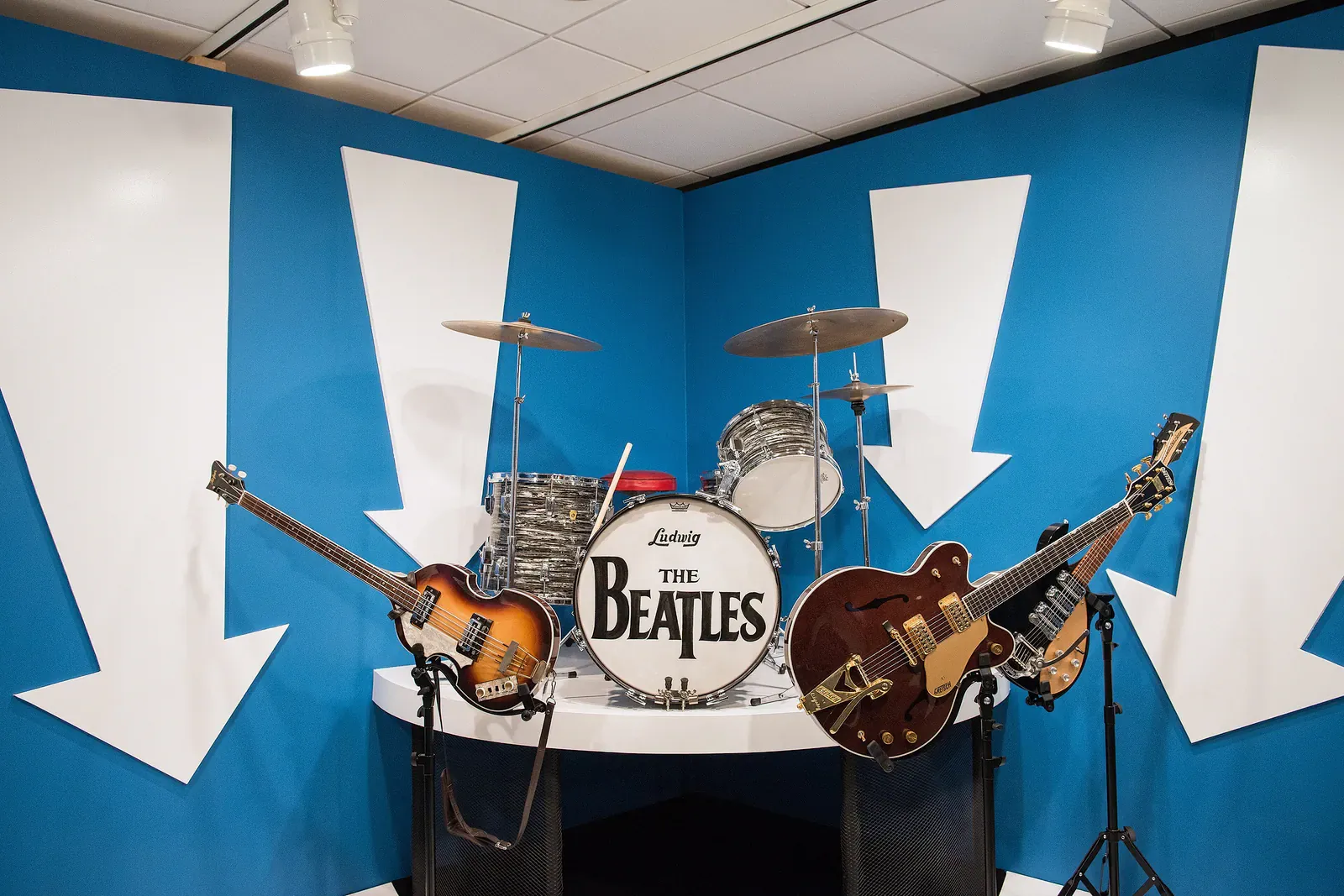
In Britain, the Beatles had learned from American records and now sent them back. Capitol issued “I Want to Hold Your Hand” in the US in late December 1963, and the group’s Ed Sullivan Show appearance on 9 February 1964 drew about 73 million viewers by Nielsen’s estimate. Capitol Records suddenly held the most valuable act in the business.
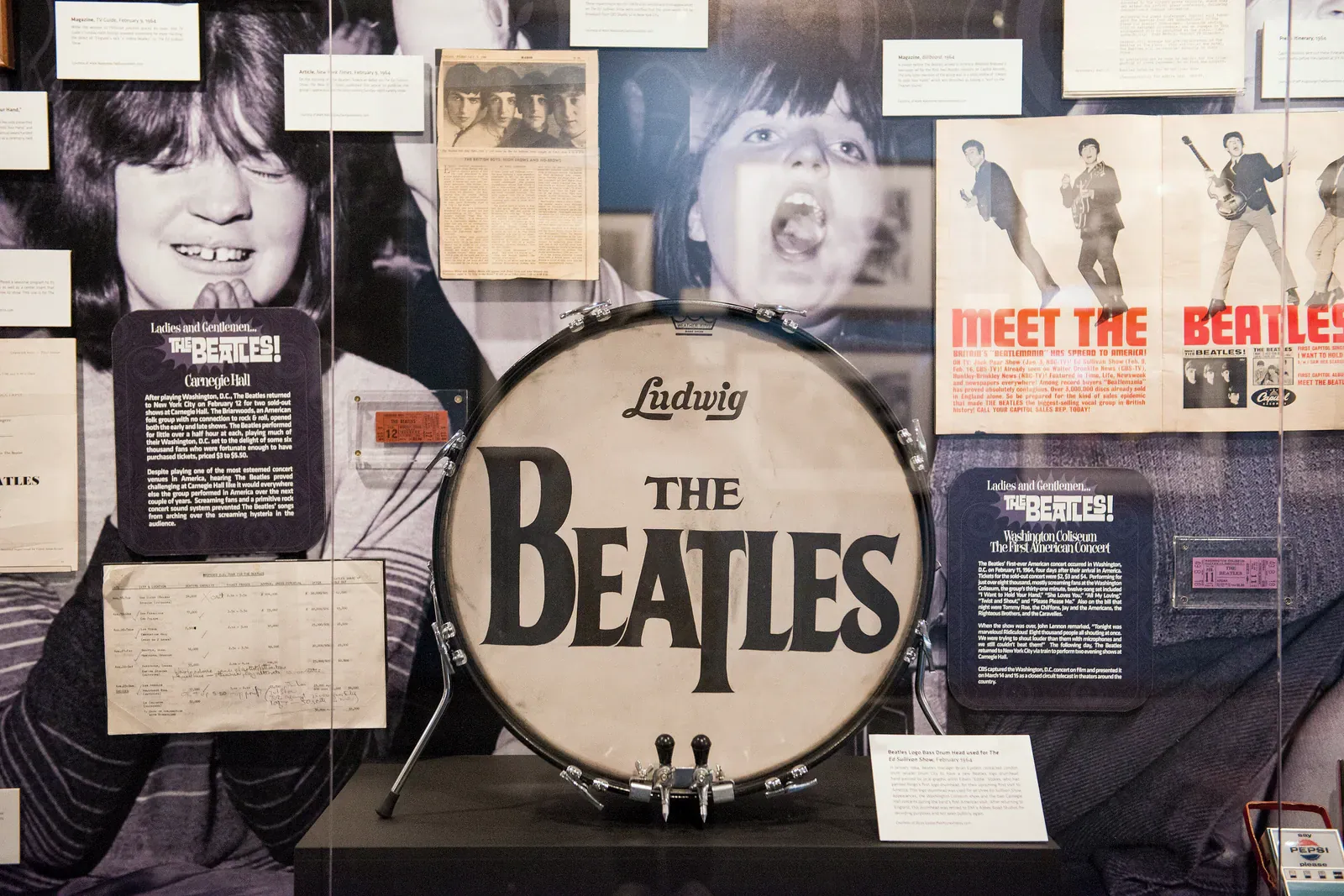
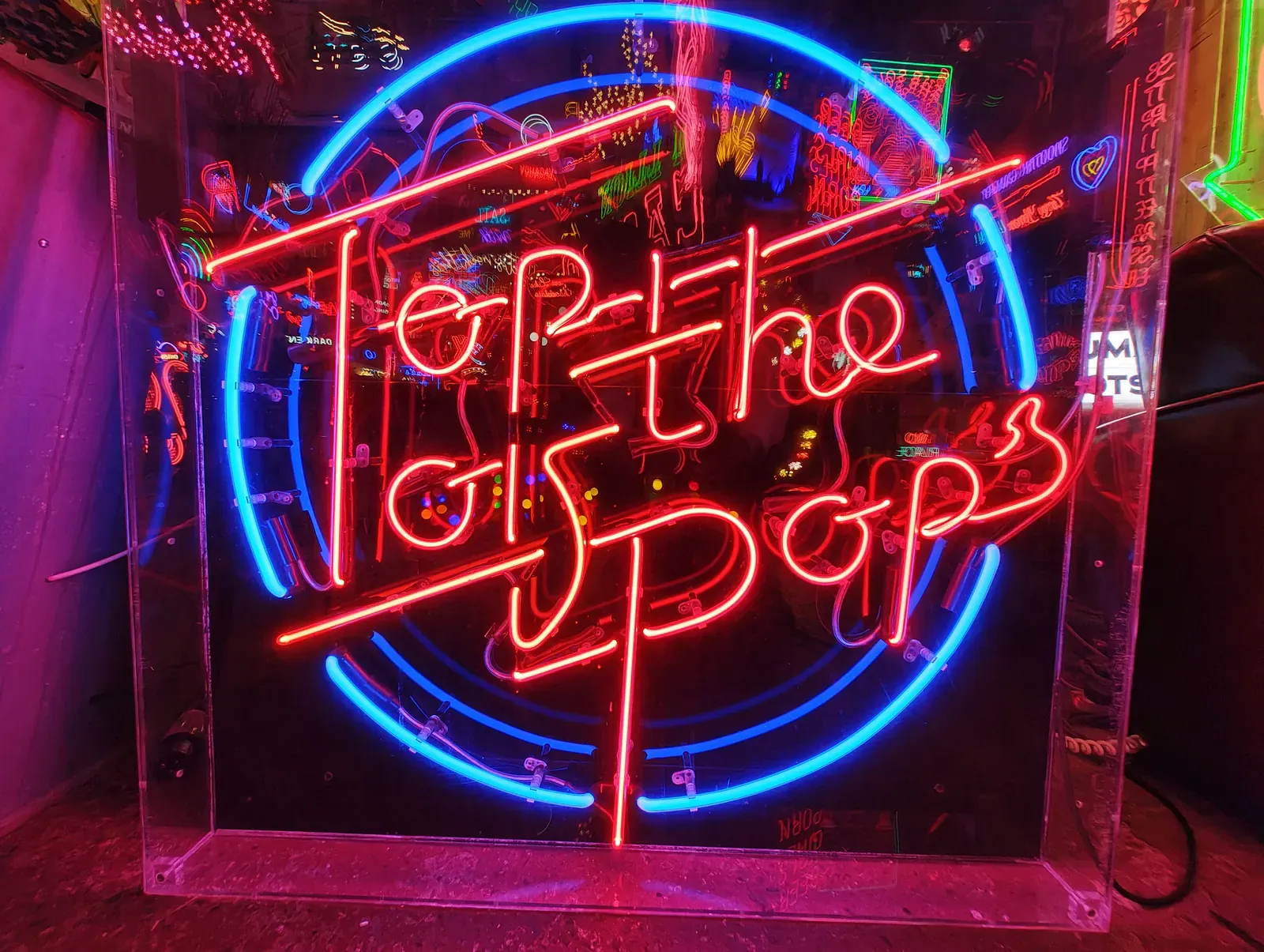
The studio then changed pop’s form. Multitrack tape let the Beatles layer parts, and Sgt. Pepper’s Lonely Hearts Club Band (1967) made the album a studio-built object. The BBC’s Top of the Pops, on air from 1 January 1964, did the same for the chart: each week’s singles became a weekly TV ritual.
By the early 1970s the pop mainstream had split into singer-songwriters, bubblegum and soul. Motown moved its headquarters from Detroit to Los Angeles in 1972, and the Brill Building era was over.
Disco, synths and the video star, 1976 to 1989
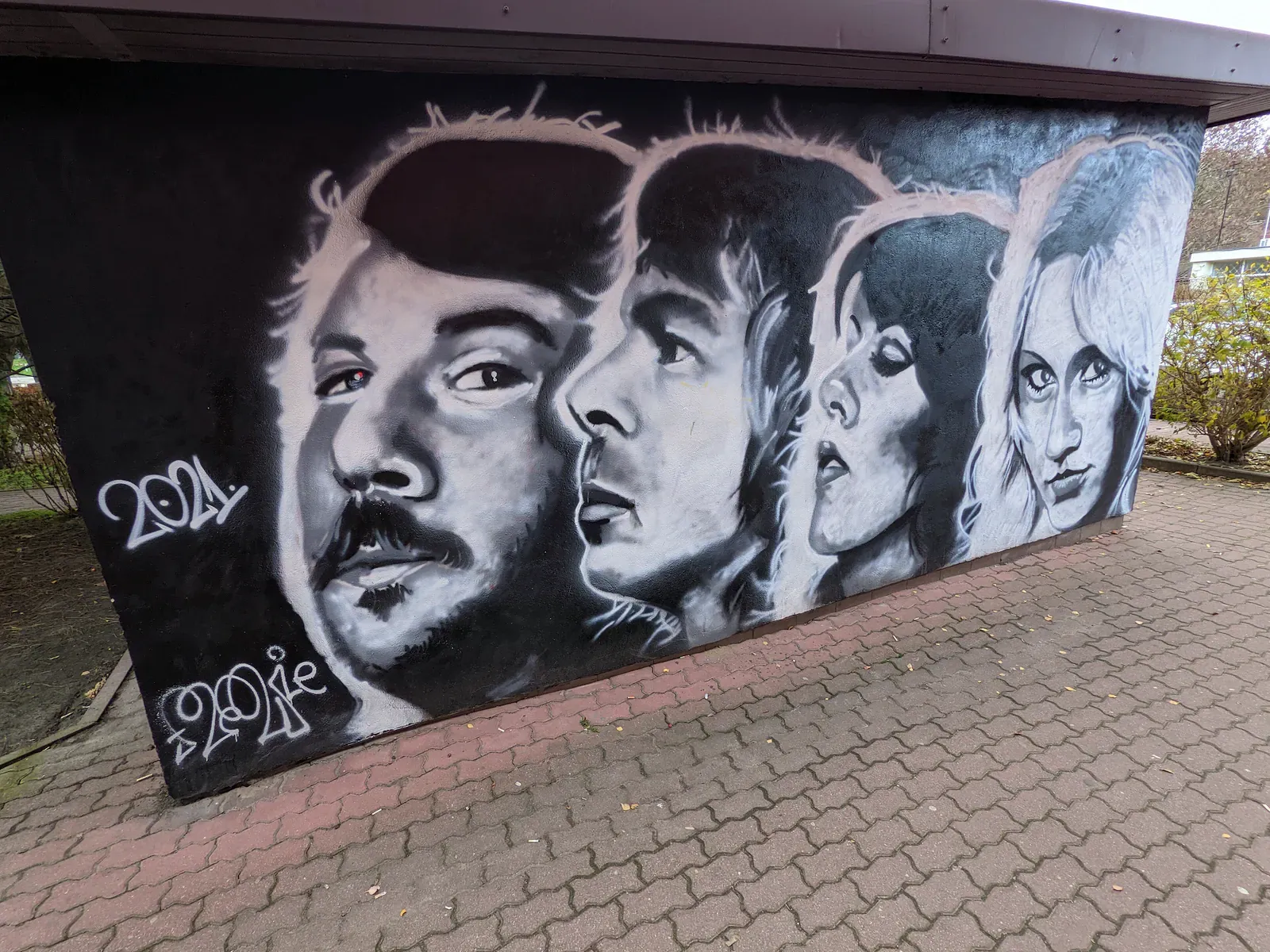
Pop became a dance-floor and screen medium. In 1976 ABBA released “Dancing Queen”, a disco-pulse single with strings that reached number one in the UK and the US. The Swedish quartet had won Eurovision in 1974 with “Waterloo”, and they proved a non-English-speaking country could export pop. Italy and Germany pushed the idea further, and the Italo disco of the early 1980s became a template for European dance-pop.
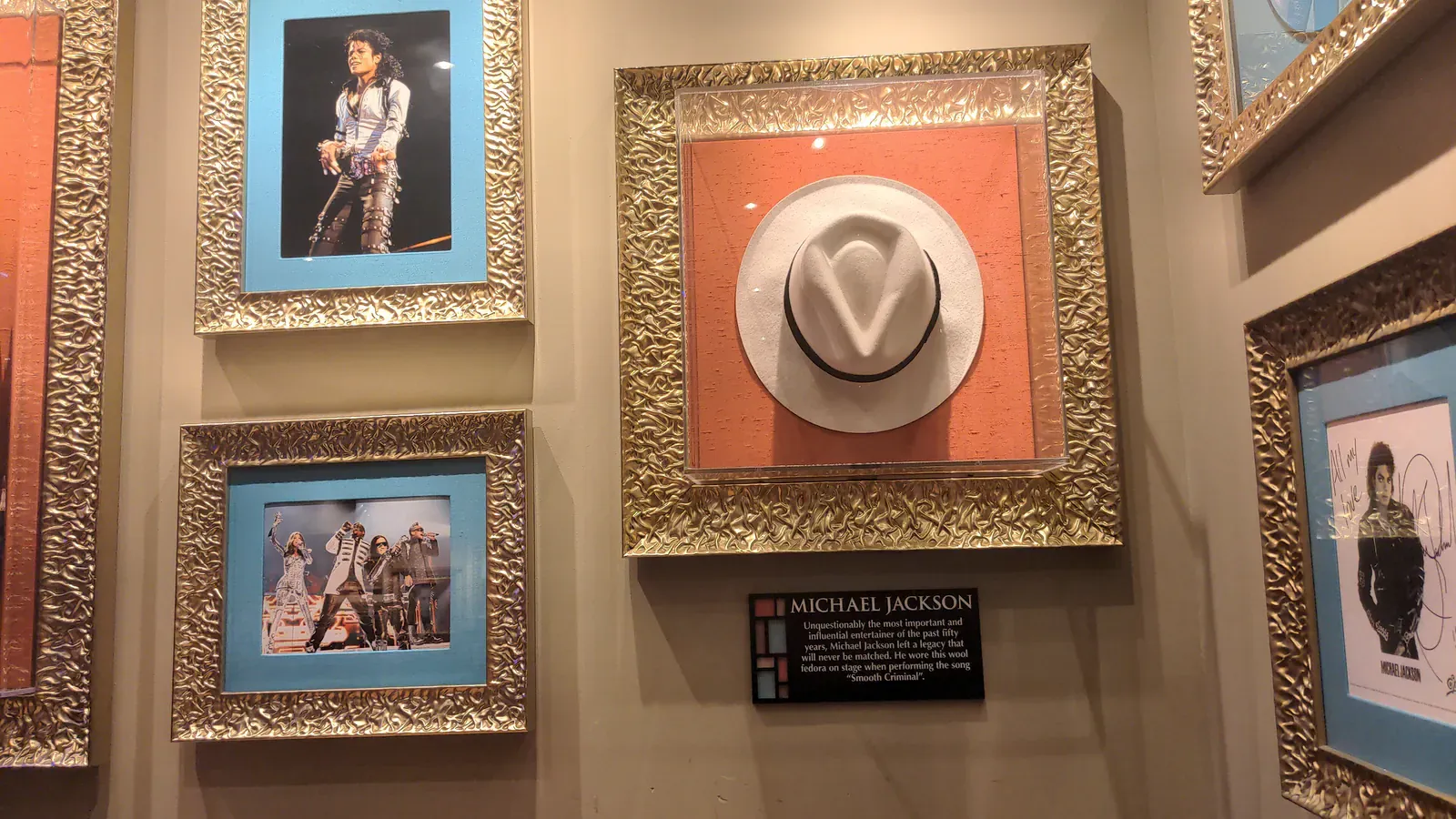
The machines arrived with the stars. Drum machines such as the Linn LM-1 gave tracks a tight, repeatable beat, and the Yamaha DX7 gave them glassy synth hooks. MTV launched on 1 August 1981 and made image part of the job. Michael Jackson’s Thriller (1982) spun off a string of singles and videos, and he won eight Grammy Awards in 1984. In July 1985 Live Aid showed a global audience watching pop stars on TV at the same time.
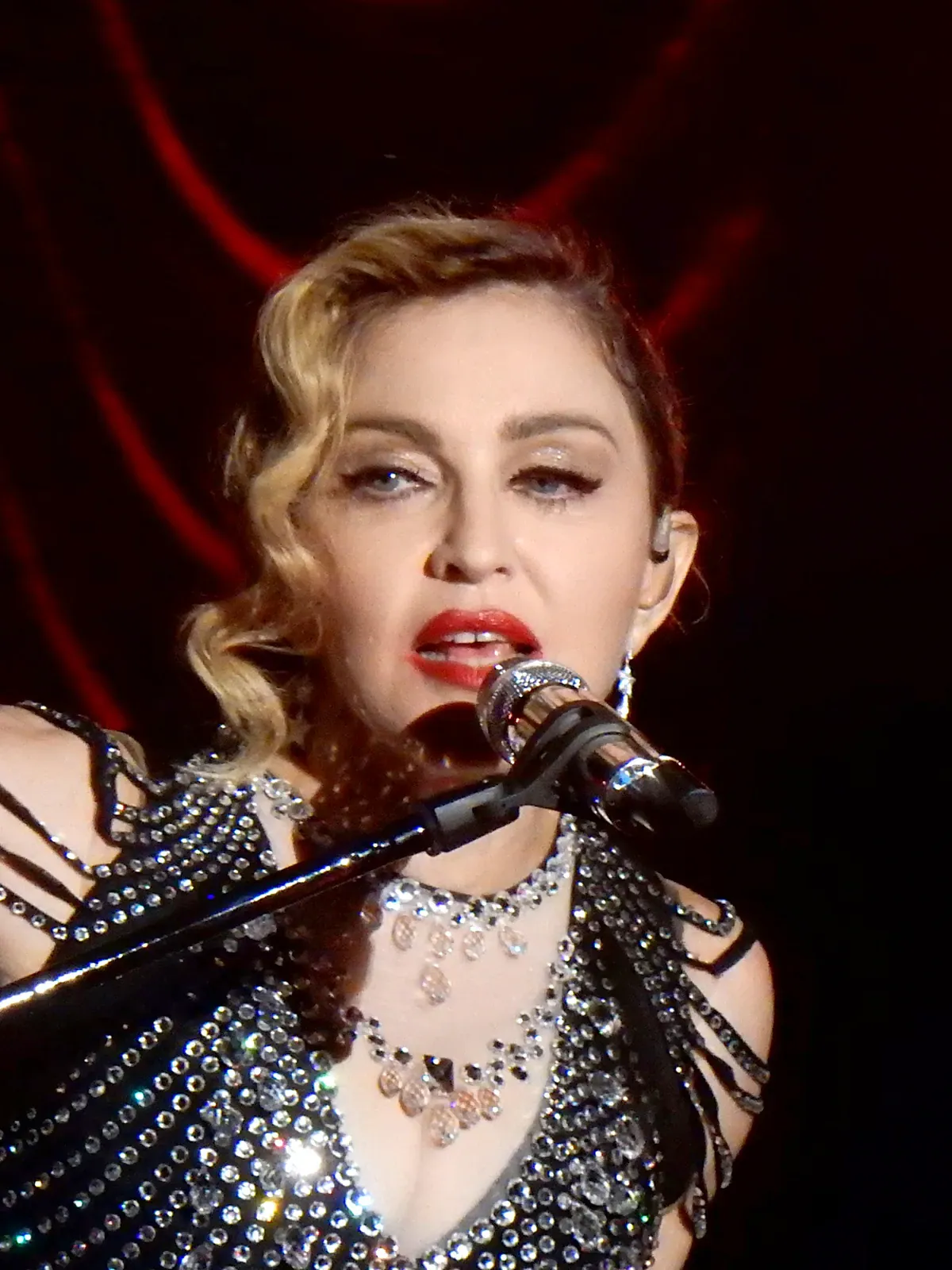
Madonna ran the same machine with a harder edge. “Like a Prayer” (1989) combined gospel choir and rock guitar, and a controversial video led Pepsi to drop its commercial with her that spring. Whitney Houston’s 1985 debut produced three US number ones, and in London PWL, the studio of Mike Stock, Matt Aitken and Pete Waterman, produced bright, fast singles such as Rick Astley’s “Never Gonna Give You Up” (1987).
Songwriting factories and boy bands, 1990 to 1999
The 1990s turned the writing room into an assembly line. In 1992 Denniz PoP opened Cheiron Studios in Stockholm, with the young Max Martin soon beside him. Cheiron built songs from bright keyboard figures, a tight beat and a hook that arrived in the first ten seconds. The same method served the Backstreet Boys, who were assembled around Orlando manager Lou Pearlman, and NSYNC.
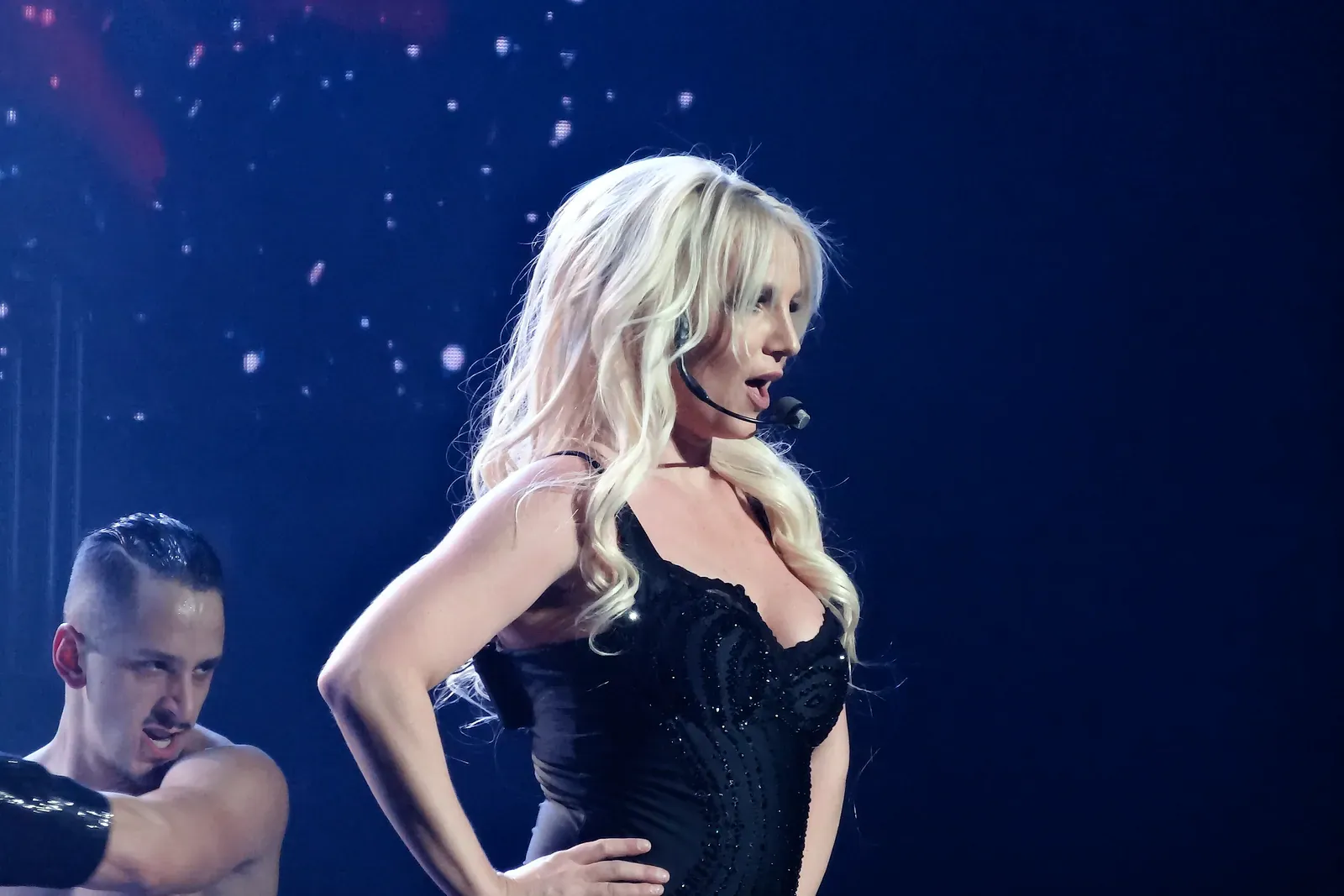
Jive Records released Britney Spears’s “…Baby One More Time”, written and produced by Martin, in late 1998. The title is the hook, and the piano stabs make it unmistakable. The single started the late-1990s teen-pop wave, and US recorded-music revenue peaked in 1999 at roughly $14.6 billion according to the RIAA.
Napster launched that same year. Within a few years the music industry had a revenue crisis and pop had a new problem: how to sell a song a listener could get for free.
Downloads, YouTube and electropop, 2000 to 2012
The answer was a single priced at 99 cents. Apple opened the iTunes Store in 2003, YouTube followed in 2005, and Spotify launched in Sweden in 2008. The album lost its grip, and the hit single regained it. Pop producers answered with club-ready electropop: Lady Gaga’s The Fame (2008) on Interscope Records brought “Just Dance” and “Poker Face” to the top of charts in many countries.
Pitch correction became an instrument. Antares released Auto-Tune in 1998, and Cher’s “Believe” made the warbling vocal effect a pop sound. Max Martin and his team kept supplying the hits, among them Kelly Clarkson’s “Since U Been Gone” (2004). Outside the West, a Seoul agency industry was training idol groups, and in December 2012 Psy’s “Gangnam Style” became the first YouTube video to reach one billion views.
Streaming and the global chart, 2013 to today
In 2016 the RIAA reported that streaming had become the largest source of US music revenue. Playlists replaced radio as the gatekeeper, and TikTok, available worldwide from 2018, created a new route from a 15-second clip to the chart.
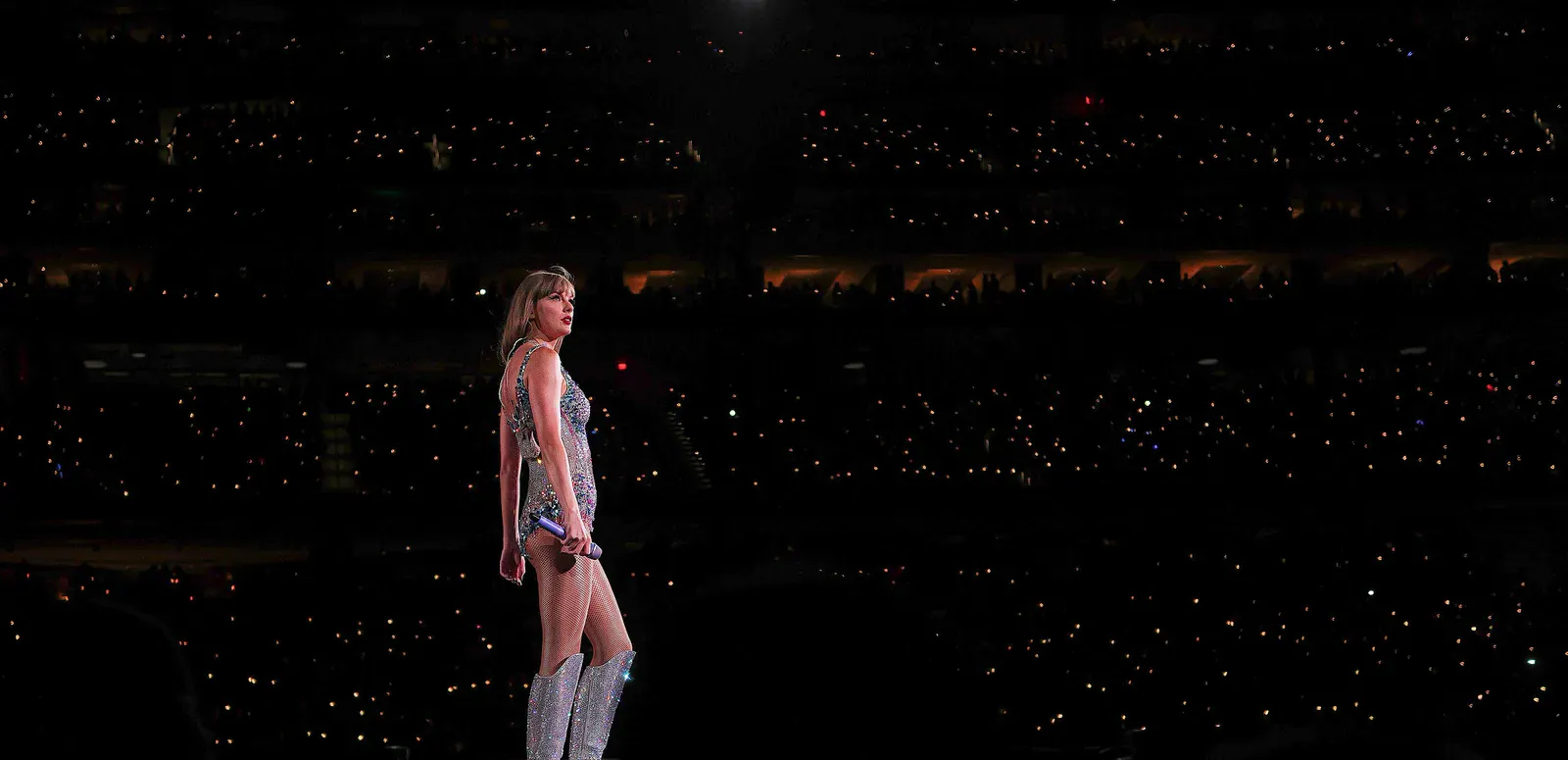
Republic Records became the home of Taylor Swift, who released 1989 in 2014 and completed her move from country to full pop with Max Martin and Shellback. After a dispute over her early masters she began re-recording her albums in 2021. The Eras Tour opened in March 2023 and, according to Pollstar, became the first tour to pass $1 billion in ticket sales.
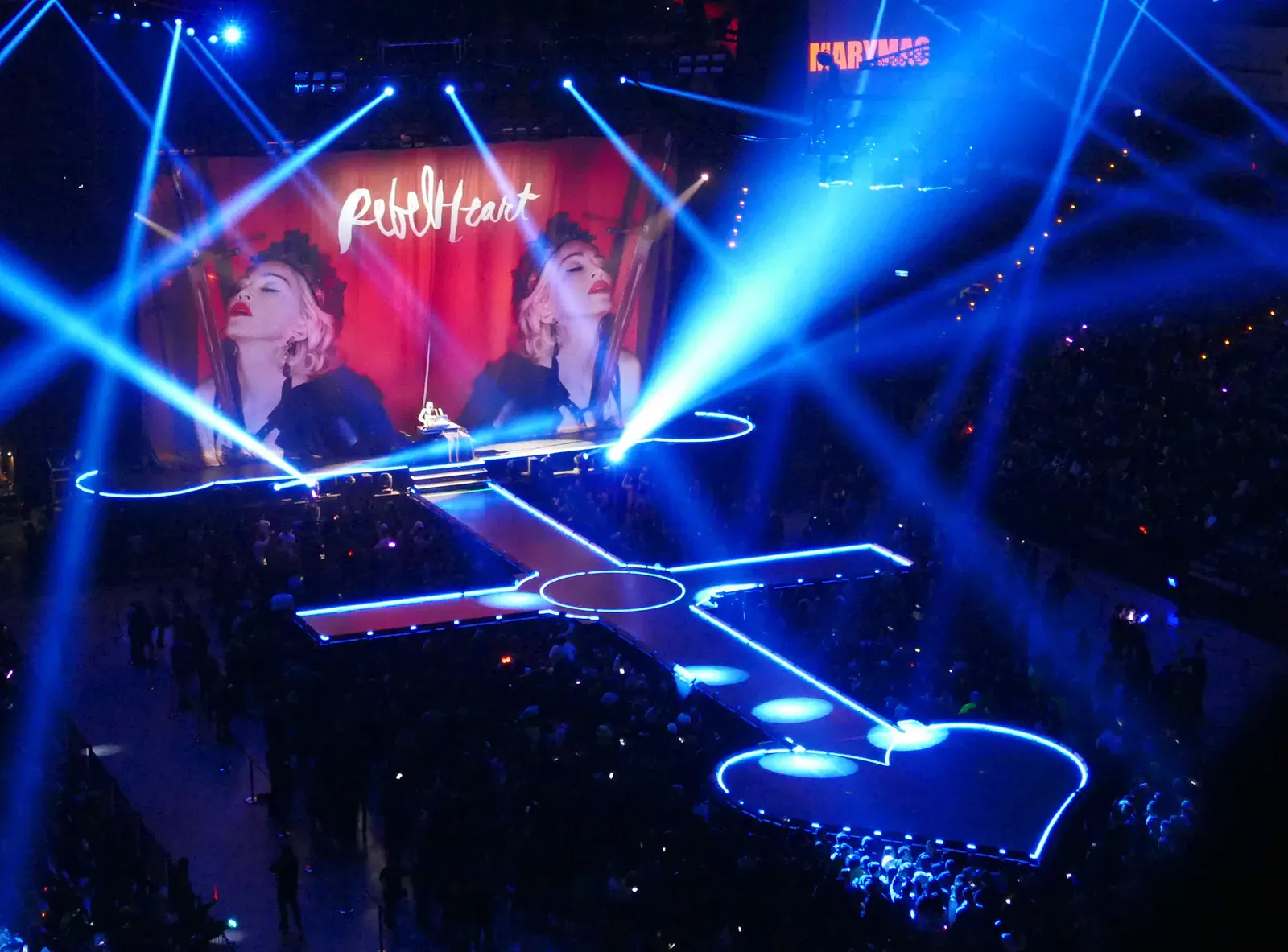
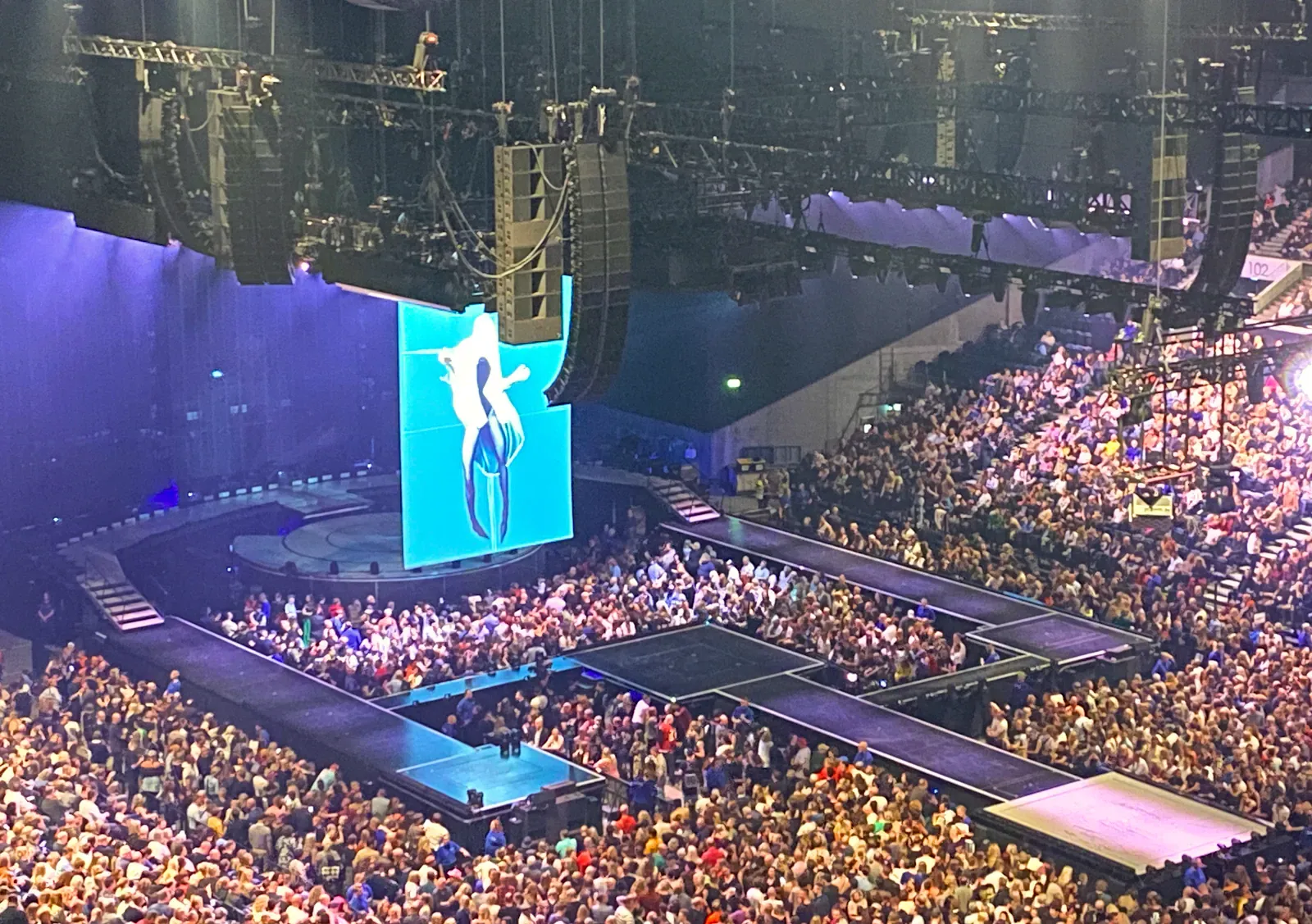
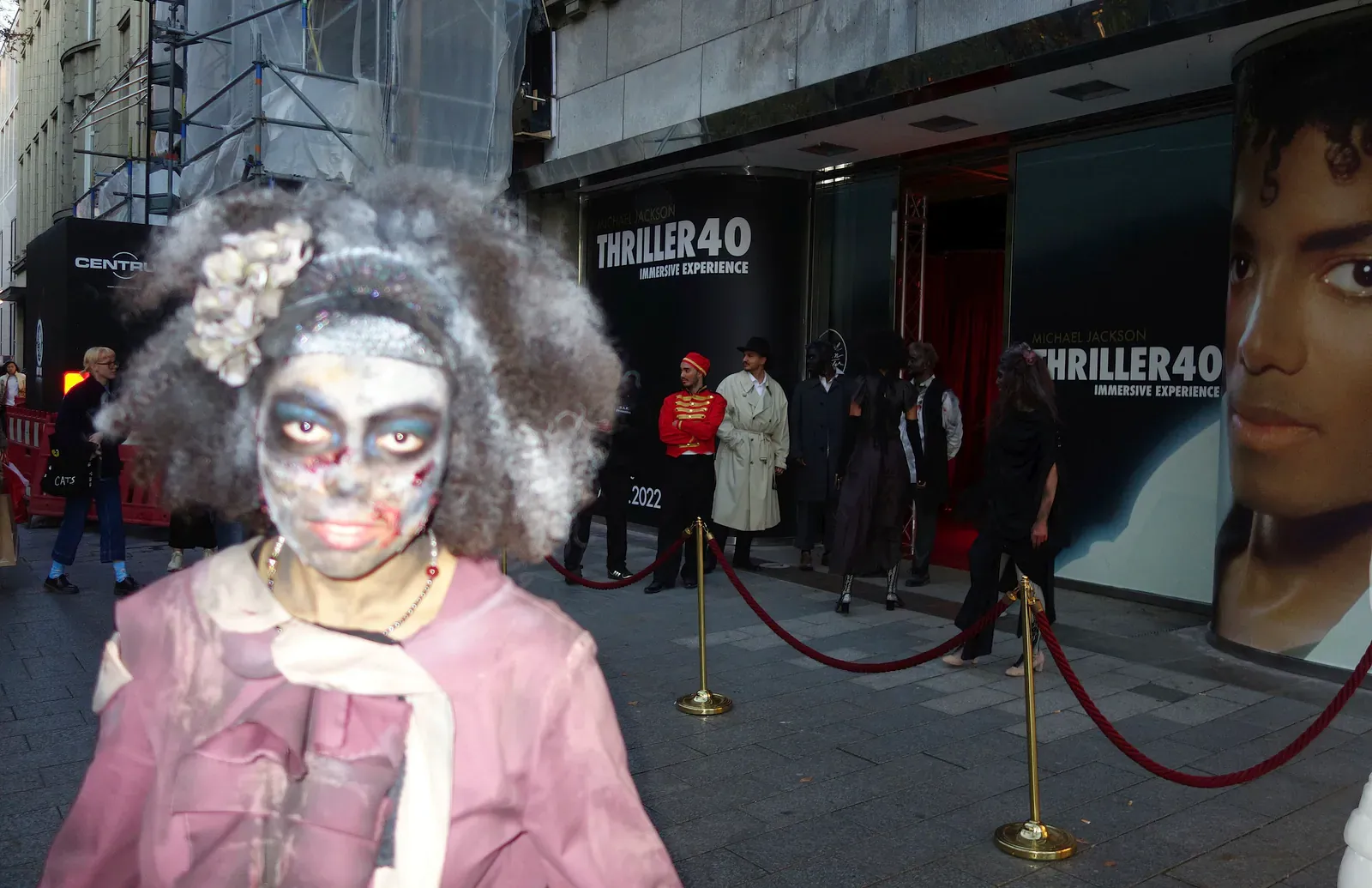
Pop now has several centres. BTS’s “Dynamite” topped the Billboard Hot 100 in September 2020. Bad Bunny’s Un Verano Sin Ti was Spotify’s most-streamed album of 2022, and the Latin family tells that story in full. Older stars still fill arenas: Madonna’s Celebration Tour began in 2023, and Thriller turned 40 in 2022.
Culture
Pop’s audience has often been young and female, and critics long treated that as a reason to dismiss it. Beatlemania was the first mass case, with fans screaming over the music. Behind the stars, writers such as Carole King and Cynthia Weil were among the women who wrote many of the early 1960s hits.

The economics shaped the sound. Radio airtime, chart position and playlist placement each decided who got heard. Writers and producers sat at the centre, from the Brill Building teams to Motown’s house band to today’s songwriting camps. In 2004 Kelefa Sanneh of the New York Times described the bias as rockism, the habit of prizing authenticity over pleasure. Since then critics have moved toward “poptimism”, which takes pop’s craft seriously, and the rock family page tells the other half of that argument.
Misconceptions
“Pop just means popular.” Billboard’s Hot 100 is a popularity chart across all genres, and rock, country and hip hop songs have all topped it. Pop in the library’s sense is a way of writing: short forms, a strong hook and a polished studio finish.
“Pop is fake, and rock is real.” Elvis recorded songs by Leiber and Stoller and had no hand in writing “Hound Dog” or “Jailhouse Rock”. The Beatles, the rock band that defined authenticity, worked with the producer George Martin and recorded Sgt. Pepper in the studio. Collaboration is how most pop hits get made, in every family.
“Pop is an American product.” ABBA’s 1976 number one came from Stockholm. Cheiron made the same city the source of hits for the Backstreet Boys and Britney Spears. Psy’s “Gangnam Style” topped one billion YouTube views in 2012, and K-pop group BTS reached number one in the US in 2020.
FAQ
What is pop music?
Pop music is song-centred popular music built on a memorable hook, a short verse-chorus structure and polished studio production. It is made to reach a wide audience through radio, television, video or streaming.
When did pop music start?
Pop as a separate genre took shape in the mid-1950s, when rock and roll and traditional pop met teenage buyers and the single became a mass product. The library dates the pop family from 1955.
What is the difference between pop and rock?
Pop is organised around the song and the hook, while rock is organised around a band, a backbeat and live guitar. The two overlap in pop-rock, and the rock family covers the guitar side of the story.
Why does Sweden produce so many pop hits?
A single Stockholm studio explains much of it. Denniz PoP’s Cheiron Studios, opened in 1992, trained Max Martin, who then co-wrote hits for Britney Spears, the Backstreet Boys and Taylor Swift. Sweden’s municipal music schools are often credited as the base of that talent.
Subgenres
Genres in the family
68 main branches. Names with their own page are links.
1965, 11 branches
- Alternative pop
1985, 4 branches
1972, 6 branches
1965, 2 branches
- Barbershop music
1890
1965, 1 branch
- Beach music
1955
2015
1958, 3 branches
1967, 1 branch
- Bulgarian pop
1962
- C-pop
1927, 8 branches
1870, 5 branches
- Christian pop
1970
1975, 1 branch
- Classical crossover
1985, 1 branch
- Contemporary a cappella
1985, 2 branches
1962, 6 branches
1980, 2 branches
1967, 1 branch
- Folk pop
1964
- French pop
1958, 1 branch
- German pop
1975
- Greek pop
1965
2013, 5 branches
2006
- Indian pop
1966, 3 branches
- Indo pop
1965, 7 branches
- Israeli pop
1965, 1 branch
- Italian pop
1955, 2 branches
1988, 11 branches
1992, 4 branches
- Khmer pop
1965
- Kurdish pop
1995
1970, 2 branches
- Malaysian pop
1960, 2 branches
- Mongolian pop
1991
- Nederpop
1962, 1 branch
- New pop
1980
- Nordic pop
1974, 3 branches
1890, 6 branches
- Oldies
1965, 1 branch
- Original Pilipino Music
1973, 3 branches
- Pakistani pop
1966
- Persian pop
1955, 1 branch
- Polish pop
1963
- Pop soul
1962
1966
- Q-pop
2015
- Reggae-pop
- Romanian pop
1965, 1 branch
- Russian pop
1955, 2 branches
- Sentimental ballad
1890, 1 branch
- Sophisti-pop
1984
- Spanish pop
1962, 1 branch
1965
- Swamp pop
1955
1978, 1 branch
- Tatar pop
1992
1987, 1 branch
- Thai pop
1965, 1 branch
1925, 6 branches
- Turkish pop
1961, 2 branches
- Ukrainian pop
1968
- V-pop
1986, 2 branches
- Worldbeat
1985
1960
- Yugoslav pop
1955, 1 branch
Sound
What it sounds like
Tempo
- Overall65-170
- pop-ballad65-85
- Adult contemporary95-120
- teen pop85-110
- Dance-pop100-145
- Synth-pop105-170
- K-pop100-135
- Hyperpop100-150
- Alternative pop75-135
Drums and percussion
- Linn LM-1
- LinnDrum
- Roland TR-808
Synths and software
- Yamaha DX7
- Roland Jupiter-8
- Fairlight CMI
- Pro Tools
- Logic Pro
- Auto-Tune
Techniques
- Verse-chorus form
- Hook-first writing
- Multitrack layering
- Vocal effects
- Digital sampling
- Final-chorus key change
Keys and modes
Major, diatonic loops. Most hits sit in a major key over a short chord loop such as I-V-vi-IV.
Tuning
12-TET, A=440
Vocals
Clear lead vocal up front, often doubled or stacked with backing harmonies.
Hallmarks
- verse-chorus form
- hook-centred writing
- studio production
- singles and chart orientation
- broad audience appeal
Instruments
- Lead vocal and the hook
The lead voice carries a short melodic phrase built to be remembered.
- Drum machine
The Linn LM-1 and later machines gave 1980s pop its tight, repeatable beat.
- Synthesizer
Polysynths such as the Yamaha DX7 supplied the bright pads and bass of 1980s pop.
- Studio as instrument
Multitrack tape and later digital recording let producers build records layer by layer.
- Sampler
Fairlight and later samplers let producers lift sounds and loops into hits.
- Auto-Tune
Pitch correction software became a vocal effect as well as a fix after 1998.
- Digital audio workstation
Programs such as Pro Tools and Logic let writers produce full tracks on a laptop.
- Electric guitar and bass
Pop-rock and many hits still rely on tight guitar and bass parts.
Technology that shaped it
- 1964Multitrack recording
Eight- and later sixteen-track tape let studios layer vocals and instruments, as on Beatles albums.
- 1981Music video channels
MTV and its peers made video a promotional tool as important as radio.
- 1983MIDI
A common standard let synths, sequencers and computers talk to each other.
- 1998Auto-Tune
Antares released the pitch tool, and Cher's Believe soon made it a pop sound.
- 2003Digital downloads
The iTunes Store brought paid single downloads to the mass market.
- 2008Streaming
Spotify and later services moved pop listening to playlists and subscriptions.
Essential records
- 1956Heartbreak Hotel
Elvis Presley. His first RCA single brought a rockabilly sound to a national pop audience.
- 1963Be My Baby
The Ronettes. The drum intro and wall of sound production became a model for later pop.
- 1963I Want to Hold Your Hand
The Beatles. The single that broke the group in the US and began the British Invasion.
- 1964Where Did Our Love Go
The Supremes. The group's first US number one and the first of five in a row on Motown.
- 1976Dancing Queen
ABBA. A model of polished pop craft with melody, strings and a disco beat.
- 1982Thriller
Michael Jackson. Its singles and videos defined the global pop album campaign.
- 1987I Wanna Dance with Somebody (Who Loves Me)
Whitney Houston. A pop vocal showcase that crossed formats and borders.
- 1987Never Gonna Give You Up
Rick Astley. A Stock Aitken Waterman hit made at the PWL studio that sums up the PWL formula.
- 1989Like a Prayer
Madonna. Pop, gospel and controversy in one release, with a video that made headlines.
- 1998...Baby One More Time
Britney Spears. The Max Martin hit that began the teen-pop boom.
- 2008Poker Face
Lady Gaga. Club electropop that became a global number one.
- 20141989
Taylor Swift. The album that made Swift a full pop star, written with Max Martin and Shellback.
Scenes
Where it happened
Where and when the sound lived: one bar per city on a shared timeline.
North America
Europe
Asia
Active scenes
Peak 6, 1993
The Brill Building and 1650 Broadway housed songwriting teams that wrote girl-group hits.
Motown ran an in-house studio, band and songwriting system.
The Beatles and other Merseybeat bands started the British Invasion.
PWL Studios in Southwark turned out Stock Aitken Waterman hits.
Cheiron and its successors built a Swedish export business in pop songwriting.
Boy bands such as the Backstreet Boys and NSYNC formed around producer Lou Pearlman.
Studios, labels and writing camps make it the main hub of the US pop industry.
Idol agencies train groups for a worldwide K-pop audience.
J-pop built a domestic industry of idols and songwriters.
Glossary
Terms on this page
The label staff who find artists and match them with songs and producers.
A vocal group of young men, usually choreographed and managed as a product.
A contrasting section, usually late in the song, that sets up the final chorus.
A record that moves from one format or audience to the pop chart.
A short melodic or lyrical phrase meant to stick in the listener's head.
A release built to be played on radio or streamed on its own, ahead of an album.
A short session where writers and producers make many songs together for artists.
A radio format and chart cut-off based on the forty biggest-selling or most-played songs.
A song structure that alternates storytelling verses with a repeated main chorus.
Phil Spector's dense, layered studio production style of the early 1960s.
Families