Baroque pop
Baroque pop is mid-1960s pop and rock built on harpsichord, strings and counterpoint, from the Left Banke and Procol Harum to the Zombies and Scott Walker.
United Kingdom, United States, 1965
Pop family
Born
1965
United Kingdom, United States
Subgenres
1
Documented branches
Links
16
Genres it drew on or shaped
Tempo
70-130 BPMLineage
Family tree
Grew out of
Derived from
United Kingdom, United States, 1965
Baroque pop
Led to (1)
Timeline
Era by era
From the first sparks to today. Select a dot to read the story behind it.
- Harpsichords in the studio
1958 to 1965
- Baroque rock
1965 to 1968
- English baroque
1968 to 1973
- Revivals and chamber pop
1982 to today
Eras
Moments
- 1 Harpsichords in the studio, 1958 to 1965
- 2 Baroque rock, 1965 to 1968
- 3 English baroque, 1968 to 1973
- 4 Revivals and chamber pop, 1982 to today
around 1958
Harpsichords in the studio
Producers such as Phil Spector and Brian Wilson put harpsichords and strings up front in pop arrangements, and the Zombies' 1964 debut single already sounded restrained and almost medieval.
- 1958The Jamies' Summertime, SummertimeOne of the first pop rock hits to use a harpsichord.
- 1964The Zombies' She's Not ThereRestrained, almost medieval arrangement that a critic treats as a starting point for baroque pop.
1965
Baroque rock
After Rubber Soul, groups on both sides of the Atlantic added harpsichord, strings and counterpoint. The Left Banke's 1966 hit gave the style its name, and Procol Harum's 1967 single sold more than 10 million copies.
- 1965The Beach Boys Today! releasedBrian Wilson's studio work on the album is cited as the start of the baroque pop era.
- 1965The Baroque Beatles BookAn album that recast Beatles songs in a tongue-in-cheek baroque setting, one sign of the 'Beatles a la Baroque' phenomenon.
- 1965The Beatles' In My LifeGeorge Martin's harpsichord-like solo on Rubber Soul led producers to work the sound into pop records.
- 1966The Left Banke's Walk Away ReneeHarpsichord, strings and group harmonies; regarded as the first recognizable baroque pop single and the source of the label 'baroque rock'.
- 1966The Beach Boys' God Only KnowsThe one track of Pet Sounds with clear baroque pop aesthetics.
- 1967Procol Harum's A Whiter Shade of PaleDebut single issued 12 May 1967; six weeks at No. 1 in the UK, more than 10 million copies sold.
- 1967Scott Walker's ScottDebut solo album on Philips, orchestral arrangements by Angela Morley, Reg Guest and Peter Knight; No. 3 in the UK.
- 1967Mark Wirtz's A Teenage Opera singleThe concept album stayed unfinished, but the single reached No. 2 in the UK.
- 1967Sgt. Pepper's Lonely Hearts Club BandMarks the climax of the commercial run of pop records with harpsichords and string quartets.
1968
English baroque
A subset one critic dates to 1968-1973: the Zombies' Odessey and Oracle, Honeybus, Scott Walker and lavish string arrangements for new singer-songwriters such as Nick Drake.
- 1968The Zombies' Odessey and OracleReleased 19 April 1968 in the UK; indifferent at first, later ranked among the best albums of the decade.
- 1968Honeybus' I Can't Let Maggie GoCited by a critic as an example of the English baroque of 1968-1973.
- 1969Time of the Season hits in the USThe third single from Odessey and Oracle became a surprise hit after the band had dissolved.
1982
Revivals and chamber pop
The Stranglers' 1982 harpsichord single, the 1990s chamber pop that answered lo-fi rock, and later records by the Divine Comedy, Panic! at the Disco and Arctic Monkeys kept the sound in circulation.
- 1982The Stranglers' Golden BrownA harpsichord single with unconventional time signatures and tuning.
- 1995Chamber popIndie musicians answer lo-fi production with orchestral arrangements in the spirit of baroque pop.
- 2008Panic! at the Disco's Pretty. Odd.The band shifts to a baroque pop sound.
- 2018Arctic Monkeys' Tranquility Base Hotel & CasinoThe band moves to a baroque pop sound, repeated on The Car in 2022.
Listening path
Start listening
A short path from an easy way in to the deep end. Thumbnails come from YouTube; the player loads only when you press play.
- 01
The Left Banke, 1966
The record that named the style: harpsichord, violins and close harmonies.
- 02
The Beach Boys, 1966
Brian Wilson's baroque-leaning ballad, the genre's American high point outside the Left Banke.
- 03
Procol Harum, 1967
The mainstream breakthrough: a Bach-derived organ line that topped the UK chart for six weeks.
- 04
Scott Walker, 1967
Orchestral, melancholic art song from the debut solo album, a model for English baroque.
- 05
The Zombies, 1968
The late hit from Odessey and Oracle that outlived the band's first run.
Facts
| Family | Pop |
| Origin | United Kingdom, United States |
| Emerged | Mid-1960s |
| Status | Active |
| Tempo | 70 to 130 BPM |
| Meter | 4/4 |
| Grew out of | Orchestral pop |
| Subgenres | 1 |
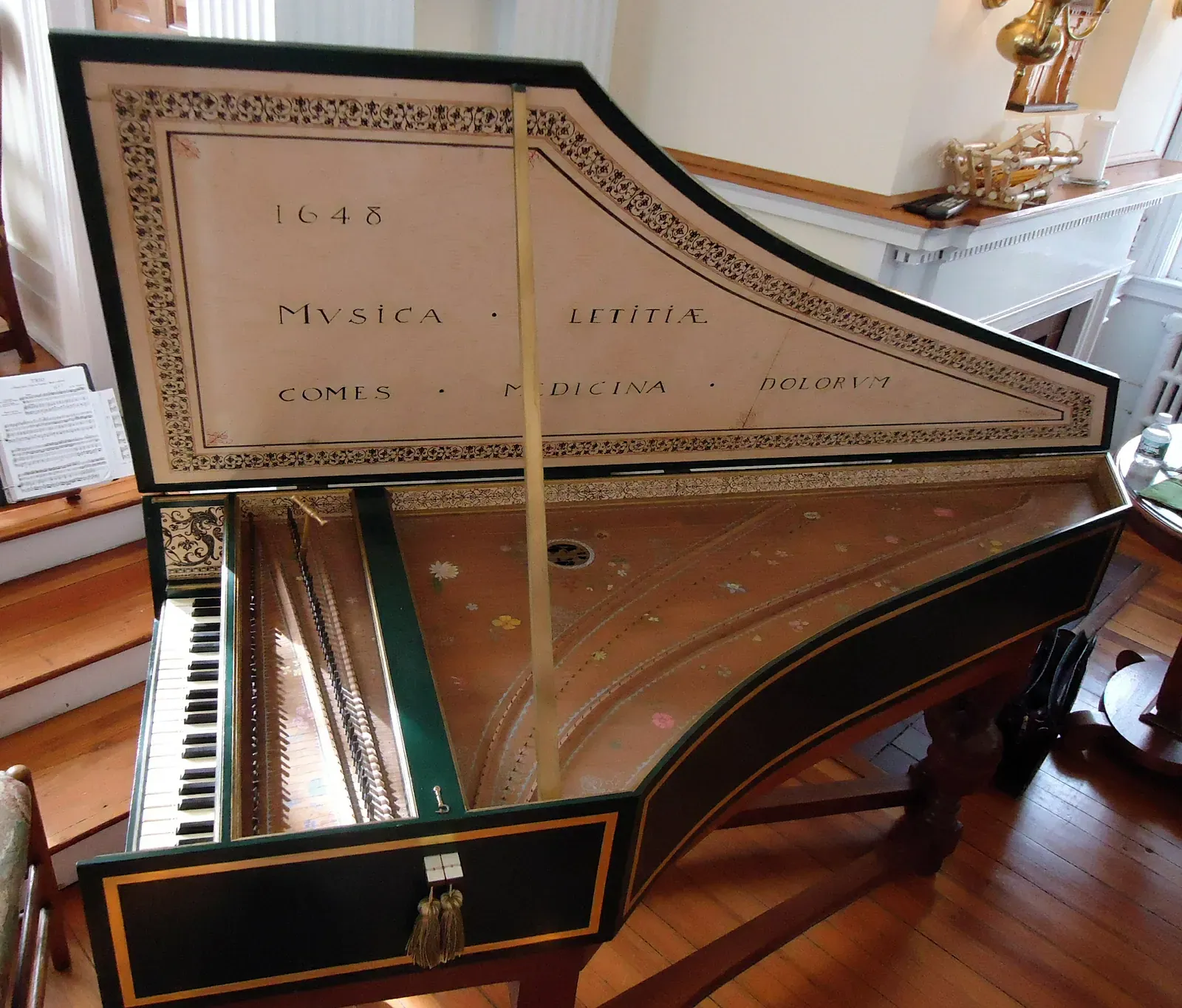
Baroque pop is a branch of pop that borrows the instruments and writing habits of classical music, above all harpsichord, string quartets, oboes, French horns and contrapuntal melodies.
It emerged in the United Kingdom and the United States in the mid-1960s and favours a dramatic or melancholic tone. The term “baroque rock” is used as a synonym, or sometimes for a distinct strand.
Origins
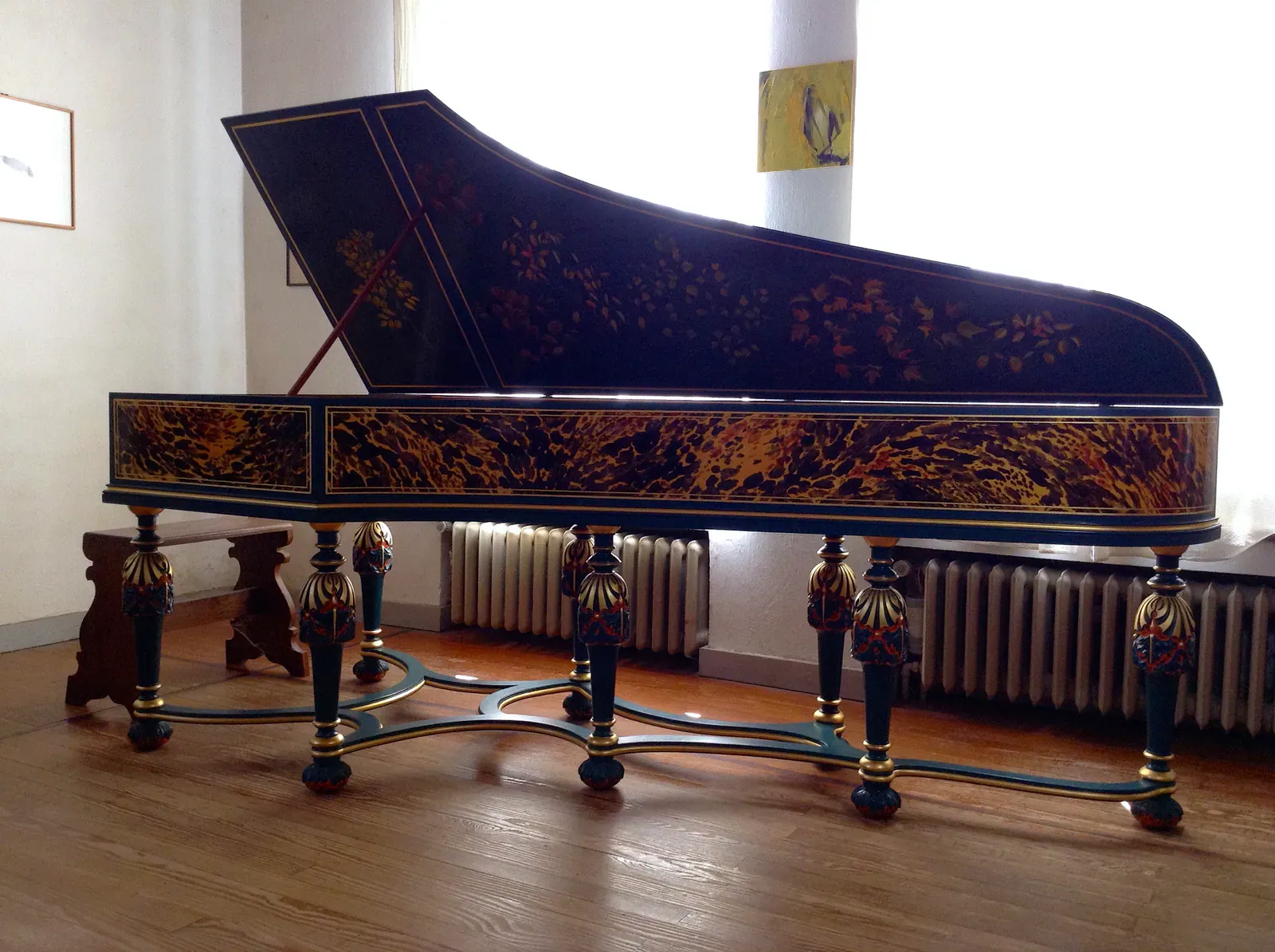
The harpsichord was not new to pop. Studios kept one on hand, and a few records of the 1940s and 1950s used it, among them the Jamies’ “Summertime, Summertime” in 1958. What changed in the 1960s was position: producers began to put the instrument at the front of the arrangement. Phil Spector and Brian Wilson did so in Los Angeles, on records such as the Beach Boys’ “I Get Around” and “When I Grow Up (To Be a Man)”. Its buzzing, stinging timbre cut through the treble-heavy pop sound of the time.
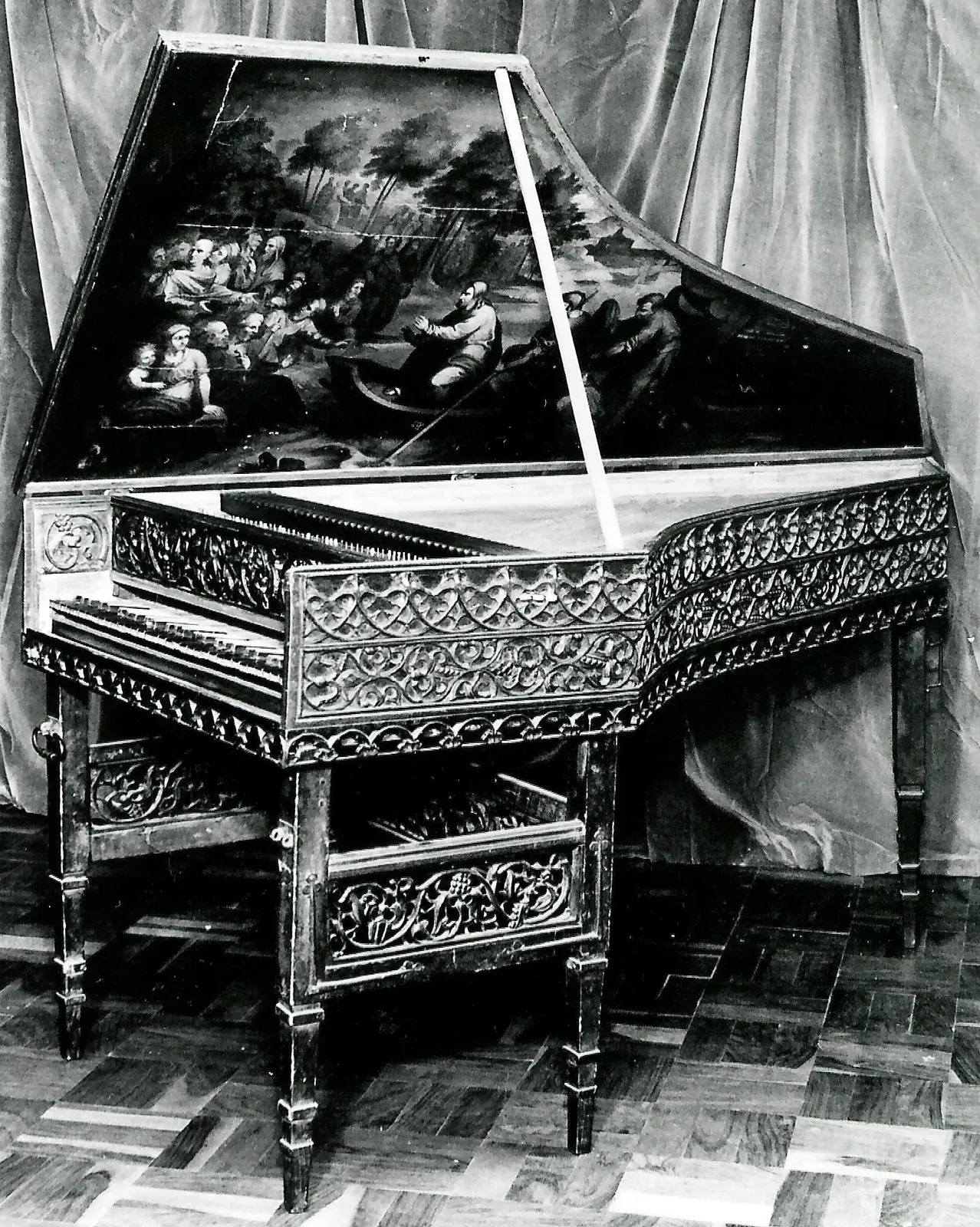
In England the Zombies’ debut single “She’s Not There” (1964) is treated by some critics as a starting point: its arrangement was restrained and almost medieval in a year dominated by raw guitar records. The Beatles then mattered in two ways. George Martin played what sounded like a baroque harpsichord solo on “In My Life” (December 1965), and producers noticed. And classical and baroque readings of the group’s music were already circulating in 1965, including an album called The Baroque Beatles Book that recast their songs in a tongue-in-cheek baroque setting. A string quartet had already carried “Yesterday”.
Baroque rock, 1965-1968
By early 1966 many groups were adding baroque or classical instrumentation. The Rolling Stones used harpsichord and dulcimer on “Lady Jane”, and the Yardbirds’ “For Your Love” had spread the harpsichord in pop rock the year before. The name came from New York. The Left Banke grew out of the session-musician world of midtown Manhattan around World United, a studio on 48th Street run by the violinist Harry Lookofsky. His son Michael Brown, then 16, wrote the songs and arranged them at the studio piano, and the Zombies’ example helped inspire him to form the band.
“Walk Away Renée” (1966) used harpsichord, soaring violins and close group harmonies. Out of about ten labels Lookofsky approached, only Smash Records, a Mercury subsidiary, showed interest. The single reached the US top five, and publicists and the music press called the sound “baroque rock”. “Pretty Ballerina” followed, but Brown refused to tour, the band’s lineup came apart and a second, rival “Left Banke” put out a single that failed to reach the Hot 100.
In May 1967 Procol Harum issued “A Whiter Shade of Pale”, which the band recorded in two takes at Olympic Sound Studios in London, with Denny Cordell producing. It stayed six weeks at number one in the UK and reached number five in the US, and it has sold more than 10 million copies. Other records of the moment reached for the same palette: Spanky and Our Gang’s “Sunday Will Never Be the Same” and the Stone Poneys’ “Different Drum”, both with harpsichord and strings, and the Beatles’ “Eleanor Rigby” and “She’s Leaving Home”. Mark Wirtz’s single “Excerpt from A Teenage Opera” reached number two in the UK, though the concept album behind it was never finished. The run peaked commercially around Sgt. Pepper’s Lonely Hearts Club Band, which mixed everyday lyrics with music-hall and Edwardian touches.
Characteristics
Instrumentation is close to that of the late Baroque and early Classical periods: harpsichord, string quartet, oboe and French horn added to a rock rhythm section. The writing leans on contrapuntal melodies and functional harmony patterns, with layered vocal harmonies borrowed from British Invasion groups. The aim was a more serious and mature outgrowth of rock, and the mood tends to melancholy. “A Whiter Shade of Pale” is built on a repeated, stepwise descending bass, the classical device called a ground bass, with the organ melody running through the whole record and the voice answering it.
Instruments and production
The harpsichord is the emblem of the style, but the “baroque” label is loose: the lead instrument on the Procol Harum record is a Hammond organ, so the borrowing is of manner rather than of period instruments.
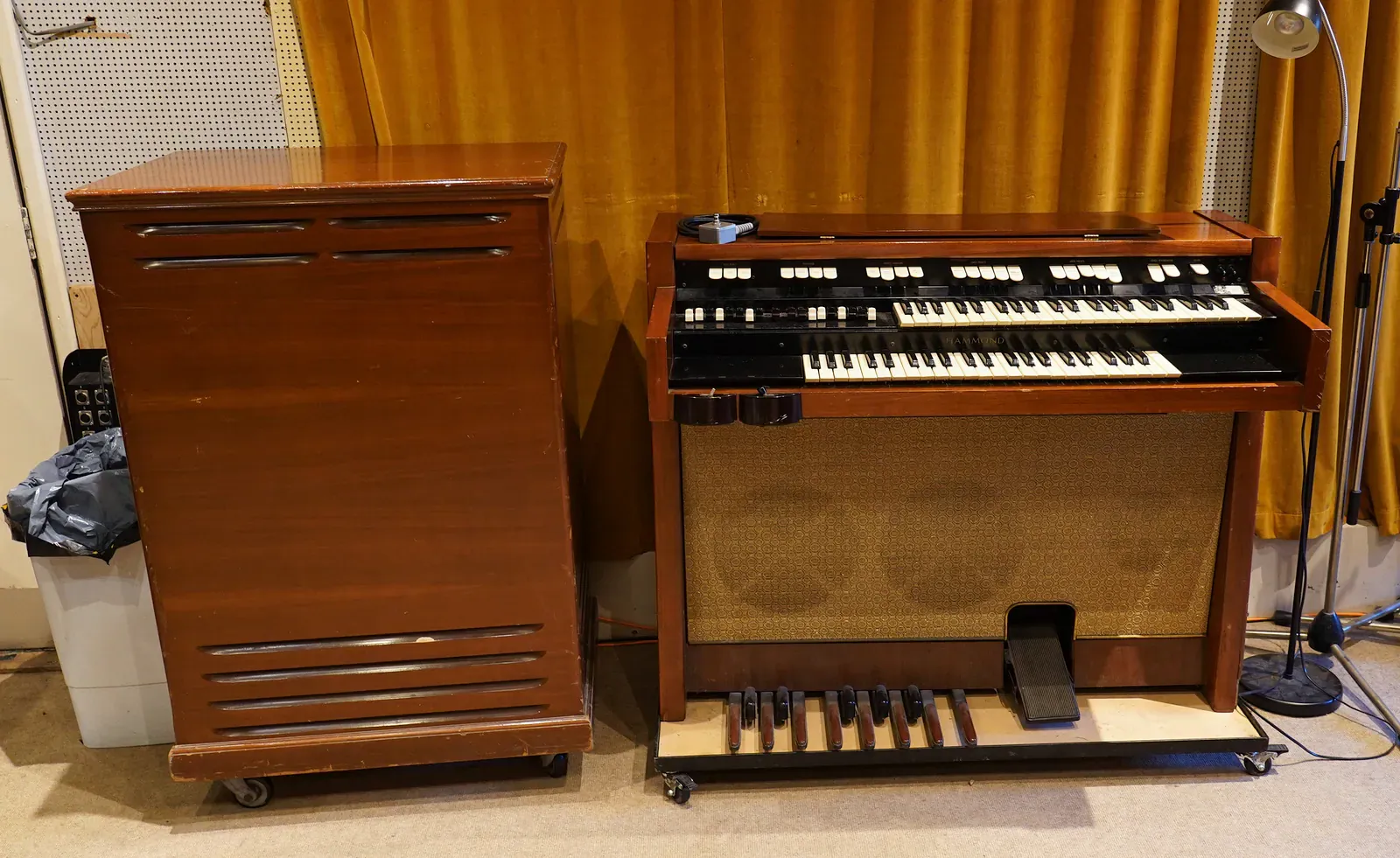
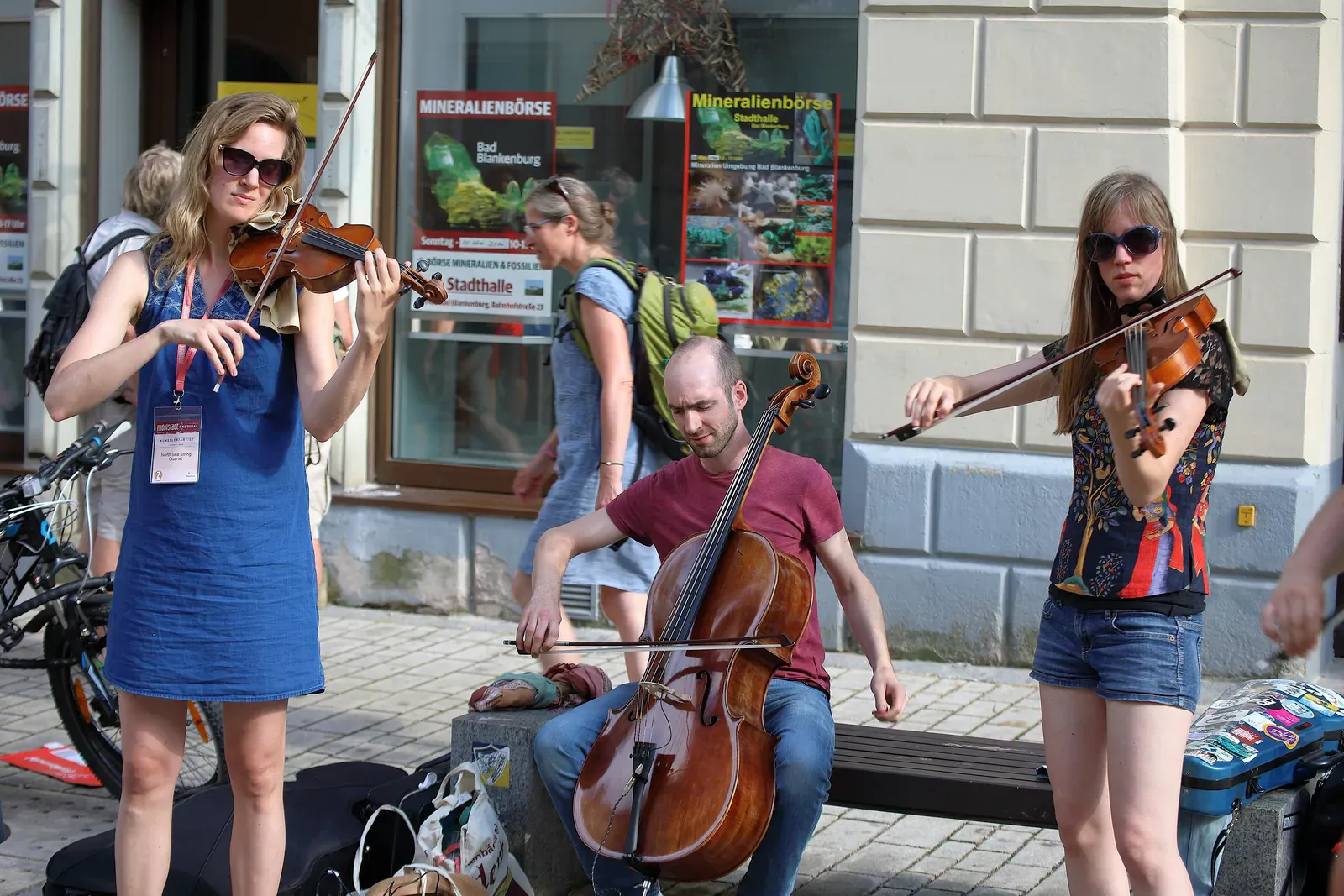
Strings were written out and arranged by hand. On Scott Walker’s first solo album the orchestral parts were arranged and conducted by Angela Morley, Reg Guest and Peter Knight, and in London the EMI and Olympic studios hosted the Zombies’ and Procol Harum’s sessions.
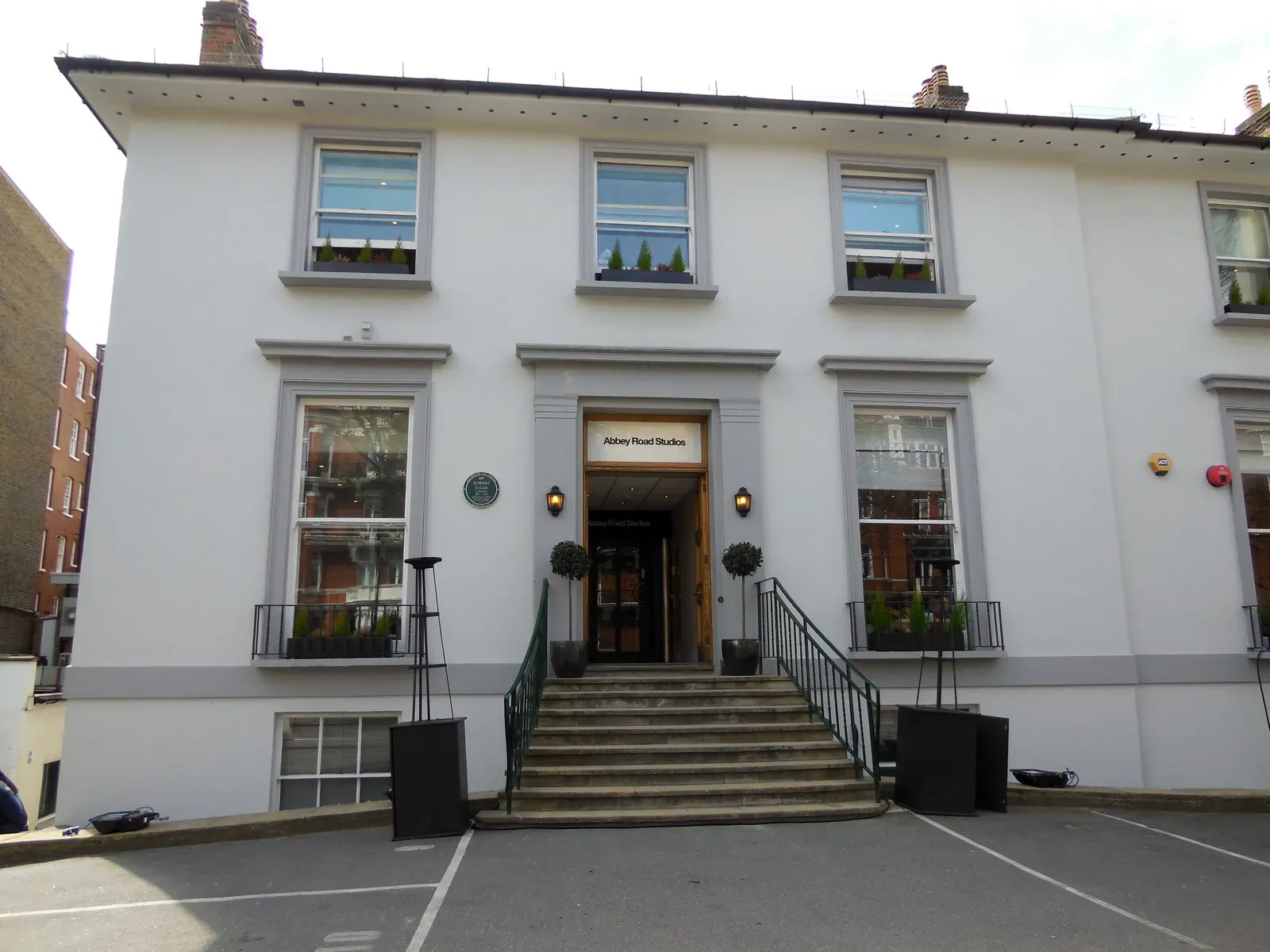
English baroque, 1968-1973
A critic names a subset of the style “English baroque” and dates it to 1968-1973, a time when psychedelic rock from San Francisco was pushing the older arrangement style aside. The Zombies’ Odessey and Oracle belongs here. The band had been dropped by Decca, financed the sessions themselves, and recorded them mostly between June and August 1967 at EMI and Olympic studios. CBS released the album in the UK on 19 April 1968 and Date Records in the US that July. Both were met with indifference, and the band quietly dissolved. In early 1969 the third single, “Time of the Season”, became a surprise US hit after the CBS producer Al Kooper recommended its release.
Scott Walker’s solo records, beginning with Scott (1967) on Philips, a number 3 album in the UK, carried the form into darker territory. Honeybus recorded “I Can’t Let Maggie Go” in 1968, and into the early 1970s labels offered lavish string arrangements to unknown singer-songwriters in the hope of a hit, among them Nick Drake and members of Honeybus. By then the style’s quaintness and violins and classical guitar had become a target of parody at the end of the psychedelic era.
Mainstream success
For about two years baroque pop was ordinary chart material. “She’s Not There” reached number 12 in the UK and number 2 in the US, the debut single of a band signed to Decca. “Walk Away Renée” was a US top five hit, “A Whiter Shade of Pale” a transatlantic number one and top-five record, and Walker’s Scott a number 3 album. In the late 1960s the Moody Blues and Procol Harum were regarded as major practitioners. It faded in the 1970s as punk, disco and hard rock took over the airwaves.
Culture
The vocabulary of the style came from the press: “baroque rock” and “Bach-rock” for the Left Banke, “English baroque” for the later strand. The taste for harpsichords also fitted the retrospective turn in London fashion and psychedelia, a wish for old and ornate things. Sgt. Pepper’s mix of music-hall and Edwardian touches was described as a form of parlour music, and the Beatles’ own reception shows how it worked: by the summer of 1965 they were being praised in the “art-music world” as a baroque-minded group.
Legacy
In 1982 the Stranglers released “Golden Brown”, a harpsichord single with unconventional time signatures and tuning. In the 1990s chamber pop took the spirit of the style, with orchestral arrangements as a response to the lo-fi production then dominant; some writers treat the two as one thing. The Divine Comedy kept the idiom going between the 1990s and 2010s, Panic! at the Disco moved to a baroque pop sound on Pretty. Odd. in 2008, and Arctic Monkeys did so on Tranquility Base Hotel & Casino in 2018 and The Car in 2022, probably influenced by Alex Turner’s work with the Last Shadow Puppets.
Misconceptions
Pet Sounds is sometimes called the first baroque pop album. In the 1960s no press material described it as baroque, commentators called it progressive, and its baroque pop qualities are limited to one track, “God Only Knows”. The genre is also said to start with the Beatles, yet baroque readings of their music preceded “Yesterday”, so they answered an existing fashion as much as they began it. A third belief is that “A Whiter Shade of Pale” quotes Bach: Gary Brooker said the chords follow part of the Air on the G String before veering off, which creates the sense of Bach without quoting him.
Frequently asked questions
What is baroque pop?
Baroque pop is pop and rock that borrows classical devices, such as harpsichord, string quartet, oboe, French horn and counterpoint, for a dramatic or melancholic effect. It began in the mid-1960s in the UK and the US.
What was the first baroque pop song?
No single record is agreed on. Some critics point to the Zombies’ “She’s Not There” (1964) as a starting point, others to the Beatles’ “In My Life” (1965), and the Left Banke’s “Walk Away Renée” (1966) is regarded as the first recognizable baroque pop single.
Is baroque pop the same as chamber pop?
The terms overlap and some writers treat them as identical. Chamber pop usually names the 1990s indie style that responded to lo-fi production by adding orchestral arrangements, and it is listed as a child of baroque pop.
Which instruments define baroque pop?
The harpsichord is the best-known, followed by string quartets, oboes and French horns. A Hammond organ carries the melody on “A Whiter Shade of Pale”.
Who are the main baroque pop artists?
The Left Banke, Procol Harum, the Zombies, the Beach Boys, the Beatles and Scott Walker are the usual names, with the Moody Blues and Honeybus often added.
Sound
Sound sheet
Signature sounds
- Harpsichord in the foreground of the arrangement
- Strings, oboe or French horn lines answering the voice
- Descending ground bass under a Bach-like melody
- Layered group harmonies
Techniques
- Counterpoint
- Ground bass
- Harpsichord foregrounding
- Layered vocal harmonies
Keys and modes
Diatonic harmony. Functional chord progressions, often over stepwise descending bass lines, in major or minor.
Vocals
Layered group harmonies under restrained, clearly enunciated lead vocals.
Scenes
Where it happened
Where and when the sound lived: one bar per city on a shared timeline.
Europe
North America
Active scenes
Peak 3, 1965-1967
Home of the Left Banke, formed among midtown session musicians around the World United studio.
Studios at EMI and Olympic, George Martin and Philips sessions: the centre of English baroque.
Brian Wilson and Phil Spector placed harpsichords and strings at the front of pop arrangements.
Venues and places
New York, 1965 to today. Harry Lookofsky's studio on 48th Street, where the Left Banke began recording.
London, 1967 to today. Where the Zombies recorded most of Odessey and Oracle in 1967.
Culture
Culture markers
- Baroque rock and Bach-rock
Labels used by publicists and the press for the Left Banke and similar acts.
Slang - English baroque
A critic's term for the 1968-1973 strand of the style.
Slang - Retrospective London style
The taste for the old and ornate in London fashion and psychedelia helped make harpsichords attractive to producers.
Fashion
Glossary
Terms on this page
Label coined by the Left Banke's publicists and the music press; sometimes a synonym of baroque pop, sometimes a separate term.
Related 1990s indie style that adds orchestral arrangements; sometimes treated as the same thing as baroque pop.
Writing in which independent melodic lines sound together, as in the contrapuntal melodies of the genre.
A critic's name for the subset of baroque pop dated 1968 to 1973.
A bass pattern repeated under changing melody, such as the stepwise descending line of A Whiter Shade of Pale.
Pop family