Adult contemporary
Adult contemporary is melodic, mid-tempo pop made for adult radio, from the Billboard chart of 1961 to Carpenters, Billy Joel, Adele and Ed Sheeran.
United States, Canada, 1965
Pop family

Born
1965
United States, Canada
Subgenres
11
Documented branches
Links
18
Genres it drew on or shaped
Tempo
60-125 BPMLineage
Family tree
Grew out of
Derived from
Derived from
Derived from
Influenced by
SoulQuiet storm
United States, Canada, 1965
Adult contemporary
Led to (11)
Timeline
Era by era
From the first sparks to today. Select a dot to read the story behind it.
- Easy listening and the Middle-Road chart
1961 to 1969
- Soft rock and the singer-songwriter
1970 to 1979
- Lite FM and the polished ballad
1980 to 1991
- Divas and soundtrack ballads
1992 to 2004
- Streaming and the new balladeers
2005 to 2026
Eras
Moments
- 1 Easy listening and the Middle-Road chart, 1961 to 1969
- 2 Soft rock and the singer-songwriter, 1970 to 1979
- 3 Lite FM and the polished ballad, 1980 to 1991
- 4 Divas and soundtrack ballads, 1992 to 2004
- 5 Streaming and the new balladeers, 2005 to 2026
1961
Easy listening and the Middle-Road chart
Billboard starts a chart for gentle, orchestrated singles aimed at older listeners. Vocal pop, film themes and Bacharach-style songwriting fill it before rock moves in.
- 1961Billboard starts an easy-listening singles chartThe weekly chart for gentle, non-rock singles is the ancestor of the Adult Contemporary chart.
1970
Soft rock and the singer-songwriter
Carpenters, Bread, Elton John, Billy Joel and Barry Manilow bring piano, strings and personal songs to adult radio. In 1979 Billboard renames its chart Adult Contemporary.
- 1970Carpenters release (They Long To Be) Close To YouA Burt Bacharach and Hal David song becomes the duo's first number one and sets the template for soft-rock adult pop.
- 1970Bread's Make It with You reaches the topDavid Gates' soft-rock ballad becomes a US number one and a model for acoustic romantic pop.
- 1970Elton John's Your Song introduces a piano-led songwriter
- 1973Carpenters compile The Singles 1969-1973The hits collection shows how steady the duo's run on adult radio was.
- 1975Barry Manilow releases I Write the SongsA Bruce Johnston song becomes Manilow's signature and a long-running AC standard.
- 1977Billy Joel's Just the Way You AreThe ballad from The Stranger carries a jazzy piano and sax line into adult radio.
- 1979Billboard renames the chart Adult ContemporaryThe old easy-listening label gives way to a name that fits soft rock and pop ballads.
- 1979Just the Way You Are wins Grammys for Record and Song of the Year
1980
Lite FM and the polished ballad
FM stations brand themselves around soft hits. Lionel Richie, Phil Collins and the film ballad define a glossy, synth-and-piano studio sound.
- 1983Karen Carpenter diesThe singer's death at 32 ends Carpenters and draws wide attention to anorexia nervosa.
- 1984Lionel Richie's Hello tops the chartsA slow ballad from Can't Slow Down is a pop and AC hit and a defining 1980s love song.
- 1984Phil Collins records Against All OddsA film-theme ballad that reaches number one in the US and earns an Oscar nomination.
- 1985Can't Slow Down wins Album of the YearLionel Richie's album takes the top Grammy, a mark of how mainstream adult pop had become.
1992
Divas and soundtrack ballads
Whitney Houston and Celine Dion turn film ballads into global sellers. Adult radio splits into soft, hot and urban formats as pop and AC overlap.
- 1992Whitney Houston records I Will Always Love YouThe Bodyguard ballad spends a record stretch at number one and defines the soundtrack-diva era.
- 1997Celine Dion sings My Heart Will Go On for TitanicThe film theme becomes one of the best-known ballads of the decade and wins the Oscar for Best Original Song.
- 1997Elton John re-releases Candle in the Wind for Diana's funeral
2005
Streaming and the new balladeers
Adele and Ed Sheeran bring acoustic and piano-led songs back to the top of the charts. Playlists and weddings keep the ballad alive while radio formats age.
- 2011Adele's Someone Like You tops the chartsA voice-and-piano ballad becomes a worldwide hit after a BRIT Awards performance.
- 2017Ed Sheeran's Perfect reaches number oneAn acoustic ballad becomes a wedding standard and a modern AC hit.
Listening path
Anthems
The records that built the sound, grouped by the part they played. Thumbnails come from YouTube; the player loads only when you press play.
- 01
Carpenters, 1970 · A&M Records
The Bacharach and David song and Karen Carpenter's calm vocal set the sound of soft-rock adult pop.
Start hereOrigin - 02
Bread, 1970
An acoustic love song that topped the US chart and showed gentle soft rock could be mainstream.
Origin - 03
Lionel Richie, 1984 · Motown
A slow love song that carried adult pop to the top of the pop charts and into 1980s radio.
Start hereBreakthrough - 04
Celine Dion, 1997
A Titanic theme that made the power ballad a worldwide phenomenon.
Start hereBreakthrough - 05
Barry Manilow, 1975 · Arista Records
A grand, orchestral ballad that made Manilow the defining voice of 1970s adult pop.
Anthem - 06
Billy Joel, 1977 · Columbia Records
A smooth piano ballad that won Record and Song of the Year and crossed from AC to the pop mainstream.
Anthem - 07
Phil Collins, 1984 · Atlantic Records
A film ballad that reached pop number one and made the soundtrack single a staple of AC radio.
Crossover - 08
Whitney Houston, 1992 · Arista Records
A Bodyguard ballad that moved adult pop from radio format to global event.
Crossover - 09
Adele, 2011
A voice-and-piano ballad that revived the classic AC sound for the streaming era.
Revival - 10
Ed Sheeran, 2017
A waltz-time acoustic ballad that became a staple of weddings and AC radio.
Revival
Facts
| Family | Pop |
| Origin | United States, Canada |
| Emerged | 1960s |
| Status | Active |
| Tempo | 60 to 125 BPM |
| Meter | 4/4 |
| Grew out of | Easy Listening, Soft rock, Traditional pop |
| Subgenres | 11 |
Adult contemporary, or AC, is melodic, mid-tempo pop made for grown-up radio: a piano or acoustic guitar, a clean lead vocal, a string line and a chorus that lifts.
It took shape in the United States and Canada in the 1960s, when Billboard began charting gentle singles for older listeners, and it still fills office speakers, wedding playlists and film end credits. Its story is told by radio programmers and chart editors as much as by musicians.
Origins
In 1961 Billboard began a weekly chart for gentle singles that rock and roll had pushed aside. Vocal pop, film themes and orchestrated songs by writers such as Burt Bacharach filled it, and it was aimed at listeners past their teens. That chart is the ancestor of the Adult Contemporary list.
The sound crossed over in 1970. Carpenters took Bacharach and Hal David’s “(They Long To Be) Close To You” to number one, with Karen Carpenter’s calm low alto carried by lush arrangements. The record came out on A&M, the Los Angeles label whose studio on the old Chaplin lot became the duo’s workplace. In the same year Bread’s “Make It with You”, written by David Gates, reached number one with nothing more than acoustic guitar, soft strings and a love song.

Easy listening, 1960s
Before soft rock arrived, the chart belonged to orchestras and crooners. Gentle singles, film themes and Bacharach-style songwriting made up the format, and rock was kept out on purpose. Radio sold it as safe listening for people who found the Top 40 too loud. The format existed first as a programming idea, and the songs followed the idea.
Soft rock and the singer-songwriter, 1970s
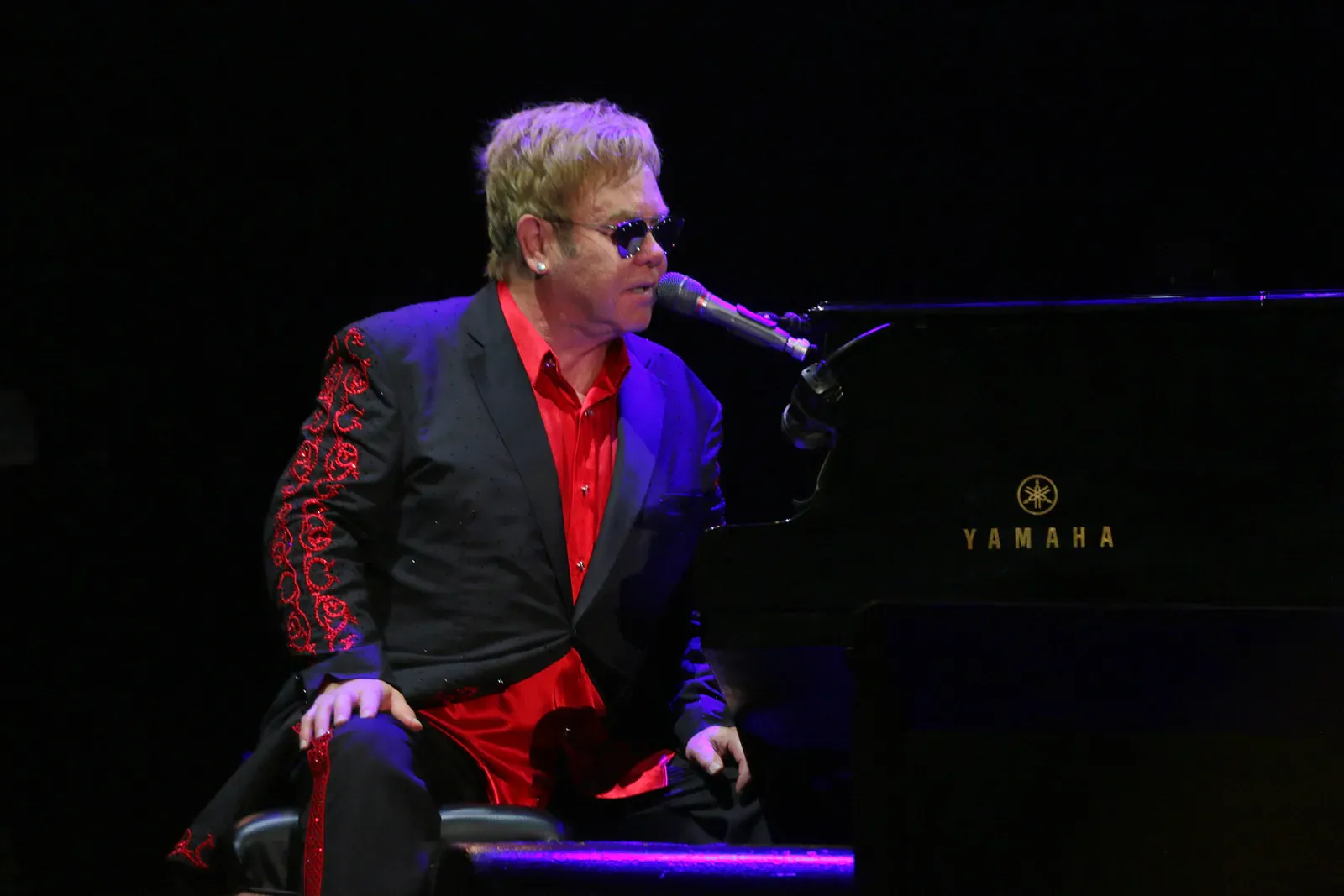
Piano and strings moved to the front. Elton John’s “Your Song” arrived in 1970, and Billy Joel’s “Just the Way You Are” followed in 1977 with a jazzy electric piano and a saxophone line. It won Grammys for Record and Song of the Year, which showed a ballad could beat rock and disco in the same room. Barry Manilow’s “I Write the Songs” in 1975, a Bruce Johnston composition, gave him a signature and made him the face of adult pop.
Carpenters’ hits collection of 1973 showed how steady the duo’s run on adult radio had been. Billboard finally dropped the old name in 1979 and called the chart Adult Contemporary, a title that fitted a mix of soft rock, pop and the singer-songwriter.

Lite FM and the glossy 1980s
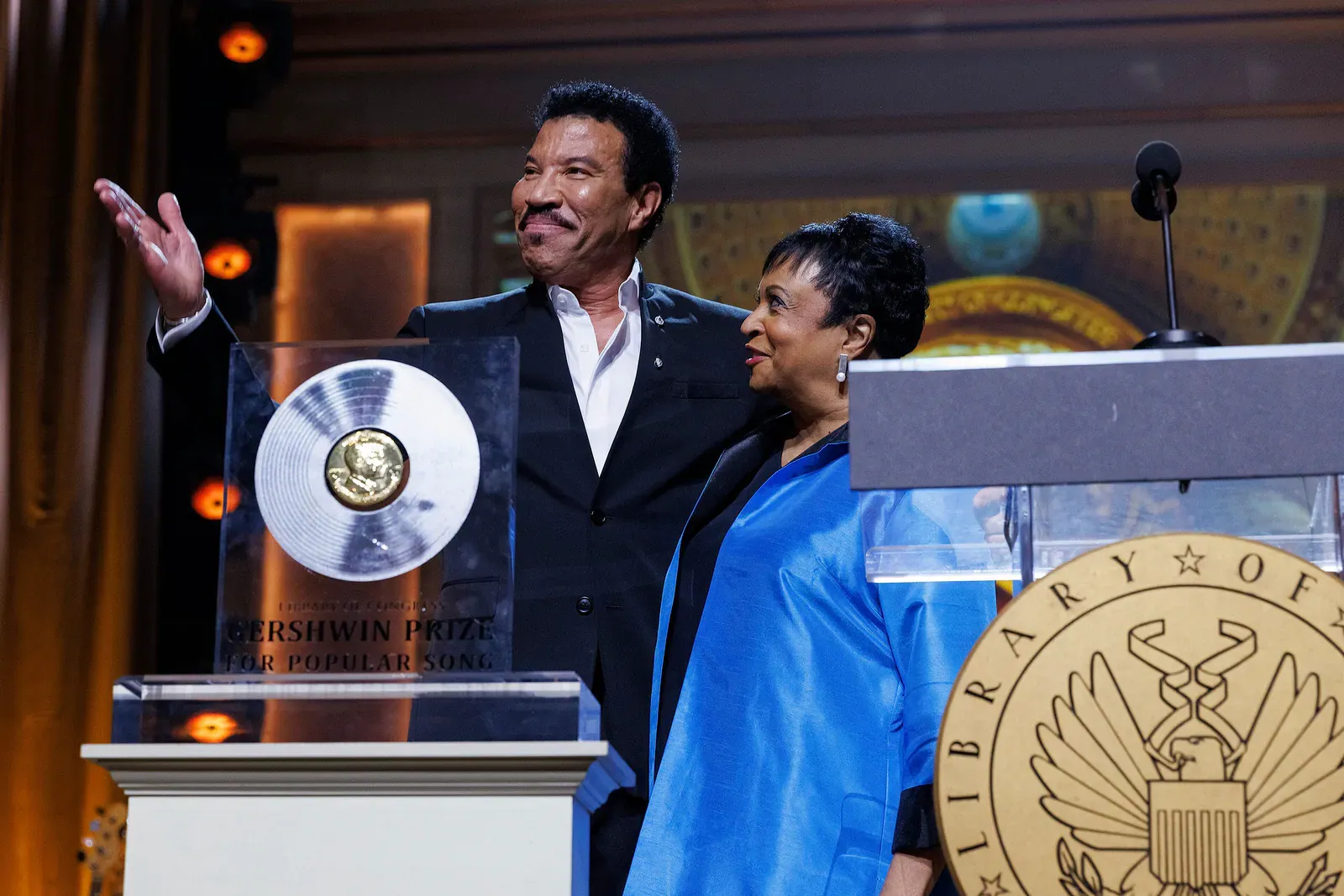
Because stations branded themselves around softness. “Lite FM” became a common name for a format that promised no harsh sounds, and the studio style matched: synthesizer pads, a Yamaha DX7 electric piano, clean digital recording and, from 1982, the compact disc. Lionel Richie’s “Hello” topped the charts in 1984, and his album Can’t Slow Down took Album of the Year at the 1985 Grammys, a sign of how mainstream adult pop had become. He came from the Motown pop-soul tradition and carried that warmth to adult radio.
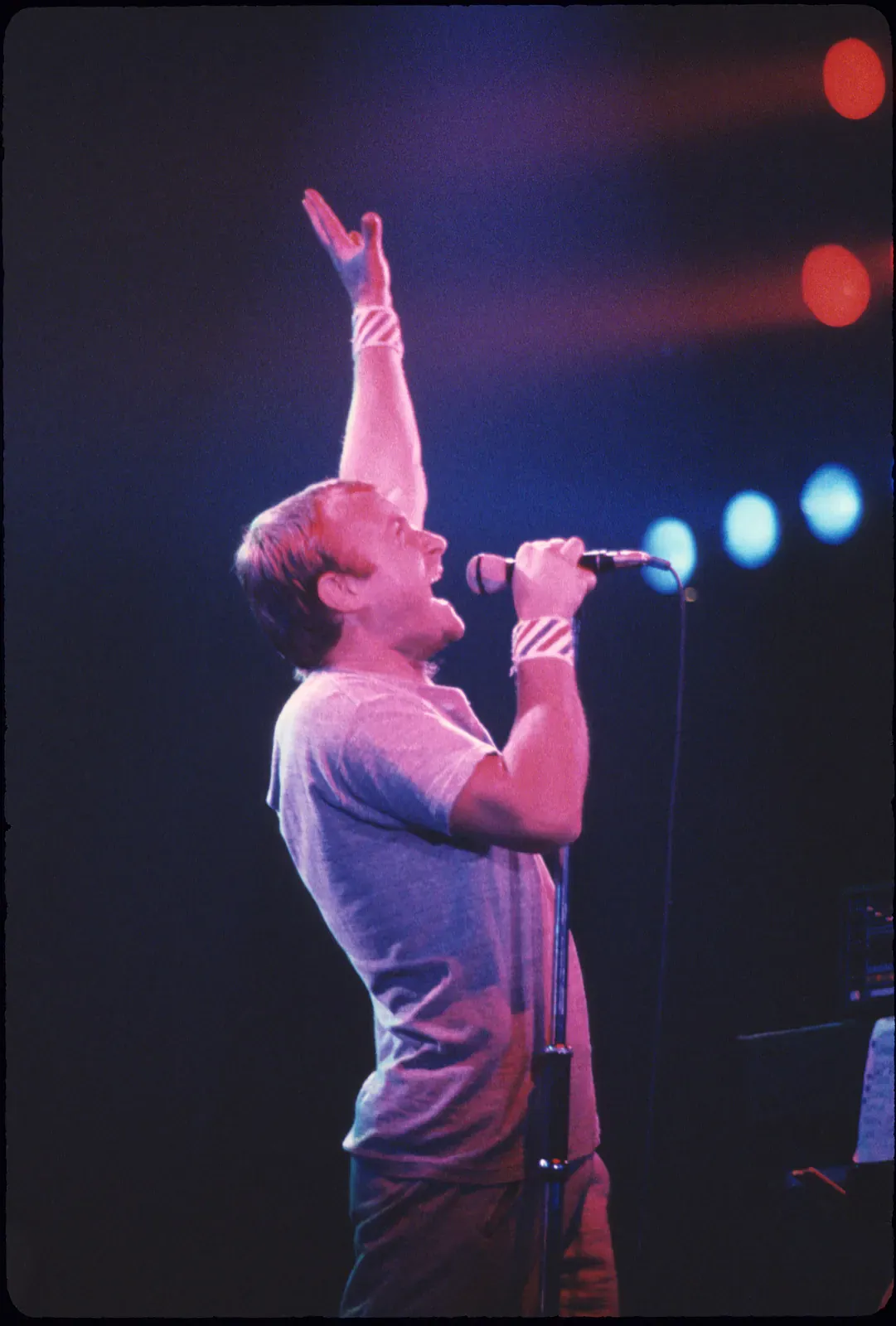
Phil Collins’s “Against All Odds (Take a Look at Me Now)”, recorded the same year for a thriller of the same name, hit number one in the US and earned an Oscar nomination. It made the film ballad a template. Karen Carpenter’s death in 1983 at 32 ended Carpenters and brought wide public attention to anorexia nervosa.
Divas and film soundtracks, 1990s
From 1992 the format became a spectacle. Whitney Houston’s version of “I Will Always Love You” opened with an unaccompanied vocal on The Bodyguard soundtrack and ran at the top of the charts for a record stretch. Celine Dion’s “My Heart Will Go On” followed in 1997 as the Titanic theme and won the Oscar for Best Original Song. Her career had started in the Quebec industry in Montreal before her English-language records, and in 2003 she opened a Las Vegas residency at the Colosseum at Caesars Palace.


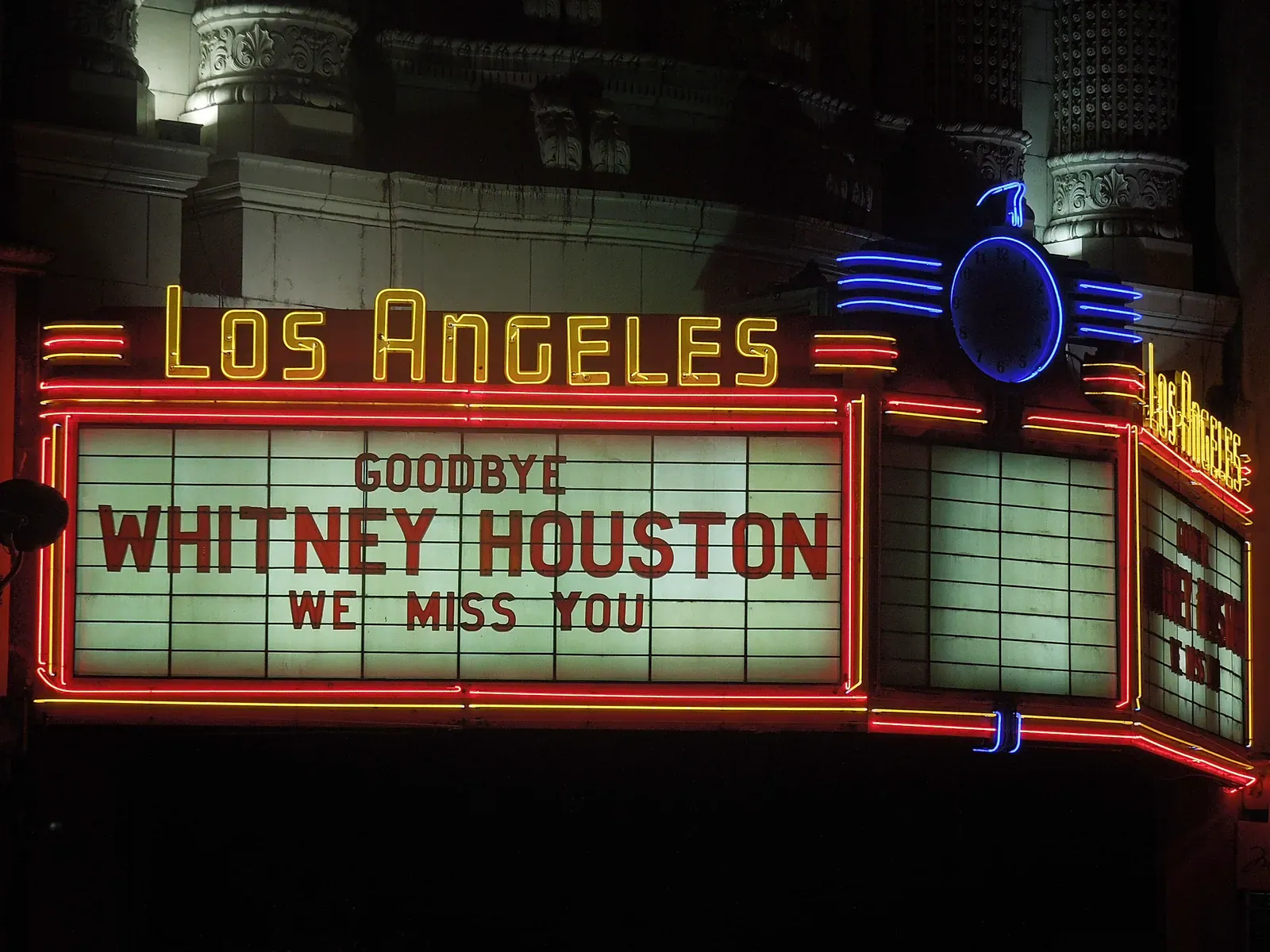
Adult radio itself split in this period into soft, hot and urban formats as pop and AC overlapped. The softest stations kept the ballads, while “hot AC” took current pop and rock for younger adults.
Streaming and the ballad revival, 2010s
Adele’s “Someone Like You” topped the charts in 2011 after a BRIT Awards performance, and the album 21 showed that voice and piano could still lead a worldwide hit. Ed Sheeran’s “Perfect” reached number one in 2017 as a waltz-time acoustic song and became a wedding standard. Mood playlists gave ballads a second life beyond radio, and the old formats aged while the songs kept circulating.

Mainstream success
Through crossover. A song could chart on the AC list and the pop list at once, and the biggest records did. “Just the Way You Are” went from adult radio to the pop charts. “Hello” and “My Heart Will Go On” took the sound to the top of the main charts. The label mattered as well: Columbia Records released Billy Joel, Atlantic was Collins’s American home and A&M, Arista and Motown carried Carpenters, Manilow and Richie. Film tie-ins turned the end-credit ballad into a routine product.

Notable recordings
“(They Long To Be) Close To You” (1970). The song was written by Burt Bacharach and Hal David, and Carpenters’ version, produced for A&M, gave the duo their first number one. The arrangement is soft and spare, and Karen Carpenter sings it close to the microphone with no strain. That restraint is the AC template.
“I Write the Songs” (1975). Bruce Johnston wrote it, but Barry Manilow’s grand, orchestral recording turned it into his signature on Arista. Its lift and its singalong chorus show how AC borrowed from the stage as well as the studio.
“I Will Always Love You” (1992). Whitney Houston’s version for The Bodyguard started with her voice alone and built to a huge key-changed finish. It moved adult pop from a radio format to a global event.
Culture
It lives in rituals. Slow ballads such as “Perfect” and “Make It with You” are staples of wedding first dances. Many AC stations switch to all-Christmas music in the weeks before the holiday, a habit that has made them a seasonal fixture. The end-credit film ballad, released alongside a soundtrack, became its own routine. The format has also been the butt of jokes: “Lite FM” promised nothing harsh, and some listeners heard that promise as a dull one.
Legacy
Live shows moved to long residencies. Billy Joel’s monthly run at Madison Square Garden, which started in 2014, made the arena a home for his catalogue. Adele recorded a live DVD at the Royal Albert Hall in 2011 at the height of her success with 21.
Misconceptions
Adult contemporary is not simply elevator music. The old easy-listening chart did lean on orchestras, but the 1979 rename brought in soft rock, pop and the singer-songwriter. Records such as “Hello” and “Just the Way You Are” topped the main pop charts, which is not what background music does.
It is not only for older listeners. The format began with older adults in mind, but “hot AC” targets younger ones. Adele and Ed Sheeran, who reached huge audiences in the 2010s, sit in the same line as Carpenters and Billy Joel.
It is also not only a radio format. It is both. Billboard has tracked the chart since 1961, and the sound has clear marks: a piano or acoustic lead, strings and a clean vocal, often with a key change before the last chorus. Stations decide what to play, but the songs came first.
Frequently asked questions
What is adult contemporary music?
Adult contemporary is melodic, mid-tempo pop aimed at adult listeners, usually ballads with a piano or acoustic guitar. The name comes from a radio format and a Billboard chart, which was renamed Adult Contemporary in 1979.
Who are the biggest adult contemporary artists?
Carpenters, Billy Joel, Elton John, Barry Manilow, Lionel Richie, Phil Collins, Whitney Houston, Celine Dion, Adele and Ed Sheeran are the names that define the genre across six decades.
What is the difference between soft AC and hot AC?
Soft AC plays ballads, soft rock and little uptempo music. Hot AC is more energetic, with current pop and rock hits aimed at younger adults.
How fast is an adult contemporary song?
Most are slow to mid-tempo ballads, usually in 4/4, often building to a key change before the final chorus.
Adult contemporary sits inside the wider pop family, and its older relative, easy listening, has its own story.
Sound
Sound sheet
Anatomy of a track
| # | Part | Bars |
|---|---|---|
| 1 | Intro (piano or guitar) | 4 |
| 2 | Verse 1 | 16 |
| 3 | Chorus | 8 |
| 4 | Verse 2 | 16 |
| 5 | Chorus | 8 |
| 6 | Bridge | 8 |
| 7 | Key-change final chorus | 16 |
Signature sounds
- Piano or acoustic guitar lead
- Lush string arrangement
- Key change before the last chorus
- Clean, close-miked lead vocal
- Soft backing vocals
- Restrained, mid-tempo drums
Techniques
- Key change before the final chorus
- Building ballad arrangement
- Lush harmony and string layering
Vocals
Clean, melodic lead vocals, from soft low delivery to powerful ballad singing.
Scenes
Where it happened
Where and when the sound lived: one bar per city on a shared timeline.
North America
Europe
Active scenes
Peak 4, 1970-2000
Home to Columbia, Arista and the Billboard charts, and the centre of AC radio and publishing.
A&M's Hollywood lot and the session studios there recorded the Carpenters and much of 1970s soft rock.
Motown's Hitsville studio shaped the pop-soul sound that Lionel Richie later brought to adult radio.
Elton John, Phil Collins, Adele and Ed Sheeran all built their careers here.
The Quebec industry launched Celine Dion before her English-language career.
Venues and places
Detroit, 1959 to today. Motown's studio and headquarters, where the pop-soul sound that fed AC radio took shape.
Los Angeles, 1966 to today. The former Chaplin lot that became A&M's home, where the Carpenters recorded.
New York, 2014 to today. Billy Joel's monthly residency made the arena a home for his catalogue.
Las Vegas, 2003 to today. Celine Dion's residency here made Las Vegas a base for the big ballad singer.
London, 2011 to today. Adele recorded a live DVD here in 2011 at the height of her 21 success.
Culture
Culture markers
- Wedding first dances
Slow ballads such as Perfect and Make It with You are staples of wedding playlists.
Ritual - Holiday radio switch
Many AC stations move to all-Christmas music in the weeks before the holiday.
Ritual - Lite FM
A station brand promising soft hits and no harsh sounds, widely used for AC stations.
Slang - Film theme ballad
The end-credit love song, paired with a soundtrack release, became an AC and pop routine.
Artwork
Media
Key media
- 1961Billboard Adult Contemporary chart
by Billboard. The weekly chart that tracks AC airplay and gave the genre its name.
Radio - 1973The Singles 1969-1973
by Carpenters. A hits collection that made the duo a mainstay of adult radio.
Compilation - 1984Against All Odds
by Taylor Hackford. The thriller's theme became a number one for Phil Collins.
Film - 1992The Bodyguard
by Mick Jackson. The film and soundtrack made Whitney Houston's ballad a global event.
Film - 1997Titanic
by James Cameron. Its theme song made Celine Dion a worldwide ballad star.
Film
Glossary
Terms on this page
A radio format and chart for melodic, mid-tempo pop aimed at adult listeners.
A song that charts on more than one chart or radio format, such as AC and pop.
The older name for gentle, orchestrated pop that preceded AC on Billboard charts.
A more energetic AC format with current pop and rock hits aimed at younger adults.
A shift up in key before the last chorus, often used in ballads for extra lift.
A common station brand for soft AC formats, promising nothing harsh.
A big, emotional slow song that builds to a high-powered chorus.
The calmest AC stations, with ballads, soft rock and little uptempo music.
Pop family