Soft rock
Soft rock is smooth, melodic, lightly produced rock for adult radio, built on acoustic textures and layered harmony. It formed in the US and UK in the 1960s.
Southern California, 1966
Rock family
Born
1966
Southern California
Subgenres
3
Documented branches
Links
24
Genres it drew on or shaped
Tempo
75-135 BPMLineage
Family tree
Grew out of
- Pop rock
Derived from
Derived from
Derived from
Influenced by
Southern California, 1966
Soft rock
Led to (5)
Timeline
Era by era
From the first sparks to today. Select a dot to read the story behind it.
- Gentle rock takes shape
1964 to 1969
- The singer-songwriter wave
1970 to 1973
- Radio peak
1974 to 1979
- Adult contemporary and the California sheen
1980 to 1991
- Reappraisal
1992 to 2026
Eras
Moments
- 1 Gentle rock takes shape, 1964 to 1969
- 2 The singer-songwriter wave, 1970 to 1973
- 3 Radio peak, 1974 to 1979
- 4 Adult contemporary and the California sheen, 1980 to 1991
- 5 Reappraisal, 1992 to 2026
1964
Gentle rock takes shape
Songs like A Summer Song in 1964 point to a quieter, melodic rock. By the end of the 1960s the industry starts to split mainstream rock into soft and hard sides.
- 1964Chad and Jeremy release A Summer SongA soft, harmony-led British single that critics cite as an early sign of the gentler rock sound.
- 1969Industry splits rock into soft and hardWriters and programmers begin to separate gentler, melodic rock from the heavier styles.
1970
The singer-songwriter wave
Carpenters, Bread, James Taylor and Carole King bring acoustic guitar, piano and personal songs to the top of the charts. KNX-FM in Los Angeles launches a mellow rock format in 1973.
- 1970Carpenters release (They Long To Be) Close To YouA Burt Bacharach and Hal David song becomes a US number one and a template for polished soft rock.
- 1970Bread's Make It with You reaches number oneDavid Gates' acoustic ballad shows a gentle love song can top the US singles chart.
- 1970James Taylor releases Fire and RainA confessional acoustic-guitar song from Sweet Baby James that defines the singer-songwriter strand.
- 1971Carole King releases TapestryThe album spends 15 consecutive weeks at number one and sells about 25 million copies worldwide.
- 1972Carole King's Tapestry wins four GrammysAlbum, Record and Song of the Year plus Best Female Pop Vocal Performance, in 1972.
- 1973KNX-FM in Los Angeles launches a mellow rock formatProgrammer Steve Marshall brands the soft sound for radio; other stations follow.
1974
Radio peak
Fleetwood Mac, Seals and Crofts, America and Toto fill FM radio with polished, harmony-rich rock. Rumours in 1977 becomes one of the best-selling albums of all time.
- 1975Fleetwood Mac release their self-titled albumThe first record with Lindsey Buckingham and Stevie Nicks sets up the band's soft-rock sound.
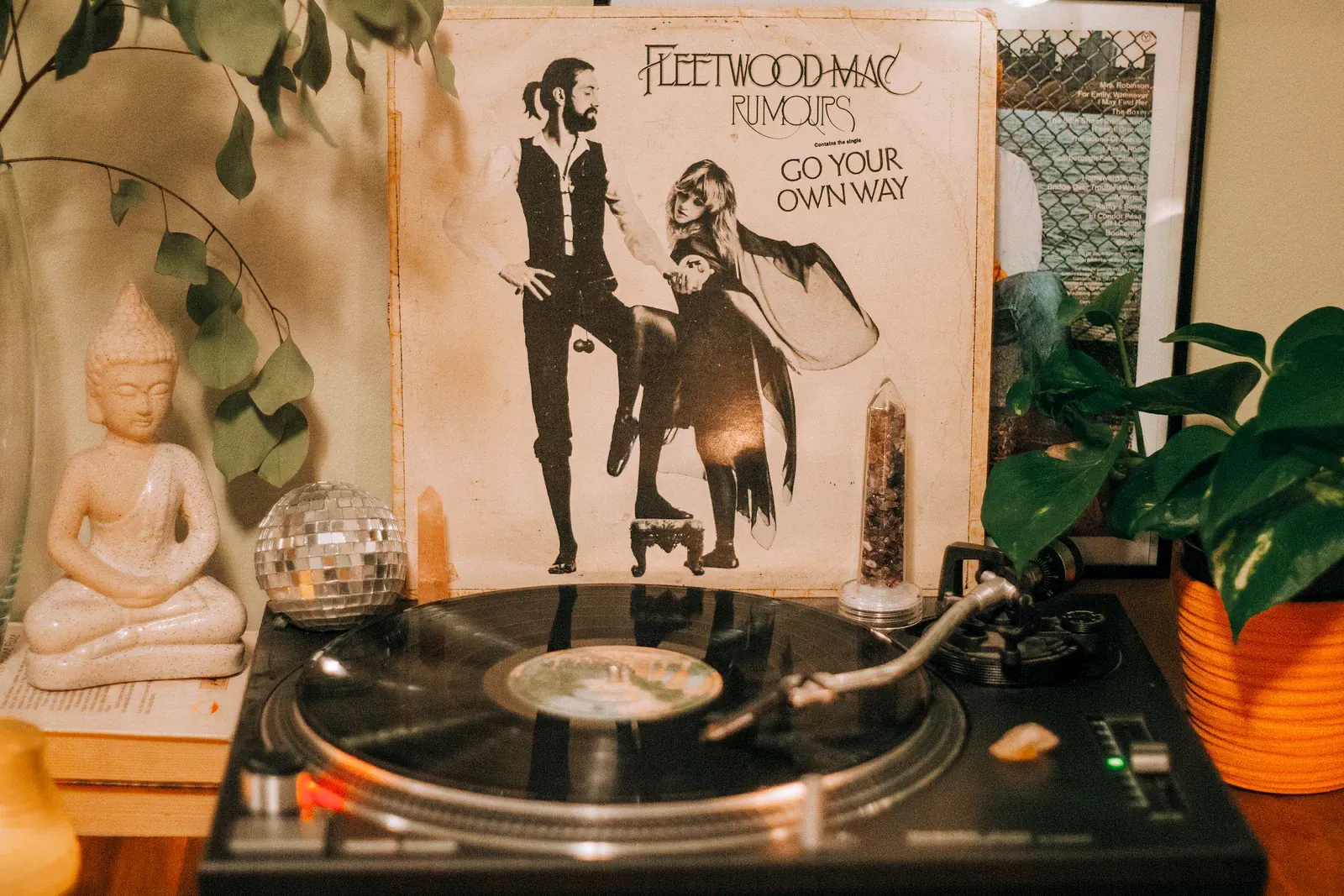
- 1977Fleetwood Mac release RumoursRecorded in several studios including Record Plant in Sausalito, it becomes one of the best-selling albums ever.
- 1977Dreams reaches number one in the USThe band's only US number one, driven by a slow groove and Stevie Nicks' vocal.
- 1978Rumours wins Album of the YearThe 1978 Grammys honour the defining soft-rock album of the decade.
- 1979Christopher Cross is recorded digitallyThe debut album is one of the first pop records made with digital recording and is released in December 1979.
1980
Adult contemporary and the California sheen
Christopher Cross sweeps the 1981 Grammys and the sound moves into adult contemporary radio. Slick studio work by Los Angeles session players defines what is later called yacht rock.
- 1980Christopher Cross releases SailingReleased as a single in May 1980, it becomes the defining song of the California yacht-rock sound.
- 1981Christopher Cross wins the four major GrammysHe is the first artist to win Album, Record, Song and Best New Artist in one year.
- 1982KOST 103.5 launches a soft adult contemporary formatThe Los Angeles station helps move soft rock into the adult contemporary radio mainstream.
- 1983Toto IV wins Album of the YearAfrica and Rosanna put a Los Angeles session-player band at the top of the 1983 Grammys.
- 1991Extreme's More Than Words tops charts in five or more countriesAn acoustic two-voice ballad shows the style still sells in the 1990s.
1992
Reappraisal
Ballads such as More Than Words keep the style on the charts, and the 2005 web series Yacht Rock sparks a critical re-evaluation of the 1970s and 1980s catalogue.
- 2005The web series Yacht Rock is launchedCreator J.D. Ryznar coins the term and links the music to Southern California boating culture.
- 2015Critics re-evaluate yacht rock and soft rockPlaylists and reissues bring a new audience to the 1970s and 1980s catalogue.
Listening path
Start listening
A short path from an easy way in to the deep end. Thumbnails come from YouTube; the player loads only when you press play.
- 01
Carpenters, 1970
An easy entry and the origin point: a Bacharach and David song in polished soft-rock dress.
- 02
Bread, 1970
Proof that an acoustic ballad could reach number one and bring the style to the mainstream.
- 03
James Taylor, 1970
The signature singer-songwriter track: fingerpicked guitar and a confessional lyric.
- 04
Fleetwood Mac, 1977
The peak of the radio era, a number-one single from the best-selling Rumours.
- 05
Christopher Cross, 1980
The signature yacht-rock recording and a four-Grammy winner.
Facts
| Family | Rock |
| Origin | Southern California, United States |
| Emerged | Mid to late 1960s |
| Status | Active |
| Tempo | 75 to 135 BPM |
| Meter | 4/4 |
| Grew out of | Pop rock, Sunshine pop, Folk rock |
| Subgenres | 3 |
Soft rock, also called mellow rock or lite rock, is smooth, melodic, lightly produced rock made for adult radio. It took shape in the United States and Britain in the mid to late 1960s and favours acoustic guitar and piano, layered vocal harmony, restrained drums and a polished studio finish.
It sits in the rock family and grew out of pop rock, sunshine pop and folk rock.

Origins
The first signs were quiet. In 1964 the British duo Chad and Jeremy released “A Summer Song”, a soft, harmony-led single that critics later cited as an early sign of a gentler rock sound. From the end of the 1960s it became common to split mainstream rock into soft and hard sides, separating melodic songs from the heavier styles then taking over the charts.
The sound drew on several sources at once: the craft songwriting of the Brill Building, the strummed textures of folk rock, the vocal stacks of sunshine pop and the studio discipline of pop rock. Southern California and London were the two centres, and Los Angeles soon became the one that mattered.
Gentle rock takes shape, 1964-1969
The period before the genre had a name left a small group of records that sounded different from the guitar-driven rock around them. Britain supplied acts such as Chad and Jeremy and early Fleetwood Mac, whose later soft-rock sound grew from that British base. Los Angeles supplied the studios, the session players and, increasingly, the audience.
The singer-songwriter wave, 1970-1973
Soft rock reached the top of the charts in 1970. Carpenters released “(They Long To Be) Close To You”, a Burt Bacharach and Hal David song that became a US number one on A&M Records; Karen Carpenter’s calm alto and a lush arrangement became the template for the polished 1970s style. The same year Bread’s “Make It with You”, an acoustic ballad written by David Gates for Elektra, also reached number one, showing that a gentle love song could win the singles chart. James Taylor’s “Fire and Rain”, on Warner Records, set the pattern for the confessional singer-songwriter strand with fingerpicked guitar and a personal lyric.

Carole King’s Tapestry followed in 1971. It spent 15 consecutive weeks at number one, sold about 25 million copies worldwide, and won Album, Record and Song of the Year plus Best Female Pop Vocal Performance at the 1972 Grammys. Much of it was recorded at A&M Studios in Los Angeles.
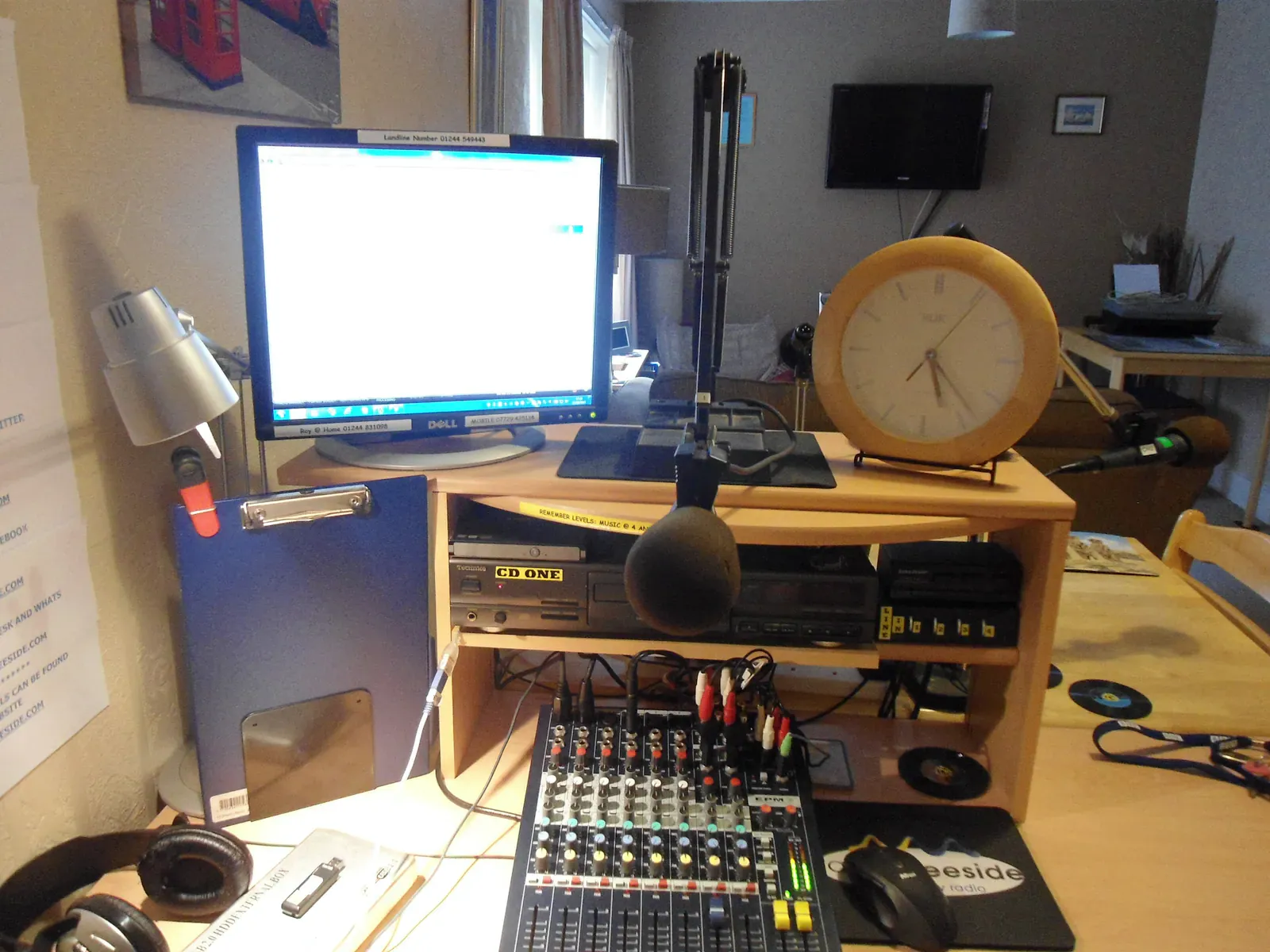
In 1973 the sound received a name and a format. Programmer Steve Marshall launched a mellow rock format on KNX-FM in Los Angeles, and other stations followed.
Radio peak, 1974-1979
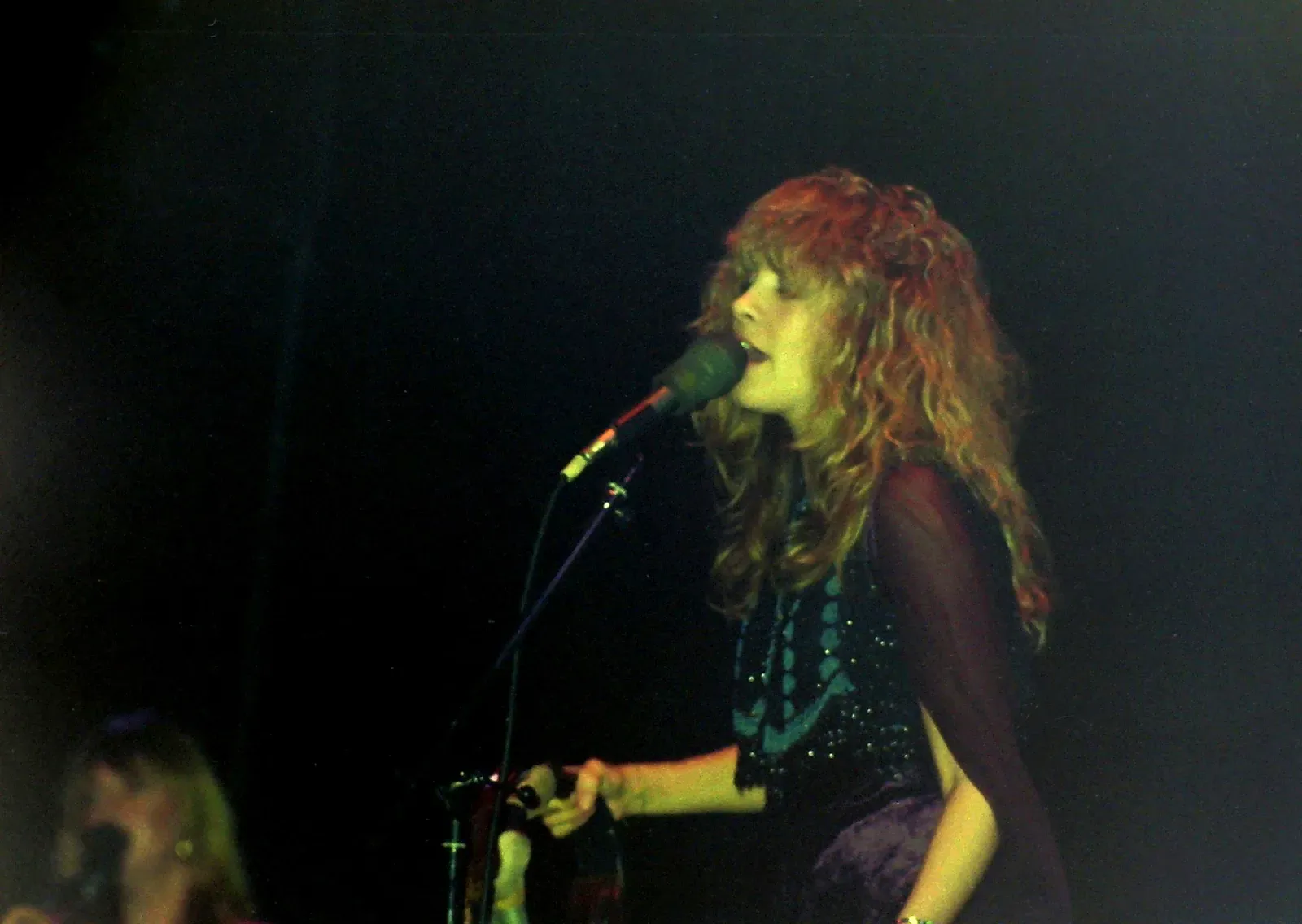
By the middle of the decade soft rock filled FM radio. Fleetwood Mac, Seals and Crofts, America and Toto all worked in a polished, harmony-rich style. Fleetwood Mac’s self-titled album of 1975, the first with Lindsey Buckingham and Stevie Nicks, set up the band’s soft-rock sound.

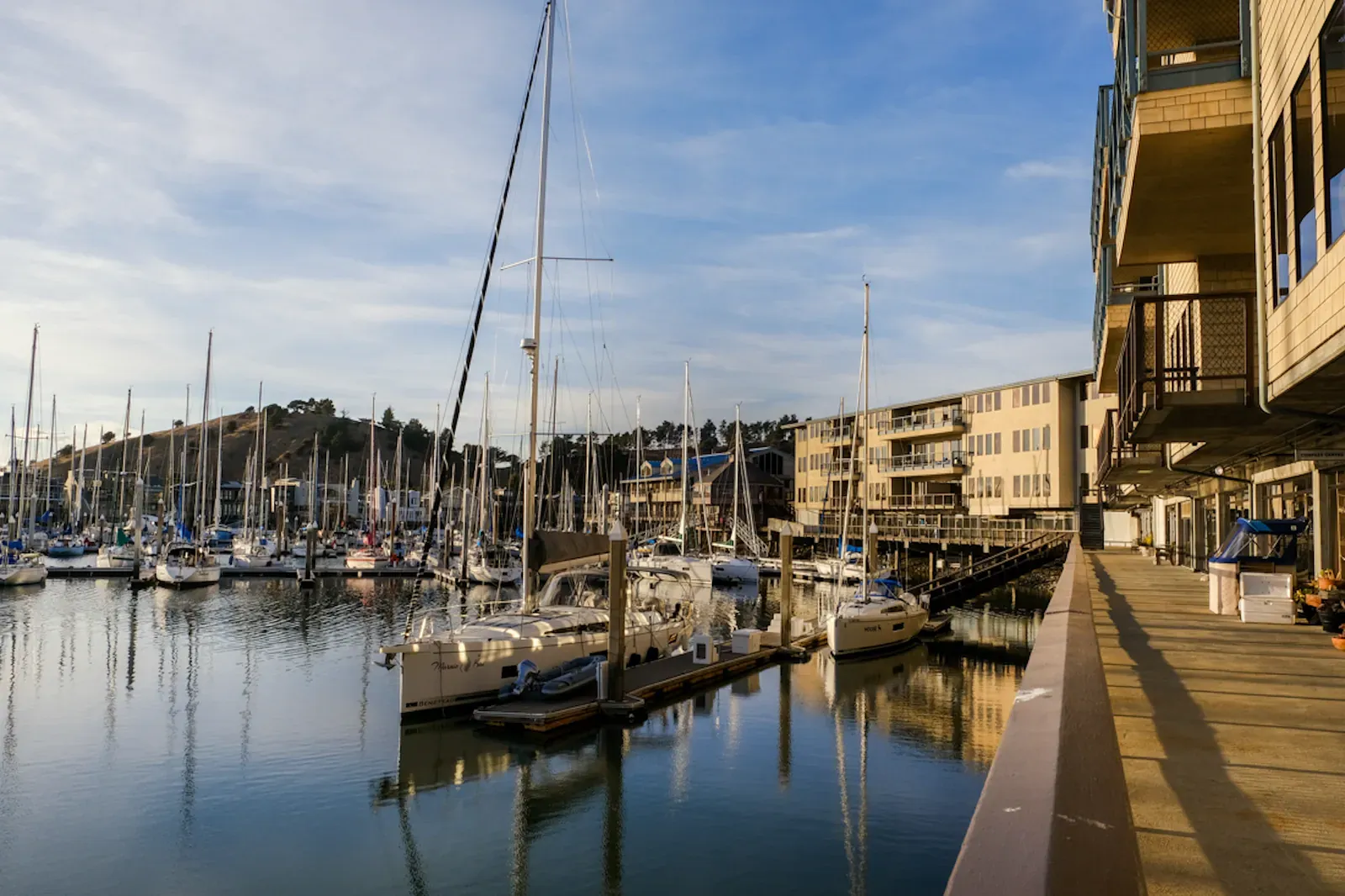
Rumours followed in 1977 on Warner Records. Recorded in several studios including Record Plant in Sausalito, it became one of the best-selling albums of all time. “Dreams” gave the band its only US number one, driven by a slow groove and Stevie Nicks’ vocal, and the album won Album of the Year at the 1978 Grammys.

Adult contemporary and the California sheen, 1980-1991
Christopher Cross’s debut album was recorded at Warner Bros. Recording Studios in North Hollywood in 1979, with parts made at Pecan Street Studios in Austin, and was one of the first pop records made digitally. “Sailing” was released as a single in May 1980 and became the defining song of the California yacht-rock sound. At the 1981 Grammys Cross became the first artist to win Album, Record, Song and Best New Artist in a single year. Digital recording gave that sound a clean, glossy finish, and the compact disc, introduced in 1982, suited it well.
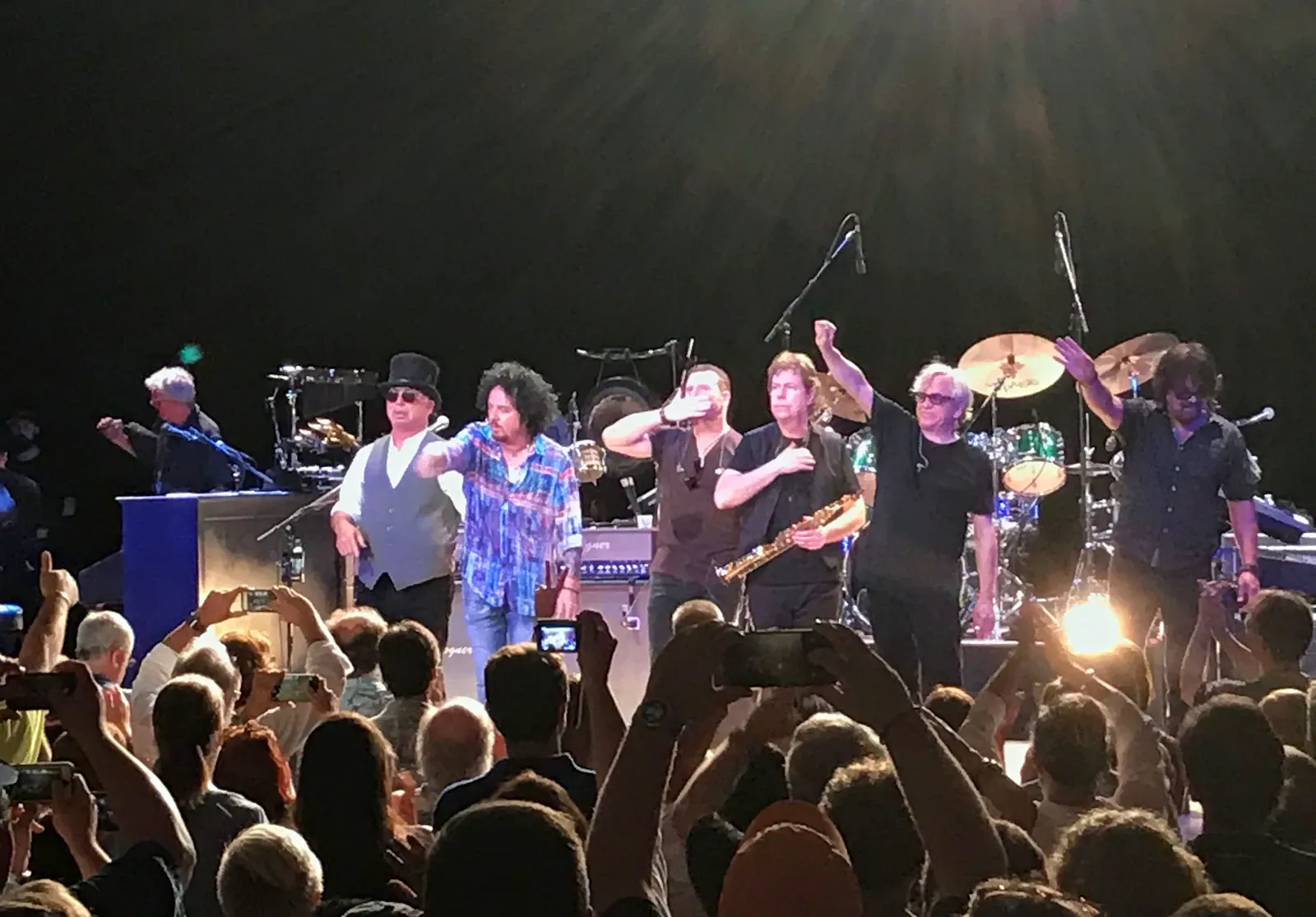
The radio format moved with the music. KOST 103.5 in Los Angeles launched a soft adult contemporary format in 1982 and helped carry soft rock into the adult contemporary mainstream. Toto IV, with “Africa” and “Rosanna”, won Album of the Year at the 1983 Grammys and put a Los Angeles session-player band at the top of the ceremony. Slick studio work by session musicians defined what is now called yacht rock.
Reappraisal, 1992 onward
Soft rock never left the charts entirely. Extreme’s acoustic two-voice ballad “More Than Words” topped charts in five or more countries in 1991 and showed that the style still sold. In 2005 the web series Yacht Rock, created by J.D. Ryznar, coined the term and linked the music to Southern California boating culture. Around 2015 critics re-evaluated yacht rock and soft rock, and playlists and reissues brought a new audience to the 1970s and 1980s catalogue.
Characteristics
The defining feature is restraint. Rhythm sections keep steady, unshowy drums, songs sit mostly in 4/4, and tempos run from about 75 to 135 BPM. A typical song opens with a short guitar or piano intro, runs through two verses and choruses, adds a bridge or solo and ends on an extended final chorus. The lead vocal is clean and close-miked, with several harmony parts behind it, and string or horn pads lift the choruses.
Instruments and production
Acoustic guitar, strummed or fingerpicked, carries songs by Bread, James Taylor and America. The piano is the lead voice for Carole King and for the piano-led ballad generally.
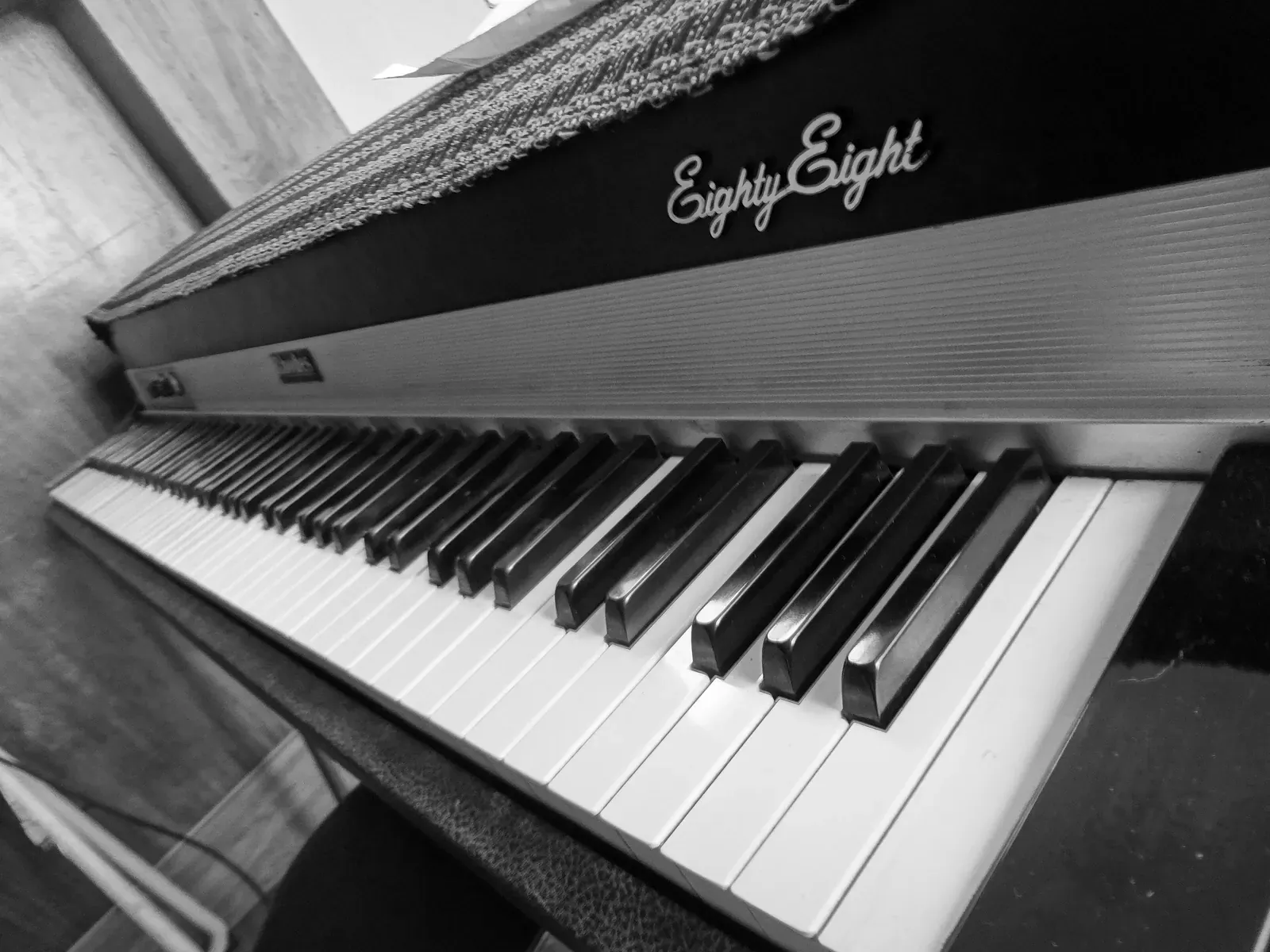
The Fender Rhodes electric piano gives the rounded chords of yacht rock and the Rumours sessions, and the Hammond B-3 organ appears beside it; Christine McVie used both across Rumours.
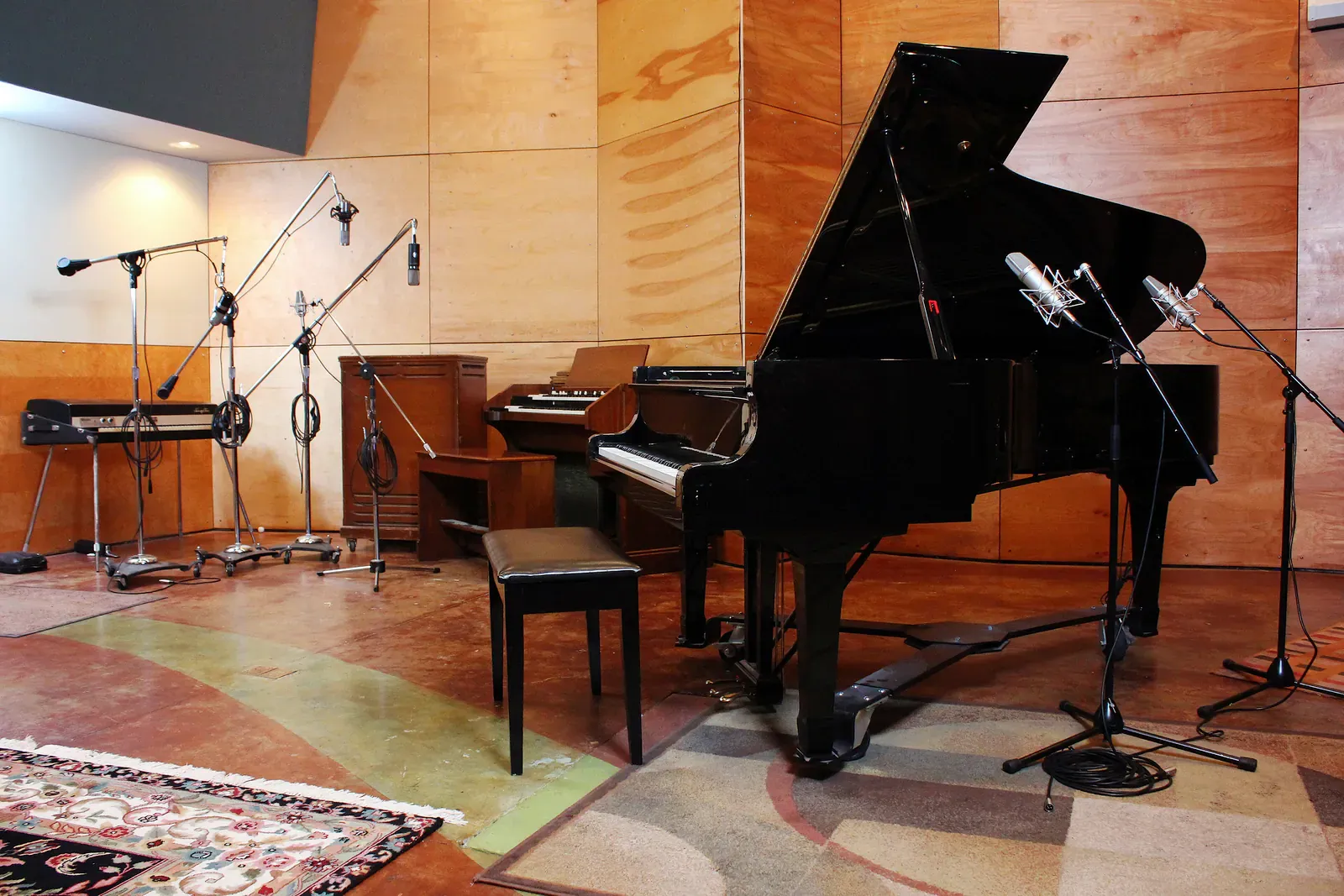
Layered vocal harmony is the defining production feature. Elite Los Angeles session players shaped many yacht-rock records, and Michael McDonald sang backing vocals on Christopher Cross.
Culture
The genre was shaped by radio programmers as much as by musicians. The label “mellow rock” was a 1970s radio term used first by KNX-FM; “yacht rock” is a later nickname for the smooth, jazz-tinged West Coast end of the style. The web series linked the sound to nautical casual wear and Southern California boating, an image that stuck to the music more than any musician chose it.
Legacy
Soft rock set the model for adult-oriented pop radio, and its radio format became adult contemporary. Its children include acoustic rock, AM pop and yacht rock. Later artists inherited its production habits: close harmony, clean vocals and a studio finish that treats the record as a crafted object.
Misconceptions
Soft rock is sometimes treated as a style without edge, yet the records that defined it were built with precise craft: Rumours was a studio album of intricate layering that became one of the best-selling albums ever made, and Christopher Cross’s debut was among the first pop albums made digitally.
The terms soft rock and yacht rock are often treated as the same. Yacht rock is a later name, coined in 2005, for the smooth West Coast subset of soft rock, while mellow rock was the 1970s radio label for the whole gentler side of the genre.
The idea that soft rock is only a 1970s style also fails. “More Than Words” topped charts in 1991 and the catalogue of the 1970s and 1980s found new listeners through reissues and playlists from about 2015.
Frequently asked questions
What is soft rock?
Soft rock is melodic, lightly produced rock that favours acoustic guitar or piano, layered vocal harmony and restrained drums. It formed in the US and UK from the mid-1960s and became a radio format in the 1970s.
What is the difference between soft rock and yacht rock?
Yacht rock is a nickname, coined by a 2005 web series, for the smooth, jazz-tinged West Coast side of soft rock from the late 1970s and early 1980s. Soft rock is the wider genre, and mellow rock was its 1970s radio name.
Which artists made soft rock famous?
Carpenters, Bread, James Taylor, Carole King, Fleetwood Mac, America, Toto and Christopher Cross are among the artists most associated with the genre. Carole King’s Tapestry and Fleetwood Mac’s Rumours are two of its best-selling albums.
What tempo is soft rock?
Soft rock usually runs between about 75 and 135 BPM in 4/4, with steady, restrained drums.
Sound
Sound sheet
Anatomy of a track
| # | Part | Bars |
|---|---|---|
| 1 | Intro (guitar or piano) | 4 |
| 2 | Verse 1 | 16 |
| 3 | Chorus | 8 |
| 4 | Verse 2 | 16 |
| 5 | Chorus | 8 |
| 6 | Bridge or solo | 8 |
| 7 | Final chorus | 16 |
Signature sounds
- Layered harmony vocals
- Acoustic guitar or electric piano chords
- Restrained, steady drums
- String or horn pads
- Clean, close-miked lead vocal
Techniques
- Stacked backing harmonies
- Fingerpicked acoustic guitar
- Electric piano comping
Keys and modes
Major keys with added sevenths and ninths. Jazz-tinged chords on electric piano give yacht-rock and soft-rock songs a smooth colour.
Vocals
Clean, smooth lead vocals with close harmony behind.
Scenes
Where it happened
Where and when the sound lived: one bar per city on a shared timeline.
Europe
North America
Active scenes
Peak 3, 1972-1979
A&M and Warner studios, the Troubadour and KNX-FM made it the centre of the sound.
British acts such as Chad and Jeremy and early Fleetwood Mac fed the gentler rock style.
Record Plant studio hosted the Rumours sessions.
Pecan Street Studios was used for the Christopher Cross debut.
Venues and places
Los Angeles, 1966 to today. Where Carole King recorded Tapestry in 1971 and Carpenters made their hits.
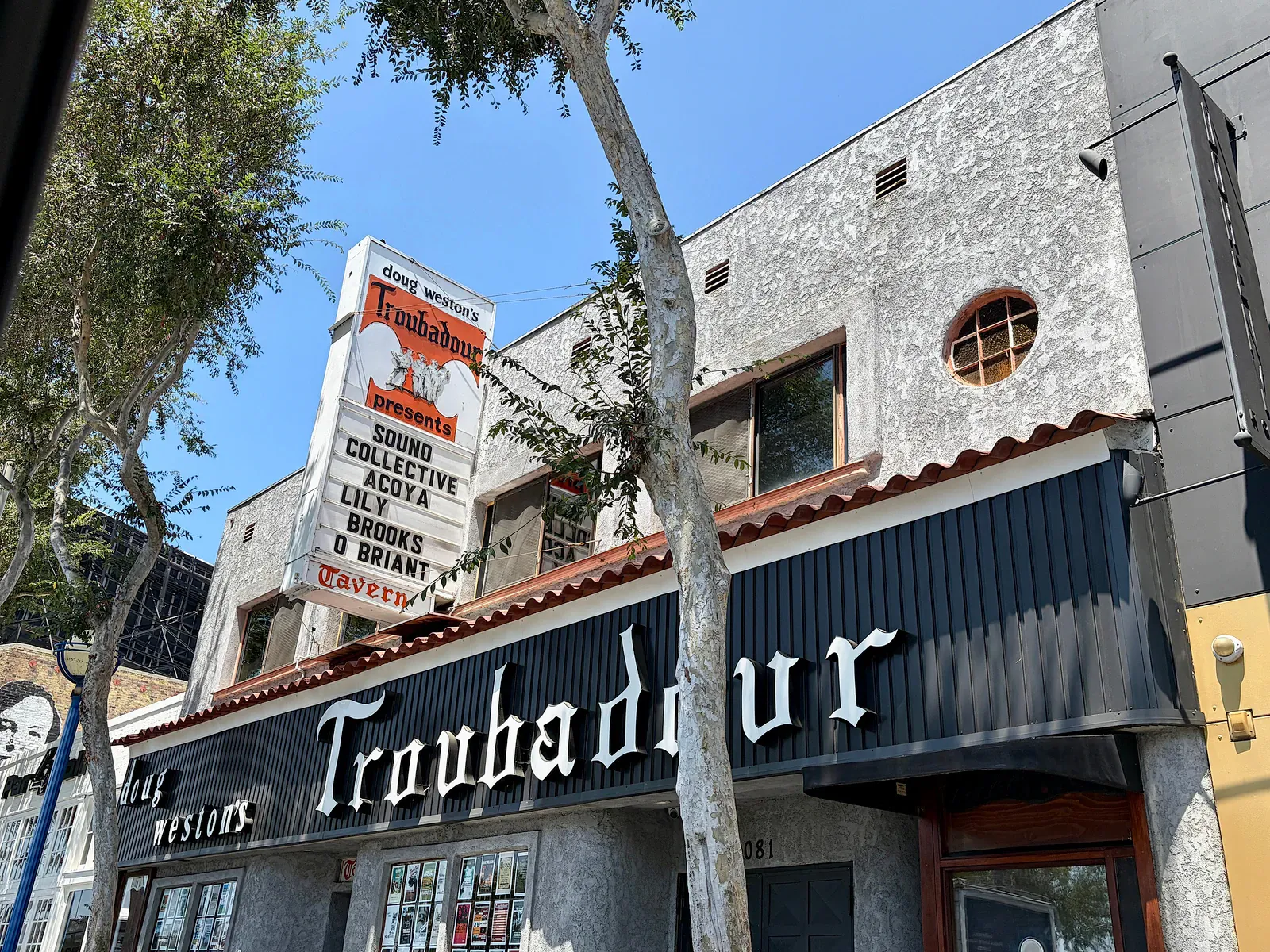
West Hollywood, 1957 to today. Singer-songwriters such as James Taylor and Carole King played here in 1970.
Sausalito, 1972 to today. The main studio for the Rumours sessions.
North Hollywood, 1979 to today. Where Christopher Cross recorded his debut in July 1979.
Los Angeles, 1973 to today. Launched the mellow rock format under Steve Marshall in 1973.
Los Angeles, 1982 to today. Pioneered the soft adult contemporary format.
Culture
Culture markers
- Yacht rock
A nickname for smooth West Coast soft rock, coined by the 2005 web series.
Slang - Mellow rock
A 1970s radio label for the gentle end of rock, first used by KNX-FM.
Slang - Nautical casual wear
The web series tied the sound to Southern California boating culture.
Fashion
Media
Key media
- 1973Mellow rock on KNX-FM
by Steve Marshall. An early radio format built around soft rock.
Radio - 1973The Singles 1969-1973
by Carpenters. A hits set showing the duo's steady run on adult radio.
Compilation - 1982KOST 103.5 soft AC format
by KOST. Carried soft rock into the adult contemporary era.
Radio - 2005Yacht Rock
by J.D. Ryznar. A web series that named yacht rock and spurred its revival.
Film
Glossary
Terms on this page
A radio format that grew out of soft rock in the 1980s.
A 1970s radio label for the same gentler sound, used by KNX-FM from 1973.
A hired studio player; elite Los Angeles sessions shaped yacht-rock records.
A performer who writes and sings personal songs, usually on guitar or piano.
Melodic, lightly produced rock built on acoustic textures and smooth vocals.
A later name for smooth, jazz-tinged West Coast soft rock, coined in 2005.
Rock family