City pop
City pop is Japanese urban pop that emerged in the mid-1970s and peaked in the 1980s, blending soft rock, funk, disco and jazz-fusion harmony.
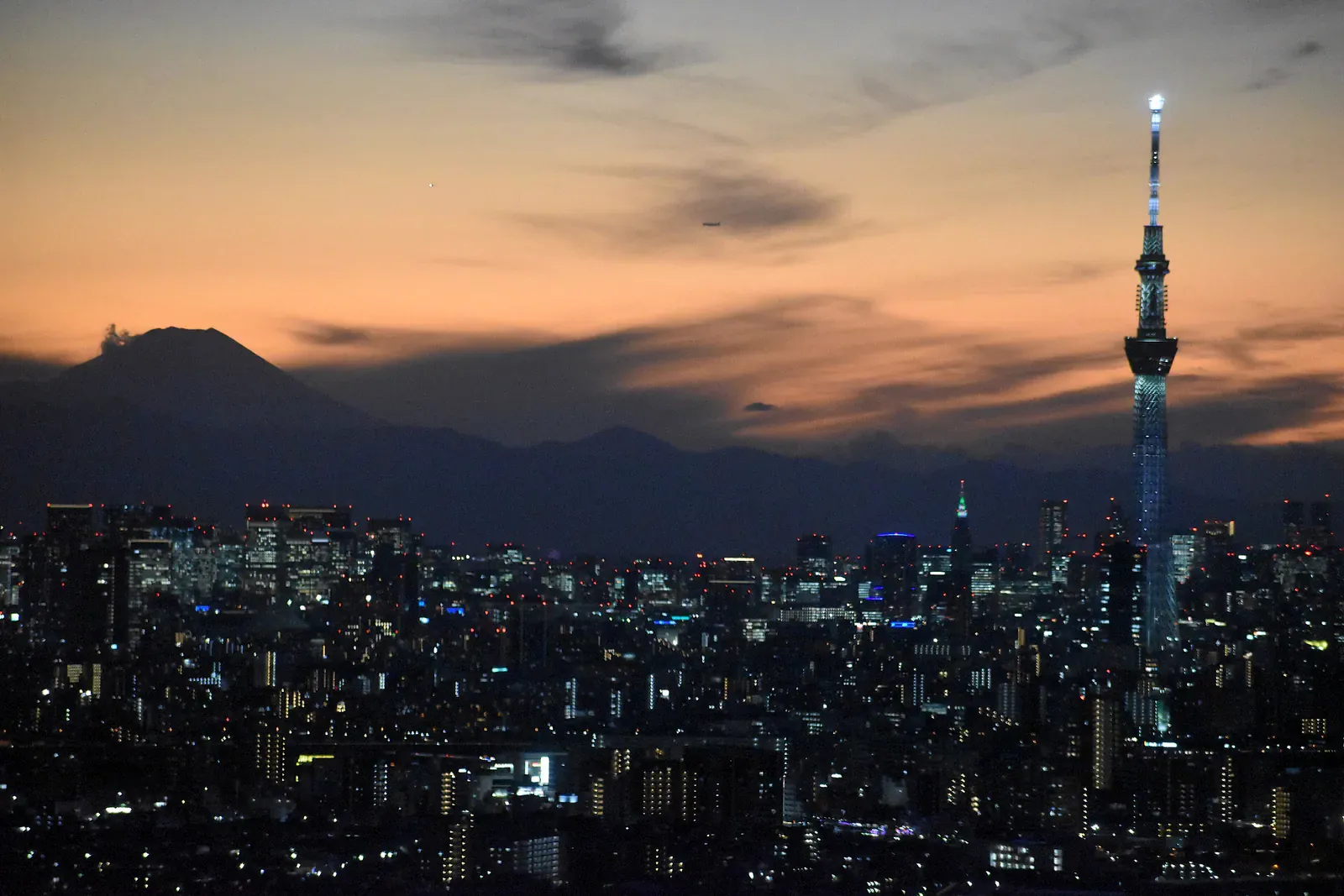
Tokyo, 1975
Pop family
Born
1975
Tokyo
Subgenres
1
Documented branches
Links
17
Genres it drew on or shaped
Tempo
95-120 BPMLineage
Family tree
Grew out of
Derived from
Derived from
Tokyo, 1975
City pop
Led to (1)
Timeline
Era by era
From the first sparks to today. Select a dot to read the story behind it.
- New music and Happy End
1969 to 1974
- City music and the first labels
1975 to 1979
- The boom years
1980 to 1989
- J-pop and neglect
1990 to 2009
- Online revival
2010 to today
Eras
Moments
- 1 New music and Happy End, 1969 to 1974
- 2 City music and the first labels, 1975 to 1979
- 3 The boom years, 1980 to 1989
- 4 J-pop and neglect, 1990 to 2009
- 5 Online revival, 2010 to today
1969
New music and Happy End
Happy End, active from 1969 to 1972, and the Western-influenced new music of the early 1970s supplied the musicians and the soft-rock and R&B vocabulary that city pop later built on.
- 1969Happy End formsThe band that ran from 1969 to 1972 is named by some critics as ground zero of city pop, though it had little influence at the time.
1975
City music and the first labels
Sugar Babe's Songs appeared in 1975, and by 1977 magazines used the words city pops for urbane new music by Yamashita, Minako Yoshida and others, while Yellow Magic Orchestra began in 1978.
- 1975Sugar Babe releases SongsThe only album by Sugar Babe, with Tatsuro Yamashita and Taeko Onuki, is called a pioneer of city pop although the term was not yet common.
- 1977City pops in the pressIn July a music magazine introduces Minako Yoshida, Tatsuro Yamashita, Junko Ohashi and others as city pops musicians.
- 1977Taeko Onuki's SunshowerReleased on 25 July, the album mixes pop and jazz, sold poorly at first and was later praised.
- 1978Yellow Magic Orchestra's debutThe trio's first album, released on 25 November on Alfa, brings electronic mixing and arrangement ideas to Japanese pop.
- 1979Mayonaka no Door (Stay with Me)Miki Matsubara's debut single, released on 5 November, reaches number 28 on the Oricon chart.
1980
The boom years
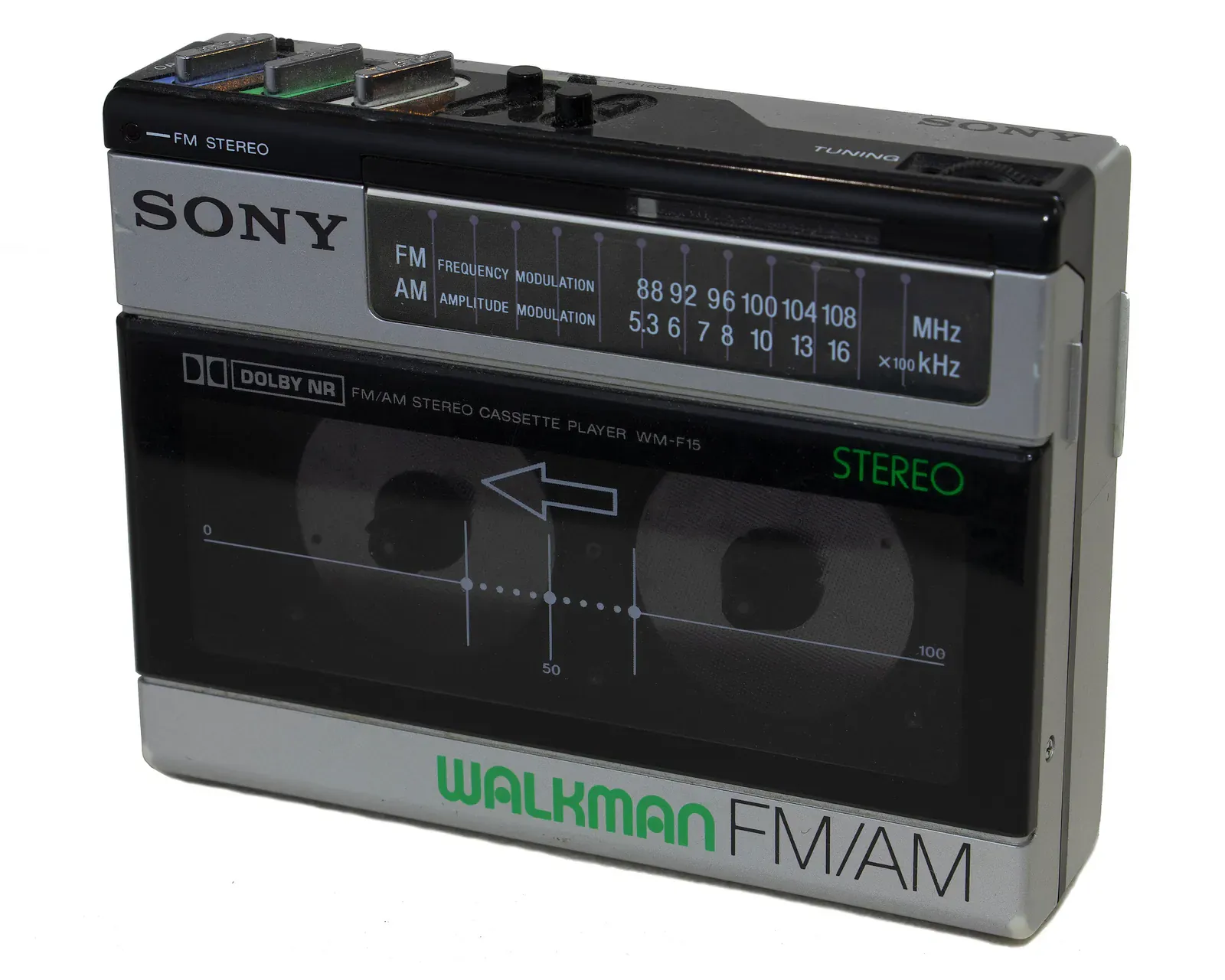
Ride on Time, A Long Vacation, For You, Timely!! and Variety made city pop a mainstream sound tied to the bubble economy, Walkmans, car stereos and well-funded studio sessions.
- 1980Ride on TimeYamashita's single reaches number 3 on Oricon and the album of the same name tops the chart, making him a star.
- 1981Eiichi Ohtaki's A Long VacationReleased on 21 March with a Hiroshi Nagai cover, it sells over a million copies and wins Best Album at the Japan Record Awards.
- 1982For YouYamashita's January album reaches number one on the Oricon LP chart and fixes his summer-and-sea image.
- 1983Anri's Timely!!Produced by Toshiki Kadomatsu, the album spawns Cat's Eye, an anime theme that spends four weeks at number one on Oricon.
- 1984Mariya Takeuchi's VarietyHer comeback album, produced by Yamashita and released on 25 April through Moon Records, tops the Oricon album chart.
- 1985Plastic Love singleReleased on 25 March, it peaks at number 86 on the Oricon singles chart and sells about 10,000 copies.
1990
J-pop and neglect
As the term J-pop spread in the 1990s, city pop lost its mainstream appeal, and many Japanese listeners who grew up with it came to dismiss it as cheesy, disposable pop.
2010
Online revival
From about 2010, music blogs and Japanese reissues, then YouTube recommendations, brought city pop to overseas listeners and fed vaporwave and future funk.
- 2017Plastic Love remix goes viralA long fan remix recommended by YouTube's algorithm starts the international revival of interest in city pop.
- 2020Stay with Me tops viral chartMatsubara's song takes number one on Spotify's global viral chart for the week of 10 to 16 December.
- 2022Universal reissues 107 albumsLimited editions of 1970s and 1980s albums appear as City Pop Selections by Universal Music.
Listening path
Start listening
A short path from an easy way in to the deep end. Thumbnails come from YouTube; the player loads only when you press play.
- 01
Mariya Takeuchi, 1985
The song that carried city pop worldwide; listen for the bright brass over a steady 103 BPM groove.
- 02
Miki Matsubara, 1979
The 1979 debut single that returned to global charts in 2020; a mature vocal over jazzy chords.
- 03
Tatsuro Yamashita, 1982
A track from For You with a cutting groove, used in a beer commercial, that fixed the summer image.
- 04
Anri, 1983
From Timely!!, a smooth mid-tempo number from the Kadomatsu-produced album.
- 05
Taeko Ohnuki, 1977
A track from Sunshower arranged by Ryuichi Sakamoto, the jazz-pop deep cut of the path.
Facts
| Family | Pop |
| Origin | Tokyo, Japan |
| Emerged | Mid-1970s; peak 1980s |
| Status | Revival |
| Tempo | 95 to 120 BPM |
| Meter | 4/4 |
| Grew out of | Soft rock, Jazz fusion |
| Subgenres | 1 |
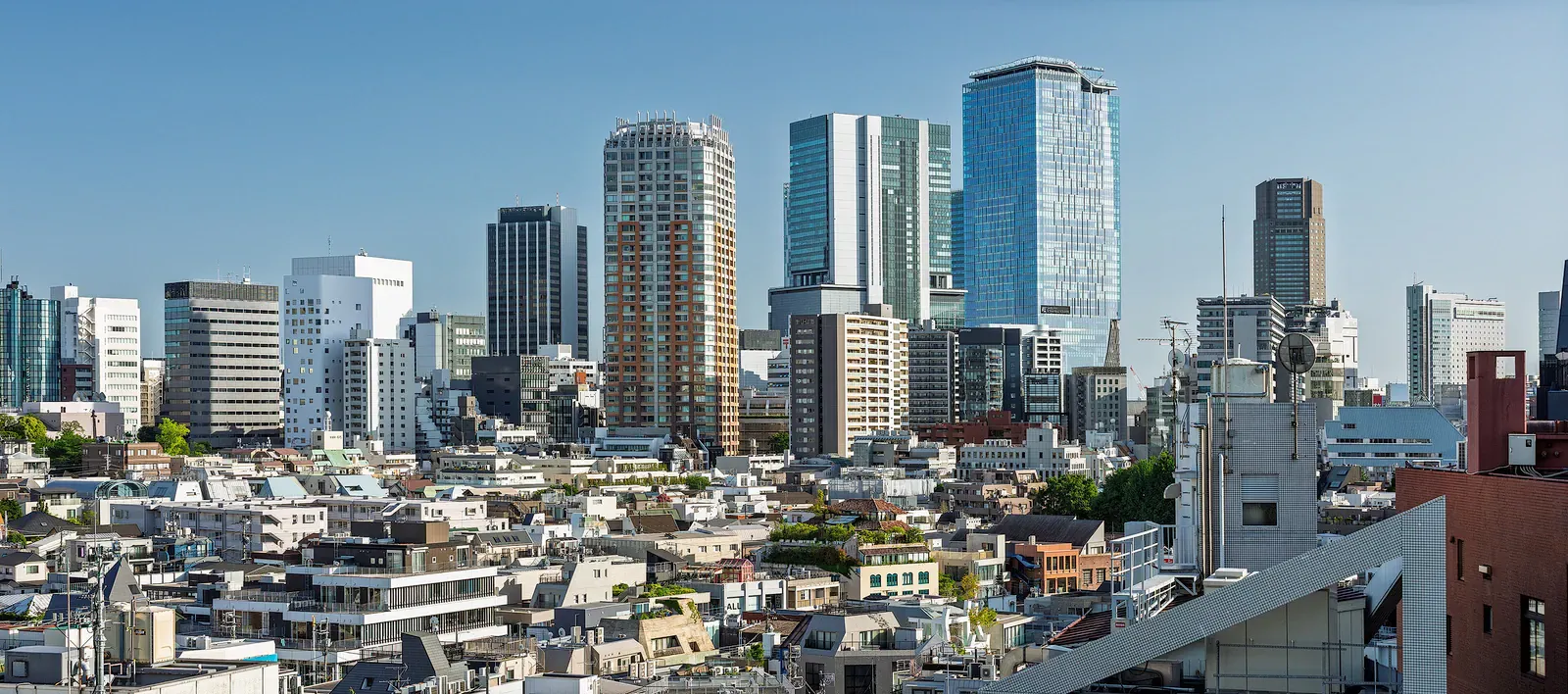
City pop is a loosely defined form of Japanese pop music that emerged in the mid-1970s and peaked in popularity during the 1980s. It combined soft rock, funk, disco, R&B, boogie and jazz-fusion harmony, and it was made by and for city dwellers during Japan’s economic boom.
Its polished studio sound is tied to the Walkman, the car stereo and the synthesizer, and it returned to wide attention abroad after 2010.

Origins
The term is a Japanese-made English coinage. Record companies and magazine editors began using “city pops” in the late 1970s for music with an urban, sophisticated feel, and for a time it competed with “city music”. In July 1977 a music magazine introduced Minako Yoshida, Tatsuro Yamashita, Junko Ohashi and others as city pops musicians. The singular became standard later, probably because the word J-pop spread in the 1990s.
The roots lie in the Western-influenced “new music” of the early 1970s. Critics writing in the 2000s traced the genre to Happy End, a band active from 1969 to 1972 that had little influence at the time. Others start in the mid-1970s with Haruomi Hosono’s band Tin Pan Alley, which fused southern R&B, northern soul and jazz fusion with Hawaiian and Okinawan tropical touches, and with Yamashita. Sugar Babe, formed in 1973 by Yamashita, Taeko Onuki and Kunio Muramatsu, released one album, Songs, in 1975, and it is regarded as a pioneer of the sound even though the term was not yet in use.
City music, 1975-1979
After Sugar Babe broke up in 1976, Yamashita signed to RCA and began a solo career with Circus Town. Onuki released Grey Skies the same year and Sunshower in 1977, an album that mixed pop and jazz, sold poorly on release and was praised later. In 1978 Yamashita joined Hosono and Shigeru Suzuki on Pacific, an instrumental album that opened Sony’s Sound Image series.
Yellow Magic Orchestra, the electronic trio that included Hosono, released its first album on Alfa in November 1978, and the group is credited with shaping the mixing and arrangement styles central to city pop. The decade ended with Miki Matsubara’s debut single Mayonaka no Door (Stay with Me), released on 5 November 1979, which reached number 28 on the Oricon chart.
The boom years, 1980-1989
In 1980 Yamashita’s single Ride on Time reached number 3 on the Oricon chart and the album of the same name topped it, making him a star. Eiichi Ohtaki’s A Long Vacation, released on 21 March 1981 with a cover by the illustrator Hiroshi Nagai, sold over a million copies and won Best Album at the Japan Record Awards. Yamashita’s For You, released in January 1982, reached number one on the Oricon LP chart. It was made with car stereos and Walkmans in mind and sold under the slogan “Summer, the sea, Tatsuro!”.
Toshiki Kadomatsu, who debuted in 1981, produced Anri’s 1983 album Timely!!, whose song Cat’s Eye became the first opening theme of an anime of the same name and spent four weeks at number one on Oricon. In 1984 Mariya Takeuchi returned from a break with Variety, written by herself and produced by Yamashita, her husband since 1982. It topped the Oricon album chart.
Money mattered as much as songwriting. The booming economy made label funding easy for composers and producers such as Yamashita and Kadomatsu, who spent it on complex arrangements. RCA, which had signed Yamashita, also gave a name to three of its singers in the mid-1980s: Onuki, Takeuchi and EPO were known as the RCA Three Girls.
J-pop and neglect, 1990-2009
City pop lost its mainstream appeal after the 1980s. Many Japanese listeners who grew up with it came to regard it as cheesy, disposable music, and some mocked it as “shitty pop”. Yamashita’s Christmas Eve, first issued on his 1983 album Melodies, topped the charts in 1990 and has returned to the Japanese top 100 every Christmas season since, and Kadomatsu, after a break from releasing music between 1993 and 1998, came back with a tour in 1999. The jazz-fusion bands Casiopea and T-Square, influenced by city pop, went on to influence Japanese video game music.
Online revival, 2010-present
Around 2010, music blogs and Japanese reissues introduced overseas listeners to a strain of AOR, funk and disco sold under the vague term, and YouTube recommendations did the rest. A long fan remix of Takeuchi’s Plastic Love passed 22 million views by 2019 and 55 million by 2021, when a copyright strike removed it. In December 2020 Matsubara’s Stay with Me topped Spotify’s global viral chart and entered the Apple Music J-pop top ten in 92 markets.
The industry followed. Universal Music Japan reissued 107 albums in 2022 as City Pop Selections, and compilations such as Pacific Breeze (2019) appeared. The sound became a source for the sample-based microgenres vaporwave and future funk, and in Indonesia it revived a dormant style called pop kreatif. Anri’s albums were reissued in 2023, and she and Takeuchi released a single together in 2021.
Characteristics
There is no consensus on what counts as city pop. In Japan the term meant music with an urban feel aimed at urbanites, and one author defined it as “urban pop music for those with urban lifestyles”. Listeners describe two main flavours: a lush, tropical romp and a thumping dance track. Its traits are more consistent than its boundaries: jazz-fusion chords such as major sevenths and diminished chords borrowed from American soft rock, slick studio session playing, funk and boogie grooves, and lyrics of urban leisure. Many artists ignored Japanese traditions and drew on American funk, soft rock and boogie.
Typical recordings run from about 95 to 120 BPM, from the 97 BPM of Remember Summer Days to the 120 BPM of Ride on Time. Vocals are smooth and polished, in Japanese with frequent English phrases, as in the title Stay with Me.
Instruments and production
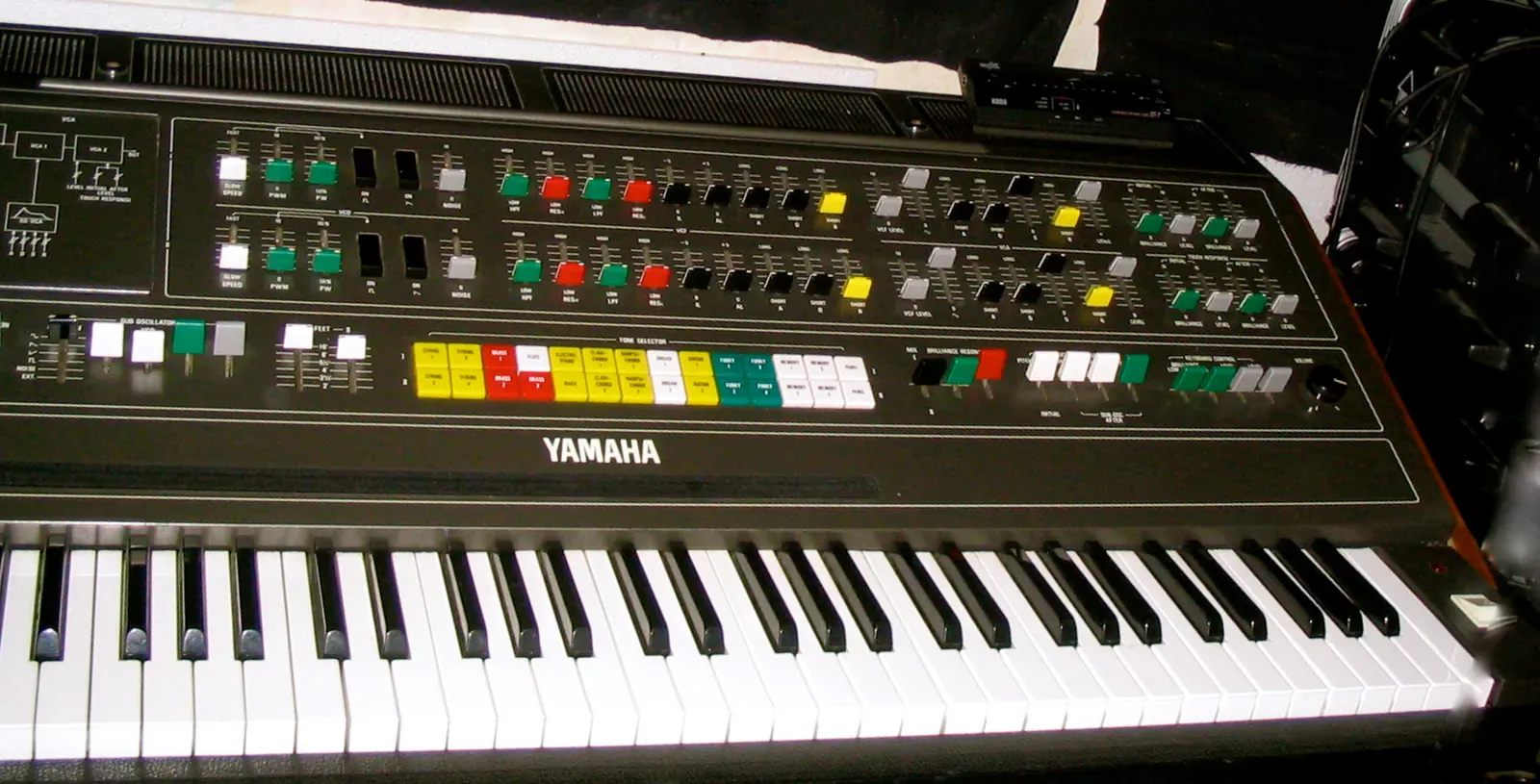
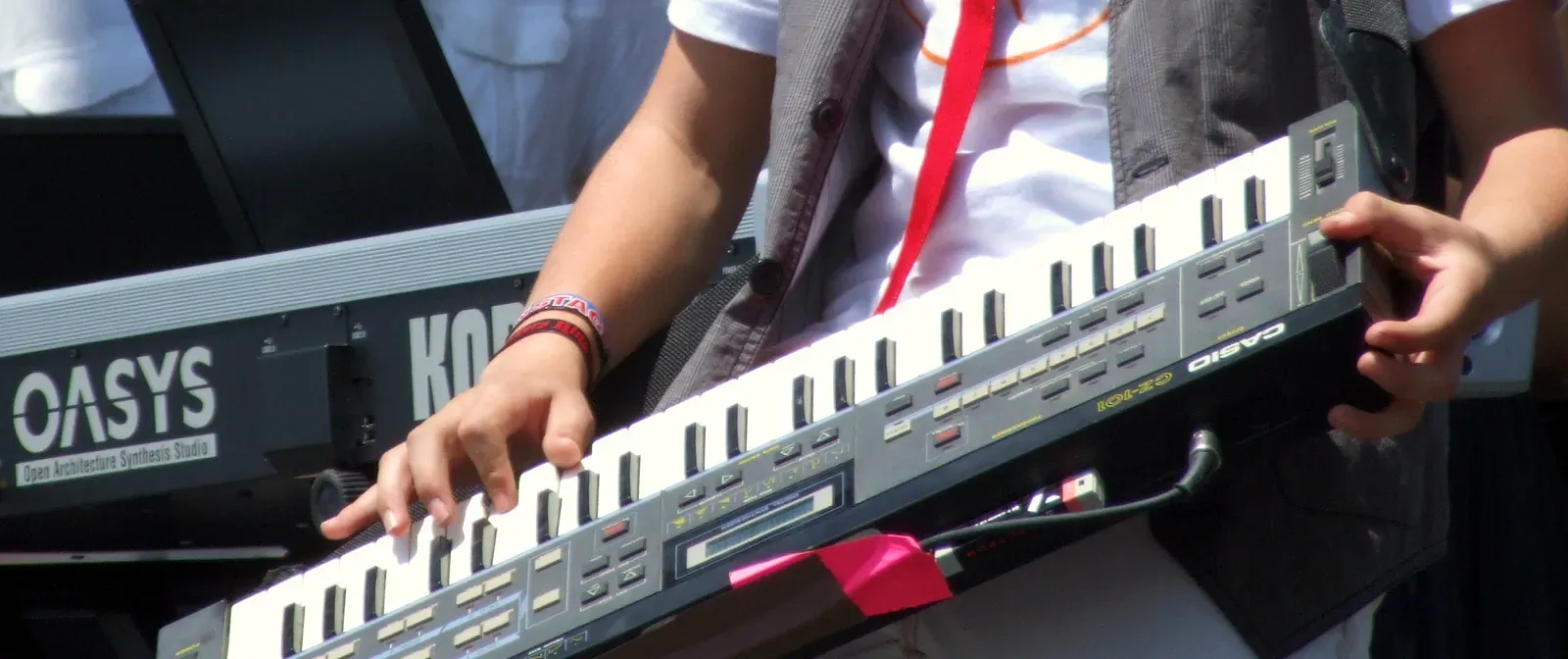
Studio craft defined the sound. Session musicians played tight arrangements, and several artists were producers and multi-instrumentalists. Yamashita has been called a “sound craftsman”, and some of his songs are recorded entirely by himself, from backing vocals to synthesizer and percussion. Japanese electronics gave producers new tools: the Yamaha CS-80 and Casio CZ-101 synthesizers and the Roland TR-808 drum machine all appear in accounts of the genre. Several songs on A Long Vacation follow Phil Spector’s Wall of Sound.
Notable recordings
Plastic Love (1984 album, 1985 single) was written by Takeuchi and arranged by Yamashita. Bright brass and an upbeat arrangement sit against lyrics about a woman who takes up a hollow, hedonistic life after being left. On release the single peaked at number 86 and sold about 10,000 copies. It was not on streaming services until November 2020, yet it became the genre’s best-known song; its 2021 vinyl reissue reached number five on Oricon and was Japan’s best-selling analog single of 2022.
Mayonaka no Door (Stay with Me) was recorded when Matsubara was 19, two years after she moved from Osaka to Tokyo and began singing in clubs. Its composer, Tetsuji Hayashi, was struck by how mature and jazzy her voice sounded. It is considered her best work and returned to global charts 41 years after release.
Culture
Nagai’s illustrations of pools, palms and skies, which first appeared on Ohtaki’s records, established the genre’s recognisable look, and after A Long Vacation he was flooded with requests for similar work. Advertising gave the songs a daily presence: beer commercials used Sparkle and Loveland, Island, and Cat’s Eye brought Anri’s voice into anime. The revival is part of a wider wave of Showa retro, nostalgia for Japan’s Showa era.
Legacy
City pop shaped vaporwave and future funk, fed the jazz-fusion scene behind video game music, and left a regional offshoot in Indonesia. Yamashita, sometimes called the king of city pop, and Takeuchi, called its queen, remain its most visible faces. The artist Ginger Root has named the genre as an influence.
Misconceptions
City pop was not a worldwide hit in the 1980s. It was a domestic phenomenon, and its best-known song reached only number 86 on release before the internet made it famous.
It is also not a strictly defined genre: scholars do not agree on a definition, and the label covers jazz-fusion, funk, disco, AOR and soft rock. And Japanese listeners did not always treasure it; many who grew up with the records thought them cheesy, and the recent appreciation began partly outside Japan.
Frequently asked questions
What is city pop music?
City pop is Japanese urban pop from the late 1970s and 1980s that mixes soft rock, funk, disco, boogie and jazz-fusion harmony with polished studio playing and urban leisure themes.
Who is the king of city pop?
Tatsuro Yamashita is often called the king of city pop, based on early-1980s records such as Ride on Time and For You. Mariya Takeuchi is called its queen.
Why did city pop become popular again?
Blogs and reissues around 2010 and then YouTube recommendations introduced it to overseas listeners, and Plastic Love and Stay with Me became viral hits, so labels reissued albums and issued compilations.
How fast is city pop?
Typical recordings run from about 95 to 120 beats per minute in 4/4, a mid-tempo, dance-friendly range.
Sound
Sound sheet
Signature sounds
- Jazz-fusion chord changes with major seventh and diminished chords
- Slick studio session playing
- Funk and boogie bass grooves
- Bright brass and synthesizer colour
Drums and percussion
- Roland TR-808
Synths and software
- Yamaha CS-80
- Casio CZ-101
Techniques
- Jazz chord voicings
- Session-band arrangement
- Tropical touches
- Wall of Sound layering
Keys and modes
Jazz-influenced major-key harmony. Major seventh and diminished chords drawn from jazz and American soft rock.
Vocals
Smooth, polished studio vocals in Japanese, often with English phrases in titles and hooks.
Scenes
Where it happened
Where and when the sound lived: one bar per city on a shared timeline.
Asia
Active scenes
Peak 2, 2020-2025
Home of the studios, magazines and labels behind city pop, and the subject of its urban imagery.
City pop's spread to Indonesia revived the dormant pop kreatif style, now called Indonesian city pop.
Culture
Culture markers
- Hiroshi Nagai covers
His 1980s album illustrations set the recognisable visual look of city pop.
Artwork - City pops
In the late 1970s the plural form was more common in Japan than city pop.
Slang - Resort pop imagery
For You was sold with the slogan Summer, the sea, Tatsuro, and songs from it advertised beer.
Artwork
Media
Key media
- 1979A Long Vacation
by Hiroshi Nagai. Picture book by the illustrator whose pool-and-sky art later covered A Long Vacation.
Book - 2019Pacific Breeze: Japanese City Pop, AOR and Boogie 1976-1986
by Various. Compilation of Japanese city pop, AOR and boogie from 1976 to 1986.
Compilation - 2023City Pop Story - Urban & Ocean
by Various. One of several recent compilations showing the revival's strength.
Compilation
Glossary
Terms on this page
The Japanese-made English term used from the late 1970s by labels and magazines for urbane, sophisticated pop.
Sample-based microgenre built on city pop and disco records.
Critics' label for the 2002 argument that city pop began with the band Happy End.
Western-influenced Japanese pop of the 1970s and 1980s, from which city pop was first described as an offshoot.
Nickname for A Long Vacation, short for its Japanese title.
Nostalgic interest in Japan's Showa era, of which the city pop revival is seen as a part.
Pop family