Disco
Disco is four-on-the-floor dance music with octave bass, strings and horns, formed in early-1970s New York and Philadelphia and a mass pop sound by 1977.
New York City, 1970
Electronic family
Born
1970
New York City
Subgenres
11
Documented branches
Links
70
Genres it drew on or shaped
Tempo
95-130 BPMLineage
Family tree
Grew out of
- Philadelphia soul
Derived from
Derived from
- Psychedelic soul
Derived from
Influenced by
SalsaMotown
New York City, 1970
Disco
Led to (23)
Timeline
Era by era
From the first sparks to today. Select a dot to read the story behind it.
- Underground dance floors
1970 to 1974
- The 12-inch breaks out
1975 to 1977
- Saturday Night Fever
1977 to 1979
- Backlash and afterlife
1979 to 1983
- Revivals and nu-disco
1990 to today
Eras
Moments
- 1 Underground dance floors, 1970 to 1974
- 2 The 12-inch breaks out, 1975 to 1977
- 3 Saturday Night Fever, 1977 to 1979
- 4 Backlash and afterlife, 1979 to 1983
- 5 Revivals and nu-disco, 1990 to today
1970
Underground dance floors
Private parties and gay and Black clubs in New York, plus the Philadelphia studios, turn soul, funk and Latin percussion into continuous dance music.
- 1970David Mancuso opens The LoftHis first private party, Love Saves the Day, on 14 February 1970 in his Manhattan home sets the template for the non-commercial dance club.
- 1972Soul MakossaThe Cameroonian saxophonist's makossa single becomes a favourite at The Loft and reaches the US charts in 1973.
- 1973Casablanca Records is foundedNeil Bogart's label becomes the home of Donna Summer and Village People.
- 1973Love's ThemeBarry White's 40-piece orchestra scores a US No. 1 with a strings-led instrumental that sounds like disco before the name sticks.
- 1974Rock Your BabyGeorge McCrae's Miami-recorded single reaches No. 1 in the US and UK and is counted among the first disco hits.
1975
The 12-inch breaks out
Extended mixes, the first commercial 12-inch single and Giorgio Moroder's synthesized pulse carry disco from clubs onto pop radio and charts worldwide.
- 1975Never Can Say GoodbyeTom Moulton's mix gives Gloria Gaynor's album a continuous dance side with no gaps between songs.
- 1975Love to Love You BabyDonna Summer and her Munich producers stretch a single into a long, sensual album side and reach No. 2 in the US.
- 1975The HustleVan McCoy's instrumental names a partner dance and takes disco to No. 1 on the US pop chart.
- 1976The first commercial 12-inch singleSalsoul issues Double Exposure's Ten Percent on 12-inch vinyl, giving DJs louder, longer cuts.
- 1976Disco InfernoA Philadelphia track by The Trammps that returns to the US top 15 in 1978 after its use in Saturday Night Fever.
1977
Saturday Night Fever
Studio 54, a hit film and the Bee Gees make disco the dominant pop sound; Chic, Donna Summer and Gloria Gaynor top charts and every label wants a disco single.
- 1977I Feel LoveMoroder and Pete Bellotte build Donna Summer's track on a synthesizer sequence, a blueprint for electronic dance music.
- 1977Don't Leave Me This WayThelma Houston's cover of the 1975 Blue Notes song reaches No. 1 in the US and wins a Grammy.
- 1977Studio 54 opensSteve Rubell and Ian Schrager open the Manhattan club on 26 April 1977; its celebrity door policy becomes a symbol of the era.
- 1977Saturday Night Fever soundtrackReleased on RSO in November, it sells tens of millions and carries the Bee Gees' disco hits to a mass audience.
- 1978Paradise Garage opensLarry Levan's members-only club at 84 King Street opens on 28 January 1978 and runs to 1987.
- 1978Le FreakChic write it after being turned away from Studio 54 on New Year's Eve 1977; it becomes Atlantic's biggest-selling single.
- 1978I Will SurviveReleased as a B-side, Gloria Gaynor's track is flipped by DJs and wins a Grammy.
- 1978Y.M.C.A.Village People's singalong, made for the club's gay audience, spreads a dance routine to sports halls and weddings.
1979
Backlash and afterlife
Radio and record labels turn on the genre after Disco Demolition Night, yet the sound survives underground in post-disco, hi-NRG and early house.
- 1979Good TimesChic's bass line is borrowed within months for Rapper's Delight, linking disco to early hip hop.
- 1979We Are FamilyNile Rodgers and Bernard Edwards write and produce Sister Sledge's best-known album and anthem.
- 1979Disco Demolition NightOn 12 July 1979 a crate of disco records is blown up at Comiskey Park, Chicago; the riot is widely read as a sign of the backlash.
1990
Revivals and nu-disco
Sampled and edited by house producers, then revived by Daft Punk, nu-disco labels and pop acts, disco keeps returning to the charts.
- 2013Random Access MemoriesDaft Punk team up with Nile Rodgers and Giorgio Moroder for an album that brings live disco back to the pop charts.
Listening path
Anthems
The records that built the sound, grouped by the part they played. Thumbnails come from YouTube; the player loads only when you press play.
- 01
Manu Dibango, 1972
An Afro-funk record that early disco DJs adopted, showing how club culture broke records from outside the charts.
Origin - 02
Love Unlimited Orchestra, 1973 · 20th Century Records
A strings-and-wah-guitar instrumental that reached No. 1 and set the lush orchestral template.
Origin - 03
George McCrae, 1974 · TK Records
A Miami record counted among the first hits of the disco era, reaching No. 1 in the US and UK.
Origin - 04
Thelma Houston, 1976 · Motown
A Motown cover of a Philly soul song that took disco to No. 1 and a Grammy in 1977.
Breakthrough - 05
Bee Gees, 1977 · RSO Records
The film's signature song carried disco to a mass audience.
Start hereBreakthrough - 06
Gloria Gaynor, 1978 · Polydor Records
A B-side that DJs turned into the genre's best-known empowerment anthem.
Start hereBreakthrough - 07
Donna Summer, 1979 · Casablanca Records
Pushed disco toward rock with a guitar-led track that topped the US chart late in the boom.
Breakthrough - 08
Gloria Gaynor, 1974
Gaynor's side-long mix with no gaps between songs showed what disco could do on an album.
Anthem - 09
The Trammps, 1976 · Atlantic Records
A Philadelphia peak-hour track that became a club standard and a hit again after Saturday Night Fever.
Anthem - 10
Chic, 1978 · Atlantic Records
The cleanest example of disco's tight guitar, bass and chant, written in response to a rejection at Studio 54.
Start hereAnthem - 11
Chic, 1979 · Atlantic Records
Its bass line outlived disco, reused on Rapper's Delight and across hip hop.
Anthem - 12
Sister Sledge, 1979
A Chic-written and produced anthem that became a pop and sports standard.
Anthem - 13
Donna Summer, 1977 · Casablanca Records
An all-synthesizer groove that carried disco toward electronic dance music.
Crossover - 14
Village People, 1978 · Casablanca Records
A novelty-flavoured club song whose arm-letter dance reached stadiums and weddings.
Crossover
Facts
| Family | Electronic |
| Origin | New York City, United States |
| Emerged | Late 1960s to early 1970s |
| Status | Revival |
| Tempo | 95 to 130 BPM |
| Meter | 4/4 |
| Grew out of | Philadelphia soul, Funk, Psychedelic soul |
| Subgenres | 8 |
Disco is dance music built on a steady four-on-the-floor kick, syncopated octave bass lines, and arrangements of strings and horns.
It formed in the early 1970s in the discotheques of New York and the studios of Philadelphia, grew out of Philadelphia soul, funk and psychedelic soul, and reached a worldwide pop audience between 1975 and 1979. It belongs to the electronic family through the synthesizer records and extended DJ mixes that followed it.
Origins
Disco drew on the orchestral Philadelphia sound, the rhythm guitar and bass of funk, and the soul tradition of Motown, with Latin percussion layered over the top. What made it a genre was a change of venue. Discotheques played records instead of hiring a band, and a DJ who could keep the floor moving through a whole night became the central figure.
On 14 February 1970 David Mancuso held the first of his private parties, Love Saves the Day, in his Manhattan home, which became The Loft and set the template for the non-commercial dance club. Records chosen for the floor did not have to be hits. Manu Dibango’s Cameroonian single Soul Makossa became a favourite there in 1972 and then reached the US charts, which showed how club taste could pull a record out of obscurity. Barry White’s 40-piece Love Unlimited Orchestra took Love’s Theme to No. 1 in the US in early 1974, and George McCrae’s Miami-recorded “Rock Your Baby” reached No. 1 in the US and UK in 1974. All three are cited among the first disco records.
New York and Philadelphia, 1970-1974
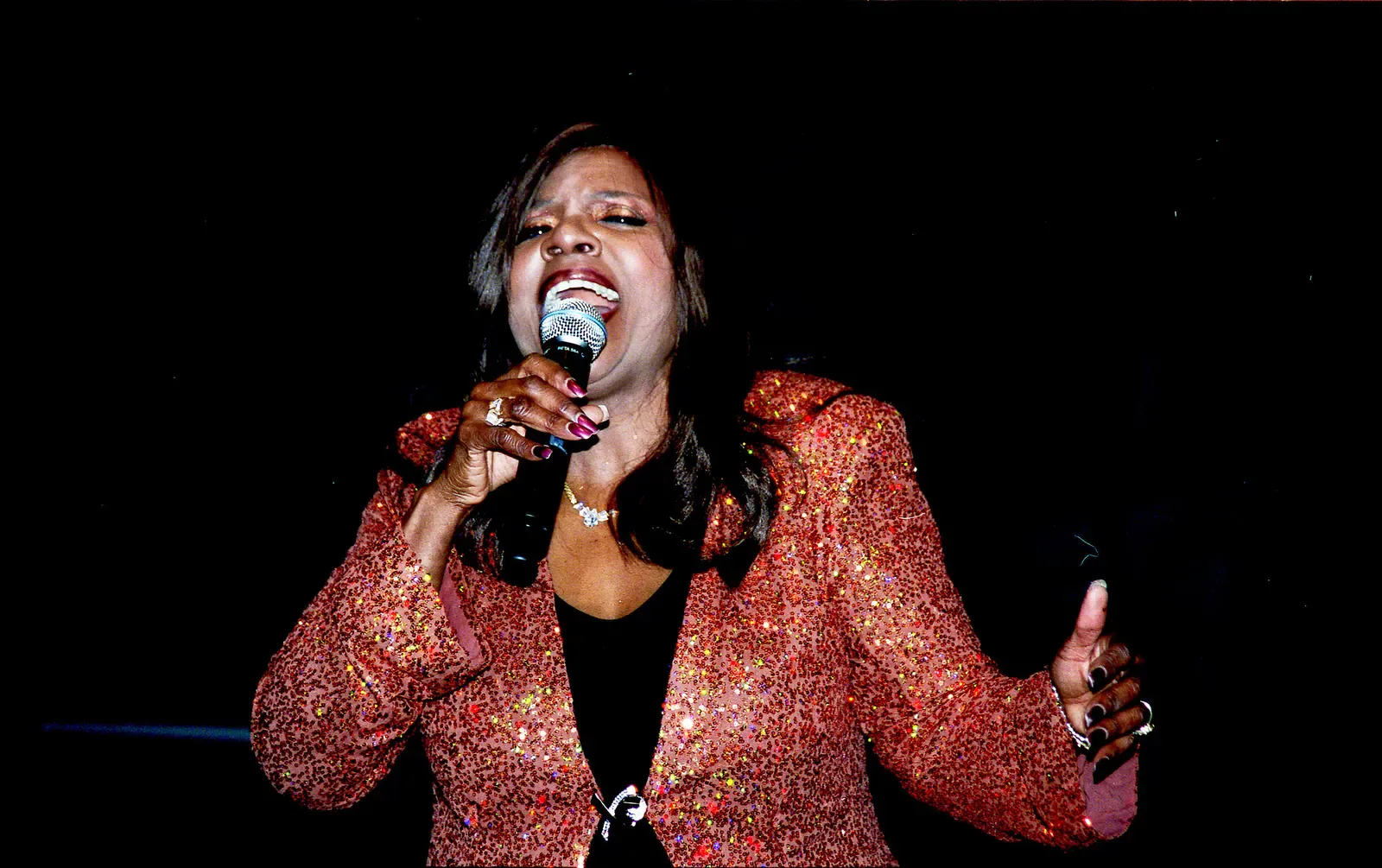
Two scenes supplied the sound. In Philadelphia, the Sigma Sound studio and the MFSB session players provided the strings, horns and rhythm sections heard on records for Philadelphia International Records and others. In New York, the clubs and the DJ record pools created the demand and the craft of mixing. Tom Moulton’s work on Gloria Gaynor’s 1975 album Never Can Say Goodbye gave one side of the record a continuous dance mix with no gaps between songs, an idea that soon carried over to the single. In 1973 Neil Bogart founded Casablanca Records, which would become the main home of pop disco.
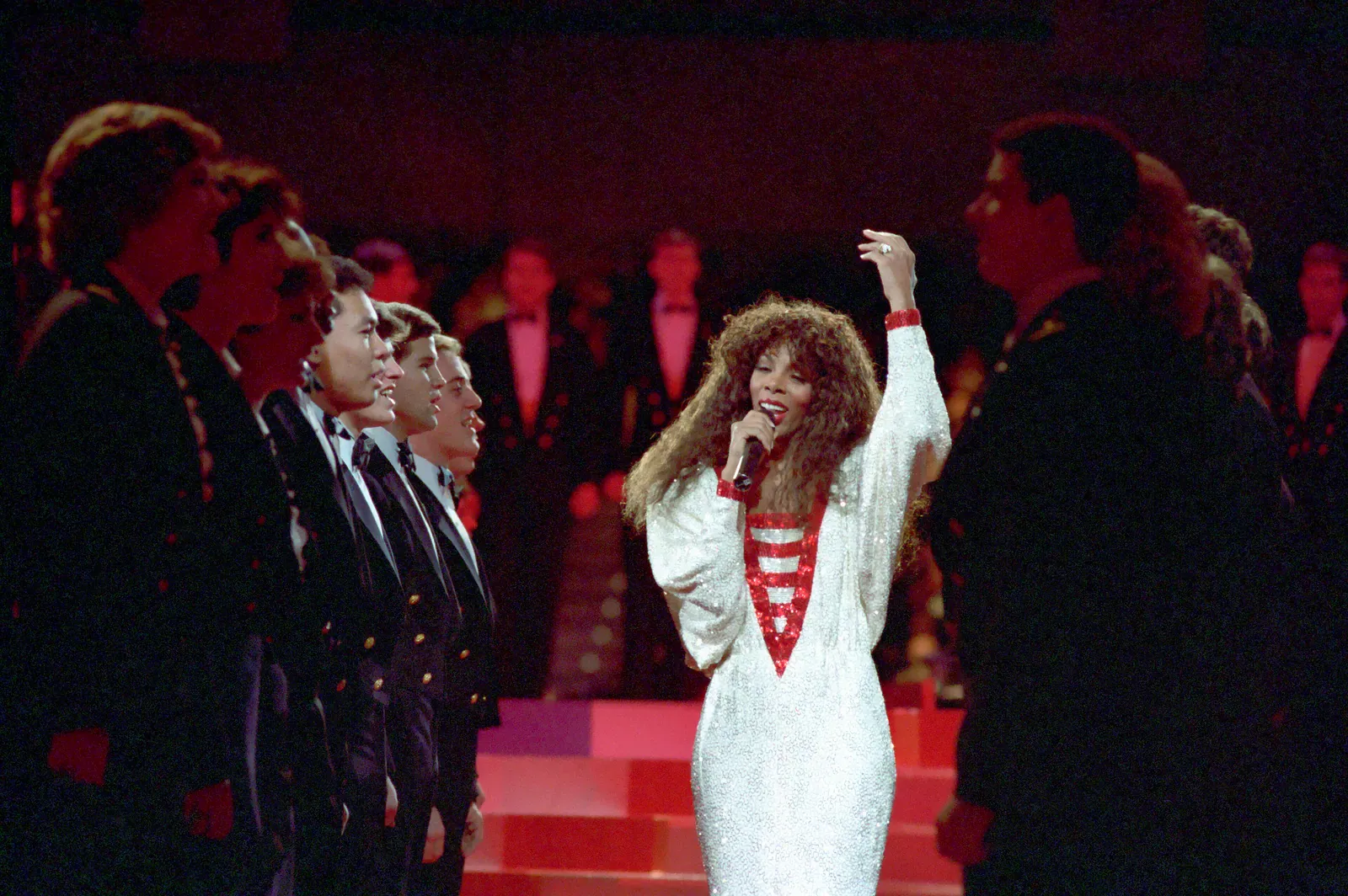
The 12-inch single, 1975-1977
Donna Summer and her Munich producers stretched “Love to Love You Baby” into a long, sensual album side in 1975, and the single reached No. 2 in the US. Van McCoy’s The Hustle named a partner dance and took disco to No. 1 on the US pop chart the same year. In 1976 Salsoul issued Double Exposure’s Ten Percent on 12-inch vinyl, the first commercial 12-inch single. The wider grooves allowed louder and longer cuts made for DJs, and the format became standard for dance music.
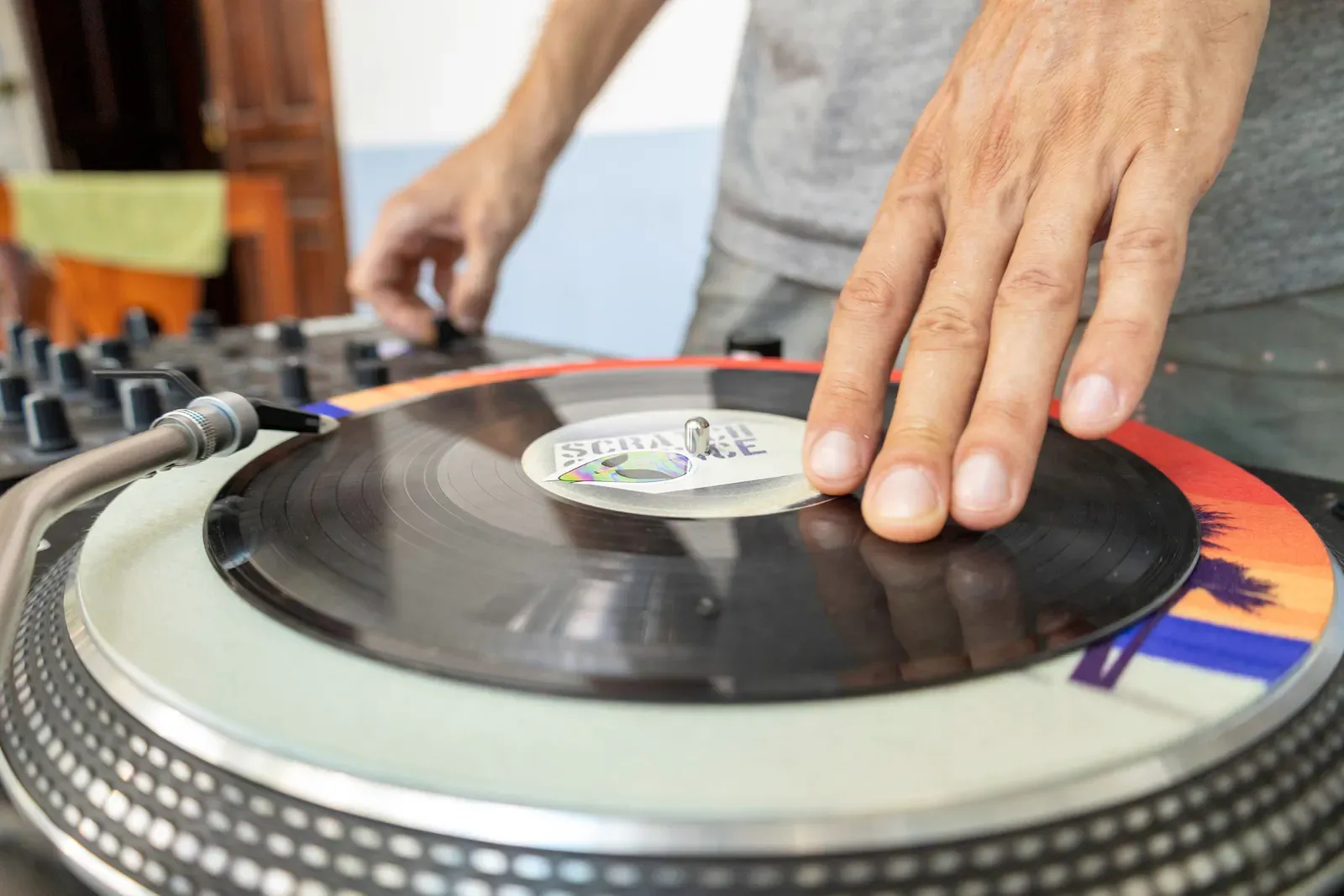
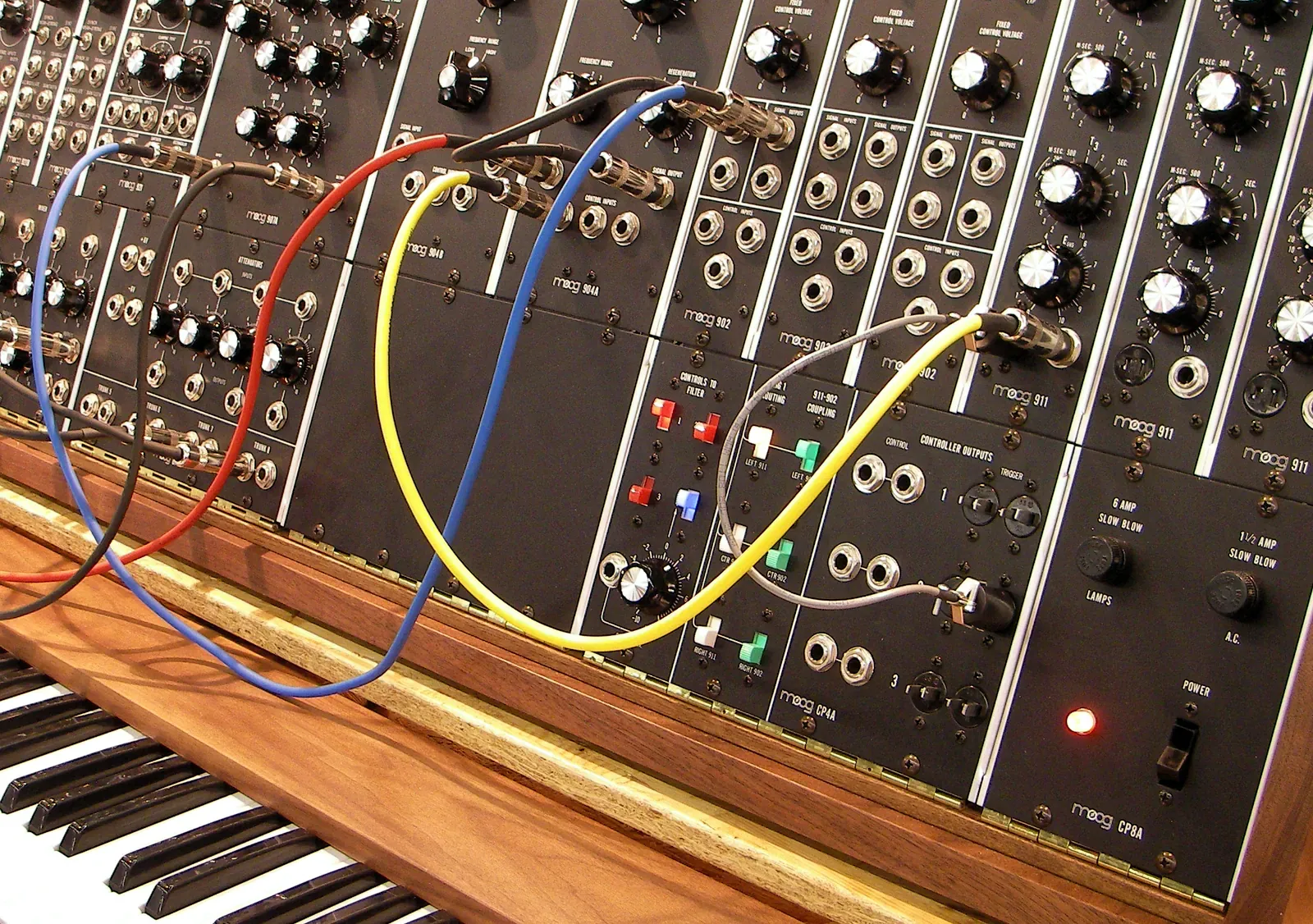
Giorgio Moroder’s Musicland studio in Munich added a European strand. In 1977 Moroder and Pete Bellotte built Donna Summer’s I Feel Love on a sequenced synthesizer bass, replacing the live bassist and drummer; the record became a blueprint for electronic dance music and is the clearest link from disco to house and techno.
Saturday Night Fever, 1977-1979
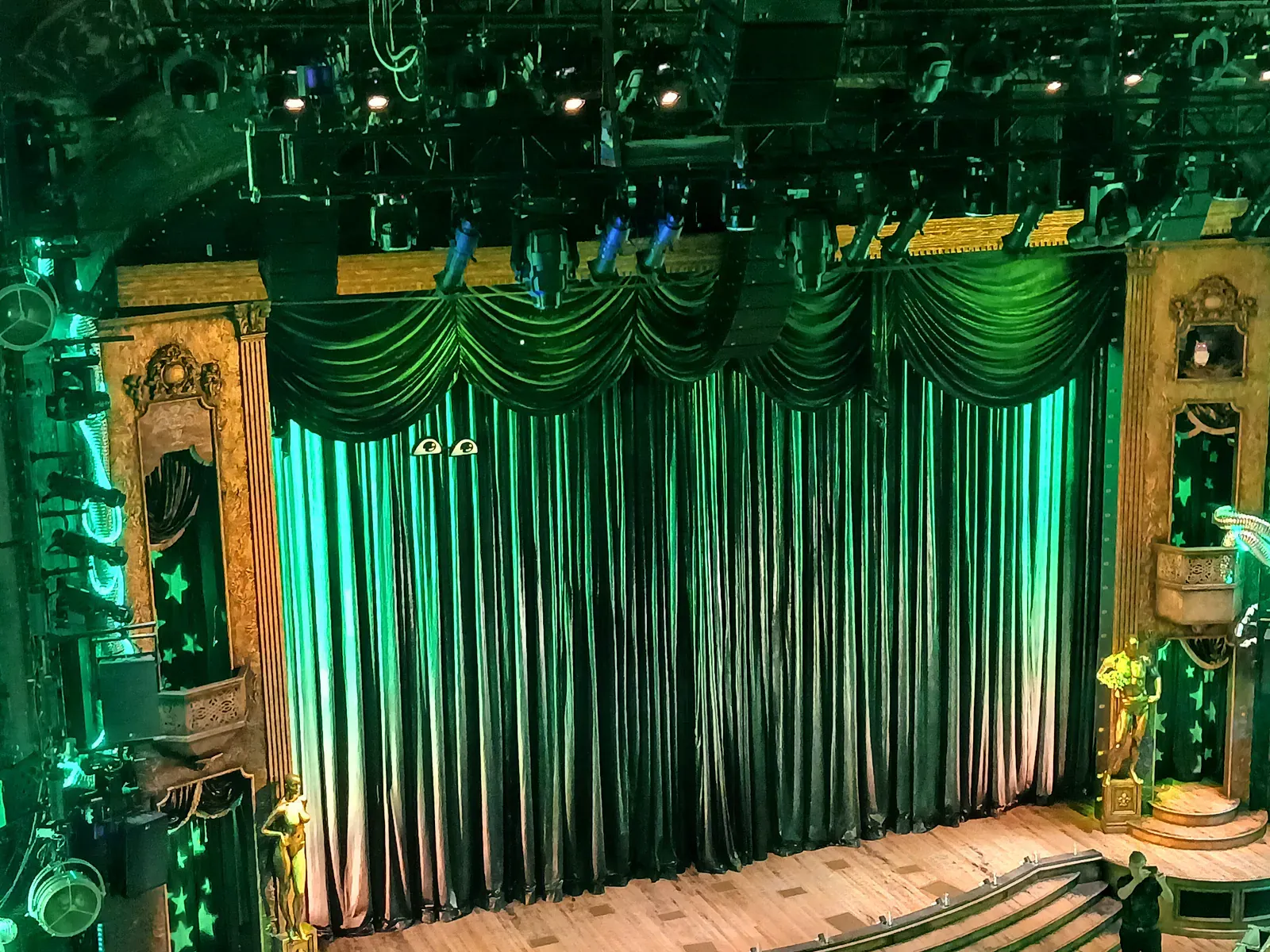
Studio 54 opened in Manhattan on 26 April 1977, and its celebrity door policy became a symbol of the era. Paradise Garage, Larry Levan’s members-only club at 84 King Street, opened on 28 January 1978 and ran until 1987. Its sound system was built by Richard Long and Associates, a model for later clubs.
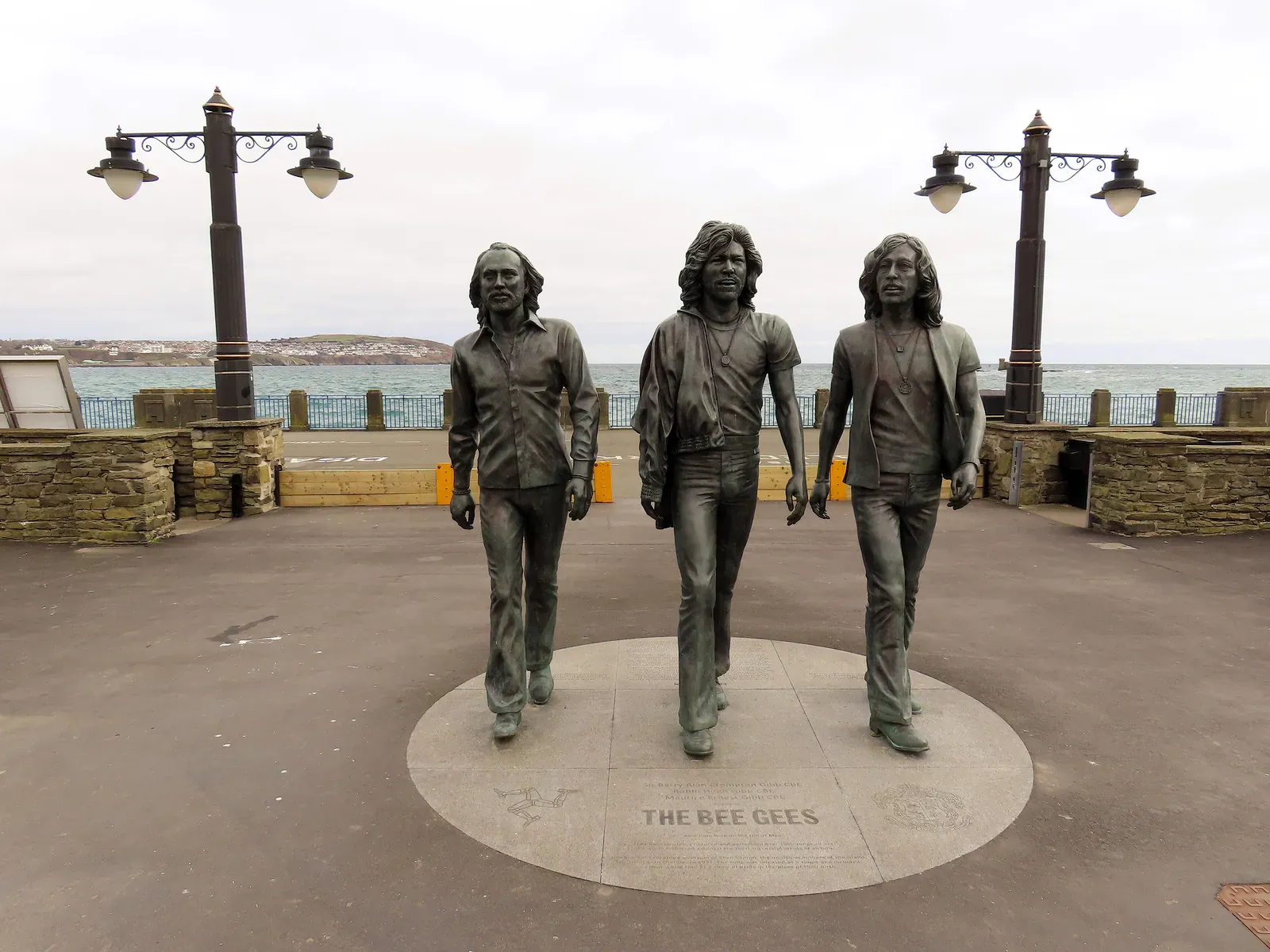
The Saturday Night Fever soundtrack, released on RSO in November 1977, sold tens of millions of copies and carried the Bee Gees’ disco hits, led by Stayin’ Alive, to a mass audience. Chic wrote Le Freak after being turned away from Studio 54 on New Year’s Eve 1977, and it became Atlantic’s biggest-selling single. Gloria Gaynor’s I Will Survive, released as a B-side and flipped by DJs, won a Grammy. Village People’s Y.M.C.A., made for the club’s gay audience, spread an arm-letter dance to sports halls and weddings. By 1979 every label wanted a disco single.
Backlash and afterlife, 1979-1983
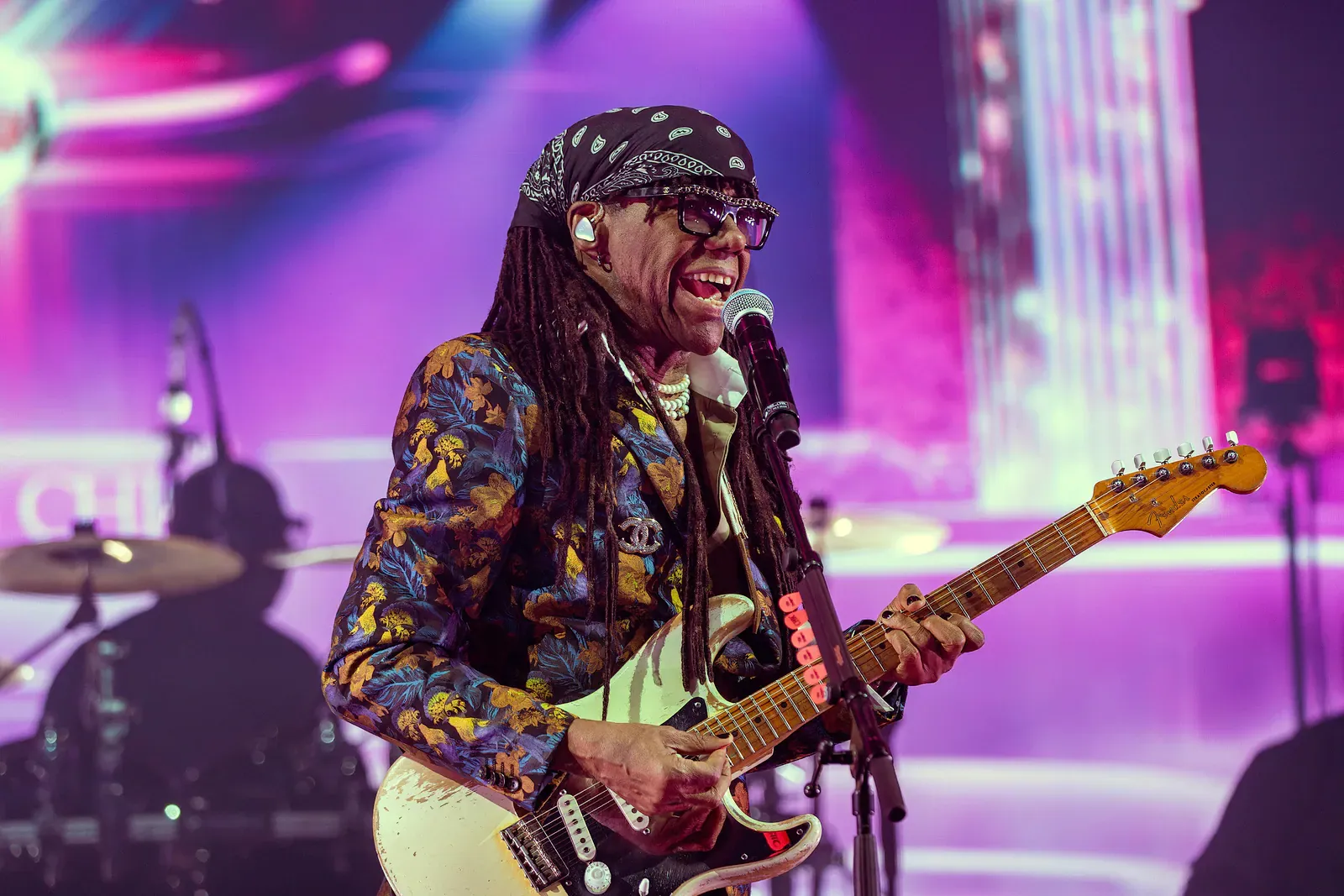
On 12 July 1979 a crate of disco records was blown up at Comiskey Park in Chicago, and the ensuing riot is widely read as a sign of the backlash. Radio and record labels turned against the genre, yet the sound did not stop. Chic’s Good Times, also from 1979, supplied the bass line borrowed for Rapper’s Delight, a bridge to early hip hop. Disco continued underground as post-disco and hi-NRG, and its machine-driven descendants fed early house.
Revivals and nu-disco, 1990 onward
House producers sampled and edited disco records, and nu-disco labels and pop acts revived the style in later decades. In 2013 Daft Punk teamed with Nile Rodgers and Giorgio Moroder on Random Access Memories, an album that brought live disco back to the pop charts.
Characteristics
A typical disco track opens with drums and bass, brings in the vocal, and alternates verses and choruses with long instrumental breaks and a breakdown where the drums drop out so the groove can build again. Tempos fall roughly between 95 and 130 BPM in 4/4. The kick lands on every beat, the open hi-hat on the off-beat, and the bass leaps between the same note in two registers. Vocals range from powerful lead singers to falsetto leads and call-and-response backing parts.
Instruments and production
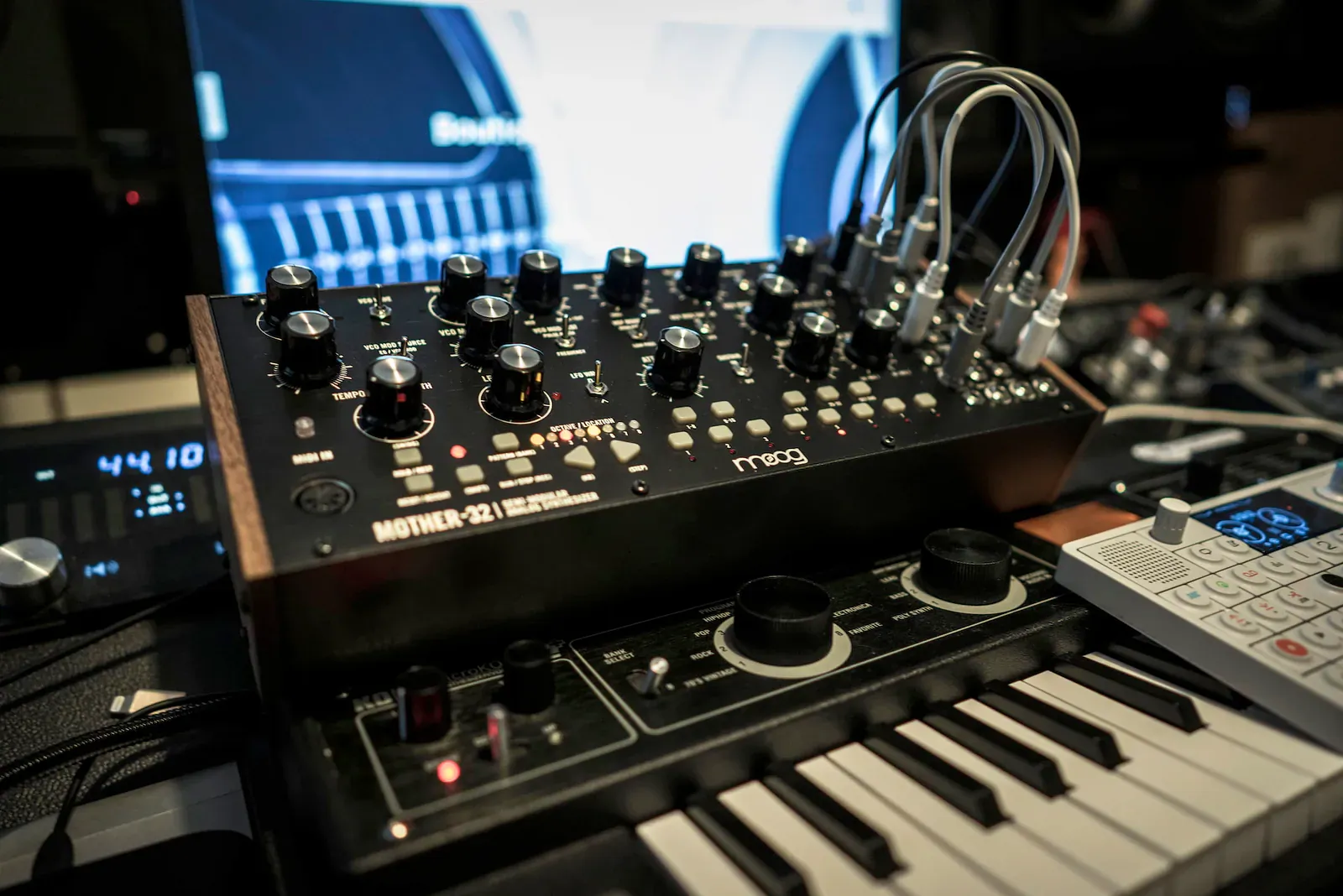
The core band is a drum kit, bass guitar, choppy rhythm guitar and electric piano, with a string section and horns arranged on top, often over dozens of tracks. Congas and other percussion add a Latin layer. Synthesizers entered through Moroder’s sequenced Moog parts, while engineers such as Tom Moulton developed the long mix that suited DJs. The distinctive disco rhythm section is acoustic; the machine-driven version is the exception that points toward electronic dance music.
Notable recordings
“Love to Love You Baby” proved that a long, continuous album side could sell as a single. Le Freak, the cleanest example of disco’s tight guitar, bass and chant, was written in response to a rejection at the door of Studio 54. I Feel Love replaced the live rhythm section with synthesizers and pointed toward house and techno.
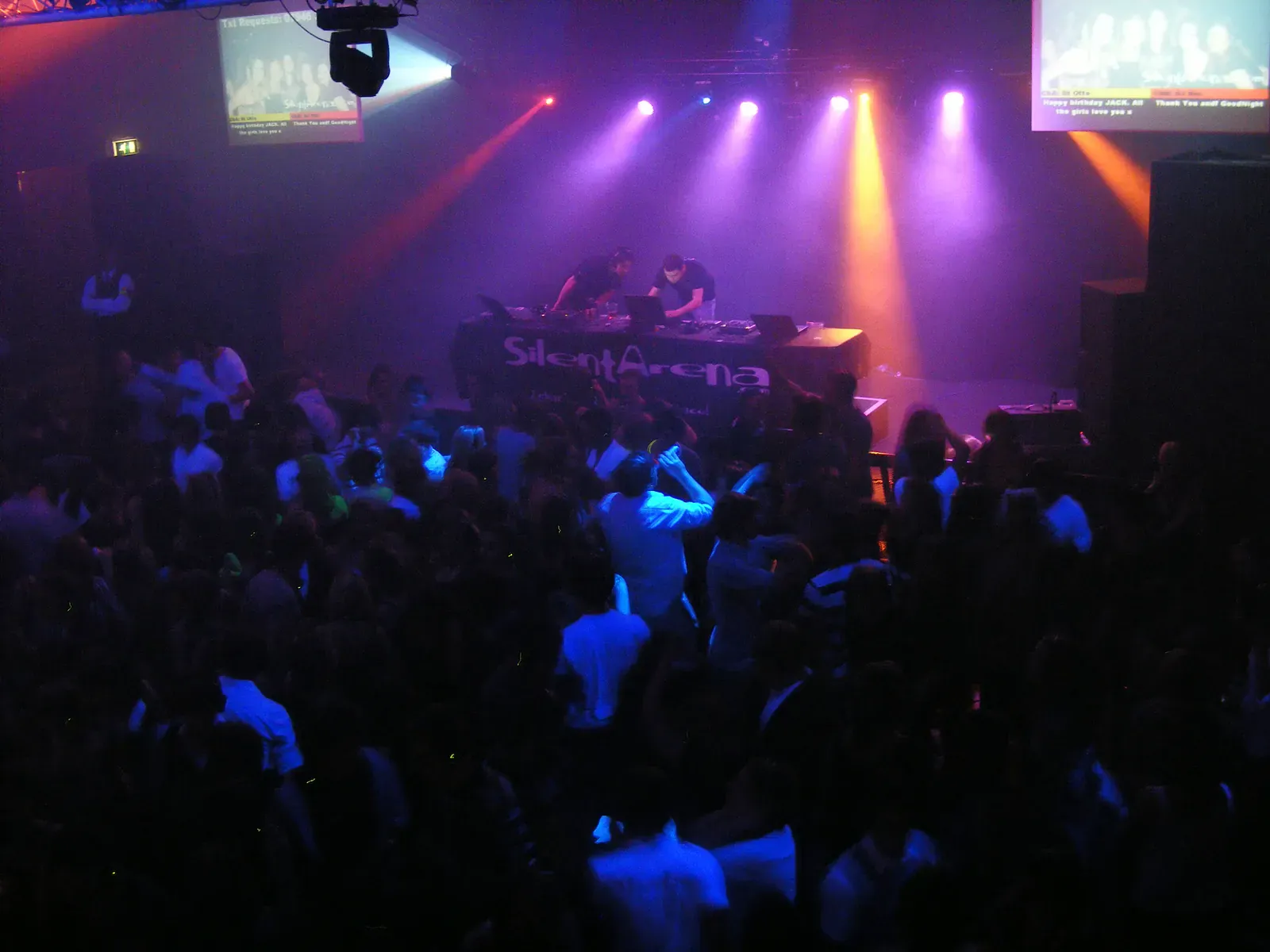
Culture
Disco was formed in Black, Latin and gay clubs and sustained by DJs and record pools, a DJ membership service that supplied new promotional records, first set up in New York in the 1970s. Dance gave it a social language: The Hustle, named after Van McCoy’s 1975 hit, and the Y.M.C.A. arm letters. Fashion followed, from white three-piece suits to sequins, halters and platform shoes. Clubs were run as all-night members-only dances, with a mirror ball at the centre of the room.
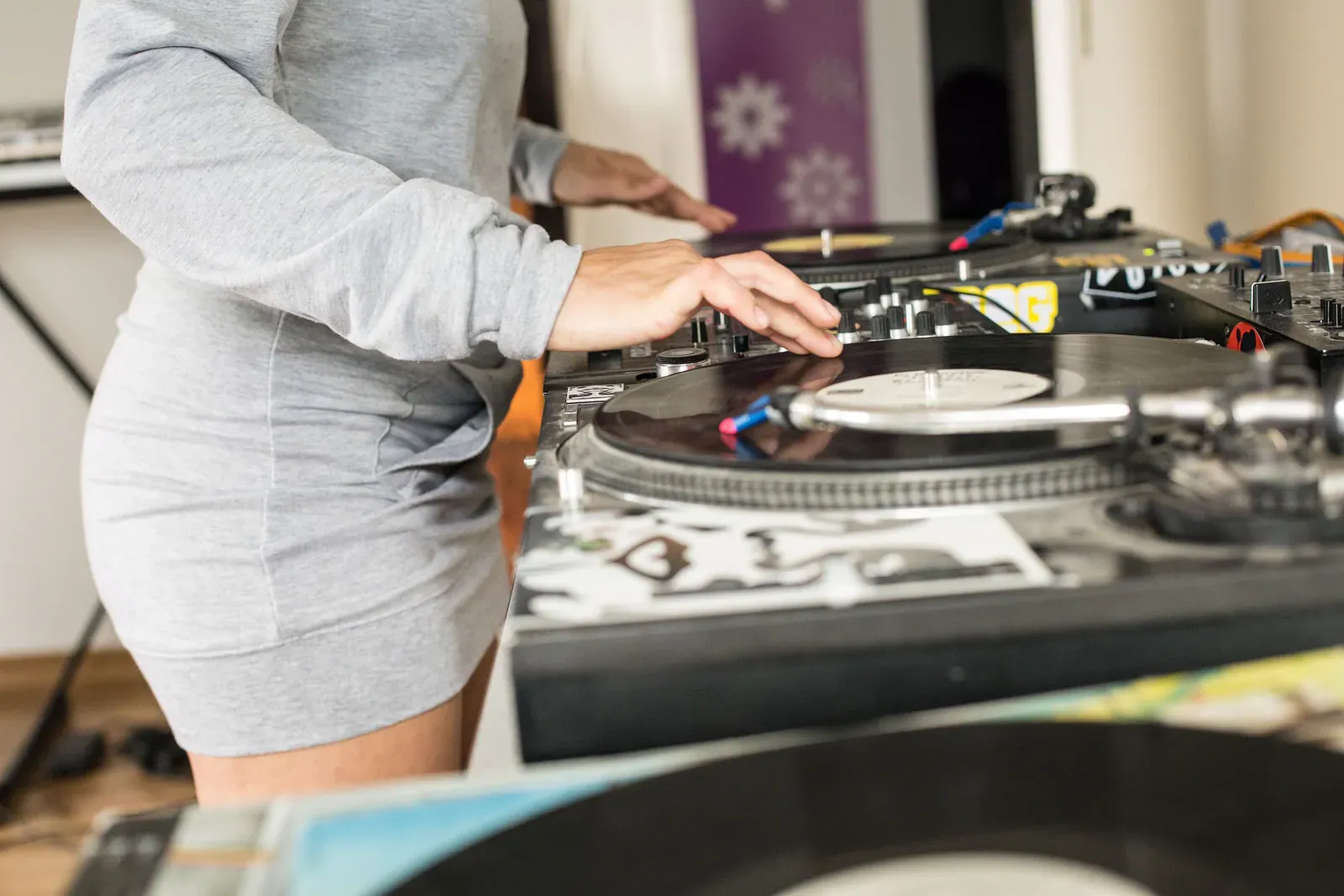
Legacy
Disco gave dance music its basic structure: the DJ as author of a night, the extended mix, and the club built around its sound system. Its bass lines and sample-ready breaks fed hip hop and house, and its pop songwriting formula, with production work by Nile Rodgers among others, still turns up on the charts. Daft Punk’s 2013 album and the nu-disco labels that followed show a genre that revives rather than disappears.
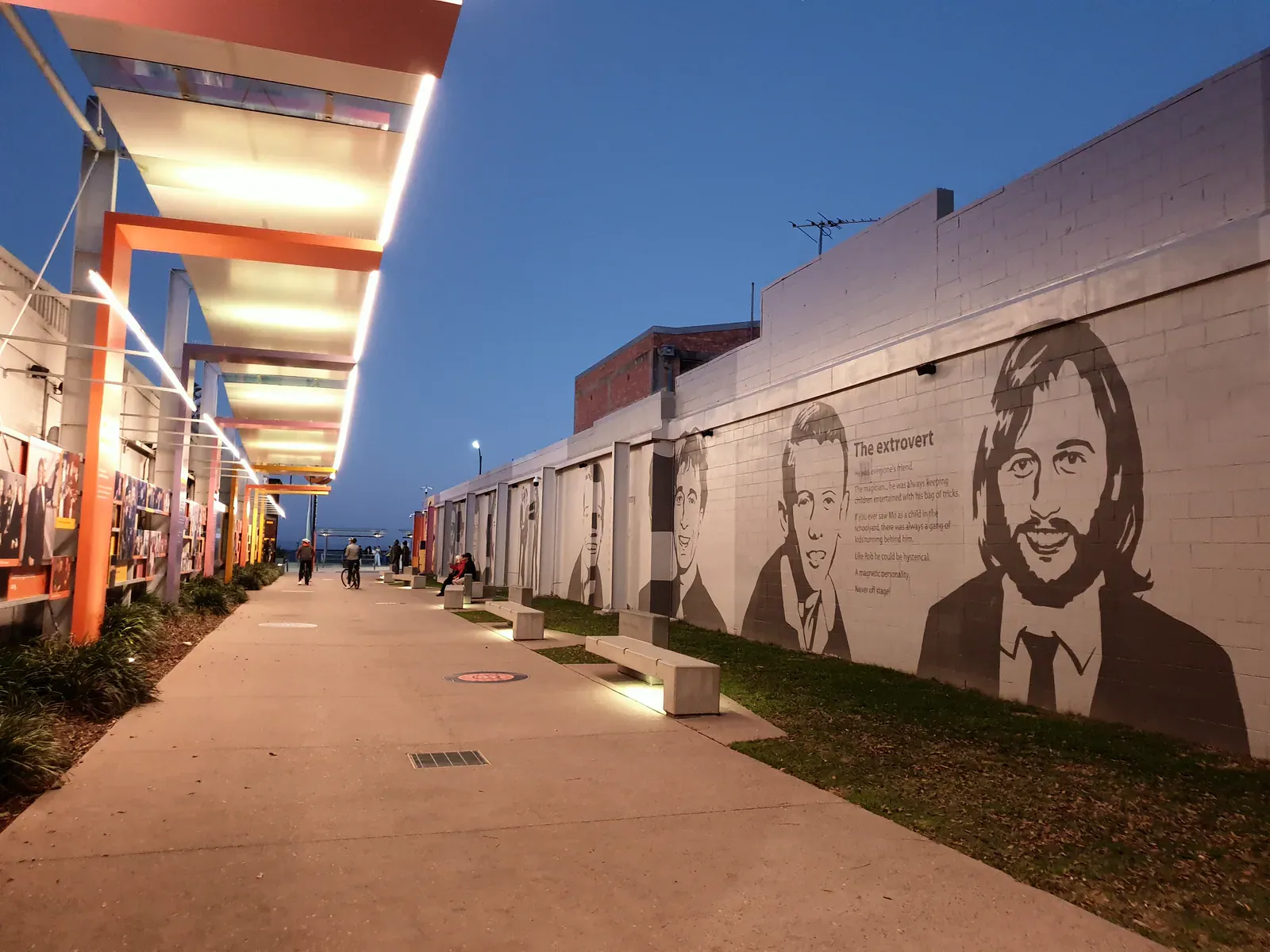
Misconceptions
Disco did not die on 12 July 1979. The Comiskey Park explosion marked a radio and label backlash, but the clubs, the DJ craft and the records persisted underground through post-disco, hi-NRG and early house.
Disco was not only a mass-market fad built around a film. It began in private Manhattan parties and in Black, Latin and gay clubs, and Philadelphia studios supplied its sound years before Saturday Night Fever in 1977.
Disco was not machine-made. Its signature sound comes from live rhythm sections, strings and horns; I Feel Love, built on a sequenced synthesizer, was the exception that predicted electronic dance music.
Frequently asked questions
What BPM is disco?
Disco tracks mostly run between about 95 and 130 BPM in 4/4, with the kick on every beat.
Where did disco start?
Disco began in New York and Philadelphia in the early 1970s: private parties such as David Mancuso’s Loft in Manhattan and the Sigma Sound studios in Philadelphia.
What was the first disco record?
There is no agreed first. Soul Makossa (1972), Love’s Theme (1973) and “Rock Your Baby” (1974) are each cited among the earliest disco hits.
Why is the 12-inch single linked to disco?
Salsoul’s 1976 release of Double Exposure’s Ten Percent was the first commercial 12-inch single, and the wider grooves allowed louder, longer mixes made for DJs.
Sound
Sound sheet
Anatomy of a track
| # | Part | Bars |
|---|---|---|
| 1 | Intro (drums and bass) | 8 |
| 2 | Verse | 16 |
| 3 | Chorus | 8 |
| 4 | Instrumental break | 16 |
| 5 | Breakdown | 8 |
| 6 | Final chorus and outro | 16 |
Signature sounds
- Four-on-the-floor kick
- Syncopated octave bass line
- Open hi-hat on the off-beat
- Sweeping strings and horn stabs
- Choppy funk rhythm guitar
- Long 12-inch mix with a breakdown
Drums and percussion
- Acoustic drum kit
Synths and software
- Moog modular synthesizer
Techniques
- Four-on-the-floor kick
- Broken-octave bass line
- Open hi-hat on the off-beat
- Orchestral strings and horns
- Extended 12-inch mix
- Choppy rhythm guitar
Keys and modes
Major and minor keys with extended chords. Seventh and ninth chords borrowed from soul, jazz and funk; Stayin' Alive sits in F minor, Le Freak in A minor.
Tuning
12-TET, A=440
Vocals
Powerful lead singers, falsetto leads and call-and-response backing vocals.
Scenes
Where it happened
Where and when the sound lived: one bar per city on a shared timeline.
North America
Europe
Active scenes
Peak 5, 1974-2025
The Loft, Studio 54 and Paradise Garage set the club culture, DJ craft and record pools.
Sigma Sound studio and the MFSB session players supply the strings, horns and rhythm sections.
Giorgio Moroder's Musicland studio makes the European synthesized disco sound.
Henry Stone's TK Records in greater Miami releases George McCrae and KC and the Sunshine Band.
Casablanca and 20th Century Records headquarter pop disco, from Donna Summer to Barry White's orchestra.
Venues and places
New York, 1970 to today. David Mancuso's invitation-only dance party, where music, sound system and crowd came before commerce.
Philadelphia, 1968 to 2014. Joseph Tarsia's studio at 212 North 12th Street, where MFSB and the Philly acts recorded.
Munich, 1972 to today. Giorgio Moroder's basement studio in the Arabella high-rise; I Feel Love was made here. It closed in the early 1990s.
New York, 1977 to 1980. A West 54th Street club known for its celebrity guests; it lost its liquor license in 1980 and is now a Broadway theater.
New York, 1978 to 1987. A members-only SoHo garage where Larry Levan played all-night sets on a custom sound system.
Culture
Culture markers
- The Hustle
A line and partner dance of the mid-1970s, named for Van McCoy's hit.
Dance - Y.M.C.A. arm letters
Dancers spell the letters with their arms to the chorus.
Dance - White three-piece suit
The look from Saturday Night Fever.
Fashion - Sequins, halters and platform shoes
Glamour and flash made for the mirror ball and the dance floor.
Fashion - Mirror ball
The faceted ball that scatters light across the dance floor became disco's emblem.
Artwork - All-night members-only dances
Paradise Garage and the Loft ran from late night until the morning, with no alcohol sold.
Ritual
Media
Key media
- 1977Saturday Night Fever
by John Badham. The film that fixed disco's image for a mass audience.
Film - 1978WKTU 92.3 FM New York
The New York station switched to an all-disco format in 1978, a sign of how far the sound had spread.
Radio - 1999Last Night a DJ Saved My Life
by Bill Brewster and Frank Broughton. A history of the DJ that traces the disco booth and the 12-inch.
Book - 2003Love Saves the Day
by Tim Lawrence. A history of American dance music culture in the 1970s.
Book - 2006A Tom Moulton Mix
by Tom Moulton. Soul Jazz's collection of the producer's pioneering extended mixes.
Compilation
Glossary
Terms on this page
An extended mix on a larger record, made for DJs and clubs.
A section where the drums drop out so that the groove can build again.
An extended edit that adds long intros, breaks and instrumental sections for dancers.
A club that plays recorded music for dancing instead of a live band.
A bass drum hit on every beat of the bar, the constant pulse for dancers.
A bass line that jumps between the same note in two registers, a disco signature.
A DJ membership service that supplies new promotional records, first set up in New York in the 1970s.
A 1970s partner dance named after Van McCoy's 1975 hit.
Electronic family