Contemporary R&B
Contemporary R&B is studio-built Black pop song, from Off the Wall in 1979 through new jack swing, hip-hop soul and neo soul to SZA.
United States, 1979
R&B, Soul & Funk family
Born
1979
United States
Subgenres
13
Documented branches
Links
76
Genres it drew on or shaped
Tempo
60-100 BPMLineage
Family tree
Grew out of
Derived from
Derived from
Derived from
United States, 1979
Contemporary R&B
Led to (14)
Timeline
Era by era
From the first sparks to today. Select a dot to read the story behind it.
- Studio-built soul
1979 to 1985
- Machines and new jack swing
1986 to 1991
- Hip-hop soul and neo-soul
1992 to 1999
- Chart dominance
2000 to 2009
- Alternative R&B and streaming
2010 to 2026
Eras
Moments
- 1 Studio-built soul, 1979 to 1985
- 2 Machines and new jack swing, 1986 to 1991
- 3 Hip-hop soul and neo-soul, 1992 to 1999
- 4 Chart dominance, 2000 to 2009
- 5 Alternative R&B and streaming, 2010 to 2026
1979
Studio-built soul
Quincy Jones and Michael Jackson set the polished post-disco R&B sound. Drum machines and synthesizers replace live rhythm sections and Whitney Houston arrives on Arista.
- 1976WHUR starts the Quiet Storm formatMelvin Lindsey launches a late-night slow-jam show in Washington, D.C., a template for R&B radio.
- 1979Off the WallQuincy Jones and Michael Jackson make a polished, studio-built R&B record that the genre grows out of.
- 1982Sexual Healing and the TR-808Marvin Gaye's single is described as the first US hit built on the Roland TR-808 drum machine.
- 1985Whitney Houston debutsClive Davis steers a debut with three Hot 100 number ones, 14 weeks on top of the Billboard 200.
1986
Machines and new jack swing
Jimmy Jam, Terry Lewis and Teddy Riley bolt hip-hop drums onto R&B vocals. Control, Guy and Rhythm Nation 1814 make dance-floor R&B the sound of urban radio.
- 1986Janet Jackson releases ControlJimmy Jam and Terry Lewis record it at Flyte Tyme; five singles reach the Hot 100 top five.
- 1987New jack swing gets its nameBarry Michael Cooper names the sound in an October Village Voice profile of Teddy Riley.
- 1989Rhythm Nation 1814Janet Jackson's album sets a record with seven top-five Hot 100 singles.
- 1991Michael Jackson hires Teddy Riley for DangerousRiley co-produces about half the album, bringing new jack swing to the biggest pop star of the day.
1992
Hip-hop soul and neo-soul
Mary J. Blige, Jodeci and TLC mix gospel-trained singing with hard beats, while Boyz II Men own the ballad charts. D'Angelo, Erykah Badu and Lauryn Hill start neo-soul.
- 1992Mary J. Blige's What's the 411?Sean Combs produces most of the debut and hip-hop soul becomes a label for the new sound.
- 1992The Bodyguard soundtrackWhitney Houston's film soundtrack goes on to sell over 45 million copies worldwide.
- 1994TLC's CrazySexyCoolThe album later becomes the first by a girl group certified Diamond by the RIAA.
- 1995D'Angelo's Brown SugarKedar Massenburg's "neo soul" label is attached to a debut that brings live-band soul back into R&B.
- 1996Aaliyah's One in a MillionTimbaland and Missy Elliott supply skittering beats that make R&B sound futuristic.
- 1997Auto-Tune is releasedAntares launches the pitch tool that later becomes a standard R&B vocal effect.
- 1998The Miseducation of Lauryn HillThe album debuts at number one with 422,000 copies and wins five Grammys in 1999.
2000
Chart dominance
R&B owns the Hot 100. Usher, Beyonce, Alicia Keys and Rihanna go multi-platinum, with Timbaland and Auto-Tune shaping sound.
- 2000D'Angelo releases VoodooRecorded at Electric Lady with Questlove, it debuts at number one on the Billboard 200.
- 2001Alicia Keys' Songs in A MinorHer debut sells over 12 million copies worldwide and wins five Grammys in 2002.
- 2003Beyonce's Crazy in LoveHer first solo number one spends eight weeks atop the Hot 100.
- 2004Usher's ConfessionsThe album sells 1.096 million copies in its first week, a record for an R&B artist.
2010
Alternative R&B and streaming
The Weeknd, Frank Ocean and SZA bring moody, genre-blurring R&B built for albums and playlists, while surprise drops reshape how records are released.
- 2011The Weeknd's House of BalloonsA free mixtape released on 21 March 2011 becomes a landmark of alternative R&B.
- 2012Frank Ocean's Channel OrangeIt debuts at number two and wins the Grammy for Best Urban Contemporary Album.
- 2013Beyonce's surprise visual albumReleased without warning on 13 December 2013, it opens at number one and resets album rollout norms.
- 2016Frank Ocean's BlondeReleased independently on 20 August 2016, it debuts at number one with 276,000 units.
- 2017SZA's CtrlThe debut debuts at number three and becomes one of the longest-charting R&B albums by a woman.
Listening path
Anthems
The records that built the sound, grouped by the part they played. Thumbnails come from YouTube; the player loads only when you press play.
- 01
Michael Jackson, 1979 · #1 Billboard Hot 100, 1979 · Epic Records
The first Quincy Jones and Michael Jackson single set the polished disco-funk R&B sound the genre grew from.
Start hereOrigin - 02
Janet Jackson, 1986 · A&M Records
Jimmy Jam and Terry Lewis built hard drum-machine funk under Janet Jackson, a blueprint for late-80s R&B.
Origin - 03
Whitney Houston, 1985 · #1 Billboard Hot 100, 1986 · Arista Records
Whitney Houston's second Hot 100 number one took upbeat pop-R&B to mainstream radio.
Start hereBreakthrough - 04
Boyz II Men, 1992 · #1 Billboard Hot 100, 1992 · Motown
The Babyface and L.A. Reid ballad spent a then-record 13 weeks at number one on the Hot 100.
Breakthrough - 05
Beyonce, 2003 · #1 Billboard Hot 100, 2003 · Columbia Records
Beyonce's solo launch spent eight weeks at number one on a horn-driven, hip-hop beat.
Start hereBreakthrough - 06
Usher, 2004 · #1 Billboard Hot 100, 2004 · Arista Records
Lil Jon's crunk production took R&B to a 12-week Hot 100 run.
Breakthrough - 07
Guy, 1988 · Uptown Records
Teddy Riley's hip-hop beats under Aaron Hall's gospel lead defined new jack swing.
Anthem - 08
Jodeci, 1991 · Uptown Records
Jodeci's slow-burning ballad topped the R&B chart for two weeks and set the template for 90s male R&B groups.
Anthem - 09
Mary J. Blige, 1992 · Uptown Records
Mary J. Blige's breakthrough sang over a hip-hop break and defined hip-hop soul.
Anthem - 10
TLC, 1999 · #1 Billboard Hot 100, 1999 · LaFace Records
TLC's four-week number one became an anthem of 90s R&B.
Anthem - 11
D'Angelo, 2000 · Virgin Records
A slow, sensual groove that won D'Angelo a Best Male R&B Vocal Performance Grammy.
Anthem - 12
Aaliyah, 2000 · #1 Billboard Hot 100, 2000 · Blackground Records
Timbaland-produced single became the first song to top the Hot 100 on airplay alone.
Crossover - 13
Rihanna, 2007 · #1 Billboard Hot 100, 2007 · Def Jam Recordings
The Tricky Stewart production gave Rihanna seven weeks at number one and became the song of summer 2007.
Crossover - 14
Frank Ocean, 2012 · Def Jam Recordings
Frank Ocean's falsetto ballad opened alternative R&B to the mainstream.
Revival - 15
SZA, 2023 · Top Dawg Entertainment
SZA's murder ballad reached number one on the Hot 100 and renewed R&B's chart power.
Revival
Facts
| Family | R&B, Soul & Funk |
| Origin | United States |
| Emerged | Late 1970s-1980s |
| Status | Active |
| Tempo | 60 to 100 BPM |
| Meter | 4/4 |
| Grew out of | Rhythm and blues, Soul, Funk, Disco |
| Subgenres | 12 |
Contemporary R&B is the studio-produced popular song of Black America, built on soul and funk singing over drum machines, synthesizers and hip-hop rhythm. It took shape in the United States between the late 1970s and the 1980s, and it ruled urban radio from the late 1980s onward.
Its stacked harmonies and runs of notes on one syllable shaped almost every modern pop vocal.
Origins
It started when soul grew polished. The older tradition was called rhythm and blues and, by the 1960s, soul: live bands, gospel-trained singers, a rhythm section playing together in one room. In the late 1970s, disco and funk pushed the sound toward sleek studio production, and radio programmers gave it a late-night home. In 1976 Melvin Lindsey launched a slow-jam show on WHUR in Washington, D.C., and called it the Quiet Storm, after a Smokey Robinson song.
The record that most people point to as the origin is Off the Wall (1979), made by Quincy Jones and Michael Jackson for Epic Records. Its first single, “Don’t Stop ’Til You Get Enough”, reached number one on the Billboard Hot 100. It had the disco pulse of a dance record and the clean layered vocals of a pop record, and it showed that R&B could be built in a studio and still feel warm.
Then the machines arrived. Marvin Gaye’s “Sexual Healing” (1982) is often described as the first US hit built on the Roland TR-808 drum machine, and the Linn LM-1 (1980) gave producers such as Prince a sampled drum kit that never drifted off the beat.
Studio-built soul, 1979-1985
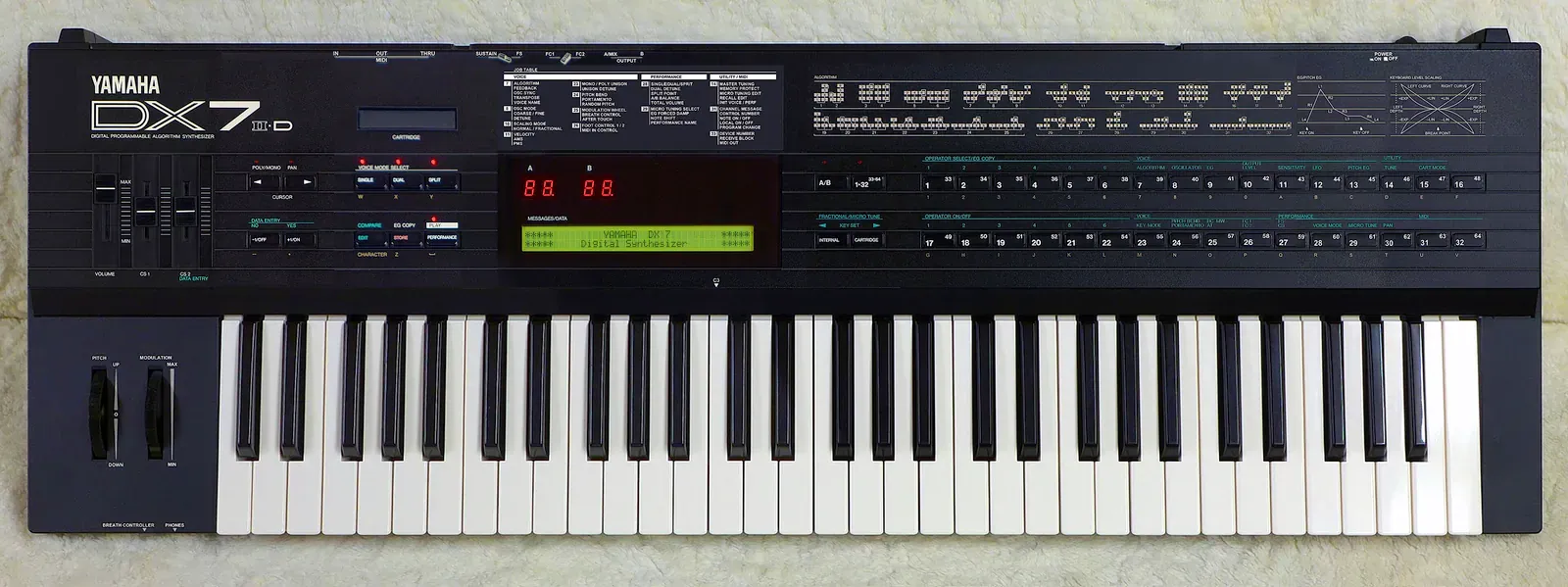
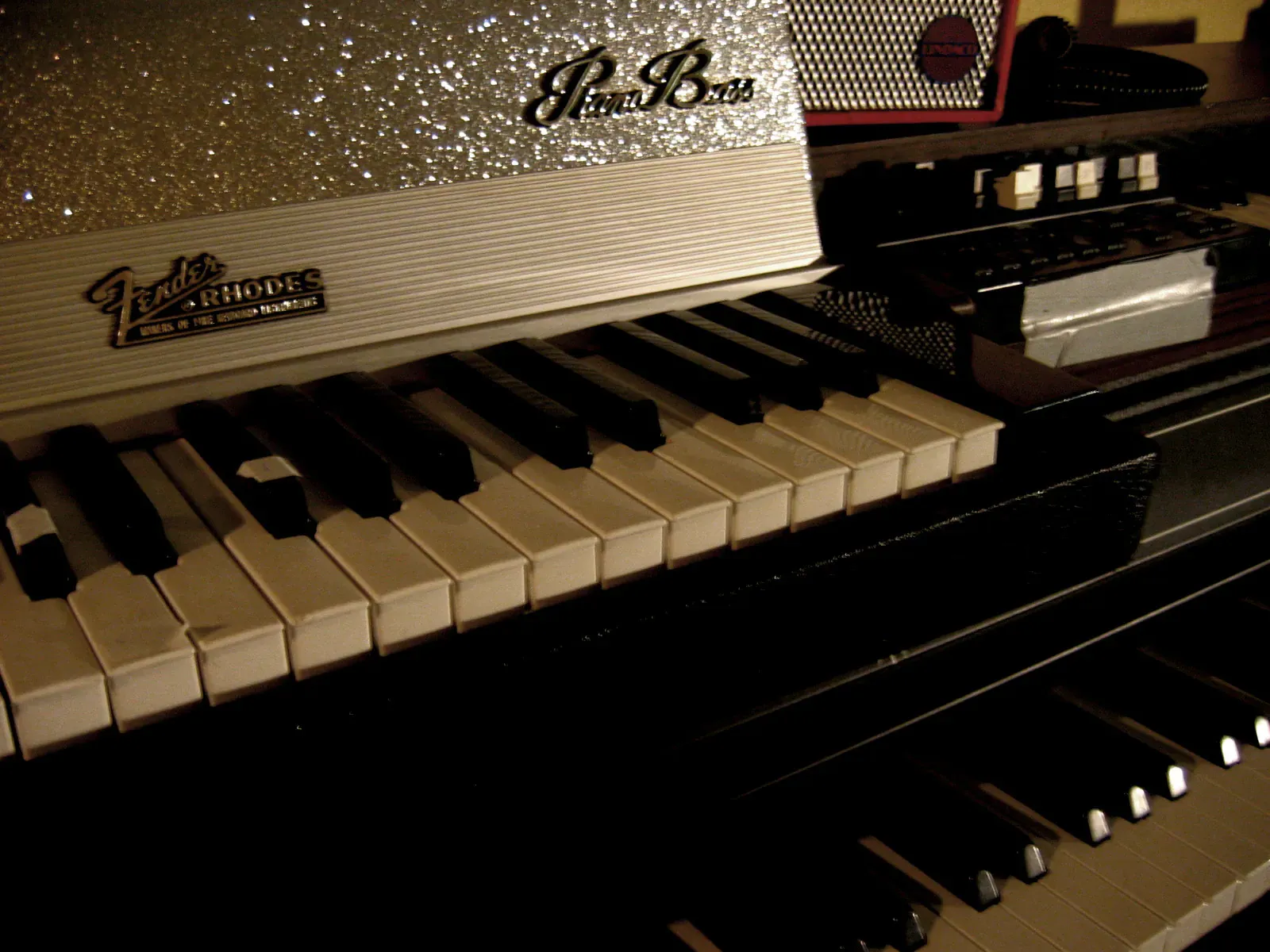
Between 1979 and 1985, drum machines and synthesizers replaced live rhythm sections. The Yamaha DX7 supplied the glassy electric-piano sound that sits under the ballads of Whitney Houston and Michael Jackson, and the LinnDrum gave 1980s grooves their crisp snap.
In 1985 Clive Davis at Arista released Whitney Houston’s debut, which spent 14 weeks at the top of the Billboard 200 and produced three Hot 100 number ones. “How Will I Know” hit number one in 1986. She sang gospel-trained lines over pop-friendly arrangements, and Black radio and pop radio finally played the same record.
New jack swing, 1986-1991
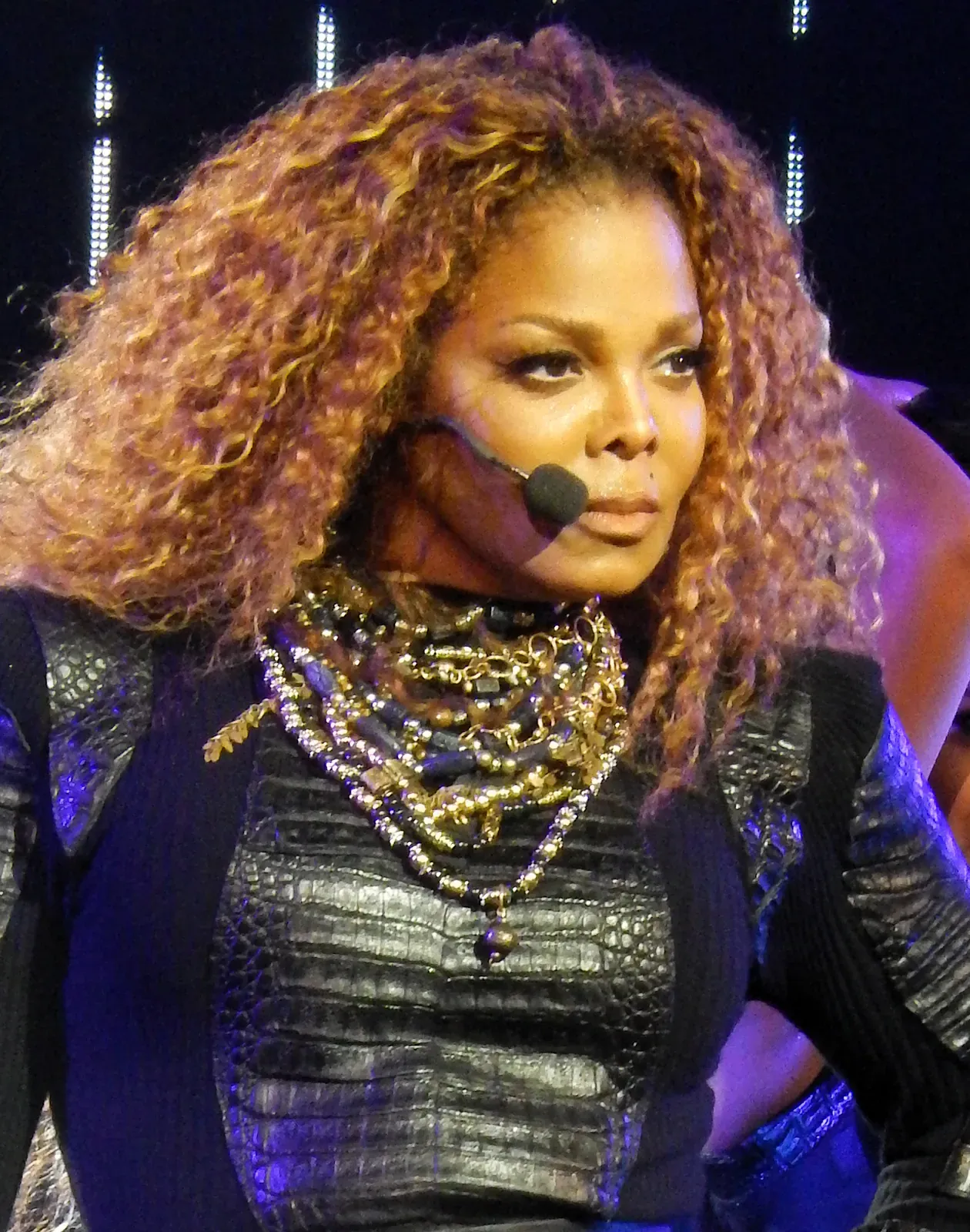
From 1986 to 1991, producers bolted hip-hop drums onto R&B vocals. In Minneapolis, Jimmy Jam and Terry Lewis recorded Janet Jackson’s Control (1986) at their Flyte Tyme studio for A&M. Five singles from it reached the Hot 100 top five. Her follow-up, Rhythm Nation 1814 (1989), set a record with seven top-five Hot 100 singles.
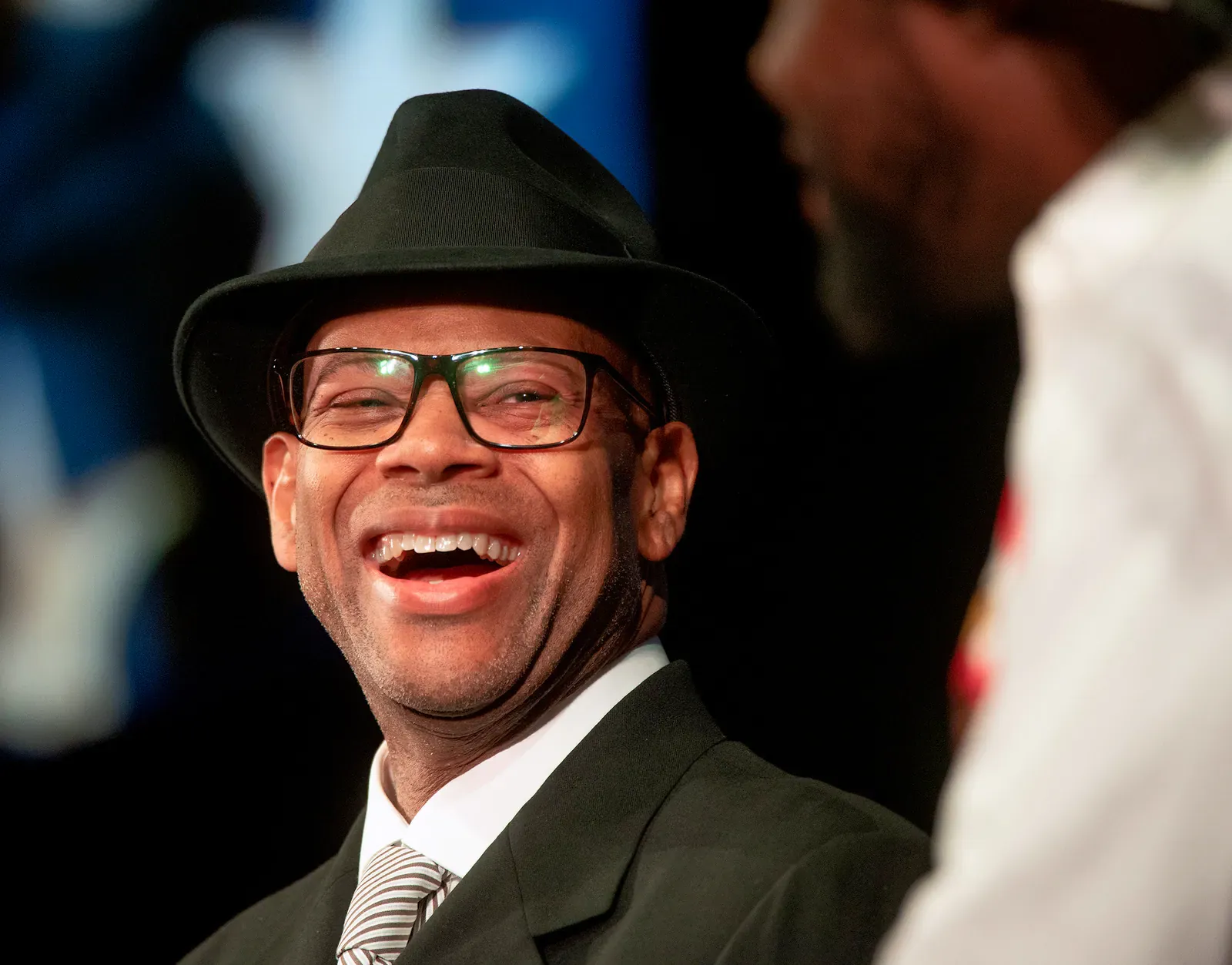
In Harlem and Virginia, Teddy Riley took a different route. In October 1987 the writer Barry Michael Cooper named the sound new jack swing in a Village Voice profile of Riley. Guy’s “Groove Me” (1988) put Aaron Hall’s gospel lead over Riley’s hip-hop programming. Riley then co-produced about half of Michael Jackson’s Dangerous (1991), which carried the style to the biggest pop star of the day.
Hip-hop soul and neo soul, 1991-2000
In 1992 Mary J. Blige’s What’s the 411? on Uptown Records, mostly produced by Sean Combs, made “hip-hop soul” the name of a style: raw church-trained singing over hard drum loops. “Real Love” sang over a hip-hop break. In the same years Jodeci’s “Forever My Lady” (1991) set the template for male R&B groups, and Boyz II Men’s “End of the Road” (1992), written by Babyface, L.A. Reid and Daryl Simmons for Motown, held number one for a then-record 13 weeks.
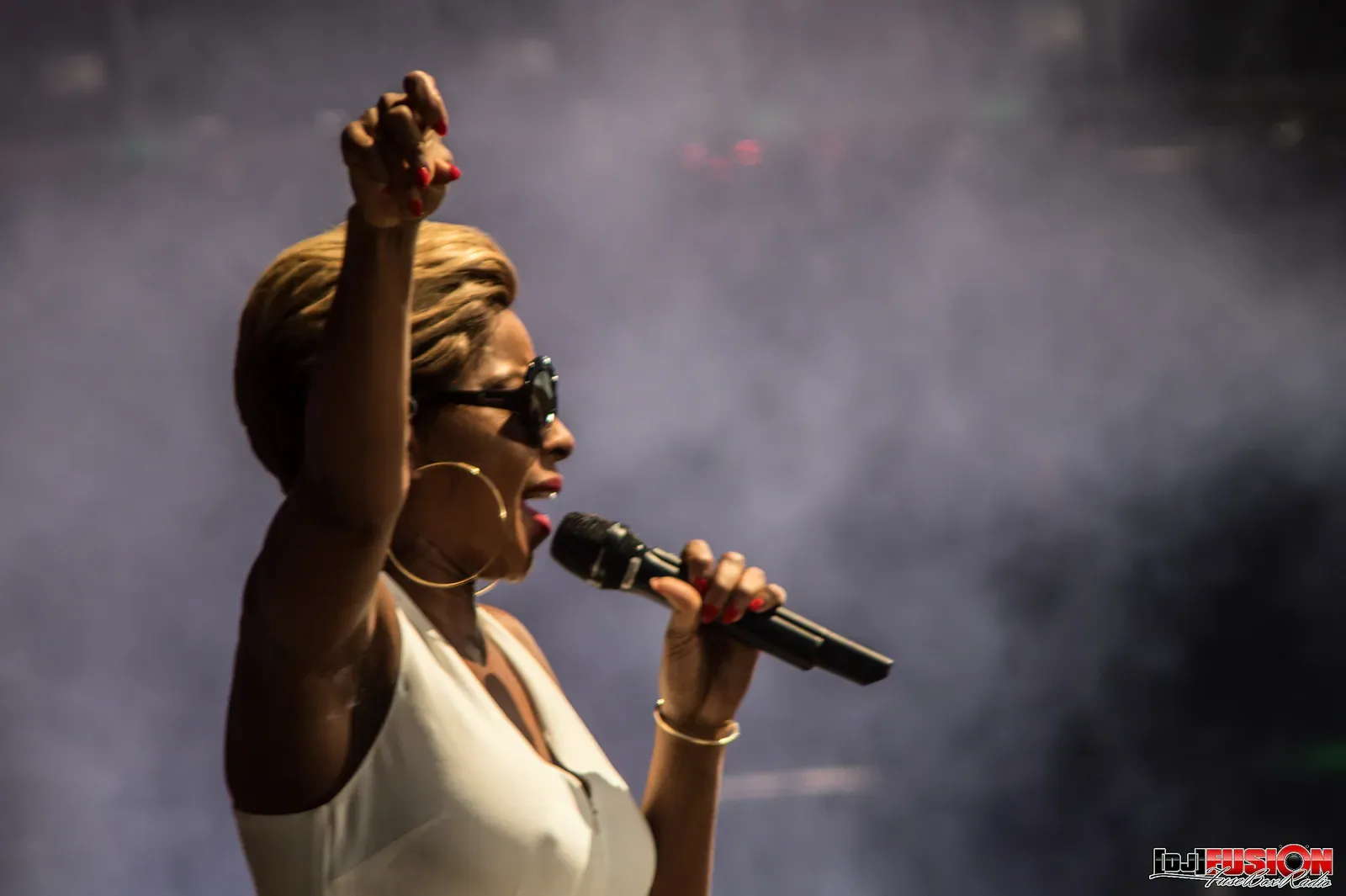
TLC’s CrazySexyCool (1994) became the first album by a girl group certified Diamond, and “No Scrubs” spent four weeks at number one in 1999. Whitney Houston’s The Bodyguard soundtrack (1992) sold over 45 million copies worldwide.
Meanwhile a counter-current brought live instruments back. Kedar Massenburg gave it a marketing name, neo soul, and D’Angelo’s Brown Sugar (1995) was its first big record. The Miseducation of Lauryn Hill (1998) opened at number one with 422,000 copies and won five Grammys in 1999, merging singing, rap and soul. D’Angelo’s Voodoo (2000), recorded at Electric Lady in New York with Questlove, also debuted at number one.
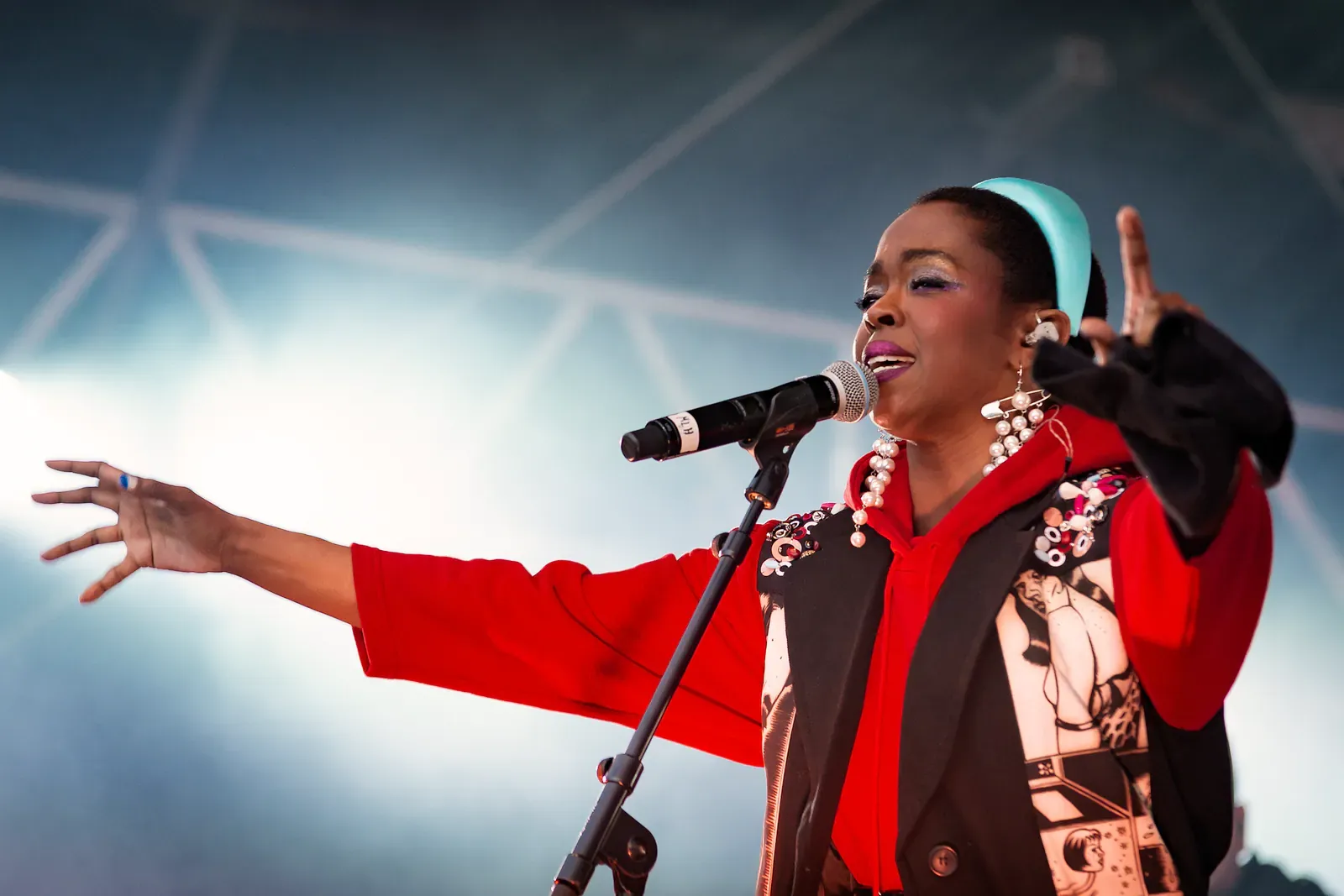
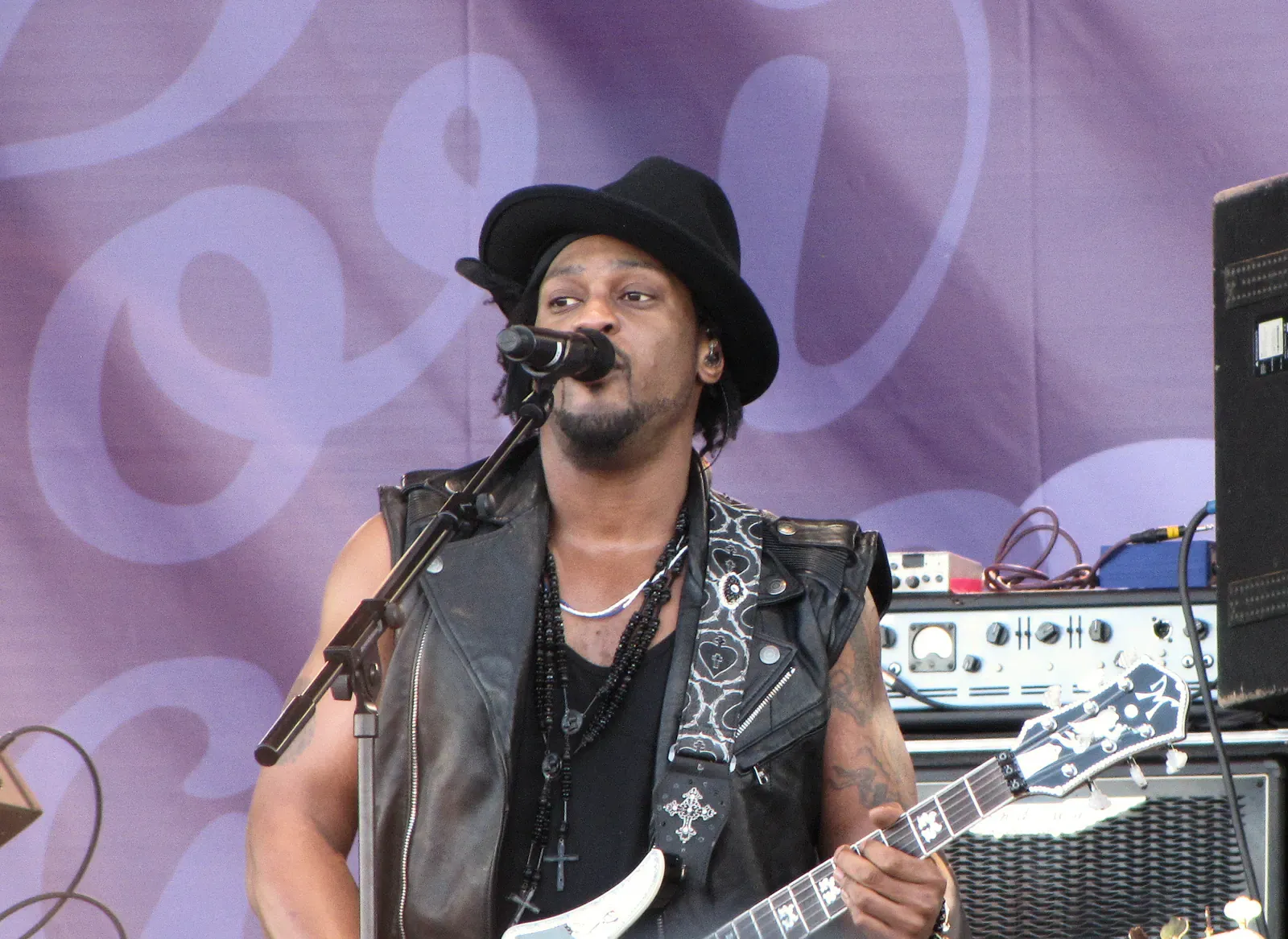
Chart dominance, 2000-2009
From 2000 to 2009, R&B held the Billboard Hot 100. Aaliyah’s “Try Again” (2000) became the first song to top the Hot 100 on airplay alone. Its producer, Timbaland, working out of Virginia Beach with Missy Elliott, had already given Aaliyah’s One in a Million (1996) skittering beats that made R&B sound futuristic.
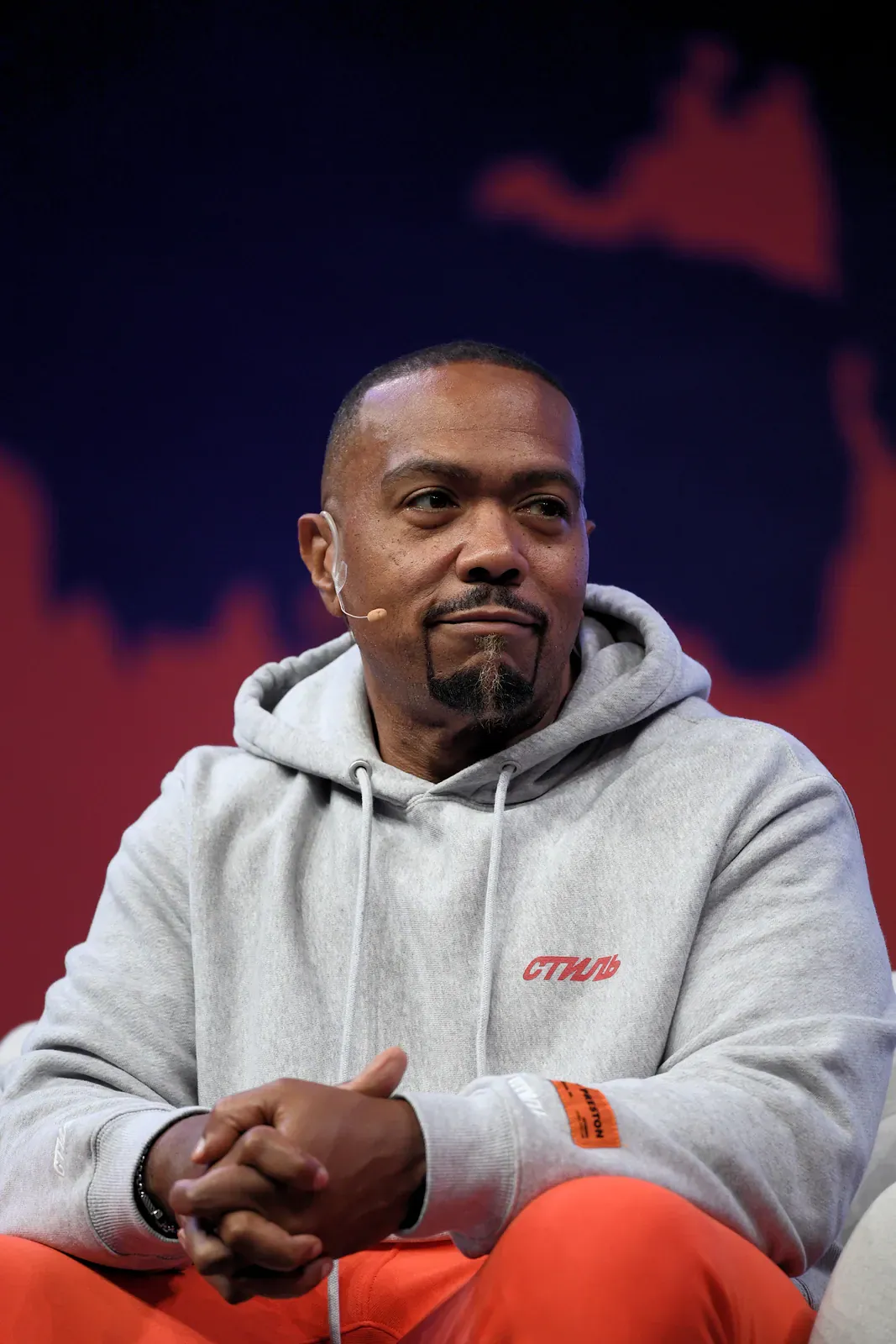
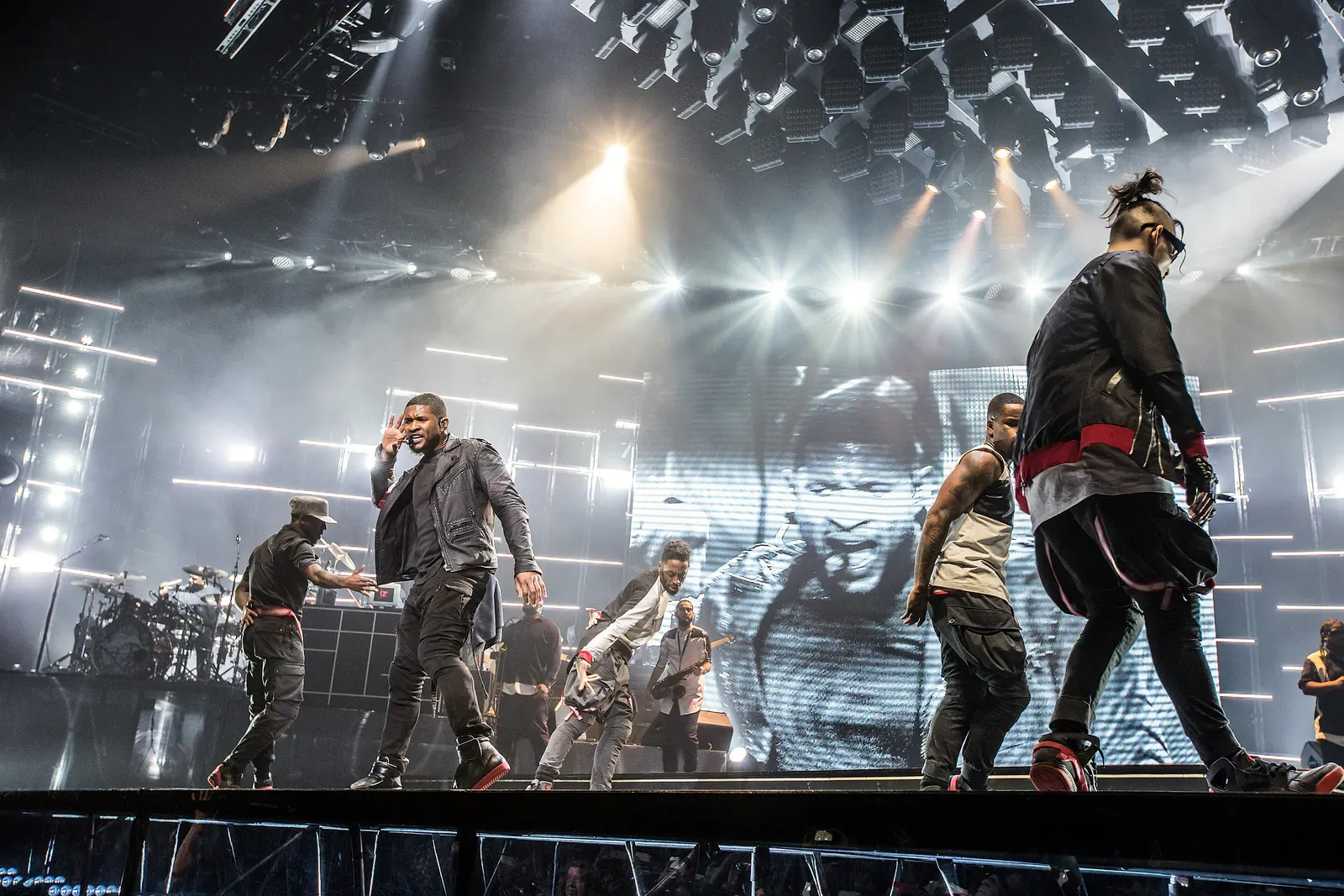
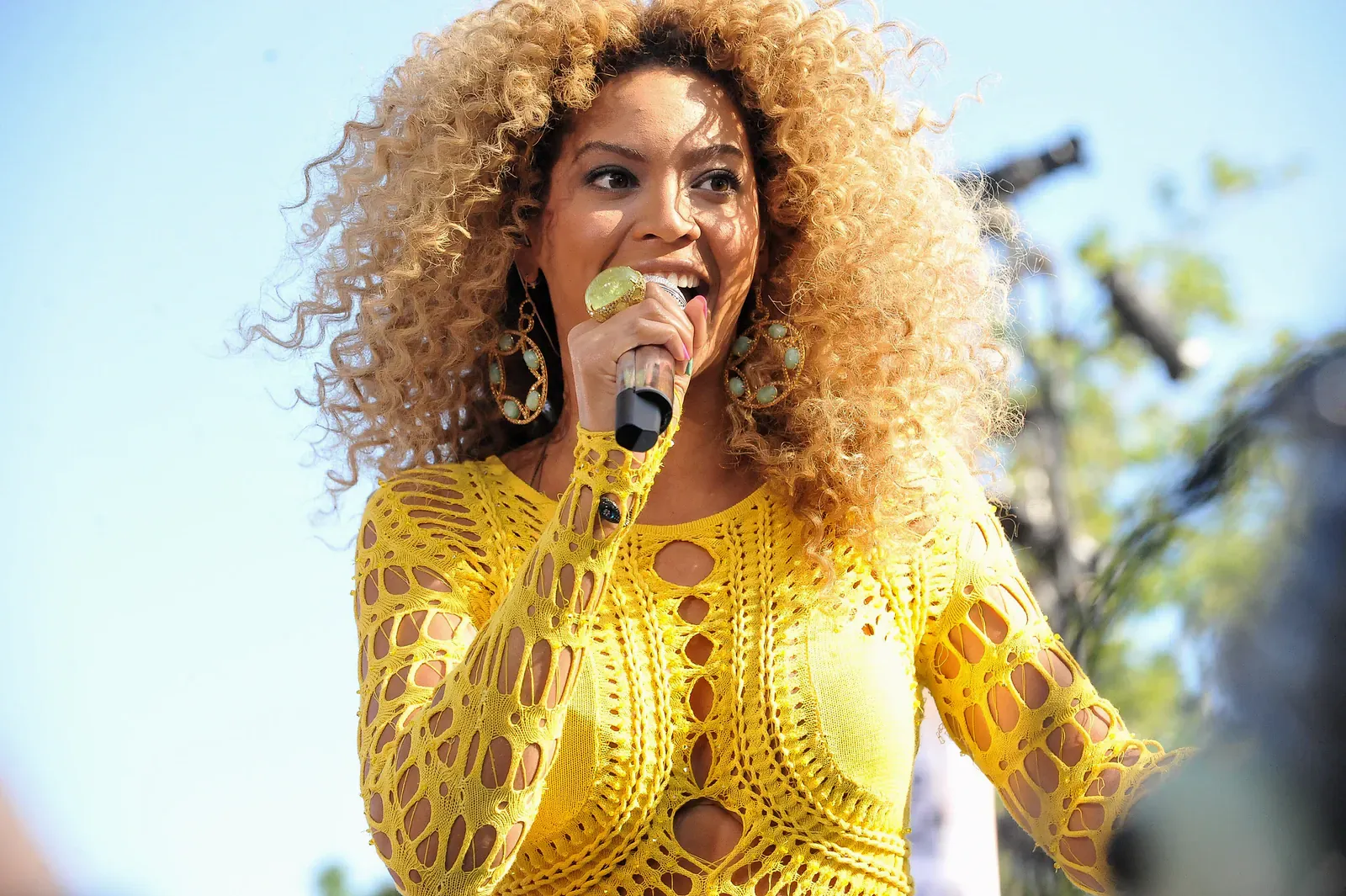
The decade’s stars arrived one after another. Alicia Keys’ piano-led Songs in A Minor (2001) sold over 12 million copies worldwide and won five Grammys. Beyonce’s “Crazy in Love” (2003) spent eight weeks at number one on a horn-driven hip-hop beat. Usher’s Confessions (2004) sold 1.096 million copies in its first week, a record for an R&B artist, and “Yeah!” with Lil Jon’s crunk production ran 12 weeks at number one. Rihanna’s “Umbrella” (2007), made by Tricky Stewart, spent seven weeks on top. Auto-Tune, released in 1997, went from a pitch-fix tool to a vocal effect people chose on purpose.
Alternative and streaming-age R&B, from 2010
From 2010, the sound turned moodier and album-minded. The Weeknd’s free mixtape House of Balloons (21 March 2011) became a landmark of alternative R&B. Frank Ocean’s Channel Orange (2012) debuted at number two and won the Grammy for Best Urban Contemporary Album. His Blonde (20 August 2016) came out independently and opened at number one with 276,000 units. Beyonce released a visual album without warning on 13 December 2013, with 14 songs and 17 short films, and it opened at number one.
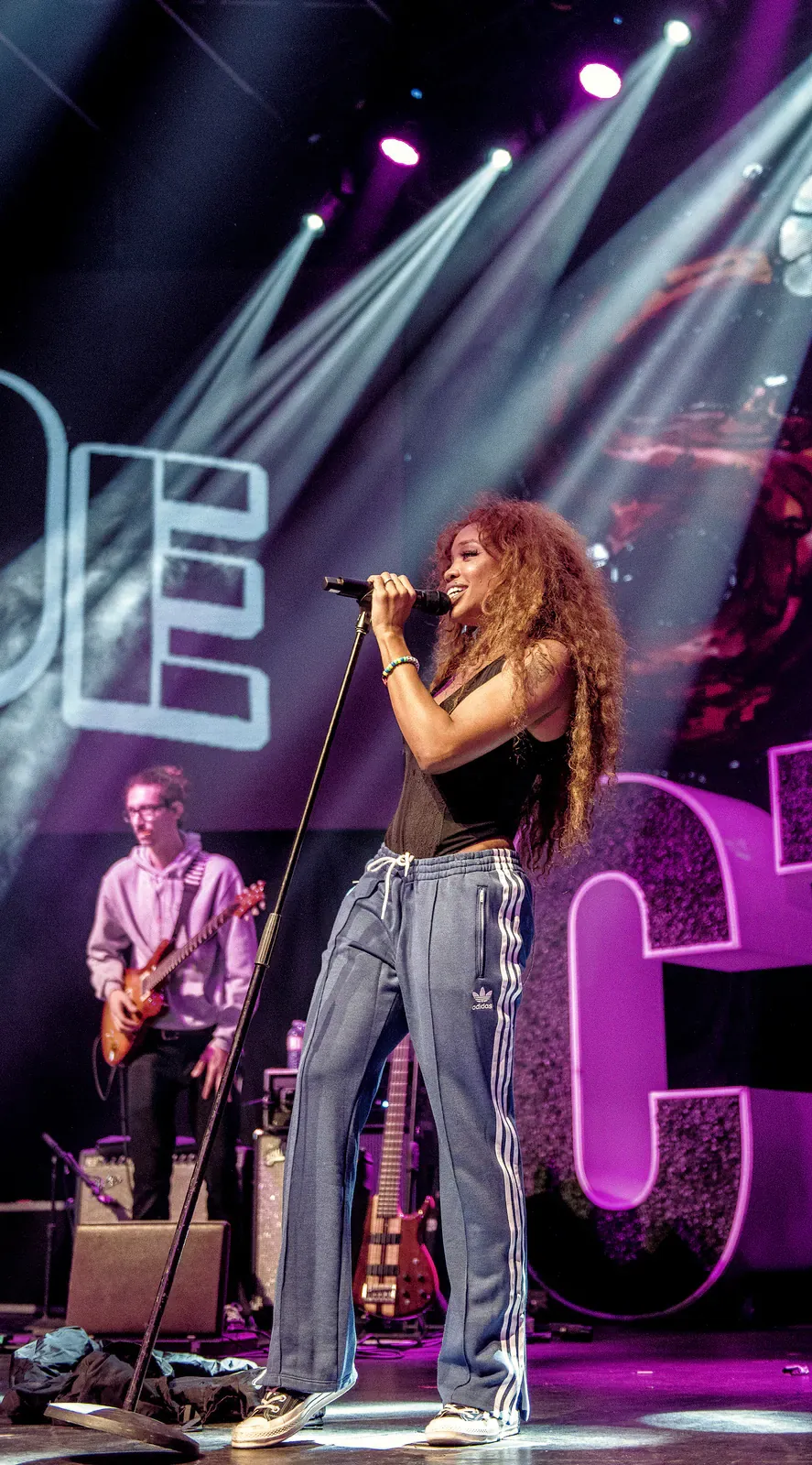
SZA’s Ctrl (2017) became one of the longest-charting R&B albums by a woman and had spent 400 weeks on the Billboard 200 as of February 2025. “Kill Bill” (2023) reached number one on the Hot 100.
Mainstream success
The genre crossed over in stages. Whitney Houston and Janet Jackson made it pop-radio standard in the mid 1980s. Boyz II Men and TLC made it the sound of the 1990s charts. By the 2000s it owned the Hot 100, and in 2023 “Kill Bill” showed that the format still topped it. Labels such as Def Jam, MCA and Jive carried the artists, and the TV dance show Soul Train, created by Don Cornelius in 1971 and on air for 35 years, and the magazine Vibe (1993) built its audience. The wider hip-hop world fed it constantly, which is why the hip-hop family has its own rows of rap-and-singing hybrids.
Notable recordings
“Don’t Stop ’Til You Get Enough” (1979). The first Jones and Jackson single, written by Jackson, proved a pop audience would buy a polished R&B dance record. It reached number one in 1979.
“Groove Me” (1988). Riley’s hip-hop beats under Aaron Hall’s gospel lead gave new jack swing a signature record, released through Uptown.
“Try Again” (2000). Timbaland’s production for Aaliyah became the first song to top the Hot 100 on airplay alone, before a physical single was needed for the chart.
Culture
Contemporary R&B is a late-night culture. Quiet Storm radio made slow R&B the soundtrack to evening romance, and the slow jam is still its signature format. The sound is vocal first: melisma, a run of notes on one syllable, is its signature, along with stacked harmonies and ad-libs in the final chorus. Visual albums and surprise drops changed how records reach people. Producers are stars too: Jimmy Jam, Teddy Riley, Timbaland and Sean Combs were as famous as some of the singers they recorded.
Misconceptions
R&B is the same thing as 1940s rhythm and blues. The term shifted. Contemporary R&B descends from rhythm and blues, soul, funk and disco, but its drum-machine, producer-led sound dates from the 1980s.
It is only slow love songs. The slow jam is one form. Rhythm Nation 1814, “Groove Me” and “Crazy in Love” are fast, hard records with hip-hop or horn-driven beats.
Neo soul is just another name for R&B. Neo soul is a 1990s marketing term, coined by Kedar Massenburg, for live-band, jazz-influenced soul such as D’Angelo, Erykah Badu and Lauryn Hill, as opposed to hip-hop soul.
Frequently asked questions
What is contemporary R&B?
Contemporary R&B is the studio-produced Black popular song that grew out of soul, funk and disco. It uses drum machines, stacked vocals and hip-hop rhythm, and has led urban radio since the late 1980s.
What is the difference between contemporary R&B and soul?
Soul, from the 1960s, was built on live bands and gospel singing. Contemporary R&B keeps the singing but replaces the band with drum machines, samplers and a producer’s arrangement.
What is new jack swing?
New jack swing is a late-1980s style that combines hip-hop drum programming with R&B singing. Teddy Riley’s Guy and Bobby Brown records and the production of Jimmy Jam and Terry Lewis are its best-known examples.
Which recordings define contemporary R&B?
Janet Jackson’s Control (1986), Mary J. Blige’s What’s the 411? (1992), D’Angelo’s Voodoo (2000) and SZA’s Ctrl (2017) mark its main stages, with Off the Wall as the origin. For the wider story, read about the R&B, soul and funk family.
Sound
Sound sheet
Anatomy of a track
| # | Part | Bars |
|---|---|---|
| 1 | Intro (drum machine and pad) | 4 |
| 2 | Verse 1 | 16 |
| 3 | Pre-chorus | 4 |
| 4 | Chorus | 8 |
| 5 | Verse 2 | 16 |
| 6 | Chorus | 8 |
| 7 | Bridge or rap feature | 8 |
| 8 | Final chorus with ad-libs | 16 |
Signature sounds
- Drum-machine or sampled beat
- Stacked, multi-tracked vocal harmonies
- Melismatic runs and ad-libs
- Sub-heavy synth or 808 bass
- Producer-led, hook-first songwriting
- Rap or guest-vocal feature
Drums and percussion
- Roland TR-808
- LinnDrum
- Akai MPC
- E-mu SP-1200
Synths and software
- Yamaha DX7
- Auto-Tune
Techniques
- Melisma
- Vocal stacking
- Triplet hi-hat swing
- Sampled drum programming
- Ad-lib call and response
- Auto-Tune as effect
Keys and modes
Minor with extended chords. Minor seventh, ninth and eleventh chords borrowed from jazz and gospel
Vocals
Gospel-trained lead singing with melismatic runs over stacked, multi-tracked harmonies
Scenes
Where it happened
Where and when the sound lived: one bar per city on a shared timeline.
North America
Active scenes
Peak 6, 1989-1990
Uptown, Def Jam and Electric Lady made it the hub for hip-hop soul and neo-soul.
Flyte Tyme studios turned out Janet Jackson hits for Jam and Lewis.
LaFace Records and a deep producer community made it the south's R&B capital.
Timbaland and Missy Elliott built a new R&B rhythm language here.
Home of Boyz II Men and a thriving neo-soul community.
WHUR's Quiet Storm made slow R&B a radio staple.
Where Quincy Jones, Teddy Riley's Dangerous sessions and Frank Ocean worked.
Venues and places
Minneapolis, 1985 to today. Where Jimmy Jam and Terry Lewis recorded Control in 1985.
New York, 1970 to today. Recording home of D'Angelo's Voodoo sessions in 1998 and 1999.
North Hollywood, 1991 to today. Teddy Riley's first work at the new facility was tracks for Michael Jackson's Dangerous.
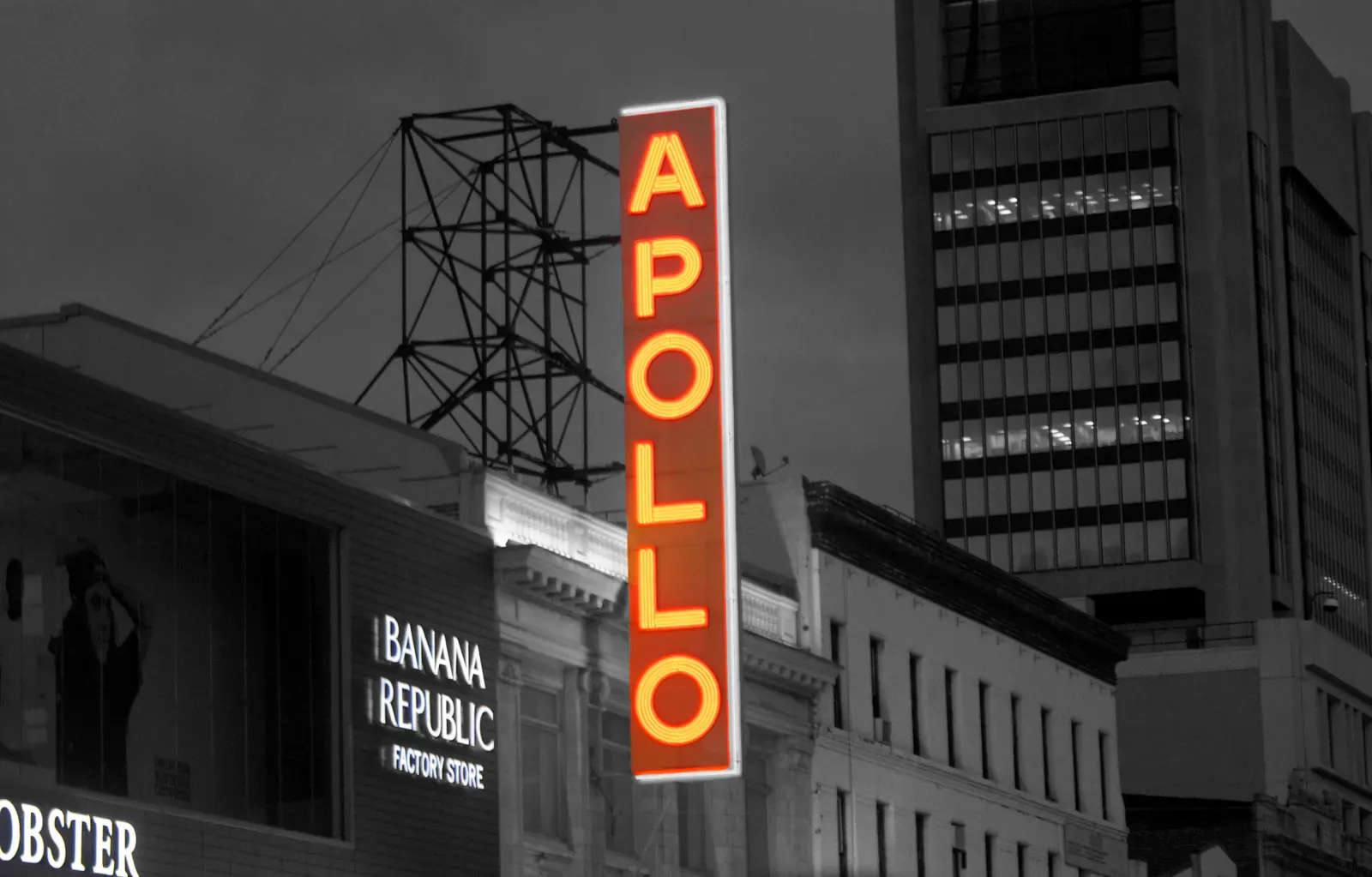
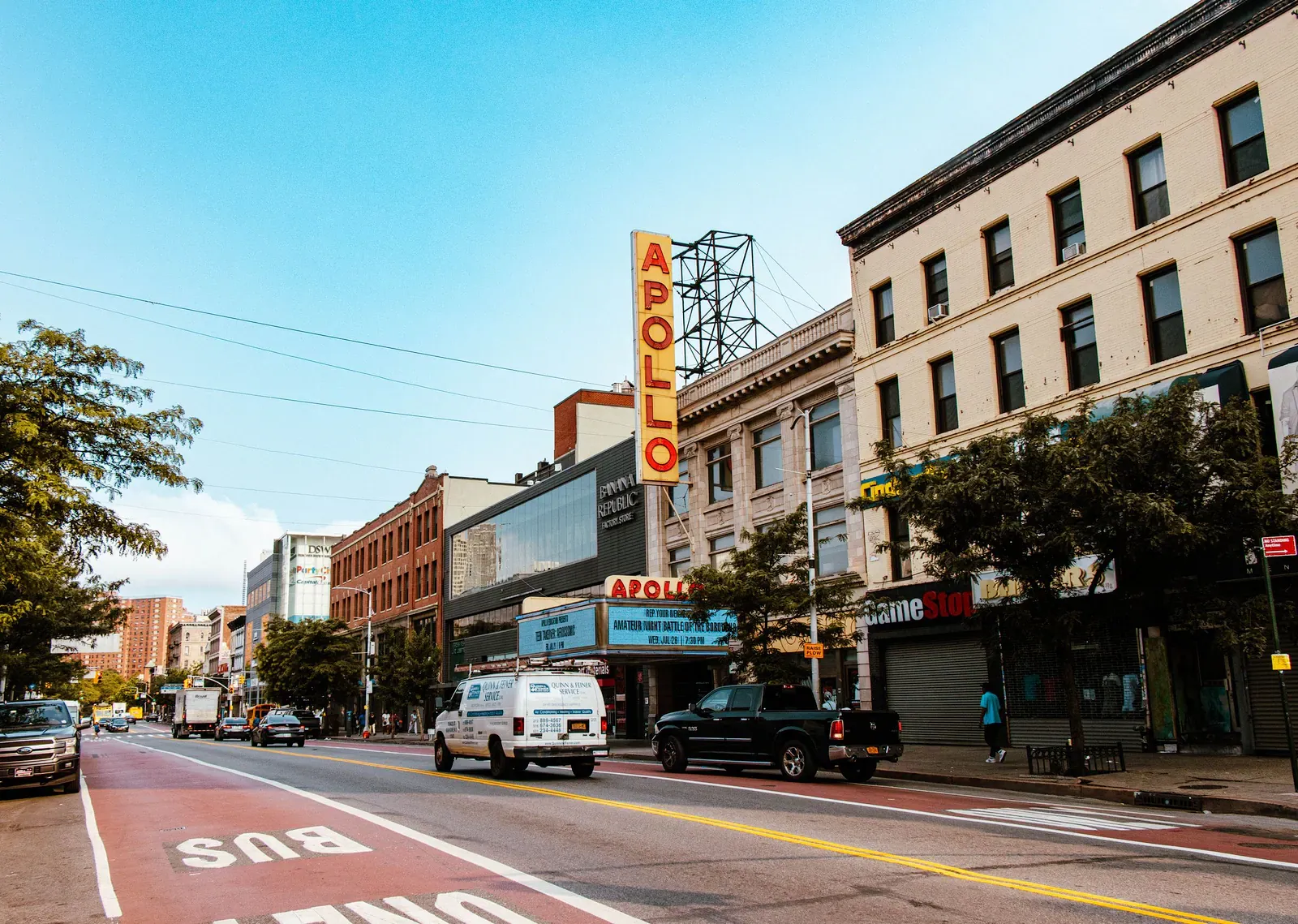
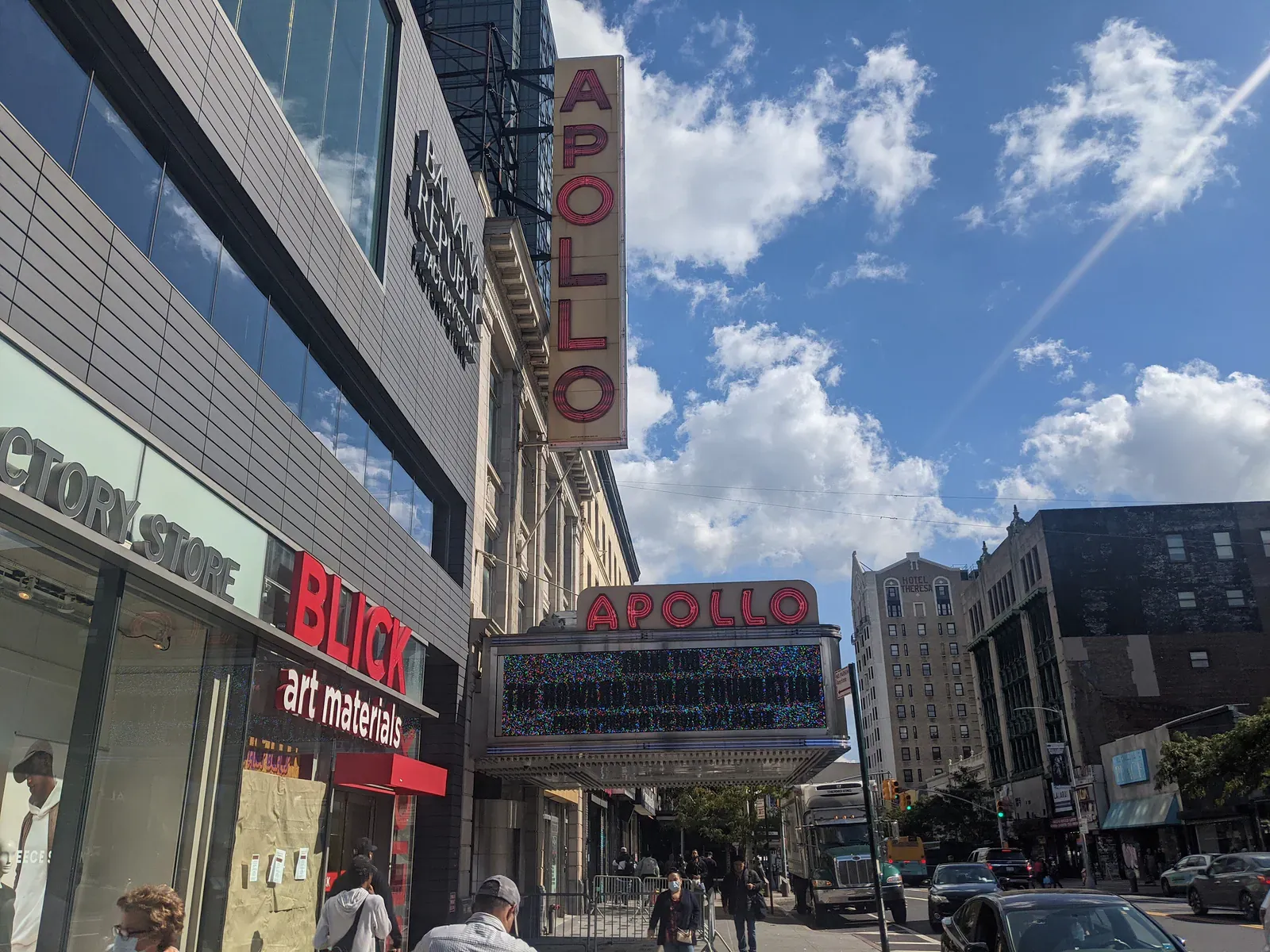
New York, 1935 to today. Harlem hall whose Amateur Night, begun in 1935, launched generations of R&B talent.
Washington, 1976 to today. Birthplace of the Quiet Storm late-night format in 1976.
Culture
Culture markers
- Late-night slow jams
Quiet Storm radio made slow R&B the soundtrack to evening romance.
Ritual - Hip-hop soul
Label for Mary J. Blige's mix of gospel singing and hard drum loops.
Slang - Neo soul
Marketing term coined by Kedar Massenburg for D'Angelo, Erykah Badu and Lauryn Hill.
Slang - Visual albums
Beyonce's 2013 album paired 14 songs with 17 short films.
Artwork - Surprise album drops
Beyonce's 2013 album and Frank Ocean's 2016 Blonde arrived with little warning.
Ritual
Media
Key media
- 1971Soul Train
by Don Cornelius. National TV dance show that spotlighted R&B for 35 years.
Film - 1976The Quiet Storm
by Melvin Lindsey, WHUR-FM. Late-night format that made slow R&B a radio staple, named after a Smokey Robinson track.
Radio - 1992The Bodyguard: Original Soundtrack Album
by Whitney Houston and various artists. Film soundtrack that sold over 45 million copies worldwide.
Compilation - 1993Vibe
by Quincy Jones and David Salzman. Magazine that covered R&B and hip-hop as one culture.
Zine
Glossary
Terms on this page
2010s R&B that borrows from electronic, rock and ambient music for a moodier sound.
Early-90s R&B built on hard beats and gospel-trained vocals, popularized by Mary J. Blige.
A run of notes sung on one syllable, the vocal signature of the genre.
Late-90s style using live instruments and jazz-soul harmony, a term coined by Kedar Massenburg.
Late-80s style fusing hip-hop drum programming with R&B singing.
A late-night radio format and mellow R&B style named after a Smokey Robinson song.
A slow, romantic R&B track built on a steady drum-machine pulse.
R&B, Soul & Funk family