Rhythm and blues
Rhythm and blues is African-American popular music of the 1940s to early 1960s: blues forms, horn riffs, a backbeat and gospel-trained vocals.
New York City, 1947
R&B, Soul & Funk family
Born
1947
New York City
Subgenres
4
Documented branches
Links
60
Genres it drew on or shaped
Tempo
70-190 BPMLineage
Family tree
Grew out of
Derived from
Derived from
Derived from
Derived from
Influenced by
New York City, 1947
Rhythm and blues
Led to (26)
Timeline
Era by era
From the first sparks to today. Select a dot to read the story behind it.
- Jump bands and boogie
1942 to 1948
- Independent labels and shouters
1949 to 1954
- Rock and roll crossover
1955 to 1958
- Toward soul
1959 to 1964
Eras
Moments
- 1 Jump bands and boogie, 1942 to 1948
- 2 Independent labels and shouters, 1949 to 1954
- 3 Rock and roll crossover, 1955 to 1958
- 4 Toward soul, 1959 to 1964
1942
Jump bands and boogie
Small horn-led combos led by Louis Jordan and shouters like Wynonie Harris turn blues and boogie-woogie into upbeat dance records for Black audiences.
- 1942Savoy Records opens in NewarkHerman Lubinsky's label is one of the first independents to record jump blues and jazz-based dance music.
- 1943King Records starts in CincinnatiSyd Nathan builds a plant that presses, records and distributes its own R&B and country.
- 1945Louis Jordan's CaldoniaA fast jump-blues novelty tops the race records chart and sets the template for small-combo R&B.
- 1945Driftin' Blues by Johnny Moore's Three BlazersCharles Brown's smooth piano blues stays on the chart for months and defines the West Coast nightclub style.
- 1947Atlantic and Imperial are foundedAtlantic in New York and Imperial in Los Angeles join Specialty and Aristocrat (soon Chess) as independents that win the R&B market.
- 1948Wynonie Harris takes Good Rockin' Tonight to number oneHis handclapping cover of Roy Brown's song is often cited as an early rock and roll record.
1949
Independent labels and shouters
Billboard adopts the name rhythm and blues, and Atlantic, King, Chess, Specialty and Imperial sign honking saxophonists, shouters and vocal groups.
- 1949Billboard retires race records for rhythm and bluesThe trade chart for Black music gets the new name, which then spreads to the whole style.
- 1950Ruth Brown's Teardrops from My EyesHer first number one on the R&B chart makes her Atlantic's biggest star of the early 1950s.
- 1951Rocket 88 is recorded in MemphisIke Turner's band, credited as Jackie Brenston and his Delta Cats, cuts a car-themed hit at Sam Phillips' studio and Chess releases it.
- 1952Alan Freed stages the Moondog Coronation BallThe Cleveland dance, billed as a first rock and roll show, is overbooked and shut down; Freed's radio show pulls white teens toward R&B.
- 1952Lloyd Price's Lawdy Miss ClawdyRecorded in New Orleans with Fats Domino on piano, it sells a million and spreads the city's rolling piano sound.
- 1953Big Mama Thornton records Hound DogJerry Leiber and Mike Stoller's blues is a seven-week R&B number one on Peacock, years before Elvis Presley's version.
- 1953The Drifters release Money HoneyClyde McPhatter's gospel-trained lead on a gritty rhythm track becomes the vocal-group template for Atlantic.
- 1954Work With Me Annie is banned from radioHank Ballard and the Midnighters' suggestive number one draws bans, and answer records follow.
- 1954Big Joe Turner's Shake, Rattle and RollAtlantic's number one blues shout is covered by Bill Haley and carries the style to white pop audiences.
- 1954Ray Charles records I Got a WomanHe fits a gospel tune with secular words, a blend that points straight to soul.
1955
Rock and roll crossover
Fats Domino, Little Richard and Chuck Berry reach white teenagers, while pop covers and radio payola reshape who profits.
- 1955Fats Domino's Ain't That a Shame crosses to popPat Boone's cover of the song outsells the original, a pattern repeated across R&B hits.
- 1955Little Richard cuts Tutti FruttiProducer Bumps Blackwell has the lyrics cleaned up for release, and the record sells a million.
- 1955Chuck Berry's Maybellene on ChessA guitar-led car-and-romance story turns blues into teen music and earns him a Chess contract.
- 1957Sam Cooke's You Send Me tops the pop chartA gospel star's first secular single under his own name shows that smooth R&B can lead the pop charts.
1959
Toward soul
Ray Charles and Sam Cooke bring gospel phrasing into the style, Motown opens in Detroit, and the sound is soon marketed as soul.
- 1959Berry Gordy starts Tamla in DetroitThe first step toward Motown, the label whose polished sound replaces raw independent R&B.
- 1959Payola probe ends Alan Freed's New York careerThe disc jockey who popularized the term rock and roll is fired as radio payment scandals break.
- 1963The Rolling Stones debut with a Chuck Berry coverYoung British bands rework American R&B, giving the 1950s repertoire a second life.
- 1969Billboard renames the R&B chart SoulThe trade label rhythm and blues steps aside for soul until the chart name returns in the 1980s.
Listening path
Anthems
The records that built the sound, grouped by the part they played. Thumbnails come from YouTube; the player loads only when you press play.
- 01
Louis Jordan, 1945 · Decca Records
A fast, comic jump-blues number one that set the small-combo formula for R&B.
Start hereOrigin - 02
Wynonie Harris, 1948 · King Records
A shouted dance call that foreshadowed rock and roll.
Origin - 03
Big Joe Turner, 1954 · Atlantic Records
A shouted shuffle that topped the R&B chart and, through Bill Haley's cover, reached mainstream pop.
Start hereBreakthrough - 04
Fats Domino, 1955 · Imperial Records
The easy New Orleans shuffle that put Fats Domino on the pop chart and the radio for white listeners.
Breakthrough - 05
Jackie Brenston, 1951 · Chess
Ike Turner's band, a boogie piano and a fuzzy guitar on a car-themed R&B number one.
Anthem - 06
Lloyd Price, 1952 · Specialty Records
The New Orleans piano triplets of the Domino-Bartholomew circle on a million-selling R&B number one.
Anthem - 07
Ruth Brown, 1953 · Atlantic Records
A blues-shuffle number one that made Ruth Brown the voice of Atlantic's early hits.
Anthem - 08
Big Mama Thornton, 1953 · Peacock Records
The raw seven-week R&B number one that Elvis Presley would later turn into a pop hit.
Start hereAnthem - 09
The Drifters, 1953 · Atlantic Records
A gospel-trained lead over a hard backbeat that defined the vocal-group R&B sound.
Anthem - 10
Hank Ballard, 1954 · King Records
A suggestive seven-week R&B number one that was banned from many radio stations.
Anthem - 11
Ray Charles, 1954 · Atlantic Records
Gospel call and response set to secular words, the bridge from R&B to soul.
Crossover - 12
Little Richard, 1955 · Specialty Records
A manic piano and whooping vocal that pushed R&B straight into rock and roll.
Crossover - 13
Chuck Berry, 1955 · Chess
A fast guitar-led story song that carried blues timing to teenagers.
Crossover - 14
Sam Cooke, 1957
A smooth gospel-trained ballad that topped the pop chart and pointed R&B toward soul.
Crossover
Facts
| Family | R&B, Soul & Funk |
| Origin | New York City, United States |
| Emerged | 1940s |
| Status | Historical |
| Tempo | 70 to 190 BPM |
| Meter | 4/4 |
| Grew out of | Jump blues, Boogie-woogie, Swing, Blues |
| Subgenres | 4 |
Rhythm and blues is African-American popular music of the 1940s to the early 1960s that joined blues forms to jazz-derived horn sections, boogie-woogie piano, a strong backbeat and gospel-trained singing.
It took shape in Los Angeles, New York, Chicago and New Orleans in the years after the Second World War, and its repertoire became the raw material of rock and roll and, later, soul.
Origins
The name is a trade invention. Through the 1930s and 1940s the record industry sold music by Black artists to Black buyers as “race records”. In 1949 Billboard dropped that label for “rhythm and blues”, and the new term then spread from the chart to the music itself.
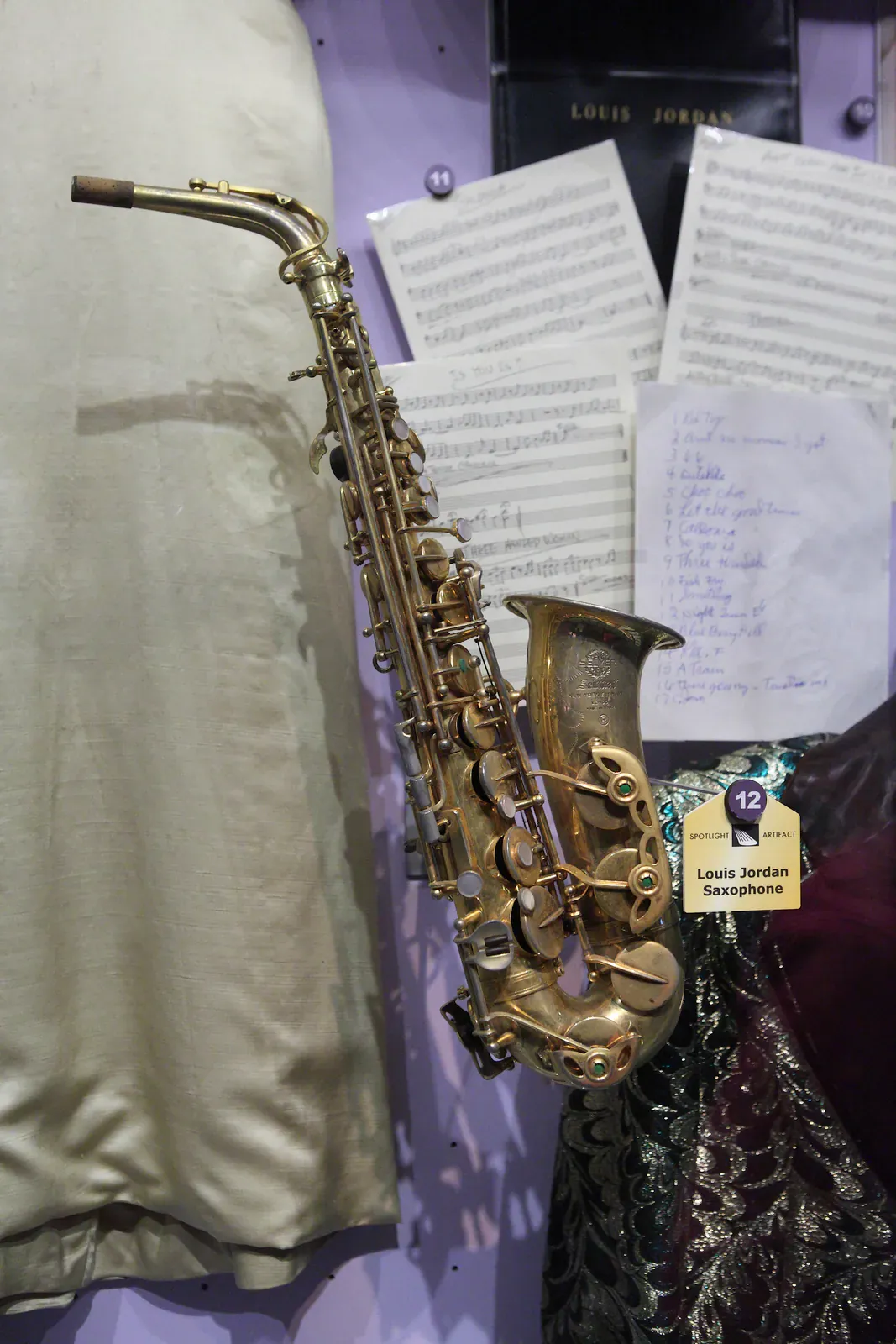
The sound underneath was older. Jump blues combos, boogie-woogie pianists, swing bands and church singers all fed it, and the Great Migration had carried their audiences into northern and western cities with money for jukeboxes and dance halls. Louis Jordan’s Tympany Five made the formula plain: a small horn-led band, a shuffle rhythm, comic or knowing lyrics and a tempo built for dancing. His “Caldonia” topped the chart in 1945 on Decca.
Independent labels turned the scene into an industry. Savoy opened in Newark in 1942 and King in Cincinnati in 1943, and in 1947 Atlantic in New York and Imperial in Los Angeles joined Specialty and Aristocrat, soon renamed Chess, as small companies that majors had left uncovered.
Jump bands and boogie, 1942-1948
On the West Coast, Central Avenue clubs and labels such as Aladdin and Modern supported a smoother branch: Charles Brown’s piano ballad “Driftin’ Blues”, recorded with Johnny Moore’s Three Blazers in 1945, stayed on the chart for months and set the nightclub style. Shouters took the opposite course. Wynonie Harris took “Good Rockin’ Tonight” to number one in 1948 for King with a handclapping, rowdy delivery that foreshadowed rock and roll.
Independent labels and shouters, 1949-1954
After the Billboard renaming, the independents dominated the chart. Atlantic built its early catalogue on Ruth Brown, whose “Teardrops from My Eyes” spent eleven weeks at number one on the R&B chart in 1950, and on vocal groups such as the Drifters, whose “Money Honey” (1953) put Clyde McPhatter’s gospel-trained lead over a hard backbeat. Chess in Chicago released “Rocket 88” in 1951, a car-themed boogie by Ike Turner’s band, credited to Jackie Brenston, cut at Sam Phillips’ studio in Memphis with a fuzzy, distorted guitar.
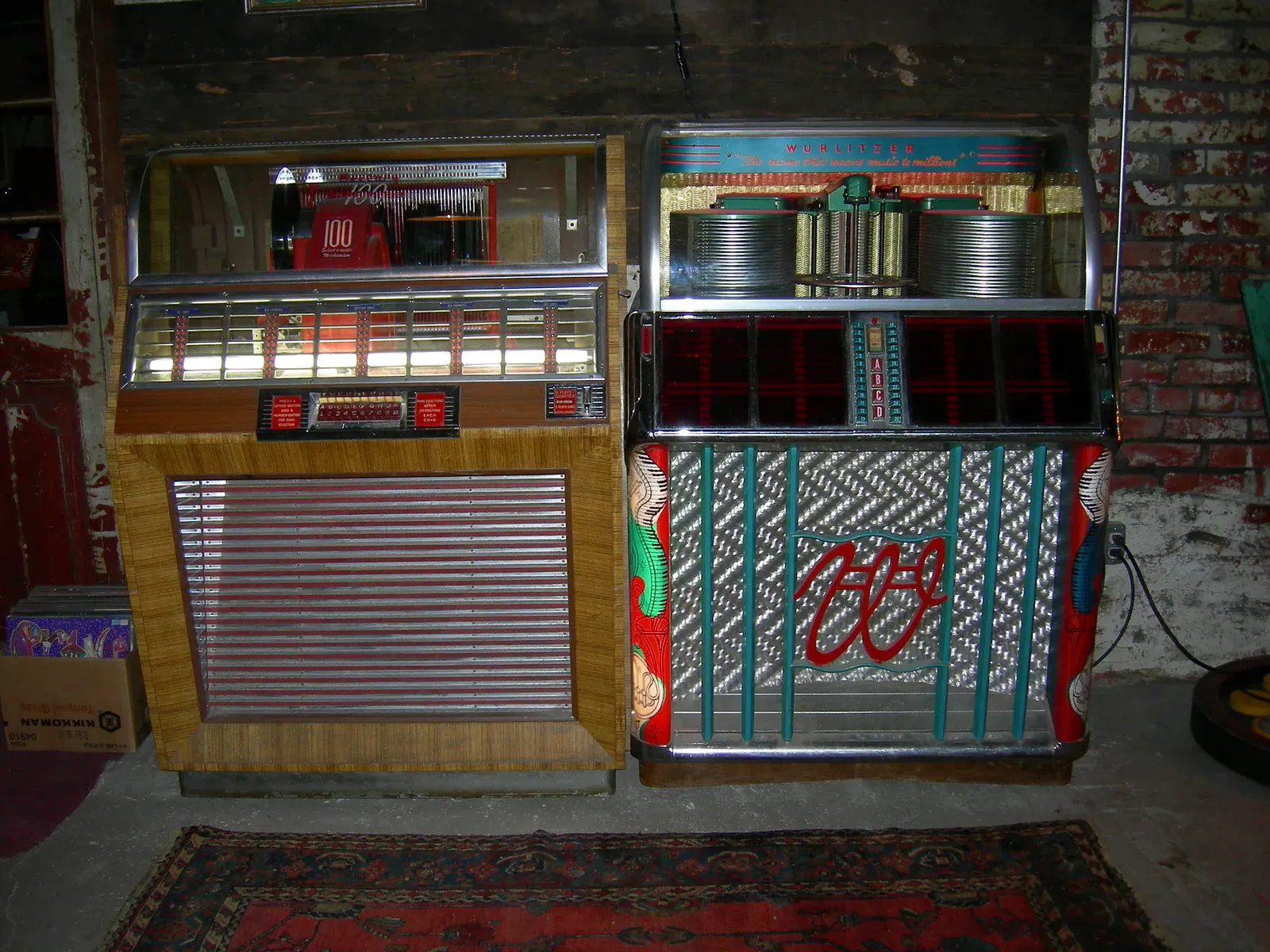
New Orleans developed its own voice. At Cosimo Matassa’s J&M Studio, bandleader Dave Bartholomew and pianist Fats Domino recorded the rolling triplet piano style heard on Domino’s “The Fat Man” (1949) and Lloyd Price’s “Lawdy Miss Clawdy” (1952). In Houston, Don Robey’s Peacock label released Big Mama Thornton’s “Hound Dog” in 1953, a seven-week R&B number one written by Jerry Leiber and Mike Stoller.
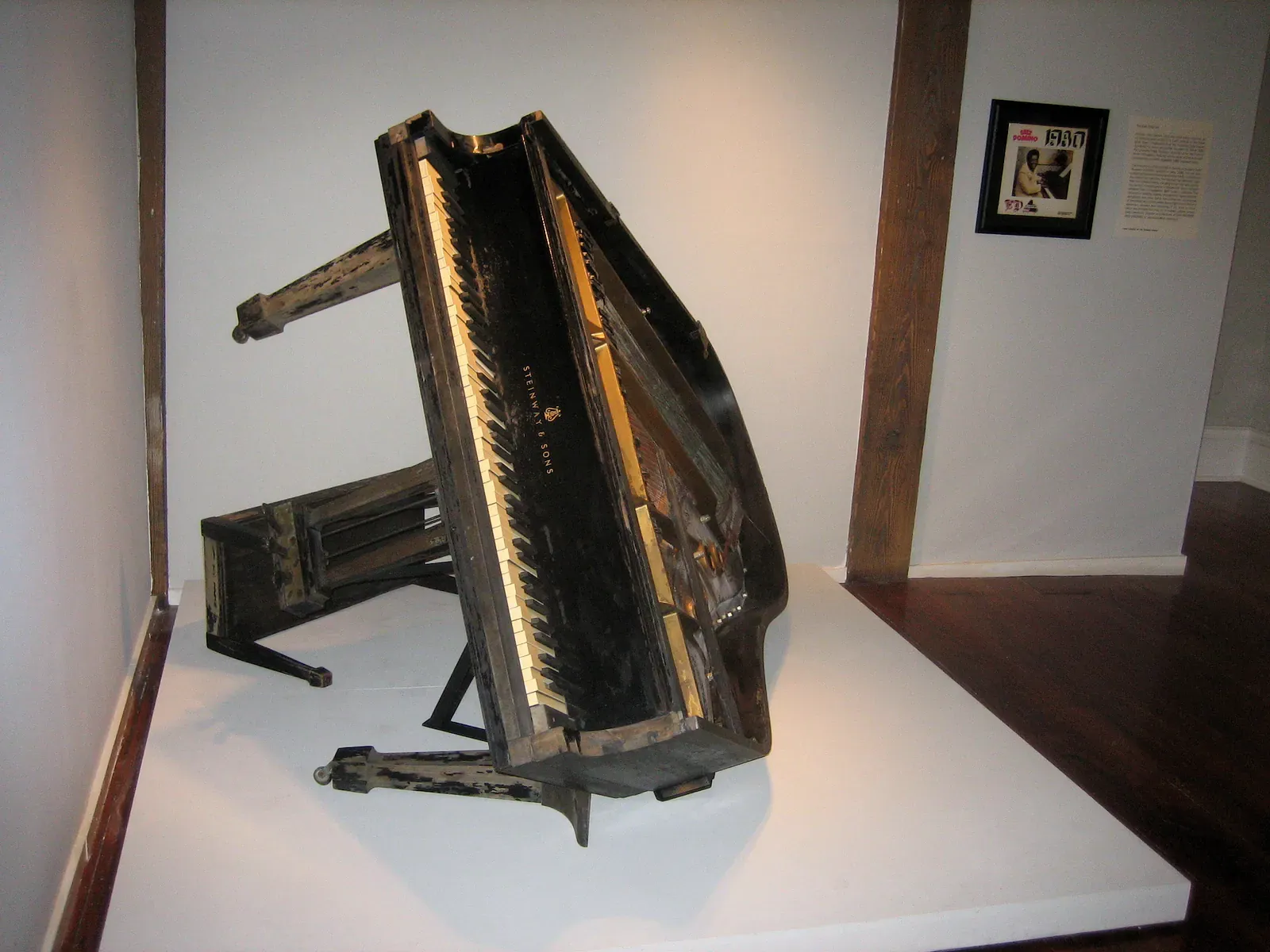
Radio widened the audience. WLAC in Nashville carried late-night R&B shows across much of the eastern United States, selling records by mail, and Alan Freed’s Cleveland programme drew white teenagers to the same records. His 1952 Moondog Coronation Ball was overbooked and shut down, but it is often cited as an early rock and roll show.
Rock and roll crossover, 1955-1958
The same songs now reached a second market. Big Joe Turner’s “Shake, Rattle and Roll” (1954) was a shouted shuffle at number one on the R&B chart; Bill Haley’s cover took it to white pop buyers. Pat Boone’s version of Fats Domino’s “Ain’t That a Shame” outsold the original in 1955, and the pattern repeated across the repertoire, so that songwriters and artists often earned a fraction of what the covers did.
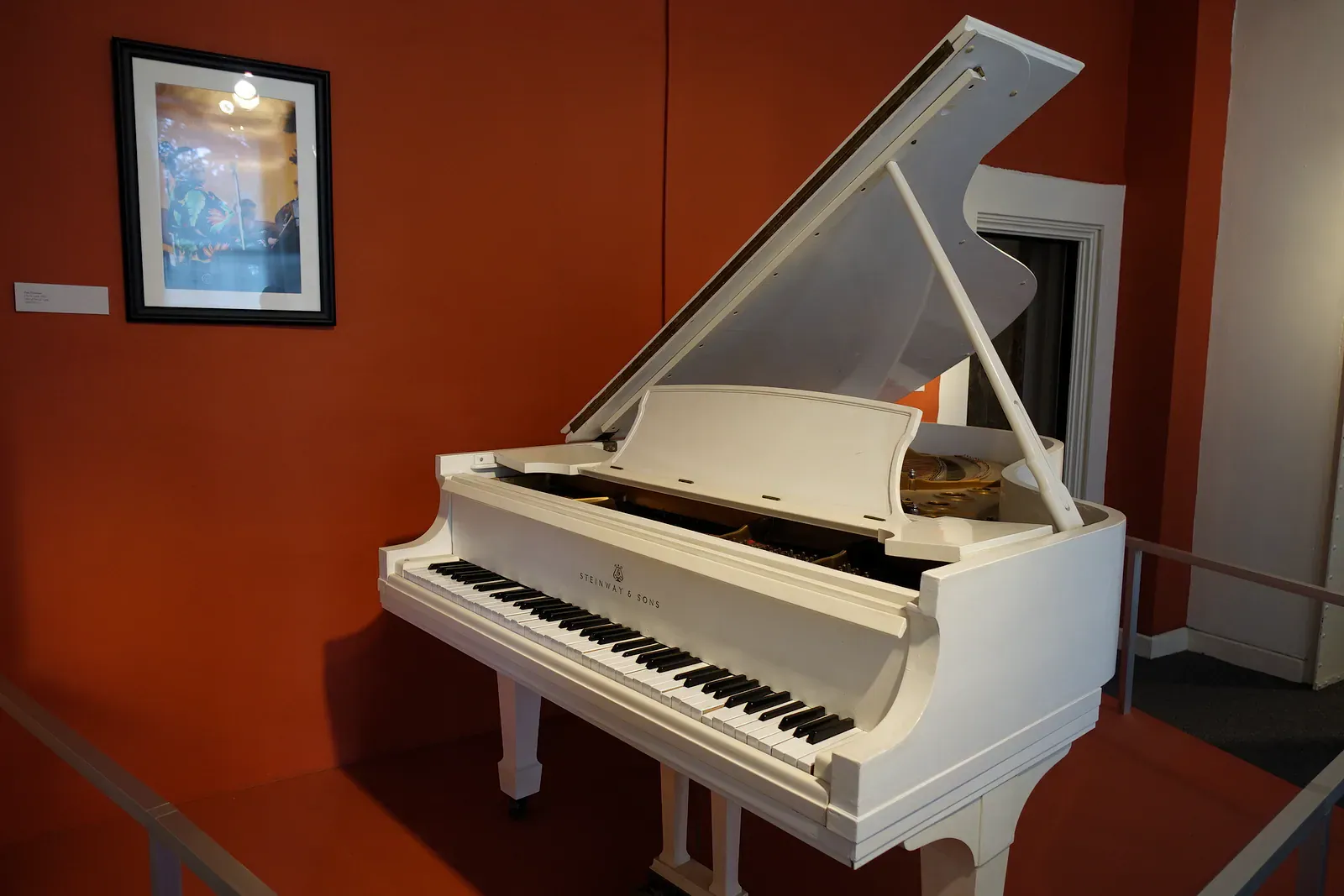
Black artists then crossed over directly. Little Richard cut “Tutti Frutti” for Specialty in 1955, with producer Bumps Blackwell having the lyrics cleaned up for release. Chuck Berry’s “Maybellene”, released on Chess the same year, turned blues timing into a guitar-led story song for teenagers. In 1957 Sam Cooke’s “You Send Me” topped the pop chart, his first secular single under his own name.
Resistance followed: Hank Ballard and the Midnighters’ “Work with Me, Annie” (1954) was banned by many stations, and in 1959 the payola investigations ended Freed’s New York career.
Toward soul, 1959-1964
By the end of the decade the raw independent sound was giving way to something polished. Ray Charles had already fitted a gospel tune with secular words in “I Got a Woman” (1954), and Sam Cooke’s smooth singing pointed the same way. In 1959 Berry Gordy started Tamla in Detroit, the first step toward Motown, whose arranged and rehearsed records replaced the loose small-combo format.

In 1963 young British bands began reworking American R&B, and the Rolling Stones’ first single was a Chuck Berry cover. In 1969 Billboard renamed its R&B chart “Soul”, and the older term faded from the trade until the 1980s. The style’s end is conventionally placed around 1964, when soul had taken over its audience.
Characteristics
Most records follow a twelve-bar blues or a vocal-group song in 4/4, from slow ballads to frantic dance numbers. The snare stresses beats two and four, the bass walks or shuffles, and horn riffs answer the singer, whose voice ranges from the shout of Big Joe Turner to the gospel-schooled tenors of the vocal groups.
Instruments and production
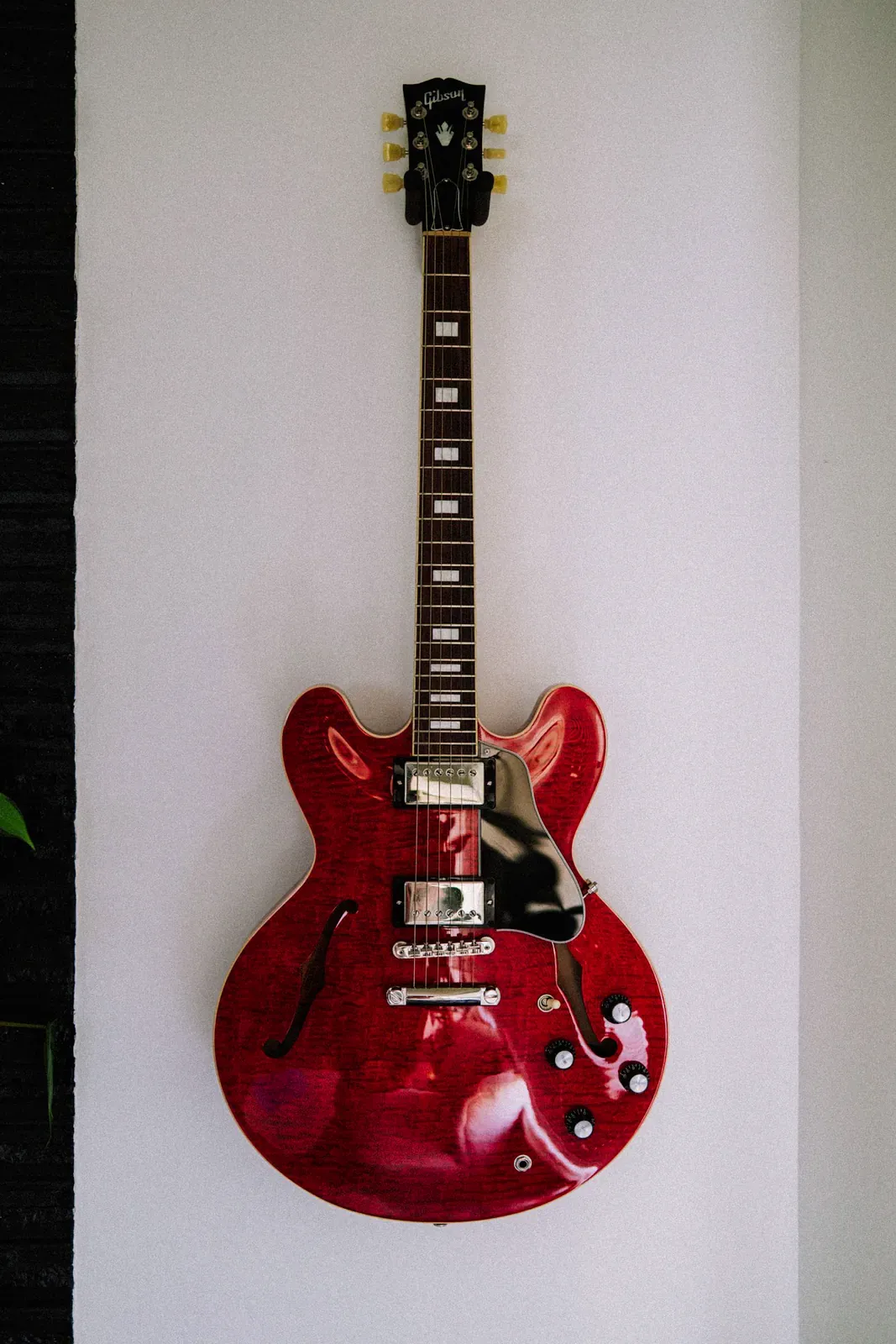
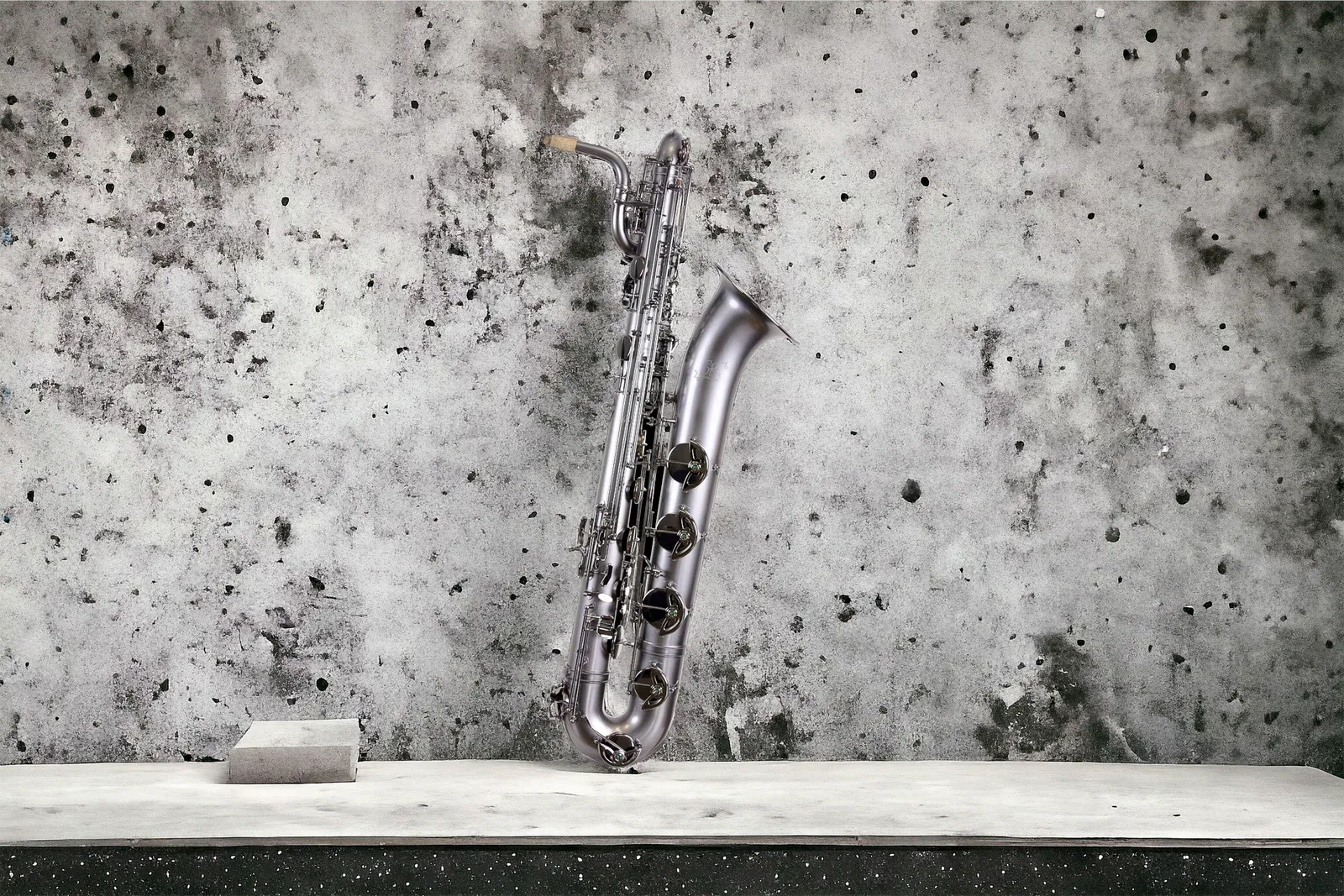
The tenor saxophone was the lead instrument of the jump era, played by “honkers” who repeated a screaming high note to move a crowd. Baritone sax doubled the bass in the horn section, and piano supplied boogie-woogie left-hand patterns or New Orleans triplets. The electric guitar, learned from T-Bone Walker, grew from a solo voice into the centre of the band, and the double bass was gradually replaced by the electric bass.
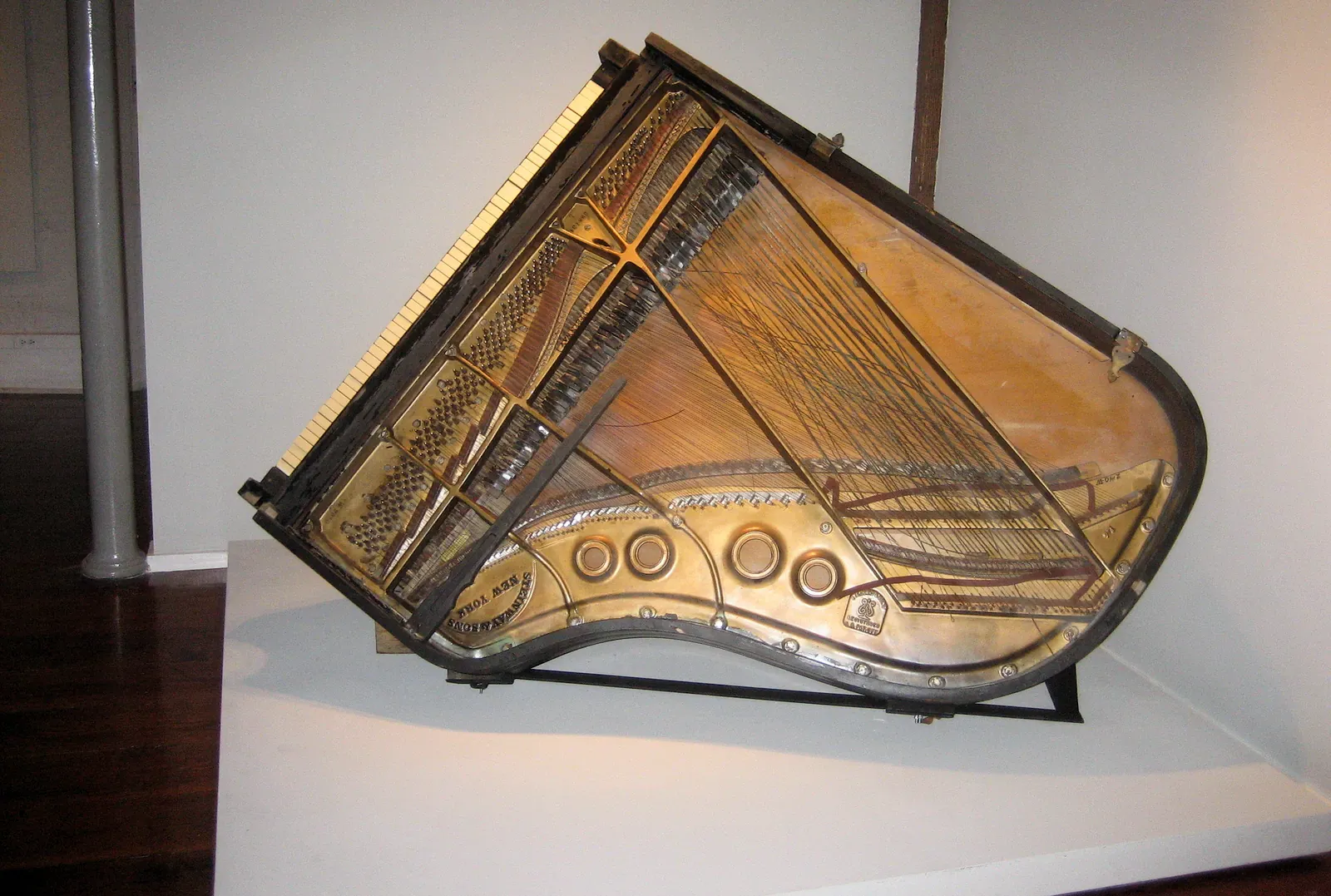
Recording moved from acetate discs to magnetic tape around 1950, which let small independents overdub and edit cheaply. The product stayed the 45 rpm single, introduced in 1949; the long-playing record arrived in 1948, but R&B remained a singles market.
Notable recordings
“Caldonia” fixed the small-combo format. “Rocket 88” paired a Memphis studio with a Chicago label and a fuzzy guitar that rock and roll later adopted. “Hound Dog” is the clearest case of a song changing hands: written for Thornton, it became Elvis Presley’s signature. “Money Honey” gave Atlantic its vocal-group template.
Culture
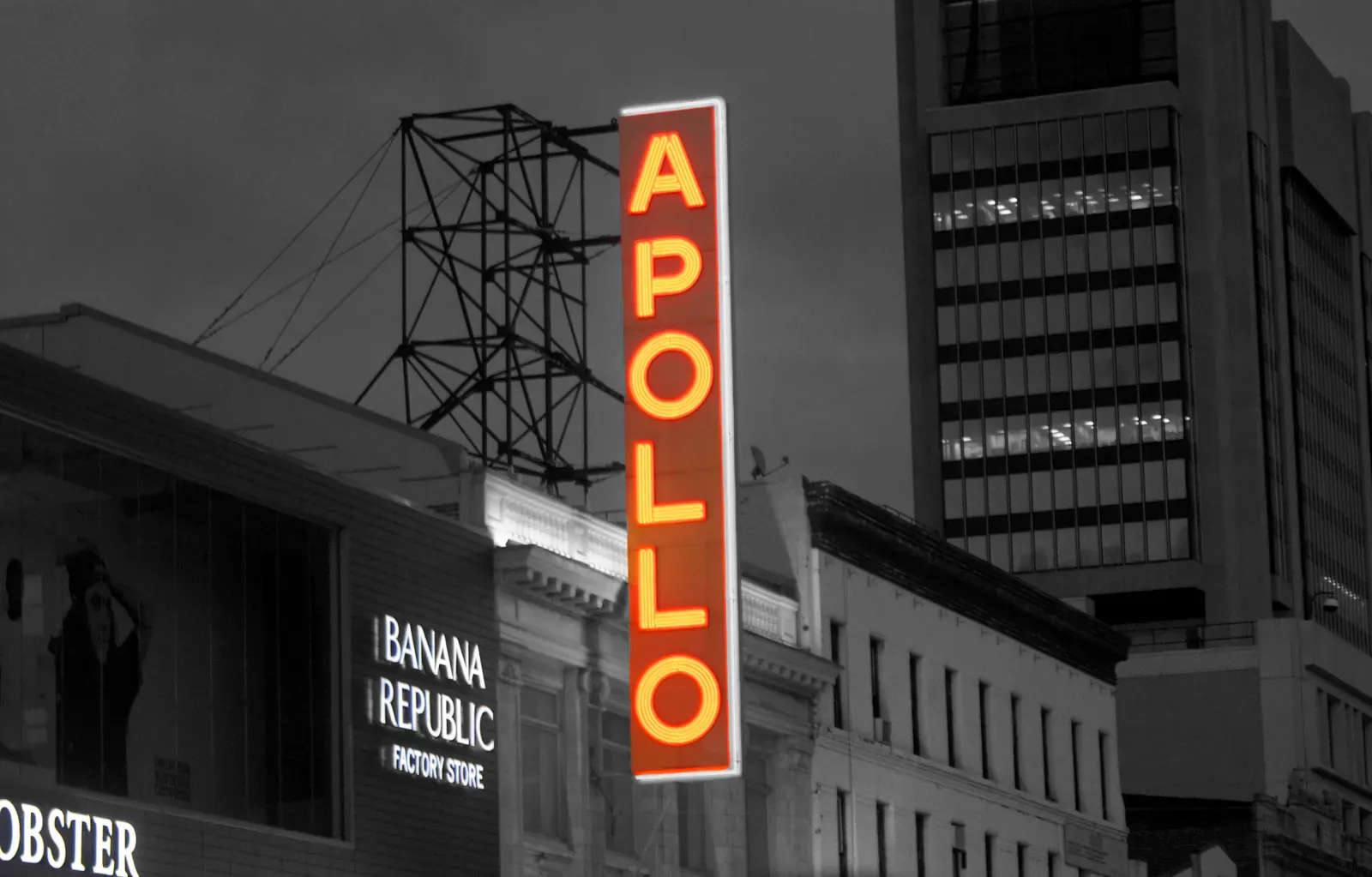
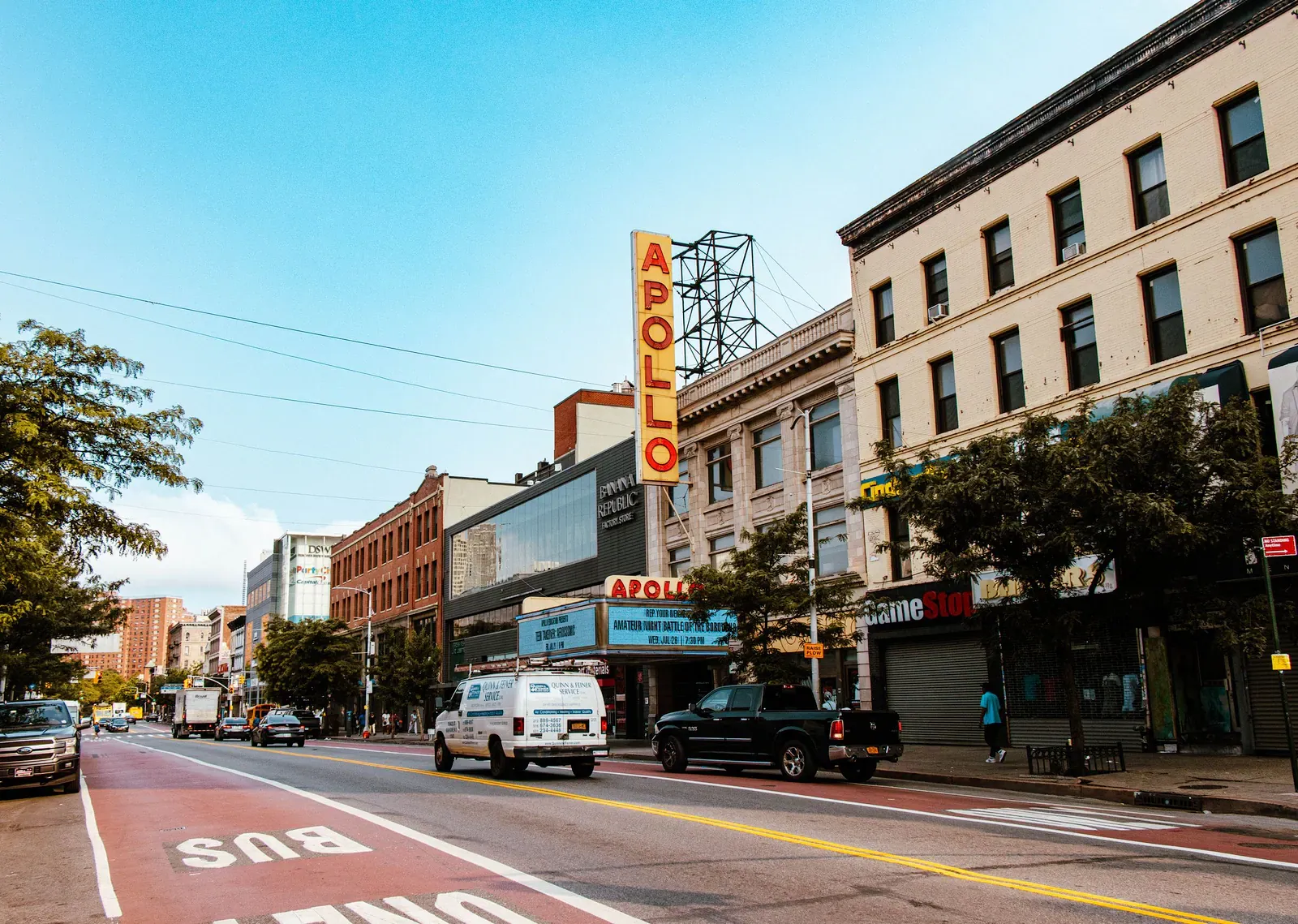
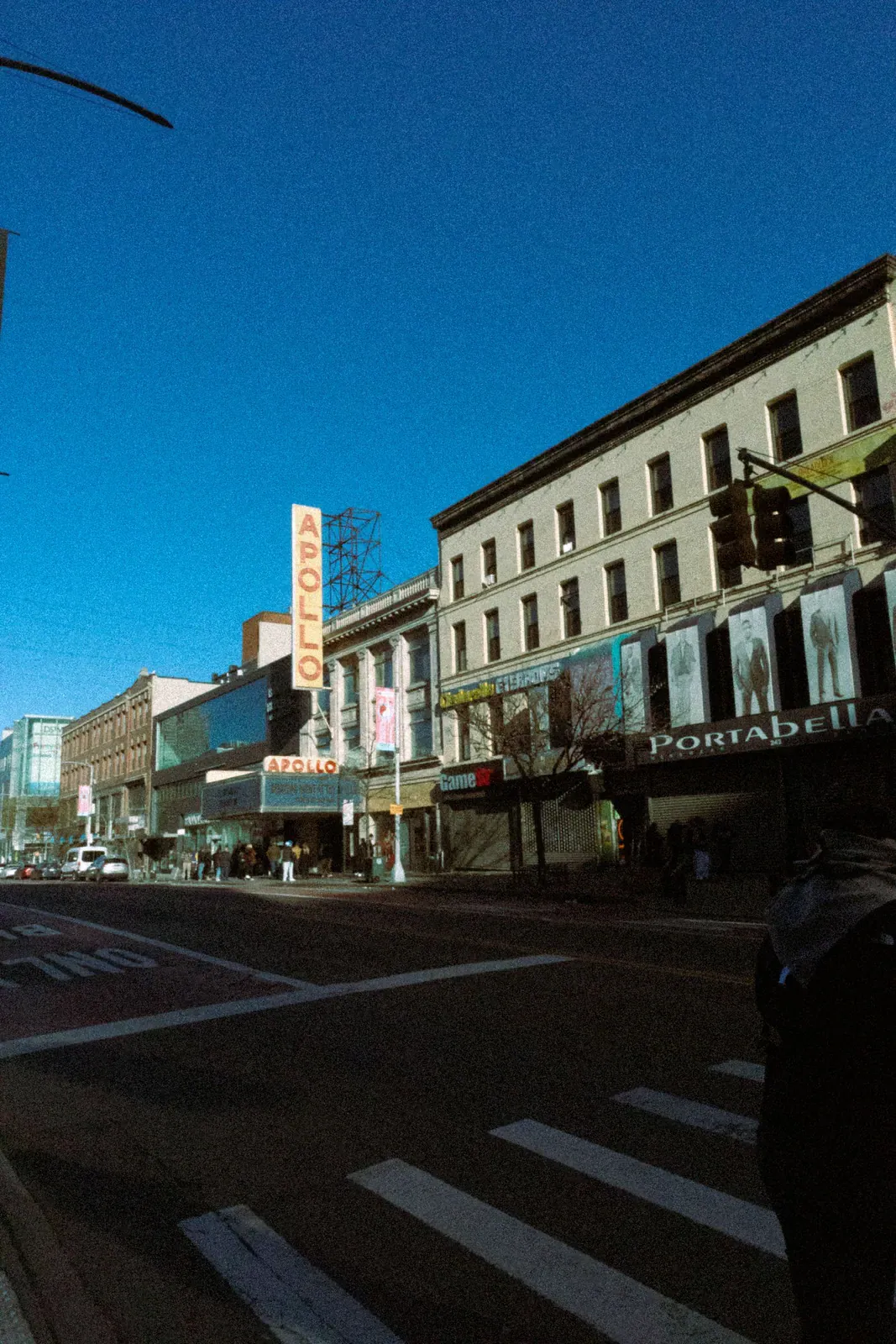
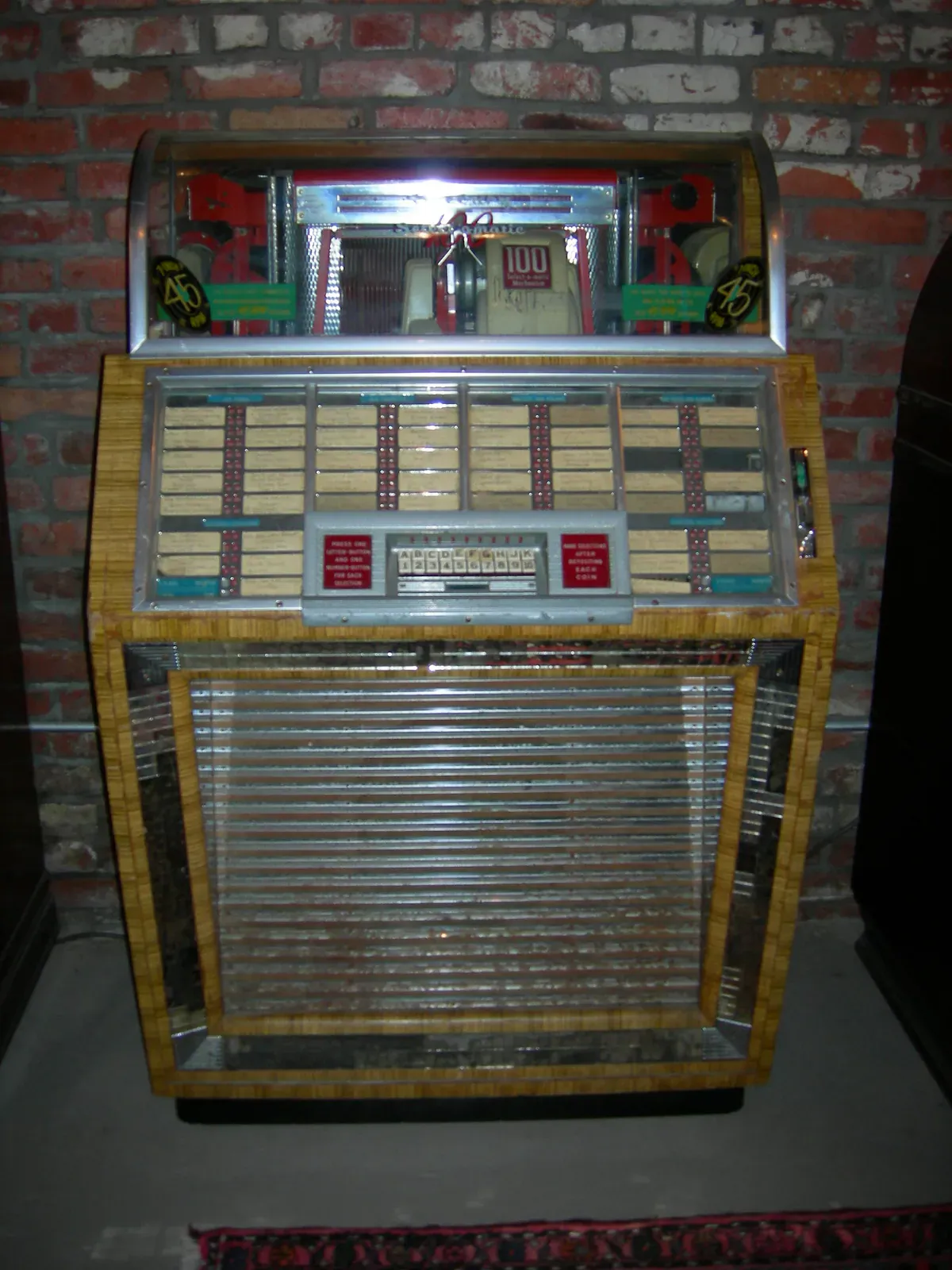
R&B artists toured the chitlin’ circuit, a network of Black-owned theaters, clubs and halls reached by bus. The Apollo Theater in Harlem and the Regal in Chicago were its main showcases, and the Apollo’s weekly amateur night launched singers and groups. Audiences danced the jitterbug to jump bands and wore zoot suits and conked hair, and lyrics carried the jive talk that Louis Jordan used.
Legacy
Rock and roll drew its first repertoire, its backbeat and its guitar and piano styles from R&B, and soul grew out of its gospel-trained singing. The British R&B bands of the early 1960s learned their songs from American records, and doo-wop, New Orleans R&B and contemporary R&B all descend from it. The wider lineage is covered on the R&B, soul and funk family page.
Misconceptions
The first is that R&B always meant what it means now. Since the late 1980s the trade term “R&B” has meant contemporary, produced vocal music, a separate genre; the 1940s and 1950s style is called classic or rhythm and blues.
The second is that Bill Haley or Elvis Presley invented rock and roll. Haley’s “Shake, Rattle and Roll” copied a Big Joe Turner record, and “Hound Dog” was first recorded by Big Mama Thornton in 1953. White artists took up the repertoire after Black artists had already made the records.
The third is that the audience was limited to Black listeners. Late-night radio, Alan Freed’s programme and jukeboxes brought the records to many white teenagers well before the pop covers appeared.
Frequently asked questions
What is rhythm and blues?
Rhythm and blues is a style of African-American popular music of the 1940s to early 1960s built on blues forms, horn riffs, a backbeat and gospel-influenced vocals. The name replaced “race records” on Billboard’s chart in 1949.
What is the difference between rhythm and blues and R&B today?
Rhythm and blues is the older style, with a live band and a saxophone. Contemporary R&B, covered on its own page, is a later genre of produced vocal music that carries the abbreviation.
Which labels recorded rhythm and blues?
Independent companies, among them Atlantic, King, Chess, Specialty, Imperial, Savoy and Peacock. Majors such as Decca also released records, notably Louis Jordan’s.
How did rhythm and blues lead to rock and roll?
Many early rock and roll hits were covers or reworkings of R&B records, and artists such as Fats Domino, Little Richard and Chuck Berry were R&B performers who became rock and roll stars. Rhythm and blues therefore supplied the repertoire, the backbeat and the lead guitar and piano parts of rock and roll.
Sound
Sound sheet
Anatomy of a track
| # | Part | Bars |
|---|---|---|
| 1 | Intro (piano or horn riff) | 4 |
| 2 | Vocal chorus 1 (12-bar blues) | 12 |
| 3 | Vocal chorus 2 | 12 |
| 4 | Saxophone or guitar solo | 12 |
| 5 | Final vocal chorus | 12 |
| 6 | Tag or riff ending | 4 |
Signature sounds
- Honking tenor sax solo
- Backbeat on beats two and four
- Boogie-woogie shuffle bass line
- Short horn riffs answering the singer
- Shouted blues vocal or gospel-trained lead with group backing
- Rolling triplet piano figures
Drums and percussion
- Drum kit
Techniques
- Backbeat
- Boogie-woogie shuffle
- Honking sax solo
- Call and response
- Piano triplets
Keys and modes
Major 12-bar blues in flat keys. B flat and E flat suit saxophones and horns.
Blues scale with blue notes. Flattened thirds and sevenths over major chords.
Vocals
Shouted blues leads, gospel-trained tenors and bass-voiced vocal-group backing.
Scenes
Where it happened
Where and when the sound lived: one bar per city on a shared timeline.
North America
Active scenes
Peak 7, 1950-1955
Atlantic's home and the Apollo Theater's stage made Harlem the commercial centre of R&B.
Central Avenue clubs and labels such as Aladdin, Imperial, Specialty and Modern fed a West Coast blues-and-jump scene.
Chess and Vee-Jay recorded blues, vocal groups and Chuck Berry for the Great Migration audience.
Cosimo Matassa's studio and bandleader Dave Bartholomew produced the rolling-piano sound of Fats Domino and Lloyd Price.
King and its Federal imprint recorded Wynonie Harris, Hank Ballard and later James Brown.
Sam Phillips cut Rocket 88 and other R&B for Chess and Modern before launching Sun.
Don Robey's Peacock label recorded Big Mama Thornton and Texas blues and gospel acts.
Venues and places
New York, 1934 to today. Harlem's amateur nights and revues were the national stage for R&B acts.
Chicago, 1928 to today. The South Side's main showcase for touring R&B bands and vocal groups.
New Orleans, 1939 to today. Uptown club and hotel where local R&B performers played on the chitlin' circuit.
New Orleans, 1945 to today. Cosimo Matassa's studio recorded Fats Domino, Lloyd Price and Little Richard.
Memphis, 1950 to today. Sam Phillips' studio, where Rocket 88 was cut in 1951.
Cincinnati, 1943 to today. Syd Nathan's Brewster Avenue plant recorded King and Federal artists.
Nashville, 1946 to today. Its night-time R&B shows reached Black and white listeners across much of the eastern US.
Culture
Culture markers
- Jive talk
Hepcat slang that filled the lyrics of Louis Jordan and other jump bands.
Slang - Jitterbug
Fast partner swing dancing to jump and early R&B bands.
Dance - Zoot suits and processed hair
Sharp suits and conked hair marked many performers and fans.
Fashion - Amateur night
The Apollo's weekly talent contest launched singers and groups.
Ritual - Chitlin' circuit tours
Bands toured a string of Black-owned theaters and clubs in packed buses.
Ritual
Media
Key media
- 1946WLAC night shows
by Gene Nobles and John R.. Clear-channel late-night R&B programmes with mail-order record sales.
Radio - 1951The Moondog Show
by Alan Freed. The Cleveland radio show that brought R&B to a white teenage audience.
Radio - 1956The Girl Can't Help It
by Frank Tashlin. A film comedy with performances by Little Richard, Fats Domino and other R&B stars.
Film - 1978Honkers and Shouters
by Arnold Shaw. A history of the R&B performers and independent labels of the 1940s and 1950s.
Book - 1985Atlantic Rhythm and Blues 1947-1974
by Various. A seven-volume survey of Atlantic's R&B output.
Compilation - 1988The Death of Rhythm and Blues
by Nelson George. A history of the business, from independents to crossover and the loss of Black control.
Book
Glossary
Terms on this page
A strong accent on beats two and four of the bar, played by the snare drum.
The network of Black-owned theaters, clubs and halls on which R&B acts toured.
A re-recording of an R&B hit by another act, often a white pop singer, which then outsold the original.
A saxophonist who plays a repeated, screaming high note to excite a crowd.
Fast small-band blues with a shuffle rhythm and short horn riffs, the main ancestor of R&B.
Industry label for records by Black artists aimed at Black buyers, replaced by rhythm and blues in 1949.
A short repeated melodic phrase, often played by the horn section behind a singer.
A blues singer who projects over a loud band, such as Big Joe Turner or Wynonie Harris.
R&B, Soul & Funk family