Garage rock
Garage rock is raw, amateur-spirited rock and roll by North American teenage bands in the mid-1960s, built on fuzz guitar, combo organ and aggressive vocals.
United States, Canada, 1958
Rock family
Born
1958
United States, Canada
Subgenres
4
Documented branches
Links
37
Genres it drew on or shaped
Tempo
100-170 BPMLineage
Family tree
Grew out of
Derived from
Derived from
Derived from
- Instrumental rock
Derived from
Derived from
Derived from
United States, Canada, 1958
Garage rock
Led to (18)
Timeline
Era by era
From the first sparks to today. Select a dot to read the story behind it.
- Northwest roots
1959 to 1963
- The teen band boom
1964 to 1965
- National hits
1966 to 1967
- Fade and rediscovery
1968 to 1979
- Revivals
1980 to today
Eras
Moments
- 1 Northwest roots, 1959 to 1963
- 2 The teen band boom, 1964 to 1965
- 3 National hits, 1966 to 1967
- 4 Fade and rediscovery, 1968 to 1979
- 5 Revivals, 1980 to today
1959
Northwest roots
Teen bands in Portland and Tacoma form around 1959-1960, and the Kingsmen's budget recording of Louie Louie in 1963 shows how far a crude, shouted record could travel.
- 1959The Kingsmen form in PortlandThe Oregon band that would cut the most famous Louie Louie.
- 1960The Sonics form in TacomaTeenage guitarist Larry Parypa starts the band.
- 1960Jerden Records opens in SeattleJerry Dennon and Bonnie Guitar found the label that later issues Louie Louie.
- 1962The Standells form in Los Angeles
- 1962? and the Mysterians form in MichiganChildren of Mexican migrant farmers start the group in Bay City and Saginaw.
- 1963The Kingsmen record Louie LouieCut in Portland on April 6 in a one-hour session for a few dozen dollars and issued first on Jerden.
- 1963Wand takes Louie Louie nationalPicked up by Wand in October, the single peaks at No. 2 on the Billboard Hot 100 in December.
1964
The teen band boom
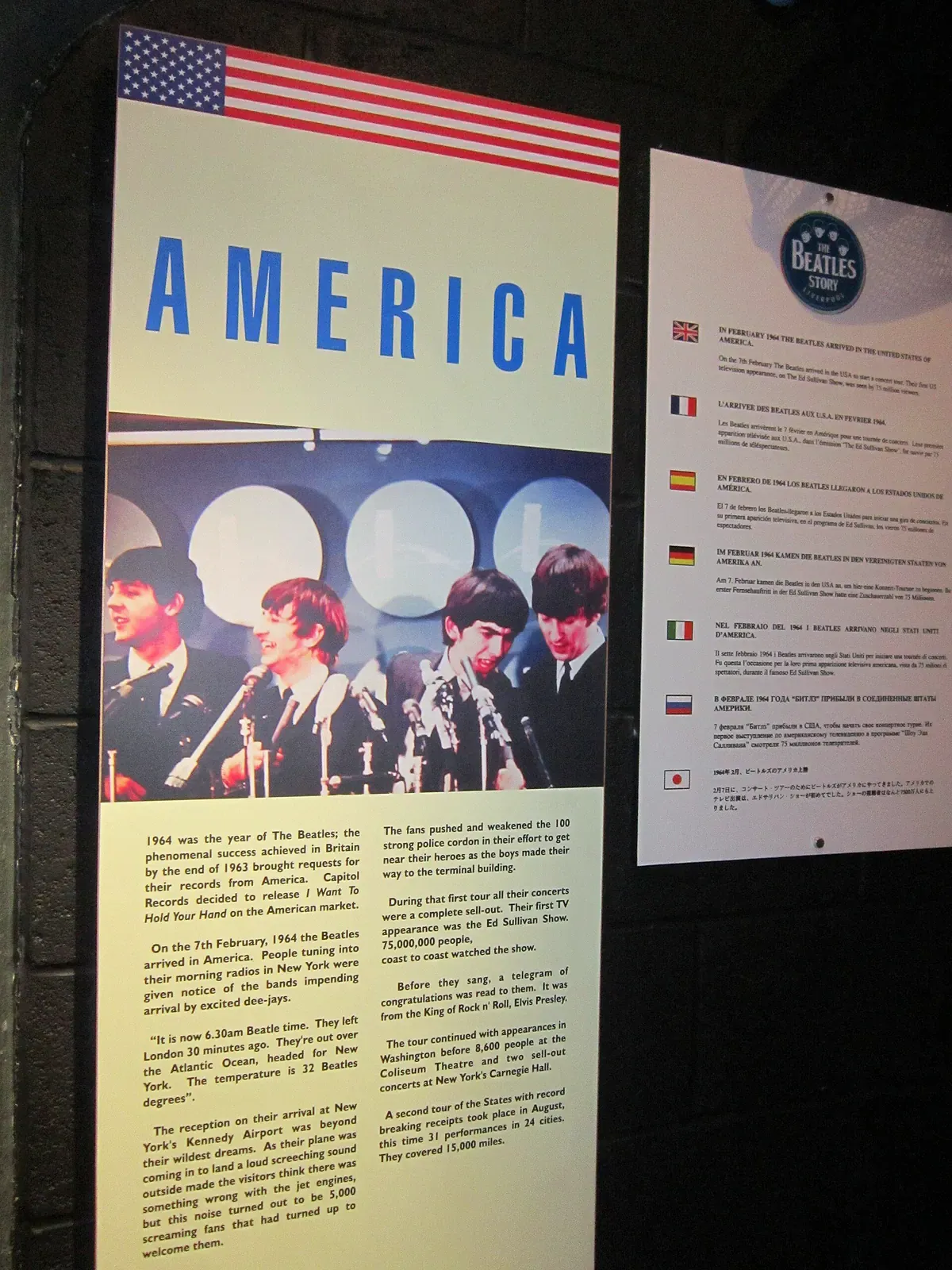
After the Beatles reach America in 1964, thousands of local bands copy the look and sound; Louie Louie draws an FBI inquiry and the McCoys reach No. 1 with Hang On Sloopy in 1965.
- 1964Louie Louie draws an FBI investigationAn Indiana governor calls the record pornographic; federal agents cannot make out any obscene wording.
- 1965The McCoys top the charts with Hang On SloopyReaches No. 1 in October for the teenage band from the Ohio and Indiana border on Bang Records.
- 1965The Sonics release Here Are the SonicsThe debut album, with Psycho and The Witch, is a benchmark for raw sound.
- 1965The Seeds form in Los Angeles
- 1965The Standells issue Dirty WaterReleased in late 1965 on Tower, a Capitol subsidiary.
1966
National hits
Dirty Water and 96 Tears reach the Hot 100 in 1966, and Los Angeles, Michigan and Texas bands pass the fuzz and organ formula around the country before the sound goes out of fashion.
- 1966Dirty Water reaches No. 11Peaks on the Hot 100 in June.
- 196696 Tears reaches No. 1Cameo-Parkway picks up a Michigan indie single and takes it to the top of the Hot 100 in October.
- 1966The Seeds release their debut album
- 1967Cameo-Parkway shuts downThe Philadelphia label that carried 96 Tears closes in September.
1968
Fade and rediscovery
Garage records vanish from the charts, then Lenny Kaye's 1972 Nuggets compilation recasts them as 'punk rock' and starts a collector cottage industry of reissues.
- 1972Nuggets is releasedLenny Kaye's Elektra double album uses the term punk rock in its notes and sets the garage canon.
1980
Revivals
1980s bands copy the 1960s look and sound on purpose; in the 2000s, groups such as the Strokes bring garage guitars to the charts, and the Sonics reunite for a 2015 album.
- 2001The Strokes release Is This ItThe New York band's debut starts the 2000s garage revival.
- 2015The Sonics reunite for This Is the SonicsA new studio album on their own Revox label, five decades after Here Are the Sonics.
Listening path
Start listening
A short path from an easy way in to the deep end. Thumbnails come from YouTube; the player loads only when you press play.
- 01
? and the Mysterians, 1966
The mainstream breakthrough: a Vox organ hook that went to No. 1 on the Hot 100.
- 02
The Kingsmen, 1963
The record that started the style's national reach: a one-hour Portland session that peaked at No. 2.
- 03
The Standells, 1965
A scene signature: Los Angeles garage rock that reached No. 11 on the Hot 100.
- 04
Count Five, 1966
A fuzz-driven signature track that reached the national chart in 1966.
- 05
The Sonics, 1965
The deep cut: the Tacoma band's raw, screaming sound that later punk bands cited.
Facts
| Family | Rock |
| Origin | United States, Canada |
| Emerged | Late 1950s to mid 1960s |
| Status | Revival |
| Tempo | 100 to 170 BPM |
| Meter | 4/4 |
| Grew out of | Rock and roll, Beat music, Surf rock, Instrumental rock, Rhythm and blues, Rockabilly |
| Subgenres | 4 |
Garage rock is a loud, unpolished style of rock and roll played mostly by teenage amateur bands in the United States and Canada in the mid-1960s. Its records rest on crude riffs, fuzz-toned guitar, a combo organ and aggressive vocals.
It was revived repeatedly after the 1980s and is still played today.
Origins
The style grew out of the teen dance circuit of the late 1950s, where rockabilly, rhythm and blues and instrumental surf rock records were the repertoire. Bands in Portland and Tacoma formed around 1959 and 1960 and played for an audience their own age. The Kingsmen came from Portland, and the Sonics began in Tacoma in 1960 around the teenage guitarist Larry Parypa. The word “garage” refers to the image of an amateur group rehearsing at home, not to a recording location.
Jerden Records, opened in Seattle in 1960 by Jerry Dennon and Bonnie Guitar, gave the region an outlet. Its best-known release came in 1963, when the Kingsmen recorded “Louie Louie”, a rhythm and blues song written earlier by Richard Berry, in a one-hour Portland session on 6 April that cost the band a few dozen dollars. The muddy result was first issued on Jerden and picked up by Wand that October, and it peaked at number 2 on the Billboard Hot 100 in December.
The teen band boom, 1964-1965
After the Beatles reached the American television audience in 1964, thousands of local groups formed, taking British beat music as a model. “Louie Louie” drew a federal inquiry in 1964 after an Indiana governor called it pornographic; agents could not make out any obscene wording and no one was prosecuted. The song has since become one of the most recorded rock songs in the world.
A chart-topper came in 1965, when the McCoys, a teenage band from the Ohio and Indiana border on Bang Records, took “Hang On Sloopy” to number 1 in October. The same year the Sonics released Here Are the Sonics, and the Seeds formed in Los Angeles. Los Angeles bands such as the Standells were meanwhile working the Sunset Strip and the labels around it.
National hits, 1966-1967
Two of the best-known national hits came in 1966. The Standells’ “Dirty Water”, first issued on Tower in late 1965, reached number 11 on the Hot 100 in June 1966. “96 Tears” by ? and the Mysterians, recorded in a basement studio in Bay City, Michigan, by a band of children of Mexican migrant farmers, was picked up by Cameo-Parkway and reached number 1 in October. Cameo-Parkway was shut down in September 1967.
Other places added their own versions. Austin’s 13th Floor Elevators mixed garage rock with early psychedelia, Minneapolis produced the Trashmen’s “Surfin’ Bird”, and Count Five’s “Psychotic Reaction” reached the national chart in 1966. The English Troggs’ “Wild Thing” became a worldwide hit that American groups took as a model.
Fade and rediscovery, 1968-1979
By 1968 the sound had gone out of fashion. Psychedelic and album-oriented rock raised the expectations of audiences and labels, and the teen bands broke up or moved on, leaving behind regional singles that had circulated on small labels and local radio.
The rediscovery began in 1972 with Nuggets: Original Artyfacts from the First Psychedelic Era, 1965-1968, a double album compiled by Lenny Kaye for Elektra. Its notes used the term “punk rock” for these 1960s records, and the collection fixed a canon that later reissue series such as Pebbles, Rubble and Back From the Grave expanded.
Revivals, 1980 onward
From the 1980s, groups copied the 1960s look and sound deliberately. In 2001 the Strokes released Is This It in New York and started a wave of garage-influenced guitar bands that reached the charts in the 2000s. In 2015 the Sonics reunited for This Is the Sonics, a new studio album on their own Revox label, fifty years after their debut.
Characteristics
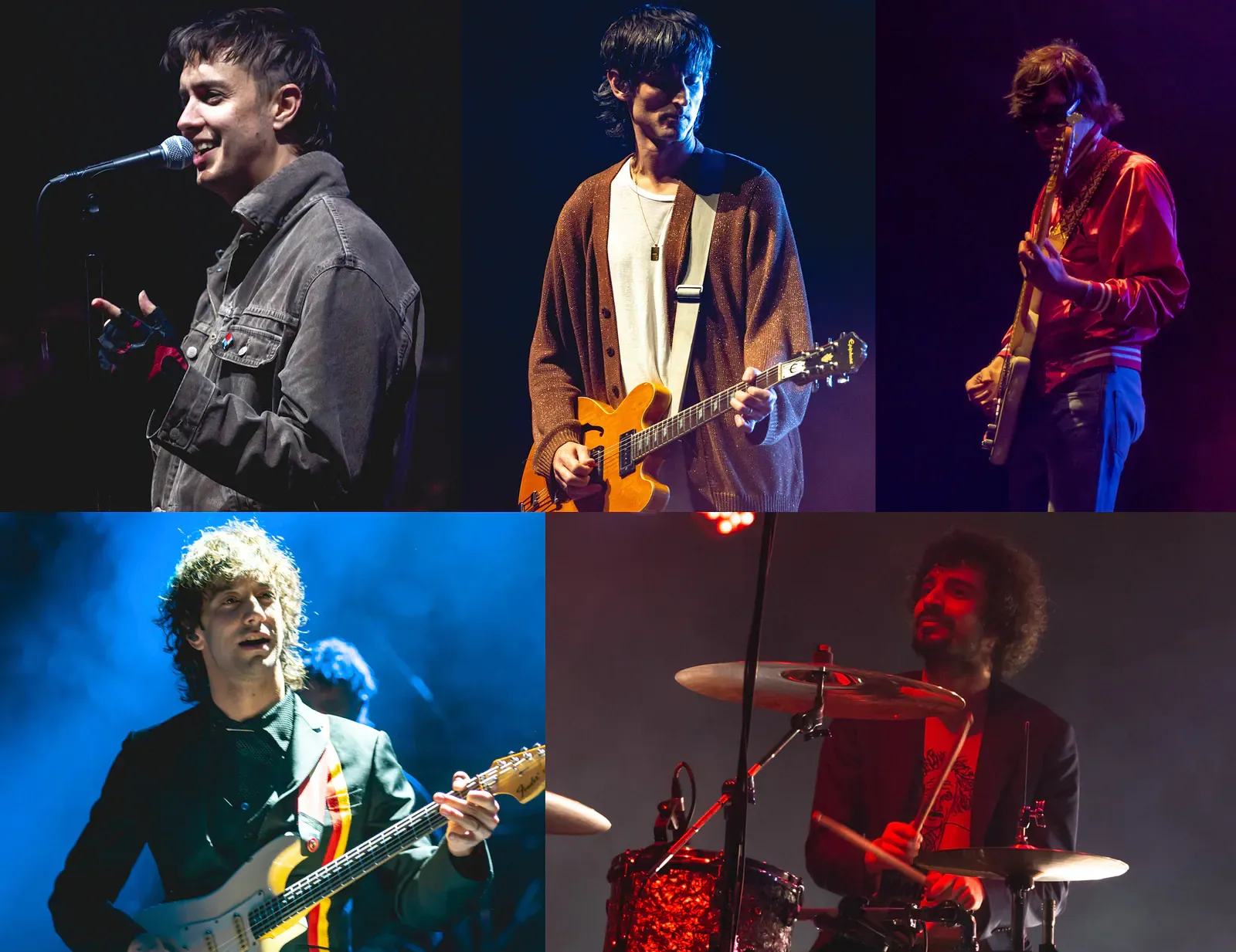
The defining features are directness and limits. Songs rest on basic chord structures, the singer shouts or snarls, and passages called raveups speed the band up into a noisy stretch. Players learned from records, so mistakes and feedback stayed on tape.
Instruments and production
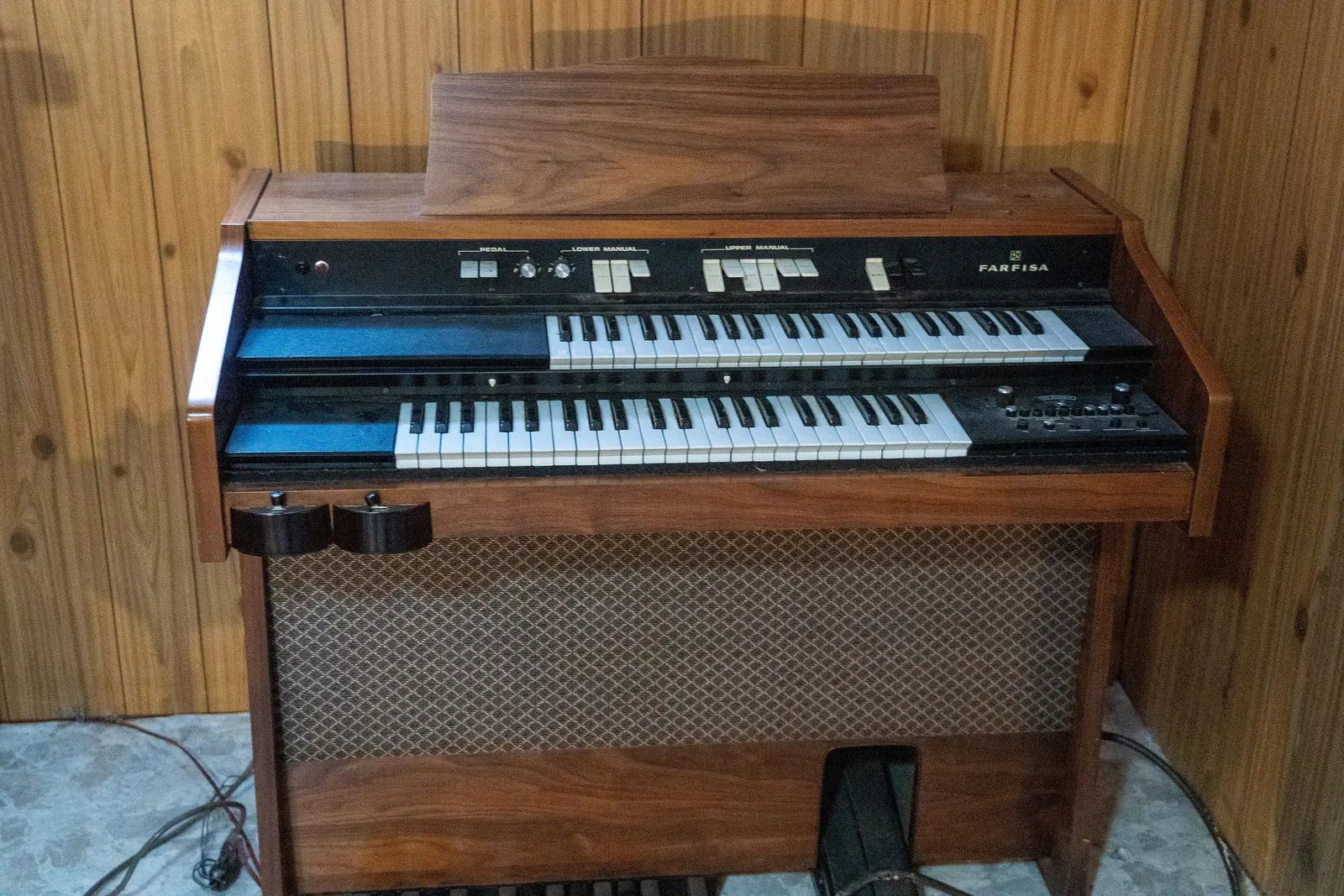
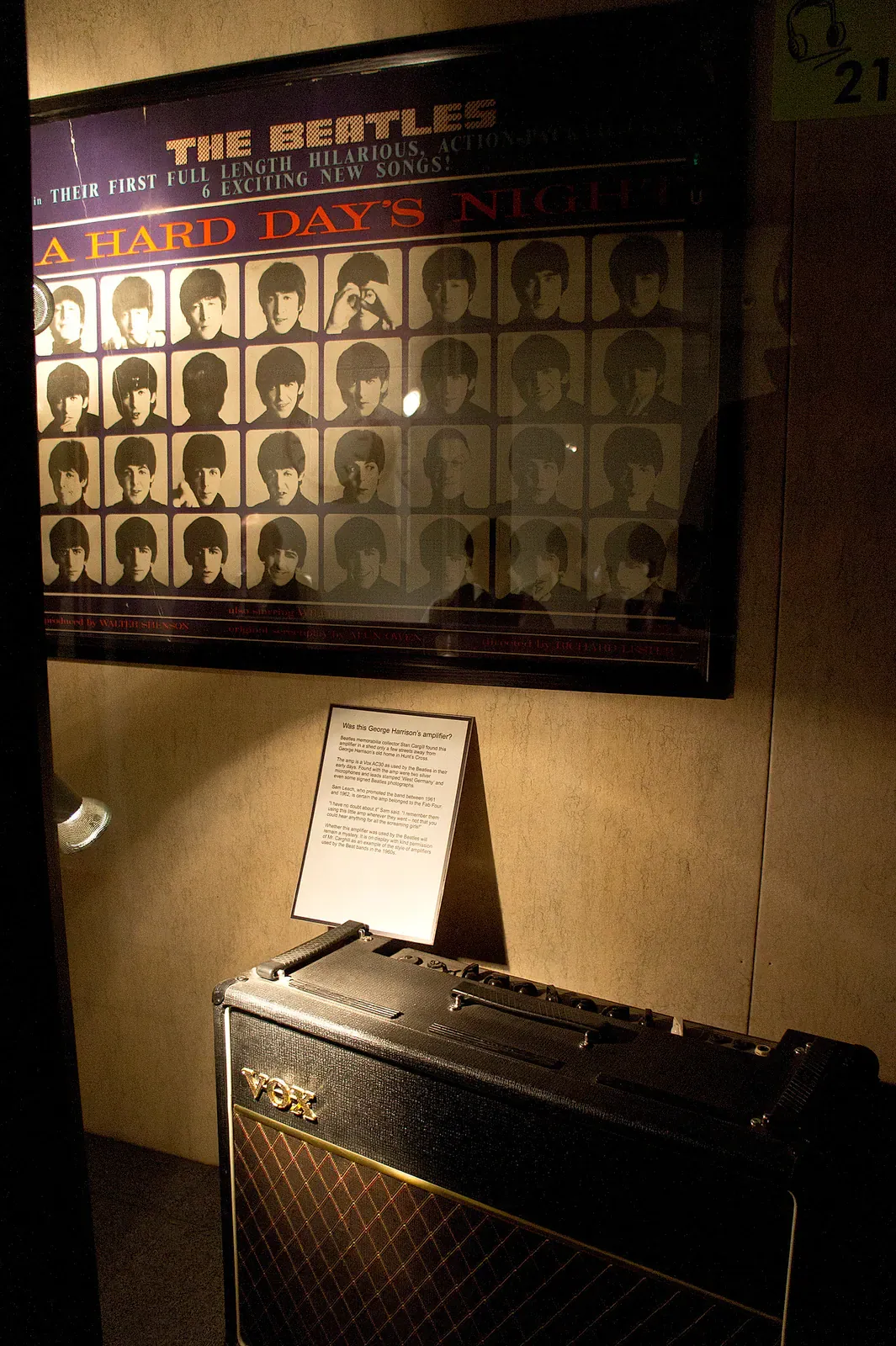
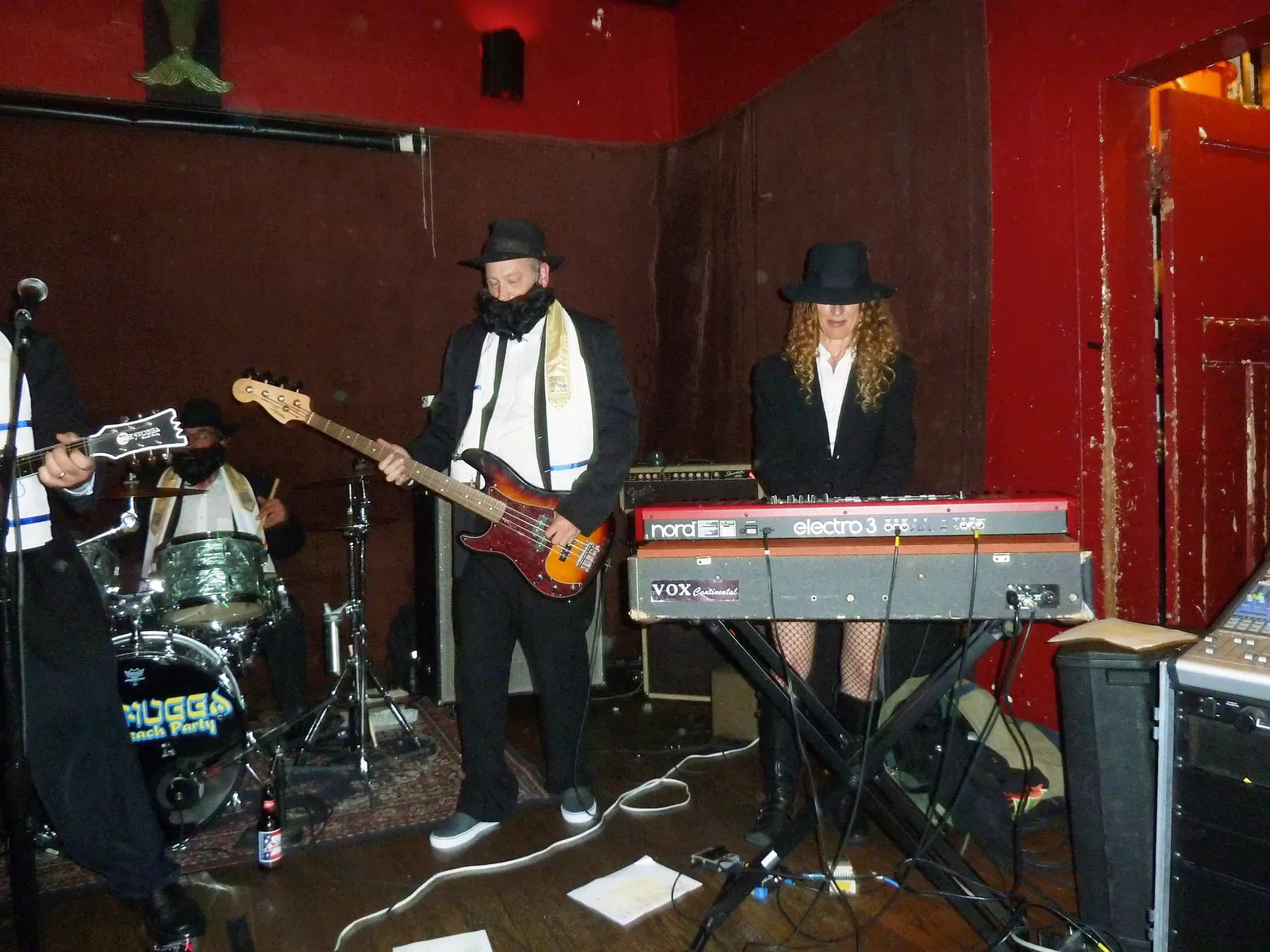
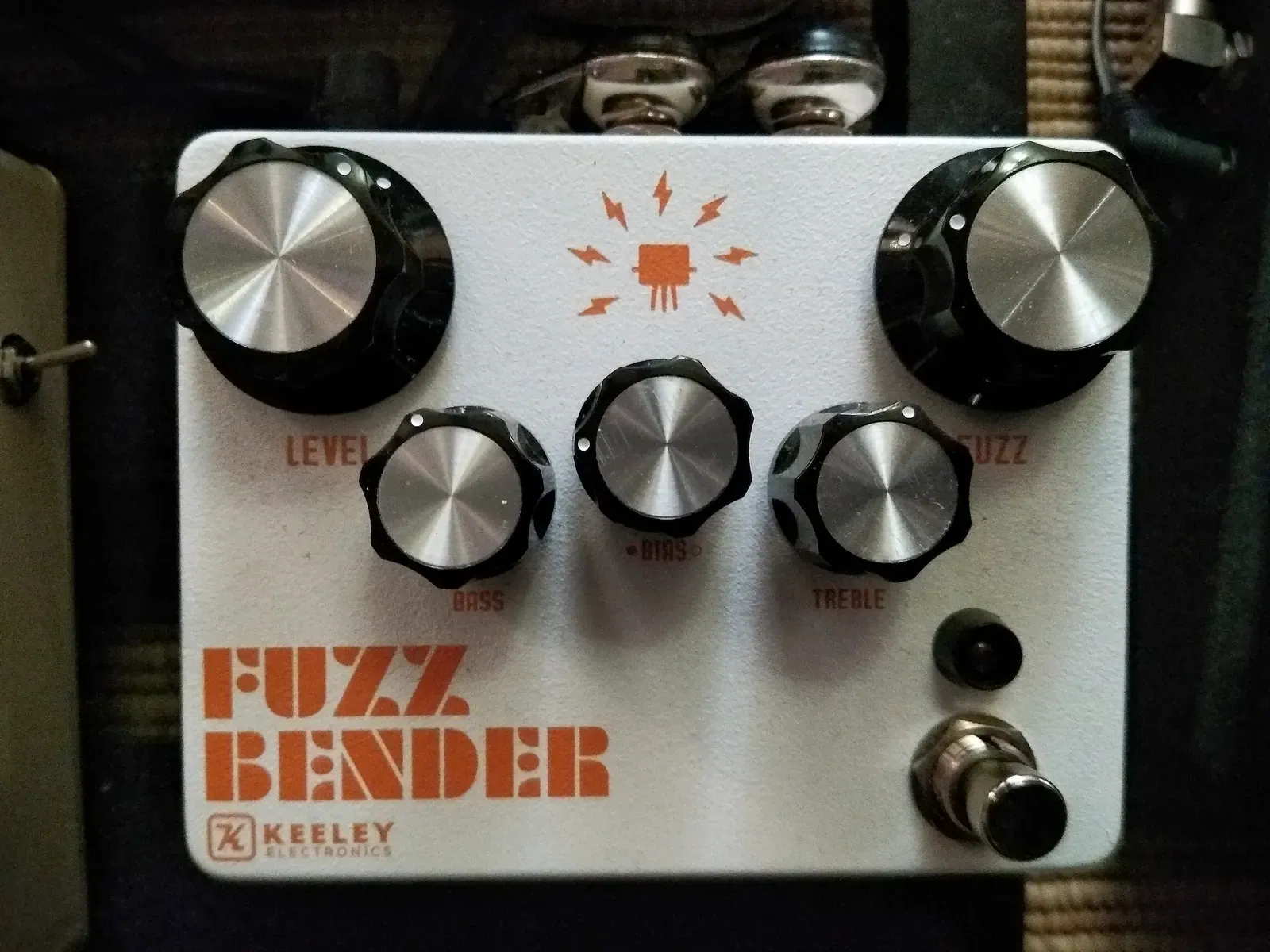
Cheap equipment shaped the sound as much as taste did. Portable combo organs such as the Vox Continental and the Farfisa were used frequently. The fuzzbox distorts a guitar into a buzzing tone; the Maestro Fuzz-Tone appeared in 1962, and its sales jumped after the 1965 Rolling Stones hit “Satisfaction”. Many records were made fast and cheaply in small studios.
Notable recordings
“Louie Louie” shows how little polish a hit needed: a rough Portland session, a garbled vocal and a federal inquiry into its supposed lyrics. “96 Tears” shows the other route, a Michigan single on a tiny label that a Philadelphia company took to number 1 on the strength of a Vox organ riff. “Dirty Water” has a second life in sport: Boston teams play it after home wins, a ritual that began decades after its release, with the Bruins from 1995 and the Red Sox from 1997. The Sonics’ “Psycho” and “The Witch” became benchmarks for raw sound.
Culture
Garage rock was a regional, local-scene music. Bands formed at school, practised in family garages and basements, and played dances, parties and battles of the bands. Exploitation films such as Riot on Sunset Strip (1967), built around the Sunset Strip curfew riots and featuring the Standells and the Chocolate Watchband, put the teen band on screen.
Legacy
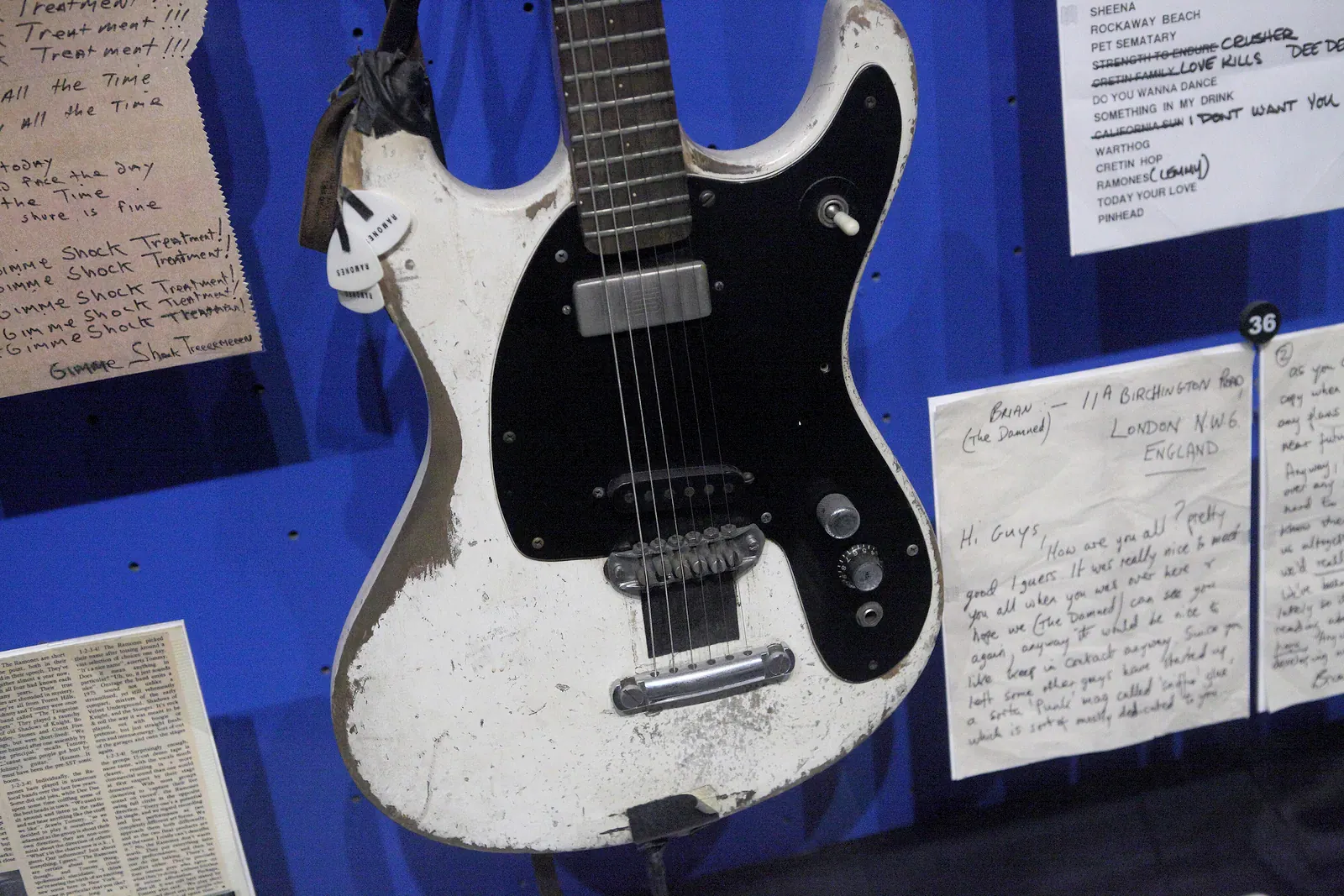
The 1972 use of “punk rock” for these records made them a reference point for the punk bands that followed, and the style kept returning in revivals through the 1980s and the 2000s. Its lasting idea is that a band with cheap equipment and a few chords can reach a national audience.
Misconceptions
One common belief is that the genre is named after the place where its records were made. The name comes from the image of a teenage band rehearsing in a family garage; the key records were cut in small studios, such as the Portland session for “Louie Louie” and the Bay City basement where “96 Tears” was recorded.
Another is that “Louie Louie” contained obscene lyrics. A federal inquiry that began in 1964 could make out no obscene wording and ended without prosecution; the song’s muffled singing had been the source of the rumour.
A third is that the style was an obscure cult sound. It reached the top of the Hot 100 with “Hang On Sloopy” in 1965 and “96 Tears” in 1966, and “Louie Louie” peaked at number 2 in 1963. The cult status came later, through the Nuggets compilation and the reissue series it inspired.
Frequently asked questions
What is garage rock?
Garage rock is raw rock and roll made largely by amateur teenage bands in the United States and Canada in the mid-1960s, with fuzz guitar, combo organs, aggressive vocals and basic chords.
Why is garage rock called garage rock?
The name comes from the image of young bands practising in family garages. Many recordings were actually made in small commercial studios or basements.
Is garage rock the same as punk rock?
No, but the terms overlap in history. The notes to the 1972 compilation Nuggets applied “punk rock” to 1960s garage bands, and later 1970s punk groups drew on the same raw sound.
Which garage rock songs reached number 1?
“Hang On Sloopy” by the McCoys reached number 1 on the Billboard Hot 100 in October 1965, and “96 Tears” by ? and the Mysterians did so in October 1966.
Did garage rock come back after the 1960s?
Yes. Bands copied the style on purpose from the 1980s, the Strokes brought it to the charts with Is This It in 2001, and the Sonics released a new album in 2015.
Sound
Sound sheet
Signature sounds
- Fuzz-toned guitar riff
- Combo-organ hook
- Aggressive, shouted vocals
- Basic chord progressions
- Raveups, passages where the tempo speeds up
Techniques
- Fuzz-distorted guitar
- Basic-chord riffs
- Organ riff as the hook
- Fast, cheap recording
Vocals
Aggressive, shouted or growled vocals, sometimes barely intelligible.
Scenes
Where it happened
Where and when the sound lived: one bar per city on a shared timeline.
North America
Active scenes
Peak 6, 1965-1968
Home of the Sonics.
The Kingsmen's base, where Louie Louie was recorded in 1963.
The Standells and the Seeds worked the Sunset Strip.
A Mexican-American band recorded 96 Tears in a local basement before it reached No. 1.
The 13th Floor Elevators fused garage rock and early psychedelia here.
The Trashmen's Surfin' Bird came from this Midwestern scene.
Venues and places
Portland, 1963 to today. The Kingsmen recorded Louie Louie here on April 6, 1963.
Bay City, 1966 to today. A small label's basement where ? and the Mysterians recorded 96 Tears.
Culture
Culture markers
- Boston's Dirty Water victory song
Boston sports teams play the Standells' record after home wins, a ritual that began decades after its release.
Ritual - Battles of the bands
Local contests for amateur groups were popular in the mid-1960s, notably in Texas.
Ritual
Media
Key media
- 1967Riot on Sunset Strip
by The Standells and the Chocolate Watchband. An exploitation film built around the 1966 Sunset Strip curfew riots, with garage bands on screen.
Film - 1972Nuggets: Original Artyfacts from the First Psychedelic Era, 1965-1968
by Various. Lenny Kaye's double LP fixed the garage canon and inspired the Pebbles, Rubble and Back From the Grave series.
Compilation
Glossary
Terms on this page
A contest in which local amateur groups compete against each other.
An Italian maker of portable combo organs used frequently on 1960s garage records.
A guitar pedal that adds a thick, buzzing distortion to the signal.
An amateur group, often teenagers, that rehearses in a family garage; the style takes its name from this image.
A label US critics applied around 1971-1973 to mid-1960s garage bands, popularized by the notes to Nuggets.
A passage in which a band speeds up and builds intensity, common in 1960s garage songs.
Rock family