Post-punk
Post-punk grew out of punk in 1977 London, Manchester and New York: melodic bass, angular guitar and dub echo in place of three chords.
London, 1977
Rock family
Born
1977
London
Subgenres
14
Documented branches
Links
57
Genres it drew on or shaped
Lineage
Family tree
Derived from
London, 1977
Post-punk
Led to (34)
Timeline
Era by era
From the first sparks to today. Select a dot to read the story behind it.
- Leaving punk behind
1976 to 1978
- Angular and abstract
1978 to 1980
- Dark and danceable
1980 to 1984
- Afterlife in the underground
1985 to 1999
- Revival and reissue
2000 to 2026
Eras
Moments
- 1 Leaving punk behind, 1976 to 1978
- 2 Angular and abstract, 1978 to 1980
- 3 Dark and danceable, 1980 to 1984
- 4 Afterlife in the underground, 1985 to 1999
- 5 Revival and reissue, 2000 to 2026
1976
Leaving punk behind
Punk-era groups in London, Manchester, Leeds and New York kept the independence but dropped the three-chord rule, pulling in dub, funk, art-rock and krautrock.
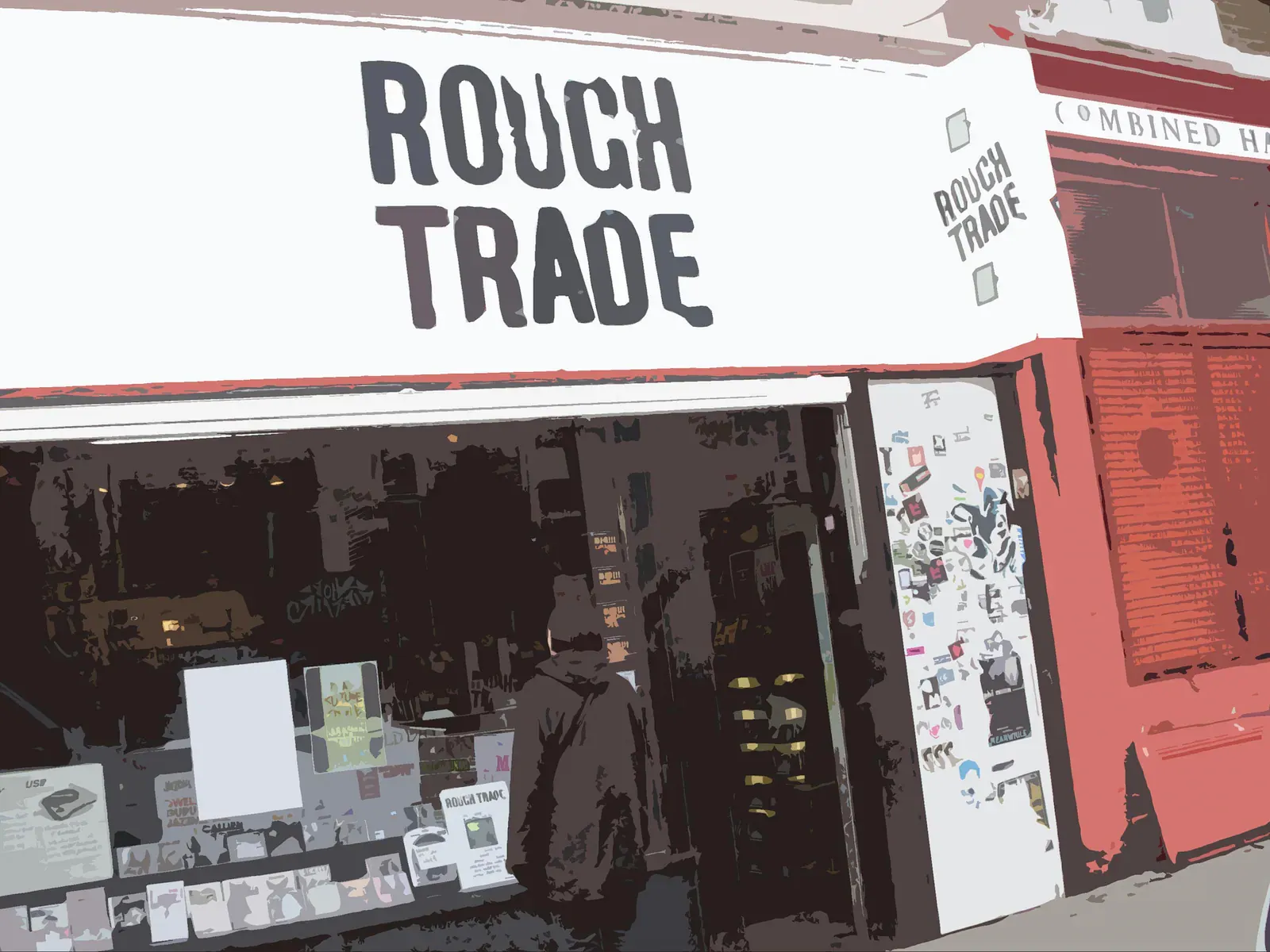
- 1976Rough Trade shop opens in LondonGeoff Travis starts a record shop in Notting Hill that becomes a hub for independent music.
- 1977Bowie releases LowThe Eno-assisted album, with its cold synthesizer second side, is repeatedly cited as an influence on early post-punk bands.
- 1977Wire release Pink FlagA debut of 21 short, sparse songs that stretched punk into something abstract.
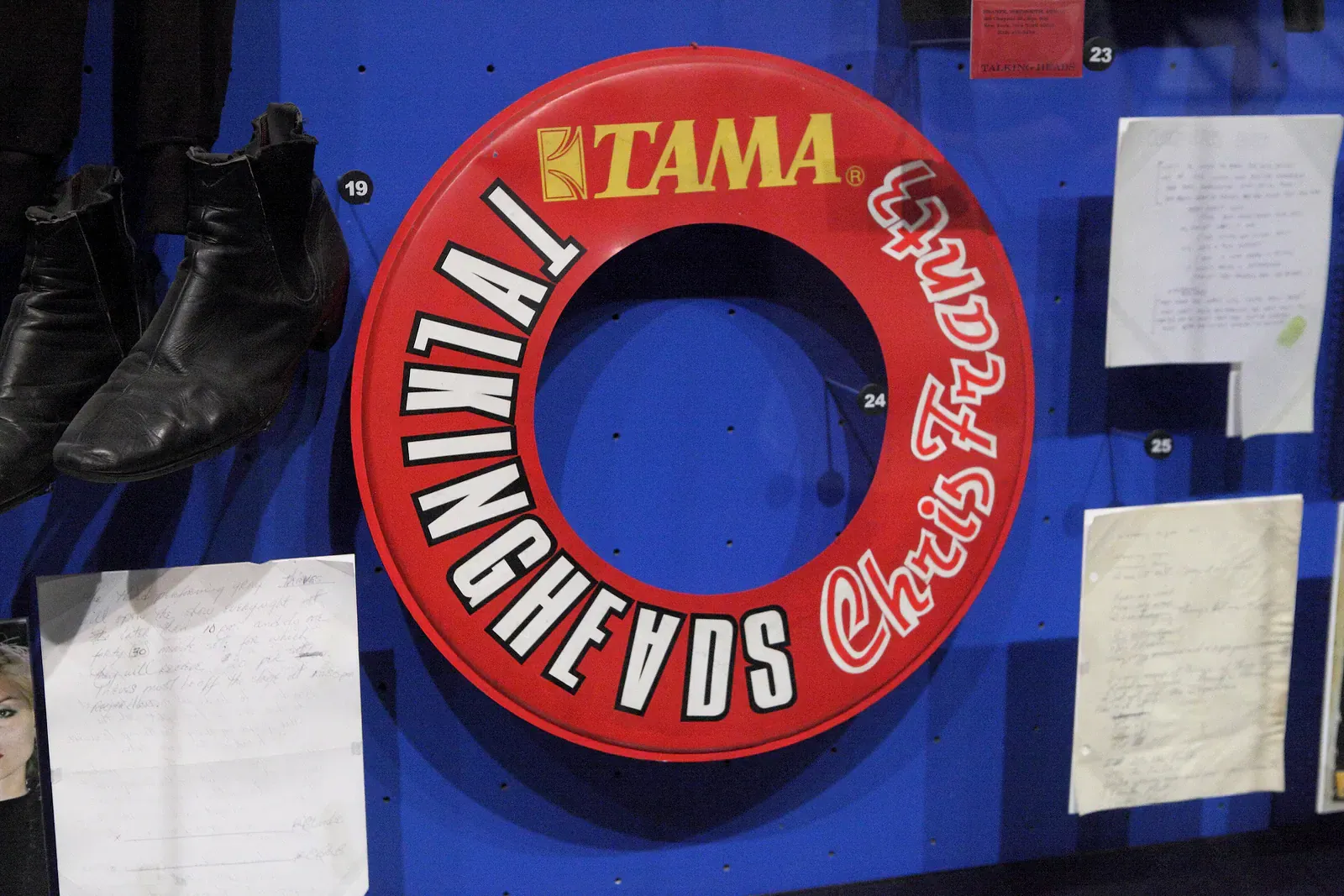
- 1977Talking Heads: 77The New York band's debut brings nervy art-school pop out of the CBGB scene.
1978
Angular and abstract
Independent labels such as Rough Trade, Factory and Fast Product backed records like Entertainment!, Unknown Pleasures and Metal Box, defining the angular, bass-led sound.
- 1978Public Image Ltd formedJohn Lydon starts a new band after the Sex Pistols split and issues the single Public Image in October.
- 1978Factory Records founded in ManchesterTony Wilson and Alan Erasmus start the label that will release Joy Division and New Order.
- 1978Damaged Goods on Fast ProductGang of Four's debut EP arrives from Edinburgh's Fast Product.
- 1979Joy Division release Unknown PleasuresMartin Hannett's production gives the debut its famous sense of empty space.
- 1979Metal Box by Public Image LtdThe album ships as three 12-inch discs in a metal film can.
- 1979Bauhaus release Bela Lugosi's DeadThe nine-minute debut single is often cited as the first gothic rock record.
1980
Dark and danceable
Ian Curtis died in 1980, New Order turned toward the dancefloor, and gothic-leaning bands pushed the sound toward atmosphere and spectacle.
- 1980Ian Curtis diesThe Joy Division singer dies in May on the eve of a US tour; the band becomes New Order.
- 1980Postcard Records begins in GlasgowAlan Horne's label launches the jangly, melodic Scottish strand of post-punk.
- 1981NME and Rough Trade issue the C81 cassetteThe compilation tape gathers indie and post-punk acts for NME readers.
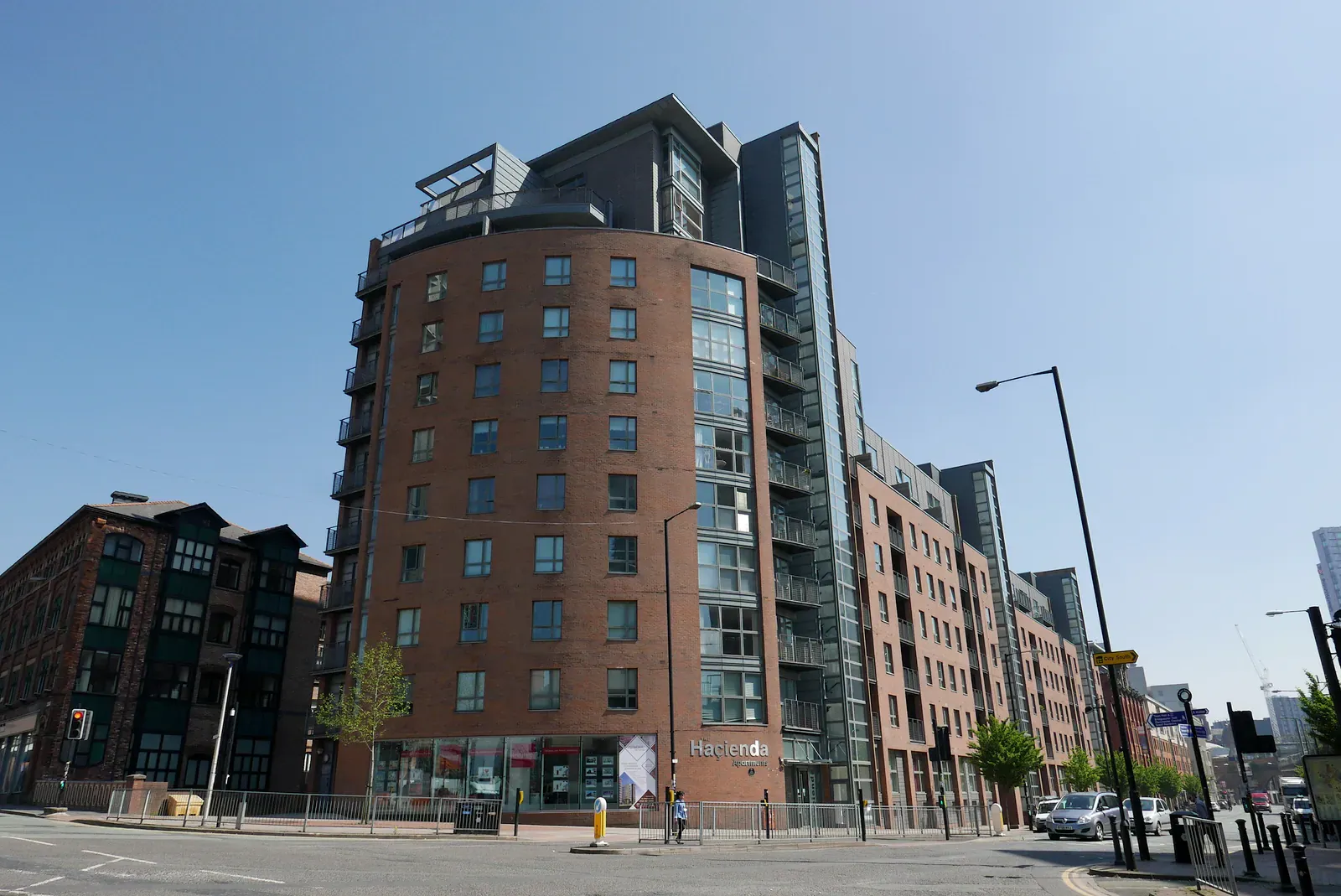
- 1982The Haçienda opens in ManchesterFactory-backed club that later became a landmark of dance culture.
- 1983New Order release Blue MondayThe 12-inch fuses post-punk and electronic dance music and goes on to sell enormously.
- 1984The movement fragmentsOriginal groups split or turn to new wave, goth, jangle and synth pop.
1985
Afterlife in the underground
The sound dissolved into indie rock, goth, post-rock and Madchester, while The Fall and others kept the original spirit alive.
- 1997The Haçienda closesThe club shuts after years of financial and security problems.
2000
Revival and reissue
Interpol, Franz Ferdinand and later IDLES revived the clipped guitar-and-bass formula as old records were reissued and re-evaluated.
- 2002Interpol release Turn On the Bright LightsThe New York debut reintroduces the Joy Division-tinged sound to a new generation.
- 2004Franz Ferdinand break through with Take Me OutThe Glasgow group's Domino single brings angular, danceable guitar music to the charts.
- 2005Rip It Up and Start Again publishedSimon Reynolds' history of the era (Faber) fixes the post-punk canon for later readers.
- 2018IDLES release Joy as an Act of ResistanceThe Bristol band's second album reaches the UK top five and drives a new wave of loud post-punk.
Listening path
Anthems
The records that built the sound, grouped by the part they played. Thumbnails come from YouTube; the player loads only when you press play.
- 01
Wire, 1977
Wire's title track turns punk into a stark, repetitive pulse, one of the first records to leave the formula behind.
Origin - 02
Public Image Ltd, 1978
John Lydon's first single after the Sex Pistols pairs chiming guitar with a driving bass, announcing a new direction.
Origin - 03
Siouxsie and the Banshees, 1978
A UK top-ten single that showed post-punk could reach a wide audience.
Breakthrough - 04
Joy Division, 1980 · #13 UK Singles, 1980 · Factory
Joy Division's UK top-20 single is the genre's best-known song.
Start hereBreakthrough - 05
Talking Heads, 1977
The CBGB-era single is the most accessible way into the New York side of the sound.
Start hereAnthem - 06
Gang of Four, 1978 · Fast Product
A funk-driven, angular blueprint, with sharp guitar and bass under political lyrics.
Anthem - 07
Joy Division, 1979 · Factory
A driving, nervous single that turned a Manchester scene into an anthem.
Anthem - 08
The Cure, 1980
A thin, ghostly guitar line over a restless bass sets out the gothic strand of the genre.
Anthem - 09
The Fall, 1980 · Rough Trade
A caffeinated, jagged single that shows The Fall's repetition and ranting delivery.
Anthem - 10
Echo & the Bunnymen, 1984
A sweeping, dramatic song that marks the grand, atmospheric end of the original wave.
Anthem - 11
New Order, 1983 · #9 UK Singles, 1983 · Factory
The 12-inch that carried post-punk onto the dancefloor and became a huge seller.
Start hereCrossover - 12
Interpol, 2002 · Matador
A tense, bass-led debut-era single that sparked the early-2000s revival.
Revival - 13
IDLES, 2018 · Partisan Records
A slow-building, shouted track that brought the sound to a new, louder audience.
Revival
Post-punk is a rock genre that began in 1977 in London, Manchester and New York, when bands kept punk’s independent labels and attitude but dropped its three-chord rule. Its defining traits are melodic bass, thin slashing guitar, dub echo and art-school experimentation.
Later indie, goth and dance-rock bands borrow from it.
Origins
It started as a reaction to punk’s success. By 1977 the formula was fixed: fast, loud, three chords, a snarl. Bands that had come up through punk, many from art schools, asked what to do next, and they looked sideways for answers. David Bowie’s 1977 album Low, with its cold synthesizer side, was a shared reference. So were dub reggae’s echo and empty space, the steady motorik beat of German krautrock and the stripped-back funk of dance records.
Two records of 1977 and 1978 show the break. Wire’s debut Pink Flag packed 21 short, sparse songs into one album and treated punk as a starting point for abstraction. After the Sex Pistols split, John Lydon formed Public Image Ltd and released the single “Public Image” in October 1978, with chiming guitar over a driving bass line.
Leaving punk behind, 1976 to 1978
The first scenes grew in cities with cheap rooms and art colleges. In London, Wire and Siouxsie and the Banshees played the early venues while Rough Trade turned a shop into a hub. In New York, Talking Heads and Television came out of CBGB alongside the abrasive no wave scene. Leeds produced Gang of Four and the Mekons, and Manchester was about to get Factory Records, founded in 1978 by Tony Wilson and Alan Erasmus.
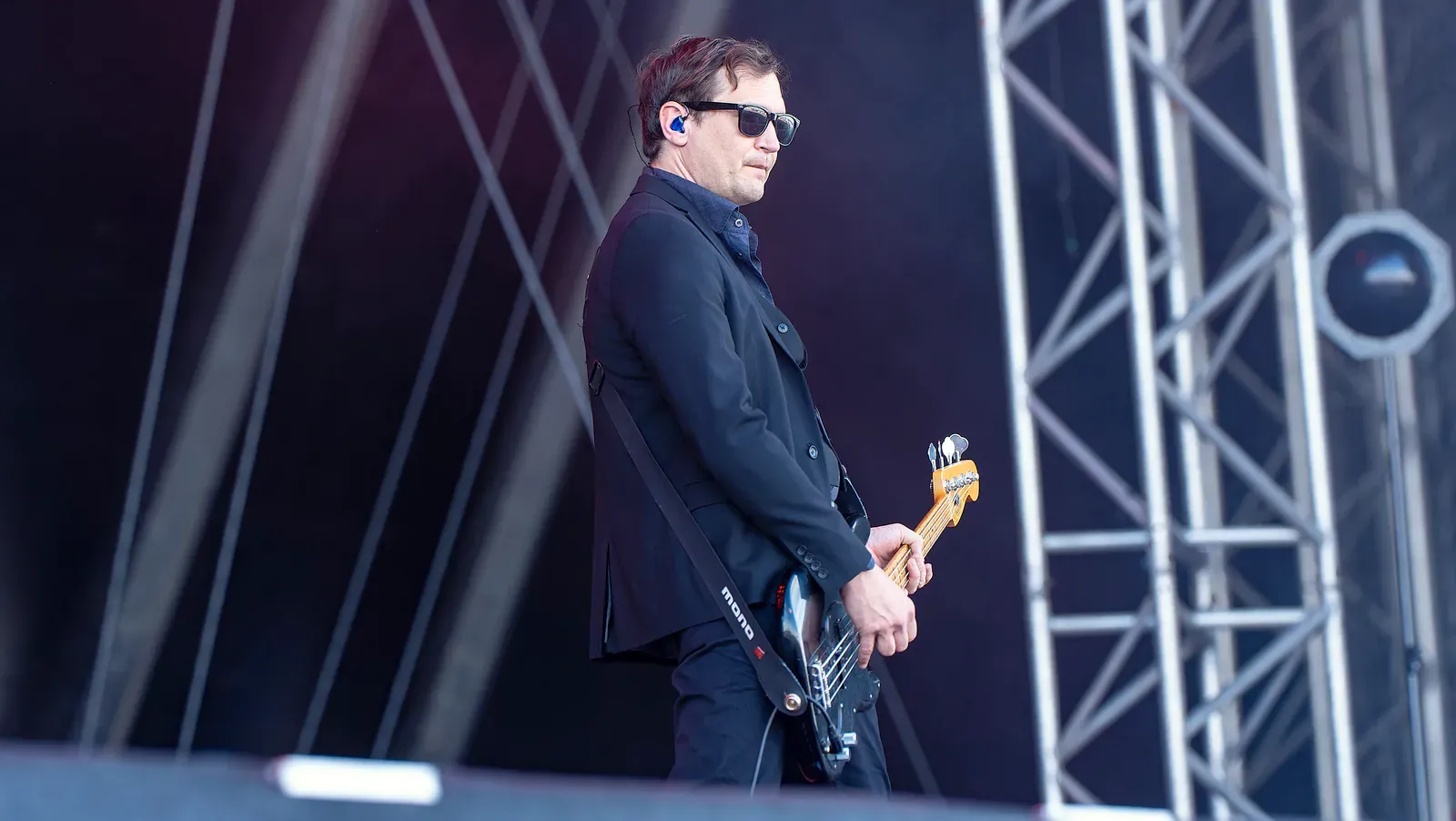
The sound of this period leans on the bass. A post-punk bassist often plays the tune, high on the neck, while the guitarist plays thin, stabbing chords that leave gaps. Peter Hook of Joy Division is the best-known example: his bass melodies carry songs that other bands would have given to a guitar.
Angular and abstract, 1978 to 1980
This is the period that defined the sound. Small labels such as Rough Trade, Factory and Edinburgh’s Fast Product backed odd, uncommercial records, and a UK network of independent distributors, later called the Cartel, got them into shops. Gang of Four’s debut album, with its sharp funk-driven guitar and political lyrics, became a blueprint. Public Image Ltd’s Metal Box, in 1979, shipped as three 12-inch discs in a metal film can and pushed dub bass to the front.
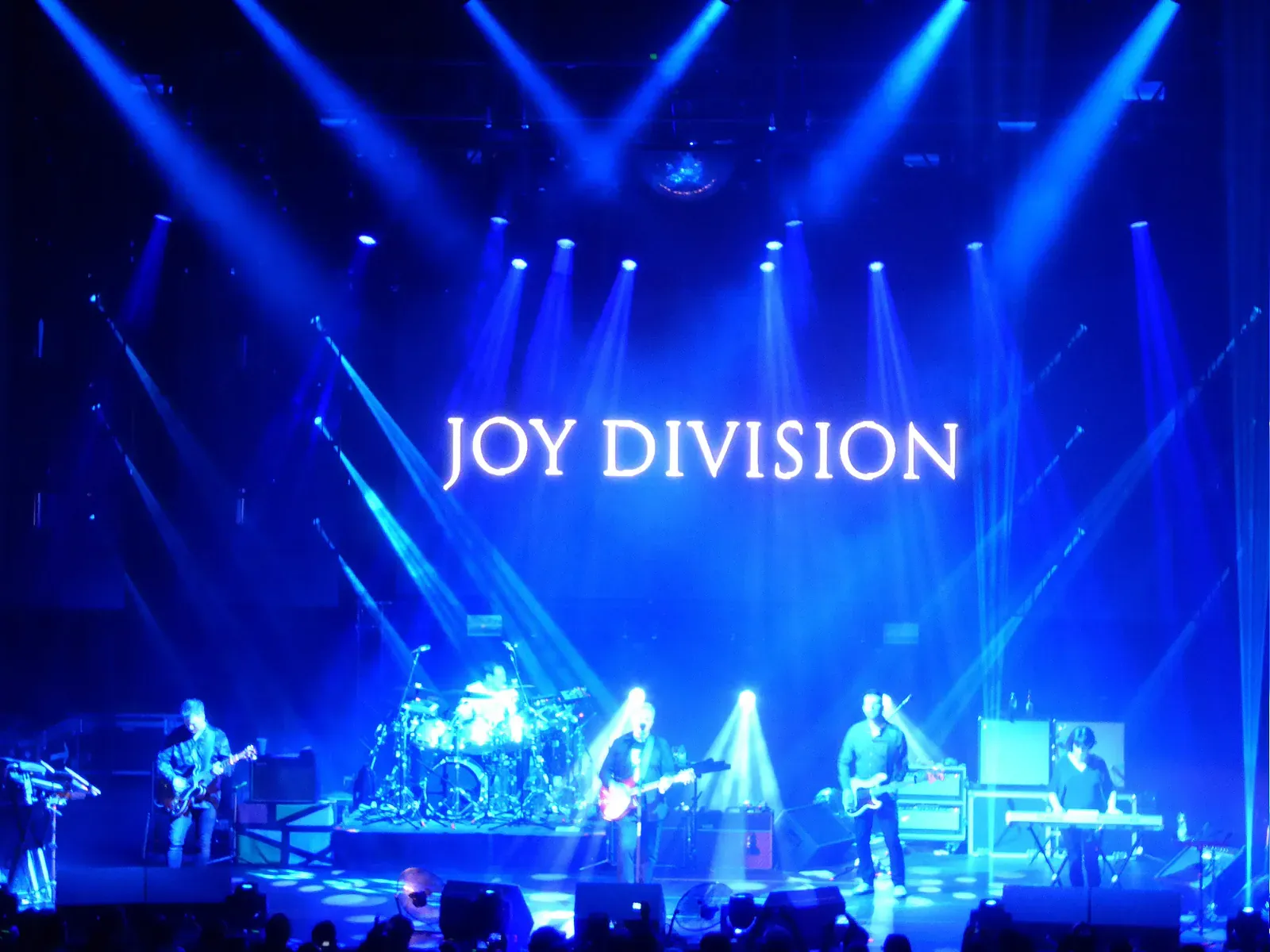
Joy Division’s Unknown Pleasures, released by Factory in 1979, is the darkest landmark. Producer Martin Hannett used digital delay and careful mixing to give the band a sense of empty space, recorded at Strawberry Studios in Stockport. The cover, a pulsar image designed by Peter Saville, made the genre look as cool as it sounded.
Dark and danceable, 1980 to 1984
In May 1980 Joy Division’s singer Ian Curtis died on the eve of a US tour. The band continued as New Order, and Factory’s Manchester scene found a new centre in the Haçienda, the club that opened in 1982. New Order moved toward the dancefloor and, in 1983, released “Blue Monday”, a 12-inch built around an Oberheim DMX drum machine.
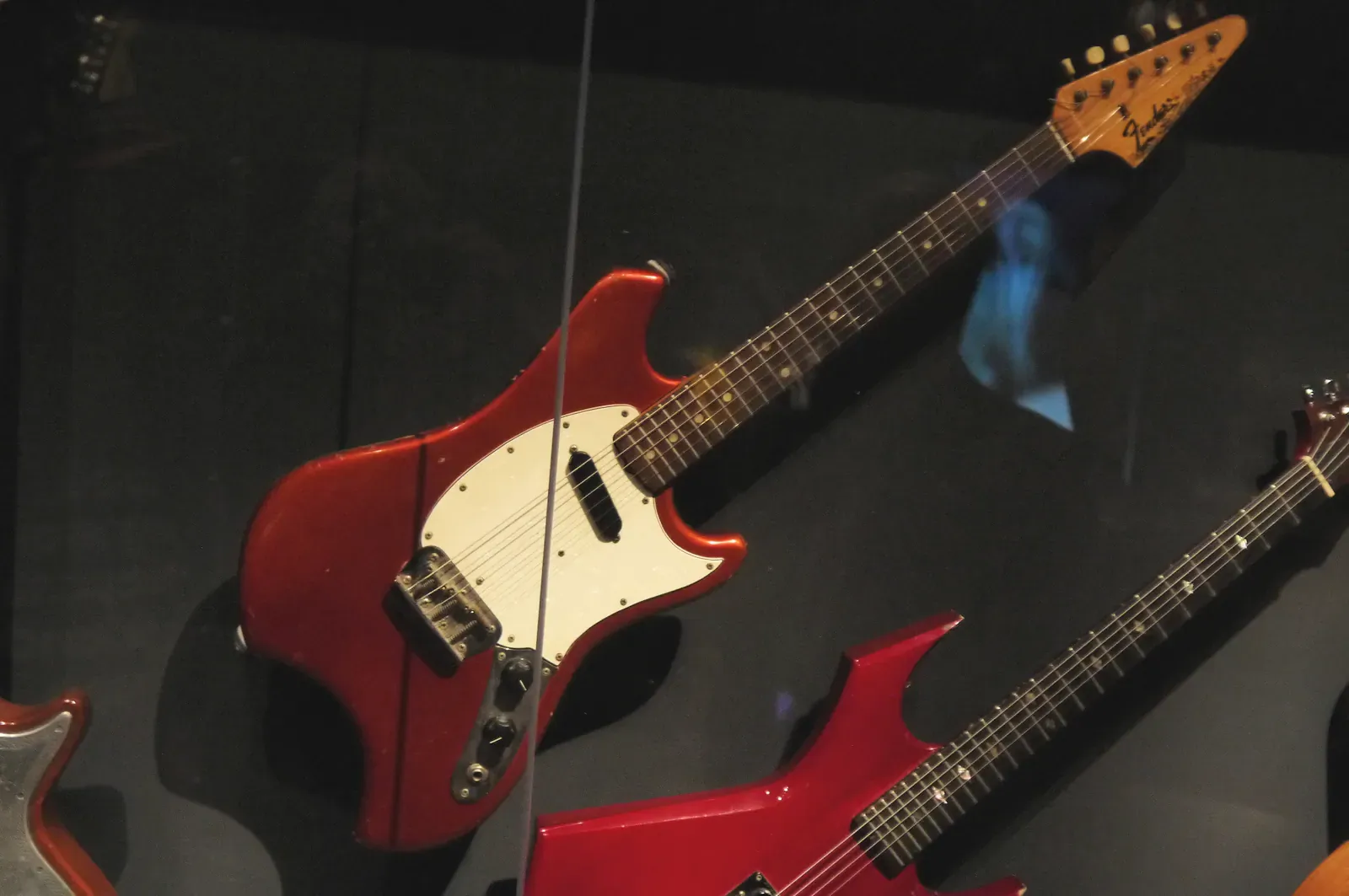
Other bands went the other way, toward atmosphere and drama. Siouxsie and the Banshees’ 1981 album Juju used tom-heavy drums and sharp guitar as a template for gothic-leaning post-punk. The Cure’s “A Forest” in 1980 laid a ghostly guitar line over a restless bass. Bauhaus’s nine-minute 1979 single “Bela Lugosi’s Dead” is often called the first gothic rock record.

Mainstream success
It did so in small steps rather than one breakout. Siouxsie and the Banshees’ “Hong Kong Garden” reached the UK top ten in 1978, showing a post-punk band could reach a wide audience. “Love Will Tear Us Apart” peaked at number 13 on the UK singles chart in 1980. “Blue Monday” reached number 9 in 1983 and kept selling for years, which carried post-punk straight onto the dancefloor.
Media helped. John Peel’s BBC Radio 1 sessions gave dozens of bands a national audience, and recording one became a badge of arrival. In 1981, NME and Rough Trade issued the C81 cassette, a cheap compilation that spread unknown acts. There was a backlash, too: critics tired of grey overcoats and solemn singers, and many of the original bands turned to new wave, jangle pop or synth pop by about 1984.
Notable recordings
“Love Will Tear Us Apart” (1980). Joy Division wrote it as a song about a marriage failing, set to a bright, driving rhythm that clashes with the lyric. It came out about a month after Curtis’s death, so listeners heard it as a farewell. That context made it the genre’s best-known song.
“Blue Monday” (1983). New Order built it from programmed drums and synthesizer sequences, with Peter Saville’s sleeve cut to look like a floppy disk. It became a dance-floor standard and a huge seller for Factory.
“Psycho Killer” (1977). Talking Heads’ debut single is the most accessible way into the New York side of the sound. Tina Weymouth’s bass line drives it, and David Byrne’s nervous vocal made art-school pop out of a CBGB-era band.
Afterlife in the underground, 1985 to about 1999
By the mid-1980s the sound dissolved into several things at once: indie rock, goth, post-rock and the Madchester dance scene. The Fall, led by Mark E. Smith, kept the repetitive, ranting spirit of the original wave alive for decades, with a changing line-up. The Cure grew into a global stadium act, and the Haçienda closed in 1997 after years of financial and security trouble.
Revival and reissue, 2000 to now
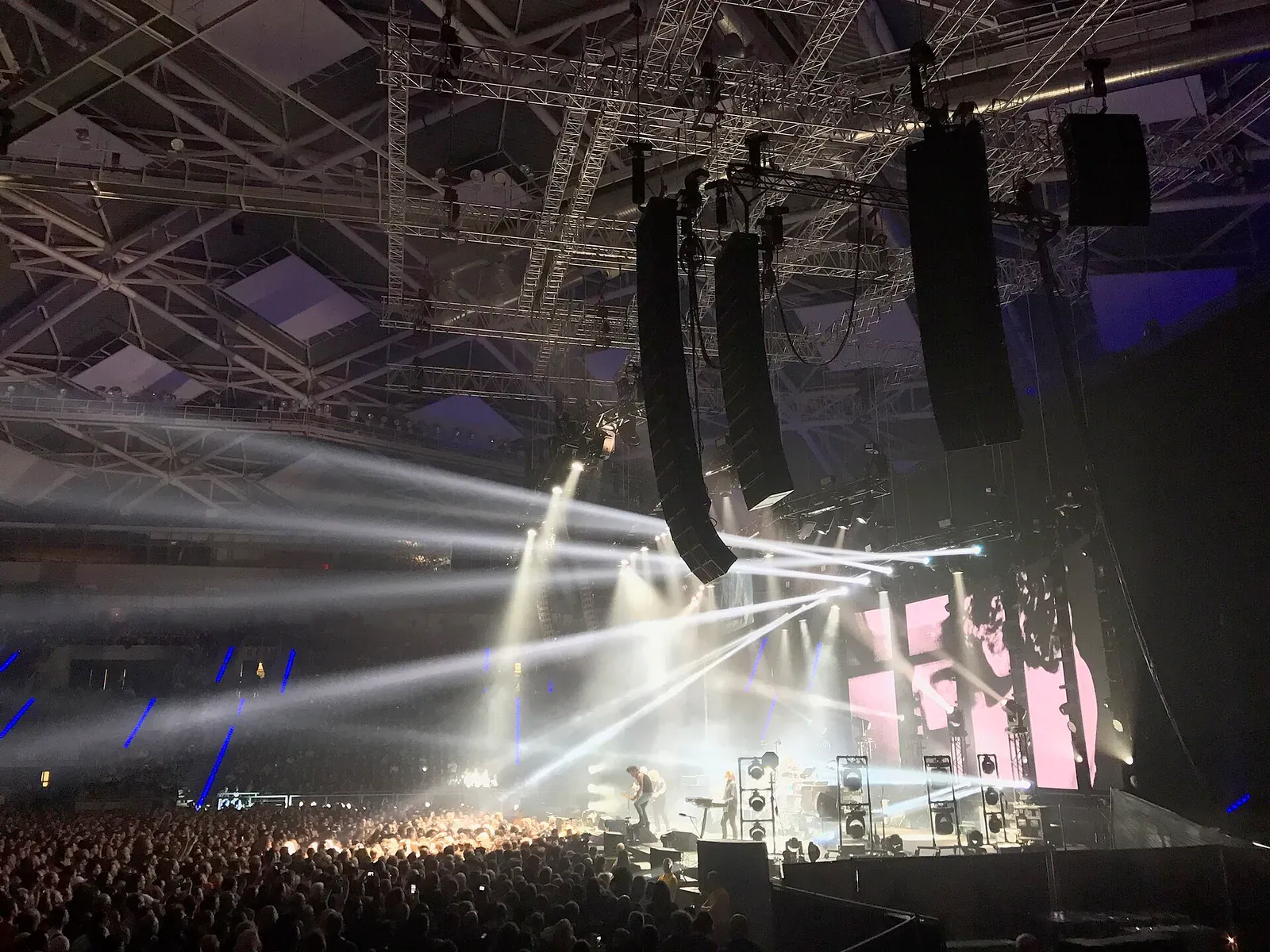
In 2002 Interpol’s Turn On the Bright Lights, released by Matador, put a Joy Division-tinged sound in front of a new generation. Franz Ferdinand’s “Take Me Out” took angular, danceable guitar music into the charts in 2004, through Domino. Simon Reynolds’s 2005 book Rip It Up and Start Again fixed the era’s canon for later readers, and reissue labels did the rest. In 2018 IDLES, on Partisan Records, reached the UK top five with Joy as an Act of Resistance, driving a louder wave of post-punk.
Culture
It was austere and bookish. Grey overcoats and black clothes replaced punk’s torn bright look, and Ian Curtis’s jerky, trance-like dance became an emblem of the whole movement. Factory’s Peter Saville sleeves gave the music a minimal visual identity, and Siouxsie Sioux’s backcombed hair started a different, more theatrical look.
The economics mattered as much as the style. Bands signed to small independent labels and sold through specialist shops and the Cartel, which kept major-label pressure away but left money tight.

Misconceptions
Myth: post-punk is always gloomy. It is not. Gang of Four were funky and furious, and Talking Heads’ 1980 album Remain in Light used layered African-influenced rhythm to make post-punk groove. Postcard Records in Glasgow produced a bright, jangly Scottish branch.
Myth: it is only a British sound. It is not. Talking Heads and Television in New York, and Devo and Pere Ubu in Ohio, built their own versions at the same time as the British bands.
Myth: Joy Division invented it. They did not. Wire’s Pink Flag came out two years before Unknown Pleasures, and Public Image Ltd and Gang of Four were already at work. Joy Division defined one dark strand of the genre.
Frequently asked questions
What is post-punk music?
Post-punk is rock that grew out of punk in the late 1970s but rejected its formula. It uses melodic bass, angular guitar, dub-style echo and experimental ideas, often released on independent labels.
What is the difference between punk and post-punk?
Punk is fast, loud and built on a few chords, as on the punk rock page. Post-punk keeps the independent attitude but slows down, adds space and borrows from dub, funk and electronic music.
Who are the most important post-punk bands?
Joy Division, New Order, Wire, Gang of Four, The Fall, Siouxsie and the Banshees, Talking Heads, Public Image Ltd, The Cure and Echo and the Bunnymen are the usual core. Each one took the sound in a different direction.
Which post-punk songs are the best known?
“Love Will Tear Us Apart” by Joy Division, “Psycho Killer” by Talking Heads and “Blue Monday” by New Order are the usual entry points. Together they cover the dark, the nervy and the danceable sides of post-punk, which sits in the wider rock family.
Sound
Sound sheet
Anatomy of a track
| # | Part | Bars |
|---|---|---|
| 1 | Bass riff intro | 8 |
| 2 | Verse with clipped guitar | 16 |
| 3 | Chorus or refrain | 8 |
| 4 | Verse | 16 |
| 5 | Instrumental break | 8 |
| 6 | Final refrain and outro | 8 |
Signature sounds
- Lead-style melodic bass line
- Thin, clipped guitar chords
- Deadpan or shouted vocals
- Dub echo and empty space
- Tom-heavy or motorik drum patterns
Drums and percussion
- Oberheim DMX
Techniques
- Melodic bass lines
- Angular, clipped guitar
- Dub-style echo and delay
- Studio delay treatment
Vocals
Spoken or talk-sung delivery, often deadpan, rather than punk snarl.
Scenes
Where it happened
Where and when the sound lived: one bar per city on a shared timeline.
North America
Europe
Active scenes
Peak 8, 1979-1980
Home of Factory, Joy Division, The Fall and later New Order, with the Haçienda as its club.
Wire, Public Image Ltd and Siouxsie and the Banshees played the early venues; Rough Trade ran from here.
Gang of Four and the Mekons came out of the university art-school scene.
Eric's club nurtured Echo & the Bunnymen and other bands.
Postcard Records and Orange Juice built a melodic, Scottish branch.
Cabaret Voltaire and The Human League came out of the city's electronic-leaning scene.
Talking Heads and Television emerged from CBGB, alongside the no wave scene.
Devo and Pere Ubu built an art-minded Ohio take on the sound.
Venues and places
Liverpool, 1976 to today. A Mathew Street club that hosted Echo & the Bunnymen and other bands until it closed in 1980.
Manchester, 1982 to today. Factory-backed club that became a home for New Order and later dance culture.
New York City, 1973 to today. The Bowery club that launched Talking Heads and other New York bands.
London, 1976 to today. Notting Hill record shop that grew into a label and distributor.
Stockport, 1968 to today. Studio where Martin Hannett produced Unknown Pleasures with Joy Division.
London, 1967 to today. Session slots here exposed countless post-punk acts to a national audience.
Culture
Culture markers
- Greatcoats and monochrome
Grey overcoats and black clothing signalled a break from punk's bright, torn look.
Fashion - Ian Curtis's convulsive dance
The singer's jerky, trance-like stage movement became an emblem of the band.
Dance - Peter Saville sleeves
Factory covers, including the pulsar image on Unknown Pleasures, gave the genre a cool, minimal look.
Artwork - The Peel session
Recording a John Peel session served as a badge of arrival for independent bands.
Ritual - Backcombed hair and eyeliner
Siouxsie Sioux's look fed the goth style that grew from the scene.
Fashion
Media
Key media
- 1978A Factory Sample
by Various. Factory's first release, a double 7-inch that introduced Joy Division and others.
Compilation - 1978John Peel sessions
by BBC Radio 1. Peel's sessions gave early exposure to many post-punk bands.
Radio - 1981C81
by NME and Rough Trade. Cassette that gathered indie and post-punk acts for a wide readership.
Compilation - 200224 Hour Party People
by Michael Winterbottom. Comedy-drama about Factory Records and the Manchester scene.
Film - 2005Rip It Up and Start Again
by Simon Reynolds. The standard history of the era.
Book - 2007Control
by Anton Corbijn. Biopic of Ian Curtis and Joy Division.
Film
Glossary
Terms on this page
Jagged, clipped guitar playing with abrupt rhythm and few sustained chords.
The use of echo, reverb and gaps in the mix borrowed from dub reggae.
A UK sales chart for independently distributed records that gave small labels visibility.
Steady, driving krautrock beat that influenced many post-punk drummers.
Early critics' name for the experimental post-punk wave.
An abrasive New York scene that overlapped with post-punk.
Music that kept punk's independence while rejecting its musical formula.
Rock family