Hardcore punk
Hardcore punk is a faster, harder form of punk rock that emerged around 1978-1981 in Southern California, Washington, D.C. and Vancouver.
Southern California, 1978
Rock family
Born
1978
Southern California
Subgenres
30
Documented branches
Links
52
Genres it drew on or shaped
Tempo
135-200 BPMLineage
Family tree
Grew out of
Derived from
- Proto-punk
Derived from
Influenced by
Oi!
Southern California, 1978
Hardcore punk
Led to (37)
Timeline
Era by era
From the first sparks to today. Select a dot to read the story behind it.
- Suburban origins
1976 to 1981
- The scene spreads
1981 to 1984
- Metal crossover and youth crew
1984 to 1989
- Underground years
1990 to 2009
- A new wave
2010 to 2026
Eras
Moments
- 1 Suburban origins, 1976 to 1981
- 2 The scene spreads, 1981 to 1984
- 3 Metal crossover and youth crew, 1984 to 1989
- 4 Underground years, 1990 to 2009
- 5 A new wave, 2010 to 2026
1976
Suburban origins
Bands in Hermosa Beach, Washington D.C., San Francisco and Vancouver speed up punk and shout it, pressing their own 7-inch records.
- 1976Black Flag form in Hermosa BeachThey start as Panic and take the Black Flag name in 1978.
- 1977Bad Brains form in Washington, D.C.The players begin as jazz-fusion band Mind Power before turning to punk.
- 1978Dead Kennedys form in San Francisco
- 1978D.O.A. form in VancouverThe Canadian band later names the genre with Hardcore '81.
- 1979Black Flag release Nervous BreakdownThe EP is the first release on Greg Ginn's SST Records.
- 1979Alternative Tentacles is foundedCreated to release the Dead Kennedys' own single.
- 1980Bad Brains release Pay to CumTheir debut single on their own label is called the first East Coast hardcore record.
- 1980Dischord Records is founded in Washington, D.C.
1981
The scene spreads
New York, Boston, Texas and the Midwest grow their own scenes, UK bands add the D-beat, and cassettes, zines and matinees carry the music.
- 1981D.O.A. release Hardcore '81The album title is credited with fixing the genre name.
- 1981Minor Threat release their first EPIt carries Straight Edge, the song that inspired a movement.
- 1981Black Flag's Damaged meets a distribution refusalMCA declined to distribute the album, calling it anti-parent.
- 1981New York hardcore arrivesBad Brains relocate and bands such as Agnostic Front and Cro-Mags emerge around A7 and CBGB.
- 1981Moshers cut Fear's Saturday Night Live spot shortOn Halloween night the band's performance ends after a stage invasion.
- 1982Bad Brains release their self-titled cassetteThe ROIR tape, nicknamed The Yellow Tape, came out in February.
- 1982Discharge release Hear Nothing See Nothing Say NothingThe Clay Records album cements the D-beat sound.
- 1983Suicidal Tendencies release their debut on FrontierInstitutionalized later becomes an early MTV hardcore video.
- 1983Minor Threat play their last showThe final date is 23 September at the Lansburgh Cultural Center.
1984
Metal crossover and youth crew
Black Flag slows and heavies up, NYC bands cross over with metal, and straight edge youth crew bands tighten the message.
- 1984Agnostic Front release Victim in PainThe Rat Cage debut is called the document of the New York hardcore scene.
- 1985Dead Kennedys face an obscenity trial over FrankenchristA H.R. Giger poster led to charges; the jury hung and the case was dismissed in 1986.
- 1986Black Flag break up
- 1987Revelation Records is foundedStarted for Warzone's Lower East Side Crew 7-inch; it becomes the home of youth crew.
1990
Underground years
CBGB closes its hardcore matinees, labels like Revelation keep the scene running, and melodic bands such as Descendents reach a wider audience.
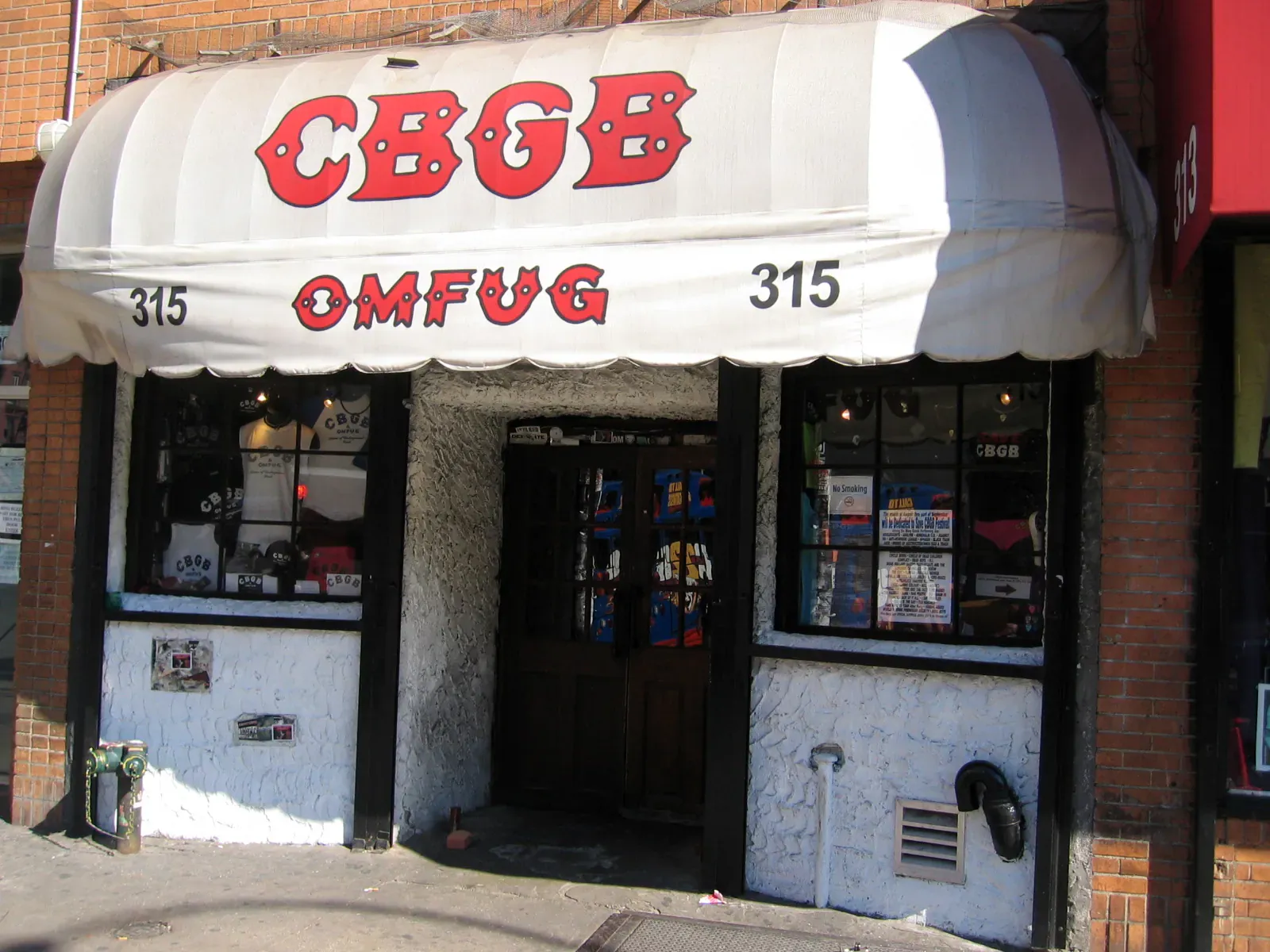
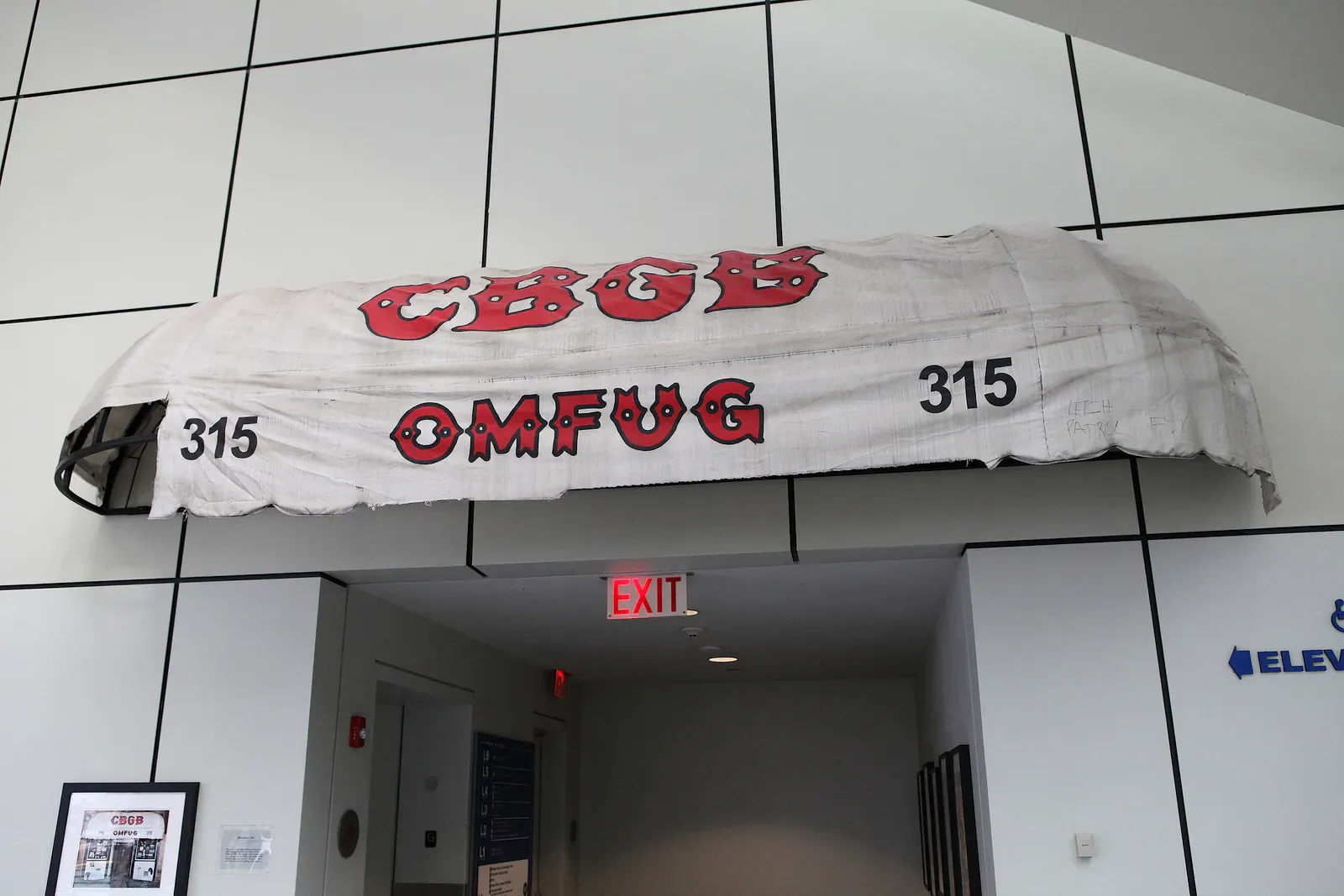
- 1990CBGB ends its hardcore matineesViolence at the Sunday shows led to the ban.
- 1996Descendents release Everything Sucks on Epitaph
2010
A new wave
Younger bands such as Turnstile mix hardcore with other styles and reach large festival and chart audiences.
- 2021Turnstile release Glow OnThe Roadrunner album brings hardcore to a mainstream rock audience.
Listening path
Anthems
The records that built the sound, grouped by the part they played. Thumbnails come from YouTube; the player loads only when you press play.
- 01
Black Flag, 1979 · SST Records
The title track of the EP that began SST and gave the genre its first template of speed and rage.
Origin - 02
Bad Brains, 1980
A 1:33 single from Washington, D.C. called the first East Coast hardcore record.
Origin - 03
Suicidal Tendencies, 1983 · Frontier Records
Its video was among the first hardcore clips to get substantial MTV airplay.
Start hereBreakthrough - 04
Dead Kennedys, 1980 · Alternative Tentacles
A savage satire of comfortable Western students that turned the scene's politics into a song.
Start hereAnthem - 05
Minor Threat, 1981 · Dischord
A 46-second song that unintentionally started the straight edge movement.
Start hereAnthem - 06
Black Flag, 1981 · SST Records
Opening cry of Damaged, the Henry Rollins-era record that became a scene rallying song.
Anthem - 07
Bad Brains, 1982 · ROIR
Written after the band were shut out of D.C. venues, it became a scene anthem on the ROIR tape.
Anthem - 08
Discharge, 1982
The title track of the UK record that set the D-beat standard.
Anthem - 09
Descendents, 1982
A fast, melodic song from Milo Goes to College that defined melodic hardcore.
Anthem - 10
Agnostic Front, 1984
Title track of the New York scene's defining debut album.
Anthem - 11
Youth of Today, 1986
The title track that set the youth crew sound and positive, straight edge message.
Anthem - 12
Turnstile, 2021 · Roadrunner
The Glow On song that showed a new generation bringing hardcore to large crowds.
Revival
Hardcore punk is punk rock played faster, shorter and louder, with shouted vocals and a scene that built its own record labels, zines and venues.
It emerged around 1978-1981 in Southern California, Washington, D.C., Vancouver and San Francisco, and it became the root of most extreme punk and metal-punk styles. Its do-it-yourself habits outlived almost every sound it made.
Origins
It started as a speed-up. In 1979 Black Flag, a band from Hermosa Beach that had begun as Panic and taken its new name in 1978, put out the Nervous Breakdown EP. It was the first release on Greg Ginn’s SST Records, and its short, furious title track gave the genre an early template. A year later, Bad Brains in Washington, D.C. released the 1:33 single Pay to Cum. The band’s players had begun as a jazz-fusion group called Mind Power before turning to punk, which helps explain how fast and tight they were.
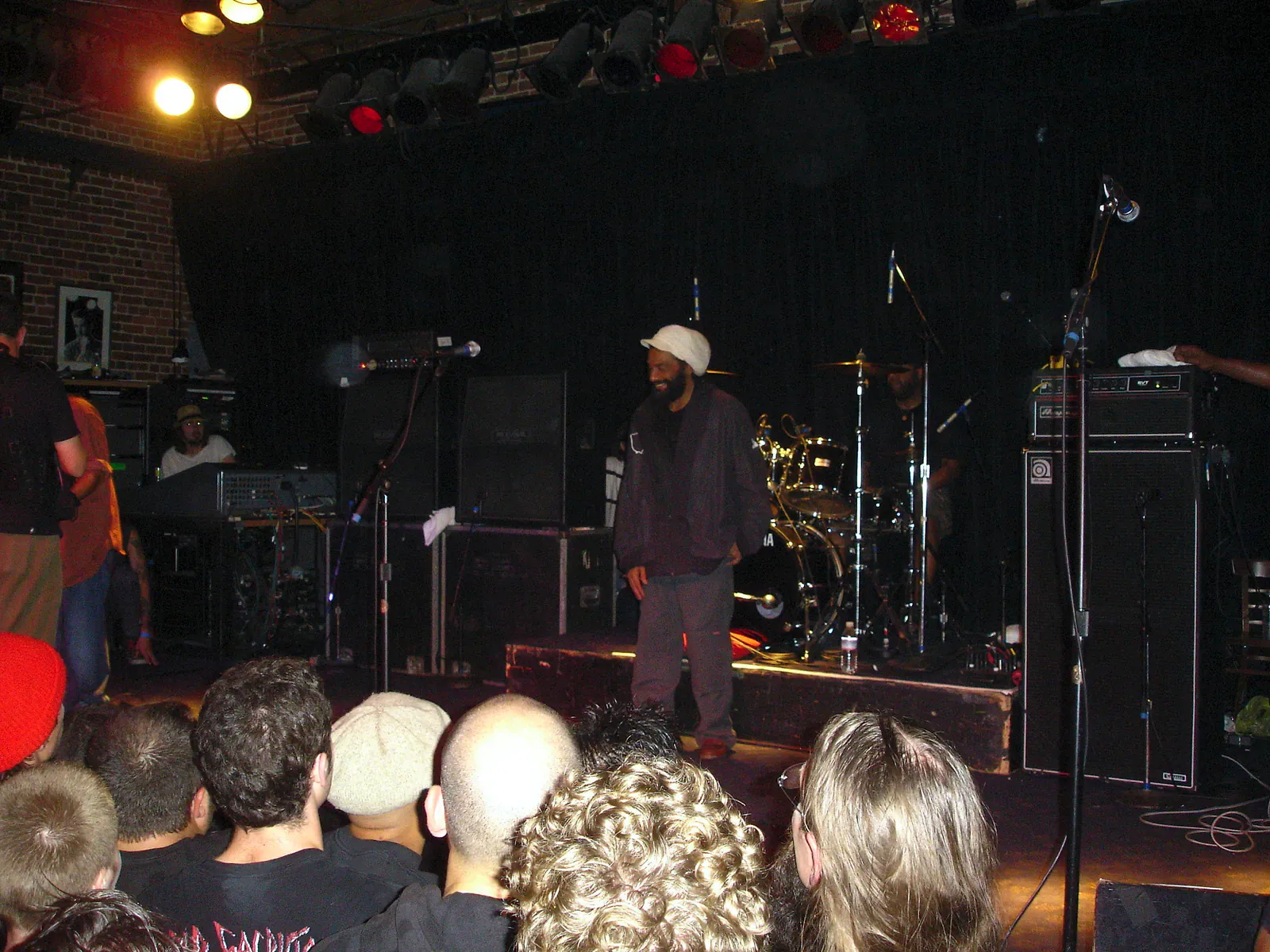
Neither band set out to name a genre. The name stuck after Vancouver’s D.O.A. called its 1981 album Hardcore ’81. The cause was less an idea than a shortage: venues and labels ignored the bands, so the bands pressed their own 7-inch records and booked their own shows.
Suburban origins (1976-1981)
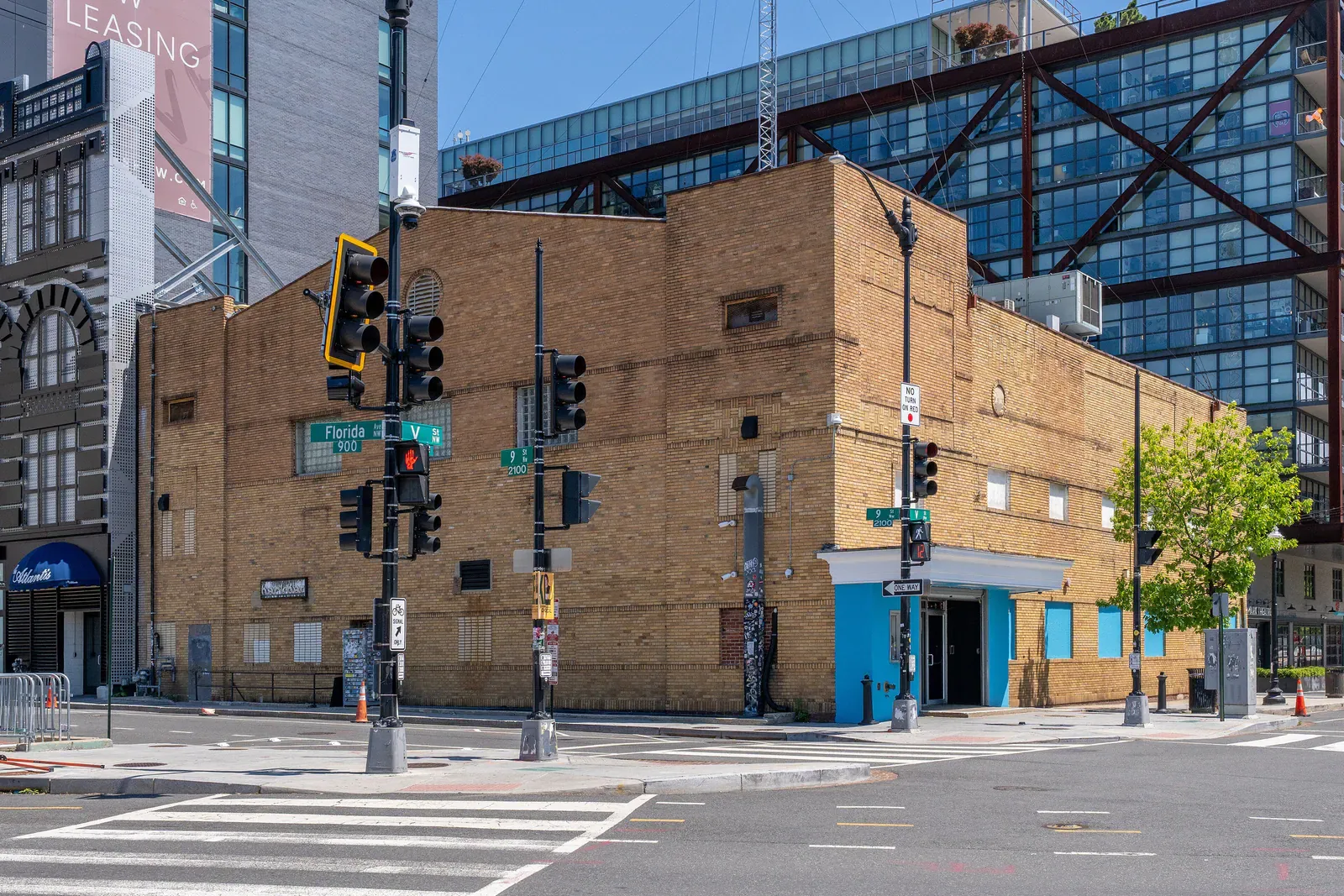
The first scenes were suburban and small. Black Flag worked the South Bay of Los Angeles, Dead Kennedys played Mabuhay Gardens in San Francisco, and D.O.A., Dayglo Abortions and Subhumans formed a Canadian centre in Vancouver. In Washington, D.C., Bad Brains, the Teen Idles and then Minor Threat built a scene around Dischord Records, founded in 1980 by Ian MacKaye and Jeff Nelson, and the 9:30 Club. Alternative Tentacles began in 1979 to release the Dead Kennedys’ own single.
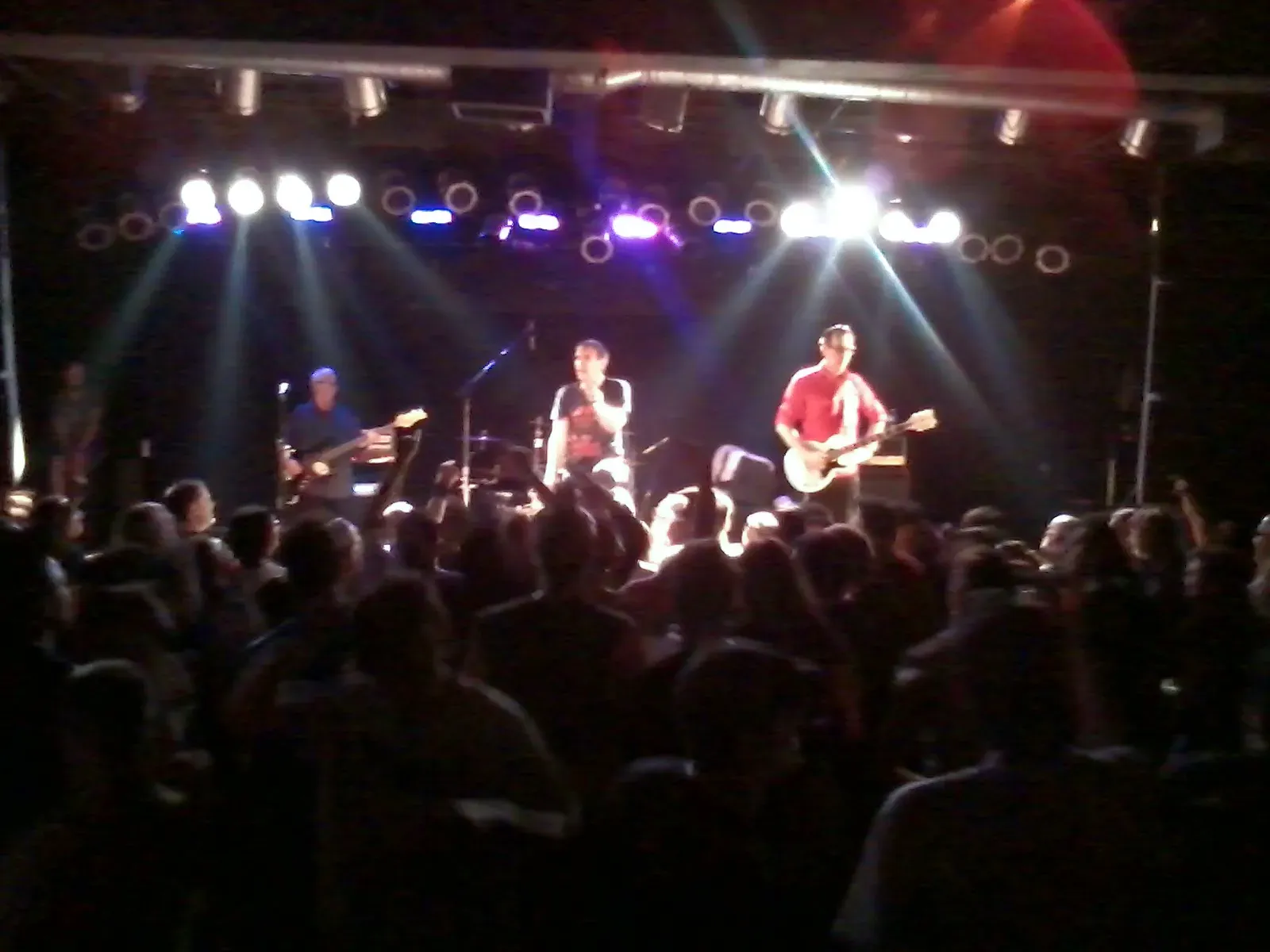
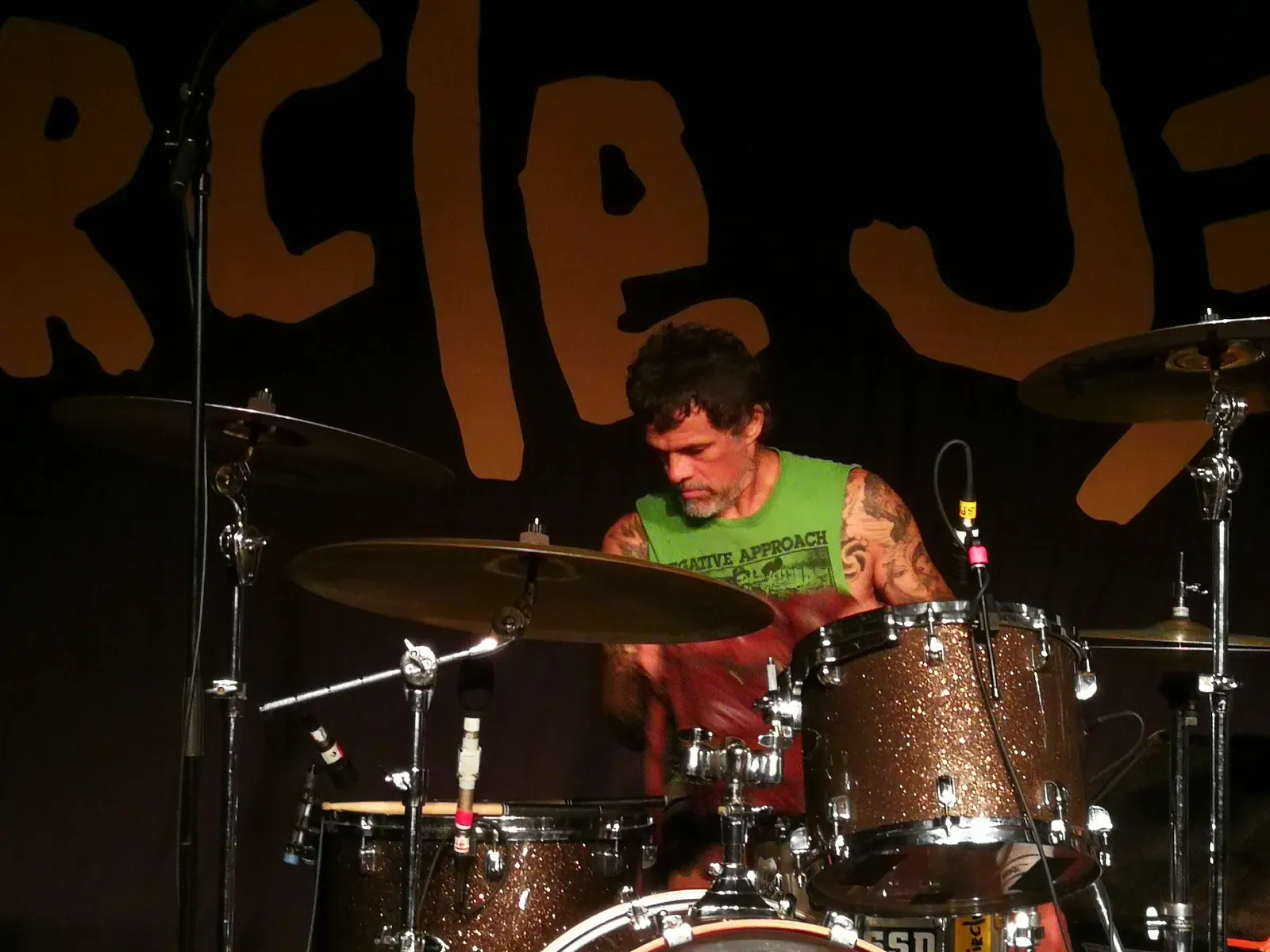
Records were short on purpose. Circle Jerks, led by ex-Black Flag singer Keith Morris, packed their 1980 debut Group Sex with very brief songs, while Dead Kennedys’ Fresh Fruit for Rotting Vegetables added sharp political satire to the same speed.
The scene spreads (1981-1984)
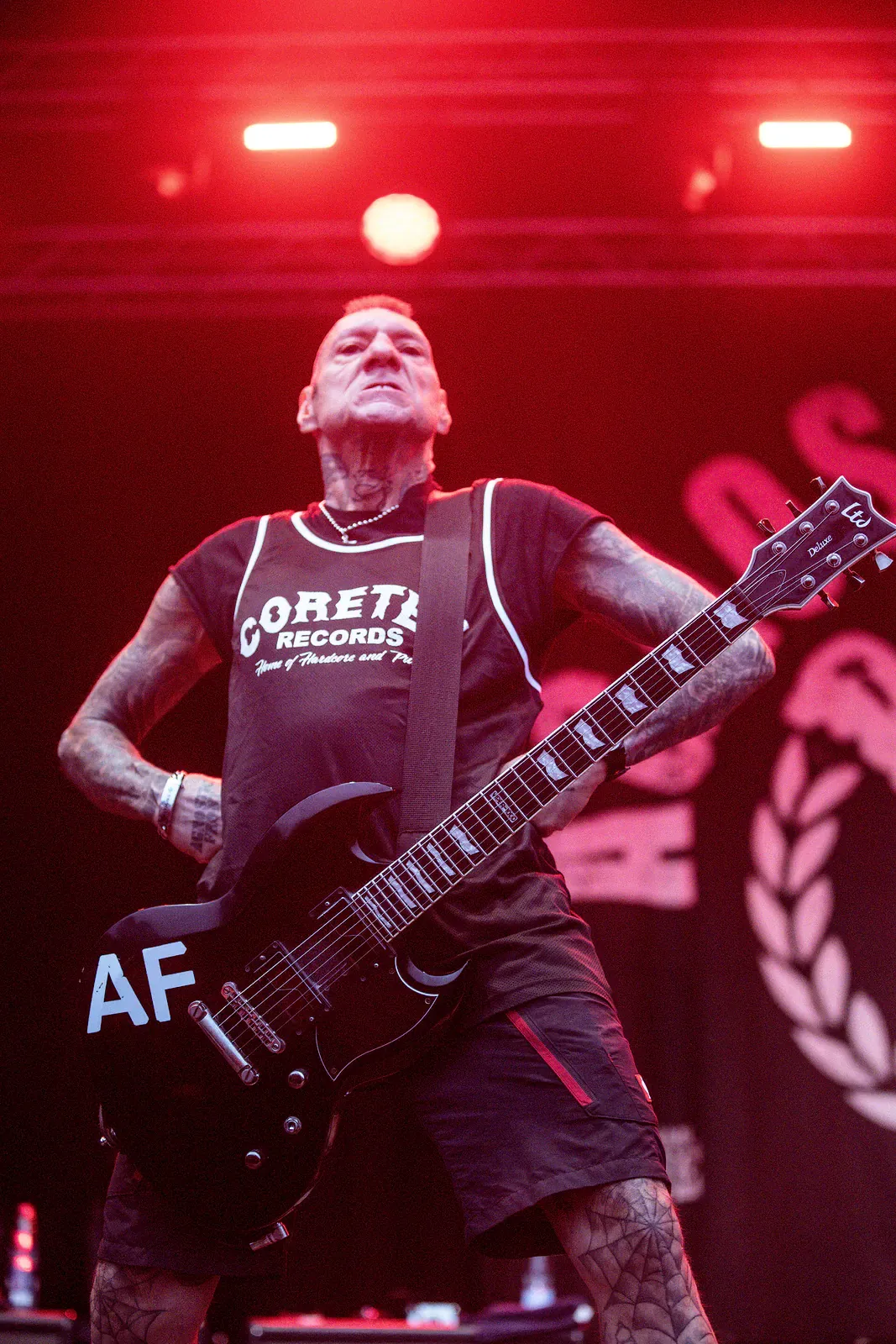
By 1981 the music had gone national. Bad Brains moved to New York, and bands such as Agnostic Front and Cro-Mags grew up around A7, a tiny East Village bar that served as the scene’s unofficial headquarters until 1984, and the Sunday matinees at CBGB. In the same years Boston produced the F.U.’s, DYS and SS Decontrol, while Minor Threat’s first EP carried Straight Edge and Husker Du and The Replacements came out of Minneapolis.
Two things carried the music. Cassettes did the first job: Bad Brains’ self-titled 1982 release on ROIR, the so-called Yellow Tape, came out only on tape, and the label’s New York Thrash compilation documented the city’s bands the same year. Fanzines and photocopied flyers did the rest. Across the Atlantic, Discharge of Stoke-on-Trent released Hear Nothing See Nothing Say Nothing in 1982 and cemented the pounding D-beat that would feed crust, thrash and grindcore.
Metal crossover and youth crew (1984-1989)
Then the sound split. Black Flag slowed down and got heavier, and New York bands began crossing over with metal, a story the metal family picks up from the other side. At the same time a new generation tightened the message. Youth of Today, from Connecticut, released Break Down the Walls in 1986 and set the youth crew style: clean-cut, positive and straight edge. Revelation Records, founded in 1987 for Warzone’s Lower East Side Crew 7-inch, became its home.
Black Flag broke up in 1986, and the decade ended with the genre divided between speed, heaviness and a stricter code.
Characteristics
Songs are short, often under two minutes, and driven by fast, heavily distorted power chords. Vocals are shouted, and choruses are built for the crowd to shout back. Form is less predictable than in earlier punk, with abrupt tempo changes and breakdowns that give dancers room.
Instruments and production
The line-up is the punk standard of guitar, bass, drums and voice, with the drummer as the engine. Recording was lo-fi and cheap by necessity: the 7-inch single and the cassette were the formats of the first wave, and tape trading and fanzines distributed them without a major label.
Underground years (1990-2009)
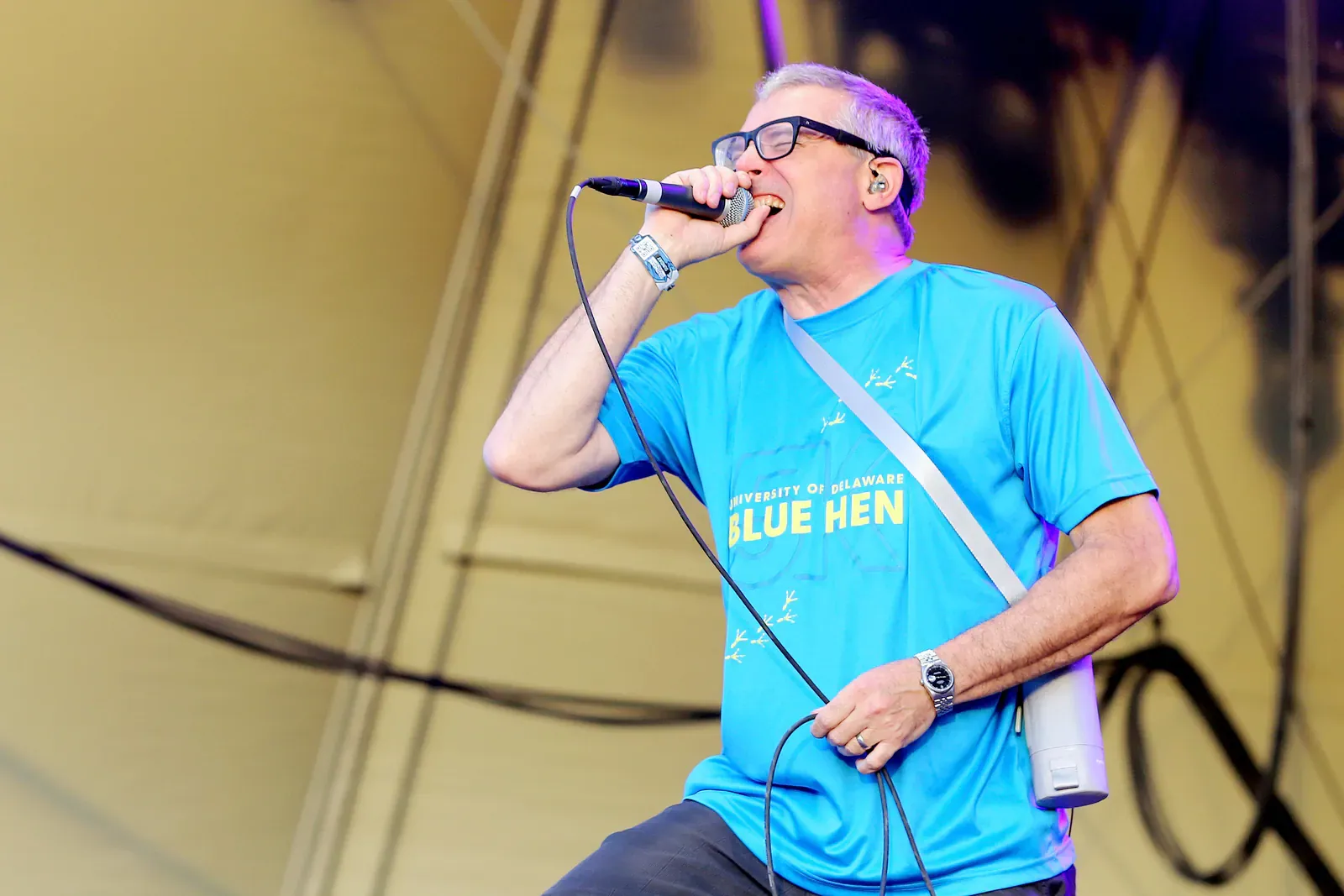
CBGB ended its hardcore matinees in 1990 after violence at the Sunday shows. The scene did not stop; it went back to basements, halls and labels. Revelation and others kept releasing records, and melodic bands brought the speed to wider ears. Descendents, from Manhattan Beach, California, had set the template with Milo Goes to College in 1982, and their 1996 album Everything Sucks came out on Epitaph, the Los Angeles label founded by Brett Gurewitz. The fast-and-catchy recipe was later copied across pop-punk.
A new wave (2010-2026)
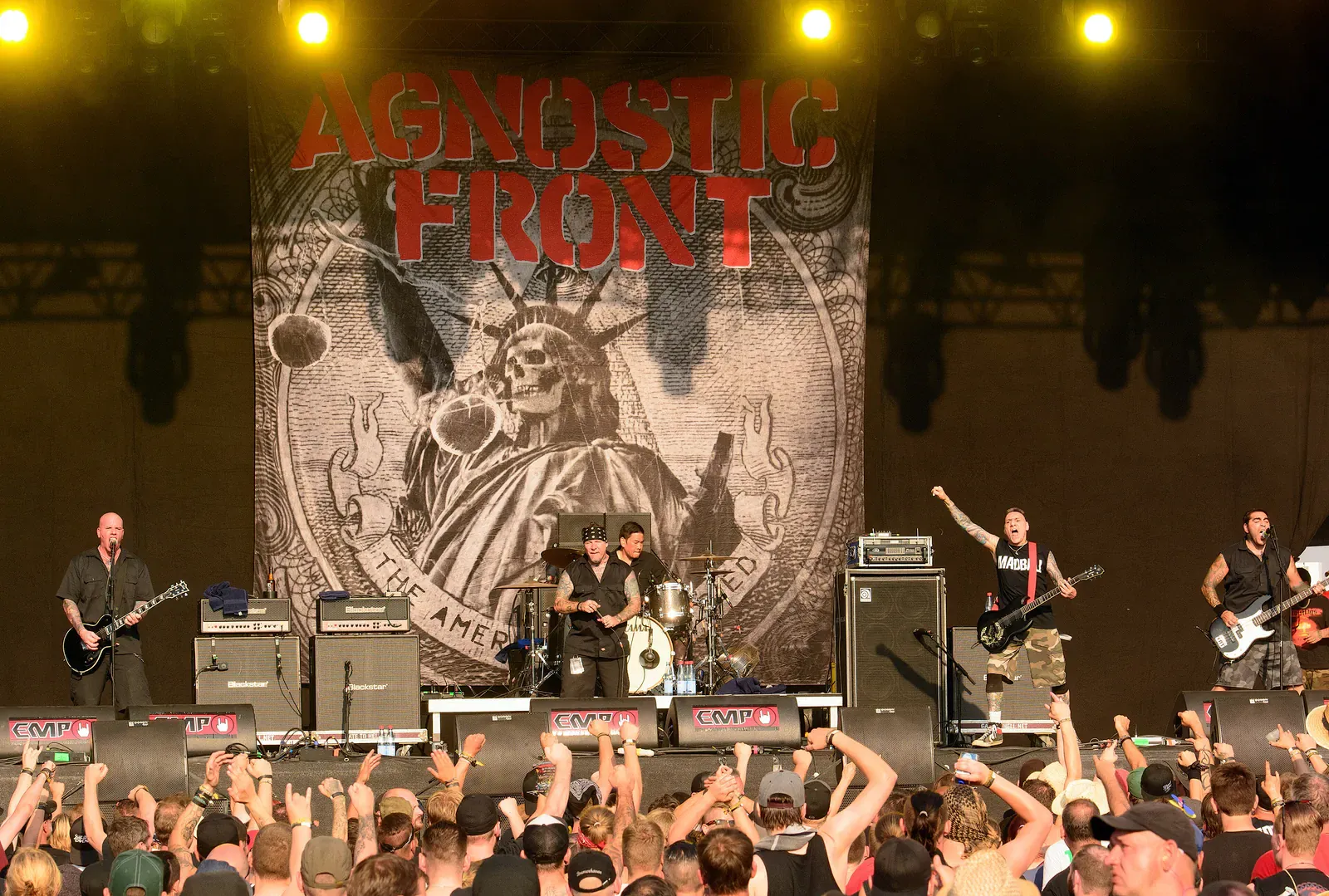
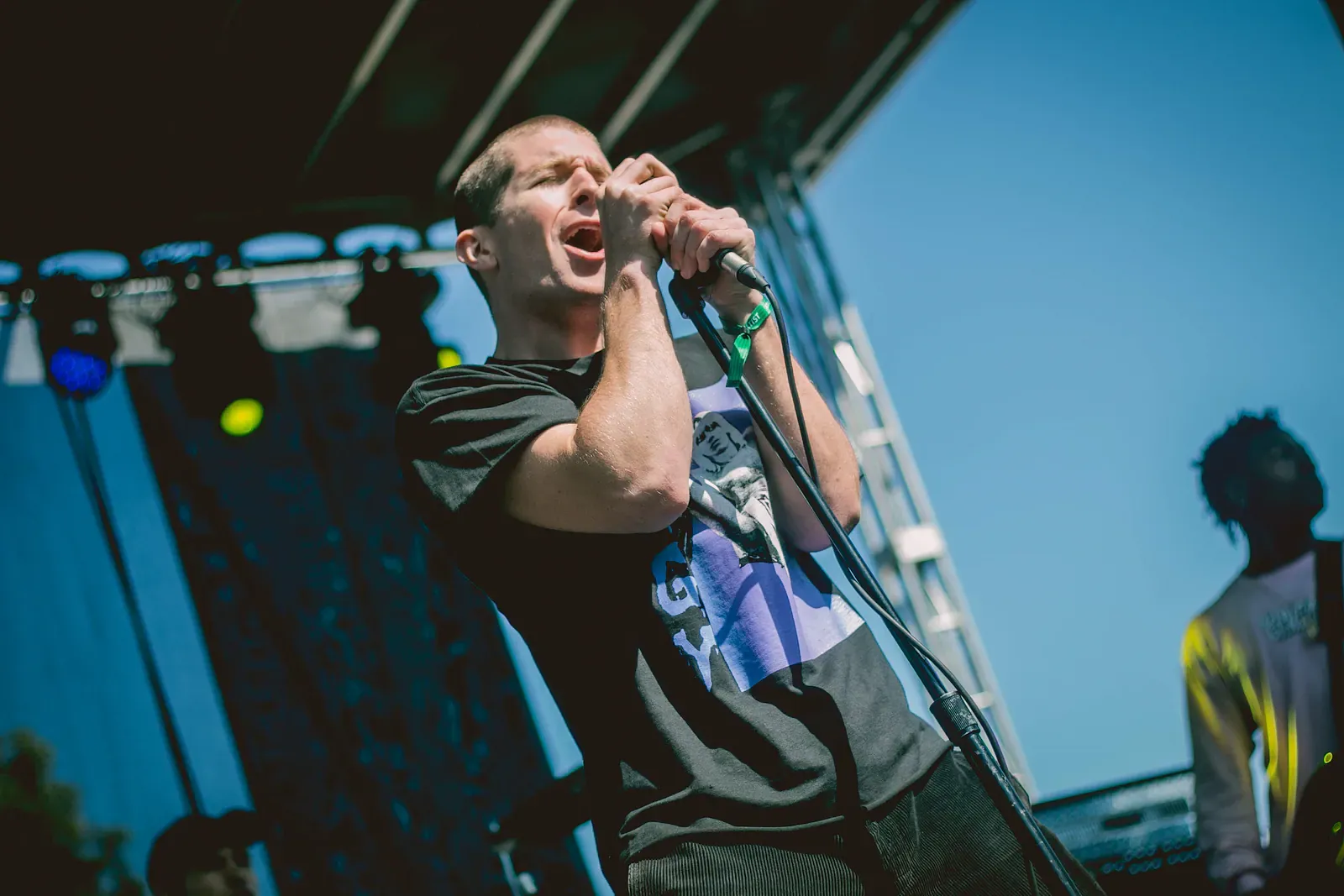
Younger bands, among them Baltimore’s Turnstile, mixed hardcore with alternative and funk touches and reached large festival and chart audiences. Turnstile’s Glow On, released on Roadrunner in 2021, took hardcore to a mainstream rock audience. Older bands kept playing too: Agnostic Front, Descendents and Circle Jerks still appear on festival bills.
Mainstream success
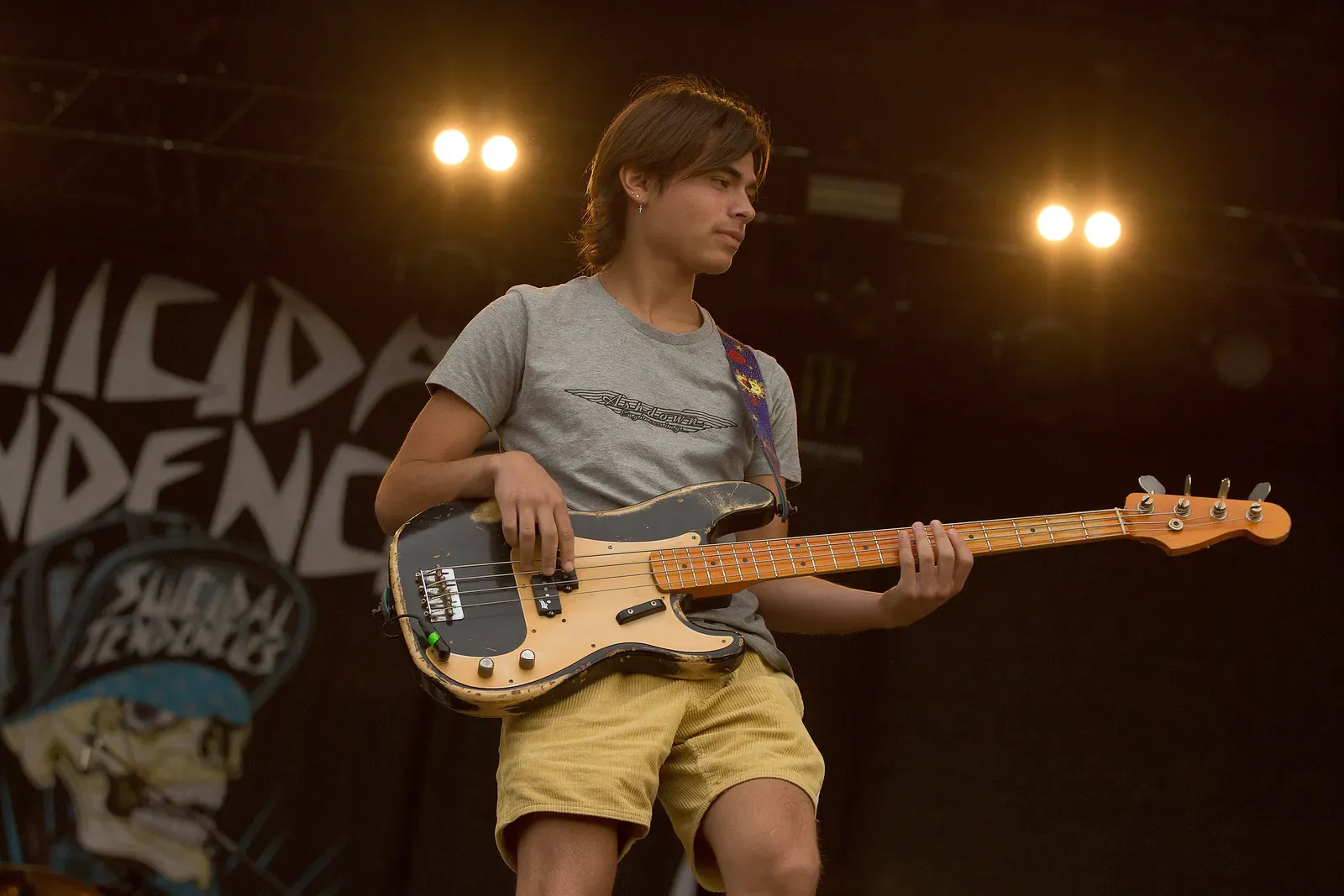
Slowly, and mostly on its own terms. In 1981 MCA declined to distribute Black Flag’s Damaged, calling it anti-parent, and the record reached shops through SST Records instead. The first real window came from television: in 1983 Suicidal Tendencies, from Venice, California, released a debut on Frontier Records with Institutionalized, whose video was among the first hardcore clips to get substantial MTV airplay. That airplay is the whole claim; it was a crack in the wall, not a chart takeover.
Pushback was just as common. On Halloween 1981 a stage invasion cut Fear’s Saturday Night Live spot short, and in 1985 Dead Kennedys faced an obscenity trial over a poster inside Frankenchrist; the jury hung and the case was dismissed in 1986. Real mainstream success arrived only with the 2020s.
Notable recordings
Holiday in Cambodia (1980) is the satire that lifted Dead Kennedys’ politics into a song, aimed at comfortable Western students. Straight Edge (1981) lasts 46 seconds and started a movement almost by accident. And Banned in D.C. (1982), written after Bad Brains were shut out of local venues, became a scene anthem on the ROIR tape.
Culture
Fashion was plain on purpose: T-shirts, jeans, boots or sneakers and short hair replaced the leather and studs of 1970s punk. At shows the dancing was physical. Early 1980s D.C. scene moves included two-stepping, windmilling and the gorilla, and the pit grew from there. Straight edge turned abstaining from alcohol and drugs into an identity, and photocopied flyers and fanzines, including Maximumrocknroll, carried the news and the art.
The scene’s economics were its politics: bands owned their records, promoters were friends, and a 7-inch could be pressed by one person. The Decline of Western Civilization (1981) filmed Los Angeles. American Hardcore (2006) later told the wider story.
Misconceptions
One myth holds that hardcore is only angry noise. Songs follow a pattern of short intro, verses, gang-vocal chorus, breakdown and final chorus, and the anger often carried a message, as in Minor Threat’s straight edge and Dead Kennedys’ satire.
A second myth gives the genre a single birthplace. Bands in Hermosa Beach, Washington, D.C., San Francisco and Vancouver started within a few years of each other, and D.O.A.’s 1981 album title gave it a name.
A third holds that hardcore stayed underground forever. It mostly did, but Institutionalized got early MTV airplay in 1983, and Turnstile reached large audiences in the 2020s.
Legacy
Hardcore’s label-and-zine model became the template for independent rock. Its speed fed crust, thrash and grindcore, its melodic wing fed pop-punk, and its straight edge ethic and mosh pit outlived the bands that created them.
Frequently asked questions
What is hardcore punk?
Hardcore punk is a faster, harder form of punk rock with short songs, shouted vocals and breakdowns. It emerged around 1978-1981 and built its own network of labels, zines and venues.
Who started hardcore punk?
No single band did. Black Flag, Bad Brains, Dead Kennedys and D.O.A. all formed between 1976 and 1978, and their early records shaped the sound.
What is the difference between punk and hardcore punk?
Hardcore is faster, heavier and more abrasive than the first punk bands, and its shows are rougher. The punk rock page covers the earlier sound, and the rock family page places both.
What is straight edge?
Straight edge is the choice to avoid alcohol and drugs. It grew out of Minor Threat’s 1981 song Straight Edge and became an identity for many fans.
Which songs are the best-known hardcore punk records?
Dead Kennedys’ Holiday in Cambodia, Minor Threat’s Straight Edge and Suicidal Tendencies’ Institutionalized are widely cited, along with Bad Brains’ Pay to Cum.
Sound
Sound sheet
Anatomy of a track
| # | Part | Bars |
|---|---|---|
| 1 | Intro (count-in or riff) | 4 |
| 2 | Verse 1 | 8 |
| 3 | Chorus (gang vocals) | 8 |
| 4 | Verse 2 | 8 |
| 5 | Breakdown (tempo change) | 8 |
| 6 | Final chorus and stop | 8 |
Signature sounds
- Very short songs, often under two minutes
- Shouted, unmelodic vocals
- Gang-vocal choruses
- Breakdowns for moshing
- Lo-fi, do-it-yourself recordings
Techniques
- D-beat
- Gang vocals
- Breakdown
- Distorted power-chord riffing
Keys and modes
Power-chord harmony. Riffs built on root-fifth-octave chords without a third, so songs sound neither clearly major nor minor.
Vocals
Shouted, screamed or chanted with an abrasive tone, usually without melody.
Scenes
Where it happened
Where and when the sound lived: one bar per city on a shared timeline.
Europe
North America
Active scenes
Peak 8, 1981-1986
Black Flag's home turf, the heart of the South Bay and Los Angeles scene.
Bad Brains, Teen Idles and Minor Threat built a scene around Dischord and the 9:30 Club.
Dead Kennedys and others played Mabuhay Gardens and fed the Alternative Tentacles label.
D.O.A., Dayglo Abortions and Subhumans formed a Canadian centre of the genre.
Agnostic Front, Cro-Mags and Murphy's Law grew around A7 and CBGB matinees.
F.U.'s, DYS and SS Decontrol shaped a tough, often straight edge Boston scene.
Discharge developed the D-beat that spread to UK82 and then crust punk.
Husker Du and The Replacements came out of a Midwest hardcore scene.
Venues and places
New York City, 1973 to today. Its Sunday matinees hosted Bad Brains and Agnostic Front until the hardcore shows were stopped in 1990.
Washington, D.C., 1980 to today. Opened at 930 F Street and became a key room for D.C. hardcore and Minor Threat.
San Francisco, 1977 to today. The North Beach club where Dead Kennedys played regularly and touring bands stopped.
New York City, 1981 to today. A tiny East Village bar that served as the unofficial headquarters of New York hardcore until 1984.
Culture
Culture markers
- Slam dancing and moshing
Early 1980s D.C. scene moves include two-stepping, windmilling and the gorilla.
Dance - Plain clothes and crew cuts
T-shirts, jeans, boots or sneakers and short hair replaced the leather and studs of 1970s punk.
Fashion - Straight edge
Avoiding alcohol and drugs became an identity for many fans after Minor Threat.
Ritual - Sunday matinees
All-ages afternoon shows at CBGB were the weekly gathering of New York fans.
Ritual - Photocopied flyers and zines
Cut-and-paste flyers and fanzines carried the scene's news and art.
Artwork - Thrash
Early name for hardcore, used on the 1982 New York Thrash compilation, later claimed by metal.
Slang
Media
Key media
- 1981The Decline of Western Civilization
by Penelope Spheeris. Documentary of the Los Angeles scene featuring Black Flag, Circle Jerks and Fear.
Film - 1982New York Thrash
by Various. ROIR cassette that documented the New York scene under the then-common name thrash.
Compilation - 1982This Is Boston, Not L.A.
by Various. Modern Method Records compilation that put Boston bands on record.
Compilation - 1982Maximumrocknroll
by Tim Yohannan. Radio show from 1977 that became a fanzine in 1982 and tracked the global scene.
Zine - 2001American Hardcore: A Tribal History
by Steven Blush. The oral-history book that popularized the 1980-86 timeline of the US scene.
Book - 2006American Hardcore
by Paul Rachman. Documentary on the US scene that opens with Bad Brains' Pay to Cum.
Film
Glossary
Terms on this page
A section of a fast song where the tempo or intensity changes, often slower, that invites the crowd to mosh.
A driving drum pattern named after Discharge, the basis of UK hardcore and crust.
Early afternoon all-ages show, such as the Sunday matinees at CBGB.
Chaotic dancing in front of the stage that took shape in the early 1980s hardcore scene.
Lifestyle of avoiding alcohol, drugs and casual sex, named after the Minor Threat song.
A hardcore dance move listed among the pit styles such as windmilling.
Name for the second wave of British punk, taken from a song by The Exploited.
Late-1980s style of tight, positive, often straight edge hardcore from bands like Youth of Today.
Rock family