Noise rock
Noise rock treats distortion, feedback and dissonance as its main material. It formed in New York and Chicago in the late 1970s and early 1980s.
New York City, 1978
Rock family
Born
1978
New York City
Subgenres
4
Documented branches
Links
25
Genres it drew on or shaped
Tempo
80-190 BPMLineage
Family tree
Grew out of
- No wave
Derived from
Derived from
Derived from
Influenced by
New York City, 1978
Noise rock
Led to (7)
Timeline
Era by era
From the first sparks to today. Select a dot to read the story behind it.
- Forerunners and no wave
1968 to 1980
- Underground labels
1981 to 1989
- Major-label doors and AmRep
1990 to 1999
- Noise punk and revival
2000 to 2019
- Elders return, new bands arrive
2020 to today
Eras
Moments
- 1 Forerunners and no wave, 1968 to 1980
- 2 Underground labels, 1981 to 1989
- 3 Major-label doors and AmRep, 1990 to 1999
- 4 Noise punk and revival, 2000 to 2019
- 5 Elders return, new bands arrive, 2020 to today
1968
Forerunners and no wave
The Velvet Underground's feedback-drenched records and New York's no wave bands of 1978 lay out a grammar of distortion and atonality that later groups pick up.
- 1968The Velvet Underground release White Light/White HeatHeavy distortion and feedback on the album are often called a prototype of noise rock.
- 1978No New York compilation appearsBrian Eno produces four no wave acts for Antilles, documenting the New York scene that noise rock grows from.
- 1978Fushitsusha formed in TokyoKeiji Haino's group plays long, loud improvised rock, though its first album arrives only in 1989.
1981
Underground labels
Sonic Youth, Swans, Big Black and Butthole Surfers build the style on independent labels such as Homestead, Touch and Go and Blast First.
- 1981Sonic Youth debut at Noise FestThe band plays its first show in June at the White Columns gallery, in New York's experimental scene.
- 1981Big Black form in EvanstonSteve Albini starts the band that will carry noise rock to Chicago.
- 1983Swans release FilthMichael Gira's New York band issues its brutally heavy debut album.
- 1986Big Black issue AtomizerThe May album on Homestead and Touch and Go includes Kerosene, with a drum machine and a harsh guitar tone.
- 1986Amphetamine Reptile Records foundedTom Hazelmyer starts the label that becomes a Minneapolis home for noise rock.
- 1987Butthole Surfers release Locust Abortion TechnicianRecorded at home in Georgia on an eight-track, it is released by Touch and Go in the US and by Blast First in the UK.
- 1987Big Black split after Songs About FuckingThe band decides to disband before recording its final album for Touch and Go.
- 1988Sonic Youth release Daydream NationA double album on Enigma, recorded at Greene St. in Manhattan, with unorthodox tunings and long noise passages.
1990
Major-label doors and AmRep
Sonic Youth sign to DGC, the Jesus Lizard and Shellac define a rhythm-led Chicago sound, and Amphetamine Reptile spreads noise rock from Minneapolis.
- 1990Sonic Youth sign with DGCGoo becomes the band's first major-label album.
- 1990Helmet release Strap It On on Amphetamine ReptileThe debut sells about 40,000 copies and sustains the label through the 1990s.
- 1991The Jesus Lizard release GoatAlbini produces the March album for Touch and Go, with Duane Denison's guitar and David Wm. Sims's bass.
- 1992Shellac formed in ChicagoAlbini, Bob Weston and Todd Trainer start a spare trio that outlasts most of its peers.
- 1994Shellac release At Action ParkThe debut album on Touch and Go is recorded in London and France, with angular, sparse playing.
- 1995Fort Thunder opens in ProvidenceA warehouse in the Olneyville mill district becomes a shared home and venue for Lightning Bolt and other bands.
- 1997Electrical Audio opens in ChicagoAlbini's analog studio becomes the main base for recording noise rock and related bands.
2000
Noise punk and revival
Providence's Fort Thunder scene and Lightning Bolt push volume and speed, while METZ, Daughters and others carry the style into the 2010s.
- 2003Lightning Bolt release Wonderful RainbowThe Load Records album, with Dracula Mountain, is considered the duo's most accessible record.
- 2009Touch and Go shrinks its operationsThe label stops handling manufacturing and distribution and keeps to limited editions and remasters.
- 2012Swans release The SeerThe reformed Swans issue a double album built around a 32-minute title track.
2020
Elders return, new bands arrive
Swans and the Jesus Lizard release new records, Steve Albini dies in 2024, and Shellac's last album appears days later.
- 2024Steve Albini diesThe Shellac guitarist and Big Black founder dies on 7 May in Chicago, aged 61.
- 2024Shellac release To All TrainsThe band's seventh album appears on Touch and Go on 17 May, ten days after Albini's death.
- 2024The Jesus Lizard release RackTheir first album in 26 years comes out in September on Ipecac Recordings.
Listening path
Start listening
A short path from an easy way in to the deep end. Thumbnails come from YouTube; the player loads only when you press play.
- 01
Sonic Youth, 1988
The easiest way in: a noise-rock opener that reached the US modern rock chart, built on tunings and a long guitar build-up.
- 02
Big Black, 1986
The brittle, mechanical Chicago sound at its most imitated.
- 03
The Jesus Lizard, 1991
A bass-led, Albini-produced short blast from the Goat era.
- 04
Shellac, 2000
A spare, angular trio piece that shows noise rock built from restraint.
- 05
Lightning Bolt, 2003
A bass-and-drums duo track that carried the style into the noise punk scene.
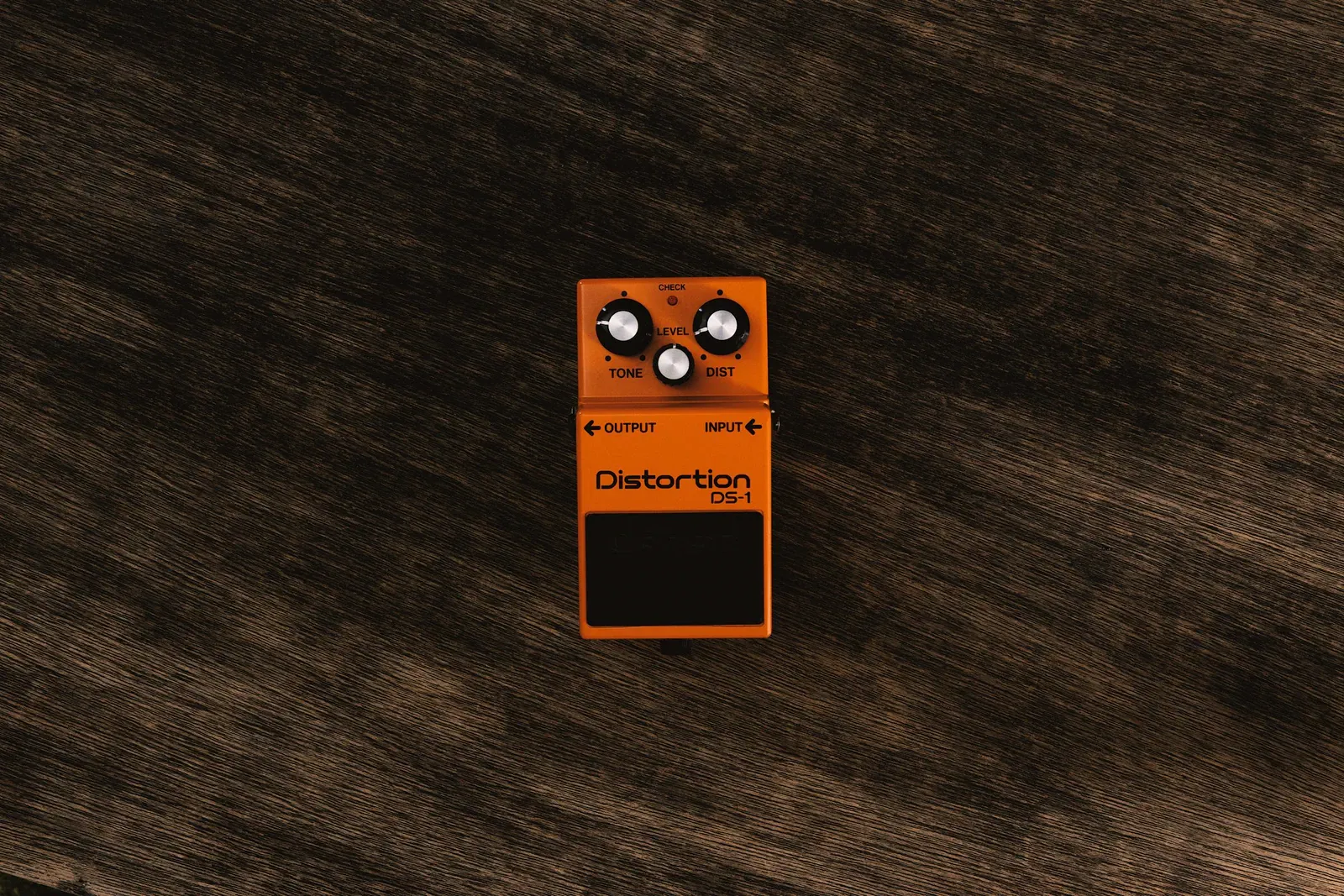
Noise rock is a branch of rock that uses extreme distortion, feedback and atonality as its main material rather than as decoration.
It took shape in New York and Chicago between the late 1970s and the early 1980s, drawing on no wave, punk and post-punk, and it has stayed an underground style carried by independent labels.
Origins
Two lines run into noise rock. One is the art and avant-garde tradition, with the Velvet Underground’s 1968 album White Light/White Heat as its usual starting point, because its heavy distortion and feedback were far ahead of rock at the time. The other is punk and post-punk, which supplied speed, aggression and the habit of building a scene without the music industry.
The meeting point was New York. In 1978 the compilation No New York, produced by Brian Eno for Antilles, documented four no wave bands whose playing was deliberately abrasive and atonal. Around the same time, in Tokyo, Keiji Haino formed Fushitsusha, a group that played long, loud, improvised rock, although its first album came out only in 1989. In June 1981 a Noise Fest at the White Columns gallery in Manhattan brought the experimental scene together, and Sonic Youth played their first show there.
Underground labels, 1981-1989
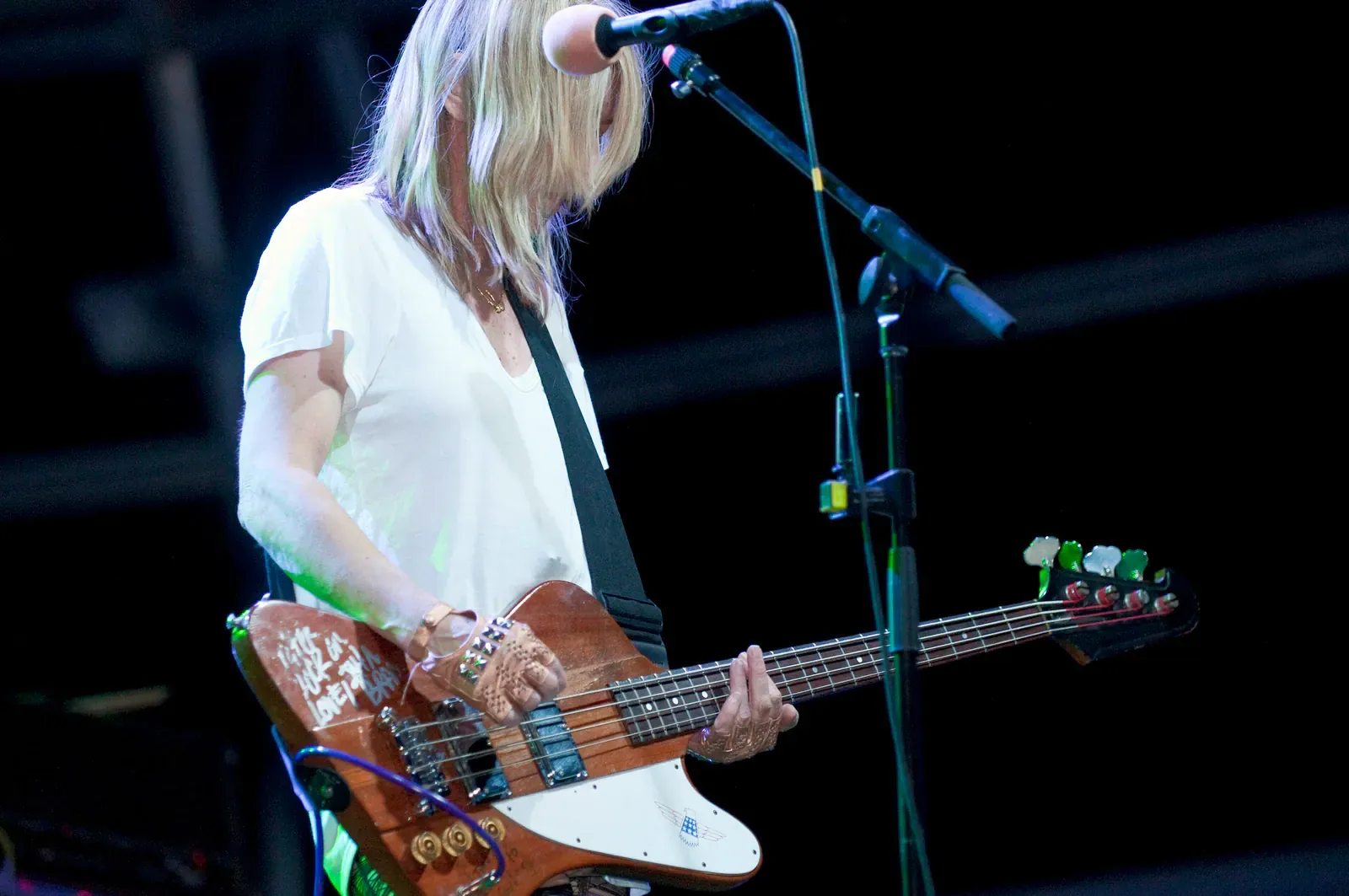
The 1980s were built by small labels. Touch and Go, founded in Chicago in 1981, became the style’s most durable home, and SST Records in Southern California, started by Greg Ginn in 1978, released early Sonic Youth records such as Sister in 1987 alongside the hardcore bands that made its name. Homestead Records in New York, founded by Sam Berger in 1983 and closed in 1996, issued Big Black’s Atomizer in 1986, shared with Touch and Go.
Several bands set the template in these years. Swans, formed in New York in 1981, released the crushing debut Filth in 1983. Steve Albini started Big Black in Evanston in 1981 and built its brittle sound around a drum machine, the Roland TR-606 at first and later an E-mu Drumulator, then broke the band up after Songs About Fucking in 1987. Butthole Surfers recorded Locust Abortion Technician in 1987 at home in Georgia on an eight-track, and the album was released by Touch and Go in the United States and by Blast First in Britain. Sonic Youth released the double album Daydream Nation in 1988, recorded at Greene St. in Manhattan, joining unorthodox tunings and long noise passages to songs of pop length.
Chicago, Minneapolis and the major labels, 1990-1999
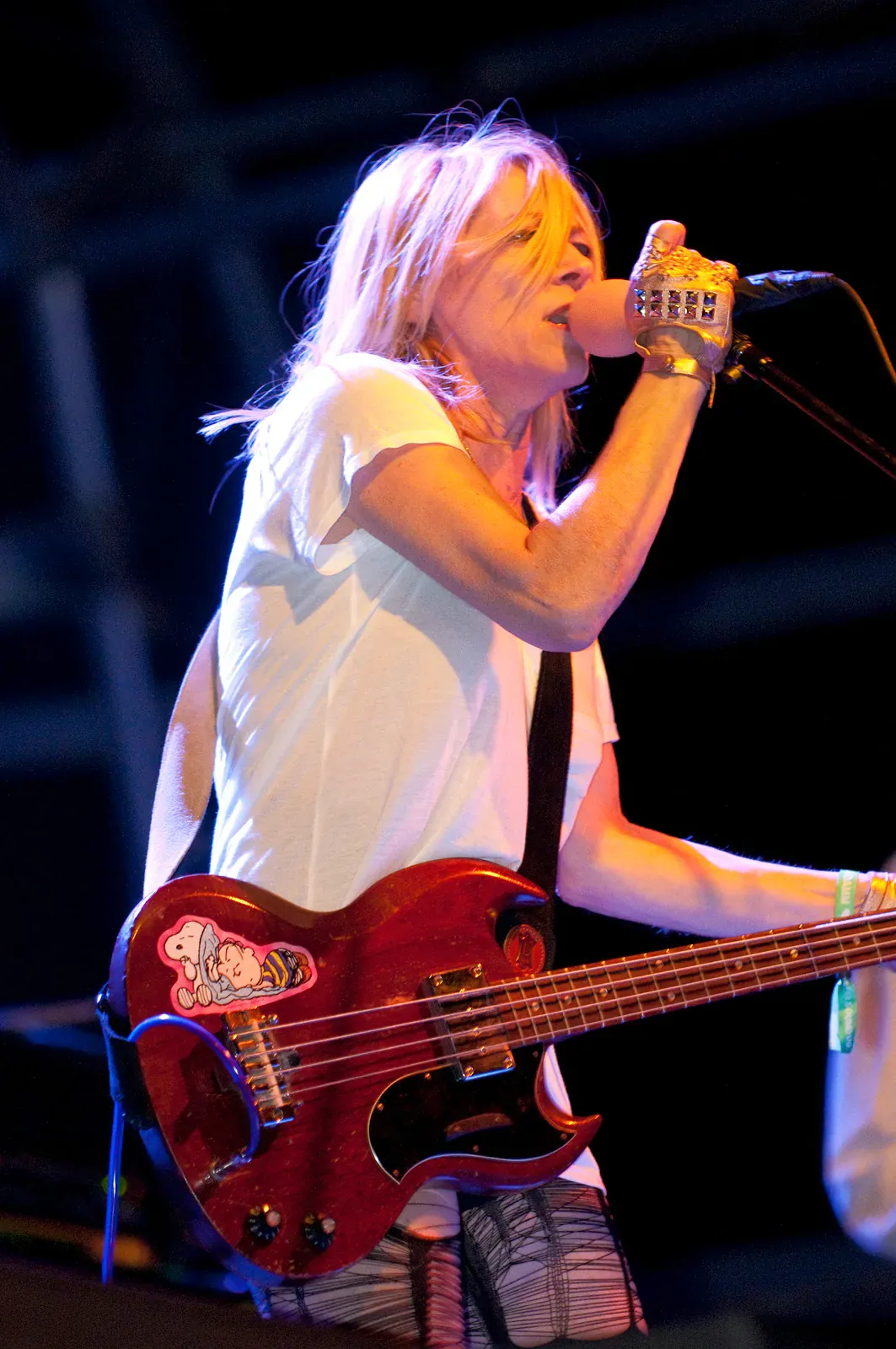
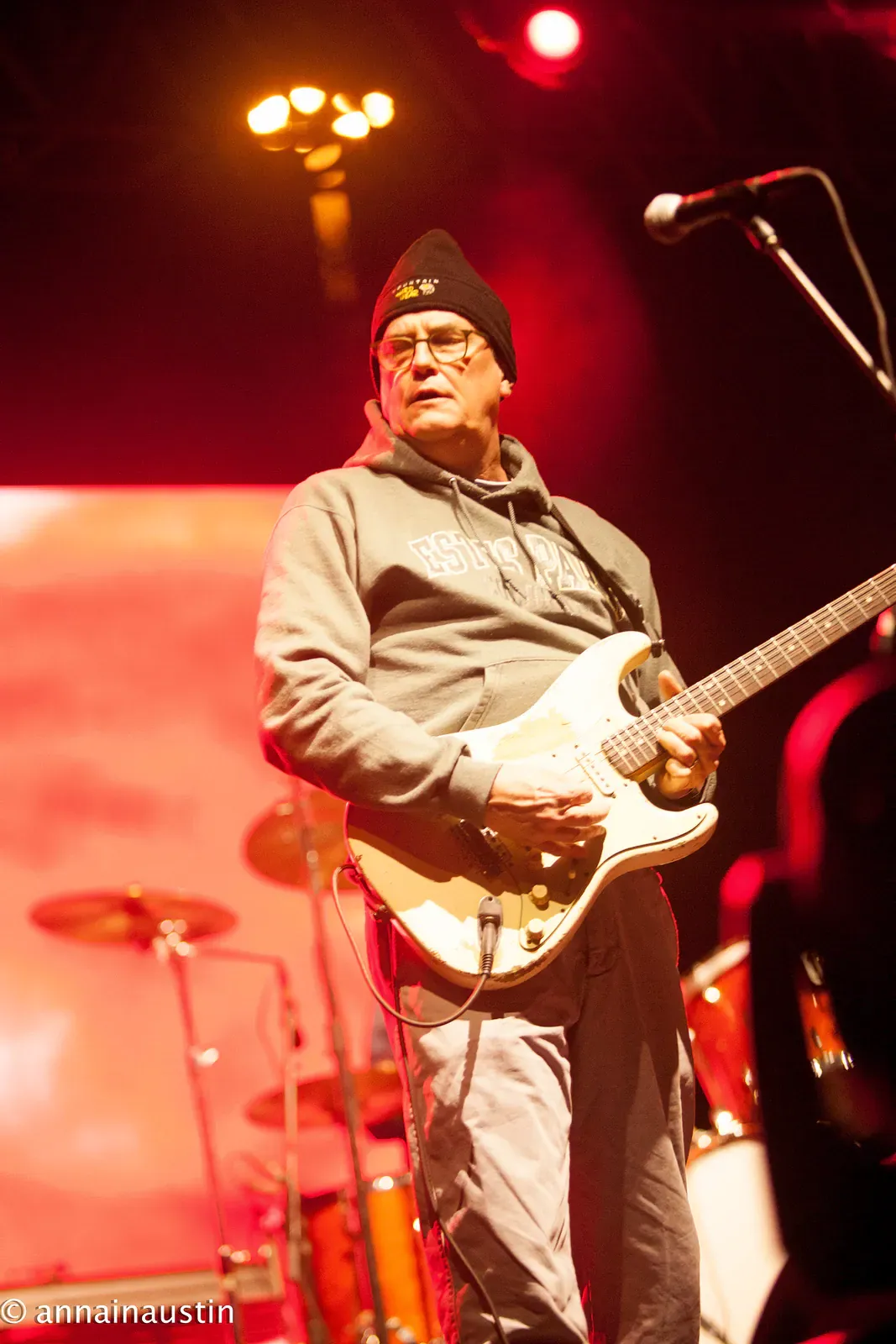
In 1990 Sonic Youth signed to DGC, and Goo became the band’s first major-label album, which showed how far a noise-rock band could travel from the underground. The decade’s strongest centres stayed independent, though. In Chicago the sound turned rhythmic and spare: the Jesus Lizard, who started in Austin in 1987, released Goat on Touch and Go in March 1991, produced by Albini, with Duane Denison’s guitar and David Wm. Sims’s bass driving the songs. Albini formed Shellac in 1992 with Bob Weston and Todd Trainer, and the trio’s debut At Action Park followed in 1994. In 1997 he opened Electrical Audio in Chicago, an analog studio that became the main base for recording the style.
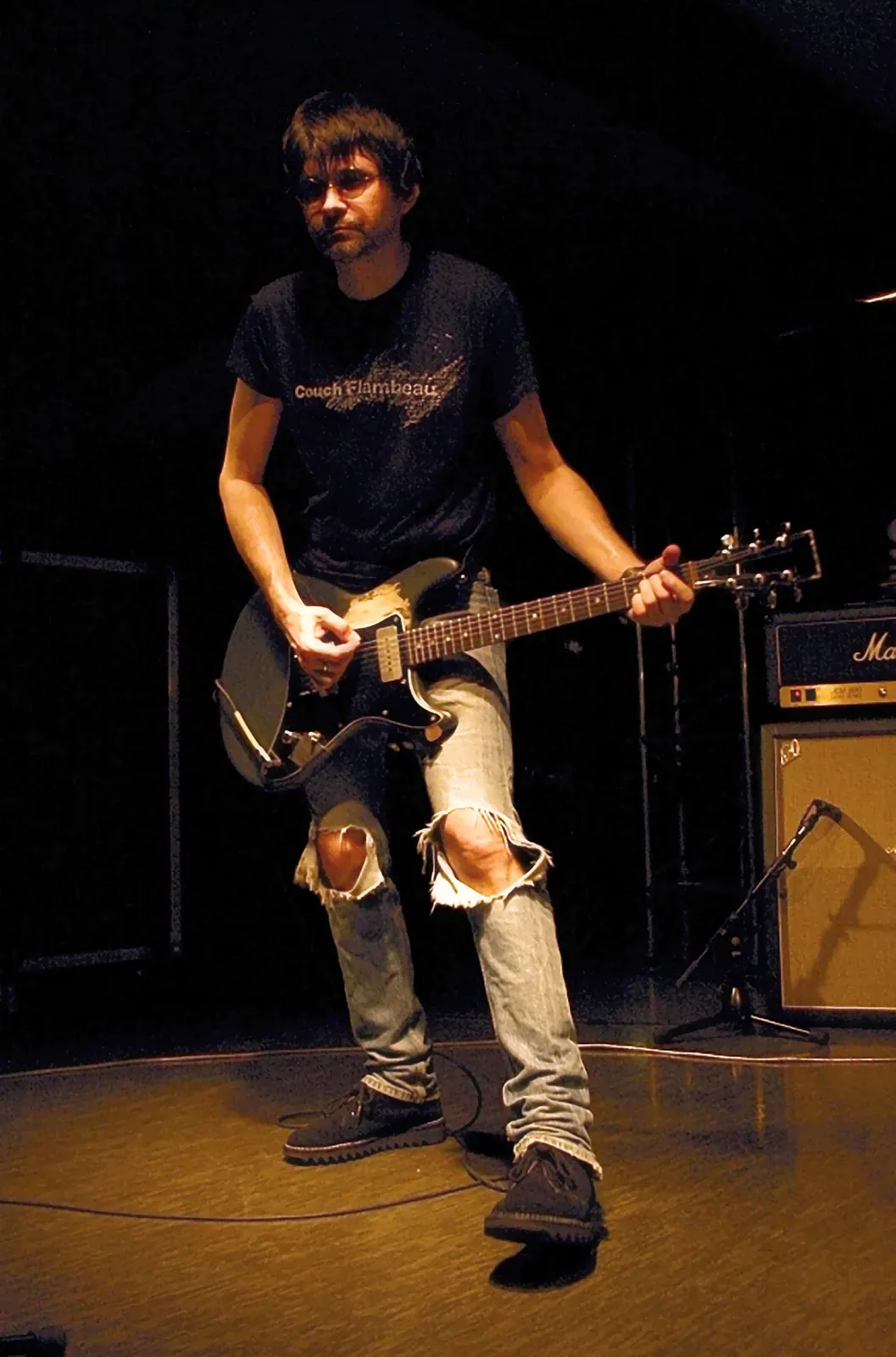
In Minneapolis, Tom Hazelmyer founded Amphetamine Reptile Records in 1986, and it became the city’s home for noise rock. Its biggest success was Helmet’s Strap It On in 1990, which sold about 40,000 copies and sustained the label through the decade, and which pulled the style toward alternative metal with its drop D tuning.
Noise punk and revival, 2000-2019
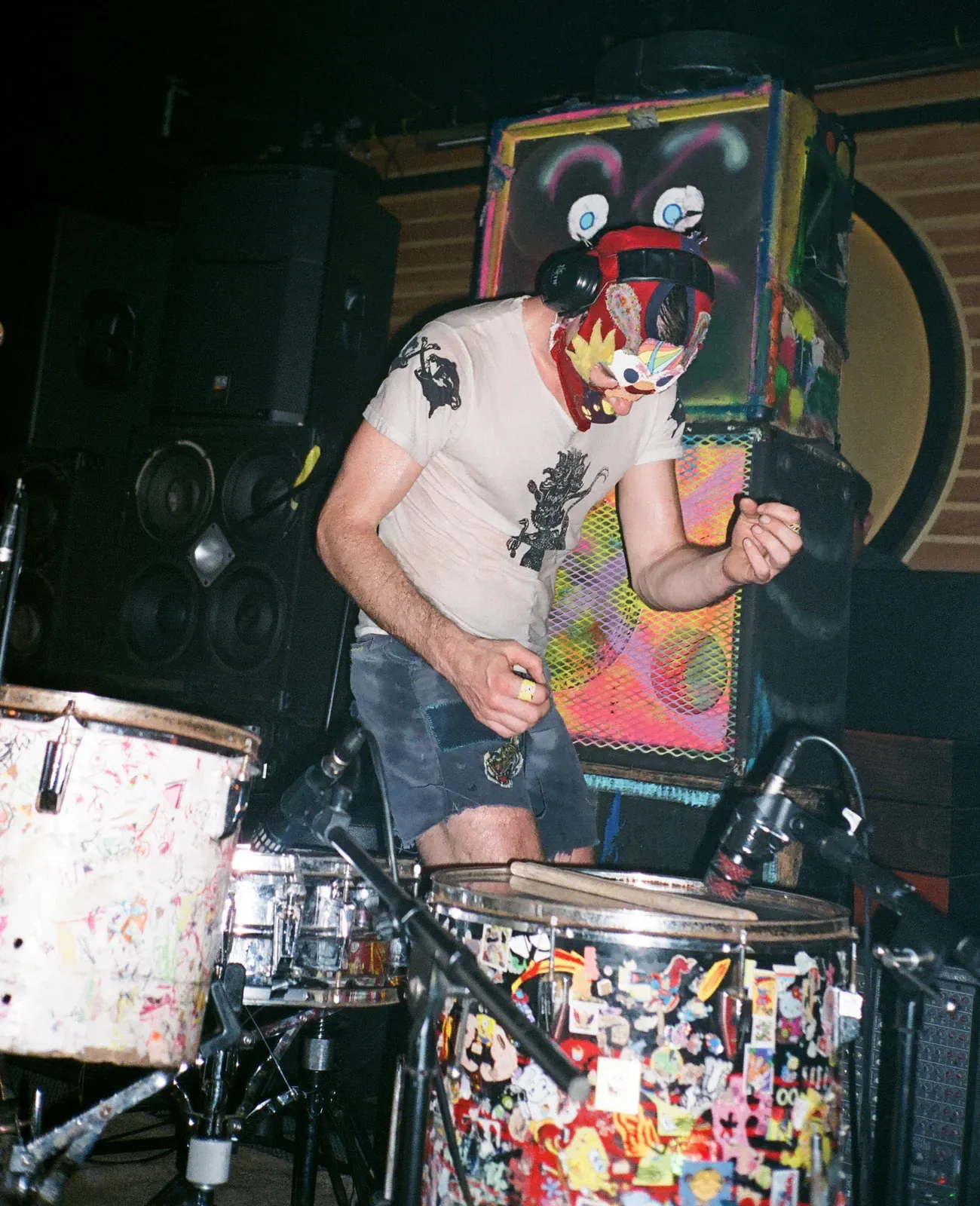
In the 1990s Providence, Rhode Island, produced a different branch. Fort Thunder, a warehouse in the Olneyville mill district, opened in 1995 as a shared home and venue, and Lightning Bolt grew out of that circle. The duo of bass and drums played louder and faster than the Chicago bands, often on the floor among the crowd instead of on a stage. Their album Wonderful Rainbow, released on Load Records in 2003 and including Dracula Mountain, is considered their most accessible record, and the scene became known as noise punk.
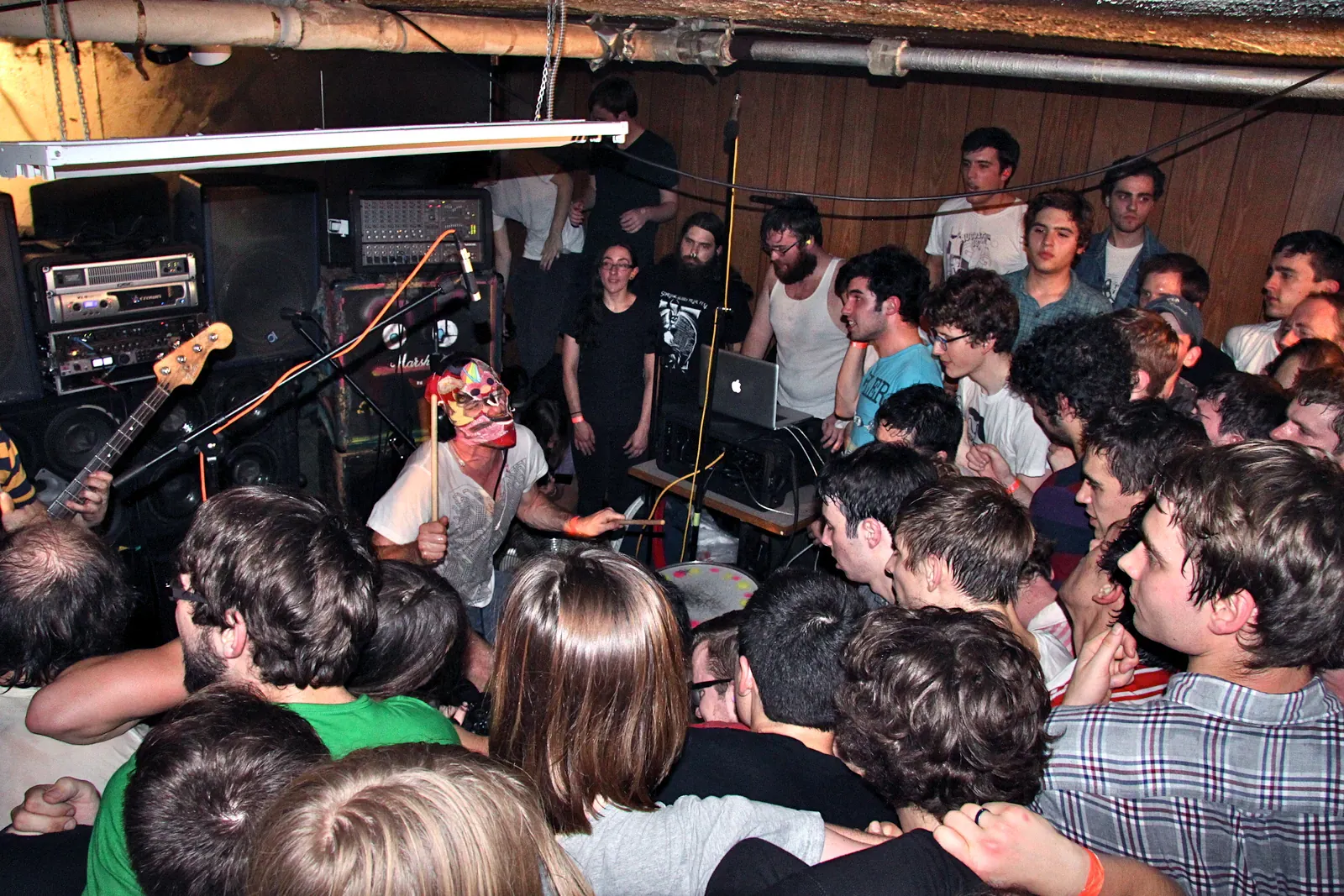
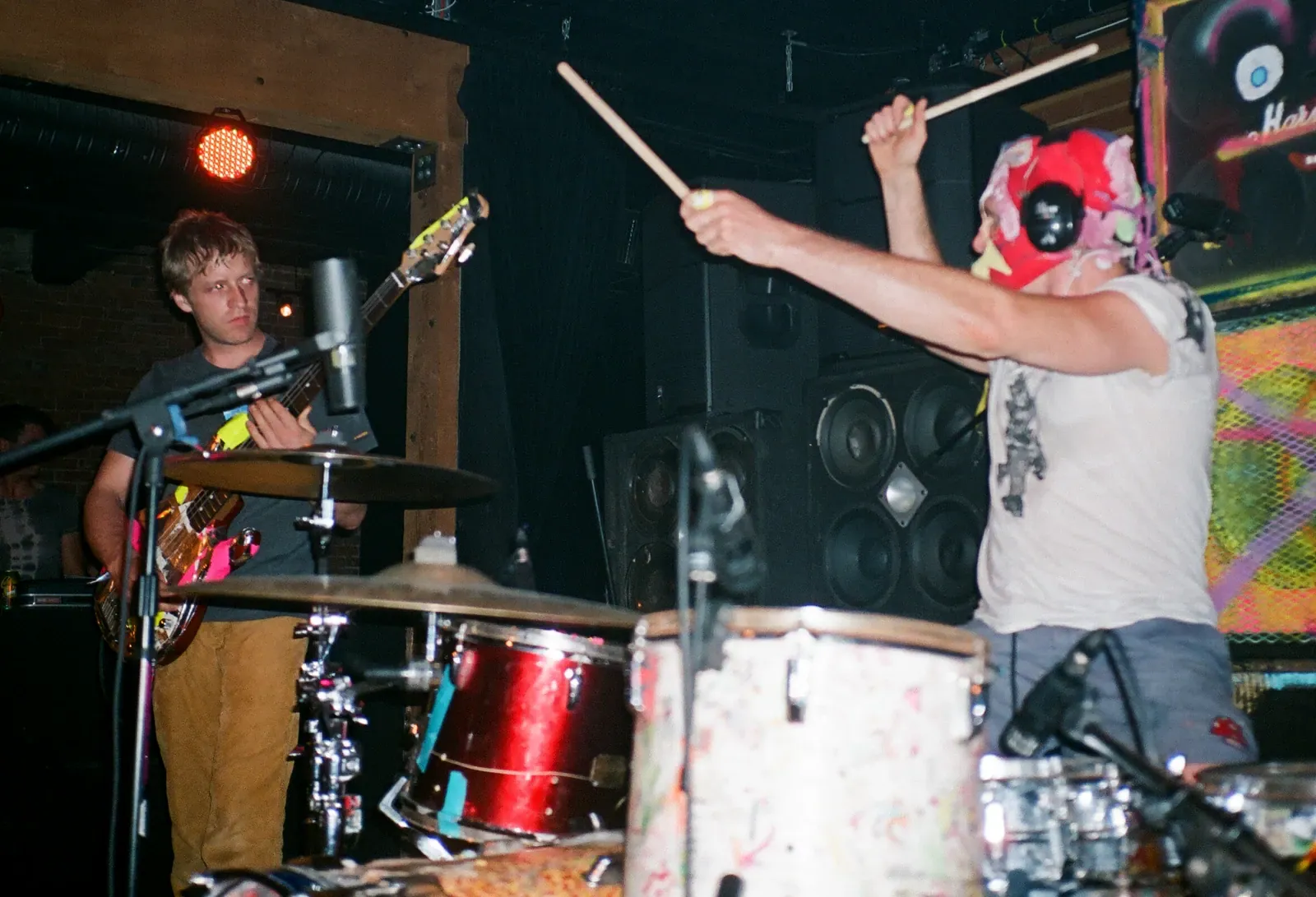
Later groups carried the style forward, among them METZ and Daughters. Touch and Go, which had defined the 1990s, stopped handling manufacturing and distribution in 2009 and kept to limited editions and remasters.
Elders return, 2020 onward
The older bands did not fade out. Swans, reformed, released The Seer in 2012, a double album built around a 32-minute title track. In 2024 Shellac issued their seventh album, To All Trains, on 17 May, ten days after Albini’s death, and the Jesus Lizard released Rack in September on Ipecac Recordings, their first album in 26 years.
Characteristics
Distortion and feedback serve as lead material, and the rhythm is rigid and repetitive, whether it comes from a drum machine or a tight kit. The bass often carries the riff, tunings are usually alternate or dropped, and vocals are shouted, processed or buried in the mix. Tempos run from slow, grinding pace to fast punk speed, in 4/4 time.
Two lines of descent are visible in the music. The punk and post-hardcore side, connected to post-hardcore and to punk rock, favours speed, riffs and tight structures. The art and avant-garde side favours long forms and abstraction. Swans moved from crushing slowness toward long, layered pieces, while Shellac used silence and restraint as a form of heaviness.
Instruments and production
The core is electric guitar, bass and drums, and the production choices matter as much as the notes. Albini’s approach at Electrical Audio was to record the band live in the room on analog gear, so that the harshness belonged to the performance. Drum machines gave Big Black a mechanical edge. Butthole Surfers used tape machines to warp and edit sound, and Sonic Youth treated the guitar as a sound source, struck with sticks, detuned and left to ring.
Notable recordings
Atomizer showed what a Chicago trio could do with a drum machine and a harsh guitar tone, and its Kerosene remains the band’s most imitated track. Goat is often counted among the best albums of the 1990s, and its stark photographic cover was made by the band’s own bassist, David Wm. Sims. Daydream Nation, by contrast, showed that experimental guitar work could carry songs that reached the US modern rock chart, as Teen Age Riot did.
Culture
The scene was modest: small pressing runs, shows in basements, warehouses and galleries, tours booked by the bands themselves. Fort Thunder in Providence combined venue, workshop and home. Visual identity was often hand-made, from the stark cover of Goat to the painted gear of Lightning Bolt. The word pigfuck, a pejorative coined by the critic Robert Christgau in the early 1980s for Sonic Youth and later applied to the slow, heavy side of the American underground, shows how outsiders read the scene, and it remains in use as a genre label.
Legacy
Noise rock fed several later styles. Math rock, post-hardcore, sludge metal, mathcore and alternative metal all took something from it, and Helmet’s drop D riffs and the Jesus Lizard’s bass-led attack were reference points for bands outside the genre. Grunge, which formed in the same independent circuit, borrowed its distortion. The related style of noise music is a separate tradition without rock song forms.
Misconceptions
Noise rock is sometimes taken to be noise music with a guitar. In fact most records keep riffs, verses and a steady rhythm, and noise appears as texture and breakdown inside a song structure. Another assumption is that there is one sound. The punk lineage of Big Black and the Jesus Lizard and the art lineage of Swans and the Velvet Underground differ in speed, form and attitude. A third is that the genre name was chosen by its musicians: pigfuck, one of its best-known labels, was coined by a critic as an insult.
Frequently asked questions
What is noise rock?
Noise rock is rock music that treats distortion, feedback and dissonance as its main material. It began in New York and Chicago around 1978 to 1981 and is associated with Sonic Youth, Swans, Big Black and the Jesus Lizard.
What was the first noise rock album?
No single record started the genre. The Velvet Underground’s White Light/White Heat from 1968 is widely named as a prototype, and the 1978 compilation No New York documents the no wave scene that fed it. Swans’ Filth in 1983 and Big Black’s Atomizer in 1986 fixed the sound.
What is the difference between noise rock and noise music?
Noise rock keeps rock instruments, rhythm and often songs, while noise music treats sound itself as the work, often with no rhythm or melody at all.
Which labels released noise rock?
Touch and Go in Chicago, Amphetamine Reptile Records in Minneapolis, Homestead Records in New York and SST Records in California were central in the 1980s and 1990s.
Sound
Sound sheet
Anatomy of a track
| # | Part |
|---|---|
| 1 | Intro (feedback, drum machine or riff) |
| 2 | Riff-driven verse (shouted or buried vocal) |
| 3 | Repeated heavy section |
| 4 | Noise breakdown |
| 5 | Abrupt or feedback ending |
Signature sounds
- Distortion and feedback as lead material
- Rigid, repetitive rhythm from a drum machine or tight kit
- Bass guitar carrying the riff
- Alternate or drop tunings
- Shouted, processed or buried vocals
Drums and percussion
- Roland TR-606
- E-mu Drumulator
Techniques
- Feedback and distortion
- Prepared guitar
- Alternate tunings
- Tape manipulation
- Floor performance
Keys and modes
Alternate and drop tunings. Sonic Youth use many unusual tunings, and Helmet use drop D, so fixed key centres are rare.
Tuning
Often non-standard: alternate tunings or drop D
Vocals
Shouted, snarled or heavily processed, often buried in the mix.
Scenes
Where it happened
Where and when the sound lived: one bar per city on a shared timeline.
North America
Asia
Active scenes
Peak 5, 1986-2002
No wave bands and the 1981 Noise Fest gave Sonic Youth and Swans their start.
Home to Big Black, Shellac, Touch and Go and Albini's studio.
Scratch Acid formed here in 1982, and the Jesus Lizard started here in 1987.
Base of Amphetamine Reptile Records.
Fort Thunder and Lightning Bolt drove the noise punk wave.
Fushitsusha and other Japanese acts added a loud improvised branch.
Venues and places
New York, 1981 to today. The gallery hosted Noise Fest in June 1981, where Sonic Youth first played.
New York, 1988 to today. SoHo studio where Sonic Youth recorded Daydream Nation in 1988.
Providence, 1995 to 2001. A mill warehouse used as a venue and home by Lightning Bolt and its circle.
Chicago, 1997 to today. Albini's analog studio, kept running by its staff after his death in 2024.
Culture
Culture markers
- Goat cover
Bassist David Wm. Sims made the stark photographic cover for the Jesus Lizard's 1991 album.
Artwork - Playing on the floor
Lightning Bolt perform among the crowd rather than on a stage.
Ritual - Pigfuck
A pejorative name applied to the heavy, slow side of the style.
Slang
Media
Key media
- 1978No New York
by Various. The Eno-produced no wave sampler that documented the New York scene.
Compilation - 2001Our Band Could Be Your Life
by Michael Azerrad. Includes chapters on Big Black, Butthole Surfers and Sonic Youth.
Book - 2015The Color of Noise
by Amphetamine Reptile documentary. A documentary on the label and its Minneapolis noise rock scene.
Film
Glossary
Terms on this page
Guitar strings tuned off the standard pitches, used heavily by Sonic Youth.
A tuning with the low string lowered to D, used by Helmet on Strap It On.
A sustained howl created when a pickup picks up its own amplified sound.
A late-1970s New York scene of abrasive, atonal bands that fed early noise rock.
A name for the loud, fast style around Lightning Bolt and Providence's Fort Thunder.
Rock that treats distortion, feedback and dissonance as the main material.
Rock family