Psychedelic rock
Psychedelic rock is rock shaped by studio effects, long improvisation and raga-derived drones, formed in the US and Britain between 1965 and 1967.
San Francisco, 1965
Rock family
Born
1965
San Francisco
Subgenres
9
Documented branches
Links
68
Genres it drew on or shaped
Tempo
100-150 BPMLineage
Family tree
Grew out of
Derived from
Derived from
Derived from
- Freakbeat
Derived from
Derived from
Influenced by
San Francisco, 1965
Psychedelic rock
Led to (32)
Timeline
Era by era
From the first sparks to today. Select a dot to read the story behind it.
- Precursors and Acid Tests
1960 to 1965
- The term and the first hits
1966 to 1966
- Summer of Love peak
1967 to 1968
- Fragmentation and loss
1969 to 1971
- Compilations and revivals
1972 to 2026
Eras
Moments
- 1 Precursors and Acid Tests, 1960 to 1965
- 2 The term and the first hits, 1966 to 1966
- 3 Summer of Love peak, 1967 to 1968
- 4 Fragmentation and loss, 1969 to 1971
- 5 Compilations and revivals, 1972 to 2026
1960
Precursors and Acid Tests
Surf, folk and beat acts edge toward drones and feedback: The Gamblers record LSD 25 in 1960, The Kinks and The Beatles borrow Indian drone in 1965, and Ken Kesey stages the Acid Tests.
- 1963Mellotron built in BirminghamStreetly Electronics develops the tape-replay keyboard that later colours Beatles and Moody Blues records.
- 1965Grateful Dead play as the Dead at a Kesey Acid TestFirst show under the name is on 4 December 1965 at an Acid Test in San Jose.
- 196513th Floor Elevators form in AustinRoky Erickson, Stacy Sutherland and electric jug player Tommy Hall start the band in December 1965.
- 1965Bill Graham stages his first Fillmore Auditorium showA Mime Troupe benefit on 10 December 1965 starts his run at the San Francisco hall, which he builds into the West Coast psychedelic room.
1966
The term and the first hits
The 13th Floor Elevators print "psychedelic rock" on a business card in January, then Revolver and Eight Miles High bring tape tricks and raga guitar to the charts.
- 1966"Psychedelic rock" printed on an Elevators business cardIn January the Austin band uses the phrase on its cards, among the earliest rock acts to claim it.
- 1966Police arrest four Elevators on marijuana chargesRaids on 27 January 1966 start legal trouble that dogs the band until it splits in 1969.
- 1966The Byrds release Eight Miles HighA raga-flavoured 12-string guitar solo makes it one of the first psychedelic hits.
- 1966The Beatles release RevolverTomorrow Never Knows uses tape loops, backwards sounds, automatic double tracking and a tambura drone.
- 1966The Psychedelic Sounds of the 13th Floor ElevatorsFirst rock album with "psychedelic" in its title, on International Artists; electric jug is a signature sound.
- 1966Wah-wah pedal invented at Thomas OrganBrad Plunkett builds it in November 1966; a Vox-branded version reaches shops in February 1967.
- 1966UFO Club opens in LondonJoe Boyd and John Hopkins open it on 23 December 1966 on Tottenham Court Road with Pink Floyd and Soft Machine.
1967
Summer of Love peak
Sgt. Pepper, Surrealistic Pillow, Are You Experienced and The Piper at the Gates of Dawn arrive in 1967, Monterey Pop makes stars, and Haight-Ashbury and London clubs set the look.
- 1967The Doors release their debut albumLight My Fire reaches number one in the US.
- 1967Jefferson Airplane release Surrealistic PillowGrace Slick joins in 1966; Somebody to Love and White Rabbit reach the US top ten.
- 1967Jimi Hendrix Experience release Are You ExperiencedUK release on 12 May 1967 features fuzz, feedback and the Octavia pedal.
- 1967Sgt. Pepper's Lonely Hearts Club Band releasedOut on 26 May 1967, it wins the first Album of the Year Grammy given to a rock LP.
- 1967Monterey Pop FestivalHeld 16 to 18 June 1967; first major US appearances for Hendrix, The Who and Ravi Shankar, and Janis Joplin's first large-scale public performance.
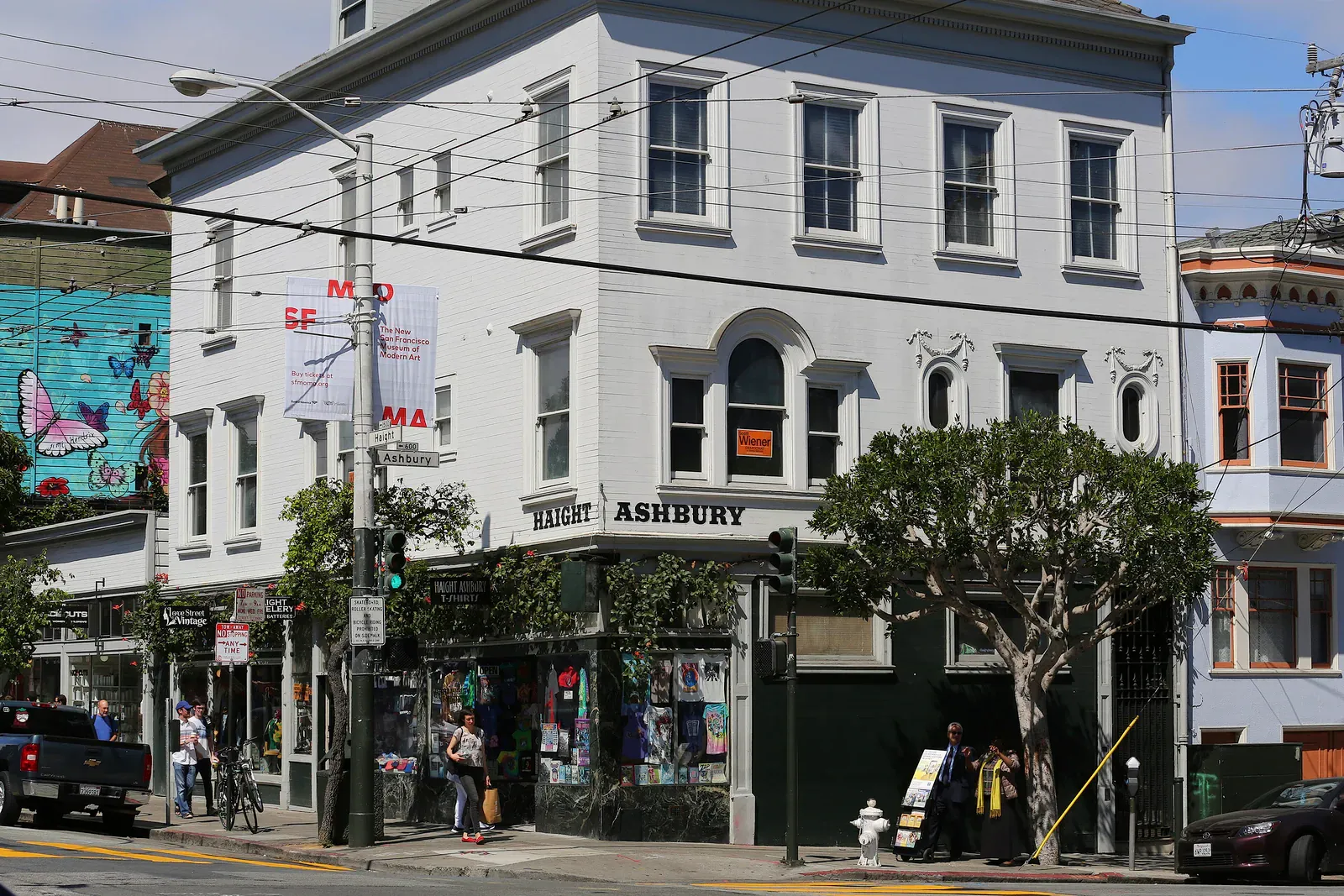
- 1967Summer of Love fills Haight-AshburyThe San Francisco neighbourhood grows from about 15,000 to about 100,000 residents.
- 1967Pink Floyd release The Piper at the Gates of DawnSyd Barrett-led debut recorded at Abbey Road with Interstellar Overdrive; reaches number 6 in the UK.
- 1967The Doors defy Ed Sullivan over "higher"The band keeps the lyric in Light My Fire on 17 September 1967 and Sullivan cancels six booked shows.
1969
Fragmentation and loss
Bands move toward progressive rock, hard rock and heavy metal; the Elevators split in 1969, Hendrix dies in 1970 and Jim Morrison in 1971.
- 1969Morrison charged after Miami Dinner Key showThe 1 March 1969 concert brings indecency and obscenity charges.
- 196913th Floor Elevators disbandErickson pleads insanity to felony charges and Sutherland later goes to prison.
- 1970Jimi Hendrix diesHe dies on 18 September 1970, months after the Experience split and Band of Gypsys formed.
1972
Compilations and revivals
Nuggets (1972) reframes the era, neo-psychedelia grows from late-1970s British post-punk, and acts such as Spacemen 3 and Tame Impala carry the sound forward.
- 1972Nuggets compilation reframes the eraLenny Kaye's double album for Elektra collects American garage and psychedelic singles.
- 1978Neo-psychedelia emerges from British post-punkSoft Boys and later Spacemen 3 mix psychedelic textures with newer rock forms.
- 2012Tame Impala release LonerismKevin Parker's album, recorded mostly in Perth, reaches number 4 in Australia and number 14 in the UK.
Listening path
Start listening
A short path from an easy way in to the deep end. Thumbnails come from YouTube; the player loads only when you press play.
- 01
Jefferson Airplane, 1967
Took the San Francisco sound into the US top ten (number 8) during the Summer of Love.
- 02
The Jimi Hendrix Experience, 1967
Second UK hit single of the Experience, with fuzz, Octavia and feedback guitar.
- 03
Pink Floyd, 1967
Syd Barrett single that made British psychedelic pop a UK top ten hit.
- 04
The Byrds, 1966
One of the first psychedelic hits, with raga-inspired guitar.
- 05
13th Floor Elevators, 1966
Early psychedelic single by the band that first used the term "psychedelic rock"; reached number 55 in the US.
Facts
| Family | Rock |
| Origin | San Francisco, United States |
| Emerged | Mid 1960s |
| Status | Revival |
| Tempo | 100 to 150 BPM |
| Meter | 4/4 |
| Grew out of | Garage rock, Folk rock, Beat music, Freakbeat, Surf rock |
| Subgenres | 7 |
Psychedelic rock is rock music that tries to evoke or intensify the effects of hallucinogenic drugs, using studio manipulation, extended improvisation, modal and raga-derived material and surreal lyrics.
It took shape between 1965 and 1967 in the United States and Britain, with early centres in San Francisco, Los Angeles, Austin and London, and grew out of garage rock, folk rock and beat music within the wider rock family.
Origins
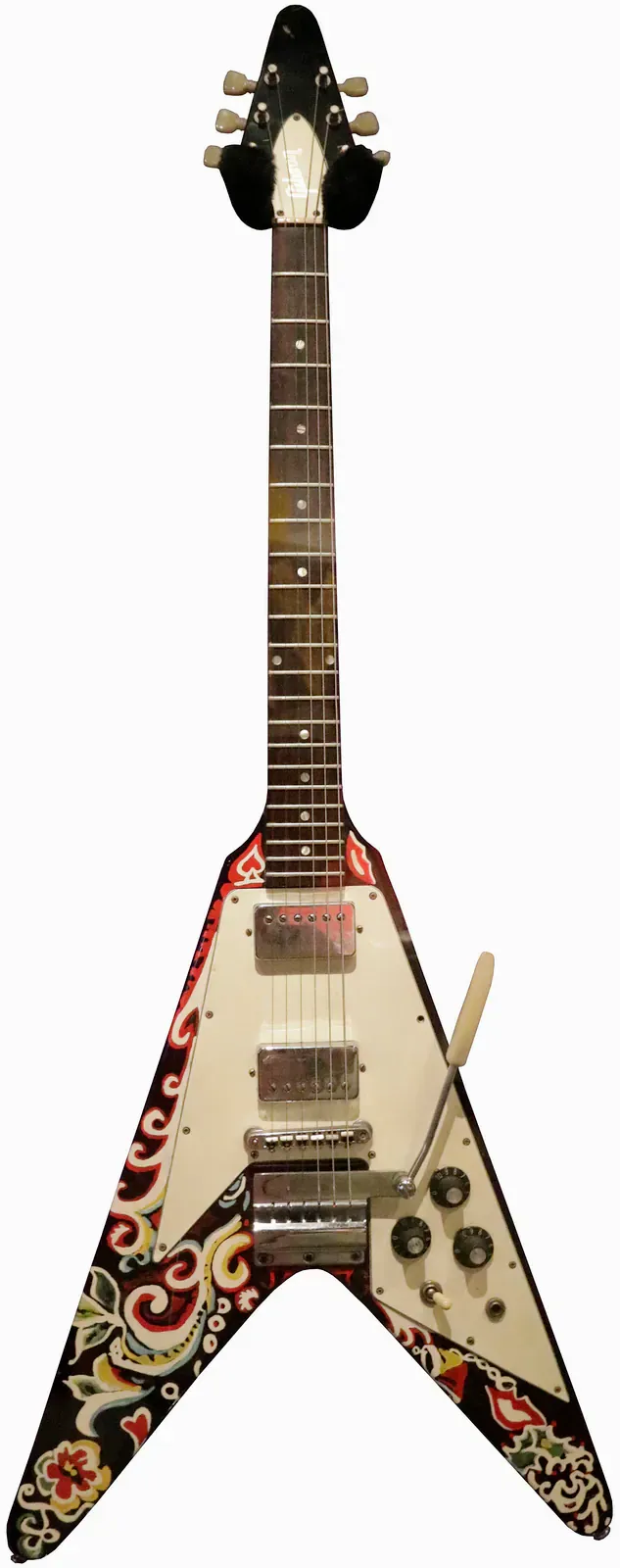
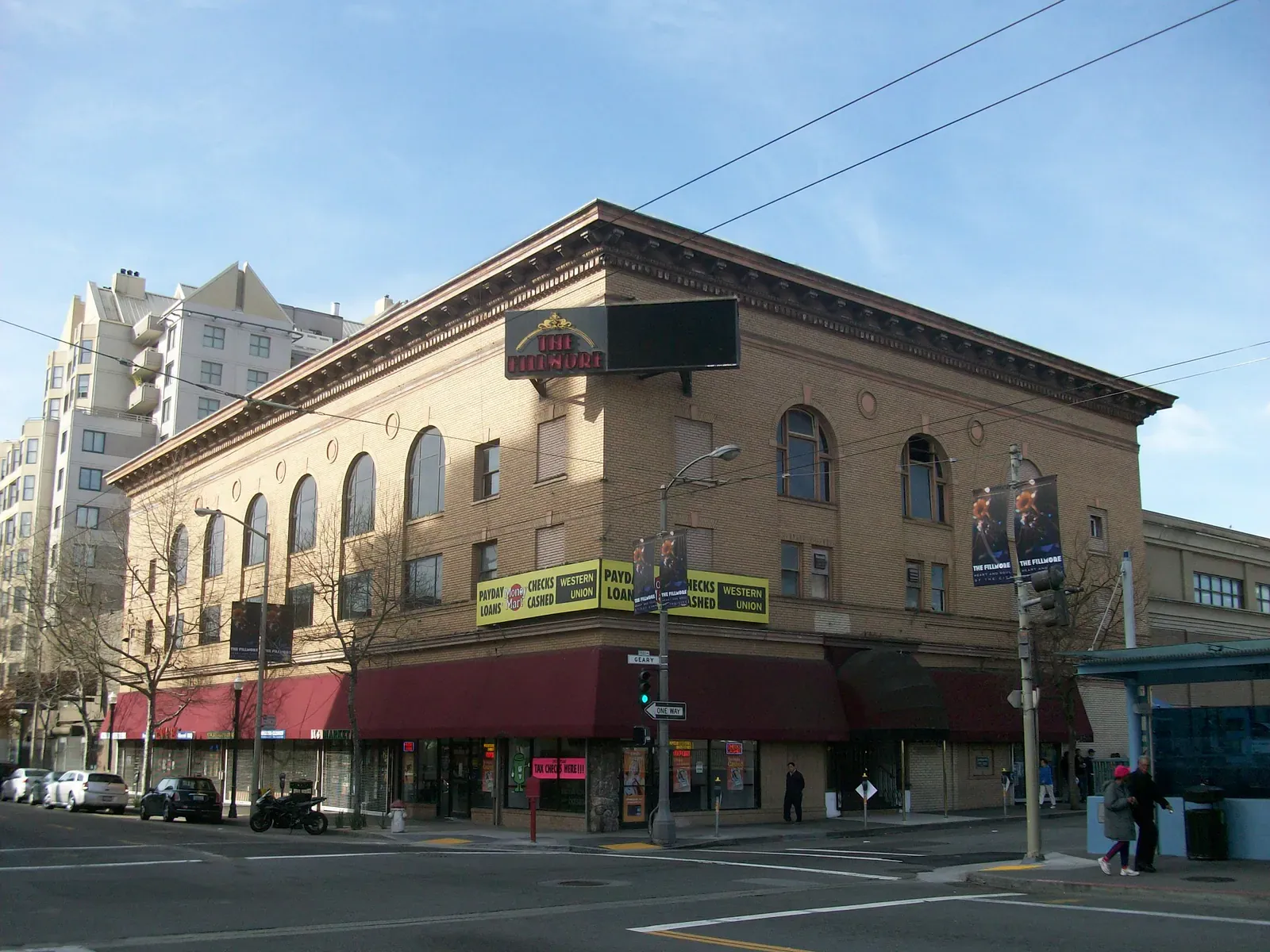
The style had no single starting point. Surf, folk and beat bands were already edging toward drones and feedback in the early 1960s: The Gamblers titled an instrumental “LSD 25” in 1960, and by 1965 The Kinks and The Beatles were borrowing Indian drone and sitar. What turned scattered experiments into a movement was a pair of overlapping scenes. In California, the writer Ken Kesey and the Merry Pranksters held LSD parties known as Acid Tests, and the group that became the Grateful Dead played its first show under that name at one in San Jose on 4 December 1965. On 10 December Bill Graham staged his first benefit at the Fillmore Auditorium in San Francisco and went on to build it into the main room of the West Coast scene.
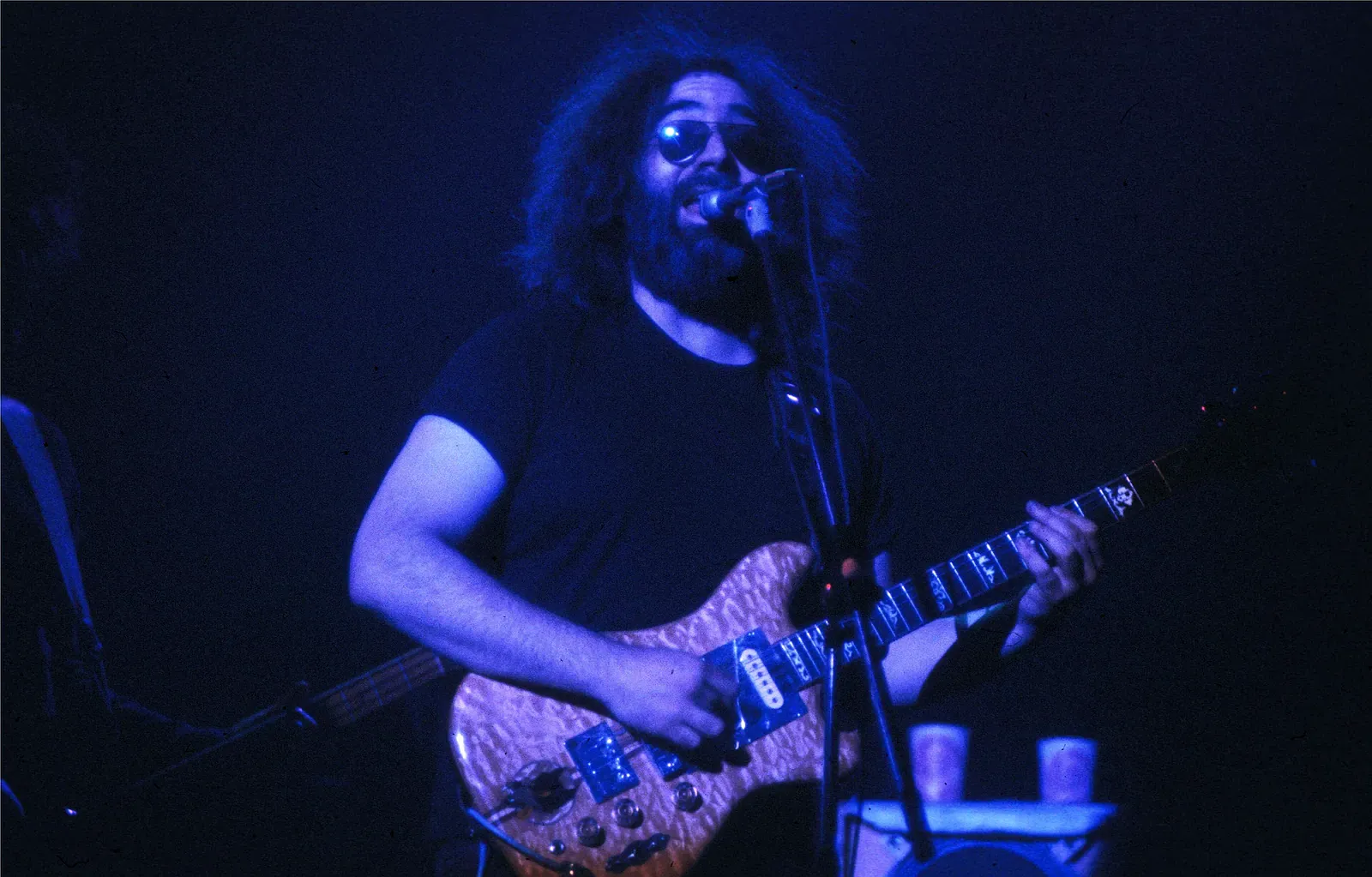
In Austin, Roky Erickson, Stacy Sutherland and Tommy Hall formed the 13th Floor Elevators the same month. Hall played an amplified jug, which gave the band a sound no one else had. In January 1966 the Elevators printed “psychedelic rock” on a business card, among the earliest uses of the phrase by a rock act, and later that year they released the first rock album with “psychedelic” in its title on International Artists. Texas police raided the band in January 1966 on marijuana charges, and legal trouble shadowed it until it split in 1969.
The term and the first hits, 1966
Psychedelic ideas reached the charts in 1966 through established acts. The Byrds’ “Eight Miles High” put a raga-flavoured twelve-string solo on Columbia, and it became one of the first psychedelic hits. In August The Beatles released Revolver on Parlophone, closing it with “Tomorrow Never Knows”, built from tape loops, backwards sounds, automatic double tracking and a tambura drone. The effects came from Abbey Road engineering rather than from the band’s instruments, which set a pattern: in Britain the studio itself became the psychedelic instrument.
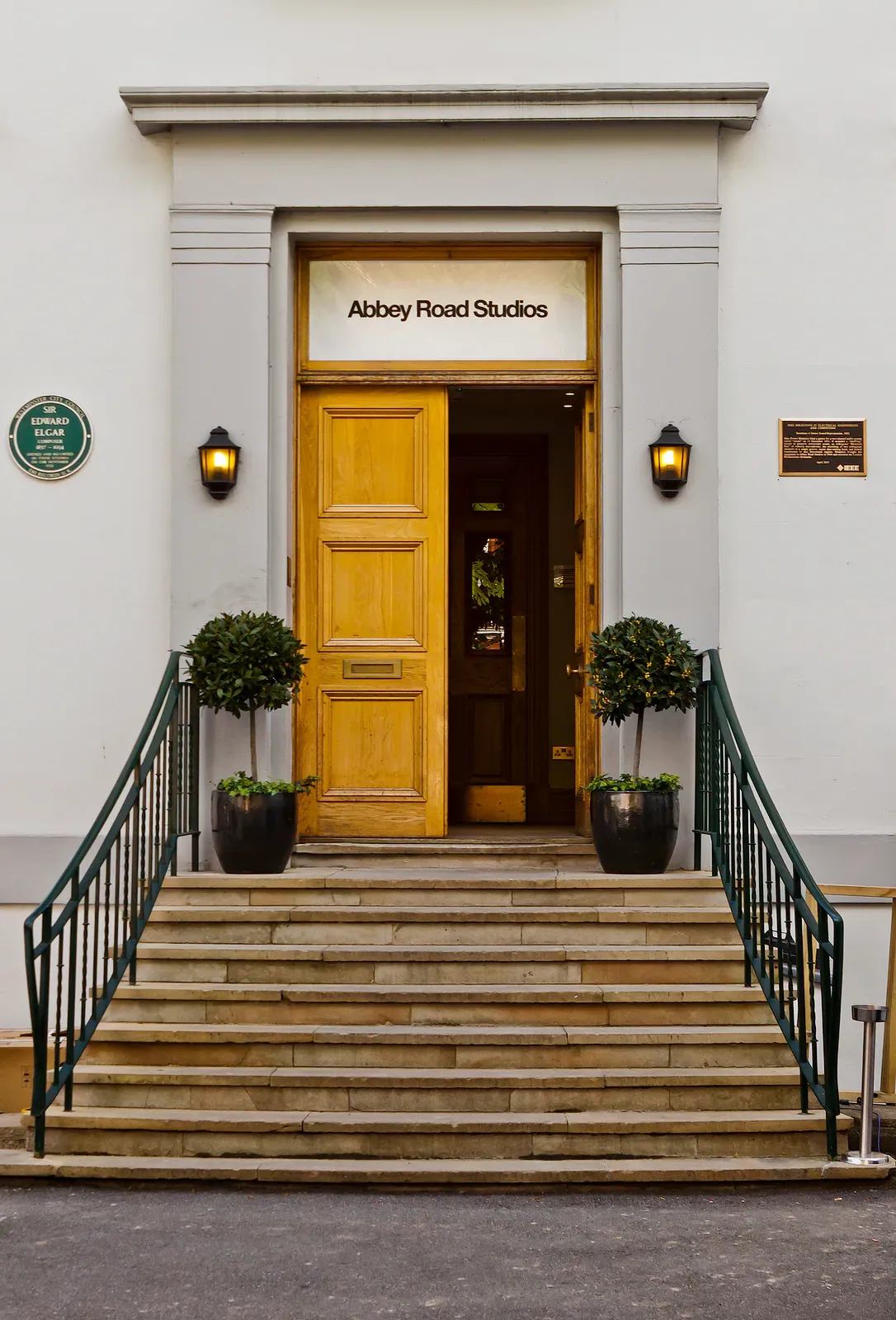
Gear changed in step: in November 1966 Brad Plunkett built the wah-wah pedal at Thomas Organ, and a Vox-branded version reached shops in February 1967. London gained its own room on 23 December 1966 when Joe Boyd and John Hopkins opened the UFO Club on Tottenham Court Road, with Pink Floyd and Soft Machine on the bill.
Summer of Love peak, 1967-1968
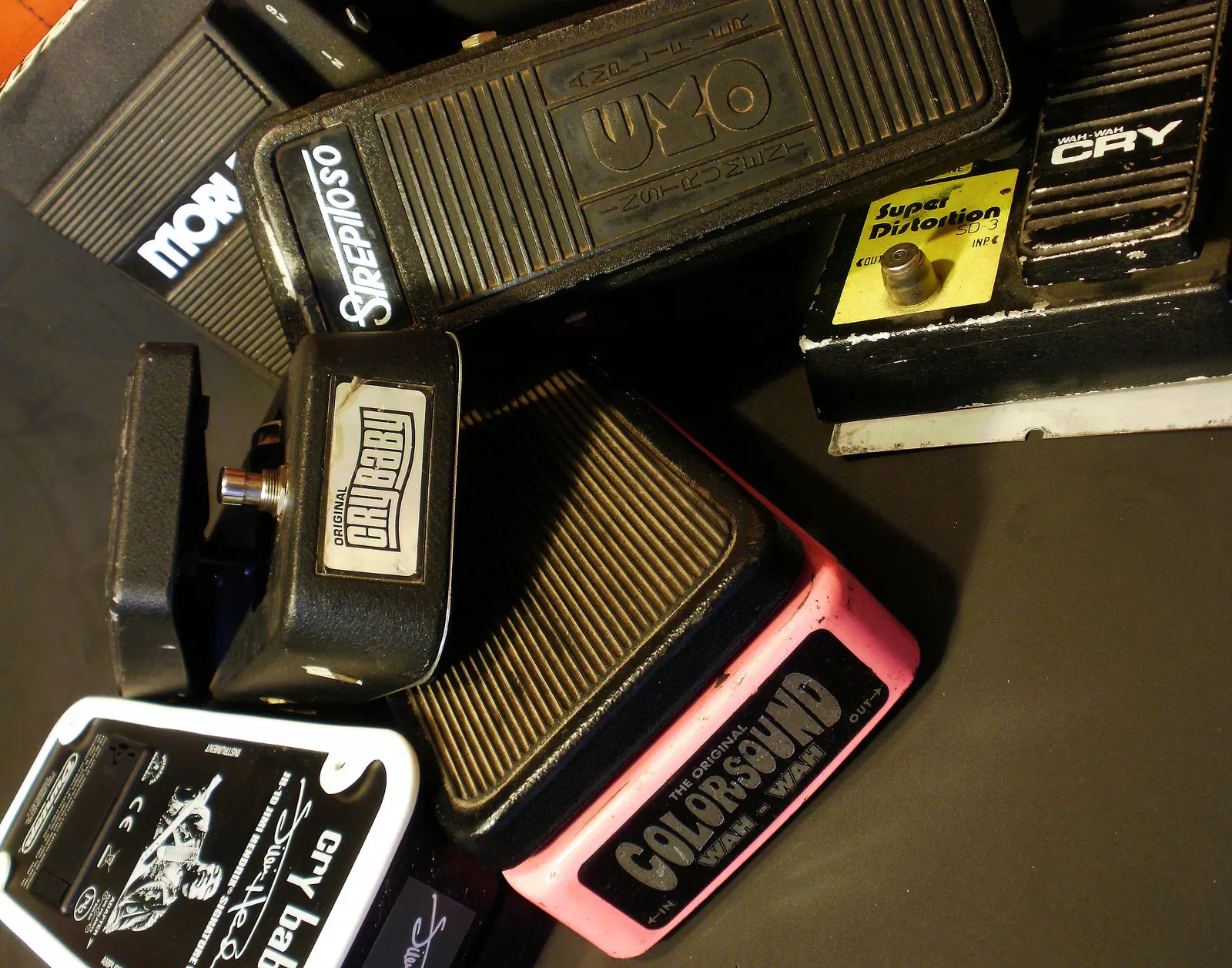
The year 1967 produced the core recordings. The Doors released their debut on Elektra, and “Light My Fire” became a US number one. Jefferson Airplane’s Surrealistic Pillow, with Grace Slick newly in the band, yielded “Somebody to Love” and “White Rabbit”, both US top ten singles. On 12 May the Jimi Hendrix Experience issued Are You Experienced in the UK, with fuzz, feedback and the Octavia pedal. Sgt. Pepper’s Lonely Hearts Club Band followed on 26 May and later won the first Album of the Year Grammy given to a rock LP. Pink Floyd’s The Piper at the Gates of Dawn, led by Syd Barrett and recorded at Abbey Road, reached number 6 in the UK.
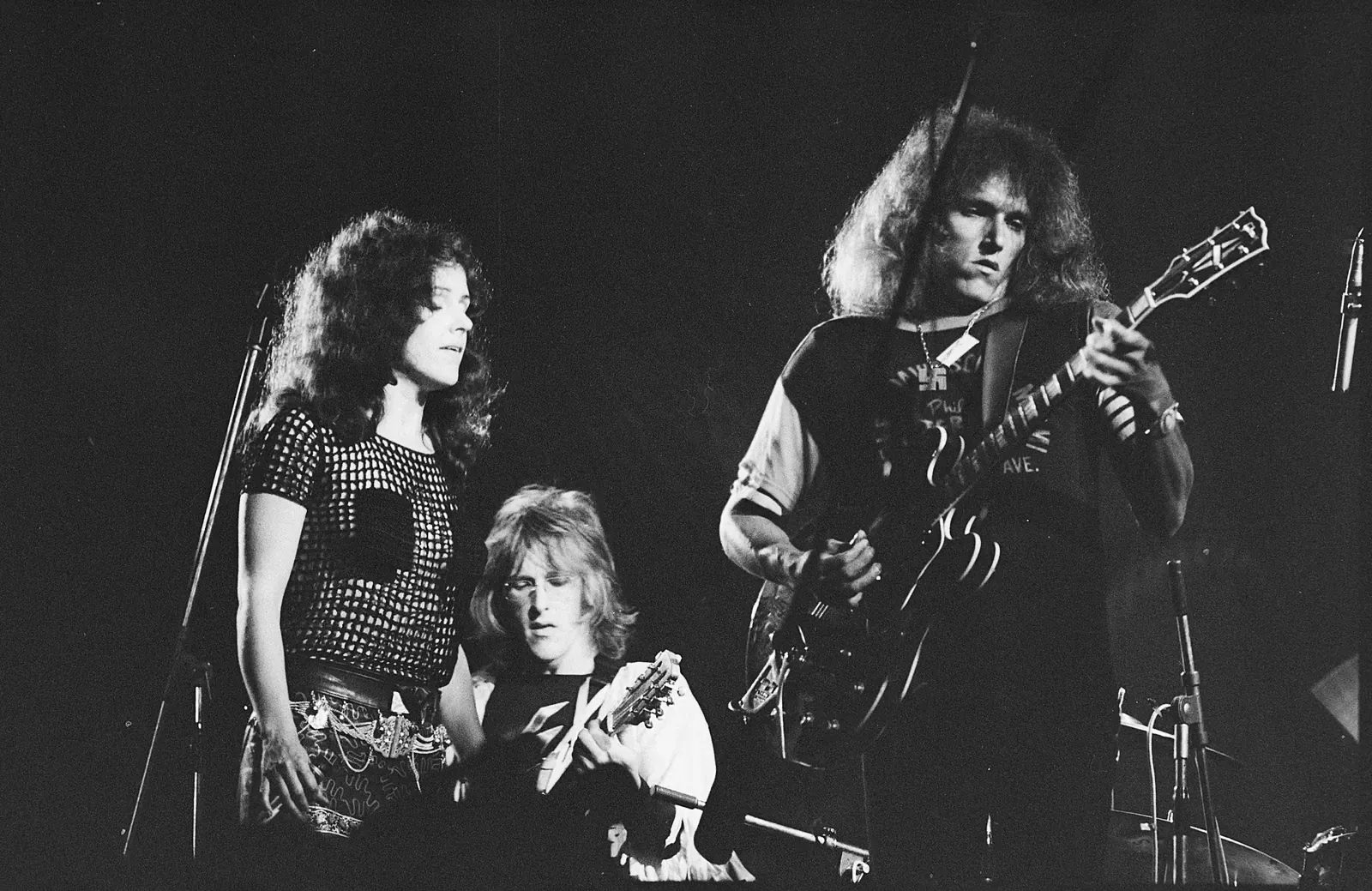
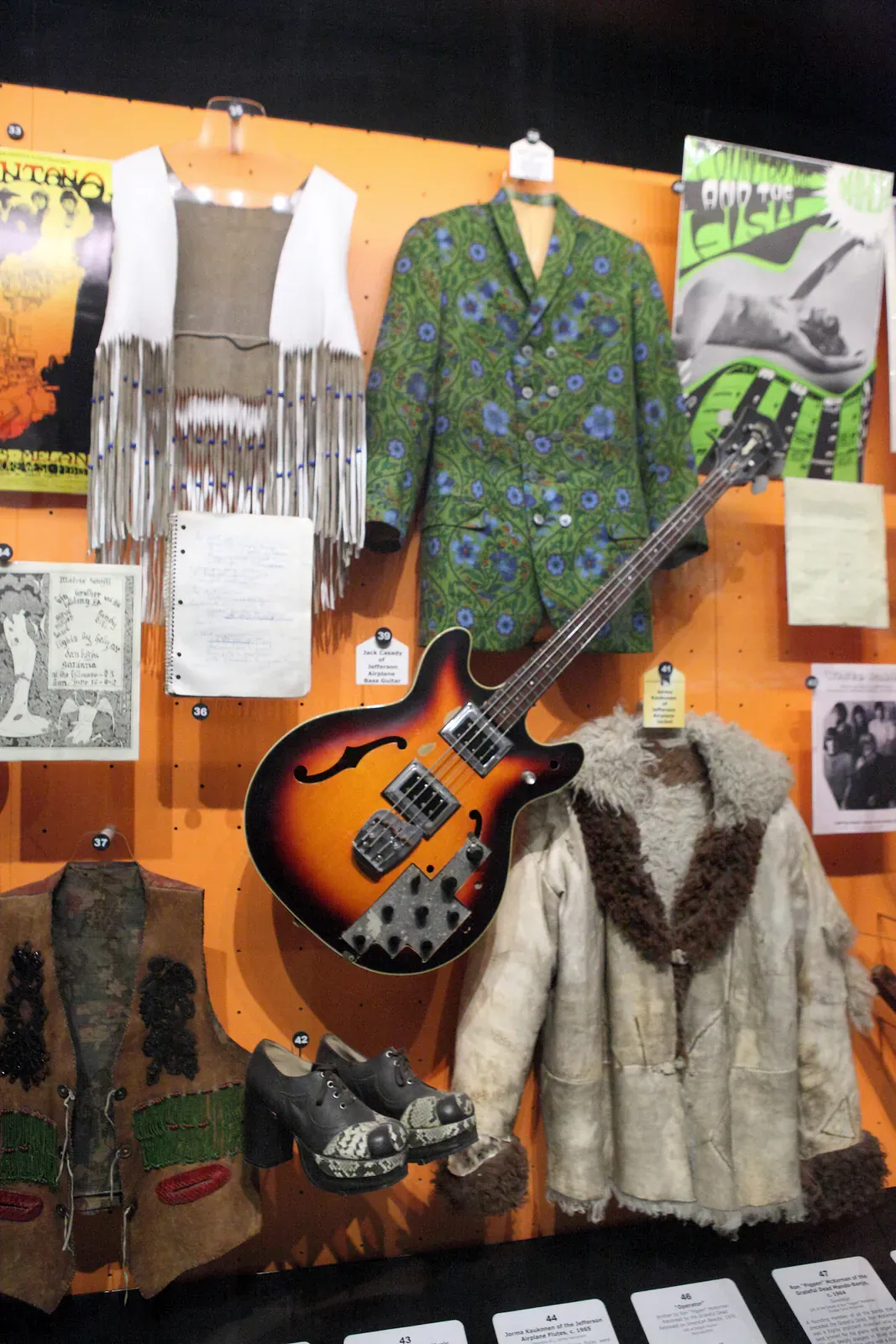
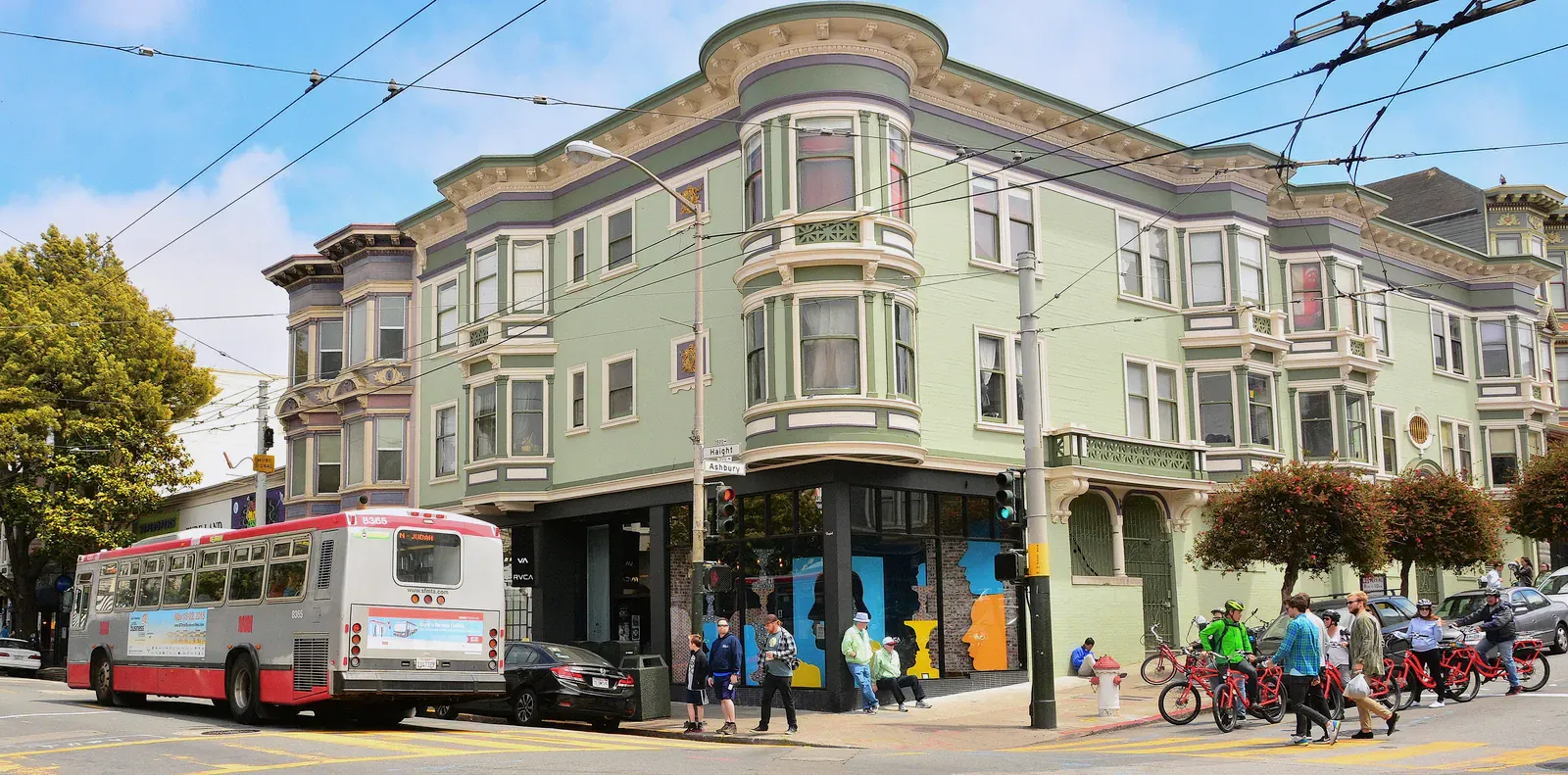
The Monterey International Pop Festival, held 16 to 18 June, brought the first major American appearances of Hendrix, The Who and Ravi Shankar and the first large-scale public performance of Janis Joplin. Haight-Ashbury meanwhile filled with young arrivals, growing from about 15,000 residents to about 100,000 during the Summer of Love. The look came from the concert posters of Rick Griffin, Stanley Mouse, Victor Moscoso and Wes Wilson and from liquid light shows projected behind the bands.
Fragmentation and loss, 1969-1971
The movement broke up quickly. Bands moved toward progressive rock, hard rock and heavy metal, and the drug and legal problems that came with the scene took their toll. Jim Morrison faced indecency charges after a Miami concert on 1 March 1969, the 13th Floor Elevators disbanded the same year after Erickson pleaded insanity to felony charges, Hendrix died on 18 September 1970, and Morrison died in 1971. Fuzz, wah and long solos stayed in rock; the scene itself did not.
Compilations and revivals, 1972 onward
The 1972 double album Nuggets, compiled by Lenny Kaye for Elektra, gathered American garage and psychedelic singles and gave the period a canon. Its title became shorthand for 1960s garage and psychedelic rock. From the late 1970s, neo-psychedelia grew out of British post-punk, with the Soft Boys and later Spacemen 3 mixing psychedelic texture into newer forms, a path that also touches indie rock. In 2012 Tame Impala’s Lonerism, written and recorded by Kevin Parker, mostly in Perth, reached number 4 in Australia and number 14 in the UK.
Characteristics
Psychedelic rock is defined by treatment more than by song form: a set of production attitudes applied to rock. Harmony often rests on a drone or a mode instead of changing chords, a debt to Indian music, and lyrics lean toward surreal imagery. That openness explains why the genre overlaps with the electric blues of Hendrix and Cream as readily as with folk rock.
Instruments and production
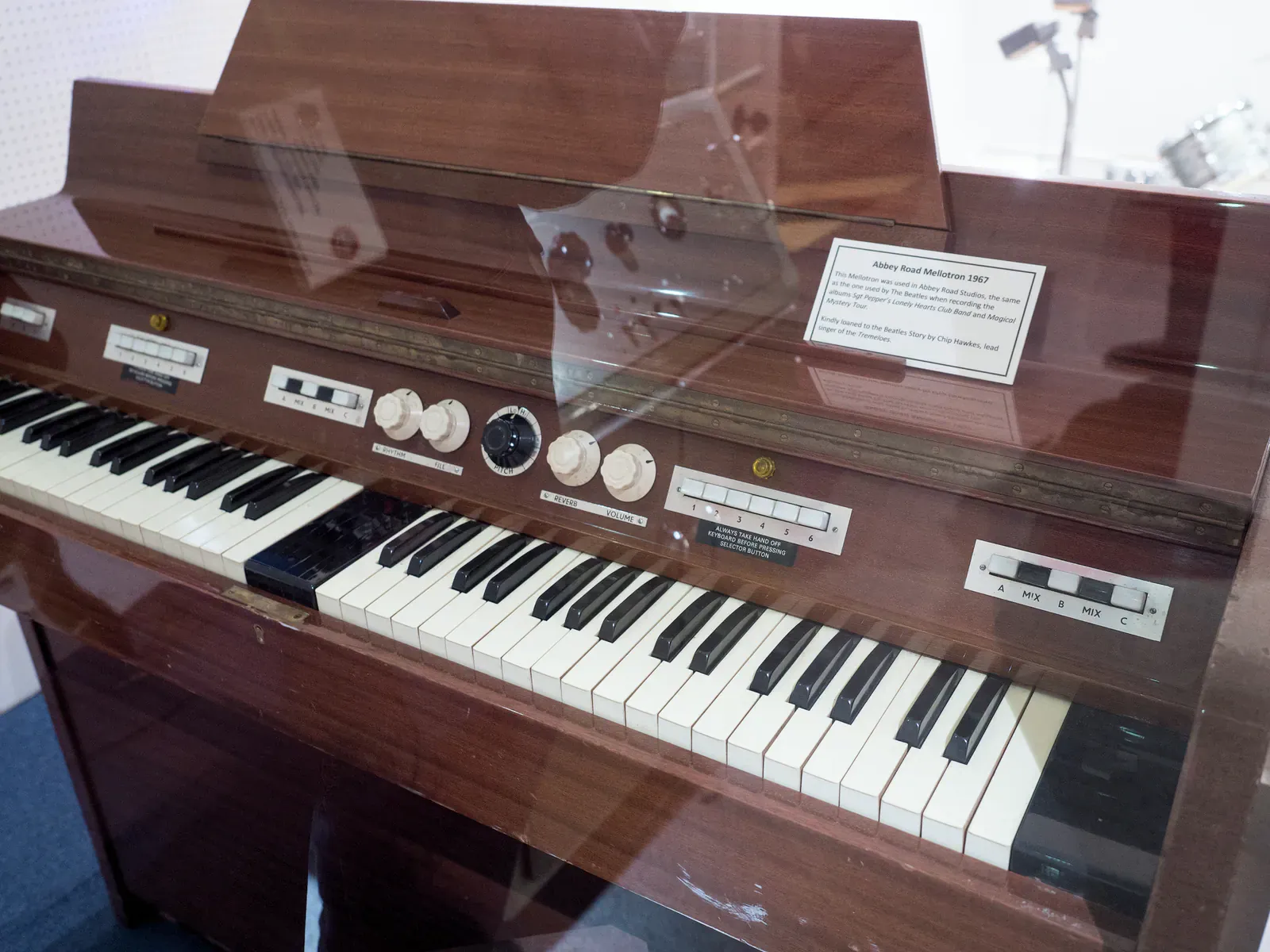
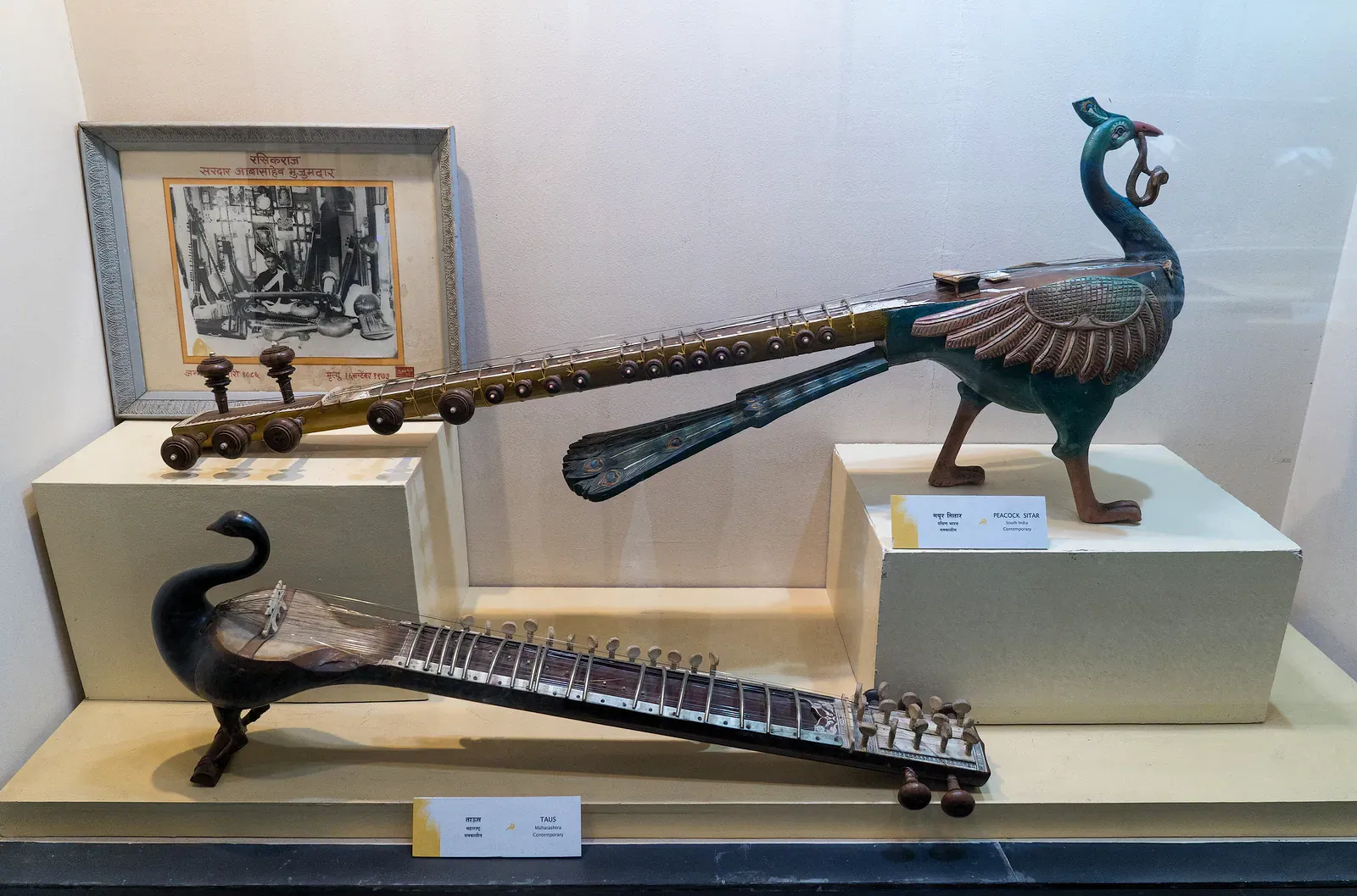
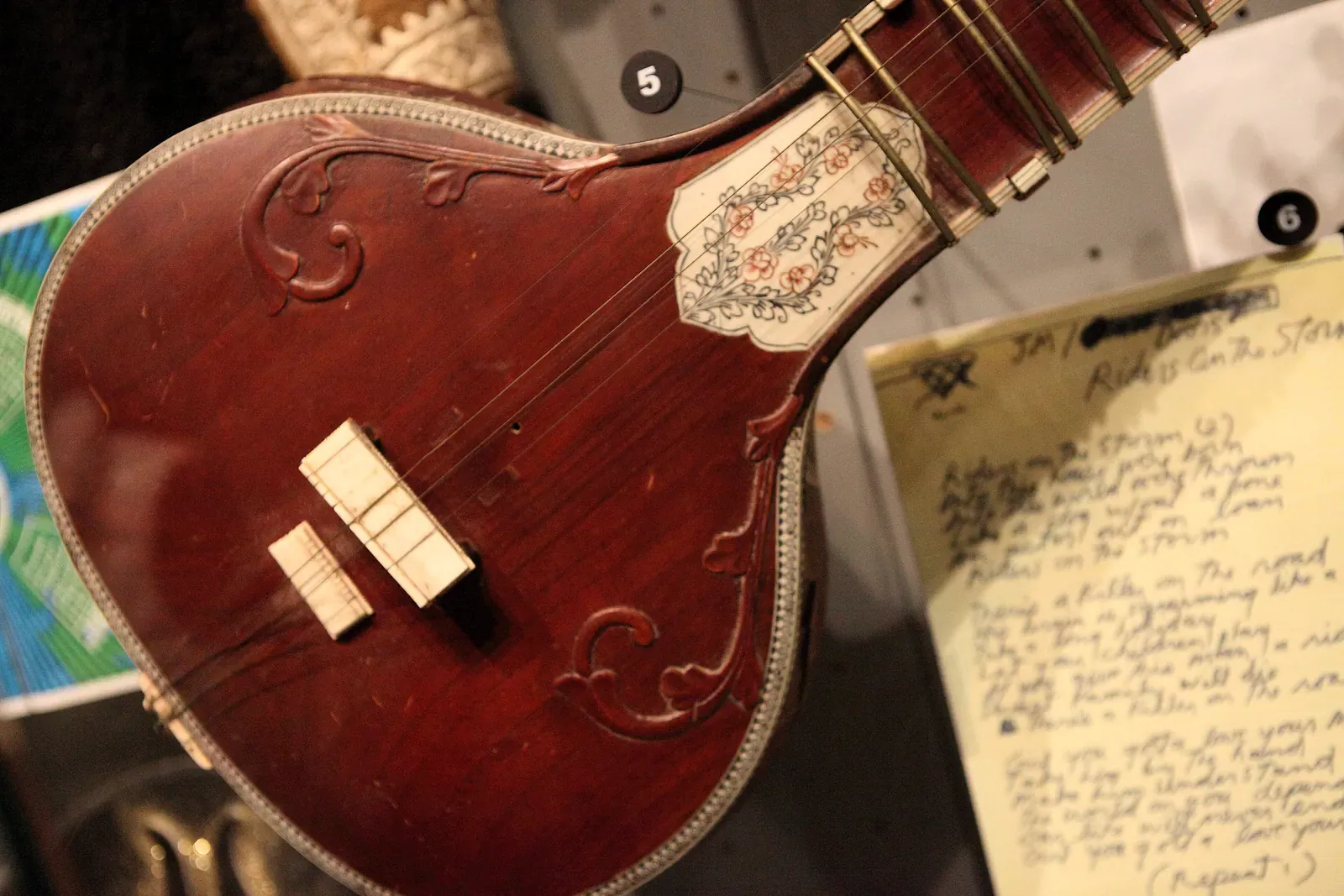
Much of the sound came from gear that was new. The Mellotron, a tape-replay keyboard built in Birmingham from 1963, supplied string and flute colours. The sitar entered rock after George Harrison played it on “Norwegian Wood” in 1965, and the Danelectro electric sitar of 1967 gave guitarists an easier route to the same buzz.
Mainstream success
Psychedelic rock was a commercial genre from the start. Sgt. Pepper tied the sound to the Summer of Love, and its Grammy win confirmed that a studio-built rock album could be the year’s best record. Surrealistic Pillow reached number 3 in the US, “Sunshine of Your Love” from Cream’s Disraeli Gears reached number 5 in the US, and “See Emily Play” put Pink Floyd in the UK top ten. The backlash was as quick as the boom. Radio and television still policed lyrics: when The Doors kept the word “higher” in “Light My Fire” on The Ed Sullivan Show on 17 September 1967, the band was never invited back.
Notable recordings
“You’re Gonna Miss Me” by the 13th Floor Elevators reached number 55 in the US in 1966, with Hall’s electric jug as its most unusual texture. “Eight Miles High” is often placed at the point where raga-influenced guitar entered pop. “Purple Haze” by the Jimi Hendrix Experience fused fuzz, feedback and the Octavia into a signature that guitarists copied for years, and “White Rabbit” took Jefferson Airplane to number 8 in the US in the Summer of Love.
Culture
The scene was built around the ballroom rather than the club. Chet Helms’s Family Dog ran the Avalon Ballroom from 1966 to 1969, alongside the Fillmore. In London the paper International Times, launched at an all-night Roundhouse event in October 1966, carried the scene into the British underground, and the 1968 film Yellow Submarine, with Heinz Edelmann’s designs, gave the look a mass audience.
Legacy
Psychedelic rock handed later rock a toolkit: the studio as an instrument, the extended solo and the drone. It fed progressive rock, hard rock and heavy metal as the original scene faded, and it returns in waves, in neo-psychedelia from the late 1970s and in the home-recorded work of Tame Impala.
Misconceptions
One common belief is that the Beatles invented psychedelic rock. They were among its biggest popularisers, but the 13th Floor Elevators were using the phrase and playing the style in Austin before Revolver appeared, and The Byrds had an earlier raga-flavoured hit. A second is that the style belonged only to San Francisco. London, Los Angeles and Austin all had their own scenes, and the British sound relied on studio work far more than on long improvisation. A third is that every psychedelic song is about drugs. Many are, but the genre is defined by sound treatment and imagery, and bands such as Pink Floyd wrote about fantasy and childhood as often as about altered states.
Frequently asked questions
What is psychedelic rock?
Psychedelic rock is a style of rock that uses studio effects, long improvisation, drones and surreal lyrics to evoke altered states of mind. It formed between 1965 and 1967 in the United States and Britain and peaked during the Summer of Love.
Which band first used the term psychedelic rock?
The 13th Floor Elevators of Austin, Texas, printed the phrase on a business card in January 1966 and released the first rock album with “psychedelic” in its title later that year. Other acts used the word around the same time.
Which albums define psychedelic rock?
Revolver, Sgt. Pepper’s Lonely Hearts Club Band, Are You Experienced, Surrealistic Pillow and The Piper at the Gates of Dawn are the usual landmarks. The Psychedelic Sounds of the 13th Floor Elevators and The Doors’ debut represent the Texas and Los Angeles sides of the genre.
Is psychedelic rock still made?
Yes. Neo-psychedelia has existed since the late 1970s, and acts such as Spacemen 3 and Tame Impala have carried the sound forward, with Tame Impala’s Lonerism appearing in 2012.
Sound
Sound sheet
Signature sounds
- Fuzz and wah-wah guitar
- Backwards tape and tape loops
- Sitar or raga-style drone
- Mellotron, organ or theremin colour
- Extended improvised solos
- Surreal or drug-referencing lyrics
Synths and software
- Mellotron
Techniques
- Backwards tape and tape loops
- Feedback and controlled distortion
- Automatic double tracking
- Extended improvisation
Keys and modes
Drone-based modal harmony. Indian-style drones, as on The Kinks' See My Friends (1965) and the tambura of Tomorrow Never Knows.
Scenes
Where it happened
Where and when the sound lived: one bar per city on a shared timeline.
North America
Europe
Oceania
Active scenes
Peak 4, 1966-1968
Fillmore and Avalon ballrooms, Haight-Ashbury and the Summer of Love shape the West Coast sound.
UFO Club and Roundhouse nights host Pink Floyd and Soft Machine; Abbey Road studio tricks define the pop side.
The Byrds and The Doors play Sunset Strip rooms such as the Whisky a Go Go.
Home of the 13th Floor Elevators, who first used the psychedelic rock label.
Tame Impala start here as Kevin Parker's home-recording project and lead the modern revival.
Venues and places
San Francisco, 1965 to today. Bill Graham began promoting at the hall in December 1965 and booked Grateful Dead, Jefferson Airplane and others.
San Francisco, 1966 to 1969. Chet Helms's Family Dog ran shows with liquid light shows and Rick Griffin and Stanley Mouse posters.
London, 1966 to 1967. Basement of the Blarney Club at 31 Tottenham Court Road; Pink Floyd and Soft Machine played opening night.
London, 1966 to today. Hosted the October 1966 International Times launch rave and took over UFO nights in 1967.
West Hollywood, 1966 to today. The Doors became the house band here from May 1966.
London, 1966 to today. Revolver, Sgt. Pepper and The Piper at the Gates of Dawn were recorded here.
Monterey, 1967 to today. Site of the June 1967 Monterey International Pop Festival.
Culture
Culture markers
- San Francisco concert posters
Rick Griffin, Stanley Mouse, Victor Moscoso and Wes Wilson used saturated colour and ornate lettering for 1965-67 shows.
Artwork - Liquid light shows
Oil and dye projected through overhead projectors behind the band, as at the Avalon and the Fillmore.
Artwork - Acid Tests
Ken Kesey's LSD parties where the Grateful Dead first played under that name in December 1965.
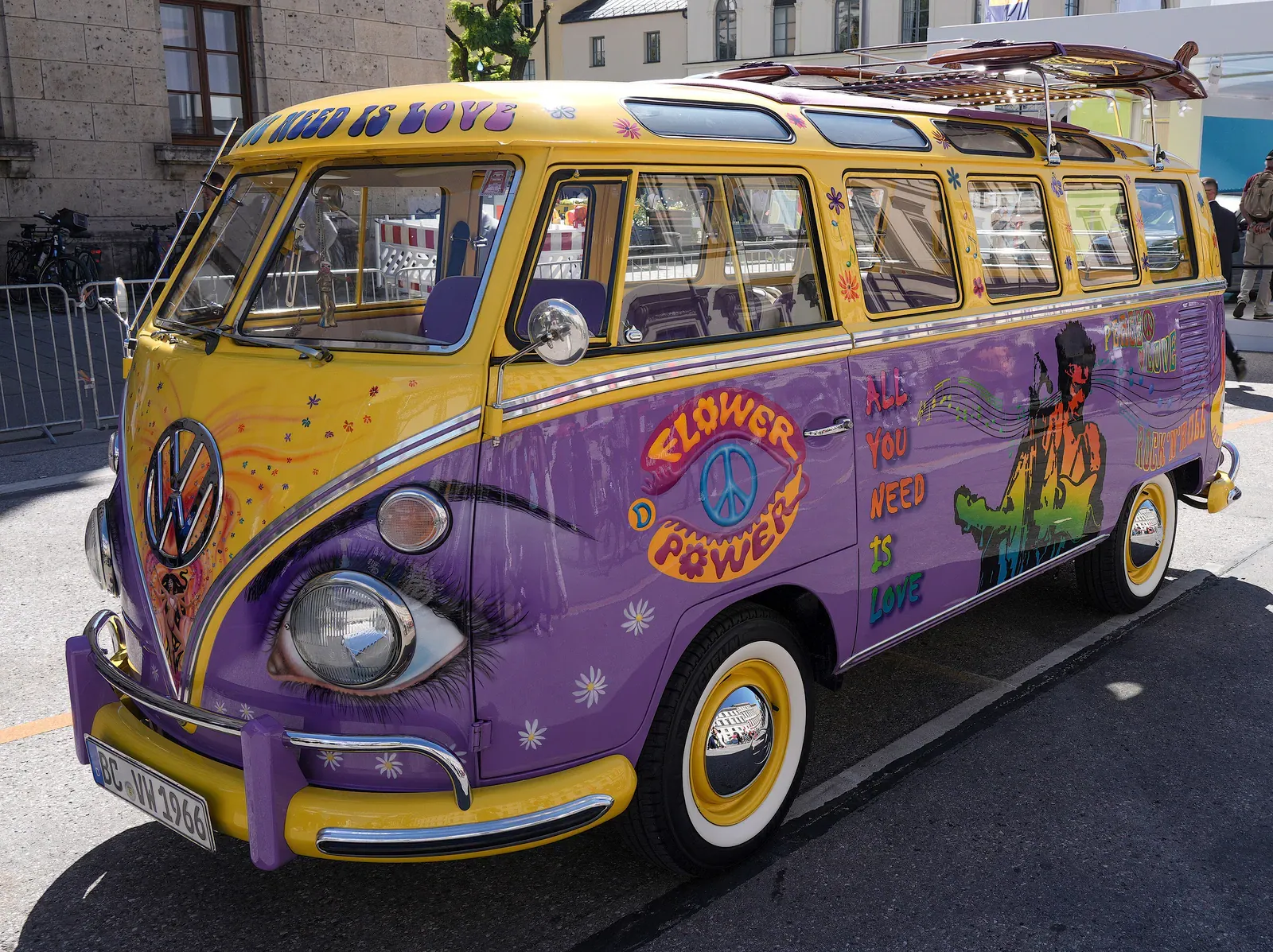
Ritual - Summer of Love gatherings
Young people filled Haight-Ashbury in 1967, raising its population from about 15,000 to about 100,000.
Ritual
Media
Key media
- 1966International Times
by John Hopkins and Barry Miles. London underground paper launched at a Roundhouse all-night rave with Pink Floyd and Soft Machine.
Zine - 1968The Electric Kool-Aid Acid Test
by Tom Wolfe. Account of Ken Kesey, the Merry Pranksters and the Acid Tests where the Grateful Dead played.
Book - 1968Yellow Submarine
by George Dunning. Heinz Edelmann's animation turned Beatles songs into a psychedelic visual landmark.
Film - 1972Nuggets: Original Artyfacts from the First Psychedelic Era, 1965-1968
by Various. Lenny Kaye's double album that defined the American garage and psychedelic canon.
Compilation
Glossary
Terms on this page
Ken Kesey's LSD-fuelled parties of 1965-66 where the Grateful Dead developed their improvisational style.
Reversed recorded audio, as on Revolver, used to make unnatural attacks and decays.
Heavily distorted guitar tone from a pedal such as the Fuzz Face.
Projected oil and dye emulsions on overhead projectors, shown behind bands at Fillmore-type venues.
Later revival that mixes psychedelic textures with post-punk, jangle pop or indie rock.
1972 Elektra compilation by Lenny Kaye, now shorthand for 1960s garage and psychedelic rock.
The 1967 gathering of young people in Haight-Ashbury, soundtracked by San Francisco bands.
Foot-controlled filter that sweeps the guitar tone like a vowel sound.
Rock family