Jazz
Jazz is an improvised, swung music that began among Black musicians in New Orleans around 1900 and branched into bebop, free jazz and fusion.
132 genres
Since 1910
Genres
132
In this family
Branches
37
Main subgenres
Since
1910
New Orleans
Timeline
Era by era
From the first sparks to today. Select a dot to read the story behind it.
- New Orleans and ragtime roots
1895 to 1916
- Hot jazz and the Jazz Age
1917 to 1934
- Swing and the big bands
1935 to 1944
- Bebop, cool and hard bop
1945 to 1958
- Modal and free jazz
1959 to 1967
- Fusion, ECM and loft jazz
1968 to 1979
- Neo-traditionalism and global scenes
1980 to 2026
Eras
Moments
- 1 New Orleans and ragtime roots, 1895 to 1916
- 2 Hot jazz and the Jazz Age, 1917 to 1934
- 3 Swing and the big bands, 1935 to 1944
- 4 Bebop, cool and hard bop, 1945 to 1958
- 5 Modal and free jazz, 1959 to 1967
- 6 Fusion, ECM and loft jazz, 1968 to 1979
- 7 Neo-traditionalism and global scenes, 1980 to 2026
around 1895
New Orleans and ragtime roots
Brass bands, blues, ragtime and Creole traditions mix in New Orleans, and bands like Buddy Bolden's play for dances before any record exists.
- 1895Buddy Bolden's band formsThe New Orleans cornetist leads a dance band often called the first jazz group; no recordings survive.
1917
Hot jazz and the Jazz Age
The first jazz records appear, Chicago and New York take over, and Louis Armstrong turns collective playing into the solo.
- 1917Original Dixieland Jazz Band records Livery Stable BluesThe first jazz record for Victor sells in huge numbers and spreads the word jazz.
- 1923King Oliver's Creole Jazz Band records with ArmstrongArmstrong takes second cornet on the Gennett sessions in Richmond, Indiana.
- 1927Ellington opens at the Cotton ClubThe Harlem residency and radio broadcasts bring the Ellington orchestra national fame.
- 1928Armstrong records West End BluesThe opening cadenza and scat chorus set a new bar for jazz soloing.
1935
Swing and the big bands
Danceable big bands from Ellington to Goodman make jazz the main popular music of the United States.
- 1935Benny Goodman's Palomar Ballroom nightA hot crowd in Los Angeles is often cited as the start of the swing craze.
- 1939Blue Note founded in New YorkAlfred Lion and Max Margulis start a label built around musicians' needs.
- 1939Billie Holiday records Strange FruitThe anti-lynching song for Commodore turns a jazz singer into a political voice.
- 1941Bebop forms at Minton's PlayhouseAfter-hours jam sessions in Harlem draw Gillespie, Monk and Parker toward a new style.
1945
Bebop, cool and hard bop
Small groups play fast and harmonically dense bebop, then split into the relaxed cool school and the bluesy hard bop of the long-playing record.
- 1945Parker and Gillespie record Ko-KoThe Savoy session shows bebop's speed and harmonic reach to a wide audience.
- 1948Columbia introduces the long-playing recordThe 33 rpm LP lets a jazz solo run for minutes instead of three.
- 1949Birth of the Cool sessions beginMiles Davis's nonet records its arranged, low-key sound for Capitol.
- 1949Prestige founded in New YorkBob Weinstock's label records bop and later the hard bop quintets.
- 1955Charlie Parker diesThe alto saxophonist dies in New York aged 34, already a legend.
- 1956Ellington at NewportA long Paul Gonsalves solo revives the band and a stalled career.
1959
Modal and free jazz
Kind of Blue loosens chords, Ornette Coleman drops them, and Coltrane takes the music toward spiritual freedom.
- 1959Kind of Blue releasedDavis's modal sextet record becomes the best-selling jazz album of its era.
- 1959Ornette Coleman's The Shape of Jazz to ComeThe quartet plays without a piano or fixed chords and divides the jazz world.
- 1960Impulse! foundedCreed Taylor starts a label with gatefold sleeves, soon home to Coltrane.
- 1965A Love Supreme releasedColtrane's four-part suite is a landmark of spiritual jazz.
- 1967John Coltrane diesThe saxophonist dies aged 40 as free jazz and rock split the audience.
1968
Fusion, ECM and loft jazz
Jazz plugs in with rock and funk while ECM in Europe and New York lofts build separate, quieter and freer worlds.
- 1969ECM founded in MunichManfred Eicher launches a label for spacious European and American improvisation.
- 1970Bitches Brew releasedDavis's electric double album sets the template for jazz-rock fusion.
- 1973Herbie Hancock's Head HuntersA funk-driven fusion album reaches a million sales for jazz.
- 1975The Koln Concert releasedKeith Jarrett's solo piano improvisation becomes ECM's best-known record.
1980
Neo-traditionalism and global scenes
Young lions revive acoustic hard bop, acid jazz meets dance culture, and new scenes in London and Los Angeles reach younger listeners.
- 1985Blue Note relaunchedBruce Lundvall revives the dormant label and signs younger acoustic players.
- 1987Acid Jazz Records starts in LondonGilles Peterson and Eddie Piller pair jazz-funk with dance culture.
- 2015Kamasi Washington releases The EpicA triple album on Brainfeeder brings large-scale jazz to a young audience.
- 2018Brownswood issues We Out HereA compilation puts the new London jazz scene on the world map.
Roots
Roots and offspring
Grew out of
Derived from
Derived from
Influenced by
New Orleans, 1910
Jazz
Led to (3)
Facts
| Genres in the family | 132 |
| Main branches | 35 |
| Emerged | 1900s-1910s |
| Key places | New Orleans |
| Tempo | 95 to 300 BPM |
Jazz is a music of improvisation and swing, built on blue notes, syncopation and interplay between players. It began among Black musicians in New Orleans around 1900, where brass bands, blues, ragtime and Creole dance music met in one port city, and it grew into more than a hundred styles worldwide.
The library holds 132 jazz genres, 37 of them direct branches.
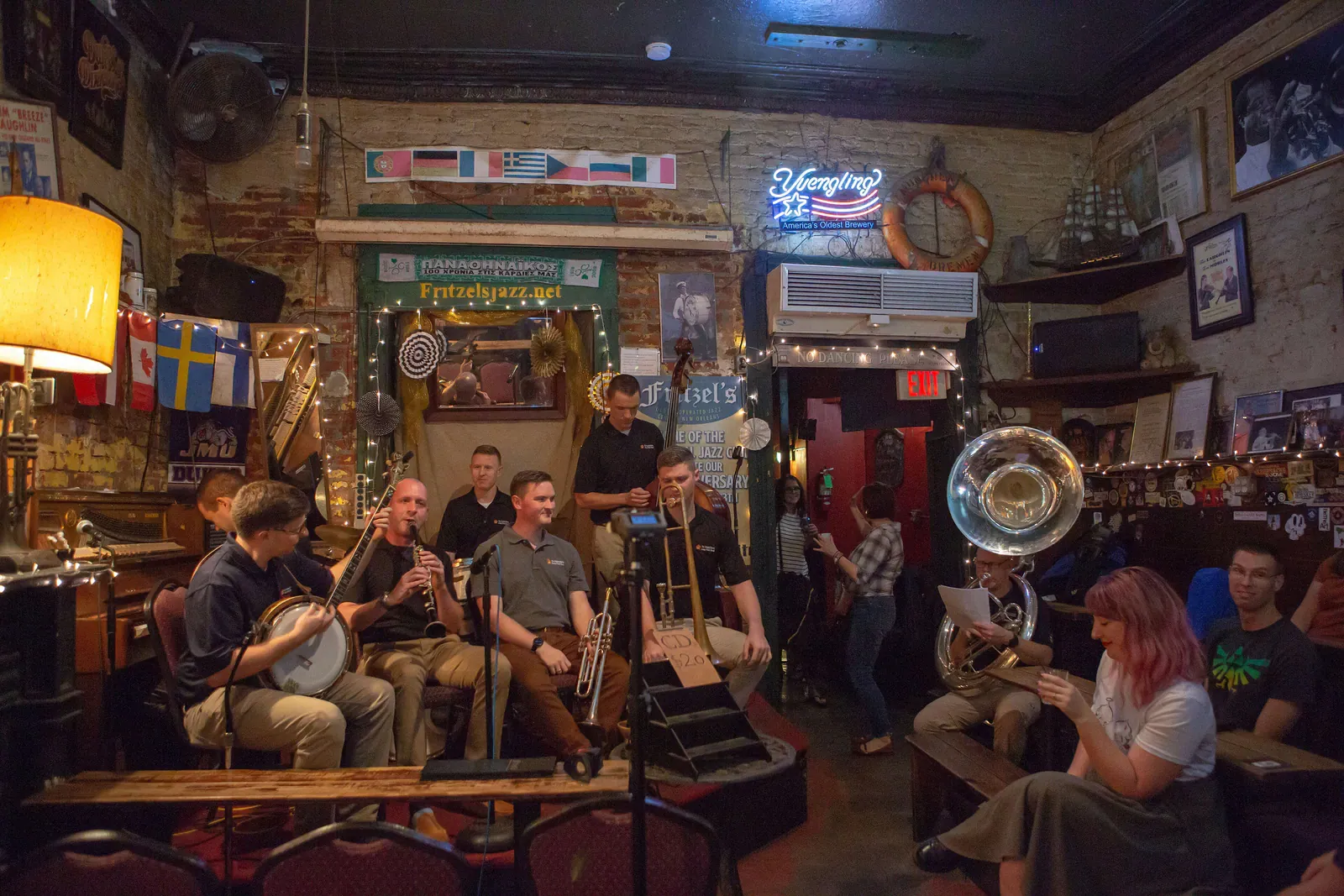
Origins: New Orleans and ragtime, 1895 to 1916
New Orleans was the right place because it was a port with an unusual mix. Black and Creole musicians read music, played brass in funeral and parade bands, and also played blues by ear. Ragtime had arrived in sheet-music form from the Midwest. Buddy Bolden, a cornetist, led a dance band from about 1895 that people later called the first jazz group, and no recording of it survives, so knowledge of it rests on the memories of players who heard him.
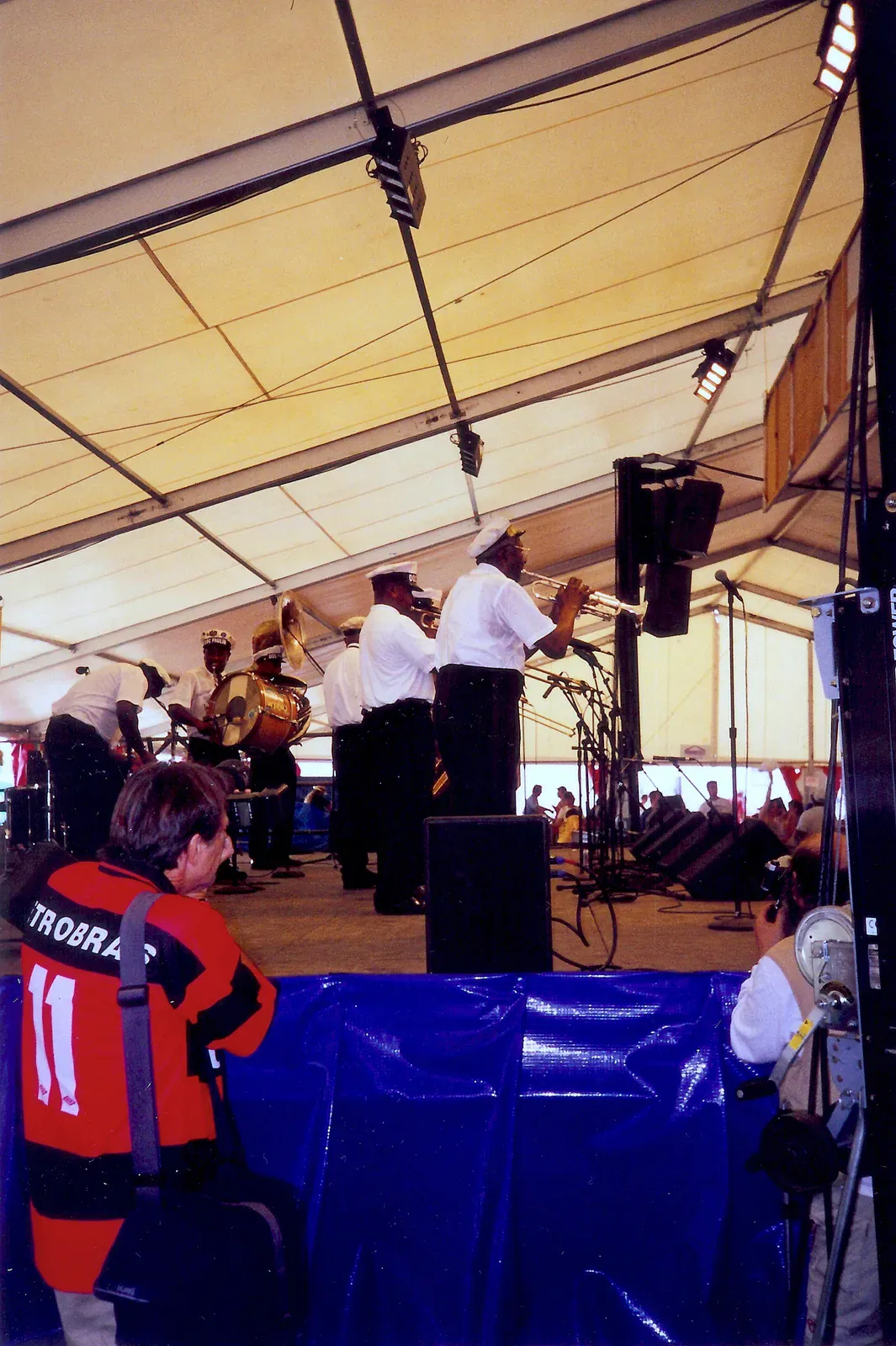
The defining move was collective improvisation. A cornet carried the tune, a clarinet wove above it, a trombone slid underneath, and the rhythm section pushed a dance. Brass bands marched to cemeteries slowly and came home fast, and that second line is still the city’s loudest tradition.
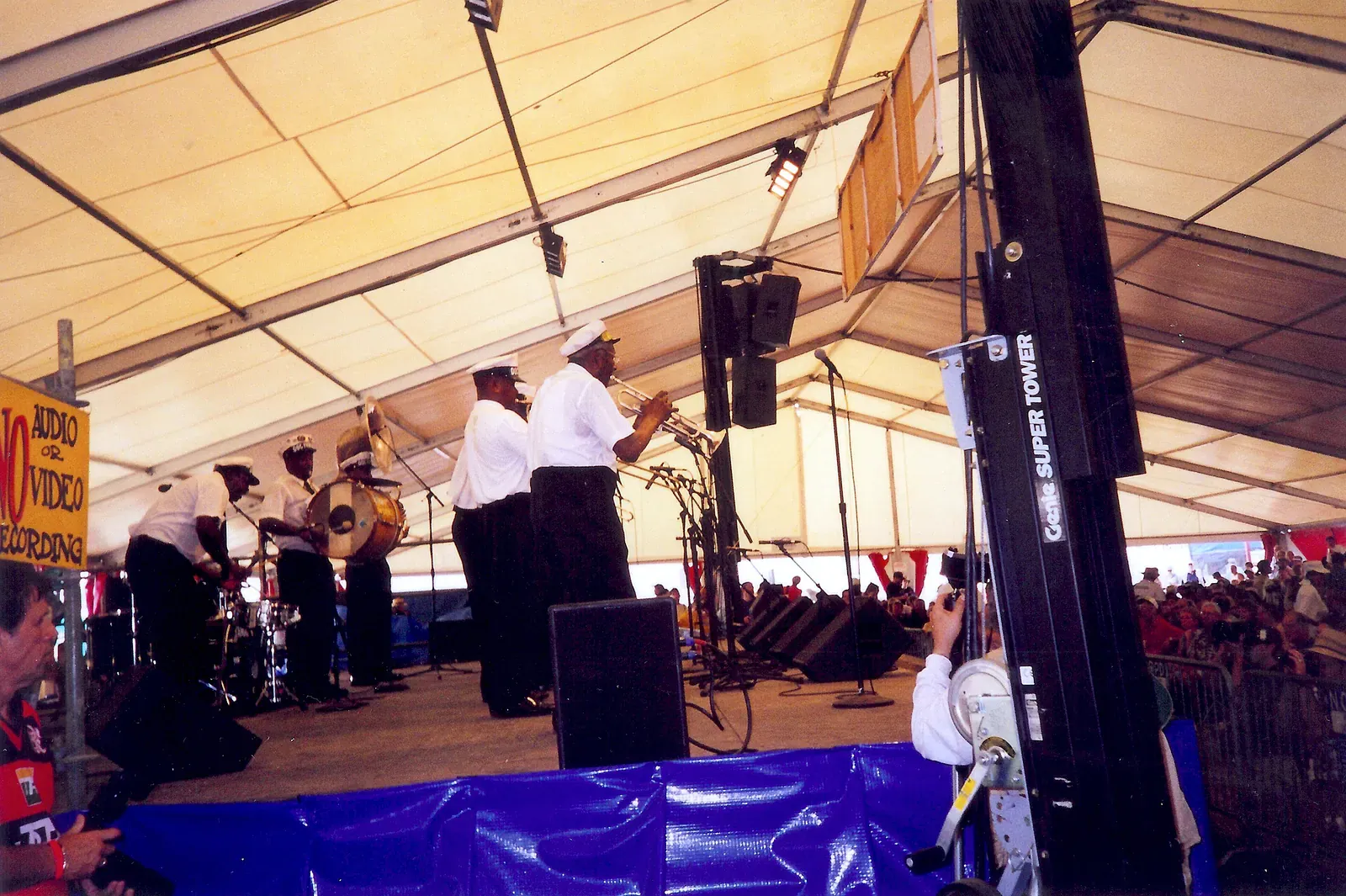
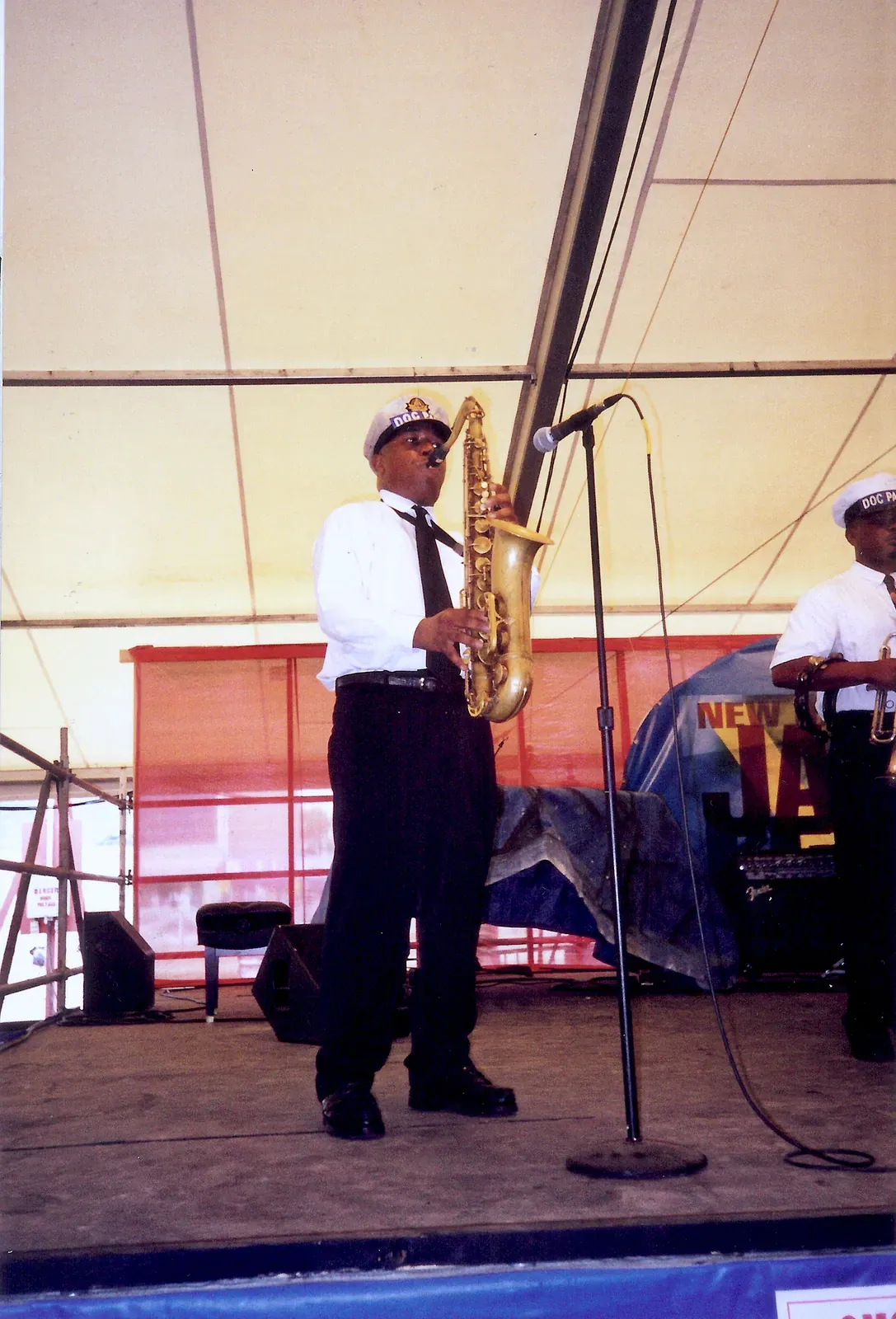
Hot jazz and the Jazz Age, 1917 to 1934
The word reached the world through a record. The Original Dixieland Jazz Band, five white players from New Orleans, recorded “Livery Stable Blues” for Victor in 1917 and sold in huge numbers, which is why the first jazz record was made by a band copying a Black tradition. Chicago and New York took over once the Great Migration moved Southern musicians north.
Louis Armstrong turned the style from group noise into soloists’ art. He joined King Oliver’s Creole Jazz Band for the Gennett sessions in Richmond, Indiana, in 1923, then made the Hot Five records in Chicago. “West End Blues” (1928) opens with an unaccompanied trumpet cadenza and ends with a wordless vocal chorus, and players still copy it. In Harlem, Duke Ellington began a long residency at the Cotton Club in 1927 and wrote for his players’ voices, with radio broadcasts that sent his orchestra across the country. Kansas City grew a blues-heavy riff style of its own, and in 1934 Paris produced the Quintette du Hot Club de France, led by Django Reinhardt and Stephane Grappelli, with no horns and no drums.
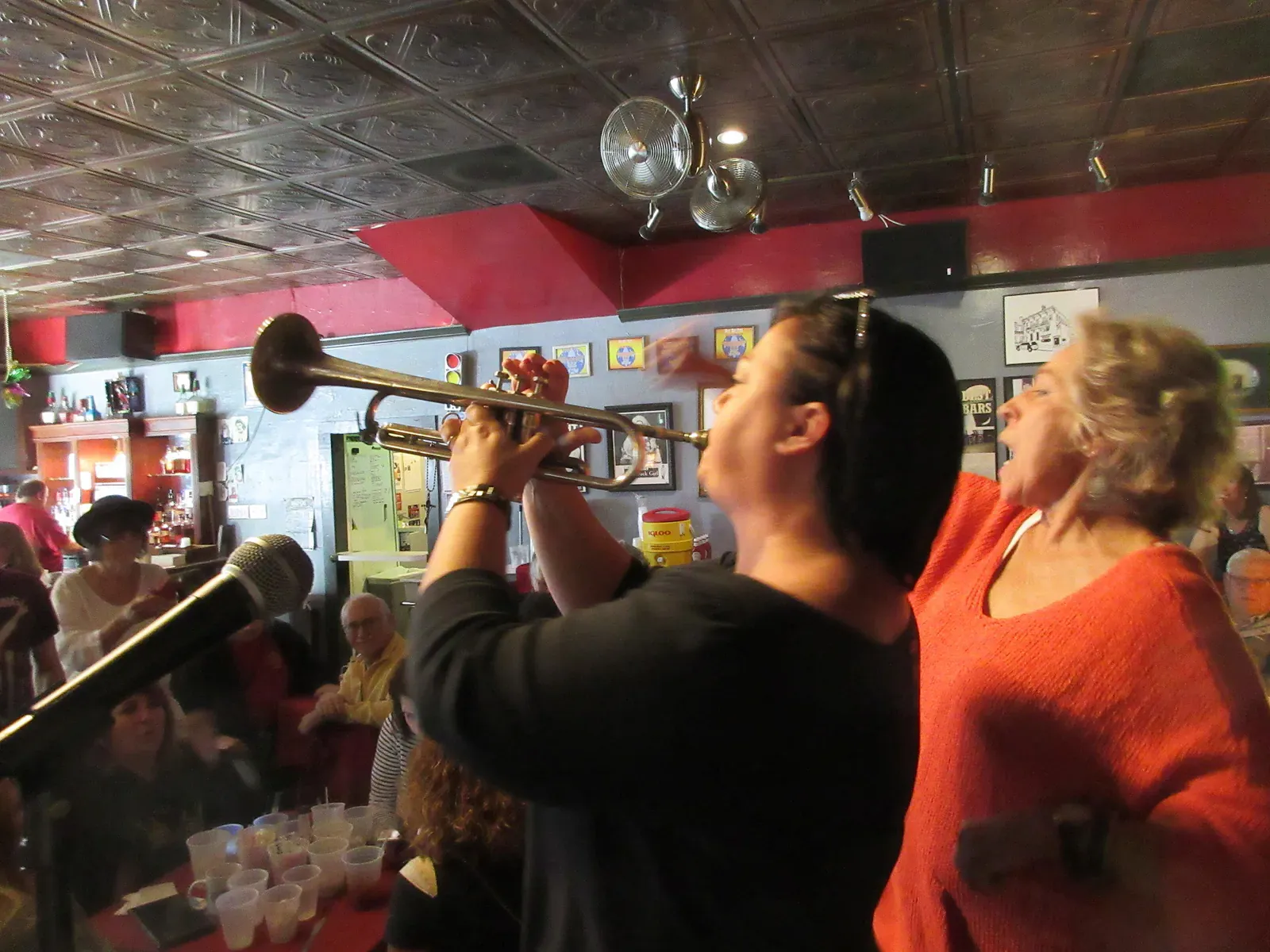
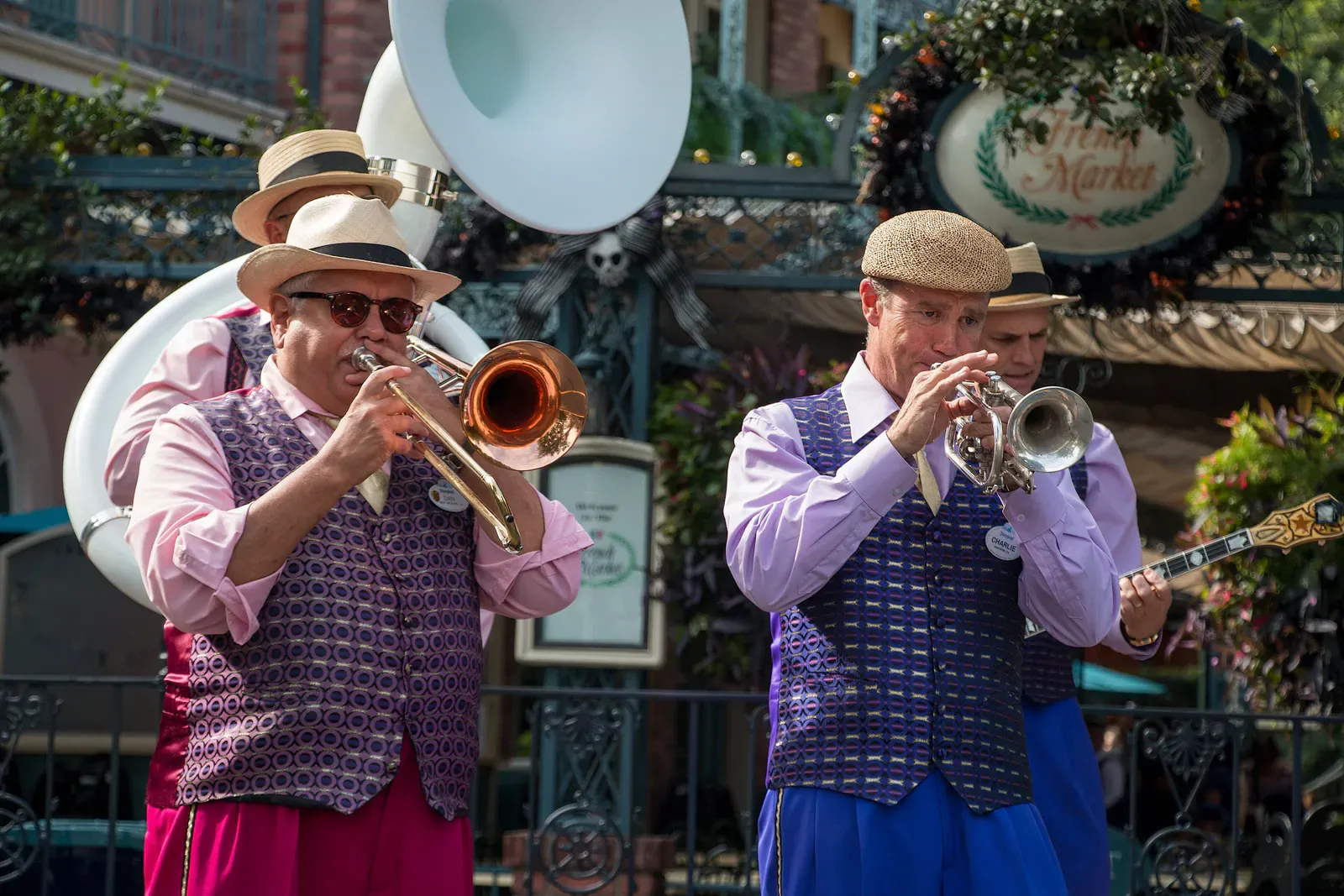
Swing and the big bands, 1935 to 1944
Swing made jazz the main popular music of the United States. Big bands of 12 to 16 players, with reeds, brass and a rhythm section, were arranged tightly enough to dance to for hours. The date people usually give for the start is 21 August 1935, when Benny Goodman’s band played the Palomar Ballroom in Los Angeles to a crowd that suddenly went wild. Ellington, Count Basie and Goodman all led bands that sold records and filled ballrooms.
Singers got their own voice in this era. Billie Holiday recorded “Strange Fruit” for Commodore in 1939, an anti-lynching song that moved a jazz singer into political life. The same year Alfred Lion and Max Margulis founded Blue Note in New York, built around giving musicians the time to rehearse and record as they wanted. Wartime drafts and a recording ban in 1942 shrank the big bands, and the small combos waiting in the wings would reinvent the music.
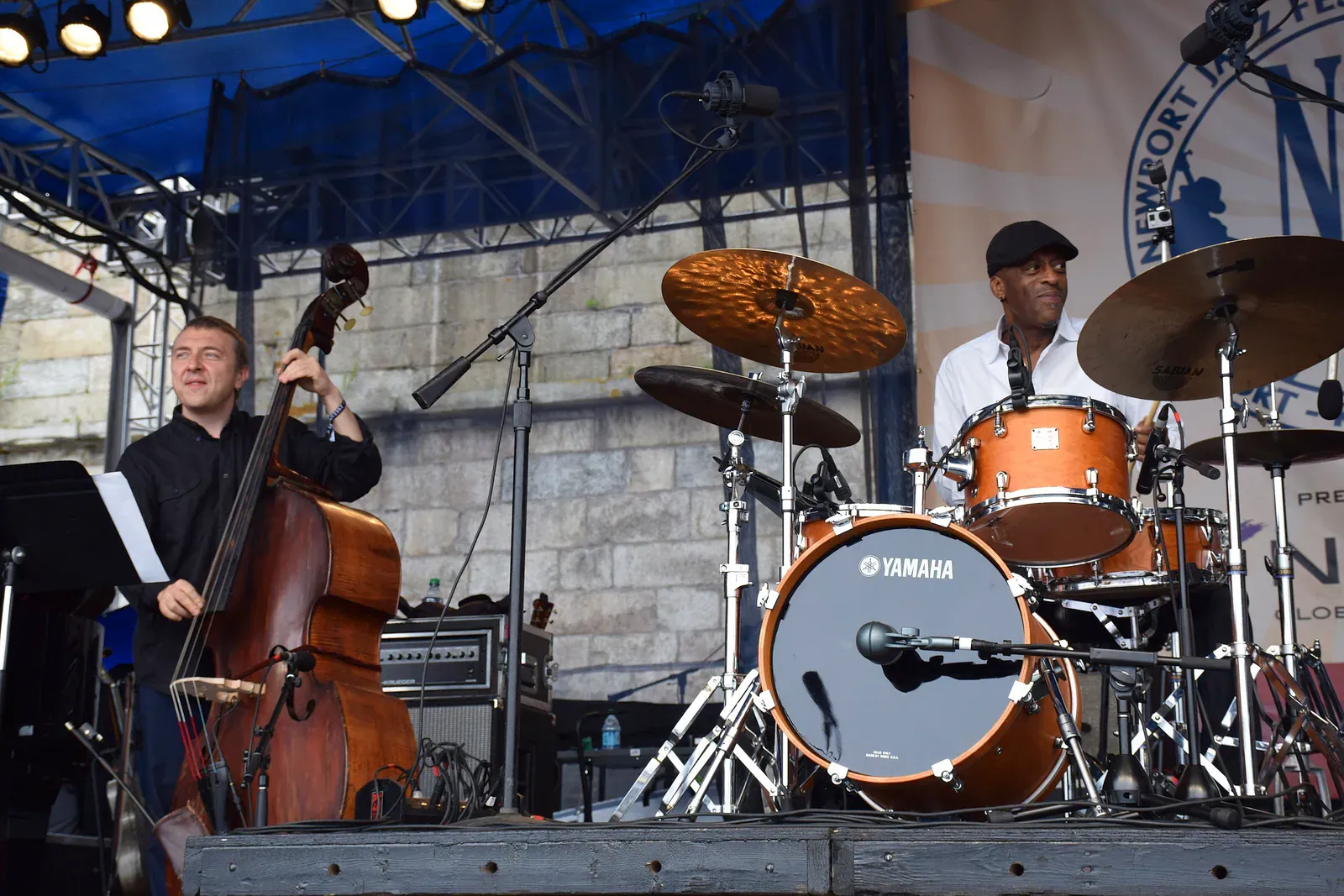
Bebop, cool and hard bop, 1945 to 1958
Bebop was jazz for listeners, not dancers. After-hours jam sessions at Minton’s Playhouse in Harlem pulled Dizzy Gillespie, Thelonious Monk and Charlie Parker toward faster tempos and denser harmony. Parker and Gillespie’s “Ko-Ko” for Savoy in 1945 showed the style to a wide audience. Small groups replaced big bands because they were cheaper to pay and freer to play.
The next ten years split bebop three ways. The 33 rpm long-playing record, introduced by Columbia in 1948, let a solo run past three minutes, and the album became the unit of jazz. Miles Davis’s nonet recorded the arranged, low-key sessions that became Birth of the Cool for Capitol from 1949, the start of the cool school and the West Coast sound around Los Angeles. In New York, Prestige, Riverside and Blue Note recorded hard bop, bluesier and more gospel-flavoured, by quintets that worked six nights a week. Ellington’s career, stalled by the decade’s taste, was revived at the 1956 Newport Jazz Festival when Paul Gonsalves played a solo that ran for 27 choruses.
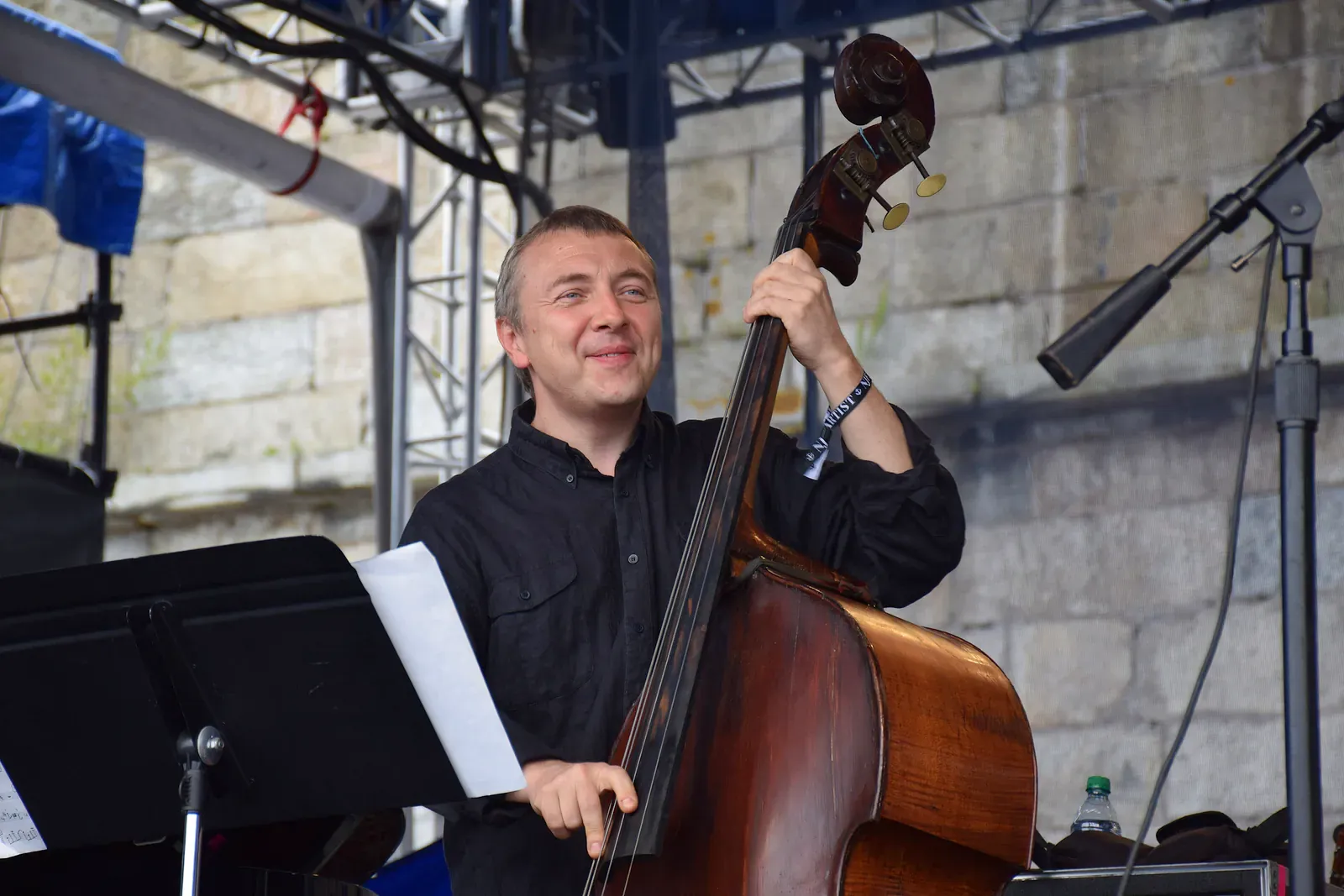
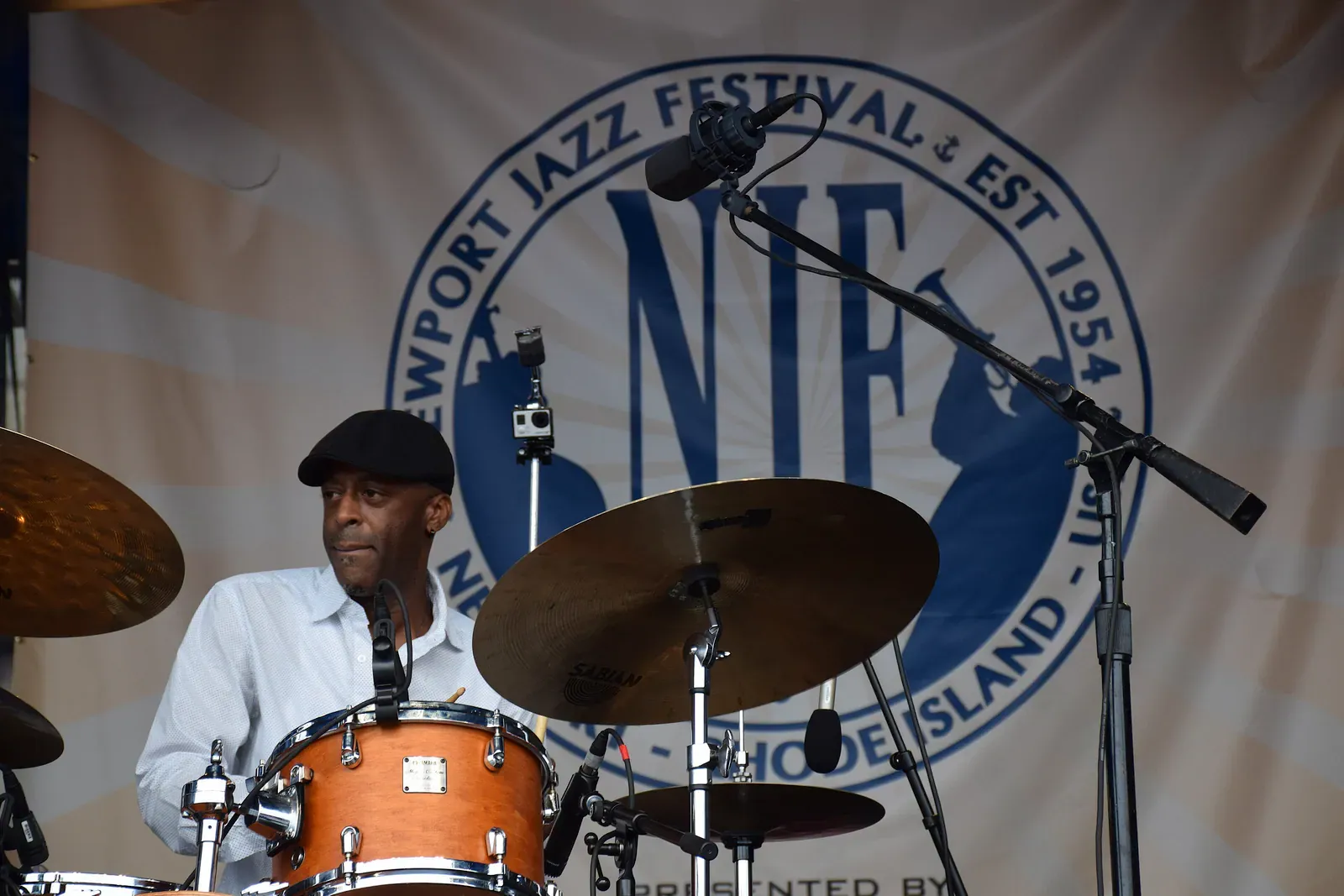
Modal and free jazz, 1959 to 1967
One year changed the argument. Miles Davis’s Kind of Blue (Columbia, 1959) replaced fast chord changes with a few scales, or modes, and gave soloists room to stretch. Dave Brubeck’s Time Out put jazz in 5/4 and 9/8 and its single “Take Five” became a pop hit. Charles Mingus released Mingus Ah Um the same year. And Ornette Coleman’s quartet, with no piano to fix the harmony, released The Shape of Jazz to Come, which split critics and players into camps.
John Coltrane carried this into spiritual territory. A Love Supreme (Impulse!, 1965) was a four-part suite he described as an offering to God. Impulse!, founded in 1960 with gatefold sleeves and a bold orange spine, was the home of this wave. Coltrane died in July 1967, aged 40, as free jazz and rock were dividing the audience.
Fusion, ECM and loft jazz, 1968 to 1979
Rock outsold jazz by the late 1960s, and some jazz players plugged in. Davis’s Bitches Brew (1970) used electric pianos, guitar and several drummers, edited into long suites by his producer Teo Macero. Herbie Hancock’s Head Hunters (1973) followed funk and reached a million sales, rare for jazz. Fusion also brought arena crowds and, for critics, a debate that has not ended.
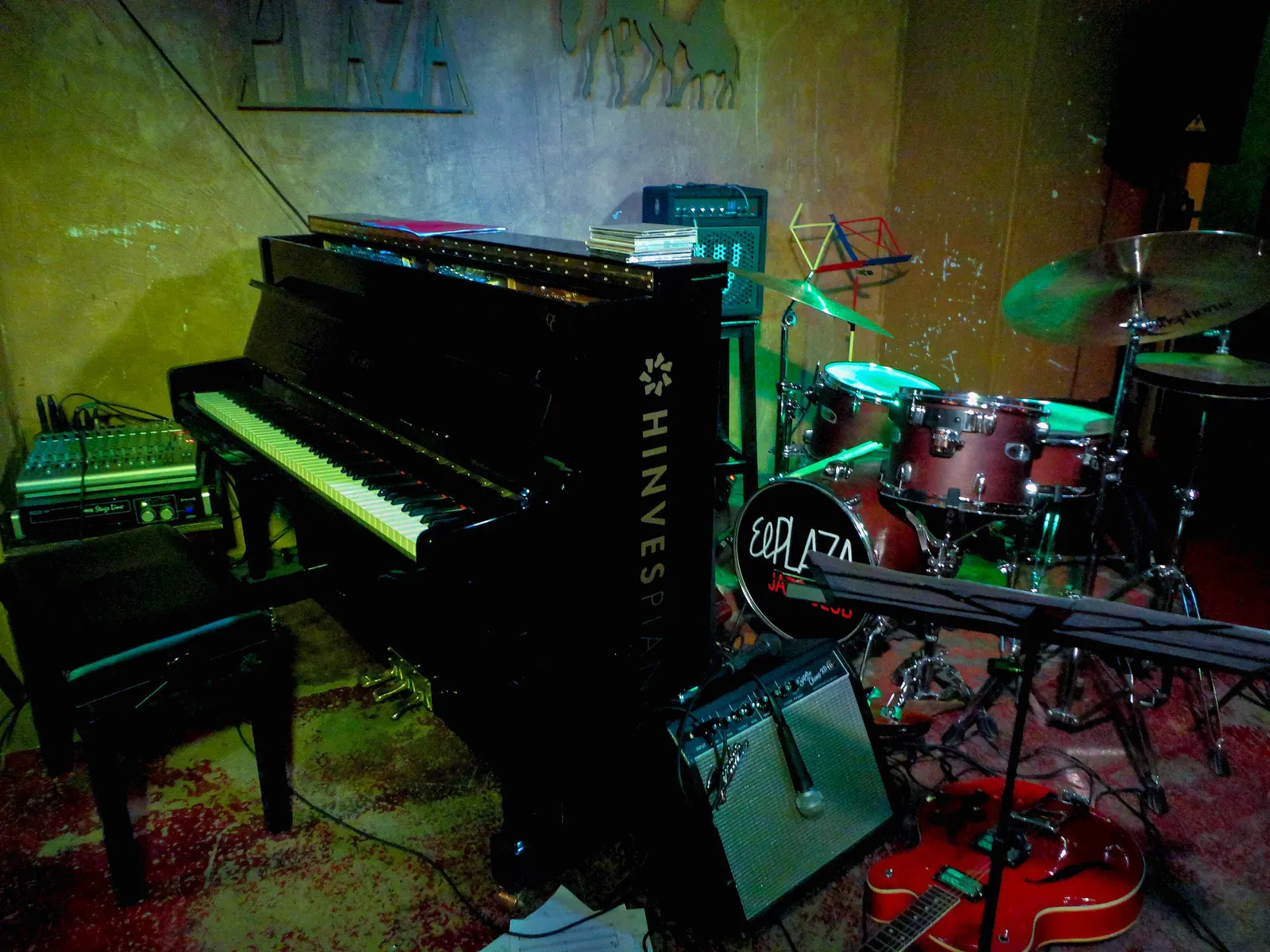
In Munich, Manfred Eicher founded ECM in 1969 to record spacious, quiet European and American improvisation, with a reverb-rich sound that became a house style. Keith Jarrett’s The Koln Concert (1975) was a solo piano improvisation played on a piano the pianist did not like, and it became ECM’s best-known record. In New York, musicians who could not get club work played in lofts, building a freer, communal scene in cheap rented spaces.
Neo-traditionalism and global scenes, 1980 to the present
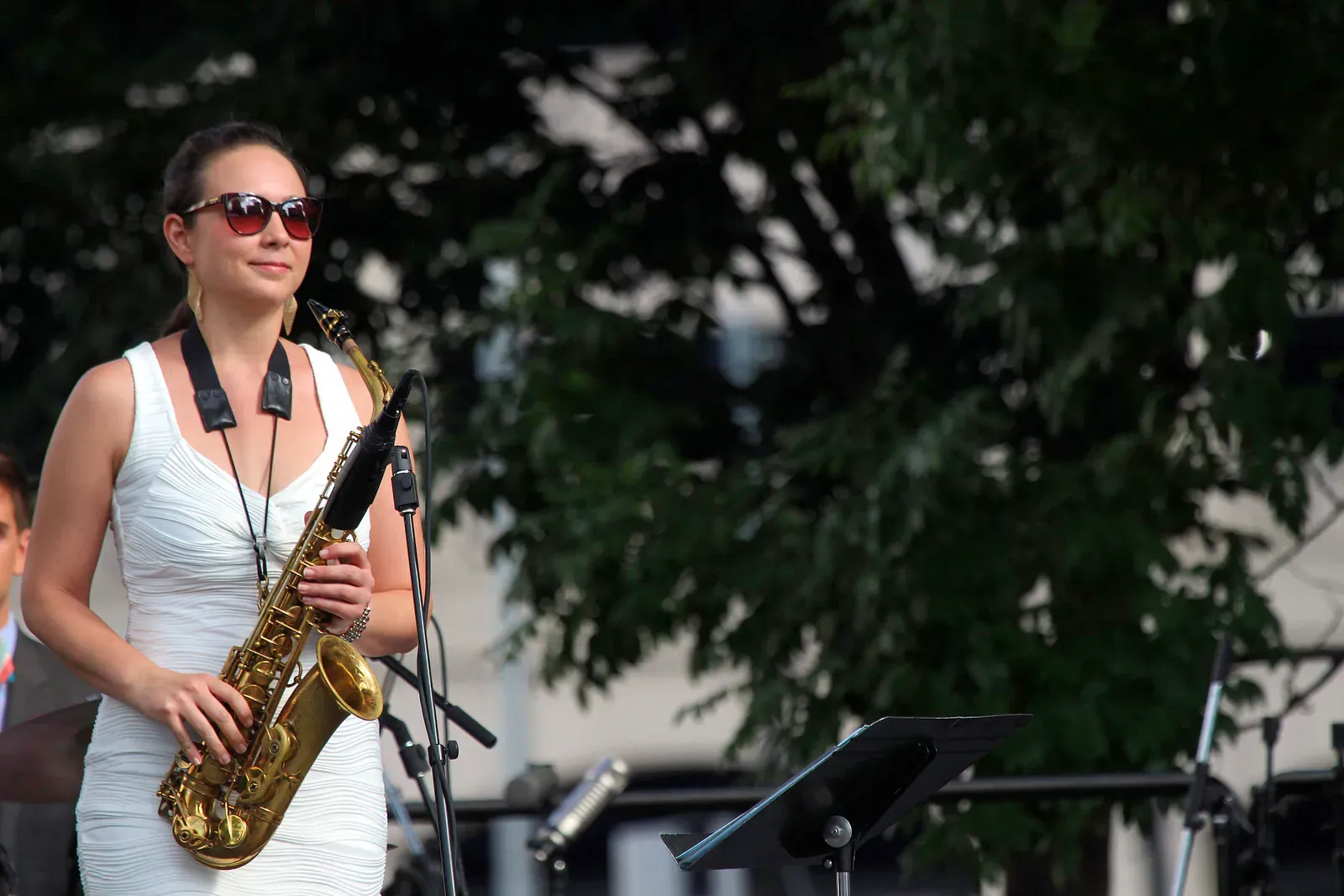
The 1980s turned backward on purpose. Young players such as Wynton Marsalis revived acoustic hard bop, and Bruce Lundvall relaunched Blue Note in 1985 to sign them. At the same time, in London, Gilles Peterson and Eddie Piller started Acid Jazz Records in 1987, pairing jazz-funk with dance culture, which tied jazz to electronic music as dance music grew.
Since 2010, London has become jazz’s second capital: Brownswood’s We Out Here compilation (2018) put its scene on the map, and in Los Angeles Kamasi Washington released the three-hour The Epic (2015) on Brainfeeder, a label tied to hip hop and electronic producers. Tokyo had been a serious jazz market since the 1950s, and festivals in Detroit, Montreux and San Javier now draw audiences from every continent.
Characteristics
Jazz rests on a swung pulse: eighth notes are played in an uneven long-short lilt over four steady beats. Harmony draws on blue notes, seventh and extended chords and, from 1959, modes. A typical performance states a theme (the head), passes it through a series of improvised choruses, and returns to the theme. Rhythm sections of bass, drums and piano or guitar accompany the soloists and respond to them.
Instruments and production
Trumpet, trombone, clarinet and saxophone carry the melody, with piano, guitar, double bass and drums behind them. The Hammond organ became a trio instrument in the mid-1950s and the Fender Rhodes electric piano a fusion staple in the 1970s. Recording shaped form: the 3-minute 78 rpm disc favoured short solos, the long-playing record allowed extended ones, and ECM’s reverberant studio sound became a recognisable production style.
Culture and economics
Jazz was made by Black Americans in a country that segregated its audiences, so its history is also the history of who could enter which door. At the Cotton Club, Black performers played for whites-only crowds. Musicians took gigs in speakeasies during Prohibition and, afterward, in clubs that policed them: New York revoked the cabaret card that a performer needed to work in a bar, and Thelonious Monk lost his in 1951 after a drug arrest. Pay was by the night; recordings often meant a flat fee, not royalties.
Its politics were as complicated as its money. Billie Holiday sang about lynching, Coltrane and Coleman gave the 1960s a sound, and the US State Department sent Gillespie, Armstrong and Brubeck on tours abroad from 1956 as cultural diplomacy. Dance mattered as well: swing was a social dance craze before it was a listening music, and bebop was a deliberate step away from it. Today most jazz players earn their living from teaching and festivals rather than records.
Misconceptions
Myth: jazz is all improvised. Most jazz is a mix. Ellington scored his orchestra’s parts, big bands played from arrangements, and even bebop quintets played a written melody (the head) before and after solos. Improvisation happens inside a plan.
Myth: it was born in the brothels of Storyville. New Orleans’ Storyville district operated from 1897 to 1917 and did employ pianists, but most early jazz was played in dance halls, parades, picnics and funerals. The red-light story took hold in later retellings and the historical record gives it much less weight.
Myth: one person invented jazz. Jelly Roll Morton claimed on his business cards that he invented it in 1902, and that is a claim, not evidence. The music grew from many players in many places, and no single recording or person can be named.
Frequently asked questions
What is jazz music?
Jazz is a genre that began in New Orleans around 1900, built on improvisation, swing rhythm, blue notes and syncopation. Players take turns improvising over a repeating chord pattern while a rhythm section keeps time. It spread through the United States, then Europe and Asia.
What is the difference between swing and bebop?
Swing, popular from 1935, is danceable big-band music with written arrangements. Bebop, from the mid-1940s, is played by small groups at fast tempos with complex harmony and long improvised solos. Swing was for dancers, bebop for listeners.
Which recordings define jazz?
Miles Davis’s Kind of Blue (1959), Louis Armstrong’s “West End Blues” (1928) and Dave Brubeck’s Time Out (1959) are standard reference points for modal jazz, the early solo and odd-metre jazz respectively.
Is jazz still popular today?
Jazz is a smaller market than pop, but it is growing in new places: London’s scene, Los Angeles players such as Kamasi Washington, and festivals from Detroit to Spain. Younger listeners find it through playlists, film soundtracks and hip hop samples.
Subgenres
Genres in the family
37 main branches. Names with their own page are links.
1987, 1 branch
- Australian jazz
1918
1956, 2 branches
1942, 1 branch
- Canadian jazz
1914, 2 branches
- Chinese jazz
1920, 1 branch
1948, 2 branches
- Dark jazz
1992
- Dixieland
1910, 8 branches
- Ethio-jazz
1963, 1 branch
1955, 8 branches
- European jazz
1920, 14 branches
- Foxtrot
1914
1958, 5 branches
1934, 2 branches
1954, 2 branches
1925, 2 branches
- Israeli jazz
1990
- Japanese jazz
1923, 2 branches
- Jazz blues
1925
1968, 2 branches
- Korean jazz
1950
- Kréyol djaz
2020
1940, 7 branches
- Mainstream jazz
1955, 2 branches
1958
1880, 4 branches
1993
1920, 1 branch
1959, 1 branch
1895, 9 branches
1954, 1 branch
1971, 3 branches
1965, 1 branch
1928, 9 branches
1957, 1 branch
1920, 4 branches
Sound
What it sounds like
Tempo
- Overall95-300
- Dixieland120-205
- Swing95-175
- Bebop135-300
- Cool jazz130-175
- Hard bop110-150
- Modal jazz115-180
- Jazz fusion100-160
Drums and percussion
- Jazz drum kit
Synths and software
- Hammond B-3
- Fender Rhodes
Techniques
- Swing feel
- Walking bass
- Comping
- Head-solos-head form
- Call and response
- Trading fours
- Chord substitution
Keys and modes
Blues scale. Flattened third, fifth and seventh give the blue-note colour across all eras.
Major and dominant seventh chords. Ii-V-I progressions in major and minor keys form the harmonic core of standards.
Dorian mode. Modal jazz, as on Kind of Blue (1959), replaced fast chord changes with a few scales.
Diminished and altered scales. Bebop and later players use them over dominant chords for tension.
Tuning
12-TET, A=440; blue notes bent between the semitones
Vocals
Blues-inflected phrasing behind the beat; scat singing improvises with wordless syllables.
Hallmarks
- improvisation
- swing feel
- blue notes
- call-and-response
- syncopation
- extended harmony
Instruments
- Trumpet
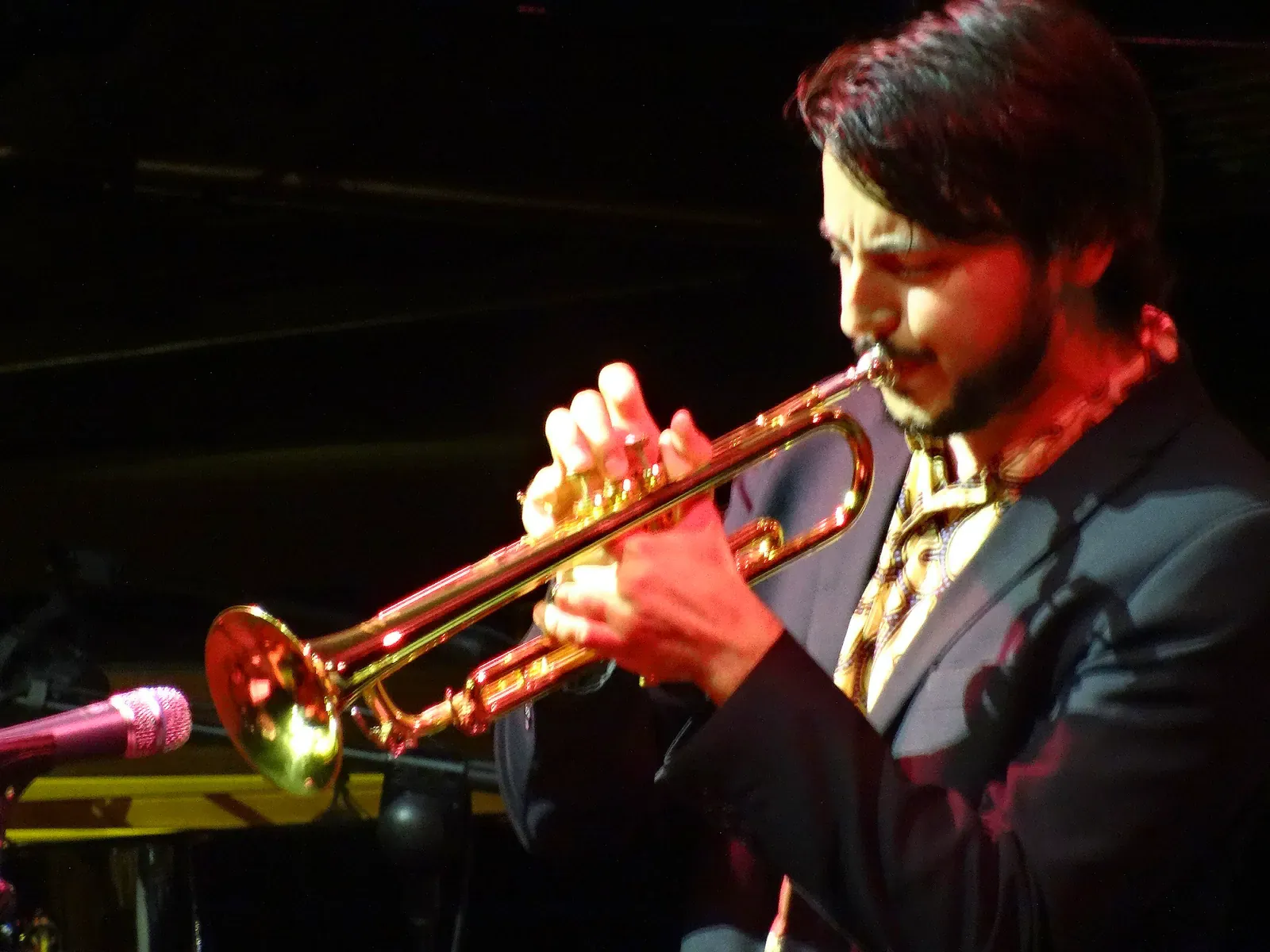
Lead voice of early jazz, from Armstrong to Davis.
- Saxophone
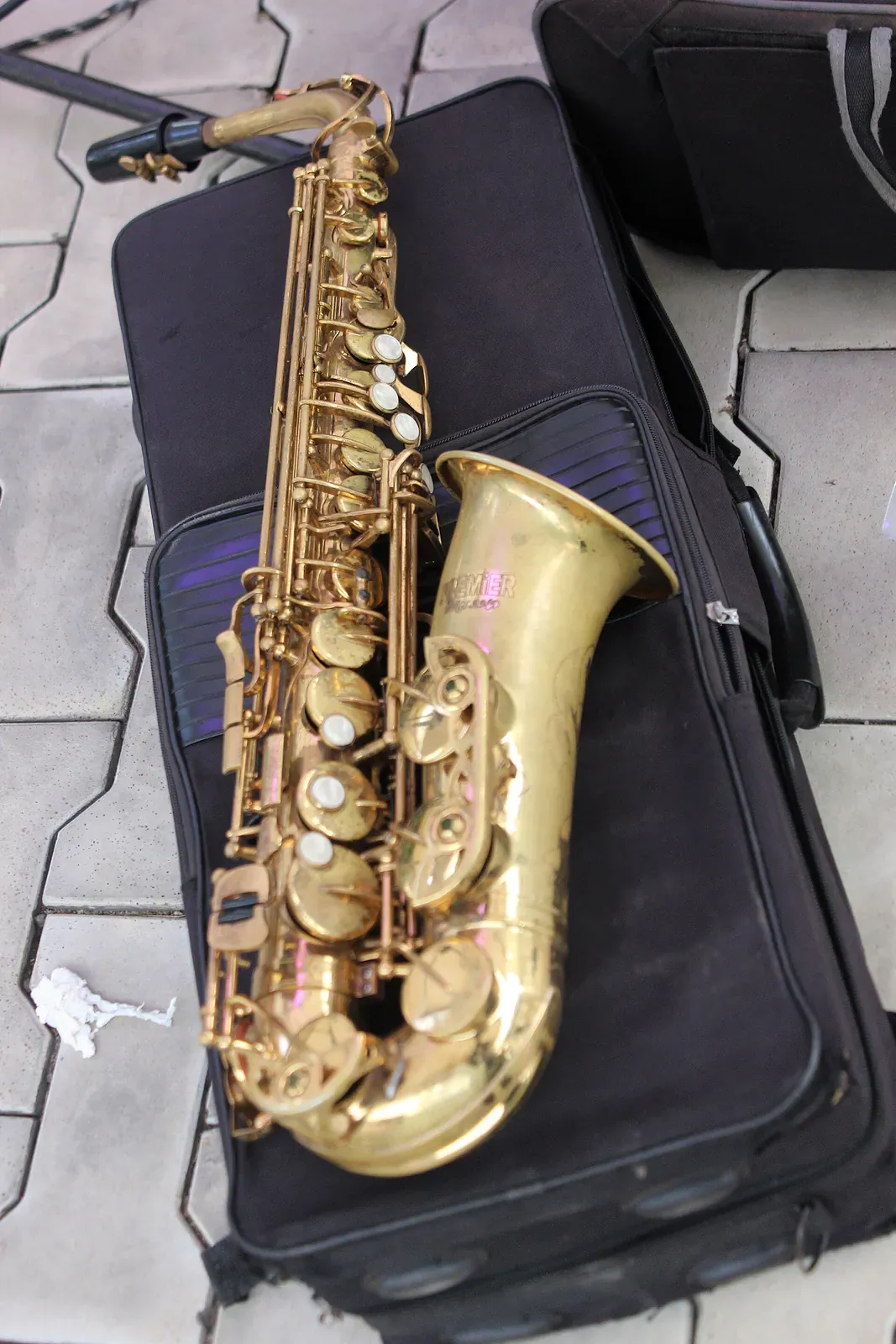
The main solo horn from swing onward, led by Parker and Coltrane.
- Piano
Harmonic anchor for both soloing and accompaniment.
- Double bass
Walking lines hold up the harmony and the swing feel.
- Drum kit
The ride cymbal pulse and snare comments drive swing and bebop.
- Trombone
Slide horn for smears and growls in early and big band jazz.
- Hammond B-3 organ
Soul jazz trios of the 1950s and 60s use it for bass and chords.
- Fender Rhodes
Electric piano that gave fusion its warm, bell-like tone.
Technology that shaped it
- 1925Electrical recording
Microphones captured quieter instruments and subtler singing.
- 1948Long-playing record
Allowed longer improvisations and album-length statements.
- 1958Stereo LP
Brought spatial sound to jazz records such as Blue Note and Impulse! releases.
- 1967Multitrack tape
Studio overdubs and editing shaped fusion albums such as Bitches Brew.
- 1973Synthesizers
Herbie Hancock and others added electronic textures to jazz.
Essential records
- 1928West End Blues
Louis Armstrong and His Hot Five. Armstrong's opening cadenza made the trumpet solo the heart of jazz.
- 1945Ko-Ko
Charlie Parker. A breakneck bebop take on the chords of Cherokee.
- 1956Ellington at Newport
Duke Ellington. A live Newport set that revived the orchestra and showed jazz as concert music.
- 1957Brilliant Corners
Thelonious Monk. Monk's angular writing turned into a modern jazz landmark.
- 1959Kind of Blue
Miles Davis. Modal harmony gave soloists room, and the record became jazz's best-known entry point.
- 1959Time Out
Dave Brubeck Quartet. Odd meters such as 5/4 reached the pop charts through Take Five.
- 1959The Shape of Jazz to Come
Ornette Coleman. Free melodic improvisation without chord changes opened the door to free jazz.
- 1959Mingus Ah Um
Charles Mingus. Gospel, Ellington and hard bop in one set of memorable compositions.
- 1965A Love Supreme
John Coltrane. A four-part devotional suite that defined spiritual jazz.
- 1970Bitches Brew
Miles Davis. Electric instruments and studio editing created jazz-rock fusion.
- 1973Head Hunters
Herbie Hancock. Funk grooves and synthesizers made a fusion record that sold in the millions.
- 1975The Koln Concert
Keith Jarrett. A fully improvised solo piano concert that became one of the best-selling solo jazz records.
Scenes
Where it happened
Where and when the sound lived: one bar per city on a shared timeline.
North America
Europe
Asia
Active scenes
Peak 5, 2010-2025
Brass bands, blues and Creole music merge in the birthplace of jazz.
New Orleans musicians move north and record the hot jazz classics.
Blues-based riff bands and all-night jam sessions shape the swing of Count Basie.
The center of the jazz business, from Harlem swing to bebop clubs and loft scenes.
Studio players and labels such as Contemporary build the West Coast sound.
Gypsy jazz begins here and American expatriates settle in after the war.
ECM's base for a quiet, European idea of improvised music.
A devoted listening culture of jazz cafes and a large audience for imported records.
A new generation mixes jazz with grime, dub and Afrobeat.
Glossary
Terms on this page
A flattened pitch borrowed from the blues that gives jazz melody its color.
Short chords and rhythms played behind a soloist.
The main melody a group states before and after improvised solos.
Improvising over a scale or mode instead of fast chord changes.
A song, often from musicals, that jazz musicians all know and reinterpret.
A rhythmic feel with lilting, unequal eighth notes, and the name of the 1930s big band style.
Soloists alternate four-bar phrases, often with the drummer.
A steady line of four notes per bar that outlines the harmony.
Families