Sacred jazz
Sacred jazz is jazz composed for worship and religious concerts, from Mary Lou Williams's masses and Ellington's Sacred Concerts to modern jazz masses.
United States, 1954
Jazz family
Born
1954
United States
Subgenres
1
Documented branches
Links
7
Genres it drew on or shaped
Tempo
85-145 BPMLineage
Family tree
Timeline
Era by era
From the first sparks to today. Select a dot to read the story behind it.
- Spirituals and suites
1943 to 1953
- Conversions and first liturgical works
1954 to 1964
- The cathedral years
1965 to 1975
- Concert masses and gospel fusion
1976 to today
Eras
Moments
- 1 Spirituals and suites, 1943 to 1953
- 2 Conversions and first liturgical works, 1954 to 1964
- 3 The cathedral years, 1965 to 1975
- 4 Concert masses and gospel fusion, 1976 to today
1943
Spirituals and suites
Jazz players had long reworked spirituals and hymns, and Ellington's 1943 Black, Brown and Beige carried Come Sunday into the concert hall, but few extended works for religious settings existed yet.
- 1943Black, Brown and Beige premieresEllington's extended work for Carnegie Hall, first played on 23 January, contains Come Sunday and later became a sacred-jazz standard.
1954
Conversions and first liturgical works
Mary Lou Williams converted to Catholicism in 1954, returned to music in 1957 and wrote Black Christ of the Andes, the first sustained body of jazz written for the church. Ellington and Mahalia Jackson recorded Come Sunday in 1958.
- 1954Mary Lou Williams convertsAfter walking away from the piano during a Paris show, Williams converts to Catholicism and starts the path toward liturgical jazz.
- 1957Williams returns at NewportPersuaded that she could serve the church through music, she comes back to performance with Dizzy Gillespie's band.
- 1958Ellington and Mahalia Jackson record Come SundayThe vocal version with new lyrics, on the album Black, Brown and Beige for Columbia, spreads the piece far beyond jazz audiences.
- 1962Black Christ of the Andes first performedWilliams's hymn for St Martin de Porres, with Anima Christi and Praise the Lord, premieres in November at St Francis Xavier Church in Manhattan.
- 1964Williams's sacred album releasedFolkways issues the album Mary Lou Williams, also titled Black Christ of the Andes, recorded the year before.
1965
The cathedral years
After Vatican II, churches opened to jazz. Guaraldi staged a jazz mass at Grace Cathedral in 1965, Ellington premiered three Sacred Concerts from 1965 to 1973, and Williams's masses reached St Patrick's Cathedral in 1975.
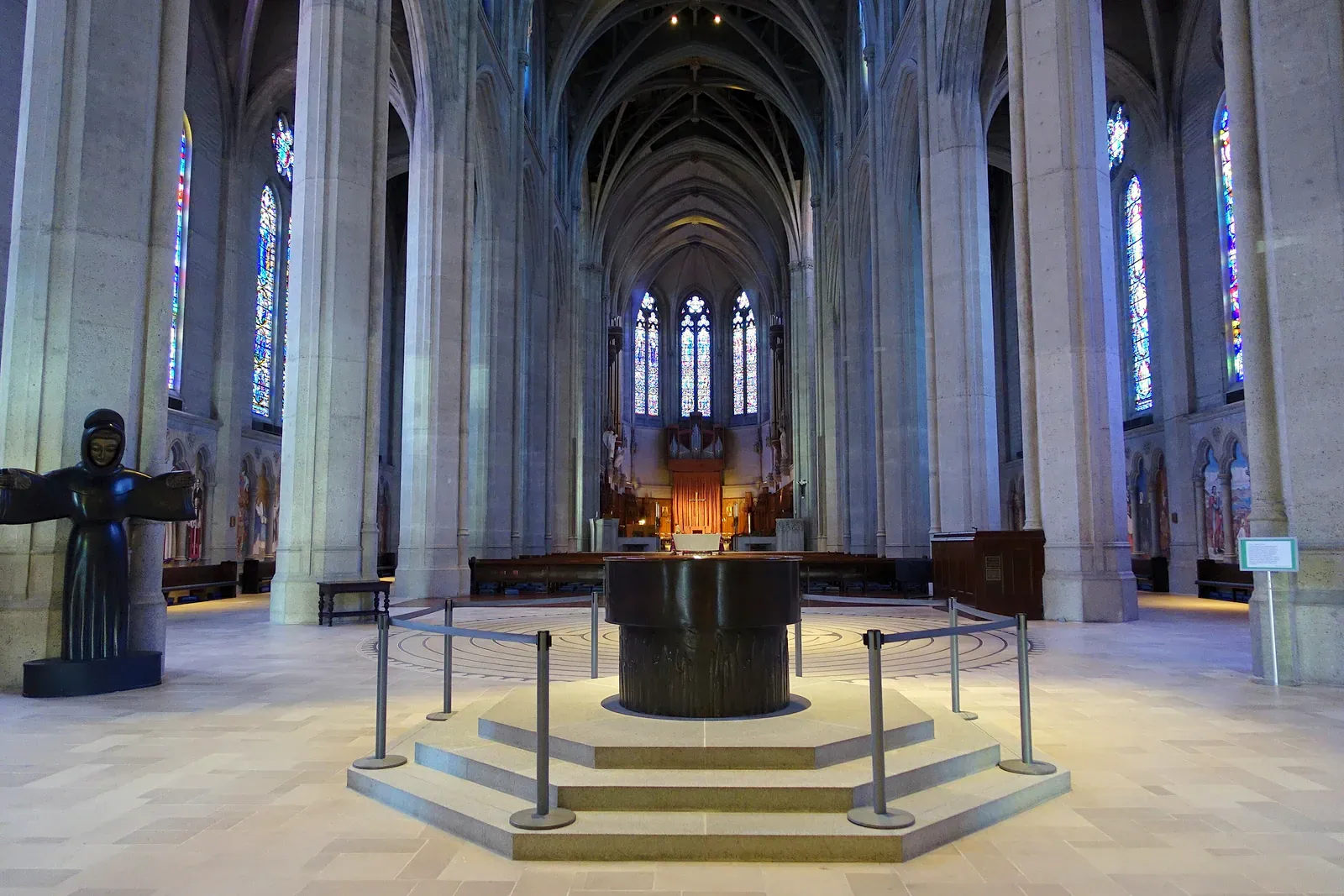
- 1965Guaraldi's jazz mass at Grace CathedralOn 21 May Vince Guaraldi plays a choral Eucharist with a 68-voice choir at San Francisco's Grace Cathedral, billed as the first jazz mass in a church service.
- 1965Ellington's first Sacred ConcertThe Concert of Sacred Music premieres at Grace Cathedral on 16 September; its new song In the Beginning God wins a Grammy in 1967.
- 1965A Love Supreme releasedColtrane's four-part devotional suite, recorded in December 1964, appears on Impulse! in January and widens sacred jazz beyond Christian settings.
- 1966Joe Masters records a Jazz MassA jazz ensemble, soloists and choir perform the English text of the Roman Catholic Mass on a Columbia release.
- 1968Second Sacred ConcertPremiered on 19 January at the Cathedral of St John the Divine, it is recorded for Prestige and features Alice Babs and Cootie Williams.
- 1971Alvin Ailey stages Mary Lou's MassThe Alvin Ailey dance theatre choreographs Williams's Music for Peace as Mary Lou's Mass, and she plays it on television.
- 1973Third Sacred ConcertEllington's last sacred programme premieres at Westminster Abbey in London on 24 October, a few months before his death.
- 1975Mary Lou's Mass at St Patrick's CathedralIn April more than three thousand people attend; it is the first time a jazz musician plays in the cathedral.
1976
Concert masses and gospel fusion
Later composers kept the form alive: Kirk Whalum fused jazz with Black gospel, and Wynton Marsalis's Abyssinian Mass, released in 2016, placed Black Church worship inside a big-band score.
- 2016Abyssinian Mass releasedWynton Marsalis and the Jazz at Lincoln Center Orchestra record a two-hour work for Harlem's Abyssinian Baptist Church, commissioned for its 200th anniversary.
Listening path
Start listening
A short path from an easy way in to the deep end. Thumbnails come from YouTube; the player loads only when you press play.
- 01
Duke Ellington, 1958
The best-known sacred song from jazz, taken from Ellington's Black, Brown and Beige.
- 02
Vince Guaraldi, 1965
Guaraldi's choir work, featuring children from the church that sang at his Grace Cathedral mass.
- 03
Mary Lou Williams, 1964
A Latin prayer set by the pianist who started modern liturgical jazz.
- 04
Duke Ellington, 1968
The Psalm 150 finale of the Second Sacred Concert.
- 05
John Coltrane, 1965
A devotional suite that stretches sacred jazz into modal improvisation.
Facts
| Family | Jazz |
| Origin | United States |
| Emerged | 1950s |
| Status | Active |
| Tempo | 85 to 145 BPM |
| Meter | 4/4 |
| Subgenres | 1 |
Sacred jazz is jazz composed and performed with religious intent, most often as masses, psalm settings and concerts of sacred music for a choir and a jazz ensemble.
It took shape in the United States in the 1950s, when musicians such as Mary Lou Williams and Duke Ellington began writing extended works for churches rather than clubs. It joins the harmony and spirit of Black gospel to long instrumental improvisation, and belongs to the wider jazz family.
Origins
Jazz players had always reworked spirituals and hymns, and many borrowed from Black gospel. Before the Second World War, though, American churches of all kinds treated jazz and blues with suspicion, calling them the devil’s music. Only after the war did a few musicians begin to compose extended pieces meant for religious settings or as religious expression.
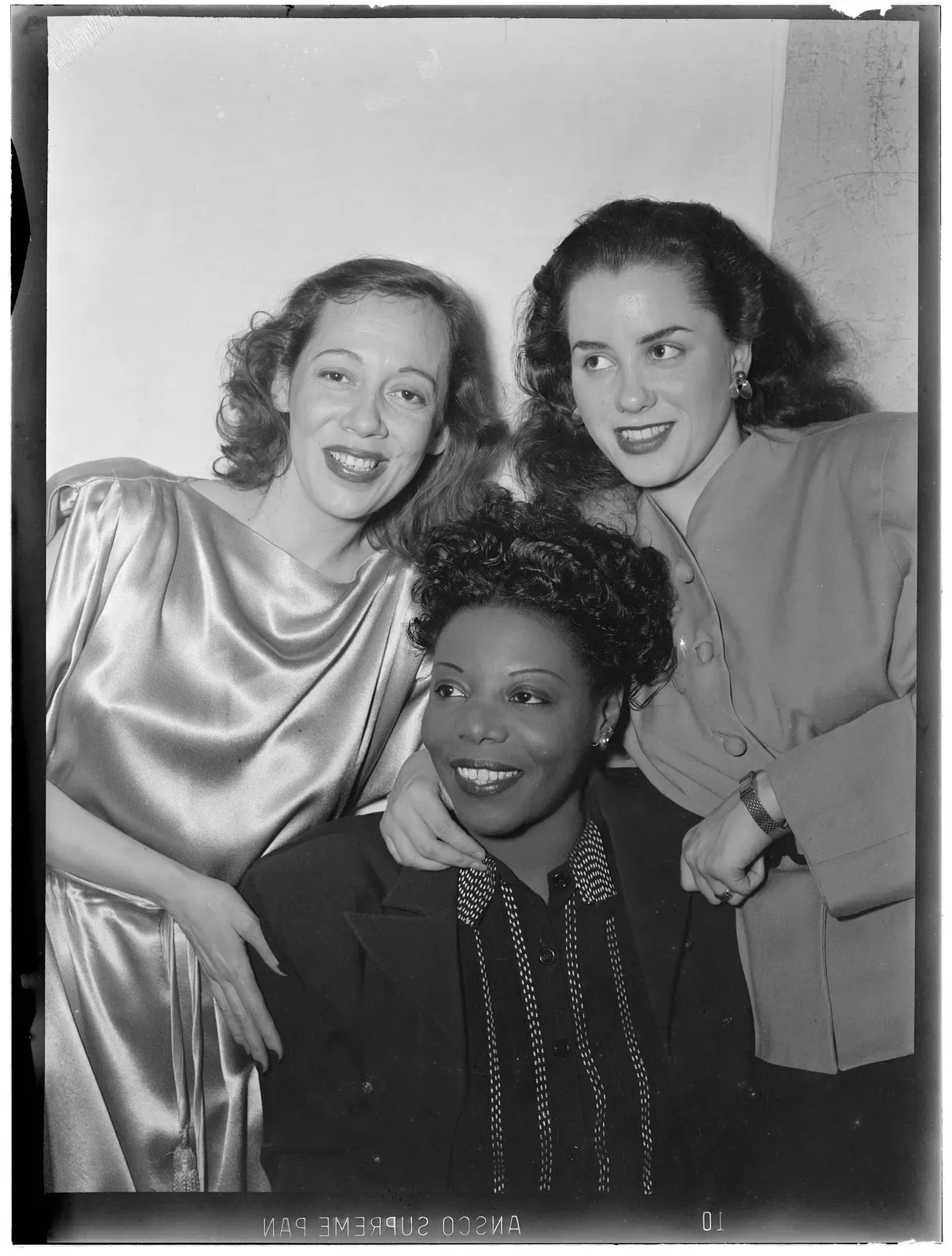
The pivot is usually placed in 1954. Mary Lou Williams, a pianist and arranger who had written for Duke Ellington and Benny Goodman and taught Thelonious Monk and Charlie Parker, walked away from the piano during a performance in Paris, returned to the United States and converted to Catholicism. Priests and friends, among them Dizzy Gillespie, argued that she could serve the church through her music, and she came back at the 1957 Newport Jazz Festival.
Two earlier threads fed the genre. Ellington’s long work Black, Brown and Beige, first played at Carnegie Hall on 23 January 1943, contained “Come Sunday”, a spiritual-like theme that became a standard. And gospel itself, as sung by Mahalia Jackson and Rosetta Tharpe, provided the vocal language. Critics separate the two traditions: sacred jazz keeps the religious intent but adds the long instrumental passages, improvisation and non-hymn structures that gospel mostly lacks, and it tends to avoid gospel’s political concerns. Gospel’s own history is covered on the gospel page.
Conversions and first liturgical works, 1954-1964
Williams’s return produced the first sustained body of liturgical jazz. After the Second Vatican Council revised Catholic liturgy in 1962, friends in the church encouraged her to write a work of sacred jazz. She had already composed a hymn to Martin de Porres, the Peruvian saint, and built the rest around it. Black Christ of the Andes was first performed in November 1962 at St Francis Xavier Church in Manhattan, recorded in 1963 and released in 1964 by Folkways, now part of Smithsonian Folkways. The album mixes spirituals, blues and avant-garde touches, with “Anima Christi” and “Praise the Lord” among its shorter pieces.
Ellington and Mahalia Jackson meanwhile recorded the vocal “Come Sunday” in 1958 for the album Black, Brown and Beige on Columbia, with new lyrics by Ellington, and the song reached a far larger public than the suite it came from.
The cathedral years, 1965-1975
Churches grew more open to jazz in the 1960s, and several cathedrals became venues. On 21 May 1965 the pianist Vince Guaraldi performed a choral Eucharist at Grace Cathedral in San Francisco with a 68-voice choir from a church in San Rafael, after eighteen months of weekly rehearsals. The work mixed chanted prayers, choral passages and trio sections, and it is described as the first jazz mass presented during a church service. It was released that September by Fantasy. The choir later supplied children for “Christmas Time Is Here” on A Charlie Brown Christmas.
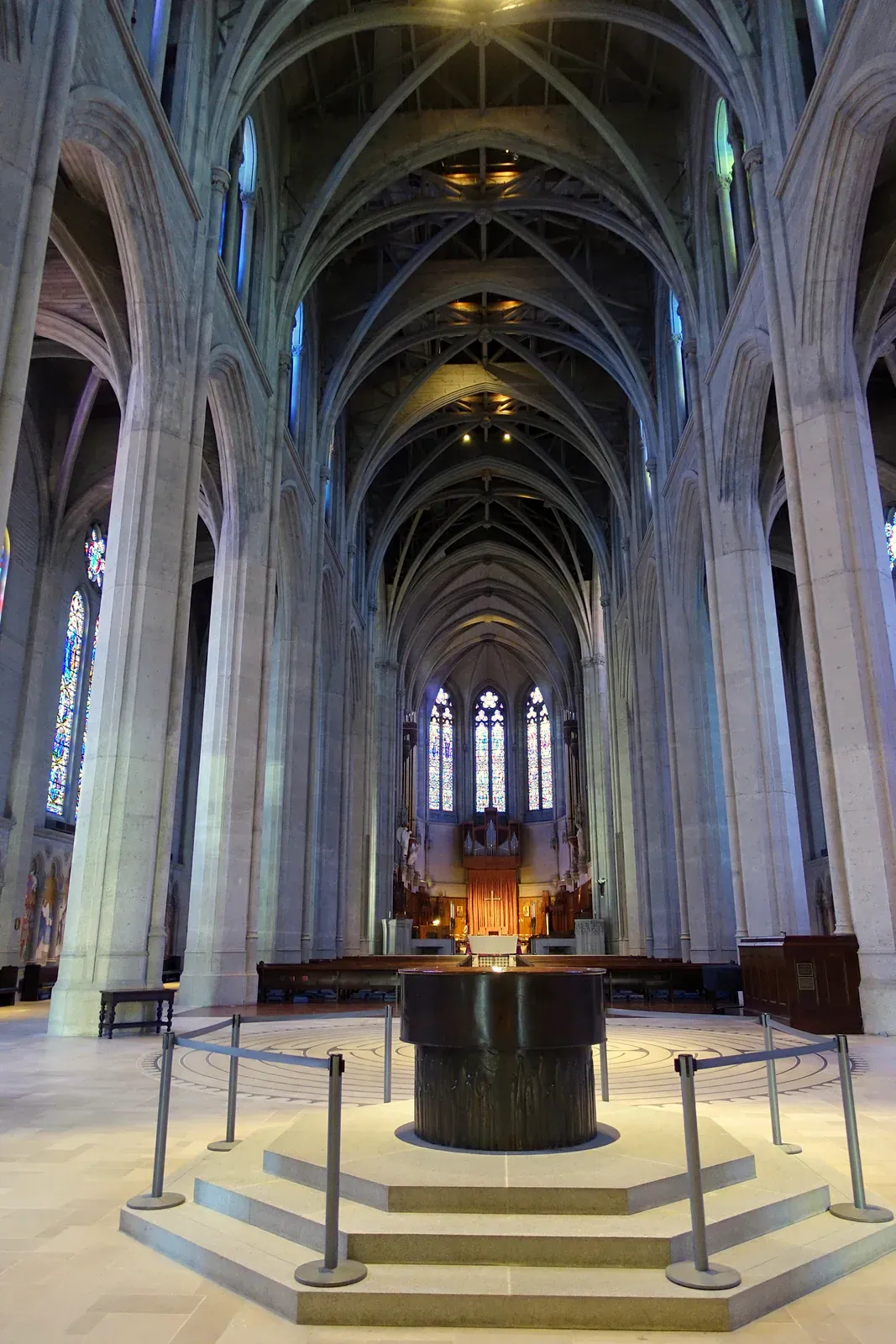
Four months later, on 16 September, Ellington’s Concert of Sacred Music premiered in the same building, part of the cathedral’s first festival year. It mixed old material, “Come Sunday” among it, with a new song, “In the Beginning God”, which won a Grammy in 1967. The album was recorded live at the Fifth Avenue Presbyterian Church in New York that December. Ellington said many times that he was not writing a Mass and called the concerts the most important thing he had done.
The Second Sacred Concert premiered at the Cathedral of St John the Divine on 19 January 1968 and was recorded for Prestige. It introduced the Swedish singer Alice Babs on record with the orchestra, gave Cootie Williams a growling trumpet feature in “The Shepherd”, and closed with “Praise God and Dance”, a setting of Psalm 150. The Third Sacred Concert premiered at Westminster Abbey on 24 October 1973, built around Babs, Harry Carney and Ellington at the piano; he knew he was dying.
Williams reached the largest church stage of the period. She composed a Mass in 1968 after the assassination of Martin Luther King Jr., which the Alvin Ailey company staged as Mary Lou’s Mass in 1971, and in April 1975 she played it at St Patrick’s Cathedral to more than three thousand people, the first jazz musician to perform there. A third Mass was commissioned by a pontifical commission. She is described as the first jazz composer commissioned by the church to write liturgical music in jazz idiom.
Characteristics
The defining trait is purpose: the music is written for worship or as religious expression, and that separates it from secular jazz that borrows a hymn. Typical works pair a trained choir with a rhythm section or big band, set a liturgical or scriptural text, and leave room for solos. Prayers, a sermon or spoken passages are sometimes built into the structure. The tempo span is wide, from slow ballads like “Come Sunday” to brisk psalm settings, and the harmony leans on gospel voicings under improvised lines. Most works come from the Christian tradition, but some draw on other faiths, such as Coltrane’s A Love Supreme, released by Impulse in 1965.
Instruments and production
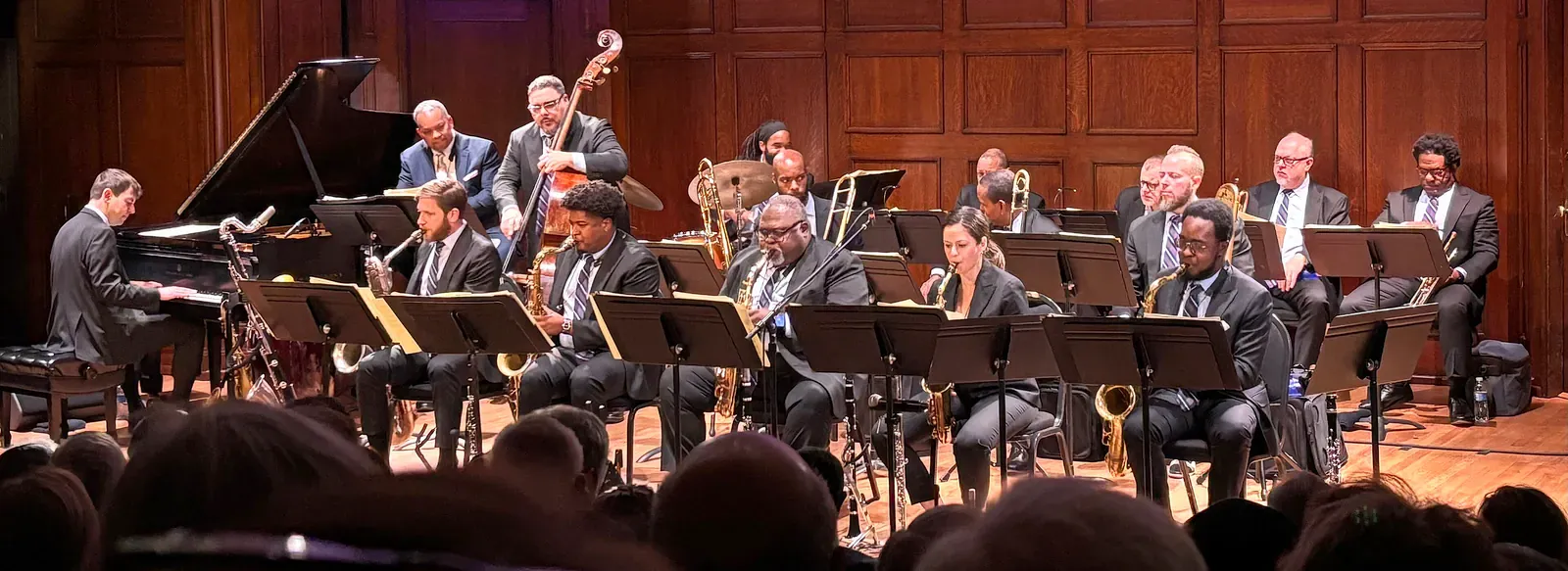
Instrumentation follows the setting. Piano leads in Williams’s and Guaraldi’s works, either alone or with bass and drums. Ellington used his full orchestra, with its growling brass and saxophone solos, alongside choir and vocalists. Marsalis scored the Abyssinian Mass for the Jazz at Lincoln Center Orchestra with a choir, so the music keeps a big-band core. Several key records were taken live in the church where the piece was performed rather than in a studio.
Notable recordings
Black Christ of the Andes (1964) gave sacred jazz its first full album-length statement, with a hymn to a saint at its centre. Guaraldi’s Grace Cathedral recording captures a service in one uninterrupted performance; record executives asked the pastor to divide it into tracks for release, so the titles come from the church rather than from the musician. A Love Supreme extends the idea outside any one liturgy: a devotional suite recorded in one session on 9 December 1964.
Mainstream success
Sacred jazz seldom reached the charts. Its best-known pieces gained audiences through other routes: “Come Sunday” became a jazz standard, and Guaraldi’s carols reached millions on television through A Charlie Brown Christmas. Church acceptance was slower: even after Williams’s Mass at St Patrick’s, the Catholic Church has not embraced jazz as appropriate for the liturgy, and most jazz masses are heard as concert events.
Legacy
Later composers kept the form going. Joe Masters recorded a Jazz Mass for Columbia in 1966, using the English text of the Roman Catholic Mass. Lalo Schifrin, Dave Brubeck and others wrote and recorded sacred works. Brubeck’s To Hope! A Celebration, a Catholic mass, was recorded in 1980 and again in 1995 at Washington National Cathedral. Kirk Whalum’s fusion of jazz and Black gospel has earned many Grammy nominations.
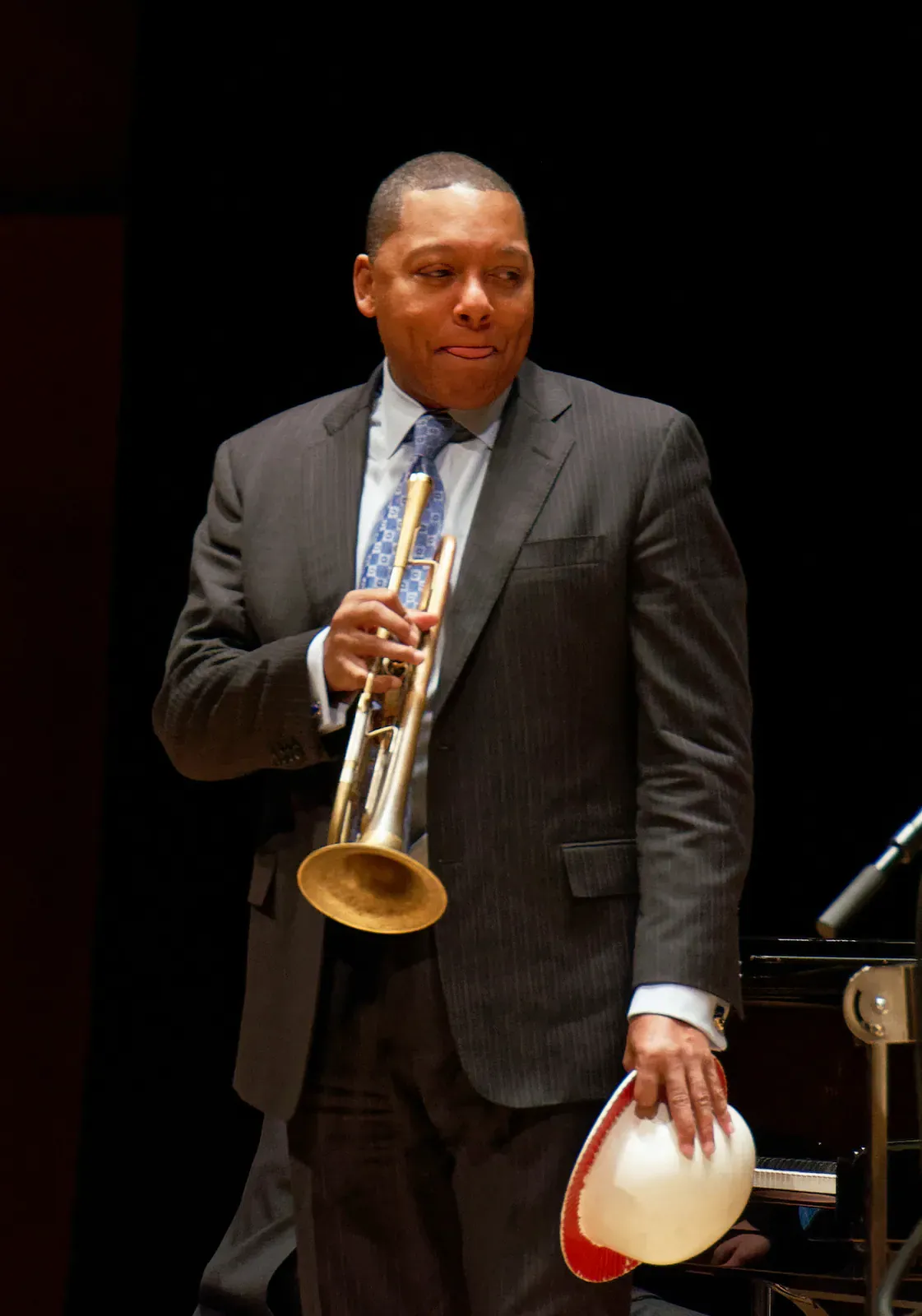
The most visible recent work is Marsalis’s Abyssinian Mass. It blends New Orleans and big-band jazz with the order of service of the Black Church, including scripture, prayer, a sermon, a processional and a recessional, and runs about two hours. Its sermon section features the church’s pastor, and Christian settings of the Lord’s Prayer and the Gloria Patri sit alongside the instrumental movements.
Misconceptions
Sacred jazz is sometimes taken to be the same thing as gospel. The two overlap, and sacred jazz grew partly from gospel, but gospel mostly lacks the long instrumental passages and open improvisation that define the jazz side.
It is also often credited to Ellington alone. Williams’s masses and her Black Christ of the Andes came first, and Guaraldi’s Grace Cathedral service in May 1965 preceded Ellington’s first Sacred Concert there in September.
Frequently asked questions
What is sacred jazz?
Sacred jazz is jazz written for worship or religious performance, such as a jazz mass, a psalm setting or a concert of sacred music. Its choirs and liturgical texts distinguish it from jazz that only borrows a hymn tune.
Who started sacred jazz?
Mary Lou Williams is usually named first. After converting to Catholicism in 1954 she wrote Black Christ of the Andes and a series of masses. Duke Ellington’s Sacred Concerts of 1965, 1968 and 1973 brought the idea to wider audiences.
What is a jazz mass?
A jazz mass is a setting of the Mass or a similar service for jazz ensemble, soloists and choir. Examples include works by Mary Lou Williams, Vince Guaraldi, Joe Masters and Lalo Schifrin.
Is sacred jazz the same as gospel?
No. Both are religious, but sacred jazz adds extended instrumental sections and improvisation and uses structures beyond the hymn, while gospel centres on congregational and choir singing.
Where was sacred jazz first played in a church?
Guaraldi’s choral Eucharist at Grace Cathedral in San Francisco on 21 May 1965 is described as the first jazz mass in a church service. Ellington’s first Sacred Concert premiered in the same cathedral that September.
Sound
Sound sheet
Anatomy of a track
| # | Part |
|---|---|
| 1 | Invocation or processional |
| 2 | Choral setting of a liturgical or scriptural text |
| 3 | Extended instrumental solo |
| 4 | Spoken prayer or sermon |
| 5 | Recessional or closing praise |
Signature sounds
- Choir singing a liturgical text over a jazz rhythm section
- Gospel-style harmony under extended improvised solos
- Hymn or spiritual melody reworked as a jazz head
Techniques
- Choir with jazz ensemble
- Extended improvisation
- Liturgical text setting
- Spiritual and hymn quotation
Keys and modes
Flat keys such as B-flat and A-flat. Come Sunday and Heaven sit in B-flat; Praise the Lord is in A-flat.
Tuning
12-TET, A=440
Vocals
Mixed choir, soloists and chanted or spoken prayers over the ensemble.
Scenes
Where it happened
Where and when the sound lived: one bar per city on a shared timeline.
North America
Europe
Active scenes
Peak 3, 1965-1973
Home of Williams's masses, Ellington's second Sacred Concert at St John the Divine and Marsalis's Abyssinian Mass.
Grace Cathedral hosted Guaraldi's jazz mass and Ellington's first Sacred Concert in 1965.
Williams's hometown, where the bishop invited her to teach and she wrote her first Mass.
Westminster Abbey hosted the Third Sacred Concert premiere.
Venues and places
San Francisco, 1965 to today. Site of Guaraldi's jazz mass and Ellington's first Sacred Concert premiere in 1965.
New York, 1968 to today. The Second Sacred Concert premiered here on 19 January 1968.
New York, 1975 to today. Mary Lou's Mass played here in 1975, the first jazz set in the cathedral.
New York, 1965 to today. The official album of the first Sacred Concert was taped here on 26 December 1965.
London, 1973 to today. Premiere of Ellington's Third Sacred Concert on 24 October 1973.
Culture
Culture markers
- The jazz mass
A choral Eucharist or Mass text set for jazz ensemble, often sung in a concert rather than a church service.
Ritual - Mary Lou's Mass on stage
Alvin Ailey's company choreographed Williams's liturgical jazz in 1971.
Dance - Sacred concerts in cathedrals
Ellington toured his Sacred Concerts through cathedrals and churches rather than clubs.
Ritual
Media
Key media
- 1965A Charlie Brown Christmas
by Vince Guaraldi. Its jazz score used choir children from the church that sang at Guaraldi's Grace Cathedral mass.
Film
Glossary
Terms on this page
A setting of the Mass or a Eucharist service for jazz ensemble and choir.
Jazz composed for use within worship services and their ritual structure.
A scripture text turned into a song, such as Ellington's Praise God and Dance from Psalm 150.
A programme of original religious music, premiered in a cathedral, as in Ellington's three concerts.
An African American religious folk song that jazz players often reworked.
The 1962 council whose liturgical changes encouraged Williams to write a work of sacred jazz.
Jazz family