Gospel music
Gospel is Christian popular music of harmonised vocals and evangelical lyrics, shaped in the US South and Chicago and codified by Thomas A. Dorsey in the 1930s.
Southern United States, 1874
Religious family
Born
1874
Southern United States
Subgenres
8
Documented branches
Links
65
Genres it drew on or shaped
Tempo
76-155 BPMLineage
Family tree
Grew out of
Derived from
Derived from
Southern United States, 1874
Gospel
Led to (13)
Timeline
Era by era
From the first sparks to today. Select a dot to read the story behind it.
- Spirituals, hymns and Holiness piano
1871 to 1931
- Dorsey, quartets and the golden age
1932 to 1964
- Choirs and contemporary gospel
1965 to 1989
- Urban contemporary gospel
1990 to today
Eras
Moments
- 1 Spirituals, hymns and Holiness piano, 1871 to 1931
- 2 Dorsey, quartets and the golden age, 1932 to 1964
- 3 Choirs and contemporary gospel, 1965 to 1989
- 4 Urban contemporary gospel, 1990 to today
1871
Spirituals, hymns and Holiness piano
Concert spirituals, gospel hymns and the first Holiness-church records prepare the ground; Arizona Dranes brings piano and a barrelhouse feel to sanctified song on record in 1926.
- 1871Fisk Jubilee Singers formedA Fisk University ensemble starts taking concert spirituals to wide audiences.
- 1874The term gospel song appears in printPhilip Bliss's songbook gives the first published use of the phrase.
- 1926Arizona Dranes records for OkehA Holiness church pianist and singer, among the first women gospel singers on record, brings piano to sanctified song.
1932
Dorsey, quartets and the golden age
Thomas A. Dorsey in Chicago turns blues feeling into church song and builds choirs and conventions; quartets, soloists and Mahalia Jackson make gospel a national recording business.
- 1932Dorsey writes Take My Hand, Precious LordWritten in August after the death of his wife and child, the hymn becomes his best-known song.
- 1932Dorsey builds a gospel choir in ChicagoAt Pilgrim Baptist Church he forms a gospel choir.
- 1933National Convention of Gospel Choirs and ChorusesOrganized by Dorsey, Sallie Martin and others, it trains choir directors and singers nationwide.
- 1933Roberta Martin organizes a Chicago quartetThe Martin-Frye Quartet becomes the Roberta Martin Singers by 1936.
- 1944Tharpe's Strange Things Happening Every DayA Decca record with electric guitar that reaches number 2 on the Billboard race chart.
- 1945Quartet golden age beginsAfter the war, quartets such as the Soul Stirrers, Dixie Hummingbirds and Swan Silvertones reach national audiences until about 1960.
- 1947Mahalia Jackson's Move On Up a Little HigherRecorded for the small Apollo label, it sells over a million copies and makes her a national name.
- 1951Sam Cooke leads the Soul Stirrers on SpecialtyJesus Gave Me Water is the first recording with Cooke as lead after R.H. Harris leaves the group in 1950.
- 1952Ward Singers headline the Apollo TheaterThe Clara Ward Singers are the first gospel group to headline a show at the Harlem theater.
- 1954Mahalia Jackson signs with ColumbiaShe becomes the first gospel artist on the label and refuses to record pop ballads.
- 1963James Cleveland records Peace Be StillCut at a Newark church with a New Jersey choir for Savoy, it sells over a million copies.
1965
Choirs and contemporary gospel
Mass choirs, the Gospel Music Workshop of America and the pop crossover of Oh Happy Day bring soul, jazz and pop harmony into the church sound.
- 1968Gospel Music Workshop of America foundedJames Cleveland starts a convention that teaches choir singing and grows into a network of chapters.
- 1969Oh Happy Day becomes a worldwide hitThe Edwin Hawkins Singers' single reaches number 4 in the US and number 2 in the UK and wins a 1970 Grammy.
- 1972Aretha Franklin records Amazing Grace liveTaped in January at a Los Angeles church with James Cleveland's choir, it becomes the biggest-selling live gospel album.
- 1975Andrae Crouch releases Take Me BackA Light Records album whose title track wins a Grammy for soul gospel performance.
- 1981Clark Sisters release You Brought the SunshineA Detroit group's song first issued on the independent Sound of Gospel label becomes a crossover hit.
1990
Urban contemporary gospel
Kirk Franklin, Mary Mary and their successors mix R&B and hip-hop production with praise lyrics and sell to both church and radio audiences.
- 1993Kirk Franklin and the Family releasedA debut on GospoCentric that sells over a million copies and tops the gospel albums chart.
- 1997Stomp splits the churchFranklin's hip-hop and R&B production on Stomp crosses to pop radio, and some preachers call it sacrilegious.
- 2000Mary Mary's Thankful and ShacklesThe debut album sells over two million copies and its lead single reaches number 28 on the Hot 100.
- 2014Break Every Chain wins a GrammyTasha Cobbs's song wins Best Gospel/Contemporary Christian Music Performance at the 56th Grammys.
Listening path
Anthems
The records that built the sound, grouped by the part they played. Thumbnails come from YouTube; the player loads only when you press play.
- 01
Arizona Dranes, 1926 · Okeh
One of the first piano-led Holiness records, it put sanctified church music on disc.
Origin - 02
Mahalia Jackson, 1947
The first gospel million-seller took Jackson and gospel to a national audience.
Breakthrough - 03
The Edwin Hawkins Singers, 1969
A choir arrangement of an old hymn that reached number 4 in the US and number 2 in the UK.
Start hereBreakthrough - 04
The Soul Stirrers, 1951 · Specialty Records
Sam Cooke's debut as lead singer set the quartet era's smooth lead against hard harmony.
Anthem - 05
James Cleveland, 1963 · Savoy
A choir record that sold over a million and defined the modern gospel choir sound.
Anthem - 06
Andrae Crouch, 1975
The Grammy-winning title song of a studio album that blended gospel with pop and jazz players.
Anthem - 07
Kirk Franklin, 1993 · GospoCentric
From the million-selling debut that opened the urban contemporary era.
Anthem - 08
Sister Rosetta Tharpe, 1944 · Decca Records
Gospel with electric guitar and a band reached the race chart and later counted as a rock and roll forerunner.
Crossover - 09
Aretha Franklin, 1972 · Atlantic Records
The pop star returned to church with a choir and made the biggest-selling live gospel album.
Start hereCrossover - 10
The Clark Sisters, 1981
A Detroit group's song from an independent gospel label that crossed into black radio and dance floors.
Crossover - 11
Mary Mary, 2000
An R&B-flavoured praise song that reached the Hot 100 and sold two million albums.
Start hereCrossover - 12
Tasha Cobbs Leonard, 2013
A Grammy-winning worship song that carried the choir-driven build-and-shout into the streaming era.
Revival
Facts
| Family | Religious |
| Origin | Southern United States, United States |
| Emerged | Late 19th-early 20th century |
| Status | Active |
| Tempo | 76 to 155 BPM |
| Meter | 4/4 |
| Grew out of | Spirituals, Hymnody, Gospel hymn |
| Subgenres | 8 |
Gospel music is Christian popular music built on dominant, harmonised vocals and evangelical lyrics.
It formed in the United States between the late 19th century and the 1930s from hymns, spirituals and revival song, and was codified in the Holiness-Pentecostal churches and in Thomas A. Dorsey’s Chicago publishing world. Its defining traits are call and response, blue notes and melisma, and a congregation that takes part rather than listens. It belongs to the religious music family, and its vocal technique is the direct source of soul singing.
Origins
The phrase “gospel song” first appeared in print in 1874, in a songbook by the evangelist-composer Philip Bliss, and described the simple, tuneful hymns of urban revival meetings. Black gospel took a different route. It drew on the spirituals that the Fisk Jubilee Singers had carried to concert audiences from 1871, on the hymnody of Baptist and Methodist congregations, and on the shouting, instrument-driven worship of the Holiness and Pentecostal churches, where drums, tambourines and piano were welcome. Blues and ragtime phrasing entered through church musicians who had also played secular music.
The first records of this sanctified sound date from the 1920s. Arizona Dranes, a blind Holiness pianist and singer, recorded for Okeh in 1926 with a barrelhouse piano style that had no precedent on sacred disc.
Spirituals, hymns and Holiness piano, 1871-1931
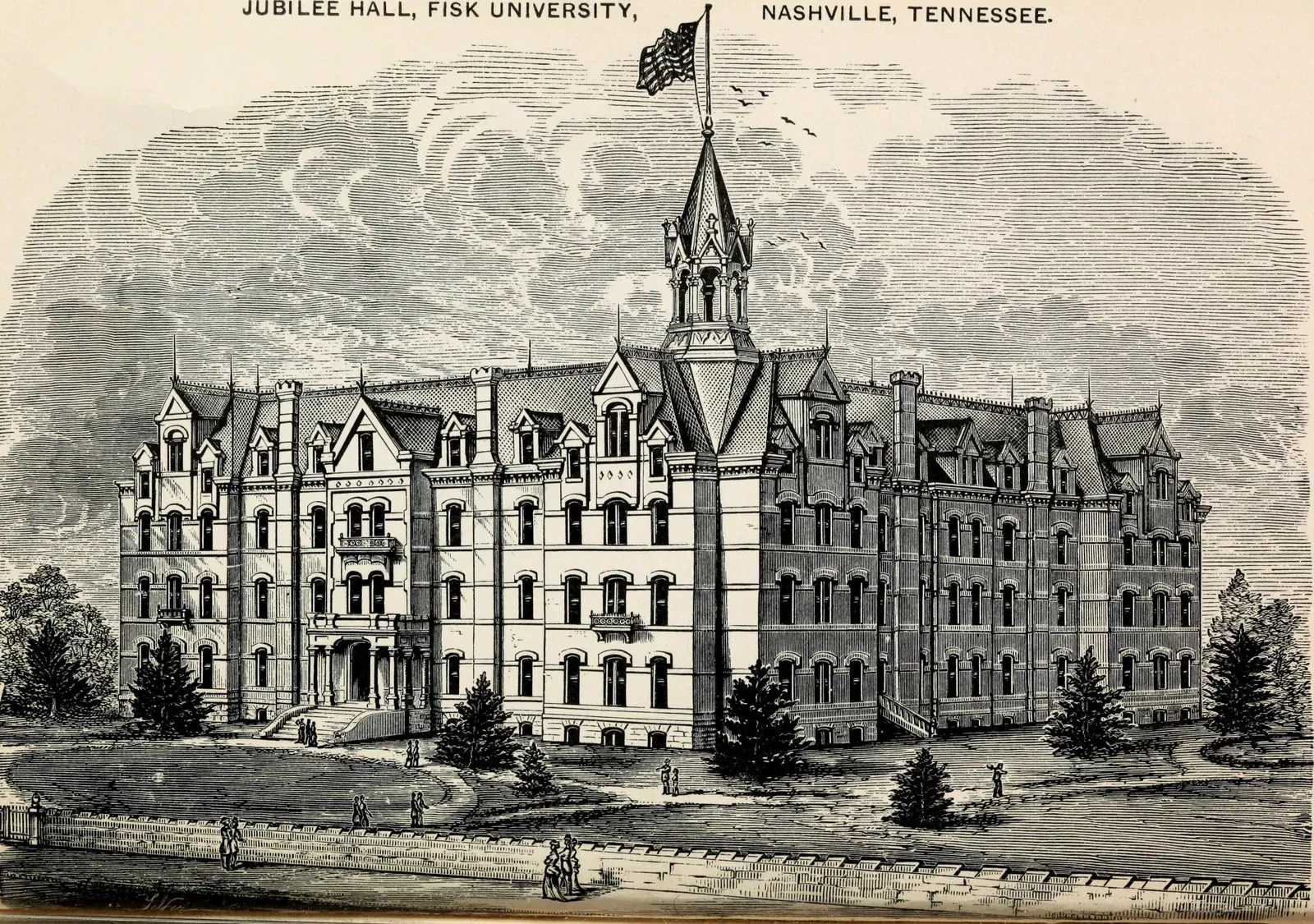
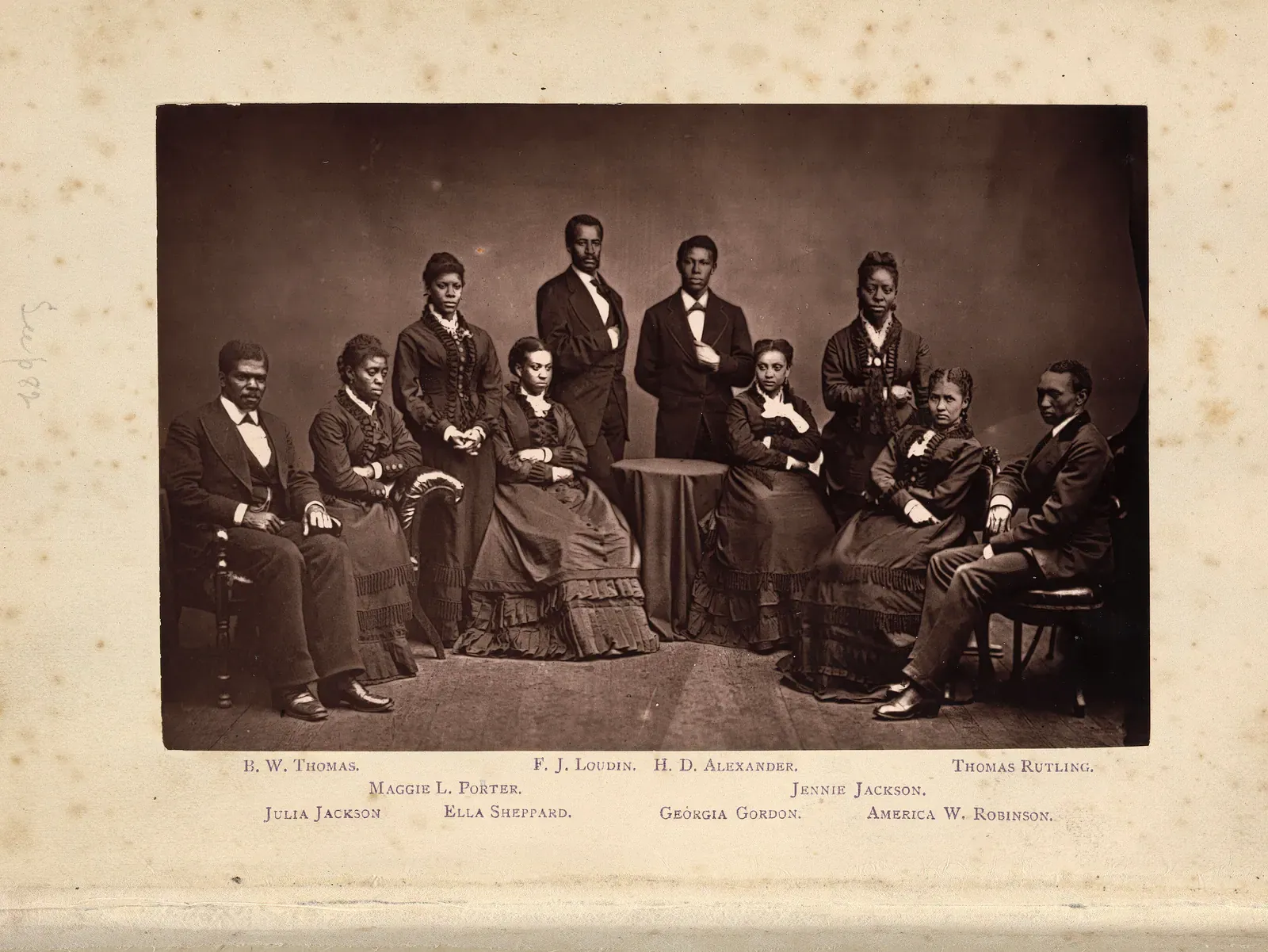
Before there was a gospel industry there was a concert tradition. The Fisk Jubilee Singers, a student ensemble from Nashville formed in 1871, raised funds for their university by performing arranged spirituals before large audiences in the United States and Europe. Their repertoire established the spiritual as a respected concert form, though in a polished, choral style quite unlike later gospel.
Gospel proper grew in places the concert stage did not reach: storefront churches, tent meetings and the Holiness conventions of the South. Congregations used piano and tambourine freely, and singers improvised on short refrains. Dranes’s 1926 session for Okeh and the records that followed it showed that this music could be sold, but a national network of choirs, composers and publishers did not yet exist.
Dorsey, quartets and the golden age, 1932-1964
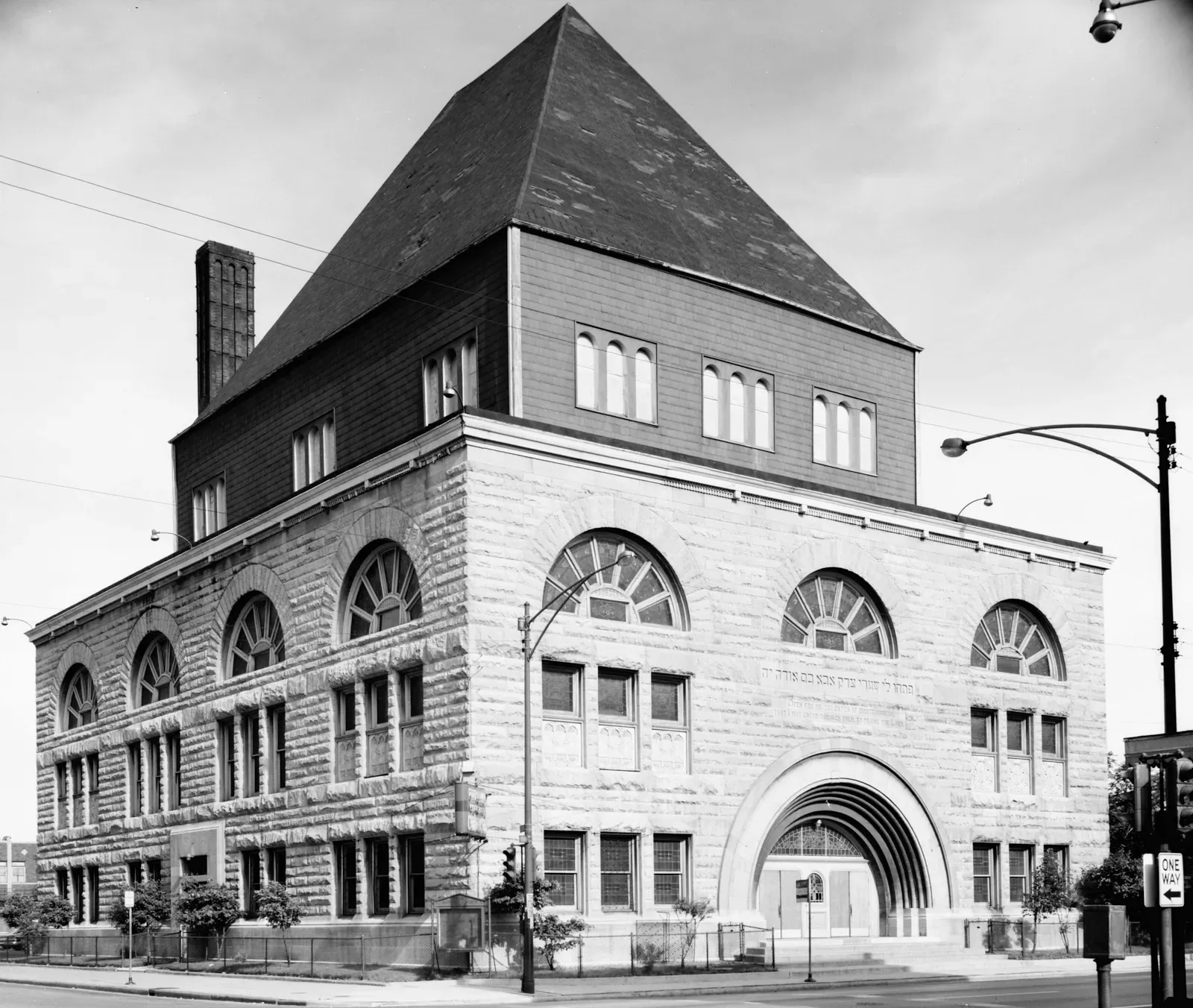
Chicago supplied that network. Thomas A. Dorsey, a pianist who had worked in blues, wrote “Take My Hand, Precious Lord” in August 1932 after the deaths of his wife and child, and the same year formed a gospel choir at Pilgrim Baptist Church. In 1933 he and Sallie Martin, with others, organized the National Convention of Gospel Choirs and Choruses, which trained choir directors and soloists and supplied them with printed songs. In the same city the Roberta Martin Singers, who grew out of a quartet Martin organized in 1933, set a refined, piano-led model for small groups.
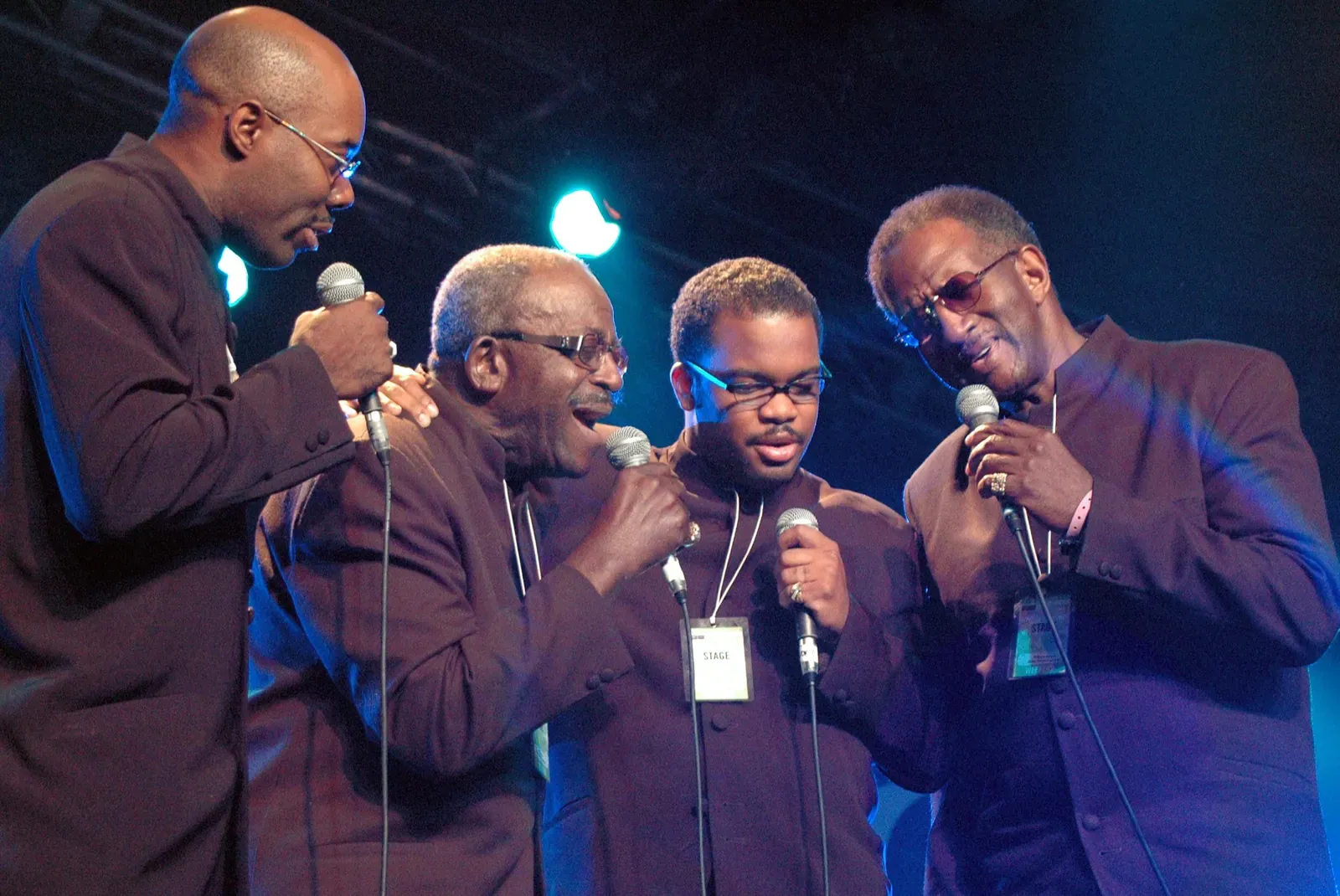
After the Second World War the male quartets reached national audiences. The Soul Stirrers, the Dixie Hummingbirds and the Swan Silvertones toured the church circuit and recorded for labels such as Specialty in Los Angeles and Peacock in Houston. R.H. Harris of the Soul Stirrers pioneered the swing lead, in which two singers share the lead, and when Sam Cooke took over the lead after Harris left in 1950 the group’s records for Specialty brought a smoother, younger voice to hard harmony. Decca put out Sister Rosetta Tharpe’s electric-guitar recordings, including “Strange Things Happening Every Day” in 1944, which reached number 2 on the Billboard race chart.
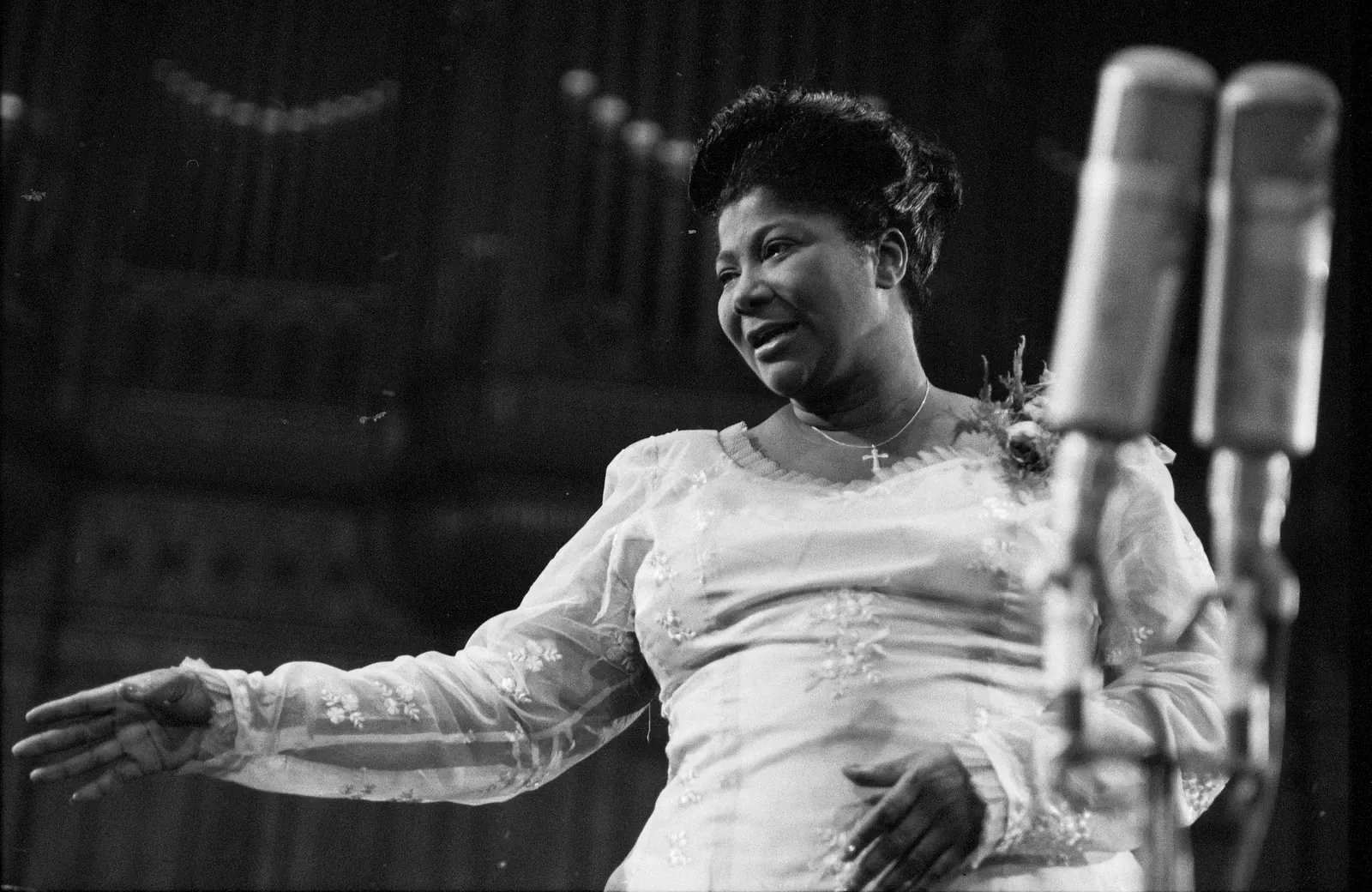
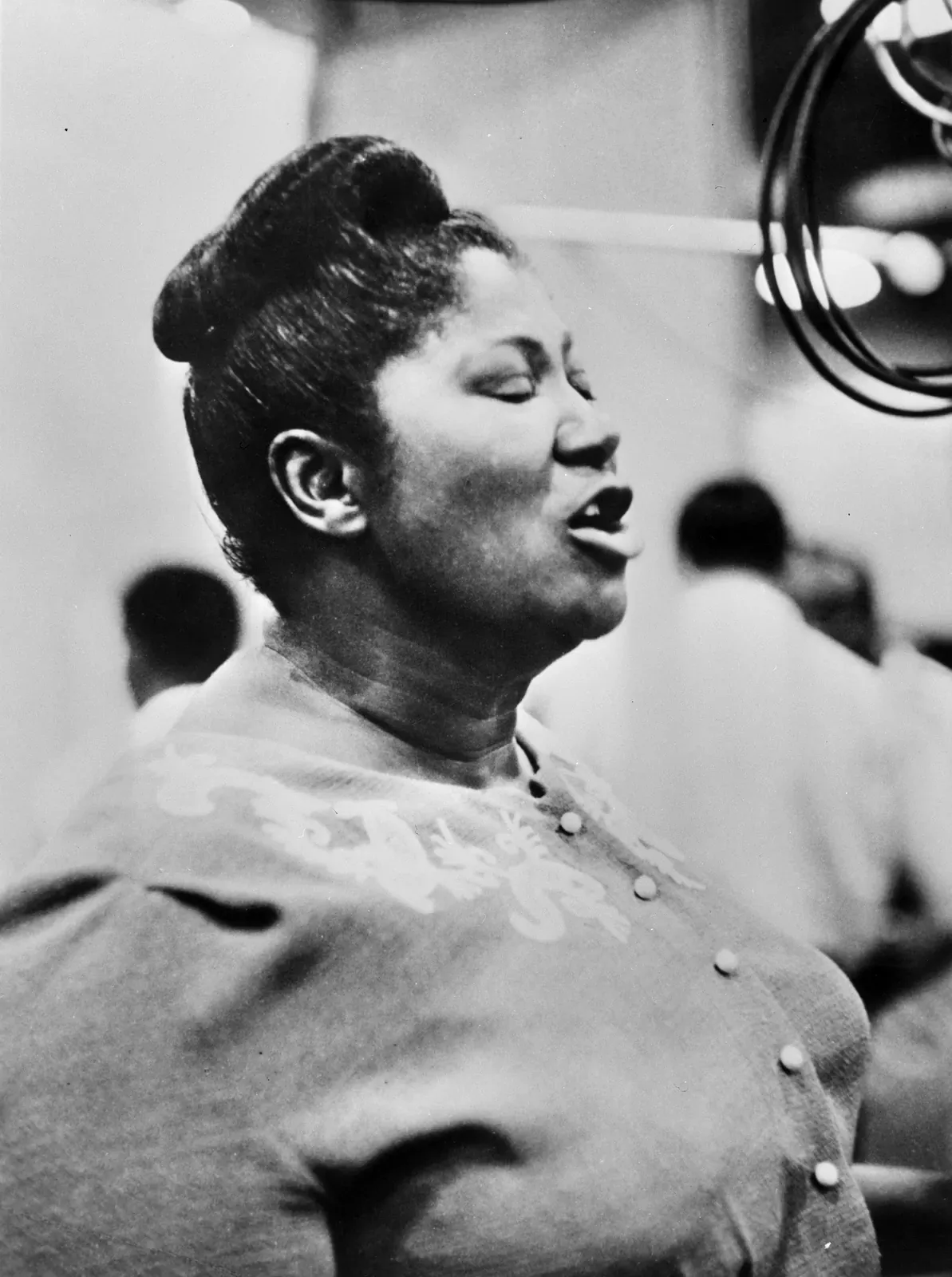
Mahalia Jackson became the figure who carried the music beyond the church. Her “Move On Up a Little Higher”, recorded in 1947 for the small Apollo label, sold over a million copies, and in 1954 she became the first gospel artist signed to Columbia, refusing to record pop ballads. In 1952 the Clara Ward Singers became the first gospel group to headline the Apollo Theater in Harlem.
Choirs and contemporary gospel, 1965-1989
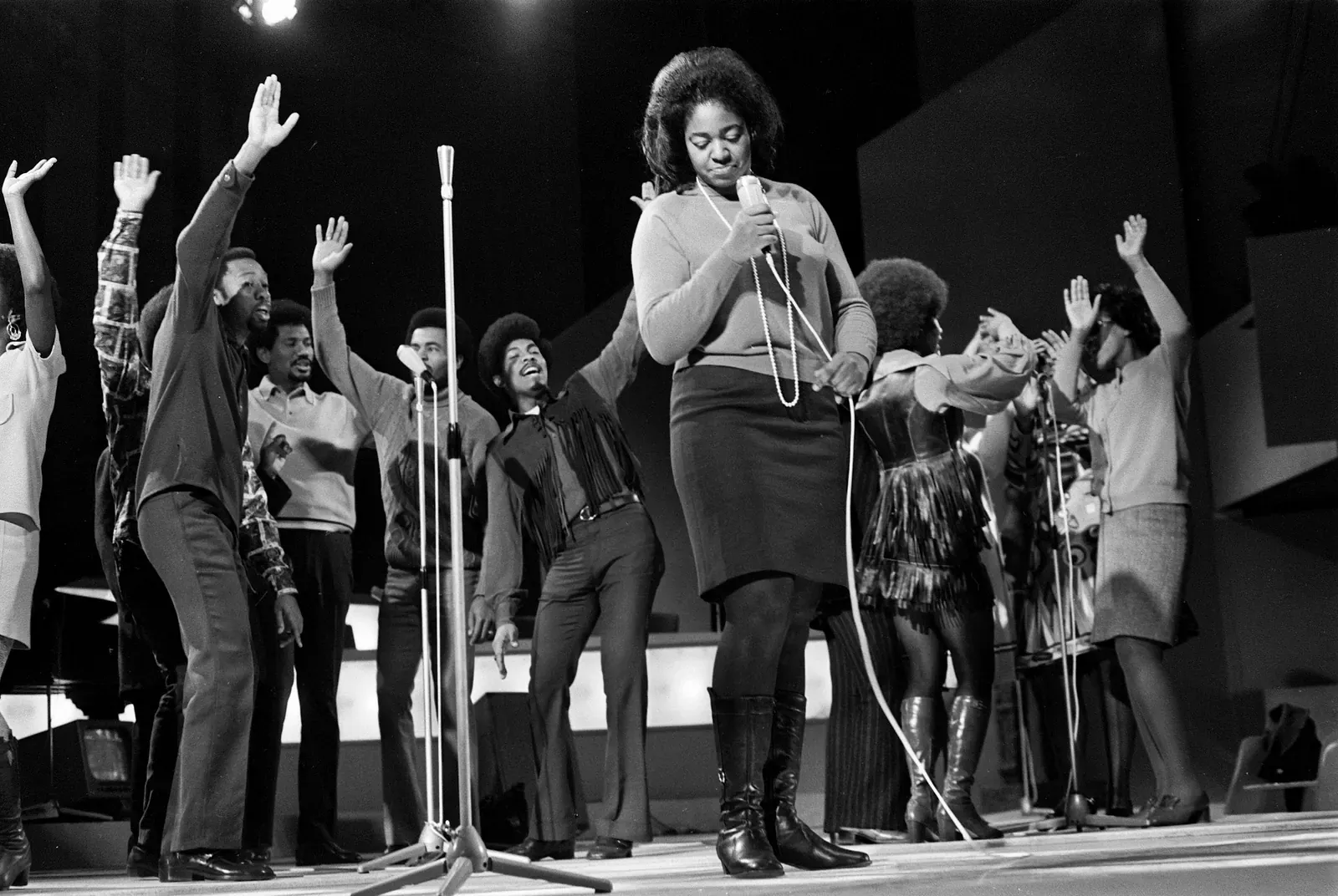
The 1960s moved the centre of the music from quartets and soloists to the large choir. James Cleveland recorded “Peace Be Still” with a New Jersey choir in a Newark church in 1963; released on Savoy, it sold over a million copies. In 1968 he founded the Gospel Music Workshop of America, a convention that taught choir singing through a network of local chapters and sometimes gathered up to three thousand singers.
The Edwin Hawkins Singers, a youth choir from Oakland, recorded “Oh Happy Day” in 1967, a choir arrangement of an old hymn. The single became an international hit in 1969, reaching number 4 in the US and number 2 in the UK, and won a Grammy in 1970. Andrae Crouch’s “Take Me Back” album of 1975 mixed gospel with pop and jazz players, and the Clark Sisters of Detroit crossed from an independent gospel label onto black radio with “You Brought the Sunshine” in 1981.
Urban contemporary gospel, 1990 onward
Kirk Franklin’s debut, released in 1993 on GospoCentric, sold over a million copies and topped the gospel albums chart. Franklin, Mary Mary and their successors combined R&B and hip-hop production with praise lyrics and sold to church and radio audiences at once. The approach was contested: when Franklin’s “Stomp” reached pop radio in 1997, some preachers called its hip-hop treatment sacrilegious.
Mary Mary’s “Thankful” album of 2000 sold over two million copies, and its lead single “Shackles (Praise You)” reached number 28 on the Hot 100. In 2014 Tasha Cobbs’s “Break Every Chain” won the Grammy for Best Gospel/Contemporary Christian Music Performance. Related styles outside the black American tradition have developed their own scenes, including British, Haitian and Nigerian gospel.
Characteristics
Gospel is a performance form built around the relationship between a lead singer and a group. The lead improvises over a repeated phrase while choir parts stack beneath, and the song climbs through modulations to a fast closing section. Singers bend notes and spread a single syllable over many pitches, techniques shared with the blues and later carried into soul. Lyrics are testimony and praise, addressed to God and to the congregation at once.
Instruments and production
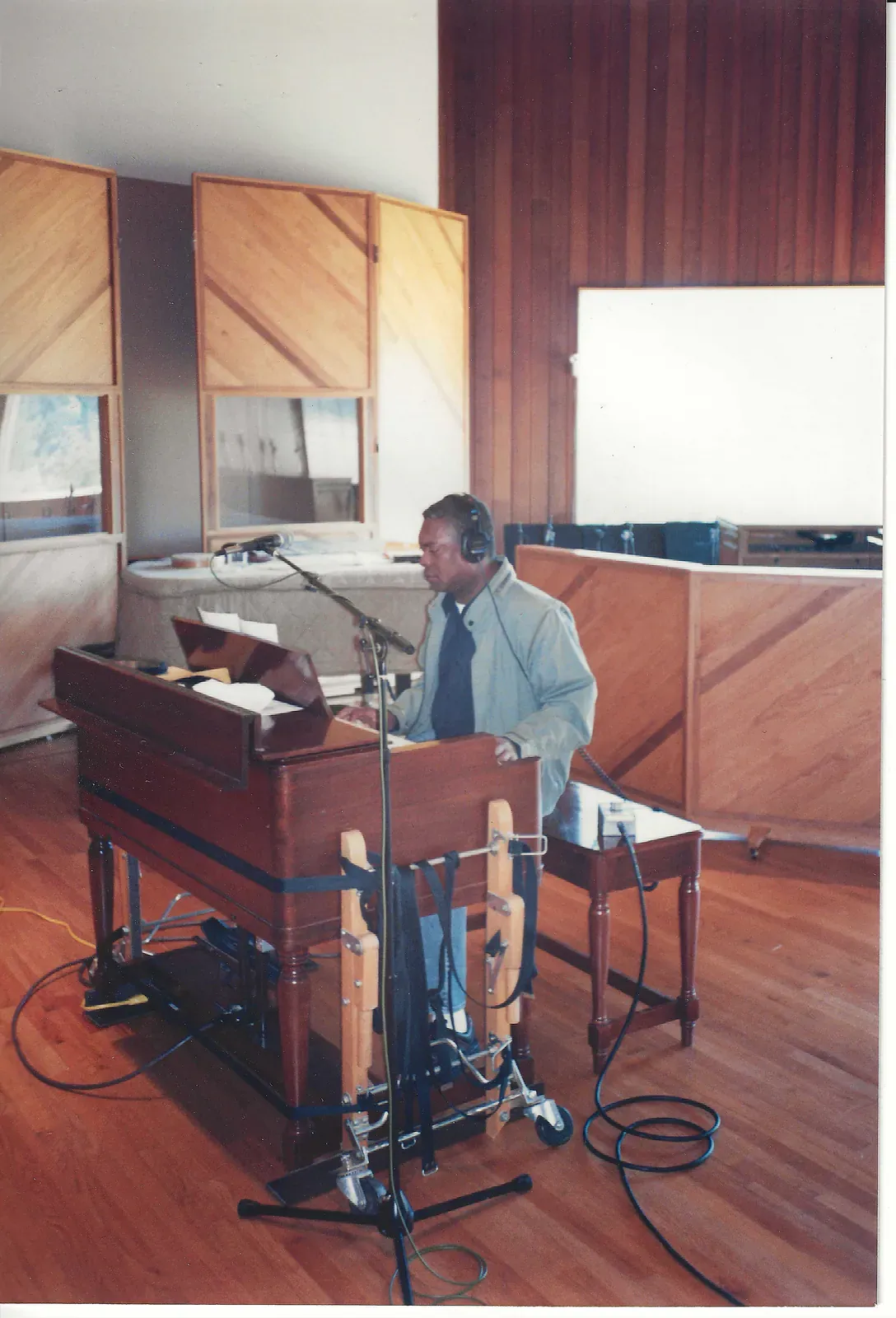
Piano was the first instrument of the sanctified church, and the Hammond organ, taken up by many congregations, became its signature sound: it carries sermons, cues the shout and fills the praise break. Drum kit and electric bass joined as choirs grew larger in the 1960s. Live albums recorded in churches, such as Cleveland’s Newark session and Aretha Franklin’s 1972 sessions, kept the sound of a full room.
Mainstream success
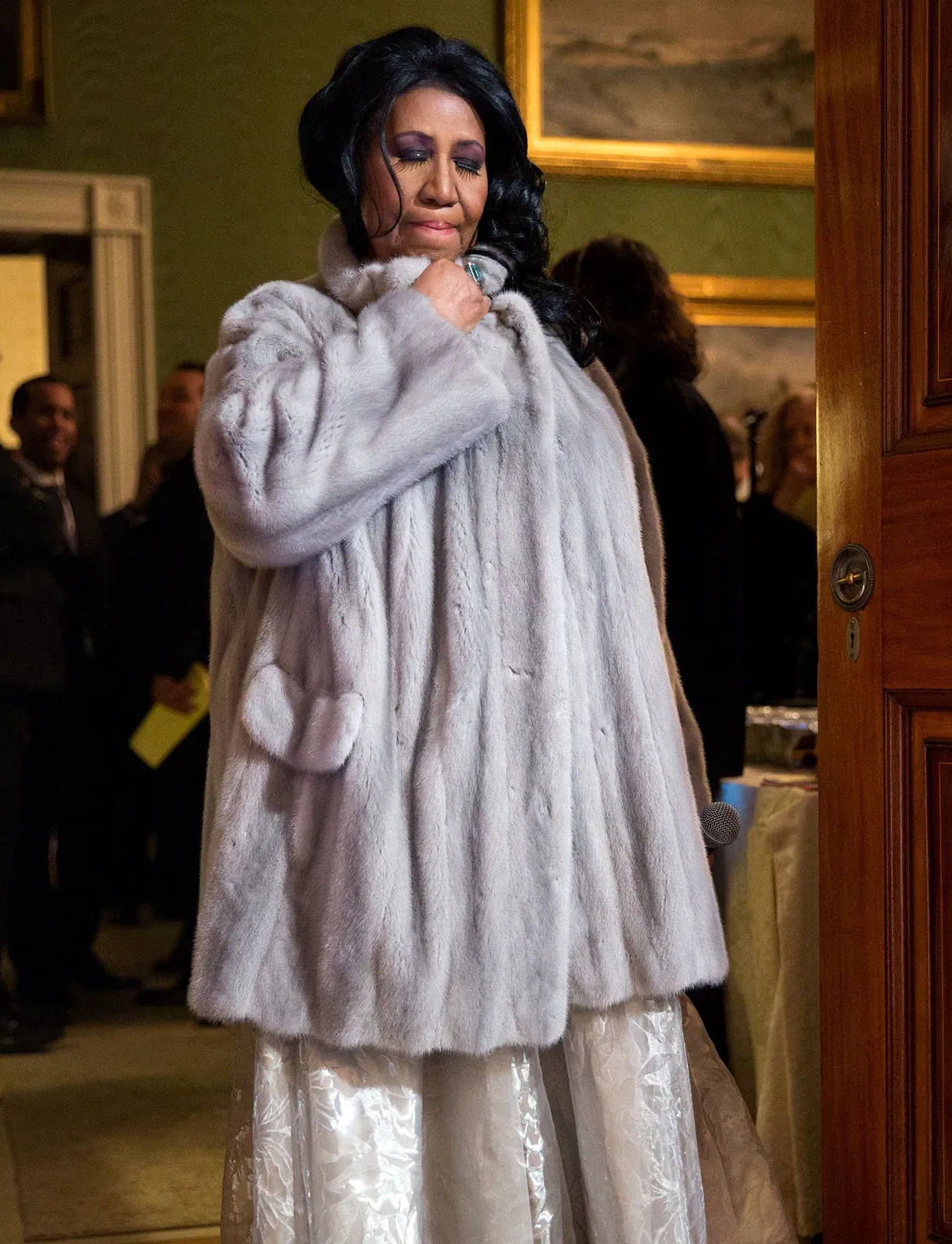
Gospel crossed over in waves. Jackson’s 1947 million-seller made it a national business, the Soul Stirrers’ singers moved into pop, and “Oh Happy Day” in 1969 took a choir arrangement to the top of charts in several countries. Aretha Franklin, already a pop star, returned to church in January 1972 to record “Amazing Grace” live in a Los Angeles Baptist church with James Cleveland’s choir; it became the biggest-selling live gospel album. Urban contemporary gospel in the 1990s and 2000s reached radio and the Hot 100 again.
Notable recordings
Sister Rosetta Tharpe’s “Strange Things Happening Every Day” is the main early case of gospel played with a band and an electric guitar, and it is often cited as a rock and roll forerunner. Cleveland’s “Peace Be Still” stayed on the gospel charts for more than fifteen years and defined the modern choir sound. Franklin’s “Amazing Grace” sessions were filmed, and the concert film was released in 2018.
Culture
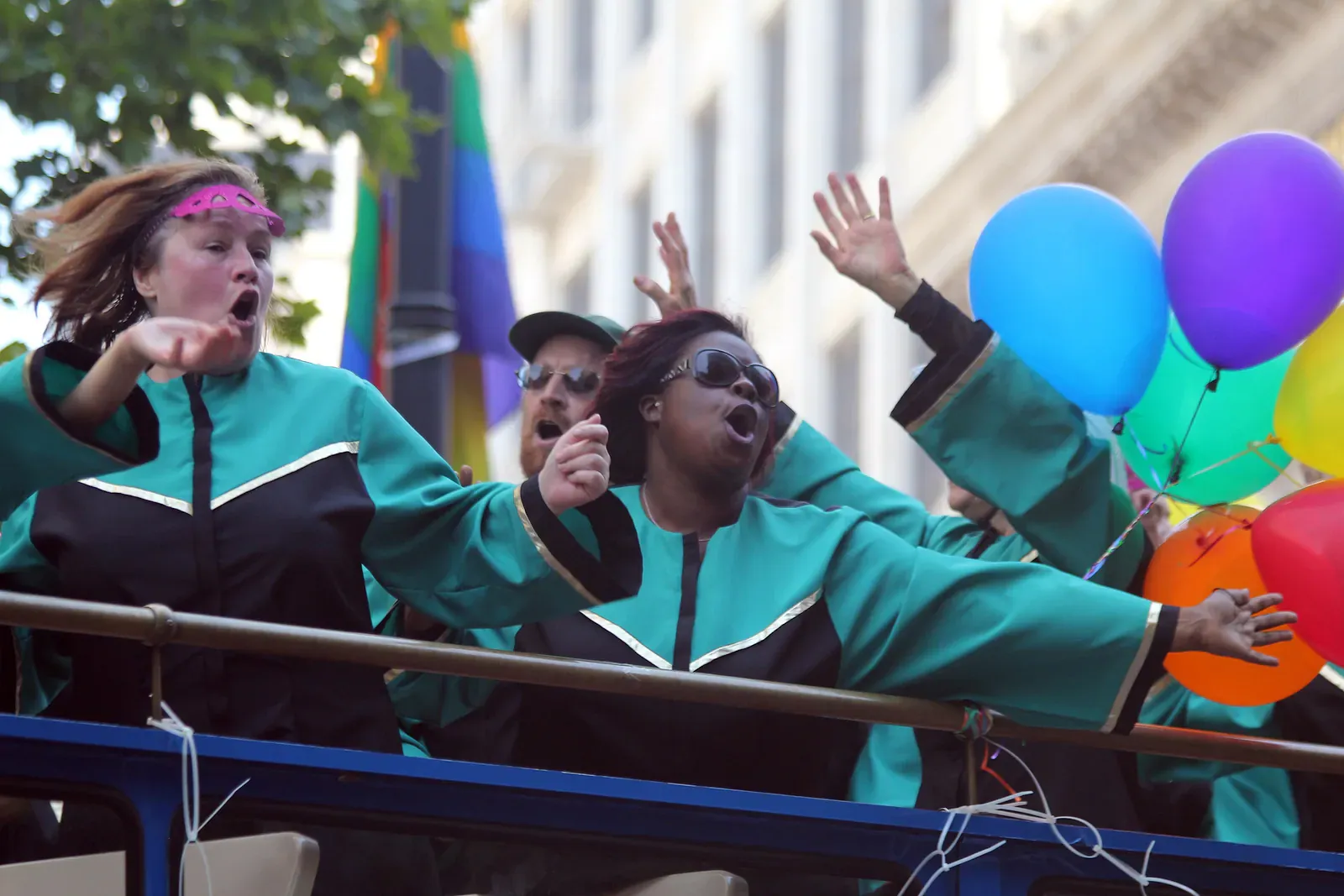
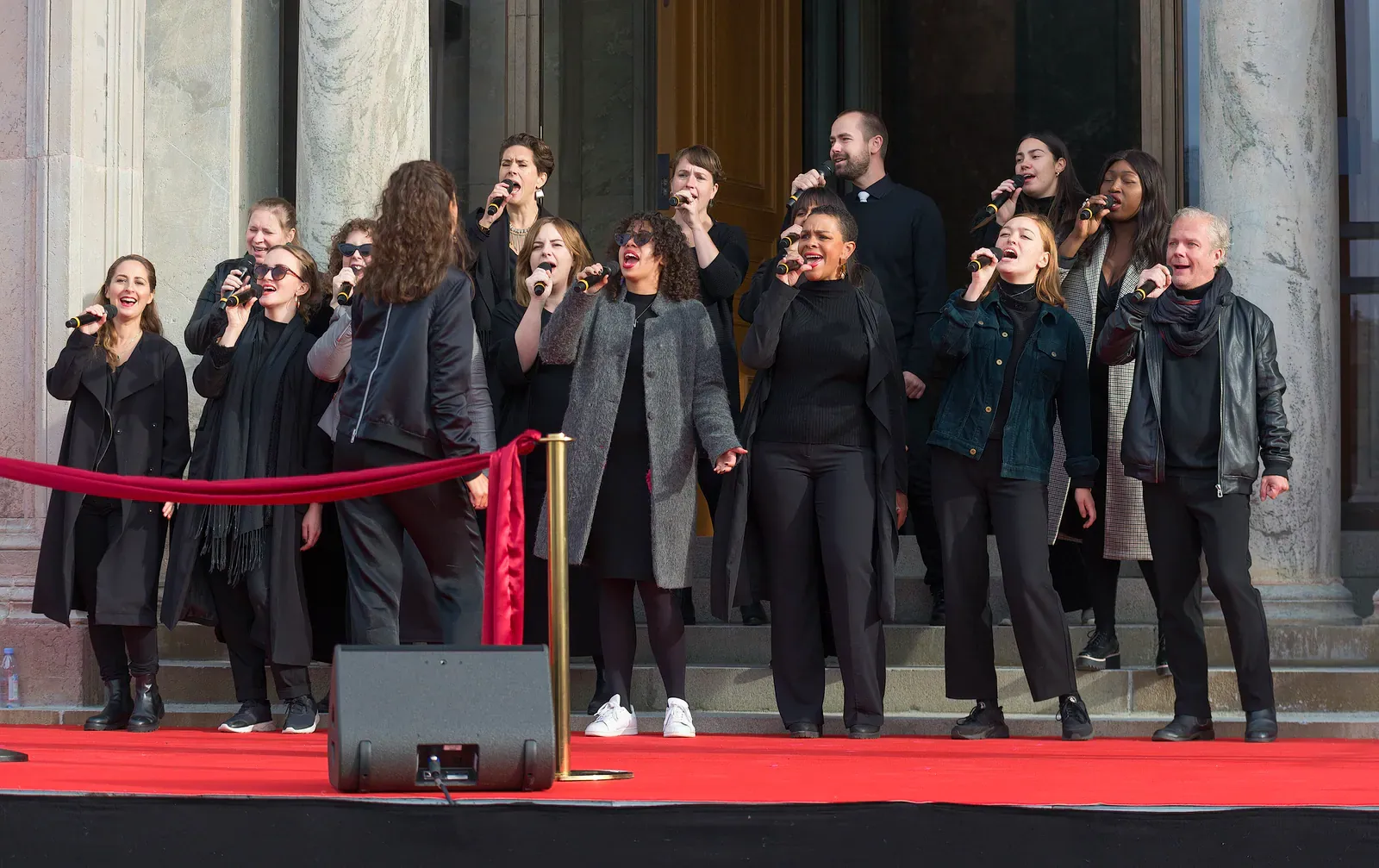
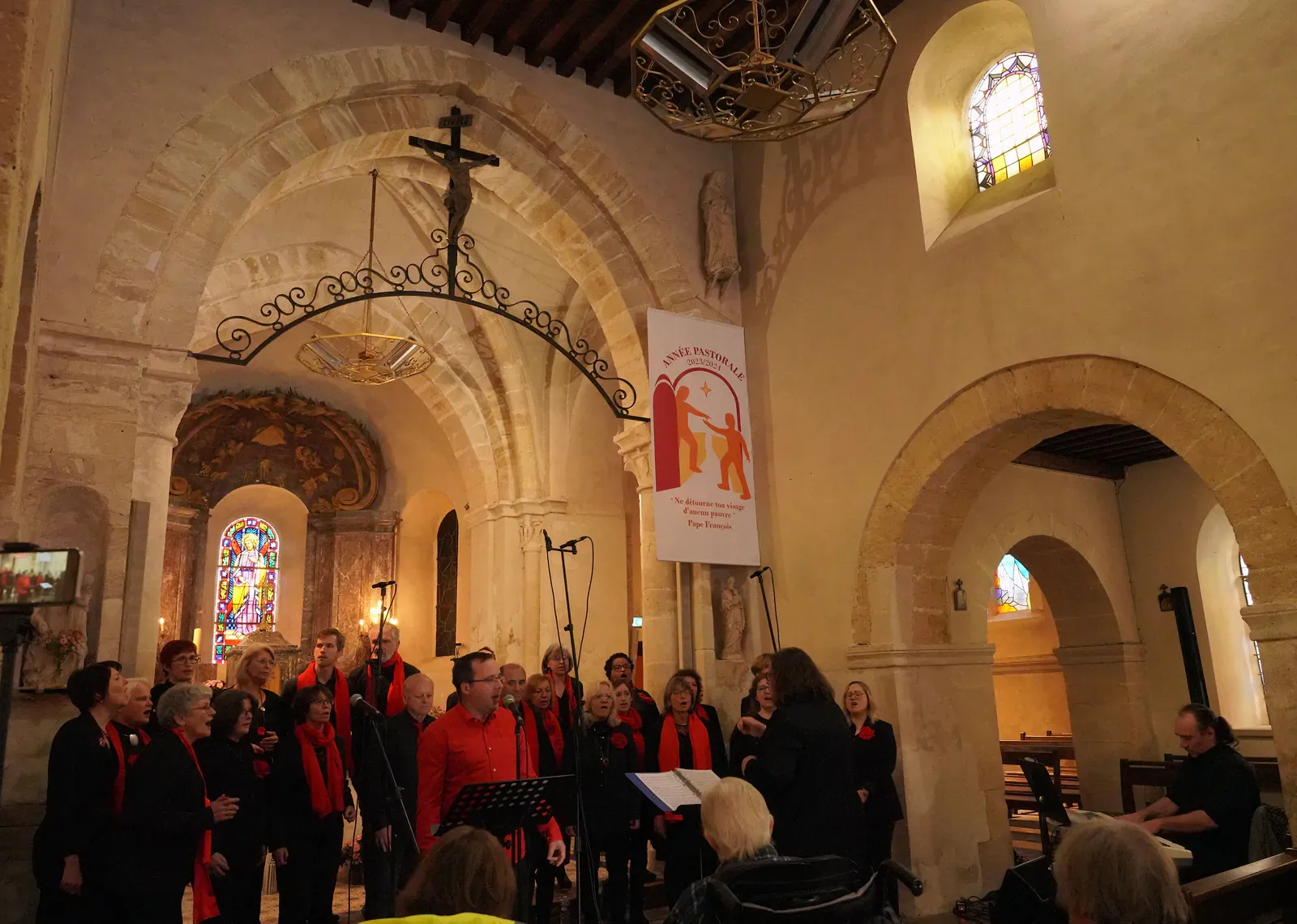
Gospel is a participatory culture. Singing in church involves handclaps, tambourine, foot-stomping and the praise shout, in which members dance as the organ and drums drive the final section. Conventions such as Dorsey’s of 1933 and Cleveland’s Workshop of 1968 are an institution of their own: they train choir directors, publish songs and bring regional choirs together. Choir robes, mass-choir concerts and Sunday-morning broadcasts are part of the visual and social life of the music.
Quartets and soloists toured church circuits and relied on small independents. Singers who moved to secular music, Sam Cooke among them, sometimes met resistance from church audiences.
Legacy
Soul, rhythm and blues and later pop and hip-hop vocals all borrowed from gospel phrasing, vamp structure and the build to a climax. The music also spawned its own branches: country gospel and bluegrass gospel in the country family, gospel house in electronic music and gospel trap in hip-hop.
Misconceptions
Gospel and spirituals are often treated as one genre. Spirituals are older, anonymous folk songs of enslaved people, usually sung unaccompanied or in arrangements for concert choirs, while gospel is composed, published and recorded, and its codification dates to the 1930s in Dorsey’s circle.
Gospel is also sometimes described as music for church only. Jackson, Franklin and Tharpe all reached national secular audiences, “Oh Happy Day” was a top 5 single in the United States and Britain, and Mary Mary’s “Shackles (Praise You)” entered the Hot 100.
A third assumption holds that gospel stayed fixed once the choir era began. The record shows repeated stylistic changes, from quartet harmony in the 1940s to mass choirs in the 1960s and R&B and hip-hop production from the 1990s.
Frequently asked questions
What is gospel music?
Gospel music is Christian popular music with harmonised, dominant vocals, call and response and evangelical lyrics. Black gospel took shape in the United States from the 1920s and was codified in Chicago in the 1930s.
Who is called the father of gospel music?
Thomas A. Dorsey is often given that title. He wrote “Take My Hand, Precious Lord” in 1932, formed a choir at Pilgrim Baptist Church in Chicago, and with Sallie Martin founded the National Convention of Gospel Choirs and Choruses around 1933.
What is the difference between gospel and soul?
Gospel is sacred music made for worship and testimony, while soul is secular popular music that took its vocal technique, including melisma and call and response, from gospel. Singers such as Sam Cooke and Aretha Franklin worked in both.
Which gospel record was the first million-seller?
Mahalia Jackson’s “Move On Up a Little Higher”, recorded in 1947 for Apollo, is described as the first gospel million-seller.
Sound
Sound sheet
Signature sounds
- Call and response between lead and choir
- Repeated vamp that builds to a shout
- Hammond organ and piano as the lead rhythm instruments
- Melismatic improvisation by the lead singer
- Handclaps and tambourine in congregational singing
Techniques
- Call and response
- Vamp and shout
- Melismatic improvisation
- Swing lead
Vocals
Dominant, harmonised lead and choir vocals with call and response and congregational participation.
Scenes
Where it happened
Where and when the sound lived: one bar per city on a shared timeline.
North America
Active scenes
Peak 5, 1969-1970
Dorsey's choirs and conventions, Roberta Martin's group and Mahalia Jackson's rise.
Home of Don Robey's Peacock label, which recorded the Dixie Hummingbirds and the Five Blind Boys of Mississippi.
Specialty's Soul Stirrers sessions, James Cleveland's Cornerstone church and Aretha Franklin's 1972 recording.
The Hawkins family of Edwin and Walter and the Love Center church.
Sound of Gospel's base and the home of the Clark Sisters.
Venues and places
Chicago, 1932 to today. Where Dorsey led the choir for decades and where the National Convention of Gospel Choirs and Choruses met in 1933.
New York, 1952 to today. The Clara Ward Singers headlined it in 1952, the first gospel group to do so.
Berkeley, 1967 to today. The 1967 live recording of Oh Happy Day was made here.
Los Angeles, 1972 to today. Aretha Franklin recorded Amazing Grace live here in January 1972.
Culture
Culture markers
- Praise shout
Congregations dance and shout as the organ and drums drive the closing section of a song.
Dance - Gospel conventions
Dorsey's National Convention of Gospel Choirs and Choruses (1933) and Cleveland's Gospel Music Workshop (1968) trained singers and choirs.
Ritual - Congregational participation
Handclapping, foot-stomping and call and response involve the whole room in the music.
Ritual
Media
Key media
- 1991Oh Happy Day: 80 Gospel Greats
by Various. An overview compilation of choirs, quartets and soloists.
Compilation - 1999Testify! The Gospel Box
by Various. A box set surveying gospel recordings from the golden age to later decades.
Compilation - 2018Amazing Grace
by Sydney Pollack. Concert film of Aretha Franklin's 1972 sessions, shot in 1972 and released in 2018.
Film
Glossary
Terms on this page
A leader sings a line and the choir or congregation answers it.
A very large combined choir, as at Gospel Music Workshop concerts with up to three thousand singers.
An instrumental passage where the organ lifts the congregation into dance and shouting.
The fast, ecstatic final section, driven by organ and drums, that closes a song.
A quartet device in which two singers share the lead; R.H. Harris of the Soul Stirrers pioneered it.
A repeated phrase on which the lead improvises while the choir stacks parts.
Religious family