Contemporary Christian music
Contemporary Christian music (CCM) is a US pop and rock industry built on Christian lyrics, grown from the Jesus movement of the late 1960s.
Southern California, 1969
Religious family
Born
1969
Southern California
Subgenres
3
Documented branches
Links
34
Genres it drew on or shaped
Tempo
70-110 BPMLineage
Family tree
Timeline
Era by era
From the first sparks to today. Select a dot to read the story behind it.
- Jesus music
1969 to 1975
- Labels, radio and the first stars
1976 to 1989
- Crossover to pop and alternative radio
1990 to 2000
- Radio hits, worship and streaming
2001 to today
Eras
Moments
- 1 Jesus music, 1969 to 1975
- 2 Labels, radio and the first stars, 1976 to 1989
- 3 Crossover to pop and alternative radio, 1990 to 2000
- 4 Radio hits, worship and streaming, 2001 to today
1969
Jesus music
Musicians of the Jesus movement put folk and rock to Christian lyrics outside church hymnals. Larry Norman, Calvary Chapel's Maranatha Music and the first Dove Awards date from these years.
- 1969Dove Awards created in MemphisThe Gospel Music Association founds the annual awards ceremony that rewards Christian music.
- 1969Larry Norman's Upon This RockA rock album with Christian lyrics, first released on Capitol Records, by the man later called the father of Christian rock.
- 1971Calvary Chapel launches Maranatha MusicThe Southern California church answers the counterculture with its own label for Jesus music and worship songs.
- 1972Myrrh Records foundedThe Waco, Texas label becomes the home of Amy Grant's early records.
1976
Labels, radio and the first stars
Sparrow Records, CCM Magazine and Christian radio turned Jesus music into an industry, and Amy Grant's Age to Age made a solo CCM artist a platinum seller.
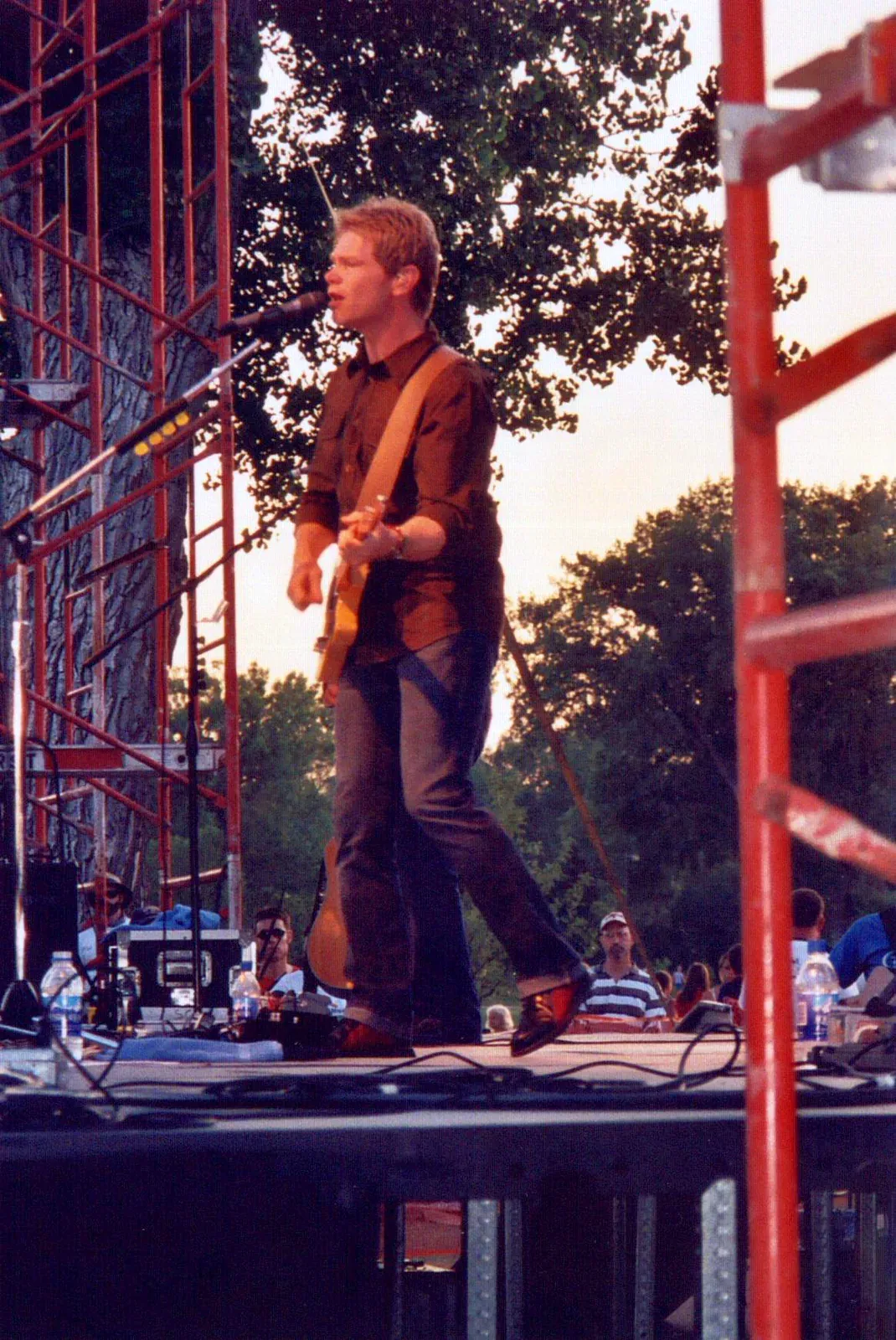
- 1976Sparrow Records foundedBilly Ray Hearn starts the label that later signs Steven Curtis Chapman and other CCM stars.
- 1978CCM Magazine begins coverageFrom July the magazine reports on contemporary Christian artists, giving the genre its name in print.
- 1982Amy Grant's Age to AgeIts singles Sing Your Praise to the Lord and El Shaddai drive sales past a million, and it tops the Christian albums chart for 85 weeks.
- 1987ForeFront Records founded in NashvilleThe label later releases dc Talk and other CCM acts with rock and hip-hop leanings.
1990
Crossover to pop and alternative radio
Amy Grant and Michael W. Smith reached the top ten of the Hot 100, while dc Talk's Jesus Freak aired on both Christian and alternative rock stations.
- 1991Baby Baby tops the Hot 100Amy Grant's pop single from Heart in Motion spends two weeks at No. 1 in April.
- 1991Place in This World reaches No. 6Michael W. Smith's single becomes his biggest mainstream hit and spends 21 weeks on the Hot 100.
- 1994Gotee Records foundedTobyMac, Todd Collins and Joey Elwood start the first label specialising in Christian hip-hop.
- 1995dc Talk releases Jesus FreakThe title single reaches both Christian and alternative rock radio, formats that rarely overlap.
2001
Radio hits, worship and streaming
MercyMe's I Can Only Imagine and Lauren Daigle's You Say became mainstream hits, while church worship catalogues moved to a few megachurch music groups.
- 2001MercyMe's I Can Only ImagineReleased as a single in October, it becomes the most-played Christian song of 2002 and a mainstream hit in 2003.
- 2018Lauren Daigle's You SayThe single reaches No. 29 on the Hot 100 and spends a record 132 weeks at No. 1 on Hot Christian Songs.
Listening path
Start listening
A short path from an easy way in to the deep end. Thumbnails come from YouTube; the player loads only when you press play.
- 01
Amy Grant, 1991
The pop single that took a CCM star to No. 1 on the Hot 100; listen for the glossy radio production.
- 02
dc Talk, 1995
A grunge-flavoured single that played on both Christian and alternative rock stations.
- 03
MercyMe, 2001
A piano-led ballad that became the most-played Christian single of 2002 and later a mainstream hit.
- 04
Lauren Daigle, 2018
A streaming-era crossover that reached No. 29 on the Hot 100 and led Christian radio for years.
Contemporary Christian music (CCM), also called Christian pop, is popular music whose lyrics center on the Christian faith, produced in pop, rock and adult-contemporary styles.
It began in the United States in the late 1960s, when young believers touched by the Jesus movement started playing folk and rock instead of hymns and gospel quartets. By the 1980s it had its own labels, magazine, radio formats and charts.
Origins
Rock and roll was first dismissed by many Protestant churches as an encouragement to sin. As Baptist, Evangelical and Pentecostal congregations adapted to reach more people, their worship began to borrow the same sounds. The decisive push came from the Jesus movement, a Christian response to the American counterculture. Its young followers, who called themselves Jesus freaks, played songs about love and peace that turned into songs about God. The style was first known as Jesus music.
Larry Norman is often remembered as the father of Christian rock. His album Upon This Rock, first released on Capitol Records in 1969, put rock rhythms under Christian lyrics, and his later song “Why Should the Devil Have All the Good Music?” summed up the argument. Mylon LeFevre’s We Believe, on Cotillion, tried a blend of gospel and southern rock in the same years. Other pioneers included Andraé Crouch and the Disciples, the Imperials, Michael Omartian, 2nd Chapter of Acts, Phil Keaggy, Love Song, Barry McGuire, Evie, Paul Clark, Randy Stonehill and Keith Green.
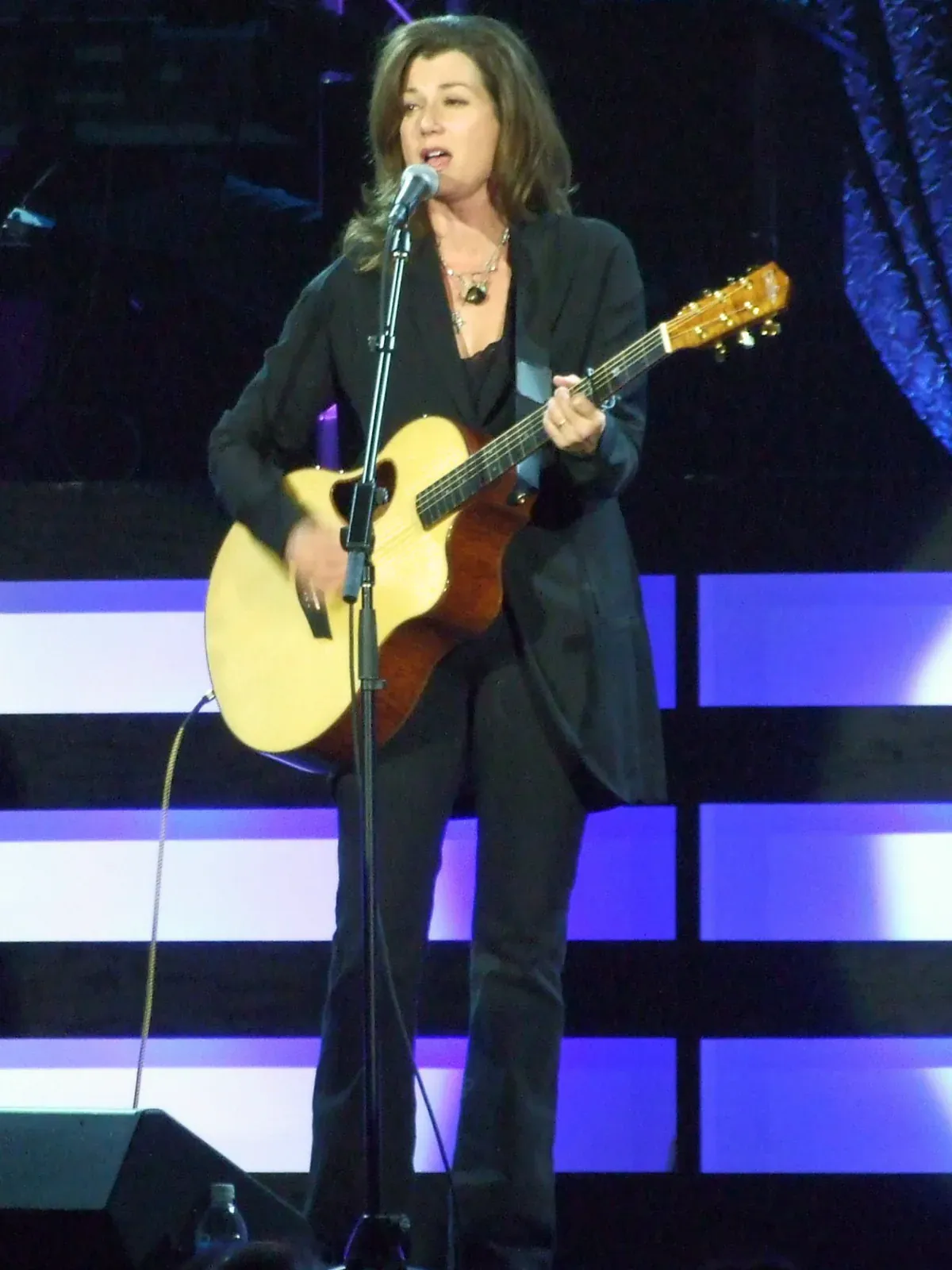
Institutions arrived at the same time. The Gospel Music Association created the Dove Awards in Memphis in 1969, and in 1971 Calvary Chapel in Southern California launched Maranatha Music to carry its own songs. The folk-and-rock sound outlasted the movement itself. Around 1975 the growing Christian music industry began to absorb its musicians.
Labels, radio and the first stars, 1976-1989
Sparrow Records, founded in 1976 by Billy Ray Hearn, became one of the main CCM labels, and Myrrh Records had been working in the same field since 1972. From July 1978 CCM Magazine reported on the artists and their themes of praise, faith, encouragement and prayer, which gave the genre a name in print. By the 1980s a small Jesus music culture had grown into a multimillion-dollar business.
The first national star was Amy Grant. Her 1982 album Age to Age, released on Myrrh, sold well over a million copies, spent 85 weeks at the top of the Christian albums chart and was certified gold in 1983 and platinum in 1985, the first Christian album to reach that level. Its singles included “Sing Your Praise to the Lord”, which opens with a piano figure based on a Bach fugue, and “El Shaddai”. The record set the pattern of the modern CCM star: a clean pop voice, a professional band and songs that churches and radio could both play. ForeFront Records, founded in Nashville in 1987, added a label for rock-leaning acts.
Crossover, 1990-2000
Grant took the model into the mainstream with “Baby Baby”, written with Keith Thomas and released in January 1991 by A&M. It spent two weeks at number one on the Billboard Hot 100 in April and earned nominations for Record of the Year and Song of the Year. That spring Michael W. Smith’s “Place in This World” reached number six on the Hot 100 and stayed on the chart for 21 weeks. Other artists crossing over to Top 40 radio included Benny Hester, Stryper, Jars of Clay and dc Talk.
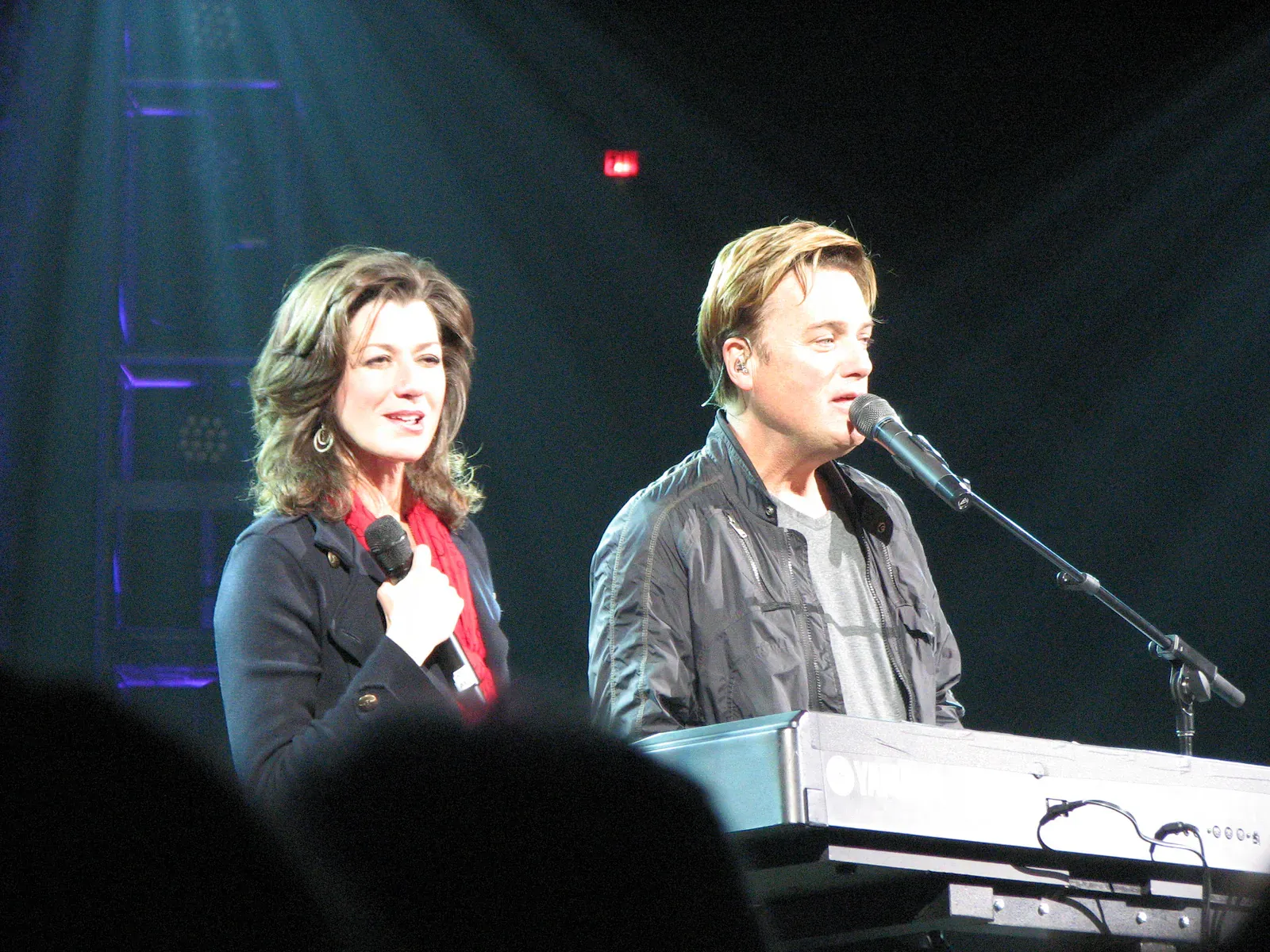
The decade also widened the sound. The trio dc Talk, formed at Liberty University in 1987, released Jesus Freak in 1995. Its title single was written and produced by Toby McKeehan and Mark Heimermann in an alternative rock and grunge style, and it was played on both Christian and alternative stations, formats that rarely overlap. In 1994 TobyMac, Todd Collins and Joey Elwood founded Gotee Records, the first label devoted to Christian hip-hop. In 1991 Hillsong Church in Sydney started Hillsong Music, whose songs spread through churches in many languages.

Characteristics
CCM is defined by its lyrics rather than a single sound. Songs address worship, devotion, redemption, reconciliation and renewal, and two early aims persisted: telling non-Christians about the gospel and strengthening the faith of believers. Musically the genre draws on folk, gospel, pop and rock, with soft rock, folk rock, alternative and hip-hop all leaving marks. Its umbrella has covered Christian rock, southern rock, punk, hardcore, metal, hip-hop, country, Latin, electronic dance music and R&B-influenced gospel, although some of these are normally treated as separate genres.
The industry measures itself on its own charts, including Billboard’s Christian Albums, Christian Songs and Hot Christian AC lists and the UK Official Christian and Gospel Albums Chart. Top-selling artists also appear on the main Billboard 200.
Instruments and production
The core is a pop or rock band, with piano and acoustic guitar at the folk end and electric guitars at the rock end. Many ballads open on piano alone and add guitar and drums for the closing choruses, a build heard in MercyMe’s “I Can Only Imagine”. Production follows radio formats, with songs edited and sent to Christian and mainstream stations together.
Mainstream success, 2000-present
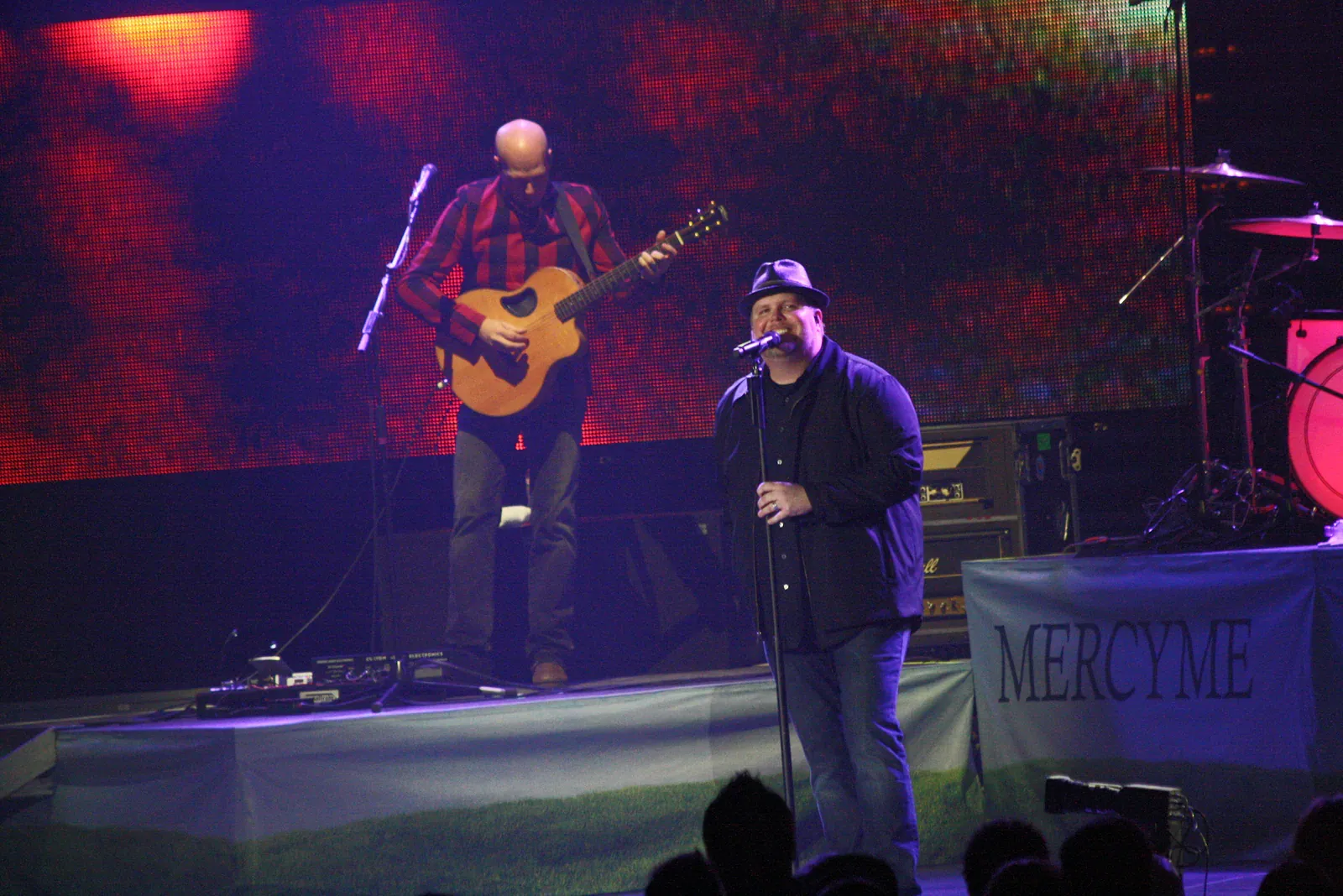
MercyMe, formed in Edmond, Oklahoma, in 1994, recorded “I Can Only Imagine” for its 1999 independent album The Worship Project. Bart Millard wrote it while thinking about his father’s death. After the band signed to a major label, the song appeared on Almost There in 2001 and was issued as a single in October. It became the most-played Christian single of 2002, reached number 71 on the Hot 100 and number five on the Adult Contemporary chart in 2003, and returned to number one on Christian Songs when a 2018 film told its story.
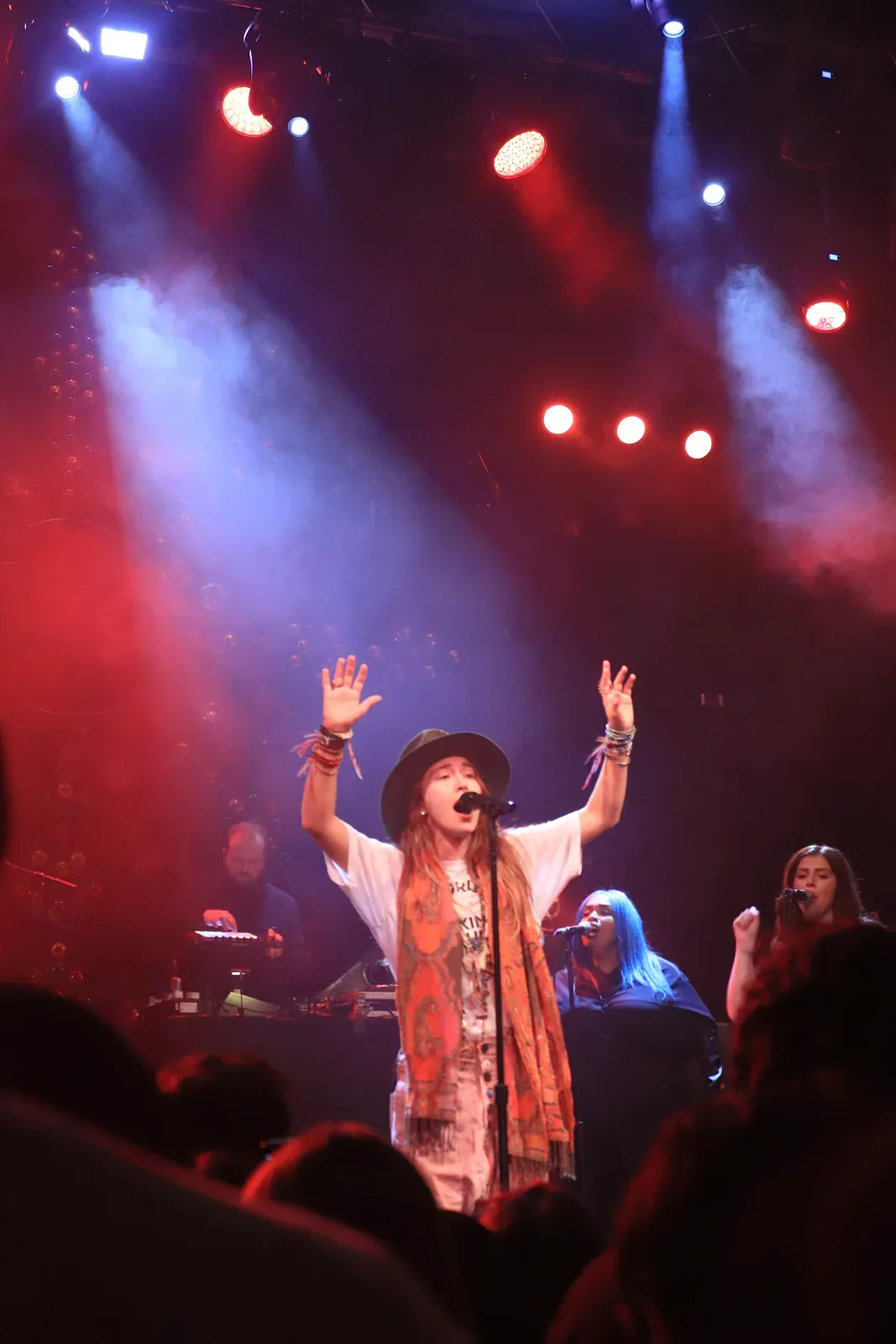
Lauren Daigle’s “You Say”, released in July 2018, reached number 29 on the Hot 100, was sent to mainstream radio in January 2019 and won the Grammy for Best Contemporary Christian Music Performance/Song. It has spent 132 weeks at number one on Hot Christian Songs, which is more than any other song on any chart apart from one. In church settings, contemporary worship has largely taken over the congregational repertoire. A 2023 study found that nearly all of the 25 most licensed church songs of 2010 to 2020 came from three megachurch music groups: Hillsong Worship, Bethel Music and Elevation Worship.
Criticism and the label problem
CCM drew objections from inside the church from the start. Bob Jones University discourages its dormitory students from listening to it, and Reformed critics have argued that adding instruments and man-made lyrics to worship breaks the regulative principle. Others have described parts of the industry as a propaganda wing of the Christian right. From the other side, some bands reject the label: Needtobreathe turned down Christian record deals and signed with Atlantic, and Mutemath sued its label over being marketed as Christian music.
Legacy
CCM created a full commercial infrastructure for faith-based pop and showed that Christian lyrics could chart alongside mainstream hits. It fed the rock, hip-hop and metal scenes with Christian artists and supplied the pop wing of contemporary worship. A 2009 church study reported that 64 percent of congregations adopting CCM in the previous five years saw attendance rise by 2 percent or more. Related pages cover Christian rock, Christian hip-hop, gospel and hymnody, and the wider tradition sits in the religious music family.
Misconceptions
One common belief is that CCM is the same as gospel. Gospel, black gospel and southern gospel were the church music already in place when CCM appeared, and CCM was born from rock and folk instead. Another is that CCM means worship songs only; worship music is one branch, while the genre also includes pop ballads, rock, hip-hop and more. A third is that the music never leaves Christian circles. “Baby Baby”, “Place in This World”, “I Can Only Imagine” and “You Say” all charted on mainstream lists.
Frequently asked questions
What is contemporary Christian music?
Contemporary Christian music is popular music with Christian lyrics, usually in pop, rock or adult-contemporary style. It began as Jesus music in the late 1960s and became a commercial industry in the 1970s and 1980s.
Who are the best-known contemporary Christian music artists?
Amy Grant, Michael W. Smith, Steven Curtis Chapman, dc Talk, MercyMe and Lauren Daigle are among the best known. Grant and Smith had top-ten pop hits in 1991, and Daigle’s “You Say” reached the Hot 100 in 2018.
What is the difference between contemporary Christian music and contemporary worship music?
Contemporary Christian music covers any popular Christian song, including those meant for listening. Contemporary worship music is written for congregations to sing, often recorded at conferences and services, and it now supplies much of the repertoire that churches use.
Is contemporary Christian music the same as Christian rock?
No. Christian rock is one of the styles under the CCM umbrella, next to pop, hip-hop, metal, country and others. Many CCM hits are pop ballads with little rock in them.
Sound
Sound sheet
Signature sounds
- Lyrics of faith, worship and encouragement in plain language
- Pop, rock or adult-contemporary production
- Piano-led ballads that build to a full-band chorus
Techniques
- Piano-led build
- Alternative rock guitars
- Polished pop production
- Dual-format radio edits
Keys and modes
Major keys. Canonical hits sit mostly in C, E and F major.
Vocals
Clear, lead-vocal-forward pop singing in plain language, from solo voices to small bands.
Scenes
Where it happened
Where and when the sound lived: one bar per city on a shared timeline.
North America
Oceania
Active scenes
Peak 4, 1991-2025
Where the Gospel Music Association created the Dove Awards.
Home of Calvary Chapel, which launched Maranatha Music and the Jesus music wave.
Centre of the CCM industry, base of ForeFront Records from 1987.
Where Hillsong Church founded Hillsong Music, whose songs spread through churches worldwide.
Culture
Culture markers
- Jesus freak
What the movement's young adherents called themselves, and the title of dc Talk's 1995 hit.
Slang - Dove Awards
The annual ceremony of the Gospel Music Association, held since 1969.
Ritual - Conferences and camp meetings
Contemporary worship songs are performed and recorded at Christian conferences, tours and revival meetings.
Ritual
Media
Key media
- 1978CCM Magazine
Began covering contemporary Christian music in July 1978 and moved online in 2009.
Zine - 2001CCM Presents: The 100 Greatest Albums in Christian Music
A ranked list that placed Age to Age at No. 92.
Book - 2018I Can Only Imagine
A film based on the MercyMe song, which sent the song back to No. 1 on Christian Songs.
Film
Glossary
Terms on this page
Short for contemporary Christian music, also the name of the magazine that covered it from 1978.
A Christian record that charts or airs on mainstream pop radio as well as Christian stations.
Annual awards of the Gospel Music Association for Christian music, created in 1969.
Billboard's chart of Christian adult contemporary radio airplay.
The original name of the folk and rock style born of the late-1960s Jesus movement.
Religious family