Hymnody
Hymnody is congregational religious song: strophic metrical texts set to reusable tunes, codified in the Reformation and spread through printed hymnals.
Germany, United Kingdom, Switzerland, United States, 1520
Religious family
Born
1520
Germany, United Kingdom, Switzerland, United States
Subgenres
13
Documented branches
Links
36
Genres it drew on or shaped
Tempo
75-100 BPMLineage
Family tree
Grew out of
Pushed back against
Metrical psalmody
Germany, United Kingdom, Switzerland, United States, 1520
Hymnody
Led to (26)
Timeline
Era by era
From the first sparks to today. Select a dot to read the story behind it.
- Chorales and metrical psalms
1520 to 1706
- Watts, Wesley and Olney
1707 to 1799
- Hymnals, shape notes and gospel hymns
1800 to 1899
- Revised hymnals and the recorded hymn
1900 to 1959
- Hymns in the charts
1960 to 1999
- New hymns and streaming
2000 to today
Eras
Moments
- 1 Chorales and metrical psalms, 1520 to 1706
- 2 Watts, Wesley and Olney, 1707 to 1799
- 3 Hymnals, shape notes and gospel hymns, 1800 to 1899
- 4 Revised hymnals and the recorded hymn, 1900 to 1959
- 5 Hymns in the charts, 1960 to 1999
- 6 New hymns and streaming, 2000 to today
around 1520
Chorales and metrical psalms
Luther's followers print the first Lutheran hymnals, Geneva completes its metrical psalter in 1562, and English-speaking Protestants sing rhymed psalms, often lined out by a leader.
- 1524First Lutheran hymnals printedSmall songbooks printed in Nuremberg, Erfurt and Wittenberg collect German chorales, many by Martin Luther.
- 1529Luther's Ein feste Burg publishedA Mighty Fortress is Our God appears in print and becomes the best-known chorale of the Reformation.
- 1562Genevan Psalter completedAll 150 psalms are set to metrical verse and tunes for Reformed congregational singing.
- 1640Bay Psalm Book printed in MassachusettsThe first book printed in English-speaking North America is a metrical psalter for congregational use.
1707
Watts, Wesley and Olney
Isaac Watts frees English congregations to sing freely composed hymns; the Wesleys and John Newton add thousands more, and Methodist revival makes hymn singing a mass habit.
- 1707Watts publishes Hymns and Spiritual SongsIsaac Watts offers freely composed hymns, not psalm paraphrases, for English dissenting congregations.
- 1719Watts publishes Psalms of David ImitatedThe book includes the text later sung as Joy to the World.
- 1739Charles Wesley's Christmas hymn first printedA text later reworked as Hark! The Herald Angels Sing appears in Hymns and Sacred Poems.
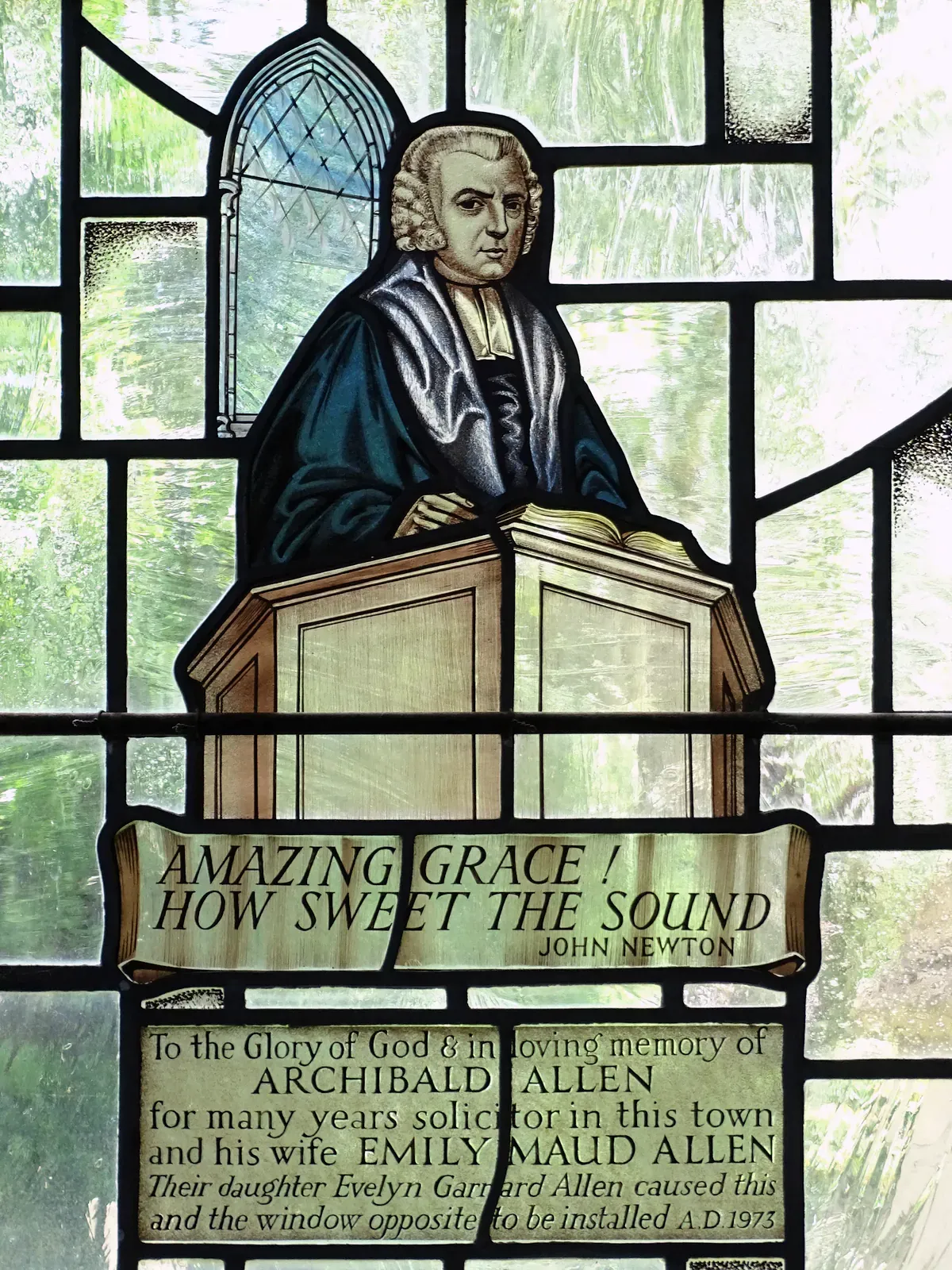
- 1779Olney Hymns publishedJohn Newton and William Cowper's collection includes Amazing Grace, written for a New Year service.
1800
Hymnals, shape notes and gospel hymns
Shape-note books, Lowell Mason's school singing, Hymns Ancient and Modern and the Moody and Sankey campaigns spread a standard repertoire and a new refrain-based gospel hymn.
- 1822Mason's Handel and Haydn Society collectionLowell Mason's Boston tune book begins a career that made hymn singing a school subject in the United States.
- 1844The Sacred Harp first publishedB. F. White and E. J. King issue a shape-note tune book that Southern singing schools still use.
- 1861Hymns Ancient and Modern first editionThe Anglican hymnal that standardised Victorian church singing in Britain sells in the millions.
- 1873Moody and Sankey begin their British campaignIra Sankey's solo singing and simple hymns drive the revival style that became the gospel hymn.
- 1873Fanny Crosby writes Blessed AssuranceCrosby, blind from infancy, becomes the most prolific writer of American gospel hymn texts.
1900
Revised hymnals and the recorded hymn
The English Hymnal modernises church singing, radio carries Nine Lessons and Carols and cup-final hymns, and Thomas Dorsey and Mahalia Jackson put hymn texts into gospel records.
- 1906The English Hymnal publishedRalph Vaughan Williams as music editor brings folk tunes and older melodies into Anglican worship.
- 1927Abide with Me sung at the FA Cup FinalThe hymn starts a football tradition that continued for generations at Wembley.
- 1932Dorsey writes Precious Lord, Take My HandThomas A. Dorsey writes the hymn after the death of his wife, and it becomes a gospel standard.
1960
Hymns in the charts
BBC Songs of Praise brings congregational singing to television, and Amazing Grace, How Great Thou Art and Aretha Franklin's live gospel album carry hymns to pop and soul audiences.
- 1961BBC Songs of Praise beginsThe television programme turns congregational hymn singing into a weekly national broadcast.
- 1967Elvis Presley records How Great Thou ArtThe album of that name led to his first Grammy, for sacred performance.
- 1972Royal Scots Dragoon Guards Amazing Grace tops the UK chartA pipe-band instrumental spends five weeks at number one in the UK in April and May.
- 1972Aretha Franklin records Amazing Grace liveThe live gospel album was recorded in a Los Angeles Baptist church in January.
2000
New hymns and streaming
Keith Getty and Stuart Townend write hymns for modern congregations, country and pop artists record hymn albums, and old hymns circulate through streaming and church-media channels.
- 2001Getty and Townend write In Christ AloneThe song is written in the form of a traditional hymn and spreads through church hymnals worldwide.
- 2013In Christ Alone dropped from a Presbyterian hymnalA PC(USA) hymnal committee voted to omit it over a line about the wrath of God, after the authors refused a change.
Listening path
Anthems
The records that built the sound, grouped by the part they played. Thumbnails come from YouTube; the player loads only when you press play.
- 01
Choir of King's College, Cambridge, 2001
Luther's chorale from about 1529 is the founding hymn of the Reformation, here in a cathedral-choir arrangement.
Origin - 02
The Royal Scots Dragoon Guards, 1972 · #1 UK Singles, 1972 · RCA Records
The bagpipe version took Newton's hymn to number one in the UK and made it a popular standard.
Start hereBreakthrough - 03
Mahalia Jackson, 1956 · Columbia Records
Dorsey's 1932 hymn becomes the defining gospel standard in Mahalia Jackson's performance.
Start hereAnthem - 04
Aretha Franklin, 1972 · Atlantic Records
A ten-minute live performance with a gospel choir that turned the hymn into soul and gospel history.
Anthem - 05
The Tabernacle Choir at Temple Square, 2006
Watts's text from 1719 is the best-known English Christmas hymn, sung here by a large choir.
Start hereAnthem - 06
Choir of King's College, Cambridge, 2016
The Victorian funeral and sporting hymn, set to the tune Eventide, in a choral performance.
Anthem - 07
Choir of King's College, Cambridge, 2021
Wesley's text with Mendelssohn's tune and a David Willcocks descant, a fixture of the Nine Lessons service.
Anthem - 08
Elvis Presley, 1967 · RCA Records
A rock star's recording took the hymn to a pop audience and won a Grammy for sacred performance.
Crossover - 09
Judy Collins, 1970 · Elektra
Collins's unaccompanied folk version made the hymn a pop hit.
Crossover - 10
Alan Jackson, 2006
A country star's recording of Bennard's 1913 gospel hymn shows its long popularity in American Southern church music.
Revival - 11
Keith and Kristyn Getty, 2006
A hymn written in 2001 that churches adopted as a modern standard, showing living hymn writing.
Revival
Facts
| Family | Religious |
| Origin | Germany, United Kingdom, Switzerland, United States |
| Emerged | Antiquity onward; codified in the Reformation |
| Status | Active |
| Tempo | 75 to 100 BPM |
| Meter | 4/4 and 3/4 |
| Subgenres | 13 |
Hymnody is the congregational song of Christian worship: strophic, metrical texts of praise sung by a whole assembly to tunes that can be swapped from one text to another.
It was codified in the German and Swiss Reformation of the 1520s and 1560s, grew into the standard repertoire of English-language Protestantism, and supplied the raw material for gospel, shape-note and later worship music. It belongs to the religious music family.
Origins
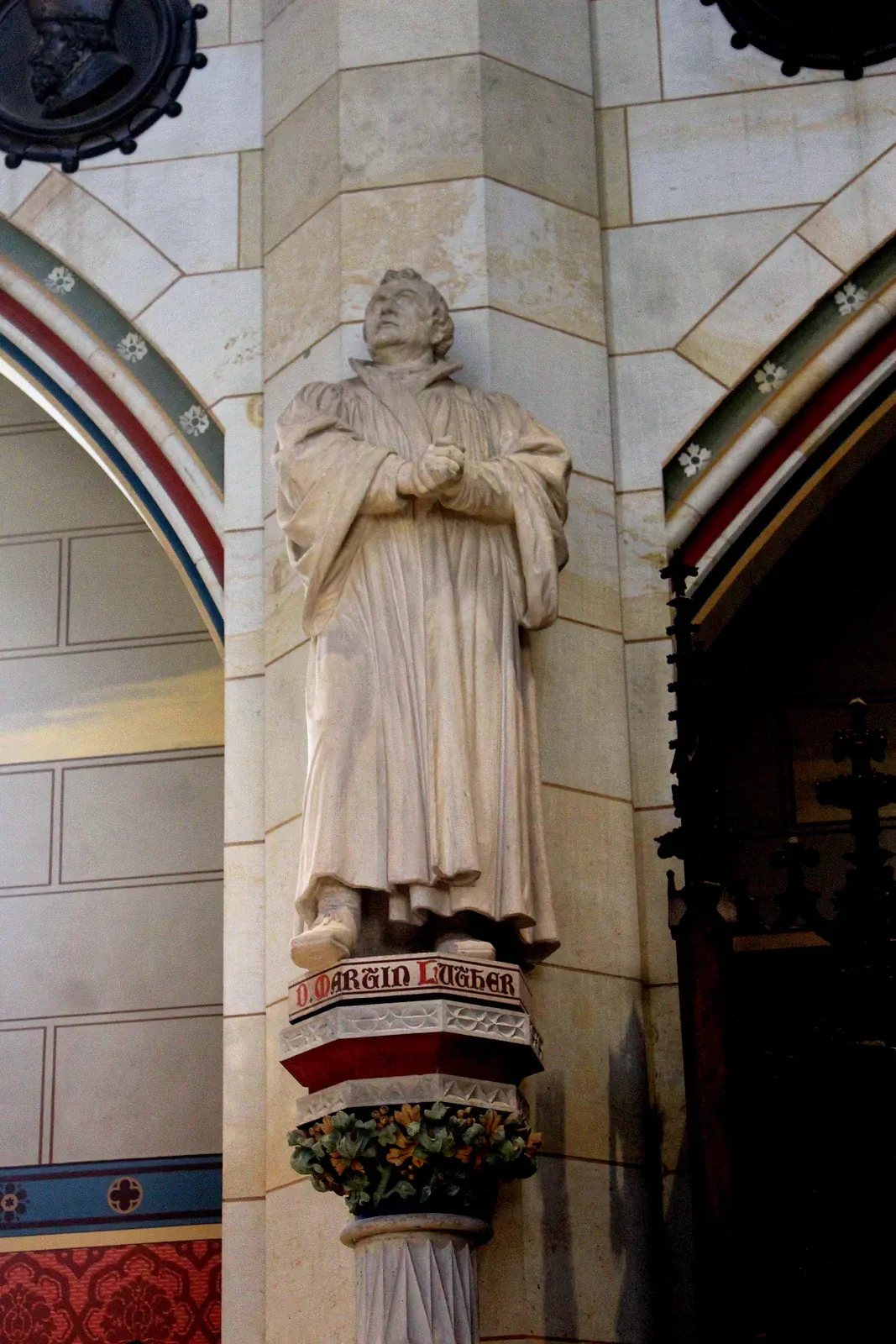
The Reformation made singing a duty of the congregation instead of a task for trained choirs. Martin Luther and his colleagues wrote and adapted German chorales in Wittenberg from about 1520, and the first small Lutheran hymnals were printed in 1524 in Nuremberg, Erfurt and Wittenberg. Printing mattered as much as composition: movable type put the same texts and tunes in every congregation’s hands. “Ein feste Burg” (A Mighty Fortress Is Our God), in print by about 1529, became the best-known chorale of the movement.
Geneva took a different route. Calvin’s church sang psalms only, and by 1562 the Genevan Psalter set all 150 psalms to metrical verse and tunes. Reformed congregations across Europe, and later in Scotland and New England, sang from versions of it. Massachusetts printed the Bay Psalm Book in 1640, the first book produced in English-speaking North America. Where books were scarce, a leader gave out each line before the congregation sang it, a practice called lining out.
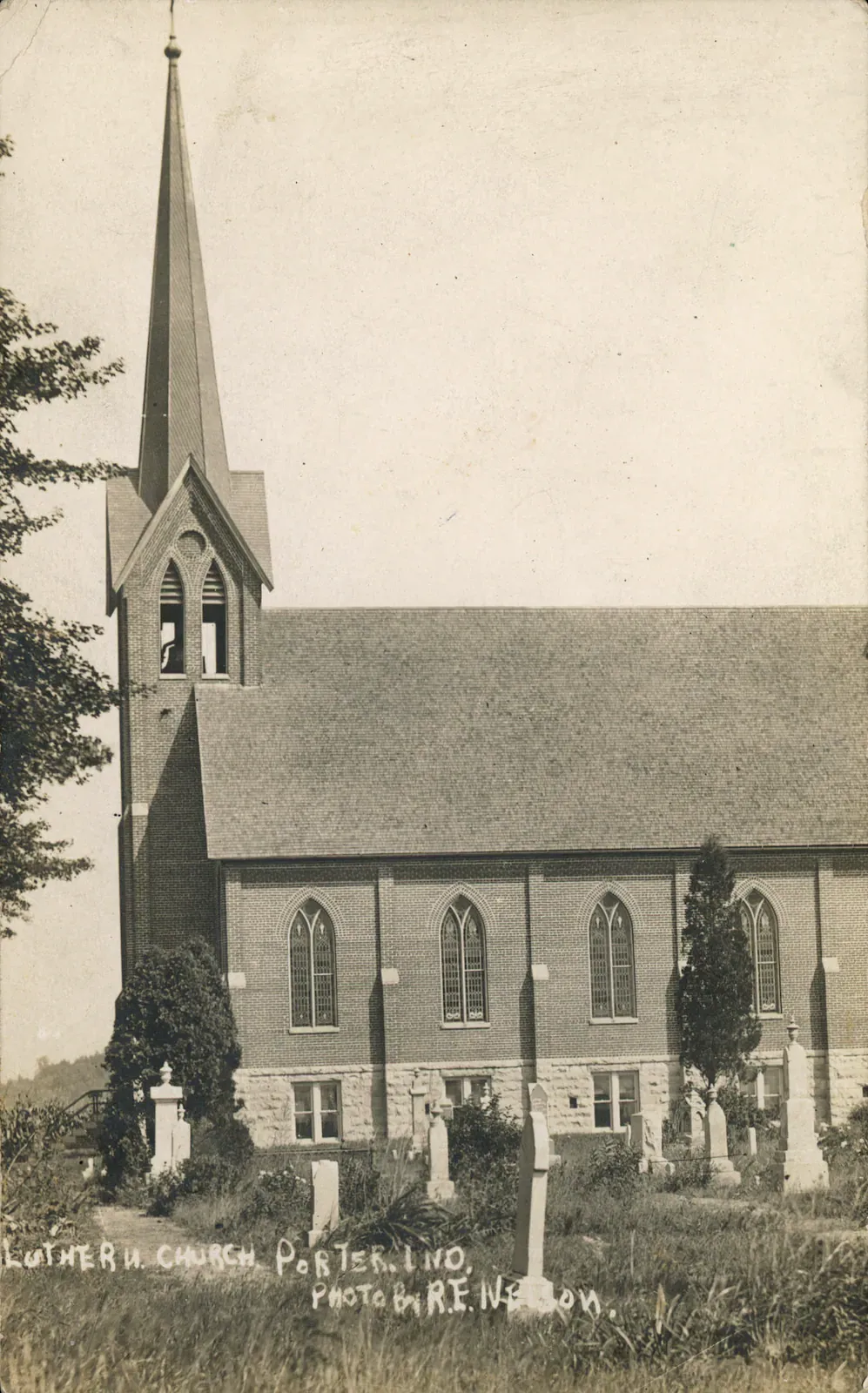
Chorales and metrical psalms, 1520-1706
For nearly two centuries the repertoire split in two. Lutheran lands sang chorales in German, drawn from plainchant, folk melody and new composition, and Bach later built church cantatas on them in Leipzig. Reformed and English-speaking churches sang rhymed psalms. The psalm paraphrases fit a handful of verse patterns, and that habit created the system that defines the genre: a text in a given metre can be sung to any tune of the same metre. Common metre, with lines of 8, 6, 8 and 6 syllables, became the most flexible pattern.
Watts, Wesley and Olney, 1707-1799
Isaac Watts ended the psalm monopoly in English worship. His Hymns and Spiritual Songs of 1707 offered freely composed hymns, not psalm paraphrases, to dissenting congregations, and his Psalms of David Imitated of 1719 contains the text later sung as “Joy to the World”. Charles Wesley’s hymns, first printed from 1739, gave the Methodist revival a large vocabulary of its own; “Hark! The Herald Angels Sing” grew from a Wesley text of that decade.
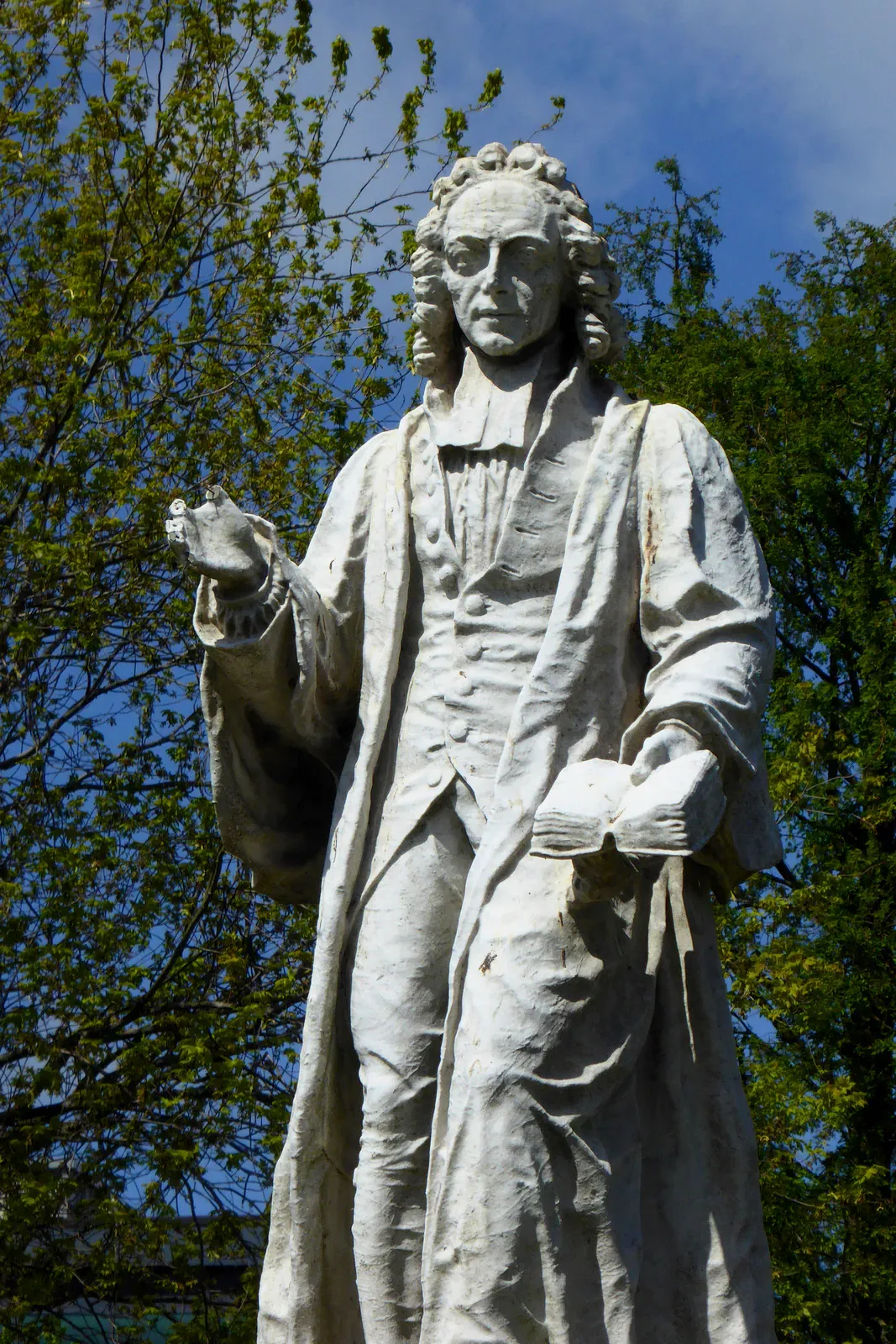
In Buckinghamshire, John Newton, curate of Olney from 1764, wrote hymns with the poet William Cowper for parish prayer meetings. The Olney Hymns of 1779 carried “Amazing Grace”, written for a New Year service, into print.
Hymnals, shape notes and gospel hymns, 1800-1899
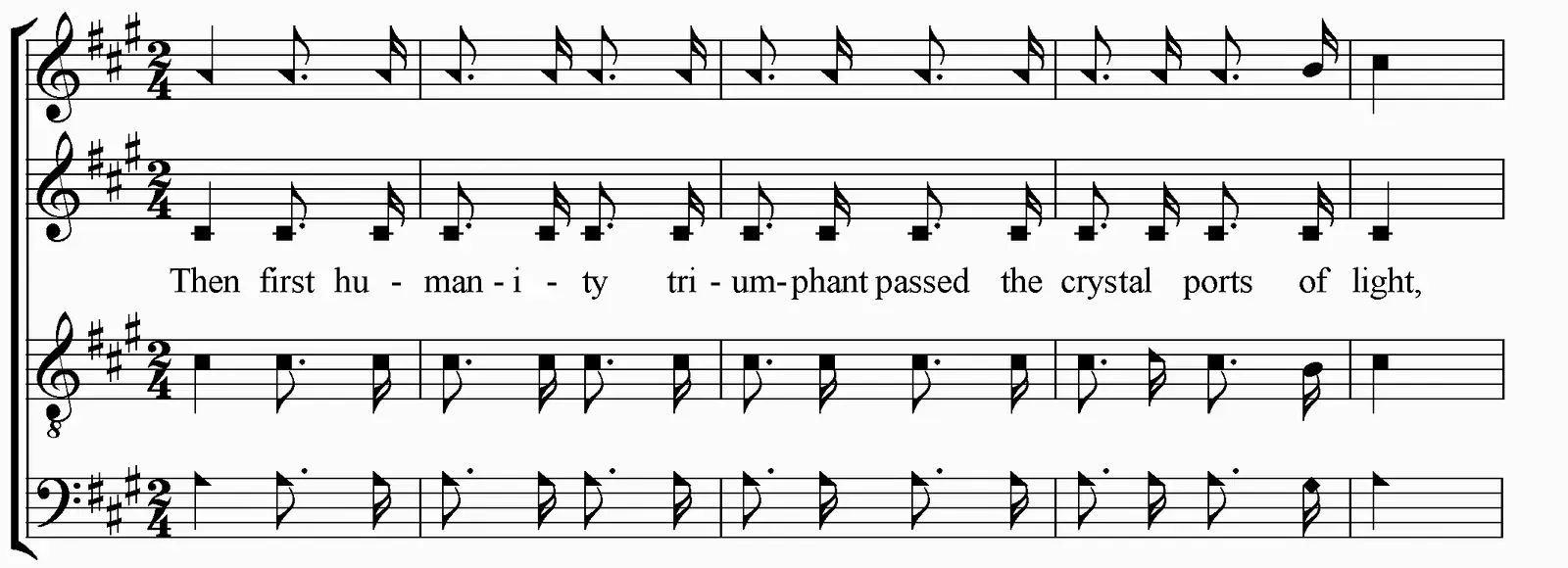
The nineteenth century standardised the repertoire through books. Lowell Mason’s Boston collections, beginning in 1822, made hymn singing a school subject in the United States. Shape notes, introduced in 1801, printed note heads in four shapes so untrained singers could read pitch; The Sacred Harp, first published in 1844, remains the working book of Southern singing communities, who sing in four parts facing the middle of a square.
In Britain, Hymns Ancient and Modern appeared in 1861 and became the most widely used Anglican hymnal of the Victorian era. The revival campaigns of Dwight Moody and Ira Sankey, which reached Britain in 1873, favoured solo singing and easy refrain-based songs, the style now called the gospel hymn. Fanny Crosby, blind from infancy, became its most prolific lyricist; “Blessed Assurance” dates from 1873.
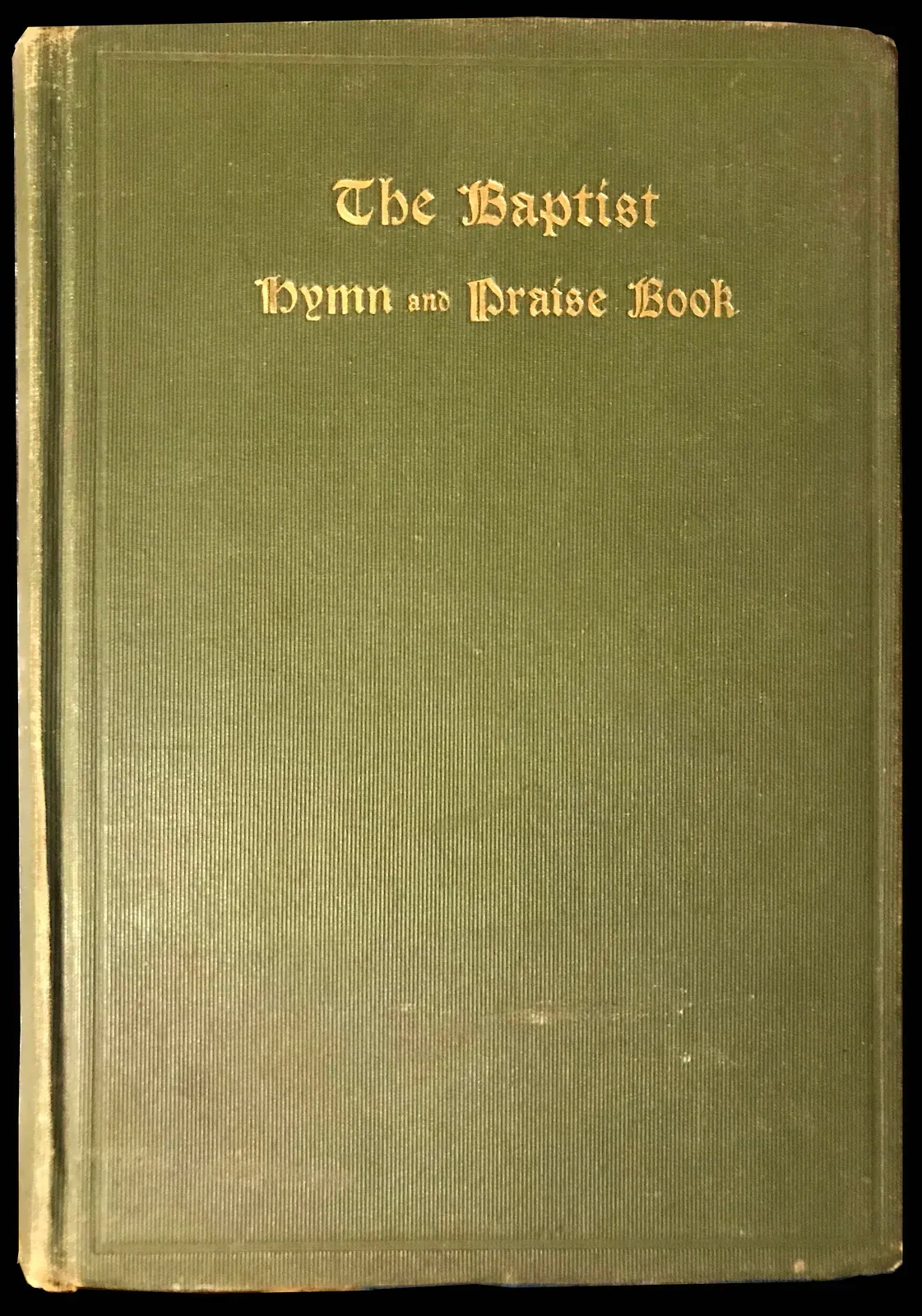
Revised hymnals and the recorded hymn, 1900-1959
The English Hymnal of 1906, with Ralph Vaughan Williams as music editor, brought folk tunes and older melodies into Anglican worship. Radio widened the audience: the King’s College Festival of Nine Lessons and Carols, held in Cambridge since 1918, was broadcast from 1928. “Abide with Me” was sung at the FA Cup Final from 1927, which moved a funeral hymn into sport. In Chicago, Thomas A. Dorsey wrote “Precious Lord, Take My Hand” in 1932 after his wife’s death, and Mahalia Jackson’s 1956 recording on Columbia made it the standard version. That line of development belongs to gospel.
Hymns in the charts, 1960-1999
BBC Songs of Praise began in 1961 and made congregational singing a weekly national broadcast. In 1967 Elvis Presley’s How Great Thou Art, issued by RCA, earned him a Grammy for sacred performance. Judy Collins’s unaccompanied “Amazing Grace” on Elektra reached the pop charts in 1970. In 1972 the Royal Scots Dragoon Guards’ bagpipe version spent five weeks at number one in the United Kingdom, and in January of that year Aretha Franklin recorded a live “Amazing Grace” album at the New Temple Missionary Baptist Church in Los Angeles for Atlantic.
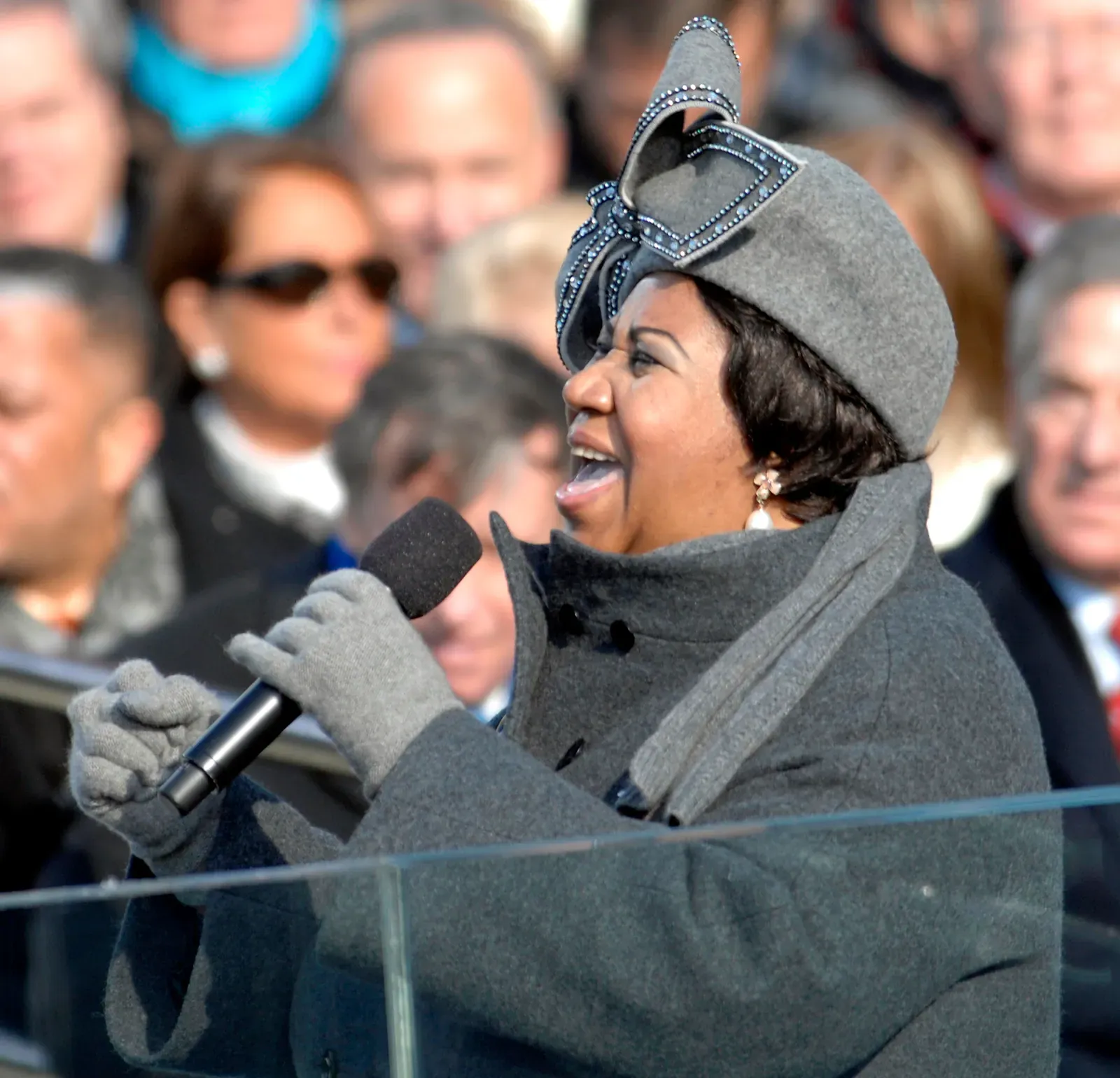
New hymns and streaming, 2000 onward
Keith and Kristyn Getty, with Stuart Townend, write hymns in traditional form for modern congregations; “In Christ Alone” dates from 2001 and spread through hymnals worldwide. It also produced the genre’s recent controversy: a Presbyterian hymnal committee voted in 2013 to omit it over a line about the wrath of God, after the authors declined a change. Alan Jackson’s 2006 album Precious Memories shows old hymns still sell to a country audience.
Characteristics
A hymn has regular stanzas, one tune for every verse and one note to a syllable, so untrained singers can join at once. The tune usually has its own name, independent of the text, and hymnals index tunes by metre. Harmony is four-part (soprano, alto, tenor, bass) over a steady pulse, in a range chosen for untrained voices. The final verse often gains a descant or a raised key. The gospel hymn adds a refrain after each verse.
Instruments and production
The pipe organ leads singing in most Anglican, Lutheran and Catholic churches. Small chapels use the reed organ, and revival and gospel-hymn singing lean on the piano. Brass bands, notably those of the Salvation Army and the Moravian church, play hymn tunes outdoors. Guitar-led groups carry hymns into churches without organs.
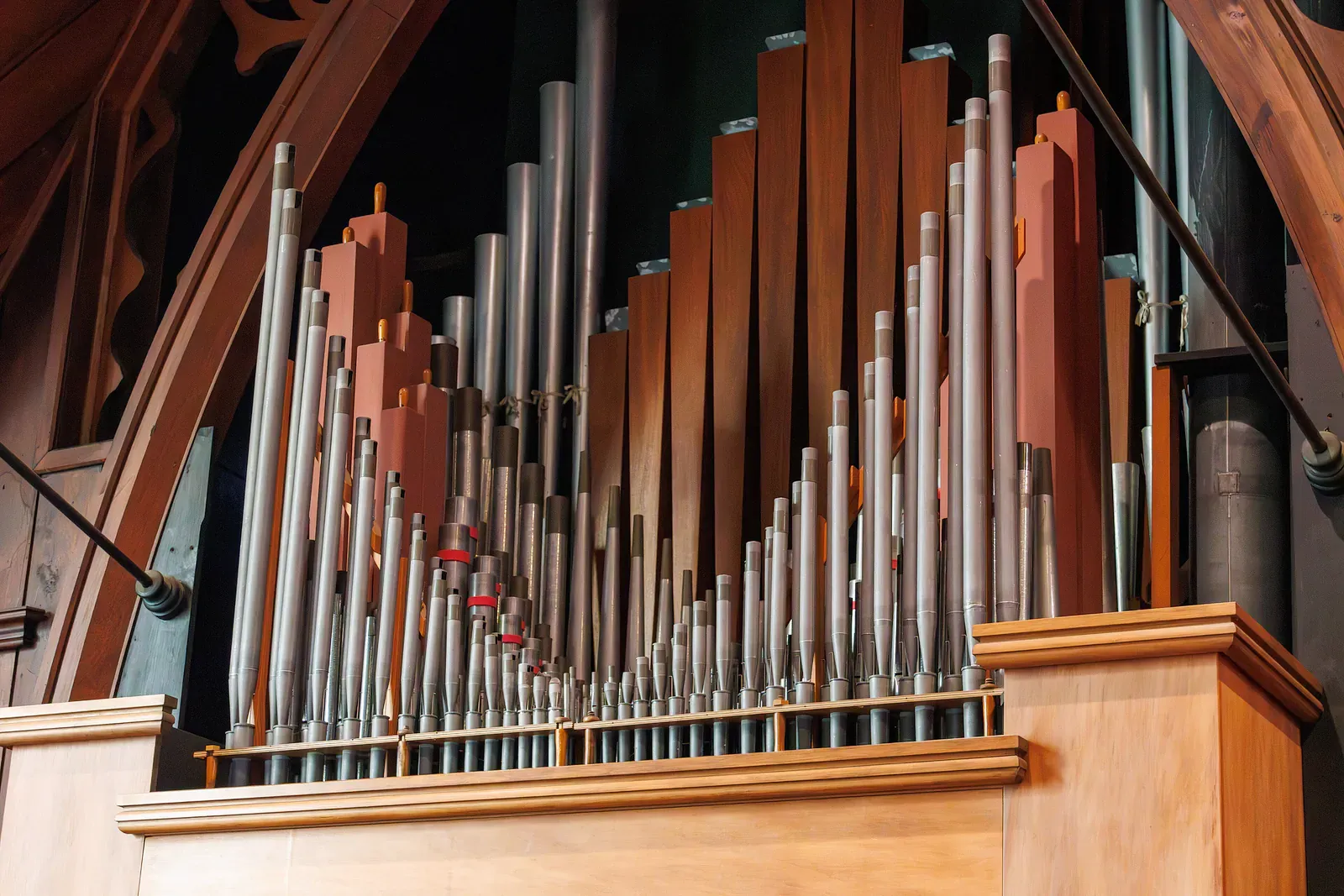
Notable recordings
Aretha Franklin’s “Amazing Grace” of 1972 runs about ten minutes with choir and the minister James Cleveland, and sits among the best-selling gospel albums. The Royal Scots Dragoon Guards’ recording strips the hymn to pipes and drums. The tune most often paired with the Newton text, “New Britain”, is an American melody of the early nineteenth century. Newton wrote only the words.
Culture
Hymn singing is communal, scheduled and book-bound. Wooden or metal hymn boards display numbers so a congregation can find the page.
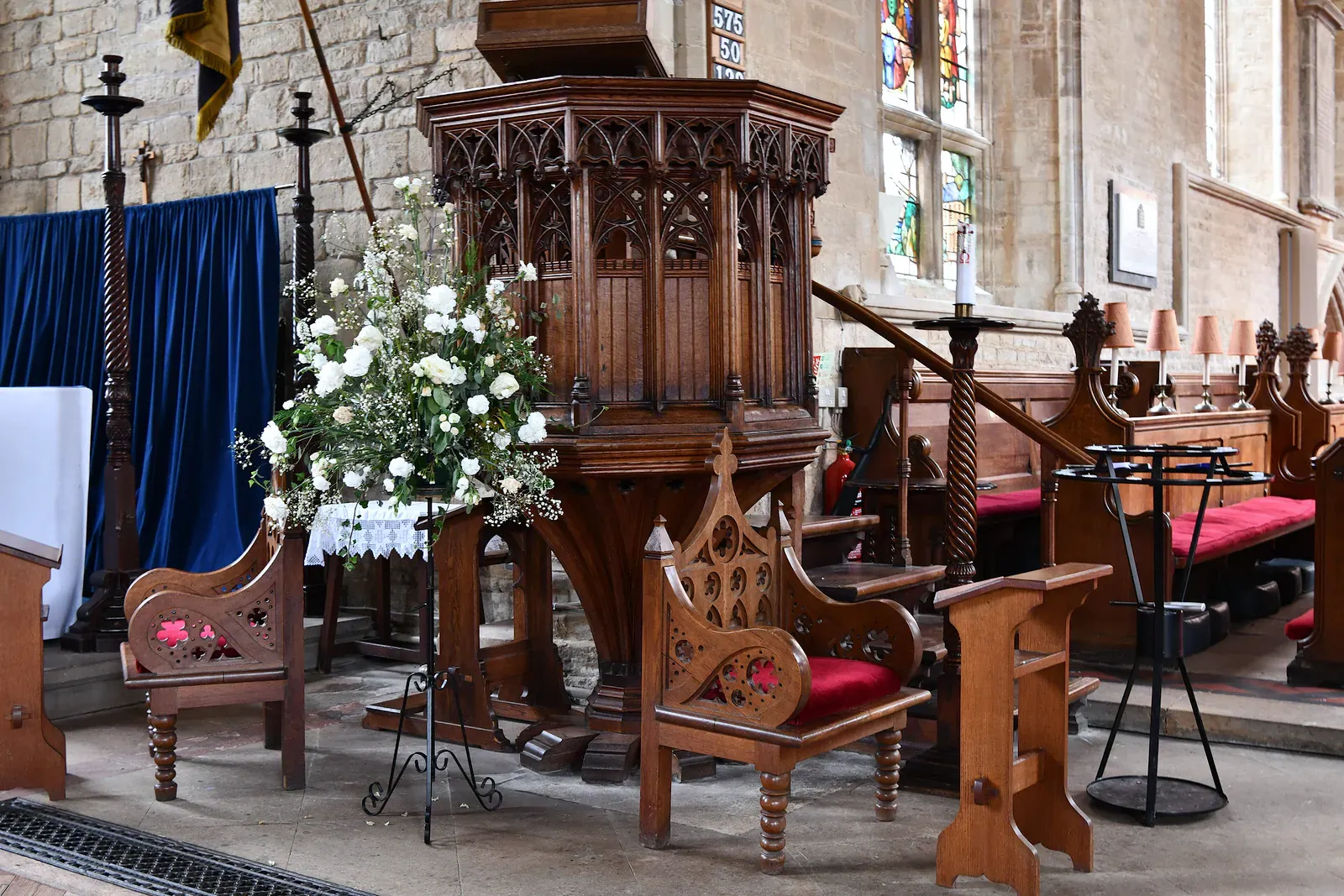
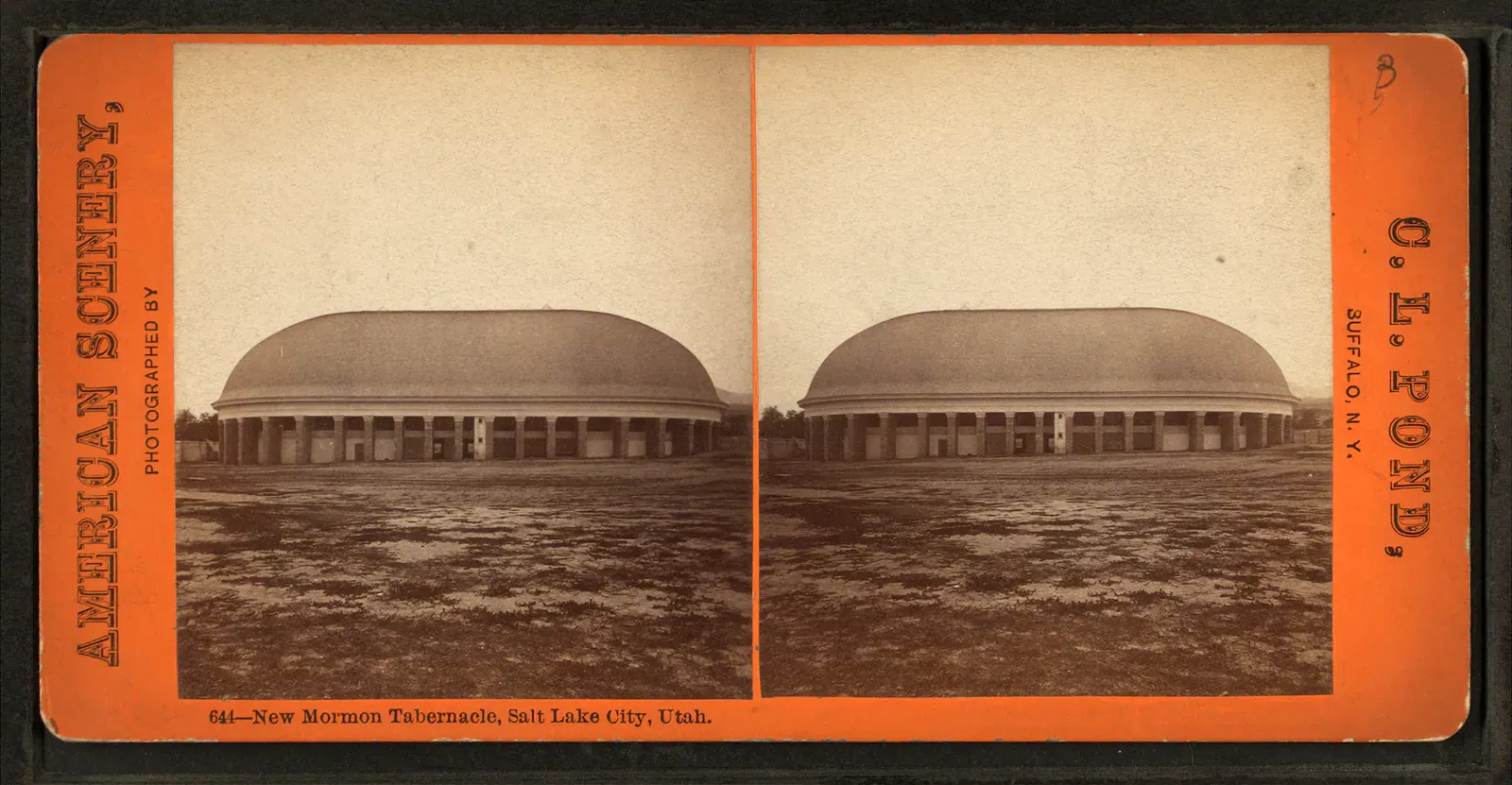
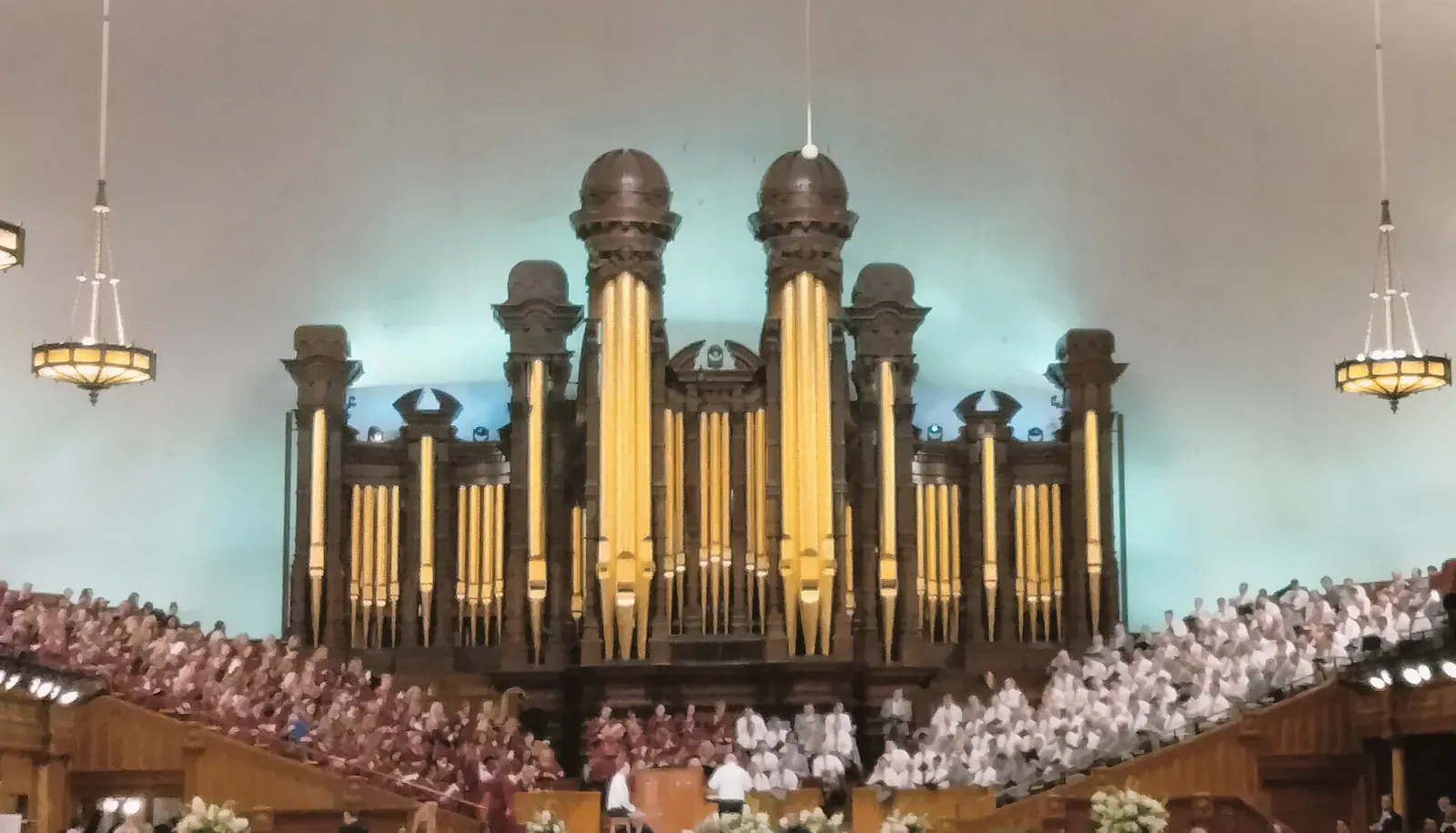
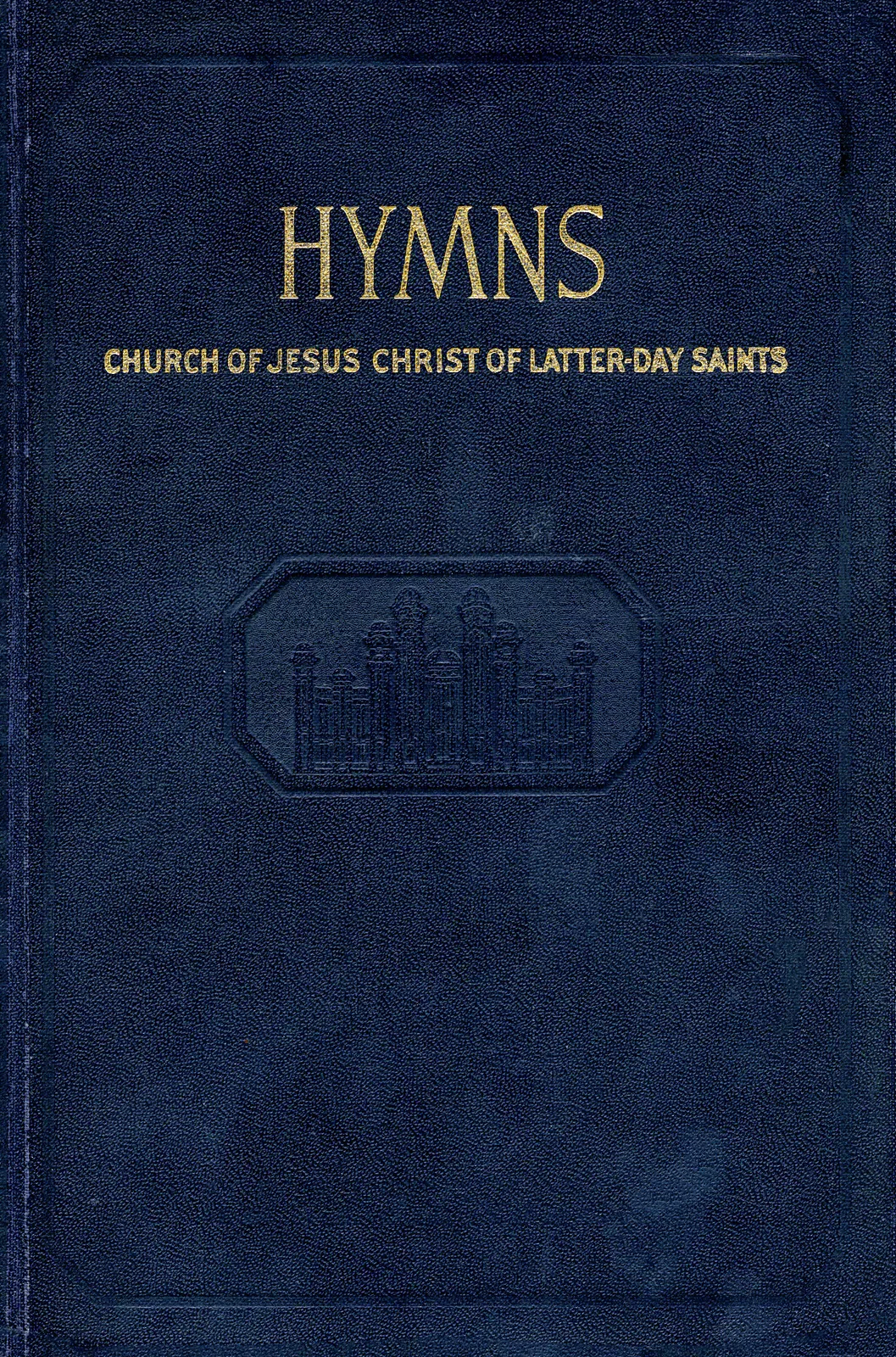
Shape-note conventions are all-day community singings, and lining out survives in some Baptist churches. The English idiom “singing from the same hymn sheet” draws on this habit of unified singing. The Latter-day Saint tradition is organised around the Salt Lake Tabernacle, built in the 1860s and home to the Tabernacle Choir’s weekly broadcast.
Legacy
Hymnody gave Western music its model of mass participation: written for people who cannot read music, with a tune anyone can learn. Gospel took the texts and added the call-and-response, the piano and the voice of the Black church; shape-note singing kept the notation and the four-part sound alive; worship music in the contemporary style grew from the same congregational impulse with a band instead of an organ. Hymn texts by Watts, Wesley, Newton and Crosby are still among the most sung English-language verse.
Misconceptions
Hymns are not all psalms. Until Watts, most English-speaking Protestants sang only metrical psalms, and the freely composed hymn was the novelty that his collections of 1707 and 1719 introduced.
Newton did not compose the tune of “Amazing Grace”. He wrote the text; the melody now attached to it was joined to it in America later, in 1835.
Hymns are not confined to churches. “Abide with Me” has been sung at the FA Cup Final since 1927, Songs of Praise has been on television since 1961, and “Amazing Grace” topped the British singles chart in 1972.
Frequently asked questions
What is hymnody?
Hymnody is the practice, repertoire and study of hymns: strophic, metrical religious songs sung by a congregation to a fixed tune. The term covers the writing of hymns, the books they are collected in, and the way they are sung.
What is common metre in hymns?
Common metre is a verse pattern of four lines with 8, 6, 8 and 6 syllables. Any text in that pattern can be sung to any common-metre tune, which is why “Amazing Grace” and many other texts can be paired with several tunes.
Who wrote “Amazing Grace”?
John Newton wrote the words, for a New Year service in Olney, and they were printed in the Olney Hymns in 1779. The tune now used with the text is an American melody, not Newton’s.
Sound
Sound sheet
Anatomy of a track
| # | Part |
|---|---|
| 1 | Organ or piano introduction (usually the last line) |
| 2 | Verse 1 (four lines, one tune) |
| 3 | Verses 2 to 4 (same tune, new words) |
| 4 | Final verse (often with descant or a raised key) |
| 5 | Amen |
Signature sounds
- Strophic text with every verse sung to the same tune
- Metre markings such as common metre that let texts and tunes swap
- Four-part SATB harmony over a steady organ or piano beat
- One note per syllable, so a crowd can sing it at once
- Added refrain in the gospel hymn
- Descant or key change in the last verse
Techniques
- Four-part harmony
- Lining out
- Tune and text interchange
- Final-verse descant
- Shape-note singing
Keys and modes
Major keys. Most hymn tunes sit in major keys that suit the congregational singing range, such as C, D, E-flat and G.
Modal tunes. Older chorales, folk-derived tunes and shape-note tunes use Dorian, Mixolydian and other modes.
Vocals
Mixed congregation in unison or four parts, led by a choir, precentor or organist.
Scenes
Where it happened
Where and when the sound lived: one bar per city on a shared timeline.
Europe
North America
Active scenes
Peak 5, 1918-2025
Luther and his colleagues write and print German chorales for congregational singing.
Calvin's church builds the metrical psalter that shapes Reformed singing across Europe.
Isaac Watts and the Wesleys publish the hymns that define English-language congregational song.
John Newton and William Cowper write the Olney Hymns for parish prayer meetings.
Lowell Mason's tune books and singing classes standardise hymn singing in American churches.
Moody and Sankey's revival base, and later Thomas Dorsey's gospel choir centre.
Latter-day Saint hymn singing centres on the Tabernacle Choir and the Tabernacle.
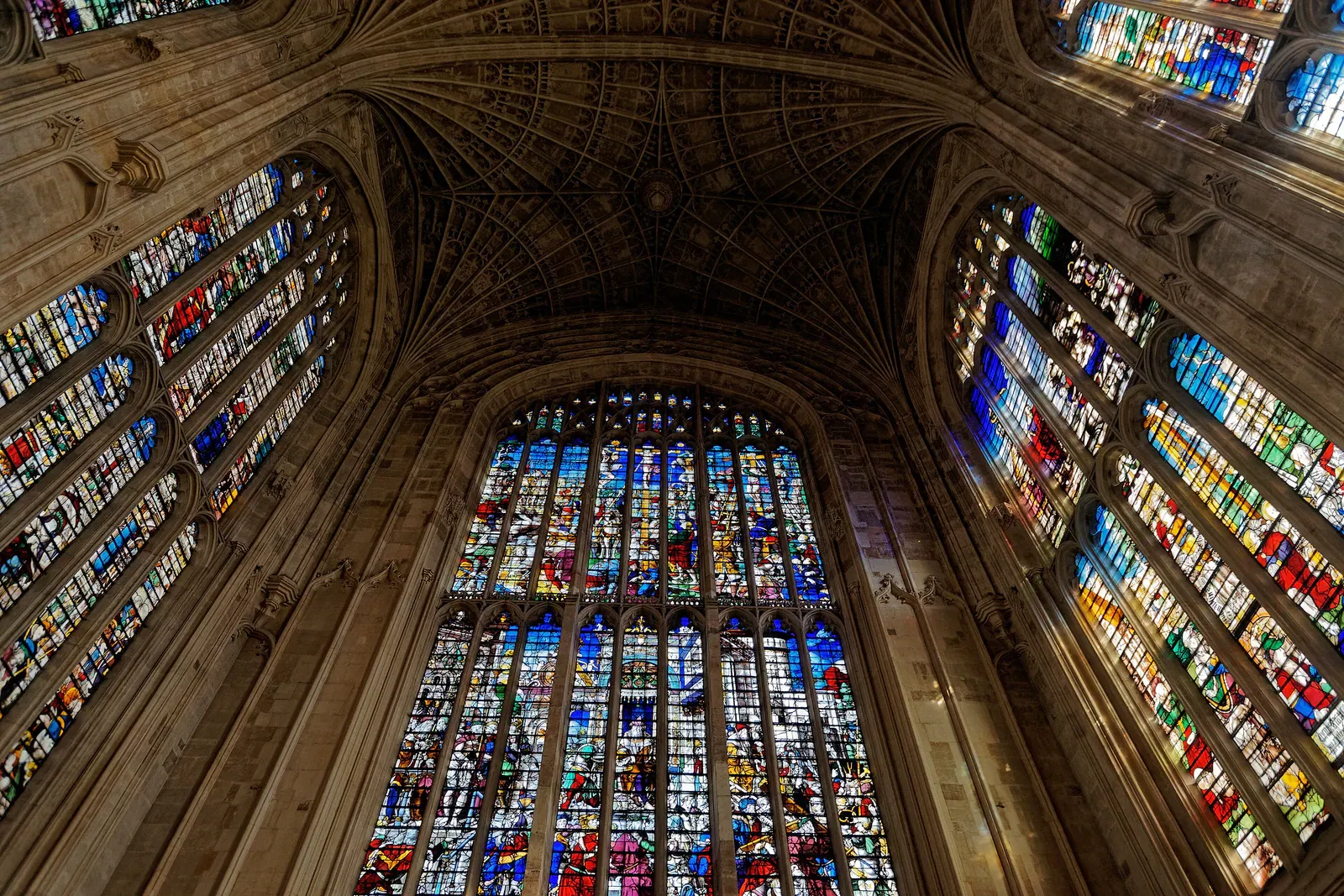
King's College Chapel holds the Nine Lessons and Carols service, broadcast since 1928.
Venues and places
Olney, 1764 to today. John Newton was curate here and wrote Amazing Grace for a New Year service.
Leipzig, 1723 to today. J. S. Bach was cantor here and wrote chorale cantatas on Lutheran hymns for its services.
Salt Lake City, 1867 to today. Home of the Tabernacle Choir's weekly broadcast and hymn-singing programme.
Cambridge, 1918 to today. Setting for the annual Festival of Nine Lessons and Carols, broadcast on radio.
Los Angeles, 1972 to 1972. Aretha Franklin recorded her live gospel album here in January 1972.
Culture
Culture markers
- Congregational singing
Whole congregations sing the same strophic text and tune, led by an organist, choir or leader.
Ritual - Lining out
A leader chants each line before the congregation repeats it, preserved in some Baptist churches.
Ritual - Nine Lessons and Carols
A Christmas Eve service of readings and hymns that King's College made famous.
Ritual - Shape-note singing conventions
All-day community singings from The Sacred Harp, sung in four parts facing the middle of a square.
Ritual - Hymn board
Wooden or metal boards display hymn numbers so the congregation can find the page.
Artwork - Singing from the same hymn sheet
An English idiom for agreeing on a message comes from hymn-sheet singing.
Slang
Media
Key media
- 1707Hymns and Spiritual Songs
by Isaac Watts. The book that made freely composed hymns normal in English worship.
Book - 1779Olney Hymns
by John Newton and William Cowper. The collection that carried Amazing Grace into print.
Book - 1844The Sacred Harp
by B. F. White and E. J. King. A shape-note tune book still used by Southern singing communities.
Book - 1861Hymns Ancient and Modern
by Various. The most widely used Anglican hymnal of the Victorian era.
Book - 1906The English Hymnal
by Percy Dearmer and Ralph Vaughan Williams. Revised Anglican singing with folk tunes and a stronger musical standard.
Book - 1928A Festival of Nine Lessons and Carols
by BBC. The King's College service reaches a radio audience each Christmas Eve.
Radio - 2019Amazing Grace
by Alan Elliott and Sydney Pollack. Concert film of Aretha Franklin's 1972 live recording sessions.
Film
Glossary
Terms on this page
A verse pattern of lines with 8, 6, 8 and 6 syllables that lets many texts share one tune.
A high countermelody sung above the tune, usually in a final verse.
A short hymn of praise to God, often sung at the end of a service.
A revival-era hymn with a refrain and an easy melody.
A melody with a name of its own, matched to texts by metre.
A book of hymn texts, usually with music, used by a congregation.
A leader gives each line before the congregation sings it.
Religious family