Buddhist music
Buddhist music is sutra and mantra chant with bells, drums and horns, practised for over 2,000 years. How Gyuto monks and world music labels took it global.
India, China, Japan, Sri Lanka, Nepal, Cambodia, South Korea, -400
Religious family
Born
-400
India, China, Japan, Sri Lanka, Nepal, Cambodia, South Korea
Subgenres
11
Documented branches
Links
16
Genres it drew on or shaped
Tempo
65-105 BPMLineage
Family tree
Grew out of
India, China, Japan, Sri Lanka, Nepal, Cambodia, South Korea, -400
Buddhist music
Led to (11)
Timeline
Era by era
From the first sparks to today. Select a dot to read the story behind it.
- Oral recitation and early chant
-400 to 700
- Regional liturgies take shape
700 to 1600
- Shakuhachi priests and monastic continuity
1600 to 1958
- Exile and field recording
1959 to 1986
- World music and new age crossover
1987 to 2005
- Streaming and global practice
2006 to 2026
Eras
Moments
- 1 Oral recitation and early chant, -400 to 700
- 2 Regional liturgies take shape, 700 to 1600
- 3 Shakuhachi priests and monastic continuity, 1600 to 1958
- 4 Exile and field recording, 1959 to 1986
- 5 World music and new age crossover, 1987 to 2005
- 6 Streaming and global practice, 2006 to 2026
around -400
Oral recitation and early chant
Monks memorize and recite the teachings aloud. Chant, bells and drums spread with the faith from India across Central, East and Southeast Asia.
- -400Recitation becomes the core of Buddhist practiceEarly communities pass the teachings on by memorized chanting, long before texts are written down.
around 700
Regional liturgies take shape
Tang China develops fanbai, Japan codifies shomyo after the 752 Todai-ji ceremony, and Tibetan monasteries refine overtone chanting and ritual orchestras.
- 700Buddhist music flourishes in Tang ChinaNew forms of storytelling and liturgy grow under the Tang court and temples.
- 752Chanted ceremony at Todai-jiThe ceremony opening the Great Buddha at Todai-ji is an early reference to Buddhist chant in Japan.
- 800Kukai and Saicho bring Chinese chant to JapanTheir transmitted styles become the base of Shingon and Tendai shomyo.
- 1475Gyuto tantric college founded in LhasaJetsun Kunga Dhondup founds the college whose monks later became known for chordal chanting.
around 1600
Shakuhachi priests and monastic continuity
Wandering Komuso play honkyoku in Edo Japan until their privileges end in 1867, while temple chant stays an oral craft passed from teacher to student.
- 1795Kyotaku denki shapes Komuso loreThe text gives the shakuhachi-playing Komuso a Zen lineage and a story for their honkyoku.
- 1867Komuso rights abolishedThe Meiji government ends the sect privileges, and shakuhachi moves to lay players.
1959
Exile and field recording
Tibetan monks flee to India in 1959. Collectors such as David Lewiston record Gyuto chant for Nonesuch, and Western audiences hear monastic music on LP.
- 1959Gyuto monks flee TibetAbout 60 monks reach India and regroup, first at Dalhousie, later near Dharamshala.
- 1973Nonesuch issues Tantras of Gyuto: MahakalaDavid Lewiston records the Gyuto chant for the Explorer Series.
- 1980Riley Lee becomes first non-Japanese shakuhachi Dai ShihanThe grand master rank opens the Zen flute tradition to a Western-born player.
1987
World music and new age crossover
Windham Hill, Rykodisc, Hannibal and Real World release chant albums. Gyuto monks, Yungchen Lhamo, Choying Drolma and Imee Ooi find listeners far from the temple.
- 1987Windham Hill releases Tibetan Tantric ChoirThe Gyuto monks reach new age and acoustic music shops.
- 1988Gyuto monks tour the United StatesThey record at Skywalker Ranch and take part in a tribute concert in New York.
- 1989Freedom Chants from the Roof of the WorldRykodisc issues the album in the Mickey Hart series.
- 1995Yungchen Lhamo wins an ARIA awardHer debut Tibetan Prayer wins best world music album and leads to a Real World deal.
- 1996Tibet, Tibet on Real WorldMostly a cappella Buddhist prayers and songs reach the audience of Peter Gabriel's label.
- 1997Chö with Steve TibbettsNun Choying Drolma and a Minnesota guitarist record at Nagi Gompa, and Hannibal and Rykodisc release the album.
- 1997Imee Ooi founds I.M.M. MusicworksThe Malaysian composer starts a label to publish her sutra and mantra settings.
- 2000Rain of Blessings: Vajra ChantsLama Gyurme and Jean-Philippe Rykiel release Tibetan Kagyu chants on Real World.
2006
Streaming and global practice
Chant reaches listeners through streaming and meditation playlists. Monastic groups keep recording, and Asian composers keep setting sutras and mantras to new music.
- 2013Chants: The Spirit of Tibet on DeccaThe Gyuto monks return with a new album produced by Youth.
Listening path
Anthems
The records that built the sound, grouped by the part they played. Thumbnails come from YouTube; the player loads only when you press play.
- 01
The Gyuto Monks, 1973 · Nonesuch Records
Lewiston's field recording took Gyuto chordal chanting to a Western record audience.
Origin - 02
The Gyuto Monks, 1987 · Windham Hill Records
Tibetan Tantric Choir took monastic chant into new age and acoustic record shops.
Breakthrough - 03
Yungchen Lhamo, 1996 · Real World Records
A cappella prayer in a solo voice, the gentlest way into Tibetan Buddhist song.
Start hereAnthem - 04
Dechen Shak-Dagsay, 1999
A Tara mantra song from the Swiss-Tibetan singer who later co-led the Beyond projects.
Anthem - 05
Lama Gyurme, 2000 · Real World Records
Kagyu chant with sparse keyboards, a quiet showpiece for Vajra chants.
Anthem - 06
Imee Ooi, 2000 · I.M.M. Musicworks
A melodic setting of the dharani that became a standard in Chinese-speaking Buddhist communities.
Start hereAnthem - 07
Ani Choying Drolma, 2006
The six-syllable mantra in Drolma's warm voice, from her Inner Peace album.
Anthem - 08
The Gyuto Monks, 1989 · Rykodisc
Freedom Chants linked the monks to Mickey Hart and the rock audience.
Crossover - 09
Steve Tibbetts, 1997 · Hannibal Records
A nun's chant joined by Tibbetts' guitar and percussion, the Himalaya-meets-West sound that opened her career.
Start hereCrossover - 10
The Gyuto Monks, 2013
The monks return on a major label with modern production from Youth.
Revival
Facts
| Family | Religious |
| Origin | India, China, Japan, Sri Lanka, Nepal, Cambodia, South Korea |
| Emerged | From c. 5th century BCE |
| Status | Active |
| Tempo | 65 to 105 BPM |
| Meter | free |
| Subgenres | 11 |
Buddhist music is the chanted and played sound of Buddhist practice: sutra and mantra recitation, monastic liturgies, and the bells, drums, gongs and horns that mark each part of a ritual.
It began with the memorized recitation of the teachings in India around the 5th century BCE and spread across Asia with the faith. It matters because it is one of the oldest living vocal traditions, and because a few record labels carried it from temples to listeners worldwide in the late 20th century.
Origins
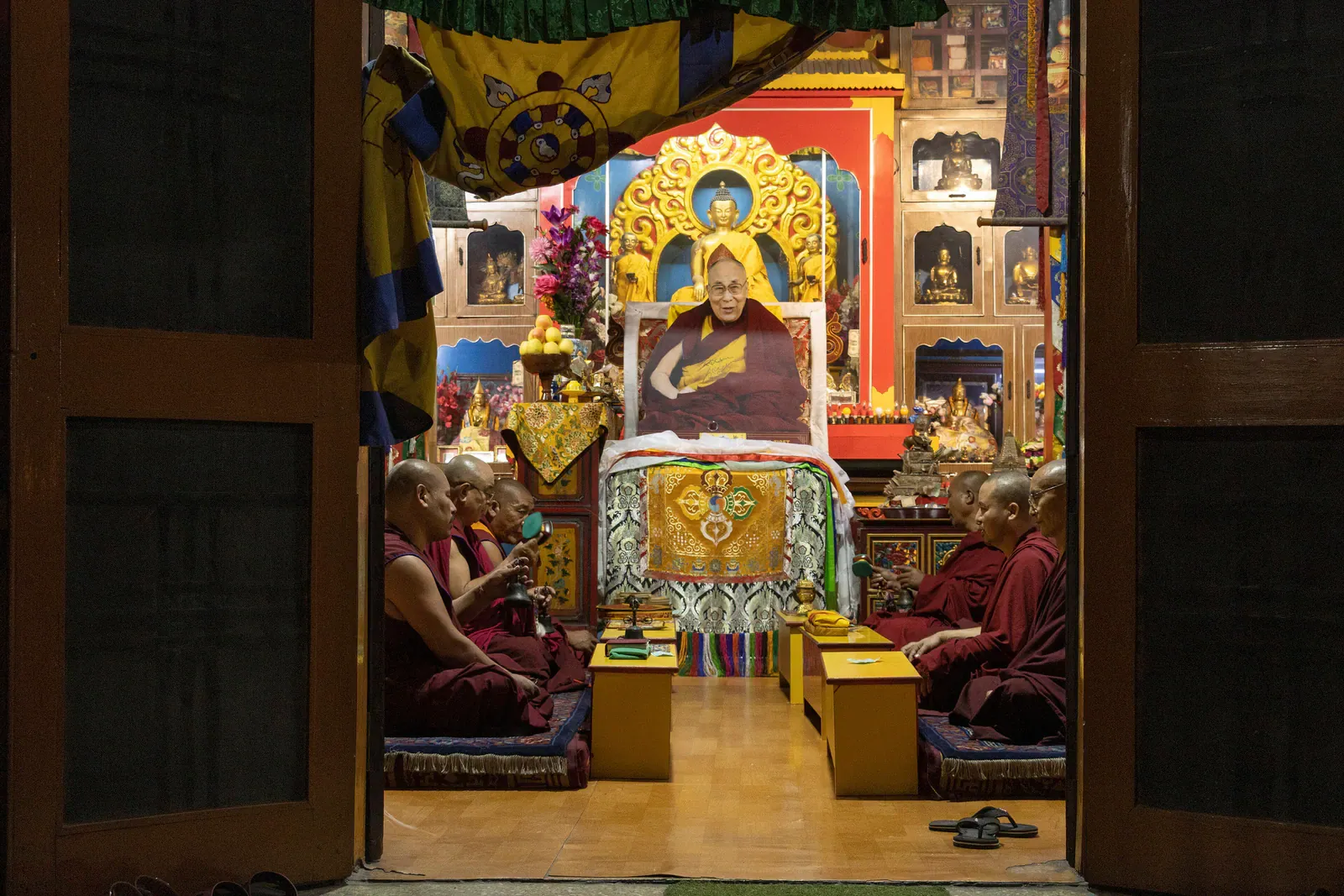
It started as memory work. In the early Buddhist communities, from about 400 BCE, the teachings were passed on by reciting them aloud, long before they were written down. Chanting in unison was how a text stayed intact from one generation of monks to the next, so the voice came first and instruments came as accents.
As the faith moved from India into Central, East and Southeast Asia, chant, bells and drums travelled with it and took on local colour. By about 700 CE each region was shaping its own sound: Pali verses in Theravada practice, Sanskrit and Tibetan texts in Vajrayana schools, Chinese and Japanese chant in East Asia.
Regional liturgies, 700-1600
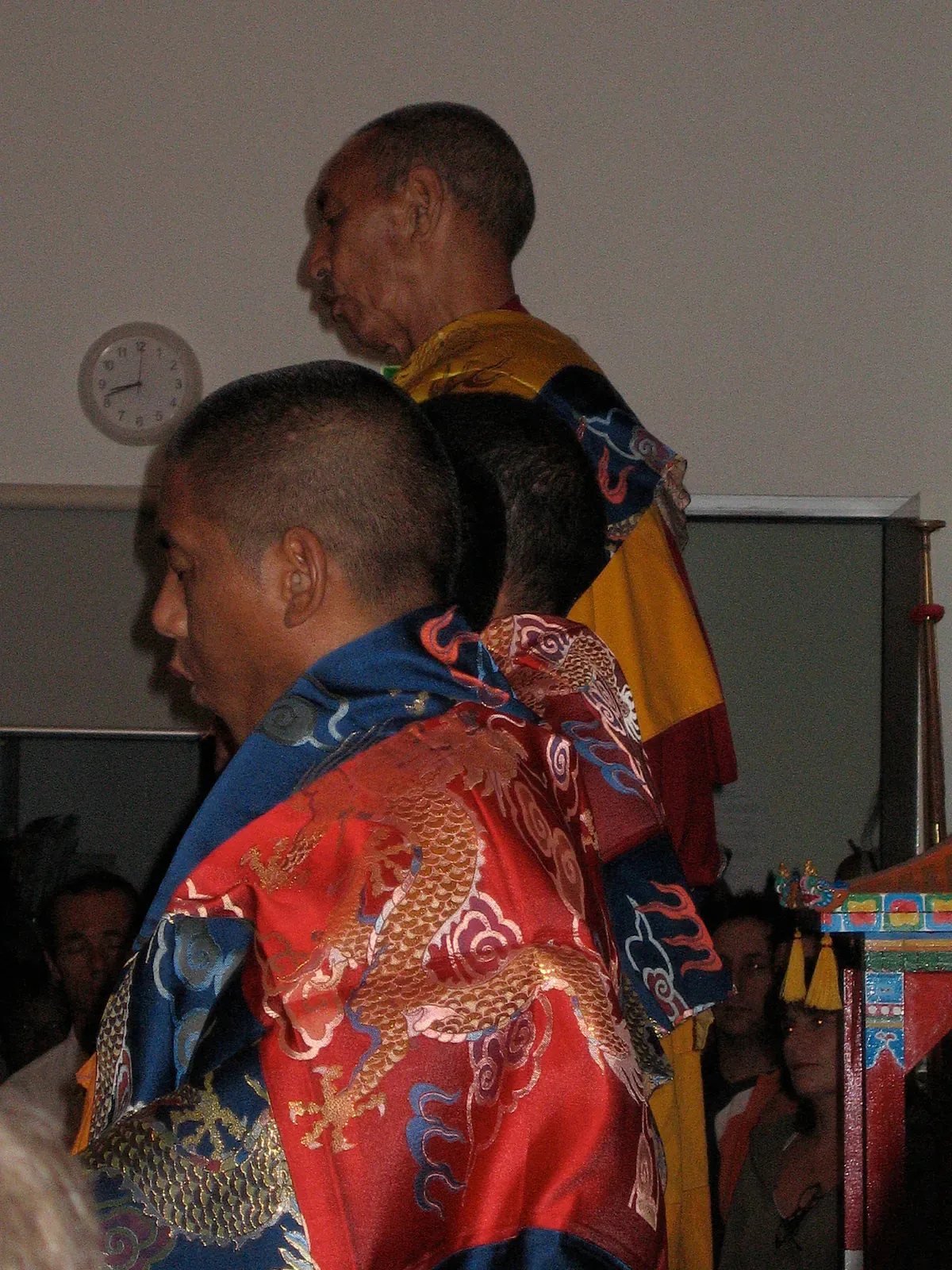
Between roughly 700 and 1600 the big regional traditions settled. Tang China developed fanbai, its Buddhist chant, and new storytelling and liturgical forms grew under the court and the temples. In Japan, the ceremony that opened the Great Buddha at Todai-ji in Nara in 752 is an early reference to Buddhist chant there. Around 800 the monks Kukai and Saicho brought Chinese chant styles home, and these became the base of Shingon and Tendai shomyo.
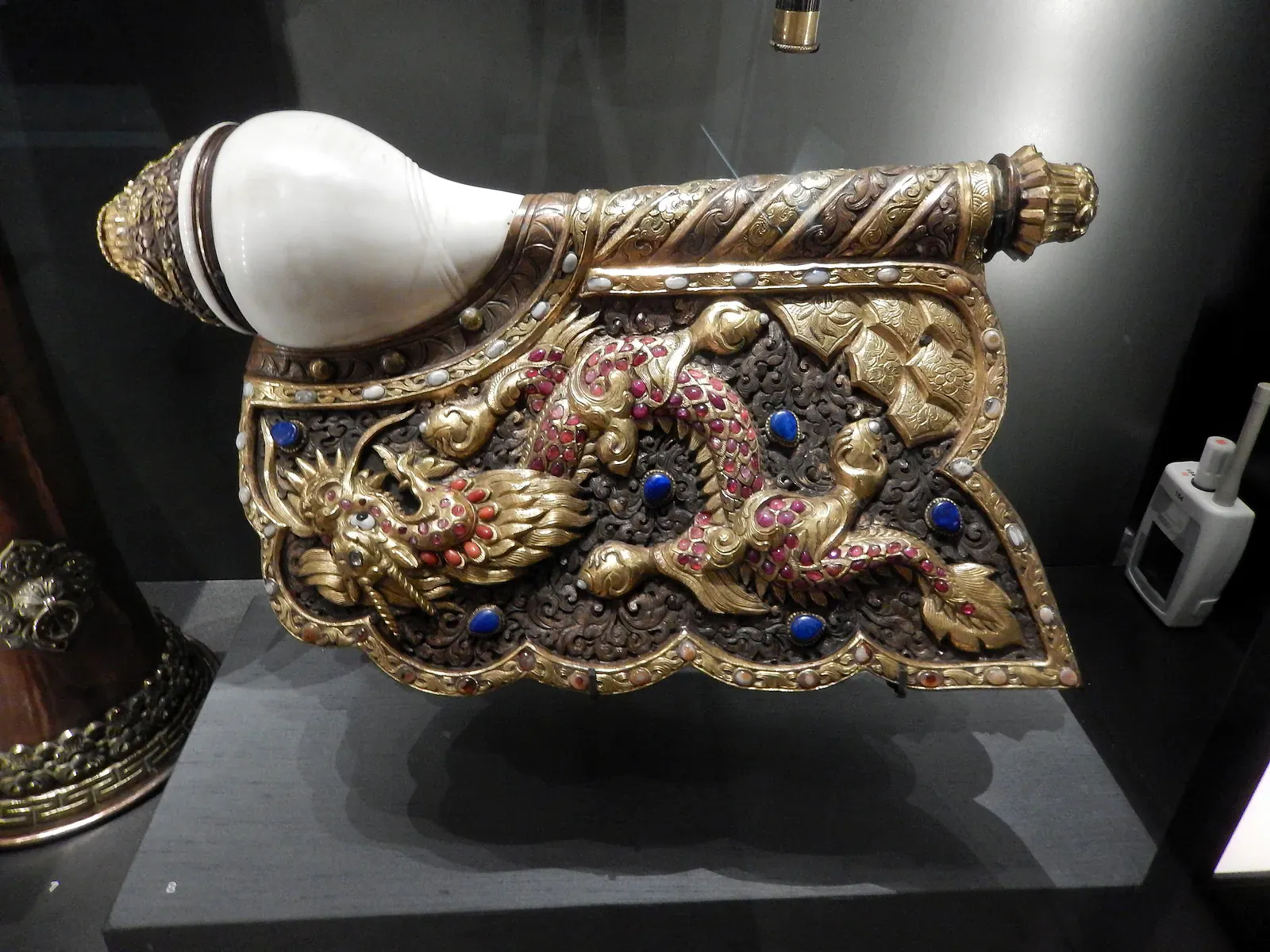
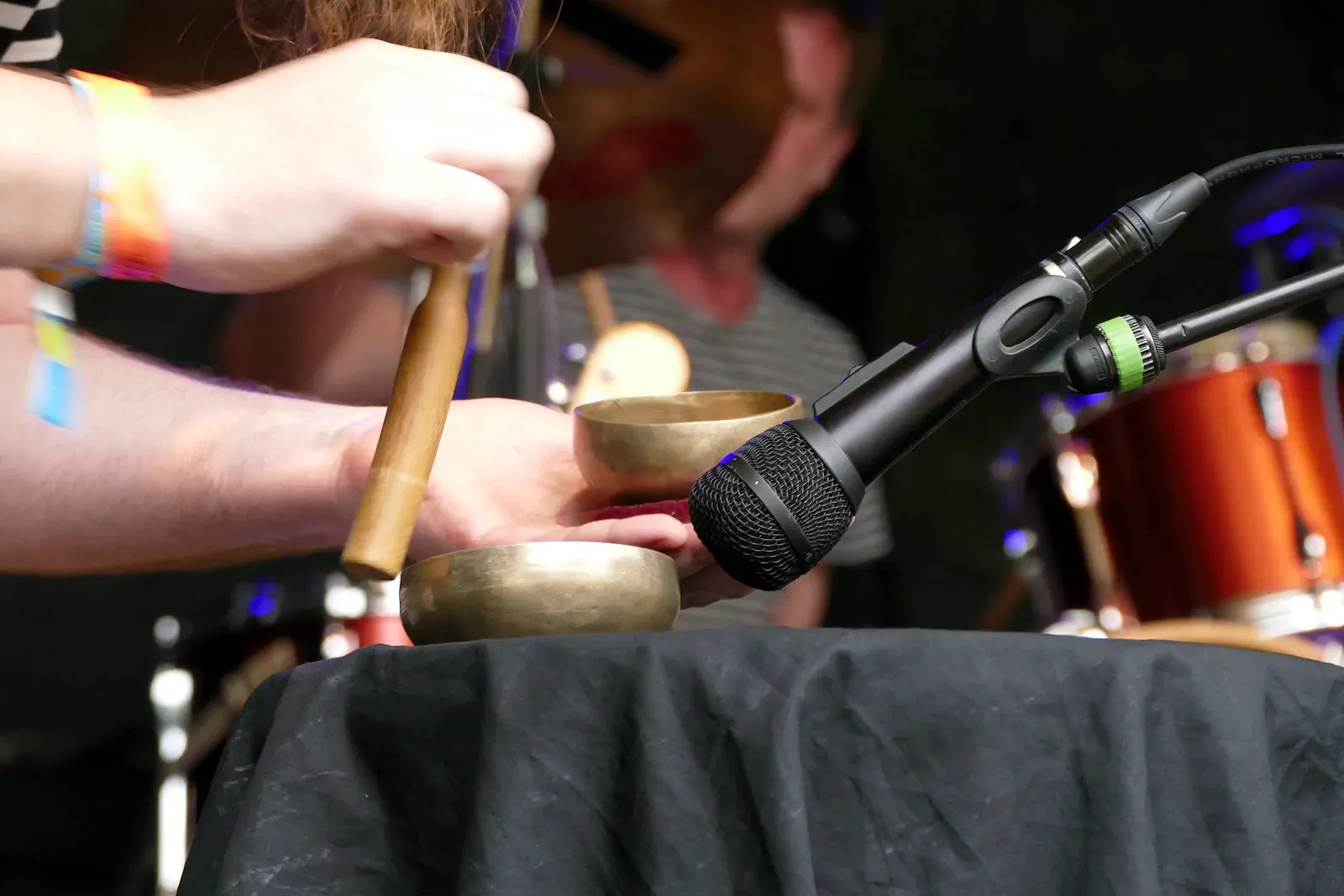
In Tibet, the Gyuto tantric college was founded in Lhasa in 1475 by Jetsun Kunga Dhondup. Its monks became known for chordal chanting, in which one voice sounds a very low note while its harmonics ring out above it. Tibetan monasteries also kept ritual orchestras of hand bells, hourglass damaru drums, cymbals and long horns.
Shakuhachi and monastic continuity, 1600-1958
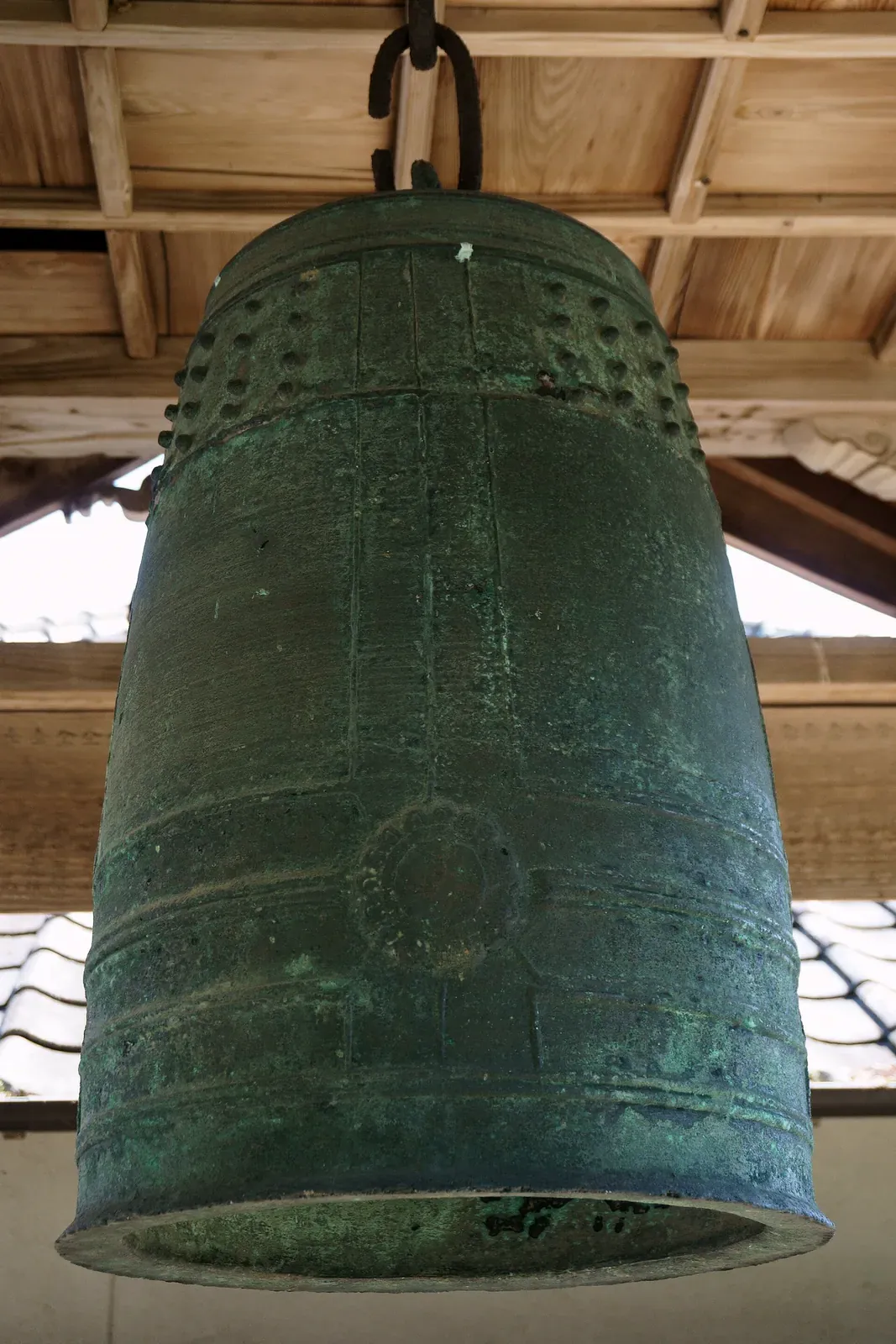
From about 1600 to the late 1950s the story is mostly one of continuity. In Edo-period Japan, the wandering Komuso played the bamboo shakuhachi as Zen meditation, and their solo pieces are called honkyoku. A 1795 text, the Kyotaku denki, gave them a Zen lineage and a story to go with the music. The Komuso were lay players, not ordained monks, and their privileges ended when the Meiji government abolished them in 1867. After that the shakuhachi passed to lay players.
Temple chant meanwhile stayed an oral craft, learned by ear from a teacher.
Exile and field recording, 1959-1986
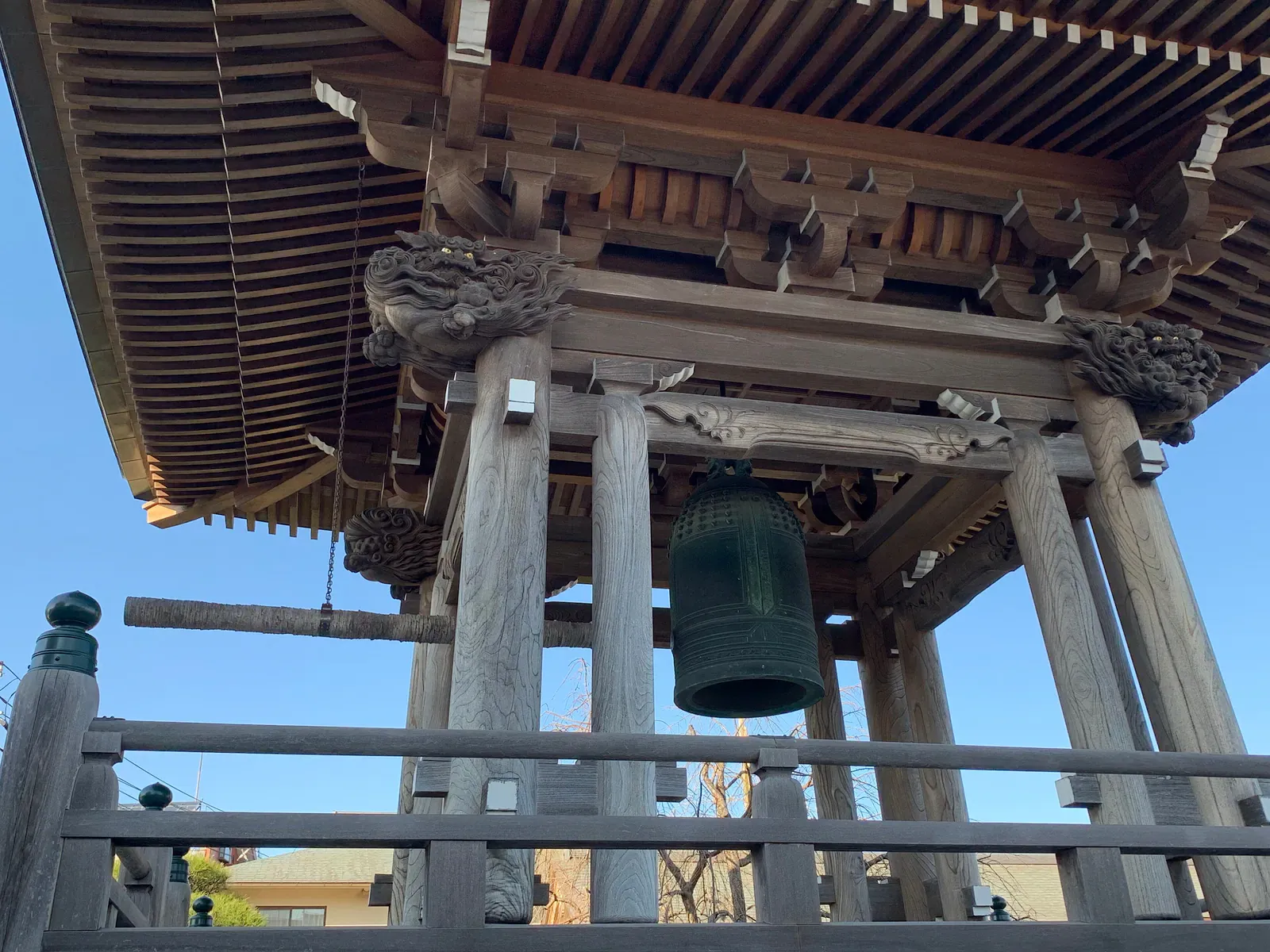
Everything changed for Tibetan chant in 1959. About 60 Gyuto monks reached India and regrouped, first at Dalhousie and later near Dharamshala. Their order is now based at Sidhbari. Exile put them within reach of outside collectors.
Among them was David Lewiston, who recorded Gyuto chant for Nonesuch’s Explorer Series, which had been issuing field recordings since 1967. His 1973 release, Tantras of Gyuto: Mahakala, put chordal chanting on a Western record buyer’s shelf. The Nonesuch page covers the label.
World music and new age crossover, 1987-2005
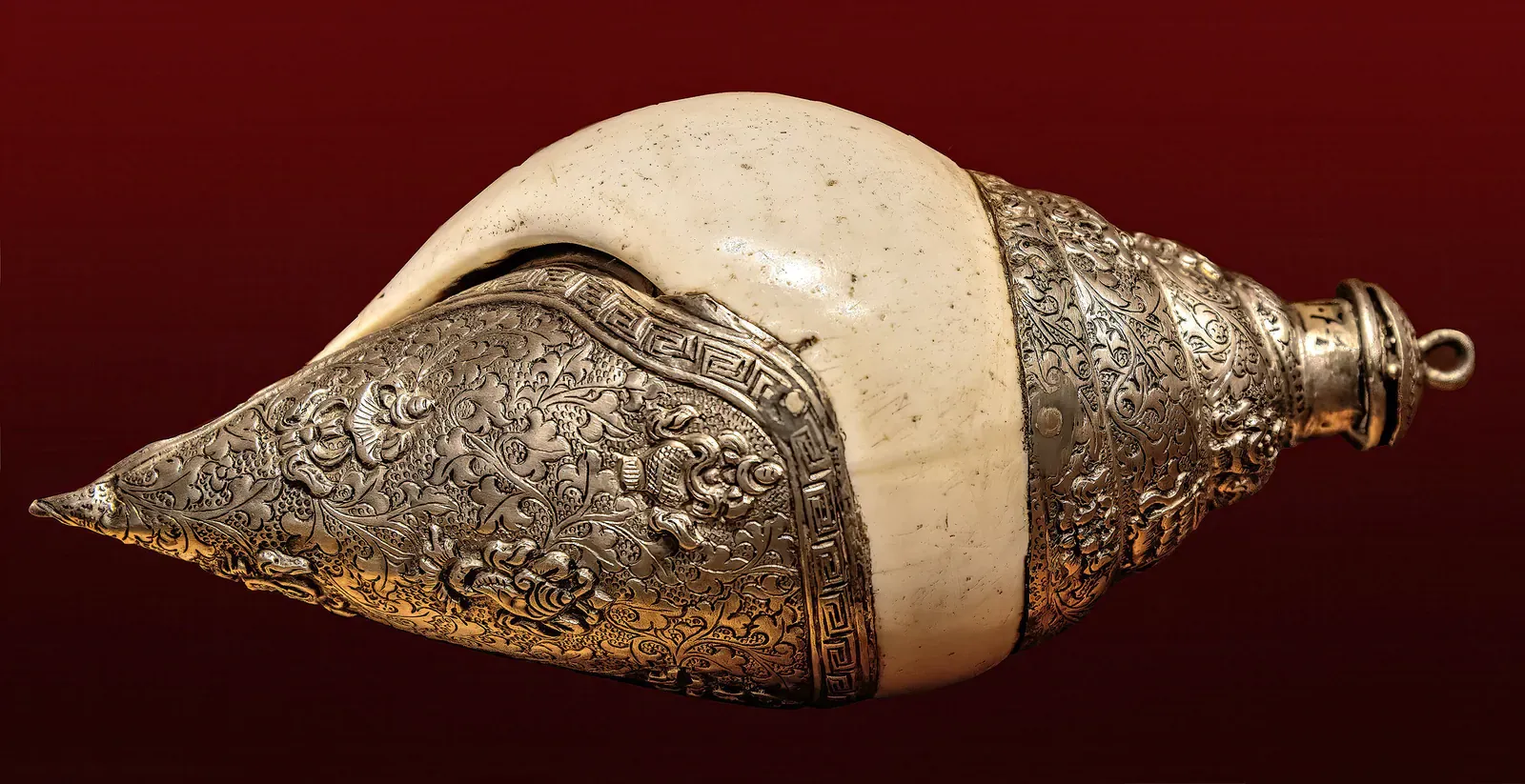
From 1987 chant reached a new audience through independent labels. Windham Hill issued Tibetan Tantric Choir that year, and the Gyuto monks turned up in acoustic and new age record shops. In 1988 they toured the United States, recorded at Skywalker Ranch and took part in a tribute concert in New York. Rykodisc released Freedom Chants from the Roof of the World in 1989, in the Mickey Hart series.
Then came a wave of singers who set Buddhist texts in fresh ways. Yungchen Lhamo won an ARIA award in 1995 for Tibetan Prayer, and Real World released Tibet, Tibet in 1996. In 1997 the nun Choying Drolma recorded Chö with the guitarist Steve Tibbetts at Nagi Gompa, near Kathmandu. That same year the Malaysian composer Imee Ooi founded I.M.M. Musicworks to publish her sutra and mantra settings. In 2000 Lama Gyurme and Jean-Philippe Rykiel released Rain of Blessings on Real World. In the same period, Riley Lee, who in 1980 became the first non-Japanese shakuhachi Dai Shihan, carried that bamboo flute tradition abroad.
Streaming and global practice, 2006 onward
Since 2006 the music has reached listeners through streaming and meditation playlists. Monastic groups keep recording, and Asian composers keep setting sutras and mantras to new music. In 2013 the Gyuto monks returned on Decca with Chants: The Spirit of Tibet, produced by Youth.
Mainstream success
Mostly through recordings, and mostly in three steps. First, field collectors like Lewiston documented monastic ritual in the 1960s and 1970s, aimed at listeners interested in the world’s musics. Second, from 1987, labels that sold acoustic and new age music, including Windham Hill and Rykodisc, put the monks next to other contemplative records. Third, Real World and a few other world music imprints worked with individual voices such as Yungchen Lhamo and Lama Gyurme, giving the chant a soloist and a story to hear.
The result is partial: chant on a record is lifted out of its ritual, and many listeners hear it as ambient music, a different frame from the one it was made for. For the wider context, see the new age family and the religious music family it belongs to.
Notable recordings
Mahakala (1973). Lewiston recorded the Gyuto monks for Nonesuch, and the album carried the chant to Western record shops as a field recording.
Tibetan Tantric Choir (1987). On Windham Hill, a label known for quiet acoustic music, the Gyuto monks reached a different crowd.
Chö (1997). A nun’s chant joined by Tibbetts’ guitar and percussion, recorded at a nunnery in Nepal, became a global release through Hannibal and Rykodisc. It started the international career of Choying Drolma and is the model for later Himalaya-meets-West records.
Culture
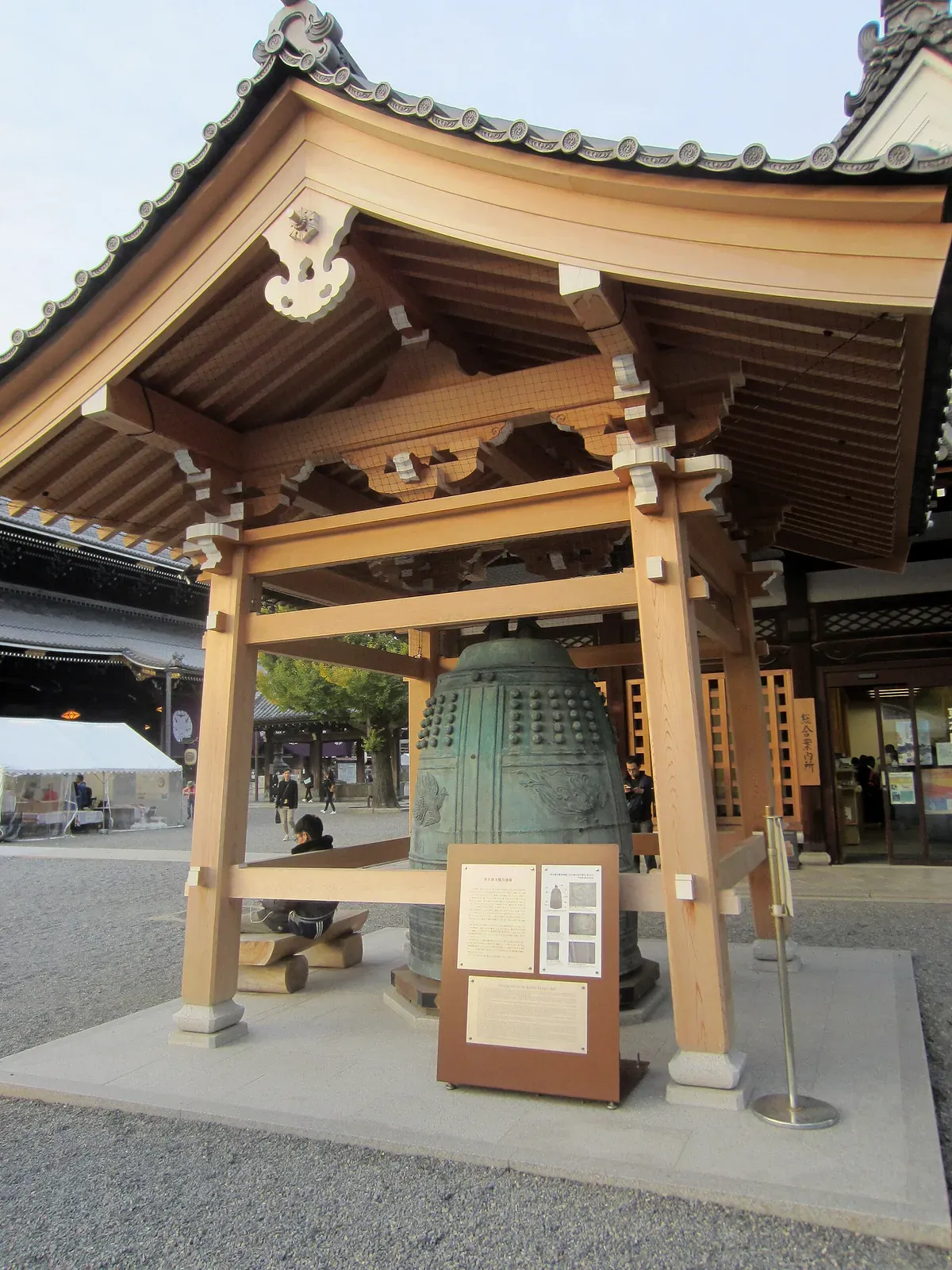
Buddhist music is mostly embedded in daily life. Monastic communities begin and end the day with sutra and mantra recitation. Theravada communities recite protective verses called paritta, sometimes through the night, in the hope of bringing safety and peace.
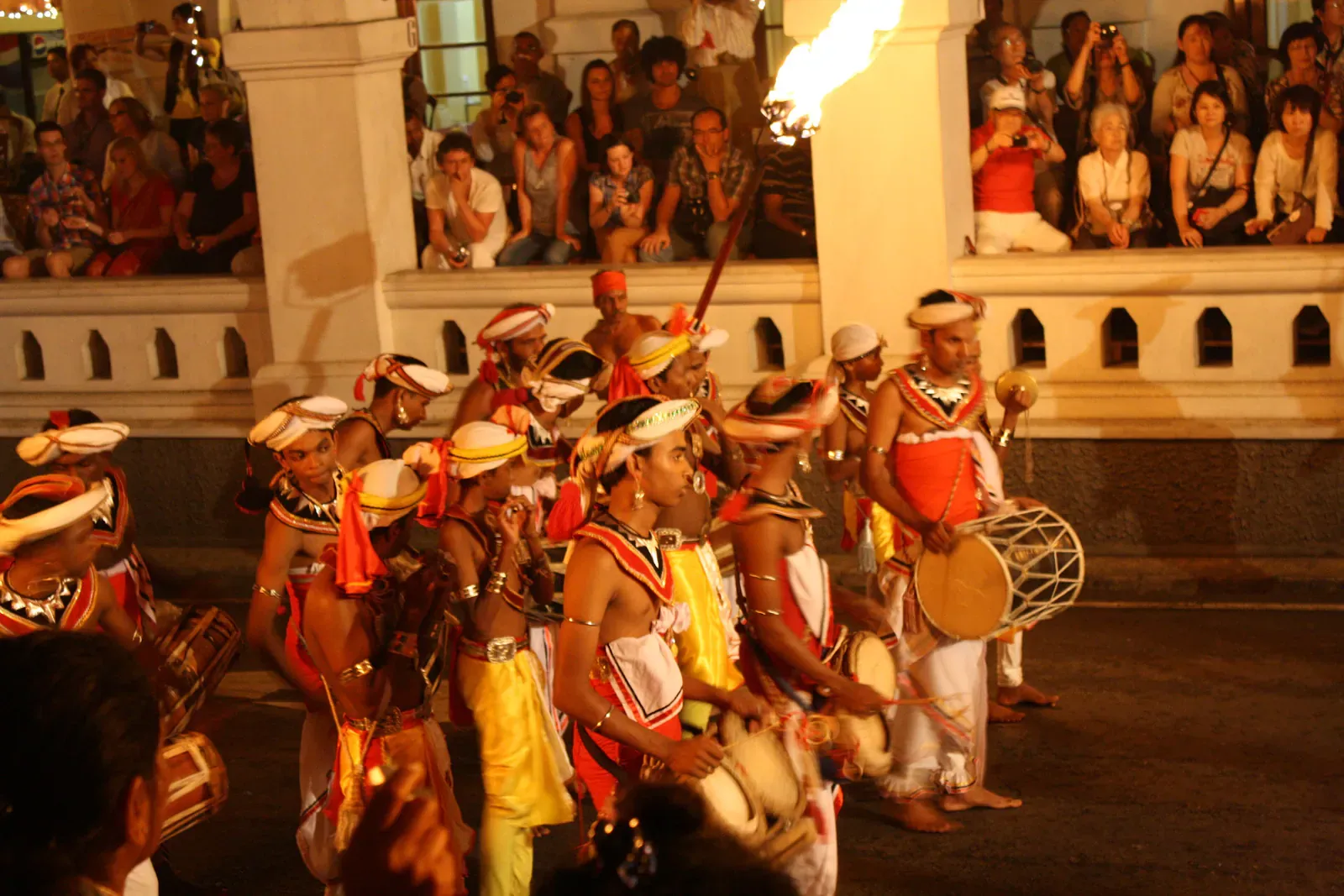
Tibetan monasteries stage the masked cham dance with ritual instruments and chant. In Sri Lanka, perahera processions fill the streets with drumming. In Japan, the Komuso wore straw basket hats called tengai while they played.
Recording brought questions of its own. Chant sold as entertainment or relaxation raises the question of who owns a sacred sound, and monks and musicians answer it differently. This page makes no claims about spiritual effects. It describes how the music works and where it travelled.
Misconceptions
“It is all one sound.” Tibetan chordal chanting, Japanese shomyo used by the Tendai and Shingon schools, Pali paritta in Theravada practice and Chinese fanbai differ in language, scale, rhythm and instruments. Only the habit of unison recitation is shared.
“It was made for listeners.” The Gyuto college dates to 1475, and for most of that time its chant was ritual for the community. Records came after the 1959 exile, and an early one, in 1973, was a field recording.
“The shakuhachi players were monks.” The Komuso, the shakuhachi players of Edo Japan, were lay Zen players, not ordained monks, and the Meiji government ended their privileges in 1867.
Frequently asked questions
What is Buddhist music?
Buddhist music is the chanted and played sound used in Buddhist practice. It includes sutra and mantra chanting, monastic liturgies, solo pieces such as shakuhachi honkyoku and devotional songs, with bells, drums, cymbals and horns marking the sections.
Who are the Gyuto monks?
The Gyuto monks belong to a Tibetan tantric college founded in Lhasa in 1475. They reached India in 1959 and are now based at Sidhbari near Dharamshala. Their chordal chanting appeared on a 1973 Nonesuch field recording and on Windham Hill and Rykodisc albums in the late 1980s.
What is shomyo?
Shomyo is Japanese Buddhist chant, used mainly by the Tendai and Shingon schools. It goes back to Chinese chant brought home by Kukai and Saicho around 800.
Which recordings are the best known examples of Buddhist music?
Yungchen Lhamo’s “Om Mani Padme Hung II” is a solo voice singing a prayer. Imee Ooi’s “Great Compassion Mantra” and the Chö recording by Choying Drolma and Steve Tibbetts are also widely known.
Sound
Sound sheet
Anatomy of a track
| # | Part |
|---|---|
| 1 | Invocation or refuge verse |
| 2 | Main text recited in unison, low drone-like voices |
| 3 | Bells, damaru, cymbals and horns mark sections |
| 4 | Offering or praise verses |
| 5 | Dedication of merit |
Signature sounds
- Low unison or heterophonic recitation
- Overtone or chordal chanting in Tibetan practice
- Hand bell, drum and cymbal punctuation
- Texts in Pali, Sanskrit, Tibetan, Chinese or Japanese
- Repeated mantra syllables
- Solo shakuhachi breath phrases in honkyoku
Drums and percussion
- Damaru
- Muyu (wooden fish)
- Rolmo cymbals
Techniques
- Overtone chanting
- Unison recitation
- Melismatic singing
- Oral transmission
- Protective paritta recitation
Keys and modes
Pentatonic yo scale. Used in Japanese shomyo, the same scale as gagaku court music.
Vocals
Low-pitched unison or heterophonic chant by monks and nuns, with solo devotional song in some traditions
Scenes
Where it happened
Where and when the sound lived: one bar per city on a shared timeline.
Asia
Europe
North America
Active scenes
Peak 5, 1997-2025
Home of the Gyuto tantric college until the monks left in 1959.
Tibetan exile centre; the Gyuto order is now based at Sidhbari nearby.
The Todai-ji ceremony of 752 is an early landmark of Japanese Buddhist chant.
Nagi Gompa nunnery recordings made Choying Drolma a star.
Gyuto tour tribute and Tibet House benefit concerts brought chant to Western halls.
Lama Gyurme runs the Kagyu-Dzong centre and records Kagyu chant with Jean-Philippe Rykiel.
Venues and places
Nara, 752 to today. The 752 ceremony for the Great Buddha is an early documented chanted rite in Japan.
Dharamshala, 1959 to today. The Gyuto order regrouped in India after 1959 and is now based at Sidhbari.
Nicasio, 1988 to today. Freedom Chants was mostly recorded here during the Gyuto monks' 1988 US tour.
New York, 1988 to today. A live tribute to the Gyuto monks by Mickey Hart, Kitaro and Philip Glass was recorded here.
Kathmandu, 1997 to today. Nunnery where Steve Tibbetts recorded Choying Drolma for Chö.
Culture
Culture markers
- All-night paritta recitation
Monks chant protective verses through the night to bring safety and peace to a community.
Ritual - Cham masked dance
Tibetan monastic dance performed with ritual instruments and chant.
Dance - Tengai basket hat
Komuso wore straw basket hats while playing shakuhachi.
Fashion - Perahera processions
Sri Lankan Buddhist processions with extensive drumming, tied to the Tooth Relic Temple.
Ritual - Daily temple chanting
Monastic communities begin and end the day with sutra and mantra recitation.
Ritual
Media
Key media
- 1988Tibetan Buddhism (Tantras of Gyuto)
by David Lewiston. Elektra Nonesuch CD edition of Lewiston's Gyuto field recordings.
Compilation - 1994Shomyo: Japanese Buddhist Chant of the Shin-gon Sect
by Koyasan Kongobuji. Temple recording of Shingon chant on JVC.
Compilation - 1995Japon: Shomyo, Chant liturgique bouddhique
by Tendai. Ocora release of Tendai ritual chant.
Compilation - 1997Seven Years in Tibet
by Jean-Jacques Annaud. Recordings by Yungchen Lhamo were used in the film.
Film - 2008Phoolko Aankhama
by Ani Choying Drolma. Autobiography of the Nepalese nun and singer.
Book
Glossary
Terms on this page
Tibetan low overtone singing in which one monk sounds a fundamental with audible harmonics.
Long mantra-like verse believed to carry protective power, such as the Great Compassion Mantra.
Chinese Buddhist chant, from a term meaning "voice of Brahma", with Korean and Japanese cousins.
Solo shakuhachi pieces of the Komuso, played as meditation.
"Priest of nothingness": wandering lay Zen shakuhachi players of Edo Japan.
Short sacred syllables repeated aloud, such as Om Mani Padme Hum.
Protective verses recited in Theravada practice, often through the night.
Japanese Buddhist chant used mainly by the Tendai and Shingon schools.
Religious family