Islamic devotional music
Islamic devotional music is the voice-led nasheed and madih song of the Muslim world, from praise of the Prophet to Raihan, Sami Yusuf and Maher Zain.
Saudi Arabia, Egypt, Syria, Morocco, Türkiye, Indonesia, 630
Religious family
Born
630
Saudi Arabia, Egypt, Syria, Morocco, Türkiye, Indonesia
Subgenres
7
Documented branches
Links
8
Genres it drew on or shaped
Tempo
85-140 BPMLineage
Family tree
Grew out of
Saudi Arabia, Egypt, Syria, Morocco, Türkiye, Indonesia, 630
Islamic devotional music
Led to (7)
Timeline
Era by era
From the first sparks to today. Select a dot to read the story behind it.
- Praise song and lodge devotion
632 to 1994
- Nasheed on record
1995 to 1999
- Awakening and the global nasheed
2000 to 2008
- Video-era nasheed
2009 to today
Eras
Moments
- 1 Praise song and lodge devotion, 632 to 1994
- 2 Nasheed on record, 1995 to 1999
- 3 Awakening and the global nasheed, 2000 to 2008
- 4 Video-era nasheed, 2009 to today
around 632
Praise song and lodge devotion
Madih praise of the Prophet, Sufi dhikr and Ottoman ilahi grew in separate regional idioms, voice-led and often with frame drums, while scholars argued over which instruments were allowed.
- 632Madih nabawi beginsPraise songs for the Prophet Muhammad date from the years right after his death in 632.
- 1780Hajj El-Mahi composes in SudanThe poet of Kassinger (c. 1780-1870) wrote about 330 devotional poems, still sung by pairs of singers with two tar frame drums.
- 1977Cat Stevens converts to IslamHe took the name Yusuf Islam in 1978 and left pop music in 1979.
1995
Nasheed on record
Yusuf Islam in Britain and the group Raihan in Malaysia turned nasheed into recorded albums for a mass audience, with Puji-Pujian selling over 750,000 copies in Malaysia.
- 1995The Life of the Last ProphetFirst Islamic album released under the name Yusuf Islam.
- 1996Raihan release Puji-PujianThe Malaysian group's debut sold over 750,000 copies at home.
- 1997Raihan perform at the Commonwealth meetingInvited by Queen Elizabeth II to Edinburgh; they also recorded two songs with Yusuf Islam on Syukur.
2000
Awakening and the global nasheed
The England-based label Awakening, founded in 2000, launched Sami Yusuf and Mesut Kurtis, giving the genre studio-produced albums and multilingual songs.
- 2000Awakening founded in EnglandFour entrepreneurs from England and the United States founded the label that later signed Sami Yusuf, Maher Zain and Mesut Kurtis.
- 2003Sami Yusuf releases Al-Mu'allimThe debut album brought him international attention.
- 2004Mesut Kurtis releases SalawatHis debut album was produced and arranged by Sami Yusuf.
- 2005My Ummah and Hasbi RabbiHasbi Rabbi blends several languages in one song.
2009
Video-era nasheed
Maher Zain's 2009 debut Thank You Allah brought pop production and the same song in several languages, while many releases also appeared in vocals-only versions.
- 2009Maher Zain releases Thank You AllahThe debut, produced by Awakening, includes Insha Allah, issued in English, Arabic, Turkish and French versions.
- 2014Sami Yusuf named UN WFP ambassadorHe became United Nations Global Ambassador for the World Food Programme.
Listening path
Start listening
A short path from an easy way in to the deep end. Thumbnails come from YouTube; the player loads only when you press play.
- 01
Yusuf Islam, 1995
A traditional song of welcome to the Prophet, in the 1990s arrangement that reintroduced him to listeners.
- 02
Raihan, 1996
The close-harmony Malaysian nasyid sound behind Puji-Pujian.
- 03
Sami Yusuf, 2005
Multilingual devotional song and the best-known track of My Ummah.
- 04
Maher Zain, 2009
Slow, pop-styled nasheed released in four language versions.
Facts
| Family | Religious |
| Origin | Saudi Arabia, Egypt, Syria, Morocco, Türkiye, Indonesia |
| Emerged | 7th century onward |
| Status | Active |
| Tempo | 85 to 140 BPM |
| Subgenres | 7 |
Islamic devotional music is the group of sung repertoires through which Muslims express faith, praise the Prophet Muhammad and mark religious occasions. It is built around the voice, usually a soloist with a chorus, and it is shaped by an old argument over whether musical instruments are permitted.
Its two best-known branches are madih nabawi, the Arabic song of praise for the Prophet that dates from the years after 632, and the nasheed, which became a recorded pop-era genre from the 1990s. It belongs to the religious family.
Origins
Madih nabawi is one of the principal religious genres of Arabic music. A typical performance has a solo singer and a male chorus with frame drums. The chorus sings a unison refrain, and the soloist answers by varying, paraphrasing or transforming it, following the characteristics of the chosen maqam. New verses of poetry, prayers or blessings for the audience are added at set points. In North Africa the form resembles the ma’luf or Andalusian nuba, in Egypt the dur, in Syria the muwashshah and in Iraq the Iraqi maqam.
Regional traditions grew around this core. Northern Sudan has a madih tradition going back to Hajj El-Mahi of Kassinger (about 1780-1870), who composed about 330 religious poems. They are performed by pairs of male singers with two tar frame drums at religious festivities, at markets and outside mosques. In Turkey, concerts of sacred song are called mehfil-e-sama, and the song forms include the ilahi and the nefe. In South Asia the devotional programme runs from a hamd in praise of God to a naat for the Prophet, a tradition that qawwali carries on. Sufi remembrance services form a related branch, covered on the Sufi music page.
Local instruments entered where Islam met existing musical cultures. In Java the gamelan was used for Islamic devotion, encouraged by the saint Sunan Kalijaga, and the Malay and Indonesian gambus is a lute derived from the Arabic qanbus. The Arabic word for music, mūsīqā, was originally reserved for secular art music, and religious chants had their own names.
The instrument debate
The founders of all four major schools of Islamic thought of law, and many later scholars, discussed whether musical instruments are legitimate. Sahih al-Bukhari holds both a saying warning against treating instruments as lawful and a report of Muhammad letting two girls sing on a feast day. Al-Ghazali was among the scholars who allowed instruments as long as the songs did not promote what is forbidden.
The recitation of the Qur’an and the call to prayer are central to Islam, yet in Muslim cultures they are not called music. Singing moral songs without instruments is considered permissible by many Muslims, and many nasheed groups still use only voices or add a daff frame drum. Others accept full arrangements. The same song therefore often exists in two forms, with and without instruments.
Nasheed on record, 1995-1999
A nasheed is a work of Islamic vocal music, sung either a cappella or with instruments, and its performer is called a munshid. The recording industry reached it in the 1990s by two unrelated routes.
In Britain, Cat Stevens converted to Islam in December 1977, took the name Yusuf Islam in 1978 and left pop in 1979. His first Islamic album under that name, The Life of the Last Prophet, appeared in 1995 and includes his setting of Tala’a al-Badru ’Alayna, the traditional song of welcome to the Prophet.
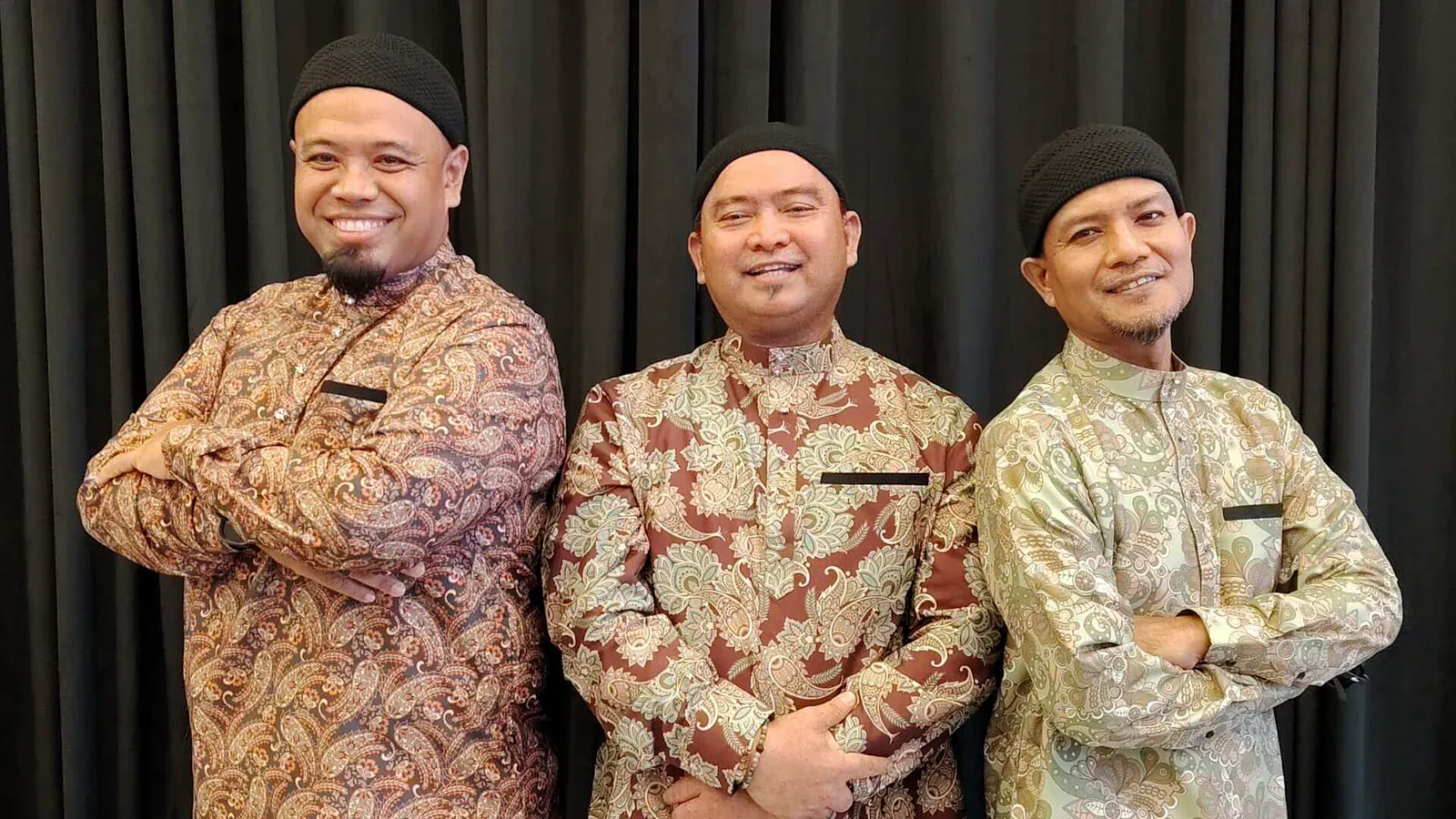
In Malaysia the five-man group Raihan released Puji-Pujian in October 1996. It sold more than 750,000 copies at home and about 3.5 million worldwide by one count, making it the highest-selling album in Malaysia. In 1997 the group played at the Commonwealth Heads of Government Meeting in Edinburgh by invitation of Queen Elizabeth II, and on their second album, Syukur, they recorded two songs with Yusuf Islam.
Awakening and the global nasheed, 2000-2008
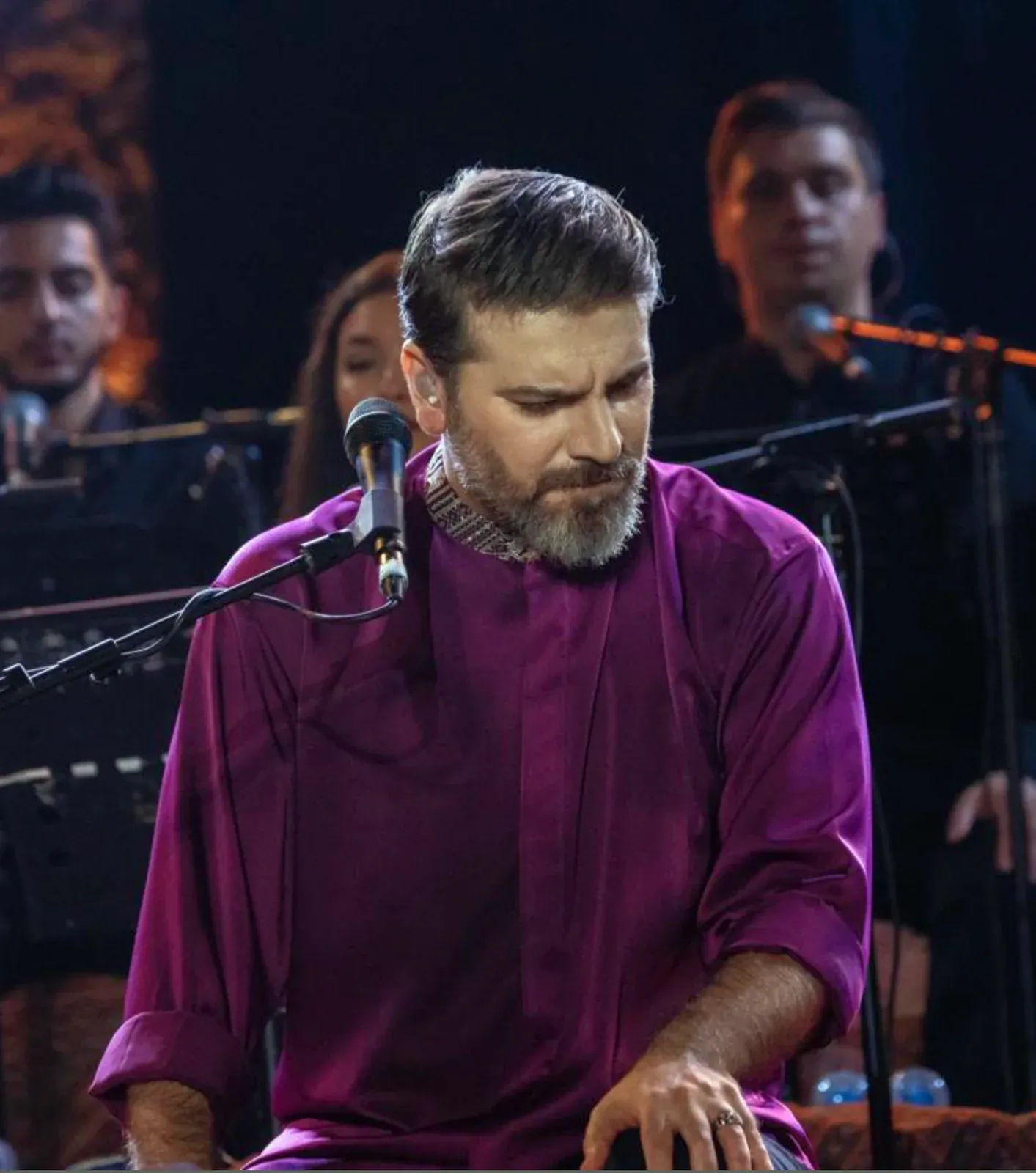
Awakening was founded in England in 2000 by four entrepreneurs from England and the United States, and it became the label most closely tied to the modern nasheed. Its first major artist was Sami Yusuf, a British composer and multi-instrumentalist whose debut Al-Mu’allim in 2003 brought him international attention. In 2004 Mesut Kurtis, a Turkish-Macedonian singer, released his debut Salawat, produced and arranged by Sami Yusuf.
My Ummah (2005) contained Hasbi Rabbi. Sami Yusuf has performed in Arabic, Kurdish, Azerbaijani, Persian, Turkish, Punjabi, Urdu and English, sometimes in one work, as in this song. His records blend Sufi, folk and rock elements. In 2014 he became a United Nations Global Ambassador for the World Food Programme.
Video-era nasheed, 2009 onward
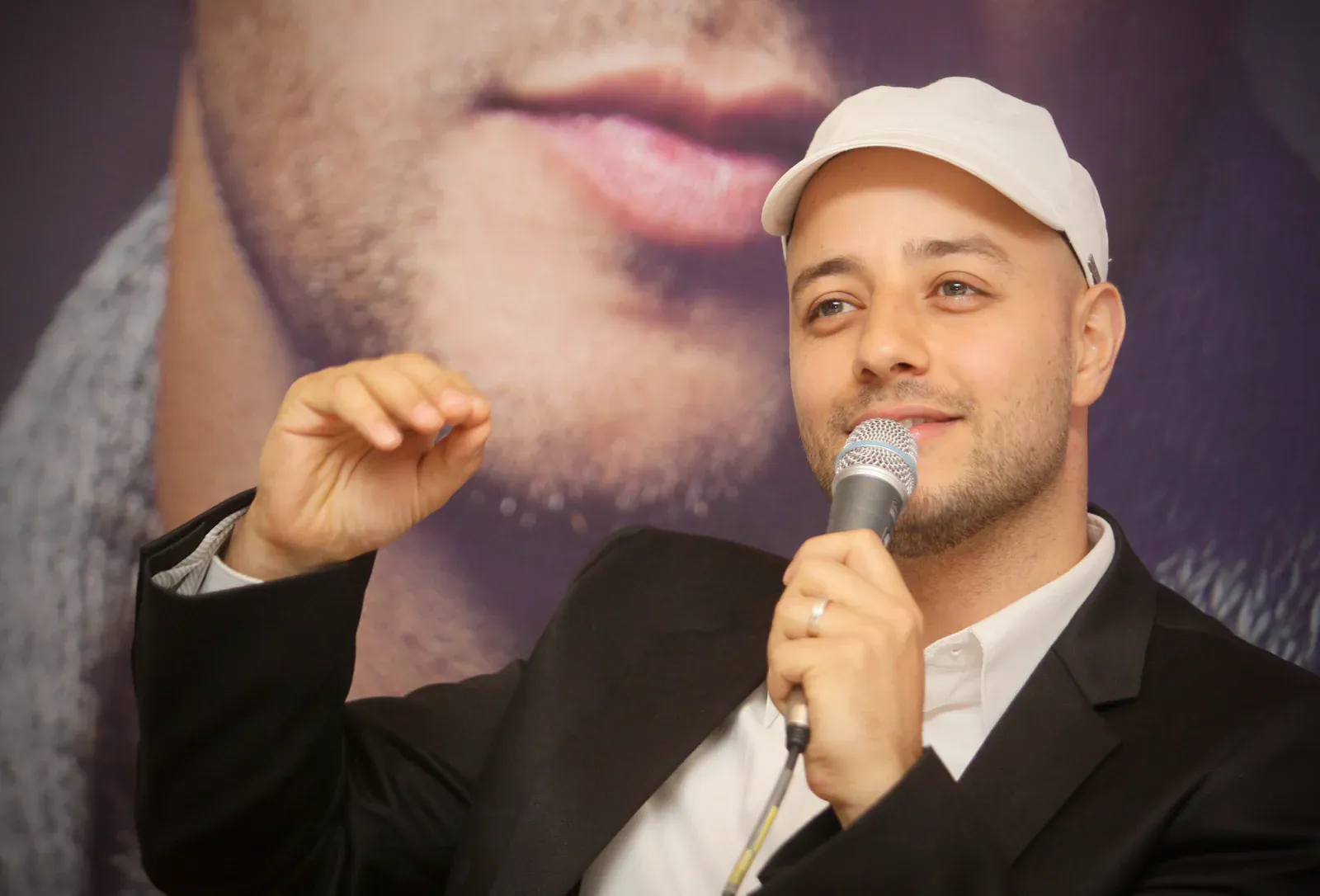
Maher Zain, a Lebanese-Swedish singer and producer, released Thank You Allah in 2009 through Awakening. The album’s Insha Allah was issued with an English music video and in Arabic, Turkish and French versions, an approach that let one song reach several linguistic audiences at once. Awakening artists also released vocals-only editions of albums, such as Maher Zain’s Forgive Me in 2012 and Mesut Kurtis’s Tabassam in 2015, which serve listeners who avoid instruments. Other new-generation artists include the groups Native Deen and Outlandish and the singers Ahmed Bukhatir and Hamza Namira.
Characteristics
Melody follows the Arabic maqam system in madih, and the vocal part dominates the instrumental one. Texts are in Arabic or vernacular languages and refer to belief, history and the community. Blessings on the Prophet are a recurring theme: salawat is the Arabic term, and both Sami Yusuf (2004) and Mesut Kurtis (2004) released albums with that title. Measured recordings of the pop-era nasheed sit between about 85 and 140 beats per minute.
Instruments and production
Where instruments are accepted, the daff is the usual one, a frame drum that supports the chorus. Sudanese singers use the tar. Southeast Asian ensembles may add the gambus. Instrument-free groups, promoted by organisations such as Nasheed Bay, keep to voices, while many new-generation performers use a wide variety of instruments in studio arrangements.
Mainstream success
Nasheed reached the mainstream in two places at different times. In Malaysia it happened with the 1996 success of Raihan, and in Indonesia their fourth album Koleksi Nasyid Terbaik sold more than 200,000 copies. Outside Malaysia the form travelled through Yusuf Islam, a former pop star, and then through Sami Yusuf, Mesut Kurtis and Maher Zain on Awakening. Nasheed artists appeal to a worldwide Muslim audience and appear at Islamic festivals, conferences and concerts. Sami Yusuf alone has sold over 34 million albums as of 2016. The instrument-heavy pop style remains disputed by those who prefer voices only.
Notable recordings
Tala’a al-Badru ’Alayna, in Yusuf Islam’s 1995 version, carries a traditional song of welcome to the Prophet onto record. Iman Mutiara from Raihan’s debut shows the close-harmony Malaysian sound. Hasbi Rabbi by Sami Yusuf, from My Ummah in 2005, combines several languages in one song. Insha Allah by Maher Zain is a slow pop-styled track at about 85 BPM.
Culture
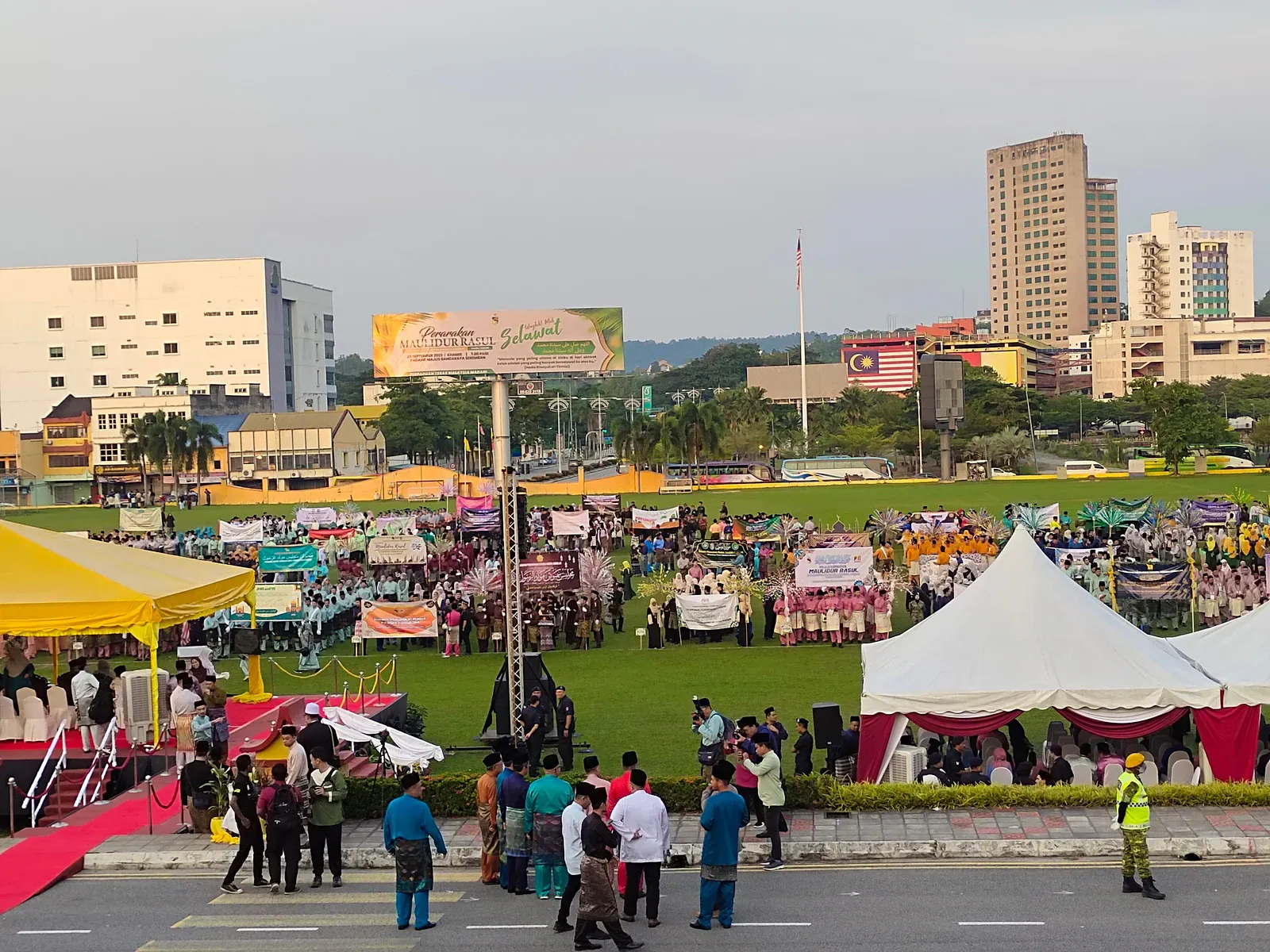
Nasheed is performed at Mawlid celebrations of the Prophet’s birth. In Malaysia the celebration, called Maulidur Rasul, is marked by public processions, with groups carrying banners and decorations across city fields.
Charity work is a regular partner of the music: from 2013 Awakening helped organise charity concerts with Maher Zain, Hamza Namira and Mesut Kurtis in coordination with organisations such as Islamic Relief. A separate strand is the a cappella militant nasheed that jihadist groups use as propaganda, which is not representative of the repertoire.
Legacy
The 1990s and 2000s created a commercial recorded repertoire of Islamic song in many languages, with its own labels, international tours and a habit of releasing the same album in versions with and without instruments. The older branches continue in madih, in the Turkish ilahi and in the Sudanese tradition, alongside Arabic classical music.

Misconceptions
A common belief holds that all Islamic devotional singing is performed without instruments. Instruments are a matter of long-standing scholarly debate, and nasheed groups differ: some use only voices, some add the daff, and others use full arrangements. Wider Islamic music includes traditions with instruments, such as the Javanese gamelan.
Another assumption is that Yusuf Islam retired from music after his conversion. He left pop in 1979 but released Islamic albums from 1995 and returned to secular music in 2006.
A third claim equates nasheed with militant propaganda. That use exists, but a nasheed in general is a work on faith, history and community, popular across the Muslim world, and the larger body of devotional song includes praise of the Prophet and supplication.
Frequently asked questions
What is a nasheed?
A nasheed is a work of Islamic vocal music, sung a cappella or with instruments, usually on belief, history and community. Its performer is called a munshid in Arabic.
What is the difference between nasheed and madih nabawi?
Madih nabawi is an Arabic song form praising the Prophet, with a soloist and chorus refrain. Nasheed is the wider term for Islamic vocal work, including pop-style recordings in many languages.
Is Islamic devotional music allowed to use instruments?
Scholars have disagreed since the early schools of law. Many Muslims accept singing without instruments, many nasheed groups add a frame drum, and many newer artists use full instrumentation.
Who are the best-known nasheed artists?
Sami Yusuf, Maher Zain, Yusuf Islam, Mesut Kurtis and the Malaysian group Raihan are among the best-known performers of the recorded era.
Sound
Sound sheet
Anatomy of a track
| # | Part |
|---|---|
| 1 | Solo opening verse |
| 2 | Unison chorus refrain |
| 3 | Soloist answers with variation |
| 4 | Blessing or prayer line for the audience |
Signature sounds
- Soloist answered by a male chorus
- Frame drum pulse in place of a full kit
- One song released in several languages
- Voice-only versions of studio tracks
Drums and percussion
- Daff
Techniques
- Call and response
- A cappella singing
- Multilingual lyrics
- Vocals-only release
Keys and modes
Arabic maqam. Madih follows the characteristics of the maqam row; modern nasheed varies.
Vocals
Solo lead with male chorus; melismatic, maqam-based, in Arabic and many other languages.
Scenes
Where it happened
Where and when the sound lived: one bar per city on a shared timeline.
Asia
Europe
Active scenes
Peak 3, 2009-2025
Base of Awakening, the label behind Sami Yusuf, Maher Zain and Mesut Kurtis.
Raihan's nasyid scene, with major-label releases and tours across Southeast Asia.
Base of Maher Zain when Thank You Allah appeared.
Culture
Culture markers
- Mawlid concerts
Nasheed artists perform at Mawlid celebrations, Islamic festivals and charity concerts.
Ritual - Dhikr and sama
Sufi remembrance services and Ottoman gatherings of sacred song use ilahi and similar forms.
Ritual - Instrument-free stance
Groups such as those promoted by Nasheed Bay keep to voice only, while many newer artists use instruments.
Ritual
Glossary
Terms on this page
Frame drum, the percussion most nasheed groups that use any will accept.
Arabic song of praise and love for the Prophet Muhammad, with a soloist and a refrain chorus.
A nasheed performer; the plural is munshidin.
Islamic vocal work on faith, history and community, sung a cappella or with instruments.
Malay spelling of nasheed, used for the Malaysian scene.
Blessings on the Prophet, and the title of albums by Sami Yusuf and Mesut Kurtis.
Religious family