Arabic classical music
Arabic classical music is the maqam-based art music of the Arab world, from Cairo's takht ensembles and Umm Kulthum to Iraqi maqam and Aleppo's qudud.
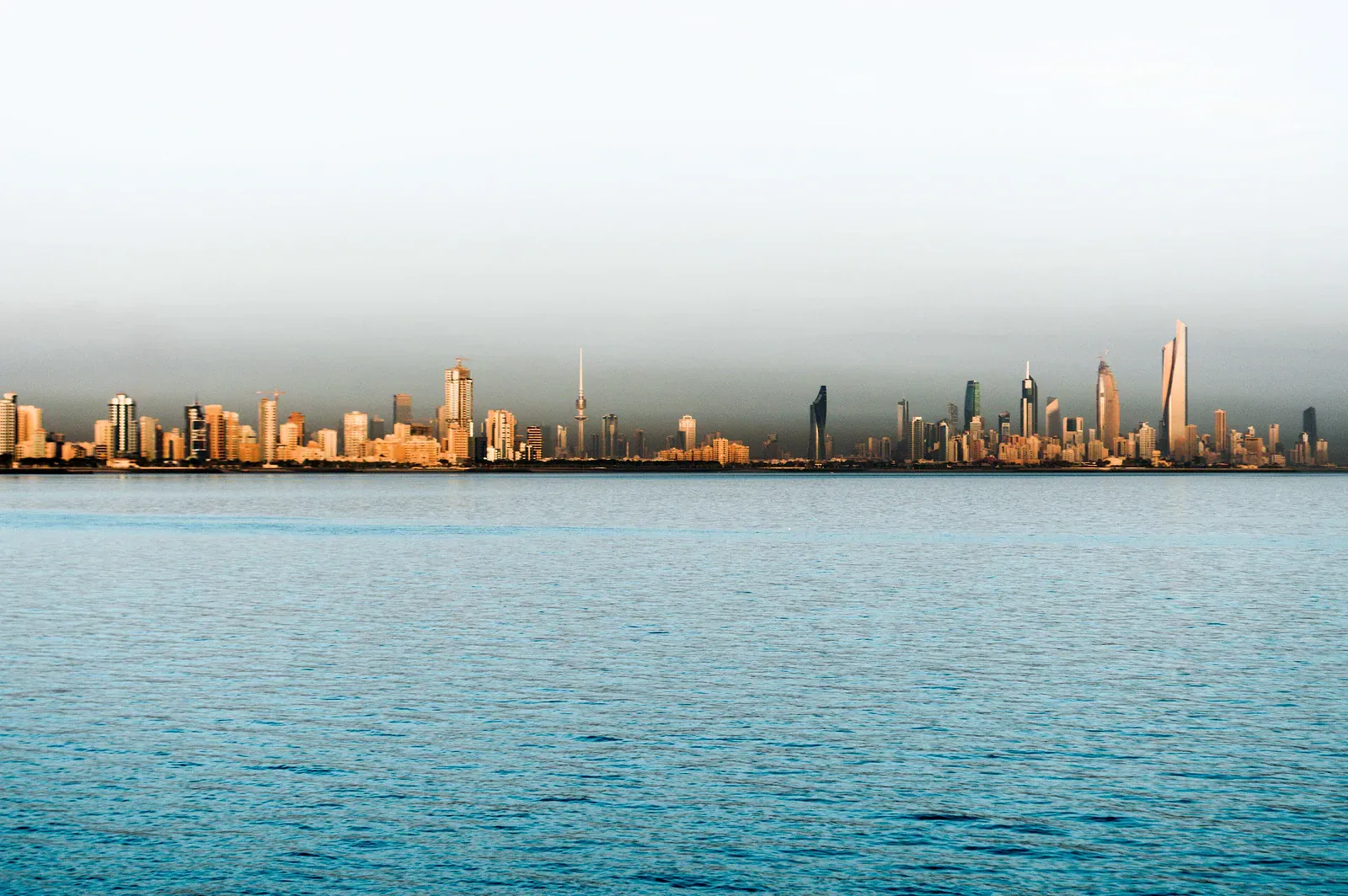
Baghdad, around 1880
Middle Eastern and North African family
Born
around 1880
Baghdad
Subgenres
12
Documented branches
Links
5
Genres it drew on or shaped
Tempo
80-130 BPMLineage
Family tree
Grew out of
Influenced by
Byzantine chant
Baghdad
Arabic classical music
Led to (12)
Timeline
Era by era
From the first sparks to today. Select a dot to read the story behind it.
- Salons and sheikh singers
1880 to 1919
- Shellac and the modern song
1920 to 1931
- Congress, radio and cinema
1932 to 1947
- Golden age of the long song
1948 to 1975
- Heritage and concert stage
1976 to today
Eras
Moments
- 1 Salons and sheikh singers, 1880 to 1919
- 2 Shellac and the modern song, 1920 to 1931
- 3 Congress, radio and cinema, 1932 to 1947
- 4 Golden age of the long song, 1948 to 1975
- 5 Heritage and concert stage, 1976 to today
around 1880
Salons and sheikh singers
Takht ensembles of oud, qanun, nay and riqq accompany sheikh singers in Cairo salons, theatres and coffeehouses, with maqam improvisation at the core.
- 1906Baidaphon opensBaidaphon, founded by a Beirut family and pressed in Berlin, begins issuing Arabic discs, an early home for Cairo and Levantine singers.
- 1919Sayed Darwish composes Salma ya SalamaHis short, theatre-born songs turn the classical forms toward the popular street.
1920
Shellac and the modern song
Sayed Darwish brings theatre, Egyptian dialect and shorter forms. Discs from Baidaphon and others turn local stars into a pan-Arab market.
- 1923Sayed Darwish dies at 31Cairo loses its most influential young composer; Abdel Wahab and Qasabgi carry the modernising line.
- 1924Umm Kulthum starts recordingHer professional recording career opens, and she soon moves from religious chant to the Cairo song form.
- 1927Qasabgi's In Kuntu AsamihA song for Umm Kulthum that marked a turn in Oriental music taste.
1932
Congress, radio and cinema
The 1932 Cairo Congress debates reform and records hundreds of pieces. Radio from 1934 and film lift Umm Kulthum, Asmahan and Abdel Wahab to wide fame.
- 1932Cairo Congress of Arab Music opensFrom 14 March to 3 April, King Fuad's congress brings Arab and European scholars together to debate tuning, notation and reform.
- 1932Congress performances recorded for HMVAbout 360 performances are captured, and 162 records are issued by HMV.
- 1932Qubbanchi leads the Iraqi delegationThe Baghdad maqam singer performs in Cairo and draws praise from Bartok.
- 1933Abdel Wahab's first filmThe White Rose launches him as a screen star and sets a template for the singing idol.
- 1934Radio concerts beginUmm Kulthum starts monthly first-Thursday broadcasts on Egyptian radio, which run for about four decades.
1948
Golden age of the long song
Sunbati, Qasabgi and Abdel Wahab write hour-long songs for Umm Kulthum; Abdel Halim Hafez and Farid al-Atrash bring a lighter style. Sono Cairo gathers the catalogue.
- 1950Sunbati sets Khayyam for Umm KulthumRubaiyat al-Khayyam in maqam rast shows the long, serious poem setting for the radio audience.
- 1957Ahwak in Banat El YomAbdel Halim Hafez introduces the romantic song in a film, bringing a younger audience to the form.
- 1964Sono Cairo foundedEgypt's state-backed label formalises the catalogue of the golden-age stars.
- 1964Enta Omri premieresAbdel Wahab's first work for Umm Kulthum, in maqam kurd, becomes one of the best-known Arabic songs.
- 1966Al-AtlalSunbati's setting of Ibrahim Nagi's poem is often called the crown of Arab song.
- 1967Umm Kulthum in ParisA 12 November concert takes the tradition to a Western stage.
- 1971Iraq: Ud classique arabeMunir Bashir's solo oud recital appears on Ocora and reaches European listeners.
- 1975Umm Kulthum diesAbout four million mourners follow her funeral in Cairo.
1976
Heritage and concert stage
Solo oud recitals by Munir Bashir, conservatory teaching and UNESCO listings (Iraqi maqam 2008, qudud halabiya 2021) keep the repertoire alive after the stars are gone.
- 1979Sunbati wins UNESCO prizeHe receives the UNESCO International Music Prize as an oud performer.
- 2001The Two Tenors and QantaraSabah Fakhri and Wadi Al-Safi share a live concert album with Simon Shaheen's Qantara.
- 2008Iraqi maqam inscribed by UNESCOThe Baghdad tradition enters the intangible heritage list.
- 2021Qudud Halabiya inscribed; Fakhri diesAleppo's qudud enters the UNESCO list, and Sabah Fakhri dies on 2 November.
Listening path
Anthems
The records that built the sound, grouped by the part they played. Thumbnails come from YouTube; the player loads only when you press play.
- 01
Sayed Darwish, 1919
Origin: a short, street-rooted song that broke from the long classical forms and began the modern Egyptian song.
Start hereOrigin - 02
Umm Kulthum, 1964 · Sono Cairo
Breakthrough: Abdel Wahab and Umm Kulthum unite, and the song reaches the widest public of any Arabic classical work.
Start hereBreakthrough - 03
Riad Al Sunbati, 1950
Anthem: Sunbati's maqam rast setting of Khayyam, a core piece of the golden age.
Anthem - 04
Umm Kulthum, 1954
Anthem: a golden-age song of reproach that remains a radio staple.
Anthem - 05
Umm Kulthum, 1966
Anthem: Sunbati's long setting of Nagi's poem, the peak of the form.
Anthem - 06
Umm Kulthum, 1969
Anthem: Baligh Hamdi's late long song that mixed new rhythms into tarab.
Anthem - 07
Munir Bashir, 1971 · Ocora
Anthem: a solo oud improvisation that shows the maqam at its purest, without voice.
Start hereAnthem - 08
Abdel Halim Hafez, 1957
Crossover: a film song that moved the tarab idiom toward modern romantic pop.
Crossover - 09
Sabah Fakhri, 2001
Revival: a muwashshah sung by Sabah Fakhri that brings the Aleppo repertoire to concert audiences.
Revival
Facts
| Family | Middle Eastern and North African |
| Origin | Baghdad |
| Emerged | 8th-20th century |
| Status | Active |
| Tempo | 80 to 130 BPM |
| Meter | Varies by iqa (cycle) |
| Subgenres | 12 |
Arabic classical music is the art music of the Arab world, built on the maqam system of melodic modes and performed by small ensembles of oud, qanun, nay and percussion.
It grew out of courtly and urban traditions in Baghdad, Damascus, Cairo and Al-Andalus, and took its modern form in Cairo between about 1880 and 1975. Its defining traits are microtonal intervals, ornamented solo singing, improvisation within a mode, and the shared ecstasy called tarab.
Origins
The modal and poetic roots lie in the courts of Baghdad and Damascus and in Al-Andalus, where sung poetry and instrumental theory were studied from about the 8th century. The modern genre descends from the urban music of Ottoman-era Cairo, Aleppo and Baghdad, where professional singers and instrumentalists performed for patrons, in coffeehouses and at weddings.
The organising idea is the maqam. Each maqam is a set of ajnas, short scale segments, together with rules for how a melody starts, rises, lingers and closes. Some degrees of the scale sit between the keys of a piano, which is why the music is called microtonal. A performer does not play a fixed tune so much as realise a mode, and a skilled listener follows the path.
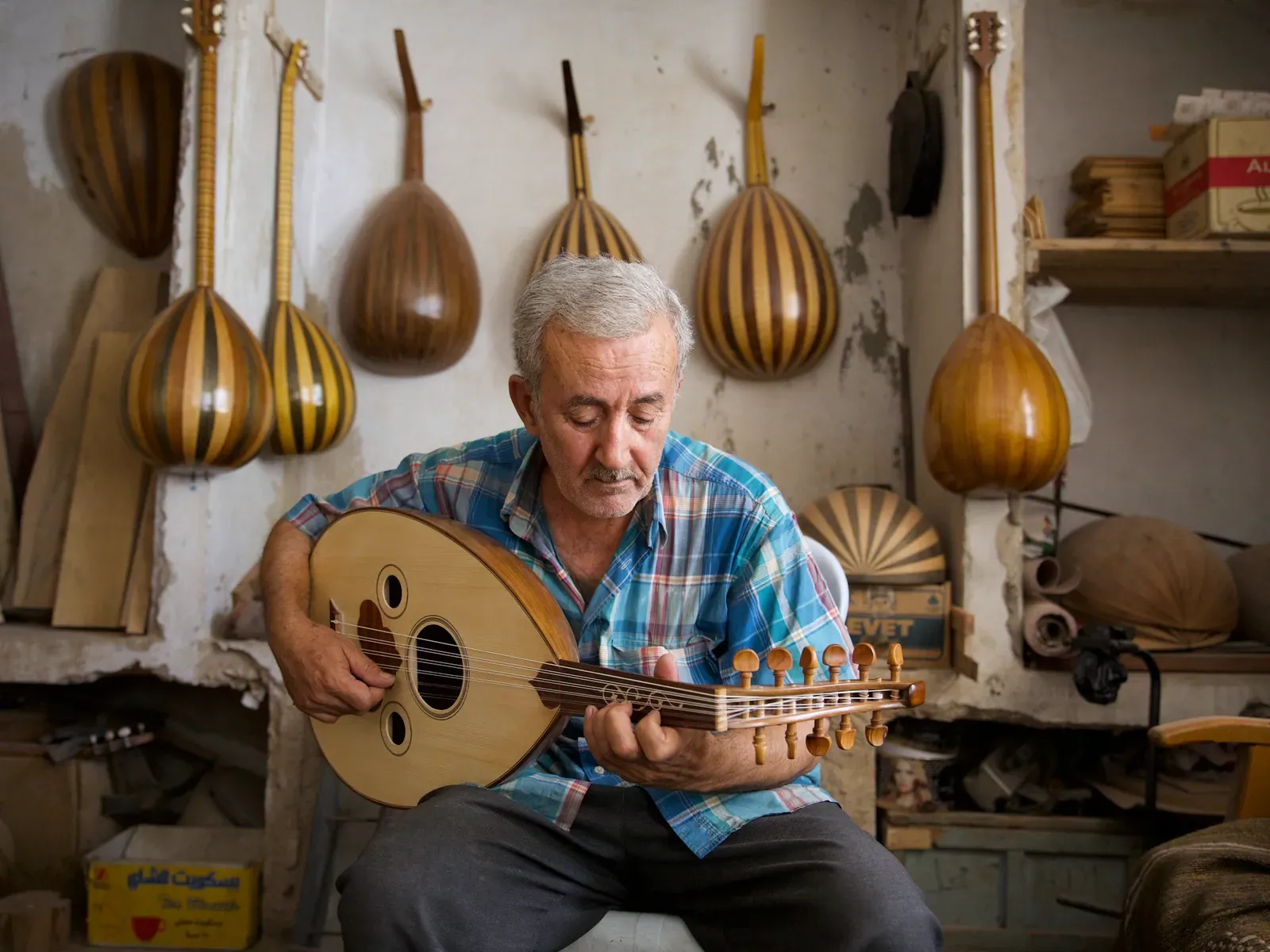
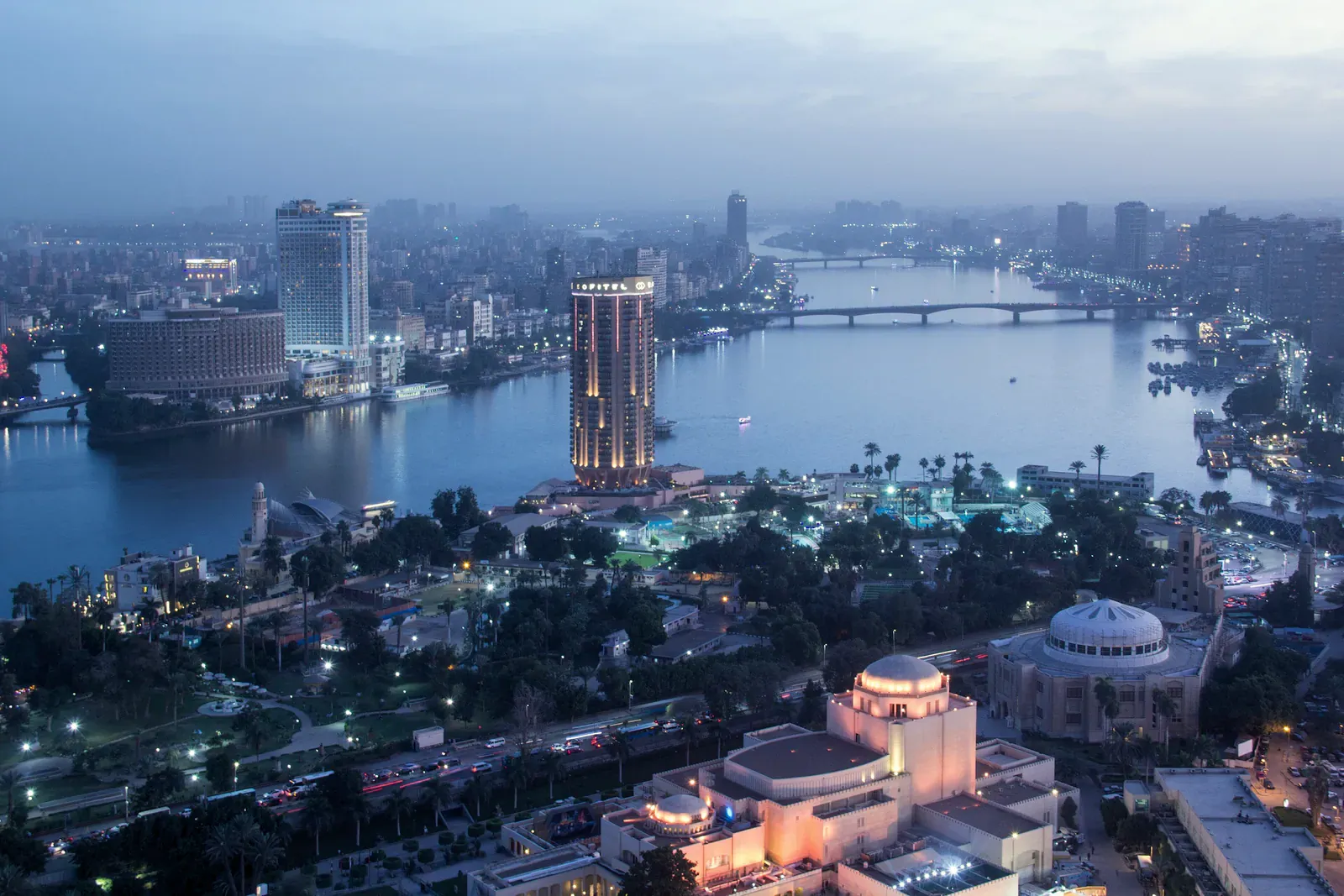
Cairo salons and takht ensembles, 1880-1919
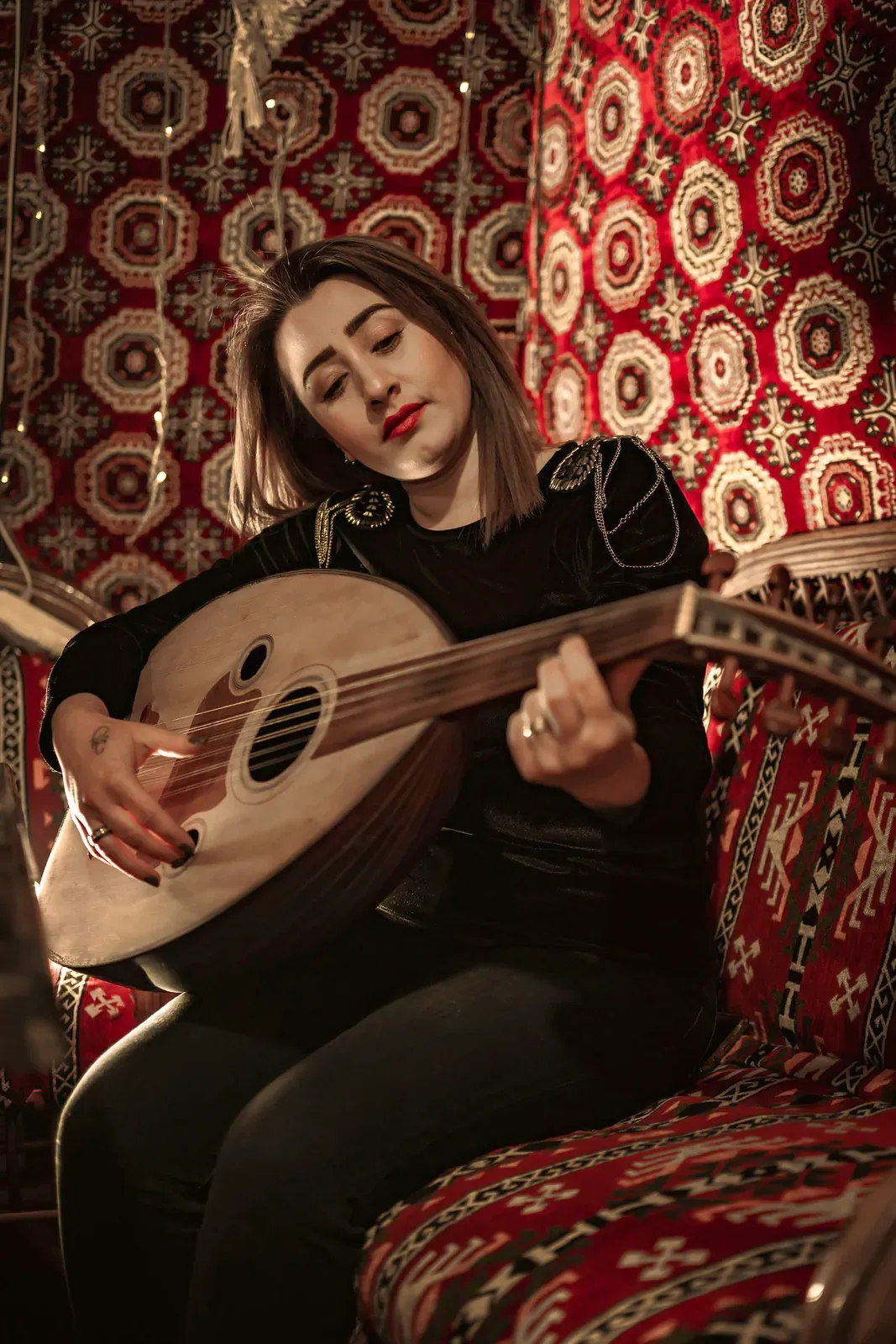
From about 1880 Cairo’s salons, theatres and coffeehouses became the main stage for the art. The standard ensemble was the takht: oud, qanun, nay, a violin, and a riqq or darbuka for rhythm. Sheikh singers, trained in Quranic recitation, led with long improvised phrases, and the musicians answered in unison, a texture called heterophony.
Repertoire included the dawr, a vocal form that mixes fixed sections with improvisation, and the instrumental prelude. The key skills were taqsim, a solo improvisation that sets the mode, and mawwal and layali, free vocal passages that precede a song.
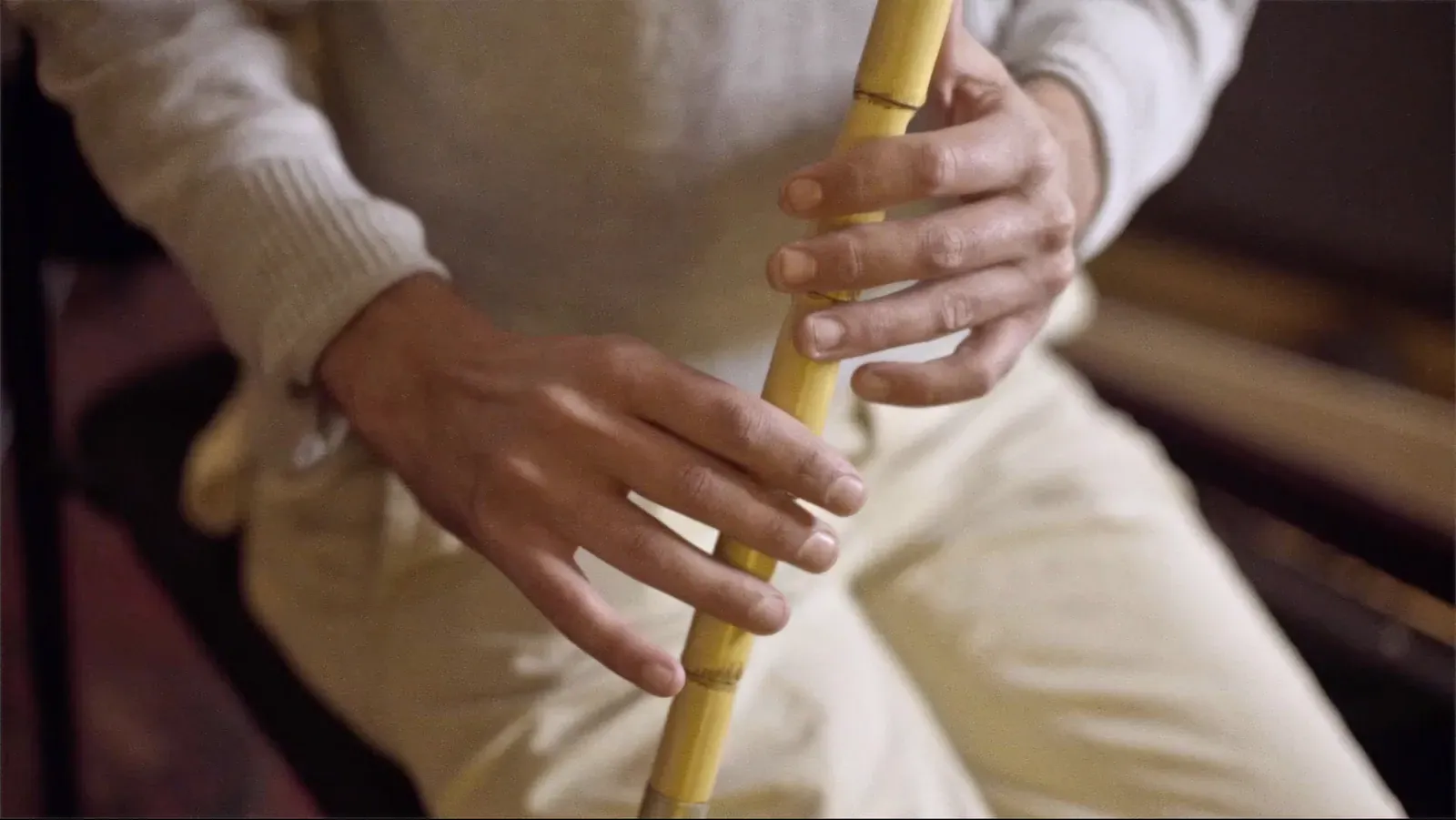
Shellac and theatre, 1920-1931
Records changed the economy of the music. Baidaphon, a firm founded in 1906 by a Beirut family and pressed in Berlin, issued Arabic discs for Cairo and Levantine singers, and Odeon Records took Umm Kulthum into the studio in 1924. A local star could now reach listeners in every Arab capital.
The composer Sayed Darwish, born in Alexandria in 1892, brought the theatre and the street into the form. His songs were shorter, used Egyptian dialect, and gave singers less room for improvisation. He died in 1923 at 31, but Mohammed Abdel Wahab and Mohammed al-Qasabgi carried the modernising line forward. Qasabgi’s In Kuntu Asamih (1927) was written for Umm Kulthum.
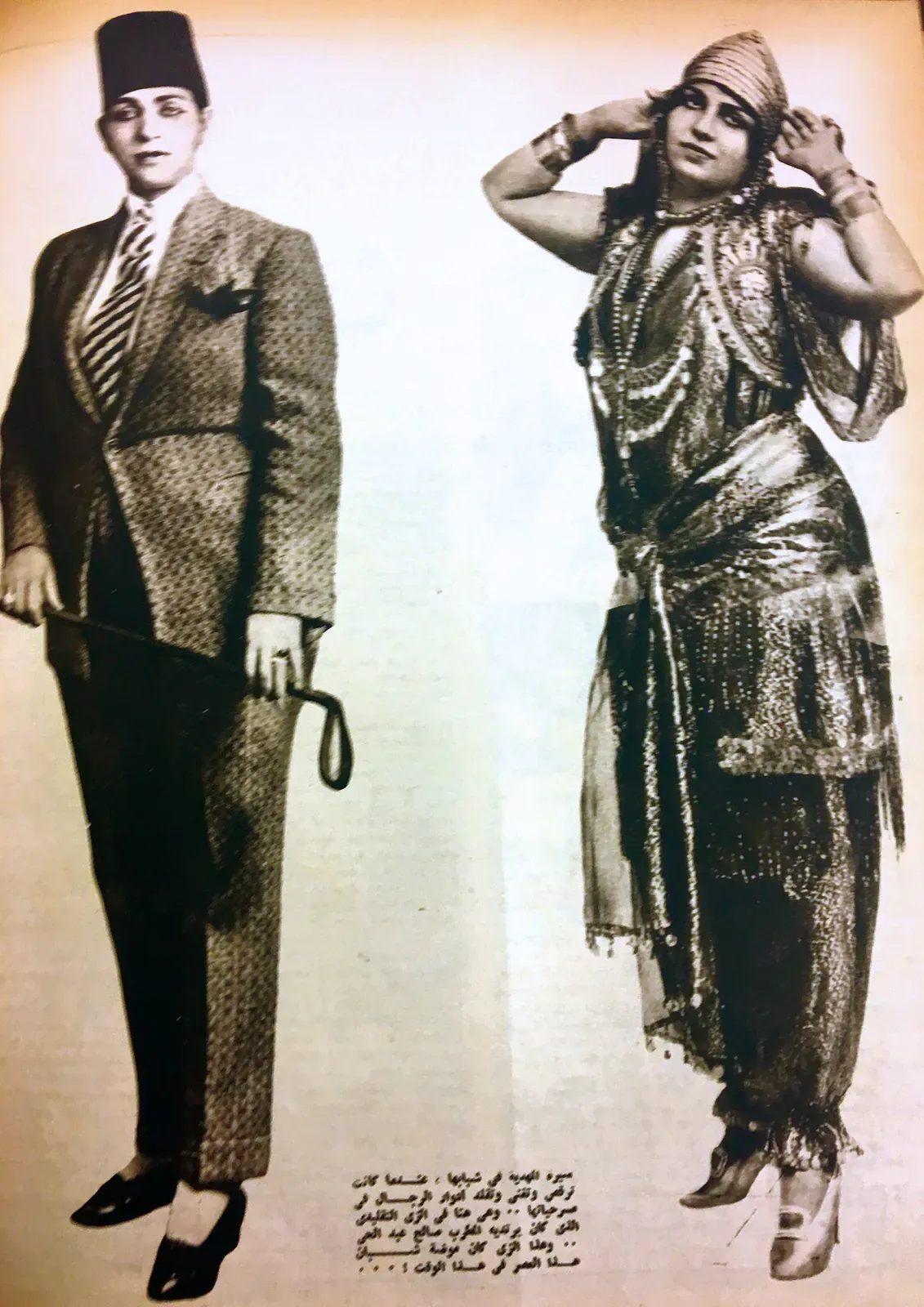
Cairo Congress, radio and cinema, 1932-1947
The Congress of Arab Music, convened by King Fuad from 14 March to 3 April 1932, brought Arab musicians together with European scholars, among them Bela Bartok and Paul Hindemith. Delegates from Egypt, Iraq, Syria, Tunisia, Morocco, Algeria and Turkey debated tuning, notation and the use of Western instruments. About 360 performances were recorded, and the Gramophone Company, known as HMV, issued 162 records, now a primary archive of regional styles. The Iraqi singer Muhammad al-Qubbanchi led the Baghdad delegation.
A few years later broadcasting made the music a household habit. Egyptian state radio began carrying Umm Kulthum on the first Thursday of each month in 1934, a series that ran for about four decades. Film, starting with Abdel Wahab’s The White Rose in 1933, also made singers into screen stars, among them Asmahan.
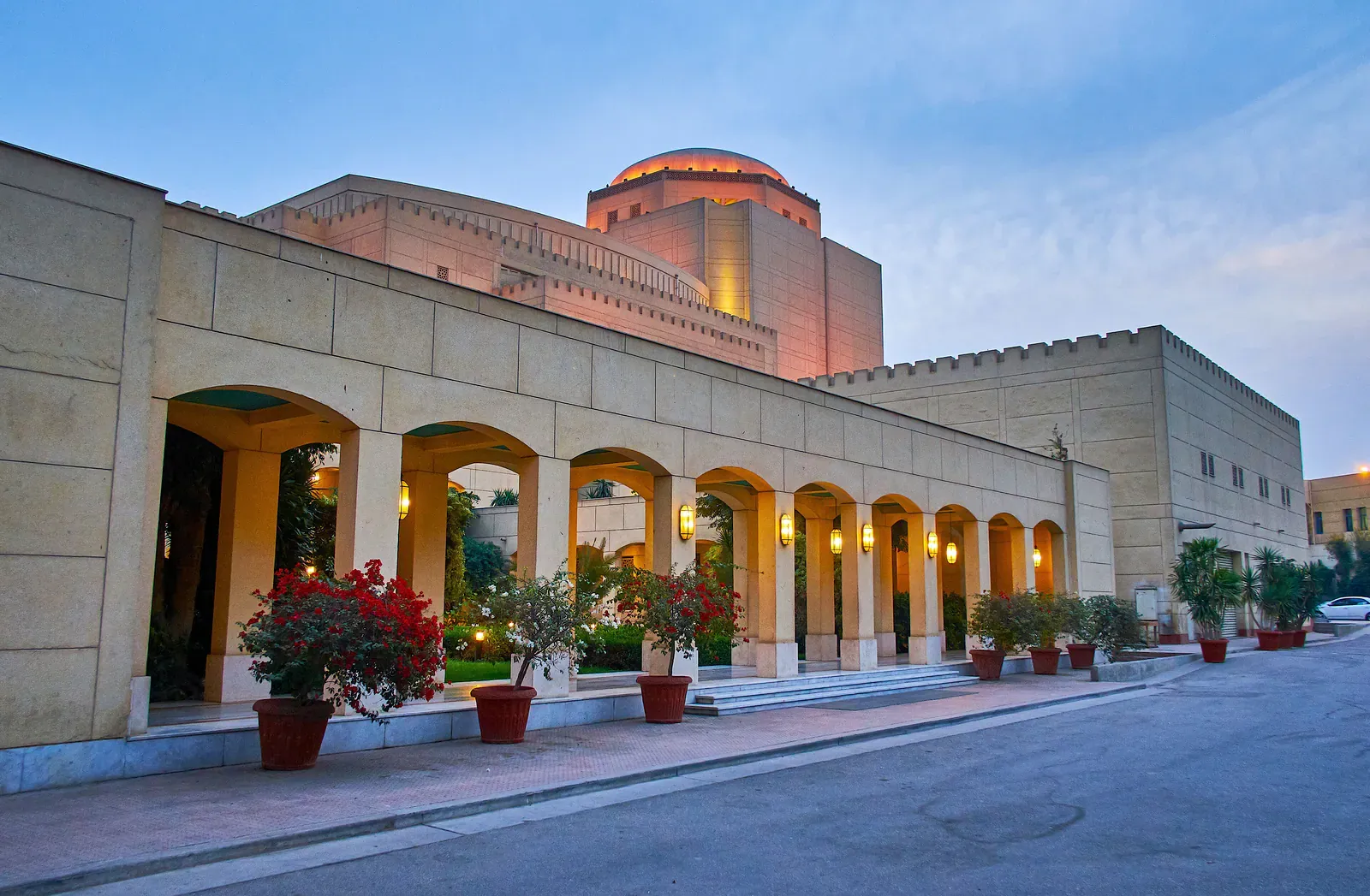
Golden age of the long song, 1948-1975
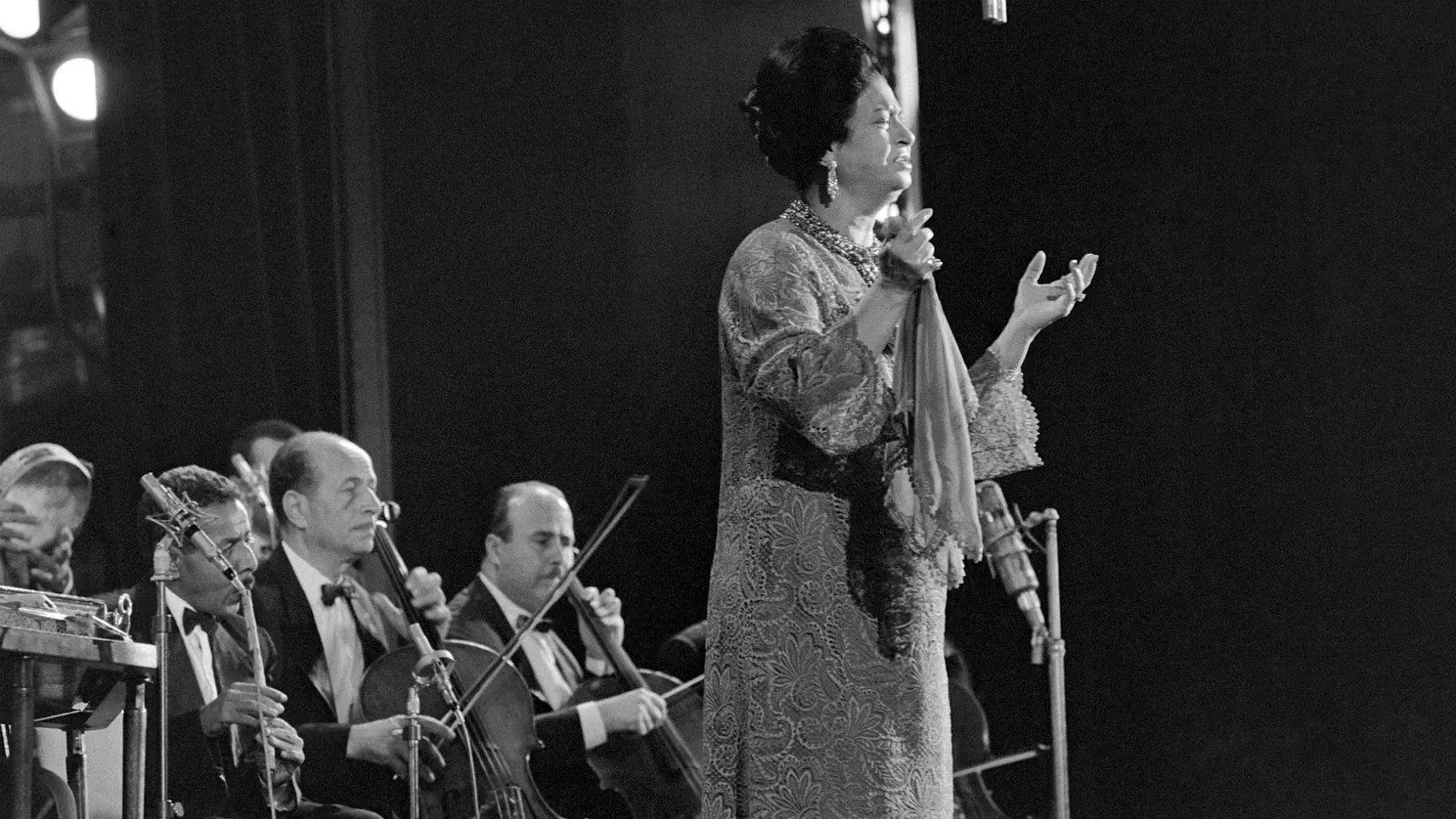
After the war the form grew longer. Riad al-Sunbati, an oud player and composer who wrote many songs for Umm Kulthum, set Omar Khayyam’s quatrains in maqam rast in 1950, and Al-Atlal, his setting of Ibrahim Nagi’s poem, followed in 1966. A single song could run an hour, because the singer repeated and reworked each line while the audience answered with exclamations. Abdel Wahab wrote Enta Omri in maqam kurd, his first piece for Umm Kulthum, in the mid-1960s.
Abdel Halim Hafez’s Ahwak, heard in the 1957 film Banat El Yom, brought a lighter, romantic style to younger listeners. In 1964 the state-backed label Sono Cairo was founded to hold the catalogue. Umm Kulthum died in 1975, and about four million people lined the funeral route.
Heritage and the concert stage, 1976 onward
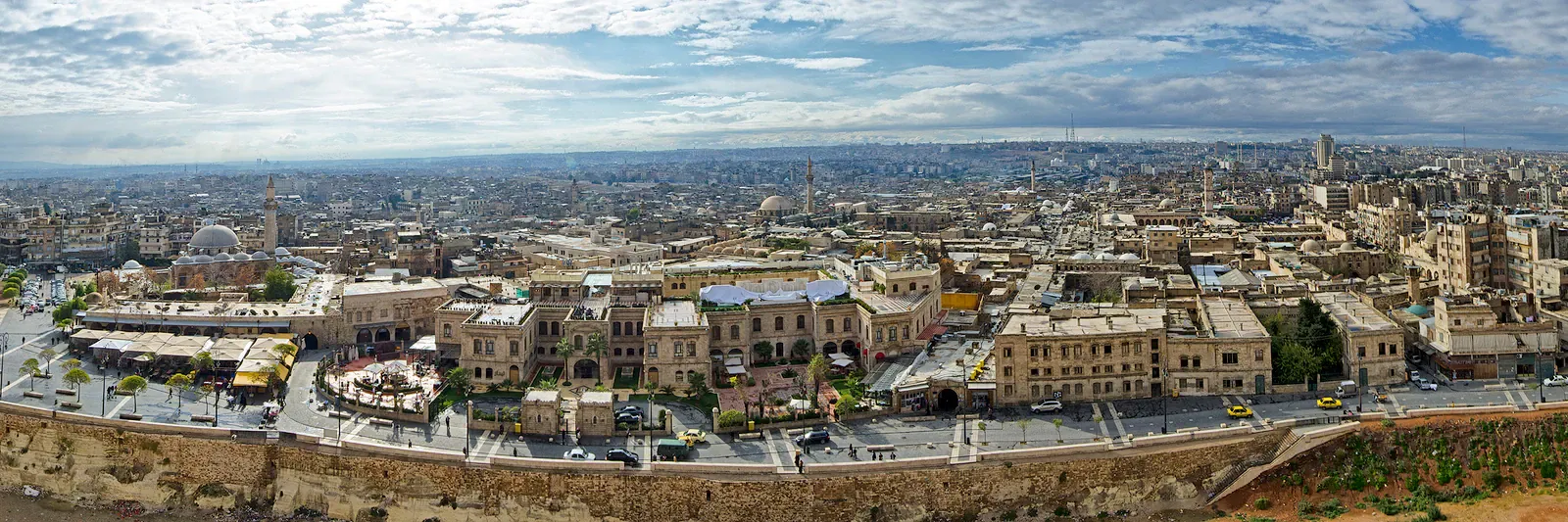
After the stars were gone, the repertoire moved to conservatories, festivals and heritage programmes. Sunbati received the UNESCO International Music Prize in 1979 as an oud performer. UNESCO added Iraqi maqam to its intangible heritage list in 2008 and the qudud halabiya of Aleppo in 2021. The Aleppine tenor Sabah Fakhri, who carried the muwashshah and qudud repertoire to concert stages, died on 2 November 2021.
Characteristics
A typical large piece opens with an instrumental prelude or samai, moves to a taqsim on the maqam, then to the main song with a refrain and repeated lines, sometimes a mawwal, and closes with a modulation, called qafla, back to the home mode. Rhythm follows a cycle, an iqa, rather than a fixed beat count. The suite built from these parts is the waslah.
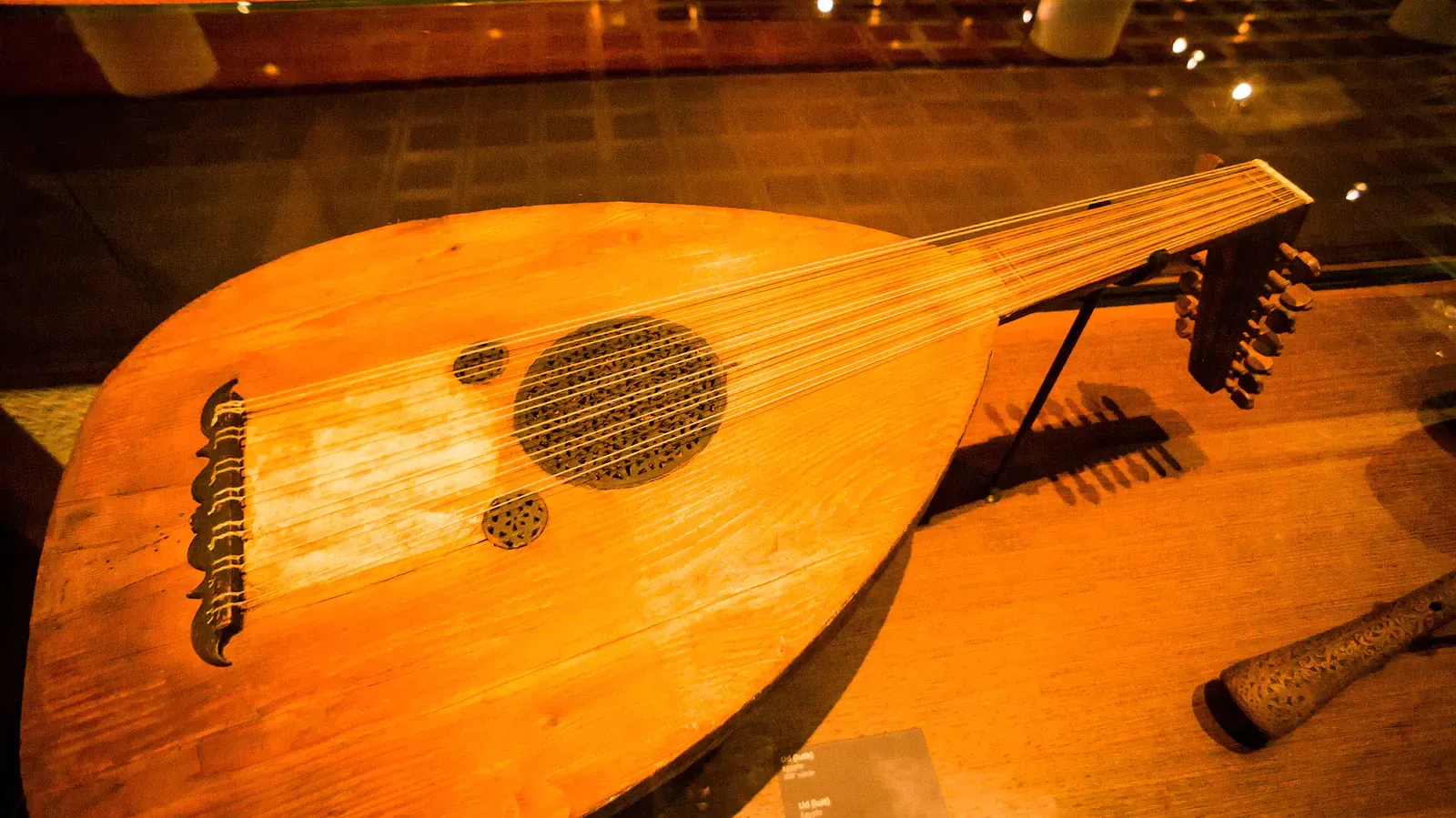
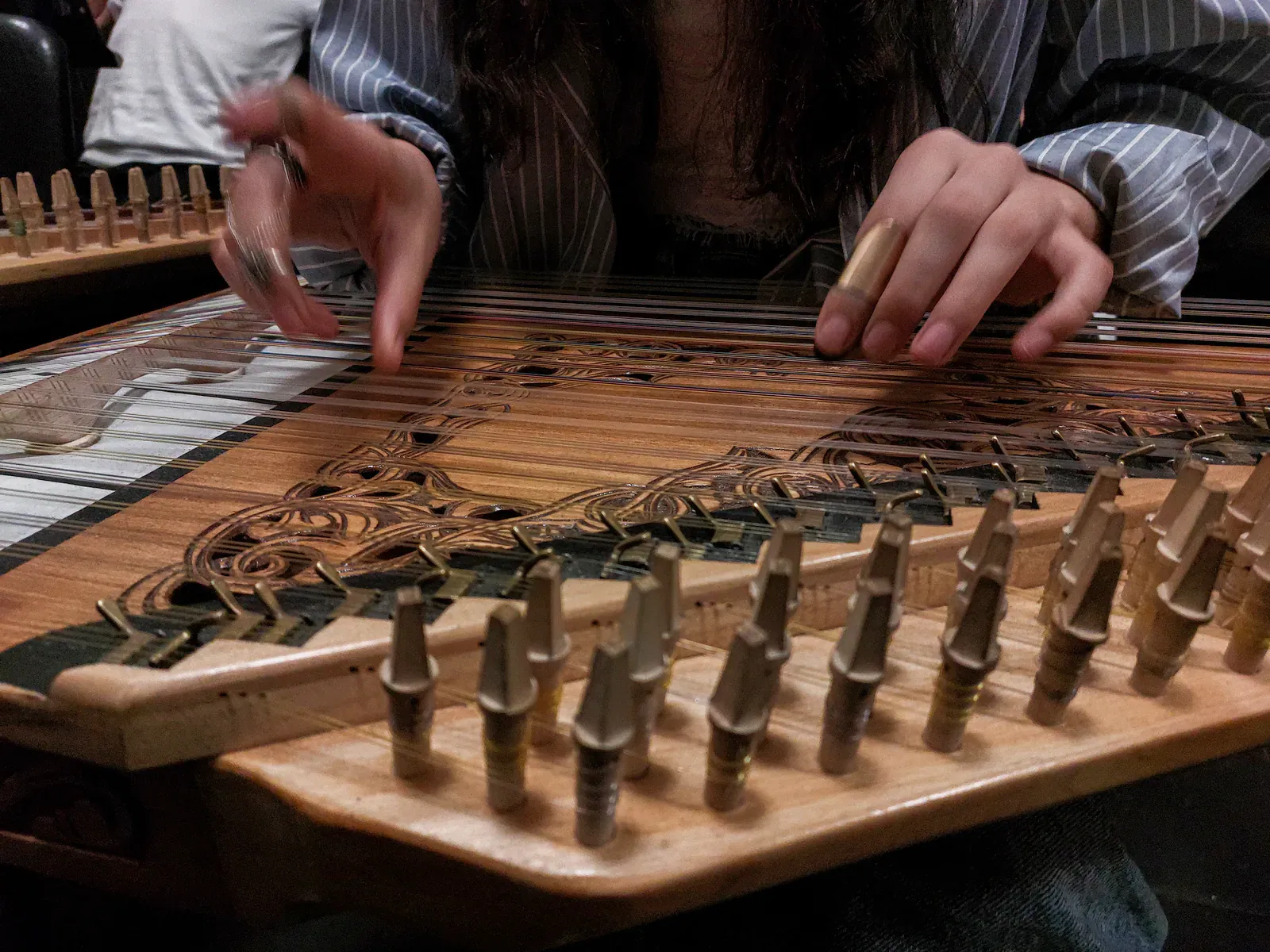
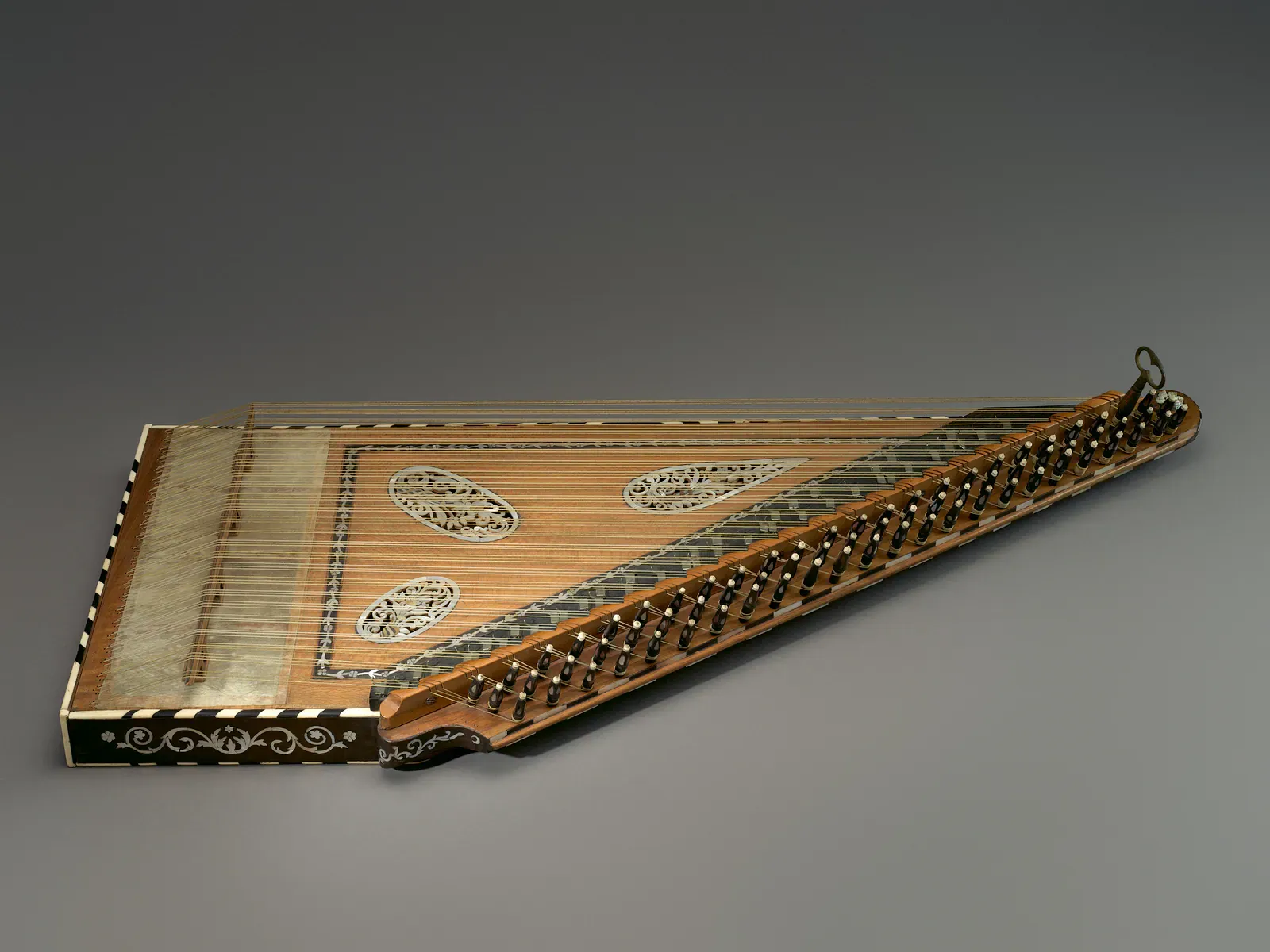
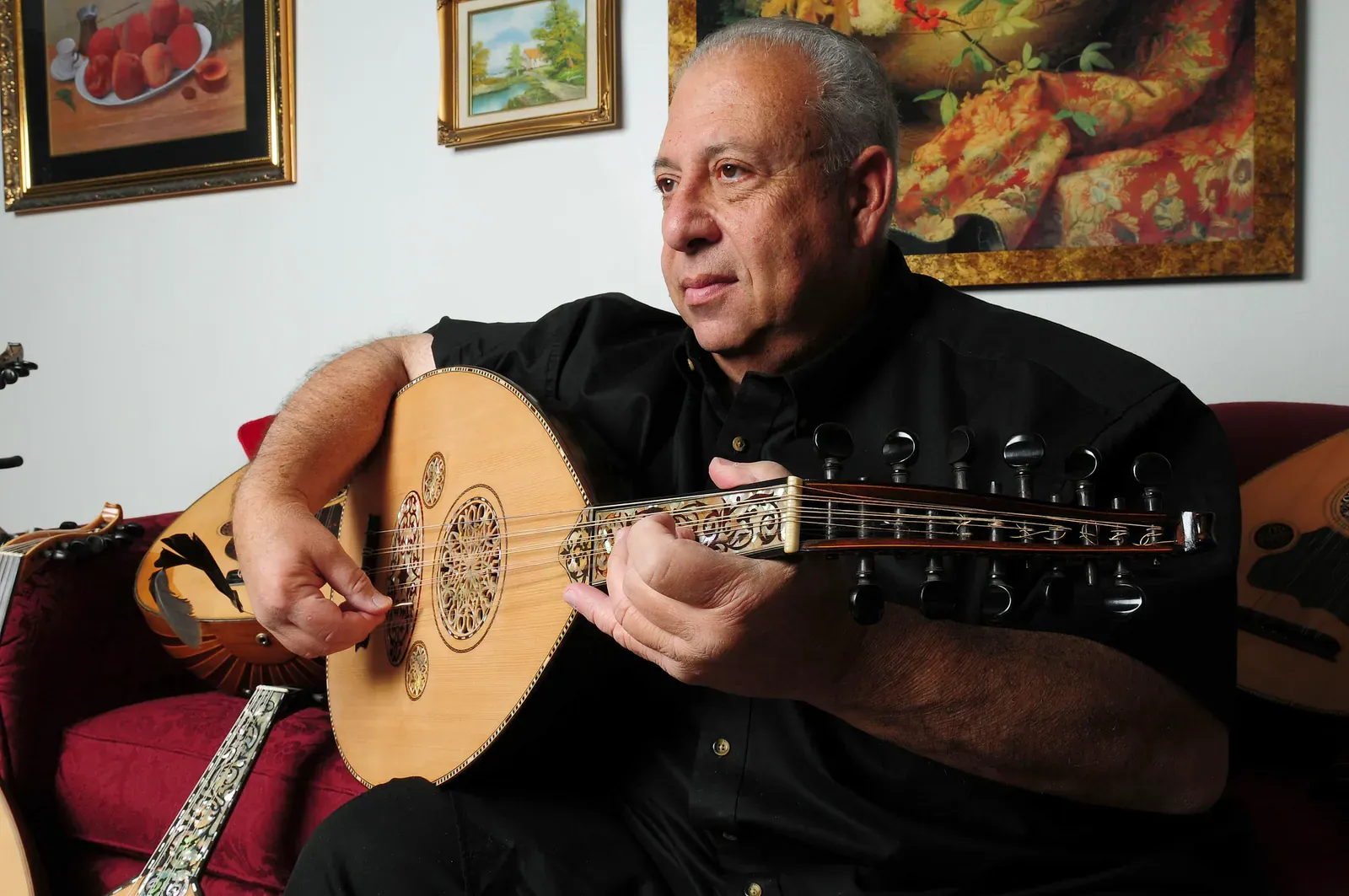
The voice is melismatic: syllables are spread over ornamented runs. Instruments follow it in heterophony rather than harmony. The oud and qanun carry pitch and ornament; the qanun has movable levers that allow quarter-tone changes.
Mainstream success
The genre was mass entertainment in its own heartland. Umm Kulthum’s broadcasts and Abdel Wahab’s films reached audiences across the Arab world, and her concert in Paris on 12 November 1967 took the tradition to a European stage.
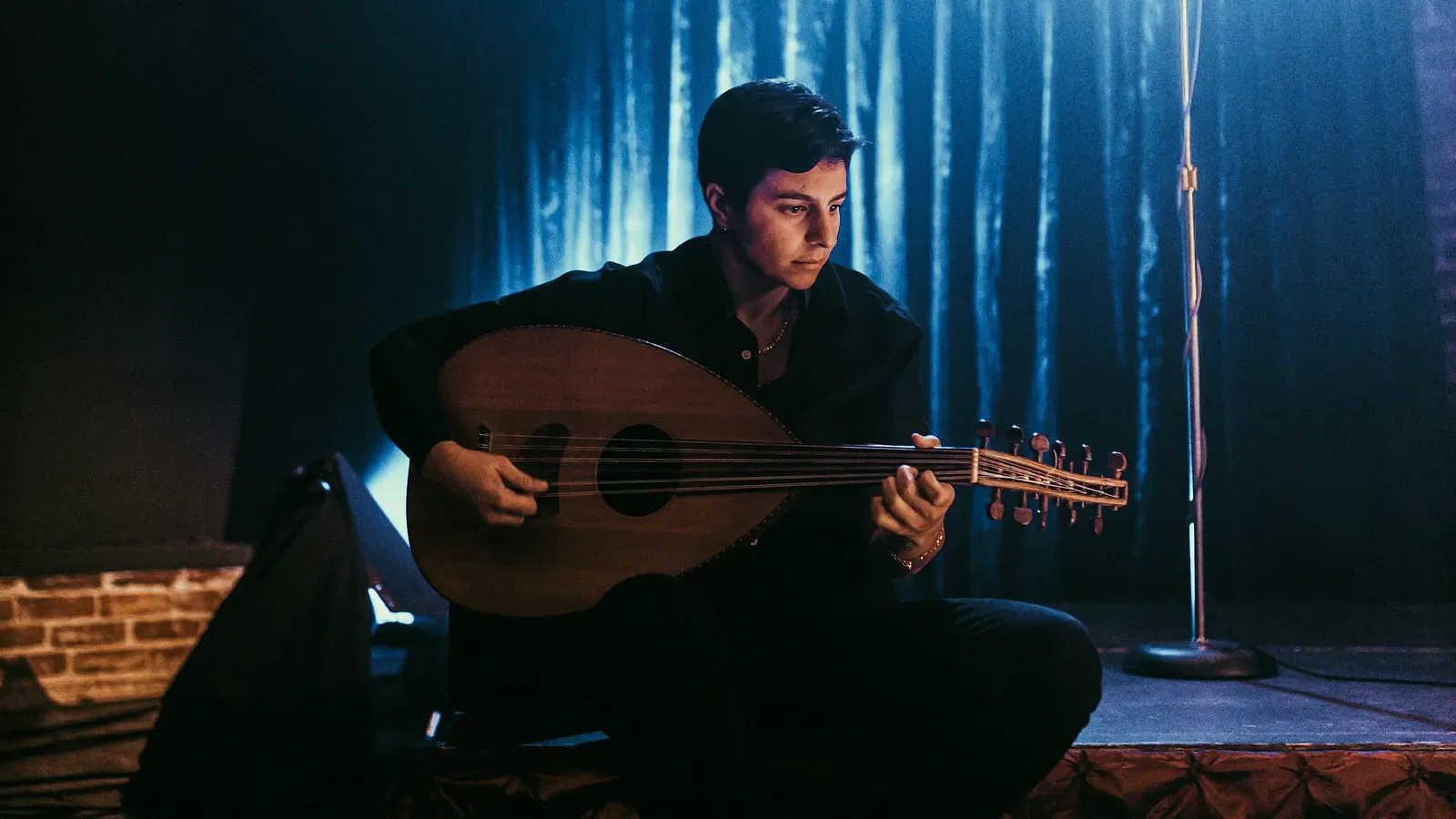
In the West the genre travelled mainly through solo oud and field recordings. Munir Bashir, born in Mosul in 1930, left Iraq in 1958 and later settled in Budapest, and his recitals reached European listeners on Ocora, a French label for traditional music. Chart success outside the region was rare.
Notable recordings
- Cairo Congress of Arab Music (1932): the HMV archive, reissued in an 18-CD set in 2015.
- Rubaiyat al-Khayyam (1950): Umm Kulthum, music by Riad al-Sunbati.
- Ahwak (1957): Abdel Halim Hafez.
- Al-Atlal (1966): Umm Kulthum, music by Riad al-Sunbati.
- Alf Leila wa Leila (1969): Umm Kulthum, music by Baligh Hamdi.
- The Two Tenors and Qantara (2001): Sabah Fakhri and Wadi Al-Safi with Simon Shaheen’s ensemble.
Culture
Listening is participatory. In a tarab performance the audience calls out at a striking phrase, and the singer repeats the line to build the emotion. For decades families in Egypt gathered at the radio on first Thursdays.
Legacy
The genre set the vocabulary of Arab popular music: the Egyptian dialect song, the film star, the mass broadcast and the orchestral arrangement of oud and strings. Its modes also underlie related traditions, among them Khaleeji music and Uyghur muqam. It belongs to the wider Middle Eastern and North African family.
Misconceptions
It is all quarter tones. Many intervals are the same as in Western scales; the microtonal degrees are specific notes in specific maqams, and they vary by region and school.
It is only Egyptian. Cairo dominated recording and film, but Iraqi maqam, Syrian muwashshah and qudud, and Andalusian styles of North Africa each keep their own rules.
It is fully improvised. Taqsim, mawwal and layali are free, but the songs, preludes and suites are composed.
Frequently asked questions
What is a maqam in Arabic classical music?
A maqam is a melodic mode: a scale built from ajnas, with its own characteristic phrases, starting points and mood. Performers improvise inside it and may modulate to a related maqam during a piece.
Who is the most famous Arabic classical singer?
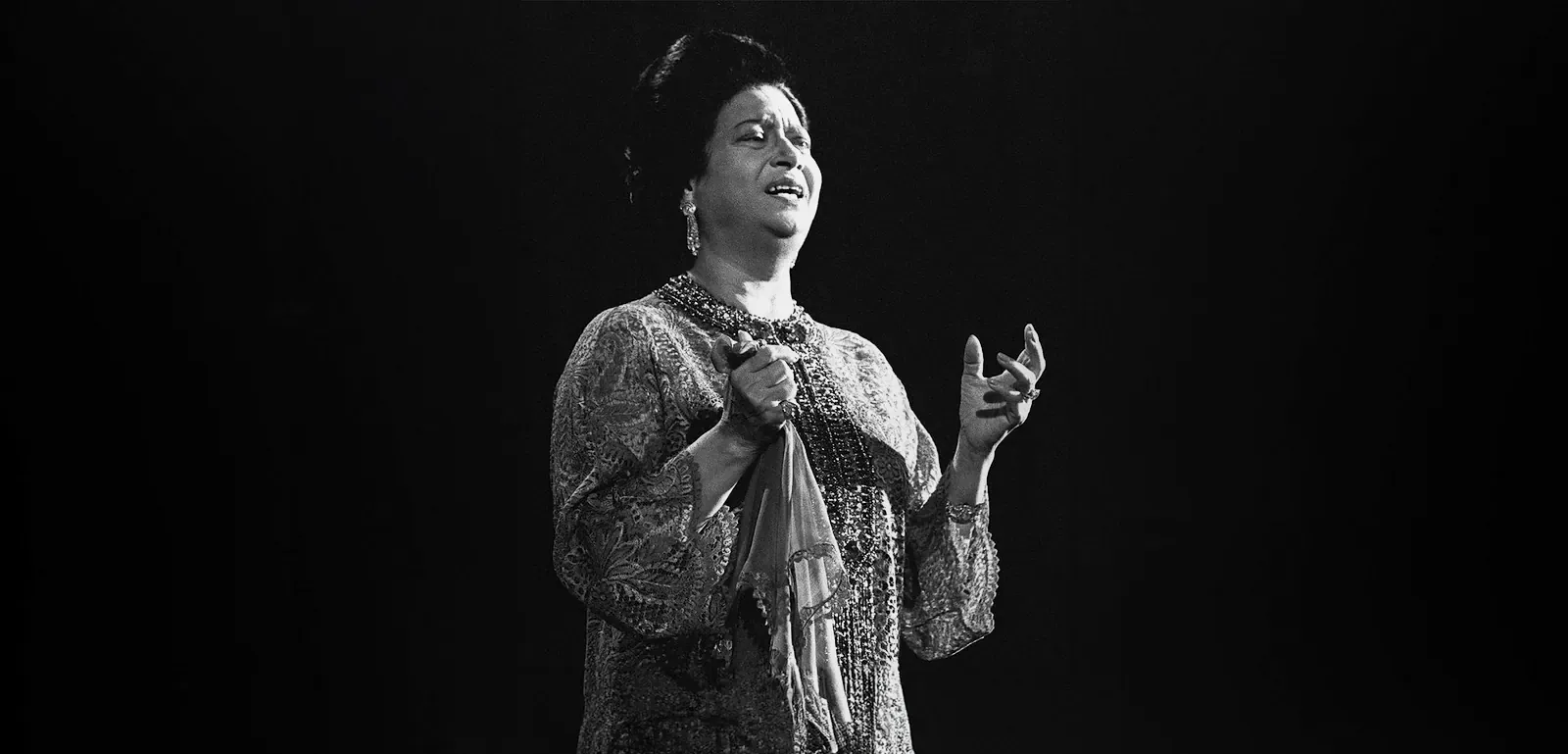
Umm Kulthum, born in 1904. Her radio concerts ran from 1934 for about four decades, and about four million people lined the route of her funeral in 1975.
What instruments are used in Arabic classical music?
The core group, the takht, has an oud, qanun, nay, violin and a riqq or darbuka. Later orchestras added cellos, double bass and more violins.
What does tarab mean?
Tarab is the state of enchantment shared by singer and audience. Listeners respond aloud, and the singer repeats a line to draw out the feeling.
Sound
Sound sheet
Anatomy of a track
| # | Part |
|---|---|
| 1 | Instrumental prelude (muqaddima or samai) |
| 2 | Taqsim on the maqam |
| 3 | Main song with refrain and repeated lines |
| 4 | Mawwal or layali improvisation |
| 5 | Return and modulation (qafla) to close |
Signature sounds
- Quarter-tone intervals inside a single maqam
- Melismatic vocal ornament over a heterophonic ensemble
- Repeated lines that build tarab with the audience
- Modulation between related maqamat
Drums and percussion
- Riqq
- Darbuka
Techniques
- Taqsim
- Qafla
- Mawwal and layali
- Waslah
- Heterophony
Keys and modes
Rast. Foundational maqam built on a neutral third above the tonic.
Kurd. Soft minor-colour maqam of Enta Omri.
Nahawand. Minor-like maqam, one of the main maqam families.
Bayati. Common maqam with a lowered second degree, widely used in song and taqsim.
Hijaz. Maqam with an augmented second, often used for modulation.
Sikah. Maqam built on a neutral-third degree, a staple of taqsim and vocal pieces.
Tuning
Maqamat use neutral steps near three quarter tones and are not always tuned in equal temperament; 24 equal steps serve as a notation convention.
Vocals
Tarab singers use long breaths and melisma, repeat lines to build ecstasy, and respond to audience calls.
Scenes
Where it happened
Where and when the sound lived: one bar per city on a shared timeline.
Africa
Asia
Europe
Active scenes
Peak 6, 1967-2025
Capital of the tradition: salons, studios, radio and film all concentrated here.
Birthplace of Sayed Darwish and a theatre city that fed the Cairo stage.
Home of the Iraqi maqam, sung by a qari with a chalghi ensemble.
Centre of the muwashshah and qudud halabiya repertoire, the base of Sabah Fakhri.
Where Sabah Fakhri first sang for a president and later settled.
Host of Umm Kulthum in 1967 and of Ocora and Auvidis recordings by Munir Bashir.
Venues and places
Cairo, 1932 to today. Site of the 1932 Congress of Arab Music.
Cairo, 1934 to today. Carried Umm Kulthum's monthly Thursday concerts live.
Paris, 1967 to today. Hosted Umm Kulthum's 1967 Paris concerts.
Culture
Culture markers
- First-Thursday listening
Families gathered around the radio for Umm Kulthum's monthly concert, a custom Egyptian radio still marks.
Ritual - Tarab call and response
Listeners cheer and exclaim during a phrase, and the singer repeats it to raise the ecstasy.
Ritual - Empty chair for Qasabgi
After his death Umm Kulthum left his chair vacant with his oud placed upside down.
Ritual
Media
Key media
- 1933The White Rose
by Mohammed Abdel Wahab. His debut film and a record-attendance hit.
Film - 1934Umm Kulthum first-Thursday concerts
by Egyptian radio. A monthly broadcast that ran for about four decades.
Radio - 1941Intisar al-Shabab
by Asmahan. Asmahan's first film.
Film - 1957Banat El Yom
by Abdel Halim Hafez. The film in which Ahwak was first heard.
Film - 2015Cairo Congress of Arab Music 1932 (18-CD edition)
by Various. A remastered edition of the 1932 Congress recordings.
Compilation
Glossary
Terms on this page
A tetrachord or trichord segment used as a building block of a maqam.
A melodic mode built from ajnas that sets the scale, the typical phrases and the mood of a piece.
A slow, ornamented solo vocal improvisation on colloquial poetry.
A strophic sung poem form of Andalusi origin, central to the Aleppo repertoire.
The small classical ensemble of oud, qanun, nay, violin and riqq or darbuka.
A non-metric instrumental improvisation that explores a maqam.
The state of musical ecstasy shared by singer and listener, and the aesthetic aimed at.
A suite of vocal and instrumental pieces in one maqam.
Middle Eastern and North African family