Middle Eastern & North African music
Middle Eastern and North African music is built on maqam, dastgah and makam, from Abbasid courts to raï and Rotana, across 195 genres.
195 genres
Since around 750
Genres
195
In this family
Branches
46
Main subgenres
Since
around 750
Courts, maqam and Sufi circles
Timeline
Era by era
From the first sparks to today. Select a dot to read the story behind it.
- Courts, maqam and Sufi circles
750 to 1899
- Shellac discs and the Nahda
1900 to 1944
- Radio, cinema and the great voices
1945 to 1969
- Cassettes, street pop and protest
1970 to 1989
- Satellite TV and crossover
1990 to 2009
- Streaming, protest and reissues
2010 to today
Eras
Moments
- 1 Courts, maqam and Sufi circles, 750 to 1899
- 2 Shellac discs and the Nahda, 1900 to 1944
- 3 Radio, cinema and the great voices, 1945 to 1969
- 4 Cassettes, street pop and protest, 1970 to 1989
- 5 Satellite TV and crossover, 1990 to 2009
- 6 Streaming, protest and reissues, 2010 to today
around 750
Courts, maqam and Sufi circles
Abbasid Baghdad, Andalusian Cordoba, Ottoman palaces and Safavid courts shape the modal systems (maqam, makam, dastgah) and the suites that regional music still follows.
- 822Ziryab reaches CordobaA Baghdad-trained musician seeds the Andalusi school, later carried across the Maghreb as the nuba tradition.
1900
Shellac discs and the Nahda
Gramophone labels record Cairo, Beirut and Istanbul singers. Sayed Darwish modernises Egyptian song, the 1932 Cairo Congress debates the future of Arab music and state radio arrives in 1934.
- 1904Odeon starts recording in CairoDisc recording reaches Egypt around 1903 and Odeon sets up local agents within months.
- 1906Baidaphon foundedA Beirut family firm records Arabic singers in Berlin and sells across the region.
- 1923Sayed Darwish dies at 31His operettas and anthems made Egyptian song modern and popular.
- 1932Cairo Congress of Arab MusicScholars and musicians from the region debate scales, notation and modernisation.
- 1934Egyptian state radio beginsUmm Kulthum soon anchors a monthly broadcast concert heard across the Arab world.
1945
Radio, cinema and the great voices
Egyptian musical films, Voice of the Arabs radio and festivals such as Baalbeck turn Umm Kulthum, Abdel Halim Hafez, Farid al-Atrash and Fairuz into pan-Arab stars.
- 1952Cheikha Rimitti makes her first recordThe Algerian singer begins recording raï for Pathe, later called its mother.
- 1953Voice of the Arabs launches from CairoThe radio service spreads Egyptian songs and politics to listeners across the region.
- 1957Fairuz at the Baalbeck FestivalHer appearance with the Rahbani brothers sets the Lebanese song style.
- 1964Umm Kulthum sings Enta OmriMohammed Abdel Wahab composes it for her, a landmark of late tarab.
1970
Cassettes, street pop and protest
Cheap cassettes carry shaabi, raï and Moroccan protest groups past state radio. Iran restricts public music after 1979 and Turkish arabesk grows in the cities.
- 1970Nass El Ghiwane form in CasablancaThe group joins Gnawa rhythm, Sufi verse and protest lyrics.
- 1975Umm Kulthum diesHer funeral in Cairo draws a crowd reported in the millions.
- 1979Iranian Revolution restricts musicPop is banned for almost two decades and women are barred from singing solo for male audiences.
- 1985Shajarian releases BidadA landmark Persian classical album sung as a voice of the people.
- 1986Raï festival in BobignyThe Paris suburb festival takes raï, with Khaled on the bill, to a European audience.
- 1987Rotana foundedIt grows into the largest Arabic label.
1990
Satellite TV and crossover
Satellite channels and labels such as Rotana create a shared Arab pop market. Khaled and Tarkan cross into Europe while Persian classical voices reach concert halls abroad.
- 1991Kalan Muzik founded in IstanbulHasan Saltik starts a label for archival and regional Turkish and Kurdish music.
- 1992Khaled releases DidiProducer Don Was and Barclay take raï onto world charts.
- 1995Sezen Aksu releases Isik Dogudan YukselirAn album that engages a range of Turkish folk music styles.
- 1997Tarkan releases Olurum SanaThe album and its hit Simarik make him one of Turkey's biggest pop stars.
- 2007Omar Souleyman on Sublime FrequenciesHighway to Hassake brings Syrian wedding dabke to Western ears.
- 2009State media drops Shajarian's RabbanaAfter the disputed election, Iranian state media drops his Rabbana prayer.
2010
Streaming, protest and reissues
The Arab Spring, indie bands such as Mashrou' Leila and reissue labels such as Habibi Funk move the scene online and bring lost 1970s catalogues back.
- 2011Arab SpringProtest chants, rap and street songs become the soundtrack of uprisings.
- 2015Habibi Funk issues its first recordThe Berlin label begins reissuing 1970s Arabic funk and soul.
- 2017Mashrou' Leila play CairoRainbow flags raised at the Cairo concert lead to seven arrests.
- 2020Shajarian diesThe singer dies in Tehran at 80.
- 2022UNESCO lists raïRaï is inscribed as intangible cultural heritage.
Facts
| Genres in the family | 195 |
| Main branches | 46 |
| Emerged | Ancient |
| Tempo | 70 to 145 BPM |
Middle Eastern and North African (MENA) music is the music of the Arab world, Iran, Turkey, Kurdistan and the Maghreb.
Most of it is built on modal systems called maqam in Arabic, makam in Turkish and dastgah in Persian, where a mode is a set of scales and melodic paths guiding improvisation rather than a chord chart. It grew from the courts and Sufi lodges of the Abbasid and Ottoman worlds, was carried across the region by shellac discs, radio and cassettes, and now travels by satellite and streaming. The library holds 195 MENA genres in 46 direct branches.
Origins: courts, maqam and Sufi circles, to 1899
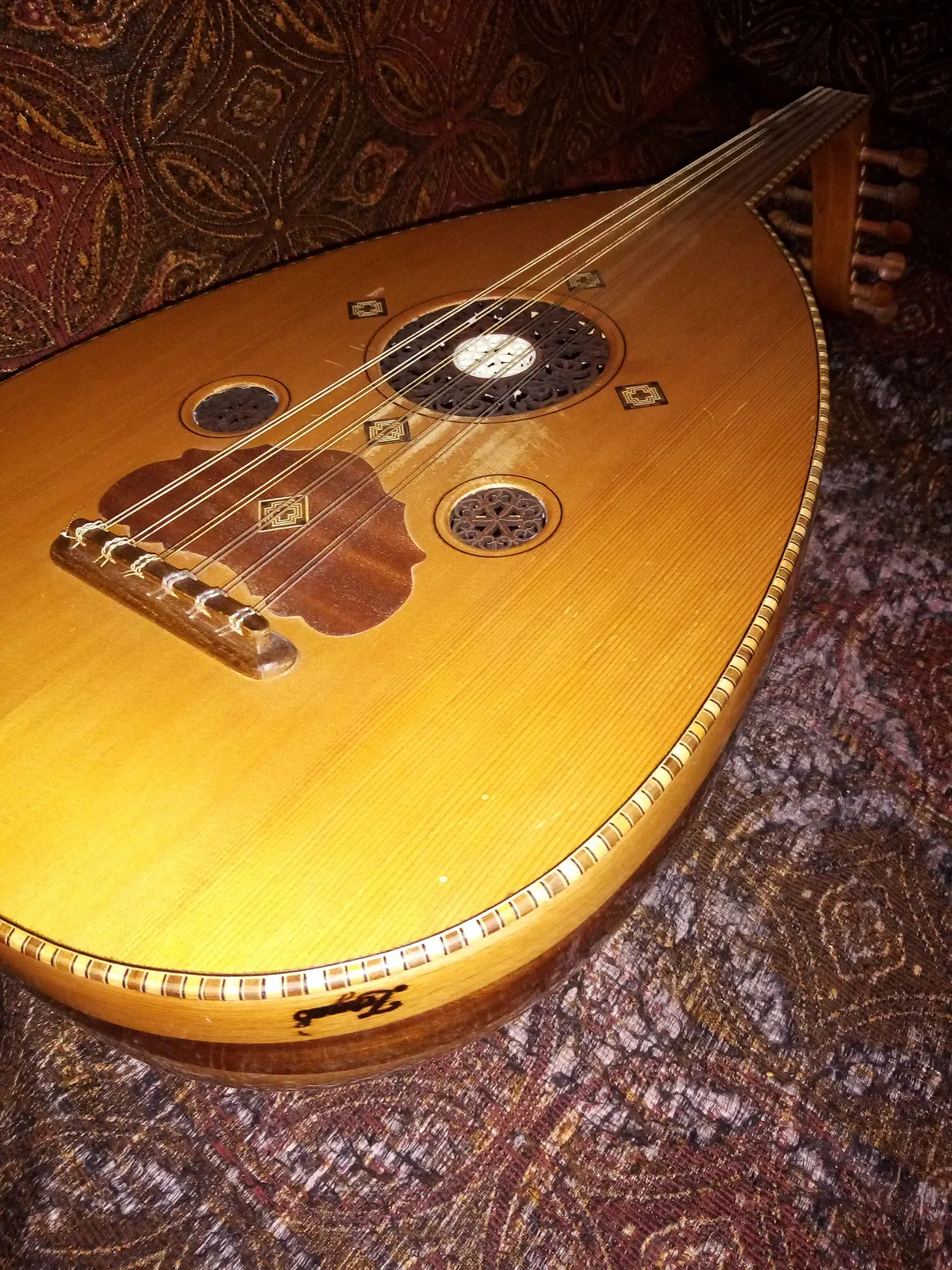
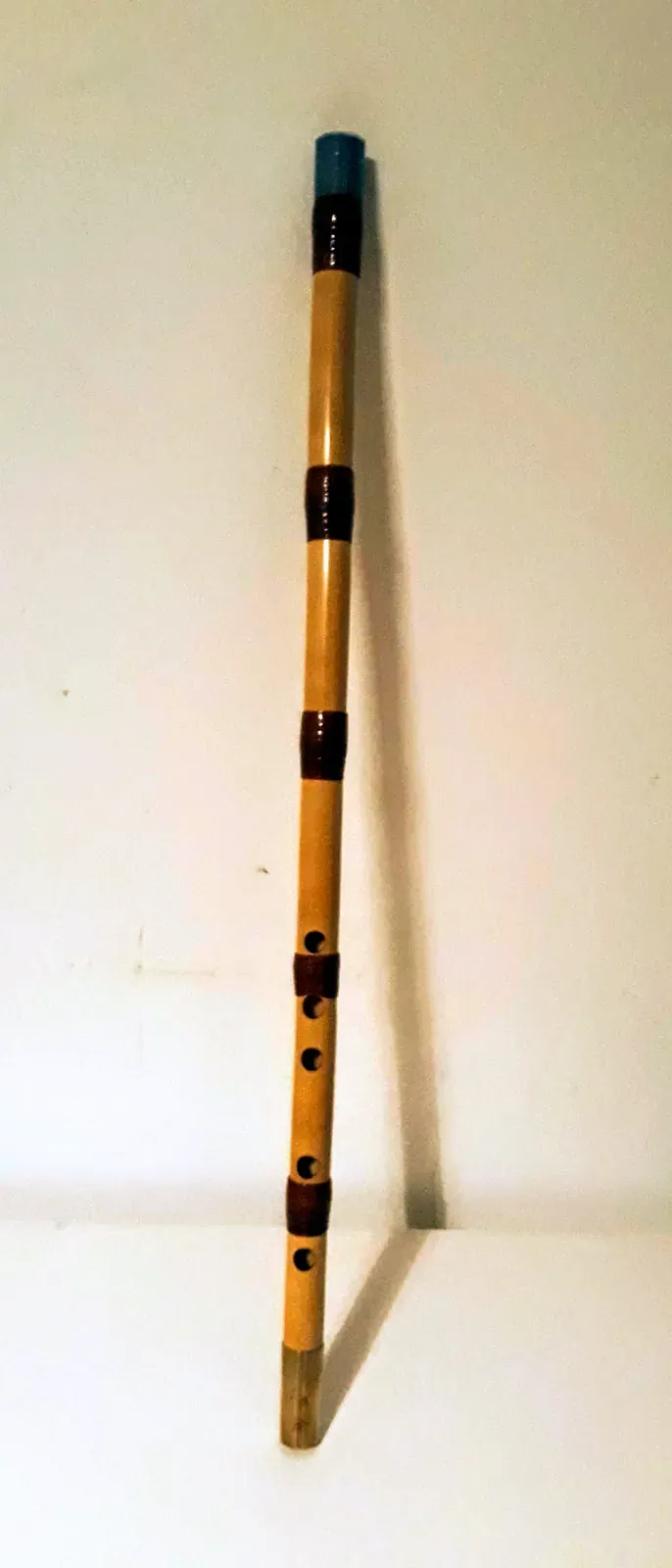
The modal systems took shape in royal courts. Abbasid Baghdad was the first centre, and its theorists set the terms: al-Kindi (801 to 873) and al-Farabi (872 to 950) are the early names in the history of Arabic music, and Safi al-Din devised a geometric notation for rhythms in 1252. The oud, a short-necked lute, sat at the centre of this art music, and the ney, an end-blown reed flute, carried it into Sufi circles.
The system spread west. A Baghdad-trained musician, Ziryab, reached Cordoba in 822 and helped seed the Andalusi school, later carried across the Maghreb as the nuba, a suite of vocal and instrumental pieces in one mode. In Ottoman Istanbul the same idea became makam, with rhythmic cycles called usul, and in Iran it is the dastgah system, built on the radif, a core repertoire passed from teacher to student.
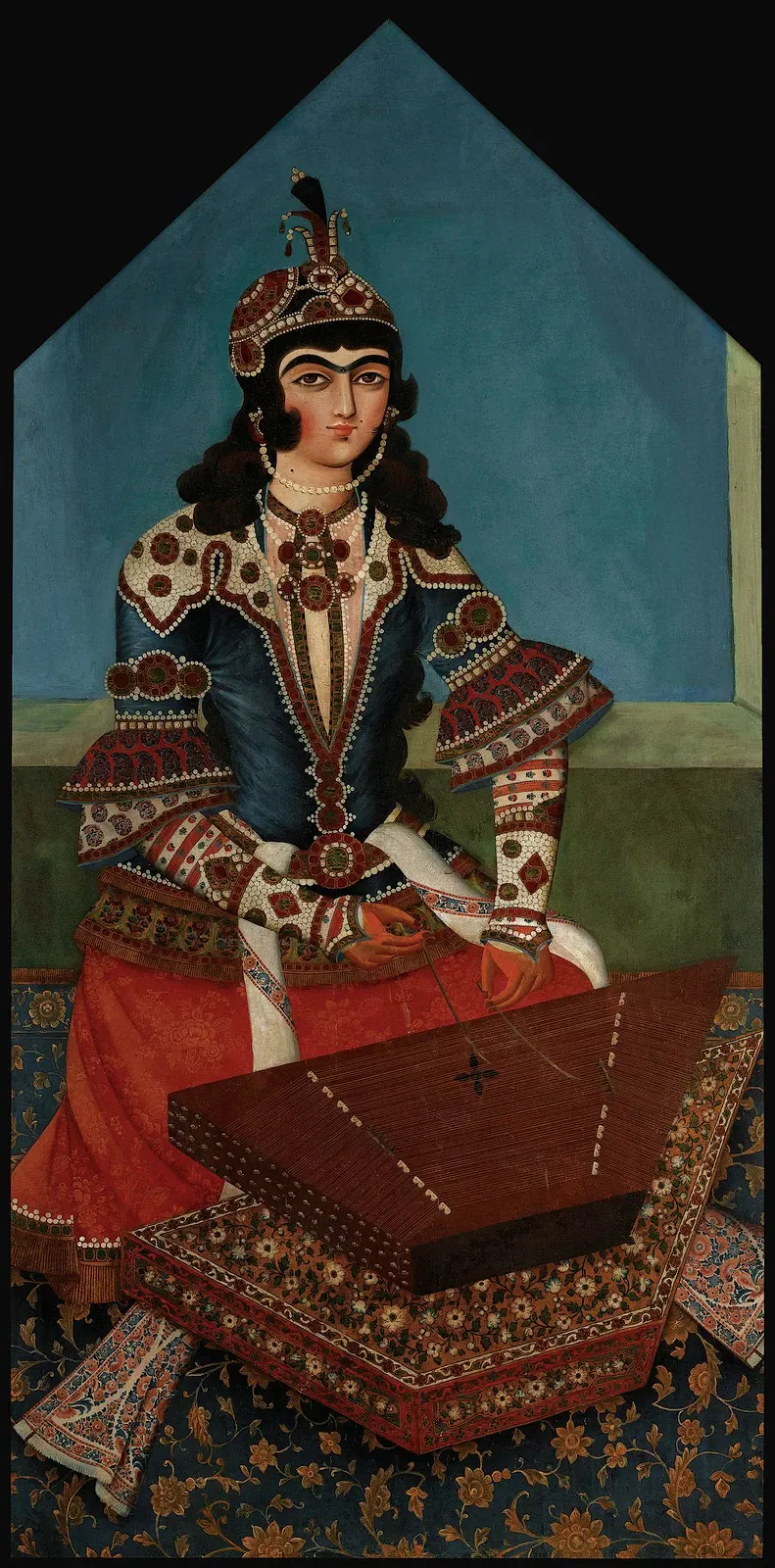
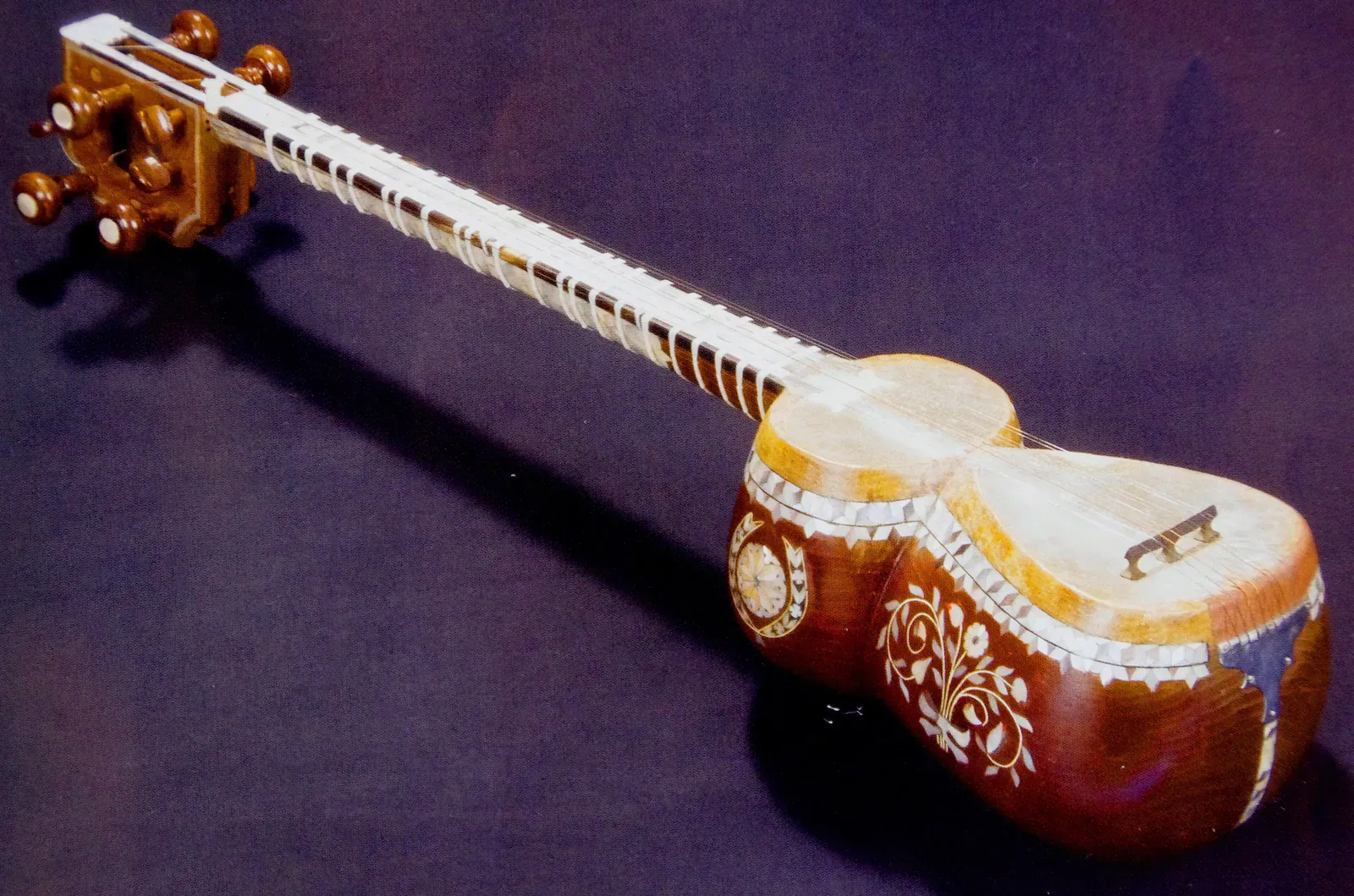
Persian classical music has its own instruments. The santur is a hammered dulcimer, and the long-necked tar is the lute used for the radif.
Shellac discs and the Nahda, 1900 to 1944
Recording changed who could be a star. Disc recording reached Egypt around 1903 and Odeon set up local agents within months; Odeon Records was a Berlin company that sold national catalogues across the Middle East. In 1906 the Baida family of Beirut founded Baidaphon, which pressed its discs in Berlin and recorded Umm Kulthum, Mohammed Abdel Wahab, Asmahan and Farid al-Atrash.
Egypt supplied the repertoire. Sayed Darwish made Egyptian song modern through operettas and anthems before he died in 1923 at 31. In 1932 the Cairo Congress of Arab Music brought scholars and musicians from across the region together to argue about scales, notation and modernisation, and in 1934 Egyptian state radio began. Umm Kulthum soon anchored a monthly broadcast concert that listeners across the Arab world tuned in to.
Radio, cinema and the great voices, 1945 to 1969
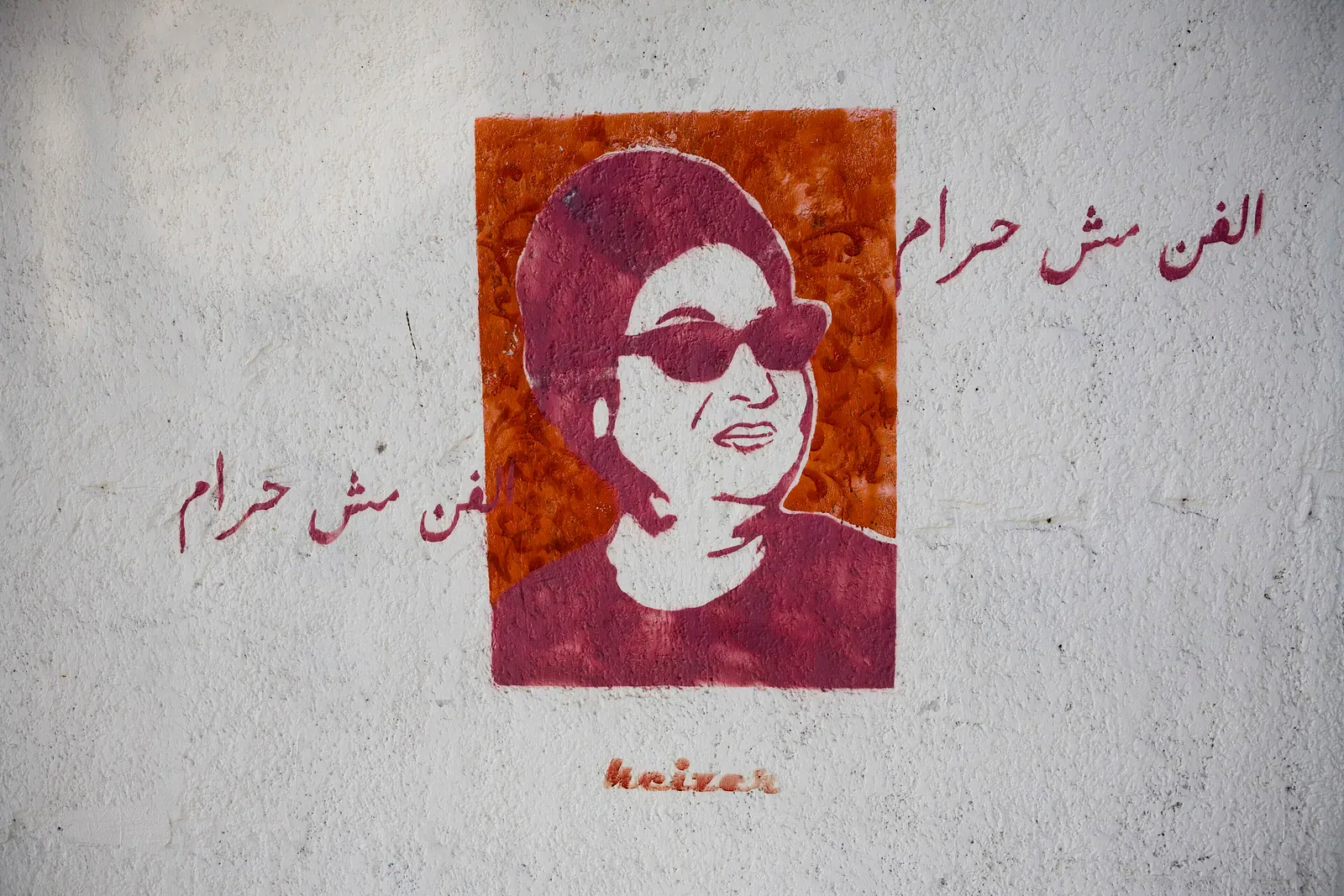
After the Second World War, film and radio made regional stars. Egyptian musical films carried songs to every Arabic-speaking city, and from 1953 the Voice of the Arabs radio service spread Egyptian songs and politics from Cairo. The singers who defined the period were Umm Kulthum, Abdel Halim Hafez, Farid al-Atrash and, in Lebanon, Fairuz.
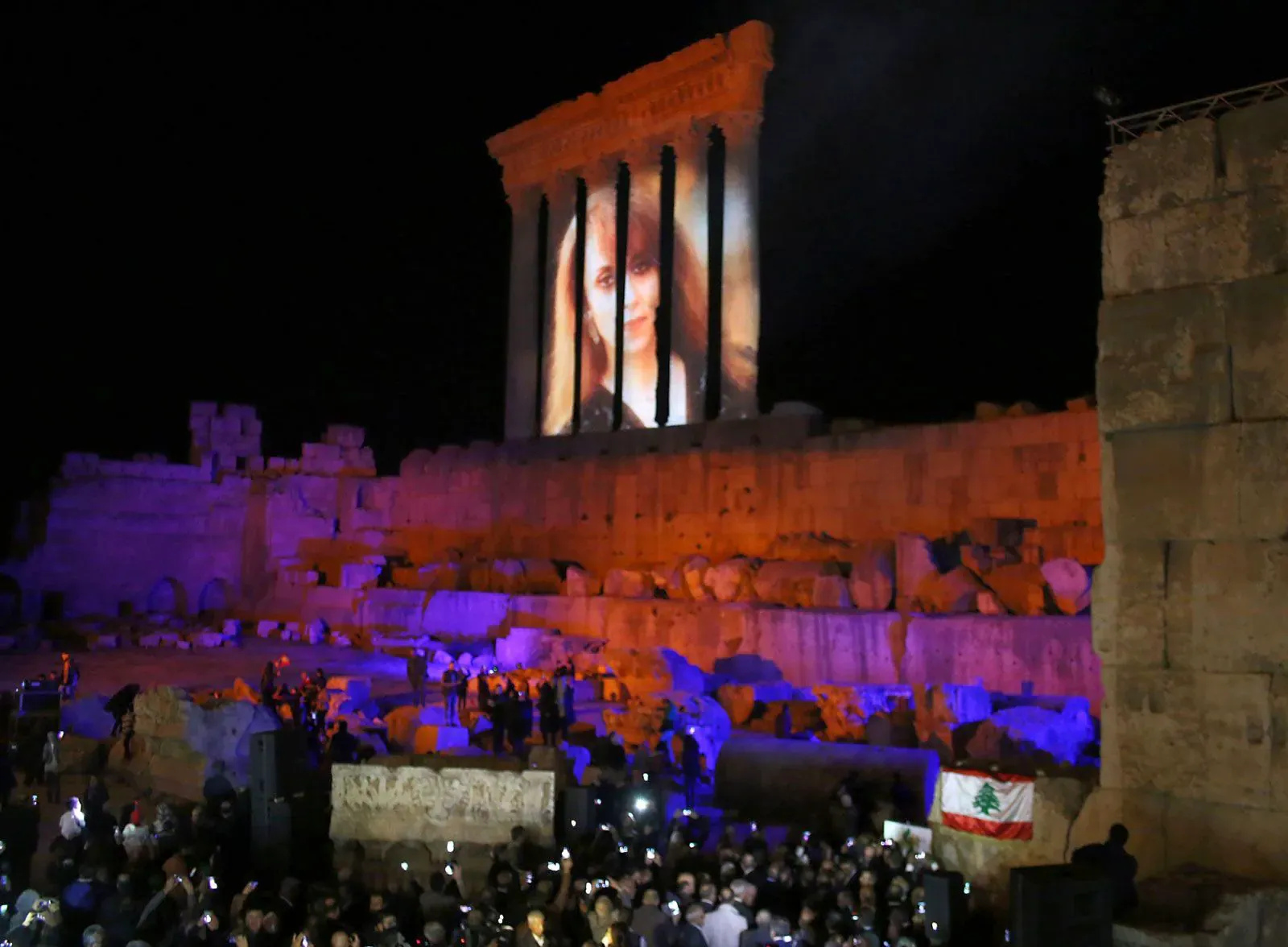
Fairuz made Beirut the other capital. Her appearance at the Baalbeck Festival in 1957 with the Rahbani brothers set the Lebanese song style. In 1964 Umm Kulthum sang Enta Omri, composed for her by Mohammed Abdel Wahab, a long song that shows tarab (the emotional ecstasy sought in classical performance) at its most patient.
Cassettes, street pop and protest, 1970 to 1989
Umm Kulthum died in 1975, and her funeral in Cairo drew a crowd reported in the millions. The audience she left behind was reached by something cheaper than radio: the audio cassette. Tapes carried Egyptian shaabi, Algerian raï and Moroccan protest groups past state radio.
Morocco’s Nass El Ghiwane formed in Casablanca around 1970 and mixed Gnawa rhythm, Sufi verse and protest lyrics. Gnawa music itself grew from the trans-Saharan trade, which brought West African peoples to Morocco; its core is the guembri, a three-string lute, and the qraqeb, heavy iron castanets. Its home setting is the lila, an all-night ceremony led by a master musician.
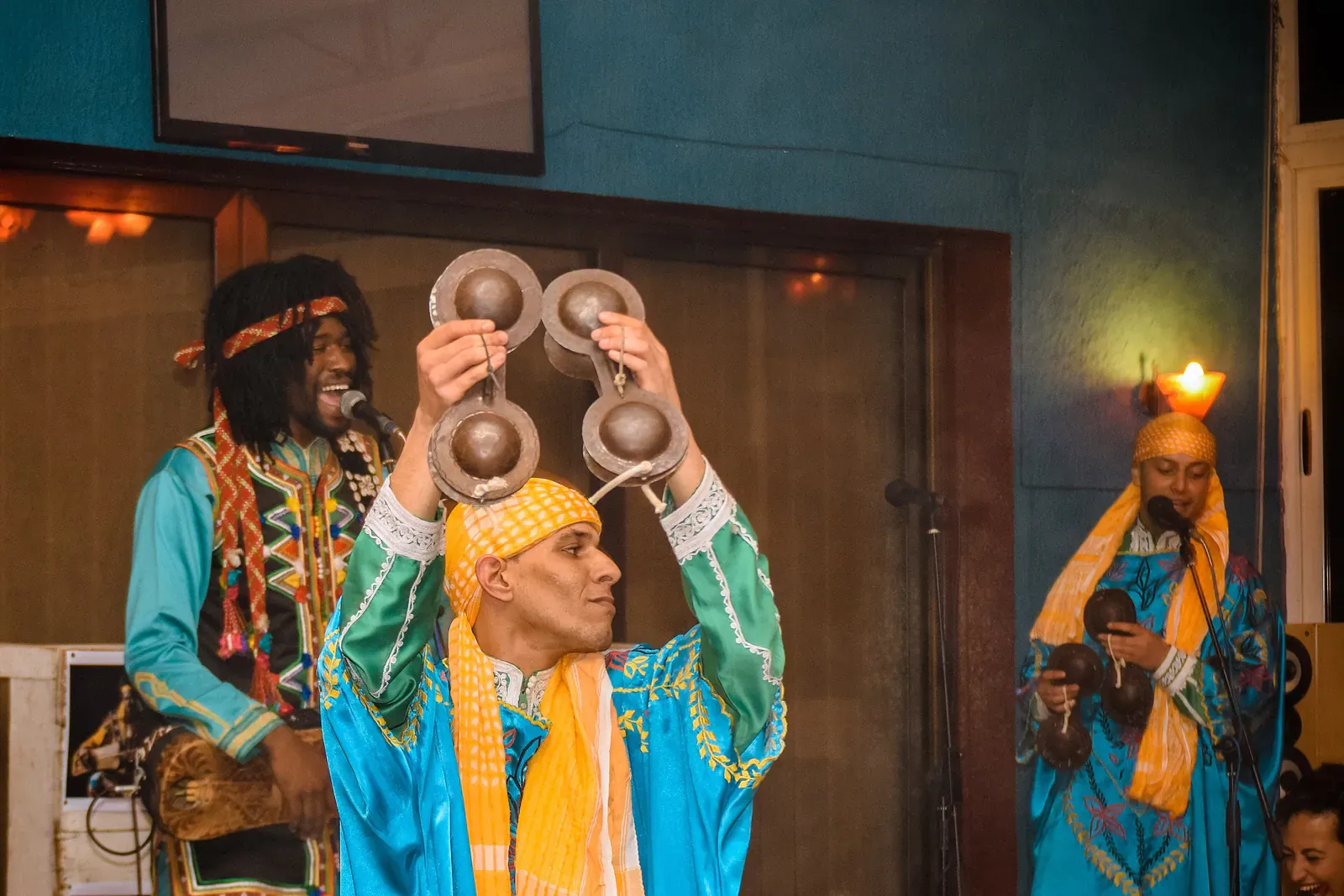
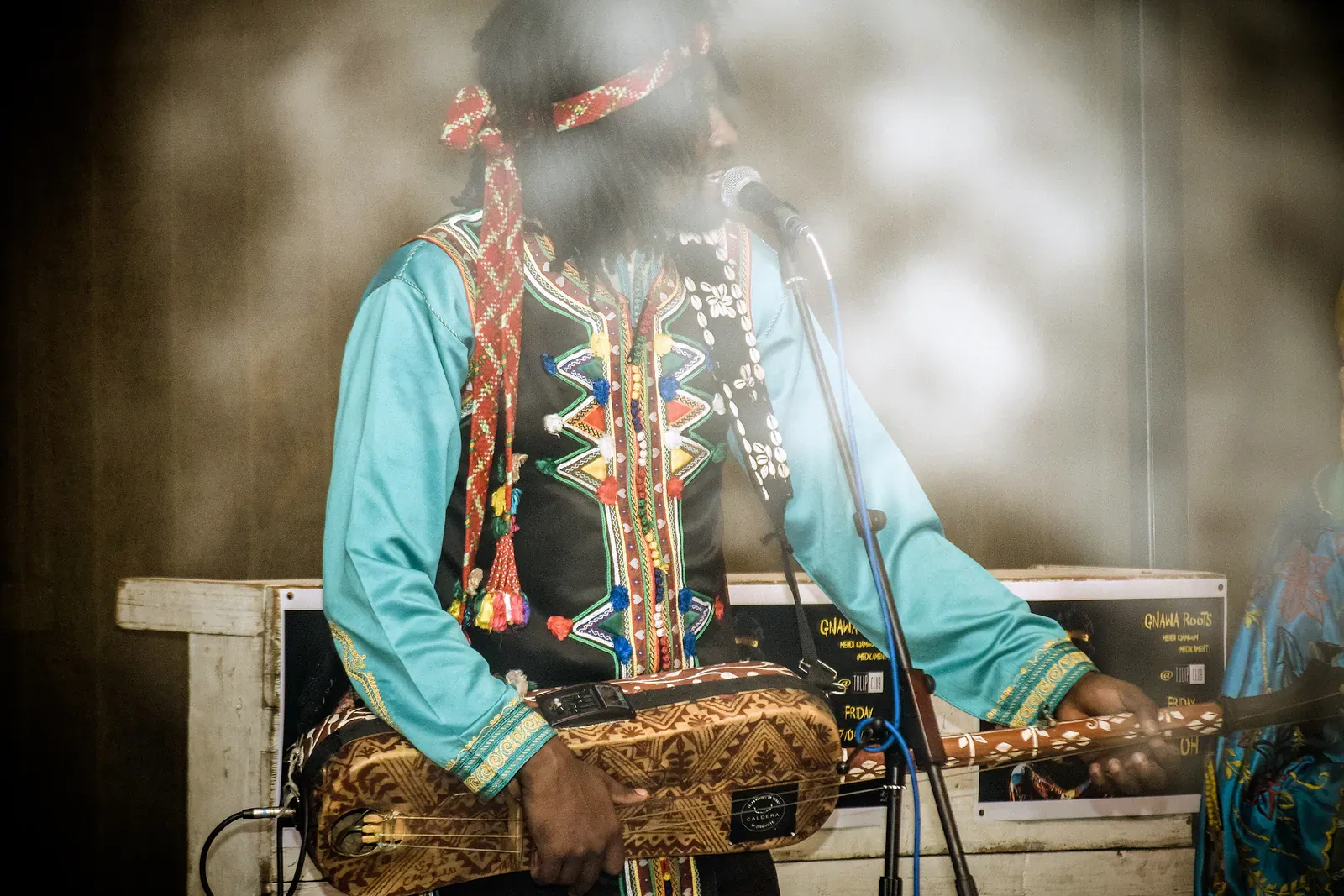
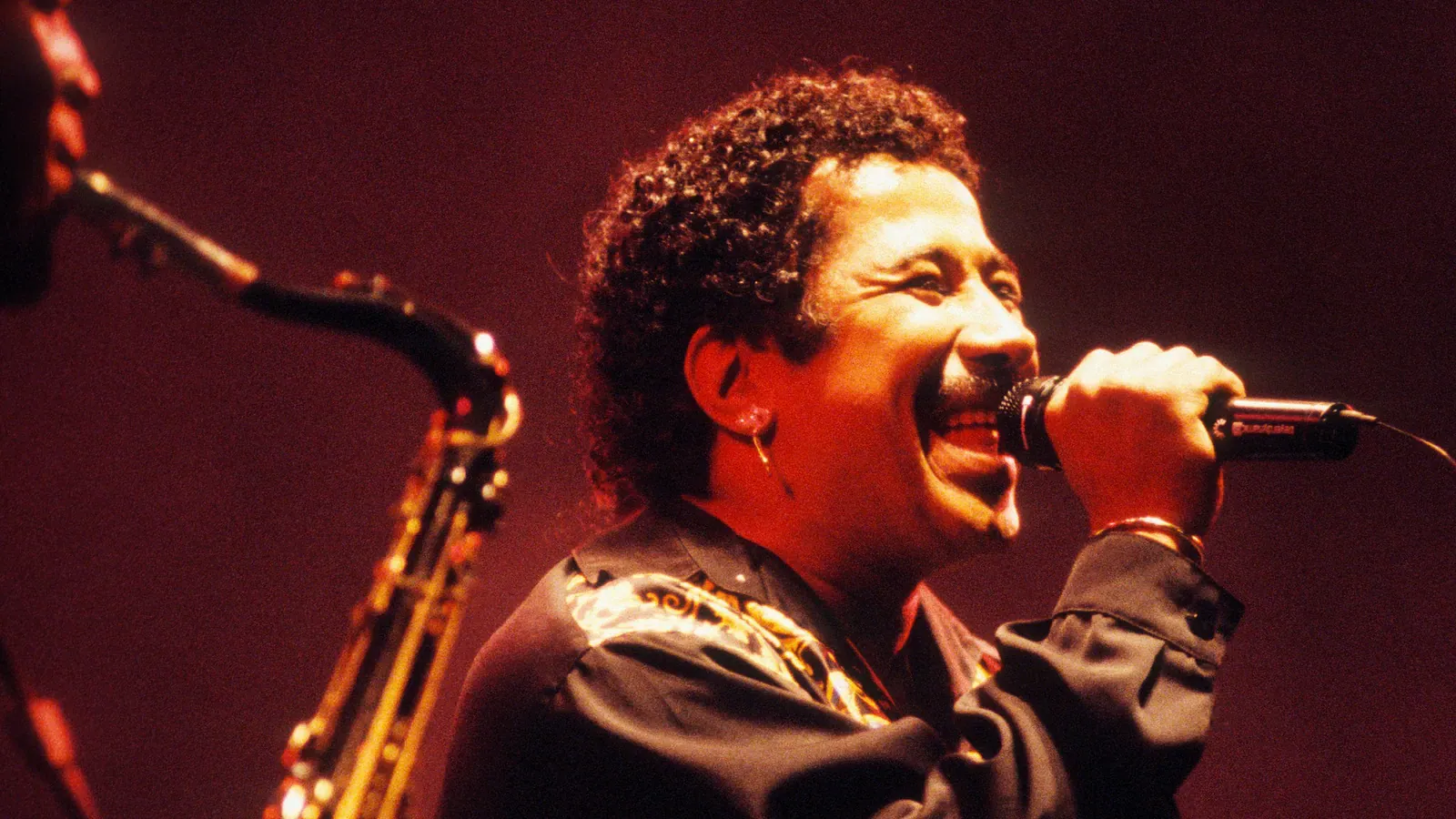
In Algeria, raï had started in 1920s Oran as a mix of Bedouin song, cabaret and flamenco influence. In the 1970s and 80s younger singers, called chebs, brought in synthesisers, electric guitars and drum machines. Cheikha Rimitti, who made her first record in 1952, became its mother figure. The Bobigny festival near Paris in 1986 took the sound to Europe.
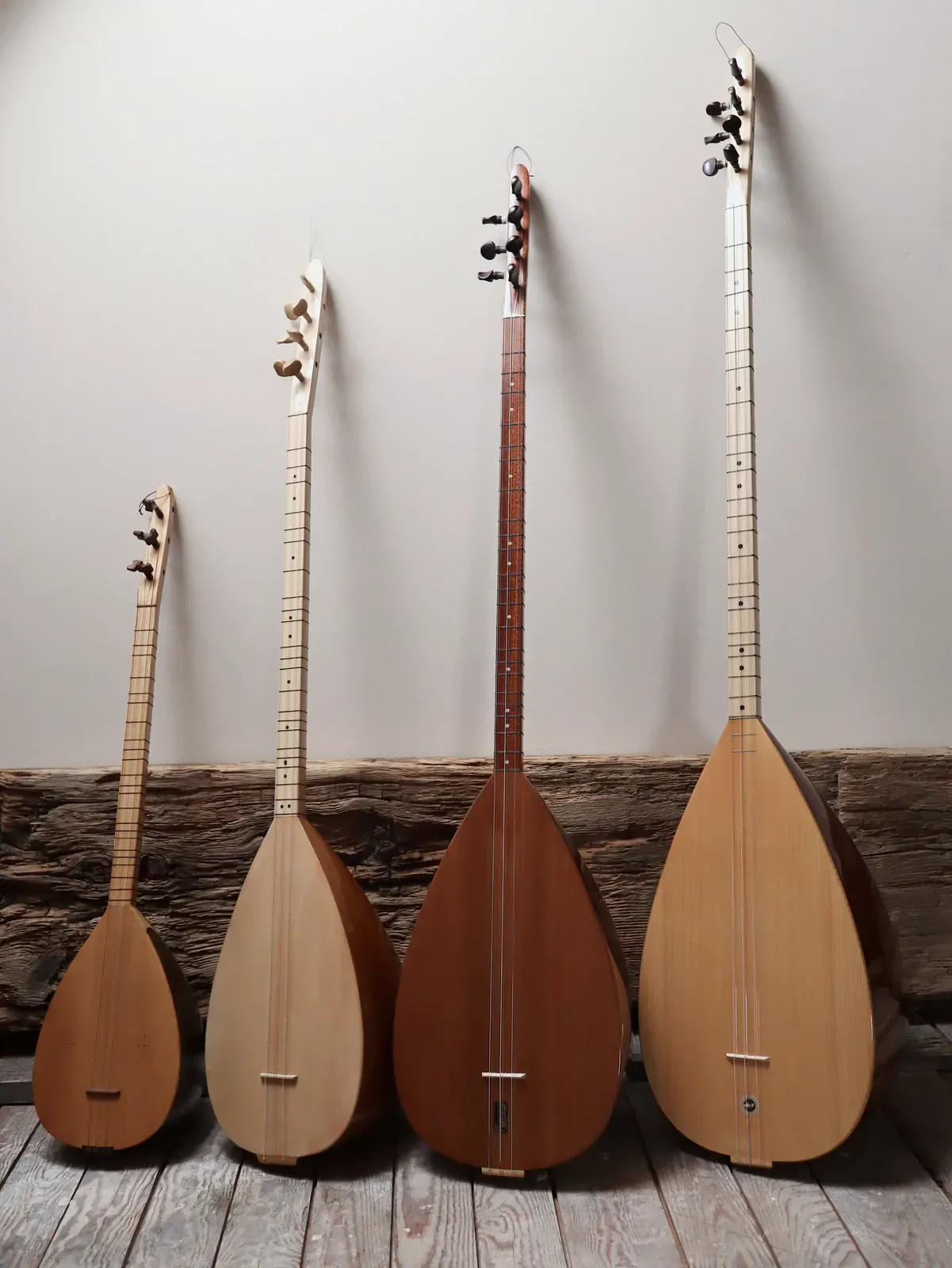
Iran went the other way. After the 1979 revolution, pop was banned for almost two decades and women were barred from singing solo for male audiences. Mohammad-Reza Shajarian’s 1985 album Bidad, a Persian classical vocal album, became a national touchstone. The Tehran institute Mahoor, founded in 1987, started its long catalogue of Persian classical recordings that year. In Turkey the long-necked saz carried folk song through the cities, and arabesk grew up alongside it.
Satellite TV and crossover, 1990 to 2009
Satellite television created a shared Arab pop market. Rotana, founded in 1987 and bought by Al Waleed bin Talal in 2002 and 2003, paired a record label with its own music channels, which gave its releases airtime across the Arab world. In Istanbul, Hasan Saltik started Kalan Muzik in 1991 for archival and regional Turkish and Kurdish music.
Singers also crossed borders. Khaled’s Didi (1992), produced by Don Was, took raï onto world charts, and his Aicha (1996) is still the easiest entry point. Tarkan’s Olurum Sana (1997), with the hit Simarik, made him one of Turkey’s biggest stars, and Sezen Aksu’s Isik Dogudan Yukselir (1995) drew on a range of Turkish folk styles. Sting and Cheb Mami’s Desert Rose (2000) did the same for raï in the West.
Istanbul’s Doublemoon, founded in 1998, built a Sufi-electronic niche around the ney and bendir player Mercan Dede. And in Seattle, Sublime Frequencies (2003) began releasing radio collages and wedding recordings, including Omar Souleyman’s Highway to Hassake in 2007.
Streaming, protest and reissues, 2010 to now
In 2011 protest chants, rap and street songs became the soundtrack of the Arab Spring. In 2012 Anghami launched in Beirut and Arabic catalogues began to move online. Mashrou’ Leila, a Beirut indie band, spoke to a regional youth audience, and in September 2017 seven people were arrested after rainbow flags were raised at their Cairo concert.
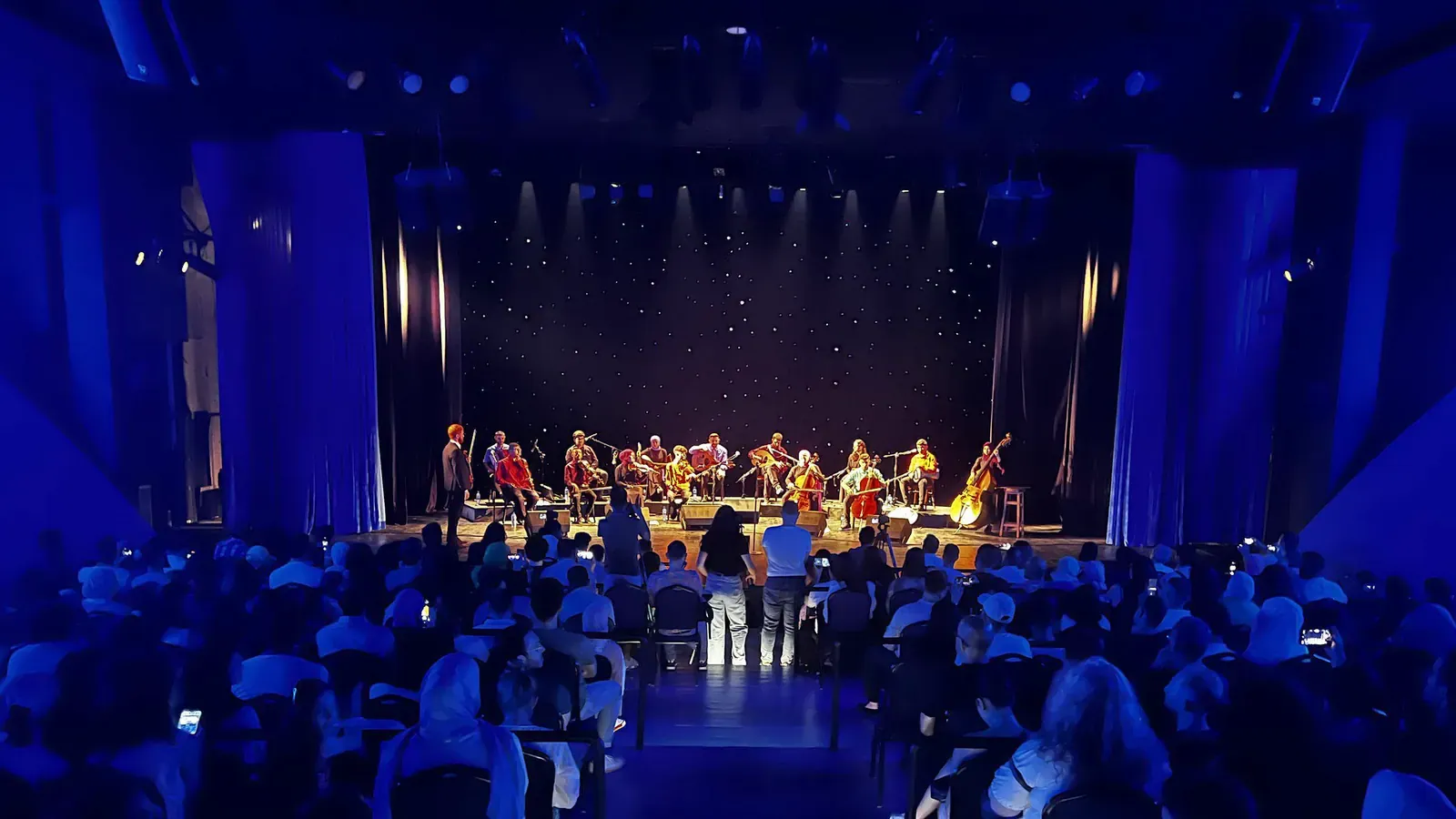
The other change was archaeological. Habibi Funk, a Berlin label founded in 2015, reissues 1970s Arabic funk and soul, and its 2016 release of Ahmed Malek’s film scores revived interest in 1970s Arabic funk. Glitterbeat in Hamburg works with Saharan and Turkish artists, and Cairo’s Nashazphone and Beirut’s Ruptured publish experimental and independent work. Iran’s state media dropped Shajarian’s Rabbana prayer after the 2009 election, and he died in Tehran in 2020 at 80. UNESCO listed Gnawa in 2019 and raï in 2022 as intangible cultural heritage.
Characteristics
The defining feature is the mode. A maqam, makam or dastgah is a set of scales and melodic paths, not a chord chart, and common Arabic maqamat include rast, bayati, hijaz, nahawand and sikah. Their steps include neutral intervals near three quarter tones, which are set by ear on the oud and by levers on the qanun. Persian music alters pitches with koron and sori, and Turkish makam uses comma-based steps. Moving from one maqam to another by changing the lower or upper melodic unit, often through hijaz, is a standard device.
Improvisation sits at the centre. The taqsim is an unmetered solo on one maqam that displays its scale and character, and the Persian avaz is its vocal counterpart, drawn from the radif. Metered music runs on cycles: iqa’at in Arabic music and usul in Ottoman practice organise dance and song, while taqsim and avaz stay in free meter.
Texture is largely melodic rather than harmonic. Singing is melismatic and ornamented, in dialect or classical language, from tarab solos to Gnawa and raï chants. Regional forms add their own structures: the Andalusi nuba is a suite of vocal and instrumental pieces in one mode, and Gnawa guembri and qraqeb mix triple and duple rhythms into a layered pulse.
Instruments and production
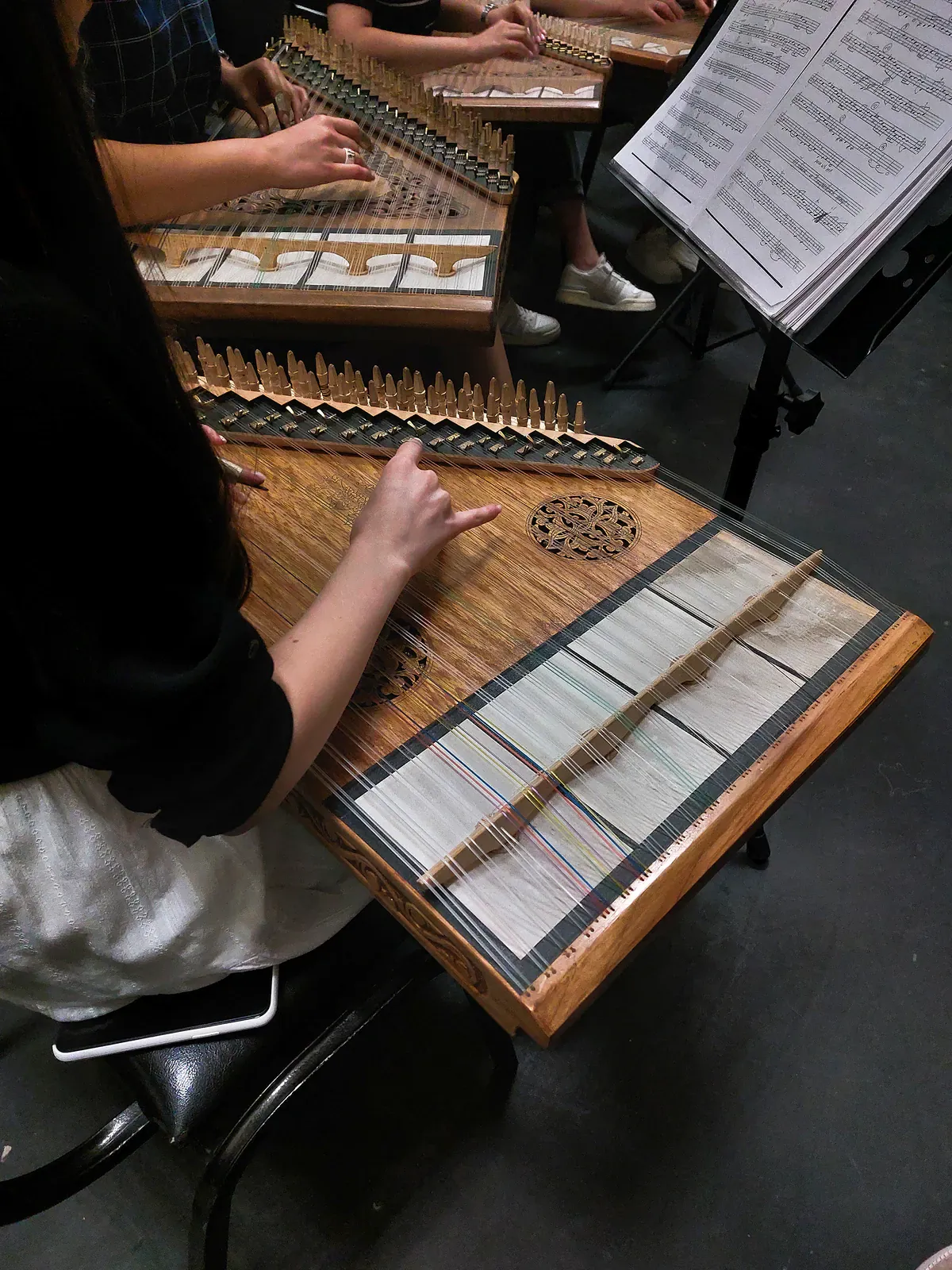
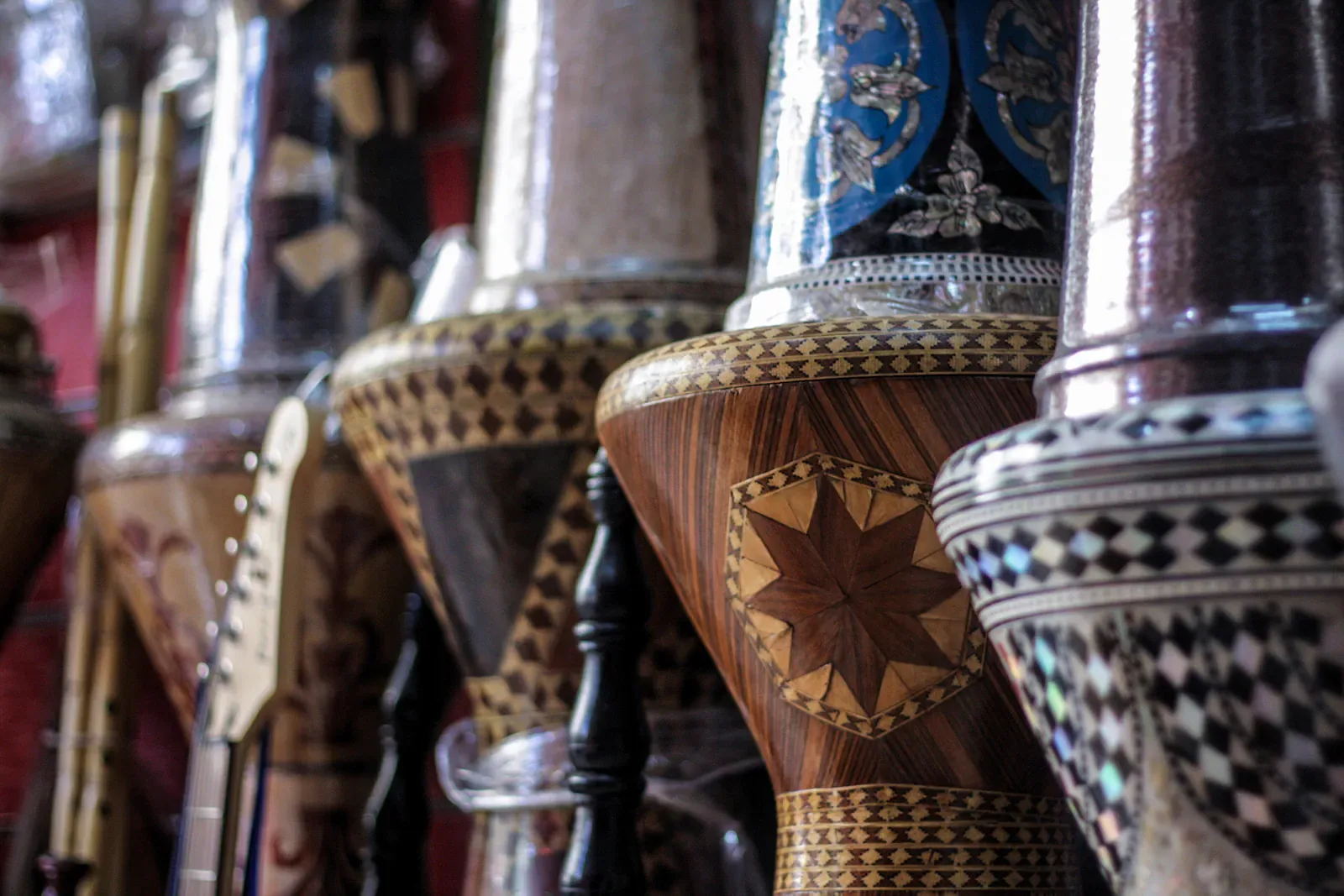
Acoustic instruments define the classical sound. The oud, a fretless short-necked lute, sits at the centre of Arab and Turkish art music, and the qanun is a plucked zither whose levers retune each course of strings by a fraction of a tone. The ney, an end-blown reed flute, is heard in Sufi and classical ensembles. The Arab takht ensemble pairs these with the darbuka, a goblet drum that drives dance rhythms and tarab ensembles, and the riqq, a tambourine with cymbals that marks the rhythmic cycle.
Regional traditions use their own families. The saz is the long-necked lute of Turkish and Kurdish folk song. Persian classical music uses the tar, the santur, a hammered dulcimer, and the kamancheh, a spike fiddle, with the tonbak goblet drum. Frame drums such as the bendir keep time in Maghreb folk and Sufi music, the mirwas and duff serve Gulf music, and Gnawa relies on the guembri, a three-string bass lute, with iron qraqeb castanets.
Production changed with the twentieth century. Raï’s younger singers, the chebs, brought synthesisers, electric guitars and drum machines into the sound in the 1970s and 80s, altering its instruments but not its roots in Bedouin song and cabaret. Mahraganat later paired heavy autotune with digital beats derived from the maqsum rhythm.
Misconceptions
“Middle Eastern music is Arab music.” The region also includes Persian classical music with its dastgah and radif, Turkish makam and folk song on the saz, Kurdish, Assyrian and Amazigh traditions, and Andalusi nubas in the Maghreb. The library separates them: Persian folk music, Turkish classical music and Amazigh music are branches in their own right, beside Arabic classical and Gulf pop.
“Raï is a modern pop style.” The synthesiser version is recent, but raï began in 1920s Oran, and Cheikha Rimitti was recording for Pathe in 1952. The 1980s changed its instruments, not its roots in Bedouin song and cabaret.
“Gnawa is ritual music frozen in time.” Gnawa is rooted in the all-night lila, but it has moved onto festival stages. The Gnaoua festival in Essaouira began in 1998 and drew more than 200,000 people by 2006, and artists now mix it with jazz and hip hop.
Audience, labels and politics
For most of the 20th century the audience was not the court but a mass market. Cinema and radio built it, cassettes made it affordable, and satellite channels commercialised it. Labels were gatekeepers: Odeon and Baidaphon in the shellac era, then Rotana. Alongside them ran informal channels: wedding singers recorded on tape, Gnawa maalems playing for ceremonies, and Persian teachers handing the radif to students one phrase at a time.
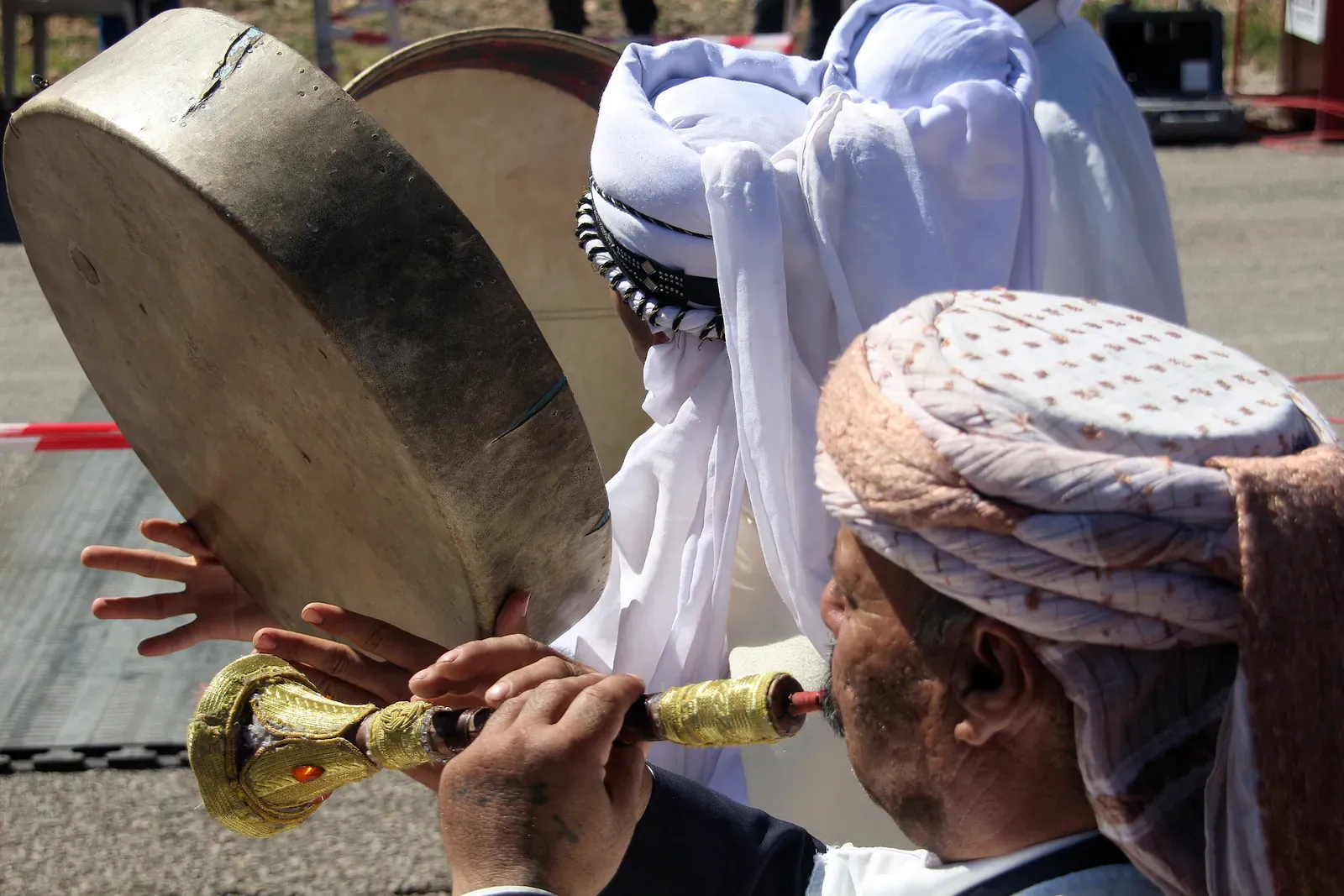
Politics shaped what could be heard. Egypt exported its own Cairo-centred sound through film and the Voice of the Arabs. Iran restricted public music after 1979, and Persian classical voices reached concert halls abroad in the decades after. Algeria’s state resisted raï for its mixed dancing, and the singer Cheb Hasni was murdered in Oran in 1994. The scene’s economics changed too: Gulf money built the Rotana model, while the reissue wave came from small labels in Berlin, Seattle and Hamburg. Related library families that overlap with MENA at the edges are the African family, Central Asian family and folk family.
FAQ
What is MENA music?
MENA music is the music of the Middle East and North Africa: Arabic, Persian, Turkish, Kurdish, Amazigh and Andalusi traditions linked by modal systems such as maqam. The library holds 195 genres in 46 direct branches, from Gulf pop to Sufi chant.
What is a maqam?
A maqam is an Arab modal system: a set of scales and melodic paths that tells a performer how to start, develop and finish an improvisation. The Turkish version is called makam and the Persian one dastgah. Maqam includes intervals not found on a piano, so many instruments such as the oud and the qanun are built to produce them.
Which instruments define MENA music?
The oud, qanun, ney and darbuka anchor the Arab takht ensemble, with the riqq adding rhythm. Turkish and Kurdish music uses the saz, and Persian classical music uses the tar, the santur and the kamancheh. Gnawa music uses the guembri and iron qraqeb.
Where should I start listening to MENA music?
Start with Khaled’s Aicha for raï, Tarkan’s Simarik for Turkish pop, and Fairuz’s Kifak Inta for Lebanese song. Then try Umm Kulthum’s Enta Omri for tarab and Mohammad-Reza Shajarian’s Bidad for Persian classical vocals.
Subgenres
Genres in the family
46 main branches. Names with their own page are links.
- Almezmar
8 branches
- Ancient Egyptian music
-3000
16 branches
17 branches
- Assyrian music
2 branches
- Bedoui
1 branch
5 branches
1 branch
- Diwan
4 branches
- Fantezi
1 branch
- Iraqi folk music
2 branches
24 branches
5 branches
11 branches
- Libyan folk music
1 branch
- Maddahi
1 branch
- Maftirim
- Malhun
1 branch
1 branch
- Moroccan folk music
6 branches
- Music of Yemen
- Mūsīqā lubnāniyya
1943
- Muzika Yehudit Mekorit
- Nubian music
7 branches
- Özgün müzik
6 branches
11 branches
1 branch
- Saidi music
1 branch
- Shirei Eretz Yisrael
- Simsimiyya
- Staïfi
6 branches
- Ta'zieh
- Tunisian folk music
2 branches
6 branches
- Zar
2 branches
Sound
What it sounds like
Tempo
- Overall70-145
- Tarab70-90
- Arabic pop80-140
- Raï85-130
- Turkish pop80-100
- Dabke115-145
Drums and percussion
- Darbuka
- Riqq
- Mirwas
- Bendir
- Tonbak
Techniques
- Taqsim
- Modulation between ajnas
- Radif and avaz
- Nuba suite
- Triple and duple meter interplay
- Autotuned vocals over maqsum beats
Keys and modes
Rast. Foundational Arabic maqam with a neutral third, the base of many classical songs and taqsim.
Bayati. Common maqam with a lowered second degree, widely used in song and improvisation.
Hijaz. Maqam with an augmented second, shared by Arab, Turkish and Gulf styles.
Nahawand. Minor-like maqam, close to the natural minor scale.
Sikah. Maqam built on a neutral-third degree, a staple of taqsim and vocal pieces.
Persian dastgah. Persian classical modes in the radif, 12 dastgahs and avazes, with koron and sori quarter-tone alterations.
Tuning
Maqam uses neutral steps near three quarter tones, set by ear on the oud and by levers on the qanun; Persian music alters pitches with koron and sori, Turkish makam uses comma-based steps.
Vocals
Melismatic, ornamented singing in dialect or classical language, from tarab solos to Gnawa and raï chants.
Instruments
- Oud
Short-necked lute at the centre of Arab and Turkish art music.
- Qanun
Plucked zither with microtonal levers for maqam tuning.
- Ney
End-blown reed flute heard in Sufi and classical ensembles.
- Darbuka
Goblet drum that drives dance rhythms and tarab ensembles.
- Riqq
Tambourine with cymbals that marks the rhythmic cycle.
- Saz
Long-necked lute of Turkish and Kurdish folk song.
- Tar
Persian long-necked lute used for the radif.
- Santur
Hammered dulcimer of Persian classical music.
- Kamancheh
Spike fiddle of Persian and Azeri classical music.
Technology that shaped it
- 1903Shellac discs
Disc recording arrives in Egypt and spreads regional singers.
- 1934State radio
Egyptian broadcasting begins and creates national audiences.
- 1970Audio cassette
Cheap tapes carry shaabi, raï and protest groups past state media.
- 1990Satellite television
Arab pop channels create a shared regional market.
- 2012Streaming
Anghami launches in Beirut and Arabic catalogues move online.
Essential records
- 1964Enta Omri
Umm Kulthum. The long Abdel Wahab composition that shows tarab at its most patient.
- 1973Nass el Ghiwane
Nass El Ghiwane. Moroccan protest folk built on Gnawa rhythm and Sufi verse.
- 1985Bidad
Mohammad-Reza Shajarian. A Persian classical vocal album that became a national touchstone.
- 1991Kifak Inta
Fairuz. Ziad Rahbani writes jazz-inflected songs for his mother.
- 1992Didi
Khaled. The record that put raï on international charts.
- 1994Sidi Mansour
Cheikha Rimitti. The mother of raï meets rock guitarists and reaches a wider audience.
- 1995Isik Dogudan Yukselir
Sezen Aksu. Turkish pop meets Anatolian folk song.
- 1997Olurum Sana
Tarkan. The album behind Simarik and the modern Turkish pop export.
- 2007Highway to Hassake
Omar Souleyman. Fast Syrian wedding dabke with electronic keyboards.
- 2015Ibn El Leil
Mashrou' Leila. Beirut indie pop in Arabic that spoke to a regional youth audience.
- 2016Musique originale de films
Ahmed Malek. Algerian film scores that revived interest in 1970s Arabic funk.
Scenes
Where it happened
Where and when the sound lived: one bar per city on a shared timeline.
Asia
Europe
Africa
Active scenes
Peak 7, 2003-2025
Abbasid court musicians shape the early maqam tradition.
Ziryab and the Umayyad court seed the Andalusi school.
The record, film and radio capital of Arabic music.
Home of Fairuz, Baalbeck-era stagecraft and an indie scene.
The port city where raï grew from cabaret and Bedouin song.
Nass El Ghiwane and the Moroccan protest folk wave.
Ottoman art music, then arabesk, pop and labels such as Kalan.
Persian classical masters, radio and the Mahoor institute.
Rotana turns Gulf money into the main Arab pop label.
Glossary
Terms on this page
A Persian modal system made of the radif repertoire.
The Turkish form of the maqam system.
An Arab modal system of scales and melodic paths that guides improvisation.
A vocal improvisation on a short poetic text.
An Andalusi suite of vocal and instrumental pieces in one mode.
The core Persian classical repertoire passed from teacher to student.
Algerian popular song from Oran, from the word for opinion.
The small classical Arab ensemble of oud, qanun, ney, violin and percussion.
The emotional ecstasy sought in classical Arab performance.
A Turkish rhythmic cycle; the Arab equivalent is iqa.
Families