Chaabi (Morocco)
Moroccan chaabi is popular song in Moroccan Arabic that grew from street and market music, built on bendir, darbuka and violin and heard at weddings.
Morocco, around 1930
Middle Eastern and North African family
Born
around 1930
Morocco
Subgenres
1
Documented branches
Links
4
Genres it drew on or shaped
Tempo
90-125 BPMLineage
Family tree
Grew out of
- Aita
Derived from
Morocco
Chaabi (Morocco)
Led to (1)
Timeline
Era by era
From the first sparks to today. Select a dot to read the story behind it.
- Squares, souks and aita
1930 to 1968
- The Ghiwane generation
1969 to 1979
- Cassette stars
1980 to 1999
- Festivals and nayda
2000 to today
Eras
Moments
- 1 Squares, souks and aita, 1930 to 1968
- 2 The Ghiwane generation, 1969 to 1979
- 3 Cassette stars, 1980 to 1999
- 4 Festivals and nayda, 2000 to today
around 1930
Squares, souks and aita
Popular song grew in markets and squares under the French protectorate, sung in Moroccan Arabic and drawing on rural aita, with bendir, darbuka and violin leading.
- 1930Chaabi appears under the protectorateStreet singers perform in squares and souks in Moroccan Arabic, mostly with local instruments.
- 1950Haja El Hamdaouia begins singingThe Casablanca singer starts a career in aita and chaabi that lasts more than half a century.
1969
The Ghiwane generation
Nass El Ghiwane in Casablanca and Jil Jilala in Marrakech turned popular song into protest and poetry, mixing banjo, gnawa trance and Sufi verse.
- 1969Nass El Ghiwane form in CasablancaA theatre-born group starts the movement that makes popular song a vehicle of poetry and protest.
- 1972Jil Jilala founded in MarrakechPerforming arts students build a repertoire on malhun poetry and Jilala Sufi music.
- 1973Nass El Ghiwane first albumThe self-titled album includes Essiniya and sets the template for the group.
- 1974Jil Jilala debut Lyam TnadiThe first record appears on the Atlassiphone label.
- 1976Laayoune Aynia during the Green MarchJil Jilala write a song taken up as an unofficial anthem by marchers heading for the Sahara.
around 1980
Cassette stars
Cheap tapes carried singers such as Najat Aatabou from weddings to the whole country, and her songs on women and marriage sparked public debate.
- 1981Trances documentaryAhmed El Maanouni films Nass El Ghiwane; the film is restored in 2007 and distributed by Criterion.
- 1984Choufi Ghirou by Najat AatabouA song about relationships with married men, controversial in Morocco.
- 1989Ya Sah on the Passion: Sources albumNass El Ghiwane appear on the album tied to the Scorsese film The Last Temptation of Christ.
- 1991The Voice of the AtlasNajat Aatabou reaches world-music audiences through the Globe Style release.
- 1992Hedi Kedba BaynaHer biggest hit, about a wife whose husband cheats.
2000
Festivals and nayda
Chaabi filled festival stages and merged with rap and rock in the nayda movement, while Najat Aatabou was sampled abroad by the Chemical Brothers.
- 2004Galvanize samples Najat AatabouThe Chemical Brothers build their UK number 3 single on her Goul El Hak El Mout Kaina.
- 2009Stampede at MawazineA crowd crush follows Abdelaziz Stati's concert at the Rabat festival.
Listening path
Start listening
A short path from an easy way in to the deep end. Thumbnails come from YouTube; the player loads only when you press play.
- 01
Nass El Ghiwane, 1975
Anthem of the Ghiwane generation; listen for the chorus answering the lead.
- 02
Nass El Ghiwane, 1975
Their best-known song abroad, with trance-like banjo and percussion.
- 03
Jil Jilala, 1976
The Green March song that became an unofficial anthem.
- 04
Najat Aatabou, 1992
Cassette-era hit with a driving bendir and a woman's point of view.
Facts
| Family | Middle Eastern and North African |
| Origin | Morocco |
| Status | Active |
| Tempo | 90 to 125 BPM |
| Grew out of | Aita |
| Subgenres | 1 |
Chaabi (Arabic for “popular”) is the umbrella name for the popular music of Morocco, sung in Moroccan Arabic and drawn from both rural and urban folk traditions.
It began as street music in squares and souks, took shape in the 1930s under the French protectorate, and is now the usual soundtrack of weddings, cafes and street celebrations. Rural varieties such as jerra and aita sit under the same name, and the genre belongs to the wider Middle Eastern and North African family.
Origins
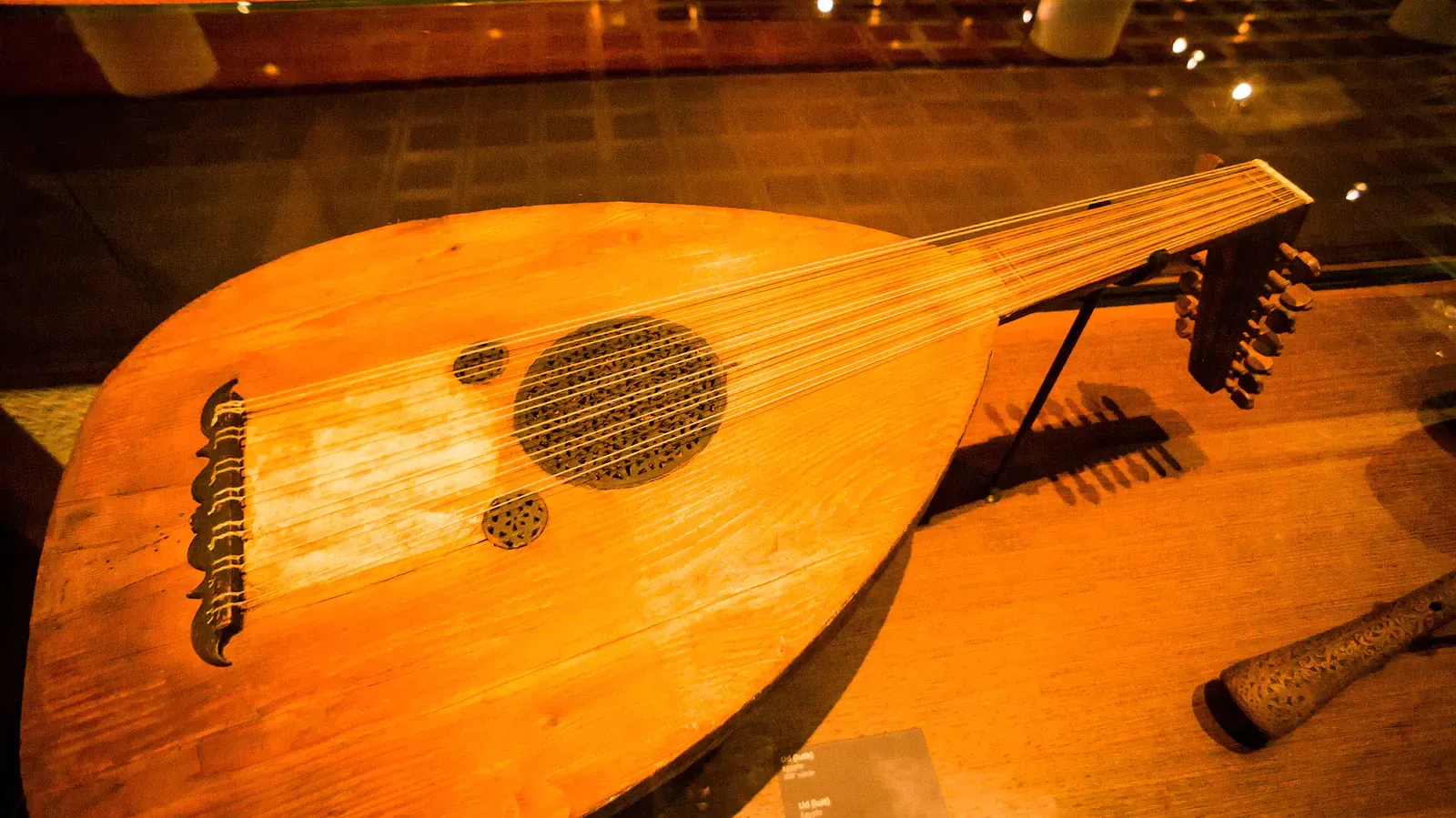
Chaabi grew in markets and public squares rather than in concert halls. Singers worked in Moroccan Arabic, the everyday language of the street, and not in the formal Arabic of the court or the radio. Early groups relied on local instruments: a lute or bass guembri for the low line, a bendir frame drum, a darbuka or small drum for rhythm, and later violins, with buzuks and electric guitars added over time.
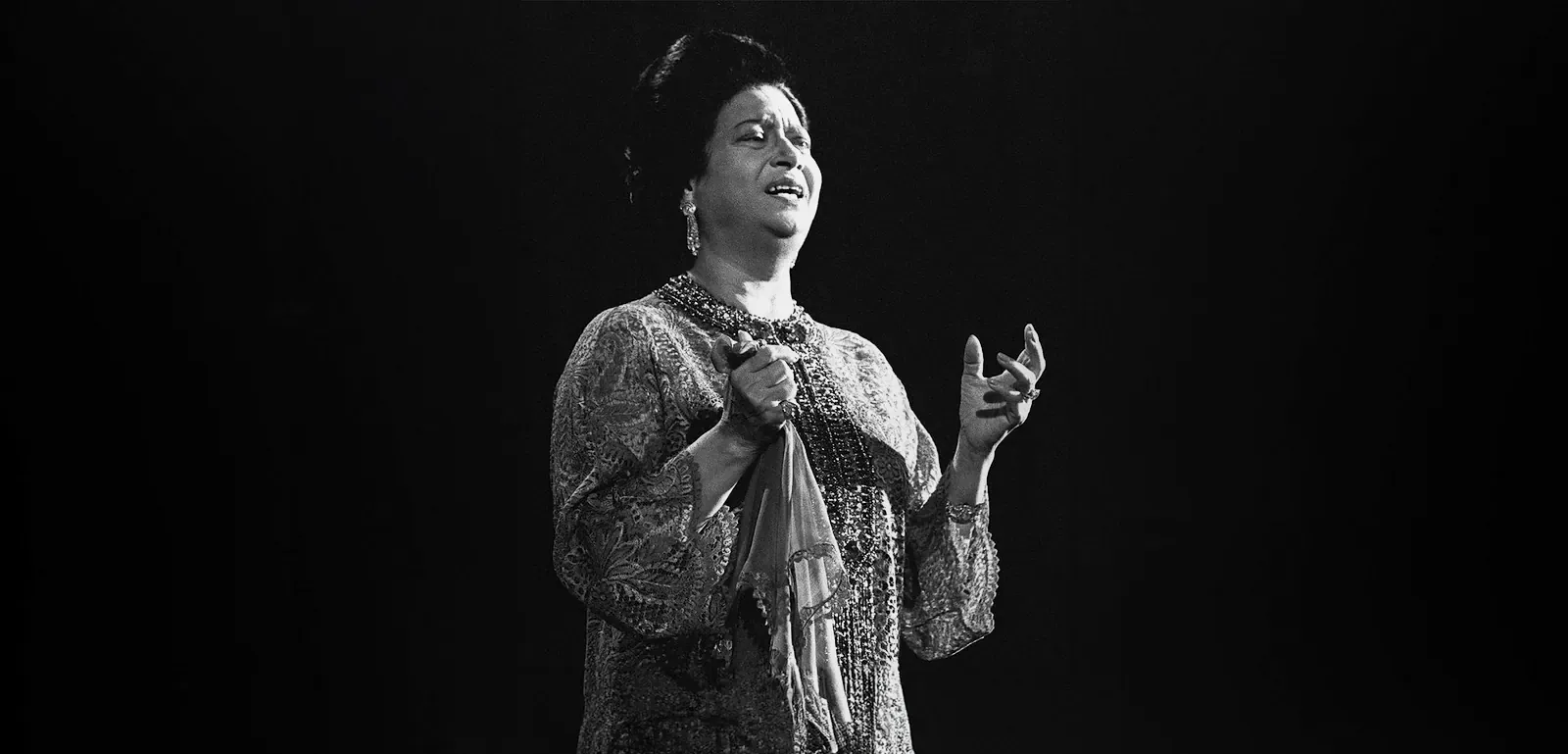
The word itself carries a class divide. Chaabi is tied to the culture of the aroubi, a pejorative term for rural people of Arab descent, in contrast to the Fassi, the urban elite of Fez, who preferred Andalusi music and malhun sung poetry. Rural aita, the “cry” sung by women known as shikhat, is the closest ancestor, and its songs, some of them calling on colonial rulers to leave, gave chaabi much of its manner. Haja El Hamdaouia, born in Casablanca in 1930, carried that line into the city: she began singing around 1950 and performed in Casablanca cabaret rooms with her bendir and her colorful caftans.
The Ghiwane generation, 1969 to 1979
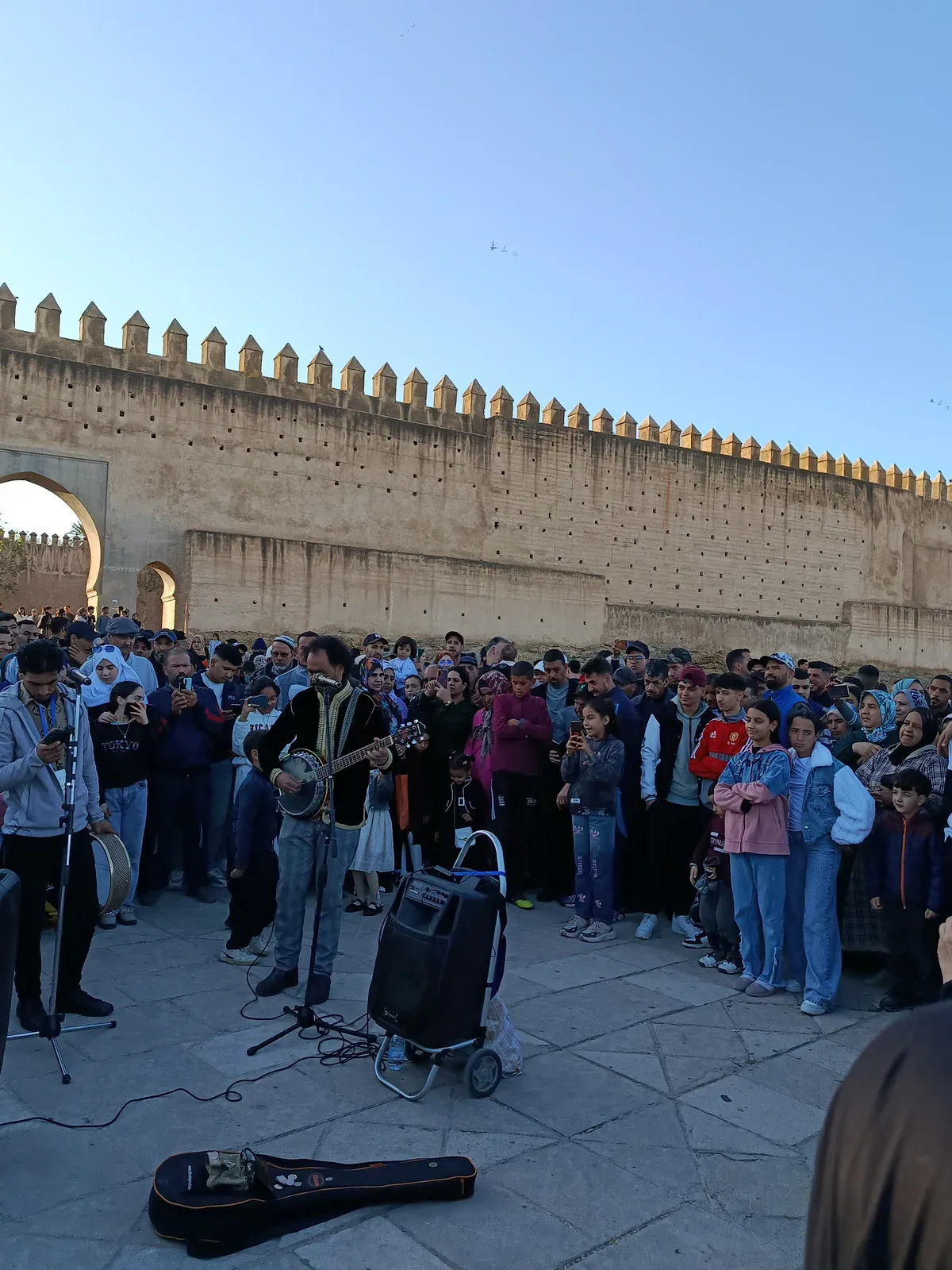
The 1970s turned popular song into a cultural movement. Nass El Ghiwane formed in Casablanca around 1969, out of avant-garde theatre. They mixed the banjo, percussion, gnawa trance and verses inspired by ancient North African Sufi poetry, and their records became a voice for a young, disillusioned public. Their first album appeared in 1973, and songs such as Ghir Khoudouni and Ya Sah, released in 1975 on the album A Paris, remain their best known.
Jil Jilala followed in Marrakech in 1972, founded by performing arts students. Where Nass El Ghiwane leaned on gnawa, Jil Jilala drew on malhun poetry and the Jilala Sufi brotherhood. Their first record, Lyam Tnadi, came out in 1974 on the Atlassiphone label, and in 1976 they wrote Laayoune Aynia during the Green March toward the Western Sahara. The song was taken up as an unofficial anthem.
Ahmed El Maanouni’s 1981 documentary Trances filmed Nass El Ghiwane at work. It was restored in 2007 by the World Cinema Foundation, which Martin Scorsese chose it to launch, and Ya Sah appeared on the 1989 album Passion: Sources, tied to his film The Last Temptation of Christ.
Cassette stars, 1980 to 1999
Cheap cassettes carried singers from wedding stages to the whole country. Najat Aatabou, born in Khemisset in 1960, is the best-known case. A tape of her singing, recorded at a party when she was a teenager, was sold without her permission across Morocco; a producer, Mustapha El Mils, then took her to Casablanca. She wrote about women, marriage and infidelity. Choufi Ghirou (1984) took on relationships with married men, and Hadi Kedba Bayna (1992), about a wife whose husband cheats, became her biggest hit. The Voice of the Atlas (1991) brought her to world-music audiences.
Festivals and nayda, 2000 onward
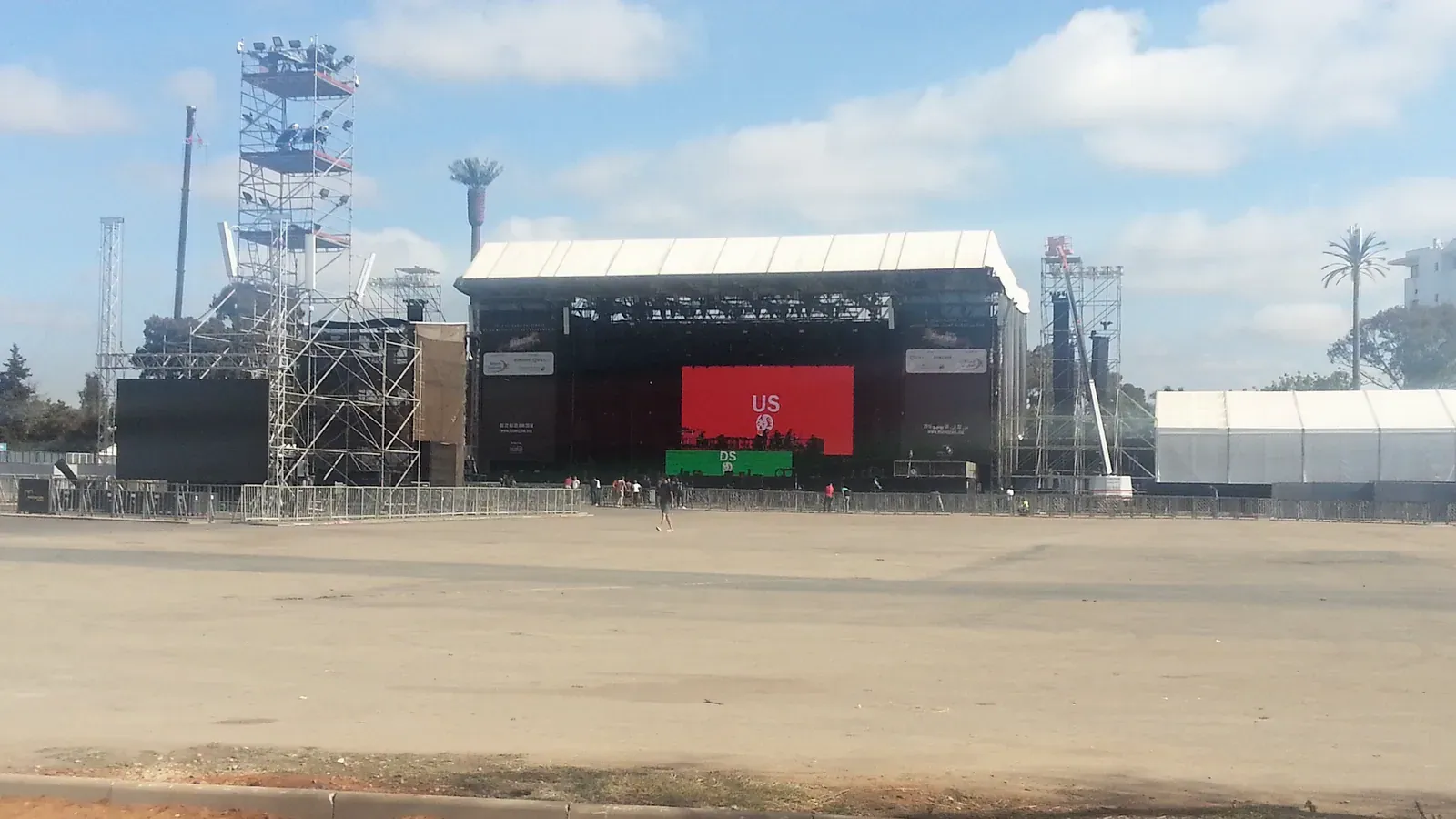
Chaabi moved to large festival stages. A crowd crush followed Abdelaziz Stati’s concert at the Mawazine festival in Rabat in 2009, a sign of how large chaabi audiences had become. Stati, a violinist and singer, works across chaabi, aita and jerra.
In the 2000s the nayda movement, centered on Casablanca, Meknes and Marrakech, fused rap and rock with Moroccan Arabic song and pushed young artists toward an openly urban voice. In 2004 the Chemical Brothers built Galvanize, a UK number 3 single, on Najat Aatabou’s Goul El Hak El Mout Kaina.
Characteristics
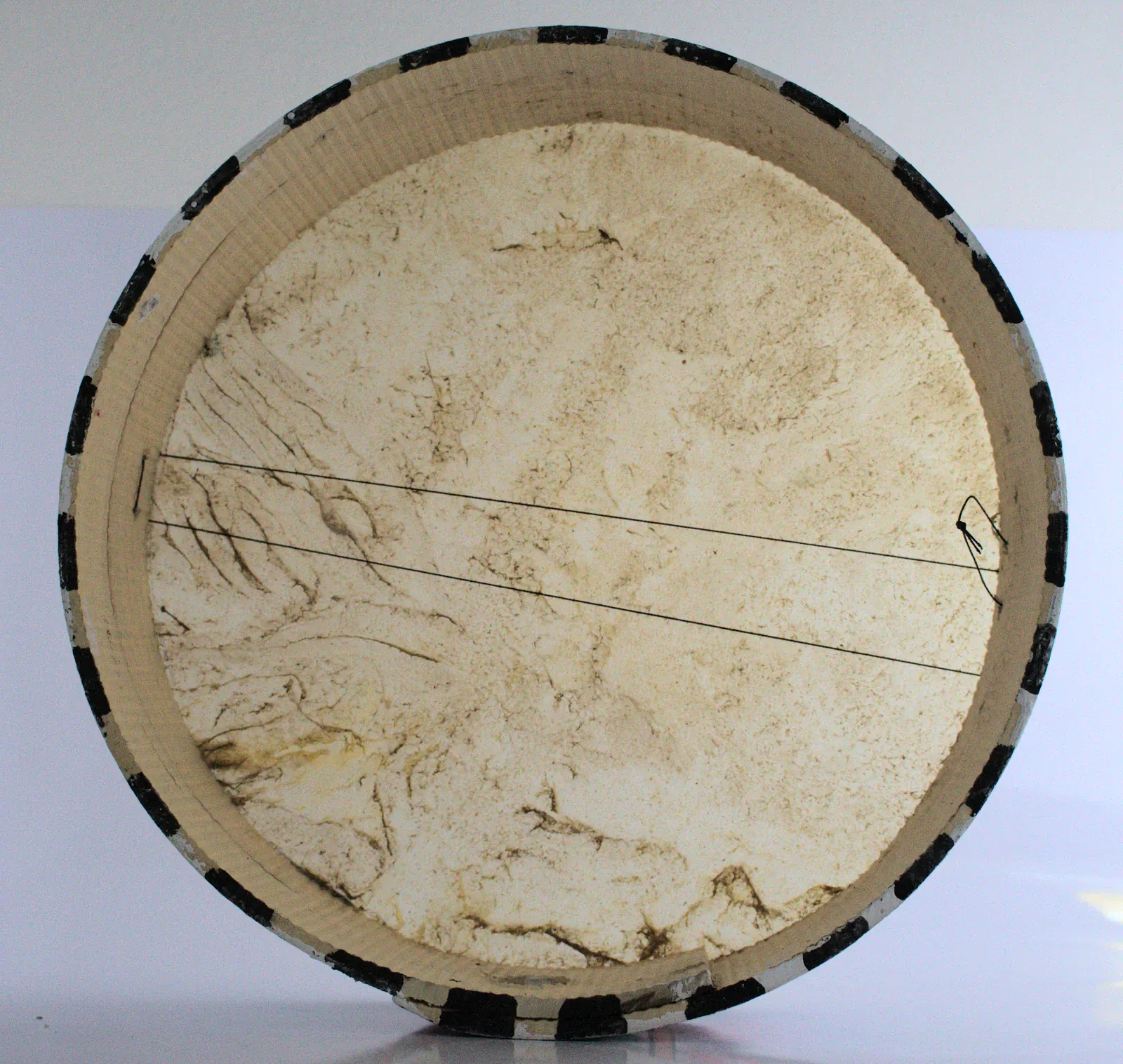
A typical piece opens with a lead singer’s line, answered by a chorus over bendir and hand clapping, then gives way to a violin or instrumental break. The drums often play in triplets, and the violin takes the melody while an oud or banjo adds color. Lyrics deal with love, social justice and everyday hardship. Recorded tempos run from about 90 to 125 beats per minute.
Culture
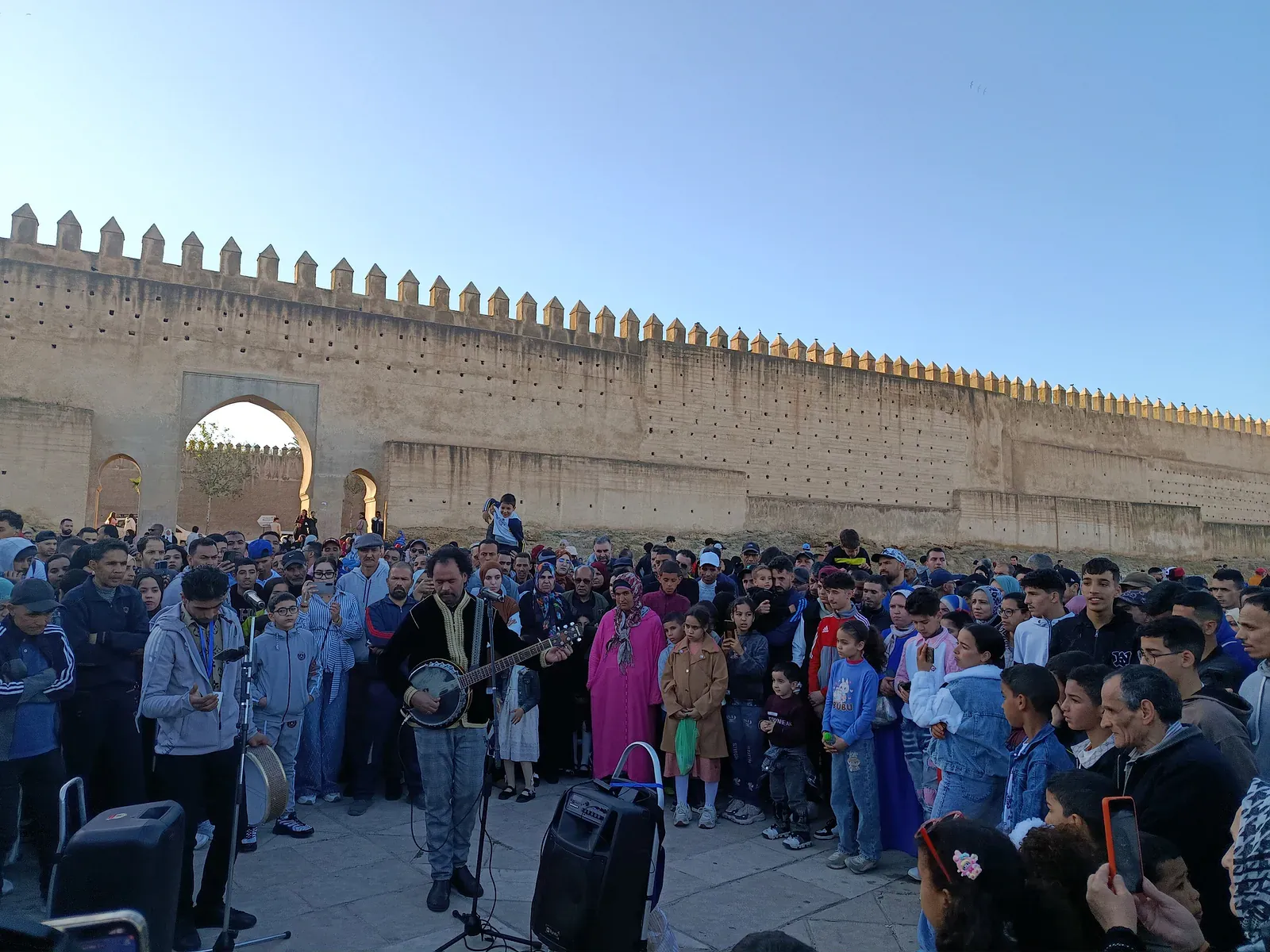
Weddings are the main stage. A chaabi band is a standard hire for celebrations, and the call-and-response format pulls guests into the song. Haja El Hamdaouia’s caftans and bendir became part of the look of the genre, while the aroubi label shows how the music was long seen through a class lens.
Legacy
Chaabi’s reach extends far beyond weddings. The Ghiwane generation showed that popular music could carry poetry and protest, and singers like Najat Aatabou showed that it could address women’s lives directly. Its rhythms and vocal style also feed the rap, rock and fusion of the nayda scene.
Misconceptions
Chaabi is not a single style but a group of regional ones, and not all chaabi is rural: Casablanca groups and urban cabaret singers shaped it as much as village poets. It is also separate from Andalusi music and malhun, which stayed the preference of the Fassi elite. And the word “popular” does not mean unrefined: its lyrics address love, social justice and daily hardship.
Frequently asked questions
What does chaabi mean in Morocco?
Chaabi means “popular” in Arabic. In Morocco it names the popular music sung in Moroccan Arabic that grew from street, market and rural folk traditions and is played at weddings and celebrations.
Who are the main chaabi artists?
Nass El Ghiwane, Jil Jilala, Najat Aatabou, Haja El Hamdaouia, Abdelaziz Stati and Saïd Senhaji are among the best known.
What instruments does chaabi use?
The core instruments are the bendir and darbuka for rhythm and the violin for melody, with oud, guembri, banjo and, in later groups, electric guitar.
How is chaabi different from aita?
Aita is a rural vocal tradition, sung by women called shikhat, that is one root of chaabi. Chaabi is the broader popular genre and includes aita-derived styles alongside urban and band-based ones. Related traditions are covered on the pages for Andalusi classical music and Amazigh music.
Sound
Sound sheet
Anatomy of a track
| # | Part |
|---|---|
| 1 | Lead singer opens the verse |
| 2 | Chorus answers over bendir and clapping |
| 3 | Violin or instrumental break |
Signature sounds
- Bendir pulse with hand clapping
- Violin carrying the melody
- Call and response between lead and chorus
- Moroccan Arabic lyrics on love and daily life
Drums and percussion
- Bendir
- Darbuka
Techniques
- Call and response
- Hand clapping
- Violin lead
- Triplet figures
Keys and modes
Modal melodies. Sung lines draw on Andalusi modes and aita phrasing.
Vocals
Lead voice in Moroccan Arabic with a chorus answering.
Scenes
Where it happened
Where and when the sound lived: one bar per city on a shared timeline.
Africa
Active scenes
Peak 3, 2009-2025
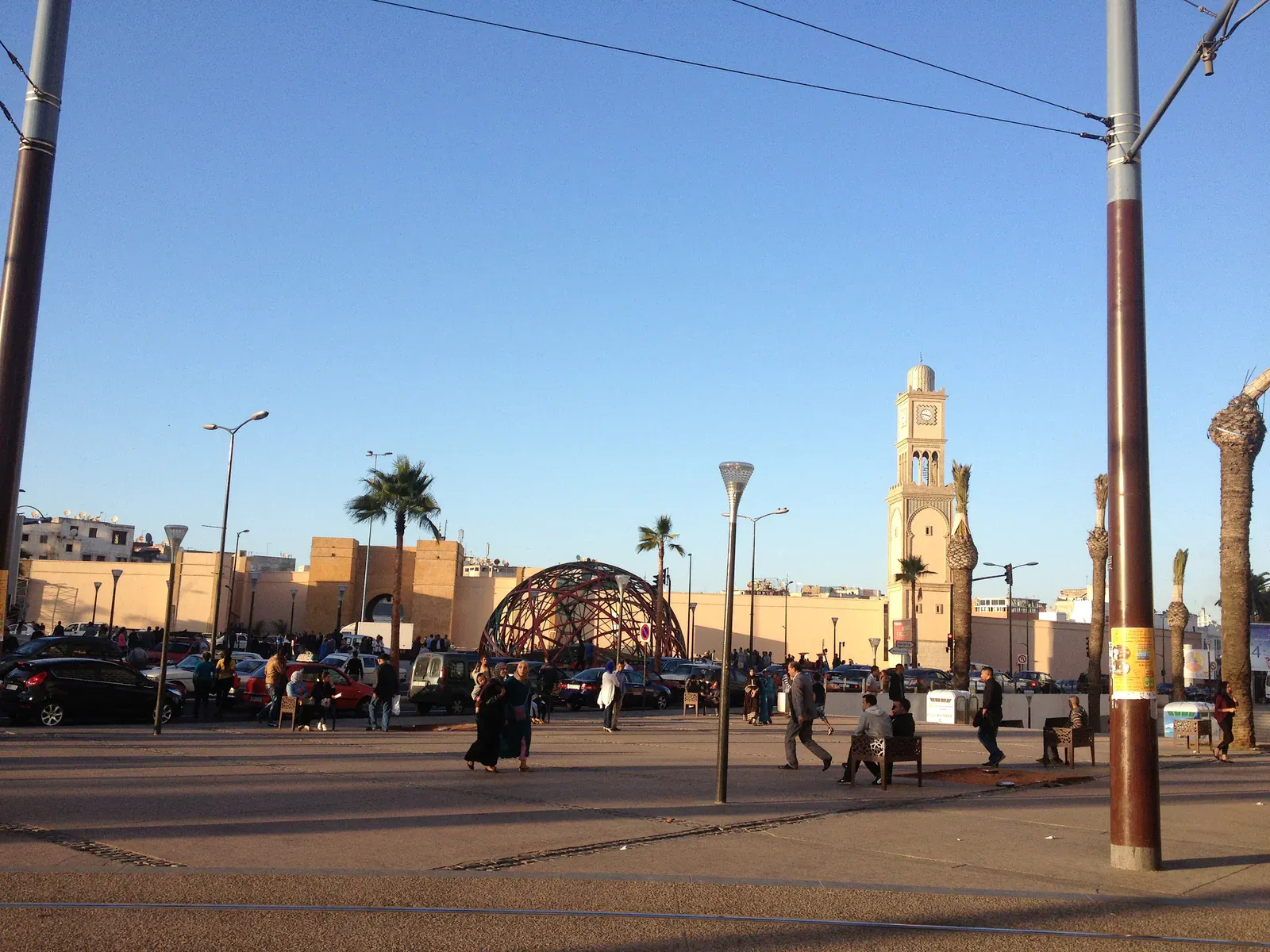
Home of Nass El Ghiwane, Haja El Hamdaouia and the producers of the cassette era.
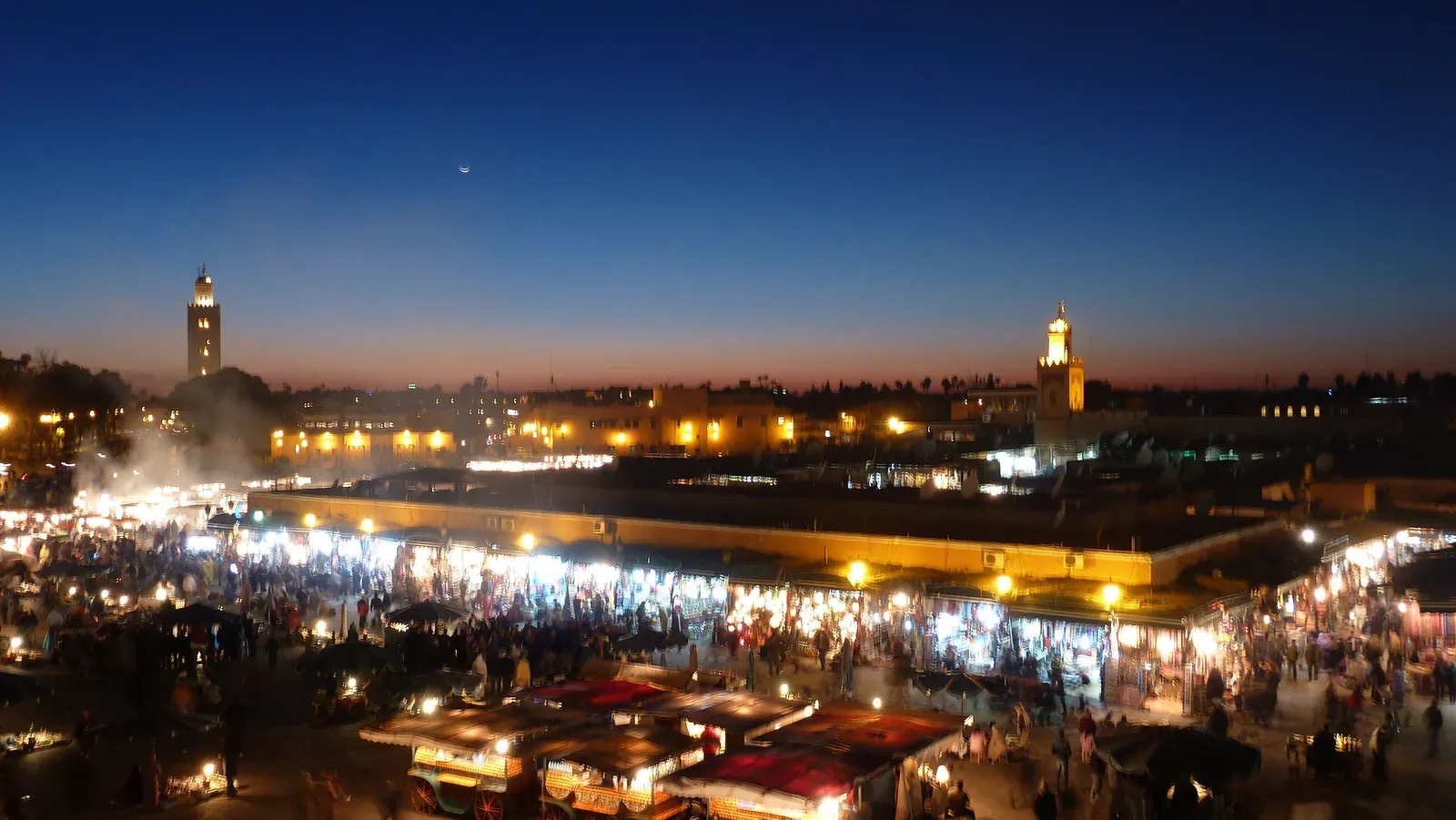
Birthplace of Jil Jilala, near the Djemaa el-Fna square.
Hosts the Mawazine festival, where chaabi stars draw huge crowds.
Culture
Culture markers
- Weddings and celebrations
Chaabi bands are the usual music at Moroccan weddings, cafes and street festivals.
Ritual - Aroubi
Term for rural people used pejoratively, tied to chaabi in contrast with the Fassi taste for Andalusi music.
Slang - Caftans and the bendir
Haja El Hamdaouia appeared in colorful caftans with her large frame drum.
Fashion - Clapping and call and response
The lead singer calls, band and crowd answer with hand clapping.
Dance
Media
Key media
- 1981Trances
by Ahmed El Maanouni. Documentary on Nass El Ghiwane that Martin Scorsese helped bring to world audiences.
Film - 1989Passion: Sources
by Various. Companion album to The Last Temptation of Christ that includes Ya Sah.
Compilation - 2004The Rough Guide to the Music of Morocco
by Various. World Music Network overview that includes Jil Jilala.
Compilation
Glossary
Terms on this page
Rural vocal tradition, literally the cry, from which chaabi borrows.
Word for a rural Arab, used pejoratively and tied to chaabi culture.
Arabic for popular; the umbrella term for Moroccan popular music.
Rural variety of chaabi.
Movement of the 2000s meaning to rise up or party, fusing rap and rock with Moroccan song.
Women singers of aita.
Middle Eastern and North African family