Andalusi classical music
Andalusi classical music is the suite tradition of Islamic Iberia, organized by mode into nubat and preserved in Morocco, Algeria, Tunisia and Libya after 1492.
Morocco, Algeria, Tunisia, Libya, around 822
Middle Eastern and North African family
Born
around 822
Morocco, Algeria, Tunisia, Libya
Subgenres
16
Documented branches
Links
8
Genres it drew on or shaped
Lineage
Family tree
Grew out of
Morocco, Algeria, Tunisia, Libya
Andalusi classical music
Led to (17)
Timeline
Era by era
From the first sparks to today. Select a dot to read the story behind it.
- Cordoba and Al-Andalus
822 to 1492
- Exile and regional schools
1492 to 1750
- Songbooks and patrons
1750 to 1900
- Societies, radio and festivals
1900 to 1989
- Anthologies and concert stages
1989 to today
Eras
Moments
- 1 Cordoba and Al-Andalus, 822 to 1492
- 2 Exile and regional schools, 1492 to 1750
- 3 Songbooks and patrons, 1750 to 1900
- 4 Societies, radio and festivals, 1900 to 1989
- 5 Anthologies and concert stages, 1989 to today
around 822
Cordoba and Al-Andalus
Ziryab settles at the Umayyad court in Cordoba and is credited with a school of song and a modal system. Later tradition counted 24 nubat, one per hour of the day.
- 822Ziryab settles in CordobaThe Baghdad-trained musician reaches Al-Andalus, opens a music school, and is later credited with the nuba tradition, though sources call the link tenuous.
around 1492
Exile and regional schools
Muslim and Jewish refugees carry the repertoire to Fez, Tlemcen, Algiers and Tunis, where it splits into regional schools. Most of the 24 nubat are lost.
- 1492Exile carries the repertoire to the MaghrebAfter the Reconquista, Muslim and Jewish refugees bring the nubat to Fez, Tlemcen, Algiers and Tunisia, where regional schools form.
around 1750
Songbooks and patrons
In Tunis a Husainid ruler patronizes the nubat, and in Tetouan al-Haik compiles the poems of the 11 surviving Moroccan nubat. The texts are written down; the melodies stay oral.
- 1750Muhammad ar-Rashid patronizes the Tunisian nubatThe Husainid ruler is credited with composing or commissioning 27 instrumental pieces that frame the Tunisian ma'luf.
- 1789Al-Haik writes his songbookThe Tetouan poet's Kunnash lists the poems and melody makers of the 11 Moroccan nubat, without notation.
around 1900
Societies, radio and festivals
Societies, radio orchestras and conservatories take the nubat out of private circles. The Rashidiyya opens in Tunis in 1934, Radio d'Alger forms an Arab-Andalusian orchestra, and Testour starts its malouf festival in 1967.
- 1926Bensari plays the Paris Mosque openingThe Tlemcen master performs at the inauguration of the Grand Mosque of Paris.
- 1932Bensari at the Cairo Congress of Arab MusicHe takes part in the first Arab music congress in Cairo, carrying the Algerian school onto an international stage.
- 1934The Rashidiyya opens in TunisFounded in November 1934 to protect the ma'luf from Egyptian influence, it adds a school, staff notation and an orchestra.
- 1946Radio d'Alger forms an Arab-Andalusian orchestraIts creation marks the formal split between the Algiers sanaa and the Tlemcen gharnati schools.
- 1967Testour malouf festival beginsThe town rebuilt by Andalusian refugees hosts the international malouf festival, which became the national ma'luf competition.
- 1986Briouel and Rais transcribe the Moroccan nubatMohamed Briouel and Abdelkrim Rais publish the eleven nubat in Western notation.
around 1989
Anthologies and concert stages
Complete nubat are recorded in multi-volume anthologies, and masters and orchestras tour Paris halls. Singers such as Beihdja Rahal record one nuba at a time.
- 1989Anthologie al-ala beginsA multi-volume Moroccan anthology of complete nubat starts, led by Haj Abdelkrim al-Rais and the Orchestre al-Brihi of Fez.
- 1992Anthologie of Algerian Arab-Andalusian music on OcoraVolume 1, La nuba Maya, features Mohamed Tahar Fergani and the Constantine school.
- 1993Beihdja Rahal founds El Beihdja in ParisA woman leads an orchestra in a tradition long dominated by male singers, recording a nuba at a time.
- 2003Constantine ensemble at UNESCO, ParisFergani, Hamdi Benani and Abdelmoumen Bentobal perform malouf with 19 musicians during Algeria Year in France.
- 2010Fez orchestra at the Institut du Monde ArabeThe Abdelkrim Rais orchestra plays two concerts in Paris on 22 and 23 October under Mohamed Briouel.
Listening path
Anthems
The records that built the sound, grouped by the part they played. Thumbnails come from YouTube; the player loads only when you press play.
- 01
Larbi Bensari, 1988
The Tlemcen master who made the gharnati school known abroad, in a 1988 release of his noubat.
Origin - 02
Mohamed Tahar Fergani, 1992 · Ocora
Constantine's best-known malouf singer on an international anthology; he later played UNESCO in Paris.
Start hereBreakthrough - 03
Khemais Tarnane, 1992 · Maison des Cultures du Monde
A barawil movement of Nuba al-Dhil by a Tunis ma'luf master, from the first malouf anthology, issued in 1992.
Anthem - 04
Abdelkrim Rais, 1992 · Maison des Cultures du Monde
The slow opening movement of a Fez nuba from the Anthologie al-ala.
Anthem - 05
Francoise Atlan, 2001 · Buda Musique
A Judeo-Spanish and Arabic pairing sung with the Fez orchestra, an easy way into the mode.
Start hereCrossover - 06
Beihdja Rahal, 2005
A msaddar from Nuba Rasd, sung in the Algiers sanaa style by a leading voice of the revival.
Start hereRevival
Facts
| Family | Middle Eastern and North African |
| Origin | Morocco, Algeria, Tunisia, Libya |
| Emerged | 9th-15th century, transplanted to North Africa after 1492 |
| Status | Active |
| Meter | Varies by movement: 6/4, 8/4, 4/4, 3/4 |
| Subgenres | 16 |
Andalusi classical music is the court and urban art music of medieval Islamic Iberia, kept alive in North Africa since the fall of Granada in 1492. Its core form is the nuba (also nawba or nouba), a suite of sung and instrumental pieces in one mode, played by an ensemble of lutes, fiddles and drums.
Regional schools in Morocco, Algeria, Tunisia and Libya each hold a share of a repertoire that was once said to fill 24 suites.
Origins
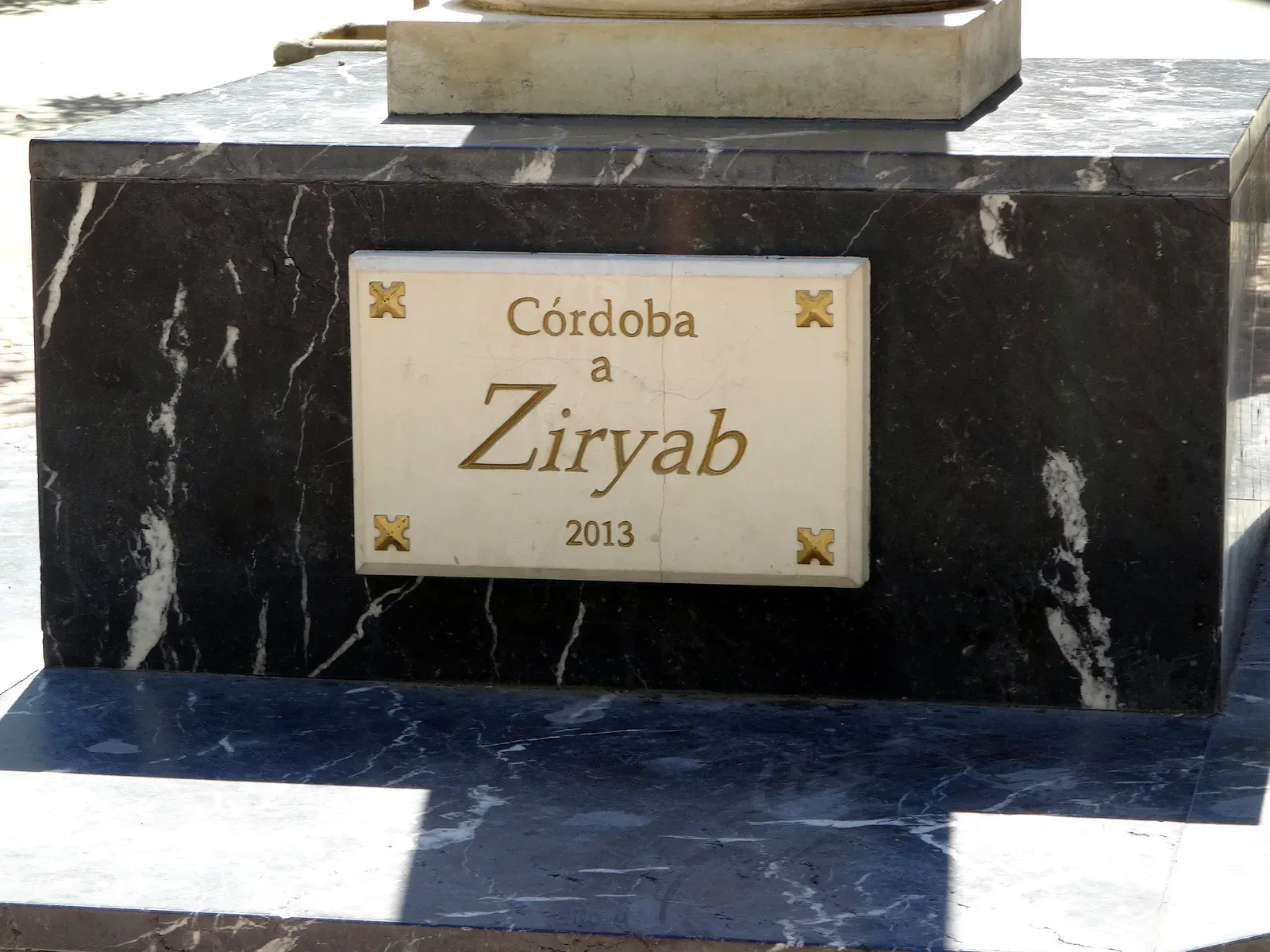
The tradition is attributed to Ziryab, a musician trained in Baghdad who reached the Umayyad court at Cordoba around 822 and opened a school of song there. Later writers credited him with a modal system and with the first nubat. Historians treat that link as tenuous: the story is a founding tradition, repeated for centuries, rather than a documented chain from his school to the surviving repertoire. What is firmer is that Al-Andalus developed its own sung poetry, the strophic muwashshah in classical Arabic and the colloquial zajal, and that these texts still make up the sung material of the nubat.
The word nuba means a turn. One explanation says musicians waited behind a curtain to be told it was their turn to play before a ruler. Tradition also counted 24 nubat, one for each hour of the day, and tied each mode to a time of day. That picture of a complete cycle is memory more than record, since most of the 24 were lost.
Cordoba and Al-Andalus, 822-1492
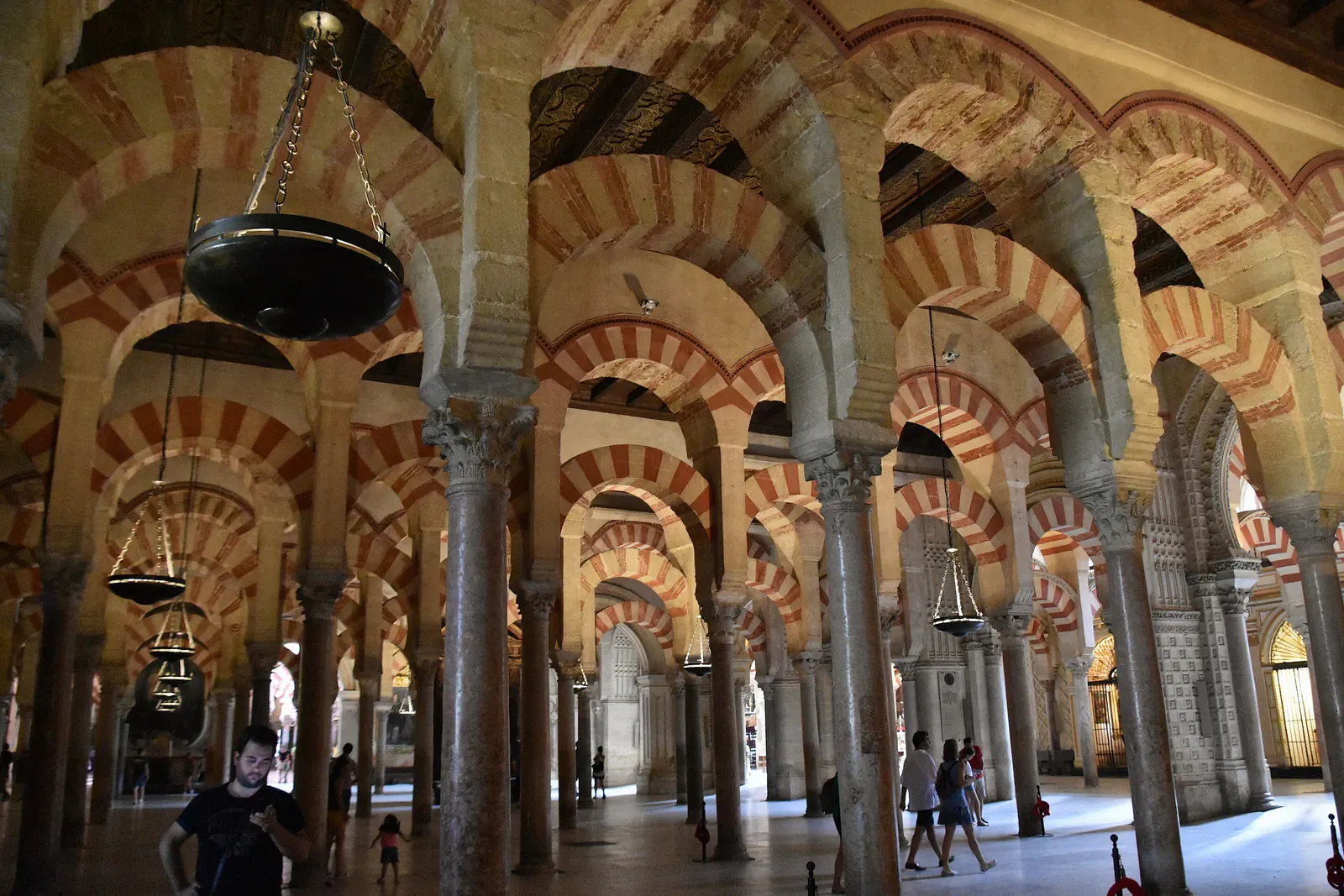
Cordoba was the first centre, and Ziryab’s arrival is dated to about 822. Jewish and Muslim musicians shared the repertoire, which is why North African Jews took the nuba into their liturgy, in the baqqashot, and why some Andalusi pieces survive only in that tradition.
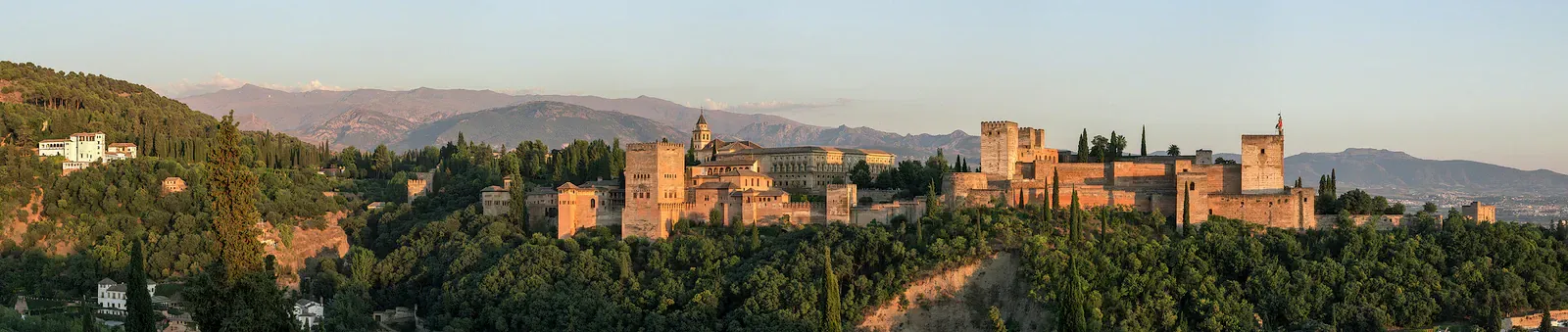
The Reconquista ended that world in stages, and Granada fell in 1492. The music left with its performers.
Exile and regional schools, 1492-1750
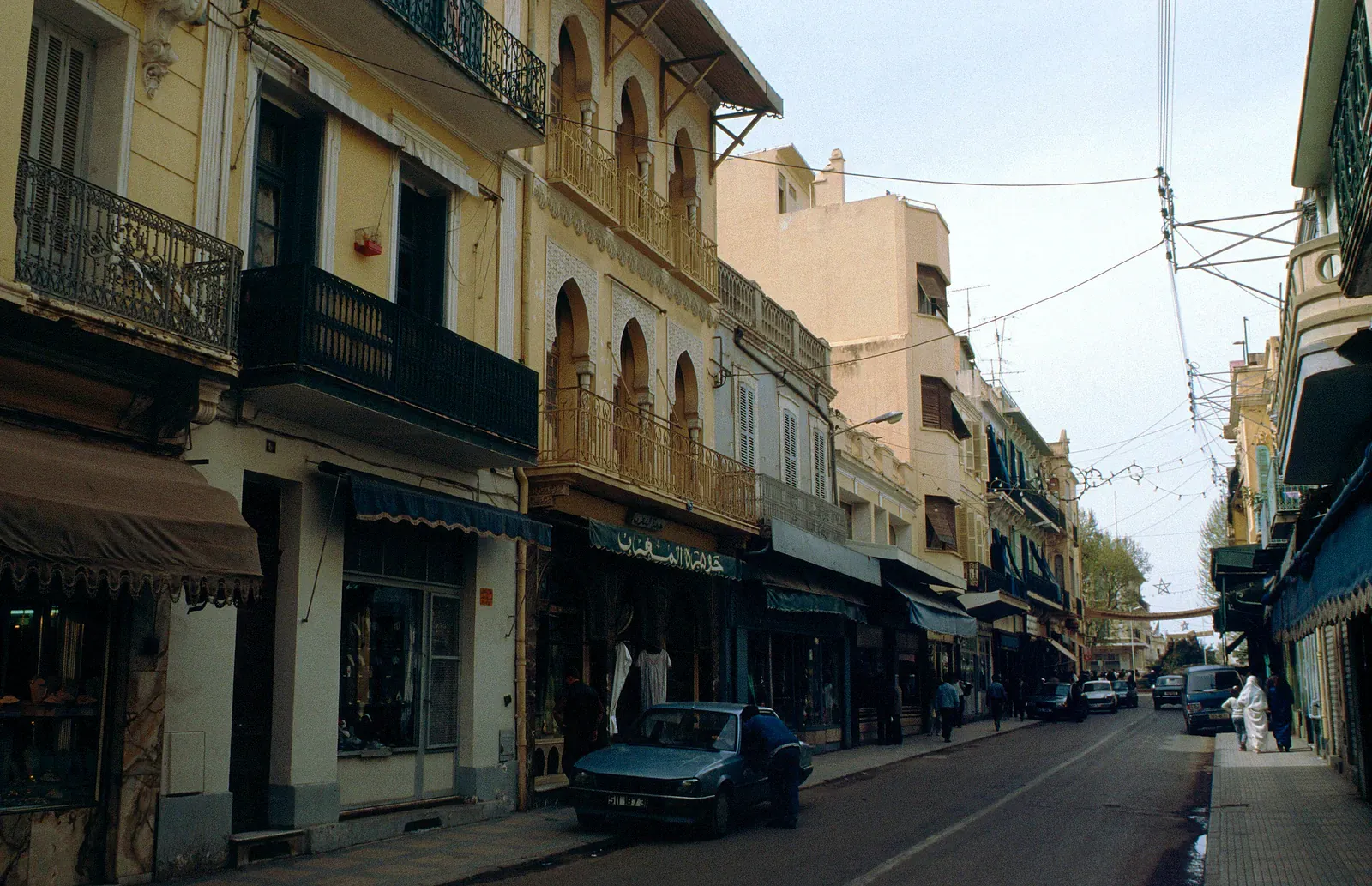
Muslim and Jewish refugees carried the repertoire to Fez, Tlemcen, Algiers and Tunis. Each city absorbed it differently, and the single Andalusian body split into regional schools. Most of the 24 nubat dropped out of use; what remained was passed on orally from master to pupil. In Morocco the tradition is called al-ala, a word meaning instrument. Tlemcen preserved the school called gharnati, named for Granada, while Algiers developed the sanaa school and Constantine its own malouf. In Tunisia and Libya the tradition took the name ma’luf.
Songbooks and patrons, 1750-1900
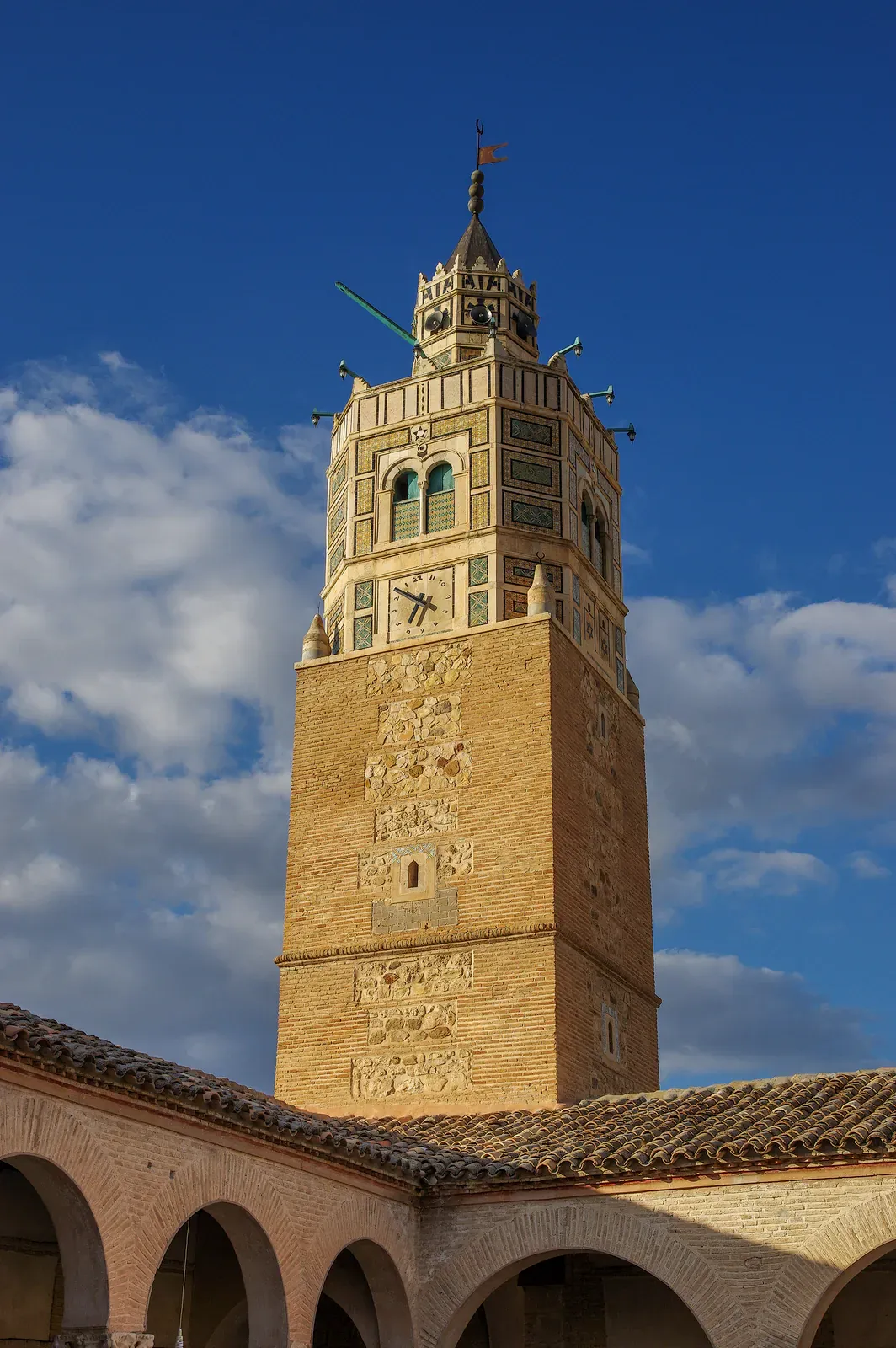
Two figures in this period fixed the repertoire in writing and in practice. In Tunis the Husainid ruler Muhammad ar-Rashid is credited with composing or commissioning 27 instrumental pieces that frame the Tunisian ma’luf. In Tetouan the poet Mohammed al-Haik compiled the Kunnash, a songbook of the poems and tune makers of the 11 surviving Moroccan nubat, around 1789. Both works recorded texts and structure but not melodies, which continued to pass by ear.
Societies, radio and festivals, 1900-1989
The twentieth century moved the nubat from private circles to institutions. Larbi Bensari of Tlemcen played at the opening of the Grand Mosque of Paris in 1926 and joined the Cairo Congress of Arab Music in 1932, carrying the Algerian school onto an international stage. The Rashidiyya opened in Tunis in November 1934 to protect the ma’luf from Egyptian influence; it added a school, staff notation and an orchestra.
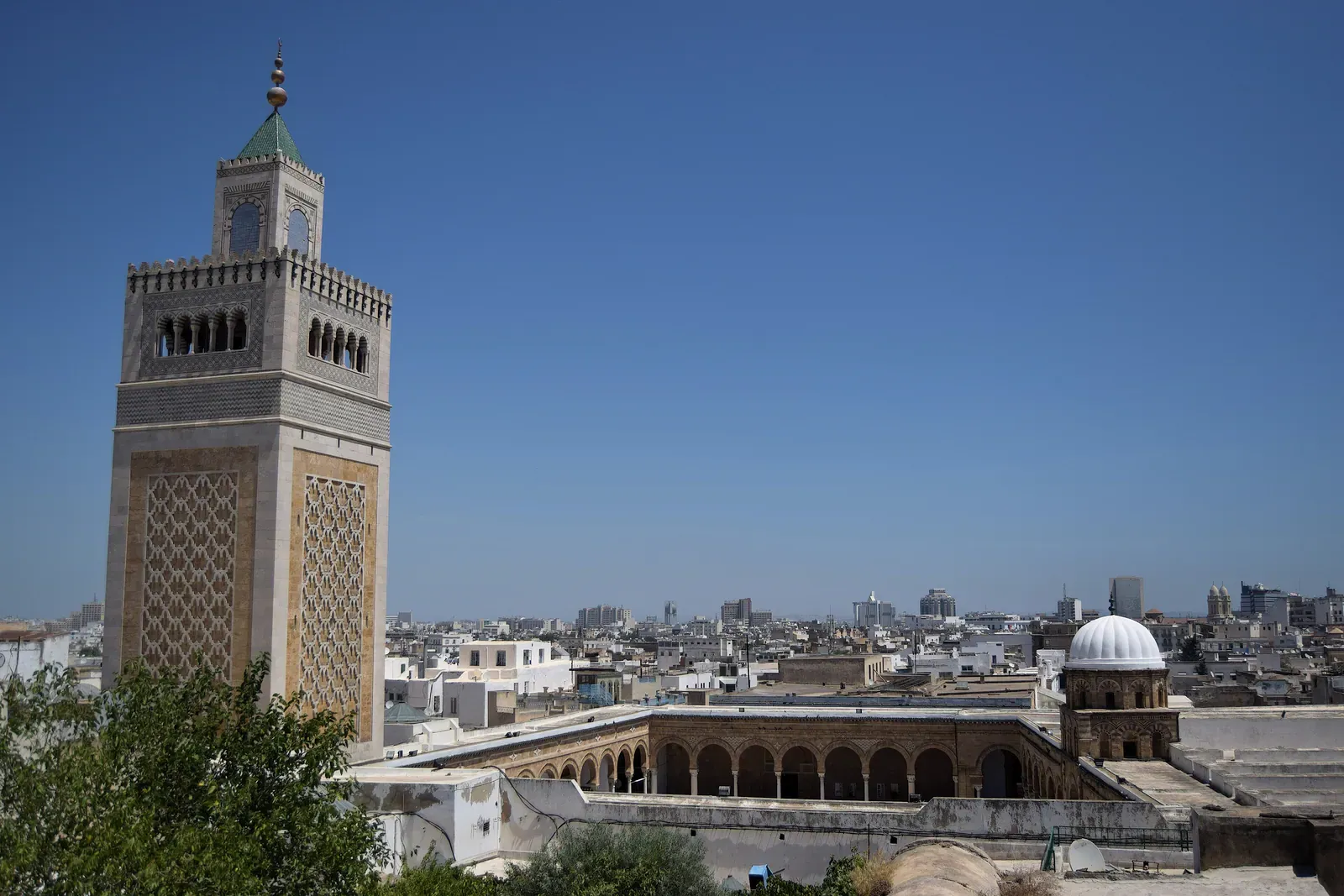
Radio set the next standard. By 1946 Radio d’Alger had formed an Arab-Andalusian orchestra, and its creation marks the formal split between the Algiers sanaa and the Tlemcen gharnati schools. Tunisian state radio later set up a professional ensemble, and a reduced section of it recorded the ma’luf. In 1967 the town of Testour began an international malouf festival, which became the national ma’luf competition. Around 1986 Mohamed Briouel and Abdelkrim Rais published the eleven Moroccan nubat in Western notation.
Anthologies and concert stages, from 1989
The recording era began with complete nubat. The Anthologie al-ala, a multi-volume Moroccan series led by Haj Abdelkrim al-Rais and the Orchestre al-Brihi of Fez, started in 1989 on Maison des Cultures du Monde, which also issued a Tunisian Anthologie du Malouf. In 1992 Ocora opened a series of Algerian Arab-Andalusian anthologies with La nuba Maya, featuring Mohamed Tahar Fergani and the Constantine school. In 1993 Beihdja Rahal founded El Beihdja in Paris, a woman leading an orchestra in a tradition long dominated by male singers, and began recording one nuba at a time.
Concert halls followed. Fergani, Hamdi Benani and Abdelmoumen Bentobal played with 19 musicians at UNESCO in Paris in 2003, and the Abdelkrim Rais orchestra gave two concerts at the Institut du Monde Arabe on 22 and 23 October 2010. The same decade brought hybrids such as Francoise Atlan’s Andalussyat on Buda Musique, pairing Judeo-Spanish and Arabic songs in one mode with the Fez orchestra.
Characteristics
A nuba takes its name from its mode, the tab’, and keeps that mode from start to finish. Its movements are ordered by five rhythmic cycles, the mizan, from slow to fast, so a suite builds in momentum as it advances. Each movement is introduced by a free-rhythm instrumental prelude that sets out the mode before the cycle begins. Players also sing the choral parts, and soloists take the verses. Texts come from a fixed corpus of muwashshah and zajal poetry, so the same poem reappears across schools with different melodies. The Moroccan, Algerian and Tunisian schools share many mode names but differ in movement names and repertoire.
Instruments and production
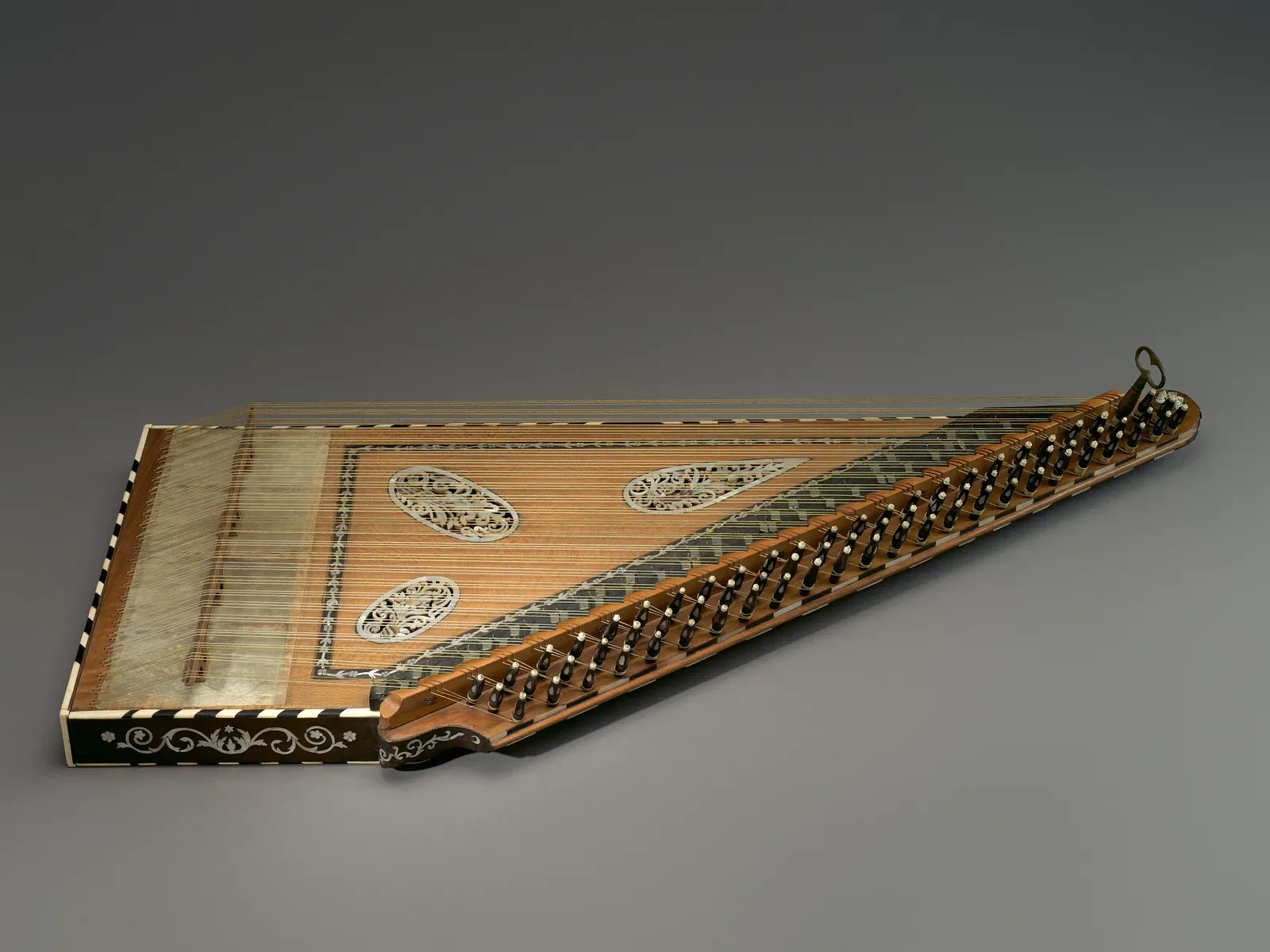
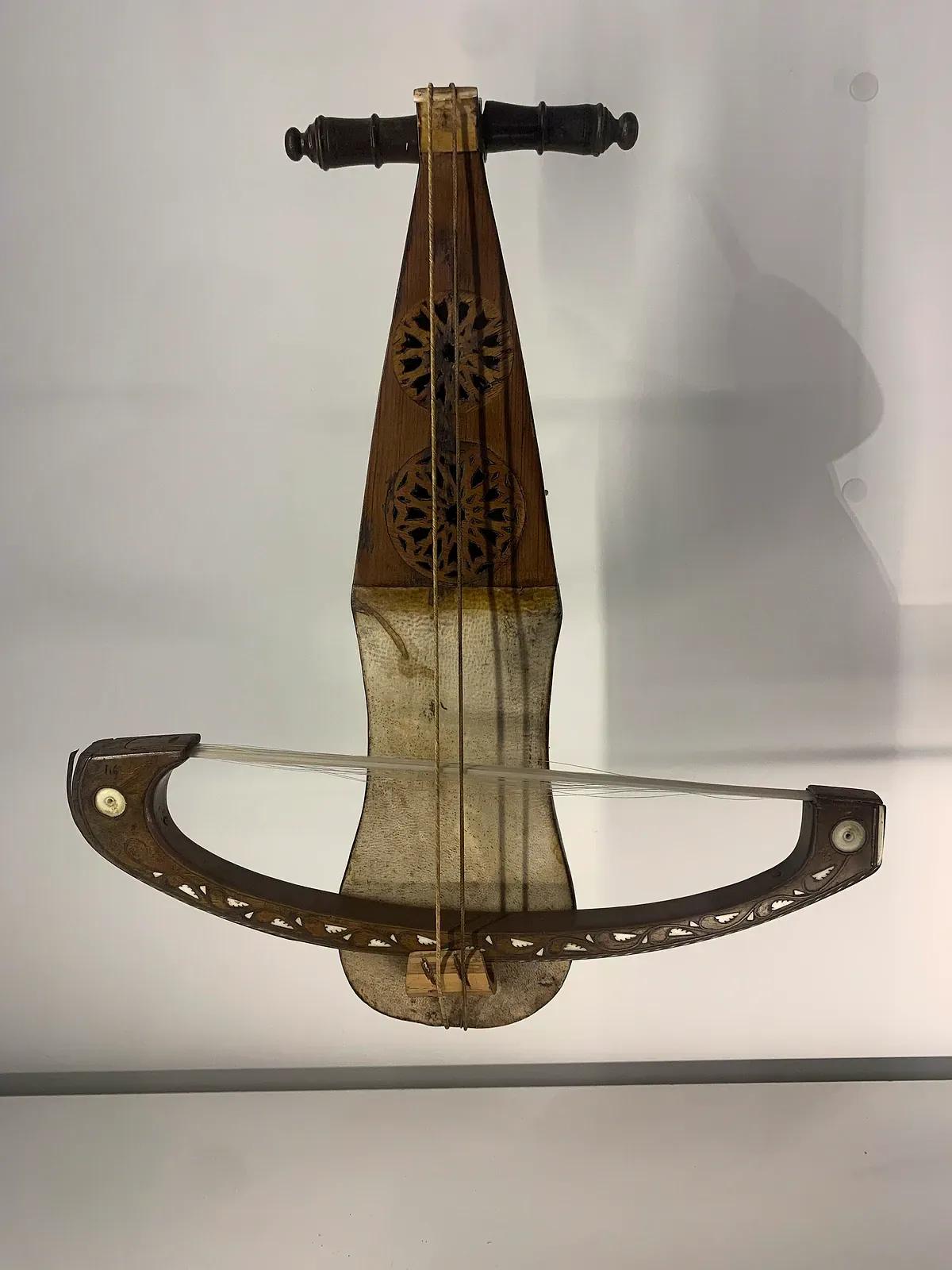
Production has stayed acoustic, and change has come through institutions rather than gear. Notation entered through the Rashidiyya, and radio orchestras professionalized ensemble playing in Algiers and Tunis. Moroccan ensembles are led by the rabab, while Algerian ones lean on the kwitra. Hamdi Benani went furthest and brought an electric violin into Annaba malouf.
Notable recordings
The recordings that carried the tradition abroad were anthologies rather than hits. Fergani’s Constantine malouf, sung in “Essabah fil inchirah”, reached an international audience through the 1992 Ocora series and later on stage in Paris. Khemais Tarnane’s “Barawil” belongs to Nuba al-Dhil and comes from the first Tunisian malouf anthology, issued in 1992 and sung by a Tunis ma’luf master. Beihdja Rahal’s “Masdar Rasd: Ya Badr Al Bodour” shows the Algiers sanaa style in a single msaddar from Nuba Rasd, and her series of one-nuba recordings began with Nouba Zidane in 1995.
Mainstream success
Andalusi classical music never crossed over into pop. It spread through festivals, radio orchestras, conservatory teaching and the anthologies of French cultural labels, with Fergani’s Paris performances and the Fez orchestra’s concerts as its visible high points.
Culture
The nuba belongs to a listening culture once tied to the hours of the day and shared with Jewish liturgy. Texts come from fixed corpora of classical and colloquial poetry. Societies and conservatories, from the Rashidiyya onward, replaced the patron’s court as the teaching setting, while the festival at Testour and radio ensembles made the music a matter of national heritage in Tunisia and Algeria. The anthology era added a further turn: a woman, Beihdja Rahal, now leads an orchestra in a tradition long dominated by male singers.
Legacy
The nubat link medieval Iberian song to the modern Maghreb, and Algerian chaabi derives from them. They stand beside other modal suite traditions such as mugham and Arabic classical music, within the Middle Eastern and North African family. Survival depended on a short chain of teachers, songbook compilers and recording projects, and the loss of most of the 24 suites shows how fragile that chain was.
Misconceptions
Ziryab did not compose the nubat as they exist today. Tradition ties him to the start of an Andalusi school and a modal approach, but the link to the surviving repertoire is not documented, and the suites took their present shape over centuries in exile. The full set of 24 nubat is also not intact: Morocco keeps 11, and Algeria and Tunisia keep other subsets. Finally, the tradition is not one national style. Morocco, Algeria and Tunisia each preserve a different portion under different names, and the Libyan ma’luf sits with the Tunisian school.
Frequently asked questions
What is Andalusi classical music?
Andalusi classical music is the art music of medieval Islamic Iberia as kept in North Africa. It is organized as nubat, suites of sung and instrumental pieces in one mode, played by an ensemble led by lute and fiddle.
What does nuba mean in Andalusi classical music?
A nuba is a suite built on a single mode, with five movements that run from slow to fast. The word also appears as nawba or nouba and is explained as a turn, from musicians waiting to be called to play.
How many nubat survive?
Tradition counted 24, one per hour of the day. Eleven survive in Morocco, and the Algerian and Tunisian schools keep other subsets, so no region holds the full set.
What is the difference between ala, gharnati, sanaa and ma’luf?
They are regional names for the same tradition. Ala is the Moroccan name, gharnati the Tlemcen school, sanaa the Algiers school, and ma’luf the Tunisian and Libyan school.
Sound
Sound sheet
Anatomy of a track
| # | Part |
|---|---|
| 1 | Instrumental prelude (bugya or tushiya) |
| 2 | Basit or msaddar (slowest cycle) |
| 3 | Qa'im wa-nisf or btayhi |
| 4 | Darj |
| 5 | Quddam, insiraf or khlas (fastest cycle) |
Signature sounds
- One tab' kept through the whole nuba
- Five movements that accelerate from slow to fast
- Unmetered instrumental prelude before each movement
- Instrumentalists who also sing the chorus
- Muwashshah and zajal verse chosen from a fixed corpus
Drums and percussion
- Tar
- Darbuka
Techniques
- Acceleration across mizan
- Unmetered prelude
- One tab' per nuba
- Instrumentalists as chorus
Keys and modes
Raml al-Maya. One of the modes that names a nuba, shared by the Moroccan, Algerian and Tunisian schools.
Rasd. A mode that names a nuba; the Rasd al-Dhil nuba is a separate suite.
Iraq al-Ajam. A nuba mode listed in the Moroccan and Algerian repertoires.
Hijaz. Names the Moroccan nubat al-Hijaz al-Kabir and al-Hijaz al-Mashriqi.
Al-Ushshaq. A nuba mode in the Moroccan corpus.
Vocals
A soloist or unison chorus sings muwashshah and zajal texts, with free-rhythm solo mawwal.
Scenes
Where it happened
Where and when the sound lived: one bar per city on a shared timeline.
Africa
Active scenes
Peak 6, 1934-2025
Home of the Orchestre al-Brihi and the Moroccan ala school led by Abdelkrim Rais.
Al-Haik compiled the Moroccan songbook here in the 1780s.
Birthplace of the gharnati school, home of Larbi Bensari and Abdelkrim Dali.
Centre of the sanaa school, shaped by Radio d'Alger and its orchestra.
Home of the malouf of Constantine and of Mohamed Tahar Fergani.
Seat of the Rashidiyya, the conservatory of the Tunisian ma'luf.
Venues and places
Tunis, 1934 to today. Society and school that gave the Tunisian ma'luf an orchestra and a teaching home.
Testour, 1967 to today. International malouf festival held in a town rebuilt by Andalusian refugees.
Algiers, 1946 to today. Home of the Arab-Andalusian orchestra whose formation split the sanaa and gharnati schools.
Culture
Culture markers
- A nuba for every hour
Tradition counted 24 nubat, one per hour, and tied each mode to a time of day.
Ritual - Muwashshah and zajal poetry
Texts come from classical Arabic muwashshahat and colloquial zajals, picked from fixed corpora.
Artwork - Baqqashot in Jewish liturgy
North African Jews took the nuba into their liturgy, and some Andalusi pieces survive only in Jewish tradition.
Ritual - Nawbah, a turn
The word comes from musicians waiting behind a curtain to be told it was their turn.
Slang
Media
Key media
- 1789Kunnash al-Haik
by Mohammed al-Haik. The songbook of the 11 Moroccan nubat, edited again by Rais in 1982.
Book - 1989Anthologie al-ala
by Maison des Cultures du Monde. Complete Moroccan nubat recorded with the Orchestre al-Brihi of Fez.
Compilation - 1992Anthologie du Malouf
by Maison des Cultures du Monde. Tunisian ma'luf nubat on the Inedit label.
Compilation - 2001Andalussyat
by Francoise Atlan. Judeo-Spanish and Arabic songs paired in one mode.
Compilation
Glossary
Terms on this page
Moroccan name for the tradition, meaning instrument, as opposed to the vocal repertoire of the Sufi brotherhoods.
The Tlemcen school, named after Granada.
The Tunisian and Libyan school, meaning familiar or faithful to tradition.
The rhythmic cycle of a movement; each nuba is ordered by five of them, slow to fast.
A strophic poem in classical Arabic, one of the two text forms sung in the nuba; the other is the colloquial zajal.
A suite of vocal and instrumental pieces in one mode, also spelled nawba or nouba; the word comes from waiting for one's turn.
The Algiers school, whose name means craft.
The mode that names a nuba and is kept throughout it, comparable to a maqam.
Middle Eastern and North African family