Chaabi (Algeria)
Algerian chaabi is the popular music of Algiers, formalized by El Anka from Andalusi song and melhoun poetry and led by the mandole in the Casbah.
Algiers, around 1920
Middle Eastern and North African family
Born
around 1920
Algiers
Links
3
Genres it drew on or shaped
Tempo
90-135 BPMLineage
Family tree
Timeline
Era by era
From the first sparks to today. Select a dot to read the story behind it.
- Medh, smoking dens and the Casbah
1920 to 1945
- El Anka and the radio
1946 to 1961
- Independence and the new song
1962 to 1990
- Neo chaabi and the world stage
1991 to today
Eras
Moments
- 1 Medh, smoking dens and the Casbah, 1920 to 1945
- 2 El Anka and the radio, 1946 to 1961
- 3 Independence and the new song, 1962 to 1990
- 4 Neo chaabi and the world stage, 1991 to today
around 1920
Medh, smoking dens and the Casbah
Singers of medh in the Casbah of Algiers added string instruments to their bands, set melhoun poems to Andalusi modes and played in cafes and smoking dens.
- 1924Secular medh recordedCheikh Said El Meddah makes four recordings of non-religious texts, now held in the archive of Algerian radio.
- 1926El Anka takes over from Cheikh NadorAfter Mustapha Nador dies in Cherchell, his pupil El Anka leads the group and its festival engagements.
- 1928El Anka records for ColumbiaHe records 27 discs on 78 rpm and takes part in the inauguration of Radio PTT Algiers.
- 1932The Algerian mandoleEl Anka has a luthier build a larger mandola with a long neck and doubled strings, which becomes the lead instrument of chaabi.
- 1934Lili Labassi records Ya BecharThe Jewish-Algerian singer adds songs such as Ya Bechar to the chaabi repertoire.
1946
El Anka and the radio
Radio Algiers gave the music the name populaire, El Anka led its broadcasts, and in 1955 he began teaching it at the municipal conservatoire of Algiers.
- 1946Radio Algiers calls it populaireA Radio Algérie director names the medh and related song 'popular', and El Anka directs its broadcasts.
- 1955Chaabi taught at the conservatoireEl Anka becomes a professor of chaabi at the municipal conservatoire of Algiers.
1962
Independence and the new song
Chaabi received its official name in 1964, then modern composers and singers such as Guerouabi, Harrachi and Ezzahi brought shorter songs and plainer words.
- 1964The name chaabi is made officialThe first national colloquium on Algerian music, held in Algiers, adopts the term.
- 1973Dahmane El Harrachi writes Ya RayahHis ballad of the traveller and the exile becomes the best-known chaabi song abroad.
- 1987Amar Ezzahi gives his only concertThe singer, who avoided the media, plays one public concert in Algiers on 10 February.
1991
Neo chaabi and the world stage
Kamel Messaoudi's Chemaa in 1991 renewed the style, Rachid Taha's cover of Ya Rayah took chaabi to France's charts in 1997, and the El Gusto film followed in 2012.
- 1991Chemaa launches neo chaabiKamel Messaoudi's cassette, with a song set in the Sika mode, becomes a hit with young listeners.
- 1997Rachid Taha's Ya Rayah reaches the French chartHis cover of the 1973 song peaks at number 11 and is certified silver in France in 1998.
- 2012El Gusto reaches cinemasSafinez Bousbia's documentary follows Jewish and Muslim chaabi musicians reunited after 50 years apart.
Listening path
Start listening
A short path from an easy way in to the deep end. Thumbnails come from YouTube; the player loads only when you press play.
- 01
Dahmane El Harrachi, 1973
The exile's ballad that took chaabi abroad; listen for the plain wording and the refrain.
- 02
Kamel Messaoudi, 1991
The hit that launched neo chaabi, here without voice; listen for the flamenco-like Sika line.
- 03
Amar Ezzahi, 1995
The most revered voice of later chaabi; listen for the mandole answering the vocal.
- 04
El Hadj M'Hamed El Anka, 1976
The father of chaabi late in life; listen for the free-rhythm opening before the song settles.
Facts
| Family | Middle Eastern and North African |
| Origin | Algiers, Algeria |
| Emerged | 1930s onward |
| Status | Active |
| Tempo | 90 to 135 BPM |
| Grew out of | Andalusi classical music |
Chaabi (Arabic for “popular”) is the urban song of Algiers, formalized by El Hadj M’Hamed El Anka from the older Andalusi repertoire of the city.
It took shape in the Casbah in the early twentieth century, sets colloquial poems to Andalusi modes, and is carried by the Algerian mandole, a larger cousin of the mandola, with violins, banjo, piano and percussion. Its sung lines are mournful, in Arabic or Berber, and often carry a moral message. It belongs to the Middle Eastern and North African family and descends from Andalusi classical music.
Origins
Chaabi grew out of medh, praise poetry that was religious at first and slid toward everyday subjects as it adapted to a public that no longer followed classical Arabic. Algiers already had a second popular style, the aroubi, which drew its modes from Andalusi music, and the two fed each other.
Early in the twentieth century the smoking dens of the Casbah, the mahchachat, had a tradition of istikhbar, a vocal prelude improvised in free rhythm in the modes Sika and Sahli. Medh singers there were first accompanied by the deff and bendir, then by stringed instruments from the 1920s. Their texts came largely from melhoun, the colloquial Arabic poetry of the Maghreb, and the musicians fitted those poems to the modes of the Algiers Andalusi school. Cheikh Said El Meddah made four recordings of non-religious texts in 1924, now held in the archive of Algerian radio.
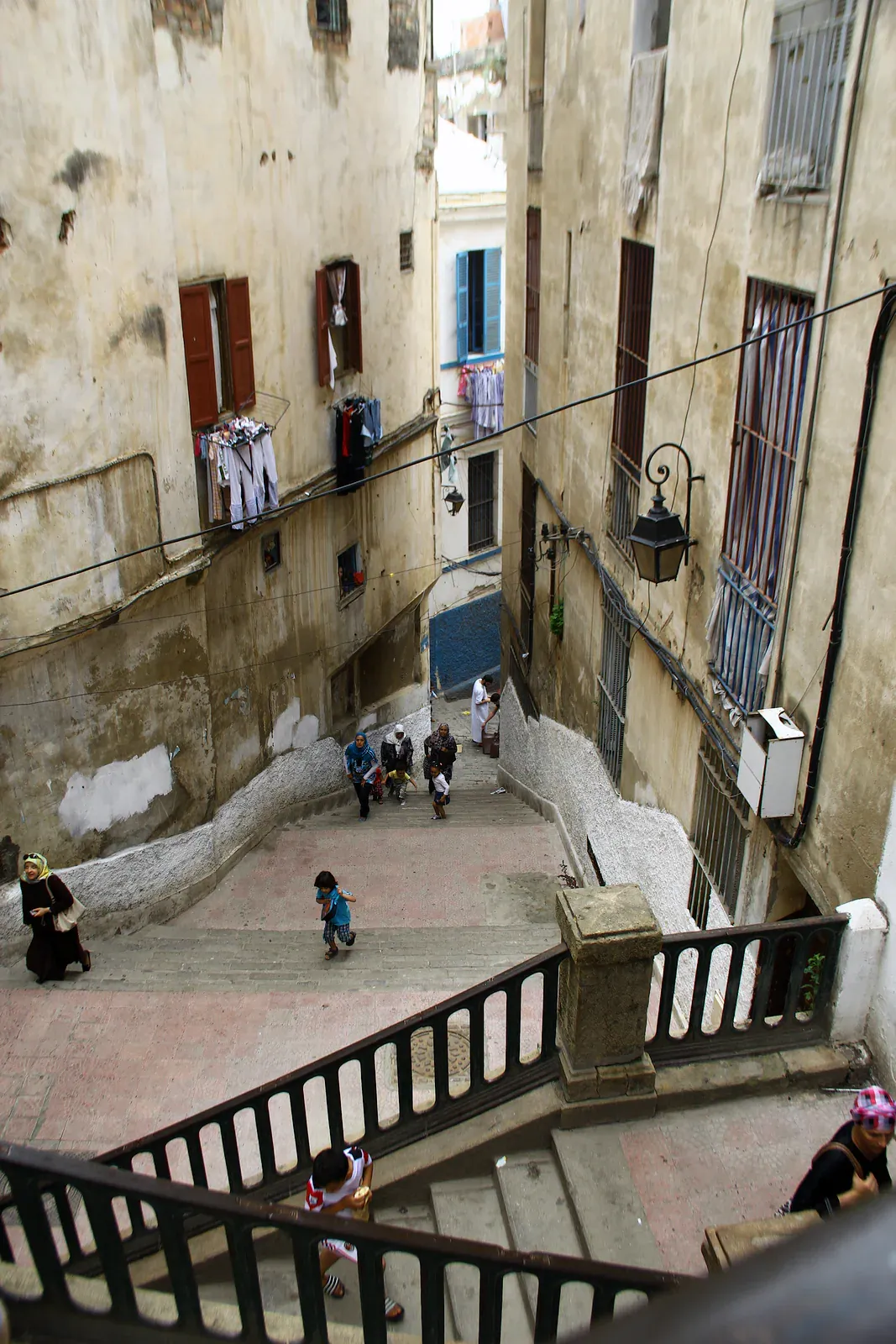
The Casbah and El Anka, 1920 to 1961
Mohamed Idir Halo, known as El Anka, was born in 1907 in the Casbah and joined the orchestra of Cheikh Mustapha Nador as a tambourine player at 13. Nador died in May 1926 and El Anka, still in his teens, took over the group’s festivals. In 1928 he recorded 27 discs on 78 rpm for Columbia and took part in the inauguration of Radio PTT Algiers; twenty more discs for Algeriaphone and Polyphone followed. A larger mandole built for him by a luthier in 1932, with a long neck and doubled strings, gave the genre its lead instrument.
After the Second World War he directed popular music on Algiers radio. In 1946 a Radio Algerie director began calling this repertoire populaire to tell it apart from classical Andalusi music. In 1955 El Anka became a professor of chaabi at the municipal conservatoire of Algiers, and pupils such as Amar El Achab and Hassen Said became masters themselves. He wrote about 360 songs and made about 130 records before his death in 1978. Other singers of his era included Lili Labassi, a Jewish-Algerian singer born Elie Moyal, whose Ya Bechar dates from 1934.
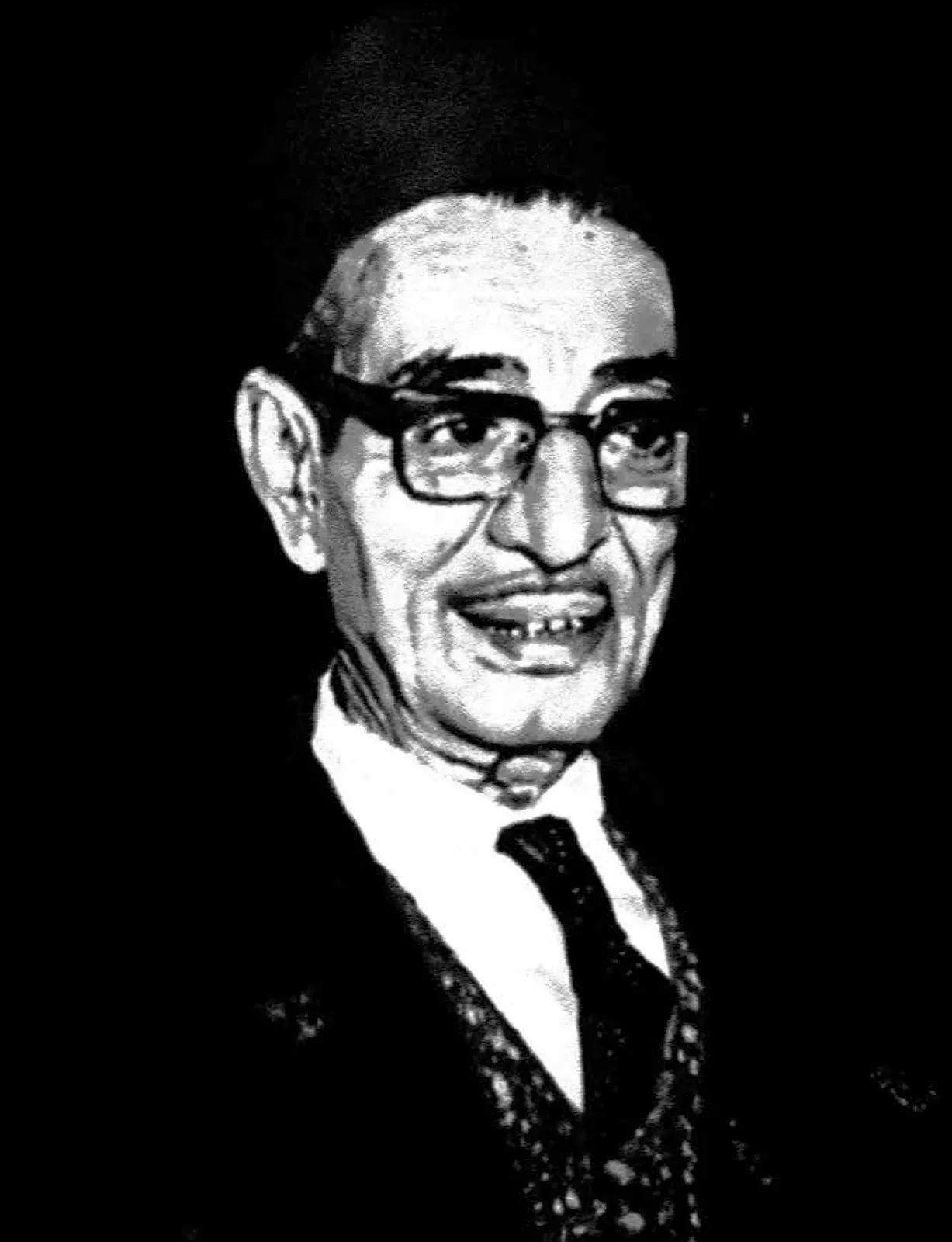
Independence and the new song, 1962 to 1990
At independence, Algerian song faced a flood of Egyptian and Western music, and the chaabi of the day, built on old texts, was largely confined to family celebrations in Algiers. The first national colloquium on Algerian music in 1964 made the name chaabi official. In the following decade the composer Mahboub Bati wrote about a hundred new chaabi songs, and Mohamed El Badji and Dahmane El Harrachi also composed songs in more personal styles. Their words were more direct and less ornate than melhoun, their songs shorter.
El Hachemi Guerouabi, born in 1938 in Algiers, became the voice of that modern chaabi, known as the nightingale for a smooth, deep voice with songs such as El Barah. Dahmane El Harrachi, of Chaoui origin, moved to France in 1949 and made his name in the Algerian cafes of Paris. He wrote more than 500 songs on exile and homesickness, among them Ya Rayah in 1973. Amar Ezzahi, an orphan from Kabylie who grew up in the Casbah, started recording in 1963 and became the figurehead of the music. He gave only one concert, on 10 February 1987, avoided the media and refused copyright payments, and sang instead at family gatherings, in cafes and on terraces. Boudjemaa El Ankis first sang in public at a wedding in 1942.
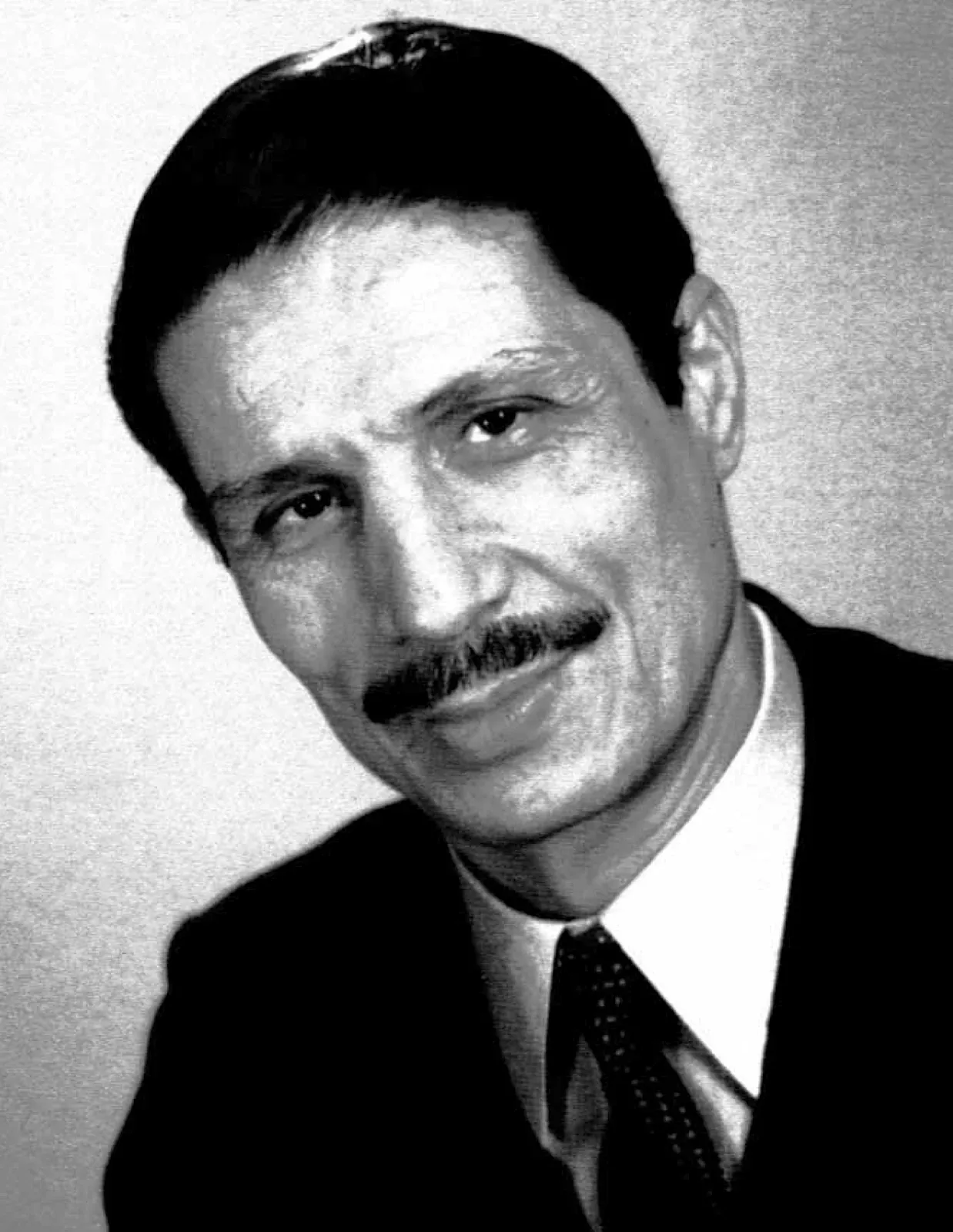
Neo chaabi and the world stage, 1991 onward
In the 1980s a producer turned down Kamel Messaoudi’s first recording on the grounds that raï had killed chaabi. In 1991 his cassette Chemaa, with words by the poet Kaddour Frah and a song in the Sika mode of Spanish flamenco, became a hit with disillusioned young listeners during the violence of that decade, and Ya Dzair followed. The result was called neo chaabi. Messaoudi died in a car crash in Algiers in December 1998.
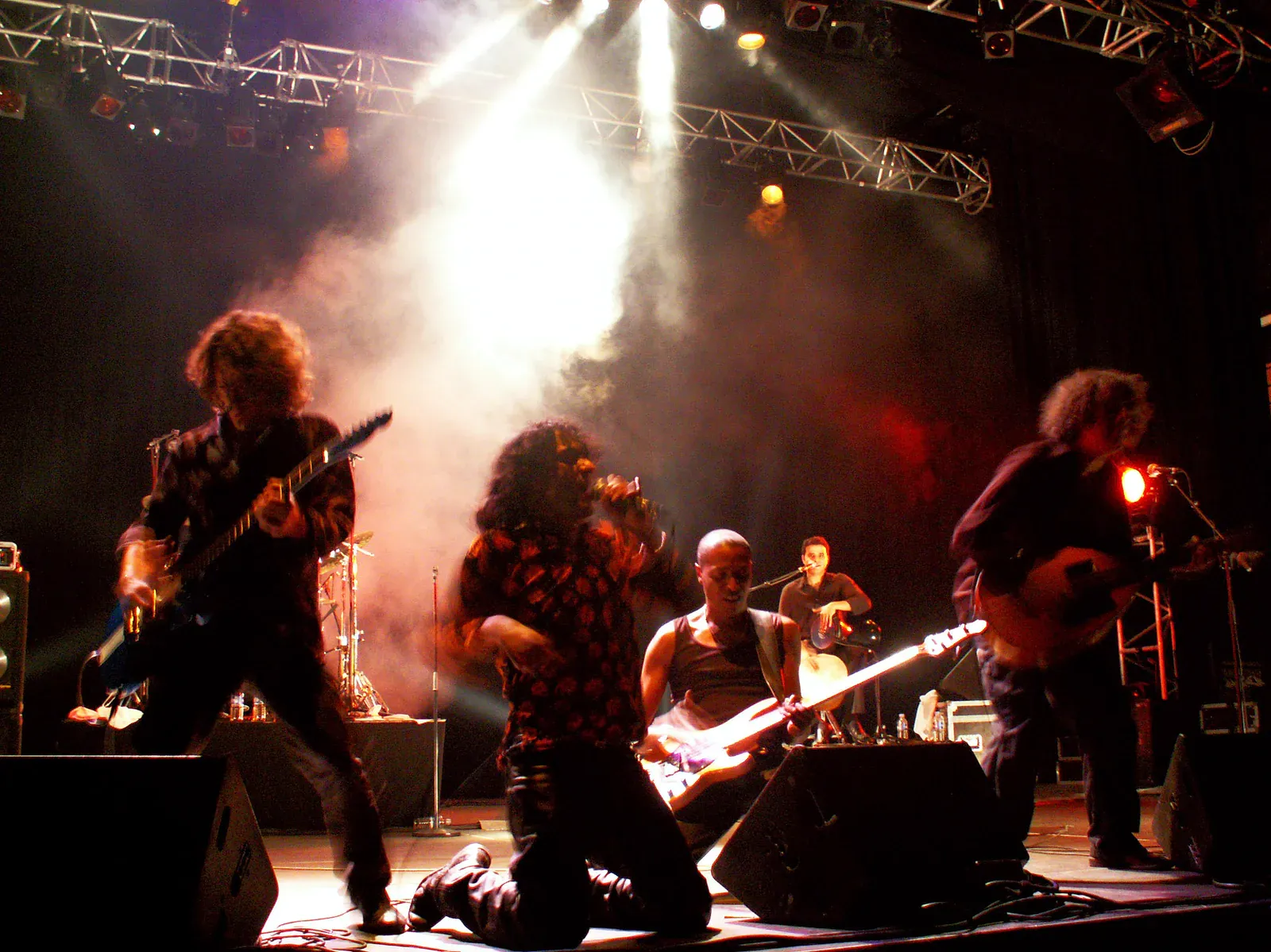
Characteristics
A typical piece opens with an istikhbar, an unmetered prelude that sets the mode, before the band enters with the rhythm. Songs usually set a poem, with a mournful lead voice over an orchestra of about a dozen players, and the lyrics treat love, poverty, exile, friendship, faith, youth and Algeria. Chaabi is conservative in manner: it keeps the modal system of the Andalusi school while mixing in European, Arab and African touches in melody, and Gnawa and Berber touches in rhythm. Algiers remains its liveliest centre, followed by Mostaganem, and the music is heard throughout the country.
Later singers moved to shorter songs with more hawzi rhythm for dancing at weddings, and a mix of Andalusi repertoire and chaabi called Assimi has spread.
Instruments and production
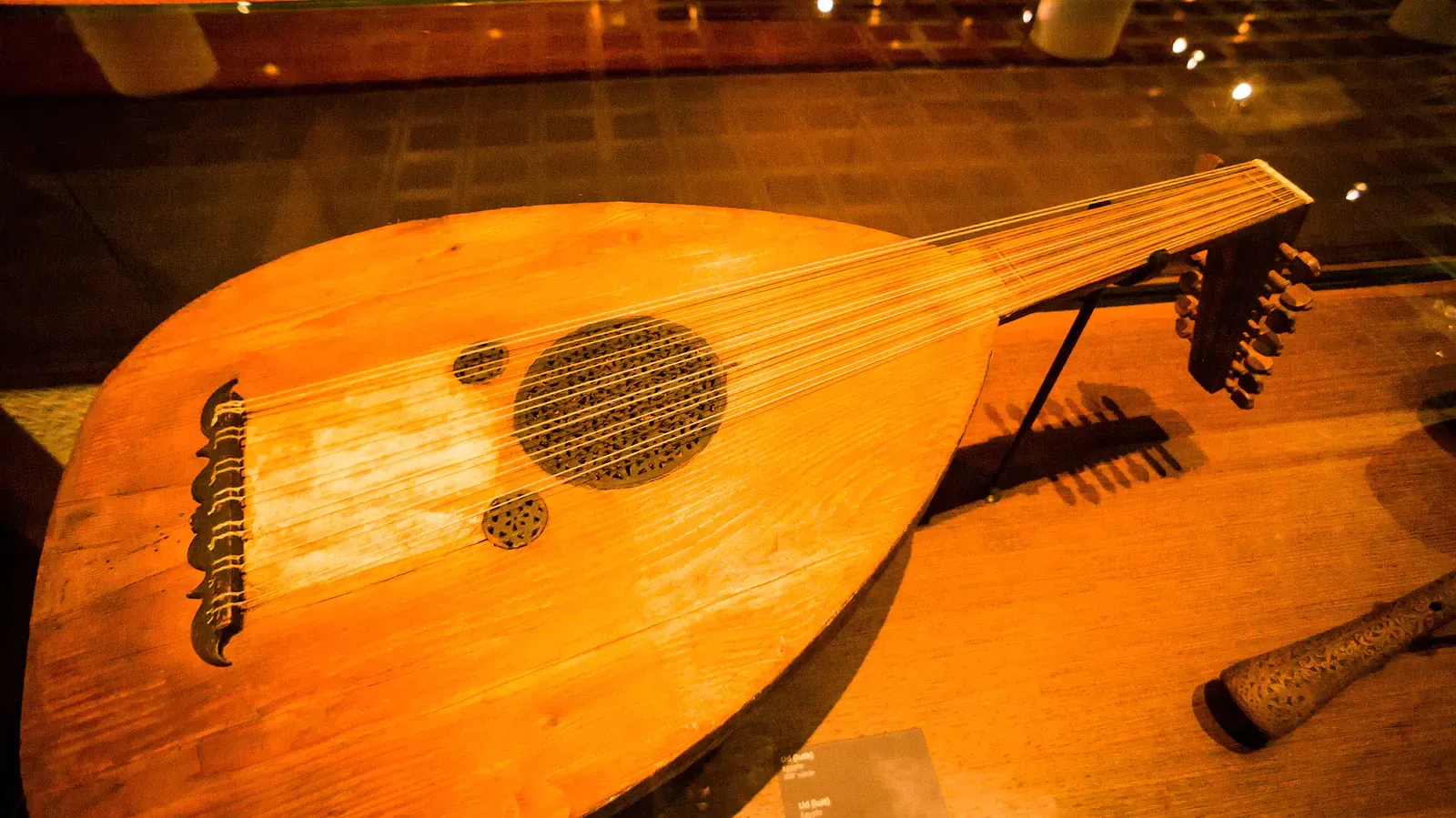
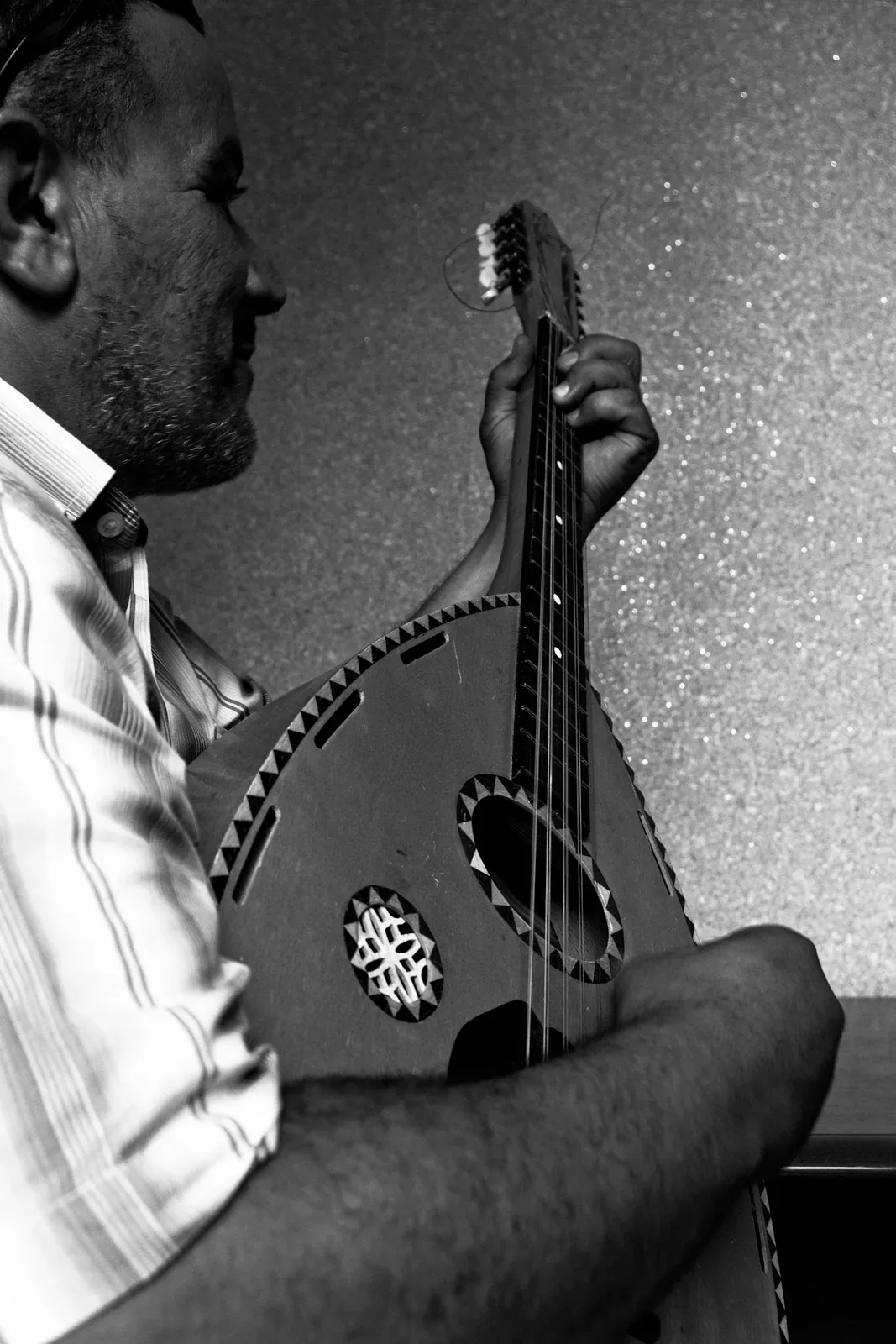
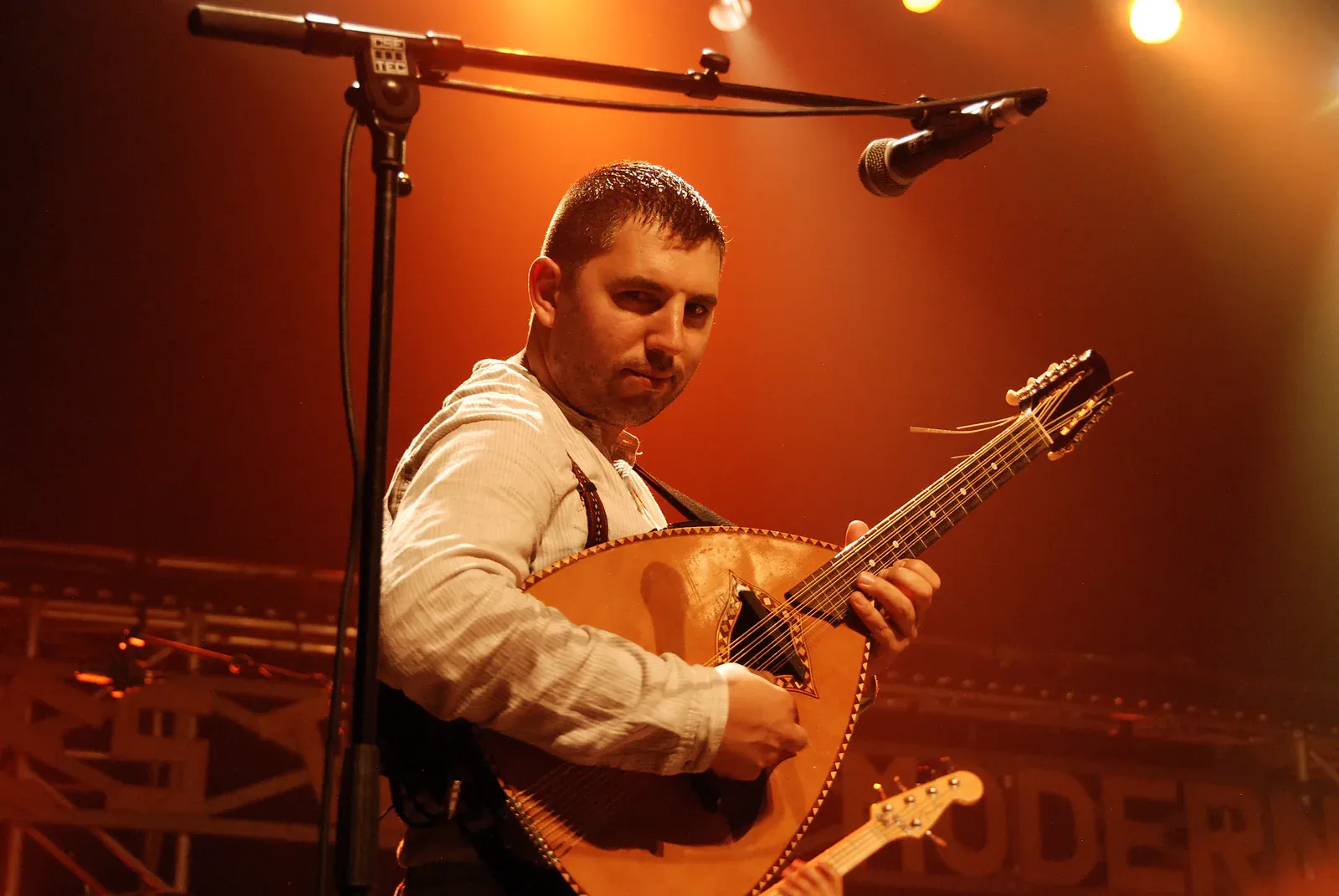
The mandole is the center of the sound. It is a steel-string lute with doubled courses of strings, usually eight to twelve, and sometimes with extra frets for quarter tones, tuned like a guitar, an oud or a mandocello. El Anka drew on the Andalusi repertoire while adding the darbouka, and later the guitar, banjo, ney, qanun, violin and piano.
Mainstream success
Its largest crossover came through one song. Ya Rayah, written and performed by Dahmane El Harrachi in 1973, was recorded by Rachid Taha in 1993 and released as a single in August 1997. It reached number 11 in France, was certified silver in February 1998, and appeared on his album Diwan the same year. In September 1998, Taha performed it with Khaled and Faudel at the Palais omnisports de Paris-Bercy. Versions followed in Hebrew, Hindi, Turkish, Greek, Russian and Serbian, and the word chaabi entered French dictionaries through the song. It re-entered the French chart, in the top 20, after Taha’s death.
Notable recordings
Ya Rayah, whose title means “you who are leaving”, is a ballad of the traveller, the exile and the immigrant, which explains its reach far beyond Algerian listeners. Chemaa is the other pillar: a cassette of 1991 that showed chaabi could speak to a generation raised on raï. The El Gusto orchestra shows a third side. Musicians, Jewish and Muslim, were parted by war and exile for fifty years and later reunited. Their album, recorded in Algeria with Damon Albarn, appeared in 2007. The documentary by Safinez Bousbia, seven years in the making, reached cinemas in France in January 2012.
Culture
Chaabi began as a scandal, kept behind closed doors in the mahchachat, where listeners came for coffee, tea and smoking. By the late 1950s it was the music of weddings and religious festivals. Tributes show its hold on memory: in 2016, after Amar Ezzahi’s funeral, a celebration took place in Paris at the Arab World Institute with Abdelkader Chaou and Kamel Aziz.
Legacy
Hundreds of singers still draw on the music, and Dahmane El Harrachi inspired a generation of raï artists, Rachid Taha among them. The mandole it made famous is also played in Kabyle music and in the Andalusi suites, and Algerian cafes in France have long been a stage for it.
Misconceptions
Chaabi is not simply folk music. The name means popular, but it was formalized from Andalusi repertoire and melhoun poetry, and its poems and modes are not improvised folk song. It is also not the chaabi of Morocco, which grew from squares and souks around bendir and violin; see Moroccan chaabi for that tradition. And it was never a music of one community: Lili Labassi was Jewish, and the El Gusto orchestra brought together Jewish and Muslim players.
Frequently asked questions
What does chaabi mean in Algerian music?
Chaabi means popular or of the people in Arabic. In Algeria it names the music of Algiers formalized by El Anka from Andalusi song and melhoun poetry, and since 1964 it has been the official term.
Who is the father of Algerian chaabi?
El Hadj M’Hamed El Anka (1907 to 1978) is called the father of chaabi. He gave it the large mandole, brought in darbouka and later guitar, banjo, qanun, violin and piano, and taught it at the municipal conservatoire of Algiers from 1955.
What is Ya Rayah about?
Ya Rayah, written by Dahmane El Harrachi in 1973, speaks to a traveller who is leaving his homeland. Its themes are exile, homesickness and the longing to return, which is why Rachid Taha’s 1997 cover reached the French charts.
How is Algerian chaabi different from Moroccan chaabi?
Algerian chaabi comes from the Andalusi school of Algiers, uses melhoun texts and is led by the mandole. Moroccan chaabi grew from street and market music in Moroccan Arabic, built on bendir, darbuka and violin.
Sound
Sound sheet
Anatomy of a track
| # | Part |
|---|---|
| 1 | Istikhbar: free-rhythm vocal or mandole prelude |
| 2 | Sung poem set to a mode, accompanied by the band |
| 3 | Instrumental interludes between verses |
| 4 | Refrain taken up by the band |
Signature sounds
- Mournful Arabic or Berber vocals
- Mandole leading a band of strings and percussion
- Lyrics carrying a moral message
Drums and percussion
- Darbouka
Techniques
- Istikhbar
- Melhoun texts on Andalusi modes
- Quarter-tone frets
- Shorter dance songs
Keys and modes
Sika. Andalusi mode used for istikhbar preludes in the Casbah tradition.
Sahli. Second mode used for istikhbar improvisation.
Tuning
The mandole is tuned like a guitar, an oud or a mandocello, depending on the player
Vocals
Mournful lead voice in Algerian Arabic or Berber, often with a moral message.
Scenes
Where it happened
Where and when the sound lived: one bar per city on a shared timeline.
Africa
Active scenes
Peak 1, 1920-2025
The Casbah, its cafes and its smoking dens are the cradle of chaabi, and Algiers is still its most active centre.
Venues and places
Algiers, 1928 to today. El Anka took part in its inauguration in 1928; after the war, he directed its popular music broadcasts.
Algiers, 1955 to today. El Anka taught chaabi here, and his pupils became masters in their turn.
Culture
Culture markers
- Weddings and religious festivals
By the late 1950s chaabi was the music of weddings and religious celebrations in Algiers.
Ritual - Mahchachat
The cannabis dens of the Casbah, where early chaabi was played behind closed doors over coffee, tea and smoking.
Ritual
Media
Key media
- 2012El Gusto
by Safinez Bousbia. Documentary about a chaabi orchestra of Jewish and Muslim musicians reunited after 50 years of exile and war.
Film - 2013Le Genie du Chaabi, Vol. 1 (1932-1939)
by Lili Labassi. Reissue of the 78 rpm recordings of an early chaabi star.
Compilation
Glossary
Terms on this page
Arabic for popular; the urban song of Algiers derived from Andalusi music and melhoun poetry.
Improvised vocal or instrumental prelude in free rhythm, often in the modes Sika or Sahli.
Smoking den in the Casbah where early chaabi was played.
The Algerian lute, larger than a mandola, that leads chaabi bands.
Praise poetry, originally religious, that chaabi grew from.
Colloquial Arabic poetry of the Maghreb, whose texts chaabi singers set to music.
Middle Eastern and North African family