Ottoman classical music
Ottoman classical music, or Turkish classical music, is the makam-based art music of the Ottoman court, cities and Sufi lodges, built on usul and the fasil.
Türkiye, around 1400
Middle Eastern and North African family
Born
around 1400
Türkiye
Subgenres
3
Documented branches
Links
6
Genres it drew on or shaped
Tempo
80-130 BPMLineage
Family tree
Grew out of
Türkiye
Ottoman classical music
Led to (5)
Timeline
Era by era
From the first sparks to today. Select a dot to read the story behind it.
- Persianate court music
1400 to 1649
- The new synthesis
1650 to 1799
- Palace neglect and the gazino
1800 to 1925
- Republican suppression
1926 to 1969
- Revival and recorded archives
1970 to today
Eras
Moments
- 1 Persianate court music, 1400 to 1649
- 2 The new synthesis, 1650 to 1799
- 3 Palace neglect and the gazino, 1800 to 1925
- 4 Republican suppression, 1926 to 1969
- 5 Revival and recorded archives, 1970 to today
around 1400
Persianate court music
Ottoman musicians imitated the Timurid courts of the 15th century, then lost much of the complex rhythmic repertoire in the 16th, when the older nawba was replaced by the fasil.
around 1650
The new synthesis
Mevlevi musicians and court composers such as Osman Efendi, Itri and Dimitrie Cantemir restored complex rhythmic cycles and fixed the fasil structure that defines the tradition.
- 1700Cantemir's EdvarDimitrie Cantemir's treatise, with its own notation, becomes the most influential music theory work written in the Ottoman Empire.
- 1712Death of Mustafa ItriThe court singer and composer, of whom about 40 of more than a thousand works survive, is regarded as the master of the tradition.
- 1778Birth of Dede EfendiThe future Mevlevi composer is born in Istanbul; he is later called the greatest Ottoman composer of the 19th century.
- 1799Dede Efendi becomes a dedeAfter studying with Ali Nutki Dede he receives the rank of dede and goes on to perform at the palace of Selim III.
around 1800
Palace neglect and the gazino
Sultans favoured Western music, Dede Efendi left court, and a simpler, danceable urban style called gazino grew. Virtuosos such as Tanburi Cemil Bey worked outside the palace.
- 1850Palace turns to Western musicUnder Abdulmejid I and later Abdul Hamid II, court patronage shifts to Western classical music and Ottoman composers leave the palace.
- 1916Death of Tanburi Cemil BeyThe tanbur and kemençe virtuoso leaves behind taksim and instrumental pieces recorded on 78 rpm discs that shaped later players.
- 1917Darülelhan opensThe four-year academy for Turkish music opens on New Year's Day and later becomes the Istanbul Conservatory.
1926
Republican suppression
Sufi lodges were closed in 1926, teaching was banned in 1927 and radio broadcasts were restricted in the mid-1930s, while singers such as Münir Nurettin Selçuk and Zeki Müren kept the repertoire alive.
- 1926Sufi lodges closedWith the closing of the tekkes, Mevlevi and other religious music loses its institutional home.
- 1927Teaching bannedOttoman-style music education is banned and the republic turns to Western music teaching.
- 1934Radio banBroadcasts of Ottoman music are banned on radio in the mid-1930s; listeners turn to Arab stations.
- 1951Zeki Müren's first recordAfter a Radio Istanbul competition win and a first live broadcast, he records Muhabbet Kuşu and becomes known across Anatolia.
- 1953Münir Nurettin Selçuk joins the conservatoryThe tenor who established the lead singer role in Turkish music works at the Istanbul Conservatory, serving as director for a total of sixteen years.
around 1970
Revival and recorded archives
A state conservatory for Turkish music opened in 1975, and the independent Kalan label from 1991 issued Mevlevi, instrumental and archive recordings for a new audience.
- 1975Turkish Music State ConservatoryIstanbul Technical University founds a conservatory devoted to Turkish music on its Maçka campus.
- 1991Kalan Müzik foundedHasan Saltık starts the Istanbul label that issues classical and traditional recordings; the same year Zeki Müren is named a State Artist.
- 1996Mevlana, Saba AyiniKalan issues Kâni Karaca's recording of Dede Efendi's Saba Mevlevi service.
- 2012International Itri YearUNESCO marks the 300th anniversary of Itri's death with a themed year.
Listening path
Start listening
A short path from an easy way in to the deep end. Thumbnails come from YouTube; the player loads only when you press play.
- 01
Zeki Müren, 2005
Song from a Selahattin Pınar album; a lyrical singer's way into the repertoire.
- 02
Tanburi Cemil Bey, 2016
Tanbur performance of an instrumental closing form, from the reissue of his 78 rpm recordings.
- 03
Tanburi Cemil Bey, 2016
Improvised tanbur taksim that moves through the makam without a fixed rhythm.
- 04
Niyazi Sayın and Necdet Yaşar, 2005
Ney and tanbur play a prelude together in the way of the court ensemble.
- 05
Kâni Karaca, 1996
Dede Efendi's Mevlevi service, the form that shows the religious side of the tradition.
Facts
| Family | Middle Eastern and North African |
| Origin | Türkiye |
| Emerged | Ottoman era |
| Status | Revival |
| Tempo | 80 to 130 BPM |
| Meter | Usul cycles such as 8/8 düyek and 4/4 sofyan |
| Subgenres | 3 |
Ottoman classical music, also called Turkish classical music or Turkish art music, is the art music of the Ottoman Empire, developed in the palace, the major cities and the Sufi lodges.
It is built on the makam system of modes and the usul system of rhythmic cycles, and it is usually performed by a solo singer with a small instrumental ensemble. Its standard concert form, the fasil, strings together improvised and composed movements in a single makam. It belongs to the wider Middle Eastern and North African family and is closest to Arabic classical music.
Origins
The vocabulary of the tradition is mostly Arabic and Persian: the Ottomans, a Persianate empire, inherited the modal, heterophonic music of earlier Near and Middle Eastern courts, and before Hızır bin Abdullah’s treatise no notable music theory had been written in Turkish. In the 15th century the court imitated the Timurid courts of Iran and Central Asia, and a loosening of the older nawba cycle produced a lively, court-patronised scene.
The 16th century was thinner: many 15th-century works were rewritten with simpler rhythmic cycles and the nawba was lost, to be replaced by the fasil about a hundred years later. Meanwhile Persian, Byzantine and Jewish practice began to meet, with synagogue chants adapted to the makam system.
The new synthesis, 1650 to 1800
In the second half of the 17th century a revival, led by aristocratic Muslims and Mevlevi dervish musicians, restored the complexity of 15th-century court music. Kasımpaşalı Osman Efendi and his students revived the long rhythmic cycles, and Hâfız Post fitted them to the folkloric murabba poem form. Another student, Mustafa Itrî, took up Byzantine conventions, and Greek composers such as Peter Peloponnesios and Tanburi Angeli worked in the same period.
Dimitrie Cantemir’s Edvar, with its own notation, became the most influential treatise written in the empire. By the early 18th century the system had a stable canon, refined rhythmic cycles, fine distinctions of intonation and the fasil structure. Itrî, who wrote over a thousand works of which about 40 survive, is regarded as the master of the tradition, and UNESCO declared 2012, the 300th anniversary of his death, International Itrî Year.
Dede Efendi and the Mevlevi lodges
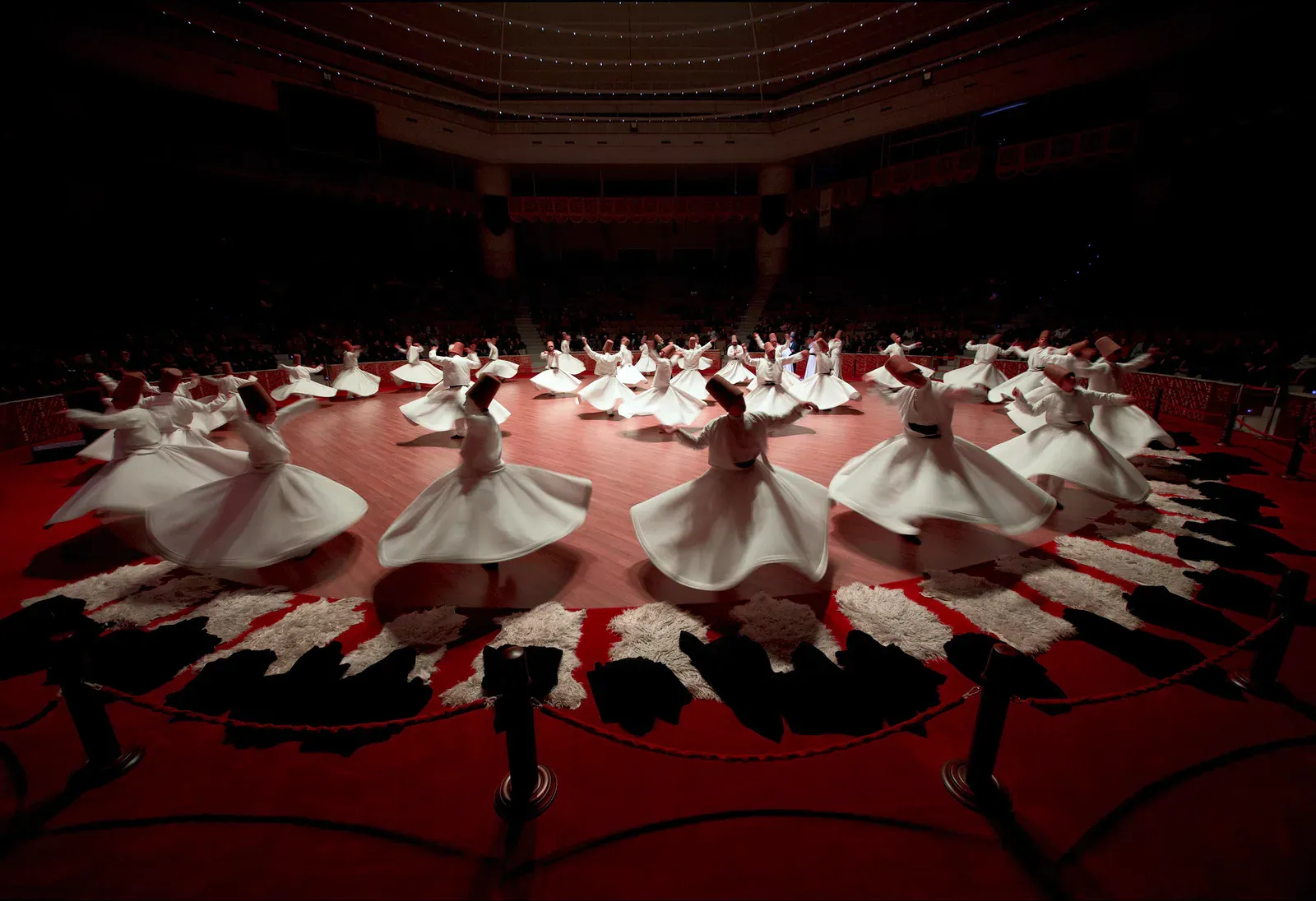
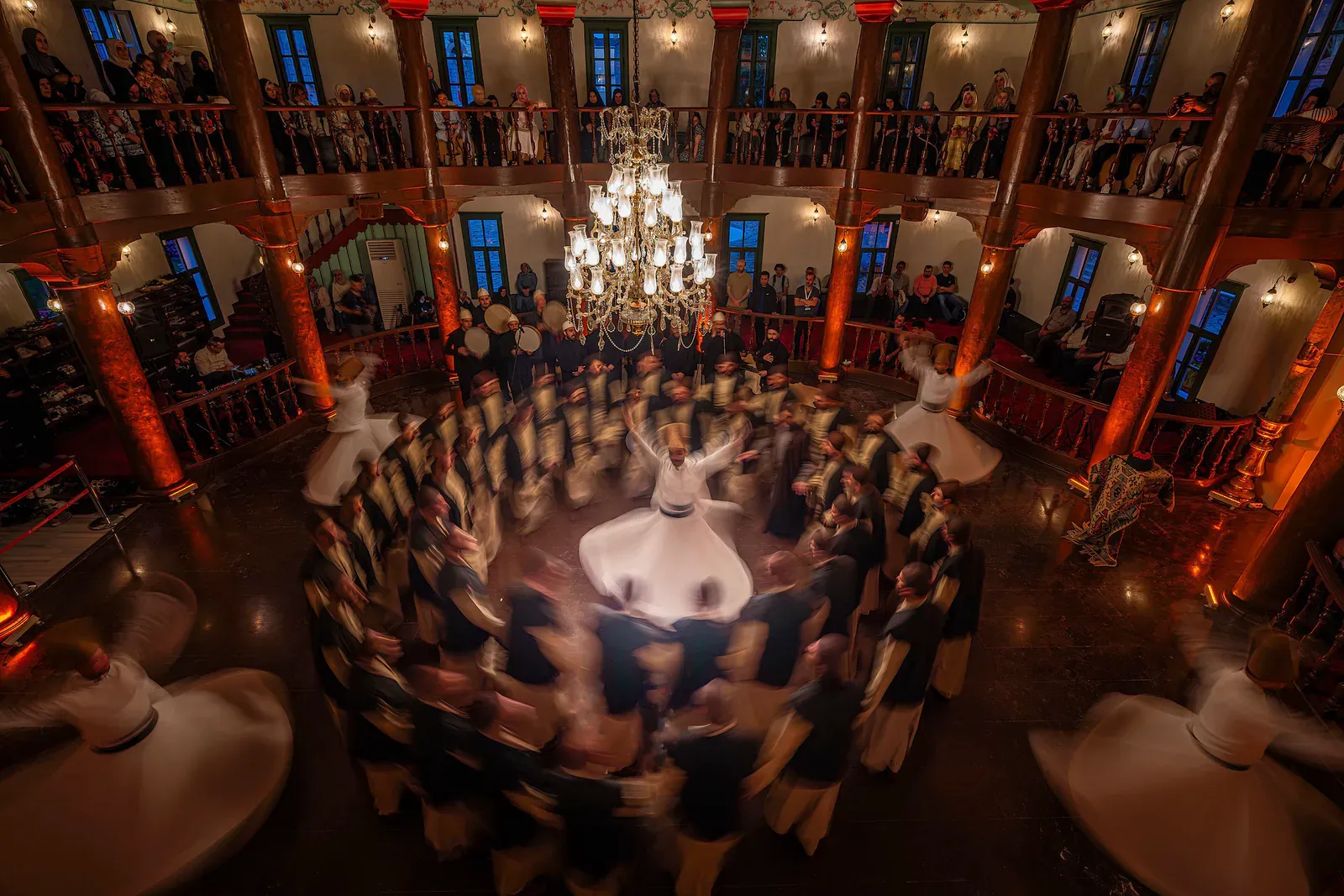
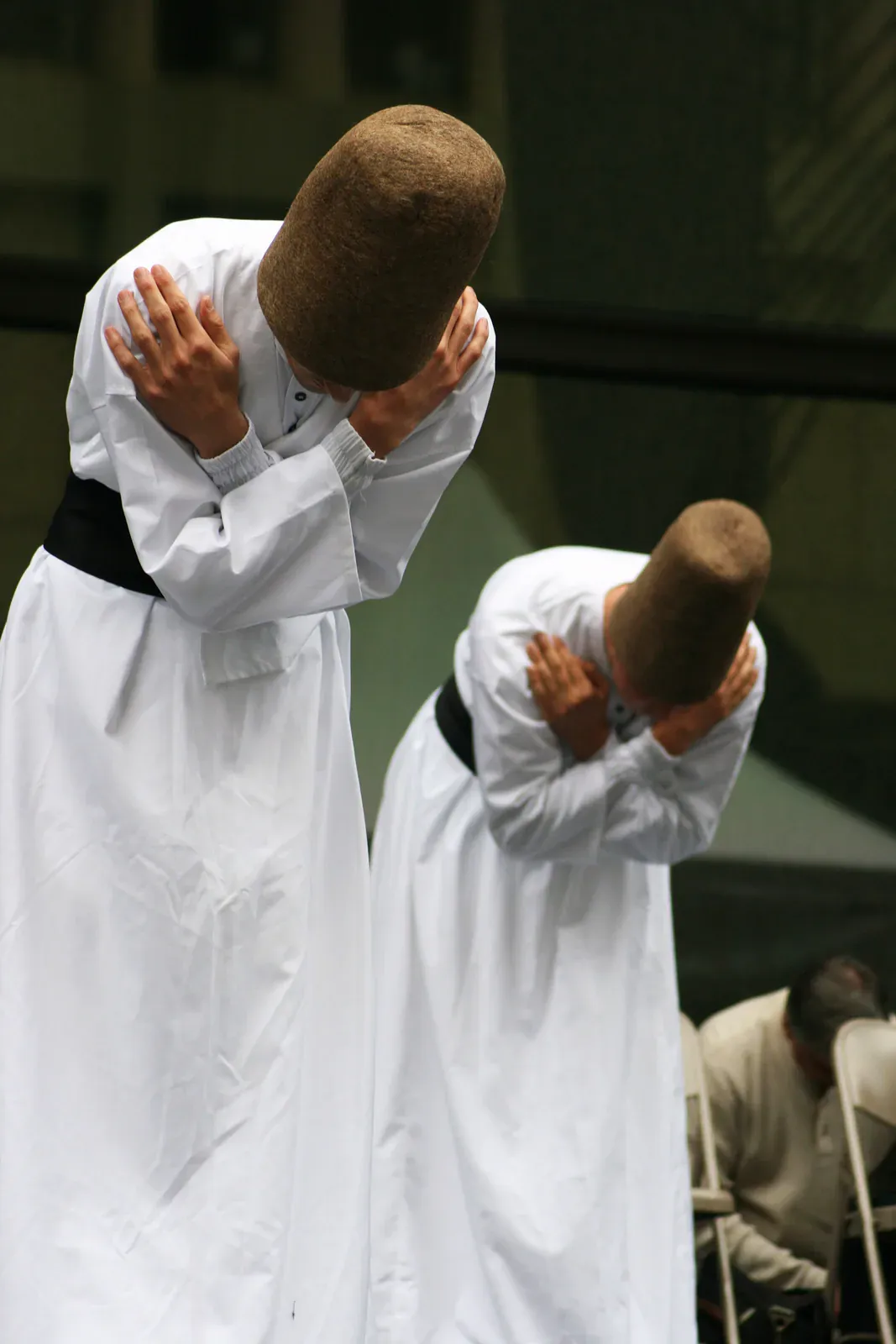
The Mevlevi order, founded in Konya in 1273, gave the tradition its main sacred repertoire. Its ceremony, the ayin, is a service in four selams with ney, kudüm and choir. Hammamizade İsmail Dede Efendi, born in Istanbul in 1778, learned the ney at the Yenikapı Mevlevi lodge, became a dede in 1799 and performed for Sultan Selim III. His seven Mevlevi ayins are regarded as his greatest works. He taught Hamparsum Limonciyan, who devised the Hamparsum notation, the dominant system for Turkish music until Western staff notation replaced it.
Palace neglect and the gazino, 1800 to 1925
From the early 19th century the palace gave more patronage to Western classical music, especially after Mahmud II. Under Abdulmejid I and Abdul Hamid II court composers such as Dede Efendi left the palace, and Ottoman music suffered official neglect. A simpler urban style called gazino grew up in its place, with danceable rhythms and some Western technique. Sufi, Orthodox Christian and Jewish maftirim communities kept the older style alive. Tanburi Cemil Bey (1871 or 1873 to 1916), who avoided the court, became the great virtuoso of the period on tanbur, kemençe, ud and other instruments, and his taksims on 78 rpm records influenced generations of players.
Republican suppression, 1926 to 1969
The Westernising elite of the new republic regarded Ottoman music with disdain. The Sufi lodges were closed from 1926, Ottoman-style music education was banned in 1927, and radio broadcasts of the music were banned in the mid-1930s. The ban itself lasted a few years, but censorship of what could be played continued for about half a century. Listeners turned to Arab radio stations, and the vacuum helped the rise of arabesk, described on the Turkish pop page.
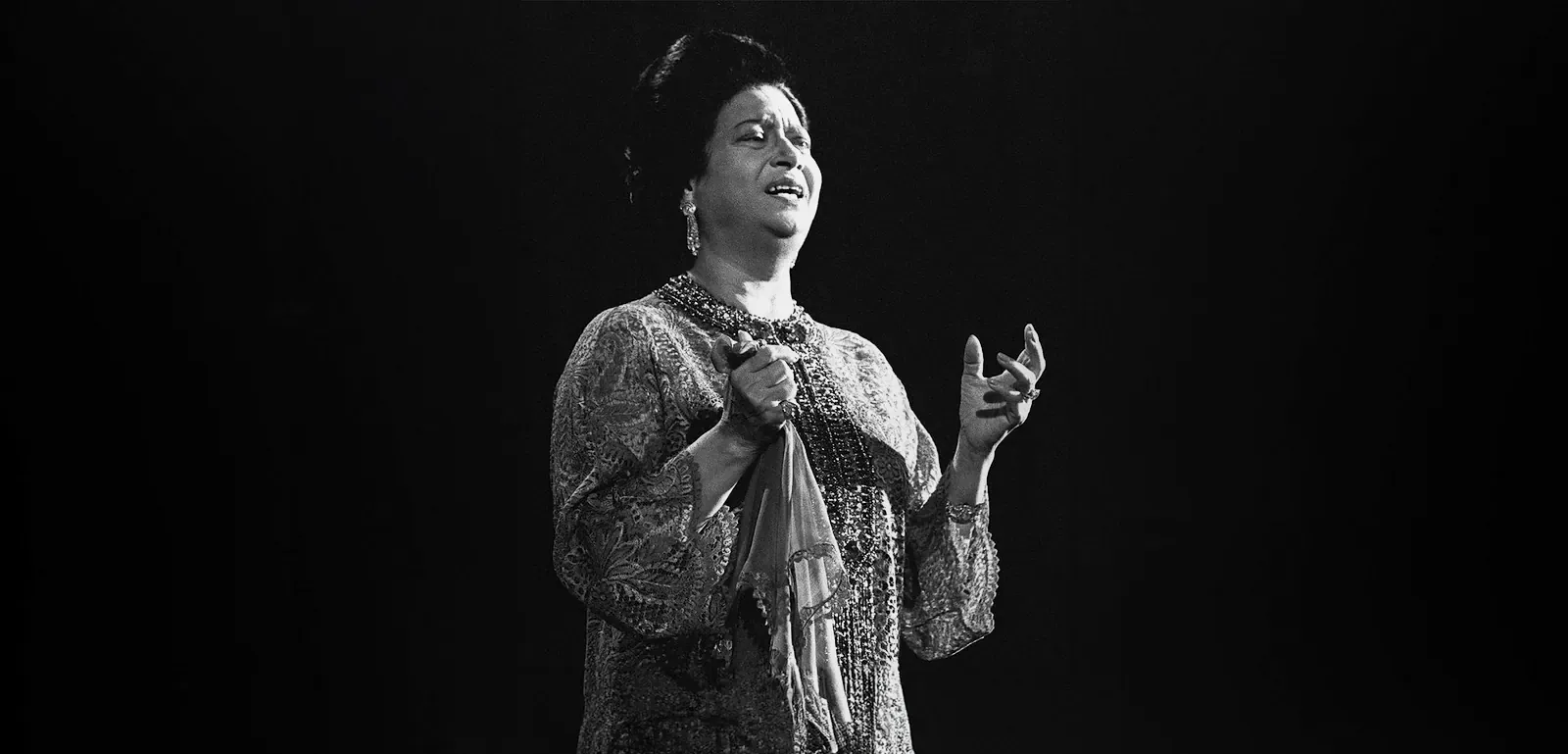
The tradition survived through teachers, radio studios and concert singers. The Istanbul Conservatory had begun in 1917 as Darülelhan, a four-year academy of Turkish music, and the tenor Münir Nurettin Selçuk, who established the lead singer’s position in Turkish music, worked there from 1953 and directed it for a total of sixteen years. Zeki Müren won first place among 186 contestants in a 1950 Radio Istanbul competition, recorded Muhabbet Kuşu and became known across Anatolia; he was named a State Artist in 1991. Safiye Ayla was another of the most famous singers of the school.
Revival, 1970 to the present
From the 1970s and 1980s the tradition came out of half a century of pressure, on condition that it be nationalised and made more cheerful. A shared heritage of the empire’s peoples was often presented as purely Turkish, with composers of other origins reduced to outside influences. The result, called Turkish art music, was criticised by musicians such as the neyzen Kudsi Erguner for losing the meaning of its lyrics. Istanbul Technical University opened its Turkish Music State Conservatory in 1975.
Recording also changed. Kalan Müzik, founded in Istanbul in 1991 by Hasan Saltık, issued classical and traditional recordings, among them Kâni Karaca’s Mevlevi performances and the 2016 reissue of Tanburi Cemil Bey’s recordings. Karaca, blind from the age of two months, came to Istanbul in 1950 and learned the repertoire from Sadettin Heper. Niyazi Sayın on the ney and Necdet Yaşar on the tanbur long played as a duet.
Characteristics
The tradition is modal and heterophonic: the singer and the instruments play one melody with their own ornaments. A makam is more than a scale. It is built by joining cins (trichords, tetrachords or pentachords), and it also has a seyir, a conventional melodic course that separates two makams that share the same notes. More than 600 makams have been used and at least 120 are in common use. Makams are classed as basit (basic), şed (transposed) and mürekkep (compound), and pieces may modulate between them.
Rhythm follows usul, a cyclic system that fixes both the number of beats and the accents. Short usuls such as sofyan and semai are dance-oriented, long usuls are complex and are learned by rote, as Cantemir pointed out, and the aksak semai does not correspond with the poetic meter. The oral teaching method is called mesk: a student learns a piece by repeating it with the master. Notation was used mostly for archiving.
Instruments and production
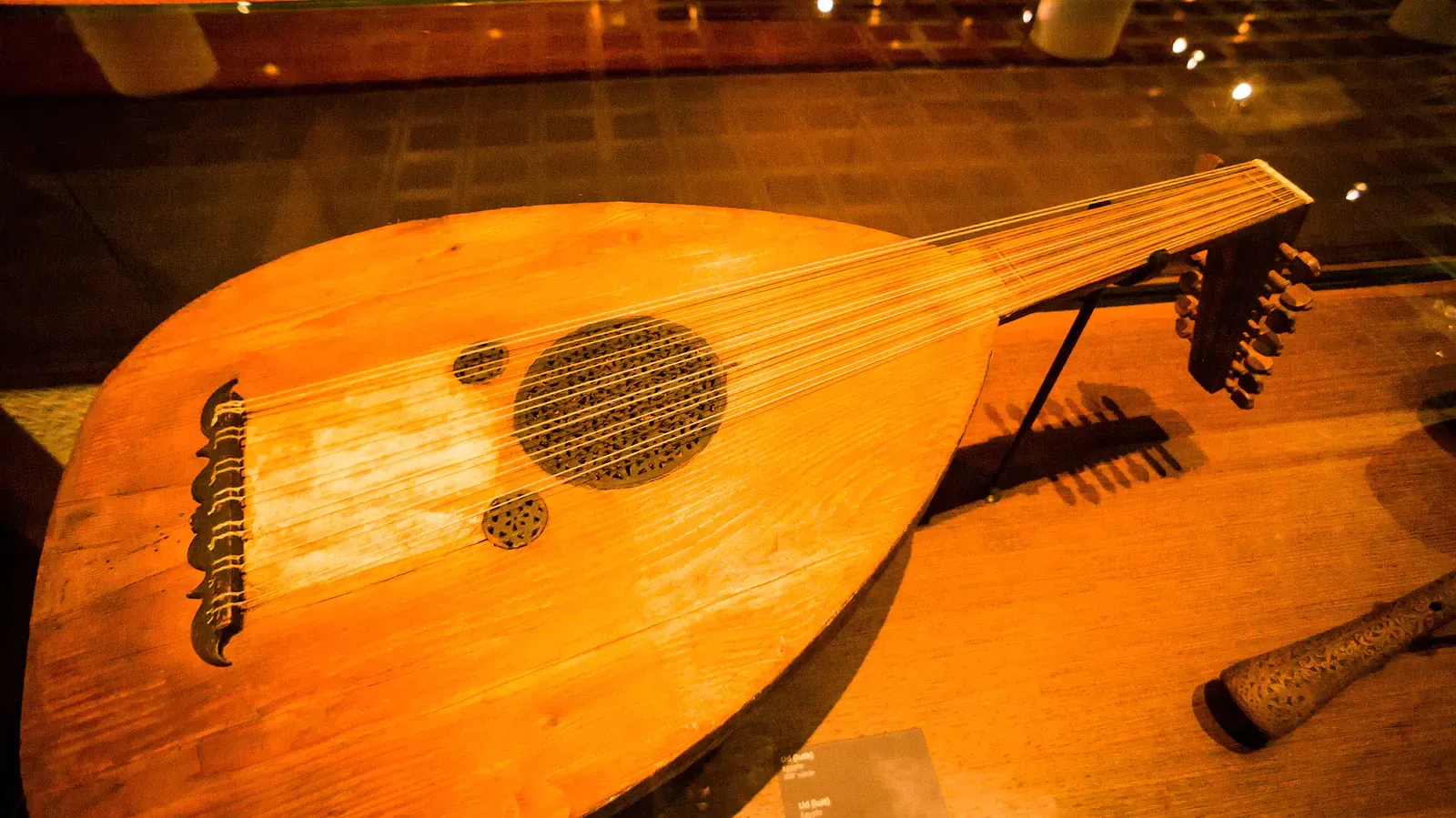
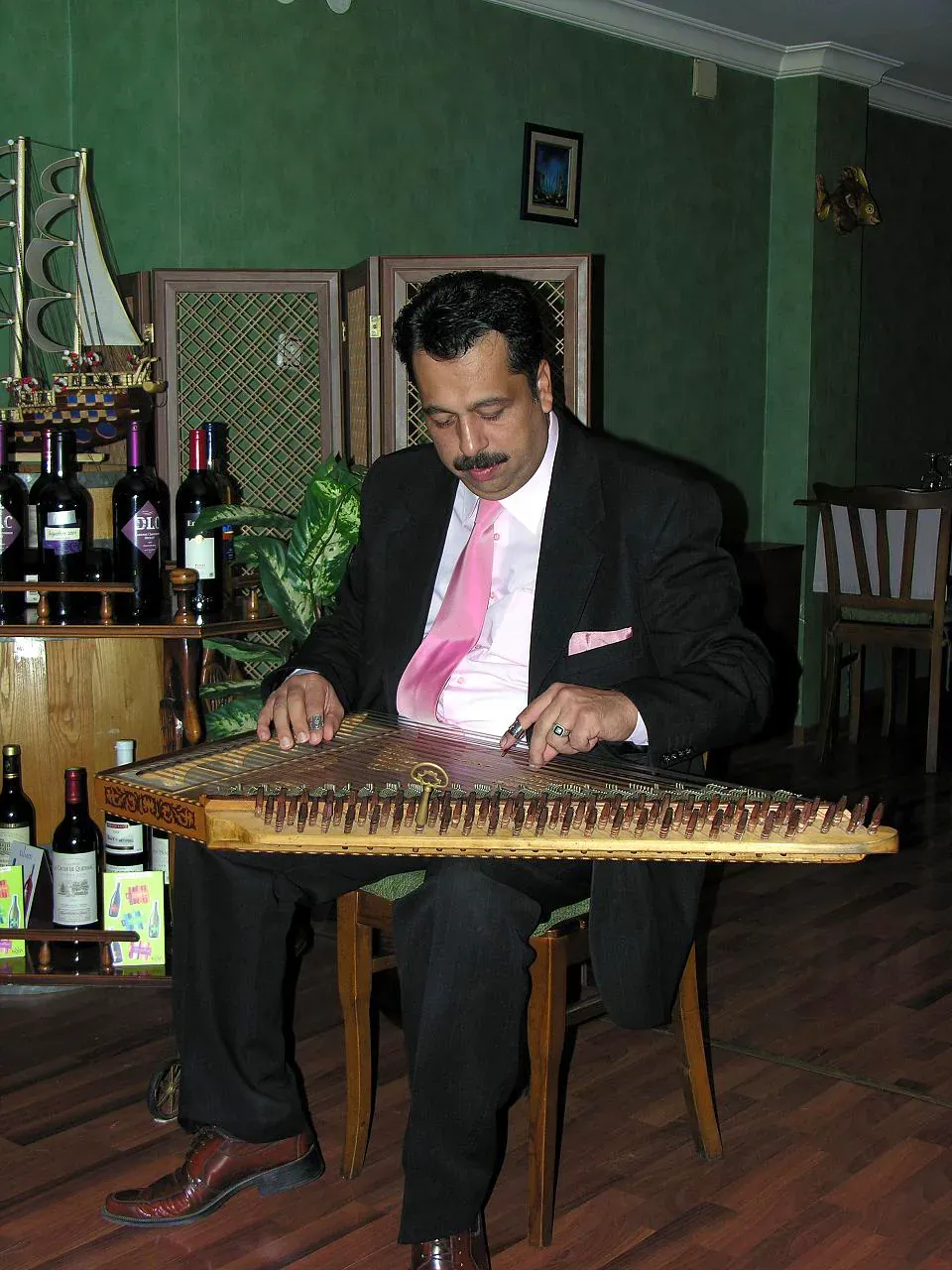
The core instruments are the tanbur, ney, klasik kemençe, keman (violin), kanun and ud, with the kudüm, a pair of small hemispherical drums, among the four main Mevlevi instruments. The ensemble is small and a single vocalist leads.
The fasil and its forms
A fasil is a concert suite in which the movements stay in one makam. It opens with a taksim, an improvised, locally metrical instrumental movement that shows the makam and its modulations; a peşrev, an instrumental prelude, follows. The vocal core includes the kar, kârçe and beste, the semai, and the gazel, a non-metric vocal improvisation on classical poetry. Closing movements are the şarkı, a lighter song form that entered the classical repertoire after the 19th century, and the saz semaisi.
Mainstream success
Its mass audience came through Turkish radio, records and above all singers: Safiye Ayla and Münir Nurettin Selçuk in the early republic, Zeki Müren from 1951. Its lighter songs fed the repertoire that became Turkish art music, and its melodic habits entered arabesk and fantezi.
Notable recordings
Zeki Müren’s Bir Muhabbet Kuşu (1951) was his first record and made a student singer a national voice. Kâni Karaca’s Mevlana (1996) presents Dede Efendi’s Saba ayin with the Saba peşrev and the first and second selams. Tanburi Cemil Bey’s Şedaraban saz semaisi and Hicaz taksim show a rich, agile picking style that lightened the tanbur’s sound.
Culture
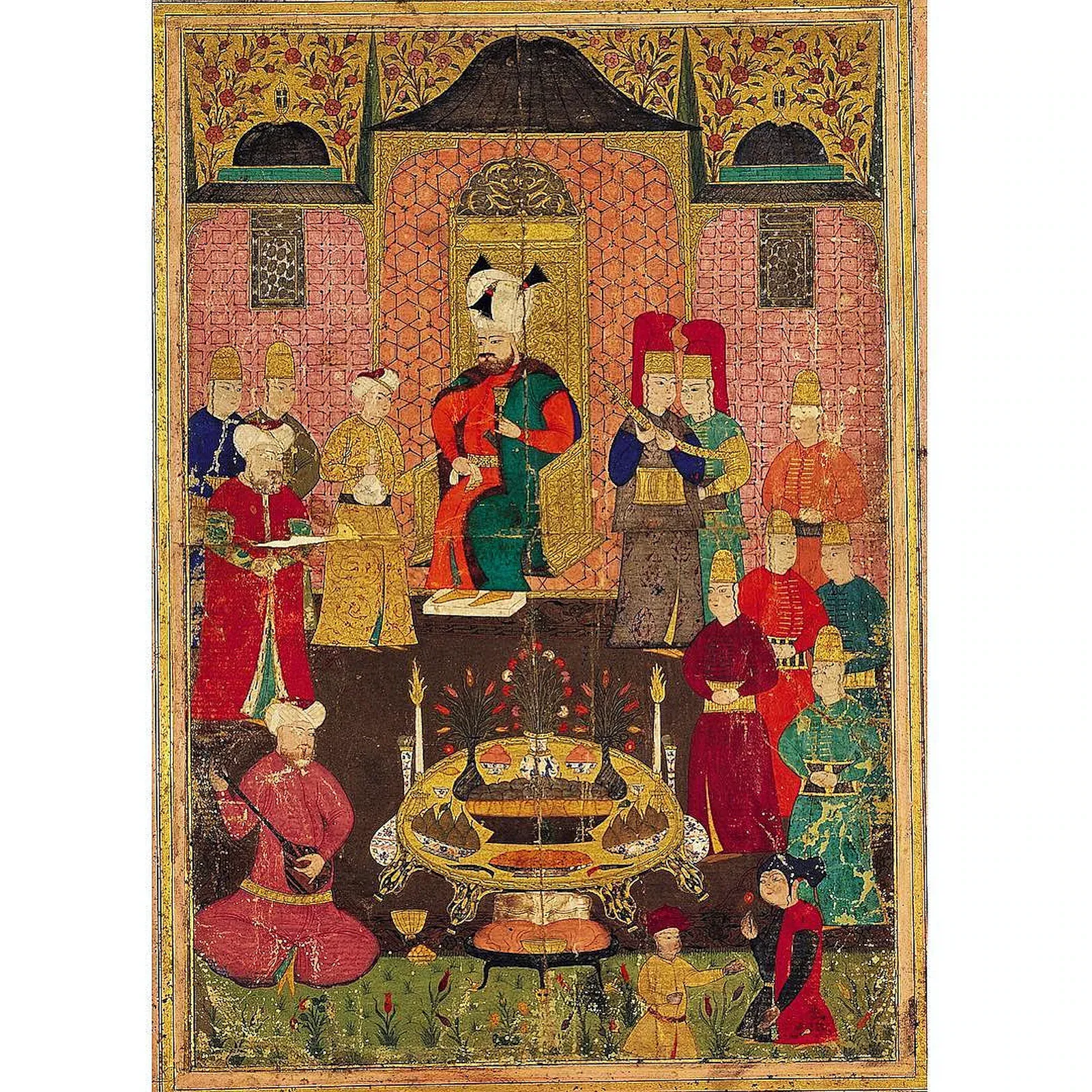
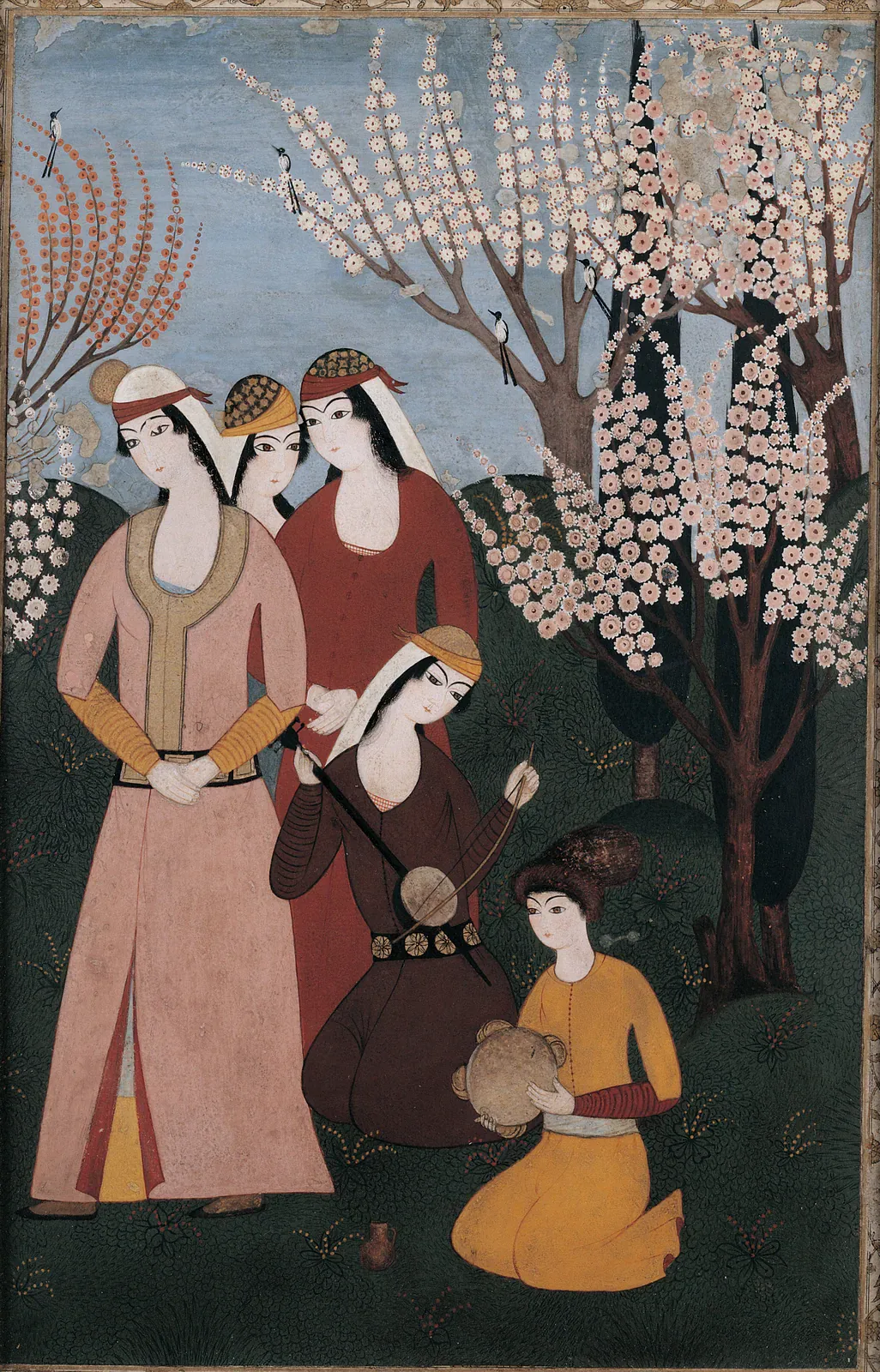
The Mevlevi ayin is both a musical form and a religious service, with the sema dance alongside it. In secular life, meşk gives the tradition a teacher-to-student chain that shapes what counts as correct, and music was played at court feasts, as miniature paintings show. In the republican period singers such as Zeki Müren made dress part of the performance.
Legacy
Light urban songs and the gazino style led to Turkish art music, and the tradition fed fantezi and arabesk. Greek rebetiko also drew on Ottoman urban music. Since the 1970s conservatory teaching has returned, and reissues keep the 78 rpm era available.
Misconceptions
It is often said that the tradition is Turkish folk music for the court. It has its own modal and rhythmic systems and a long theoretical literature, though court musicians did turn to folk poetry forms such as the murabba.
It is also said to be purely Turkish, or purely Sufi. Its repertoire included Greek, Armenian, Jewish and Muslim composers, with Byzantine and synagogue practice among its sources, and much of it was secular court and urban music.
A third idea is that Turkish art music is the same thing. It is the later, nationalised style of the 1970s and 1980s, while the Ottoman tradition covers the older court repertoire and its forms.
Frequently asked questions
What is Ottoman classical music?
Ottoman classical music is the art music of the Ottoman Empire, based on the makam and usul systems. It was developed in the palace, in cities and in Sufi lodges, and is usually performed by a solo singer with a small ensemble.
Is Ottoman classical music the same as Turkish classical music?
The terms name the same tradition, though Turkish art music often means the republican-era revival, so Ottoman music is the clearer name for the court repertoire.
What is a makam?
A makam is a modal framework made of joined scale pieces called cins, with a conventional melodic course called seyir. More than 120 are in common use in the tradition.
Sound
Sound sheet
Anatomy of a track
| # | Part |
|---|---|
| 1 | Taksim (improvised opening) |
| 2 | Peşrev (instrumental prelude) |
| 3 | Kâr, beste and semai (composed vocal pieces) |
| 4 | Gazel (non-metric vocal improvisation) |
| 5 | Şarkı and saz semaisi (closing song and instrumental piece) |
Signature sounds
- Single makam across the suite
- Microtonal intervals
- Solo singer with a small ensemble
- Heterophonic playing of one melody
Drums and percussion
- Kudüm
Techniques
- Taksim improvisation
- Meşk oral transmission
- Usul cycles
- Heterophony
Keys and modes
Makam modes. More than 120 makams in common use, such as Rast, Segah, Hicaz and Saba.
Seyir. Conventional melodic course that separates makams sharing the same notes.
Tuning
Microtonal makam intonation finer than the 12-tone semitone
Vocals
Solo singer with melisma, plus Mevlevi choirs and non-metric gazel
Scenes
Where it happened
Where and when the sound lived: one bar per city on a shared timeline.
Asia
Active scenes
Peak 1, 1650-2025
Capital, court and Mevlevi lodges where the fasil and its composers took shape, and still home of the conservatories and the recording industry.
Venues and places
Istanbul, 1917 to today. Academy of Turkish music opened on New Year's Day 1917; it became the Istanbul Conservatory.
Istanbul, 1950 to today. Station whose 1950 singing competition and live broadcast launched Zeki Müren.
Istanbul, 1975 to today. Conservatory of Istanbul Technical University dedicated to Turkish music.
Culture
Culture markers
- Mevlevi ayin
Service of four selams with ney, kudüm and choir, composed in a single makam.
Ritual - Meşk teaching
Oral lessons in which the master and student repeat the piece together.
Ritual - Stage dress of Zeki Müren
He wore self-designed outfits on stage and introduced uniforms for his players.
Fashion
Media
Key media
- 1944Hasret
One of the films in which Münir Nurettin Selçuk appeared as an actor-singer.
Film - 1950Radio Istanbul singing competition
Zeki Müren placed first among 186 contestants, which led to his radio programmes and recordings.
Radio
Glossary
Terms on this page
Concert suite of vocal and instrumental movements, usually in one makam.
Modal system of scale pieces and melodic paths; more than 120 makams are in common use.
Oral teaching in which the student learns a piece by repeating it with the teacher.
Instrumental prelude that opens a fasil.
Improvised instrumental movement that shows a makam and its modulations.
Cyclic rhythmic pattern that fixes both the length and the accents of a piece.
Middle Eastern and North African family