Rebetiko
Rebetiko is the urban song of poor Greeks, formed in Ottoman port cities and Piraeus, centred on the bouzouki and UNESCO-listed in 2017.
Smyrna, 1880
European folk family
Born
1880
Smyrna
Subgenres
5
Documented branches
Links
9
Genres it drew on or shaped
Tempo
65-135 BPMLineage
Family tree
Grew out of
Derived from
Influenced by
Smyrna, 1880
Rebetiko
Led to (7)
Timeline
Era by era
From the first sparks to today. Select a dot to read the story behind it.
- Smyrna and Ottoman port cities
1880 to 1922
- Refugees and the first records
1923 to 1935
- Piraeus style and the classic phase
1932 to 1940
- Tsitsanis and the move to laiko
1946 to 1959
- Revival
1960 to today
Eras
Moments
- 1 Smyrna and Ottoman port cities, 1880 to 1922
- 2 Refugees and the first records, 1923 to 1935
- 3 Piraeus style and the classic phase, 1932 to 1940
- 4 Tsitsanis and the move to laiko, 1946 to 1959
- 5 Revival, 1960 to today
around 1880
Smyrna and Ottoman port cities
Café songs of Smyrna and Constantinople, played on oud, lyra and cimbalom, and the hashish dens of Greek ports, formed the roots of the style.
- 1880Port-city rootsGreek communities of coastal Anatolia, tavernas and hashish dens form the cradle of the style, with no recordings to document it.
1923
Refugees and the first records
After the 1923 population exchange, refugees settled in Piraeus and Thessaloniki and a Smyrna-style repertoire reached disc, with Piraeus-style songs recorded from 1931.
- 1923Population exchangeAfter the Asia Minor catastrophe huge numbers of refugees settle in Piraeus, Thessaloniki and Volos with Anatolian instruments and music.
- 1926First bouzouki on recordKonstandinos Kokotis records two Peloponnesian folk songs with the bouzouki in the United States.
- 1929Eskenazi starts recordingRoza Eskenazi makes her first recordings and quickly becomes a star of the Smyrna-style repertoire.
- 1931Bouzouki enters a Greek studioIn October Thanassis Manetas records with a cimbalom player, the first Greek studio session to feature the bouzouki.
1932
Piraeus style and the classic phase
Markos Vamvakaris and his circle made the bouzouki the lead voice, and by 1940 Smyrna and Piraeus elements had fused into a classic style under Metaxas censorship.
- 1932Vamvakaris first discsMarkos Vamvakaris records Efoumernam ena vrady and Taxim serf, the start of the bouzouki career on record in Greece.
- 1935FrangosyrianiVamvakaris records the love song Frangosyriani, one of the best known rebetiko standards.
- 1937Metaxas censorshipThe regime that began in 1936 starts censoring song lyrics and closes the hashish dens, so drug and underworld themes fade from Greek studio recordings.
- 1941Recording haltsStudios close under the Axis occupation; Tsitsanis has already recorded about 100 of his own songs.
- 1943Synnefiasmeni KyriakiTsitsanis writes Cloudy Sunday in Thessaloniki during the occupation; sources give 1943 or 1944.
1946
Tsitsanis and the move to laiko
Vasilis Tsitsanis and Manolis Chiotis brought the sound to wider audiences while rebetiko in its old form fell into eclipse by the end of the 1950s.
- 1946Recording resumesStudio work restarts and for a short period a handful of uncensored songs with drug references are recorded.
- 1948Hatzidakis lectureManos Hatzidakis lectures on rebetiko, praising its economy, tradition and emotion and lifting its reputation among the educated.
- 1953Four-course bouzoukiManolis Chiotis adds a fourth pair of strings, which lets the bouzouki be played like a guitar; sources also give 1956.
1960
Revival
From 1960 old songs returned through Bithikotsis and Dalaras, LP reissues from the 1970s and revival groups, and in 2017 rebetiko entered the UNESCO heritage lists.
- 1960First revivalGrigoris Bithikotsis records songs by Markos Vamvakaris, who makes his first recording since 1954.
- 197550 Chronia Rebetiko TragoudiGiorgos Dalaras releases a double LP of rebetiko songs that finds a mass audience.
- 1981Censorship laws revokedThe censorship laws invoked by Metaxas are officially revoked, seven years after the fall of the junta.
- 2017UNESCO listingRebetiko is added to the UNESCO Intangible Cultural Heritage lists.
Listening path
Start listening
A short path from an easy way in to the deep end. Thumbnails come from YouTube; the player loads only when you press play.
- 01
Markos Vamvakaris, 1935
The patriarch of rebetiko in a simple love song; listen for the bouzouki lead and spare band.
- 02
Roza Eskenazi, 1930
The Queen of Rebetiko in the Smyrna-style cafe sound.
- 03
Vasilis Tsitsanis, 1943
Tsitsanis occupation-era song, treated as an unofficial anthem; listen for the melancholy minor melody.
- 04
Giorgos Dalaras, 1975
From the double LP that carried rebetiko to a mass audience in the revival.
Facts
| Family | European folk |
| Origin | Smyrna, Greece |
| Emerged | Late 19th century to 1950s |
| Status | Revival |
| Tempo | 65 to 135 BPM |
| Meter | 9/8 (zeibekiko), 4/4 (hasapiko) |
| Grew out of | Dimotiko |
| Subgenres | 5 |
Rebetiko (rebetika in the plural) is the urban popular song of the Greeks, especially the poorest, from the late nineteenth century to the 1950s.
It grew out of disparate styles of port cities such as Smyrna, Piraeus and Thessaloniki and settled in the 1930s into a distinct form built on the bouzouki, makam-derived melodies and dance rhythms such as the zeibekiko. It was added to the UNESCO Intangible Cultural Heritage lists in 2017. It belongs to the European folk family and descends from dimotiko, with Ottoman art music as a second root.
Origins
Rebetiko most likely began in the large coastal cities of western Anatolia, where Greek communities lived under Ottoman rule. Its early cradles were the ouzeri, coffee shops, hashish dens known as tekedes, and even the prison. Almost nothing was recorded before the 1920s, so little can be said with certainty about the earliest music.
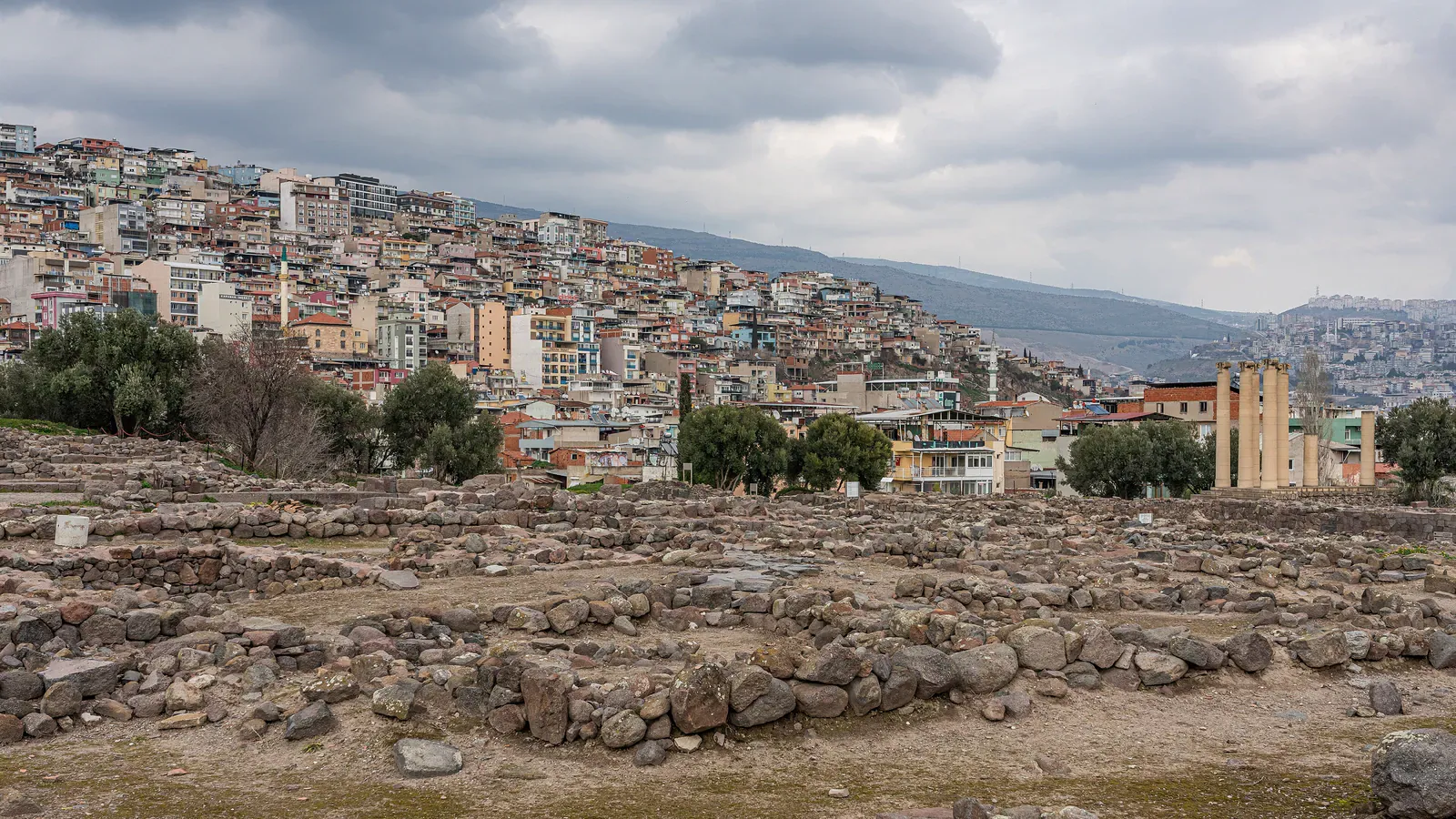
The songs drew on Greek folk song, Orthodox chant and the songs of the Greeks of Smyrna and Constantinople. Melodies follow dromoi, “roads” named after Turkish makams, so rebetiko shares a modal vocabulary with Ottoman classical music. Singers in the early dens sang in quiet, hoarse voices, each adding a verse, and a song could run for hours without a refrain.
Smyrna, 1900 to 1922
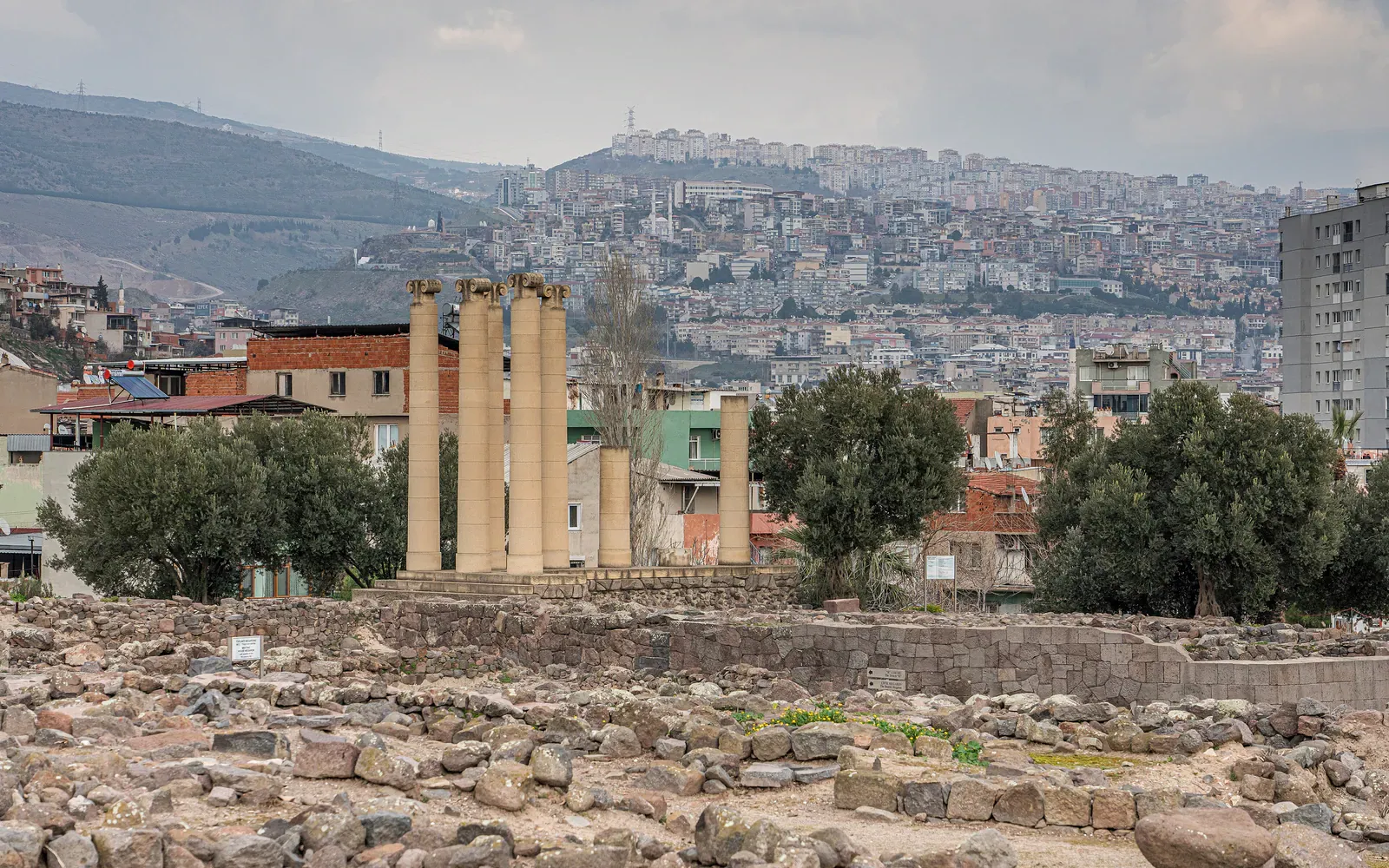
In the early twentieth century the multinational port of Smyrna was the centre of the music. Its musicians absorbed Eastern sounds from inside the Ottoman Empire and European styles from the Italian and other communities of the city. This Smyrna style, called smyrneika, used oud, politiki lyra, kanonaki, santouri and cimbalom, and much of the repertoire on Greek records until 1936 differed from Ottoman cafe music mainly in language and dialect.
Refugees and the first records, 1923 to 1935
After the Asia Minor catastrophe and the population exchange of 1923, huge numbers of refugees settled in Piraeus, Thessaloniki and Volos. They carried European and Anatolian instruments and an Italianate style of mandolins and choral singing in parallel thirds and sixths. Several became studio directors for the major record companies; Spyros Peristeris and Panagiotis Toundas in particular shaped the sound of recorded rebetiko.
Roza Eskenazi, born in Constantinople and later called the Queen of Rebetiko, made her first recordings in 1929 and recorded over 500 songs, bringing the style to a wide audience.
The Piraeus style, 1932 to 1940
The bouzouki had been known in Greece since at least 1835 but was absent from early recordings. It was first recorded commercially in the United States in 1926, and Thanassis Manetas brought it into a Greek studio in October 1931. The success of a New York bouzouki solo then opened the way for Markos Vamvakaris, who made his first bouzouki recordings in October 1932.
Vamvakaris, born on Syros in 1905 and known as the patriarch of rebetiko, moved to Piraeus as a boy and worked as a stevedore and a butcher before learning the bouzouki. He played in tekedes and later in taverns with Giorgos Batis, Anestis Delias and Stratos Pagioumtzis. His style was spare: minimal orchestration and melodic lines with no ornament.
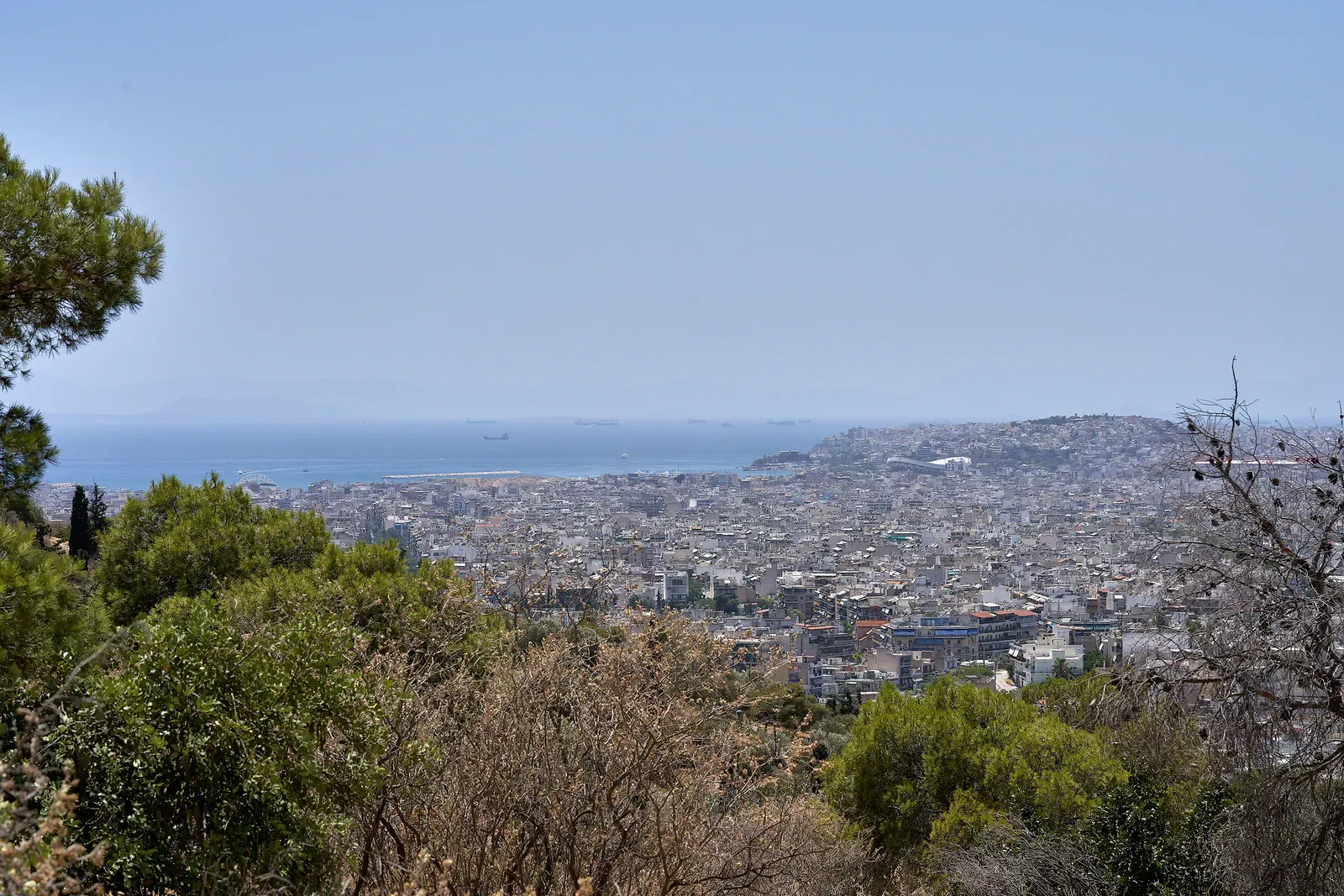
In the 1930s the Smyrna style met the harder local urban style of Vamvakaris and Batis, and the mandolin vanished from recordings. By 1940 Asia Minor, Piraeus, European and Greek folk elements had fused into what is often called the classic phase.
Censorship and war, 1937 to 1945
The regime of Ioannis Metaxas, established in 1936, began censoring song lyrics in 1937. Composers rewrote or censored themselves, the tekedes were closed, and references to drugs and crime vanished from songs recorded in Greek studios, though bolder lyrics continued to be recorded in the United States. Recording stopped under the Axis occupation from 1941 and resumed only in 1946.
Tsitsanis and the move to laiko, 1946 to 1959
Vasilis Tsitsanis had already recorded about 100 songs when studios shut. He spent about ten years in Thessaloniki, wrote many of his best songs there and returned to Athens in 1946, where singers such as Sotiria Bellou and Marika Ninou emerged under his wing. He Westernised the style and set the basis for laiko.
In 1948 Manos Hatzidakis gave a lecture praising rebetiko for its economy of expression and sincerity. Manolis Chiotis added a fourth pair of strings to the bouzouki in the 1950s so that it could be played like a guitar. By the late 1950s the old style survived mainly as a refined form called archontorebetiko.
Revival, 1960 onwards
The revival began around 1960, when Grigoris Bithikotsis recorded songs by Vamvakaris. LP reissues of 78 rpm discs from the early 1970s opened a second phase that sought to recapture the original style, and rebetiko took on an element of protest during the military junta of 1967 to 1974. In 1975 Giorgos Dalaras released the double LP 50 Chronia Rebetiko Tragoudi, which found an immediate mass audience.
Characteristics
Rebetiko rests on traditional Greek and Anatolian dance rhythms. The zeibekiko is felt in 9/4 or 9/8, the hasapiko in 4/4 and the tsifteteli is a lively dance for women. Melodies use the dromoi hijaz, rast, ussak, saba and nahawand alongside Western major and minor. Because it is played on instruments tuned in equal temperament and harmonised with chords, it matches neither European harmony nor Ottoman monophony.
Lyrics cover crime, drink, drugs, poverty and violence, but also love, exile, work and the mother figure. Hatzidakis summed up the spirit in three Greek words: meraki, kefi and kaimos, meaning love, joy and sorrow.
Instruments and production
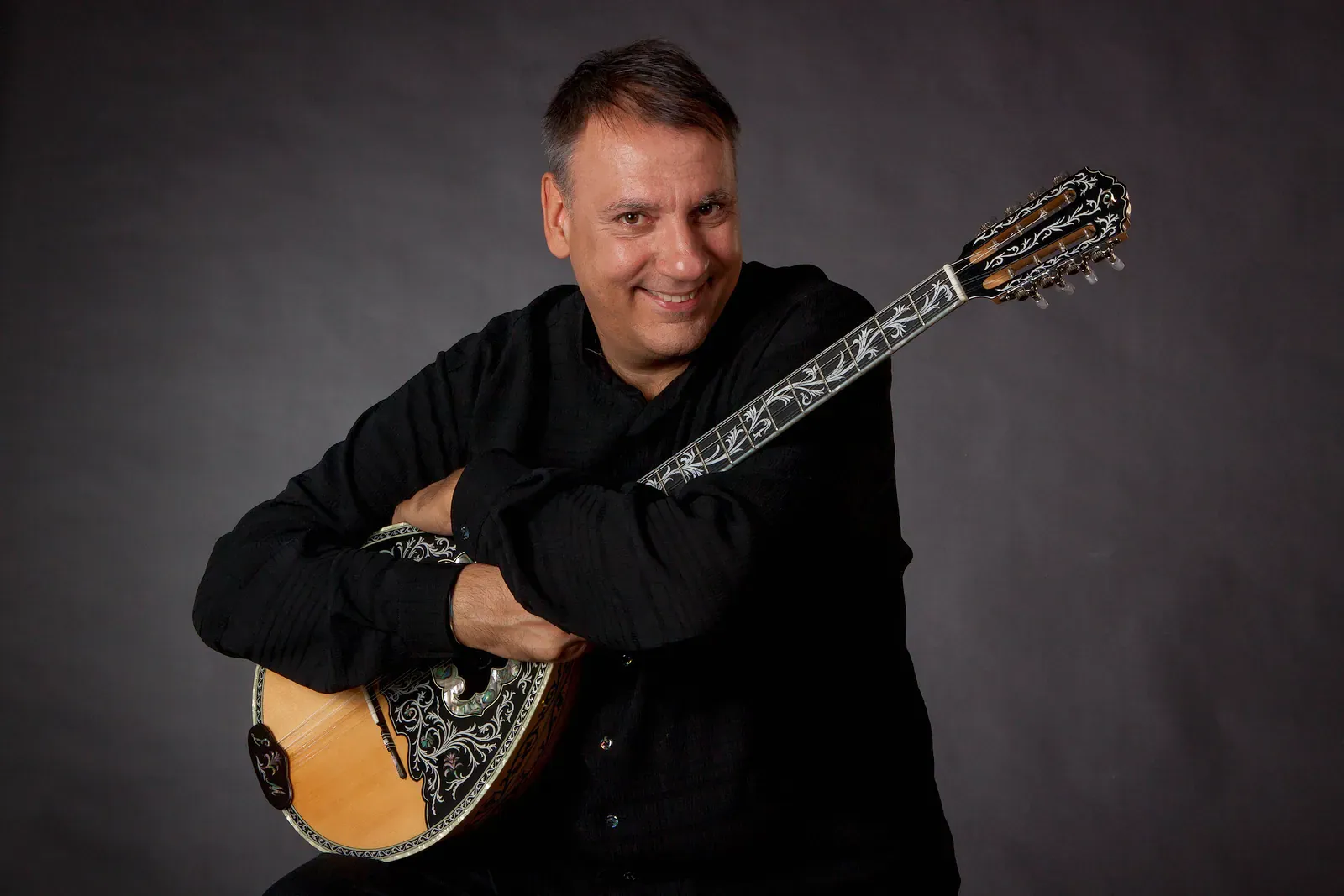
From the middle of the 1930s the core was the bouzouki, the baglamas and the guitar. The baglamas is a small relative of the bouzouki that was portable, easy to make in prison and easy to hide from police. A distinctive percussive sound came from drawing worry beads against a fluted glass, a taverna trick that studios later adopted. Pieces were often opened by a taxim, a free-rhythm instrumental improvisation in the mode.
Mainstream success
Rebetiko reached a wide audience in two waves. In the 1930s Eskenazi and Vamvakaris sold records to Greek communities in Greece and abroad. After the war Tsitsanis and Chiotis took the sound to the general public as laiko. The pre-war style then faded, and its return from 1960 came through laiko singers, composers such as Mikis Theodorakis and Hatzidakis who hired bouzouki virtuosi, and the reissue boom of the 1970s.
Notable recordings
Vamvakaris recorded Frangosyriani in the 1930s, a love song that became a standard. Tsitsanis wrote Synnefiasmeni Kyriaki in Thessaloniki during the occupation, a song of grief regarded as a kind of unofficial anthem; sources date it to 1942, 1943 or 1944. Dalaras’s 1975 double LP is the best known revival record.
Culture
Rebetiko belongs to the figure of the mangas, a working-class man of the urban underworld who wore a woolen cap, a jacket over one sleeve, a tight belt that served as a knife case, striped trousers and pointed shoes. The zeibekiko, a slow solo dance traditionally danced by men, has become a Panhellenic dance beyond rebetiko circles.
Legacy
Rebetiko was the basis of laiko, and its dances still fill Greek taverns. Writers such as Elias Petropoulos began to study it in the 1960s. The recorded repertoire reached the public through the Greek arms of major companies such as Columbia and EMI.
Misconceptions
Rebetiko is often called Greek blues. It shares an urban, marginal origin with the blues, flamenco, fado and tango, but its modes come from the makam system and its rhythms from Greek and Anatolian dances. Another belief is that it is purely a music of drugs, yet songs about hashish form only a subset. A third is that the bouzouki always defined it: the instrument was known from at least 1835, but the earlier Smyrna style relied on oud, lyra and cimbalom.
Frequently asked questions
What does rebetiko mean?
Rebetiko is the term for the urban Greek song of the poor from the late nineteenth century to the 1950s. It covers earlier disparate styles that fused in the 1930s into a single genre.
Who is the most important rebetiko musician?
Markos Vamvakaris is called the patriarch of rebetiko for creating the Piraeus bouzouki sound in the 1930s. Vasilis Tsitsanis is the other central figure, whose compositions of the 1940s set the ground for laiko.
What is the difference between rebetiko and laiko?
Laiko became the broad term for Greek popular song with bouzouki from the 1950s. Rebetiko is the older urban repertoire that fed it, and the two overlap.
Which dances go with rebetiko?
The three core dances are the zeibekiko in 9/8, the hasapiko in 4/4 and the tsifteteli, a lively dance for women.
Sound
Sound sheet
Anatomy of a track
| # | Part | Bars |
|---|---|---|
| 1 | Taxim (instrumental improvisation) | 8 |
| 2 | Verse and instrumental answer | 8 |
| 3 | Verse and instrumental answer | 8 |
| 4 | Closing instrumental phrase | 4 |
Signature sounds
- Bouzouki lead with baglamas and guitar
- Zeibekiko 9/8 or hasapiko 4/4 dance rhythm
- Melody in a makam-derived dromos such as hijaz or ussak
- Hoarse, unforced voice with a short refrain-free song form
Techniques
- Taxim
- Parallel thirds and sixths
- Zeibekiko and hasapiko rhythms
- Komboloi on glass
Keys and modes
Hijaz (Phrygian dominant). One of several makam-derived modes; rast, ussak, saba and nahawand also appear.
Tuning
Three-course bouzouki in equal temperament; melodies follow makam-derived dromoi.
Vocals
Quiet, hoarse, unforced singing, one verse after another, often with no refrain.
Scenes
Where it happened
Where and when the sound lived: one bar per city on a shared timeline.
Asia
Europe
North America
Active scenes
Peak 4, 1930-2025
Multinational port whose Greek musicians blended Eastern and Italian-influenced styles before 1922.
Refugee port where Vamvakaris and his circle built the bouzouki-based Piraeus style.
Refugee city where Tsitsanis worked and wrote songs during the occupation.
Home of the studios, A&R men and record companies that shaped recorded rebetiko.
Greek-American studios recorded early bouzouki discs and bolder lyrics than Greek censors allowed.
Culture
Culture markers
- Mangas dress
Woolen cap, jacket worn over one sleeve, tight belt, striped trousers and pointed shoes marked the mangas.
Fashion - Hashish den
Tekedes with hookahs were the early meeting places of rebetes, shut by the Metaxas regime.
Ritual - Zeibekiko
Slow solo dance in 9/8 traditionally danced by men, a core rebetiko rhythm.
Dance - Worry beads and fluted glass
Komboloi drawn against a drinking glass made a rhythmic sound that studios later adopted.
Artwork
Media
Key media
- 2001I Like Hearts Like Mine
by Georgia Chrysikou. Documentary on the life and times of Markos Vamvakaris.
Film - 2011My Sweet Canary
by Roy Sher. Documentary on Roza Eskenazi that premiered at the Thessaloniki Documentary Festival.
Film
Glossary
Terms on this page
An improvised lament in free time sung in a particular dromos.
A melodic mode, "road", named from Turkish makam, that shapes a rebetiko melody.
Rebetiko songs about hashish, musically no different from the rest of the repertoire.
A tough urban working-class man of the period, with a typical dress and walk.
A free-rhythm instrumental improvisation that opens a piece.
A hashish den where early rebetes played and sang.
European folk family