Dimotiko
Dimotiko is the traditional folk song of mainland Greece and the islands, played on clarinet, violin, laouto and lyra, with sharp regional styles.
Greece, Cyprus, around 900
European folk family
Born
around 900
Greece, Cyprus
Subgenres
4
Documented branches
Links
6
Genres it drew on or shaped
Tempo
75-155 BPMLineage
Family tree
Grew out of
Greece, Cyprus
Dimotiko
Led to (5)
Timeline
Era by era
From the first sparks to today. Select a dot to read the story behind it.
- Songs of the villages
900 to 1823
- Collectors and the new state
1824 to 1928
- Shellac, radio and exile
1929 to 1962
- Fieldwork and revival
1963 to 1989
- Archives and masters
1990 to today
Eras
Moments
- 1 Songs of the villages, 900 to 1823
- 2 Collectors and the new state, 1824 to 1928
- 3 Shellac, radio and exile, 1929 to 1962
- 4 Fieldwork and revival, 1963 to 1989
- 5 Archives and masters, 1990 to today
around 900
Songs of the villages
Akritic ballads, klephtic songs, laments and seasonal songs pass by ear from Byzantine times, sung to natural modal scales with violin, lute and pipe.
1824
Collectors and the new state
Fauriel (1824) and Passow (1860) print the texts; the clarinet joins village bands in the first half of the 1800s; the songs become national symbols.
- 1824Fauriel prints Greek folk songsClaude Fauriel publishes the first major Western collection of Greek popular songs.
- 1860Passow's folk-song collectionArnold Passow's systematic compilation fixes the demotic corpus for scholars.
1929
Shellac, radio and exile
Epirote clarinettists record in Athens from 1929, rebetiko and laiko take the cities, state radio broadcasts regional songs and bands emigrate to the US.
- 1929Kitsos Harisiadis starts recording in AthensOver 1929-31 the Epirote clarinettist cuts 24 sides on 78 rpm.
- 1930Harisiadis records SkarosThe Epirote clarinet lament is among his earliest sides.
- 1931Phrassa and Physouni recordedCut on 28 May 1931 and issued on Gramophone AO-1000.
- 1935EMIAL builds Greece's first studioThe EMI-linked company in Athens becomes the home of recorded music in Greece.
- 1941Samiou begins training with Simon KarasAt 13 she starts the study that makes her the main performer-researcher of the tradition.
- 1953Dora Stratou founds her dance societyThe Philopappou Hill theatre stages regional dances with live musicians in local dress.
- 1954Samiou joins state radioShe becomes a full-time EIR producer and starts broadcasting regional songs.
- 1958Tasos Halkias works in AmericaHe lives in the US and records about 180 songs.
- 1960Petroloukas Halkias emigrates to the USHe spends nearly twenty years there keeping Epirote music alive.
1963
Fieldwork and revival
Domna Samiou records villages from 1963; Mariza Koch's Arabas (1971) sells gold; the Dora Stratou theatre, radio and clubs give regional music a stage.
- 1963Samiou starts recording village singersIndependent trips begin the tape archive that reaches 800+ hours.
- 1971Arabas becomes Greece's first gold recordMariza Koch mixes traditional songs with electronic sound.
- 1976Panagia mou Panagia mou at EurovisionKoch's protest song about Cyprus finishes 13th of 18 amid security warnings.
- 1976Samiou's Musical Travelogue on TVTwenty television episodes of regional songs are produced in 1976-77.
- 1980Thracian Spot opens in AthensKaryofyllis Doitsidis runs a venue devoted to Thracian music until 1994.
- 1981Domna Samiou Association foundedHer archive and teaching get an institution.
- 1985The Castle of Thrace wins in ParisThe Doitsidis family gets the first Audiovisual Media Award of the French Academy.
1990
Archives and masters
University of Crete CD series (1992), digitised archives and a 2018 shellac reissue document the tradition as the great performers pass away.
- 1990T' aidonia tis AnatolisChronis Aidonidis and Giorgos Dalaras bring Thracian song to a mass audience.
- 1992University of Crete starts the CD seriesGreek Traditional Music 3, Tunes and Songs of Macedonia, is among the first volumes.
- 2004Aidonidis at the Athens OlympicsHe sings at the Games.
- 2014Samiou archive digitisedWork through 2016 saves 320 film reels, about 1,000 cassettes and 100 reel-to-reel tapes.
- 2018Third Man reissues Kitsos HarisiadisLament in a Deep Style 1929-1931 collects 14 pieces from original 78s.
- 2025Petroloukas Halkias diesThe Epirote clarinet master dies at 90.
Listening path
Anthems
The records that built the sound, grouped by the part they played. Thumbnails come from YouTube; the player loads only when you press play.
- 01
Kitsos Harisiadis, 1930
Origin: an Epirote shepherd-pipe tune put on clarinet for Columbia in Athens, among the first dimotika records.
Start hereOrigin - 02
Kitsos Harisiadis, 1931 · The Gramophone Company
Origin: a clarinet solo cut in Athens on 28 May 1931, the same session as the tsamiko Phrassa.
Origin - 03
Mariza Koch, 1971 · Minos EMI
Breakthrough: a traditional song with electric arrangements on Arabas, the first gold record in Greece.
Start hereBreakthrough - 04
Giorgos Papasideris, 1934
Anthem: a 1934 shellac record by the Salamis singer who recorded folk songs on 78s for decades.
Anthem - 05
Karyofyllis Doitsidis, 1985
Anthem: a track by the Thracian family trio, from the album that won a French audiovisual award in 1985.
Anthem - 06
Domna Samiou, 1995
Anthem: a track from her 1995 album, in the plain voice of the field-recording tradition, easy to follow for new listeners.
Start hereAnthem - 07
Mariza Koch, 1976 · Minos EMI
Crossover: Greece's Eurovision 1976 entry, a folk-tinged protest song about Cyprus that placed 13th of 18.
Crossover - 08
Petroloukas Halkias, 2012
Revival: a 7/8 kalamatianos on the 2012 Balkan Clarinets release, the Epirote clarinet reaching new listeners.
Revival - 09
Petroloukas Halkias, 2019
Revival: an old Zagori tune from The Soul of Epirus, a late-career album by the last great Epirote clarinettist.
Revival
Facts
| Family | European folk |
| Origin | Greece, Cyprus |
| Emerged | Traced to Byzantine times |
| Status | Active |
| Tempo | 75 to 155 BPM |
| Meter | 7/8 (kalamatianos), 3/4 (tsamiko), 2/4 and 4/4 (syrtos), free time for laments |
| Subgenres | 4 |
Dimotiko (“of the people”) is the traditional folk song of mainland Greece and the islands, passed on by ear since at least Byzantine times and played on clarinet, violin, laouto and lyra.
It predates rebetiko and laiko, belongs to villages rather than cities, and differs sharply from region to region. Its songs deal with love, war, exile, death and the seasons.
Origins
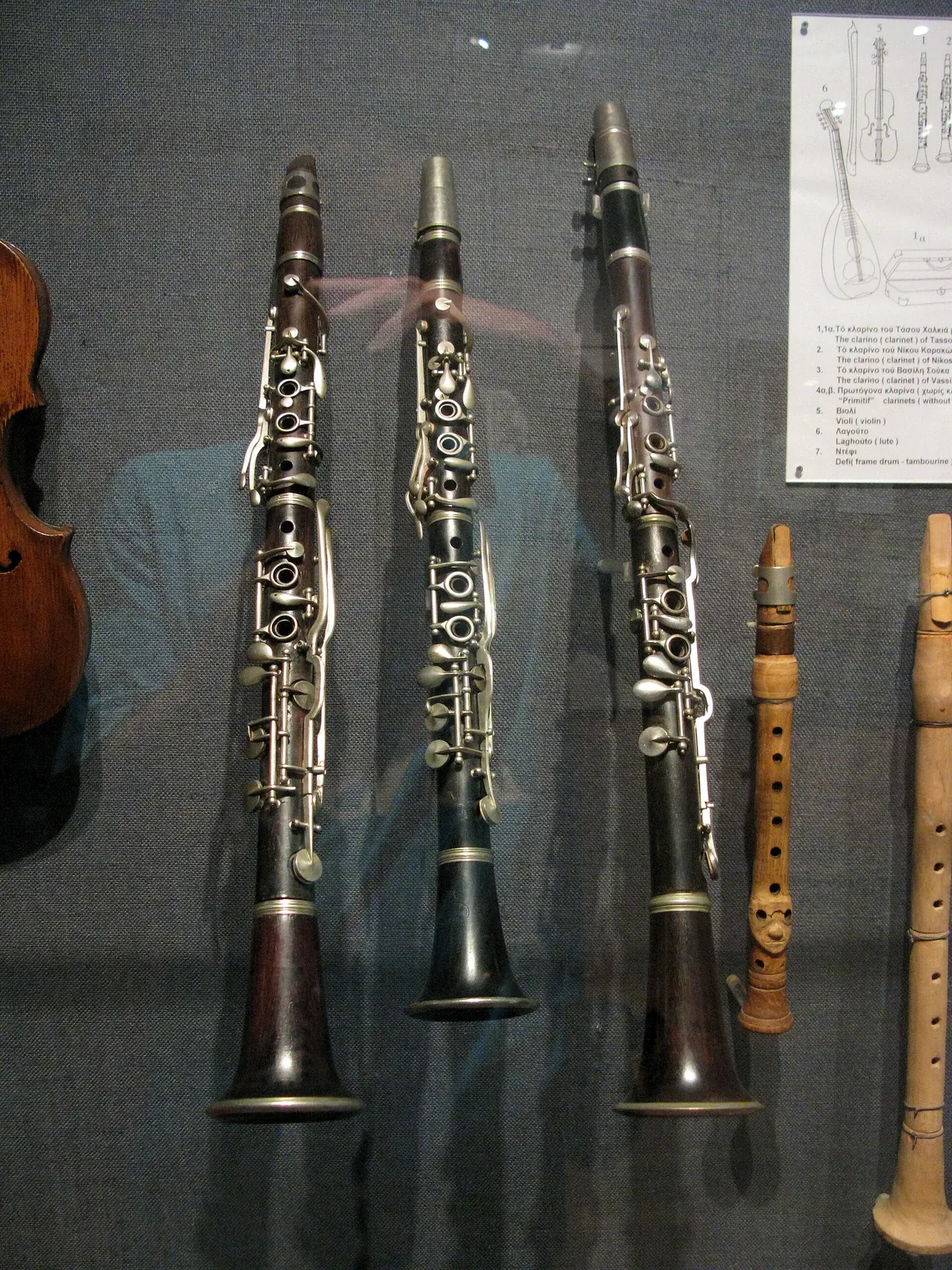
The oldest layer is oral. Akritic ballads about Byzantine frontier warriors, klephtic songs about mountain outlaws who fought Ottoman rule, laments and seasonal songs were sung unaccompanied or with a violin, lute or shepherd’s pipe, in natural modal scales rather than tempered tuning. Verse lines run to fifteen syllables, and the same tune carries many texts. The dimotiko tragoudi is an anonymous song of the people, with no composer attached.
Collectors and the new state, 1824-1928
Printed collections turned village songs into national property. Claude Fauriel published the first major Western anthology of Greek popular songs in 1824, and Arnold Passow’s compilation of 1860 fixed the corpus for scholars. As the new Greek state looked for its own roots, klephtic songs became symbols of the 1821 revolution. In the same decades the clarinet entered village bands and slowly displaced older pipes as the lead voice.
Shellac, radio and exile, 1929-1962
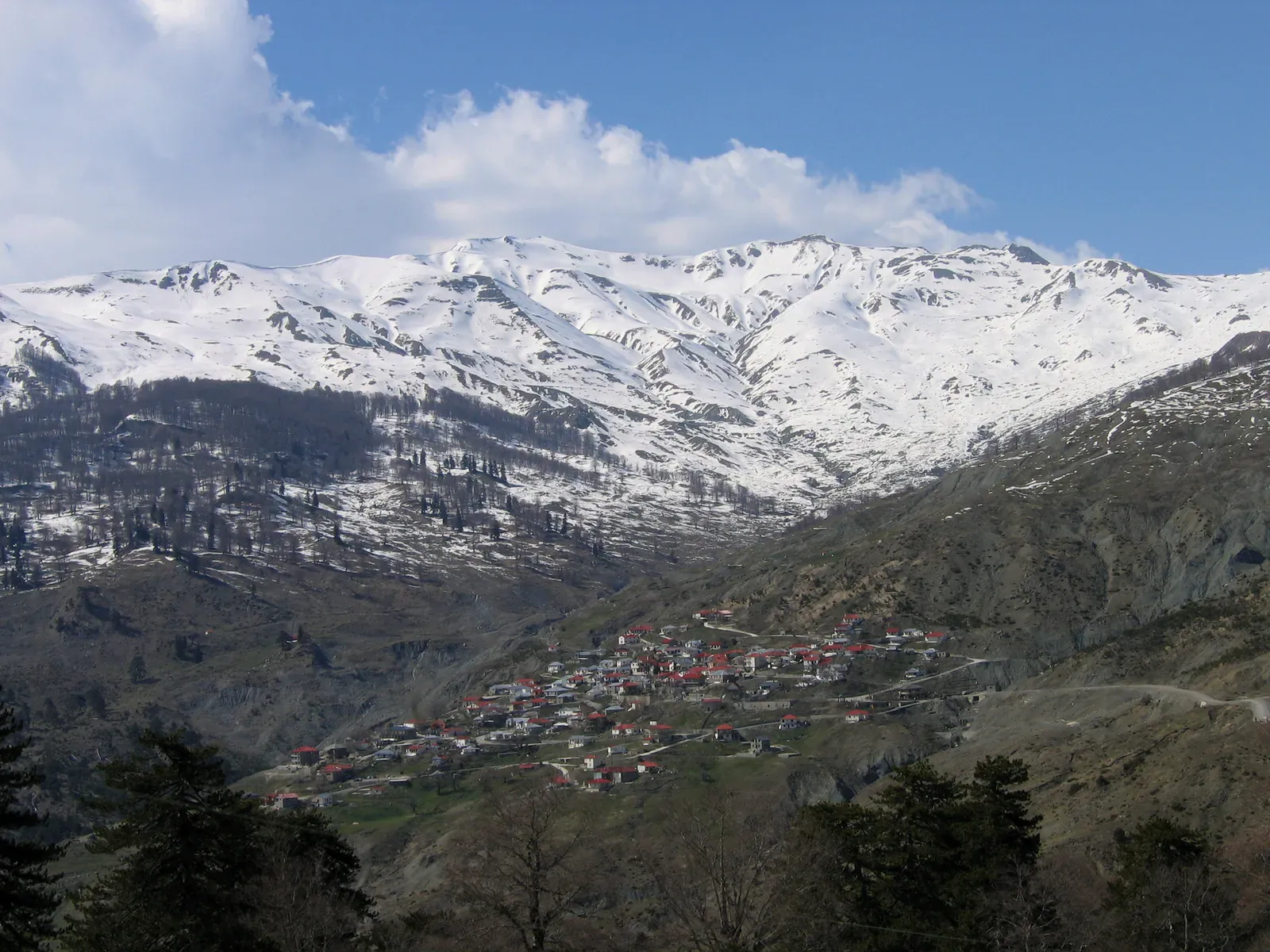
Recording arrived in 1929 for the Epirote Roma clarinettist Kitsos Harisiadis, who cut 24 sides in Athens over 1929-31. His free-time “Skaros” set the pattern for Epirote clarinet solos: a shepherd’s pipe tune turned into a long, ornamented lament. “Fyssouni” and the tsamiko “Phrassa” followed on 28 May 1931 for the Gramophone Company, in the year EMIAL, the firm that became Minos EMI, began pressing records in Greece. The singer Giorgos Papasideris, from Salamis, recorded folk songs on 78s for decades, including “Natan ta niata dyo fores” in 1934.
The cities meanwhile belonged to rebetiko and laiko. State radio (EIR) broadcast regional songs, Dora Stratou founded her dance society in 1953 and staged village dances with live musicians in local dress, and Domna Samiou joined the radio as a producer in 1954 after training under the musicologist Simon Karas from 1941. Emigration drew players abroad: Tasos Halkias lived in the United States from 1958 and recorded about 180 songs, and Petroloukas Halkias of the same band family spent nearly twenty years there from 1960, keeping Epirote music alive for Greek-American audiences.
Fieldwork and revival, 1963-1989
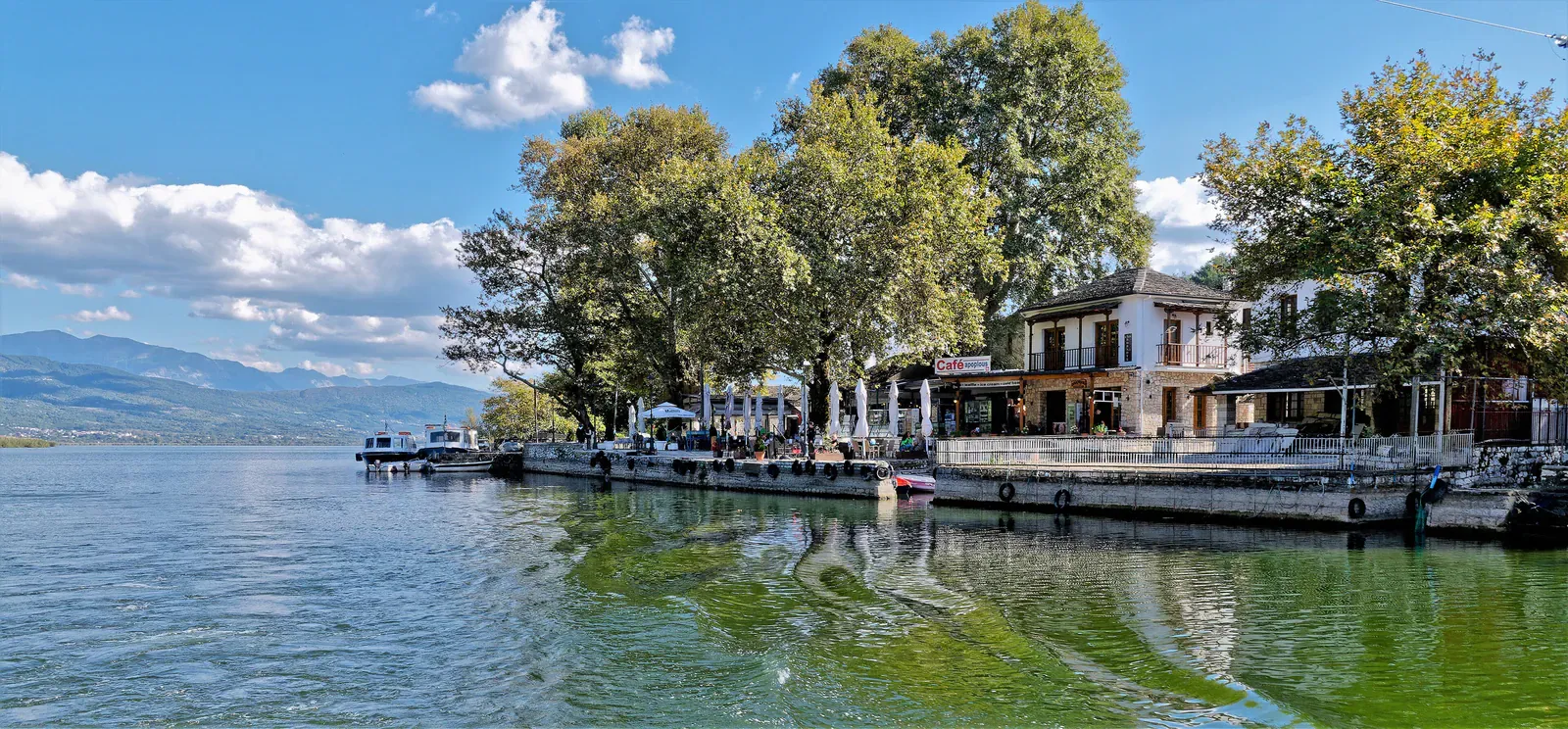
From 1963 Samiou made her own recording trips to villages, building a tape archive that passed 800 hours. A 1976 television series, Musical Travelogue, ran to twenty episodes of regional song, and the Domna Samiou Association gave the archive an institution in 1981. In popular music the break came earlier: Mariza Koch’s 1971 album Arabas set traditional songs over modern arrangements and became the first gold record in Greece. Karyofyllis Doitsidis, a Thracian oud player and singer, played oud on Samiou’s 1974 LP “Farewell Holy One”, ran the Thracian Spot club in Athens from 1980 to 1994, and in 1985 his family trio won the first Audiovisual Media Award of the French Academy for “The Castle of Thrace”.
Archives and masters, 1990 to present
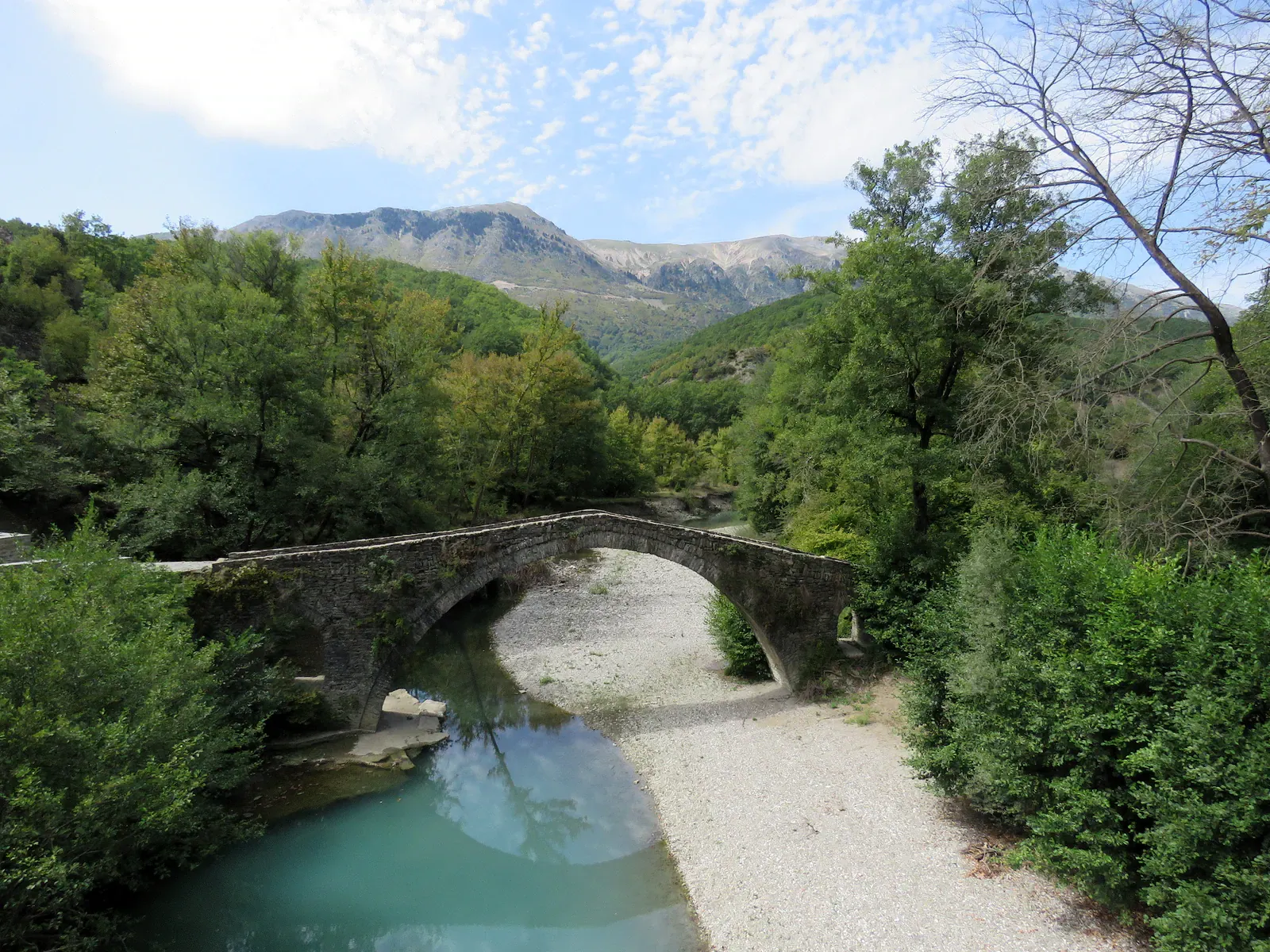
A new phase began with documentation. Chronis Aidonidis and Giorgos Dalaras brought Thracian song to a mass audience with “T’ aidonia tis Anatolis” (1990, Minos EMI). In 1992 the University of Crete began a CD and book series with regional notes and tablature, and Xanthippi Karathanasi’s volume on Macedonia was among the first. Samiou’s archive, 320 film reels, about 1,000 cassettes and 100 reel-to-reel tapes, was digitised between 2014 and 2016. Third Man Records reissued 14 of Harisiadis’s recordings from the original 78s as “Lament in a Deep Style 1929-1931” in 2018. The older generation is passing: Doitsidis and Aidonidis died in 2023, Petroloukas Halkias in 2025 at the age of 90.
Characteristics
Dimotiko is regional by nature. Epirus favors pentatonic melodies, free-time clarinet laments and polyphonic singing over a drone in the Pogoni area. Macedonia and Thrace lean on loud outdoor instruments and drums. Crete and the Aegean islands put the violin and the lyra in front. Because the style belongs to a place, a listener can often name the region from a few bars.
Form follows the dance. A piece usually opens with a free-time introduction on clarinet or violin, moves to a sung verse over a dance rhythm, gives the lead instrument a solo with a reply from the ensemble, and ends on a faster closing dance. Trills and glissandi between notes mark the clarinet style. The kalamatianos, a circle dance in 7/8 divided 3+2+2, is the best known; the tsamiko, a slow men’s dance in 3/4, comes from the klephtic songs; laments and skaros pieces have no steady beat at all.
Instruments and production
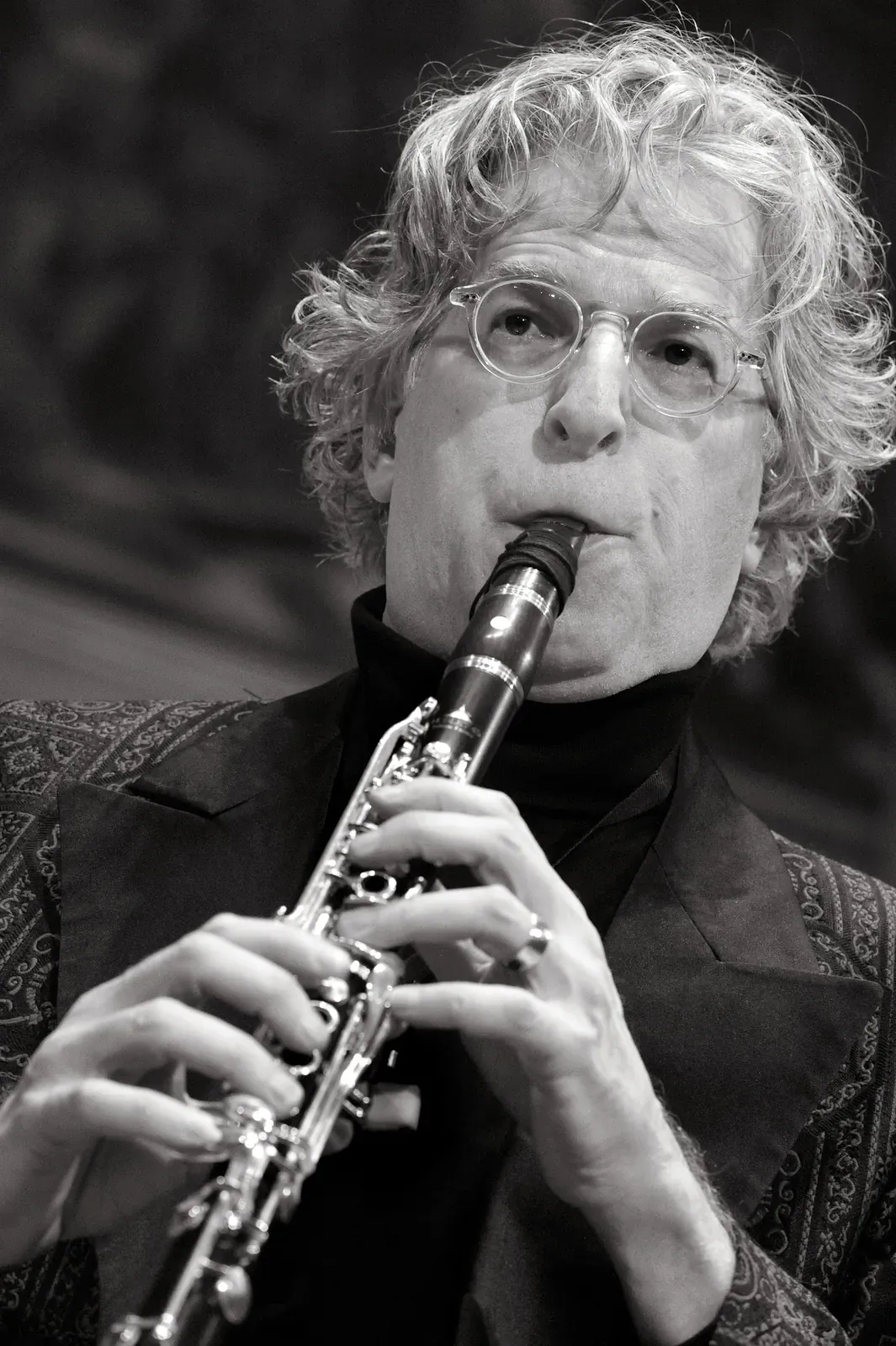
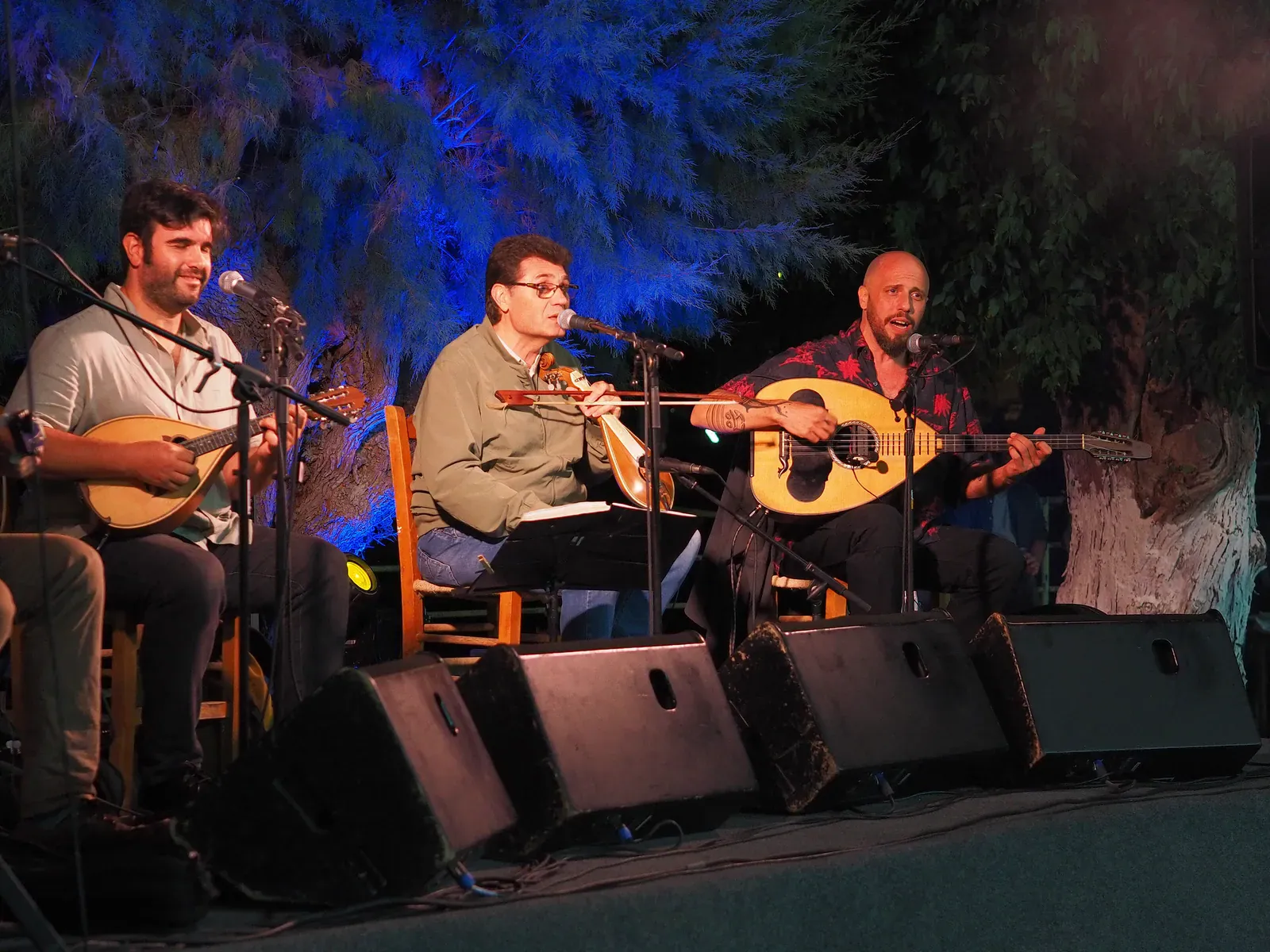
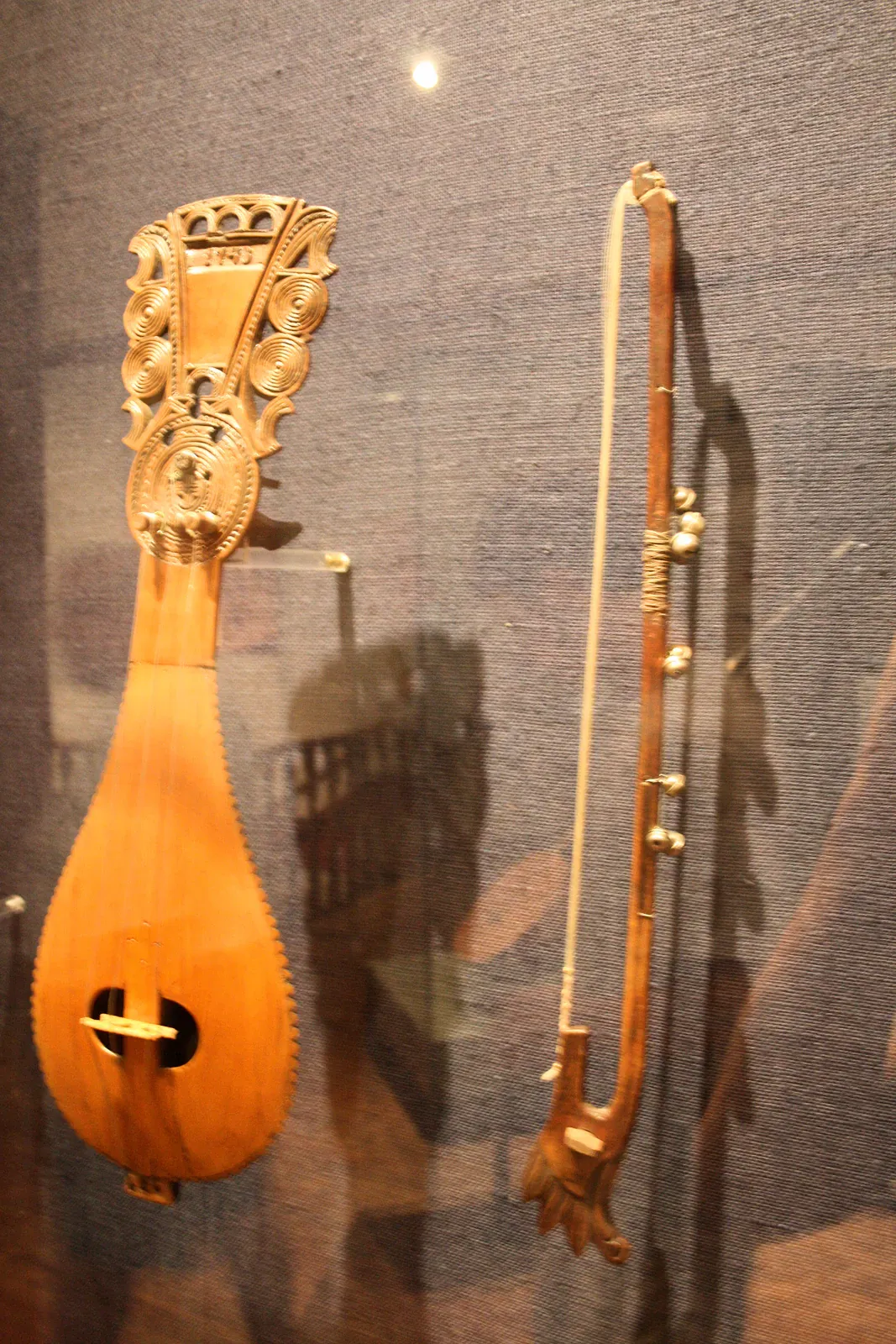
The lead is a single voice: clarinet in Epirus and on the mainland, violin in many island and mainland traditions, the upright lyra in Crete and the Aegean. Under it the four-course laouto supplies rhythm and bass, and the santouri, a hammered dulcimer, fills out village ensembles. Macedonia and Thrace add the zourna, a double-reed oboe, with the large daouli drum, and the bagpipe called gaida is a Thracian voice. These are acoustic ensembles built for dancing outdoors, and the sound is shaped by the players’ ornament more than by arrangement.
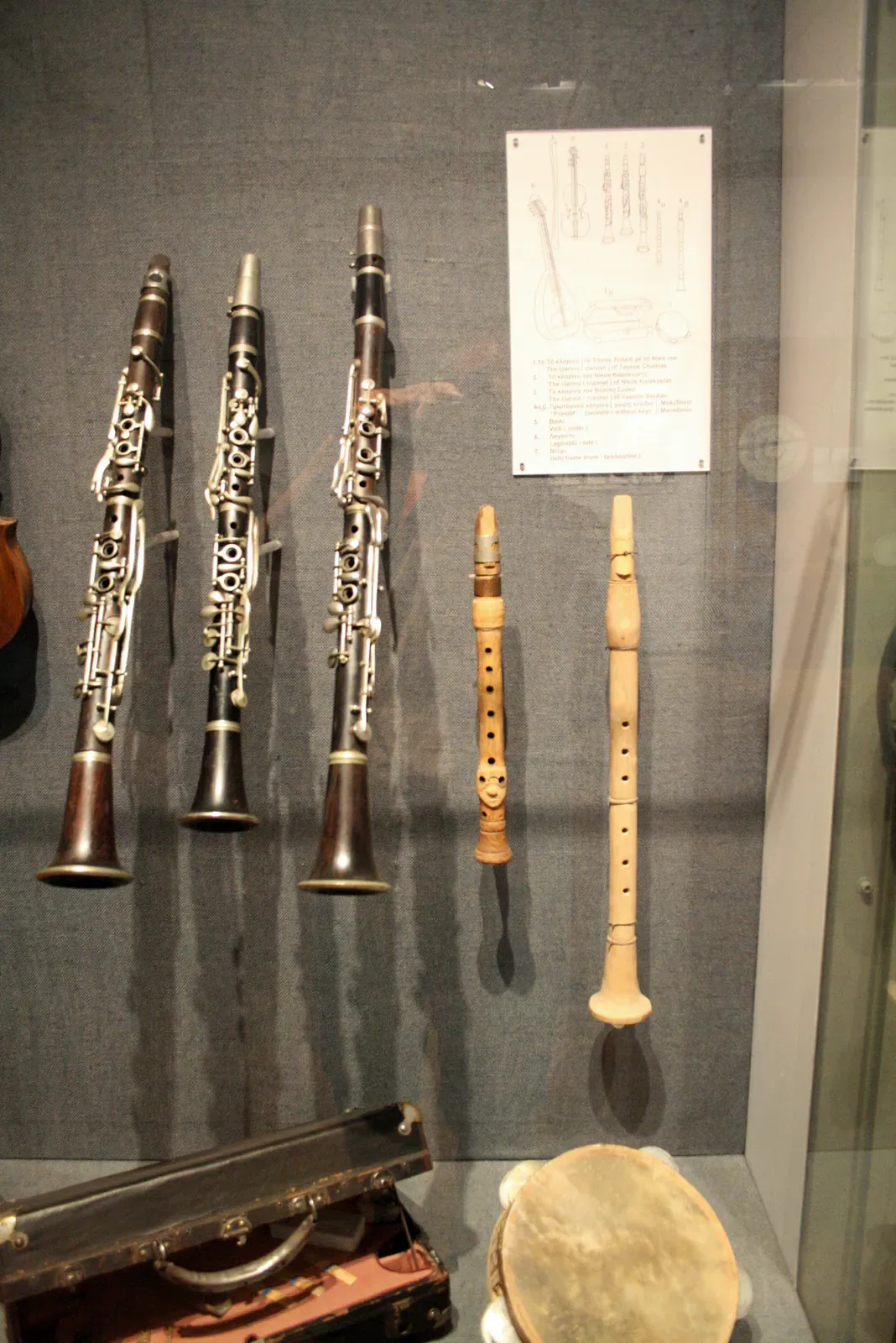
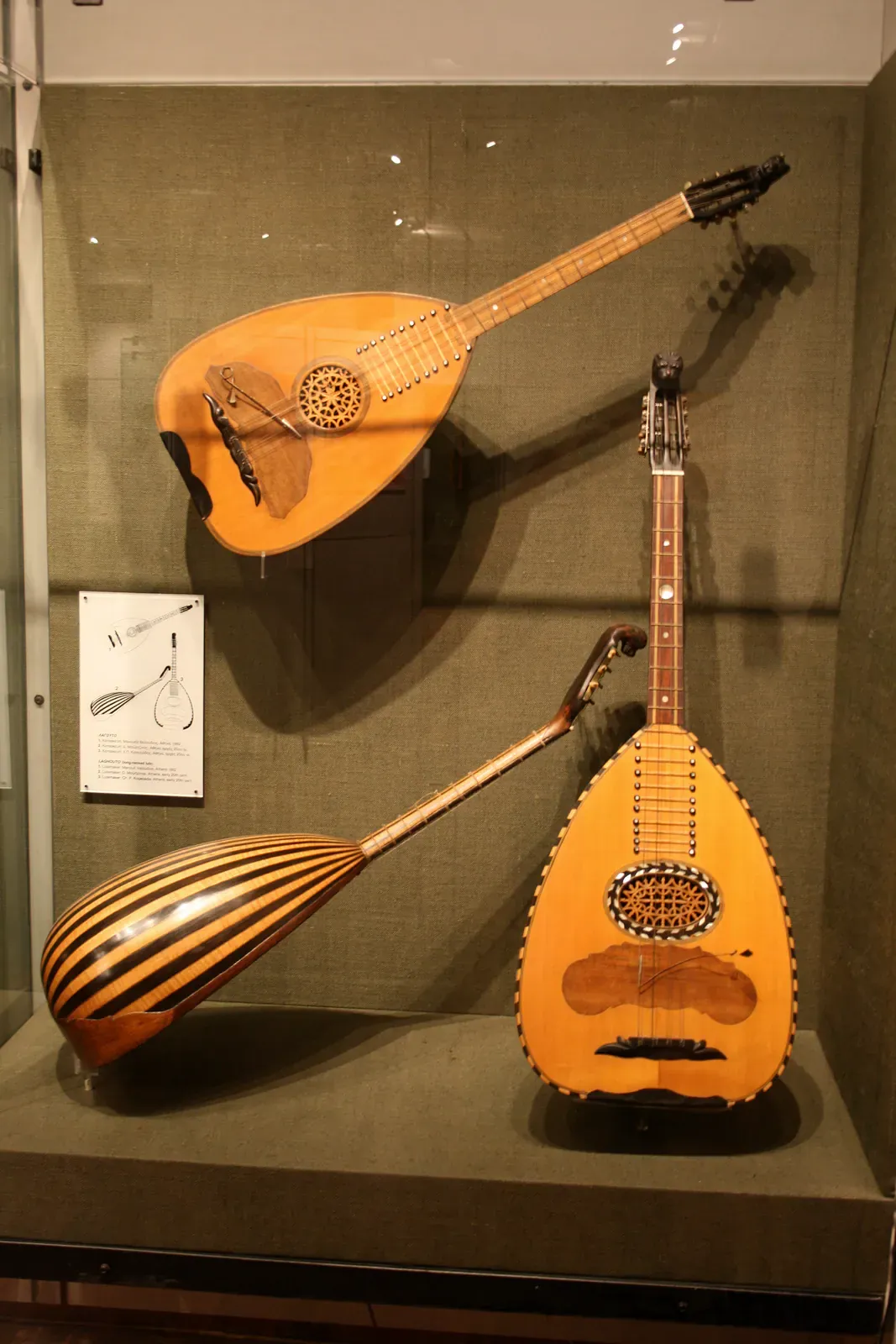
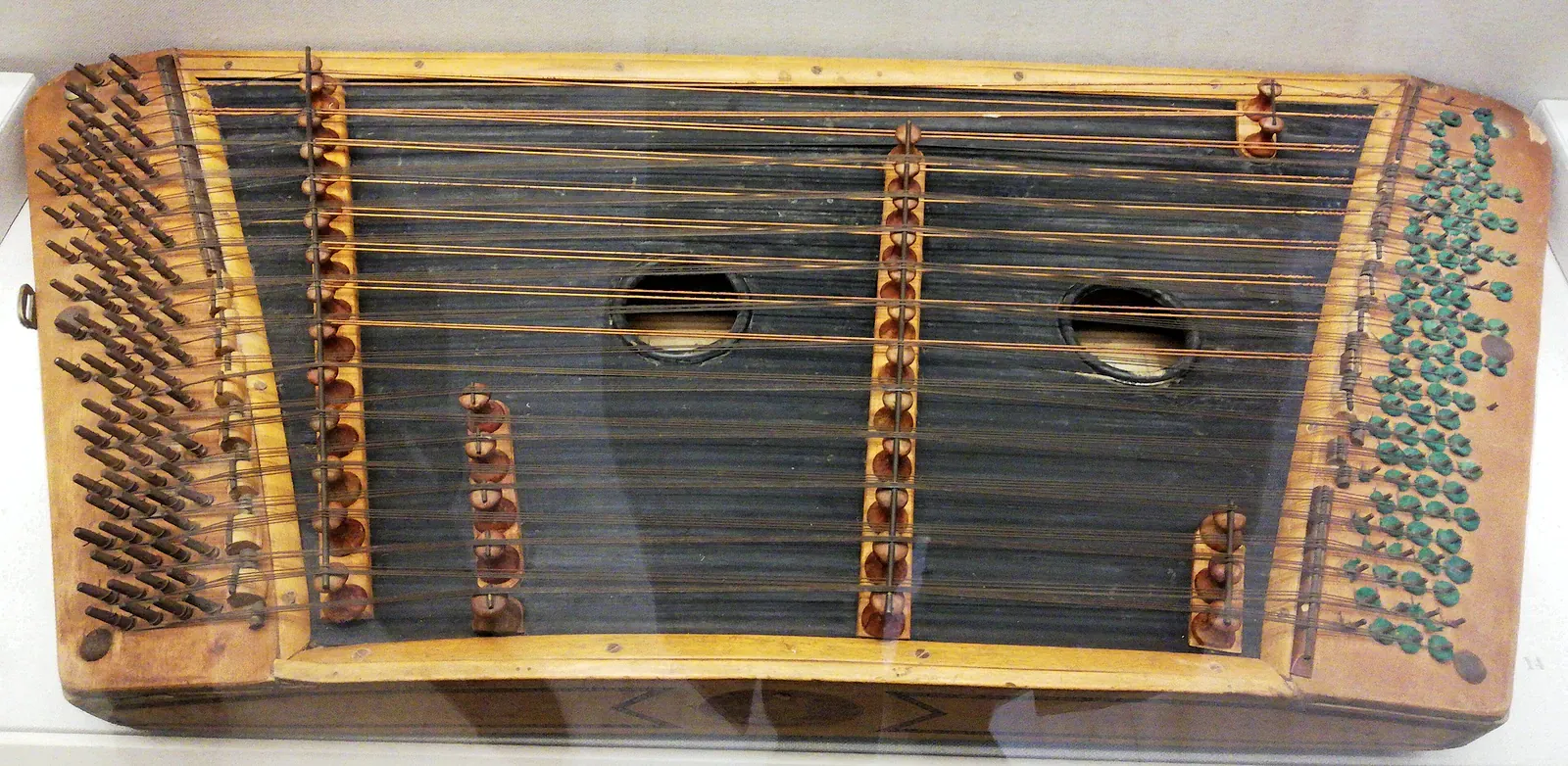
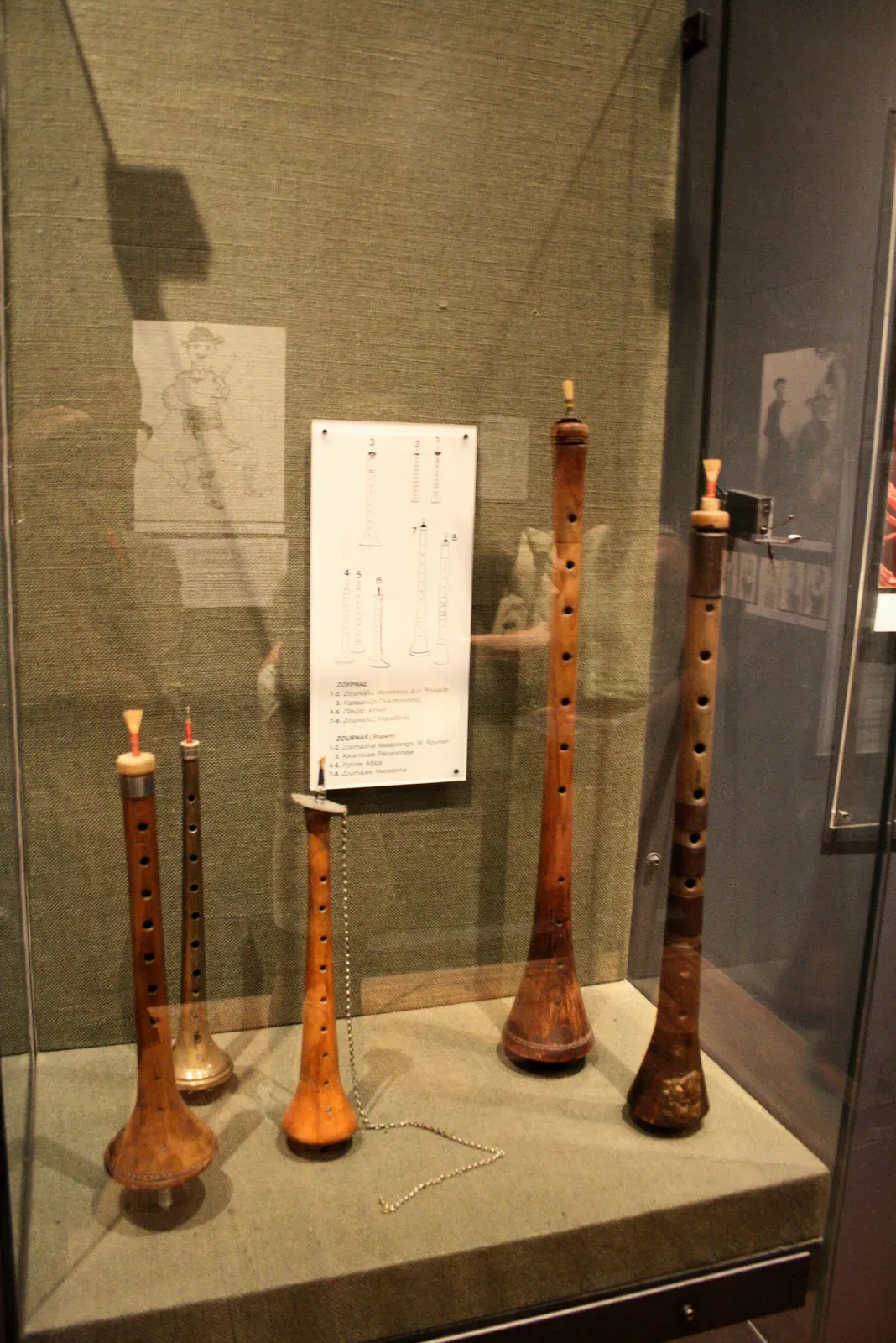
Studio production played little part for most of the music’s history: the sources are 78 rpm sides from the 1930s and field tapes that kept voices as they were sung. Electric arrangements of folk songs came with Mariza Koch in 1971.
Mainstream success
Dimotiko never lived on the pop charts, and its crossovers are few and well documented. Arabas (1971) became the first gold record in Greece. Koch then represented Greece at Eurovision in 1976 with “Panagia mou Panagia mou”, a folk-tinged protest song about Cyprus that placed 13th of 18 amid security warnings. In 1990 Aidonidis with Dalaras reached listeners far outside folk circles, and Aidonidis later sang at the 2004 Athens Olympics. Elsewhere the music spread through radio, festivals and the diaspora, and in 2018 through a reissue aimed at collectors of early records.
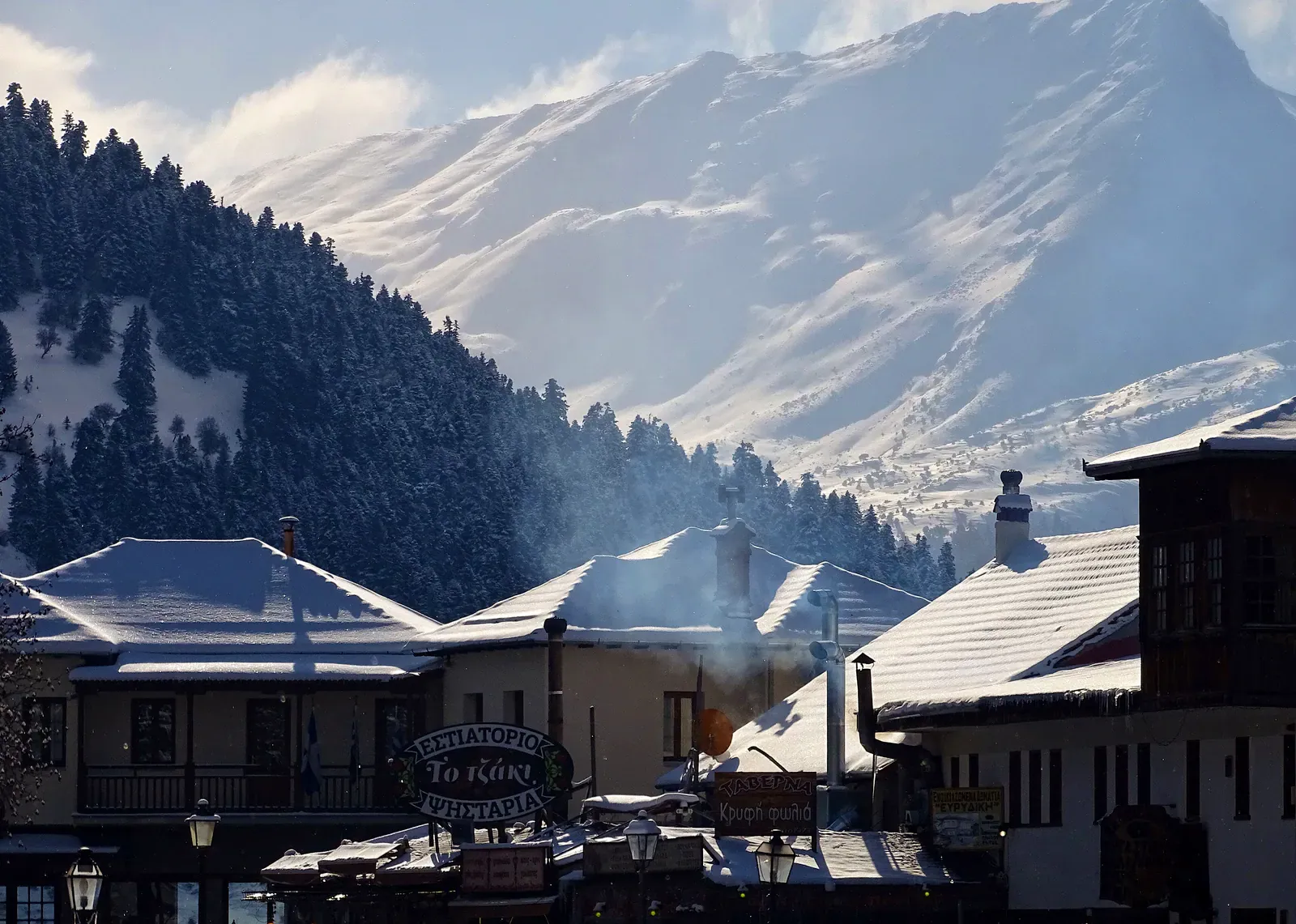
Notable recordings
“Skaros” (1930) is the origin point on record: a free-time clarinet piece that sounds like a shepherd’s call and shows how far the clarinet could stretch a single melody. “Arabas Perna” (1971) is the breakthrough, a traditional song carried by an electric band. “To Kastro tis Thrakias” (1985) represents the family style of Thrace, and Samiou’s “Kaneloriza” (1995) shows the plain voice of the field-recording school. The 2012 Balkan Clarinets release by Petroloukas Halkias and his 2019 album The Soul of Epirus, with the old Zagori tune “Palio Zagorisio”, show the Epirote clarinet still recording in old age.
Culture
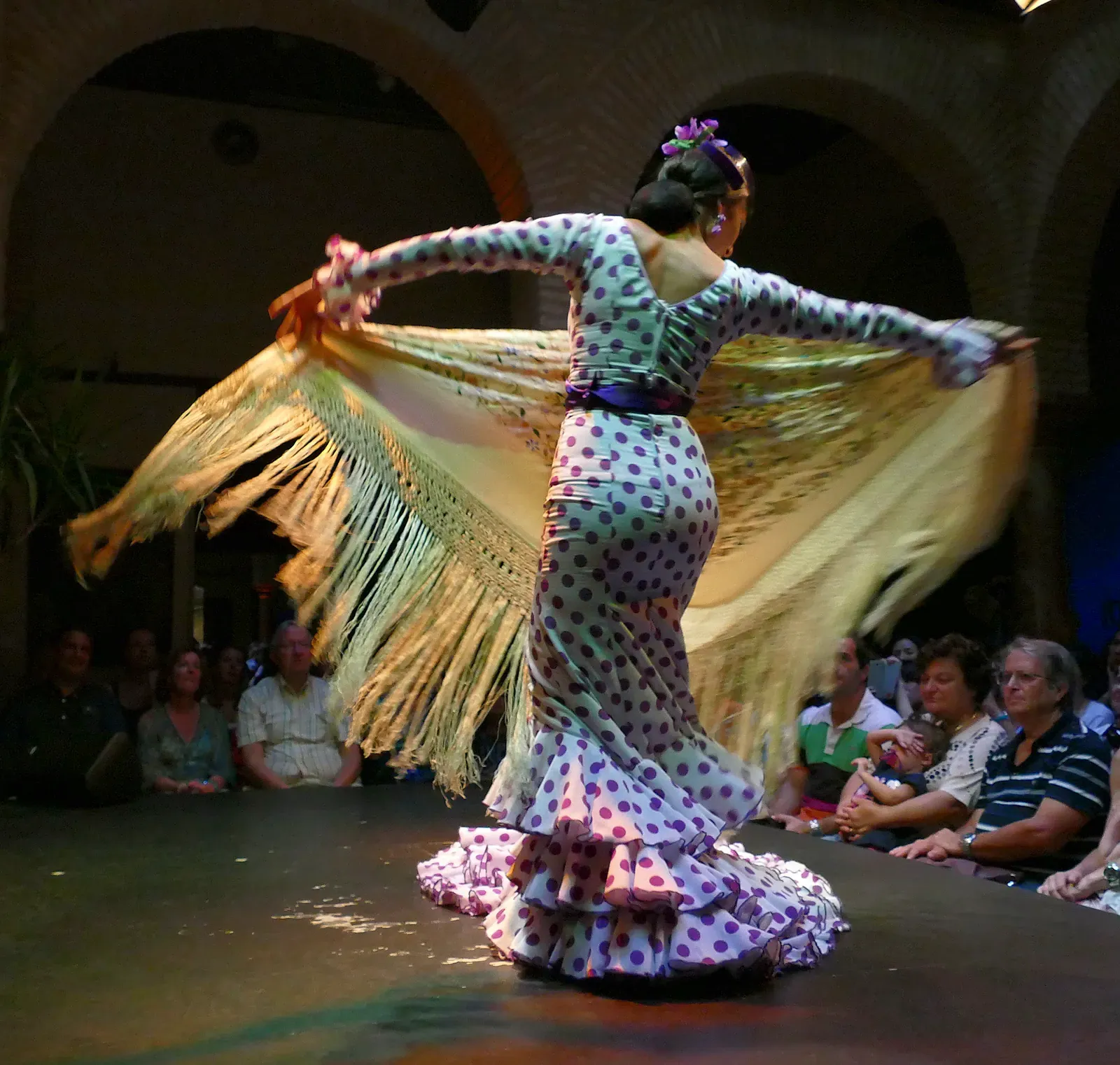
The setting is the panigiri, the saint’s-day village festival where a band plays through the night and the dancers form a chain around a leader holding a handkerchief. Costume is part of it: the pleated fustanella is sometimes worn for the tsamiko. Funeral laments (miroloia) survive in Epirus as sung texts and as instrumental pieces, and carnival and Easter songs fill the seasonal calendar that Samiou collected on her albums of 1994 and 1998. In postwar Athens the Dora Stratou Theatre, the radio and clubs like the Thracian Spot gave village music a stage, while Greek communities in the United States kept the clarinet tradition going far from home. Like flamenco, another regional music bound to dance and place, or the clarinet-led klezmer, it is a folk music tied to ritual occasions.
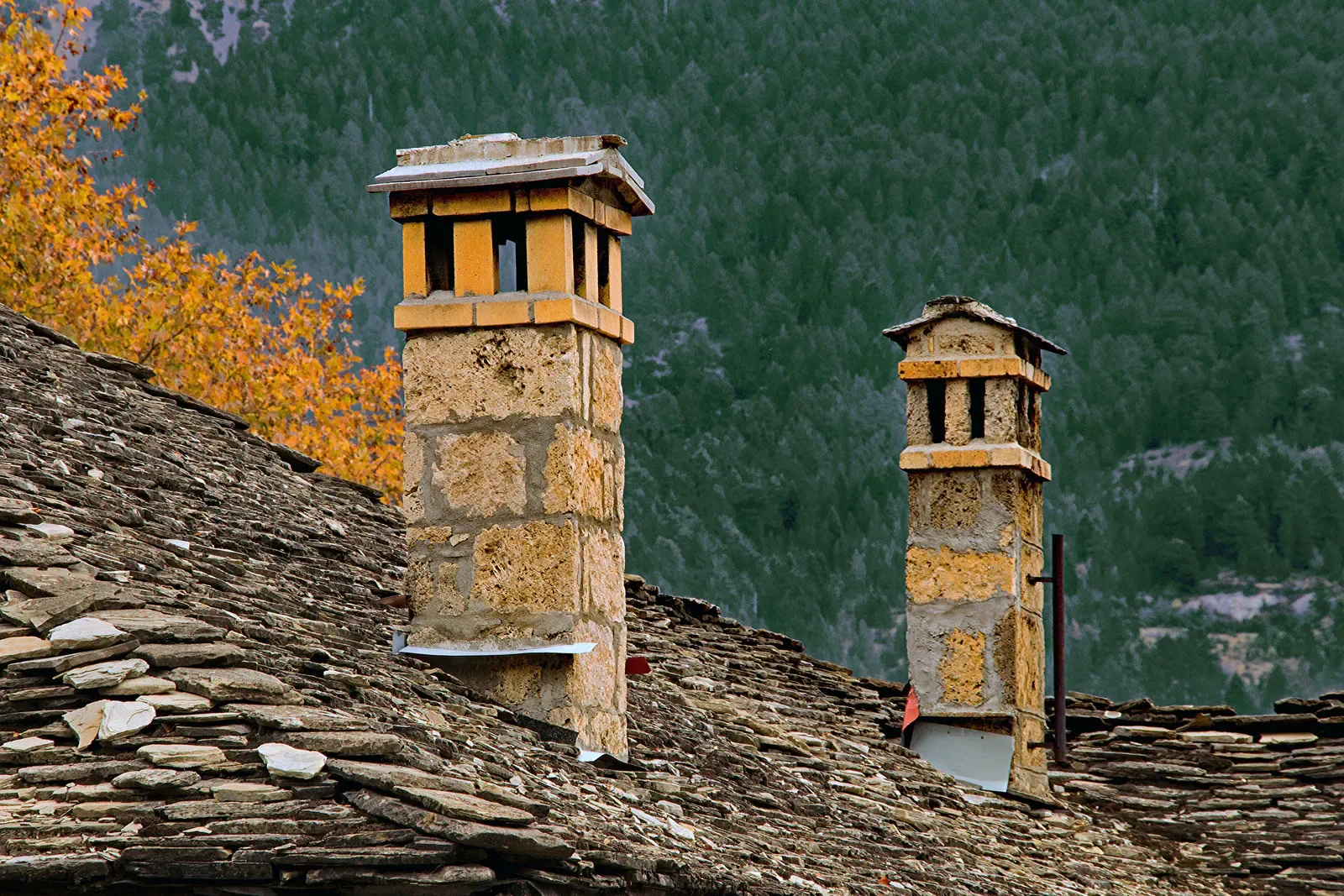
Legacy
Dimotiko is an archive as much as a living style. The University of Crete series, the Samiou archive and reissues such as the 2018 Harisiadis album document techniques that earlier generations learned by ear. The music sits in the European folk family, and its regional children include Cretan music, the music of the Ionian Islands, nisiotika and Pontic Greek music.
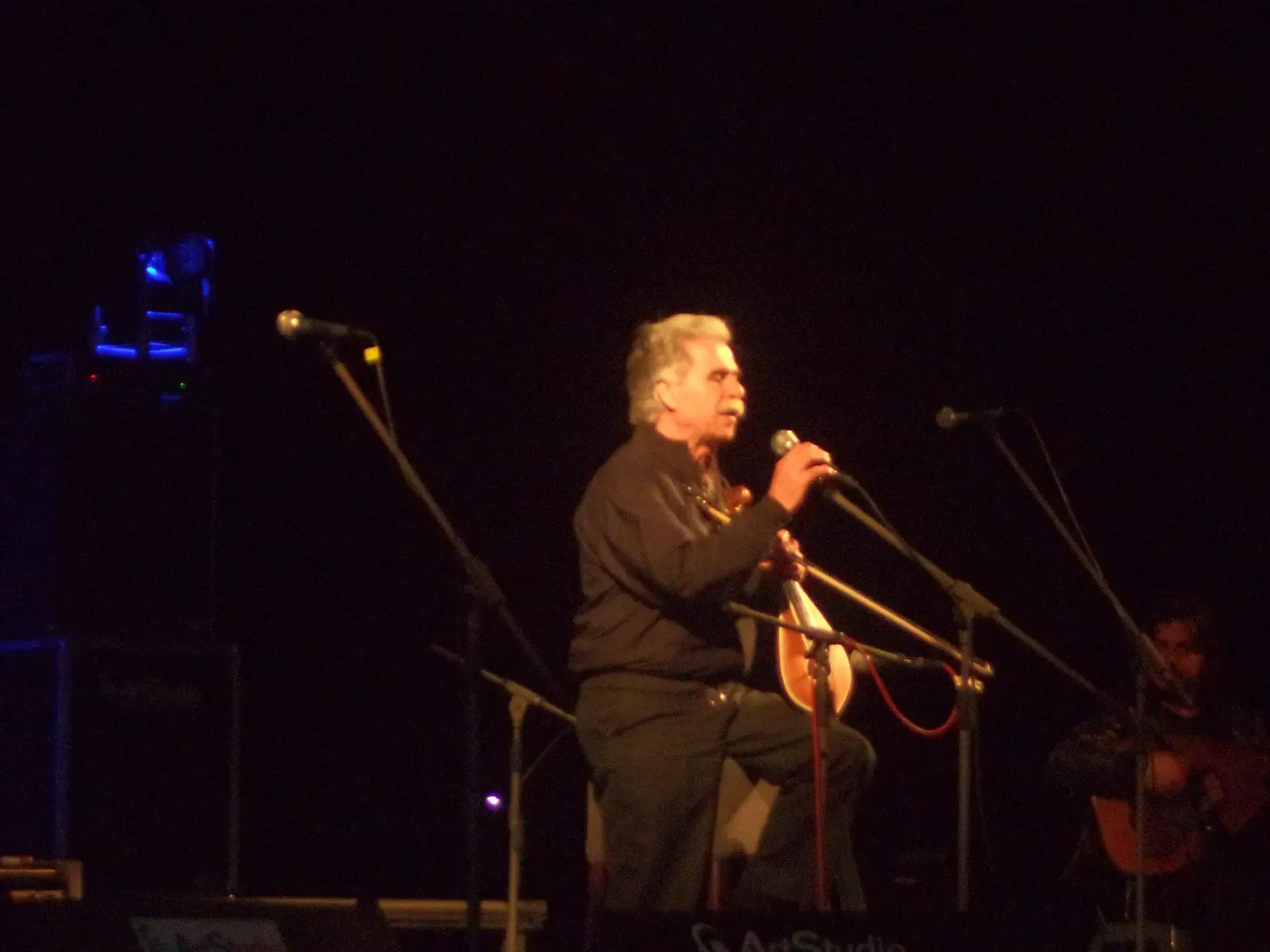
Misconceptions
Dimotiko is not rebetiko. Rebetiko and laiko grew in the port cities and are built around the bouzouki, while dimotiko is rural, older and led by clarinet, violin or lyra.
The clarinet is not ancient. It entered village ensembles in the first half of the 1800s and replaced older pipes, though its trills and glides still echo the shepherd’s flute.
Dimotiko is not a single national sound. Epirote pentatonic laments, Thracian songs with the gaida, Macedonian zourna and daouli dances and Cretan lyra tunes are different musics held together by a shared repertoire of dances and a shared name.
Frequently asked questions
What is dimotiko music?
Dimotiko is the traditional folk song of mainland Greece and the islands, sung and played by ear since Byzantine times. It is built on regional modal scales and dance rhythms and led by clarinet, violin or lyra.
Which instruments are used in dimotiko?
The clarinet leads in Epirus and on the mainland, the violin in many islands, and the lyra in Crete. The laouto and santouri accompany, and the zourna, daouli and gaida appear in Macedonia and Thrace.
What is the difference between dimotiko and rebetiko?
Dimotiko is older and rural, tied to village festivals and dances, while rebetiko is an urban style of the port cities built around the bouzouki. Dimotiko songs are anonymous and regional, while rebetiko has named composers.
What are the best-known dimotiko dances?
The kalamatianos, a 7/8 circle dance, and the tsamiko, a slow men’s dance in 3/4, are the best known. Regional dances such as the syrtos in 2/4 or 4/4 are also common at festivals.
Sound
Sound sheet
Anatomy of a track
| # | Part |
|---|---|
| 1 | Free-time clarinet or violin introduction |
| 2 | Song verse over a dance rhythm |
| 3 | Instrumental solo and reply from the ensemble |
| 4 | Repeated verses with variations |
| 5 | Faster closing dance |
Signature sounds
- Clarinet trills and glissandi between notes
- Natural modal scales instead of tempered tuning
- Fifteen-syllable verse lines
- Pentatonic melodies in Epirus
- Laouto and santouri backing a lead instrument
Drums and percussion
- Daouli
Techniques
- Clarinet trills and glissandi
- Free-time solo laments
- Dance rhythms
- Polyphonic song with a drone
Keys and modes
Pentatonic modes. Epirote songs and laments, including polyphonic singing in the north.
Natural modal scales. Melody follows traditional modes, not Western tempered scales.
Tuning
Natural, non-tempered scales
Vocals
Solo or group singing in natural modal scales, often unaccompanied; polyphony in Epirus.
Scenes
Where it happened
Where and when the sound lived: one bar per city on a shared timeline.
Europe
North America
Active scenes
Peak 4, 1958-1968
Epirote clarinet bands such as the Halkias family play weddings and festivals.
Recording studios, state radio, the Dora Stratou theatre and Thracian Spot draw regional players.
Regional capital of Thrace and a centre of Thracian song.
Epirote clarinettists such as Tasos and Petroloukas Halkias record and play for Greek-American audiences.
Venues and places
Athens, 1953 to today. Garden theatre at Philopappou Hill where regional dances are staged with live musicians.
Athens, 1945 to today. State radio foundation where Samiou worked from 1954.
Athens, 1980 to 1994. Doitsidis's venue devoted entirely to Thracian music.
Athens, 1935 to today. Greece's first recording studio, built by the EMI-linked company that became Minos EMI.
Culture
Culture markers
- Kalamatianos
The 7/8 circle dance of weddings, Easter and gatherings, led with a handkerchief.
Dance - Tsamiko
Slow men's dance in 3/4, once danced by klephts and fighters of 1821.
Dance - Fustanella
The pleated kilt sometimes worn for the tsamiko.
Fashion - Panigiri
Saint-day village festivals where clarinet bands play through the night.
Ritual - Laments for the dead
Miroloia are sung at funerals and remembered in instrumental form in Epirus.
Ritual - Carnival and Easter songs
Seasonal repertoire collected on Samiou's albums of 1994 and 1998.
Ritual
Media
Key media
- 1954Samiou's state radio programmes
by Domna Samiou. Her EIR work broadcast songs gathered from villages across Greece.
Radio - 1976Musical Travelogue
by Domna Samiou. Twenty television episodes of regional song produced in 1976-77.
Mix - 1979Greek Popular Musical Instruments
by Fivos Anogyanakis. Standard reference on the instruments, published by the National Bank of Greece.
Book - 1992Greek Traditional Music (University of Crete series)
by Various. CD and book series with regional notes and tablature.
Compilation - 2018Lament in a Deep Style: 1929-1931
by Kitsos Harisiadis. Third Man's remaster of 14 early Epirote clarinet pieces, with artwork by R. Crumb.
Compilation - 2018Lament from Epirus: An Odyssey into Europe's Oldest Surviving Folk Music
by Christopher King. Traces Epirote laments and the clarinet tradition through the 78 rpm era.
Book
Glossary
Terms on this page
A 'song of the people': an anonymous traditional song of mainland Greece and the islands, passed on by ear.
A circle dance in 7/8 divided 3+2+2, the best-known dimotika dance.
Seasonal songs sung at Christmas, New Year and other turns of the year.
A song about the klephts, mountain outlaws who fought Ottoman rule, often sung to the tsamiko.
A lament sung or played for the dead or for people lost to emigration.
A village festival on a saint's day where bands play for dancing.
An Epirote instrumental, said to descend from a shepherd's flute call, played in free time on clarinet.
A slow men's dance in 3/4, also called kleftikos, danced by the klephts.
European folk family