European folk music
From fado in Lisbon to flamenco in Andalusia, chanson in Paris and brass in the Balkans: how local song became Europe's popular music, 1700 to today.
298 genres
Since around 1500
Genres
298
In this family
Branches
106
Main subgenres
Since
around 1500
Village song and the first professional styles
Timeline
Era by era
From the first sparks to today. Select a dot to read the story behind it.
- Village song and the first professional styles
1500 to 1849
- Cafes, cabarets and the first records
1850 to 1919
- Interwar urban song
1920 to 1945
- Radio, festivals and the chanson years
1946 to 1969
- Revivals and new flamenco
1970 to 1989
- Balkan brass and the world-music boom
1990 to 2004
- Streaming and pop crossovers
2005 to today
Eras
Moments
- 1 Village song and the first professional styles, 1500 to 1849
- 2 Cafes, cabarets and the first records, 1850 to 1919
- 3 Interwar urban song, 1920 to 1945
- 4 Radio, festivals and the chanson years, 1946 to 1969
- 5 Revivals and new flamenco, 1970 to 1989
- 6 Balkan brass and the world-music boom, 1990 to 2004
- 7 Streaming and pop crossovers, 2005 to today
around 1500
Village song and the first professional styles
Dance tunes, ballads and wedding music live in oral tradition. By 1700 to 1830 klezmorim, Andalusian Gitano singers, Lisbon fadistas and Bohemian dance bands begin to form recognisable styles.
- 1700Klezmorim play weddings across Ashkenazi communitiesItinerant Jewish instrumentalists in Central and Eastern Europe build the dance and wedding repertoire later called klezmer.
- 1780Flamenco takes shape among Andalusian Gitano communitiesSong, guitar and dance emerge in the triangle of Seville, Jerez and Cadiz, first as private family and festival music.
- 1820Fado appears in LisbonSung in port taverns and poor districts such as Alfama and Mouraria, it grows around the legend of the singer Maria Severa.
- 1830The polka emerges in BohemiaThe fast two-step dance spreads to Paris and then across Europe and the Americas in the 1840s.
1850
Cafes, cabarets and the first records
Cafes cantantes in Andalusia, Montmartre cabarets and Naples song festivals turn regional music into paid entertainment. Shellac discs carry it beyond its home city for the first time.
- 1860Cafes cantantes make flamenco a paid spectacleVenues in Seville, Malaga and Madrid professionalise singers and guitarists and fix the repertoire of cantes.
- 1881Le Chat Noir opens in MontmartreThe Paris cabaret becomes the model for the chanson tradition of sharp, literate, satirical song.
- 1898'O sole mio written in NaplesEduardo di Capua and Giovanni Capurro write the best-known song of the Neapolitan canzone tradition.
1920
Interwar urban song
Refugees, radio and the gramophone shape rebetiko in Piraeus, chanson realiste in Paris, fado in Lisbon and klezmer on New York records, while dictatorships begin to censor or adopt the sounds.
- 1922Concurso de Cante Jondo in GranadaManuel de Falla and Federico Garcia Lorca organise a contest to defend the oldest flamenco song forms.
- 1922Asia Minor refugees bring cafe aman music to PiraeusThe Smyrna style and the Piraeus hashish-den songs merge into the sound later called rebetiko.
- 1927Jaromir Vejvoda composes the Beer Barrel PolkaThe Czech tune becomes one of the best-known polkas worldwide.
- 1935Markos Vamvakaris records FrangosyrianiThe Piraeus bouzouki player, on disc since 1932, and his quartet record a rebetiko classic.
- 1937Metaxas regime censors rebetikoSongs about hashish and the underworld are cut or banned, and lyricists turn to gentler themes.
1946
Radio, festivals and the chanson years
Piaf, Brel and Brassens, the Sanremo and Eurovision contests, ZDF-style TV hit parades and the LP carry national song across borders and make schlager and canzone mass-market genres.
- 1947Edith Piaf releases La Vie en roseThe song becomes the signature of French chanson abroad.
- 1951First Sanremo FestivalThe Italian song contest sets the template for canzone, later feeding the Eurovision Song Contest.
- 1956First Eurovision Song ContestHeld in Lugano, it creates a pan-European TV stage for national popular song, schlager and chanson alike.
- 1958Domenico Modugno releases Nel blu dipinto di bluBetter known as Volare, the Sanremo winner becomes an international hit.
- 1959Jacques Brel releases Ne me quitte pasThe Belgian singer sets the emotional bar for the chanson of the singer-songwriter era.
- 1962The Chieftains form in DublinPaddy Moloney founds the band that carries Irish traditional music onto concert stages worldwide.
- 1969ZDF-Hitparade starts on German TVThe Saturday show hosted by Dieter Thomas Heck makes schlager a weekly television habit.
1970
Revivals and new flamenco
Paco de Lucia and Camaron rework flamenco, Celtic and Nordic folk revivals form their own labels and festivals, and Yugoslav and Bulgarian state labels press folk music in the millions.
- 1973Paco de Lucia releases Fuente y caudalEntre dos aguas turns a flamenco guitarist into a pop-chart name and opens the nuevo flamenco era.
- 1979Camaron releases La leyenda del tiempoA flamenco album with electric and Andalusian rock textures splits purists and changes the genre.
- 1982Nuevos Medios opens in MadridThe label gives a home to Ketama, Pata Negra and the flamenco-rock generation.
1990
Balkan brass and the world-music boom
The Yugoslav wars bring turbo-folk to the fore in Serbia, while Western labels and festivals discover Romani brass bands, klezmer revivalists and Nordic folk fusions.
- 1990Turbo-folk becomes the sound of 1990s SerbiaElectronic folk-pop from Belgrade dominates radio and TV, while labels such as City Records follow later.
- 1994Riverdance debuts as a Eurovision interval actThe seven-minute piece in Ireland turns Celtic dance and music into a touring stage show.
- 1996Henry Ernst finds Fanfare Ciocarlia in a Romanian villageThe German sound engineer brings the Romani brass band to world-music festivals and labels.
2005
Streaming and pop crossovers
UNESCO lists flamenco, fado and rebetiko as intangible heritage, Helene Fischer fills stadiums with schlager and Rosalia pushes flamenco into global pop, as small labels keep regional scenes alive.
- 2010UNESCO lists flamenco as intangible heritageFado follows in 2011 and rebetiko in 2017, marking the revival of old regional forms.
- 2018Rosalia releases El mal quererThe album mixes flamenco with R and B and electronic pop and reaches a global audience.
Roots
Roots and offspring
European folk
Led to (57)
Facts
| Genres in the family | 298 |
| Main branches | 106 |
| Emerged | Medieval onward |
| Tempo | 60 to 180 BPM |
European traditional and regional music is the family of folk-derived and local popular styles of continental Europe and Russia, among them fado, flamenco, rebetiko, chanson, klezmer, Balkan brass, schlager and Nordic folk.
Most took shape between about 1700 and 1930 in taverns, cafes and cabarets, then spread on shellac records, radio and television. Several are recognised heritage: UNESCO listed flamenco in 2010, fado in 2011 and rebetiko in 2017.
Village song and the first professional styles
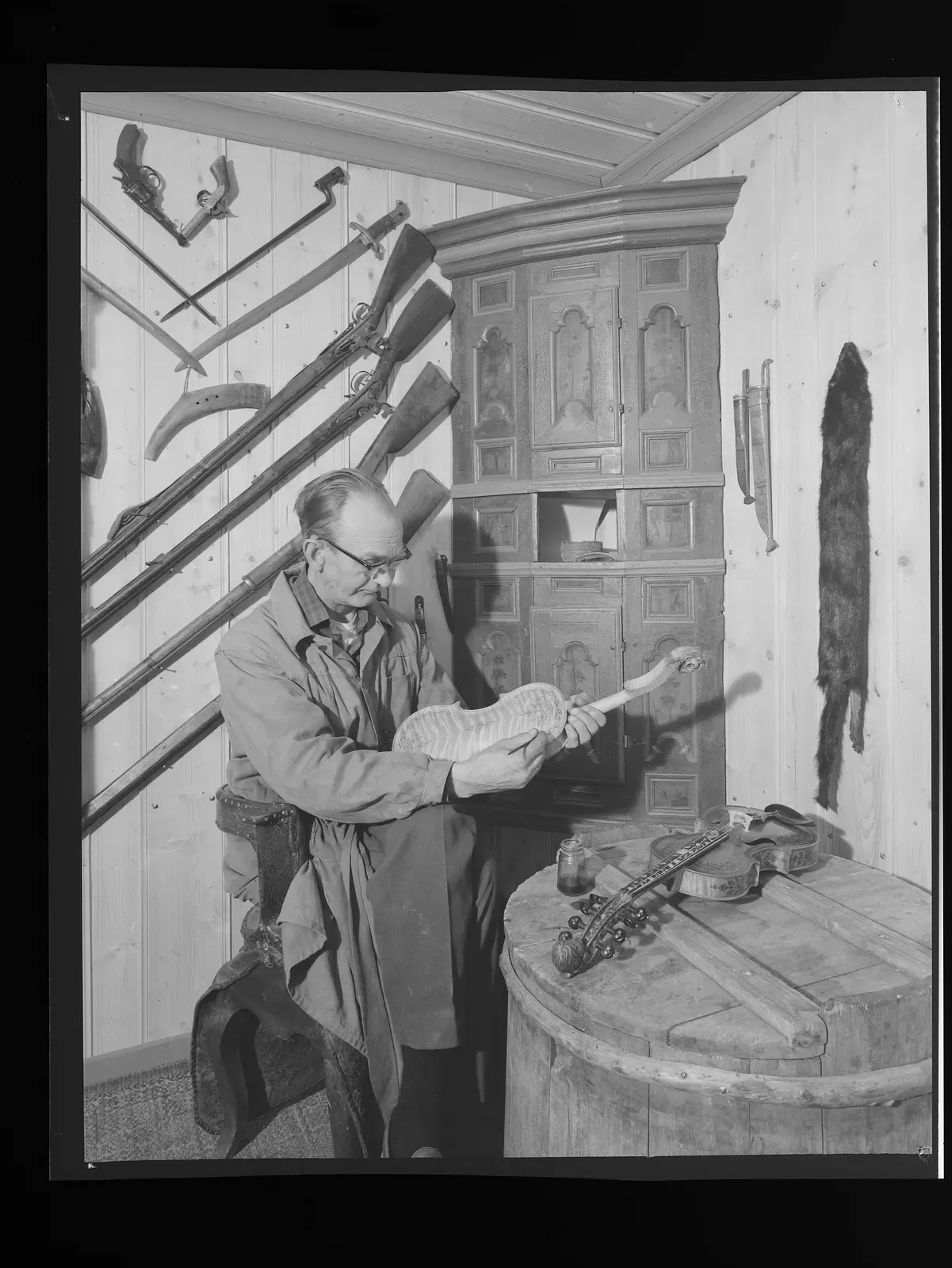
Before records, European music lived in oral tradition: dance tunes, ballads and wedding music passed from player to player. Around 1700, itinerant Jewish instrumentalists called klezmorim were playing weddings across Central and Eastern Europe and building the repertoire later called klezmer. In Norway, the Hardanger fiddle, with extra strings that ring in sympathy, carried dance tunes in the valleys.
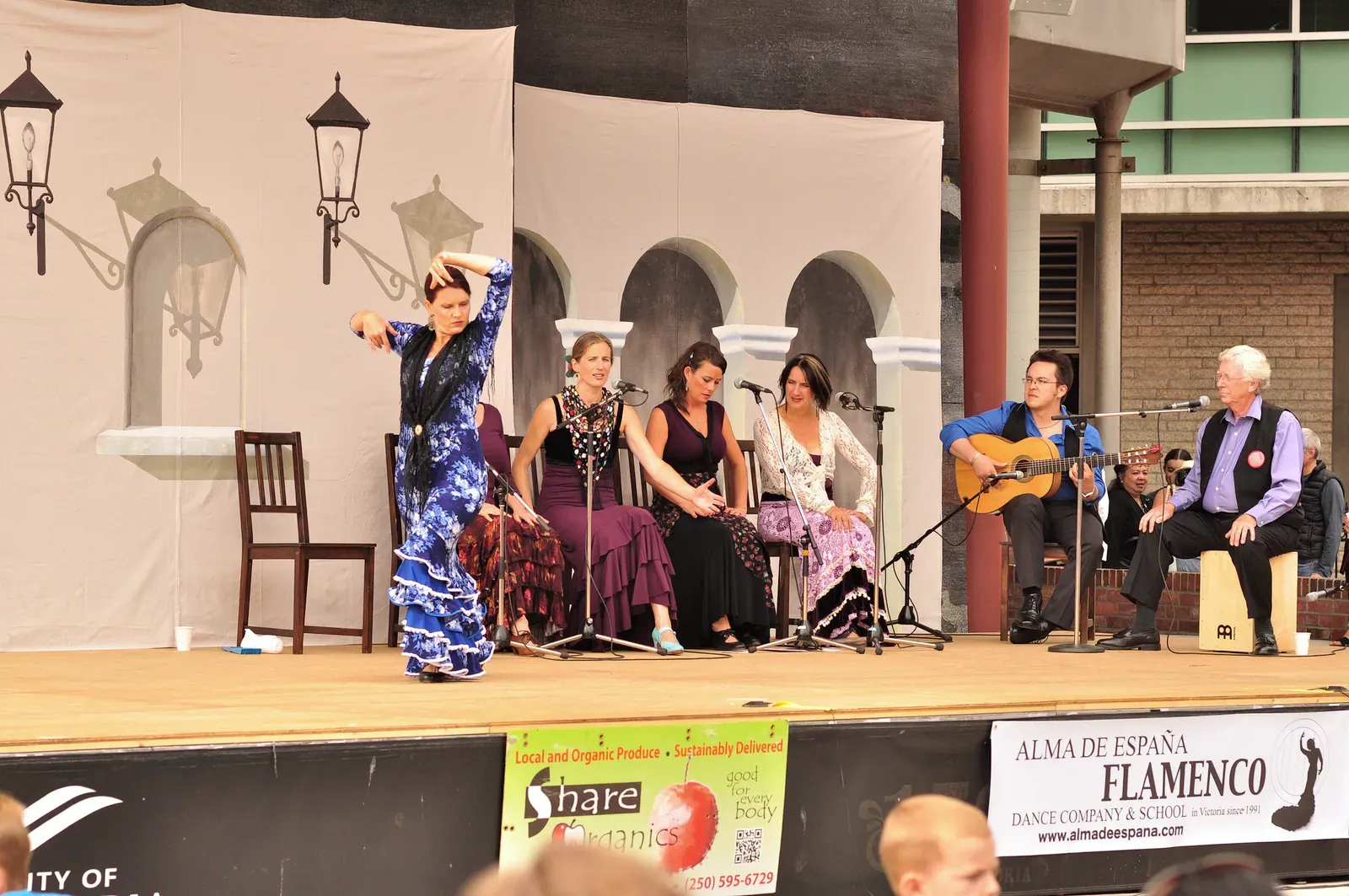
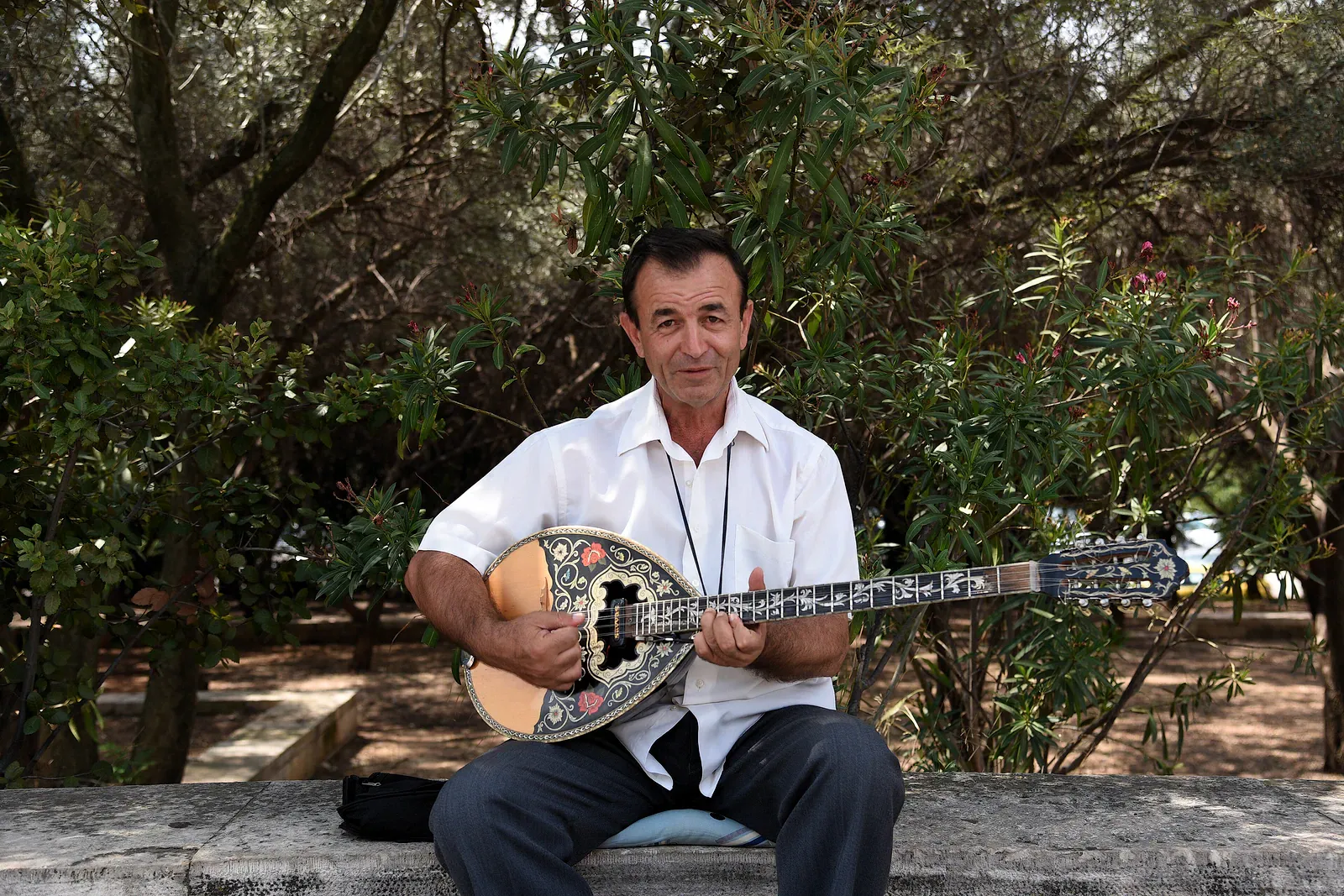
The first recognisable professional styles appeared in the south. Flamenco emerged in the late 1700s among Andalusian Gitano communities in the triangle of Seville, Jerez and Cadiz, first as private family and festival music. The oldest reference is a 1774 book by Jose Cadalso, while the word was applied to the music only in an 1847 newspaper article. In Lisbon, fado appeared in the early 1820s in the taverns and poor districts of Alfama and Mouraria. Its name comes from the Latin for fate, and its legend centres on the singer Maria Severa (1820 to 1846). The Bohemian polka, around 1830, did the opposite: it jumped to Paris in the 1840s and then across Europe and the Americas.
Cafes, cabarets and the first records
The next step was a paying audience. In Seville, Malaga and Madrid, cafes cantantes made flamenco a paid spectacle and fixed the repertoire of cantes. In 1881 Le Chat Noir opened in Montmartre, and the Paris cabaret became the model for chanson: sharp, literate, often satirical song. In 1898 in Naples, Eduardo di Capua and Giovanni Capurro wrote ’O sole mio, the best-known song of the Neapolitan tradition.
Shellac discs then carried local music beyond its home city for the first time. Local labels recorded regional singers, and a performer known in one port could now be heard in another.
Interwar urban song
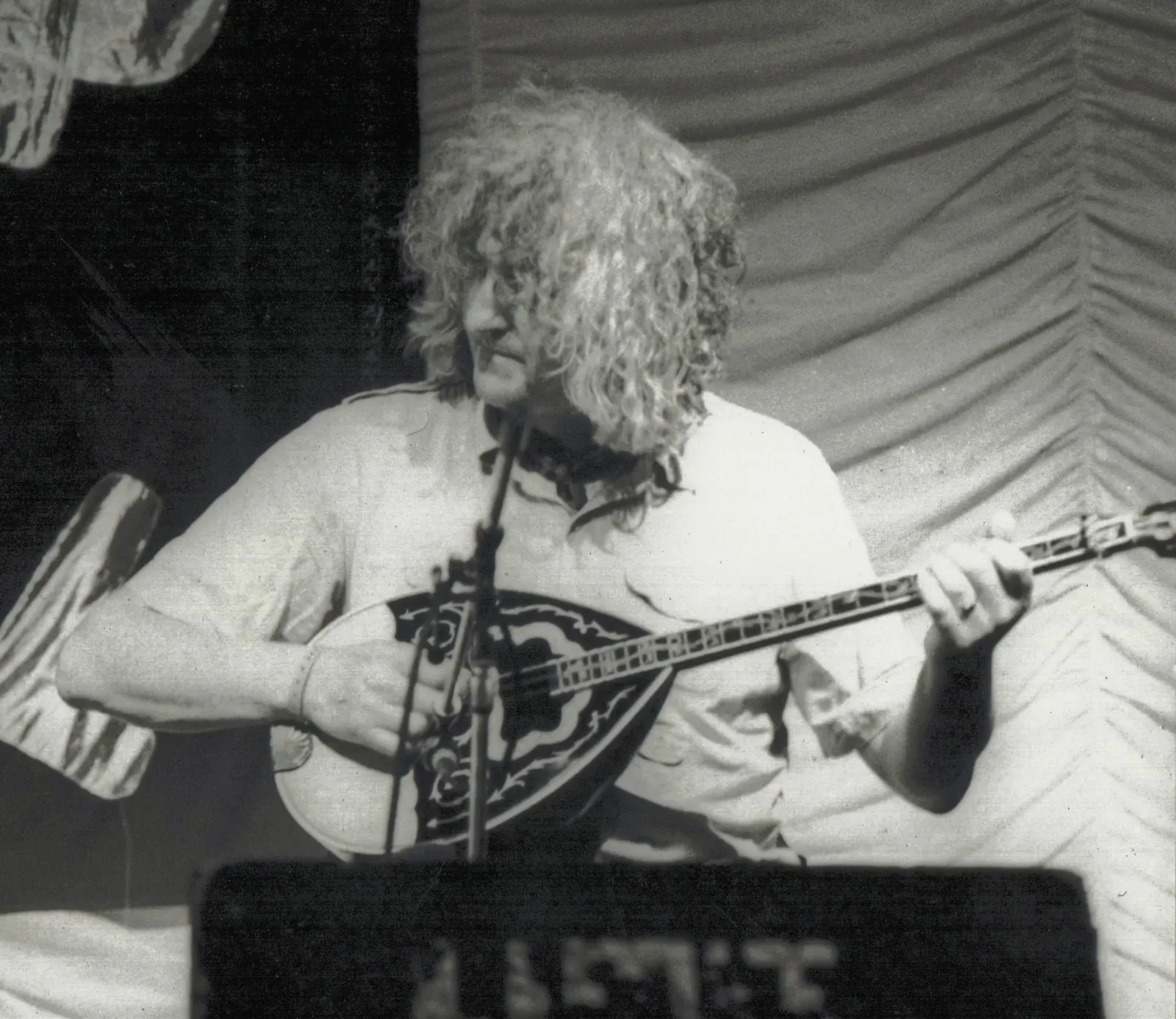
The 1920s and 1930s belonged to refugees, radio and the gramophone. In 1922 Manuel de Falla and Federico Garcia Lorca organised the Concurso de Cante Jondo in Granada to defend the oldest flamenco forms. The same year, refugees from Asia Minor brought the cafe aman style of Smyrna to Piraeus, where it met the songs of the hashish dens (tekes) and became rebetiko. Markos Vamvakaris made his first bouzouki recordings in 1932, and he and his quartet recorded Frangosyriani in 1935. Under the Metaxas dictatorship, in power from 1936, with censorship from 1937, songs about hashish and the underworld were cut or banned, and lyricists moved to gentler themes.
In Paris, chanson realiste, sung by Frehel, Damia and the young Piaf, told stories of working-class life. Jaromir Vejvoda composed the Czech polka that the world knows as the Beer Barrel Polka in 1927. Dictatorships learned that song could be a tool, and began to censor or adopt it.
Radio, festivals and the chanson years
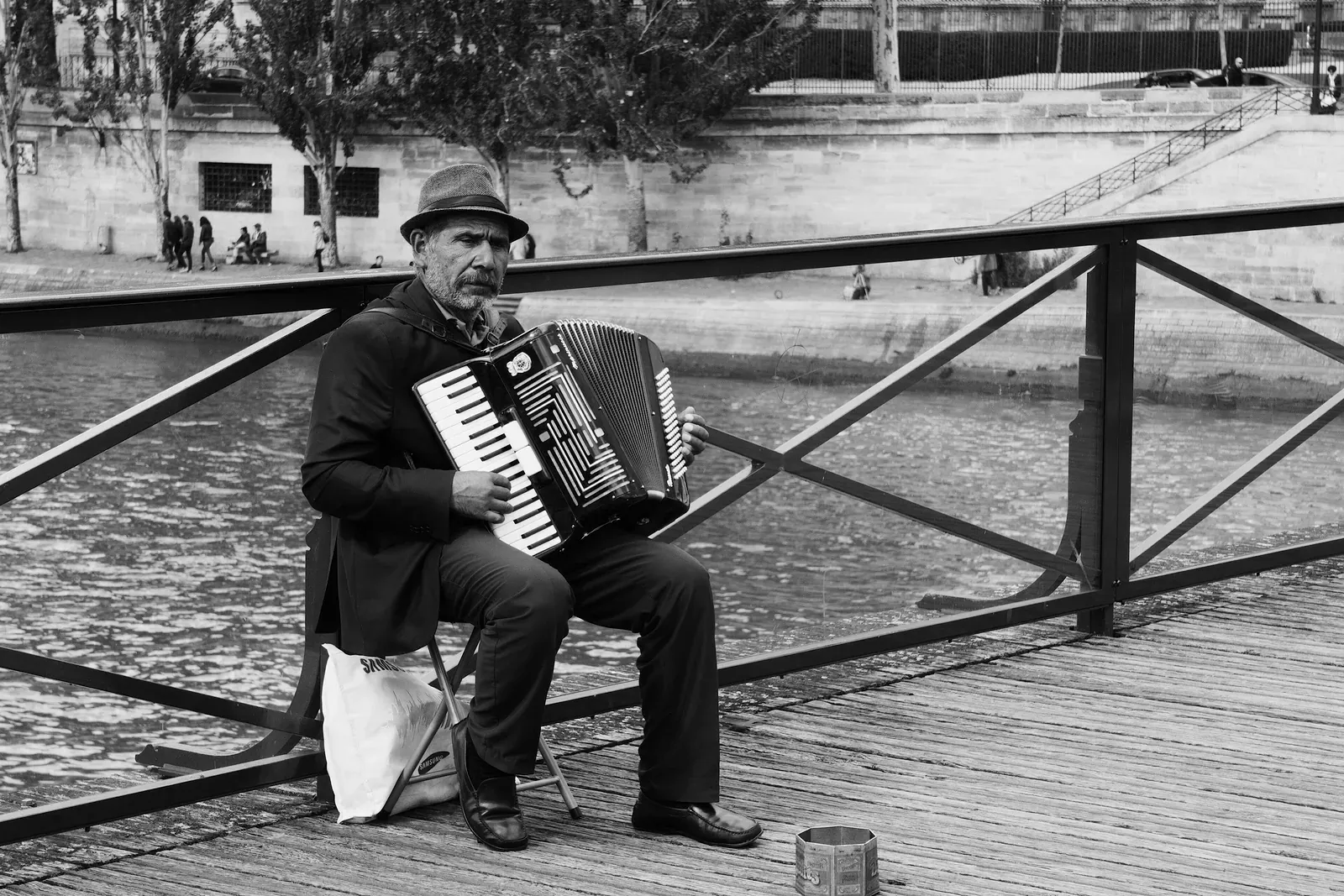
After 1945 the LP, radio and television turned song into a national industry. Edith Piaf’s La Vie en rose (1947) became the signature of French chanson abroad. The first Sanremo Festival followed in 1951, setting the template for Italian canzone. In 1956 the first Eurovision Song Contest, held in Lugano, created a pan-European television stage. Domenico Modugno’s Nel blu dipinto di blu, better known as Volare, won Sanremo in 1958 and became an international hit.
Chanson reached its peak with the singer-songwriters. Jacques Brel’s Ne me quitte pas (1959) set the emotional bar, and Georges Brassens, a poet with a guitar and a double bass, made Les Copains d’abord in 1964. In Germany, the ZDF-Hitparade, hosted by Dieter Thomas Heck from 1969, made schlager a weekly television habit.
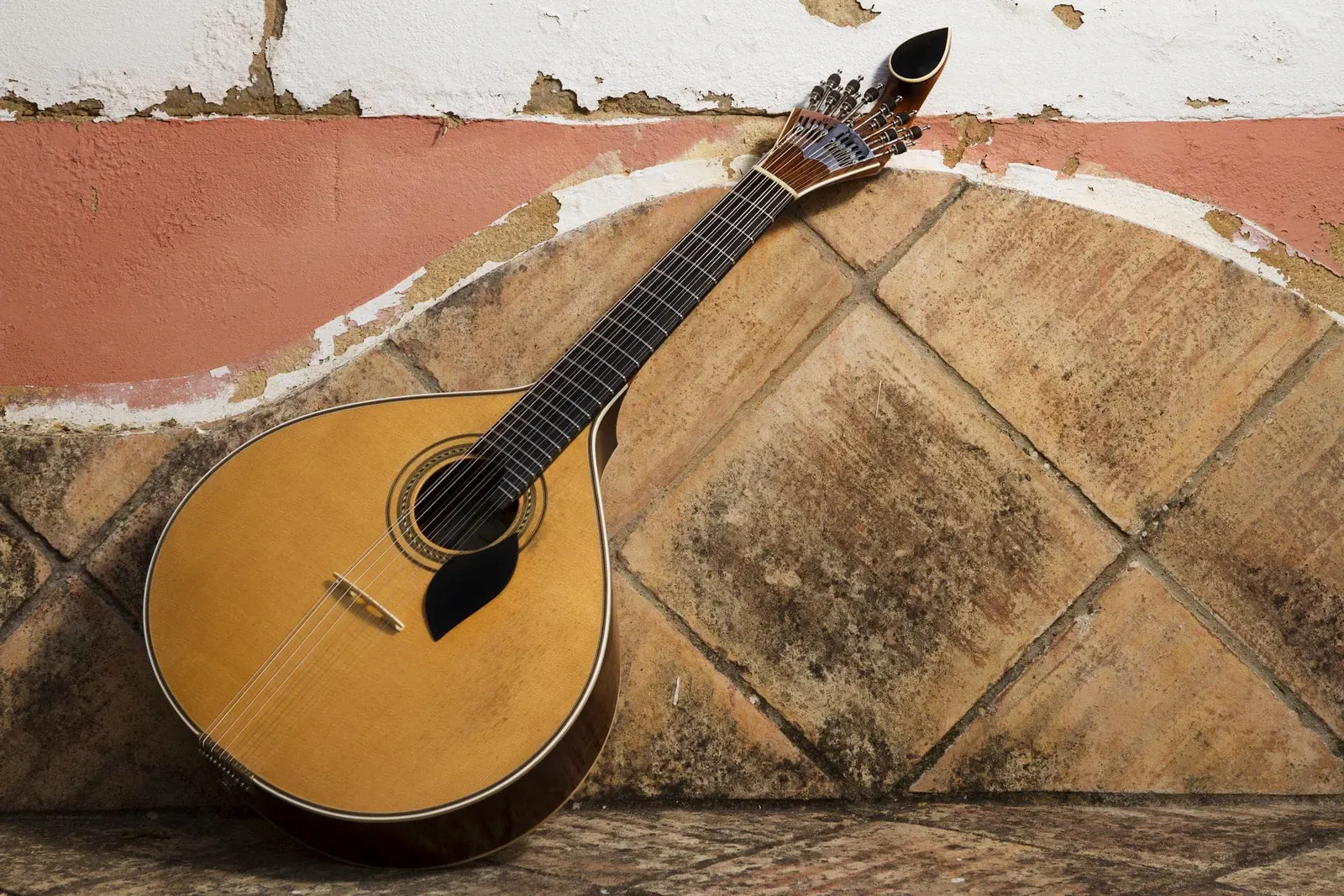
Fado had its own queen. Amalia Rodrigues recorded Com que voz in January 1969 and it was released in March 1970, with songs by the composer Alain Oulman, among them a poem by Luis de Camoes. The state labels of Eastern Europe made records in bulk: Jugoton in Zagreb was producing 2,371,600 records a year by 1961, and Bulgaria’s Balkanton later reached 9 million LPs a year.
Revivals and new flamenco
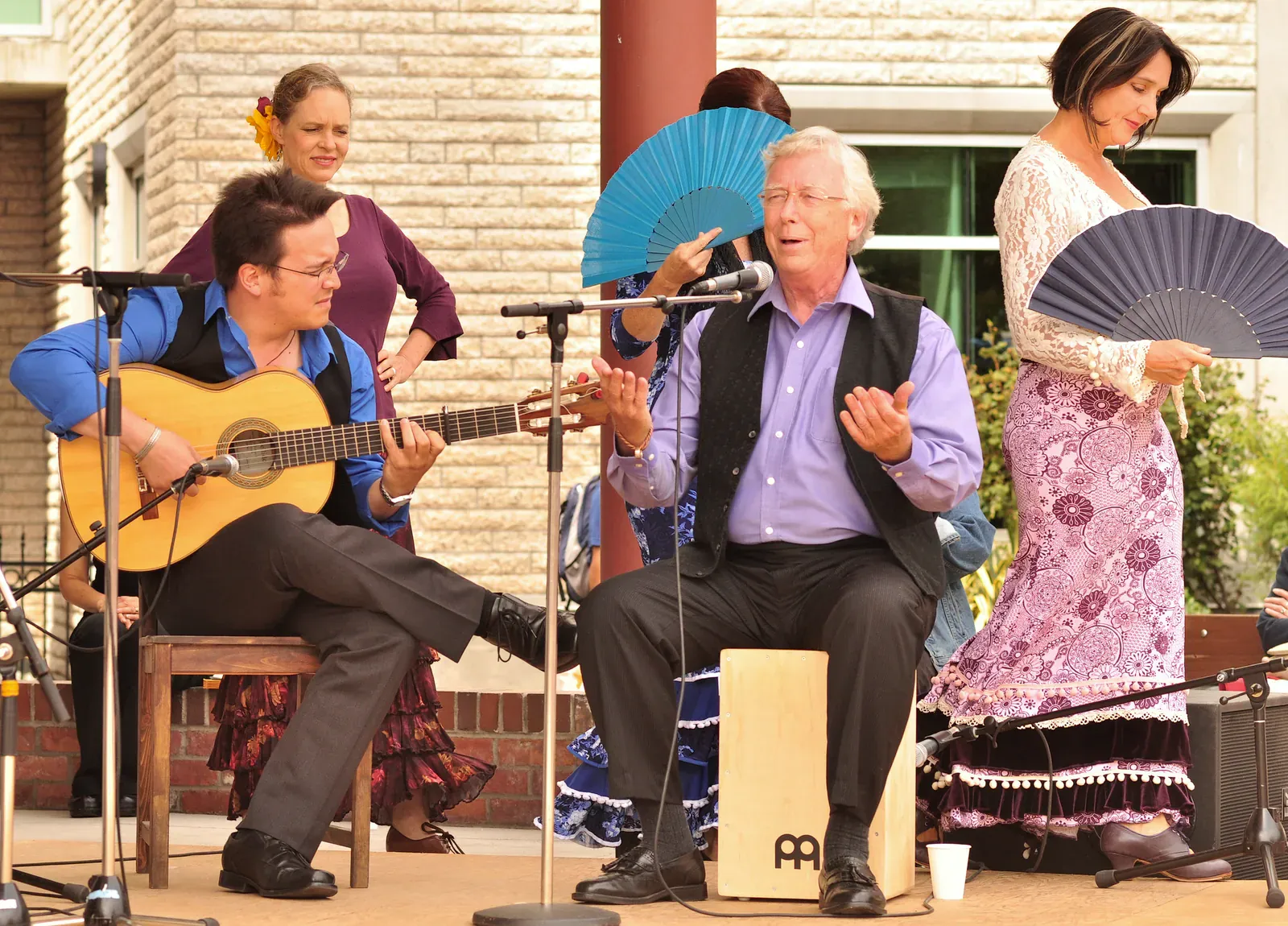
The 1970s and 1980s were years of reinvention. Paco de Lucia’s Entre dos aguas, on the 1973 album Fuente y caudal, turned a flamenco guitarist into a pop-chart name. Camaron de la Isla’s La leyenda del tiempo (1979) used electric and rock textures with Lorca poems and split purists. The box drum known as the cajon joined flamenco in the late 1970s and is now standard in the compas.
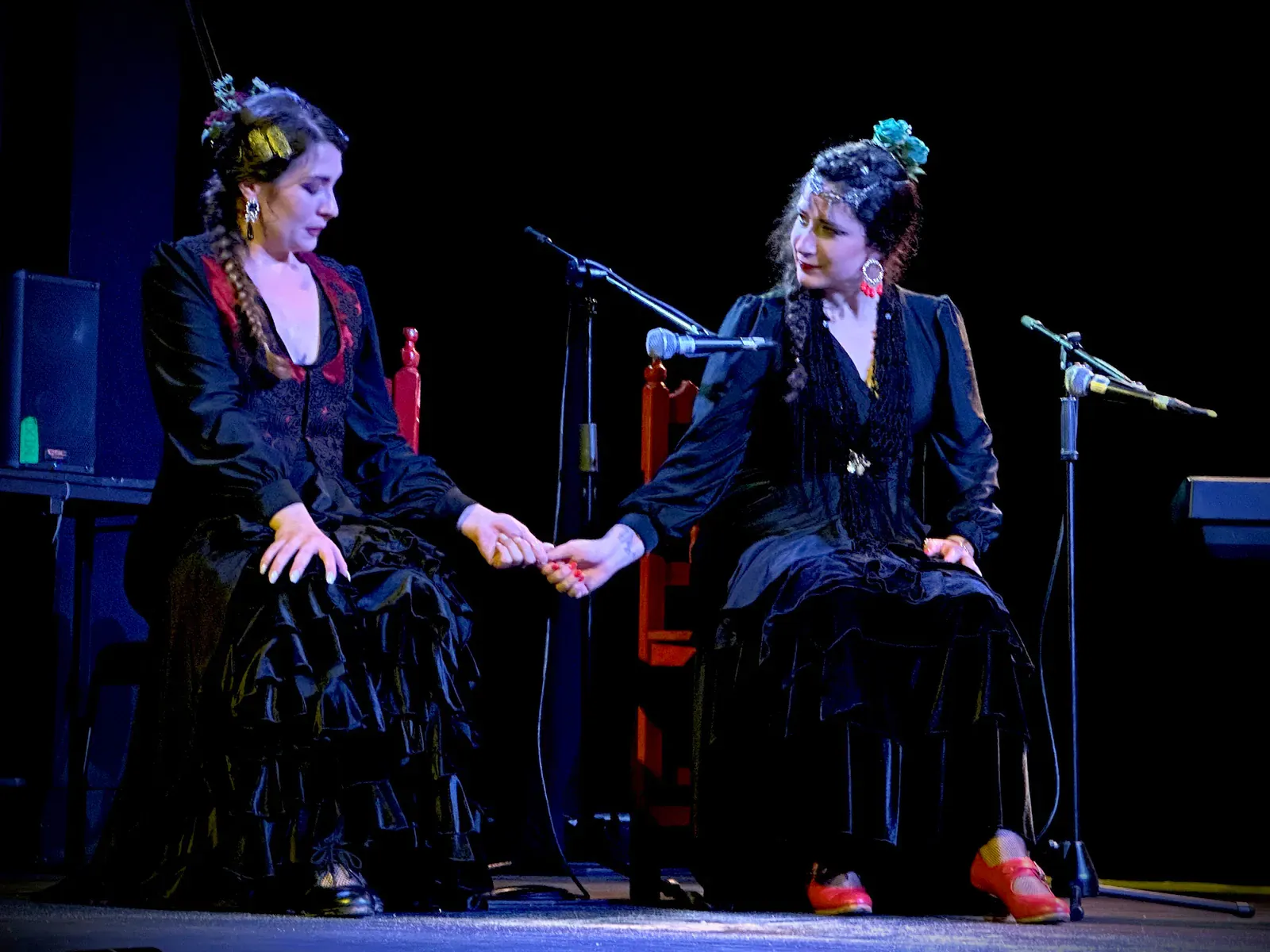
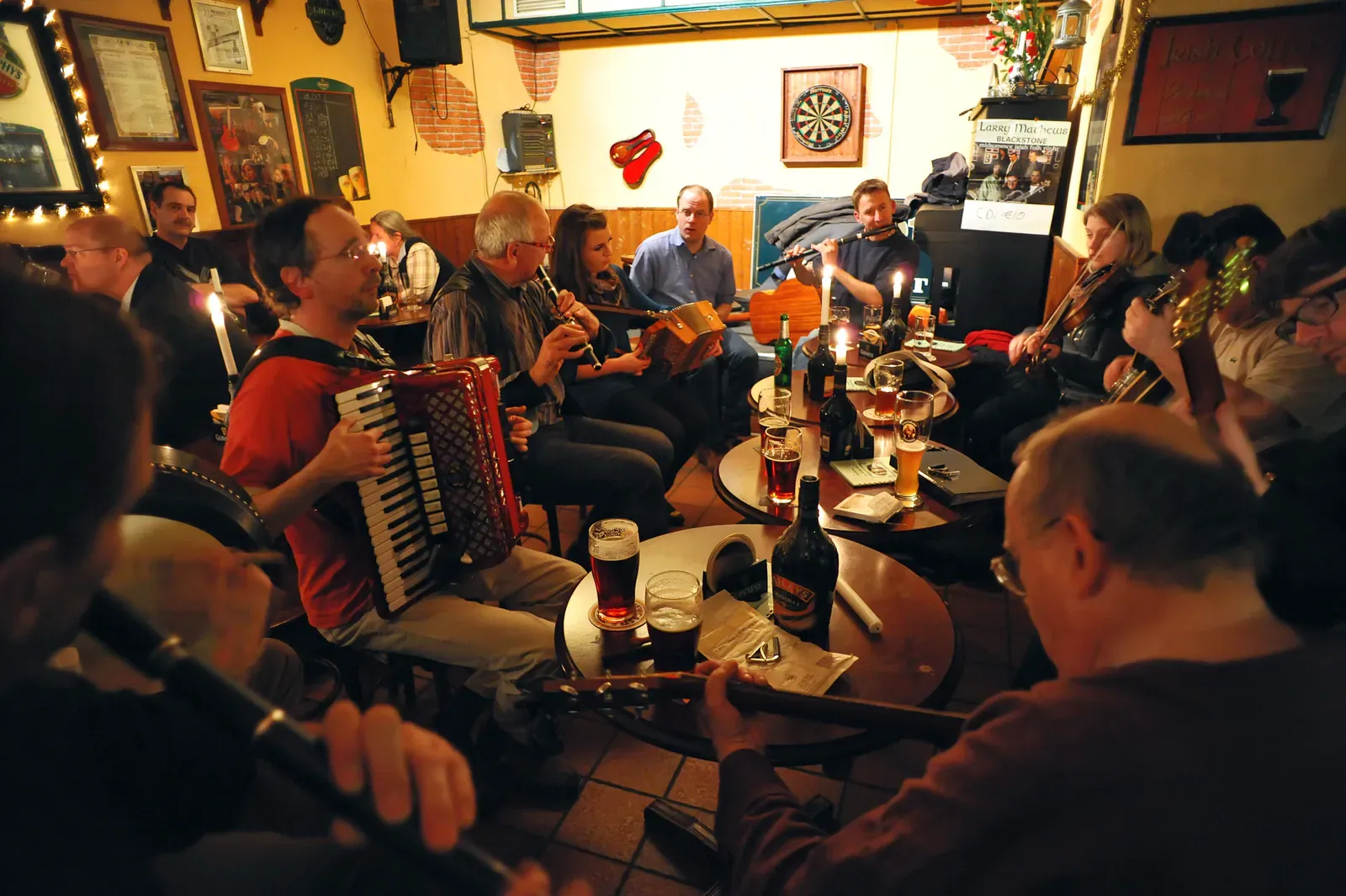
In 1982, Mario Pacheco and Cucha Salazar opened Nuevos Medios in Madrid, a home for the flamenco-rock generation of Pata Negra and Ketama. Elsewhere folk revivals built their own institutions: Topic Records, founded in London in 1939, became the hub of the British revival from the 1950s, while Kirkelig Kulturverksted (1974) and Heilo (1979) documented Norwegian folk and song. The Chieftains, formed in Dublin in 1962, carried Irish traditional music onto concert stages.
Balkan brass and the world-music boom
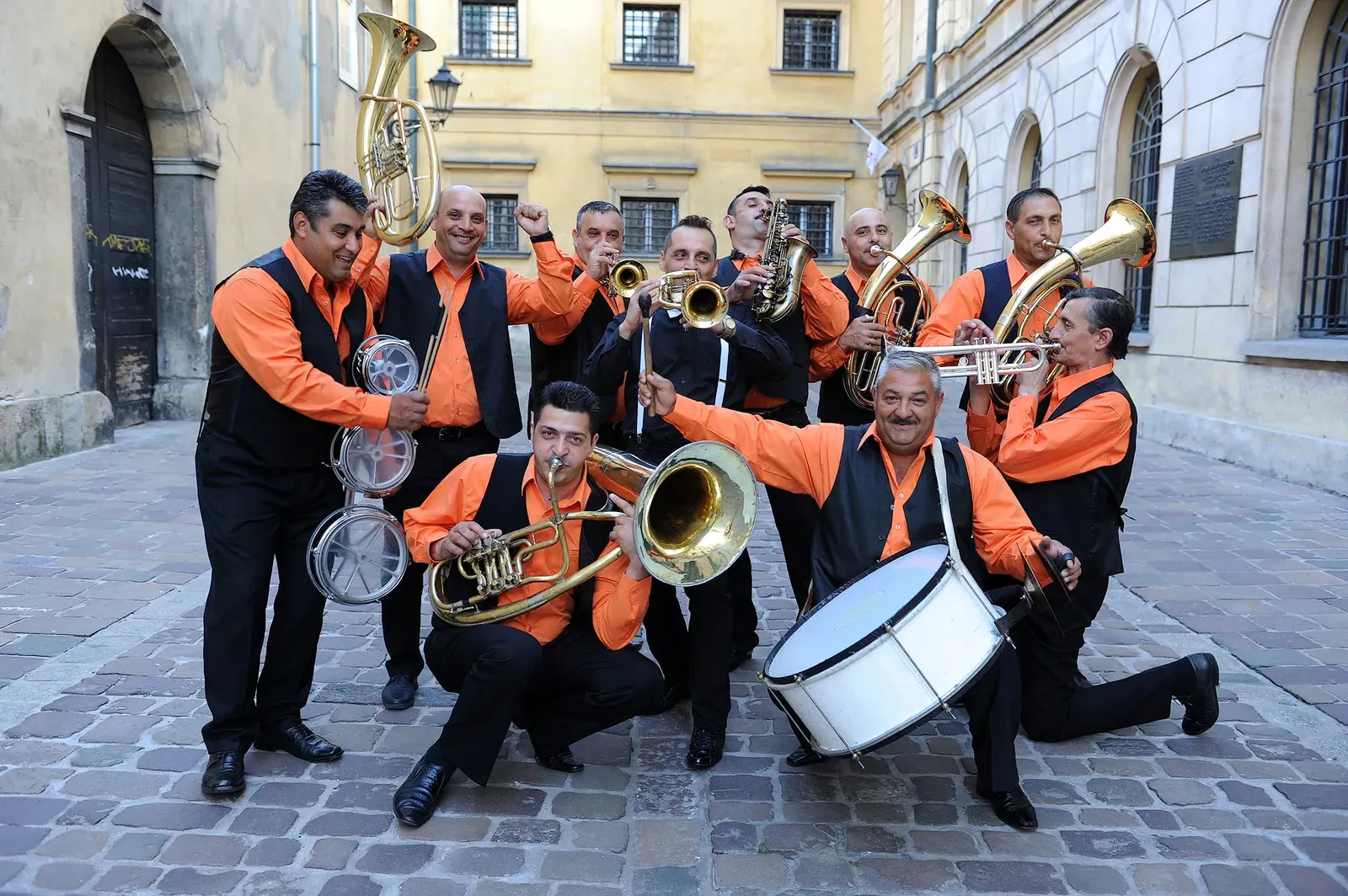
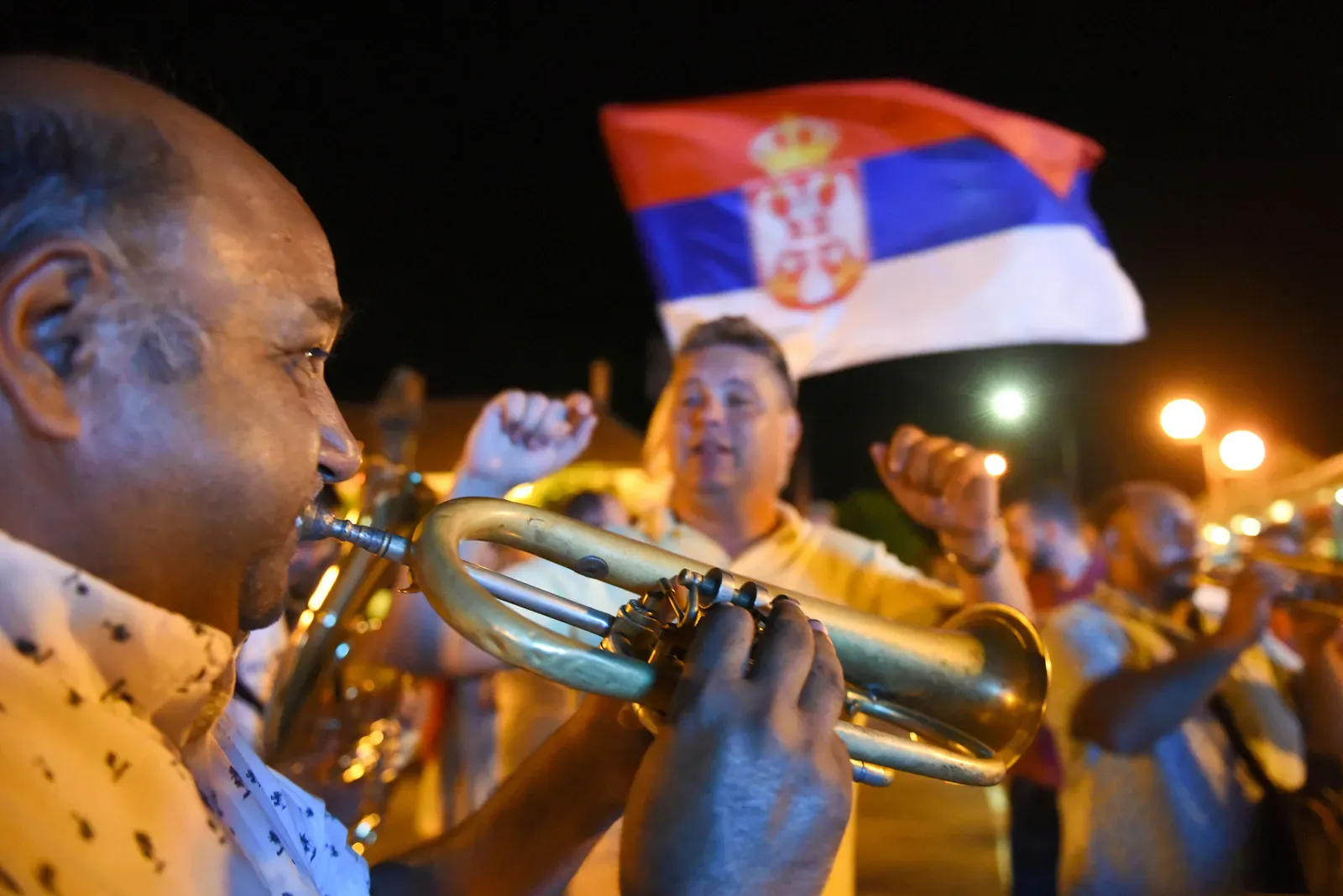
The Yugoslav wars brought turbo-folk to the fore in Serbia, an electronic folk-pop that dominated radio and television from about 1990, and labels such as City Records, founded in Belgrade in 1997, followed. At the same time Western festivals and labels discovered Romani brass bands, klezmer revivalists and Nordic fusions. In 1996 the German sound engineer Henry Ernst found Fanfare Ciocarlia in a Romanian village, and their album Radio Pascani (1998) opened Western ears to Balkan village bands. The Guca trumpet festival in Serbia, running since 1961, remains the main stage for the form.
Small labels did much of the work. Crammed Discs in Brussels released Taraf de Haidouks’s Band of Gypsies in 2001, and John Zorn’s Tzadik, founded in New York in 1995, gave klezmer-influenced experiment a home in its Radical Jewish Culture series (see also the experimental family). In 1994 Riverdance debuted as a seven-minute Eurovision interval act in Ireland and turned Celtic dance and music into a touring stage show.
Streaming and pop crossovers
Since 2005 old regional forms have been recognised as heritage and also pushed into the mainstream. UNESCO added flamenco in 2010, fado in 2011 and rebetiko in 2017. Helene Fischer’s Farbenspiel (2013) carried Atemlos durch die Nacht, the most downloaded German pop song, and schlager is now a major label business: Telamo, founded in 2012, grew into Germany’s biggest independent label before BMG bought it. In 2018 Rosalia’s El mal querer mixed flamenco with R and B and electronic pop. Streaming lets small labels such as Tot ou tard in Paris reach diaspora and world audiences at once.
Culture
The people were as varied as the sounds. Fado grew among port workers and the poor of Alfama and Mouraria, flamenco among Gitano families, rebetiko among Asia Minor refugees and dock workers in Piraeus, klezmer among travelling Jewish players. Cabaret, music hall and the cafe turned these local sounds into jobs. Later, television made national song a family ritual, whether on a Saturday night with the ZDF-Hitparade or on Eurovision night.
Money shaped sound. State labels, from Jugoton to Balkanton, ran pressing plants and shops under one roof and could push folk or pop in the millions. Independent labels worked on the other end of the scale. Their value is documentation: one release can keep a regional repertoire audible, which is why small catalogues such as Crammed, KKV and Topic still matter.
Misconceptions
Is the Beer Barrel Polka a German beer-hall song? No. The tune was composed in 1927 by the Czech musician Jaromir Vejvoda, and the polka itself emerged in Bohemia around 1830.
Is fado simply sad music? Not exactly. The word fado comes from the Latin for fate, and saudade, the longing at its core, is closer to loss than to sorrow. Amalia Rodrigues’s Com que voz set a poem by Camoes, so fado can be literary as well as raw.
Is flamenco only a tourist dance? No. It combines song, guitar, dance, rhythmic patterns and improvisation, and it began among Andalusian Gitano communities and urban workers. Its dance is one part of a living song tradition.
Frequently asked questions
What is European folk music?
European folk music is the local song and dance tradition of each region, from fado and flamenco to Hardanger fiddle tunes and Balkan brass. It was passed on orally for centuries, and many styles became professional in the 1800s. The folk family page covers the wider revival.
Where did fado come from?
Fado started in Lisbon in the early 1820s, in the taverns and poor districts of Alfama and Mouraria. The singer Maria Severa is the figure of its legend, and UNESCO added fado to its heritage list in 2011.
What is the difference between flamenco and rebetiko?
Flamenco is a song, guitar and dance tradition from Andalusia, rooted in Gitano communities. Rebetiko is the urban song of Greek ports, led by the bouzouki and shaped by refugees from Asia Minor. Both are on UNESCO heritage lists, flamenco since 2010 and rebetiko since 2017.
What is schlager?
Schlager is German-language popular song with an easy melody, from hit-parade pop to party anthems. It became a weekly television habit with the ZDF-Hitparade in 1969, and in the 2010s Helene Fischer made it a stadium genre. It sits in the wider pop world.
Subgenres
Genres in the family
106 main branches. Names with their own page are links.
- Albanian iso-polyphony
- Alpini songs
1915
1969, 1 branch
1804, 1 branch
7 branches
- Bard music
1960
- Basque traditional music
5 branches
- Bećarac
1880
- Blasmusik
2 branches
- Bulgarian folk music
1968, 4 branches
- Bulgarian women's choir tradition
1952
- Cantautori
1958, 1 branch
- Cante Alentejano
- Cantu a chiterra
- Cantu a tenore
- Canzone
1830, 1 branch
- Catalan rumba
1950
1989
- Chamarrita açoriana
2 branches
1930, 2 branches
- Corsican traditional music
2 branches
- Czech folk music
- Dansband
1970
- Dansktop
1960
- Dechovka
- Desgarrada
7 branches
- Disco polo
1988
- Éntechno
1958, 1 branch
1820, 7 branches
- Fandango
1705
- Finnish tango
1913
1780, 48 branches
- Fujara tradition
- Ganga
- Għana
1791, 3 branches
- Humppa
1950
- Hungarian folk music
- Hutsul and Lemko folk music
1 branch
- Iskelmä
1930
- Izvorna bosanska muzika
- Jota
3 branches
- Kärntnerlied
- Klapa
1700, 8 branches
- Kobzar tradition
1500, 1 branch
1930, 3 branches
3 branches
- Levenslied
1960, 1 branch
- Liedermacher
1960, 1 branch
- Liscio
- Macedonian folk dance
2 branches
- Manele
1980
1880, 3 branches
- Music of Transylvania
- Música de intervenção
1963
- Muzică populară
1900
- Muzyka góralska
- Nordic folk music
16 branches
- Nova Cançó
1959
- Novokomponovana narodna muzika
1964
- Nueva canción española
1963
- Occitan music
1 branch
- Ojkanje
- Pasodoble
1780, 1 branch
- Pimba
1991
- Piosenka aktorska
- Polish folk music
4 branches
1830, 4 branches
- Portuguese folk music
- Quadrille
1760
1880, 5 branches
- Red disco
1978
- Romani music
1 branch
- Russian chanson
1990, 1 branch
3 branches
- Russian romance
1800, 1 branch
- Sardana
1850
- Schlager
1950, 1 branch
- Schottische
1850, 1 branch
- Seguidilla
2 branches
- Sevdalinka
1475
- Starogradska muzika
1 branch
- Stornello
- Tajaraste
- Tamburica
1 branch
6 branches
- Traditional music of Sicily
1 branch
- Trallalero
1900
- Tsyganshchina
1800, 1 branch
- Tuna
- Turbo-folk
1990
- Ukrainian folk music
1700, 5 branches
- Volga-Ural folk music
7 branches
7 branches
- Wienerlied
1 branch
- Yiddish song
1 branch
- Yodel
1545
- Yu-Mex
1952
- Zampogna tradition
Sound
What it sounds like
Tempo
- Overall60-180
- Fado60-130
- Flamenco65-130
- Chanson75-120
- Schlager110-130
- Polka120-140
- Balkan brass100-180
- Klezmer80-145
- Rebetiko65-120
Drums and percussion
- Cajon
- Bass drum
Techniques
- Twelve-beat compas
- Aksak meters
- Taxim
- Zeibekiko 9/8
- Doina into freylekh
- Answering guitarra
- Sympathetic strings
Keys and modes
Phrygian mode. Flamenco harmony centres on the Andalusian cadence and Phrygian colour.
Phrygian dominant (freygish). The raised-third Phrygian scale marks klezmer melody and its ornaments.
D minor (fado menor). Fado corrido in D minor is usually called fado menor.
Dromoi. Rebetiko melodies follow Ottoman-derived modal scales called dromoi, opened by a free taxim.
Major keys. Polka, schlager and musette-style chanson mostly stay in simple major-key harmony.
Tuning
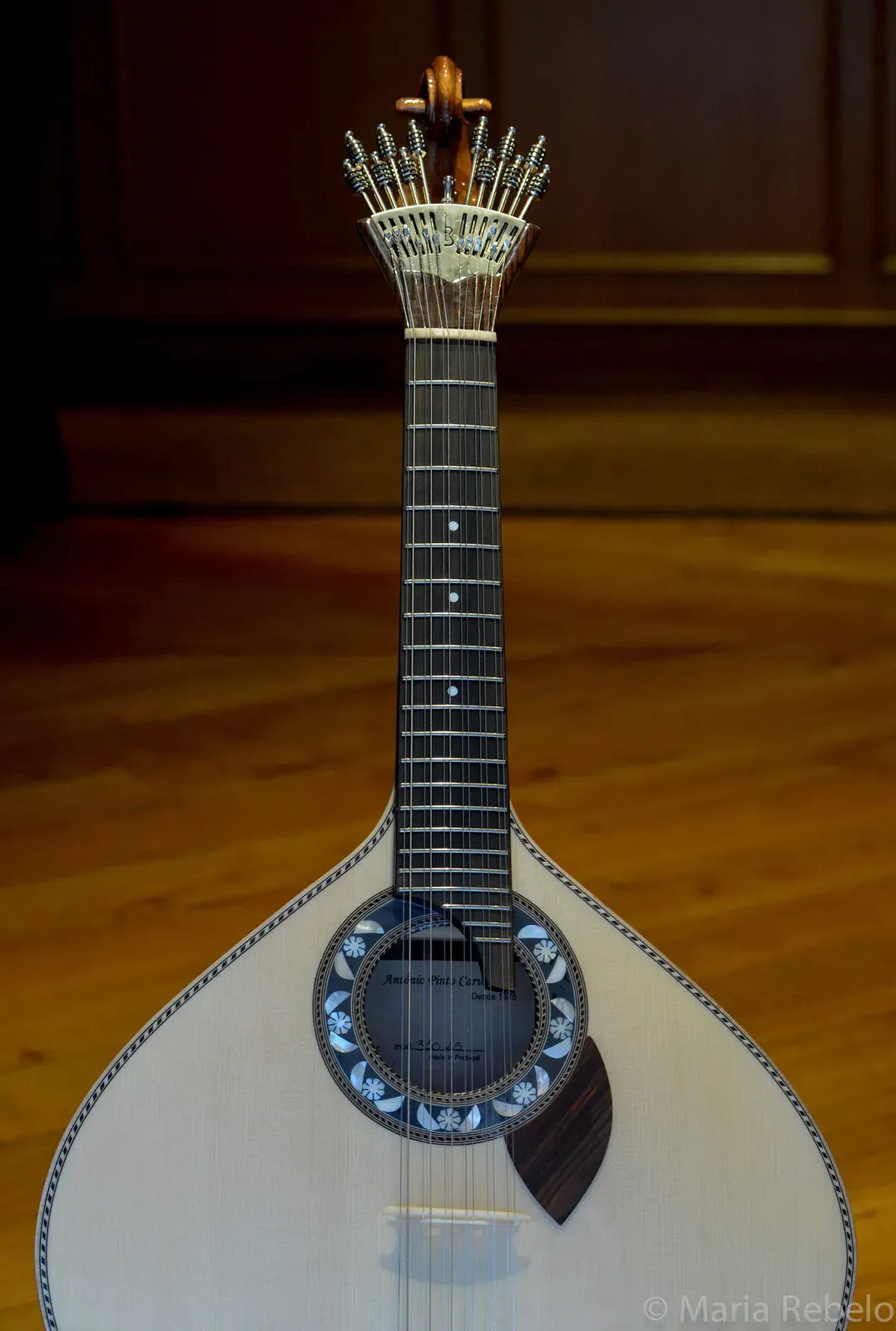
Mostly 12-TET at A=440; the guitarra portuguesa is tuned D A B e a b.
Vocals
A solo voice leads most urban styles (cante, fado, chanson, schlager); Balkan and Alpine brass and klezmer lean on instrumental leads.
Instruments
- Flamenco guitar
Provides the harmonic and rhythmic base for cante and baile and, since Paco de Lucia, a solo voice.
- Cajon
The box drum entered flamenco in the late 1970s and is now standard in the compas.
- Guitarra portuguesa
The twelve-string, pear-shaped Portuguese guitar answers the singer in fado.
- Bouzouki
The long-necked lute of Piraeus carries the rebetiko melody and later laiko.
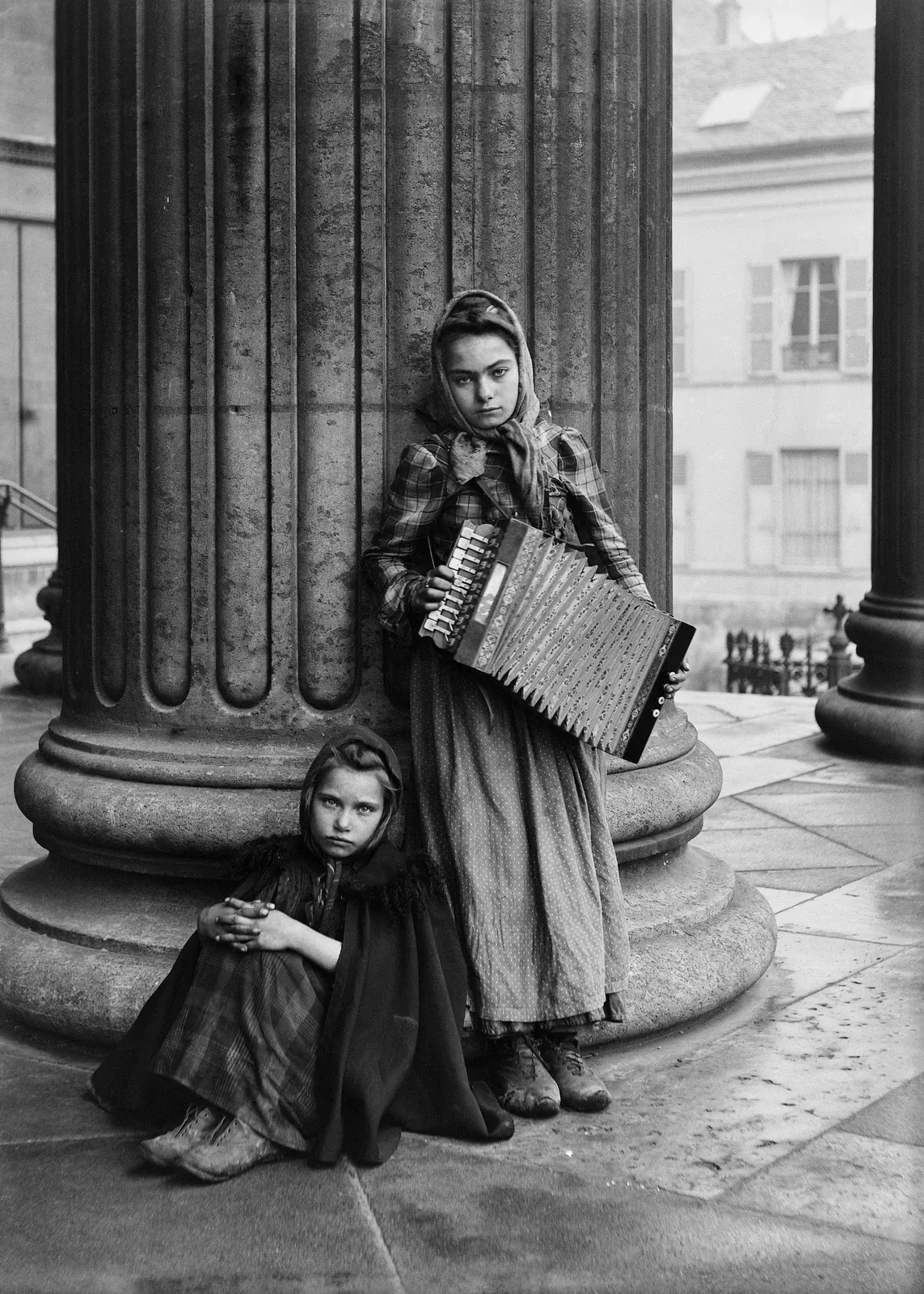
- Accordion
Anchors French musette, Italian liscio, schlager and Alpine volksmusik.
- Clarinet
Its sobbing, laughing glissandi define klezmer.
- Balkan brass band
Trumpets, tubas and bass drum drive Romani and Serbian dance music.
- Hardanger fiddle
Norwegian folk fiddle with sympathetic strings for dance and ballad tunes.
- Cimbalom
The hammered dulcimer gives Hungarian and Romanian lautar music its shimmer.
Technology that shaped it
- 1900Shellac 78 rpm records
Local labels recorded regional singers and carried styles beyond their home cities.
- 1920Radio broadcasting
Made national song and star singers possible and later sparked schlager and Sanremo.
- 1948Long-playing record
Allowed albums for singer-songwriters and state labels such as Jugoton and Balkanton.
- 1956Television contests
Eurovision and the ZDF-Hitparade turned national song into a TV event.
- 2008Streaming
Lets small regional labels reach diaspora and world audiences at once.
Essential records
- 1935Frangosyriani
Markos Vamvakaris. A defining Piraeus rebetiko recording that fixed the bouzouki sound.
- 1947La Vie en rose
Edith Piaf. The French chanson most recognised around the world.
- 1958Nel blu dipinto di blu
Domenico Modugno. The Sanremo winner that made Italian song a global export as Volare.
- 1959Ne me quitte pas
Jacques Brel. A model of the dramatic singer-songwriter chanson, covered in dozens of languages.
- 1964Les Copains d'abord
Georges Brassens. Brassens at his peak: a poet with a guitar and a double bass.
- 1970Com que voz
Amalia Rodrigues. Fado sung to classical Portuguese poetry, with songs by Alain Oulman.
- 1973Fuente y caudal
Paco de Lucia. The album with Entre dos aguas that took flamenco guitar into the pop charts.
- 1979La leyenda del tiempo
Camaron de la Isla. The flamenco album that mixed Lorca poems with electric textures and divided the scene.
- 1998Radio Pascani
Fanfare Ciocarlia. The Romani brass album that opened Western ears to Balkan village bands.
- 2013Farbenspiel
Helene Fischer. The schlager album with Atemlos durch die Nacht, the most downloaded German pop song.
- 2018El mal querer
Rosalia. A flamenco-based concept album that remade the genre for the pop streaming age.
Scenes
Where it happened
Where and when the sound lived: one bar per city on a shared timeline.
Europe
Active scenes
Peak 9, 1990-2025
The Gitano barrios of Santiago and San Miguel are a cradle of cante, guitar and dance.
Fado grows in Alfama and Mouraria taverns and moves to the fado houses of Bairro Alto.
Montmartre cabarets, music halls and the Left Bank clubs shape chanson from Bruant to Brassens.
The Piedigrotta festival and publishers make Neapolitan song Italy first mass-market style.
Refugee and dock-worker districts gave rebetiko its tavern stages and first record sessions.
Fleadhs, pub sessions and bands such as The Chieftains export Irish traditional music worldwide.
Studios, TV and publishing houses made West German schlager an industry.
Home of turbo-folk and labels such as City Records.
The annual trumpet festival is the main stage for Serbian and Balkan brass.
Labels such as Kirkelig Kulturverksted and Heilo document Norwegian folk and sacred song.
Glossary
Terms on this page
A French term for a singer who writes both words and music.
Deep song, the oldest and most solemn flamenco styles.
Early 20th-century French song about working-class life, sung by Fréhel, Damia and the young Piaf.
The repeating rhythmic cycle that structures each flamenco palo.
A flamenco term for a moment of raw, possessed emotion in a performance.
Jewish professional instrumentalists of Central and Eastern Europe, and the name of their tradition.
The Portuguese word for longing that is the emotional core of fado.
German-language popular song with an easy melody, from hit-parade pop to party anthems.
The hashish den where rebetiko musicians played in Piraeus and Athens.
Families