Musette
Musette is the Parisian dance-hall music of the bal-musette, begun in 1880s Auvergnat cafes on the cabrette bagpipe and later led by the accordion.
Paris (5th, 11th, 12th arrondissements), 1880
European folk family
Born
1880
Paris (5th, 11th, 12th arrondissements)
Subgenres
3
Documented branches
Links
7
Genres it drew on or shaped
Tempo
110-200 BPMLineage
Family tree
Grew out of
Influenced by
Paris (5th, 11th, 12th arrondissements), 1880
Musette
Led to (3)
Timeline
Era by era
From the first sparks to today. Select a dot to read the story behind it.
- Auvergnat cafés and the first accordions
1880 to 1919
- Records, java and swing
1920 to 1944
- Most popular dance music in France
1945 to 1959
- Decline and revival
1960 to today
Eras
Moments
- 1 Auvergnat cafés and the first accordions, 1880 to 1919
- 2 Records, java and swing, 1920 to 1944
- 3 Most popular dance music in France, 1945 to 1959
- 4 Decline and revival, 1960 to today
around 1880
Auvergnat cafés and the first accordions
Auvergnat immigrants danced the bourrée to cabrette and hurdy-gurdy in Paris cafés, then Italian accordionists brought waltzes and polkas and the styles split into three kinds of bal.
- 1880Auvergnat cafes of ParisAuvergnats in the 5th, 11th and 12th arrondissements open cafes where dancers follow the cabrette and the hurdy-gurdy.
- 1890Italian accordionists joinItalian and Parisian accordionists settle in Auvergnat bars, especially in the 19th arrondissement, and introduce the waltz and polka.
- 1899Three kinds of balThe bal des familles, the popular Italian bal and the rough guinche de barriere now exist side by side.
around 1920
Records, java and swing
The java arrived, Émile Vacher recorded for Odeon, and in the 1930s musette met gypsy jazz while accordionists such as Gus Viseur and Tony Muréna added swing phrasing.
- 1923Mistinguett records La JavaThe song helps spread the fast musette waltz known as the java.
- 1929Émile Vacher records for OdeonThe accordionist, often called the creator of bal-musette, becomes a leading Odeon recording star.
- 1934L'AtalanteJean Vigo's film shows a java danced in a working-class cafe, with a Maurice Jaubert java theme on the soundtrack.
- 1936Jo Privat wins and joins the BalajoHe forms his first orchestra, wins the French musette orchestra championship and ends the year at the Balajo, where he plays for decades.
- 1940Flambée montalbanaiseGus Viseur's swing-tinged valse becomes a signature of the accordion style.
- 1942Piaf sings L'AccordéonisteÉdith Piaf records a java-time song about a dance-hall accordionist.
1945
Most popular dance music in France
By 1945 the bal-musette was the most popular dance style in France, and stars such as Jo Privat and Yvette Horner were known nationwide.
- 1945Most popular dance style in FranceThe bal-musette is now the most popular dance style in France and its stars are known across the country.
- 1953Yvette Horner starts recordingHer first EP, Valses et polkas, begins a catalogue of around 150 records.
around 1960
Decline and revival
Popularity fell sharply around 1960, but bals have returned in larger cities and a modern form of musette is taking shape.
- 1960Popularity fallsThe bal-musette loses its mass audience and its popularity drops drastically.
Listening path
Start listening
A short path from an easy way in to the deep end. Thumbnails come from YouTube; the player loads only when you press play.
- 01
Édith Piaf, 1942
Listen for the accordion and the java rhythm under the voice.
- 02
Fréhel, 1938
A slow java where the waltz pulse is easy to follow.
- 03
Gus Viseur, 1940
Fast accordion runs over a swinging waltz.
- 04
Tony Muréna, 1942
The valse musette at virtuoso level, with rapid chromatic figures.
- 05
Yvette Horner, 1960
The showy post-war accordion style that filled the Tour de France.
Facts
| Family | European folk |
| Origin | Paris (5th, 11th, 12th arrondissements), France |
| Emerged | 1880s, peaking to 1945, declining after 1960 |
| Status | Revival |
| Tempo | 110 to 200 BPM |
| Meter | 3/4 |
| Subgenres | 3 |
Musette is the instrumental dance music of the Paris bal-musette, a style that became popular in the 1880s. It began with Auvergnat immigrants and a bagpipe, passed to the accordion, and gave France the waltz, polka, tango and java as danced in neighbourhood halls.
By 1945 it was the most popular dance style in the country, and it fell out of favour from around 1960. The word comes from the bagpipe, not from the accordion that later replaced it. The music belongs to the European folk family and shares ground with chanson and gypsy jazz.
Origins
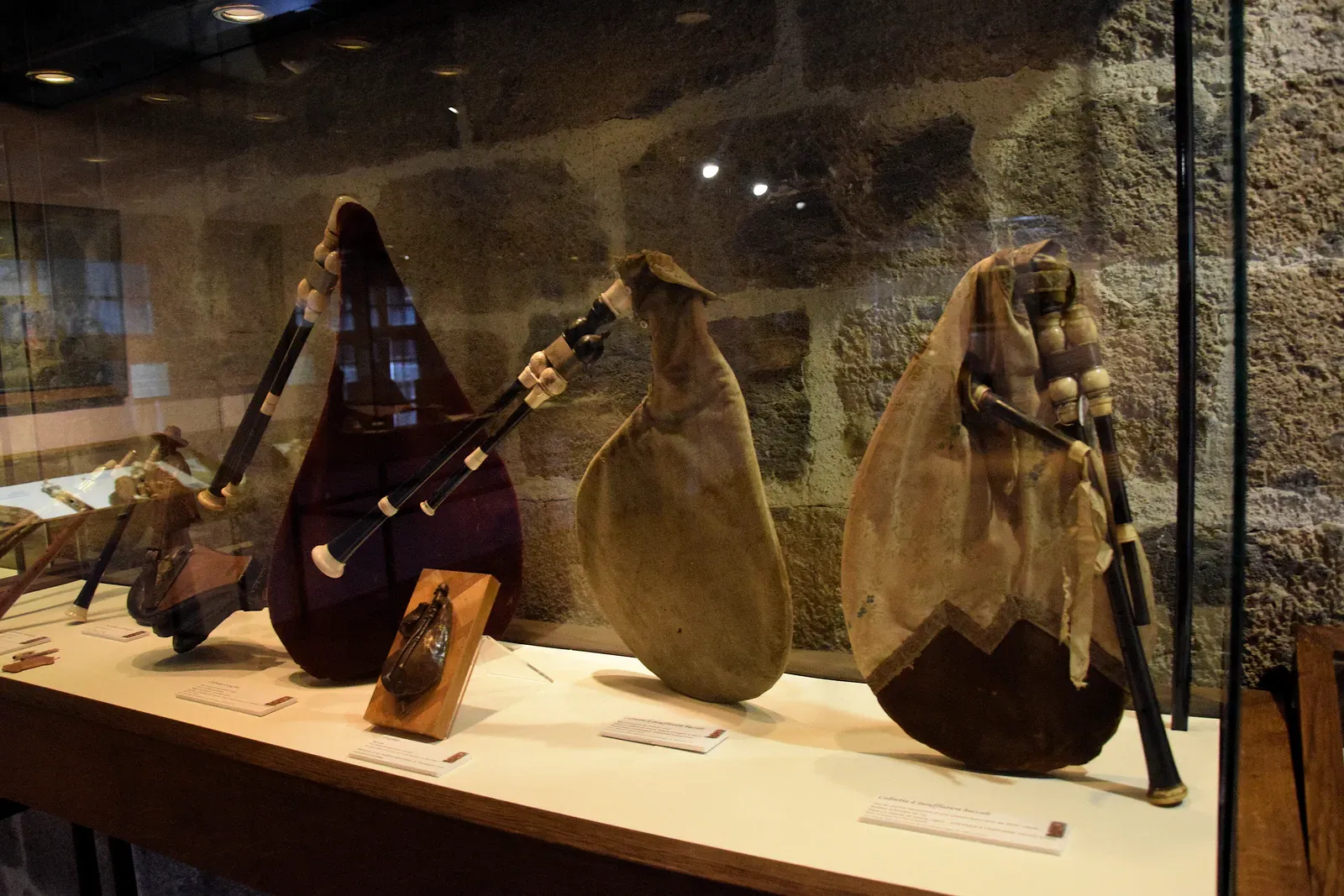
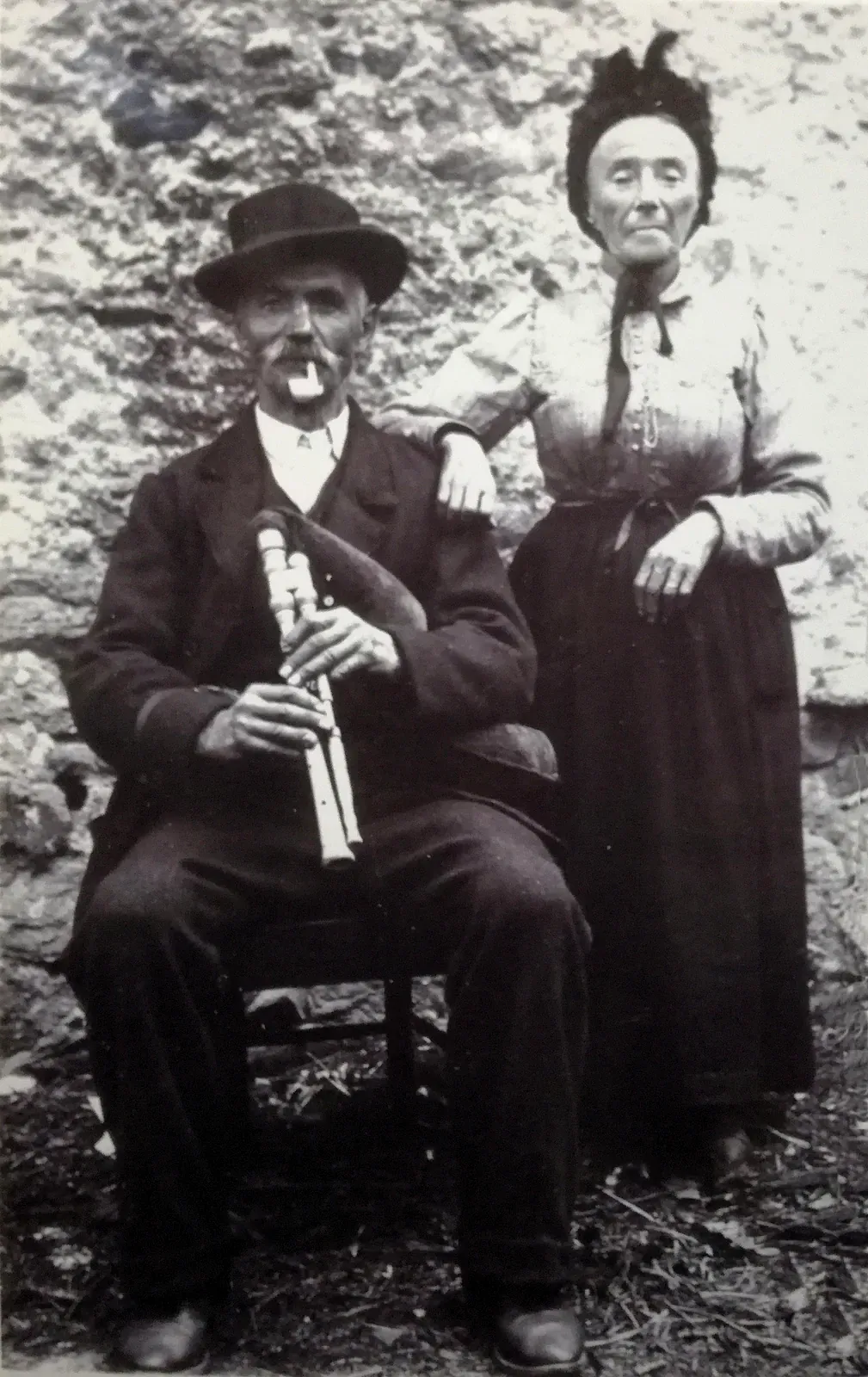
Auvergnats settled in large numbers in the 5th, 11th and 12th arrondissements of Paris during the nineteenth century and opened cafes and bars. Their customers danced the bourrée to the cabrette, and often to the hurdy-gurdy, known in French as the vielle à roue. The local name for the bagpipe was musette, which is how a regional dance evening became a bal-musette.
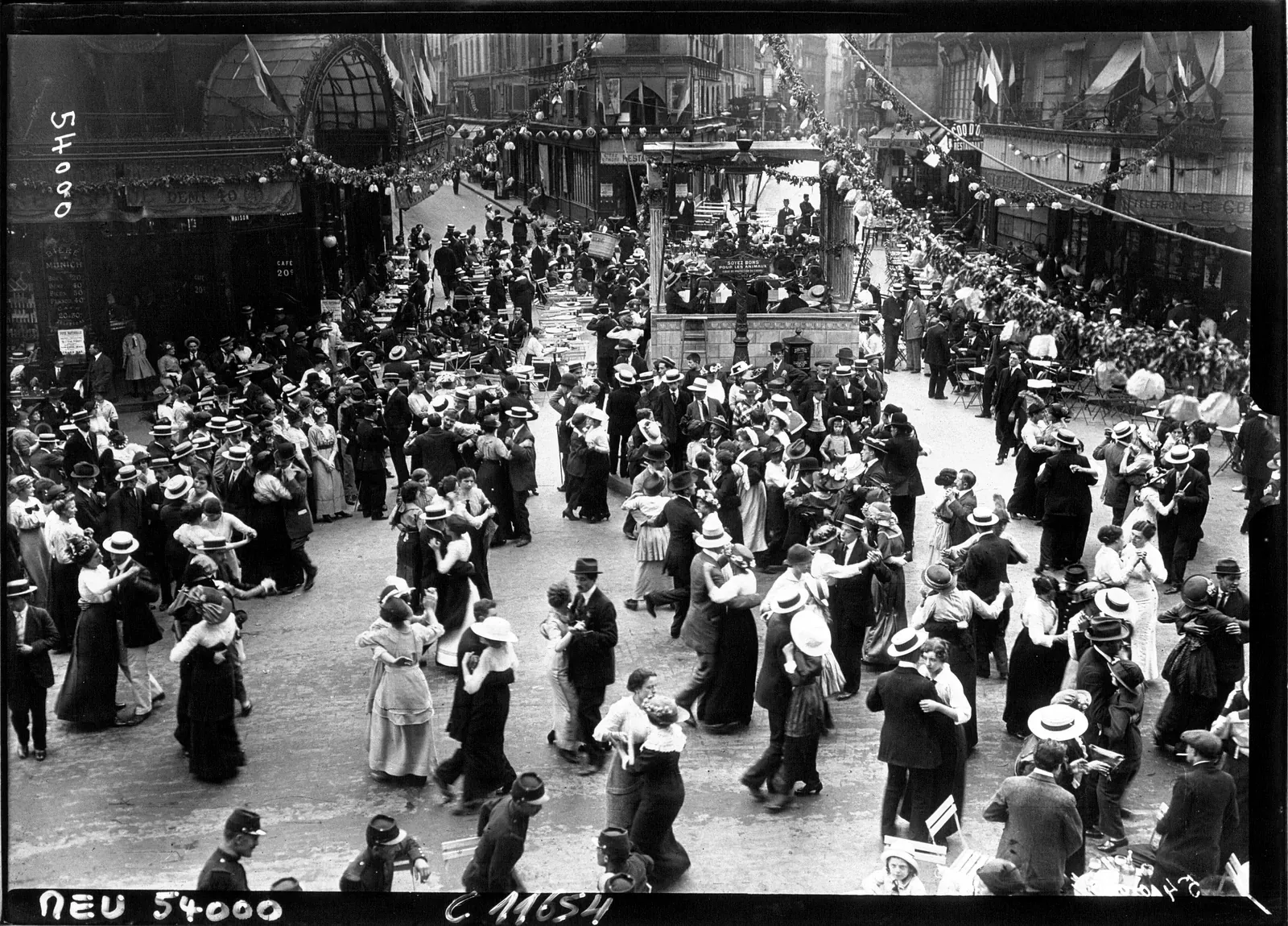
Accordionists, both Parisian and Italian immigrants, then adopted the style and settled in Auvergnat bars, especially in the 19th arrondissement. The accordion was newly arrived in its hybrid form, and the Italians brought rhythms the Auvergnats did not play, notably the waltz and the polka. Conflicts followed and the two styles split. By the end of the nineteenth century three kinds of establishment existed: the bal des familles, run by Auvergnats; the popular bal musette of the Italians; and the guinche or bal de barrière, a rough hangout for the poor and for bohemians. Members of the upper classes visited the guinches for excitement, and some owners staged mock police raids for their benefit.
The java and the dance forms, 1900-1944
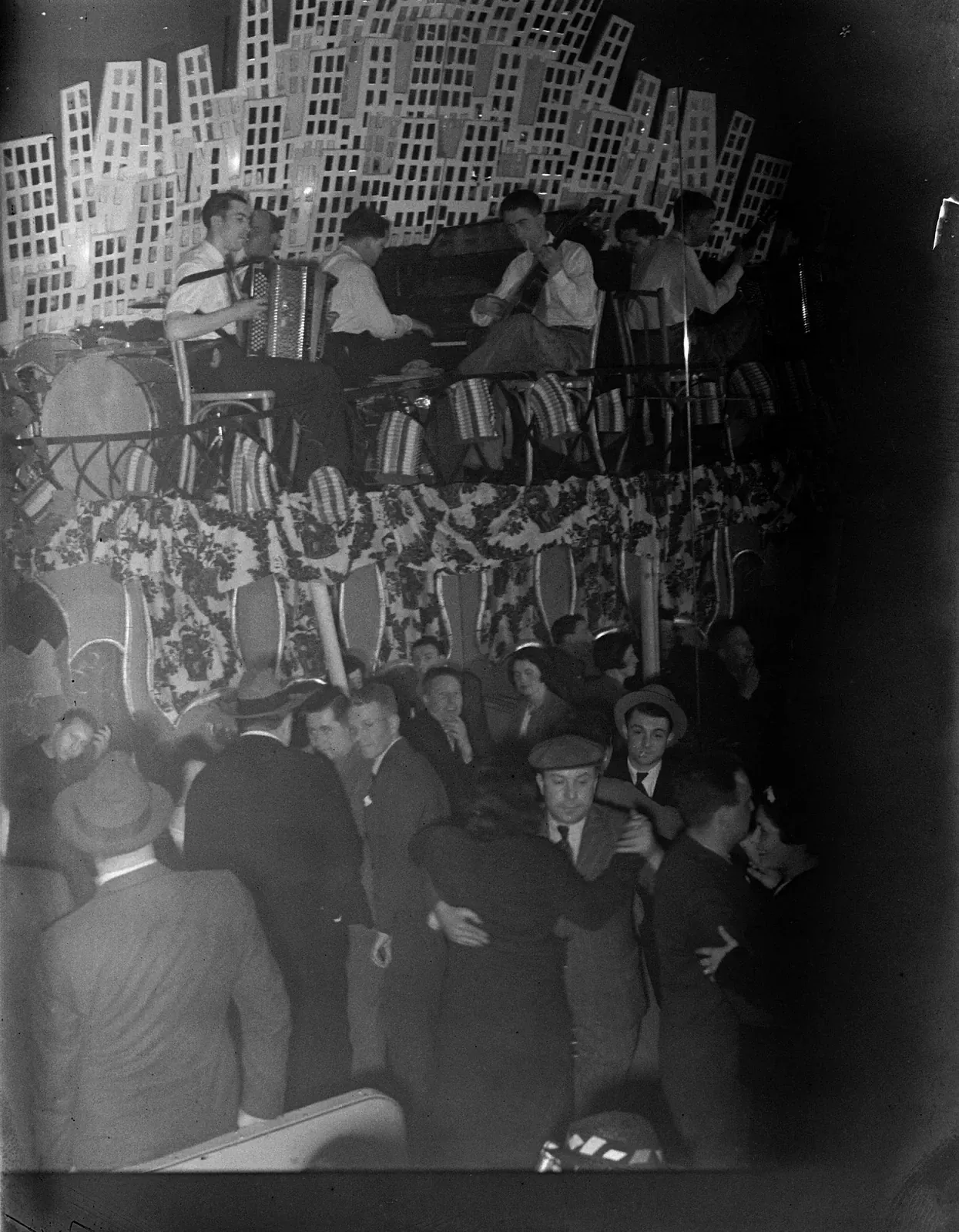
Musette dances grew from a demand for steps that were easier, faster and more sensual than the grand waltz, and for forms that did not need a large hall. Variations on the dances of the day took the name musette: the tango-musette, the paso-musette and the valse-musette, which had its own figure, la toupie, in which couples hold close and spin steadily on the spot. One dance was original to the bals, the java, a fast waltz taken in small steps with the partners pressed together. It was danced mainly in the bals from 1910 to 1960, and the more respectable halls banned it.
The java reached popular song early. Mistinguett recorded “La Java” in 1923, and Georgius, Fréhel and Édith Piaf followed with songs in the form. Jean Vigo’s film L’Atalante (1934) places a java in a working-class cafe and gives it a Maurice Jaubert theme for accordion.
Records made the accordionists famous. Émile Vacher, born in Tours in 1883 and often called the creator of the genre, became an Odeon recording star from the late 1920s. Admission to most bals was free: dancers bought metal tokens at the cash desk, each stamped with the name of the hall, and handed one over to the bal director in the middle of a dance.
Swing and the golden age, 1930-1959
In the 1930s musette and gypsy jazz drew on each other. Django Reinhardt worked with accordionists who also played in the halls, and players such as Belgian-born Gus Viseur took jazz phrasing into the waltz. Viseur’s “Flambée montalbanaise” (1940) is among the best-known results, a swing waltz built on fast accordion runs. Tony Muréna, born in Italy and a leading figure in Paris, wrote and played “Indifférence”, still a standard for accordionists.
Jo Privat, born in Ménilmontant in 1919, formed his first orchestra in 1936, won the French championship for musette orchestras and joined the Balajo dance hall at the end of that year. After the war he returned to the hall and played there until 1986, working with Django Reinhardt and the Ferret brothers among others. He composed about five hundred pieces influenced by bagpipes, Gypsy culture and American jazz. His own discography starts in earnest in late 1945 with 78 rpm records for Odeon and Pathé.
Mainstream success
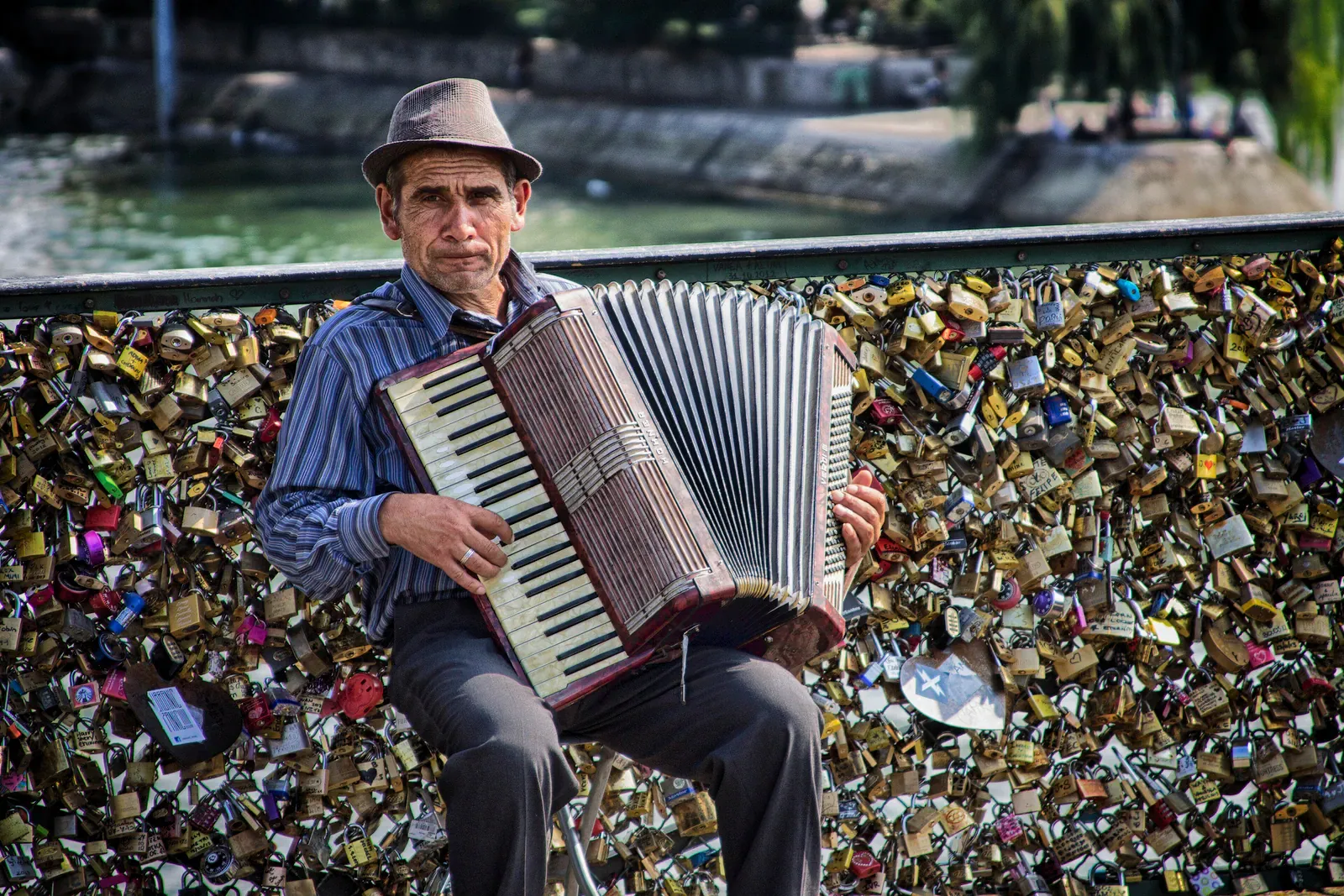
By 1945 the bal-musette was the most popular dance style in France and its stars were known across the country. Odeon recorded several of the leading accordionists, among them Vacher, Muréna and Privat. The music also reached concert-hall singers: in 1942 Édith Piaf recorded “L’Accordéoniste”, a java-time song about a hall musician, and the accordion became shorthand for Paris in French song.
In the 1950s and 1960s Yvette Horner, a French accordionist, became the best-known performer in the country. She followed the Tour de France, gave more than two thousand concerts in a career of about seventy years and released around 150 records, selling 30 million copies in all. Her showpiece “La Marche des mineurs” appeared on a 1960 EP.
Decline and revival
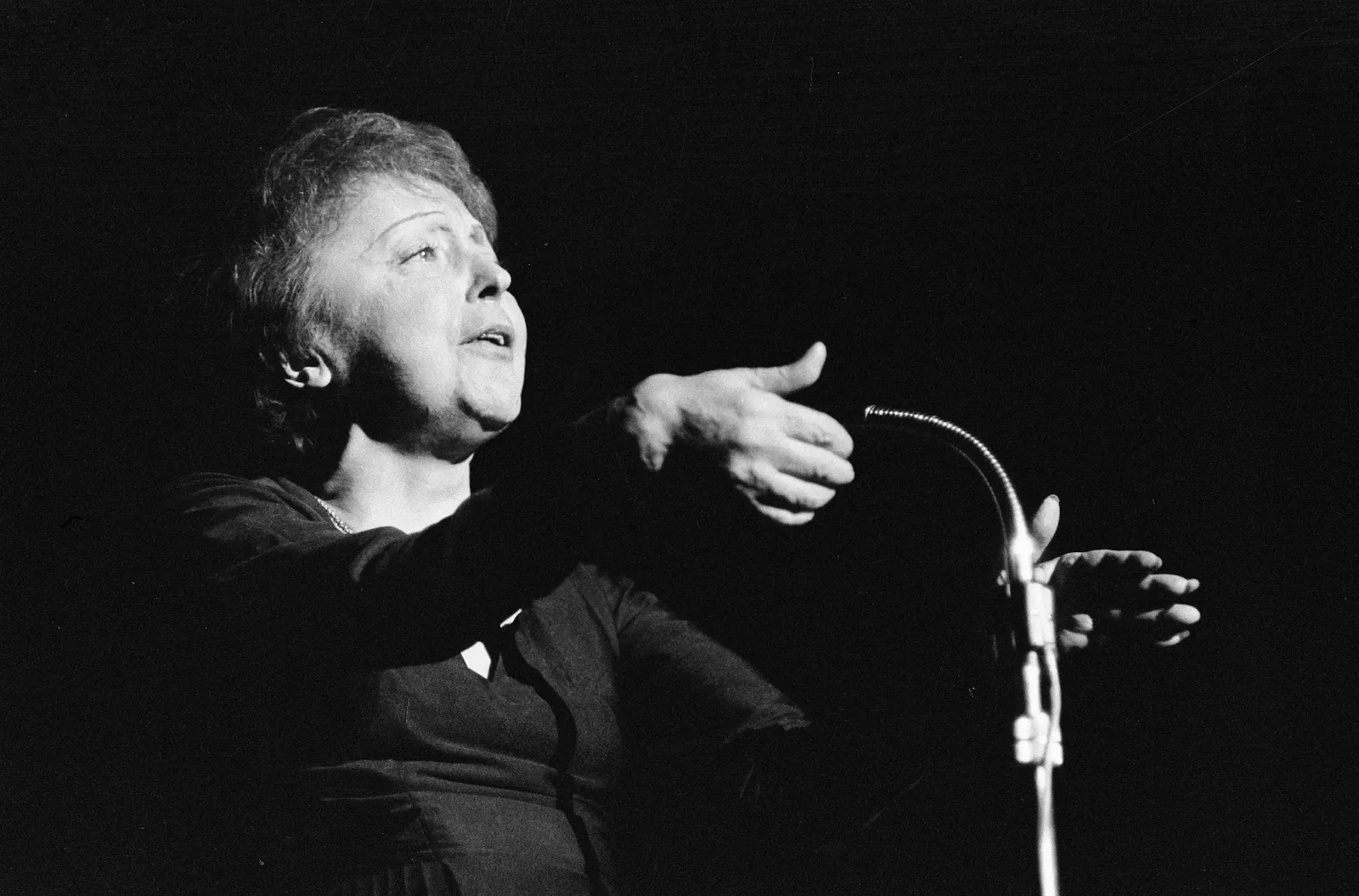
The popularity of the bal-musette fell sharply from around 1960 as tastes in dance music changed. Marcel Azzola kept the tradition on records and in sessions: he is the accordionist Jacques Brel urges on with “Chauffe, Marcel!” in “Vesoul”. Since then bals have returned in larger cities, and a modern form of musette has established itself. The folk-dance movement of bal folk draws on the same social format.
Characteristics
Musette is mostly instrumental and built on the waltz in 3/4 time. The tempo ranges from a relaxed java song at around 110 beats per minute to the fastest accordion showpieces at about 200. Melodies are usually carried by the accordion, with a second strain that contrasts with the first. Polka, tango and paso rhythms appear in the same repertoire, which is why the style takes its name from the place where the dances were played rather than from any one rhythm.
Instruments and production
The accordion replaced the bagpipe as the lead instrument and carries melody, chords and bass at once. Bands later added guitar or banjo and a rhythm section as swing mixed into the style in the 1930s. Records were made on 78 rpm discs until the 1950s, and the accordion sound on them is the close, wavering one that listeners still associate with Paris.
Culture
The bal was a social institution. Entry cost nothing and the dancers paid per dance, the halls sorted themselves by class and origin, and the guinche allowed the wealthy to visit the poor at a safe distance. Dance steps changed with the music: the java and the toupie put couples close together and were controversial for it. Café-concert and music-hall stars such as Mistinguett and Fréhel carried the dances into popular song.
Legacy
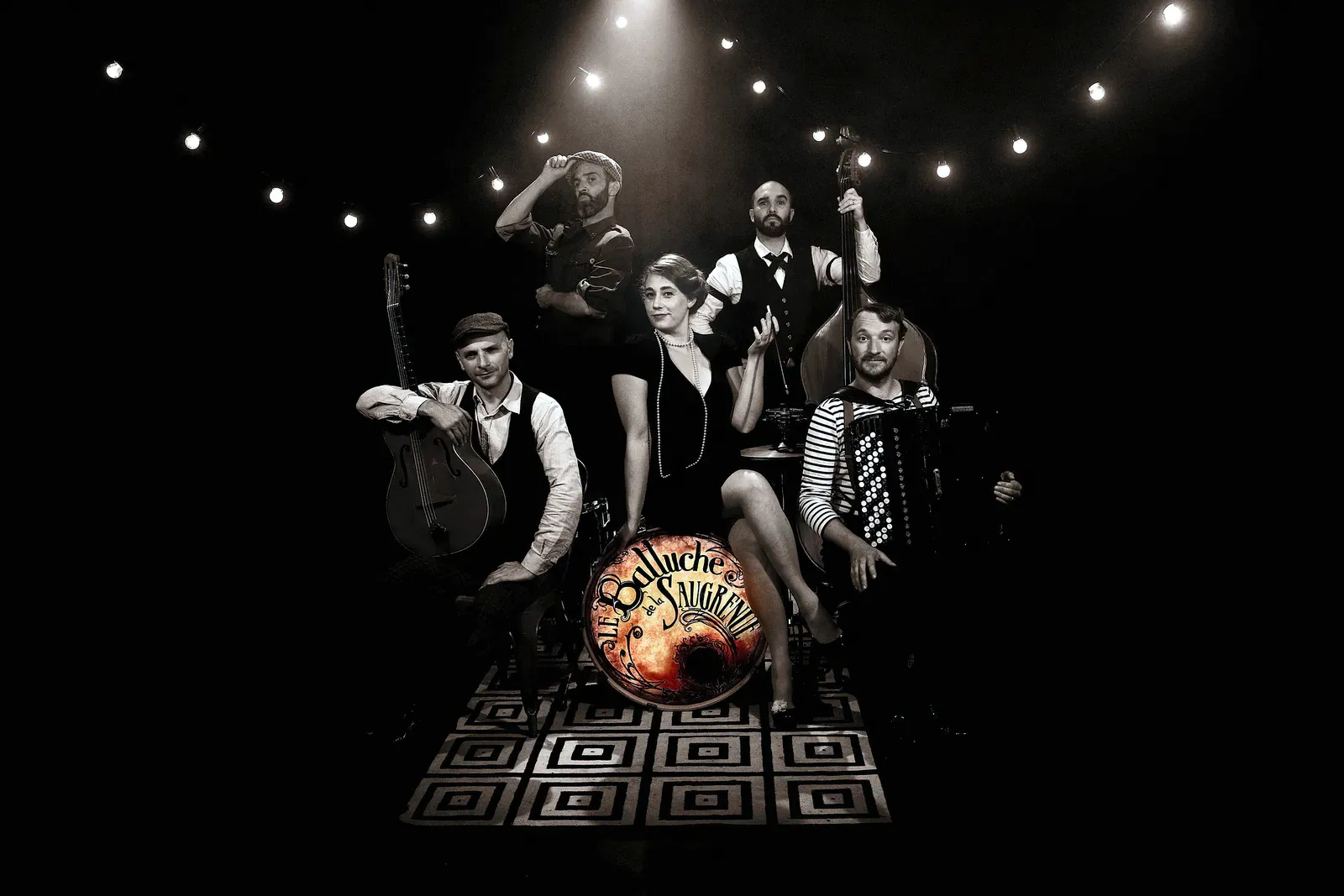
Musette is the point where Auvergnat, Italian and Parisian traditions met, and it shaped French popular music’s sense of the accordion. Its dances survive in revival bals, and its melodies are standards for accordionists. Later accordionists such as Richard Galliano, who also plays jazz and tango, work from the same repertoire, as do the folk-dance bals of the present day.
Misconceptions
Musette is often described as accordion music from the start. It began with the bagpipe and hurdy-gurdy of the Auvergne, and the accordion only displaced them as Italian players joined the scene. The name is also sometimes taken for the accordion’s reed sound, but it comes from the bagpipe, which was locally called a musette.
The java is often linked to the island of Java. The origin of the name is uncertain, and the dance most likely evolved from the waltz.
The bals are sometimes pictured as respectable dances for families. By the end of the nineteenth century they included the guinche, a rough venue for the poor and bohemians where wealthy visitors came for a thrill.
Frequently asked questions
What is musette music?
Musette is French dance-hall music that began in Paris in the 1880s, first on the cabrette bagpipe and then on the accordion, playing waltzes, polkas, tangos and the java.
Why is it called musette?
The Auvergnats who founded the Paris bals called their bellows-blown bagpipe a musette. The name stayed after the accordion replaced it.
What is the difference between a valse musette and a java?
A valse musette is the waltz as adapted for the accordion, with figures such as la toupie. The java is a faster, closer dance in small steps that was created in the bals themselves.
Who are the best-known musette accordionists?
Émile Vacher, Gus Viseur, Tony Muréna, Jo Privat and Yvette Horner are the most often cited, with Marcel Azzola and Richard Galliano as later players.
Is musette still played?
Yes. After a steep decline from around 1960 the bals have returned in larger cities, and a modern form of musette is developing.
Sound
Sound sheet
Anatomy of a track
| # | Part |
|---|---|
| 1 | Short accordion introduction |
| 2 | Main waltz theme |
| 3 | Contrasting second strain |
| 4 | Return of the theme, often faster |
Signature sounds
- Accordion tremolo from reeds tuned slightly apart
- Oom-pah-pah waltz bass and chords
- Fast chromatic runs and arpeggios
- Swing-influenced guitar rhythm from the 1930s
Techniques
- Reed tremolo
- Bass and chord alternation
- Virtuoso chromatic runs
- Swing phrasing
Keys and modes
Minor-key waltz themes. Many valses musette set a minor theme against a brighter second strain.
Tuning
12-TET with accordion reeds tuned slightly apart for a tremolo (musette tuning)
Vocals
Mostly instrumental; sung java and waltz songs by chanson singers use the same rhythms.
Scenes
Where it happened
Where and when the sound lived: one bar per city on a shared timeline.
Europe
Active scenes
Peak 2, 1890-2025
Auvergnat cafes in the 5th, 11th and 12th arrondissements are the birthplace of the bal.
Italian accordionists settle in the Auvergnat bars of this district.
Culture
Culture markers
- Valse musette and la toupie
Couples dance a close waltz, and in la toupie they turn tightly on the spot.
Dance - Java
A fast waltz in small steps with partners very close; some respectable halls banned it.
Dance - Dance tokens
Entry was free, but dancers bought metal tokens at the cash desk and gave one up mid-dance.
Ritual - Guinche
The word for the seediest bals de barriere, visited by slumming members of the upper classes.
Slang
Media
Key media
- 1934L'Atalante
by Jean Vigo. Shows a java danced in a working-class cafe, with a java theme on the soundtrack.
Film
Glossary
Terms on this page
A Parisian dance hall, and the instrumental music played there, built around the accordion.
The bellows-blown bagpipe of the Auvergne, called the musette, played in the first Paris bals.
A rough bal de barriere frequented by bohemians and the poor, and by upper-class visitors seeking excitement.
A fast, sensual waltz-like dance created in the bals, danced in small steps with partners very close.
A metal dance token, stamped with the name of the hall, bought at the cash desk and handed in during the dance.
A waltz adapted for the accordion, with a variation called la toupie in which couples turn closely.
European folk family