Chanson
Chanson is the French lyric-driven song tradition, from medieval troubadour song and Renaissance polyphony to the cabaret and author-singer chanson of Paris.
France, around 1100
European folk family
Born
around 1100
France
Subgenres
2
Documented branches
Links
25
Genres it drew on or shaped
Tempo
60-130 BPMLineage
Family tree
Grew out of
France
Chanson
Led to (5)
Timeline
Era by era
From the first sparks to today. Select a dot to read the story behind it.
- Troubadours to Renaissance chanson
1100 to 1600
- Cafés-concerts and cabarets
1830 to 1914
- Realist song and music hall
1880 to 1945
- Postwar stars and author-singers
1945 to 1970
- Nouvelle chanson
1990 to today
Eras
Moments
- 1 Troubadours to Renaissance chanson, 1100 to 1600
- 2 Cafés-concerts and cabarets, 1830 to 1914
- 3 Realist song and music hall, 1880 to 1945
- 4 Postwar stars and author-singers, 1945 to 1970
- 5 Nouvelle chanson, 1990 to today
around 1100
Troubadours to Renaissance chanson
Monophonic songs of troubadours and trouvères gave way to polyphonic chansons in the formes fixes, then to the simpler Parisian chansons of the 1520s.
- 1100Troubadour and trouvère songMonophonic courtly songs are the earliest roots of the chanson tradition.
- 1350Machaut's polyphonic chansonsGuillaume de Machaut writes the first significant body of three-voice chansons in the formes fixes.
- 1528Parisian chansonSermisy, Certon, Janequin and Verdelot write simpler four-voice chansons, many published by Pierre Attaingnant.
around 1830
Cafés-concerts and cabarets
Paris cafés chantants, the Eldorado and Montmartre cabarets made song a public entertainment for workers and the middle class.
- 1830First cafés chantants in ParisSinging cafés open in the streets of Paris as entertainment for workers and the petite bourgeoisie.
- 1858Eldorado opensThe 2,000-seat Paris hall becomes a temple of song, followed by the Scala.
around 1880
Realist song and music hall
Chanson réaliste told of the Parisian poor, while jazz and swing shaped the music-hall stars of the 1930s.
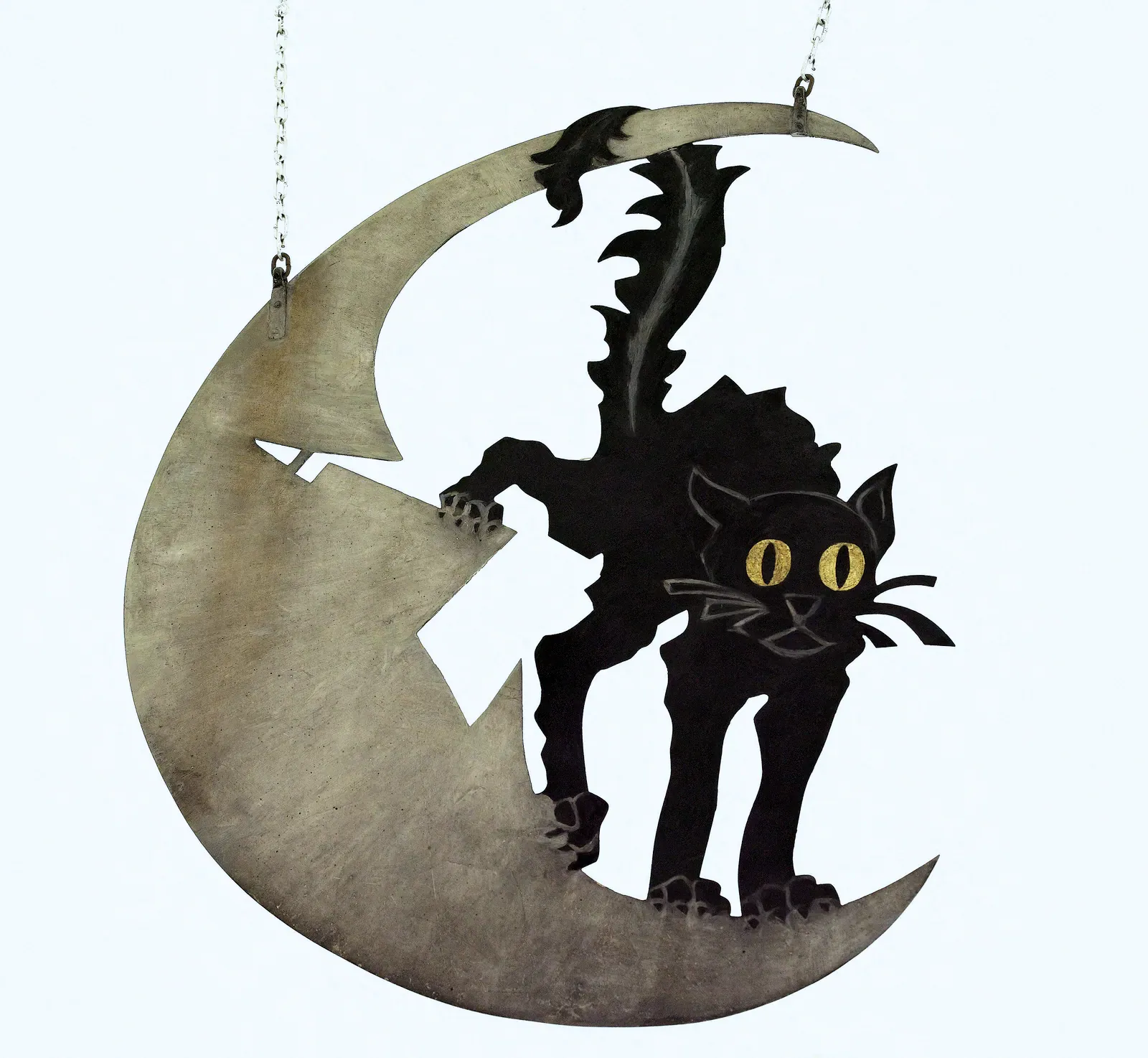
- 1881Le Chat Noir opens in MontmartreRodolphe Salis opens the first modern cabaret on 18 November.
- 1930Parlez-moi d'amourLucienne Boyer's song becomes the first worldwide hit of French chanson.
1945
Postwar stars and author-singers
Piaf, Trenet and Aznavour reached audiences abroad while Brassens, Brel, Ferré and Barbara returned song to literary sources.
- 1946Charles Trenet's La MerA single release of the song that became one of the most recorded French songs.
- 1947Édith Piaf's La Vie en roseFirst released as a single in 1947 and later the best-known chanson abroad.
- 1952Brassens' first singlesLa Mauvaise Réputation and Le Gorille are issued in 1952.
- 1954Olympia reopens as a music hallBruno Coquatrix runs the Paris hall, converted from a cinema, as a major stage for song.
- 1959Brel's Ne me quitte pasRecorded in November 1959 on the album La Valse à mille temps.
- 1965Aznavour's La BohèmeReleased in November 1965 as an EP and then a single.
around 1990
Nouvelle chanson
A French scene from the 1990s, drawing on Brel, Brassens and Gainsbourg in a softer pop style.
- 1990Nouvelle chanson emergesA new generation of French singer-songwriters reworks the Brel and Brassens heritage.
- 1992Musée de la chanson françaiseA museum devoted to the artists of the heritage opens in La Planche, Loire-Atlantique.
Listening path
Start listening
A short path from an easy way in to the deep end. Thumbnails come from YouTube; the player loads only when you press play.
- 01
Édith Piaf, 1947
The best-known chanson abroad; listen for the rubato voice over a simple accompaniment.
- 02
Charles Trenet, 1946
A sweeping ballad that became one of the most recorded French songs.
- 03
Georges Brassens, 1952
Voice, guitar and bass with a literate, mocking text.
- 04
Jacques Brel, 1959
Theatrical delivery of a plea built on repeated lines.
- 05
Charles Aznavour, 1965
A nostalgic Montmartre story that took chanson to international audiences.
Facts
| Family | European folk |
| Origin | France |
| Emerged | Medieval troubadour song through modern lyric-driven pop |
| Status | Active |
| Tempo | 60 to 130 BPM |
| Meter | 4/4 or 3/4 |
| Subgenres | 2 |
Chanson, from the French word for “song”, is generally any lyric-driven French song.
The term covers the polyphonic secular songs of the late Middle Ages and the Renaissance, and a style of French popular song that took its modern form in the cabarets and music halls of Paris and reached its postwar height in the 1950s and 1960s. Its defining traits are poetic lyrics set to the rhythm of the French language, and a performer who is usually the center of a sparse, acoustic setting. It belongs to the European folk family as a written, urban tradition rather than a rural one.
Origins
The tradition begins with the monophonic songs of the troubadours and trouvères. Polyphony arrived slowly: the only polyphonic precedents were 16 works by Adam de la Halle and one by Jehan de Lescurel, and not until Guillaume de Machaut in the 14th century did a composer write a significant number of polyphonic chansons. These early pieces followed the formes fixes (ballade, rondeau and virelai) for two, then three, voices.
From the late 1520s the Parisian chanson of Claudin de Sermisy, Pierre Certon, Clément Janequin and Philippe Verdelot dropped the fixed forms for simpler, mostly homophonic writing, often for four voices, and Pierre Attaingnant published many of the pieces.
In the 17th century solo song with lute or keyboard flourished as the air de cour and the chanson pour boire. Opera dominated the 18th century, and solo song returned in the 19th century first as salon melodies and then, under the influence of German Lieder, as the sophisticated mélodie of Louis Niedermeyer, Édouard Lalo and later Gabriel Fauré and Claude Debussy. French scholars separate the mélodie from chanson proper, and the popular line of the tradition runs through the streets, cafés and cabarets instead.
Cafés-concerts and cabarets, 1830-1914
The first cafés chantants appeared in the streets of Paris in the 1830s as entertainment for workers and a petite-bourgeois public, following the earlier goguettes. Cafés-concerts spread through the north-eastern districts, Montmartre and the Latin Quarter, where socially critical and political songs were sometimes sung. The Eldorado opened in 1858 with 2,000 places, and the Scala followed.
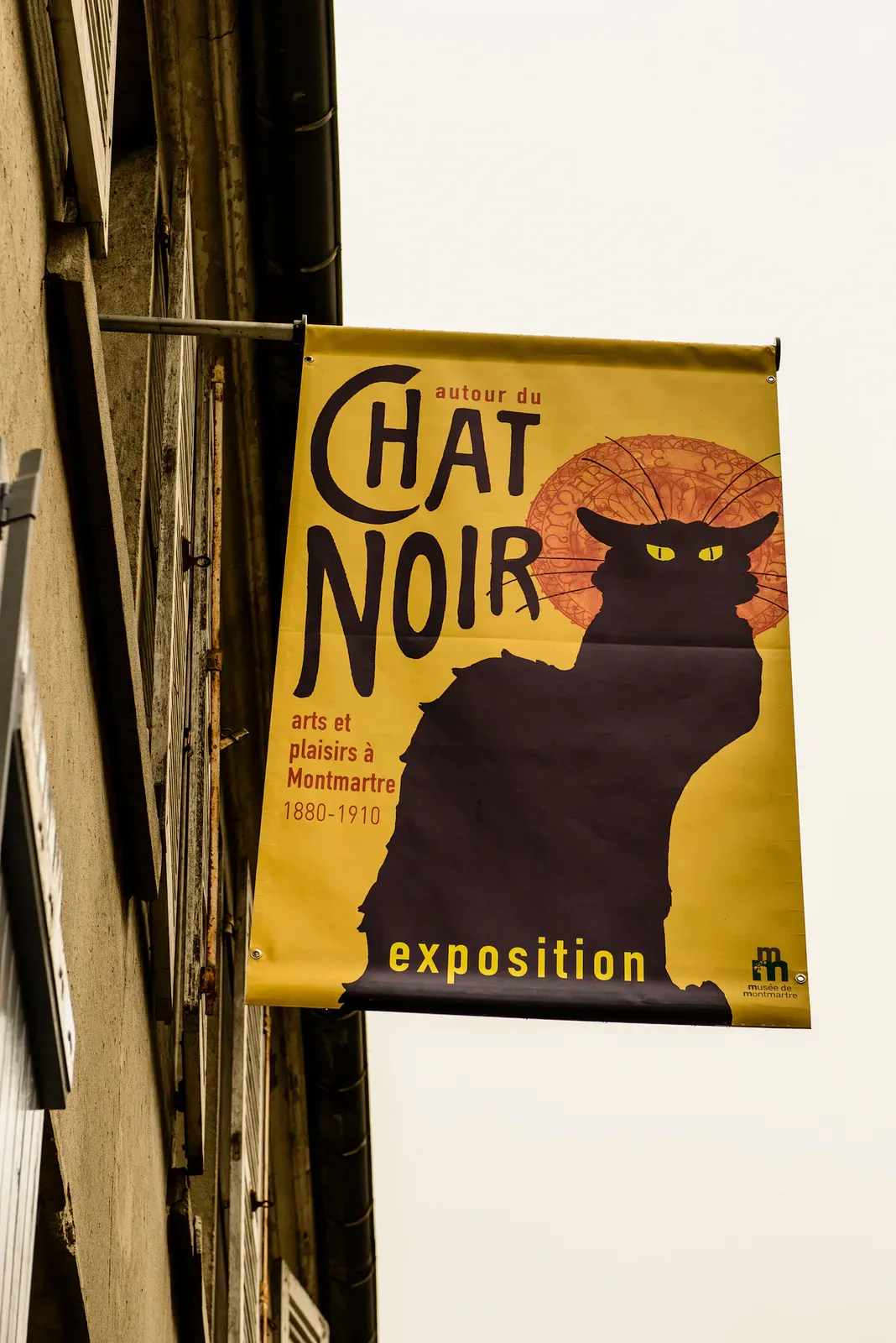
Le Chat Noir is regarded as the first modern cabaret: patrons sat at tables and drank while a variety show was introduced by a master of ceremonies. The café-concert tradition favored light, sometimes bawdy songs and was not particularly confrontational, which separated it from the cabaret.
Realist song and music hall, 1880-1945
Aristide Bruant, the cabaret singer remembered in a red scarf and black cape on Toulouse-Lautrec’s posters, has been credited as the creator of chanson réaliste. The style, influenced by literary realism and naturalism, sang of voyous, prostitutes, pimps and orphans, the poor and working class of Paris. It was mainly performed by women: Eugénie Buffet, Berthe Sylva, Marie Dubas, Damia, Fréhel and the young Édith Piaf. Classics include the anti-war song La Butte rouge and Fréhel’s La Java bleue.
From the second half of the 1920s the jazz and swing played by small ensembles on stage reshaped the music hall. The best-known stars of the 1930s were Charles Trenet, Jean Sablon, Mireille, Maurice Chevalier and Tino Rossi. Lucienne Boyer’s Parlez-moi d’amour of 1930 was the first worldwide hit of the French repertoire. Trenet wrote nearly 1,000 songs over more than 60 years, among them Boum! (1938), La Mer (1946) and Nationale 7 (1955).
Postwar stars and author-singers, 1945-1970
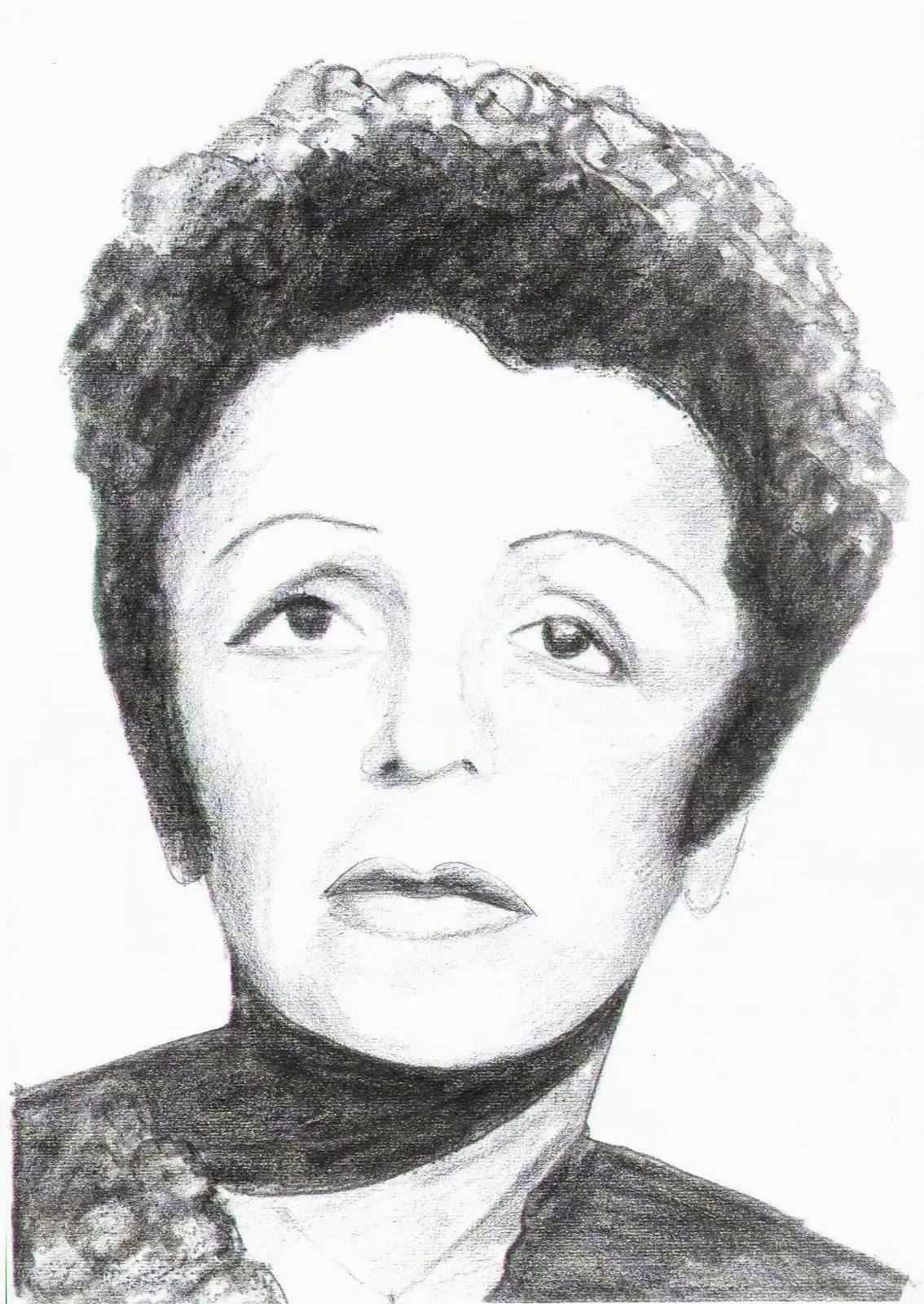
Piaf’s career grew in the 1940s, and La Vie en rose reached disc in 1947. Early in the 1950s new stars emerged: Juliette Gréco, Yves Montand, Les Compagnons de la chanson, Gilbert Bécaud, Annie Cordy and Henri Salvador. At the same moment a return to literary sources was led by the author-composer-performers Léo Ferré, Georges Brassens, Jacques Brel, Barbara and Boby Lapointe. Several set or drew on well-known poets, including Prévert, Aragon, Baudelaire, Rimbaud and Verlaine.
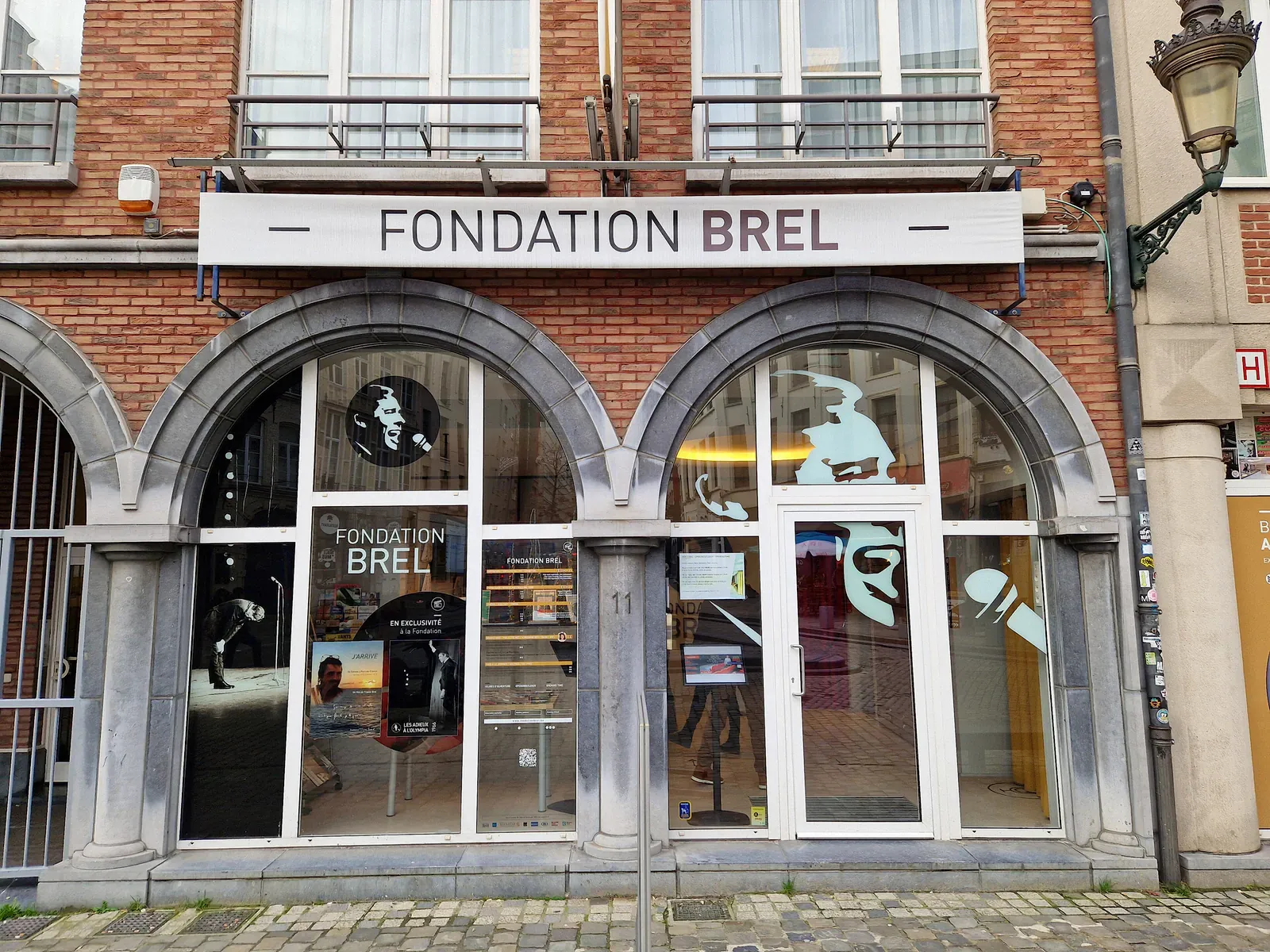
The Olympia in Paris, which had opened in 1893 and been turned into a cinema, reopened as a music hall in 1954 under Bruno Coquatrix and became a leading stage for the singers of the era. Brassens, a poet from Sète whose songs combined harmonically complex music for voice and guitar with articulate, varied lyrics, issued his first singles in 1952. Brel, a Belgian, became a master of the theatrical modern chanson, with a following first in Belgium and France and later worldwide.
Aznavour, a French and Armenian singer-songwriter with a vibrato tenor, took a more dramatic, storytelling ballad to international audiences, with La Bohème in 1965. Serge Gainsbourg started in jazz and chanson and moved through yé-yé to pop and rock, issuing La Javanaise in 1963; his provocations divided public opinion. With the arrival of rock and roll, young audiences turned to the style that became French pop and yé-yé.
Characteristics
Modern chanson is distinguished from the rest of French popular music by following the rhythms of the French language rather than those of English, and by a higher standard for the lyrics. Texts are poetic or narrative, strophic in form with the melody repeated for every stanza, and usually carried by one voice. The pulse is flexible, with rubato or steady waltz-like patterns, ranging from slow ballads to lively mid-tempo songs.
The tradition absorbed outside influences along the way: the musette dances (waltz, java, tango), Latin American and Caribbean rhythms, jazz, blues, country, rock, folk, pop, disco and later rap. The label also covers francophone work whatever the artist’s origin, so the Quebec singer Félix Leclerc and the Belgian Brel are counted with the French.
Instruments and production
Typical accompaniment is acoustic: accordion, piano and guitar, often with orchestral strings to heighten the theatrical storytelling. The use of harp and keyboard is a survival of the lute and keyboard song of the 17th century. The recording and broadcast technology of the 20th century, the microphone, radio, the sound film and the phonograph record moved the songs from the café to a mass audience.
Notable recordings
La Vie en rose, Piaf’s best-known recording, was first issued as a single in 1947 and has been recorded many times since; her defiant Non, je ne regrette rien followed in 1960. Trenet’s La Mer, a sweeping seaside ballad, was released as a single in 1945 and 1946 and became one of the most recorded French songs. Brassens’ La Mauvaise Réputation, on his first single, set out his plain voice-and-guitar style and mocking text. Brel’s Ne me quitte pas, recorded in November 1959 for the album La Valse à mille temps, is a plea built on repeated lines, delivered with an actor’s intensity.
Culture
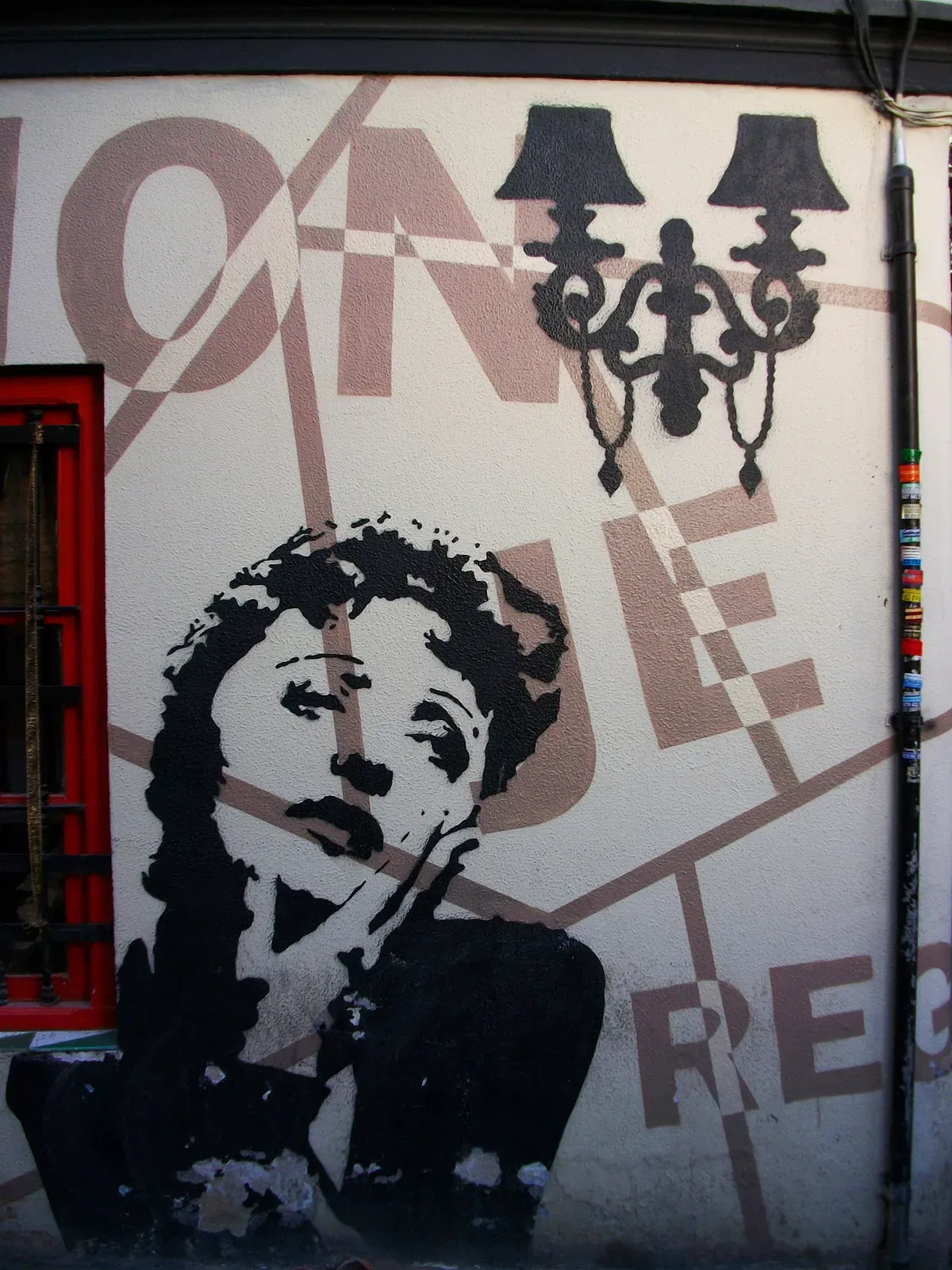
The imagery of chanson was first made on the posters of Montmartre: the Chat Noir cat and Toulouse-Lautrec’s picture of Bruant fixed a look of bohemian Paris that Aznavour’s La Bohème later sang about with nostalgia. Labels were important to the author-singers. Philips recorded Brassens, Brel and Gainsbourg, and Piaf recorded for Polydor and Pathé-Marconi. See Philips and Polydor.
The Musée de la chanson française opened in 1992 in La Planche, Loire-Atlantique, to keep the memory of the artists who built the heritage.
Legacy
A new generation of French singer-songwriters emerged in the 1990s under the name nouvelle chanson, taking inspiration from Brel, Brassens and Barbara in a softer pop style, with Gainsbourg and Brigitte Fontaine as rockier models. Benjamin Biolay, Dominique A, Yann Tiersen, Camille, Keren Ann, Olivia Ruiz and Émilie Simon are counted among them. Outside France, Rufus Wainwright and Regina Spektor show the same lineage.
Misconceptions
One common belief is that chanson means any French pop song. In music history the word names several things at once: the polyphonic song of the Renaissance, the café and cabaret song of the 19th century, and the postwar author-singer style. Songs of the later pop era are usually grouped as variété or French pop.
Another is that chanson is only Piaf and the cabaret. Her repertoire belonged to chanson réaliste, but the postwar chanson also contained the literary songs of Brassens and Ferré and the theatrical songs of Brel.
Frequently asked questions
What is chanson?
Chanson is French lyric-driven song. It denotes both the polyphonic songs of the late medieval and Renaissance periods and a style of French popular song that matured in the 1950s and 1960s, valuing poetic lyrics set to the rhythm of the French language.
Who are the main chanson artists?
The core names are Édith Piaf, Charles Trenet, Georges Brassens, Jacques Brel, Léo Ferré, Barbara, Charles Aznavour and Serge Gainsbourg.
What is chanson réaliste?
Chanson réaliste is a style performed in France from the 1880s until the end of the Second World War, about the lives of the poor and working class of Paris and mainly sung by women such as Damia, Fréhel and Piaf.
What is nouvelle chanson?
Nouvelle chanson is a French song movement that emerged in the 1990s, with poetic or political content, drawing on Brel, Brassens and Gainsbourg in a softer pop style.
Sound
Sound sheet
Signature sounds
- Lyrics set to the rhythm of the French language
- Strophic form with a repeated melody per stanza
- Accordion, piano or guitar accompaniment
- Flexible rubato or waltz-like pulse
Techniques
- Strophic form
- Rubato phrasing
- Waltz-like patterns
- Orchestral string support
Vocals
Lyric-driven solo voice, text set to the rhythm of French speech, spoken-sung delivery
Scenes
Where it happened
Where and when the sound lived: one bar per city on a shared timeline.
Europe
Active scenes
Peak 2, 1881-2025
Home of Le Chat Noir and the realist-song cabarets.
Cafés-concerts where socially critical songs were sometimes performed.
Venues and places
Paris, 1881 to today. First modern cabaret, open from 1881 to 1897.
Paris, 1858 to today. A 2,000-seat café-concert hall.
Paris, 1954 to today. Music hall at 28 Boulevard des Capucines, a leading song stage after 1954.
Culture
Culture markers
- Red scarf and black cape
Aristide Bruant's stage costume, shown on Toulouse-Lautrec's posters.
Fashion - Toulouse-Lautrec cabaret posters
Posters of Bruant that fixed the image of Montmartre song.
Artwork
Glossary
Terms on this page
Court song of the late Renaissance and early Baroque, with lute or keyboard.
Belle Époque music venue with light, sometimes bawdy song and little political edge.
Song style of the 1880s to 1945 about the lives of the Parisian poor.
Ballade, rondeau and virelai: the fixed poetic forms of medieval chansons.
Romantic-era French art song, distinct from chanson.
French song movement of the 1990s with poetic or political content.
European folk family