Yé-yé
Yé-yé is early-1960s youth pop of France and southern Europe, built on rock and roll, beat music and chanson and often sung by young women.
Paris, 1960
Pop family
Born
1960
Paris
Links
16
Genres it drew on or shaped
Tempo
95-150 BPMLineage
Family tree
Grew out of
Derived from
Derived from
Influenced by
Paris, 1960
Yé-yé
Led to (2)
Timeline
Era by era
From the first sparks to today. Select a dot to read the story behind it.
- Radio and first stars
1959 to 1962
- The yé-yé generation
1963 to 1968
- Late-1970s revival
1978 to 1981
Eras
Moments
- 1 Radio and first stars, 1959 to 1962
- 2 The yé-yé generation, 1963 to 1968
- 3 Late-1970s revival, 1978 to 1981
1959
Radio and first stars
Salut les copains reached French radio in December 1959, its chouchou slot launched singers, and Françoise Hardy's first EP on Vogue in 1962 set the ballad side of the style.
- 1959Salut les copains goes on airJean Frydman's radio program, hosted by Daniel Filipacchi and Frank Ténot, first airs in December and soon makes its chouchou de la semaine slot a route into the charts.
- 1962Hardy's first EP on VogueVogue releases Françoise Hardy's first EP, with Tous les garçons et les filles, which tops the French charts by early 1963.
- 1962Salut les copains magazine launchesEurope 1's companion magazine appears in 1962 and at its peak sells more than a million copies an issue; German, Spanish and Italian editions follow.
1963
The yé-yé generation
A magazine anniversary concert in 1963 gave the movement its name; Gainsbourg-written hits, Eurovision wins and Italian and Spanish counterparts carried the sound across Europe.
- 1963France Gall signs to PhilipsGall signs with Philips after an audition and debuts with Ne sois pas si bête, an adaptation of a Laurie Sisters song.
- 1963Place de la Nation concertOn 22 June, Europe 1 stages a free concert for the magazine's first anniversary that draws 200,000 people, with Sylvie Vartan and Johnny Hallyday on the bill.
- 1963Edgar Morin names the generationA July article by sociologist Edgar Morin in Le Monde labels the young audience the yé-yé generation.
- 1964N'écoute pas les idolesSerge Gainsbourg's song for France Gall reaches the top of the French charts in March.
- 1965Gall wins EurovisionFrance Gall wins the contest in Naples on 20 March for Luxembourg with Gainsbourg's Poupée de cire, poupée de son.
- 1966Les SucettesGainsbourg's lollipop song for the 18-year-old Gall carries a double meaning that she says she did not grasp when she recorded it.
- 1967Sandie Shaw wins EurovisionShaw's Puppet on a String wins for the United Kingdom, the first British victory; Massiel's La, la, la wins for Spain the next year.
around 1978
Late-1970s revival
Electro-pop acts such as Lio, Plastic Bertrand and Elli et Jacno briefly revived the style around 1980, with a harder yé-yé punk branch.
- 1980Lio's Amoureux solitairesLio's string of hits in 1980, led by Amoureux solitaires, anchors the electro-pop yé-yé revival.
Listening path
Start listening
A short path from an easy way in to the deep end. Thumbnails come from YouTube; the player loads only when you press play.
- 01
Françoise Hardy, 1962
The ballad that opened the style's melancholic side; listen for the breathy alto over light guitar backing.
- 02
Sylvie Vartan, 1964
An up-tempo dance number from the film Cherchez l'idole, showing the girlish, bright delivery.
- 03
France Gall, 1965
The Eurovision winner, a fast Gainsbourg song with wordplay about a singing doll.
- 04
Jacques Dutronc, 1966
A guitar-led beat number, representing the male singers.
Facts
| Family | Pop |
| Origin | Paris, France |
| Emerged | Early-mid 1960s |
| Status | Historical |
| Tempo | 95 to 150 BPM |
| Meter | 4/4 |
| Grew out of | Beat music, Rock and roll |
Yé-yé is a style of youth pop that emerged in France and other parts of Western and Southern Europe in the early 1960s, named after the English cry “yeah! yeah!” of British beat groups.
It combined rock and roll, rhythm and blues, beat music and chanson, and it was fronted largely by teenage and twenty-something women singing in their own languages. It is a strand of pop.
Origins
The movement grew out of a radio program, Salut les copains (“Hello, pals”), created by Jean Frydman and hosted by Daniel Filipacchi and Frank Ténot on Europe 1, which first aired in December 1959. One of its segments, the chouchou de la semaine or “this week’s sweetheart”, became the starting point for most yé-yé singers: a song presented there went straight to the top of the charts. A companion magazine of the same name appeared in 1962, passed one million copies at its peak and was followed by German, Spanish and Italian editions.
The word itself has a television origin. In February 1962 Françoise Hardy sang “La fille avec toi” on a television show, a song that opened with “yeah yeah yeah yeah”, and the host asked her what the syllables meant. The label stuck to the whole scene after the sociologist Edgar Morin used it in a July 1963 article in Le Monde.
France had a large domestic market for songs in French, and singers such as Johnny Hallyday, who is credited with bringing rock and roll to the country, openly imitated English-language rock. Yé-yé absorbed that sound and recast it in French.
Paris, 1959-1962
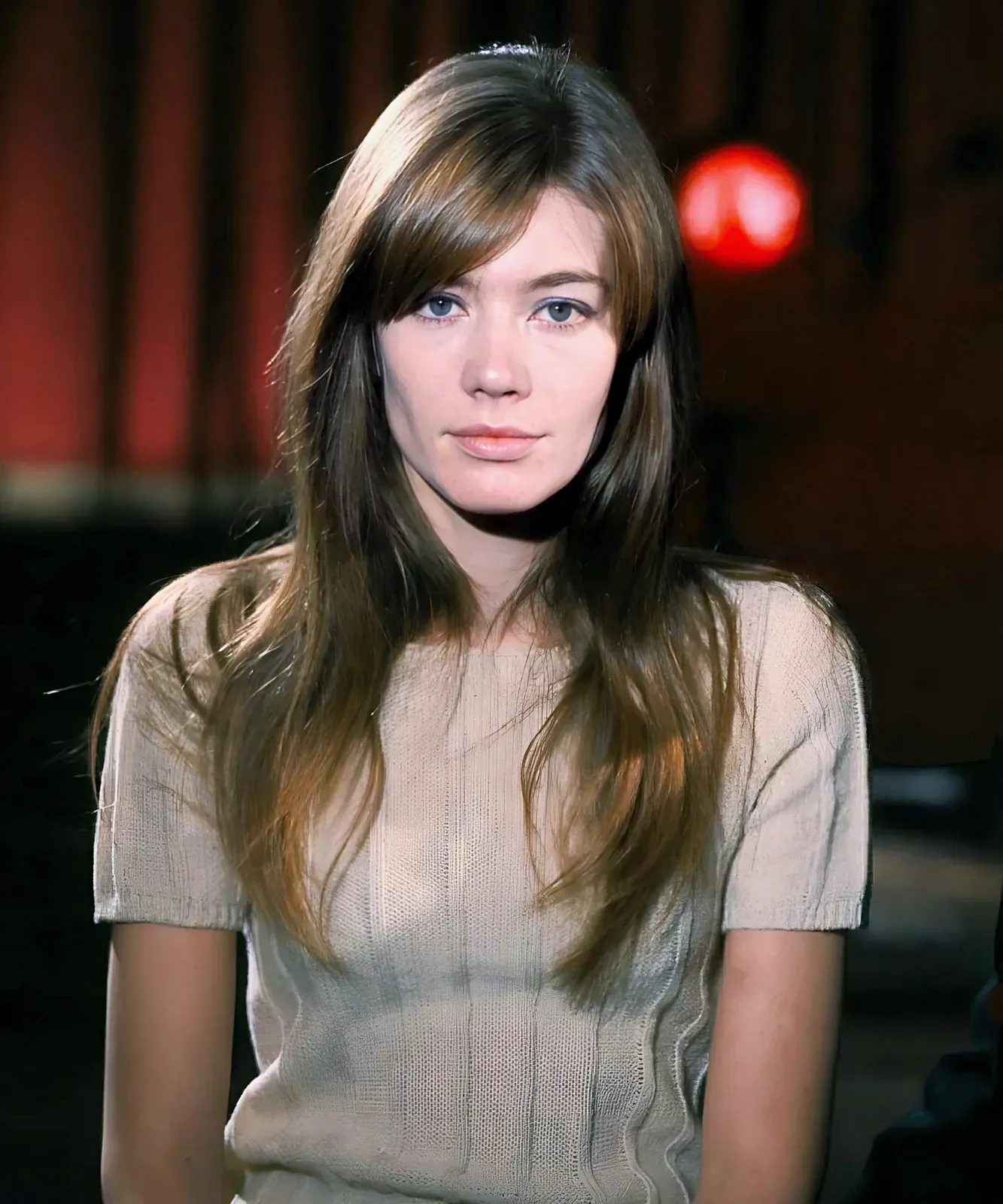
The first stars appeared on the radio and on small labels. Vogue released Hardy’s first EP in May 1962, with “Tous les garçons et les filles”, a ballad about loneliness among happy couples. It topped the French chart by early 1963 and sold 500,000 copies within months, rising to 2.5 million. Sheila, produced by Claude Carrère, became the girl next door of the scene, and Sylvie Vartan, who was born in Bulgaria, became its most energetic dancer. Disques Vogue, originally a jazz label, was one of the houses that made the transition into this teenage market.
The yé-yé generation, 1963-1968
On 22 June 1963 Europe 1 marked the magazine’s first anniversary with a free concert at Place de la Nation in Paris. It drew an estimated 200,000 people, with Vartan, Hallyday and others on the bill, and Morin’s article afterwards named the audience the yé-yé generation.
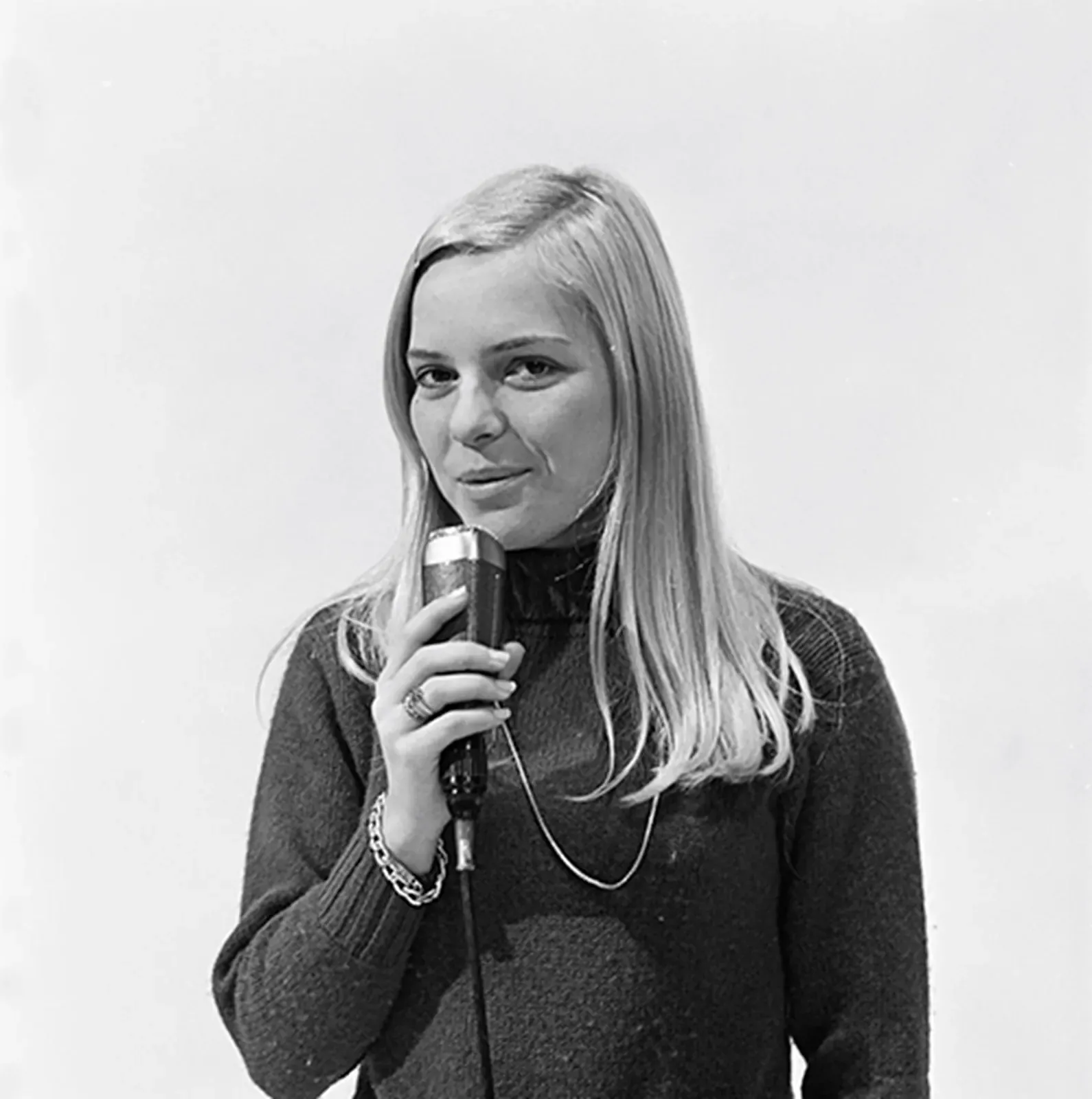
France Gall signed to Philips in 1963 after an audition and soon began recording songs by Serge Gainsbourg. “N’écoute pas les idoles” topped the French chart in March 1964, and in March 1965 she won the Eurovision Song Contest in Naples for Luxembourg with his “Poupée de cire, poupée de son”. The following year he wrote “Les Sucettes”, whose lollipop lyric carried a double meaning that Gall later said she had not understood when she recorded it.
Outside France
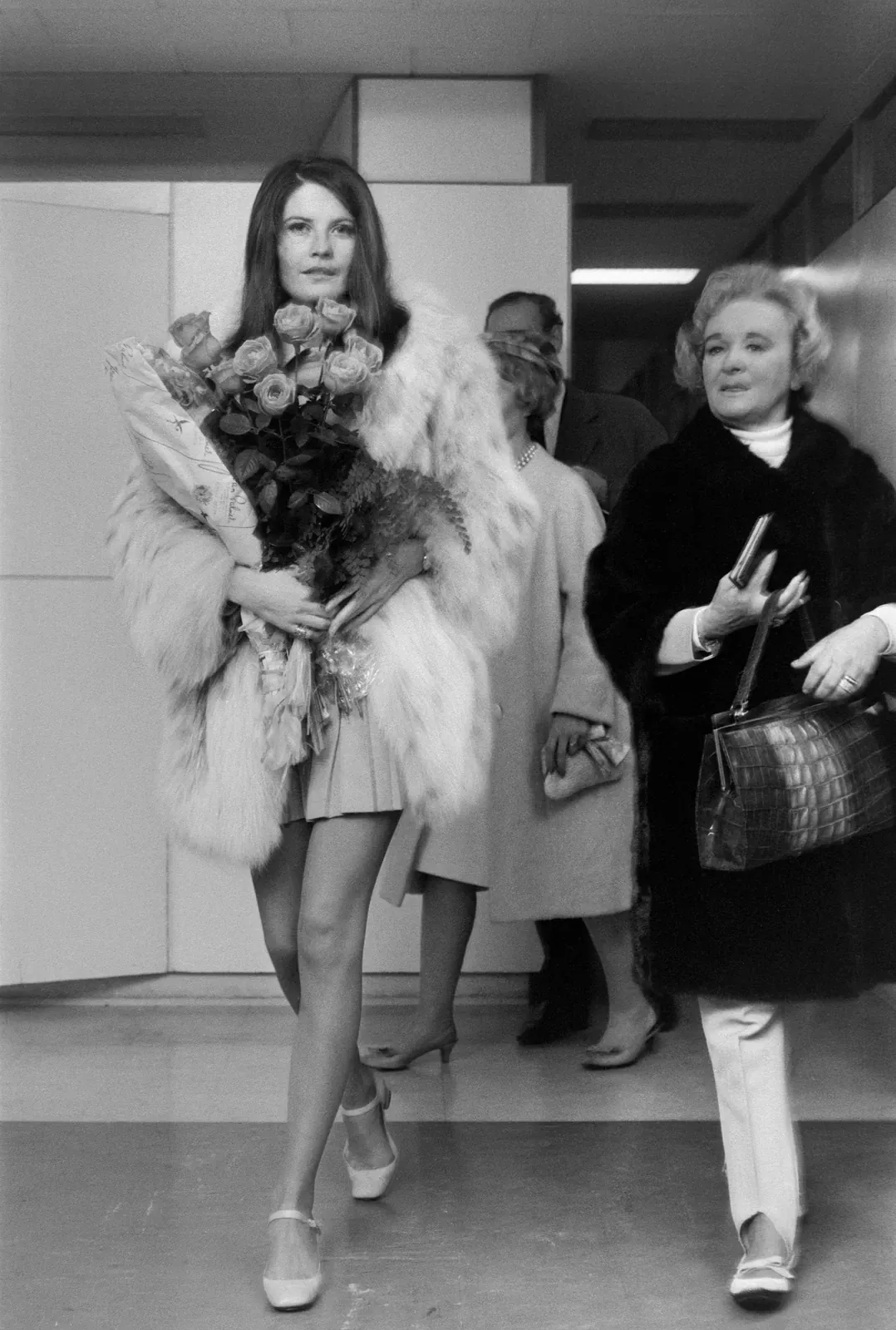
The style crossed borders quickly. In Italy, Mina turned from rock and roll to girl pop, Rita Pavone cast the image of the teenage yé-yé girl with “Cuore”, and Catherine Spaak, born in Paris, scored with a style close to Hardy’s. Hardy’s own “Quelli della mia età”, an Italian version of her debut hit, sold 255,000 copies and topped the Italian chart. In the United Kingdom, Sandie Shaw won Eurovision in 1967 with “Puppet on a String”, the first British victory.
Spain, under the Franco regime, first regarded yé-yé as incompatible with Catholicism, and the style arrived later than elsewhere. Karina became its queen with “En un mundo nuevo”, Concha Velasco sang “La chica ye-ye” in a 1965 film, and Massiel won Eurovision for Spain in 1968 with “La, la, la”. Portugal had its own bands from Coimbra, and in Greece Athens and Thessaloniki groups such as the Forminx fed the Néo kýma movement. Japan took to the style too, influencing the beginnings of Shibuya-kei and idol pop; Gall recorded a Japanese version of her Eurovision winner.
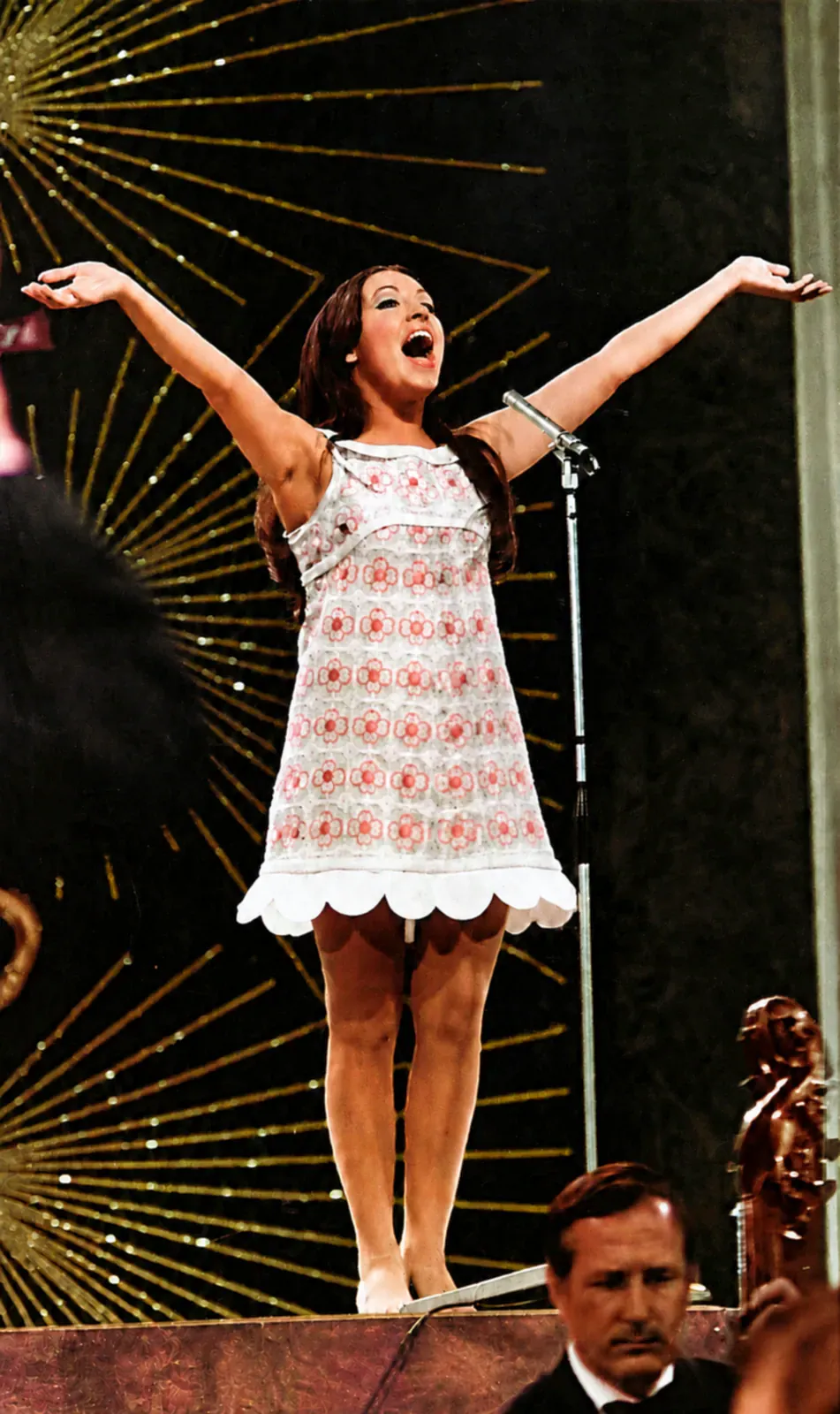
Characteristics
Yé-yé songs were short, bright and built on a beat-group backing, but the tone varied. Hardy’s music was defined by breathy alto vocals and a taste for melancholy, with lyrics about heartache and loneliness. Gall and Sheila projected innocence, and Vartan’s shows added elaborate dance routines. Many hits were adaptations: Gall’s debut was a French version of a Laurie Sisters song, Sheila’s “Vous les copains, je ne vous oublierai jamais” was a version of “Do Wah Diddy Diddy”, and Claude François’s “Belles, belles, belles” was a version of an Everly Brothers hit. Singers also re-recorded their songs in other languages for foreign markets.
The tempo range is wide for a pop style. Measured recordings run from about 95 BPM for Claude François’s “Belles, belles, belles” to about 150 BPM for Gall’s Eurovision winner, with most mid-tempo songs near 110.
Instruments and production
Backing came from the guitar, bass and drum line-up of rock and roll and beat music, often with arranged orchestration behind it. Gainsbourg, who came from a jazz background, drew on baroque, exotica and chanson: the melody of “Poupée de cire, poupée de son” was inspired by the finale of Beethoven’s first piano sonata. Hardy was unusual in writing much of her own material, and she left low-quality French studios for better ones in London. In France the LP was still viewed with skepticism, so early albums were compilations of four-track 7-inch records known as super 45s.
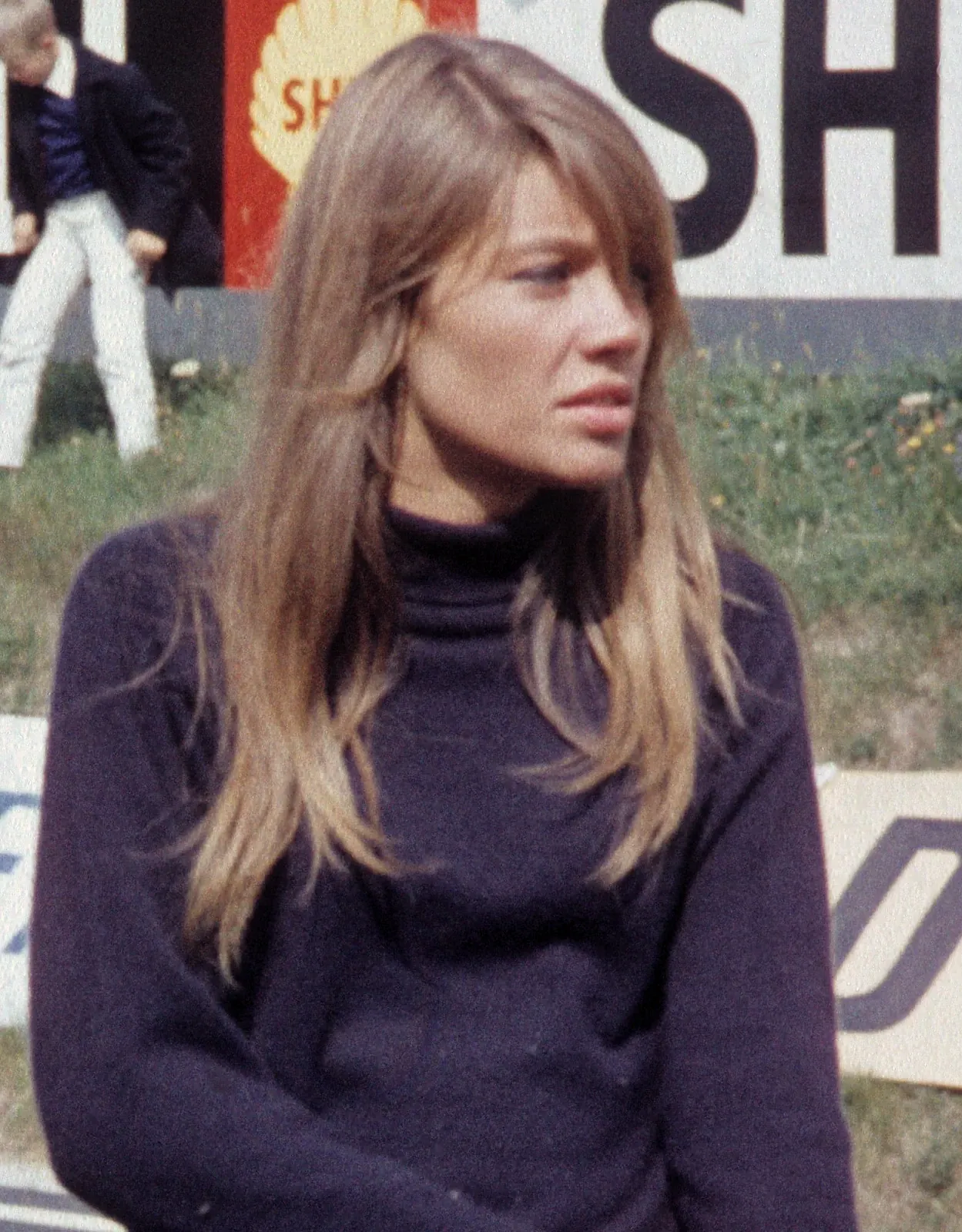
Mainstream success
Yé-yé was a mass-market success from the start. Hardy’s first singles topped the French charts in late 1962 and early 1963, and she became the country’s most exportable female singer, with versions of her hit released in Italian, German and English. Gall’s Eurovision single sold 16,000 copies in France the day after the contest and more than 500,000 within four months. Vartan filled the Olympia with annual shows alongside Hallyday, whom she married in 1965, and her late-1960s hits also charted in Italy, Belgium, Japan and Korea.
Notable recordings
“Tous les garçons et les filles” was filmed for television in October 1962 and rebroadcast during the results of the referendum on the presidential election, which widened its audience. “Poupée de cire, poupée de son” was received sceptically at Eurovision rehearsals, where the song was allegedly booed for straying from the contest’s usual style, and Gall’s performance was criticised as out of tune, but she won with 32 points. Jacques Dutronc’s “Les Playboys” (1966) represented the male side of the style with a guitar-led sound, written with Jacques Lanzmann.
Culture
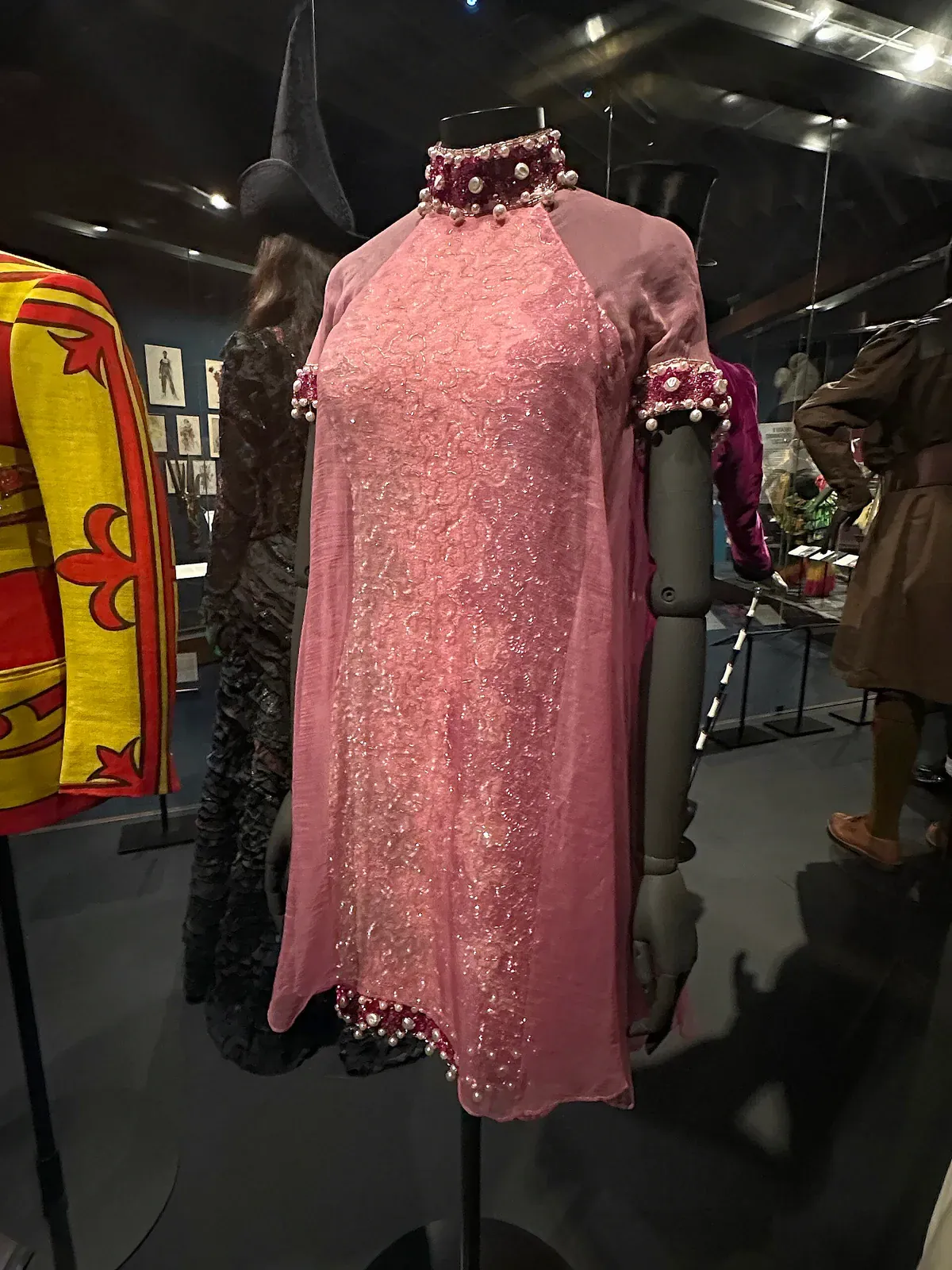
The yé-yé girls helped define the archetype of la parisienne in fashion and style, and the Swinging Sixties mood of sexual freedom and modernity ran through the scene. Vartan’s stage costumes were short skirts and Barbarella boots, and in 1965 she founded a ready-to-wear company with designs by Emmanuelle Khanh. Female singers dominated, which led some to read the movement as a feminist statement, although the songwriters were largely men and the lyrics often infantilised the singers; Gall’s 1966 song “Baby Pop” instead took a playful attitude to marriage.
Legacy
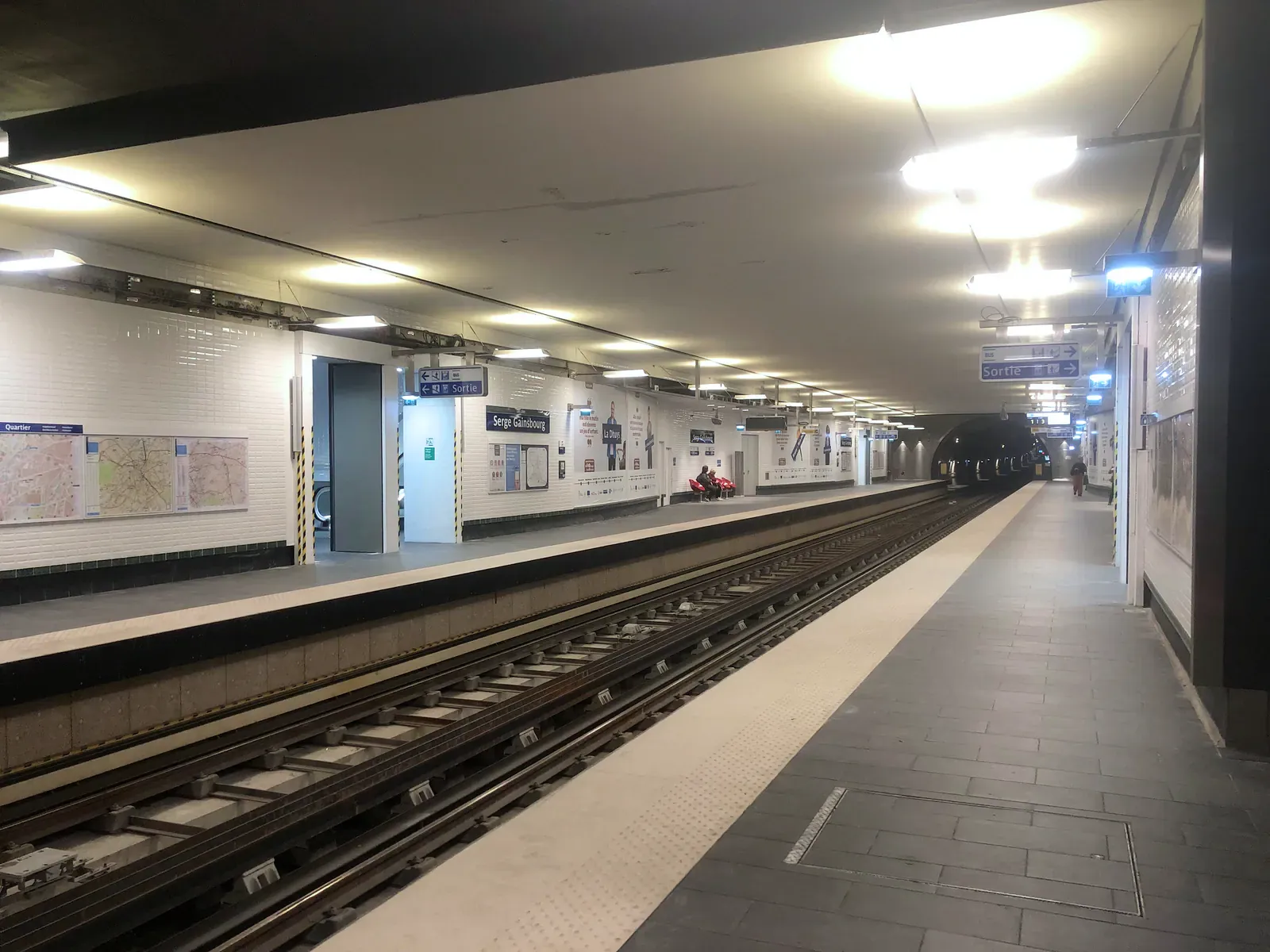
Yé-yé faded as the 1960s ended, but it left a recognisable French pop sensibility. A brief revival came at the end of the 1970s with electro-pop acts such as Plastic Bertrand, Lio and Elli et Jacno, and a harder strand that Didier Wampas called yé-yé punk. Lio’s “Amoureux solitaires” led her hits of 1980. In Japan the style fed the origins of Shibuya-kei and idol pop, and Gainsbourg’s reputation outlived the movement: a Paris Métro station on line 11 bears his name.
Misconceptions
Yé-yé is often described as disposable teenage novelty, yet its best songs came from sophisticated writers such as Gainsbourg, and Hardy wrote much of her own repertoire. It is also remembered as an all-female genre, but men were part of it: Michel Polnareff, Jacques Dutronc and Claude François were among its popular male voices, and Gainsbourg wrote for the women while coming from a different generation. And while the style originated in France, it was a pan-European phenomenon, with scenes in Italy, Spain, Portugal, Greece and Japan.
Frequently asked questions
What does yé-yé mean?
The word derives from the English “yeah! yeah!” popularised by British beat groups such as the Beatles. French sociologist Edgar Morin applied it to the young audience in 1963.
Who were the main yé-yé singers?
France Gall, Françoise Hardy, Sylvie Vartan and Sheila are the best-known women of French yé-yé, with Serge Gainsbourg as a leading songwriter. Mina and Rita Pavone in Italy, Karina and Massiel in Spain and Sandie Shaw in Britain are counterparts elsewhere.
Where did yé-yé start?
It started in Paris around the Europe 1 radio program Salut les copains, which first aired in December 1959, and spread across Western and Southern Europe during the 1960s.
Which labels released yé-yé?
Philips released France Gall and Serge Gainsbourg, and Disques Vogue released Françoise Hardy and Jacques Dutronc.
Sound
Sound sheet
Signature sounds
- Breathy or girlish lead vocal
- Beat-group backing
- French-language adaptation of an Anglo-American hit
- Double-meaning lyrics by an older male songwriter
Techniques
- French covers of foreign hits
- Multilingual re-recordings
- Double-meaning lyrics
- Sung-spoken delivery
Tuning
12-tone equal temperament
Vocals
Young, light or breathy female leads, often over a beat-group backing; a smaller male strand of crooners and rockers.
Scenes
Where it happened
Where and when the sound lived: one bar per city on a shared timeline.
Europe
Active scenes
Peak 3, 1965-1969
Home of Europe 1, Salut les copains and the Olympia, where most yé-yé stars recorded and performed.
Where Hardy recorded Italian-language songs in 1963, as Italian counterparts such as Rita Pavone and Mina rose.
Spanish yé-yé arrived later under the Franco regime, with Karina, Massiel and Concha Velasco's La chica ye-ye.
Venues and places
Paris, 1963 to today. Site of the 22 June 1963 concert that drew 200,000 people.
Culture
Culture markers
- Le chouchou de la semaine
A single weekly pick on radio that could take an unknown singer to the top of the charts.
Ritual - Short skirts and Barbarella boots
Sylvie Vartan's TV costumes, and her own ready-to-wear line from 1965, tied the music to Paris fashion.
Fashion - Show-dance choreography
Vartan's shows used elaborate dance routines and girl-group staging.
Dance - La parisienne
The yé-yé girls shaped the archetype of the Parisian girl in fashion and style.
Slang
Media
Key media
- 1959Salut les copains
by Europe 1. The program whose weekly chouchou slot made most yé-yé stars.
Radio - 1962Salut les copains
by Daniel Filipacchi and Frank Ténot. Monthly magazine that passed one million copies at its peak and spawned foreign editions.
Zine
Glossary
Terms on this page
The program's weekly sweetheart slot; any song presented there went straight to the top of the charts.
Europe 1 radio program from 1959 and the magazine from 1962 that launched most yé-yé singers.
Four-track 7-inch EP format on which French pop of the period, including Hardy's first albums, was issued.
From the English cry yeah, yeah; Hardy sang it on television in 1962 and Edgar Morin popularised the label in 1963.
Label used by Didier Wampas for the harder rock strand of the late-1970s revival.
Pop family