Beat music
Beat music is British guitar-group pop of the early 1960s, rooted in R&B and skiffle, formed in Liverpool and Hamburg and the base of the British Invasion.
Liverpool, 1958
Rock family
Born
1958
Liverpool
Subgenres
7
Documented branches
Links
51
Genres it drew on or shaped
Tempo
105-155 BPMLineage
Family tree
Grew out of
Derived from
Derived from
Derived from
Derived from
- Doo-wop
Derived from
Influenced by
Liverpool, 1958
Beat music
Led to (32)
Timeline
Era by era
From the first sparks to today. Select a dot to read the story behind it.
- Cellars and Hamburg
1957 to 1961
- Breakthrough
1962 to 1963
- Beat boom and invasion
1964 to 1965
- Dispersal
1966 to 1967
Eras
Moments
- 1 Cellars and Hamburg, 1957 to 1961
- 2 Breakthrough, 1962 to 1963
- 3 Beat boom and invasion, 1964 to 1965
- 4 Dispersal, 1966 to 1967
1957
Cellars and Hamburg
Skiffle-era Liverpool groups learn on cellar clubs like the Cavern and Casbah, then harden their act on marathon sets in Hamburg's St. Pauli. A local paper, Mersey Beat, starts to name the scene.
- 1957The Cavern Club opensAlan Sytner opens a Liverpool jazz cellar on 16 January 1957. It becomes the home of the Merseybeat groups.
- 1960The Beatles start their Hamburg yearsFrom 17 August 1960 they play the Indra, then the Kaiserkeller and Top Ten clubs, long nightly sets that build the mach schau style.
- 1961Beatles back Tony Sheridan on My BonnieRecorded in Hamburg in June 1961 for Polydor under Bert Kaempfert, credited to Tony Sheridan and the Beat Brothers.
- 1961Mersey Beat newspaper launchesBill Harry's fortnightly tabloid first appears on 6 July 1961 and covers the Merseyside scene; it later reaches 75,000 copies.
- 1961Brian Epstein sees the Beatles at the CavernThe NEMS record shop manager attends a lunchtime show on 9 November 1961 and signs on as their manager in January 1962.
1962
Breakthrough
Brian Epstein signs the Beatles to Parlophone and Liverpool acts begin topping the UK chart: Love Me Do, How Do You Do It?, Sweets for My Sweet. The sound spreads from Merseyside to Manchester, Birmingham and London.
- 1962Decca turns down the BeatlesAfter a 1 January 1962 audition Decca passes, reportedly judging guitar groups to be on the way out, and signs Brian Poole and the Tremeloes instead.
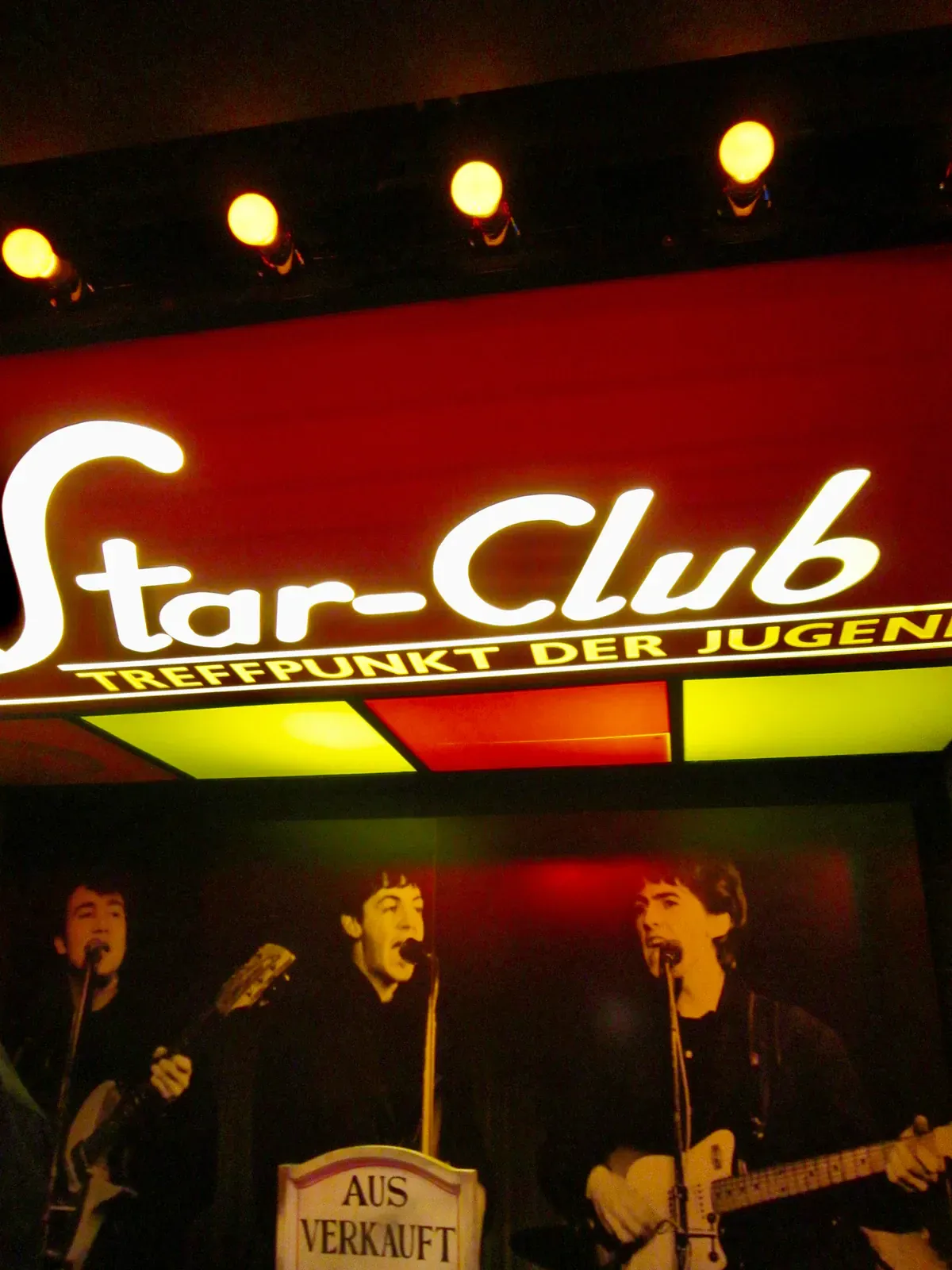
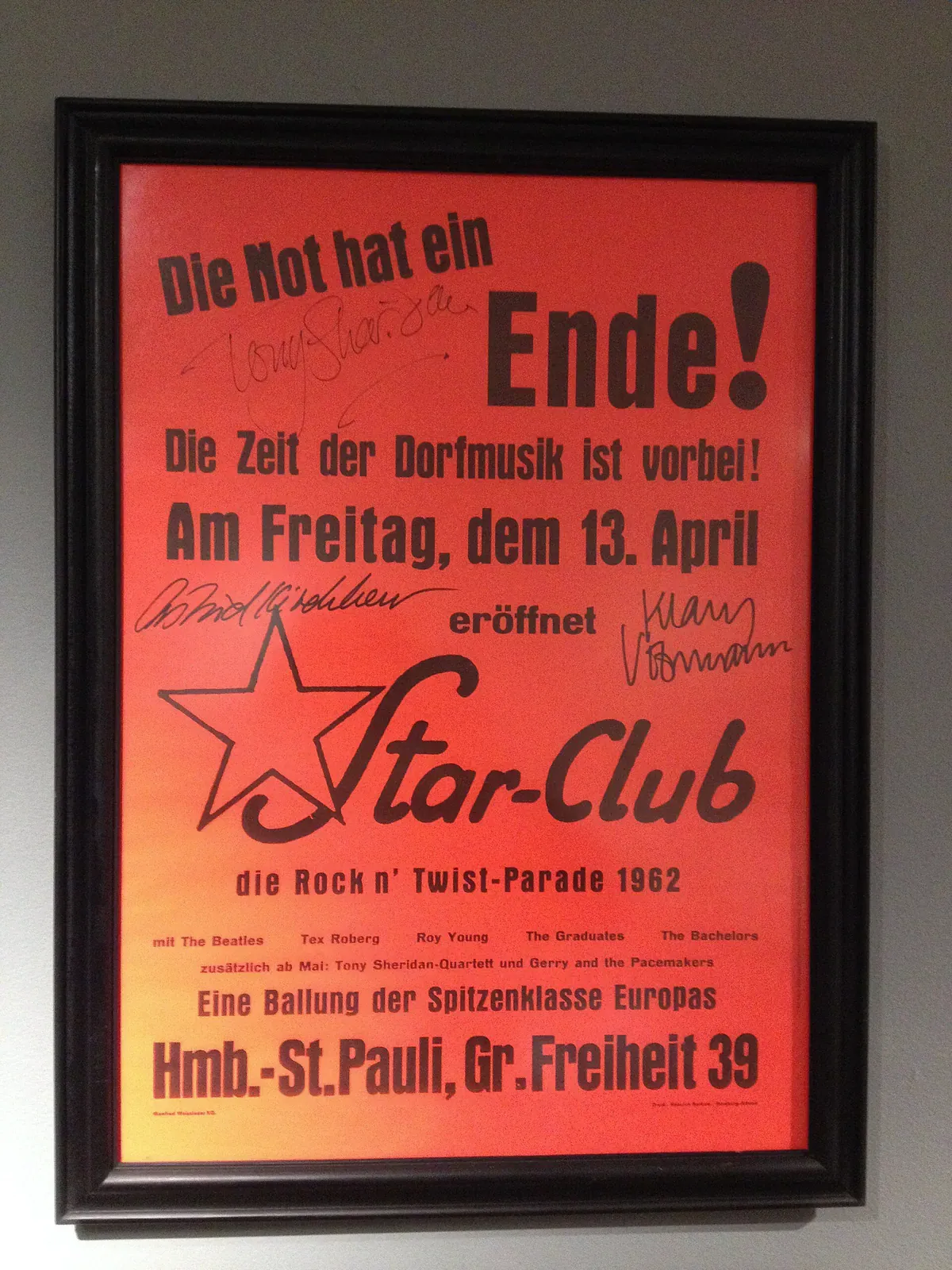
- 1962Star-Club opens in HamburgManfred Weissleder's 2,000-capacity club at Grosse Freiheit 39 opens on 13 April 1962; the Beatles play three residencies there that year.
- 1962Parlophone signs the BeatlesEpstein secures the EMI contract on 9 May 1962 through producer George Martin.
- 1962The Beatles release Love Me DoParlophone issues the debut single on 5 October 1962; it peaks at number 17 in the UK.
- 1963Please Please Me singleReleased 11 January 1963 after George Martin asked for a faster tempo; number 1 on the NME and Melody Maker charts, number 2 on the Record Retailer chart.
- 1963Gerry and the Pacemakers top the chart with How Do You Do It?The Mitch Murray song, first tried by the Beatles, reaches number 1 on 11 April 1963.
- 1963The Searchers top the chart with Sweets for My SweetProduced by Tony Hatch and released 4 June 1963, the Drifters cover reaches number 1 for two weeks in August.
- 1963Ready Steady Go! starts on ITVThe live Friday show, with a dancing studio audience, runs from August 1963 to December 1966 and carries beat acts to a national audience.
1964
Beat boom and invasion
I Want to Hold Your Hand and the Ed Sullivan appearance open the US to British guitar groups. Searchers, Dave Clark Five, Hollies and Merseybeats chart at home while Ready Steady Go! carries the look to every living room.
- 1964Glad All Over replaces the Beatles at number 1The Dave Clark Five, pushing the Tottenham sound, displace I Want to Hold Your Hand from the UK top spot in January 1964.
- 1964The Beatles on The Ed Sullivan ShowOn 9 February 1964, after I Want to Hold Your Hand reached US number 1, about 73 million viewers watch; the British Invasion begins.
- 1964Needles and Pins gives the Searchers a US hitThe Jackie DeShannon song reaches UK number 1 and US number 13; on 7 March 1964 the Searchers join the Swinging Blue Jeans as the second Liverpool act with a US hit.
- 1964The Beatles hold the top fiveOn 4 April 1964 the Beatles hold twelve positions on Billboard's Hot 100, including the first five places.
- 1964A Hard Day's Night filmRichard Lester's film, shot in March and April 1964, premieres on 6 July and shows the Beatles with Rickenbacker 12-strings.
- 1964Mersey Beat closesBill Harry's paper ends when Epstein asks him to launch the national weekly Music Echo, which absorbs its content.
1966
Dispersal
Blues rock and psychedelia make beat sound dated. Groups disband or change course, Mersey Beat has closed, and Epstein's death in August 1967 marks the end of the original Liverpool era.
- 1966Merseybeats and Pacemakers splitBoth groups disband around 1966; Tony Crane and Billy Kinsley go on as the Merseys and reach number 4 with Sorrow.
- 1967Beat sounds datedBy 1967 blues rock and psychedelia have overtaken it, and the British Invasion wanes in 1967 to 1968.
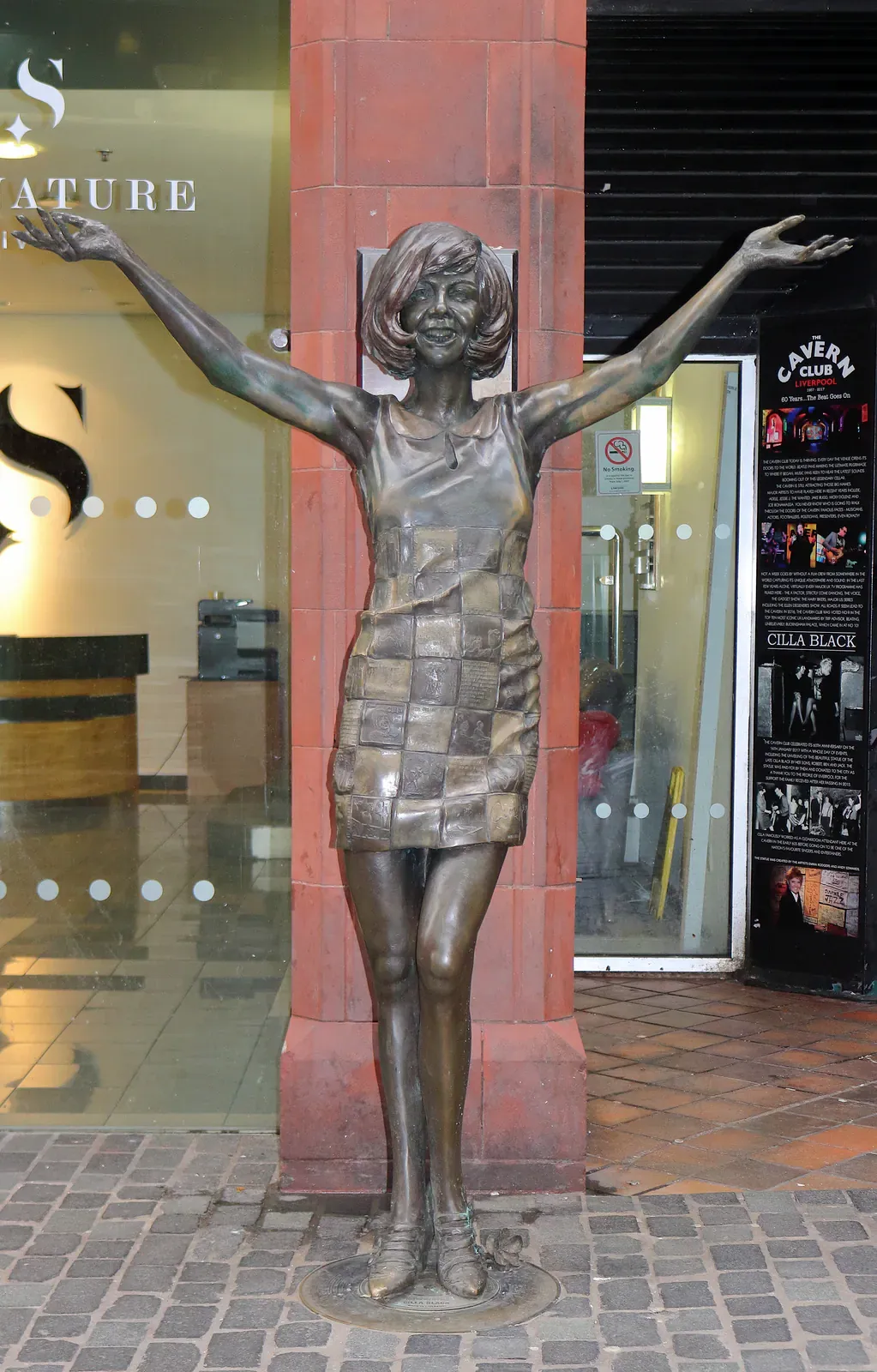
- 1967Brian Epstein diesThe manager of the Beatles, Gerry and the Pacemakers, Cilla Black and Billy J. Kramer dies on 27 August 1967 aged 32.
- 1973The original Cavern closesIt shuts on 28 May 1973 after a British Rail compulsory purchase for the Merseyrail loop.
- 1991The Cavern is rebuilt and reopensA rebuilt club reopened in 1984 and closed again from 1989; it reopened on 11 July 1991 and Bill Heckle and Dave Jones have run it since.
Listening path
Start listening
A short path from an easy way in to the deep end. Thumbnails come from YouTube; the player loads only when you press play.
- 01
The Beatles, 1963
The record that took beat to the mainstream: US number 1 in February 1964 and the start of the British Invasion.
- 02
The Beatles, 1962
Where the sound started on record: the debut single, harmonica and close harmony, from the Liverpool scene.
- 03
Gerry and the Pacemakers, 1963
Merseybeat's first chart-topper from outside the Beatles, produced by George Martin.
- 04
The Dave Clark Five, 1963
Tottenham sound signature that knocked the Beatles off number 1 in 1964.
- 05
The Searchers, 1964
Signature jangle: twin-guitar sound and harmonies that later influenced the Byrds.
Facts
| Family | Rock |
| Origin | Liverpool, United Kingdom |
| Emerged | Late 1950s to early 1960s |
| Status | Historical |
| Tempo | 105 to 155 BPM |
| Meter | 4/4 |
| Grew out of | Rock and roll, Rhythm and blues, Skiffle, Rockabilly, Doo-wop |
| Subgenres | 7 |
Beat music is British guitar-group pop of the early 1960s, played by a lead guitar, rhythm guitar, bass and drums line-up with shared lead vocals and close harmony.
It grew out of Liverpool cellar clubs and the Hamburg club district between about 1957 and 1963, then spread across Britain and, as the British Invasion, to the United States. The style is a branch of rock descended from rock and roll, rhythm and blues and skiffle, and it faded by 1967.
Origins
Beat music began as amateur music-making. Skiffle, a British craze for guitars, washboards and tea-chest basses, taught a generation of teenagers to play in groups, and American rock and roll, rockabilly, doo-wop and R&B records gave them material. By the late 1950s Liverpool had a very large number of such groups, by one count around 350, playing church halls, dance halls and cellar clubs.
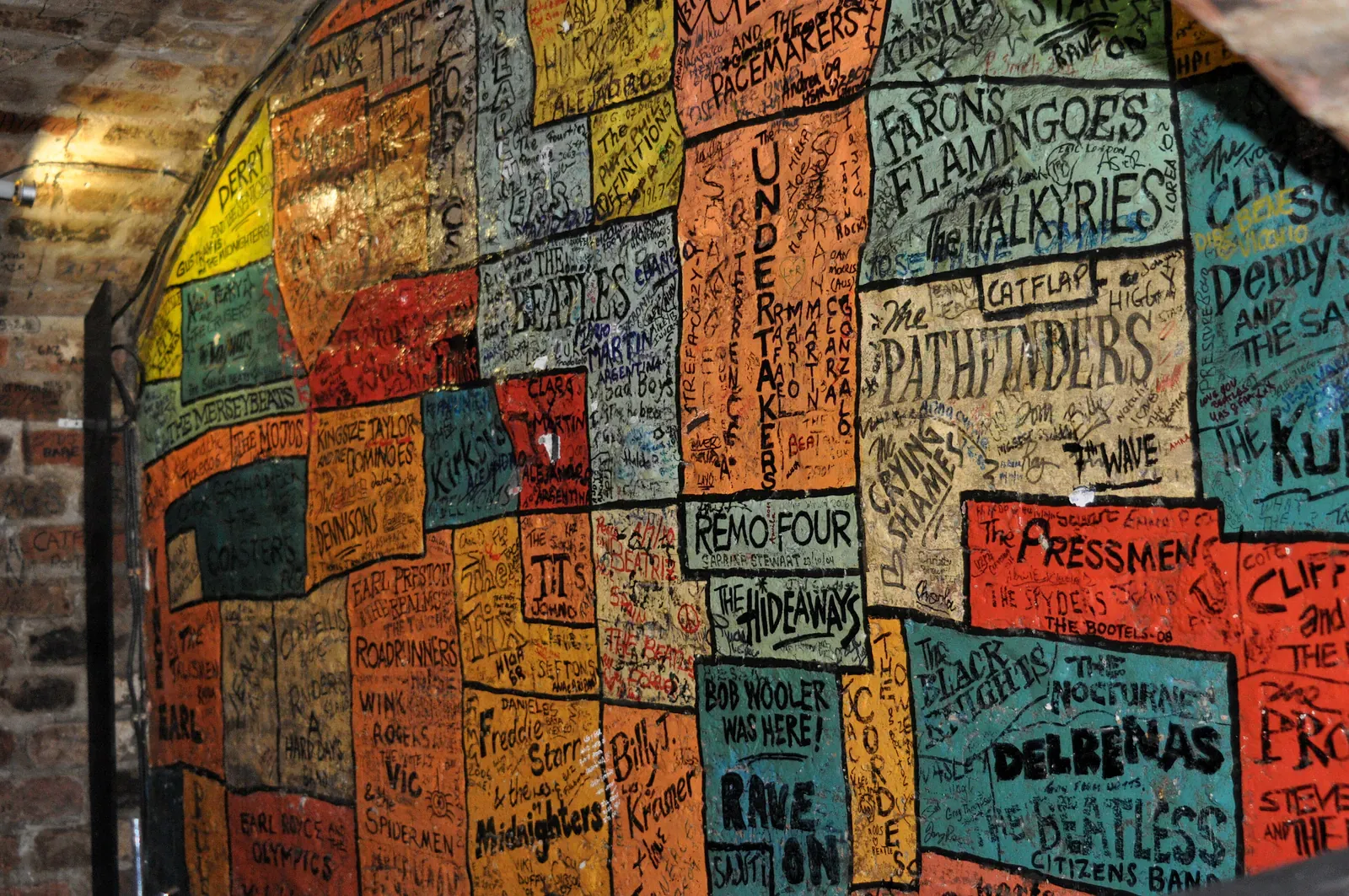
The Cavern Club, opened by Alan Sytner as a jazz cellar on 16 January 1957, became the best-known of those rooms, and Mona Best’s Casbah Coffee Club in West Derby, opened in 1959, was an earlier proving ground. In July 1961 a fortnightly tabloid, Mersey Beat, started covering the scene. Its founder Bill Harry has said the name referred to a police beat, not to a musical style, but the paper made “beat group” a common label for guitar-and-vocal bands.
Cellars and Hamburg, 1957-1961
The decisive training came abroad. From 17 August 1960 the Beatles played long nightly sets in Hamburg’s St. Pauli district, first at the Indra, then at the Kaiserkeller and the Top Ten Club. The club owner Bruno Koschmider demanded constant, lively entertainment (“mach schau”, make a show), and hours on stage turned a Liverpool skiffle-and-rock-and-roll group into a tight, loud, endurance-tested band.
In June 1961 the Beatles backed Tony Sheridan in a Hamburg studio on “My Bonnie”, released by Polydor and credited to Tony Sheridan and the Beat Brothers. It was the first Beatles recording to be released. Back in Liverpool, the record shop manager Brian Epstein saw them at the Cavern on 9 November 1961 and became their manager in January 1962. The Beatles played the Cavern 292 times between 1961 and 1963.
Breakthrough, 1962-1963
Recording companies initially misjudged the scene. After a 1 January 1962 audition Decca passed on the Beatles, reportedly considering guitar groups a fading fashion, and signed Brian Poole and the Tremeloes instead. On 9 May 1962 Epstein secured a contract with Parlophone through the producer George Martin. “Love Me Do” came out on 5 October 1962 and reached number 17 in Britain, while the follow-up, “Please Please Me”, issued on 11 January 1963 after Martin asked for a faster tempo, topped two of the main charts.
Other Merseyside acts followed within months. Gerry and the Pacemakers reached number 1 in April 1963 with “How Do You Do It?”, a song the Beatles had tried and set aside, and the Searchers topped the chart in August with “Sweets for My Sweet”, a Drifters cover. Beat spread to Manchester, where the Hollies formed in 1962, and to Birmingham, whose “Brum Beat” scene produced the Moody Blues and the Spencer Davis Group. The television show Ready Steady Go!, live on Fridays from August 1963 to December 1966, carried the groups and their dancing audience into homes nationwide.
Beat boom and invasion, 1964-1965
On 9 February 1964, with “I Want to Hold Your Hand” at number 1 in the United States, the Beatles appeared on The Ed Sullivan Show to an audience of about 73 million. On 4 April 1964 they held the top five places on the Billboard Hot 100. British groups of every regional flavour followed them across the Atlantic: the Searchers with “Needles and Pins”, the Hollies, the Dave Clark Five from Tottenham, whose heavy-drum “Tottenham sound” had replaced the Beatles at number 1 in Britain in January 1964 with “Glad All Over”.
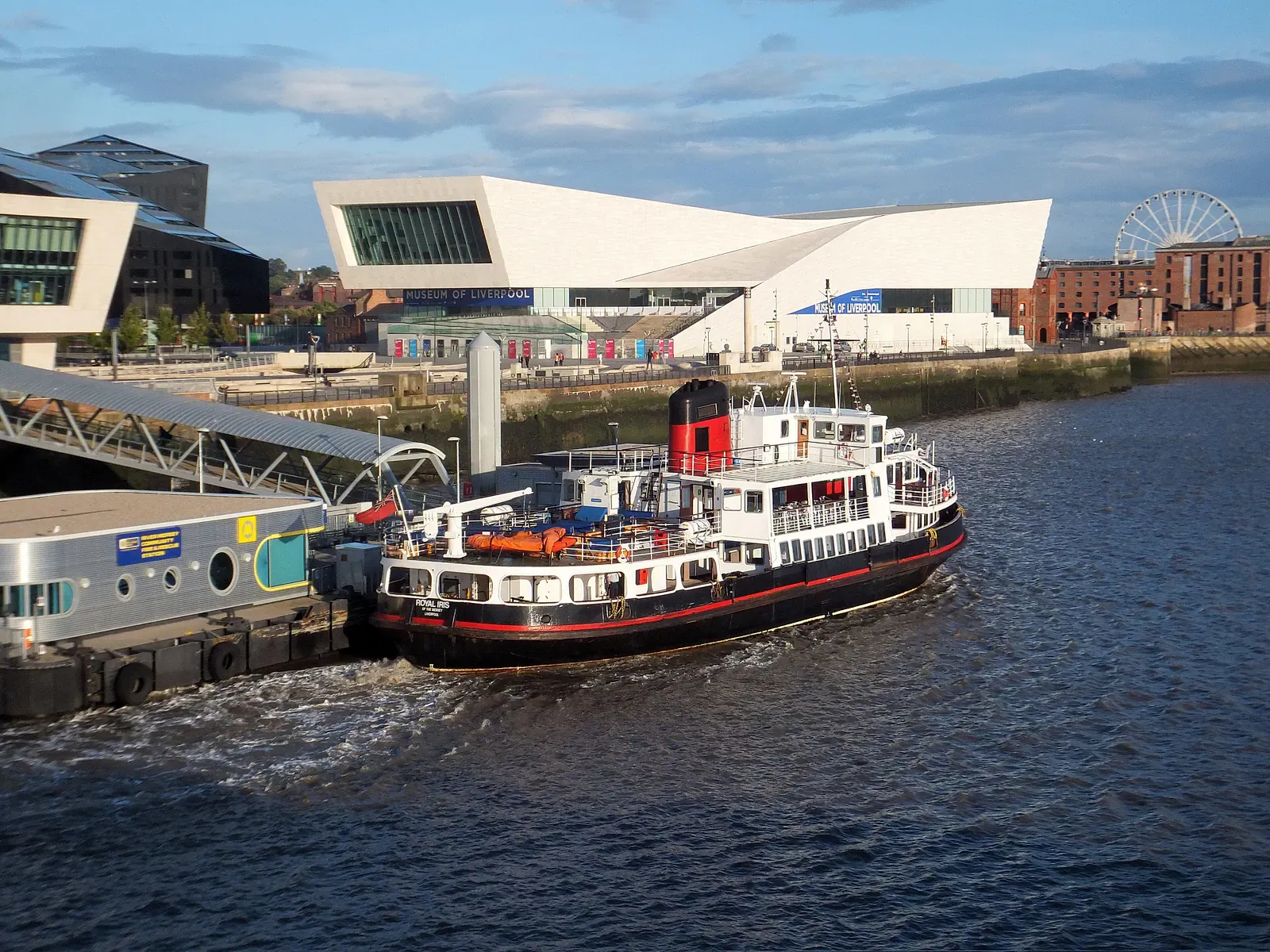
Richard Lester’s A Hard Day’s Night, shot in March and April 1964 and premiered on 6 July, showed the group at work and play, and was followed by films built around Gerry and the Pacemakers and the Dave Clark Five in 1965.
Dispersal, 1966-1967
Beat had a short shelf life. By 1966 the Merseybeats and the Pacemakers had split; Tony Crane and Billy Kinsley carried on as the Merseys and reached number 4 with “Sorrow”. Mersey Beat the newspaper had already closed in 1964, when Epstein asked Bill Harry to launch a national weekly, Music Echo. Blues rock and psychedelia made the original formula sound dated, the British Invasion waned between 1967 and 1968, and Epstein died on 27 August 1967, aged 32.
Characteristics
The beat sound is compact and group-centred. Songs are short and tuneful. Two guitars, bass and drums carry a driving four-four beat, while the voices do the distinguishing work: shared lead lines and doo-wop-style harmonies, often with nonsense syllables in the backing.
Regional variants differed: the Hollies stressed rich harmony, the Dave Clark Five stomping drums and saxophone, the Searchers twin-guitar jangle.
Instruments and production
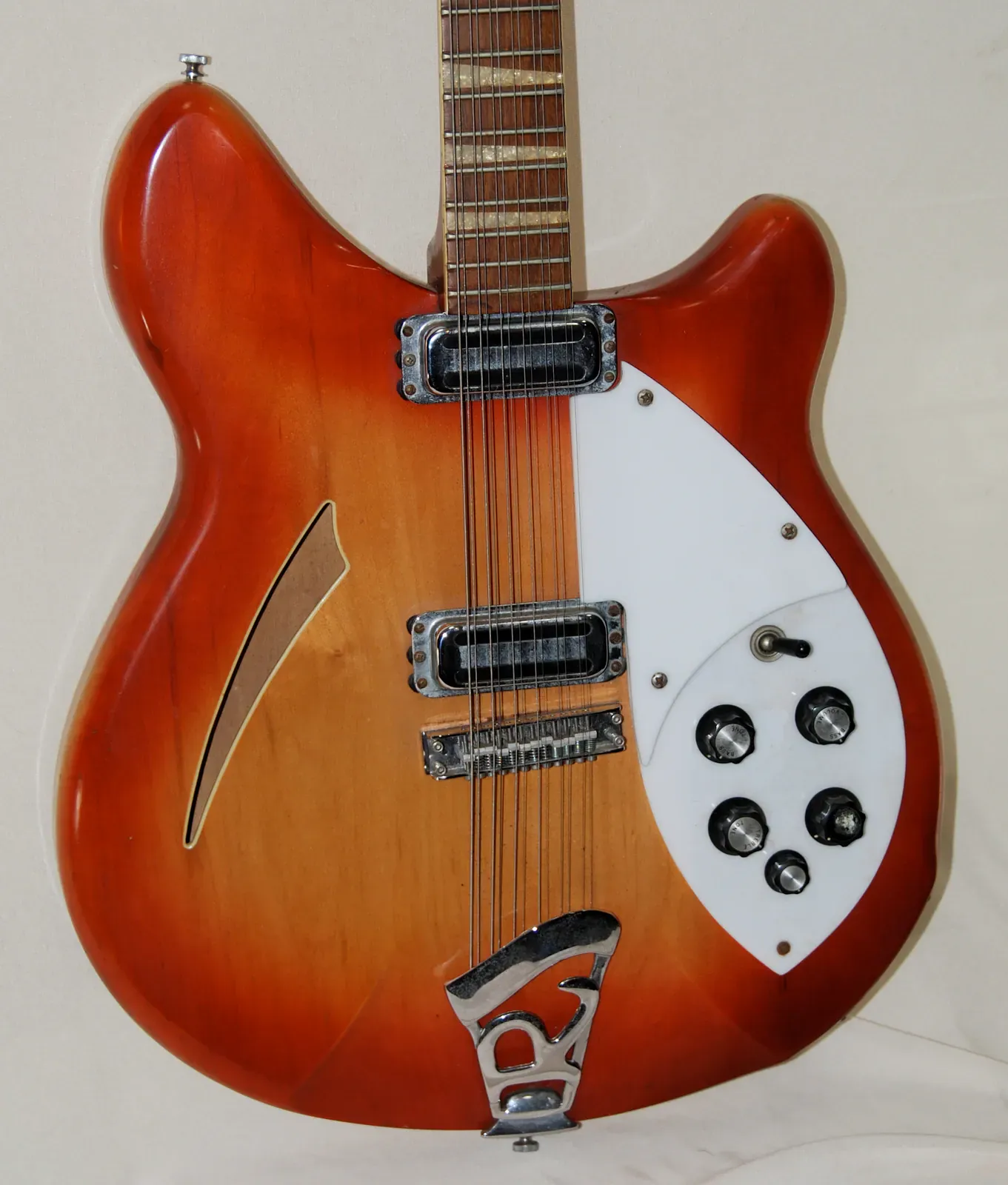
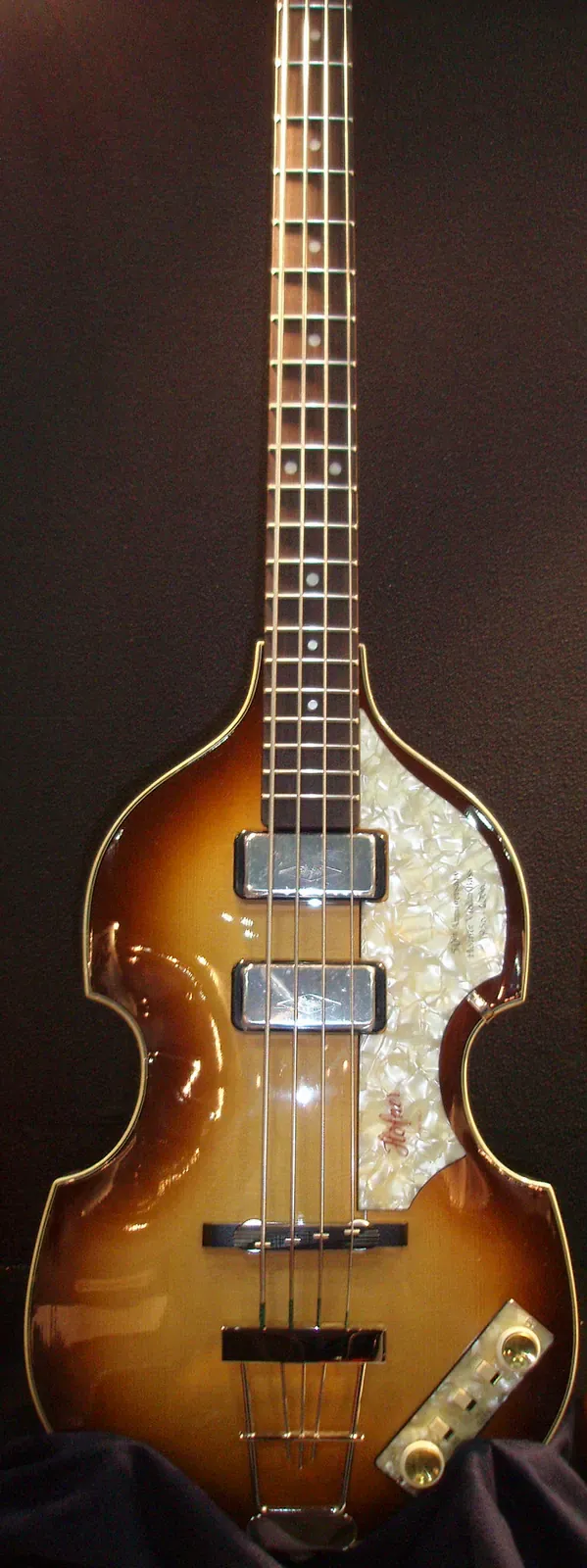
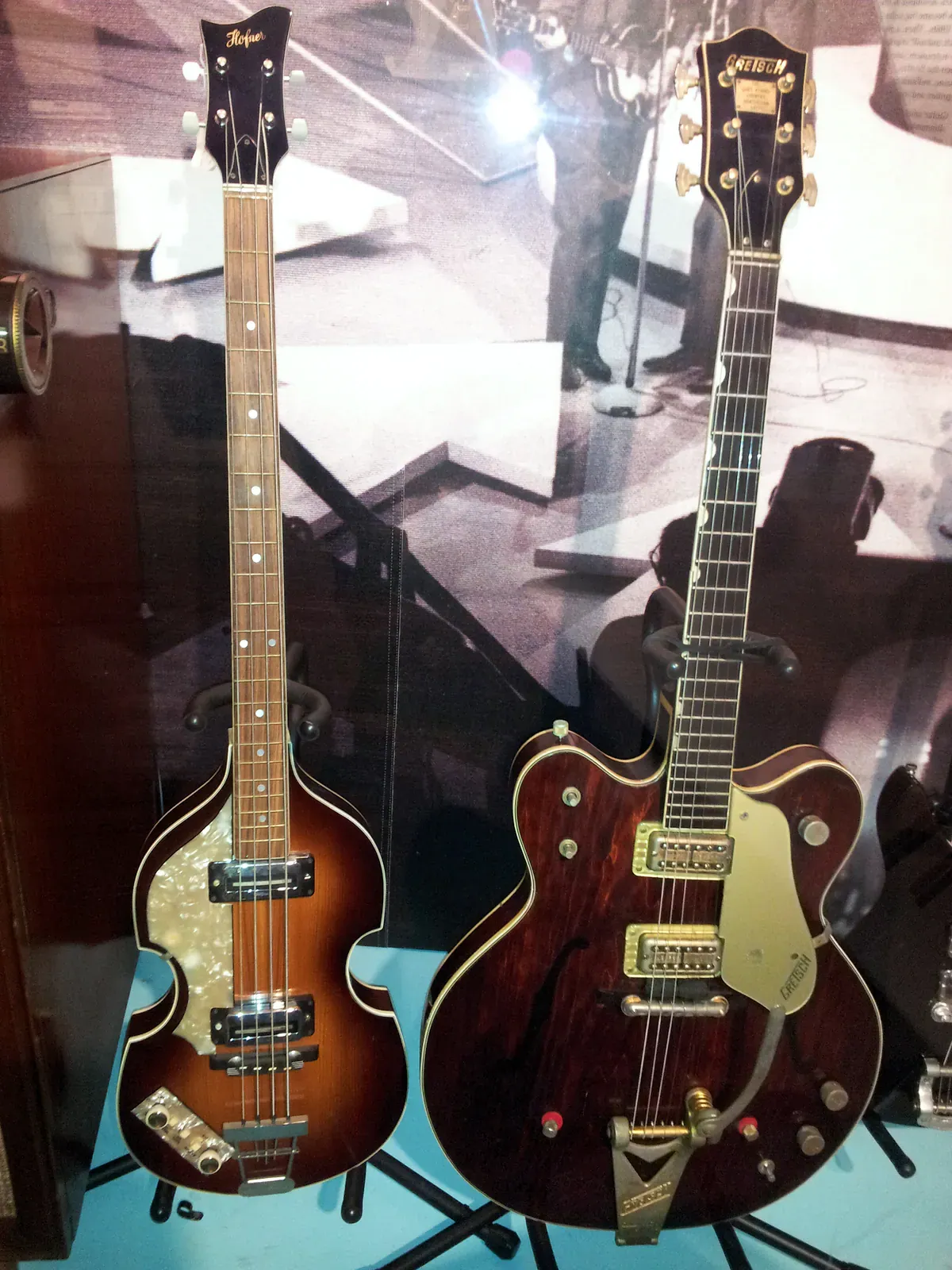
Particular instruments became part of the image. John Lennon bought a short-scale Rickenbacker 325 in Hamburg, and Paul McCartney bought a left-handed Hofner 500/1 violin bass there in July 1961. Rickenbacker’s electric 12-string, developed in 1963 and in production from 1964, gave the ringing “jangle” tone, and George Harrison’s use of one in A Hard Day’s Night created demand for it.
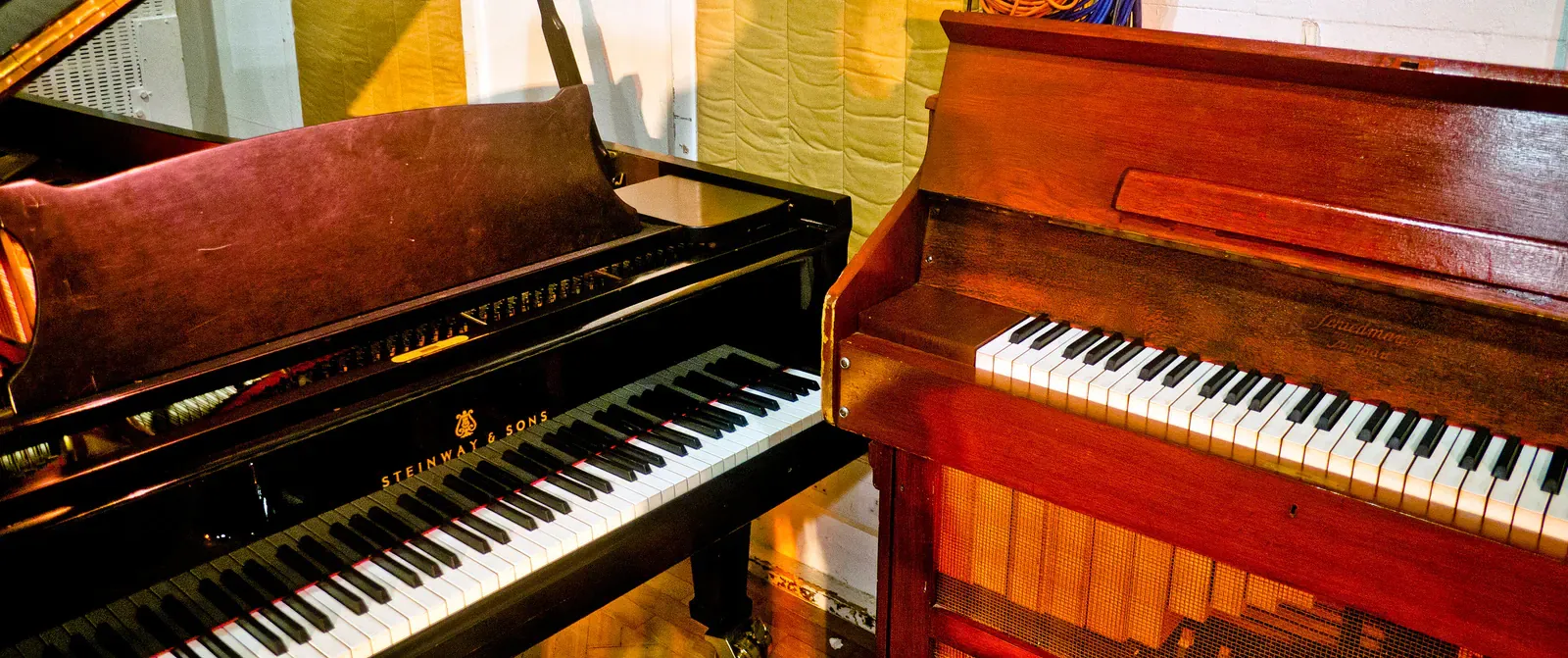
The studio was modest by later standards. EMI engineers recorded the Beatles’ debut album in a single day, and “I Want to Hold Your Hand”, recorded on 17 October 1963, was the group’s first record made on four-track equipment, which allowed vocals and instruments to be layered.
Mainstream success
Beat was mainstream pop from the start. Its records went to number 1 on British charts within months of the first Parlophone release, and the Beatles’ American breakthrough in early 1964 made it an export industry: by April they occupied the whole top five. The Dave Clark Five, the Hollies and the Searchers all had American hits, and the Hollies reached 22 US chart singles.
Notable recordings
“Love Me Do” is the starting point on record: harmonica and close harmony, with a modest chart peak. “How Do You Do It?”, a song from outside the scene, became the first number 1 by a Liverpool act other than the Beatles.
“I Want to Hold Your Hand” became the best-selling Beatles single and the US number 1 that opened the Invasion. “Needles and Pins” by the Searchers, a Jackie DeShannon song arranged around twin jangling guitars, reached number 1 in Britain and number 13 in the United States, and “Glad All Over” showed that London groups could answer Liverpool with a different, drum-driven formula.
Culture
Visual style mattered as much as sound. Epstein replaced the Beatles’ leather jackets with collarless suits and ties, and the photographer Astrid Kirchherr, whom the group met in Hamburg, influenced the hairstyle that became known worldwide as the mop-top. In Britain Ready Steady Go! made dancing a visible part of the genre.
Economics shaped the scene: dozens of groups played for small fees in cellars and dance halls, and a lunchtime Cavern show led to the Beatles’ manager.
Legacy
Beat opened the American market to British guitar groups and fixed the guitar-bass-drums line-up as a standard format for pop and rock. Its jangling twin-guitar and harmony sound later influenced the Byrds.
Misconceptions
Beat is not just the Beatles with a different name. The scene had separate regional centres, from Tottenham’s Dave Clark Five to the Hollies of Manchester and Birmingham’s Brum Beat groups, each with its own sound.
Mersey Beat the newspaper did not name the music after a rhythm. Bill Harry has said the title meant a policeman’s beat around Merseyside, and the newspaper simply popularised the label “beat group”.
The Beatles did not arrive as overnight stars. They spent years on cellar stages and in Hamburg, Decca turned them down in January 1962, and “Love Me Do” peaked at number 17.
Frequently asked questions
What is the difference between beat music and Merseybeat?
Merseybeat is the beat music of Liverpool and the Mersey estuary. Beat music is the wider category, covering groups from Liverpool, Manchester, London and Birmingham.
When was beat music popular?
Beat music peaked in Britain between 1962 and 1965 and was fading by 1967, as blues rock and psychedelia overtook it. The British Invasion that carried it to the United States ran from 1964 to about 1967.
Where did beat music start?
Beat music started in Liverpool in the late 1950s, with clubs such as the Cavern and the Casbah, and gained its stage style in Hamburg’s St. Pauli clubs in 1960 and 1961.
Which labels released beat music?
Parlophone issued the Beatles, Gerry and the Pacemakers recorded for Columbia, and the Searchers for Pye Records. Polydor issued the Beatles’ first recording in Germany, and Decca is remembered for turning the group down in 1962.
Sound
Sound sheet
Signature sounds
- Lead guitar, rhythm guitar, bass and drums line-up
- Close harmony singing with shared lead vocals
- Jangling electric 12-string guitar
Techniques
- Close vocal harmony
- Jangling 12-string guitar
Vocals
Shared lead vocals with close harmony.
Scenes
Where it happened
Where and when the sound lived: one bar per city on a shared timeline.
Europe
Active scenes
Peak 5, 1964
Home of Merseybeat: Cavern and Casbah clubs, Mersey Beat paper, and by one count around 350 active bands in the late 1950s.
St. Pauli clubs such as the Top Ten and Star-Club trained Liverpool bands in long shows and the mach schau beat.
The Dave Clark Five from Tottenham offered a heavy-drum counterpart to Liverpool, branded the Tottenham sound.
The Hollies formed here in 1962 and took close-harmony beat to the charts.
The Brum Beat scene, whose Moody Blues and Spencer Davis Group were among the first regional bands to go international.
Venues and places
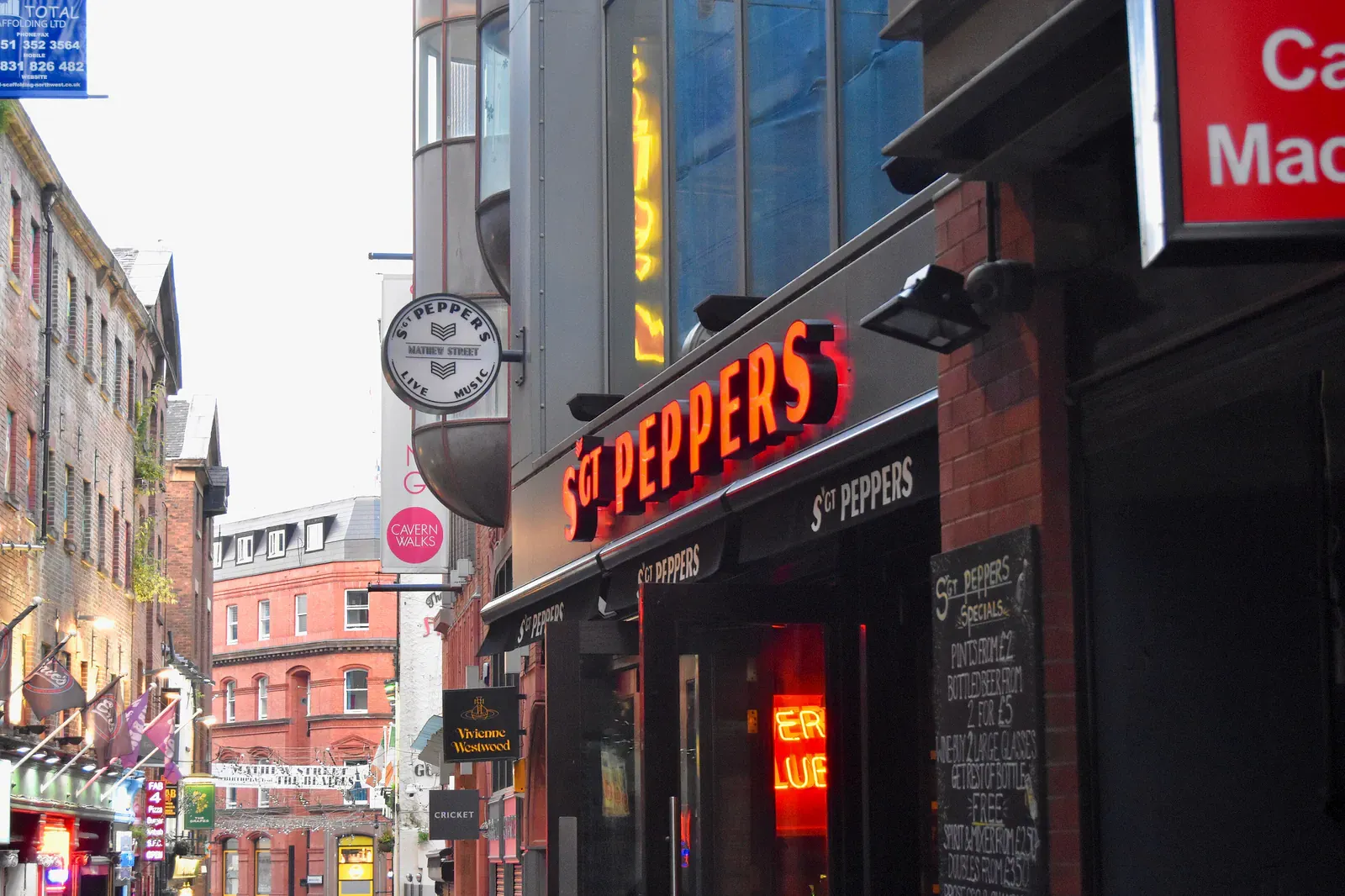
Liverpool, 1957 to today. Opened 16 January 1957 as a jazz cellar; the Beatles played it 292 times between 1961 and 1963.
Liverpool, 1959 to 1962. Mona Best's cellar club in West Derby, where the Quarrymen, Gerry and the Pacemakers and Cilla Black played.
Hamburg, 1960 to today. Reeperbahn club where the Beatles played about 503 hours with Tony Sheridan in 1961.
Hamburg, 1962 to 1969. A 2,000-capacity club at Grosse Freiheit 39 where the Beatles recorded a live set in December 1962.
London, 1931 to today. EMI's studio, where the Beatles had their first session on 6 June 1962 and made Please Please Me in a day.
Culture
Culture markers
- Collarless suits
Epstein had the Beatles swap leather jackets for matching suits and ties.
Fashion - Mop-top haircut
Photographer Astrid Kirchherr in Hamburg influenced the Beatles' hair, which became a worldwide look.
Fashion - Mach schau
'Make show' in German: Hamburg club bosses ordered bands to put on a lively show.
Slang - Beat group
Early 1960s name for a guitar-led vocal group, popularised by the Mersey Beat paper.
Slang
Media
Key media
- 1961Mersey Beat
by Bill Harry. Fortnightly paper that covered the scene and named its groups; its January 1962 poll put the Beatles first.
Zine - 1964A Hard Day's Night
by Richard Lester. United Artists film that showed the beat group lifestyle worldwide; two Oscar nominations.
Film - 1965Ferry Cross the Mersey
Gerry and the Pacemakers' film, with a title song first issued as a single in December 1964.
Film - 1965Catch Us If You Can
by John Boorman. Dave Clark Five film directed by John Boorman.
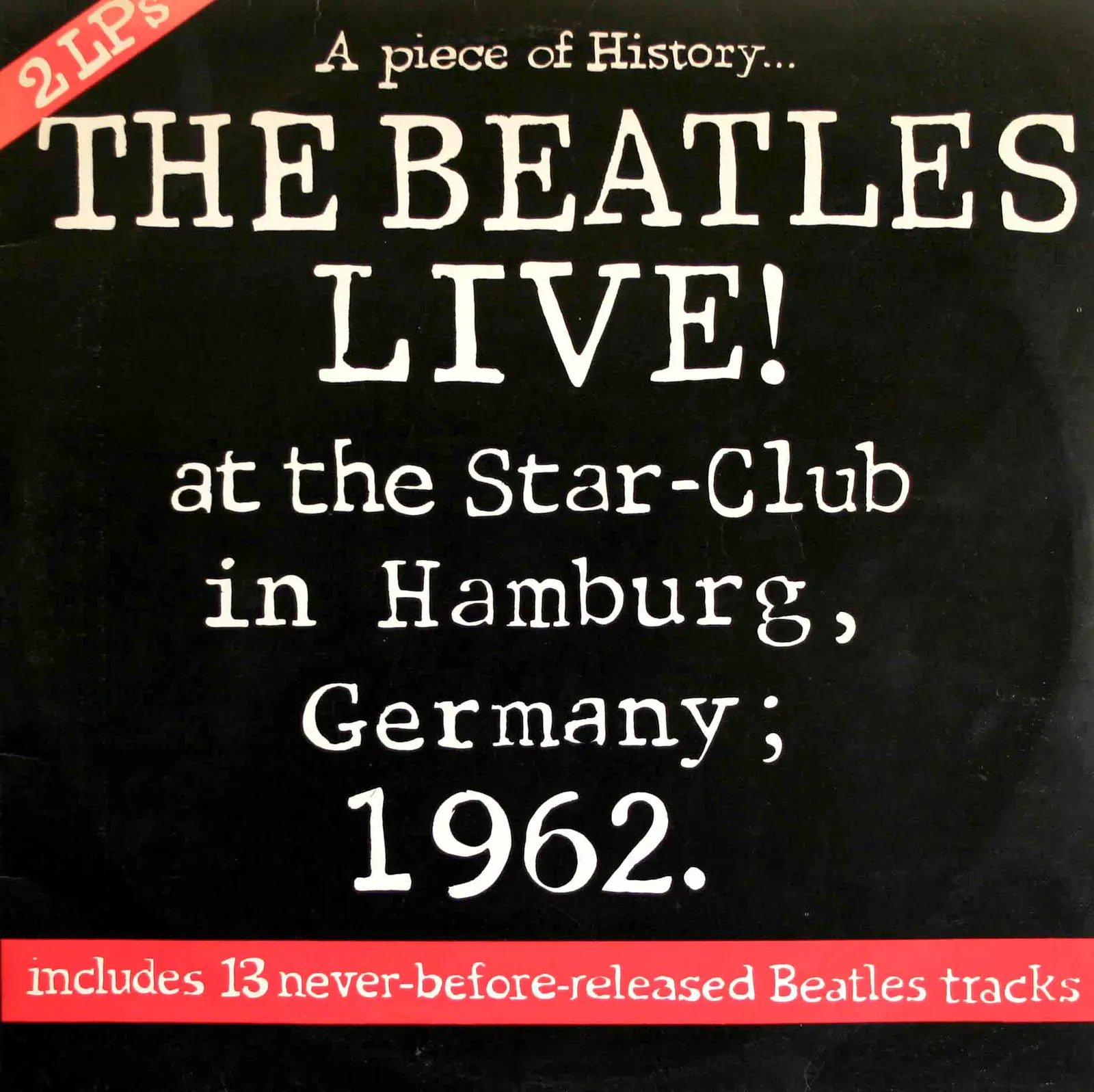
Film - 1977Live! at the Star-Club in Hamburg, Germany; 1962
by The Beatles. Amateur recording of the Beatles' December 1962 Hamburg engagement, released in 1977.
Compilation - 1995Anthology 1
by The Beatles. Includes five songs from the 1 January 1962 Decca audition, among them Like Dreamers Do and Searchin'.
Compilation
Glossary
Terms on this page
A guitar, bass and drums vocal band of the early 1960s; the Mersey Beat paper helped make the term common.
The 1964 to 1967 wave of British acts onto the US charts that began with the Beatles' arrival.
Name for Birmingham's local beat scene, whose bands included the Moody Blues and the Spencer Davis Group.
German for 'make show', the hard-driving, entertainer's style developed in Hamburg clubs.
Beat music from Liverpool and the Mersey estuary; Bill Harry said his paper's name meant a policeman's beat, not the music's.
A contrasting section of a pop song, placed between repeats of the verse and chorus.
The Dave Clark Five's label for their heavy drums, saxophone and strong lead vocals, set against Merseybeat.
Rock family