Traditional pop
Traditional pop is the orchestral vocal music of the pre-rock era, built on Broadway and Tin Pan Alley songs and sung by Sinatra, Crosby, Cole and Fitzgerald.
New York City, 1925
Pop family
Born
1925
New York City
Subgenres
6
Documented branches
Links
34
Genres it drew on or shaped
Tempo
60-120 BPMLineage
Family tree
Grew out of
- Tin Pan Alley
Derived from
Derived from
Influenced by
New York City, 1925
Traditional pop
Led to (14)
Timeline
Era by era
From the first sparks to today. Select a dot to read the story behind it.
- Songbook and microphone
1920 to 1939
- Vocalists and strings
1940 to 1955
- Rock-era retreat
1956 to 1982
- Standards revival
1983 to today
Eras
Moments
- 1 Songbook and microphone, 1920 to 1939
- 2 Vocalists and strings, 1940 to 1955
- 3 Rock-era retreat, 1956 to 1982
- 4 Standards revival, 1983 to today
around 1920
Songbook and microphone
Tin Pan Alley, Broadway and Hollywood writers supplied the songs, while electrical recording and radio let soft-voiced crooners such as Bing Crosby reach a mass audience.
- 1925Electrical recording arrivesMicrophone-based recording replaces the acoustic horn, letting quiet, intimate singing be captured on disc.
- 1931Crosby on national radioBing Crosby begins a network radio show and becomes the model for the relaxed microphone singer.
- 1936Pennies From HeavenBing Crosby records the film song that became one of the era's standards.
1940
Vocalists and strings
After the swing bands, singers became the stars. Lush string sections, the long-playing record and the concept album put the voice at the centre.
- 1942Capitol Records foundedA Hollywood label co-founded by songwriter Johnny Mercer becomes home to many of the decade's top vocalists.
- 1942White ChristmasBing Crosby records Irving Berlin's song for the film Holiday Inn; it becomes a perennial seller.
- 1948Long-playing recordColumbia introduces the 33 1/3 rpm LP, which later suits album-length song cycles.
- 1951UnforgettableNat King Cole's string-backed reading of Irving Gordon's ballad is released on Capitol.
- 1955In the Wee Small HoursFrank Sinatra and arranger Nelson Riddle release a ballad album built around a single late-night mood.
1956
Rock-era retreat
Rock and roll pushed standards off top-40 radio into middle-of-the-road formats, television specials and Las Vegas rooms, where the big names kept working.
- 1956Ella Fitzgerald begins the Song Book seriesHer Cole Porter album starts a run of composer-by-composer records that canonise the Great American Songbook.
- 1960Sinatra founds RepriseFrank Sinatra starts his own label so that artists control their recordings.
- 1964Everybody Loves SomebodyDean Martin's single reaches the top of the US pop chart in the year of the British Invasion.
- 1964Fly Me to the Moon with Count BasieSinatra records the Bart Howard song with the Basie orchestra on It Might as Well Be Swing.
1983
Standards revival
Rock and pop stars recorded standards, from Linda Ronstadt's What's New in 1983 to the duet albums of Tony Bennett and a new generation of vocalists.
- 1983Linda Ronstadt's What's NewA rock singer and Nelson Riddle reach number 3 on the Billboard chart with standards and win a Grammy.
- 2014Cheek to CheekTony Bennett and Lady Gaga release a standards duet album that tops the Billboard 200.
Listening path
Start listening
A short path from an easy way in to the deep end. Thumbnails come from YouTube; the player loads only when you press play.
- 01
Bing Crosby, 1942
The relaxed crooning style and orchestral backing that defined early traditional pop.
- 02
Nat King Cole, 1951
Listen for the string backing behind a piano player's gentle baritone.
- 03
Ella Fitzgerald and Louis Armstrong, 1956
A songbook standard in a loose swing duet, with the A-A-B-A form easy to hear.
- 04
Frank Sinatra and Count Basie, 1964
Standard song and big-band arrangement meet; note the brass punctuation behind the vocal.
- 05
Dean Martin, 1964
A late chart-topping ballad from the style's last mainstream peak.
Traditional pop is the mainstream vocal music of the United States before rock and roll, roughly from the 1920s to the mid-1950s. It sets songs from Broadway, Tin Pan Alley and Hollywood to orchestral arrangements that put the singer in front, usually in 32-bar song forms.
Its best-known songs are called standards and make up the Great American Songbook. It is the stylistic root of later pop.
Origins
The repertoire came first. Publishers on New York’s Tin Pan Alley and theatre writers such as Irving Berlin, Jerome Kern, George and Ira Gershwin, Richard Rodgers, Cole Porter and Harold Arlen wrote songs for stage shows and films, and sheet music and radio spread them. A song was judged by whether many singers could record it, which is how a hit became a standard.
The delivery changed with technology. Electrical recording, introduced in 1925, replaced the acoustic horn with a microphone, and singers no longer needed to project to the back of a hall. Soft, close-miked singing, later called crooning, suited radio and records. Bing Crosby, with a national radio show from 1931, became the model of the relaxed baritone. He recorded Pennies From Heaven in 1936 and White Christmas in 1942, which became one of the best-selling singles of its time.
Traditional pop also grew out of the swing era. Many of its stars started as vocalists with dance bands, and the dance-band rhythm section stayed under their later solo records. The theatre repertoire links it to musical theatre.
Vocalists and strings, 1940-1955
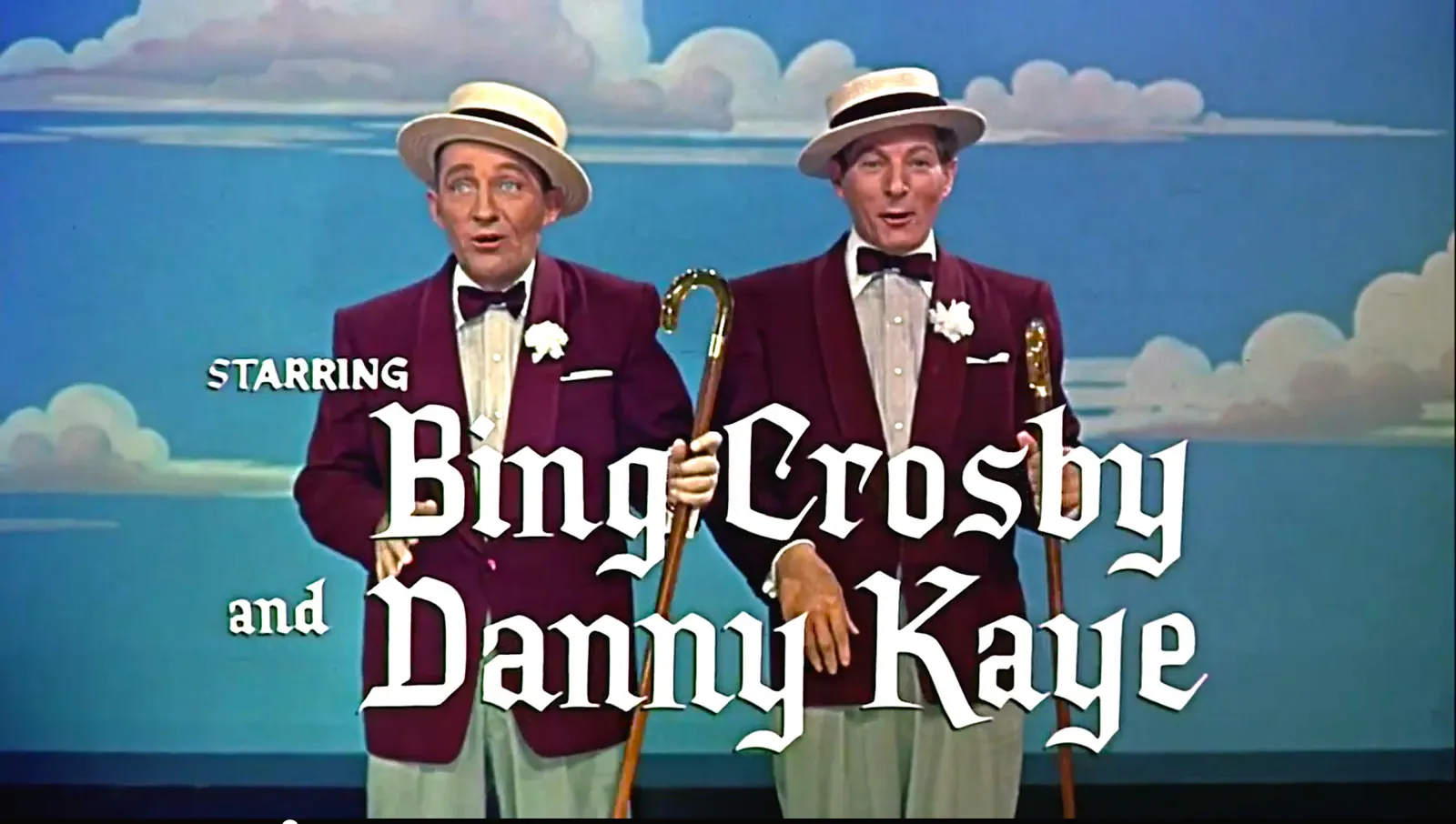
After the swing bands, the singer became the headline act. Two changes defined the years that followed. Arrangers added full string sections to the old brass and rhythm lineup, and records gave the voice more room. Perry Como, Peggy Lee, Dean Martin, Nat King Cole, Rosemary Clooney and others recorded for the major labels, and many of them also worked on radio and in film.
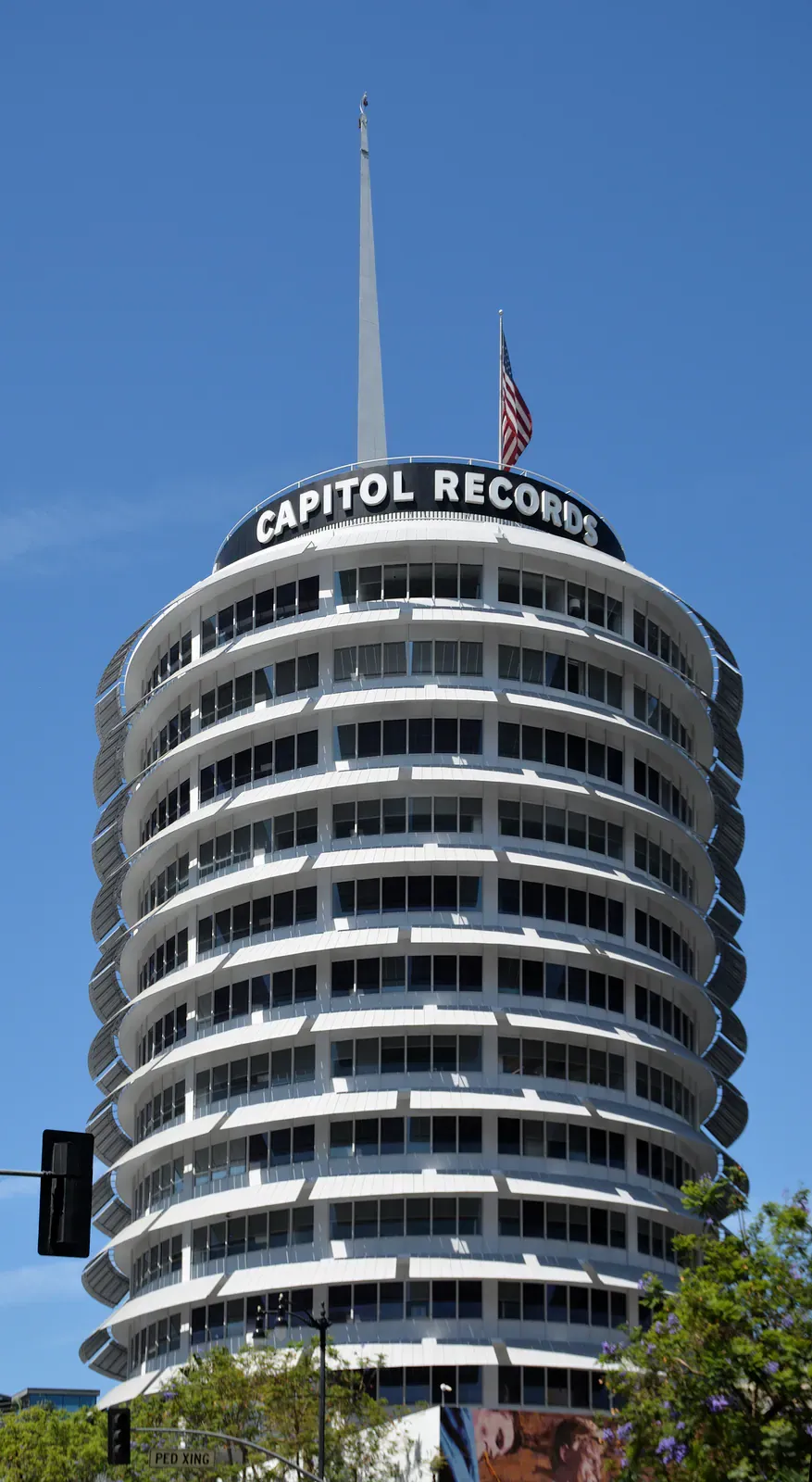
Capitol Records, founded in Hollywood in 1942, became a home for this sound. Nat King Cole, who began as a jazz pianist with a trio, moved to orchestral ballads, and his 1951 recording of Unforgettable shows the shift. Frank Sinatra joined Capitol in 1953 and, with arranger Nelson Riddle, made a run of albums that included In the Wee Small Hours in 1955. Columbia introduced the long-playing record in 1948, and the longer format let singers build whole albums around one mood.
Songbook albums and the 1960s
Ella Fitzgerald’s Song Book series, begun in 1956 with a Cole Porter album, treated popular songwriters like composers and fixed a canon of standards. Sinatra founded his own label, Reprise, in 1960 and recorded Fly Me to the Moon with the Count Basie orchestra in 1964. In the same year Dean Martin’s Everybody Loves Somebody reached the top of the US pop chart during the British Invasion.
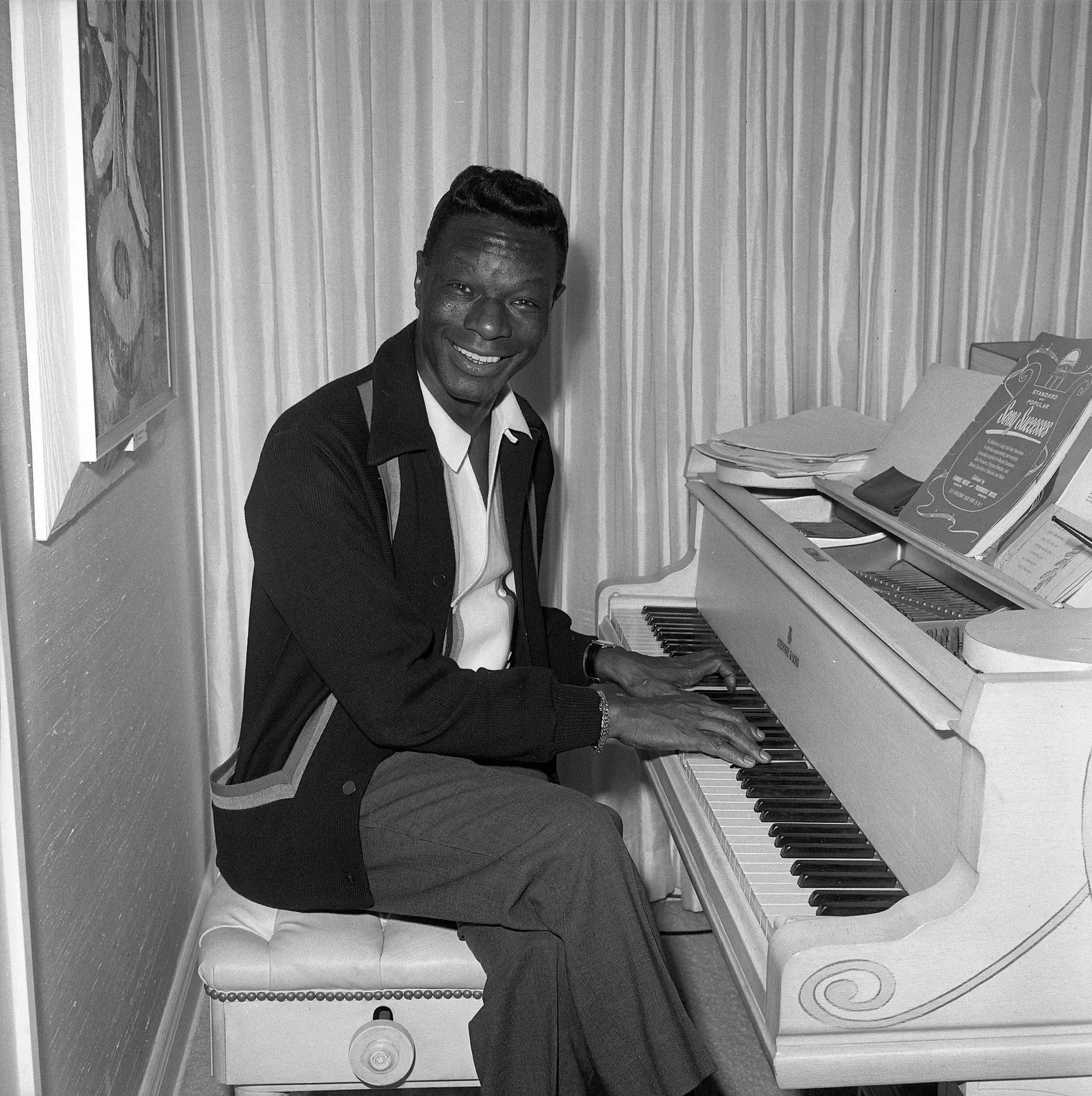
Rock-era retreat
Rock and roll pushed the older style off top-40 radio in the late 1950s. Traditional pop became the base of middle-of-the-road radio, which is now called adult standards, and moved into television specials, supper clubs and Las Vegas rooms. Sinatra, Martin, Fitzgerald and Peggy Lee kept recording and touring; Martin and Sinatra had hit singles into the late 1960s. Nashville producers also borrowed its smooth strings and backing vocals for country records in the late 1950s.
Characteristics
The structure is the AABA chorus: two matching eight-bar sections, a contrasting bridge and a final return. Many songs open with a verse, sung in free time and often dropped on later covers. Harmony relies on chains of ii-V-I chords, and the last chorus often rises a step in key. Tempos run from slow ballads around 60 beats per minute to brisk swing near 120. Singers phrase slightly behind the beat and place the lyric clearly, and arrangers write countermelodies for strings, brass and woodwinds around the lead.
Instruments and production
The accompaniment is an orchestra rather than a band: strings carry sustained harmonies, trumpets and trombones add punctuation, and woodwinds fill in between phrases. A rhythm section of piano, upright bass and drums played with brushes holds a light pulse. In the studio, the singer stood close to a condenser or ribbon microphone, usually with the orchestra in the same room. Magnetic tape arrived in the late 1940s and made editing and layered recordings possible.
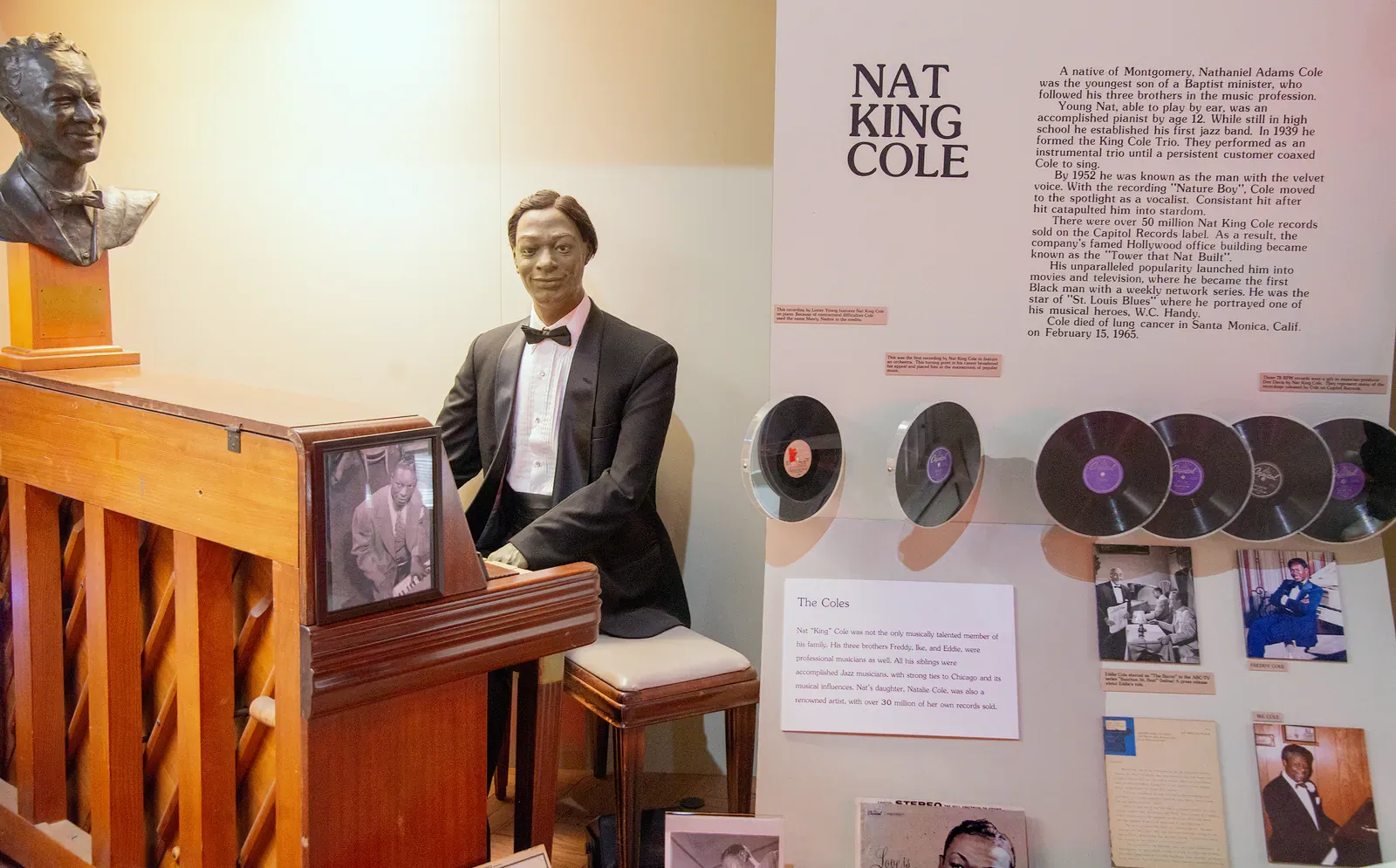
Mainstream success
This was mainstream music. Crosby was among the biggest radio and record stars of the 1930s and 1940s, and Sinatra’s concerts in the 1940s drew crowds of teenage fans known as bobby soxers. Nat King Cole, Como, Martin and Clooney reached the top of the charts, and the genre’s songs appeared in many films. Television variety shows kept the singers visible when radio formats changed.
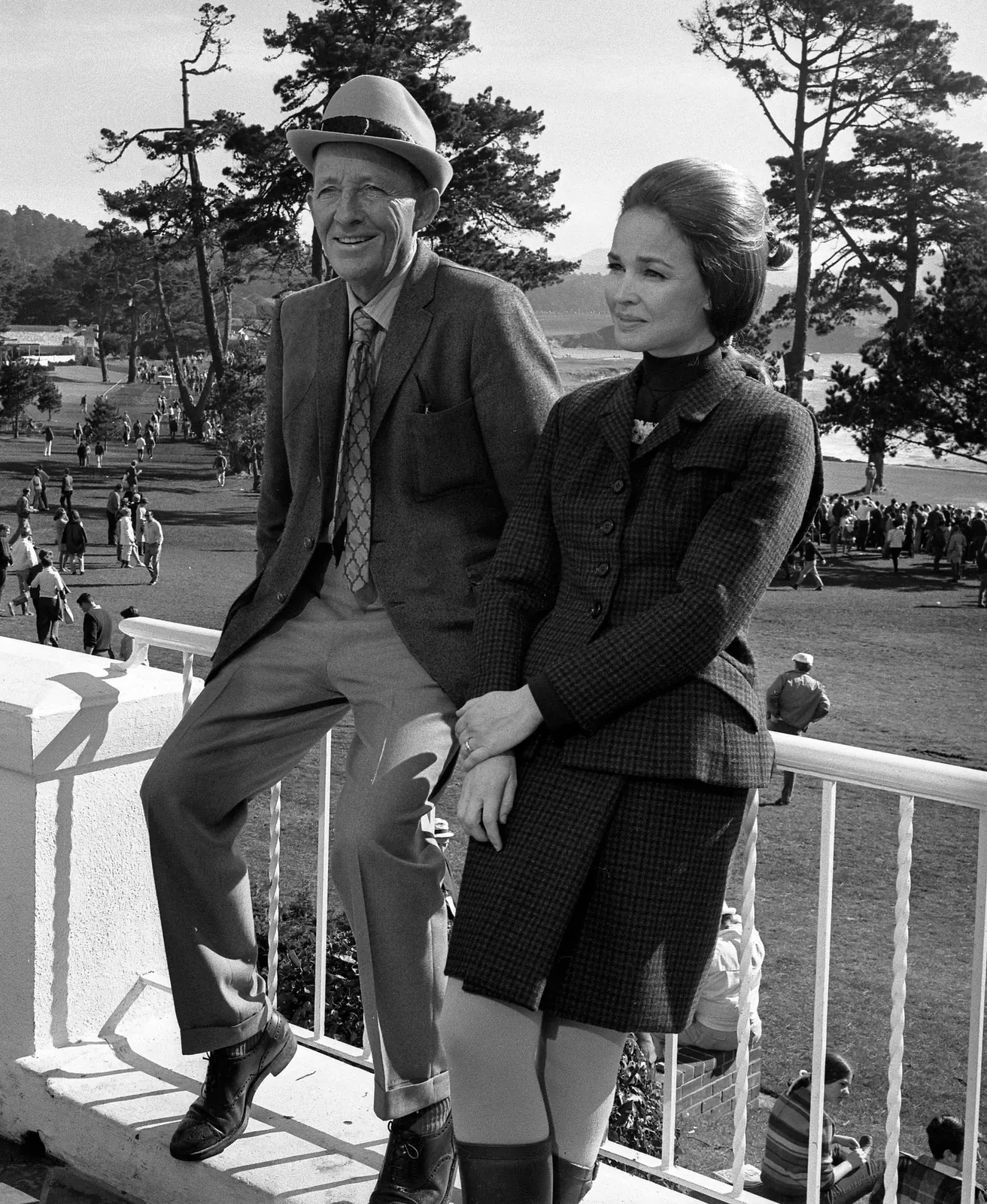
Notable recordings
In the Wee Small Hours, released in April 1955, is an early concept album in the style: ballads about a sleepless night, tied together by Riddle’s arrangements. Unforgettable is a showcase for the move from small jazz combo to orchestra, with strings under Cole’s gentle baritone. Fly Me to the Moon with Basie shows how the repertoire could be recast as big-band swing, with brass punctuating the vocal.
Culture
The music was heard in supper clubs, hotel showrooms, ballrooms and on film soundtracks. Dancers used it for the foxtrot and slow dancing. The stage image of the Rat Pack, built around Sinatra, Martin and friends in tuxedos, hats and loosened bow ties, shaped the style’s popular picture. Sinatra’s concerts in the 1940s were also associated with the screaming fans who followed him.
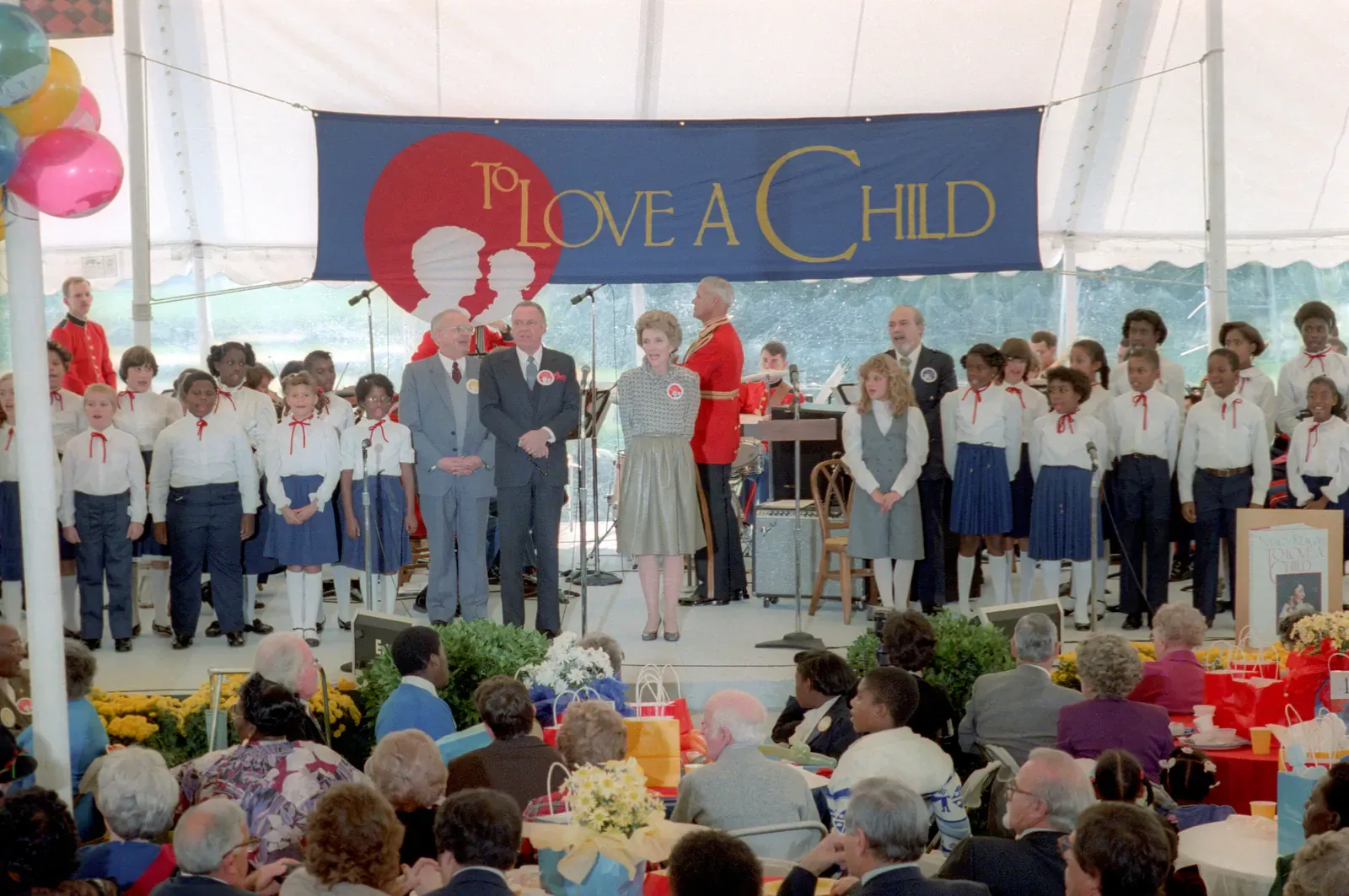
Legacy
Traditional pop never vanished. In 1983, Linda Ronstadt released What’s New with Nelson Riddle, which reached number 3 on the Billboard chart and won a Grammy. Rod Stewart, Willie Nelson and others later recorded standards albums. Tony Bennett’s duet records, including Cheek to Cheek with Lady Gaga in 2014, brought the repertoire to younger listeners. The songs remain a core of jazz and cabaret repertoire.
Misconceptions
One myth is that traditional pop is simply jazz. It shares songs and many players with vocal jazz, but its centre is the vocalist and the orchestral arrangement, while jazz puts improvisation first. Another is that rock killed it overnight. The audience shrank on the charts, but the singers stayed on television and in Las Vegas, and the radio format continued. A third is that all the crooners sounded alike: Crosby’s easy baritone, Cole’s jazz-trained piano and voice, and Fitzgerald’s scat-trained phrasing are quite different.
Frequently asked questions
What is traditional pop?
Traditional pop is the popular vocal music of the pre-rock era, built on Broadway, Tin Pan Alley and film songs and sung over orchestras. It is also called pre-rock pop or the music of the standards.
What is the difference between traditional pop and the Great American Songbook?
The Great American Songbook is the repertoire of songs, mostly written between the 1920s and 1950s. Traditional pop is the style of singing and arranging in which those songs were recorded.
Who are the main traditional pop singers?
Frank Sinatra, Bing Crosby, Nat King Cole, Dean Martin and Ella Fitzgerald are among the central names, with Perry Como, Peggy Lee, Rosemary Clooney and Tony Bennett close behind.
Is traditional pop still made?
Yes. Singers continue to record standards, and the style is kept in circulation by adult standards radio and by occasional albums from pop and rock artists.
Sound
Sound sheet
Anatomy of a track
| # | Part | Bars |
|---|---|---|
| 1 | Introduction | 4 |
| 2 | Verse (often free tempo) | 16 |
| 3 | Chorus A1 | 8 |
| 4 | Chorus A2 | 8 |
| 5 | Bridge | 8 |
| 6 | Final A | 8 |
Signature sounds
- 32-bar AABA song form
- Lush string arrangement behind the lead voice
- Brass or woodwind answers between vocal phrases
- Final-chorus key change
Drums and percussion
- Drum kit with brushes
Techniques
- Crooning
- Behind-the-beat phrasing
- Orchestral arrangement
- Final-chorus modulation
Keys and modes
Major keys with ii-V-I progressions. Songs typically move through chains of ii-V-I chords and modulate up for the last chorus.
Vocals
Warm baritone or tenor crooning for men and clear, smooth alto or soprano lines for women, with clear diction and the lyric in front.
Scenes
Where it happened
Where and when the sound lived: one bar per city on a shared timeline.
North America
Active scenes
Peak 3, 1950-1970
Tin Pan Alley publishers, Broadway theatres and the Copacabana supplied the songs, stars and rooms.
Hollywood film studios and Capitol Records made the city the main recording centre for vocal albums.
Resort showrooms became the long-running home of the Rat Pack and other standards singers.
Venues and places
New York City, 1926 to today. Times Square theatre where swing bands and then young singers such as Sinatra drew screaming crowds in the 1940s.
New York City, 1940 to today. A supper club where Dean Martin and many other singers headlined.
Los Angeles, 1956 to today. Hollywood tower with studios used by Capitol artists for orchestral vocal sessions.
Las Vegas, 1952 to 1996. Resort showroom linked to Sinatra and the Rat Pack; demolished in 1996.
Culture
Culture markers
- Tuxedo and fedora
The suit, hat and loosened bow tie of the Rat Pack stage image.
Fashion - Supper club evenings
Dinner shows with a house orchestra, the main live setting of the style.
Ritual - Slow dancing and foxtrot
Couples danced to ballads and medium swing standards at ballrooms and parties.
Dance - Bobby soxers
Teenage fans of Sinatra in the 1940s, named for their ankle socks.
Slang
Media
Key media
- 1935Your Hit Parade
by NBC and CBS. Weekly radio countdown that presented the biggest songs of the week in orchestral arrangements.
Radio - 1954White Christmas
by Paramount. Musical film starring Bing Crosby and Rosemary Clooney that took Irving Berlin's title song to a new audience.
Film - 1956Ella Fitzgerald Sings the Cole Porter Song Book
by Ella Fitzgerald. First of the Verve songbook albums that treated popular songwriters as canonical.
Compilation
Glossary
Terms on this page
A 32-bar chorus with two matching A sections, a contrasting bridge and a final A.
A male singer using a soft, close-microphone style rather than projecting to the back of a hall.
The canon of popular songs from Broadway, Tin Pan Alley and Hollywood, roughly the 1920s to the 1950s.
A radio format for older listeners that kept standards on air after rock took over top-40 stations.
A song so widely recorded that most singers and bands know it.
An introductory section before the main chorus, often sung freely and later dropped from many recordings.
Pop family