Middle of the road
Middle of the road (MOR) is a US and Canadian radio format and music category of melodic vocal pop with light orchestration, peaking in the 1960s and 1970s.
United States, Canada, 1960
Easy Listening family
Born
1960
United States, Canada
Links
10
Genres it drew on or shaped
Tempo
65-120 BPMLineage
Family tree
Timeline
Era by era
From the first sparks to today. Select a dot to read the story behind it.
- A format between rock and standards
1955 to 1964
- Full-service peak
1965 to 1979
- FM and adult contemporary take over
1980 to 1999
- Satellite remnants and a pejorative label
2000 to today
Eras
Moments
- 1 A format between rock and standards, 1955 to 1964
- 2 Full-service peak, 1965 to 1979
- 3 FM and adult contemporary take over, 1980 to 1999
- 4 Satellite remnants and a pejorative label, 2000 to today
around 1955
A format between rock and standards
Conservative stations that wanted current hits without rock and roll mixed pop standards, show tunes and easy listening; Billboard began an Easy Listening chart in 1961.
- 1961Billboard starts an Easy Listening chartThe 17 July chart ran 20 songs and described itself as not too far out in either direction; Brook Benton's Boll Weevil Song was its first number one.
- 1964Sinatra and Basie record Fly Me to the MoonFrank Sinatra's swing treatment appears on It Might as Well Be Swing and becomes a standard of adult radio.
1965
Full-service peak
Big AM stations such as WNEW in New York blended softer rock with standards, news and sport, while the Carpenters, Bread and John Denver supplied the new repertoire.
- 1965WNEW cuts back big bandsThe New York station plays standards about four times an hour and leans on soft rock and adult contemporary hits.
- 1969Carpenters release their debutOffering, the first album by Karen and Richard Carpenter, appears on A&M.
- 1970Close to YouThe Carpenters' (They Long to Be) Close to You becomes the signature MOR single of the new decade.
- 1970Bread's Make It with YouA soft rock ballad from the album On the Waters, issued as a single.
- 1971Take Me Home, Country RoadsJohn Denver's single appears on RCA in April, credited to John Denver with Fat City.
- 1975I Write the SongsBarry Manilow's ballad appears on the album Tryin' to Get the Feeling.
around 1980
FM and adult contemporary take over
Listeners aged, music moved to FM and adult contemporary and adult standards stations absorbed the repertoire; many AM stations dropped music for talk.
- 1990Christgau's definition of MORChristgau's Record Guide: The '80s defines MOR as radio formats that put tight tempo and volume limits on rock, noting that lite and adult contemporary had become the preferred terms.
2000
Satellite remnants and a pejorative label
A satellite MOR service ran until 2006, while critics began using the term for any act seen as playing to commercial taste, from Train to Westlife.
- 2006Memories network endsThe Memories/Unforgettable Favorites satellite service, a nationwide MOR feed, stops after this year.
Listening path
Start listening
A short path from an easy way in to the deep end. Thumbnails come from YouTube; the player loads only when you press play.
- 01
Frank Sinatra and Count Basie, 1964
The standards-era sound that MOR stations kept in rotation; listen for the swinging band behind a conversational vocal.
- 02
Carpenters, 1970
The signature MOR single of the early 1970s; listen for the close-miked lead vocal and layered harmonies.
- 03
Bread, 1970
A soft rock ballad that crossed to adult radio; note the gentle guitar and unhurried tempo.
- 04
John Denver, 1971
Acoustic folk-pop with a sing-along chorus that fitted MOR playlists.
- 05
Barry Manilow, 1975
A big orchestral ballad from the late peak of the format.
Facts
| Family | Easy Listening |
| Origin | United States, Canada |
| Emerged | 1960s-1970s |
| Status | Historical |
| Tempo | 65 to 120 BPM |
| Meter | 4/4 |
| Grew out of | Traditional pop |
Middle of the road, abbreviated MOR, is a commercial radio format that also serves as a loose music category. It took shape in the United States and Canada in the 1960s and covers strongly melodic popular music with vocal harmony and light orchestral arrangements, placed between Top 40 and rock.
The label has described a broad range of styles more often than one sound, from pop standards and show tunes to soft rock and countrypolitan ballads.
Origins
The format grew out of a problem facing conservative radio stations in the mid-1950s. Rock and roll was dominating the charts, but many stations wanted to keep playing current hits without becoming rock stations. Their answer was a mix of recent pop with older adult standards and big band titles, aimed at listeners who had grown up with those songs. A Billboard Easy Listening chart followed on 17 July 1961, with 20 songs and Brook Benton’s “Boll Weevil Song” at number one.
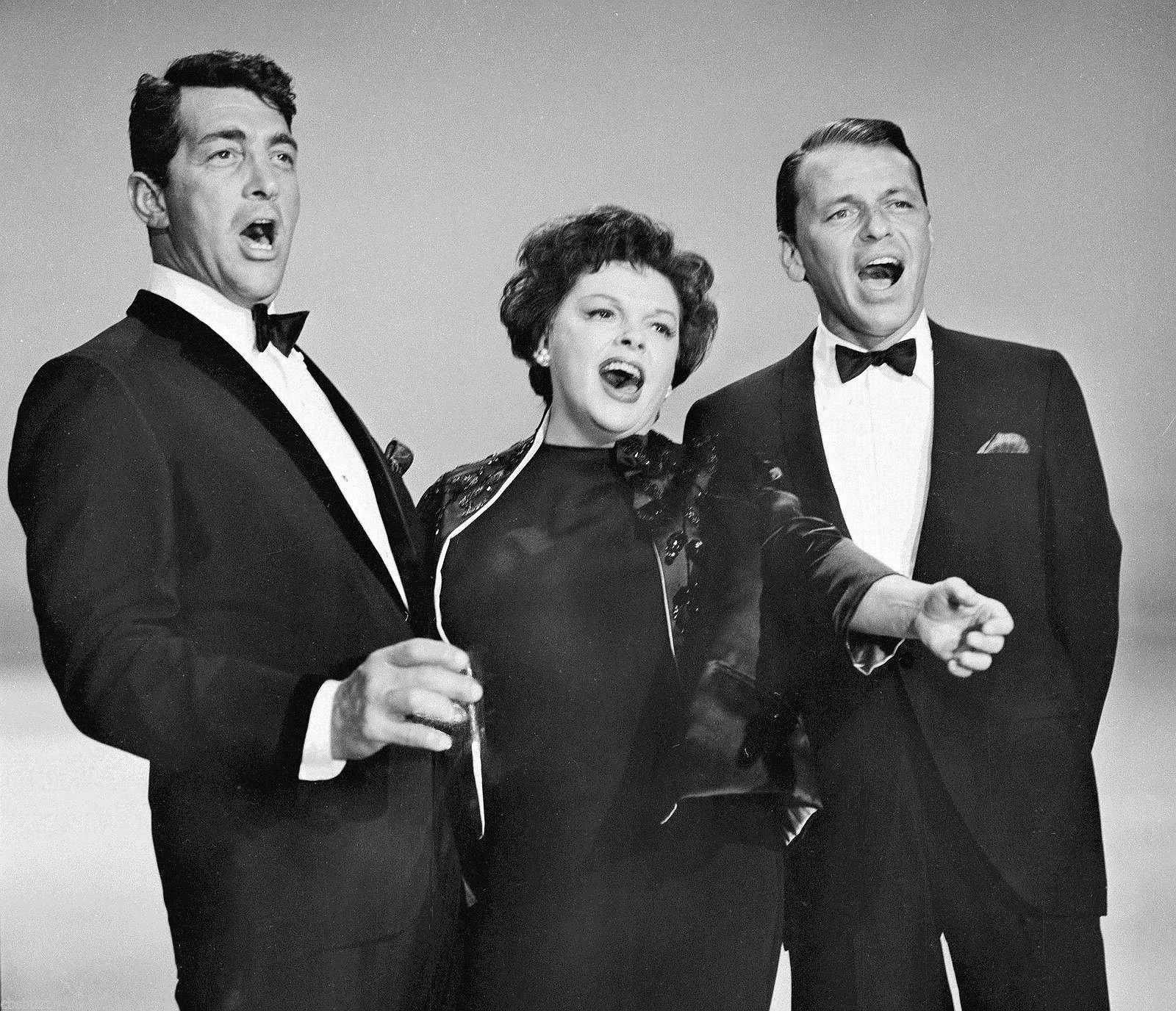
The name itself is tied to WNEW 1130 AM in New York, the flagship of the Metromedia radio group. Its program director Dick Carr is credited with the phrase “middle of the road”, which separated stations that played adult standards from both Top 40 and rock outlets. WNEW had resisted the Top 40 model and built its sound around traditional male and female vocalists such as Frank Sinatra, Tony Bennett, Ella Fitzgerald and Peggy Lee.
The format at its peak, 1965-1979
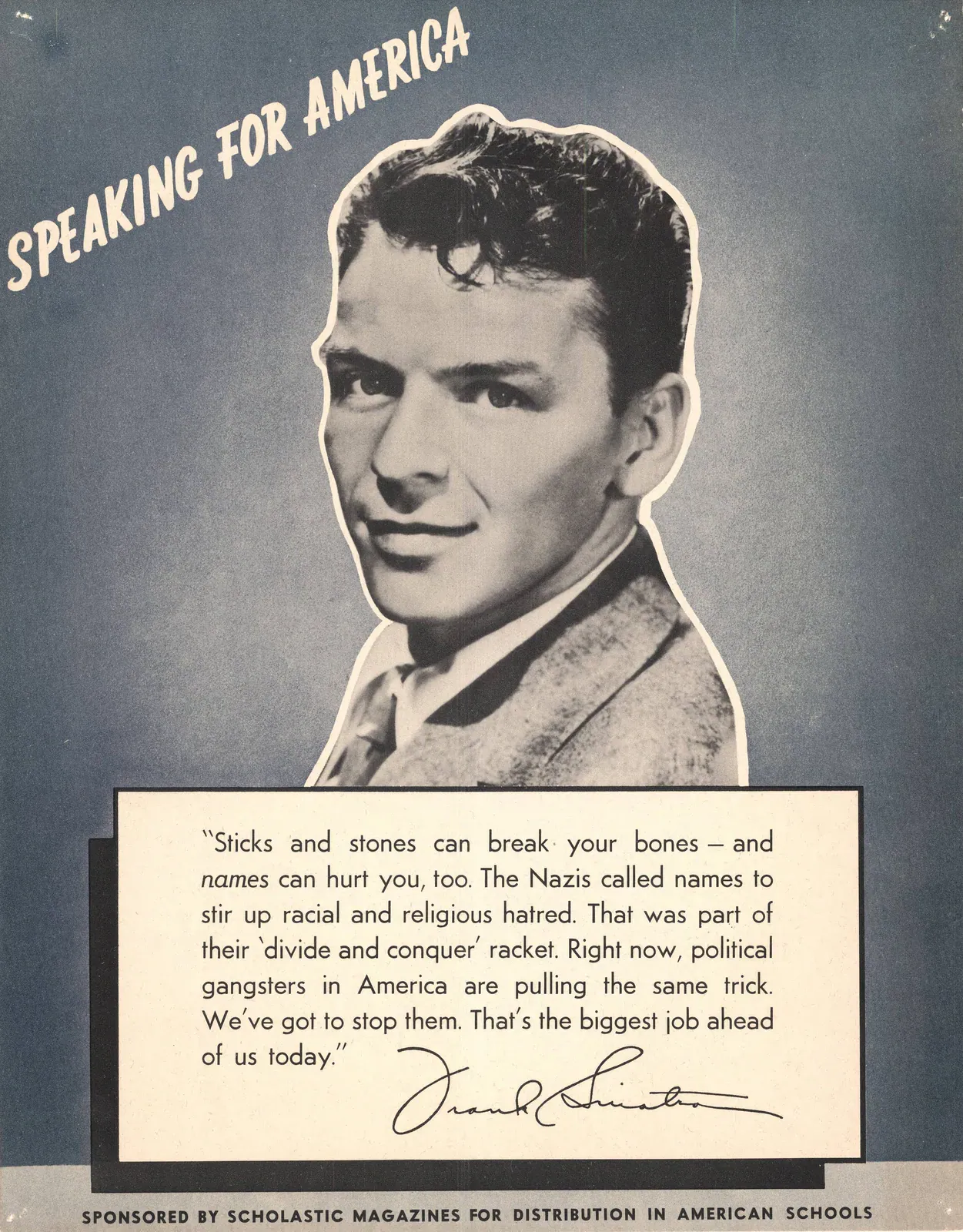
Radio in this period was shifting under the stations. By the mid-1960s WNEW was adding contemporary singers such as Bobby Vinton, Connie Francis, Wayne Newton, Steve Lawrence and Andy Williams, along with softer songs by Elvis Presley, the Beatles, the Association, the 5th Dimension and Petula Clark. From 1965 it cut back on big bands and played standards artists only about four times an hour, leaning toward soft rock and the hits on the adult contemporary charts.
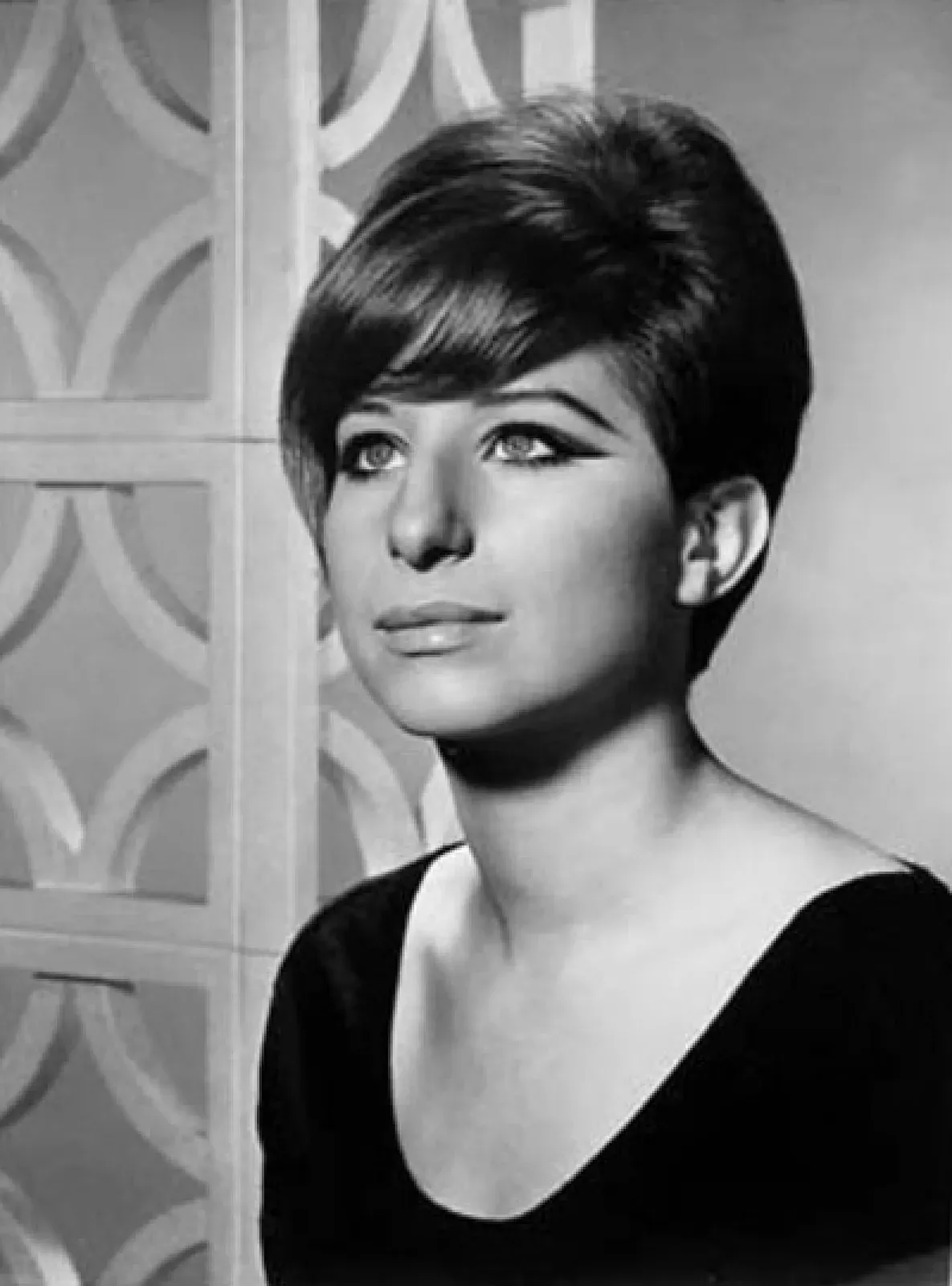
The Easy Listening chart changed with it. After 1965 it drifted away from the Hot 100 and tracked what middle of the road stations were really playing, with Roger Miller, Barbra Streisand and Bobby Vinton among its most popular performers. Soft rock acts such as the Association, the 5th Dimension, the Bee Gees, the Johnny Mann Singers and Simon and Garfunkel entered the MOR market in the late 1960s.
Characteristics
Three traits recur in descriptions of the music: a strongly melodic repertoire, vocal harmony, and light orchestral arrangements. The music is built to suit a broad adult audience and to sit comfortably between the louder pop of Top 40 and the harder end of rock. In practice many MOR stations put strict limits on tempo and volume, which a critic later summarised as the real meaning of the term. Typical tempos are slow to moderate, from the unhurried pace of a ballad to the swing of a standard.
The traditional category has included easy listening, traditional pop and later revivalist recordings of the style, orchestral ballads, show tunes, smooth jazz melodies, soft rock songs and countrypolitan ballads. Neighbouring genres share much of this ground, and the easy listening family page covers the orchestral and instrumental side more fully.
Instruments and production
String sections and woodwinds supply the light orchestral layer, with piano or electric piano carrying chords and acoustic guitar central to the folk-pop end of the format. Drums are played with restraint. Vocal arrangements matter as much as instruments: the Carpenters stacked their own voices into dense harmony, while Bread and John Denver relied on clear lead lines over acoustic settings.
Notable recordings
Frank Sinatra and Count Basie recorded “Fly Me to the Moon” in 1964 for the album It Might as Well Be Swing on Reprise. The swinging band and relaxed vocal made it a standard of adult radio, and it shows the older tradition that MOR playlists kept alive while rock took over elsewhere.
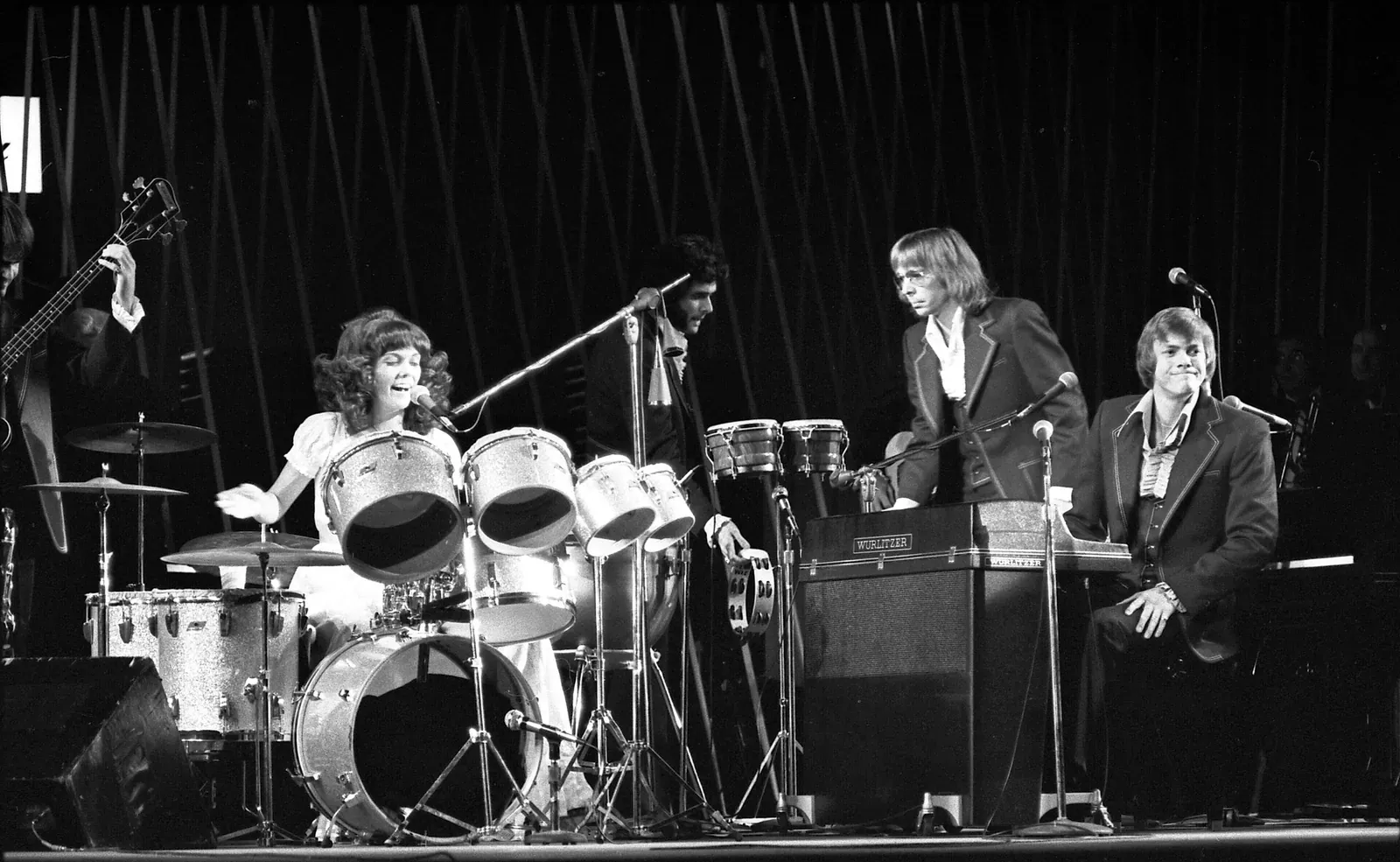
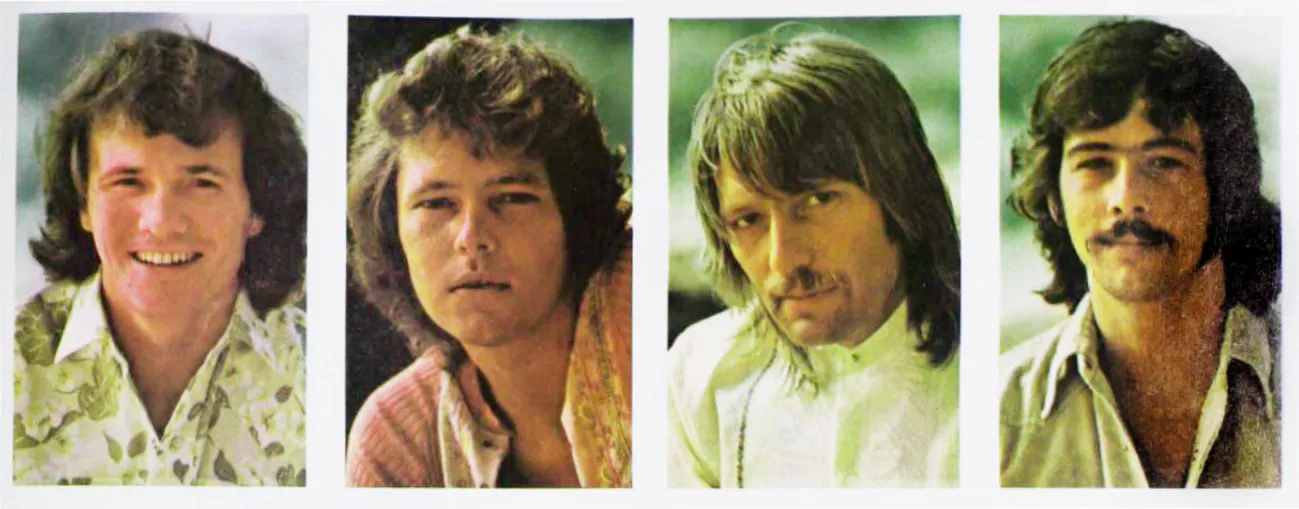
The Carpenters supply the defining records of the 1970s. Their debut album Offering appeared on A&M in 1969, and (They Long to Be) Close to You followed in 1970 as album and single. Bread’s “Make It with You” appeared in the same year, and John Denver’s “Take Me Home, Country Roads” came out on RCA in April 1971, credited to John Denver with Fat City. Barry Manilow’s “I Write the Songs” appeared in 1975 on Tryin’ to Get the Feeling, carrying the orchestral ballad into the late peak of the format.
Full-service radio
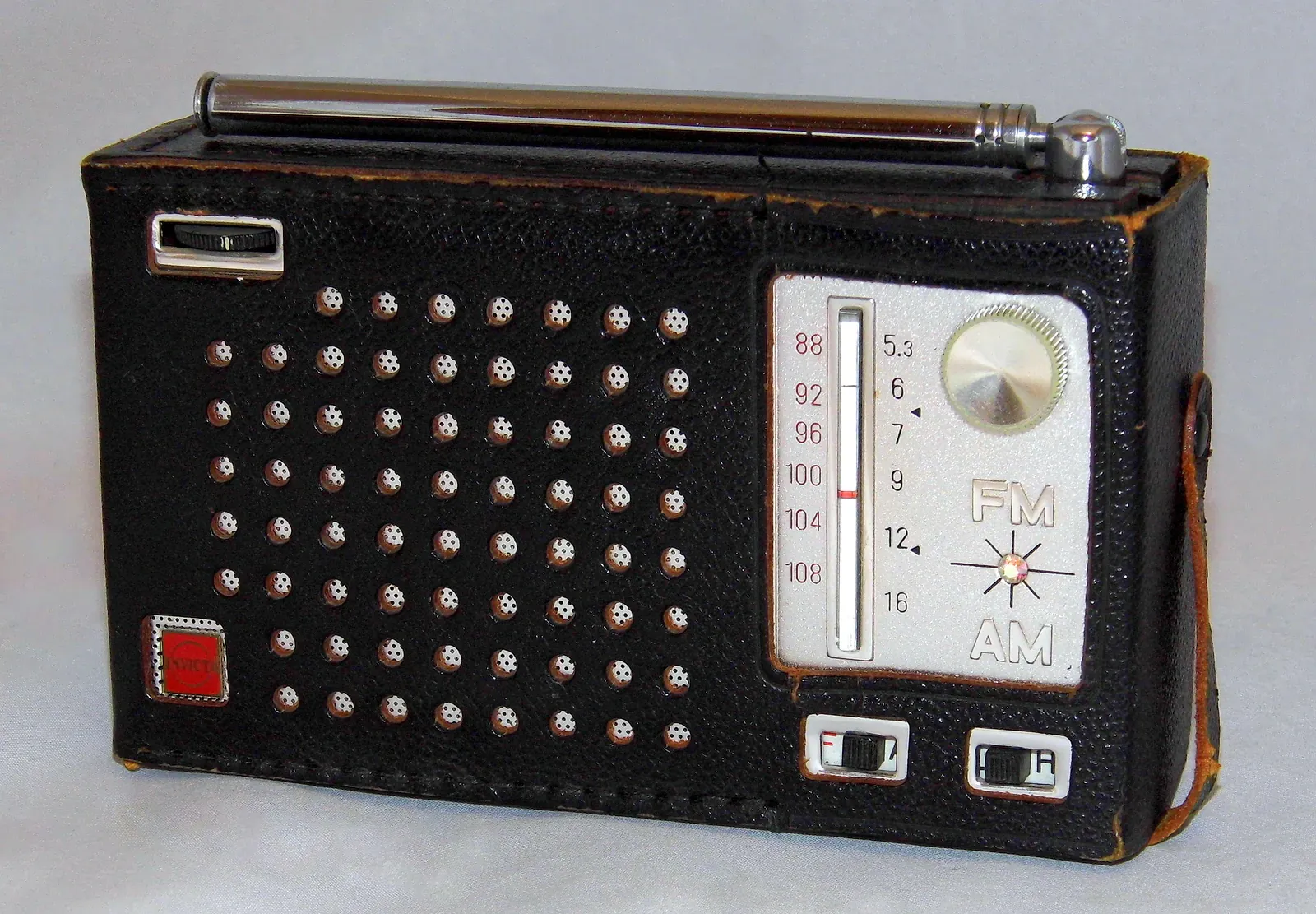
Several big AM stations ran what the trade called full-service MOR, scheduling news, sport and announcers around the music. They included WLW in Cincinnati, WJR in Detroit, WNEW in New York, WCCO in Minneapolis, KMPC in Los Angeles, KIRO and KOMO in Seattle, WTIC in Hartford, and CFRB in Toronto and CKNW in Vancouver. WMAL in Washington reached some of the highest ratings and revenue of any American station with MOR music, news, sport and popular announcers, even though it was not a 50,000-watt outlet.
Decline and afterlife
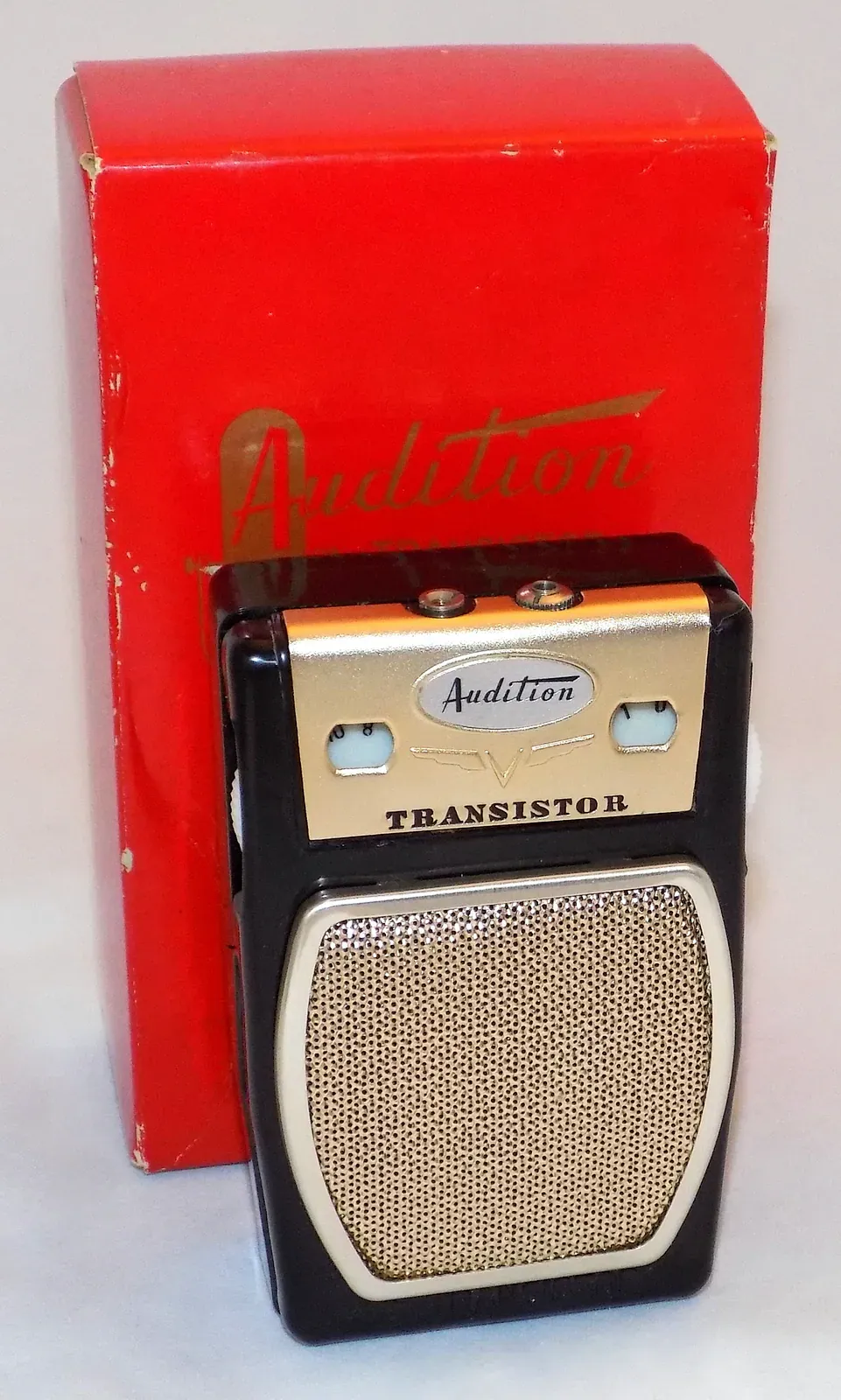
By the 1980s the audience was ageing and popular music had moved to FM. MOR stations then competed with adult contemporary stations on FM and with AM outlets playing adult standards. Most dropped music for news and talk, though some kept an MOR sound until the early 1990s. Formats resembling it were still available in 2013, and the Memories/Unforgettable Favorites satellite network ran until 2006. Much of the old repertoire now sits on adult standards stations, and the MeTV FM format follows a similar course under an oldies banner. The adult contemporary and soft rock pages follow the branches that survived.
Legacy
From the mid-2000s the term was picked up by writers as a verdict rather than a description. Acts such as Train, Westlife and, in country, Kenny Rogers have been called middle of the road by critics who think they calibrate their appeal to commercial taste and avoid innovative material. The same label has been applied to artists who are seen as drifting from their early creative path toward listeners who want only familiar songs. The related traditional pop and beautiful music pages cover earlier and more purely orchestral relatives.
Misconceptions
MOR is sometimes treated as a single musical genre with one sound. It was mainly a radio format and, more loosely, a category spanning standards, show tunes, soft rock and countrypolitan, so a playlist might hold Sinatra, the Carpenters and a country ballad side by side.
It is also confused with easy listening or beautiful music. The first easy listening stations leaned heavily on instrumentals, and beautiful music stations aimed at music designed to be purely ambient, while MOR centred on vocalists and hit songs.
A third belief is that the term has always been an insult. It began as a trade description for a station and its repertoire, and the pejorative use came much later.
Frequently asked questions
What does middle of the road mean in music?
Middle of the road describes melodic, harmony-rich popular music with light orchestration that sits between Top 40 and rock. It started as a radio format description and is now often used as a mild criticism.
What is MOR radio?
MOR radio was a format of mainly AM stations in the United States and Canada, popular in the 1960s and 1970s. It mixed adult standards, softer pop and soft rock with news, sport and announcers.
Which artists were middle of the road?
Frank Sinatra, Tony Bennett, the Carpenters, Bread, John Denver, Barry Manilow and Barbra Streisand are typical names in accounts of the format.
When did middle of the road radio end?
Its heyday was the 1960s and 1970s, and some stations kept playing MOR until the early 1990s. A national MOR satellite service ran until 2006, and similar formats were still available in 2013.
Sound
Sound sheet
Anatomy of a track
| # | Part | Bars |
|---|---|---|
| 1 | Intro | 4 |
| 2 | Verse | 8 |
| 3 | Chorus | 8 |
| 4 | Bridge | 8 |
| 5 | Final chorus | 8 |
Signature sounds
- Strongly melodic hook
- Vocal harmony
- Light orchestral arrangement
- Restrained tempo and volume
Techniques
- Vocal harmony
- Light orchestral arrangement
- Melodic restraint
Tuning
12-TET, A=440
Vocals
Smooth, clear lead voices, often doubled or supported by layered harmony.
Scenes
Where it happened
Where and when the sound lived: one bar per city on a shared timeline.
North America
Active scenes
Peak 3, 1965-2025
Home of WNEW 1130 AM, the Metromedia flagship where the term was coined.
A&M Records, home of the Carpenters, was founded here by Herb Alpert and Jerry Moss, and KMPC was a full-service station.
WLW, a 50,000-watt AM station, was a full-service MOR station.
Culture
Culture markers
- Full-service radio
Stations scheduled news, sport and announcers around the music, as at WMAL in Washington.
Ritual - MOR as an insult
Critics later used the term for acts accused of avoiding innovation and playing to commercial taste.
Slang
Media
Key media
- 2004Encyclopedia of Radio
by Christopher H. Sterling (ed.). Reference work with an entry on the middle of the road format.
Book - 2006Memories/Unforgettable Favorites
by Satellite network. Nationwide MOR satellite service that was available until 2006.
Radio
Glossary
Terms on this page
Format built on older pop and big band titles, where much traditional MOR repertoire ended up.
Smooth, string-laden country ballads that crossed into MOR playlists.
A station that mixes music with news, sport and personalities, as WLW, WJR and WNEW did.
Short for middle of the road, a radio format and loose music category between Top 40 and rock.
Format playing the current hits regardless of genre, which MOR stations were set against.
Easy Listening family