Light music
Light music is short, melodic orchestral music for wide appeal, from British seaside and radio orchestras of the 1850s-1960s to Mantovani and Percy Faith.
British seaside resorts, 1850
Easy Listening family
Born
1850
British seaside resorts
Subgenres
2
Documented branches
Links
12
Genres it drew on or shaped
Tempo
70-140 BPMLineage
Family tree
Grew out of
- Salon music
Derived from
Influenced by
OperettaViennese waltz
British seaside resorts, 1850
Light music
Led to (8)
Timeline
Era by era
From the first sparks to today. Select a dot to read the story behind it.
- Spa, pier and salon
1850 to 1914
- Gramophone and wireless
1915 to 1939
- Wartime radio and the Light Programme
1940 to 1967
- Decline and rescue
1968 to 1990
- Reissues and revival
1991 to 2026
Eras
Moments
- 1 Spa, pier and salon, 1850 to 1914
- 2 Gramophone and wireless, 1915 to 1939
- 3 Wartime radio and the Light Programme, 1940 to 1967
- 4 Decline and rescue, 1968 to 1990
- 5 Reissues and revival, 1991 to 2026
around 1850
Spa, pier and salon
Seaside and spa orchestras, theatre pits and salon parlours create demand for short, tuneful pieces written to please a wide audience.
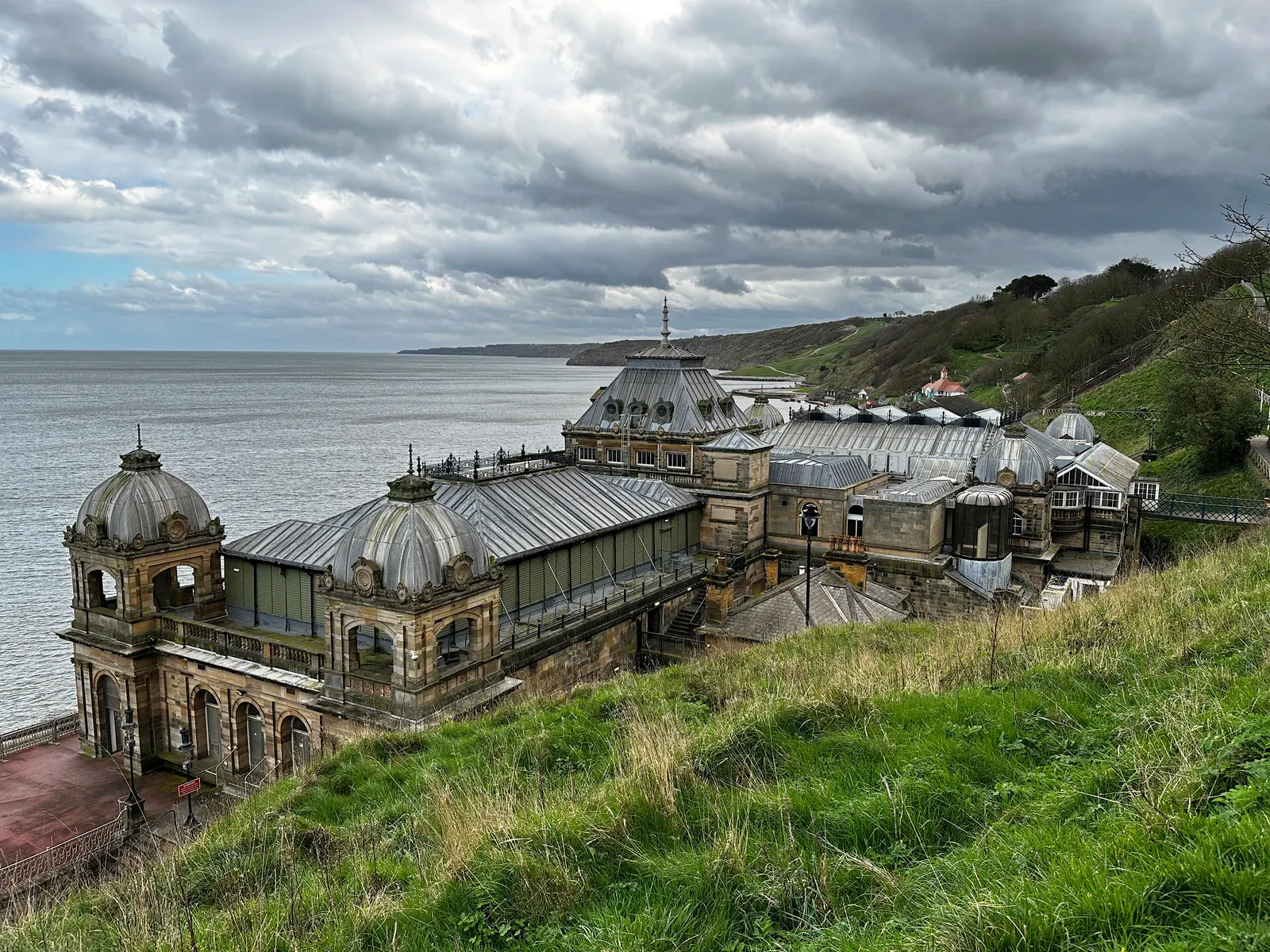
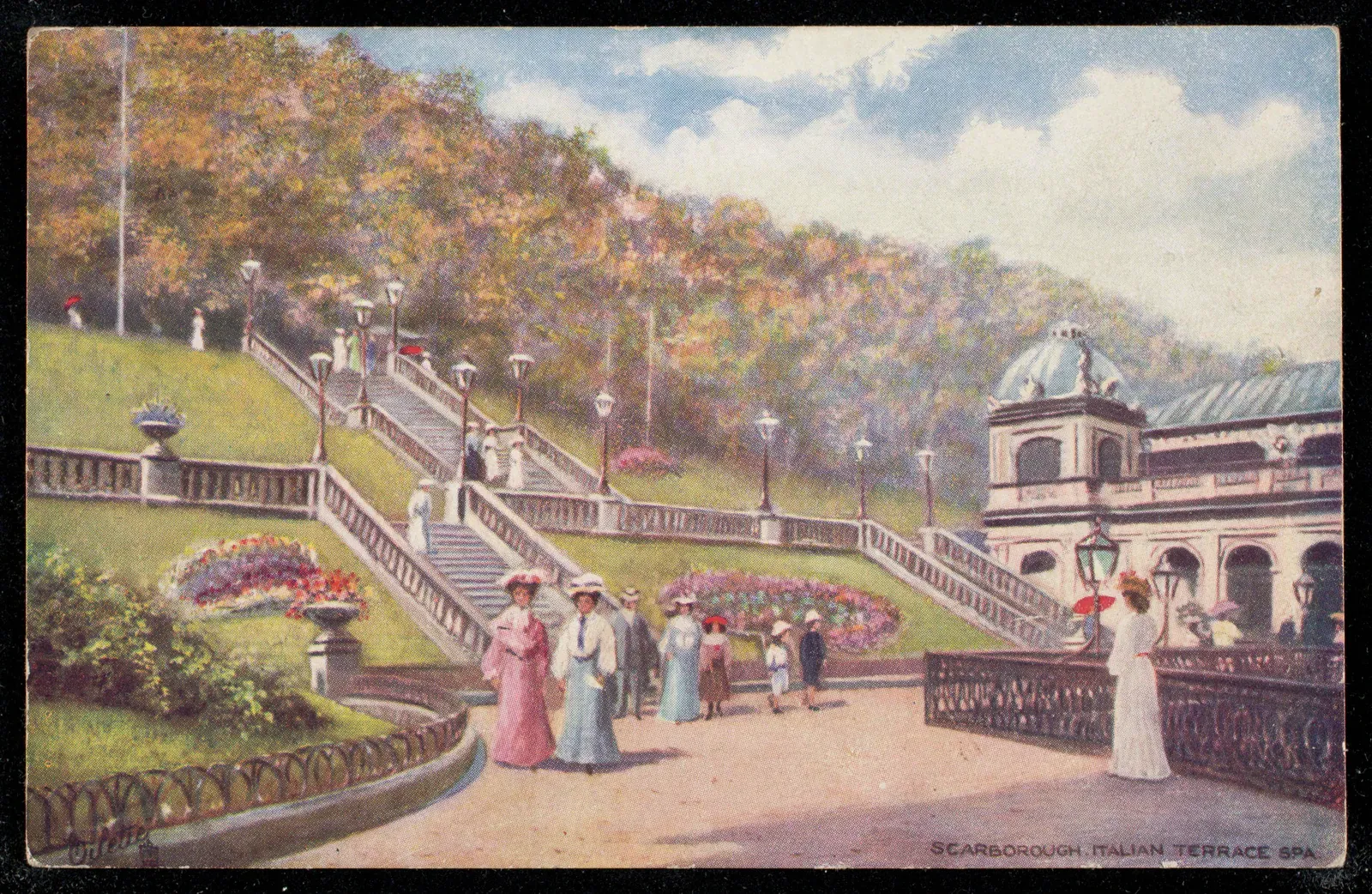
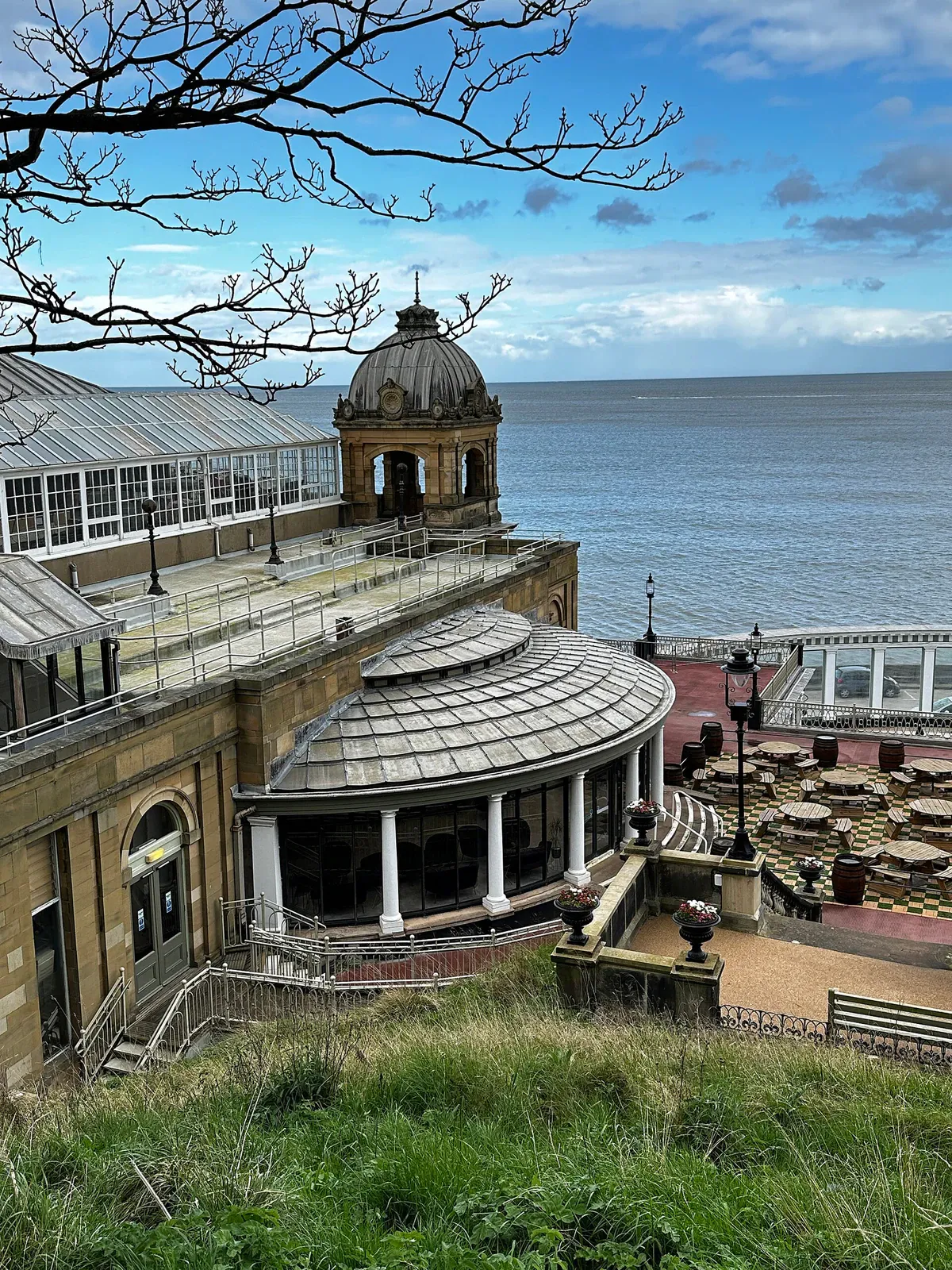
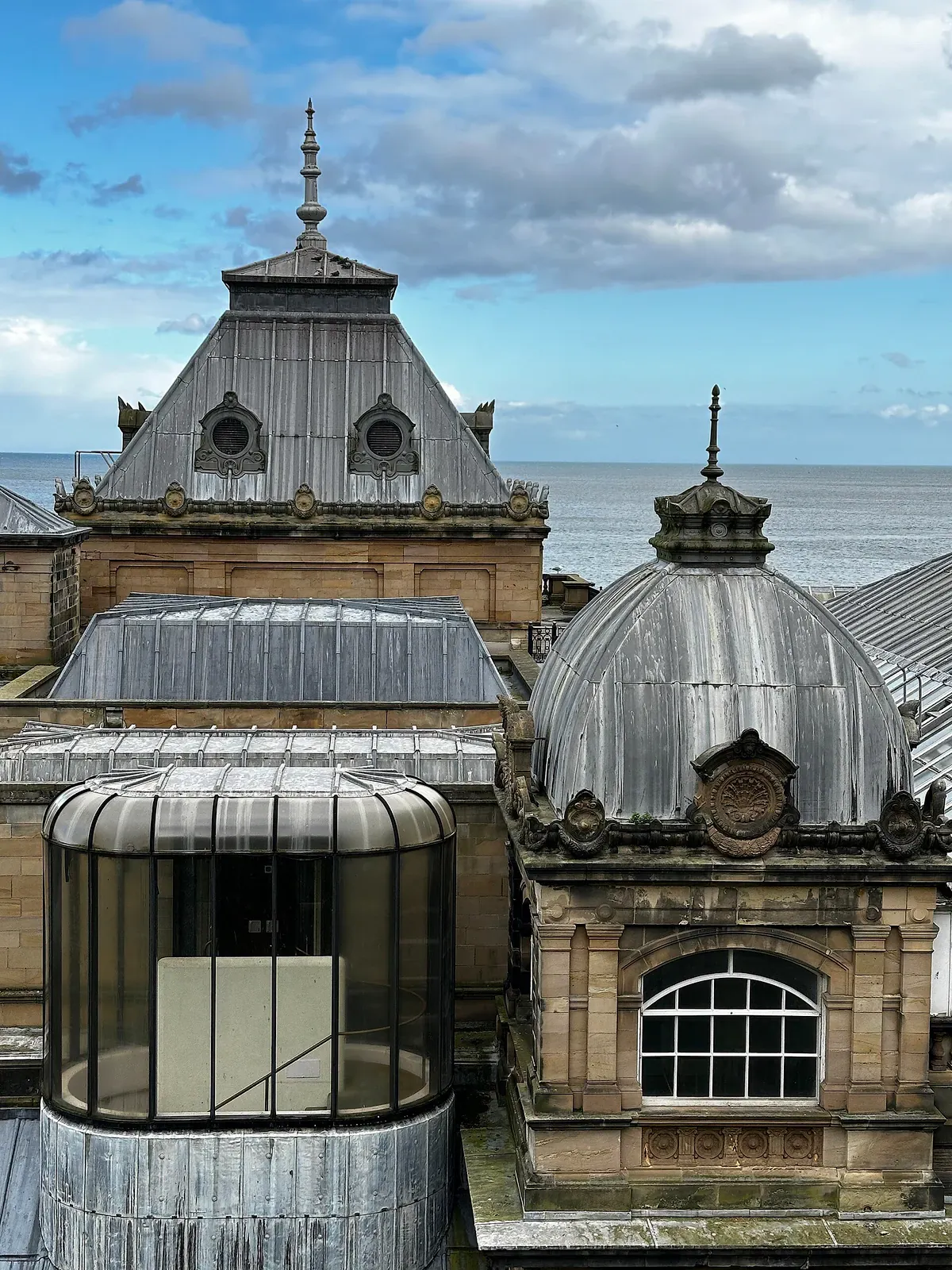
- 1858Paxton's Spa complex opens at ScarboroughThe Victorian spa grows into a music-hall venue whose resident orchestra still plays light music today.
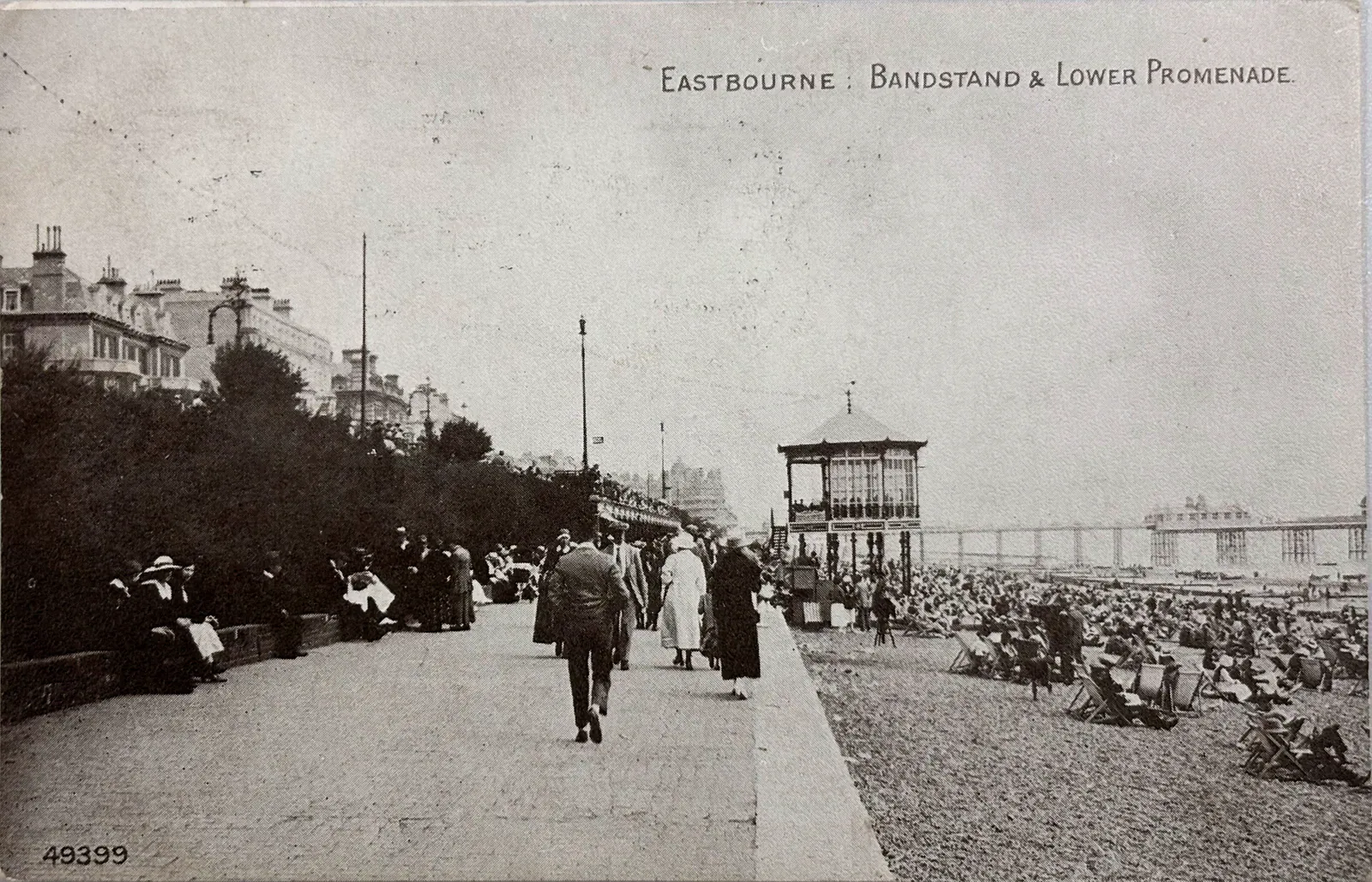
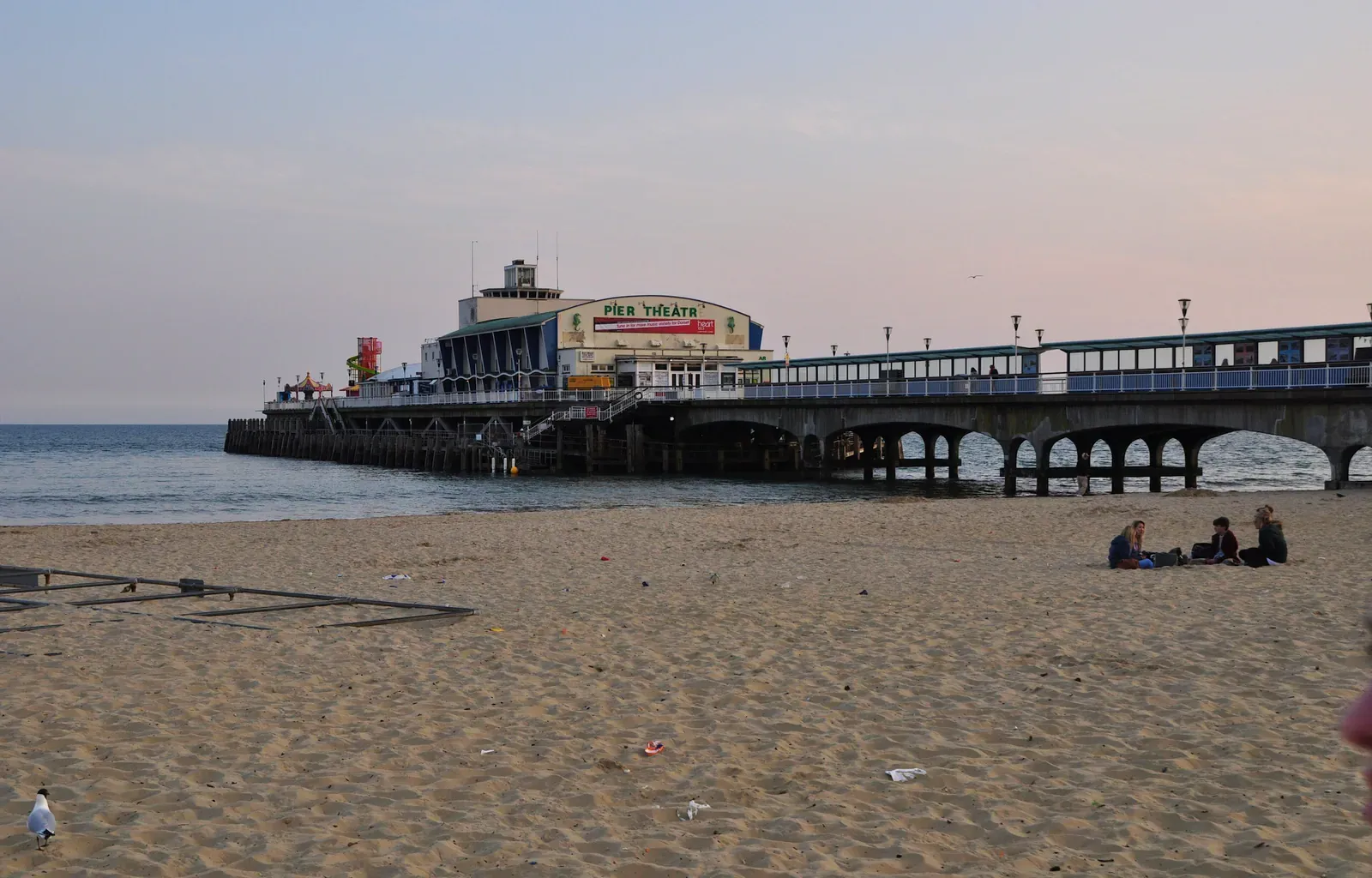
- 1893Bournemouth Municipal Orchestra is foundedDan Godfrey leads the first concert at the Winter Gardens, a model for municipal seaside orchestras.
1915
Gramophone and wireless
Ketelbey and Eric Coates turn the descriptive miniature into a record and sheet-music hit, and BBC radio gives the music a national stage.
- 1915Ketelbey's In a Monastery GardenA descriptive intermezzo with chanting monks sells over a million copies.
- 1920Ketelbey's In a Persian MarketThe best known of his exotic mood pictures, made for Columbia Graphophone recordings and theatre orchestras.
- 1930Coates writes By the Sleepy LagoonThe waltz later opens Desert Island Discs, and has done so since 1942.
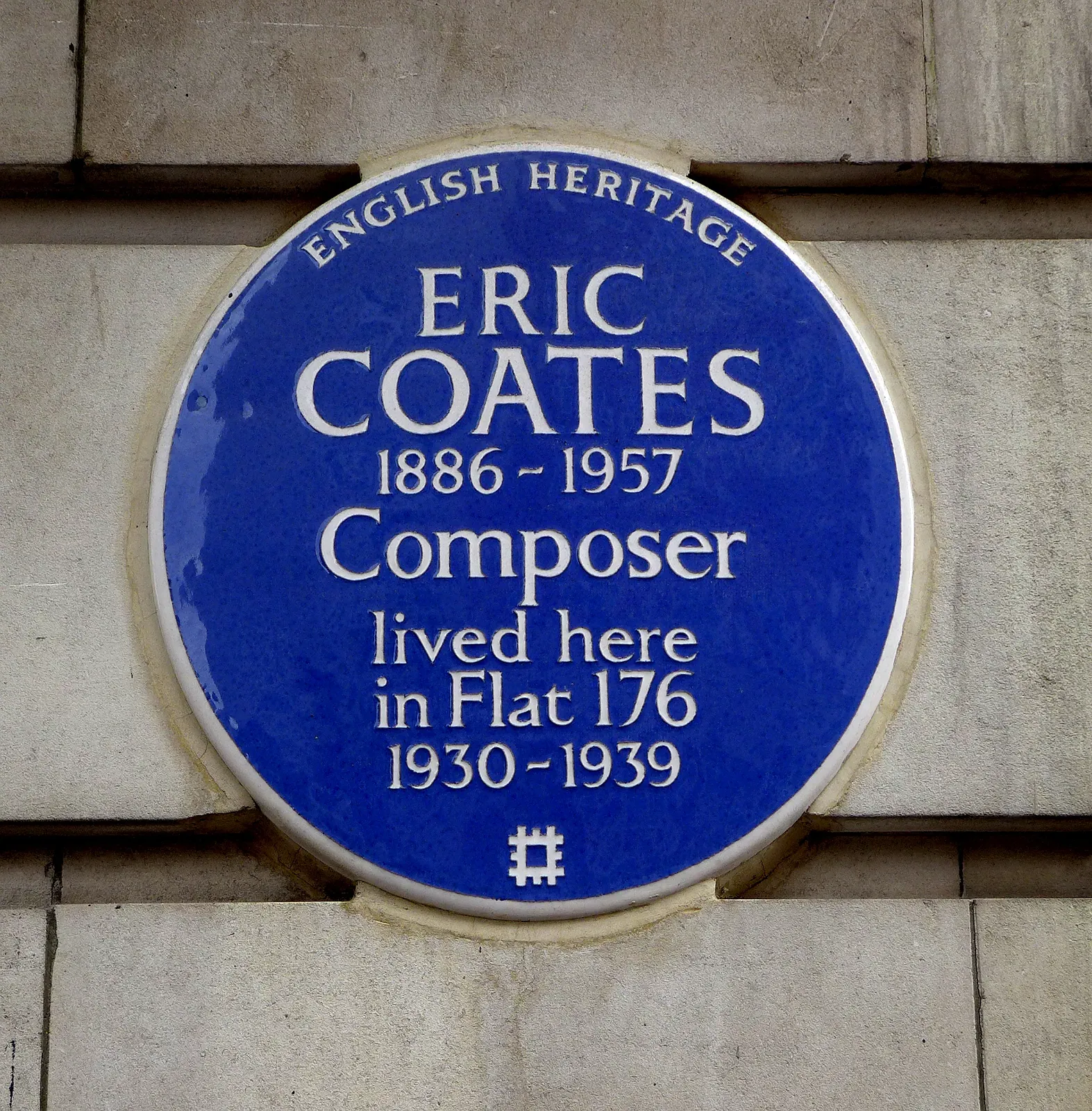
- 1933Coates' London SuiteIts Knightsbridge march becomes the signature tune of the radio show In Town Tonight from 1933.
1940
Wartime radio and the Light Programme
Music While You Work, Chappell's mood-music library and the BBC Light Programme make light orchestral music daily listening, while Mantovani and Leroy Anderson sell it abroad.
- 1940Music While You Work starts on BBC radioLive bands play non-stop even-tempo music for factory workers; Coates' Calling All Workers is its theme.
- 1941Addinsell's Warsaw ConcertoA Rachmaninoff-style piece for the film Dangerous Moonlight sells in the millions and starts a wave of film concertos.
- 1941Chappell launches its Recorded Music LibraryOrchestras conducted by Charles Williams, Sidney Torch and Robert Farnon record mood music for newsreels, film and radio.
- 1942A hit kept off factory radioDeep in the Heart of Texas is barred from Music While You Work in case workers clap along and leave their machines.
- 1945BBC Light Programme beginsThe network, on air from July 1945 to September 1967, becomes light music's main broadcast home.
- 1947Williams' The Dream of OlwenAnother film piano piece in the Warsaw Concerto mould, written for While I Live.
- 1951Mantovani's Charmaine and the cascading stringsArranger Ronald Binge devises the echoing string sound that defines the Mantovani orchestra.
- 1952Leroy Anderson's Blue TangoIt reaches number one in the US and sells a million records in under six months.
- 1953Friday Night Is Music Night startsSidney Torch helps create the BBC programme, first aired on 25 September 1953 and still running.
- 1953Chacksfield's Limelight and Ebb TideLush strings take light orchestral records onto both sides of the Atlantic hit parade.
- 1954Coates writes The Dam Busters MarchThe march for the war film becomes one of the best known pieces of British light music.
- 1957Light Music Society foundedEric Coates is its first president; a Robert Farnon Society had formed in 1956.
- 1960Percy Faith's A Summer Place wins Record of the YearIt is the first instrumental and first film theme to win the Grammy, after nine weeks at number one.
- 1963Binge's Sailing ByThe piece comes to introduce the late-night Shipping Forecast on BBC Radio 4.
- 1967Light Programme closesBBC Radio 1 and Radio 2 replace it and Music While You Work ends; orchestras and palm court groups fade through the decade.
1968
Decline and rescue
Seaside orchestras and palm court ensembles disband as radio turns to pop, and Ernest Tomlinson saves the BBC's discarded scores for a private library.
- 1984Tomlinson founds the Library of Light Orchestral MusicHe rescues scores the BBC was discarding, building an archive of about 50,000 pieces.
1991
Reissues and revival
Remastered CDs, new recordings by BBC and Royal Ballet Sinfonia players, the Scarborough Spa Orchestra and a weekly live broadcast keep the repertoire in circulation.
- 2004Guild begins The Golden Age of Light Music seriesRemastered original recordings from the 1920s to 1960s reach CD in a long-running series.
- 2024Friday Night Is Music Night moves to Radio 3The long-running live orchestral programme leaves Radio 2 in April 2024 after 57 years there.
Listening path
Anthems
The records that built the sound, grouped by the part they played. Thumbnails come from YouTube; the player loads only when you press play.
- 01
Albert Ketelbey, 1915
The descriptive intermezzo that made a short orchestral piece a million-selling hit and set the light music formula.
Origin - 02
Leroy Anderson, 1951 · Decca Records
The US number one that proved a light orchestral instrumental could outsell pop singles.
Breakthrough - 03
Albert Ketelbey, 1920 · Columbia Graphophone Company
The best known of Ketelbey's exotic scenes, a staple of theatre pits, spa orchestras and records.
Anthem - 04
Eric Coates, 1930
Coates' waltz, the theme of Desert Island Discs since 1942, is light music's calling card.
Anthem - 05
Eric Coates, 1933
The march from the London Suite opened In Town Tonight and made light music a household sound on BBC radio.
Start hereAnthem - 06
Charles Williams, 1947
A film piano piece in the same mould, among the most loved light orchestral tunes of the late 1940s.
Anthem - 07
Leroy Anderson, 1948
Anderson's orchestral picture of a winter outing, with horse whinny and whip crack, became a seasonal standard.
Start hereAnthem - 08
Mantovani, 1951 · Decca Classics
The first record with Binge's cascading strings, which defined the Mantovani sound.
Anthem - 09
Ronald Binge, 1952
A gently dancing serenade that won Binge an Ivor Novello award and became a concert favourite.
Anthem - 10
Eric Coates, 1954
Coates' film march, a fixture of British ceremony, sport and nostalgia.
Anthem - 11
Ronald Binge, 1963
A rocking miniature now heard before the late-night Shipping Forecast on BBC Radio 4.
Anthem - 12
Richard Addinsell, 1941
A film piano piece that sold in the millions and carried light music into the cinema and concert hall.
Crossover - 13
Frank Chacksfield, 1953 · Decca Classics
Chacksfield's string-laden film theme reached UK number two and won an American gold disc.
Crossover - 14
Percy Faith, 1959 · Columbia Records
Faith's orchestral version spent nine weeks at number one in the US and won the 1960 Grammy for Record of the Year.
Start hereCrossover
Facts
| Family | Easy Listening |
| Origin | British seaside resorts, United Kingdom |
| Emerged | 18th-19th centuries; heyday mid-20th century |
| Status | Revival |
| Tempo | 70 to 140 BPM |
| Meter | 4/4, 3/4, 2/4 |
| Grew out of | Salon music |
| Subgenres | 2 |
Light music is short, tuneful, through-composed orchestral music written for wide appeal, usually without vocals or synthesizers.
It grew from British spa, seaside and theatre orchestras from about 1850, reached its peak on BBC radio between 1940 and 1967, and sits between classical and popular music as the orchestral root of easy listening. Its pieces run three to four minutes and put the melody first.
Origins
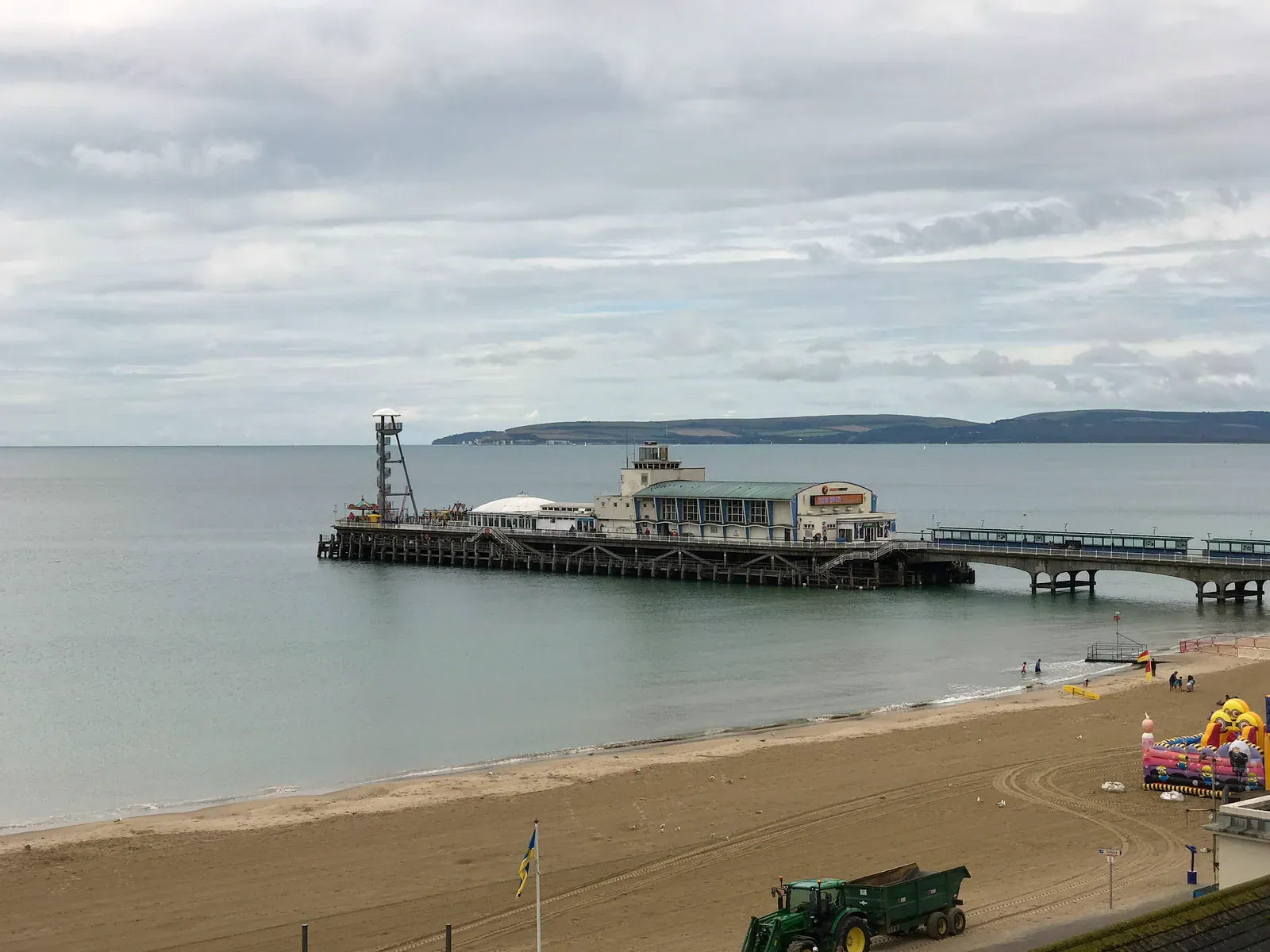
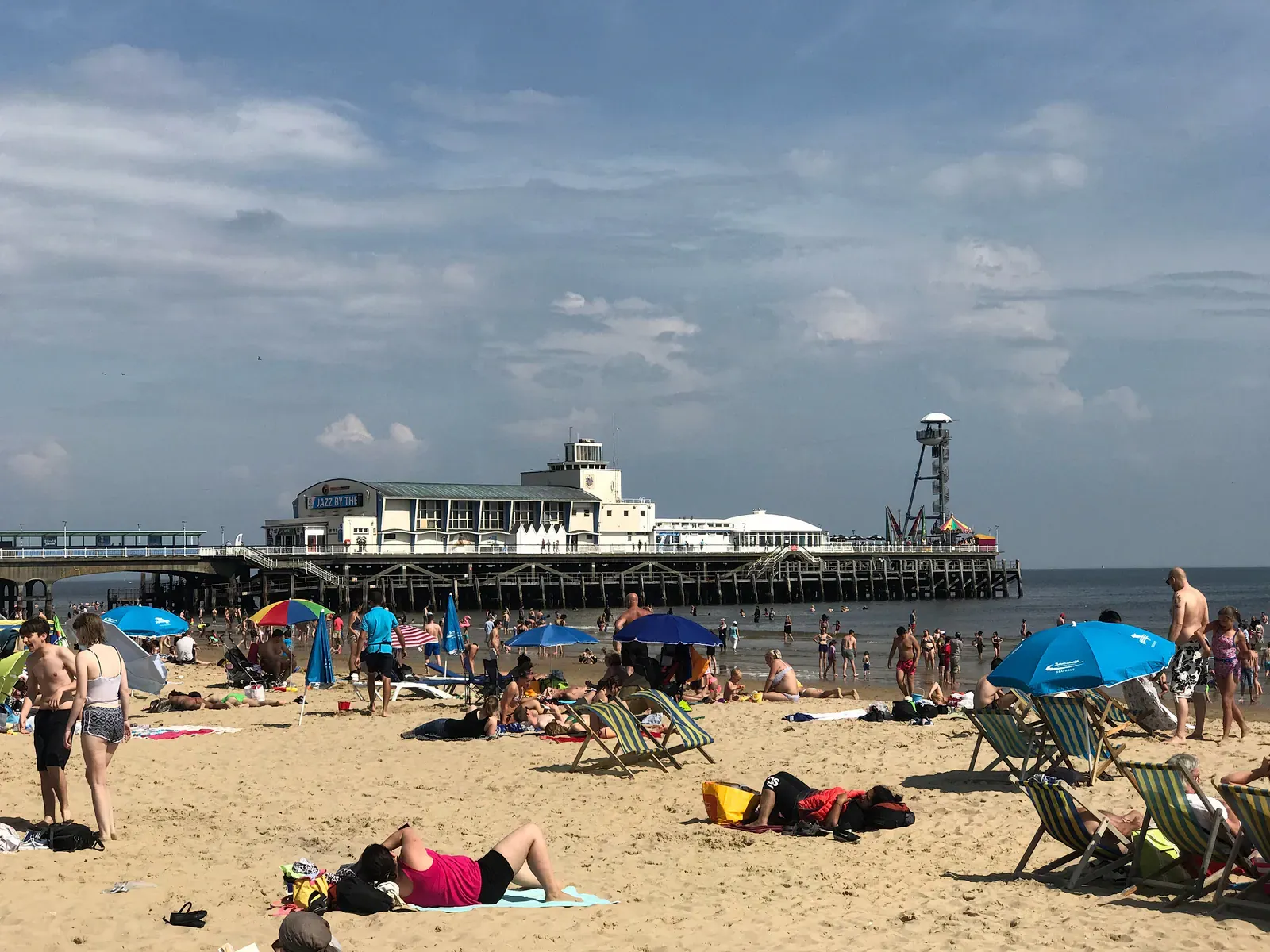
The demand came before the name. Victorian spas and piers employed resident orchestras to entertain visitors, and salon and theatre musicians needed short pieces that audiences could follow at once. Paxton’s Spa complex at Scarborough opened in 1858 and grew into a concert venue, and Dan Godfrey’s Bournemouth Municipal Orchestra gave its first concert at the Winter Gardens in 1893, a model for other resort towns. The music itself descends from salon music and borrows from operetta and the Viennese waltz.
The first piece to prove the format was Albert Ketelbey’s In a Monastery Garden (1915), a descriptive intermezzo with chanting monks that sold over a million copies. In a Persian Market followed in 1920 for Columbia Graphophone recordings and theatre orchestras. Ketelbey fixed the formula that later composers kept: an arresting theme, a contrasting middle section, a return of the theme and a place or scene in the title.
Gramophone and wireless, 1915-1939
Electrical recording arrived in 1925 and made full orchestras practical on disc, while BBC radio, on air from 1922, needed a steady supply of brief programme music. Eric Coates supplied much of it. By the Sleepy Lagoon (1930) later became the opening theme of Desert Island Discs, and his Knightsbridge march from the London Suite (1933) introduced the radio show In Town Tonight from 1933. Signature tunes became a main outlet for light composers.
The Light Programme years, 1940-1967
War turned light music into daily listening. Music While You Work began on BBC radio in 1940, with live bands playing non-stop, even-tempo music for factory workers. Coates’ Calling All Workers was its theme, jazz was discouraged and drums were kept soft. Deep in the Heart of Texas was barred around 1942 in case workers clapped along and left their machines.
Film supplied a second channel. Richard Addinsell’s Warsaw Concerto (1941), written for Dangerous Moonlight, sold in the millions and started a run of romantic piano-and-orchestra pieces, among them Charles Williams’ The Dream of Olwen (1947). The same year as the Warsaw Concerto, Chappell launched its Recorded Music Library, where orchestras under Williams, Sidney Torch and Robert Farnon recorded mood music for newsreels, film and radio. The Chappell Recorded Music Library made library music a business of its own.
When the BBC Light Programme opened in July 1945, light music gained its main national home. Friday Night Is Music Night, created with Sidney Torch, first aired on 25 September 1953 and has run ever since. Recording took place in studios such as Maida Vale in London, where Studio MV3 housed the BBC Radio Orchestra.
Characteristics
A typical piece follows a short plan: a brief introduction or fanfare, a main theme of about 16 bars, a contrasting middle section, the return of the theme and a coda. The writing favours sweeping string lines, a memorable main melody and a descriptive or place title. Orchestration is for a conventional orchestra, and the lack of vocals, synthesizers and popular-music instruments is the usual boundary with other easy listening styles. Beecham’s term “lollipop” described the short crowd-pleaser played as an encore.
Instruments and production
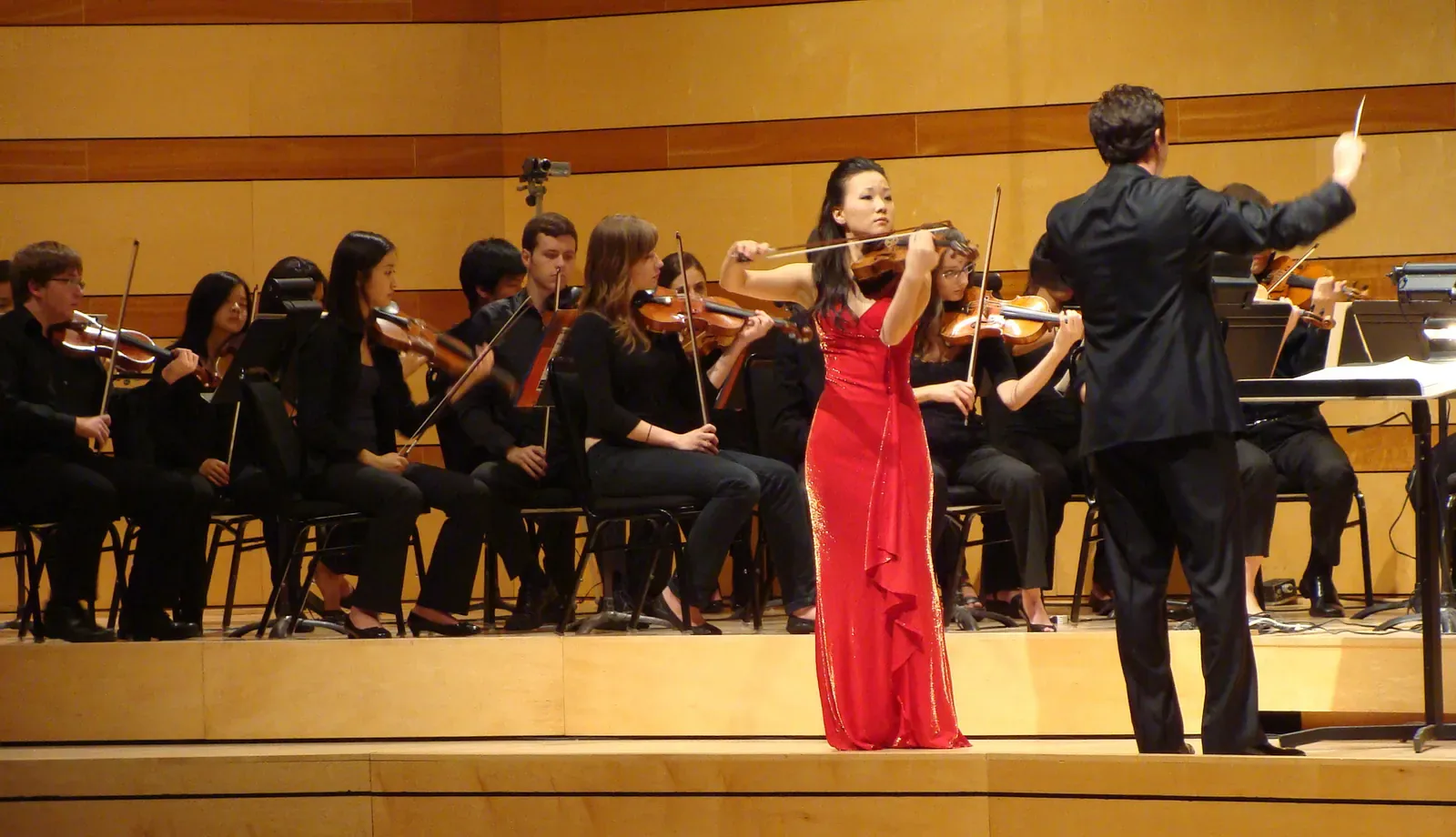
The string section carries the genre, with woodwind adding light counter-melodies and the harp supplying glissandi in romantic and pastoral pieces. A solo piano leads the film concertos, and brass and percussion give marches and novelty pieces their punch. Cinema organs trained several arrangers, including Ronald Binge and Sidney Torch.
Production changed with the format. The long-playing record from 1948 allowed whole albums of orchestral melodies, and the stereo LP from 1958 turned Mantovani’s records into demonstration discs for hi-fi systems. Binge’s cascading strings, introduced on Mantovani’s Charmaine in 1951, layered overlapping string entries to produce a cathedral-like echo. That arrangement is the sound most listeners link to the genre.
Mainstream success
Light orchestral records crossed the Atlantic in the early 1950s. Leroy Anderson’s Blue Tango reached number one in the US in 1952 and sold a million records in under six months. Mantovani’s Film Encores (1957) topped the US album chart on London Records, Decca’s American arm, and Frank Chacksfield’s Limelight (1953) reached number two in the UK and won an American gold disc. In 1960, Percy Faith’s Theme from A Summer Place became the first instrumental and first film theme to win the Grammy for Record of the Year, after nine weeks at number one.
Decline and rescue, 1968-1990
The Light Programme closed in September 1967. BBC Radio 1 and Radio 2 replaced it, Music While You Work ended, and orchestras and palm court groups faded through the next decade. The BBC began discarding scores. Ernest Tomlinson founded the Library of Light Orchestral Music around 1984, rescuing about 50,000 pieces and keeping them in a barn at Longridge, Lancashire.
Culture
Light music survives mostly through ritual. Coates’ waltz opens every Desert Island Discs, with seagull calls added, and Binge’s Sailing By precedes the late-night Shipping Forecast on BBC Radio 4. Palm court ensembles played light classics over tea in hotels and resorts until recorded music replaced them in the 1960s. Light recordings also filled the gaps beneath the television test card from the mid 1950s to the 1980s.
Legacy
Remastered compact discs revived forgotten composers from the 1990s, and Guild’s series The Golden Age of Light Music, begun in 2004, put 1920s to 1960s recordings back in print. New recordings and the Scarborough Spa Orchestra keep the repertoire live. Friday Night Is Music Night moved from Radio 2 to Radio 3 in April 2024 after 57 years. The genre also links to exotica through the mood-music tradition, and to orchestral pop through Mantovani and Faith.
Misconceptions
One myth is that light music is just background music. It was written as concert and broadcast repertoire, and pieces such as the Warsaw Concerto and Blue Tango were bought as records and sheet music in the millions. Another is that the genre is wholly British. Anderson and Faith worked in the United States, and Faith’s 1960 Grammy shows the reach. A third is that it ended with the Light Programme. The archive, the CD reissues and live broadcasts mean it is still played.
Frequently asked questions
What is light music?
Light music is short, melodic orchestral music, usually three to four minutes long and without vocals or synthesizers. It developed in Britain from about 1850 and peaked between 1940 and 1967.
Who were the main light music composers?
Eric Coates, Albert Ketelbey, Leroy Anderson, Robert Farnon, Ronald Binge, Sidney Torch and Charles Williams wrote most of the standard repertoire. Mantovani, Percy Faith and Frank Chacksfield took it to the charts as conductors.
What was the BBC Light Programme?
The BBC Light Programme was a national radio network on air from July 1945 to September 1967. It carried Friday Night Is Music Night and Music While You Work, and it was light music’s main broadcast home.
What is the difference between light music and easy listening?
Light music is the older, through-composed orchestral tradition. Easy listening is the wider family that also includes lounge and vocal styles, and light music is its orchestral root.
Sound
Sound sheet
Anatomy of a track
| # | Part | Bars |
|---|---|---|
| 1 | Introduction or fanfare | 4 |
| 2 | Main theme | 16 |
| 3 | Contrasting middle section | 16 |
| 4 | Return of main theme | 16 |
| 5 | Coda | 8 |
Signature sounds
- Arresting main melody
- Contrasting middle section
- Descriptive or place title
- Sweeping string lines
- No vocals or synthesizers
- Three to four minute length
Drums and percussion
- Timpani
- Snare drum
- Wood block
Techniques
- Cascading strings
- Contrasting middle section
- Descriptive miniature
- Close-harmony strings
- Novelty effects
Keys and modes
Bright major keys. Pieces such as By the Sleepy Lagoon and The Dam Busters March sit in C major.
Vocals
Mostly instrumental; the odd piece adds a wordless chorus, as in some recordings of Ketelbey and A Summer Place.
Scenes
Where it happened
Where and when the sound lived: one bar per city on a shared timeline.
Europe
North America
Active scenes
Peak 6, 1984-2025
The Spa's Grand Hall hosts the last professional seaside orchestra, still giving light music concerts.
The Winter Gardens and Dan Godfrey's municipal orchestra set the pattern for resort orchestras.
BBC studios, Decca, Columbia and Chappell's library made the capital the centre of recording and broadcast.
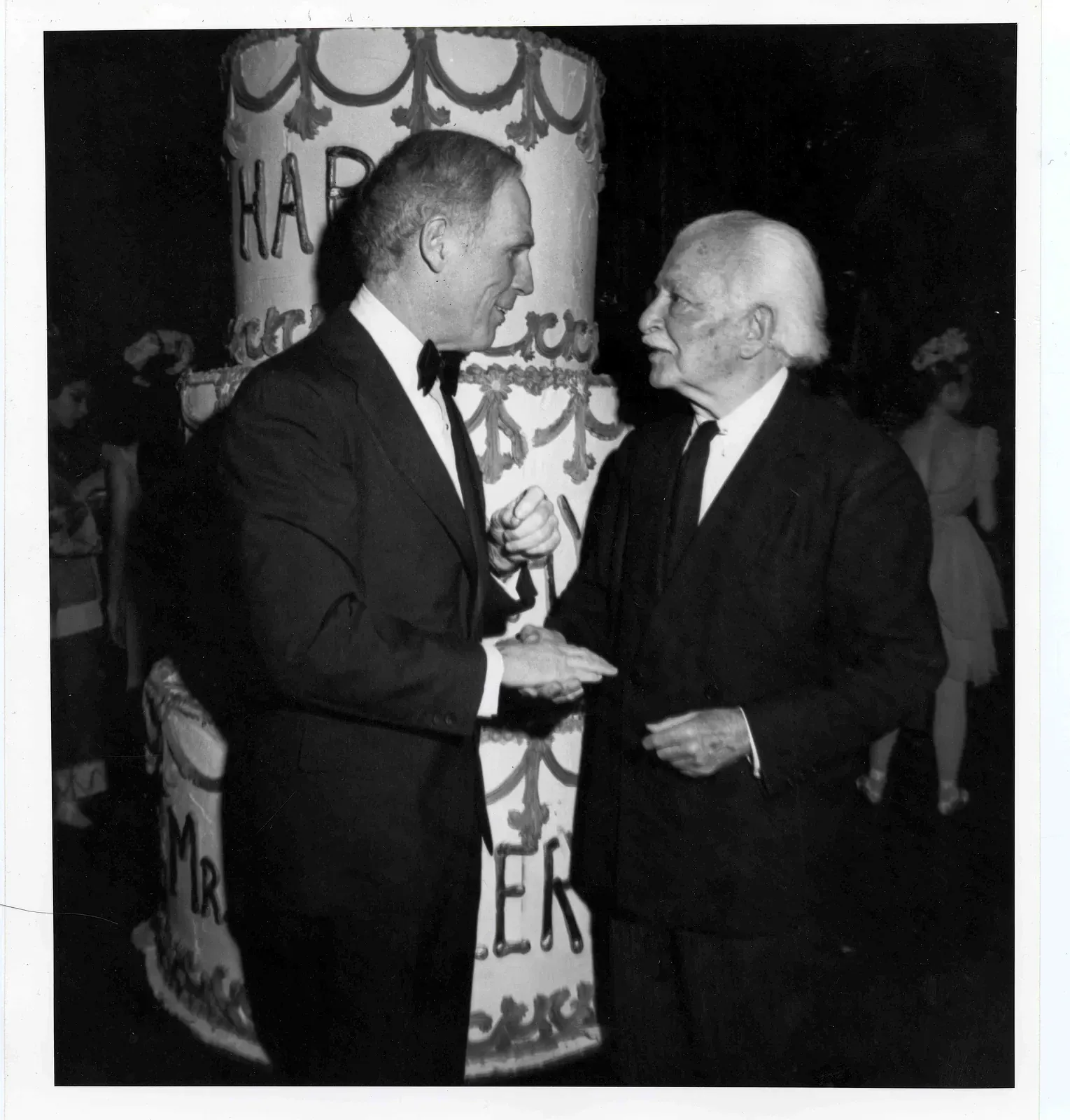
Arthur Fiedler's Boston Pops introduced Leroy Anderson's miniatures to American audiences.
American labels such as Decca and Columbia turned orchestral instrumentals into chart hits.
Ernest Tomlinson's barn archive saved tens of thousands of scores the BBC had thrown out.
Venues and places
Bournemouth, 1893 to today. The Municipal Orchestra gave its first concert here on Whit Monday 1893.
Scarborough, 1858 to today. A Victorian spa complex whose 1,500 seat Grand Hall still hosts a resident light music orchestra.
London, 1934 to today. Studio MV3 housed the BBC Radio Orchestra for light music broadcasts.
London, 1945 to today. The national network that carried Friday Night Is Music Night and Music While You Work.
Culture
Culture markers
- Desert Island Discs opening
Every episode begins with By the Sleepy Lagoon and its added seagull calls.
Ritual - The Shipping Forecast
Sailing By signals the start of the late-night forecast on BBC Radio 4.
Ritual - Factory floor listening
Wartime workers heard live bands on Music While You Work, with jazz discouraged and drums kept soft.
Ritual - Palm court afternoon music
Hotel and resort ensembles played light classics for tea-time guests until recorded music replaced them in the 1960s.
Ritual - Lollipop
Beecham's term for a short crowd-pleasing encore piece.
Slang - Musical picture postcards
Titles like In a Persian Market or In a Chinese Temple Garden paint scenes in sound.
Artwork
Media
Key media
- 1940Music While You Work
by BBC. Daily factory-floor broadcasts of even-tempo light music, opened by Coates' Calling All Workers.
Radio - 1941Dangerous Moonlight
by Brian Desmond Hurst. The film that carried Addinsell's Warsaw Concerto to millions.
Film - 1942Desert Island Discs
by BBC. Opens with Coates' By the Sleepy Lagoon, keeping the waltz in public ears.
Radio - 1953Friday Night Is Music Night
by BBC. The world's longest-running live orchestral radio programme, still presenting light music.
Radio - 2004The Golden Age of Light Music
by Various. The long Guild CD series of remastered 1920s to 1960s recordings.
Compilation
Glossary
Terms on this page
Ronald Binge's effect of overlapping string entries that echoes like a cathedral, the Mantovani sound.
Short, tuneful orchestral pieces that sit between classical and popular music, usually without vocals or synthesizers.
A short encore piece played to please the crowd at the end of a serious concert, a term linked to Thomas Beecham.
Recorded library music written for newsreels, film and radio, for example Chappell's Recorded Music Library.
A small hotel or resort ensemble, often piano trio plus strings, playing light classics over tea.
A short piece used to open a radio or television programme, a major outlet for light composers.
A short, romantic piano and orchestra piece written for a film, in the manner of Warsaw Concerto.
Light orchestral recordings played under the television test card, from the mid 1950s to the 1980s.
Easy Listening family