Easy Listening
Easy listening grew from 1930s piped music into strings, exotica and stereo showpieces, then cocktail revival. See who made it and why it keeps returning.
19 genres
Since 1945

Genres
19
In this family
Branches
8
Main subgenres
Since
1945
United States
Timeline
Era by era
From the first sparks to today. Select a dot to read the story behind it.
- Light music and wired sound
1934 to 1949
- Strings, hi-fi and exotica
1950 to 1959
- Stereo, soundtracks and the middle of the road
1960 to 1969
- Beautiful music radio and the soft pop turn
1970 to 1989
- Lounge revival and cocktail nation
1990 to 2009
- Chill playlists and archive reissues
2010 to 2026
Eras
Moments
- 1 Light music and wired sound, 1934 to 1949
- 2 Strings, hi-fi and exotica, 1950 to 1959
- 3 Stereo, soundtracks and the middle of the road, 1960 to 1969
- 4 Beautiful music radio and the soft pop turn, 1970 to 1989
- 5 Lounge revival and cocktail nation, 1990 to 2009
- 6 Chill playlists and archive reissues, 2010 to 2026
1934
Light music and wired sound
Light orchestral music from radio and the concert hall meets piped background music: Muzak starts in 1934, and the LP arrives in 1948, setting up the format for long, soft listening.
- 1934Muzak founded in New YorkGeorge Owen Squier launches wired background music, a delivery system that gives the idea of functional listening its name.
- 1947Samuel Hoffman records Music Out of the MoonA theremin album on Capitol that anticipates the space age sound.
- 1948Columbia introduces the long-playing recordThe LP makes 20-minute mood sides and concept albums practical.
1950
Strings, hi-fi and exotica
Arrangers turn standards and film tunes into lush studio showpieces. Mantovani, Les Baxter and Martin Denny build the string sound, the exotica craze and the first stereo demonstration discs.
- 1950Les Baxter conducts Mona Lisa for Nat King ColeBaxter begins conducting Cole sessions at Capitol, a template for the orchestral pop sound.
- 1951Les Baxter releases Ritual of the SavageThe concept album that sets the template for exotica, built on invented tropical themes.
- 1951Mantovani records CharmaineHis signature hit, with the cascading strings arranged with Ronald Binge.
- 1955Liberty Records founded in HollywoodSimon Waronker launches the label that will release Martin Denny and many easy listening albums.
- 1955Martin Denny starts at the Shell Bar in HonoluluHis combo at the Hawaiian Village hotel develops the bird-call and percussion sound of exotica.
- 1957Martin Denny releases ExoticaThe debut that names a genre; it later reached number one on the album chart.
- 1957Mantovani tops the US album chart with Film EncoresSources credit him as the first act to sell a million stereo albums.
- 1957Billy Vaughn scores with Sail Along, Silvery MoonHis twin-saxophone sound for Dot became a gold-record hit.
- 1958Stereo LPs reach shopsStereophonic sound becomes a selling point and fuels space age pop.
- 1958Esquivel releases Other Worlds, Other SoundsPing-pong stereo, wordless voices and Latin percussion on RCA Victor.
- 1959Enoch Light launches Command with Persuasive PercussionRecorded on 35 mm film with hard left-right stereo effects, it sets the standard for hi-fi demonstration albums.
1960
Stereo, soundtracks and the middle of the road
Instrumental hits reach number one: Percy Faith, Bert Kaempfert, Henry Mancini. Space age pop plays with stereo, and middle-of-the-road radio takes soft vocal and instrumental pop.
- 1960Percy Faith holds number one for nine weeksTheme from A Summer Place becomes the longest-running instrumental number one on the Hot 100.
- 1961Henry Mancini writes Moon RiverBreakfast at Tiffany's makes the song a standard and Mancini a household name.
- 1961Percy Faith wins Record of the YearThe first instrumental and first film theme to win the Grammy.
- 1961Bert Kaempfert hits number one with Wonderland by NightThe German bandleader tops the US chart in January 1961.
1970
Beautiful music radio and the soft pop turn
Instrumental easy listening settles into dedicated radio formats while vocal soft pop takes over the charts. Billboard turns its Easy Listening chart into Adult Contemporary in 1979.
- 1970Command Records closesThe home of hi-fi showpiece albums shuts after ABC folds it into its catalogue.
- 1971Liberty absorbed into United ArtistsThe original Liberty operation ends.
- 1979Billboard turns Easy Listening into Adult ContemporaryThe chart name that defined the genre is retired.
1990
Lounge revival and cocktail nation
Collectors, DJs and bands rediscover exotica, space age pop and Esquivel. A 1994 compilation and a wave of lounge acts turn what was once background music into a cult.
- 1994Space-Age Bachelor Pad Music compilationBar/None collects Esquivel and starts a CD reissue wave.
- 1995Lounge and cocktail revivalCombustible Edison, Pink Martini and others revive exotica and space age pop.
2010
Chill playlists and archive reissues
Muzak is retired as a brand, while reissue labels and chillout compilations carry the sound forward. Soft, functional listening survives as playlists, library music and ambient reissues.
- 2013Mood Media retires the Muzak brandTwo years after buying Muzak, Mood Media drops the name in February 2013.
- 2020Light in the Attic reissues Hiroshi Yoshimura's GreenThe label's reissue of Green renews interest in Japanese environmental music.
Roots
Roots and offspring
Grew out of
Derived from
- Big band
Derived from
Influenced by
United States, 1945
Easy Listening
Led to (3)
Facts
| Genres in the family | 19 |
| Main branches | 8 |
| Emerged | 1940s; peak 1950s-1970s |
| Tempo | 65 to 140 BPM |
Easy listening is soft, melodic, mostly instrumental pop made to be lived with rather than stared at.
It took shape in the United States in the 1930s and 40s, when piped background music, string arrangements and the long-playing record arrived together, and it dominated adult listening until the late 1970s. Its sound never fully left: it came back as the lounge revival of the 1990s and survives in chill playlists and reissue labels today.
Characteristics
The music favours melody over rhythm, soft dynamics and consonant harmony. Arrangements usually rest on a string section, with piano, organ, vibraphone or a small Latin percussion group adding colour, and most records are instrumental or use wordless voices. The material is mainly standards, film themes and light originals, polished for radio and home hi-fi. Stereo production was treated as part of the sound, not just a technical detail.
Light music and wired sound, 1934 to 1949
Before easy listening had a name, it had a pipe. In 1934 inventor George Owen Squier founded Muzak in New York, a subscription service that delivered background music over wires. Shops, factories and offices bought it, and the company later built programmes around the belief that gently rising tempos kept workers on task. The word Muzak ended up as shorthand for bland music in general, which is a long way from the care some of the best records took.
The records came from two other sources: radio light orchestras and Hollywood film scores, where lush strings had been the norm. Then the technology caught up. In 1948 Columbia introduced the long-playing record, which made twenty-minute mood sides and concept albums practical. A year earlier, Samuel Hoffman had recorded Music Out of the Moon for Capitol, a theremin album that hinted at the space age sound to come. Capitol Records and Columbia Records set up the template: a studio orchestra, a tidy arranger and a sleeve that announced the mood.
Strings, hi-fi and exotica, 1950 to 1959
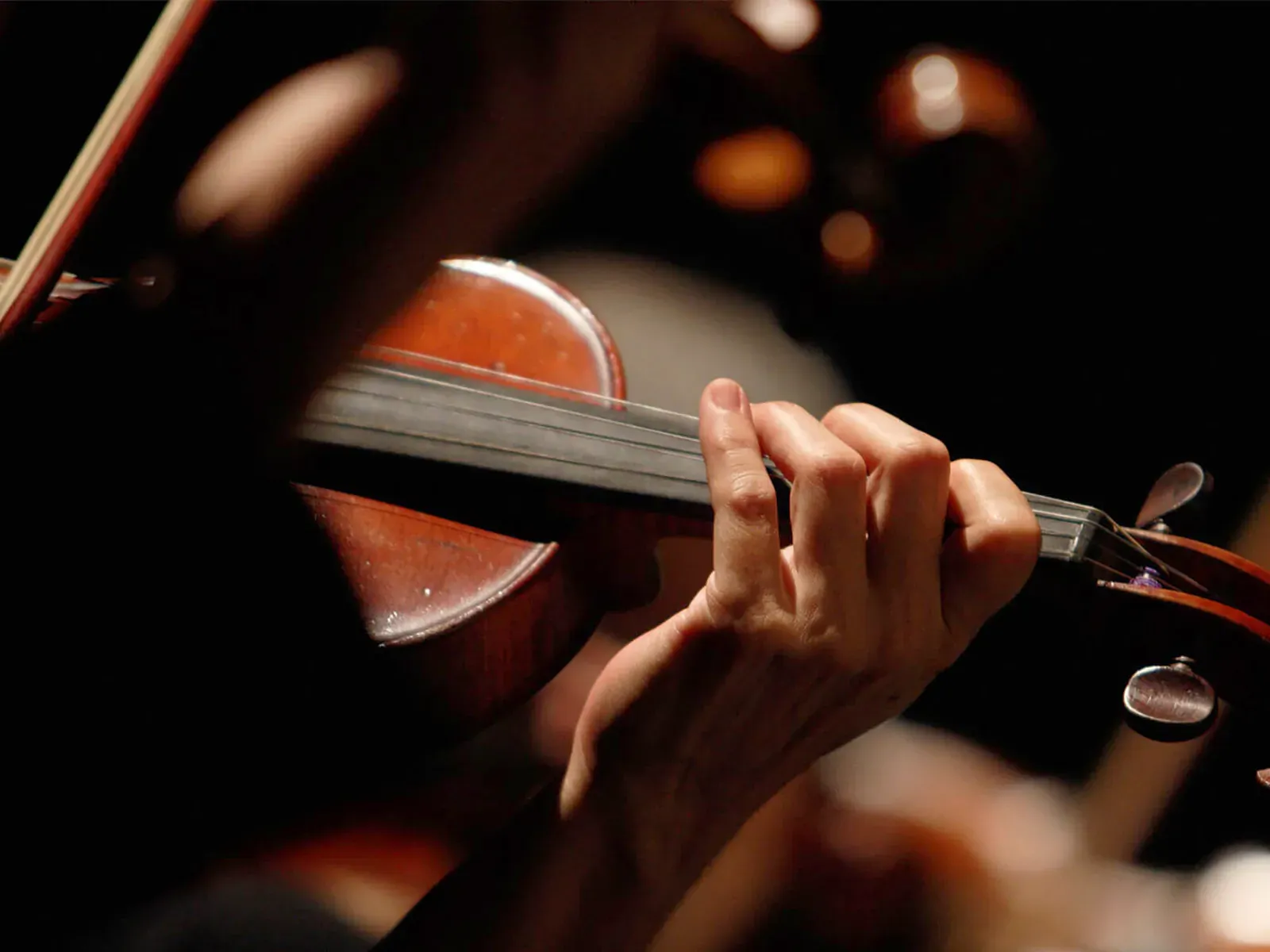
The 1950s turned arranging into a showpiece. In Britain, Mantovani and arranger Ronald Binge devised the cascading strings, layered violins that repeat each phrase like an echo in a cathedral. “Charmaine” (1951) on Decca was the first big sample of the sound, and his 1957 album Film Encores reached number one in the United States.
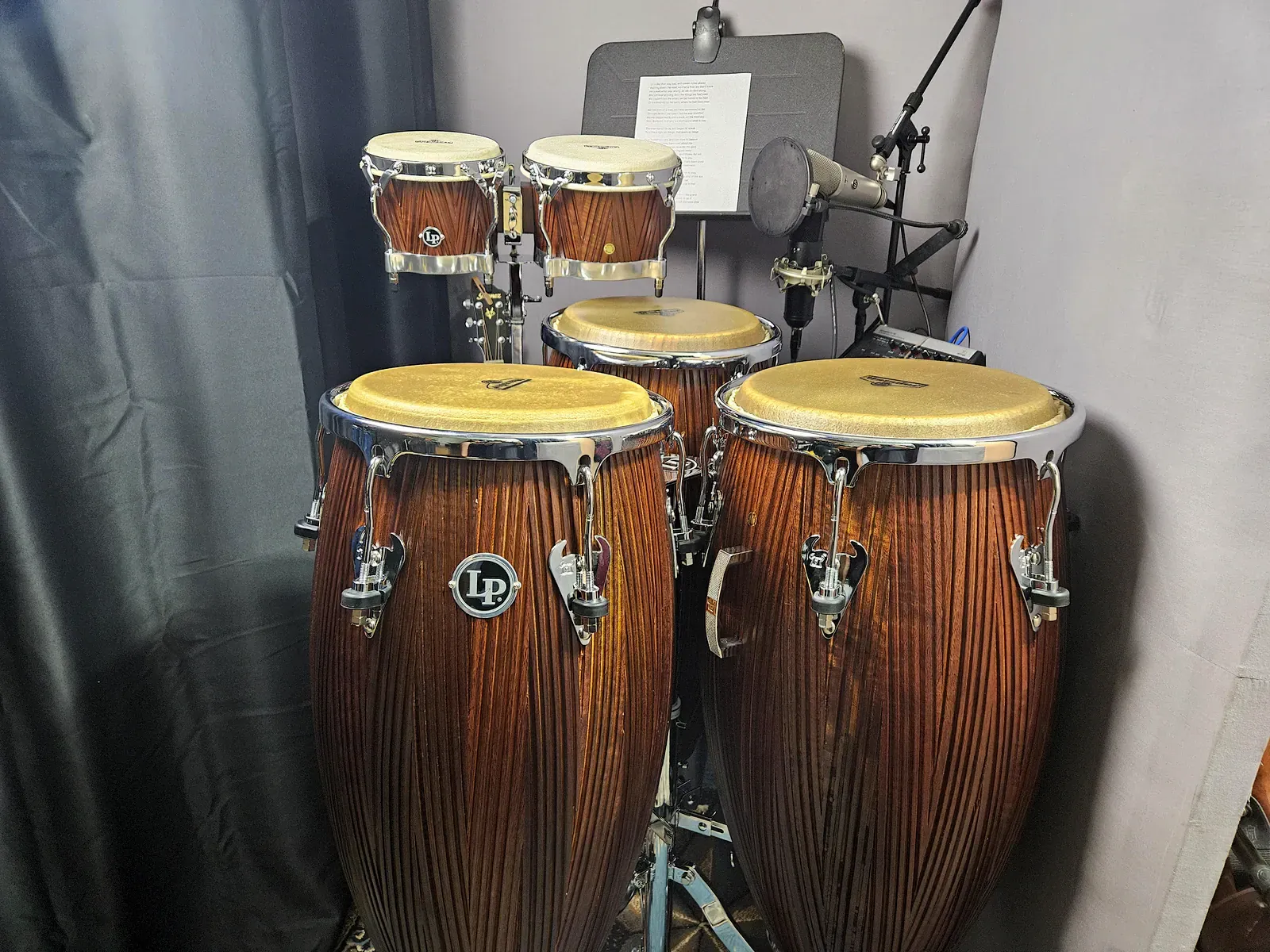
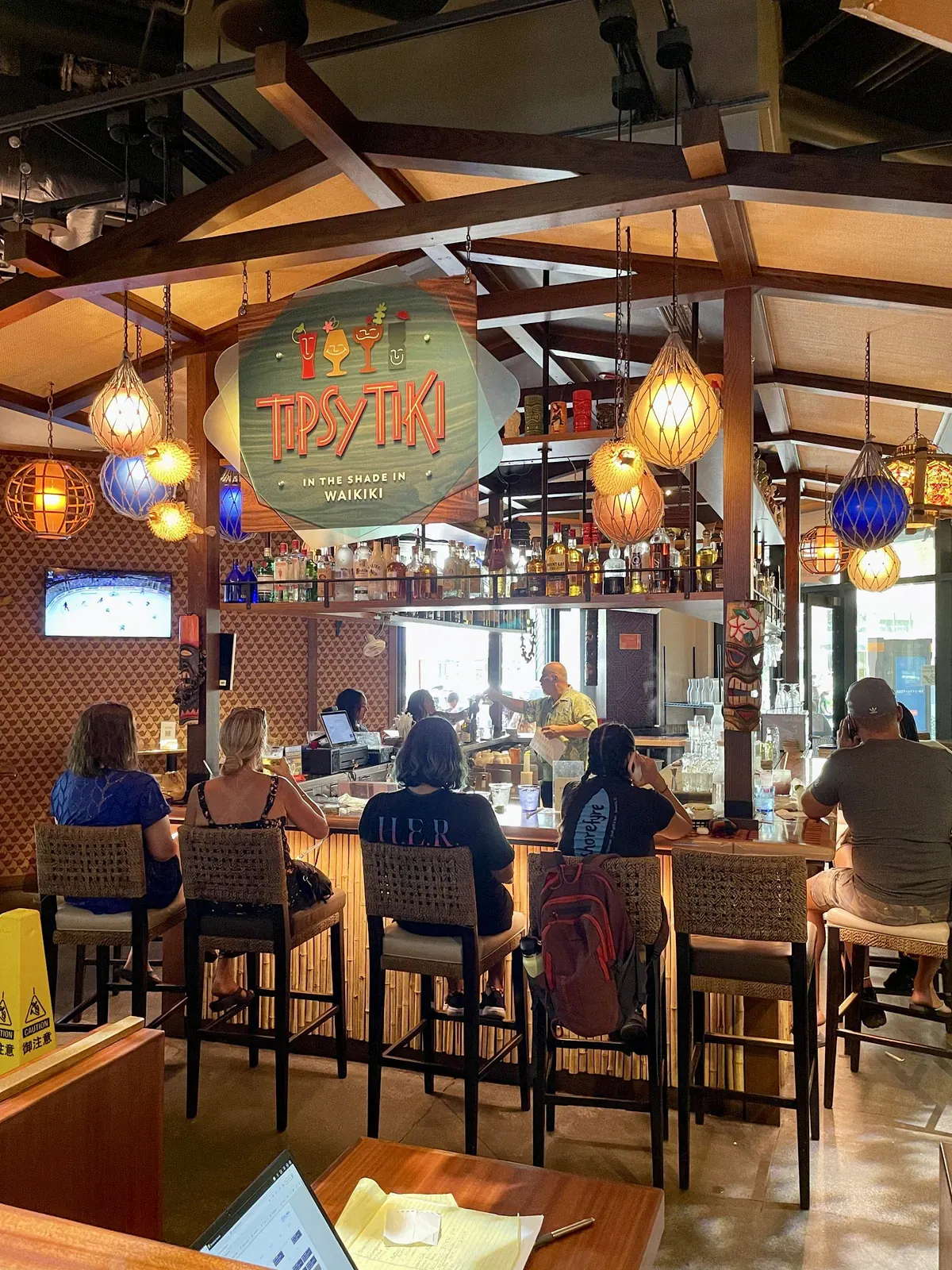
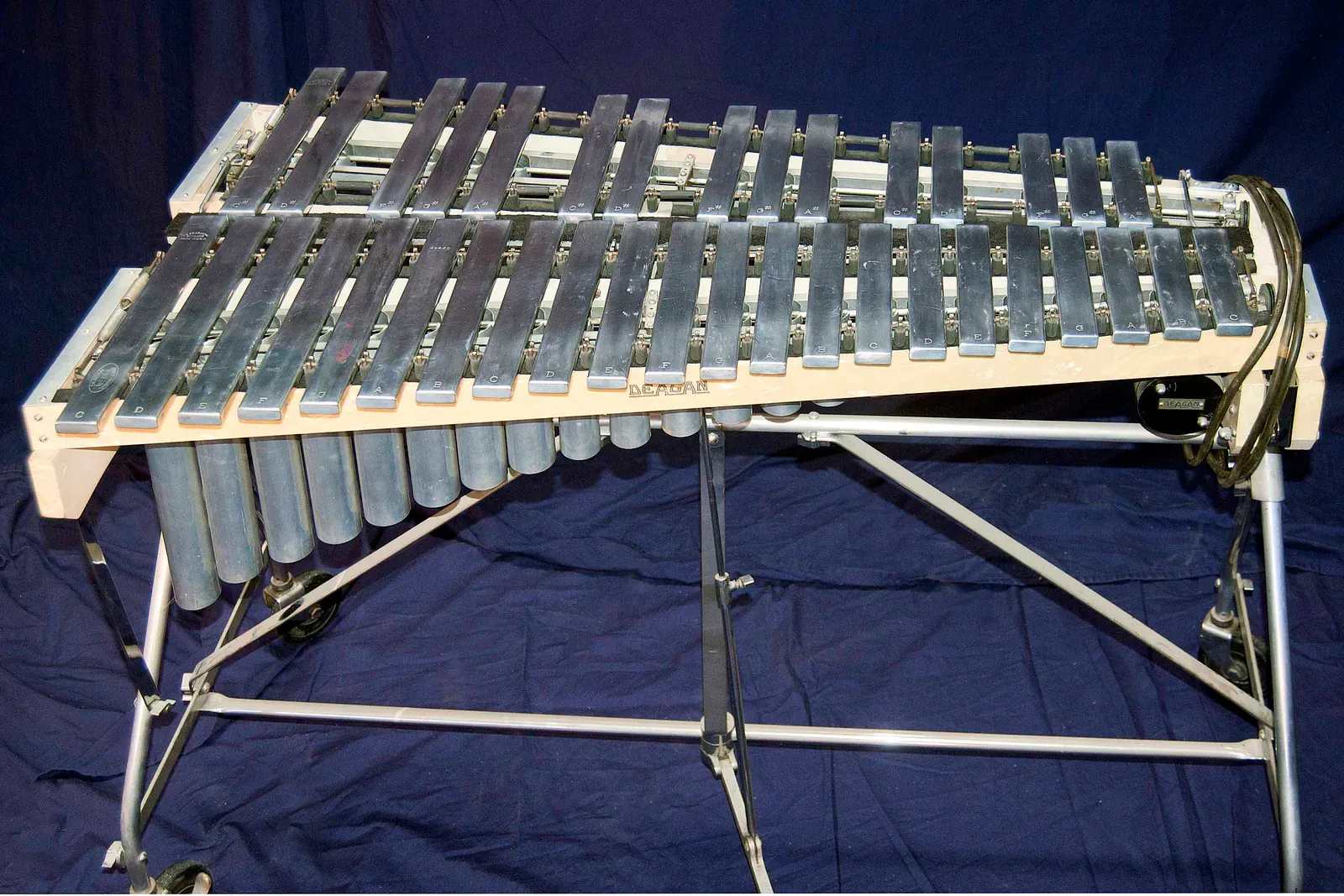
In Los Angeles, Les Baxter had been conducting Nat King Cole sessions at Capitol since 1950, then released Ritual of the Savage in 1951, a concept album of imagined tribal music. It is the usual starting point for exotica. The scene moved to Honolulu in 1955, when Martin Denny’s combo began playing at a hotel bar and mixed vibraphone, congas and bird calls into a tropical postcard. His 1957 debut Exotica, on Liberty, named the style.
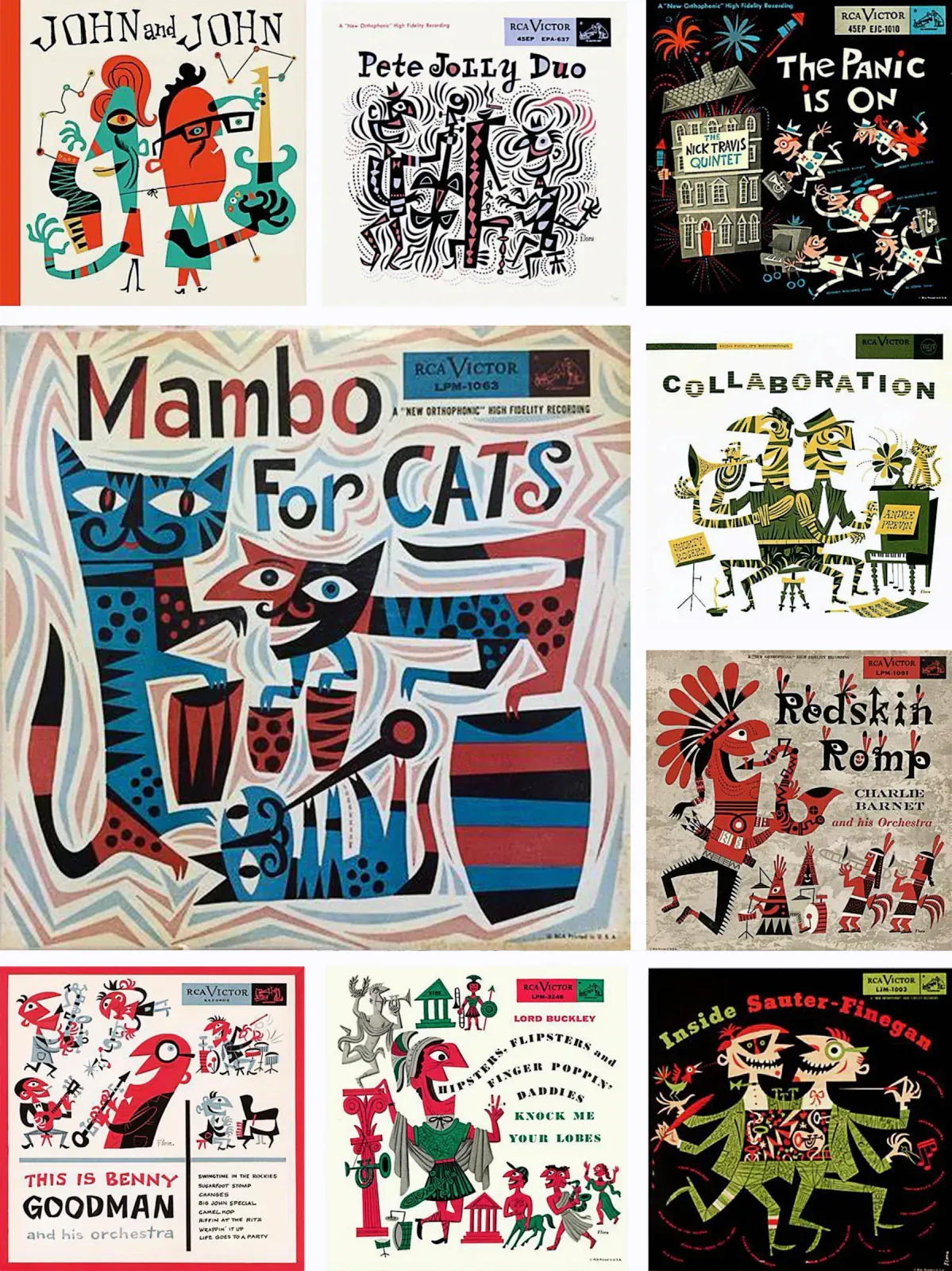
Stereo gave the decade its other obsession. When stereo LPs reached shops in 1958, labels used them as a stage for tricks. On RCA Victor, Juan Garcia Esquivel released Other Worlds, Other Sounds that year, with voices, brass and percussion thrown from speaker to speaker. In 1959 bandleader Enoch Light founded Command, recorded on 35 mm magnetic film, and launched it with Persuasive Percussion. Hi-fi owners bought the albums to show off their speakers.
Stereo, soundtracks and the middle of the road, 1960 to 1969
In the 1960s instrumentals sold like pop hits. On Columbia, Percy Faith’s “Theme from A Summer Place” held the number one spot on the Hot 100 for nine weeks in 1960 and won the Grammy for Record of the Year at the 1961 ceremony. In January 1961 German bandleader Bert Kaempfert reached number one in the US with “Wonderland by Night”, a trumpet-led instrumental that Decca had released there. Henry Mancini’s “Moon River” followed, written for Breakfast at Tiffany’s and recorded for RCA.
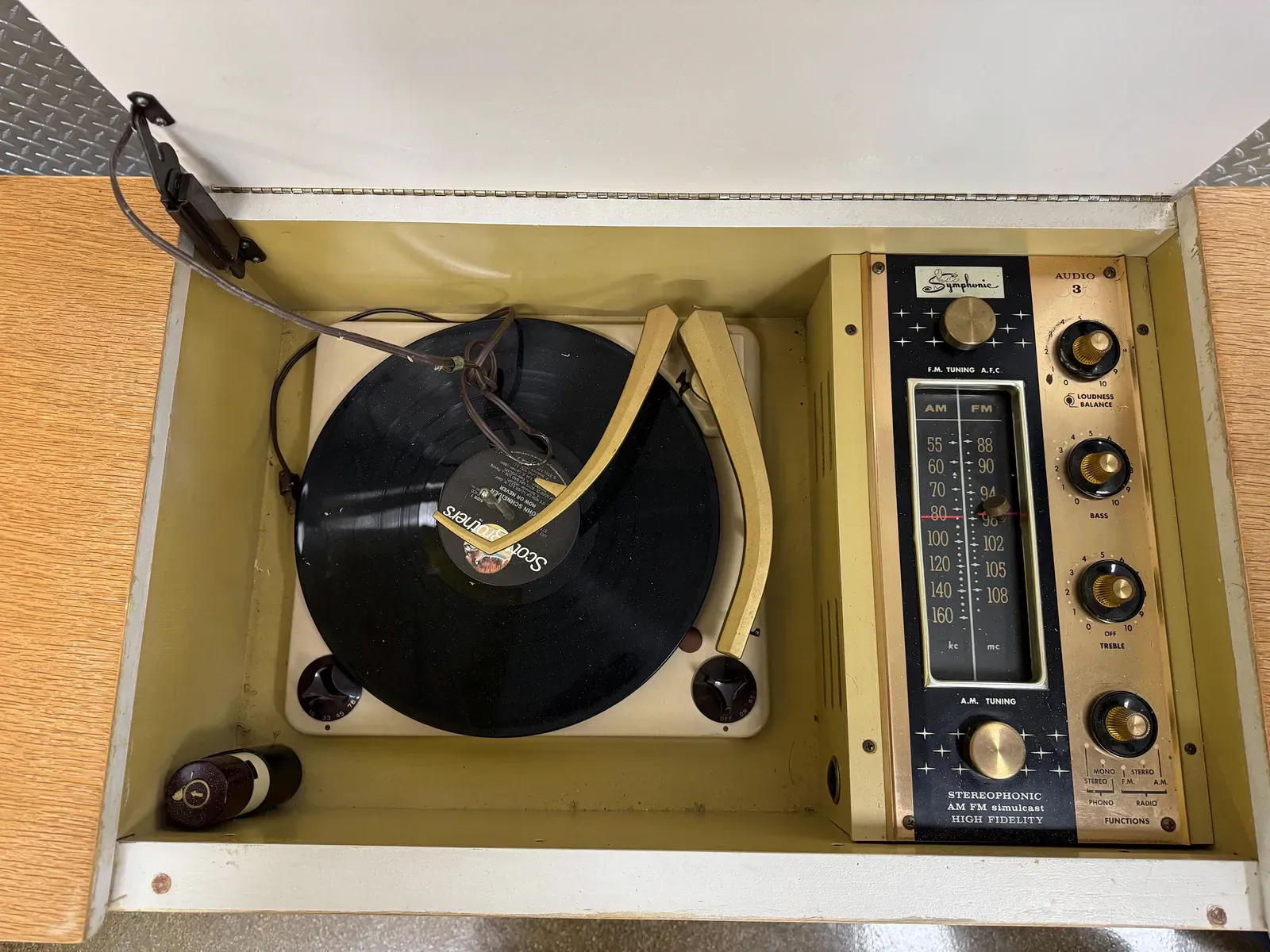
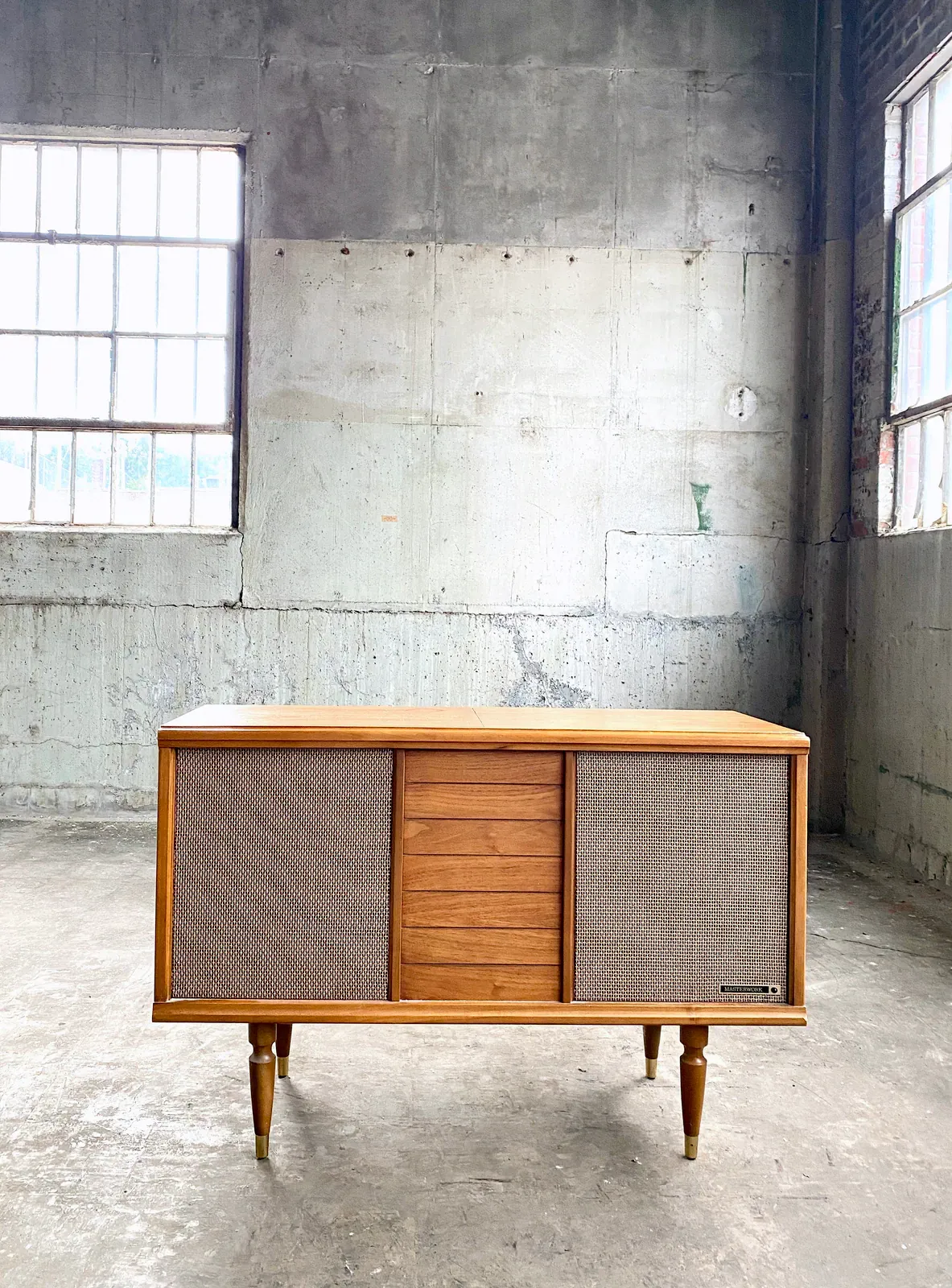
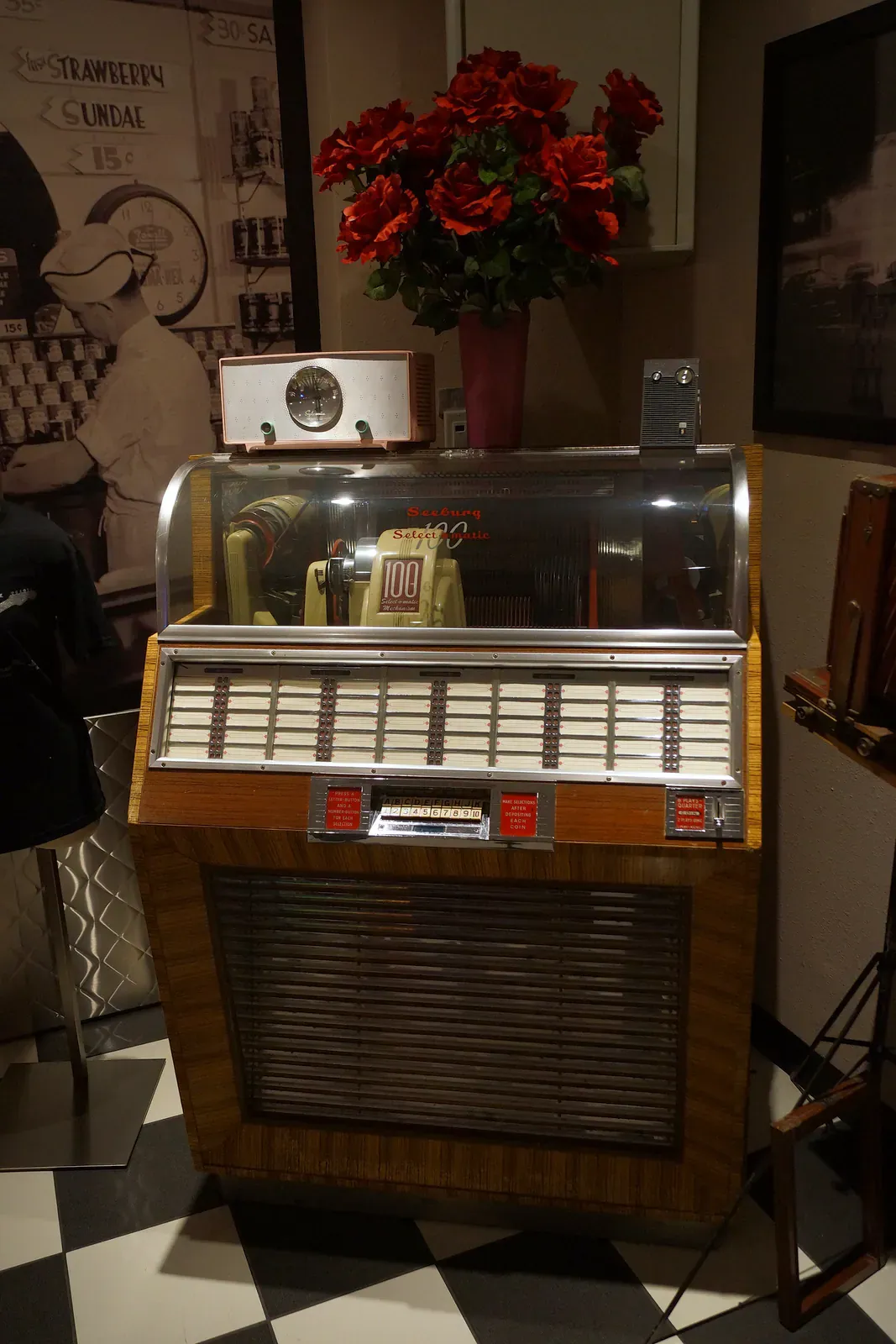
The audience had changed too. Easy listening was now a radio and furniture business: console stereos, dinner-party records and the “middle of the road” stations aimed at adults who did not want rock. Dot Records had Billy Vaughn’s twin-saxophone “Sail Along, Silvery Moon”, a 1957 hit that went gold. Billboard launched its Easy Listening chart in 1961, which gave the sound an official shelf of its own.
Beautiful music radio and the soft pop turn, 1970 to 1989
In the 1970s the instrumental side settled into dedicated radio formats. Beautiful music stations, which took off after 1959, kept a structured schedule of orchestral arrangements with few interruptions, and at their peak about 70 to 80 percent of the programming was instrumental. Mantovani and Percy Faith were staples.
On the charts, vocal soft pop took over. In 1979 Billboard changed the name of its Easy Listening chart to Adult Contemporary, and the format that had made the genre retired its label. Command had shut in 1970, Liberty had been folded into United Artists by 1971, and Dot stopped trading in 1978. The golden years were over.
Lounge revival and cocktail nation, 1990 to 2009
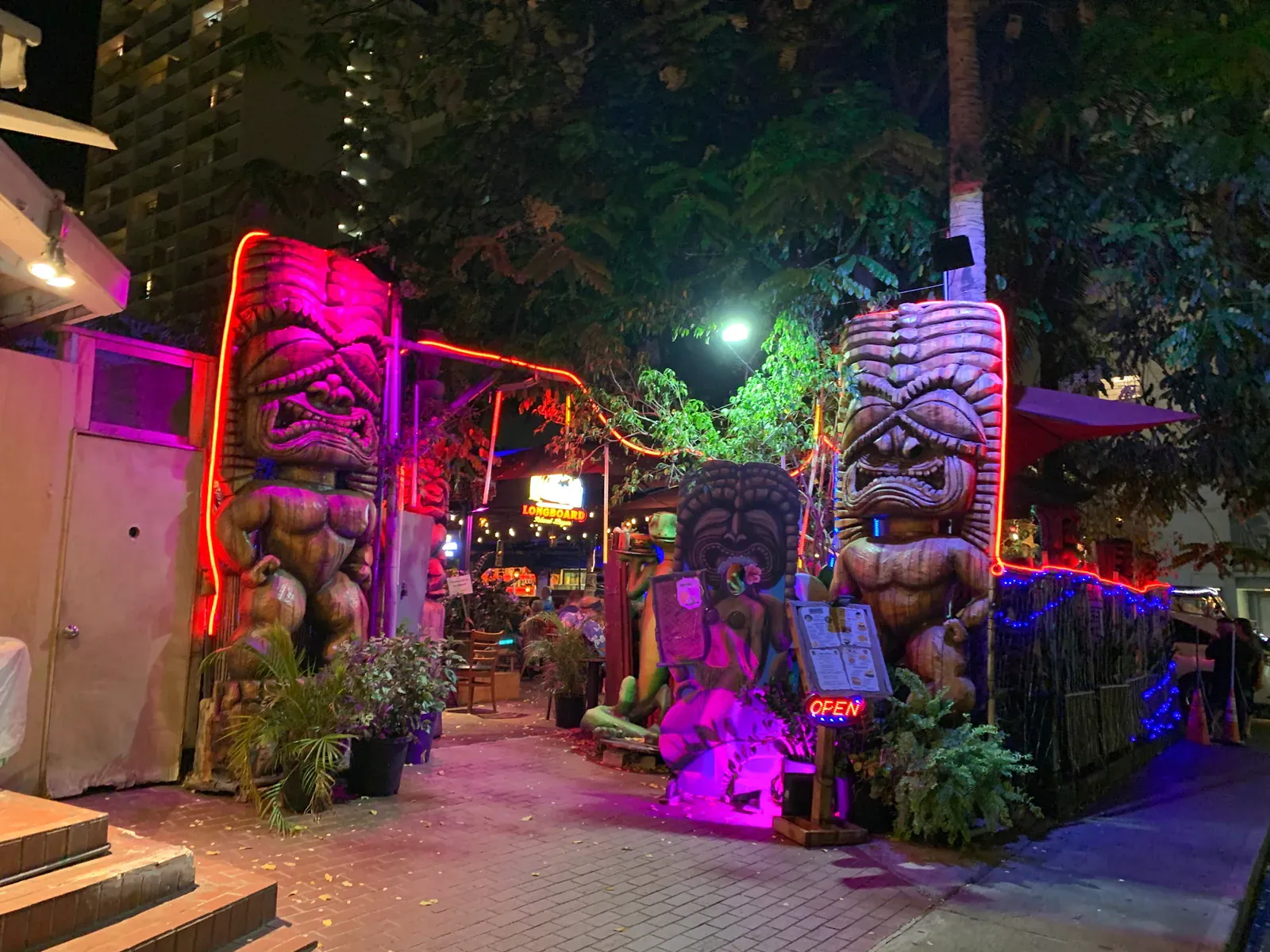
Collectors rescued the records. In 1994 Irwin Chusid’s compilation Space-Age Bachelor Pad Music, released on Bar/None, introduced Esquivel to a new generation, and the CD reissue wave followed. Bands such as Combustible Edison and Pink Martini built a sound out of exotica and cocktail jazz, and the revival rode alongside the swing and tiki scenes.
In Europe a different version ran in parallel. Compost Records started in Munich in 1993 and spread nu jazz and bossa-flavoured downtempo through its Future Sounds of Jazz series. In Ibiza, the first Cafe del Mar compilations by DJ Jose Padilla appeared from 1994 and turned sunset chillout into a brand.
Chill playlists and archive reissues, 2010 to now
In 2013 Mood Media dropped the Muzak name, two years after buying the company. The sound itself moved to playlists and reissue labels. Trunk Records in London releases lost film scores and library music, Light in the Attic in Seattle reissued Hiroshi Yoshimura’s Japanese environmental music, and Verve keeps its vocal standards catalogue in print, with a new release from Jon Batiste in 2025. Cafe del Mar Music still releases new chillout albums.
Culture
The makers were arrangers, studio players and bandleaders, many of them trained in classical or big band work, and the commercial centres were New York, Los Angeles and London, with Hamburg, Munich and Mexico City as important satellites. The listeners were adults with money to spend on a hi-fi: families buying console stereos, drivers listening to the radio, and cocktail-hour hosts who wanted atmosphere without demands.
Its neighbours are pop, where the same crooners and soft vocal hits lived, and jazz, which supplied the vibraphone, the cocktail combo and many arrangers.
Critics rarely loved it. The label “elevator music” and the genericised word Muzak became insults, while the earliest advocates, such as Jackie Gleason, described the aim as “musical wallpaper” that should never intrude but should be conducive. The politics of exotica also dated badly: its imagined jungles and islands were invented by Americans for American lounges, and modern listeners hear them as a snapshot of 1950s tourism fantasies rather than documentation of any place.
Misconceptions
It is not all mindless background noise. Records like Persuasive Percussion were recorded on 35 mm film to demonstrate what stereo could do, and Esquivel sometimes recorded two bands in separate studios to build his stereo effects.
It was not a niche taste. Mantovani released more than 40 albums in America between 1955 and 1972, and 27 of them reached the Top 40. Percy Faith had the best-selling single of 1960.
Muzak is not a synonym for easy listening. Muzak was a company and a delivery system from 1934. Easy listening is a body of records that Muzak sometimes used and that people also bought for themselves.
Frequently asked questions
What is easy listening music?
Easy listening is a soft, melodic style of popular music, mostly instrumental, built for relaxed or background listening. It covers orchestral standards, exotica, space age pop and the soft vocal pop of mid-century radio.
When was easy listening most popular?
Easy listening peaked from about 1950 to the late 1970s. Billboard launched its Easy Listening chart in 1961 and renamed it Adult Contemporary in 1979, and instrumentals topped the Hot 100 during the 1960s.
What is the difference between easy listening and exotica?
Exotica is one branch of easy listening, built on percussion, vibraphone and bird calls that suggest imagined tropical places. Martin Denny’s 1957 album Exotica named it, while easy listening also includes string orchestras like Mantovani’s.
Is easy listening the same as lounge music?
Lounge music is both a mood and a revival. It refers to cocktail-bar music of the 1950s and 60s, and to the 1990s scene that reissued it, including the CD compilation Space-Age Bachelor Pad Music in 1994.
Subgenres
Genres in the family
8 main branches. Names with their own page are links.
1958
1951, 2 branches
1850, 2 branches
1950, 3 branches
1945, 1 branch
1951, 2 branches
1954, 1 branch
Sound
What it sounds like
Tempo
- Overall65-140
- Beautiful music70-100
- Exotica85-125
- Lounge music65-120
- Space age pop100-140
- Light music110-130
Drums and percussion
- Congas
- Bongos
Synths and software
- Ondioline
Techniques
- Cascading strings
- Stereo ping-pong
- Two orchestras in two studios
- Imitative sound effects
- Wordless chorus
Keys and modes
Major with extended chords. Sixths, sevenths and ninths from jazz and Impressionist harmony keep the sound consonant and smooth.
Tuning
12-TET, A=440
Vocals
Mostly instrumental, 70 to 80 percent on beautiful music stations; vocals are crooned standards or wordless chorus.
Hallmarks
- string-dominated arrangements
- mostly instrumental
- soft dynamics
- standards and light originals
- radio-format driven
Instruments
- Cascading strings
Overlapping, echoing violins that gave Mantovani his sound.
- Vibraphone
Soft metallic shimmer in exotica and cocktail jazz.
- Congas, bongos and bird calls
Latin percussion and animal sounds painted tropical scenes.
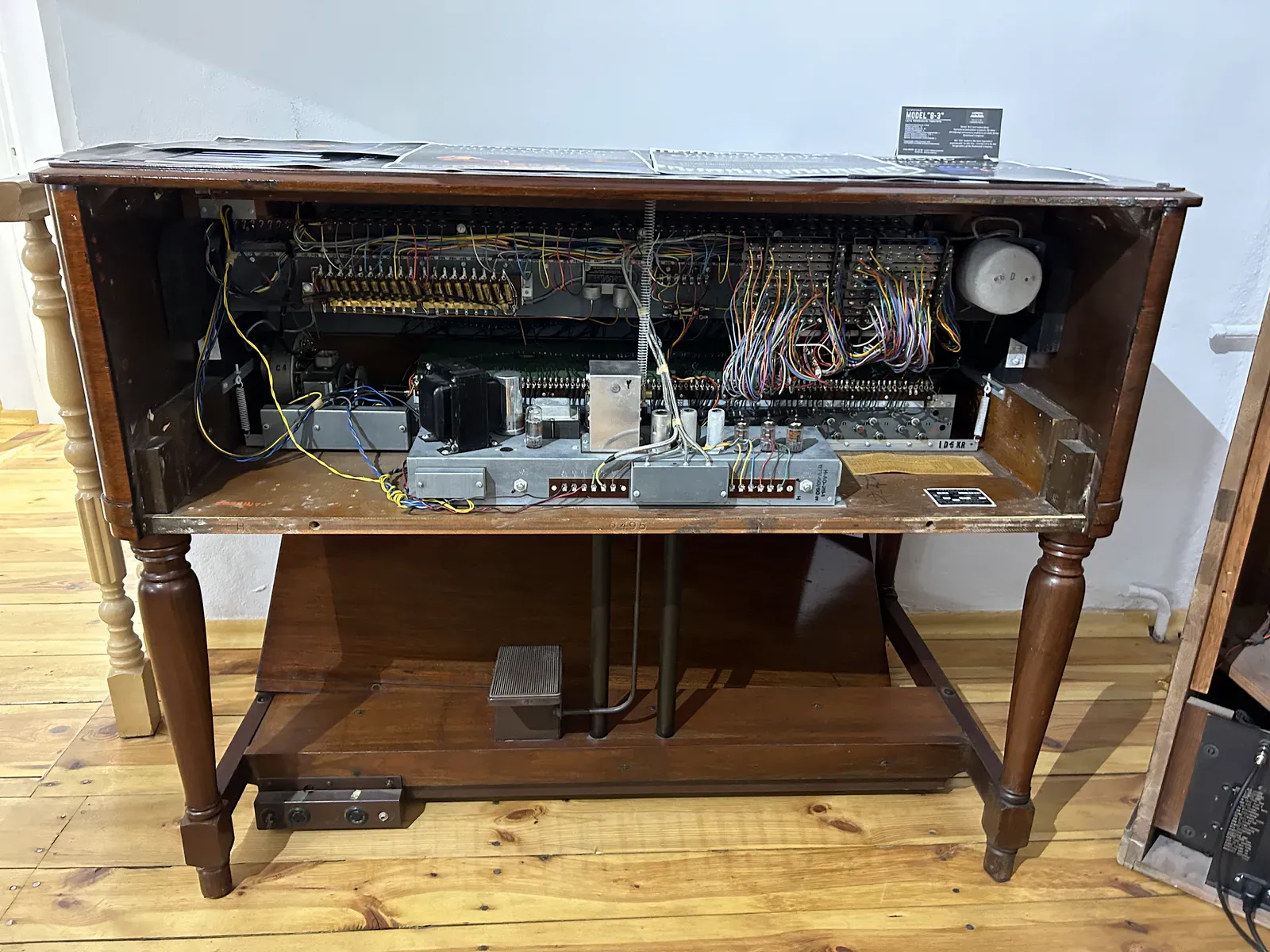
- Hammond organ
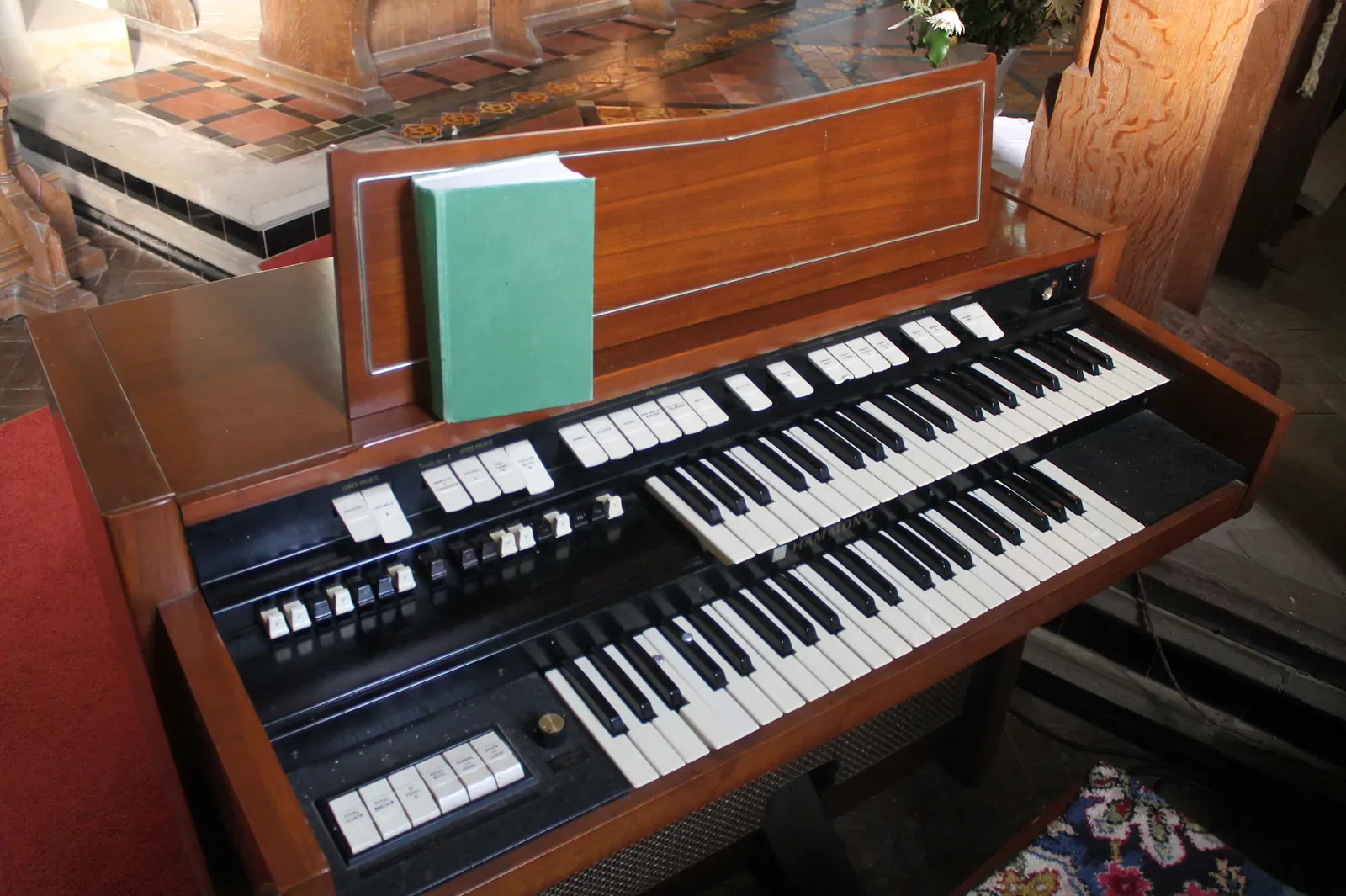
Warm sustained chords for lounge and Persuasive Percussion style albums.
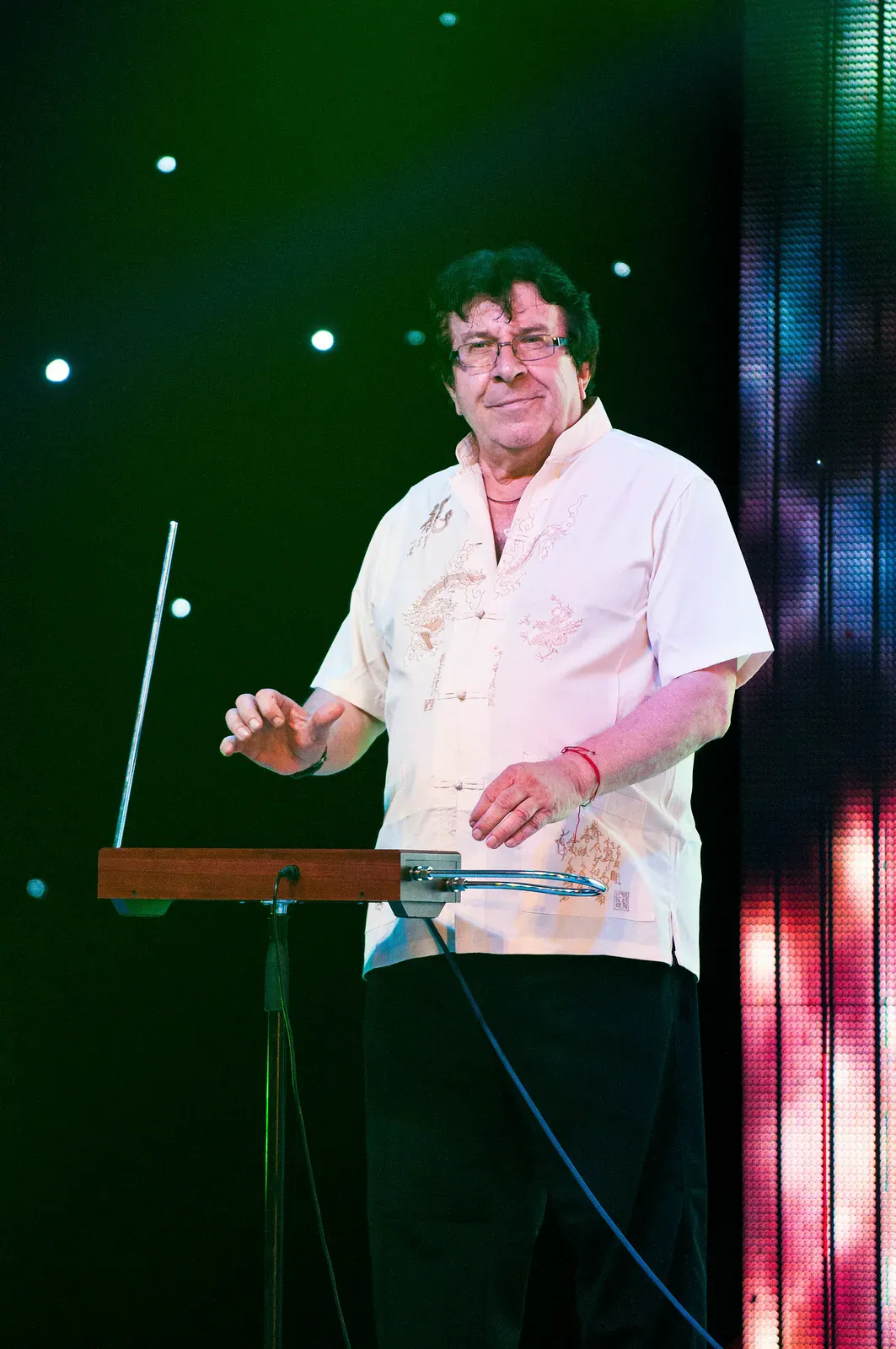
- Theremin
Eerie electronic lead that signals the space age.
- Ondioline
Early French keyboard used by Perrey and Kingsley for novelty electronics.
- Wordless chorus
Voices used as an instrument, from Les Baxter to Esquivel.
Technology that shaped it
- 1934Wired music (Muzak)
Subscription background music delivered over wires to shops and offices.
- 1948Long-playing record
Columbia's LP made long mood albums practical.
- 1958Stereo LP
Stereophonic sound drove hi-fi showpiece albums and ping-pong mixes.
- 195935 mm magnetic film recording
Enoch Light used film stock for Command, giving higher levels and less hiss.
- 1964Moog synthesizer
Modular synthesizers entered space age and soft pop arrangements.
Essential records
- 1951Charmaine
Mantovani. The first big showcase of the cascading strings sound.
- 1951Ritual of the Savage
Les Baxter. A concept album of imagined tribal music that launched exotica.
- 1957Exotica
Martin Denny. Bird calls, vibes and congas gave the genre its name and its first big hit, Quiet Village.
- 1958Other Worlds, Other Sounds
Esquivel. Peak stereo showmanship: voices, brass and percussion bounce between speakers.
- 1959Persuasive Percussion
Terry Snyder and the All-Stars. Enoch Light's ping-pong stereo showcase became a hit with hi-fi buyers.
- 1960Theme from A Summer Place
Percy Faith. Nine weeks at number one: the template for the instrumental pop hit.
- 1960Wonderland by Night
Bert Kaempfert. A German trumpet-led instrumental that topped the US chart.
- 1961Moon River
Henry Mancini. The film theme that became a standard in both vocal and instrumental form.
- 1965Whipped Cream and Other Delights
Herb Alpert and the Tijuana Brass. Trumpet-led instrumental pop that spent eight weeks at number one on the album chart.
- 1966The In Sound from Way Out!
Perrey and Kingsley. Tape loops and the Ondioline made electronic novelty pop.
- 1994Space-Age Bachelor Pad Music
Esquivel. The compilation that introduced a new generation to space age pop.
Scenes
Where it happened
Where and when the sound lived: one bar per city on a shared timeline.
Europe
North America
Latin America
Active scenes
Peak 6, 1955-1960
Martin Denny's Shell Bar residency and Hawaii tourism shaped exotica.
Capitol and Liberty were based here, and studio arrangers made it the centre of the sound.
Muzak, Columbia, RCA and Command recorded and distributed the genre.
Light orchestras, Decca and Mantovani made Britain a major source.
Esquivel built his space age sound here before moving to the US.
Bert Kaempfert and Polydor produced the German easy listening sound.
Compost Records carries the lounge and future jazz line.
Cafe del Mar sunset compilations turned chillout into a global brand.
Glossary
Terms on this page
Radio format of lush string arrangements of standards, popular in the 1960s and 1970s.
Mantovani's layered, reverberated violin sound.
Soft, melodic, mostly instrumental pop built for relaxed or background listening.
Imagined tropical and faraway music made with percussion, bird calls and vibes.
Relaxed cocktail-hour music, and the 1990s revival of the vintage sound.
Inoffensive popular music aimed at a broad adult radio audience.
Brand name for piped background music, later used for any bland music of the type.
A mixing style that bounces sounds hard between the left and right speakers.
Playful, stereo-obsessed orchestral pop of about 1954 to 1963, with electronics.
Families