Mood music
Mood music is instrumental popular music arranged to set an atmosphere, from silent-film cue anthologies and Muzak to the string-led LPs of the 1950s.
United States, United Kingdom, 1945
Easy Listening family
Born
1945
United States, United Kingdom
Subgenres
1
Documented branches
Links
9
Genres it drew on or shaped
Tempo
60-110 BPMLineage
Family tree
Grew out of
Derived from
Influenced by
United States, United Kingdom, 1945
Mood music
Led to (2)
Timeline
Era by era
From the first sparks to today. Select a dot to read the story behind it.
- Cue libraries and shop music
1919 to 1949
- Theme albums and the LP boom
1950 to 1965
- Radio formats and rock covers
1966 to 1978
- After ambient
1979 to today
Eras
Moments
- 1 Cue libraries and shop music, 1919 to 1949
- 2 Theme albums and the LP boom, 1950 to 1965
- 3 Radio formats and rock covers, 1966 to 1978
- 4 After ambient, 1979 to today
1919
Cue libraries and shop music
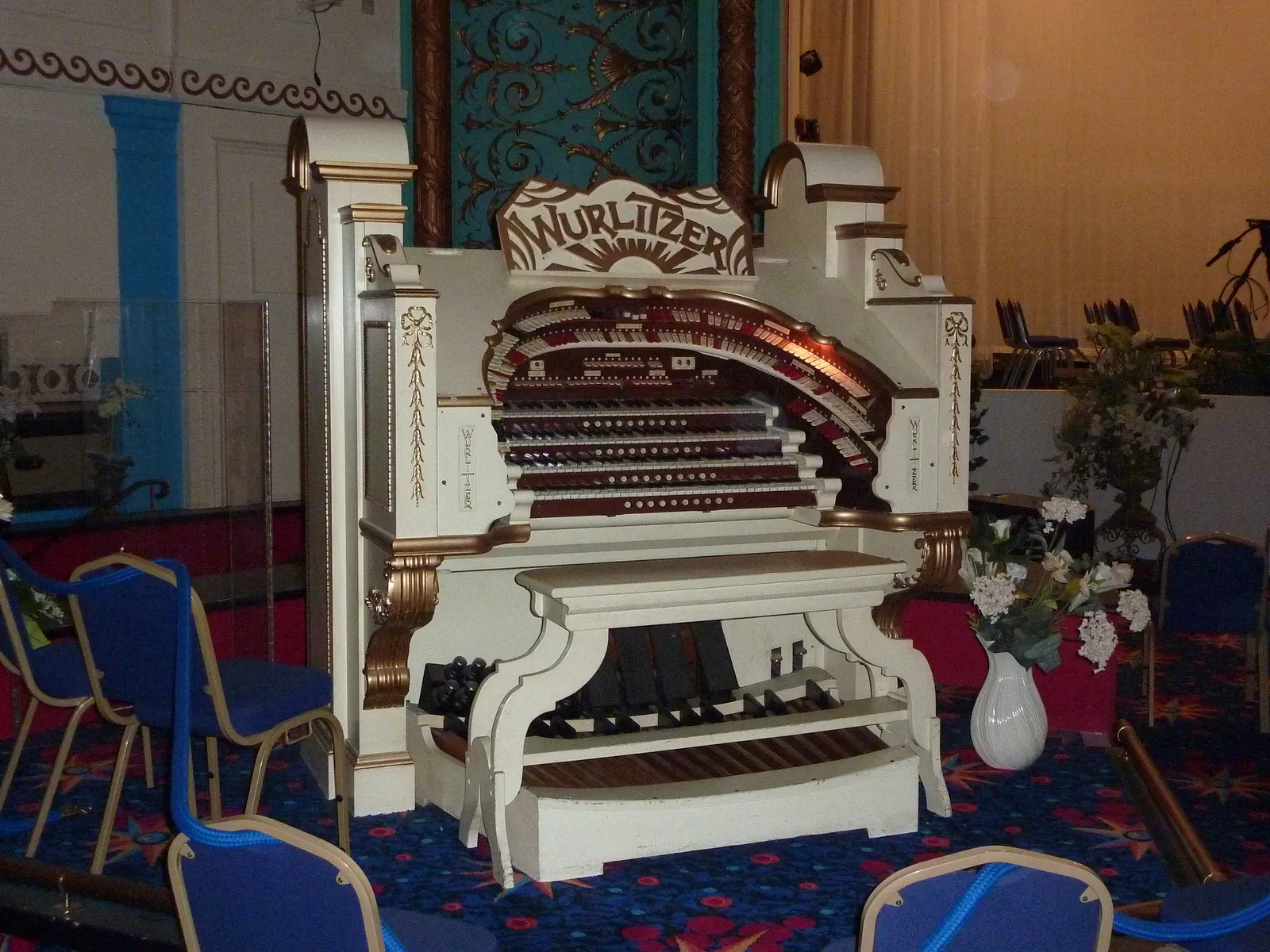
Cinema pianists and organists played mood cues from printed anthologies, while Muzak, named in 1934, shifted from the home to shops, offices and factories.
- 1919Kinothek cue anthology beginsGiuseppe Becce's Kinothek of mood pieces for cinema orchestras is published in Berlin between 1919 and 1933.
- 1924Motion Picture Moods for Pianists and OrganistsErnö Rapée's G. Schirmer collection gives silent-film accompanists pieces filed by mood.
- 1934Muzak namedFounder George Squier blends 'music' with Kodak and refocuses the company on commercial clients as radio overtakes the home market.
- 1937Warner Bros buys the Muzak divisionWarner expands the service to more cities before it passes to William Benton, who targets barbershops and doctors' offices.
1950
Theme albums and the LP boom
Jackie Gleason's 1952 Music for Lovers Only started a run of 'music for' LPs, and Mantovani, Percy Faith, Ray Conniff and Henry Mancini sold string-led records in the millions.
- 1951Mantovani's CharmaineThe Mantovani Orchestra's hit version of the 1927 song shows the cascading-strings sound that arranger Ronnie Binge developed.
- 1952Music for Lovers OnlyCapitol releases Jackie Gleason's 10-inch LP of slow standards on 27 October; it reaches No. 1 on the Billboard album chart.
- 1953First instrumental UK number oneMantovani's Song from Moulin Rouge tops the UK Singles Chart; Percy Faith's version is the best-selling US single of the year.
- 1957Film Encores reaches number oneMantovani's US album of film themes tops the album chart; he becomes the first artist to sell a million stereo records.
- 1959Theme from A Summer PlacePercy Faith's orchestral single wins the 1961 Grammy for Record of the Year and becomes the longest-running instrumental number one on the Hot 100.
- 1961Henry Mancini's Moon RiverMancini's theme from Breakfast at Tiffany's becomes a staple of orchestral background and easy-listening programming.
1966
Radio formats and rock covers
Orchestras arranged rock and film hits for the middle-of-the-road audience, beautiful music radio carried the sound, and Muzak programmed it in timed blocks for the workday.
- 1966Ray Conniff's Somewhere My LoveConniff's wordless-chorus arrangement of Lara's Theme gives its album its title and a US hit.
1979
After ambient
Brian Eno's 1979 Music for Airports offered an ambient alternative to canned background music, and the Muzak brand was retired in 2013 after Mood Media bought the company.
- 1979Music for AirportsBrian Eno releases an ambient album meant as an alternative to canned Muzak and easy listening in public spaces.
- 2013Muzak brand retiredMood Media, which bought Muzak LLC in 2011 for 345 million dollars, folds the brand into its own operations.
Listening path
Start listening
A short path from an easy way in to the deep end. Thumbnails come from YouTube; the player loads only when you press play.
- 01
Mantovani, 1951
Listen for the divided violins echoing the melody, the cascading-strings sound.
- 02
Jackie Gleason, 1952
A muted trumpet over slow strings, the sound of the first 'music for' LP.
- 03
Percy Faith, 1959
The instrumental that crossed from background music to number one.
- 04
Henry Mancini, 1961
A film theme in a gentle waltz feel that became a background standard.
- 05
Ray Conniff, 1966
Wordless chorus and orchestra, the late-1960s easy-listening blend.
Facts
| Family | Easy Listening |
| Origin | United States, United Kingdom |
| Emerged | 1940s-1950s |
| Status | Active |
| Tempo | 60 to 110 BPM |
| Meter | 4/4 |
| Grew out of | Light music |
| Subgenres | 1 |
Mood music is instrumental popular music written or arranged to create an atmosphere rather than to hold the full attention of a listener.
It took shape between the 1920s and the 1950s, first as printed cue anthologies for cinema musicians, then as the programmed background service Muzak, and finally as string-led LPs sold under titles such as Music for Lovers Only. Its defining traits are a melody-first arrangement, a low dynamic range, familiar material and an album or playlist sequenced around a single mood. It belongs to the easy listening family and grew out of light music.
Origins
Music chosen for its emotional effect became a commercial practice in the silent-film era. Cinema pianists, organists and small orchestras needed continuous accompaniment, and publishers sold them pieces sorted by mood. Giuseppe Becce’s Kinothek, published in Berlin between 1919 and 1933, collected short pieces for scenes of pursuit, grief, storm or romance. Ernő Rapée’s Motion Picture Moods for Pianists and Organists (1924) did the same for American theatres, and a 1927 German handbook built on the Kinothek matched pieces to screen situations in the style of well-known composers.
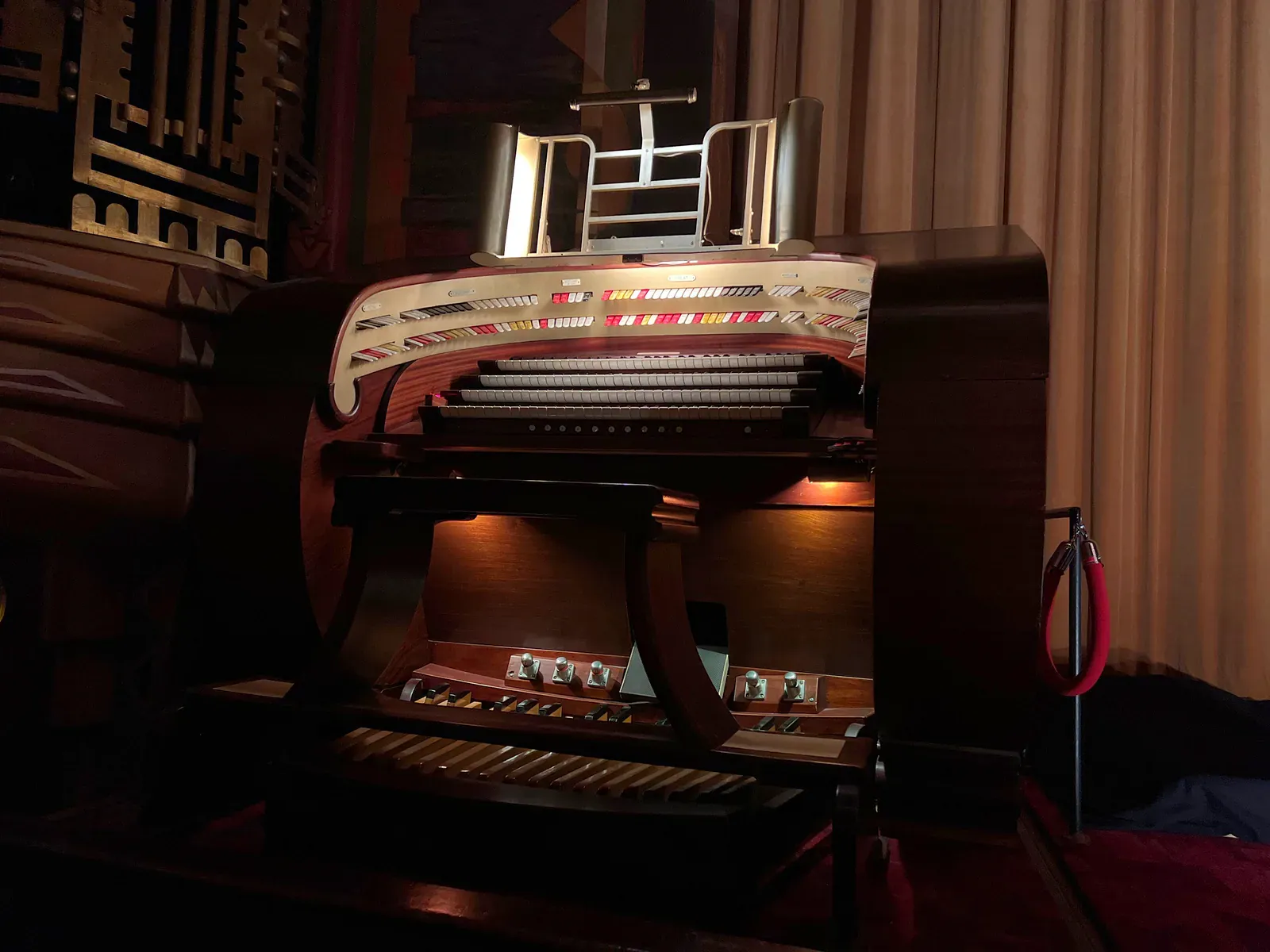
Broadcasting added a second root. In 1934 the company that delivered music to subscribers by wire took the name Muzak, a blend of music and Kodak, after radio had taken over the home market, and it turned to shops, offices and factories. In 1937 Warner Bros bought the Muzak division, which then passed to the entrepreneur William Benton, who aimed it at barbershops and doctors’ offices.
Theme albums, 1950-1965
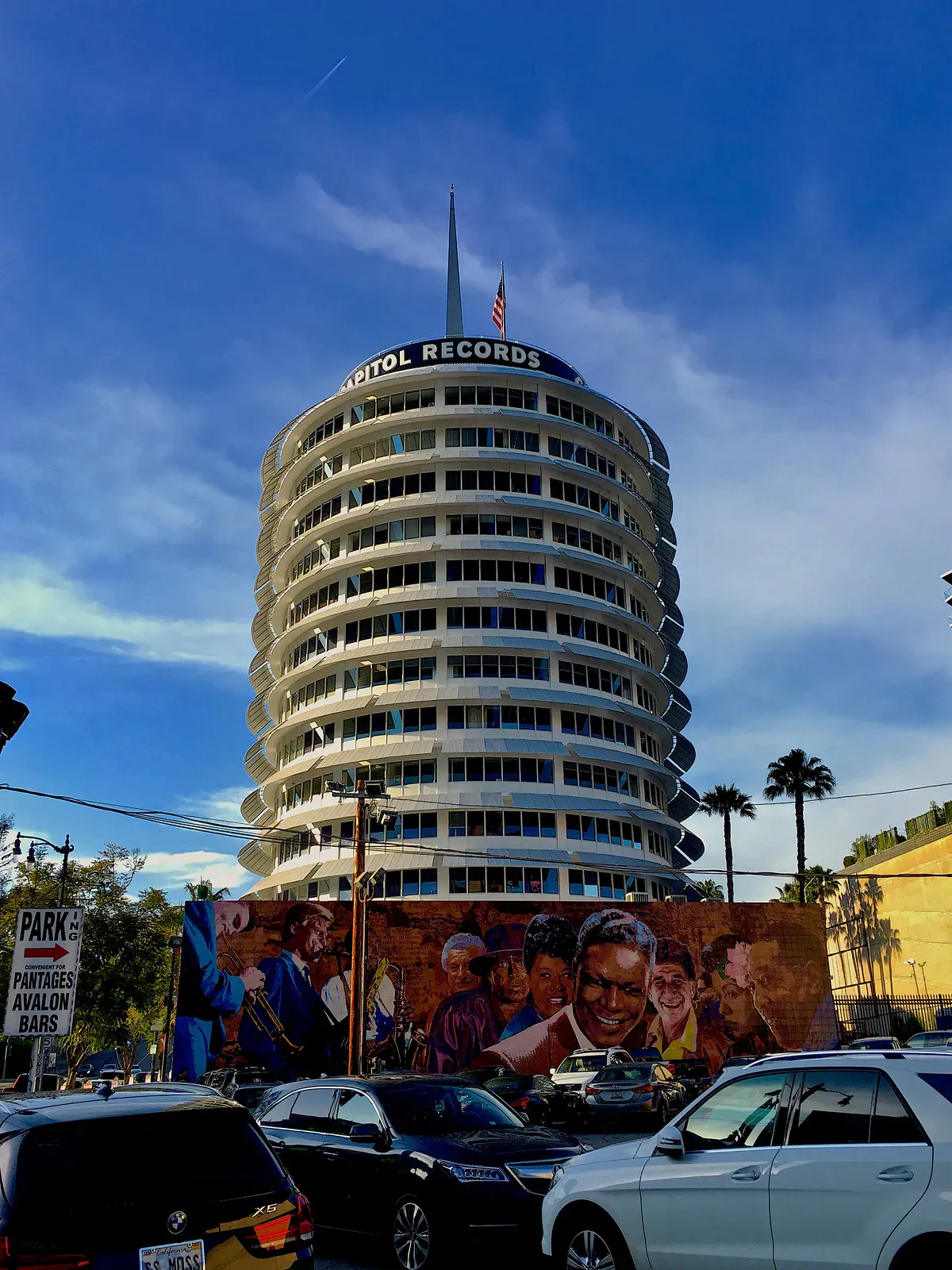
The recorded form arrived with the long-playing record. In 1952 the television comedian Jackie Gleason, who had been turned down by American Decca, persuaded Capitol to release an album of slow standards played by an orchestra with Bobby Hackett’s muted trumpet in front. Gleason financed most of the sessions himself. Music for Lovers Only reached number one on the Billboard album chart, stayed in the top ten for 153 weeks and by mid-1953 was the best-selling album in Capitol’s history. It was an early theme album, and rival labels answered with their own “Music for” records, which a New York Times writer called music with a function, a modern Gebrauchsmusik.
The British conductor Mantovani built a different house sound. Working with the arranger Ronnie Binge, he layered divided violins so that each phrase seemed to echo, the effect known as cascading strings. His Song from Moulin Rouge was the first instrumental to top the UK singles chart, in 1953, and his Film Encores reached number one in the United States in 1957. Stores used his records to demonstrate stereo equipment, and he was the first to sell a million stereo records.
Percy Faith, a Toronto-born arranger at Columbia, is often credited with popularising the mood-music format. His Theme from A Summer Place, released in 1959, won the 1961 Grammy for Record of the Year. Faith is the only artist to have the best-selling US single of the year in both the pop-singer era (Song from Moulin Rouge, 1953) and the rock era. Ray Conniff added a wordless chorus to brass and woodwinds, and Henry Mancini’s film themes, among them Moon River in 1961, supplied a stream of new standards.
Radio formats and rock covers, 1966-1978
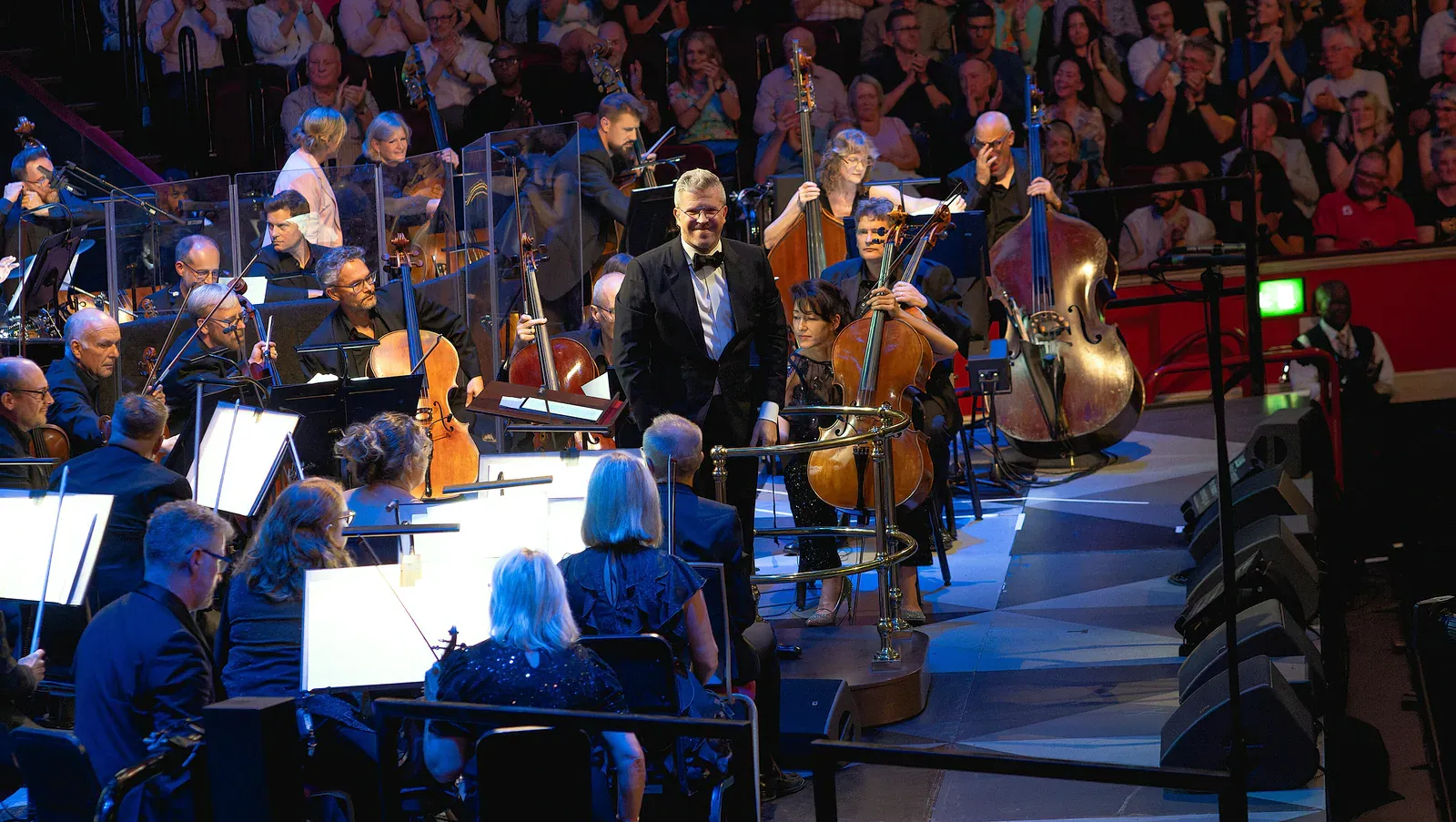
By the mid-1960s the audience for string-led records was ageing, and arrangers turned to current material. Faith’s Themes for Young Lovers (1963) presented rock-era songs to middle-aged listeners, and Conniff’s Somewhere My Love (1966) gave a film theme the chorus-and-orchestra treatment. On North American radio the sound found a home in the beautiful music format, which ran from the late 1950s into the 1980s and favoured mostly instrumental programming. Muzak meanwhile refined its programming. Its stimulus progression arranged music in 15-minute blocks that grew faster, louder and brassier, followed by 15 minutes of silence, a pattern it believed paced the workday and limited listener fatigue. It recorded with studio orchestras, mostly in New York, and in 1979 began commissioning arrangements from the London arranger Syd Dale.
After ambient, 1979 to the present
In February 1979 Brian Eno released Music for Airports, which he conceived as an alternative to canned Muzak and easy listening in public spaces. It aimed to be as ignorable as it was interesting and popularised the term ambient. The result separated two ideas that mood music had joined: ambient kept the functional goal and dropped the song form, while mood music kept familiar tunes and orchestral arrangements. Mood Media bought Muzak LLC in 2011 and retired the brand in 2013, but streaming playlists built around moods and activities work on the same principle.
Characteristics
A typical track is a well-known standard or film theme played in a 4/4 or waltz feel at a measured tempo, usually between 60 and 110 beats per minute. Dynamics stay narrow so that the music can sit under conversation. Lead voices are a string section, a solo trumpet or saxophone, or a wordless chorus, and vocals with lyrics are rare.
Instruments and production
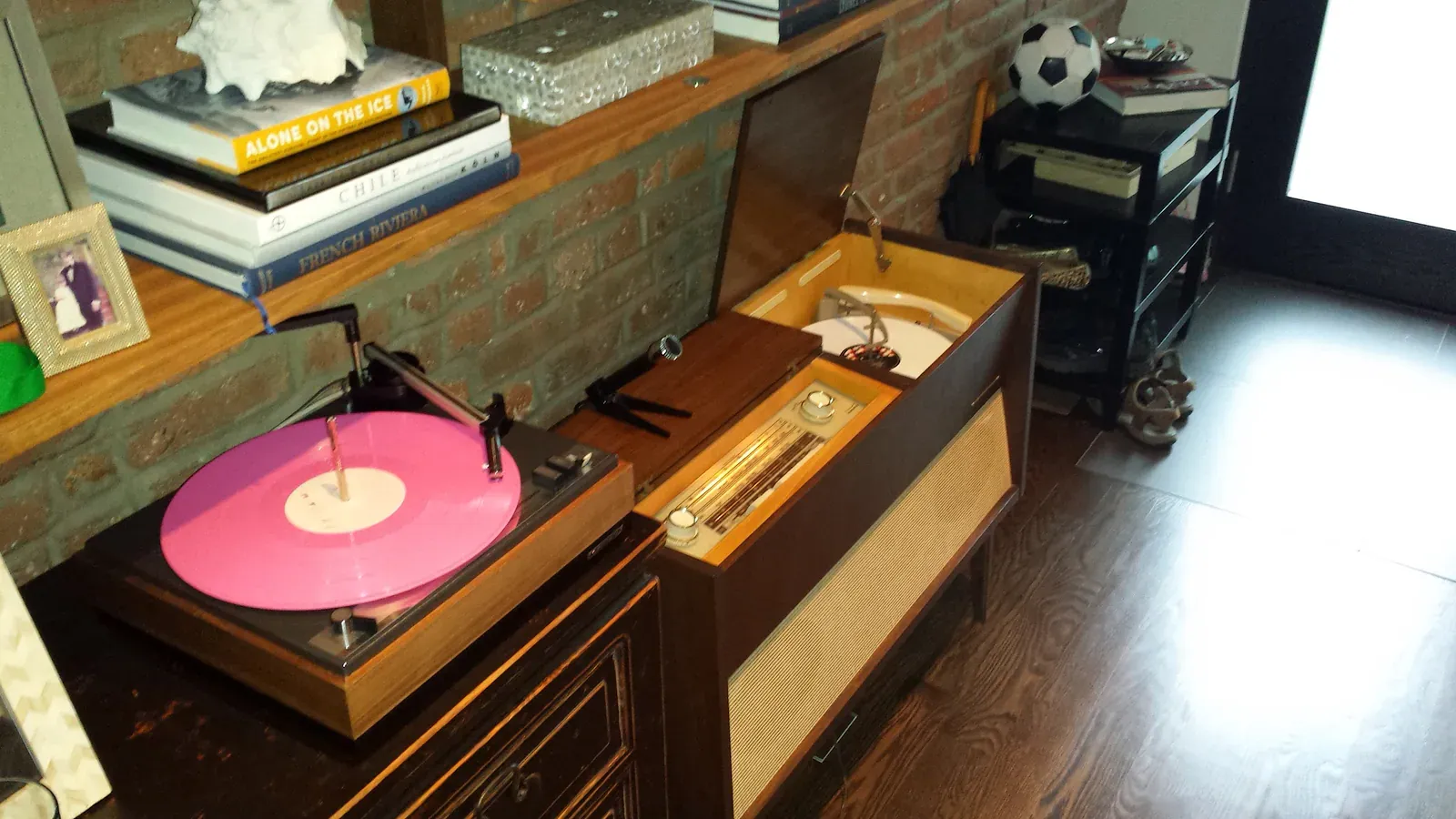
The core ensemble is an orchestra weighted toward strings, with woodwinds and muted brass for colour and a rhythm section kept low in the mix. The LP supplied about twenty minutes a side for a themed programme, and stereo pressings in the late 1950s let arrangers such as Conniff and Mantovani place sections across the sound field.
Mainstream success
Mood music was a commercial pillar of the LP era. Gleason’s Capitol albums, Mantovani’s Decca and London catalogue and Faith’s and Conniff’s Columbia records filled the charts and the shelves of record clubs, and an artist such as Mantovani placed 27 of more than 40 US albums between 1955 and 1972 in the top 40. The backlash came with rock in the late 1960s and 1970s: the same string-led sound that listeners had enjoyed became shorthand for bland, and Muzak turned into a generic term of mockery.
Notable recordings
Music for Lovers Only was made in New York in the summer of 1952, with the masters taken in two three-hour sessions. Gleason had conceived an album of slow and dreamy music in 1941, assembled a 27-piece orchestra after signing his CBS contract in 1952, and took care that the sleeve and the sessions looked serious so that the public would not treat the project as a comic’s sideline. Who wrote the arrangements has been debated since its release.
Charmaine, a 1927 song, became Mantovani’s signature piece in 1951, and its swooping, echoing violins were rerecorded in stereo in 1958. Faith’s Theme from A Summer Place, a slow, lilting instrumental with a gentle rhythm, became the longest-running instrumental number one in the history of the Hot 100. Moon River, from Breakfast at Tiffany’s, is a waltz that Mancini’s orchestra and chorus turned into a standard of the genre.
Culture
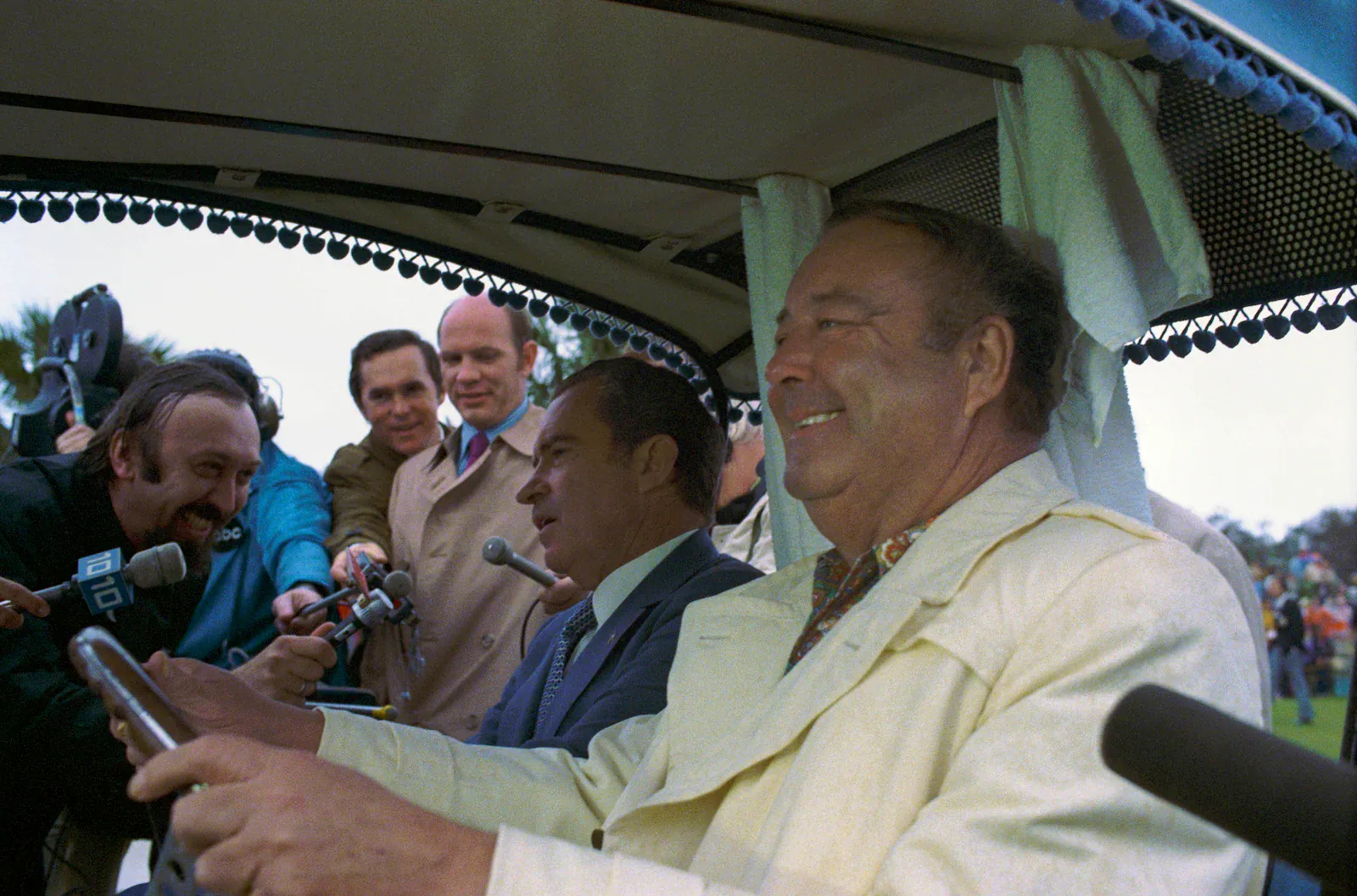
Mood music became part of the furniture of postwar life: in shops, waiting rooms, restaurants, factories and offices. Muzak was played in the White House under Dwight D. Eisenhower, the first president to pump it into the West Wing, and NASA is reported to have used it on missions to soothe astronauts.
Legacy
Mood music established three habits of modern listening: the album built around a single feeling, the soundtrack chosen for a place, and the idea that a recording can be used rather than studied. The first led to later concept and compilation albums, the second to retail and hospitality audio, and the third to ambient music, library music and the mood playlists of streaming. Its neighbours lounge and exotica shared its labels, arrangers and record bins.
Misconceptions
Muzak is not a genre. It was a company and a trademark, registered in December 1954, and its name became a generic term for background music in the way that a brand can stand for a product.
Muzak did not supply music to elevators. The firm itself never did so, despite the phrase elevator music that its name came to evoke.
Mood music was not always meant to be ignored. Gleason’s albums and Mantovani’s records sold as listening records, bought to be played at home and enjoyed.
Frequently asked questions
What is mood music?
Mood music is instrumental popular music written or arranged to establish an atmosphere, such as romance, calm or nostalgia, rather than to be the centre of attention. It covers cue anthologies for silent films, programmed background services and the themed LPs of the 1950s and 1960s.
What is the difference between mood music and easy listening?
Easy listening is the wider family and radio format, with vocals and a variety of tempos, and mood music is its instrumental, atmosphere-first core. The terms overlap heavily, and Percy Faith is credited with popularising both.
Which album started mood music?
Music for Lovers Only by Jackie Gleason, released by Capitol in October 1952, was an early and hugely successful theme album and led labels to issue their own “Music for” records. Earlier mood anthologies and Muzak recordings had already used the idea.
Is mood music the same as library music?
No. Library music is production music licensed for film, television and advertising, and it is related to mood music, but it belongs to the stage and screen family and is not sold as listening records.
Sound
Sound sheet
Anatomy of a track
| # | Part | Bars |
|---|---|---|
| 1 | Intro | 4 |
| 2 | Theme (A) | 8 |
| 3 | Repeat (A) | 8 |
| 4 | Bridge (B) | 8 |
| 5 | Final theme (A) | 8 |
Signature sounds
- Sustained string melody
- Familiar standard or film theme
- Soloist or wordless chorus over the orchestra
- Low dynamic range and no abrupt changes
Techniques
- Cascading strings
- Wordless chorus
- Stimulus progression
- Themed album programming
Keys and modes
Major keys. Lush major-key harmony with sustained string chords and soft modulations between choruses of a standard.
Vocals
Mostly instrumental; any voices are wordless choruses or an occasional vocal soloist.
Scenes
Where it happened
Where and when the sound lived: one bar per city on a shared timeline.
Europe
North America
Active scenes
Peak 3, 1946-2025
Home of Muzak's studio orchestras and of Columbia's Percy Faith and Ray Conniff sessions.
Base of Mantovani and the Decca recordings behind the cascading-strings sound.
Where Giuseppe Becce published the Kinothek mood-cue anthology for cinema orchestras.
Culture
Culture markers
- Music at work
Muzak timed its programmes in 15-minute blocks to pace the workday, and presidents and NASA reportedly used it.
Ritual - Muzak and elevator music
Muzak became a generic, often pejorative, name for any bland background music.
Slang - 'Music for...' album titles
Gleason's success led rival labels to issue their own 'Music for' albums.
Artwork
Media
Key media
- 1924Motion Picture Moods for Pianists and Organists
by Ernö Rapée. Cue anthology sorting pieces by mood for silent-film accompanists.
Book - 1927Allgemeines Handbuch der Filmmusik
by Giuseppe Becce, Hans Erdmann, Ludwig Brav. Handbook built on the Kinothek that matched pieces to screen situations.
Book - 1958Beautiful music format
by North American radio stations. Mostly instrumental radio format that carried mood-music records into the 1980s.
Radio
Glossary
Terms on this page
Mantovani's echo-like layering of divided violins, developed with arranger Ronnie Binge.
German for music with a function; the term a New York Times writer used for the 'music for' LPs.
American background-music company named in 1934, and a generic and often pejorative term for bland piped music.
Muzak's programming method of 15-minute blocks that grow faster and brassier, followed by 15 minutes of silence.
A record programmed around one mood or occasion, as in Music for Lovers Only.
Easy Listening family