Beautiful music
Beautiful music was a North American radio format of the 1960s and 1970s: soft, mostly instrumental orchestral versions of pop songs in quarter-hour sweeps.
United States, Canada, 1958
Easy Listening family
Born
1958
United States, Canada
Links
12
Genres it drew on or shaped
Tempo
60-105 BPMLineage
Family tree
Timeline
Era by era
From the first sparks to today. Select a dot to read the story behind it.
- Storecasting and orchestral records
1940 to 1958
- The format is born
1959 to 1965
- Syndication and custom recordings
1966 to 1980
- Decline and conversion
1981 to 1993
Eras
Moments
- 1 Storecasting and orchestral records, 1940 to 1958
- 2 The format is born, 1959 to 1965
- 3 Syndication and custom recordings, 1966 to 1980
- 4 Decline and conversion, 1981 to 1993
around 1940
Storecasting and orchestral records
FM subcarriers feed background music to shops, while Mantovani, Chacksfield and Faith turn light-orchestral arrangements of popular songs into hit records.
- 1947KIXL plays orchestral music in Dallas-Fort WorthOne of the first stations to build its schedule on orchestral music, later on FM and renamed KEZL in 1973.
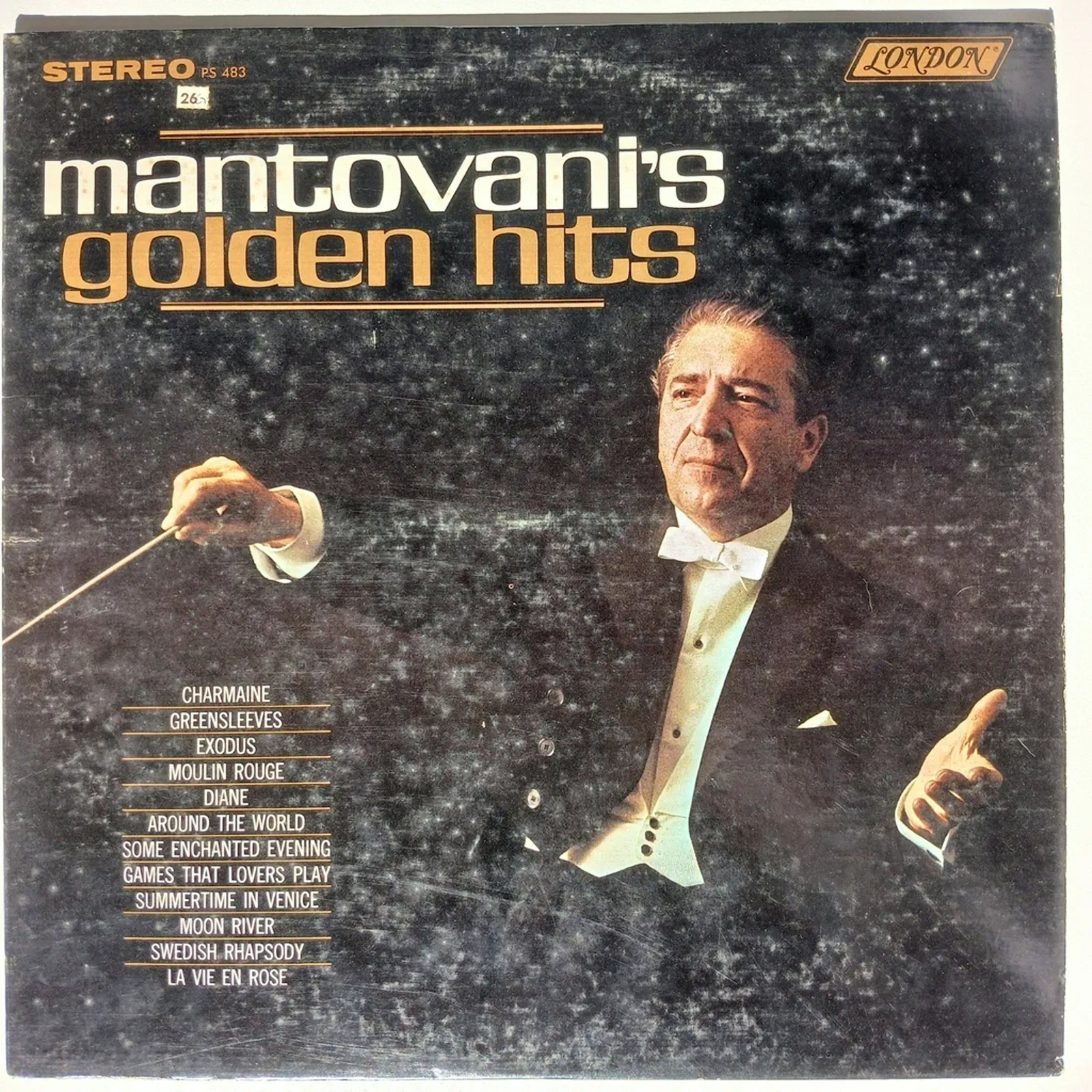
- 1951Mantovani records CharmaineThe waltz with cascading strings becomes the sound most associated with his orchestra.
- 1953Frank Chacksfield's Ebb TideAn orchestral arrangement of a new ballad reaches number nine on the UK chart.
1959
The format is born
Programmers in San Francisco, Baltimore and Philadelphia build structured, announcer-light sweeps of strings, and stereo FM gives the sound a home.
- 1959KABL launches in San FranciscoGordon McLendon counter-programs the Top 40 stations with a beautiful music AM station named after the city's cable cars.
- 1959Percy Faith records A Summer PlaceThe theme becomes a nine-week number one on the Billboard Hot 100 in 1960.
- 1960WBAL Baltimore adopts a lush instrumental formatProgrammer Art Wander schedules music sweeps with subtle comments from announcers.
- 1961Stereo standard set for FMThe US regulator approves stereo on a single FM channel, giving orchestral recordings clearer sound than AM.
- 1963Marlin Taylor's format makes WDVR number one in PhiladelphiaWithin four months the station tops its market, one of FM radio's first big successes.
1966
Syndication and custom recordings
Syndicators ship tape libraries to stations nationwide and commission fresh orchestral covers of current hits when labels cut back on the material.
- 1966Ray Conniff's Somewhere My LoveHis wordless-chorus version of Lara's Theme gives the title to a 1966 album.
- 1968Paul Mauriat's Love Is BlueA French orchestral piece tops the US chart for five weeks, among the genre's biggest crossover hits.
- 1975Syndicators commission custom coversWith labels releasing less of the material, syndicators order orchestral versions of current rock and pop hits.
around 1981
Decline and conversion
Country moves to FM and adult contemporary absorbs the audience; stations convert, and the last big syndicator libraries are sold off in 1993.
- 1993Bonneville sells its beautiful music libraryThe sale to Broadcast Programming follows an earlier sale by Peters Productions and ends the major syndicated libraries.
- 2014WKTZ-FM in Jacksonville ends the formatA noncommercial station that played beautiful music from 1964 switches to a Christian network after a sale.
Listening path
Start listening
A short path from an easy way in to the deep end. Thumbnails come from YouTube; the player loads only when you press play.
- 01
Mantovani & His Orchestra, 1951
The easiest way in: cascading strings over a waltz, the sound later programmers built sets around.
- 02
Frank Chacksfield and His Orchestra, 1953
An orchestral treatment of a new ballad that anticipates the standards-and-strings formula.
- 03
Percy Faith, 1959
The crossover hit: a number one that showed an instrumental could top the pop chart.
- 04
Ray Conniff Singers, 1966
Wordless chorus, brass and woodwinds in the stereo-era Conniff blend, a staple of vocal-instrumental sets.
- 05
Paul Mauriat, 1967
A late-decade European orchestral hit that reached number one in the United States in 1968.
Facts
| Family | Easy Listening |
| Origin | United States, Canada |
| Emerged | Late 1950s-1980s |
| Status | Historical |
| Tempo | 60 to 105 BPM |
| Meter | 4/4 |
| Grew out of | Mood music |
Beautiful music is a radio format and the repertoire made for it: soft, mostly instrumental orchestral arrangements of popular songs and film themes, played in unobtrusive quarter-hour sweeps.
It took shape in North America in the late 1950s, peaked on stereo FM in the 1960s and 1970s, and faded by the early 1990s. It belongs to the easy listening family and grew out of mood music.
Origins
The format came from commerce before it came from taste. In the 1940s and 1950s many FM stations earned more from background-music subscriptions than from their main programmes. Stores paid for a subcarrier signal, often a slow tape of orchestral music, and the commercial breaks were announcements aimed at shoppers already inside. This practice was called storecasting.
Some stations built a whole schedule on orchestral music. KIXL in the Dallas-Fort Worth area played it on AM from 1947 and later on FM. The step that created the format came in 1959, when Gordon McLendon, who ran Top 40 stations, set up KABL in San Francisco as counter-programming. A year later, programmer Art Wander launched a sweep-based format at WBAL in Baltimore, with lush instrumentals and subtle comments from announcers.
The music supply was already there. Orchestras led by Mantovani, Frank Chacksfield, Percy Faith and Andre Kostelanetz had been turning popular songs into string-led instrumentals on record since the early 1950s, and the major labels issued them as stereo showpieces.
The format, 1959-1965
Stereo gave the sound a home. In the early 1960s the US regulator adopted a standard for stereo on a single FM channel, which delivered clearer sound and better resistance to interference than AM. A quiet, string-heavy format suited it well.
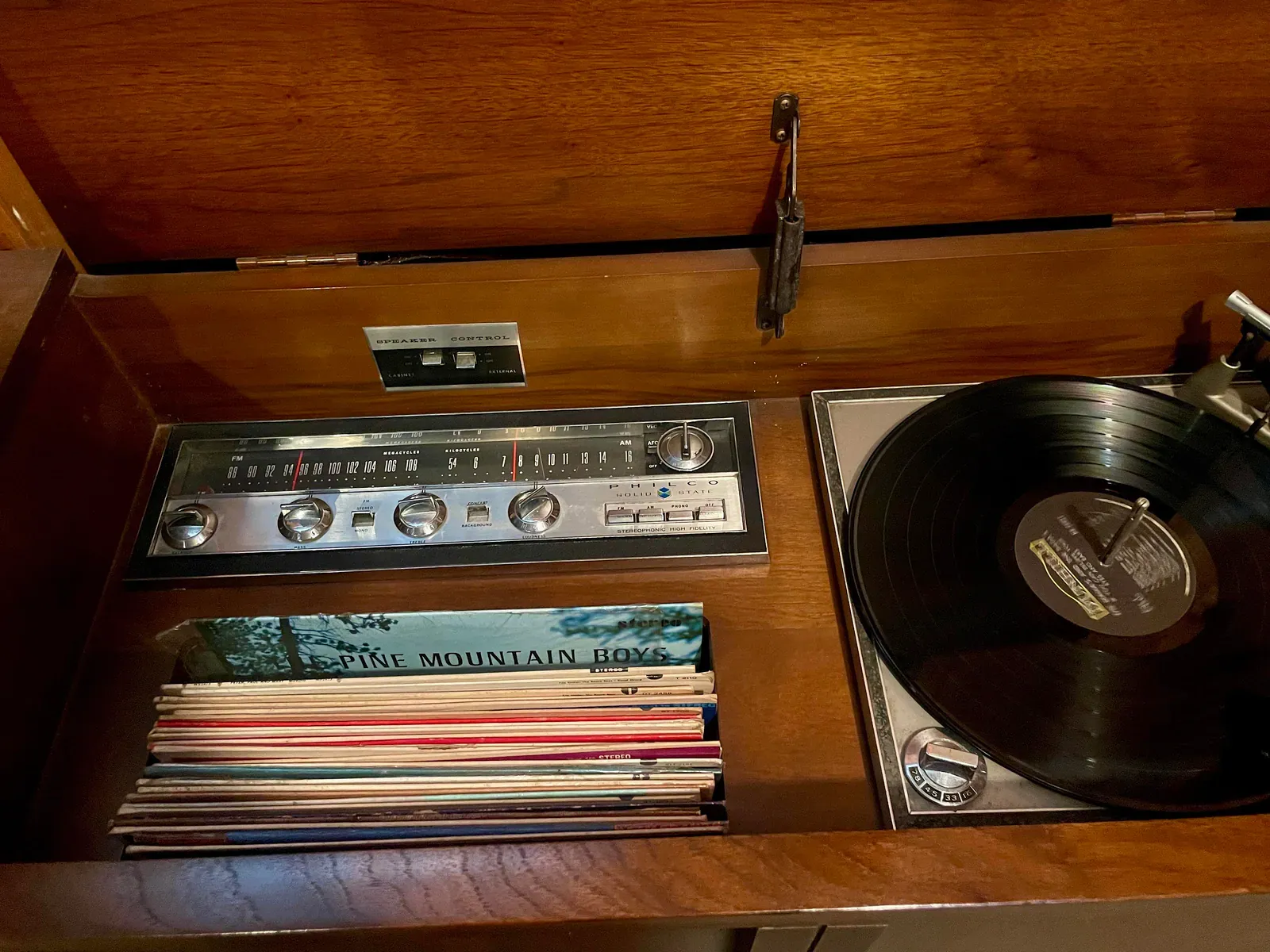
In 1963 Marlin Taylor built a custom beautiful music format at WDVR in Philadelphia. Within four months the station was the top-rated FM station in its market, one of the first big successes for FM. It drew mature listeners who had been pushed off AM when rival stations switched to rock and roll.
Programmers refined the sweep into a craft. A typical set ran fifteen minutes and held instrumentals with one vocal, usually from a singer such as Frank Sinatra or Nat King Cole. Most stations settled on 70 to 80 percent instrumentals and 20 to 30 percent vocals. Morning drive time carried more vocals, as much as half, to widen the audience.
Syndication, 1966-1980
As the format spread, tape libraries became a business. Jim Schulke formed Stereo Radio Productions to buy air time in bulk and resell it to advertisers. His stations used hundreds of reels on multiple decks so that fifteen-minute segments alternated between machines and no half-hour repeated within two weeks, a method called matched flow. Peters Productions in San Diego sold a library of 100 reels, with six new ones each month, and its format ran on more than 120 stations at its height.
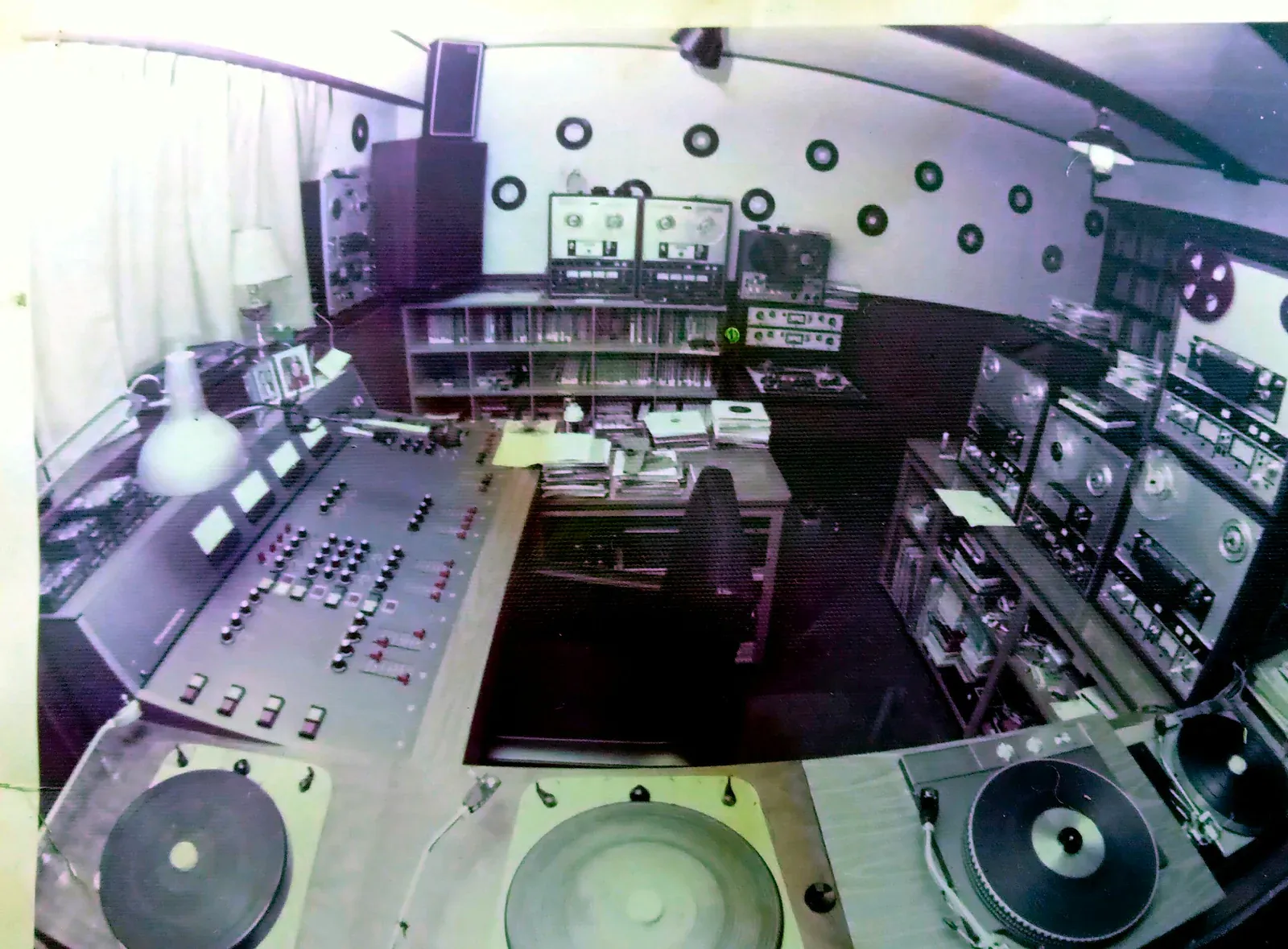
When the labels cut back on the material, syndicators commissioned custom recordings from orchestras around the world. These were usually instrumental versions of current rock and pop hits, a way of keeping the format fresh without leaving its sound. By the 1970s the vocal mix also took in softer songs by the Carpenters, Barry Manilow, Neil Diamond and others, on the one test that mattered: the song had to be soft.
Characteristics
The sound is a string section carrying the melody over a quiet rhythm section, with woodwinds and brass as counterweights. Mantovani’s cascading strings, overlapping lines that echo the tune across the stereo field, became the best-known version of it. Ray Conniff added a wordless chorus blended with brass and woodwinds, which gave vocals a place in an instrumental sound.
Arrangements keep the key and harmony of the original song and avoid sudden changes in dynamics. Tempos run from slow waltzes to a gentle swing, roughly 60 to 105 beats per minute. Programming rules shaped the music as much as arrangement did: no abrupt jumps, little talk, and a Christmas season that began around Thanksgiving, with the vocal share rising toward half and a marathon on December 24 and 25.
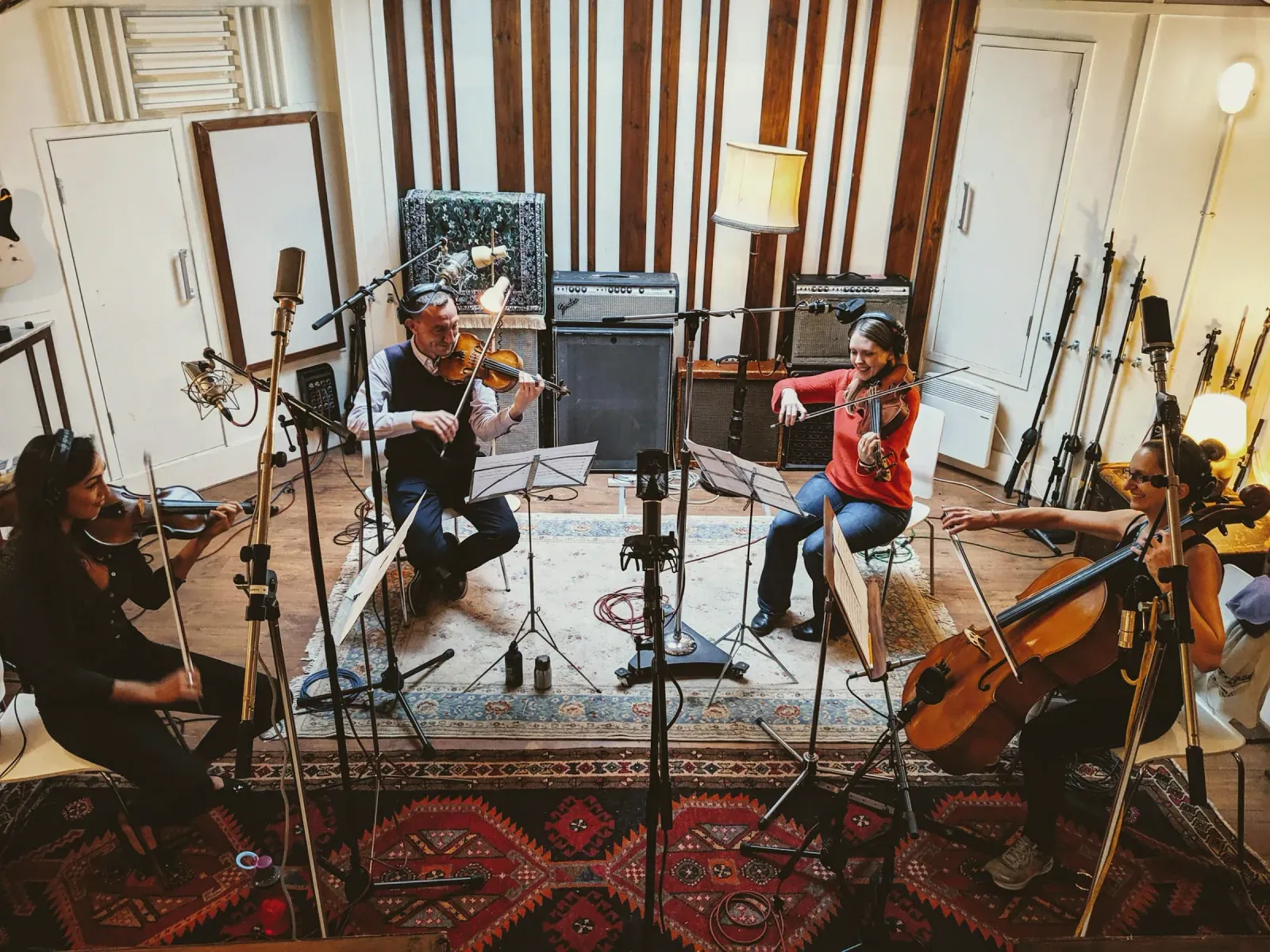
Instruments and production
Strings led, woodwinds and brass filled the harmony, and the stereo LP let arrangers balance the sections across the left and right channels. Stations ran the music from reels, with sets pre-built so that the flow of a quarter-hour stayed constant.
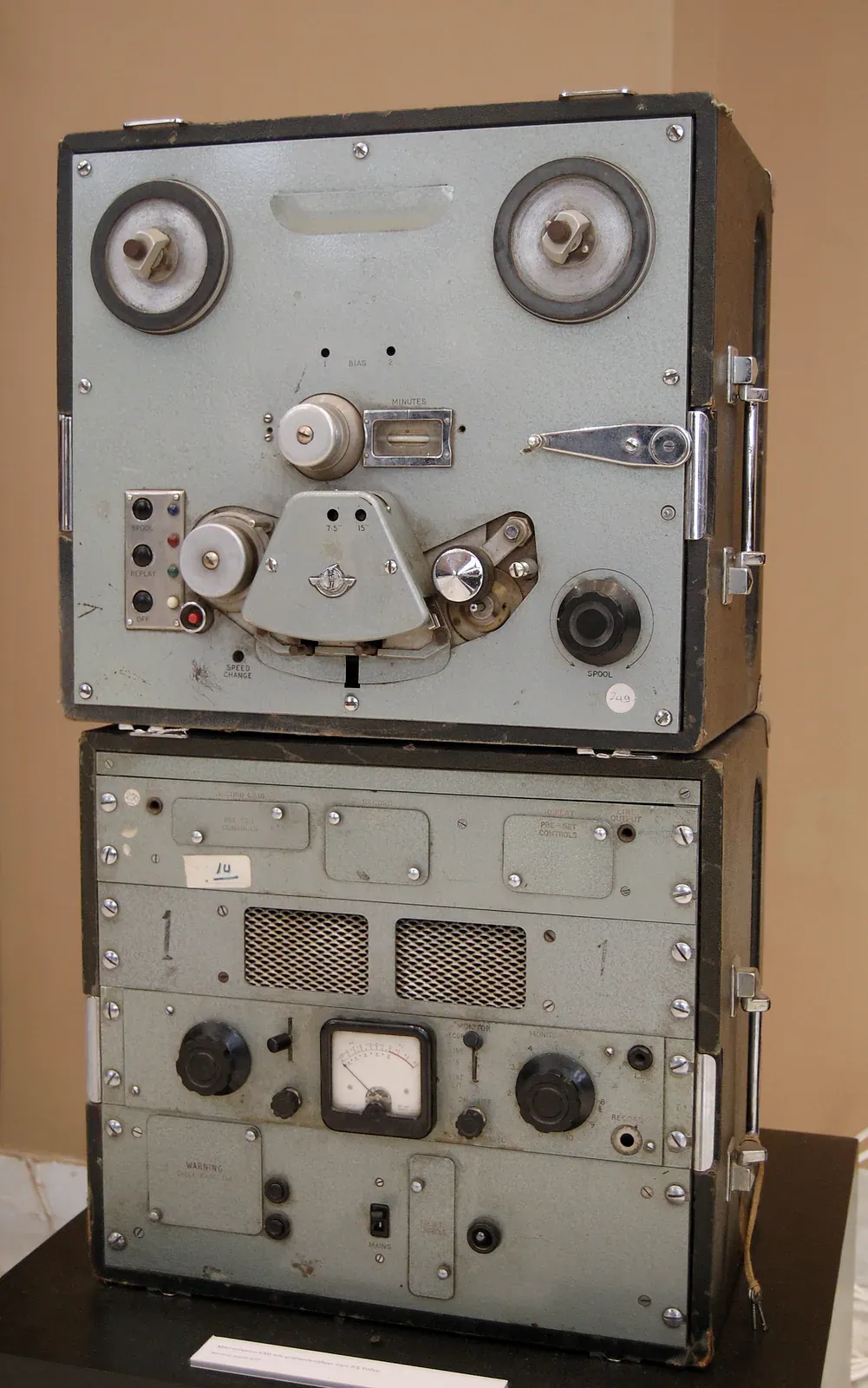
Mainstream success
A few recordings crossed over to the pop charts. Frank Chacksfield’s version of Ebb Tide reached number nine in the UK in 1953. Percy Faith’s Theme from A Summer Place spent nine weeks at number one on the Billboard Hot 100 in 1960. Paul Mauriat’s Love Is Blue was a number one in the United States in 1968. Ray Conniff’s 1966 album Somewhere My Love turned the Doctor Zhivago theme into a staple of vocal-instrumental sets.
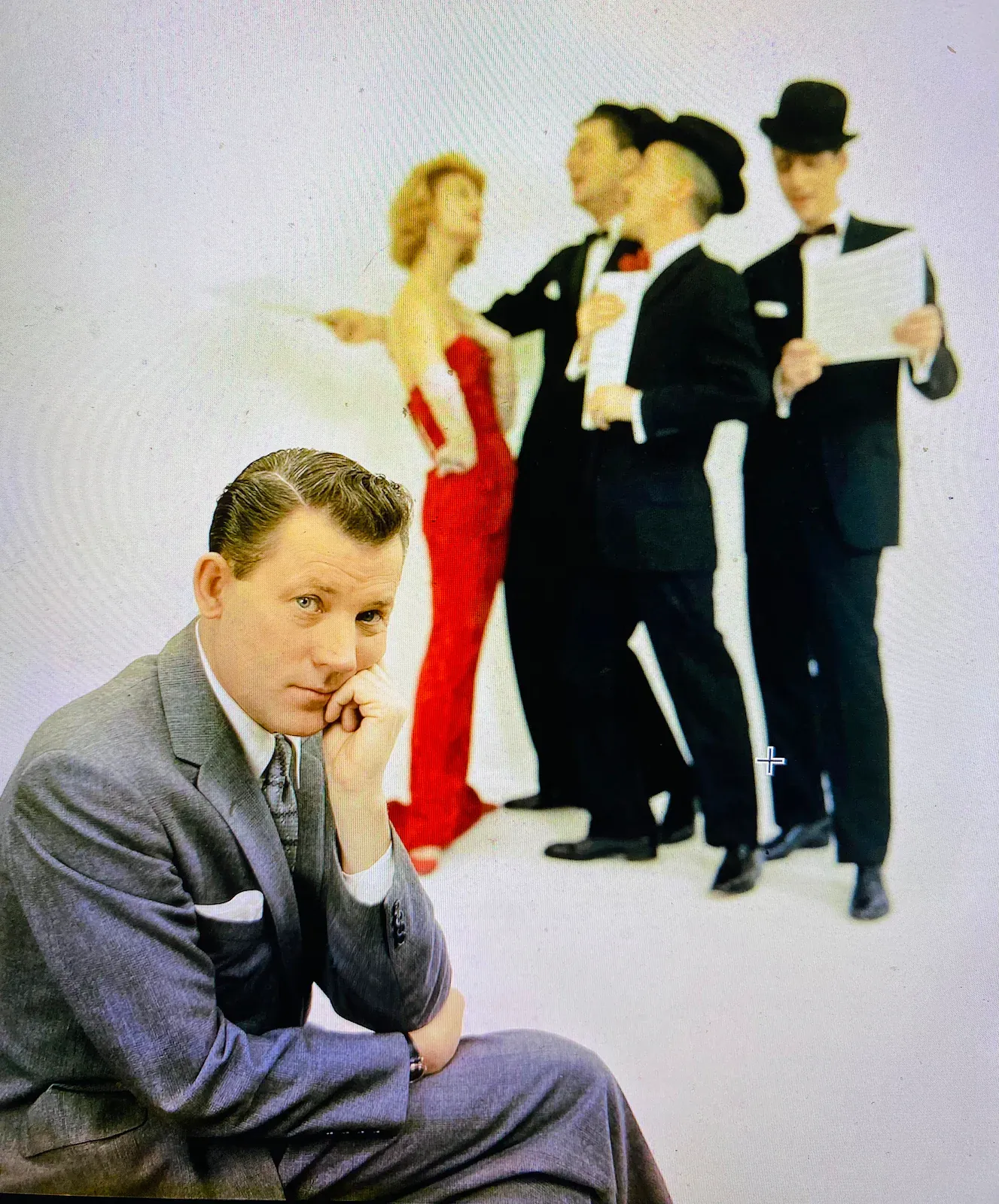
Notable recordings
Charmaine, recorded by Mantovani in 1951, is the clearest early statement of the cascading-strings sound. It is a waltz at a very slow tempo, and the strings, not a singer, deliver the song. The Theme from A Summer Place, recorded by Percy Faith in 1959, shows the opposite effect: a number one chart hit that treated an instrumental as a pop single. It confirmed that strings and a gentle beat could sell in large numbers, and radio programmers made it a core piece.
Culture
The format earned a reputation. Critics and listeners called it elevator music, and some stations tried to shed that image by changing call letters and moving to an adult contemporary sound with the original vocal artists. Adult contemporary had core acts that were easier to market, while the format’s studio orchestras were less well known and sold less.

Light music, lounge and exotica shared much of the repertoire and arranging craft, but beautiful music was defined by its programming: sweeps, vocal quotas and tape flow.
Legacy
The decline came in the late 1980s and early 1990s, as country moved to FM and many stations switched to it. Peters Productions sold its library to Broadcast Programming in the late 1980s, and Bonneville sold its beautiful music assets to the same company in November 1993.
A few non-commercial stations kept the format, including KCEA in Atherton, California, while the Jacksonville station WKTZ-FM played it from 1964 until a 2014 sale. Its structure lives on in smooth jazz radio, and the mixed vocal and instrumental set survives in adult contemporary and in seasonal Christmas stations, where Ray Conniff and Percy Faith still turn up. The orchestral-pop strand continues in orchestral pop.
Misconceptions
Beautiful music was not the same as Muzak. Muzak supplied background music to shops and offices as a service, while beautiful music was a broadcast radio format that listeners tuned in on purpose, with announcers and advertisers.
It was not all instrumental. Stations kept vocals to a fifth or a third of the mix, and a morning show could carry as much as half.
It was not made from the original hit versions. The core of the repertoire was new orchestral arrangements of songs, recorded by studio orchestras, and syndicators later commissioned custom covers of current hits.
Frequently asked questions
What is beautiful music?
Beautiful music is a radio format of the late 1950s to the 1980s that played soft, mostly instrumental orchestral arrangements of popular songs in scheduled quarter-hour sweeps. The term also names the recorded repertoire made for it.
Who were the main beautiful music artists?
Mantovani, Percy Faith, Ray Conniff, Andre Kostelanetz and Frank Chacksfield are among the best-known. Billy Vaughn, the 101 Strings and the Living Strings also fed the format.
Is beautiful music the same as easy listening?
Not exactly. Easy listening is the wider family of soft popular music, while beautiful music is its radio-format branch, and the two terms were often paired as BM/EZ.
Does beautiful music still exist?
A few non-commercial and resort-market stations still play it, and satellite and internet channels carry it. Smooth jazz radio kept its structure.
Sound
Sound sheet
Anatomy of a track
| # | Part | Bars |
|---|---|---|
| 1 | Introduction | 4 |
| 2 | Melody on strings | 16 |
| 3 | Bridge with woodwinds | 8 |
| 4 | Final melody, full orchestra | 8 |
| 5 | Coda | 4 |
Signature sounds
- Cascading, overlapping string lines
- Newly orchestrated arrangements of popular songs
- Wordless chorus with brass and woodwinds
- Soft dynamics with no abrupt changes
Techniques
- Cascading strings
- Wordless chorus
- Stereo balance
- Orchestral cover of hits
Keys and modes
Major and minor, original song keys. Arrangements keep the key and harmony of the standard or film theme and add countermelodies.
Tuning
12-TET, A=440
Vocals
Mostly instrumental; stations kept vocals to 20-30 percent, usually one per quarter-hour set, and only soft songs.
Scenes
Where it happened
Where and when the sound lived: one bar per city on a shared timeline.
North America
Europe
Active scenes
Peak 6, 1968-1992
KIXL played orchestral music from 1947, one of the earliest stations on the path to the format.
KABL, founded by Gordon McLendon, made the format a commercial proposition and lasted into the 1990s.
WBAL's lush instrumental sweeps from the fall of 1960 were an early structured version.
WDVR and its rival WWSH made the city a stronghold of the format and of tape-based syndication.
Peters Productions syndicated a tape library to over 120 stations from here.
Mantovani and Frank Chacksfield recorded the orchestral hits that radio programmers drew on.
Venues and places
San Francisco, 1959 to today. AM station named for the city's cable cars, a model for the format's commercial success.
Philadelphia, 1963 to today. Marlin Taylor's custom format made it the top-rated FM station in its market.
Baltimore, 1960 to today. Fifty-thousand-watt station where Art Wander launched a sweeps-based format.
Culture
Culture markers
- Quarter-hour sweeps
Fifteen-minute blocks of instrumentals, usually with one vocal, played without talk or ads in between.
Ritual - Wall-to-wall Christmas
From Thanksgiving the vocal share rose toward half of the playlist, with a marathon of seasonal music on December 24 and 25.
Ritual - Elevator music
A dismissive nickname for the format, which stations often tried to shed by renaming themselves.
Slang
Glossary
Terms on this page
Industry shorthand for the combined beautiful music and easy listening formats.
Schulke's tape method of rotating reels so no half-hour repeated within two weeks.
Background music sent to shops by FM subcarrier or tape, with announcements aimed at shoppers.
A quarter-hour block of music played without interruption for talk or commercials.
A company that supplied stations with tape libraries and a programmed format.
Easy Listening family