Exotica
Exotica is instrumental easy listening of the 1950s-60s evoking an imagined tropics or Asia, with vibraphone, Latin percussion, bird calls and stereo effects.
Hollywood, 1951
Easy Listening family
Born
1951
Hollywood
Subgenres
2
Documented branches
Links
14
Genres it drew on or shaped
Tempo
85-125 BPMLineage
Family tree
Grew out of
Derived from
Derived from
Influenced by
Hollywood, 1951
Exotica
Led to (2)
Timeline
Era by era
From the first sparks to today. Select a dot to read the story behind it.
- Tiki bars and the Pacific dream
1933 to 1949
- Jungle fantasies on Capitol
1950 to 1956
- Hi-fi tiki from Honolulu
1955 to 1961
- Surf, statehood and silence
1962 to 1989
- Cocktail nation and tiki renaissance
1990 to today
Eras
Moments
- 1 Tiki bars and the Pacific dream, 1933 to 1949
- 2 Jungle fantasies on Capitol, 1950 to 1956
- 3 Hi-fi tiki from Honolulu, 1955 to 1961
- 4 Surf, statehood and silence, 1962 to 1989
- 5 Cocktail nation and tiki renaissance, 1990 to today
1933
Tiki bars and the Pacific dream
Don the Beachcomber opens in Hollywood in 1933 and Trader Vic's follows. After the Kon-Tiki voyage of 1947 an imagined South Seas becomes a mainstream fantasy that the music will soon fill.
- 1933Don the Beachcomber opens in HollywoodErnest Gantt, later Donn Beach, opens a bar of rum drinks, torches and rattan that starts tiki culture.
- 1936Trader Vic's opens in OaklandVictor Bergeron adopts the Polynesian theme and builds a second tiki empire on the West Coast.
- 1947Thor Heyerdahl's Kon-Tiki expeditionThe raft voyage, book and film feed postwar American fascination with the Pacific.
- 1948Nature Boy by eden ahbezNat King Cole's Capitol hit is written by a Hollywood hermit who later makes an exotica album.
- 1949Korla Pandit's Adventures in Music debuts on KTLAA silent organist in an invented Indian persona becomes an early television music host.
1950
Jungle fantasies on Capitol
Yma Sumac's Voice of the Xtabay and Les Baxter's Ritual of the Savage turn the faraway into a studio concept. Korla Pandit brings an invented Indian persona to Los Angeles television.
- 1950Yma Sumac's Voice of the XtabayA Peruvian soprano of famously wide range and a Capitol studio band create an Andean fantasy that sells a million copies.
- 1951Les Baxter's Ritual of the SavageThe album introduces Quiet Village and the idea of the exotic concept album.
- 1954Yma Sumac's Mambo!A Capitol album that adds mambo rhythm and animal-call vocals to her Inca-themed persona.
1955
Hi-fi tiki from Honolulu
Martin Denny's combo at the Shell Bar in Waikiki and its Liberty album Exotica make bird calls a hit. Arthur Lyman's Taboo and Yellow Bird sell millions and turn the sound into a stereo showpiece.
- 1955Martin Denny forms his combo at the Shell BarThe Hawaiian Village hotel set on Oahu, with Arthur Lyman on vibes and Augie Colon on percussion and bird calls, sets the template.
- 1956The Mai-Kai opens in FloridaA Polynesian supper club on the Atlantic coast that later adds the longest-running island revue in the US.
- 1957Martin Denny's ExoticaA Liberty executive's name for the album becomes the name of the genre; its stereo edition reaches number one on the album chart in 1959.
- 1958Arthur Lyman's TabooThe Hi-Fi album of stereo-showcase percussion sells over two million copies.
- 1959Hawaii becomes a stateStatehood is linked to the end of the Hawaiiana craze that had kept exotica commercially strong.
- 1959Quiet Village is a gold single for Martin DennyHis cover of the Les Baxter piece sells over a million copies and reaches number four on the Billboard Hot 100.
- 1959Robert Drasnin's Voodoo!A film composer records twelve originals for a budget label, with a young John Williams on piano.
- 1960eden ahbez's Eden's IslandHis only solo album mixes spoken poetry with exotica arrangements on Del-Fi.
- 1961Arthur Lyman's Yellow Bird reaches the Hot 100 top fiveThe Hawaiian-flavoured instrumental is a number four pop hit and a top-two easy-listening record.
around 1962
Surf, statehood and silence
Hawaiian statehood in 1959 ends the Hawaiiana fad that fed the sound, and by the late 1970s most tiki bars have closed. The records survive in thrift stores and as library-music samples.
- 1963Disneyland's Enchanted Tiki Room opensThe first attraction to use Audio-Animatronics puts singing birds and tiki gods in a theme park.
- 1978Yellow Magic Orchestra cover FirecrackerA synthesizer version of the Martin Denny piece helps launch the Japanese group; the Computer Game / Firecracker single sells over 400,000 copies in the US.
around 1990
Cocktail nation and tiki renaissance
Combustible Edison, Capitol's Ultra-Lounge CDs and The Book of Tiki revive the sound in the 1990s. Tiki Oasis (2001) and reopened rooms such as the Mai-Kai keep a living scene going.
- 1994Combustible Edison's I, Swinger on Sub PopA tuxedoed lounge band from Providence brings vibes and cocktail style to an indie audience.
- 1996Capitol launches the Ultra-Lounge CD seriesThe label's reissues, with cocktail recipes in the booklet, sell over 600,000 copies in the first few years.
- 2000Sven Kirsten's The Book of TikiA photographic history of tiki design that feeds the tiki renaissance.
- 2001Tiki Oasis debuts in Palm SpringsThe weekender begins at the Caliente Tropics hotel and moves to San Diego in 2006.
- 2024The Mai-Kai reopens after restorationThe Florida tiki landmark returns in November 2024 after a $20 million renovation.
Listening path
Anthems
The records that built the sound, grouped by the part they played. Thumbnails come from YouTube; the player loads only when you press play.
- 01
Yma Sumac, 1950 · Capitol Records
Opens Voice of the Xtabay, the Inca-themed showpiece that made a far-off fantasy a million-selling album.
Origin - 02
Les Baxter, 1951 · Capitol Records
The tropical mood piece from Ritual of the Savage that Martin Denny later turned into a hit.
Origin - 03
Martin Denny, 1959 · Liberty Records
The bird-call arrangement that went gold and took exotica to number four on the pop chart.
Start hereBreakthrough - 04
Arthur Lyman, 1961 · Hi-Fi Records
A Hawaiian-flavoured instrumental that became a top-five Hot 100 hit.
Start hereBreakthrough - 05
Yma Sumac, 1954 · Capitol Records
A mambo with animal-call vocals from Mambo!, the playful side of her stage persona.
Start hereAnthem - 06
Arthur Lyman, 1958 · Hi-Fi Records
The stereo percussion showcase that sold over two million copies.
Anthem - 07
Robert Drasnin, 1959
A late-1950s cult favourite that shows the budget-label end of the craze.
Anthem - 08
eden ahbez, 1960 · Del-Fi Records
The title track of a hermit poet's exotica album, a beatnik detour from the cocktail sound.
Anthem - 09
Esquivel, 1962 · RCA Records
Chorus and brass pass between speakers in a stereo showpiece from Latin-Esque.
Anthem - 10
Yellow Magic Orchestra, 1978 · Alfa Records
A synthesizer remake of the Martin Denny tune that carried exotica into electronic pop and the clubs.
Crossover - 11
Combustible Edison, 1994 · Sub Pop
A tuxedoed indie take on the cocktail sound from the 1990s revival.
Revival
Facts
| Family | Easy Listening |
| Origin | Hollywood, United States |
| Emerged | 1950s-mid 1960s |
| Status | Revival |
| Tempo | 85 to 125 BPM |
| Meter | 4/4 |
| Grew out of | Light music, Jazz |
| Subgenres | 2 |
Exotica is a style of mostly instrumental easy listening that evokes an imagined tropical or Asian elsewhere. It took shape in the United States between about 1950 and the mid-1960s, in Los Angeles studios and Honolulu hotel bars.
Its defining traits are vibraphone, congas and bongos, gongs, bird and animal calls, wordless vocals and stereo recording used as a spectacle.
Origins
Exotica grew from tiki culture before it had a sound. Ernest Gantt, who later took the name Donn Beach, opened Don the Beachcomber in Hollywood in 1933: rum drinks, rattan, torches and carved idols that stood in for a South Pacific few customers had seen. Victor Bergeron’s Trader Vic’s in Oakland followed in the mid-1930s. Thor Heyerdahl’s Kon-Tiki voyage in 1947 added a postwar appetite for the Pacific, and servicemen returning from the war carried that appetite home.
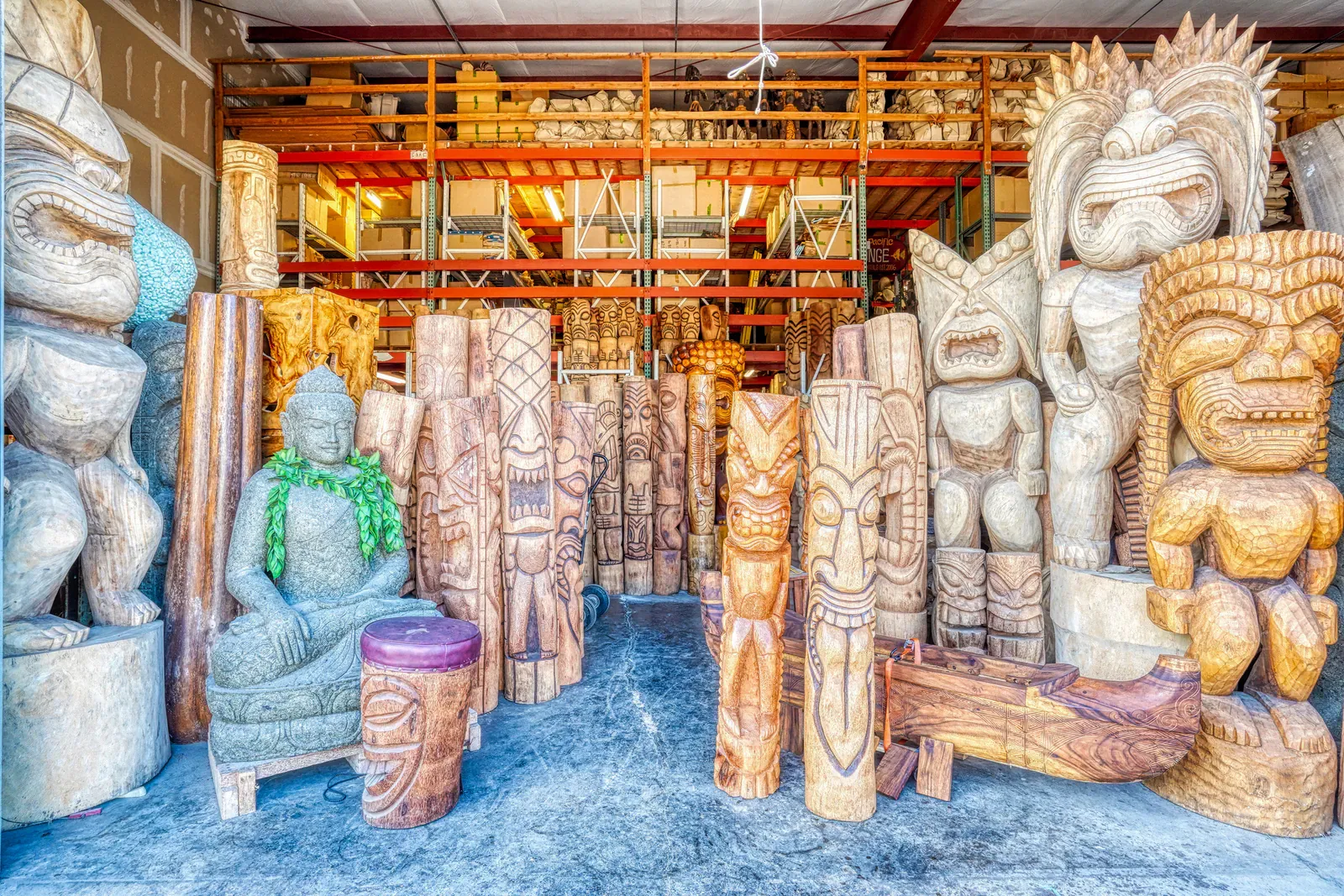
Music came from the arrangers who worked for the Hollywood labels. Their material was jazz, light orchestral writing and Latin dance rhythm, dressed with percussion from places the listeners could not locate on a map. Denny later called the result pure fantasy, and that frankness is the best definition of the genre.
Hollywood, 1950-1956
Capitol supplied the first records. Yma Sumac’s Voice of the Xtabay appeared in 1950: a Peruvian soprano of unusually wide range, backed by an Inca-themed studio arrangement by her husband and collaborator Moises Vivanco. It sold a million copies in the United States. A year later Les Baxter, who had arranged for Capitol and worked on Sumac’s early records, released Ritual of the Savage. It opened with the idea of a concept album about a place that does not exist, and it contained “Quiet Village”, the tune that Denny would take to the pop charts.
Television supplied a face. Korla Pandit, born John Roland Redd, an African-American organist who presented himself as an Indian musician, began his silent show on KTLA in 1949 and played Hammond organ and piano to the camera for some 900 episodes. His real background became public only after his death in 1998. In 1954 Sumac’s Mambo! added Latin rhythm and animal-call vocals to her persona, and eden ahbez, the Hollywood hermit who had written “Nature Boy”, later made his own exotic record, Eden’s Island, for Del-Fi in 1960.
Honolulu, 1955-1961
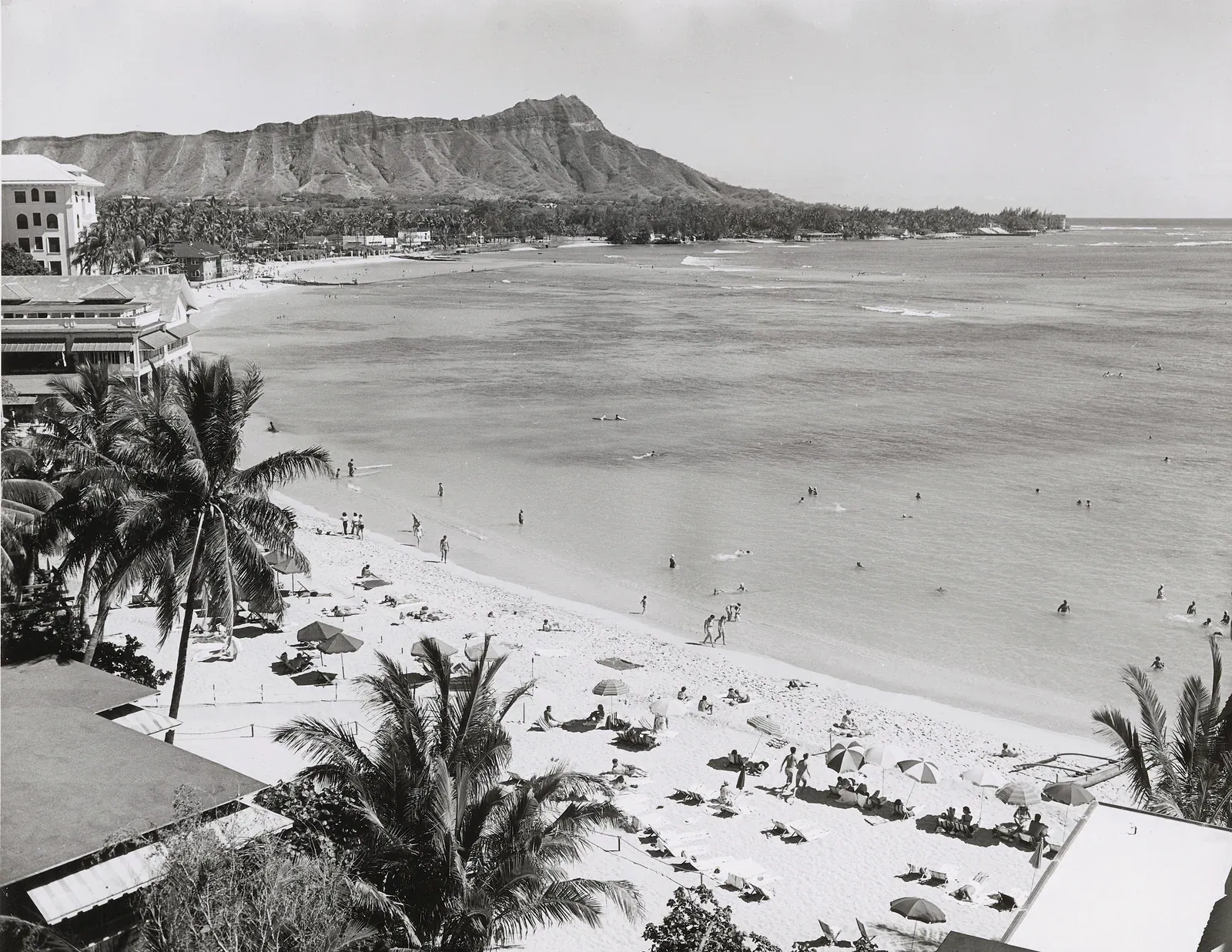
The second centre was Waikiki, where hotels were building a tourist trade on the idea of island paradise.
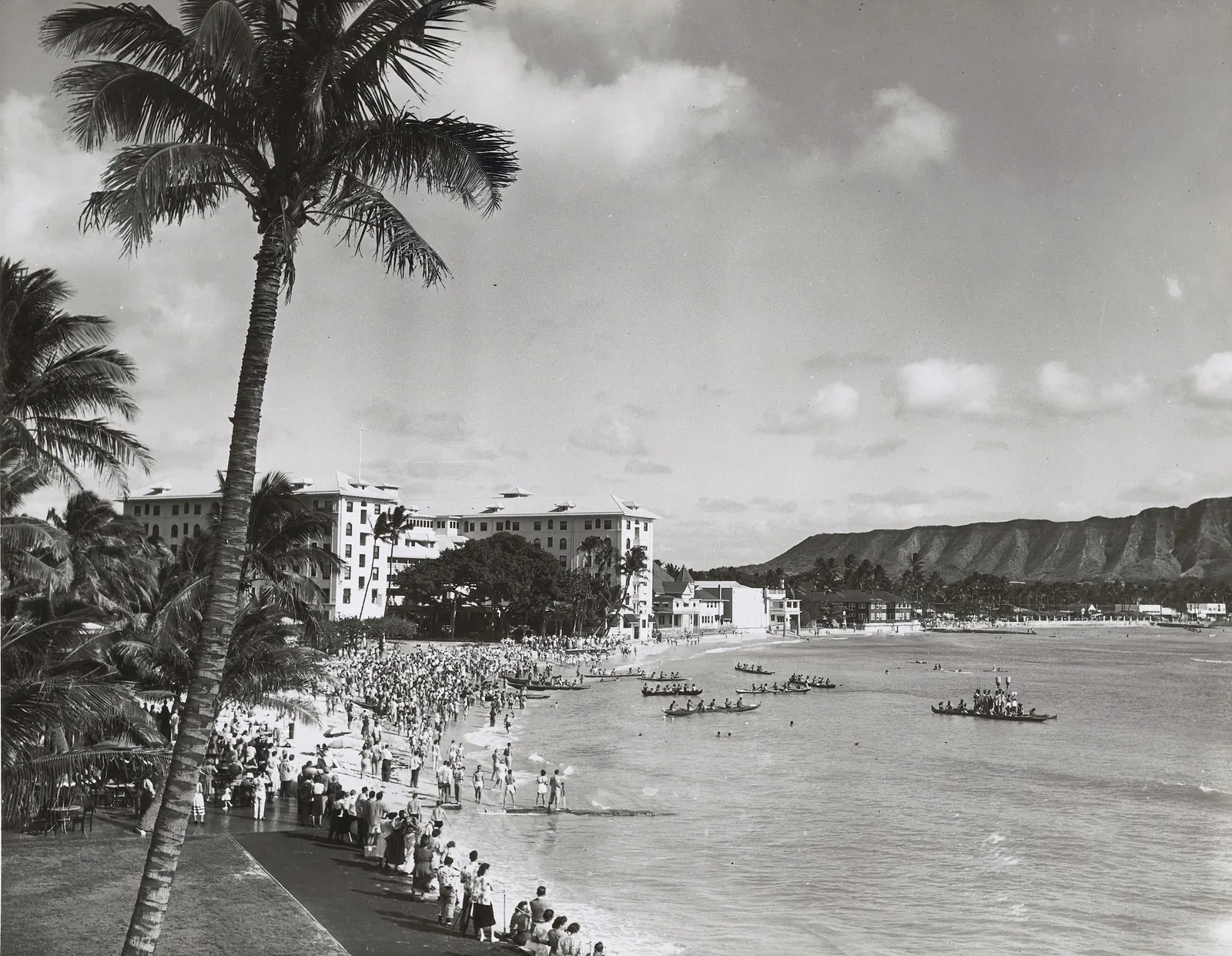
Martin Denny, a pianist who had been brought to Honolulu in 1954 to play at Don the Beachcomber, formed his combo in 1955 at the Shell Bar of the Hawaiian Village hotel. The bar sat by a lagoon, and the story goes that bullfrogs began to croak in time with the music. The band picked up the joke: percussionist Augie Colon added bird and animal calls, and Arthur Lyman played vibraphone. The record that followed, Exotica, was cut in December 1956 and released by Liberty in 1957. Liberty’s Simon Waronker supplied the title, and the stereo edition reached number one on the album chart in 1959.
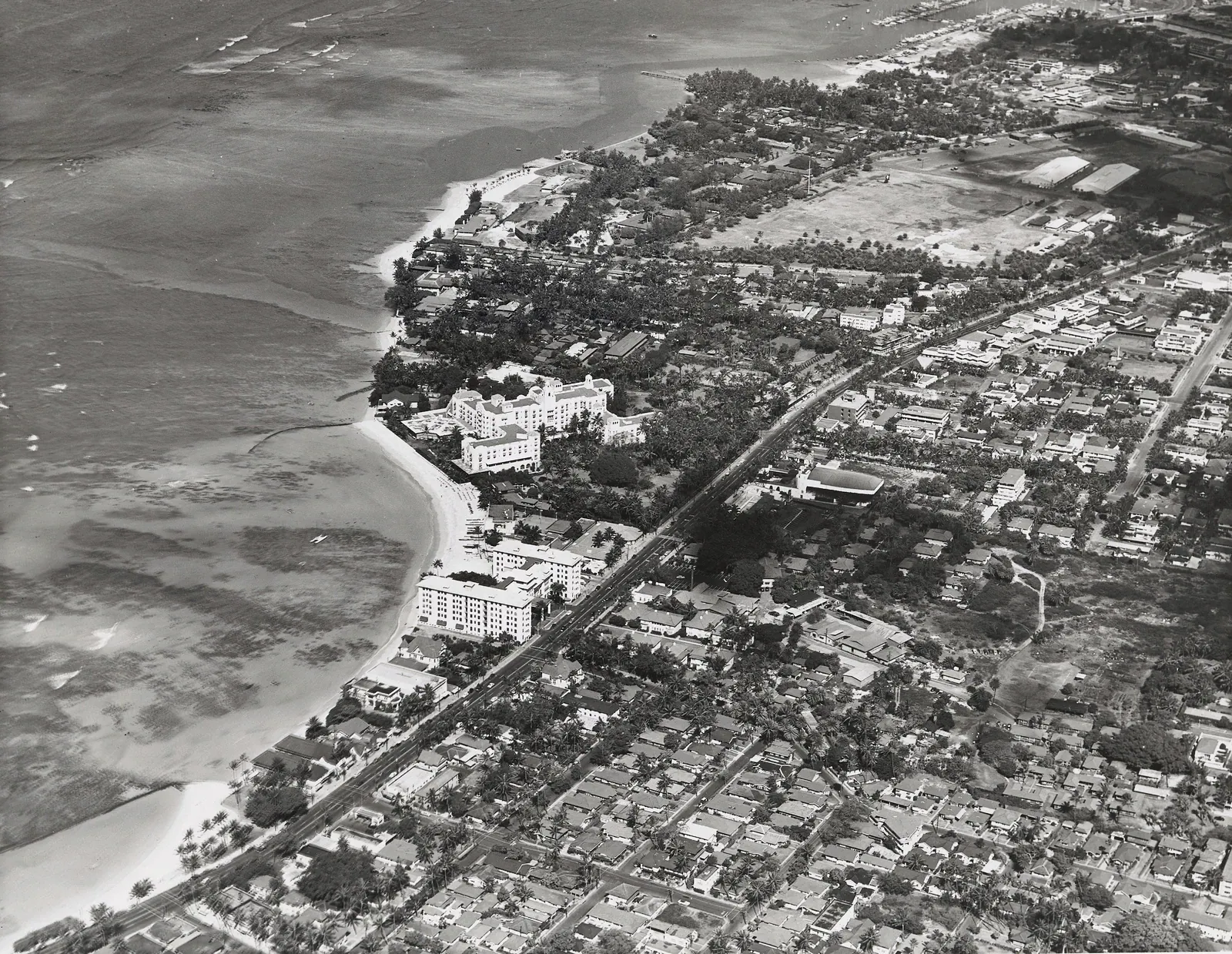
Lyman left Denny in 1957 to lead his own group, recording for Hi-Fi Records in a geodesic dome auditorium at the Hawaiian Village, on a custom three-track tape machine. His 1958 album Taboo stayed on the chart for more than a year and sold more than two million copies.
Characteristics
An exotica arrangement starts with a groove from Latin dance music and places a melody on top, usually on vibraphone or piano. Congas and bongos carry the pulse. Around them sit the colours that signal distance: gongs, bell trees, boobams (bamboo tubes tuned as drums), a koto or a temple block. Bird calls and animal cries, performed live by band members, work as punctuation. Vocals, when they appear, are wordless or imitate animals.
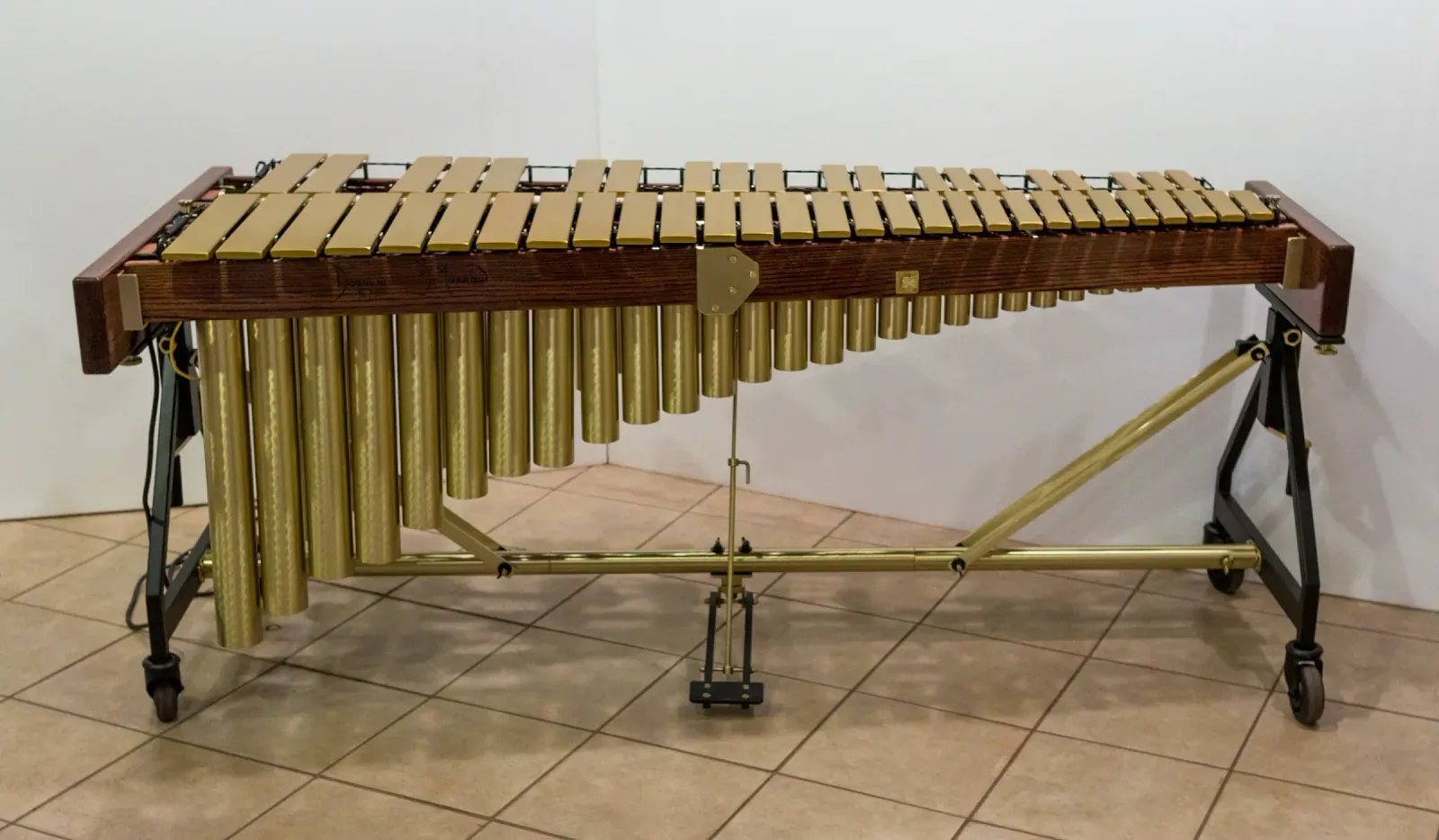
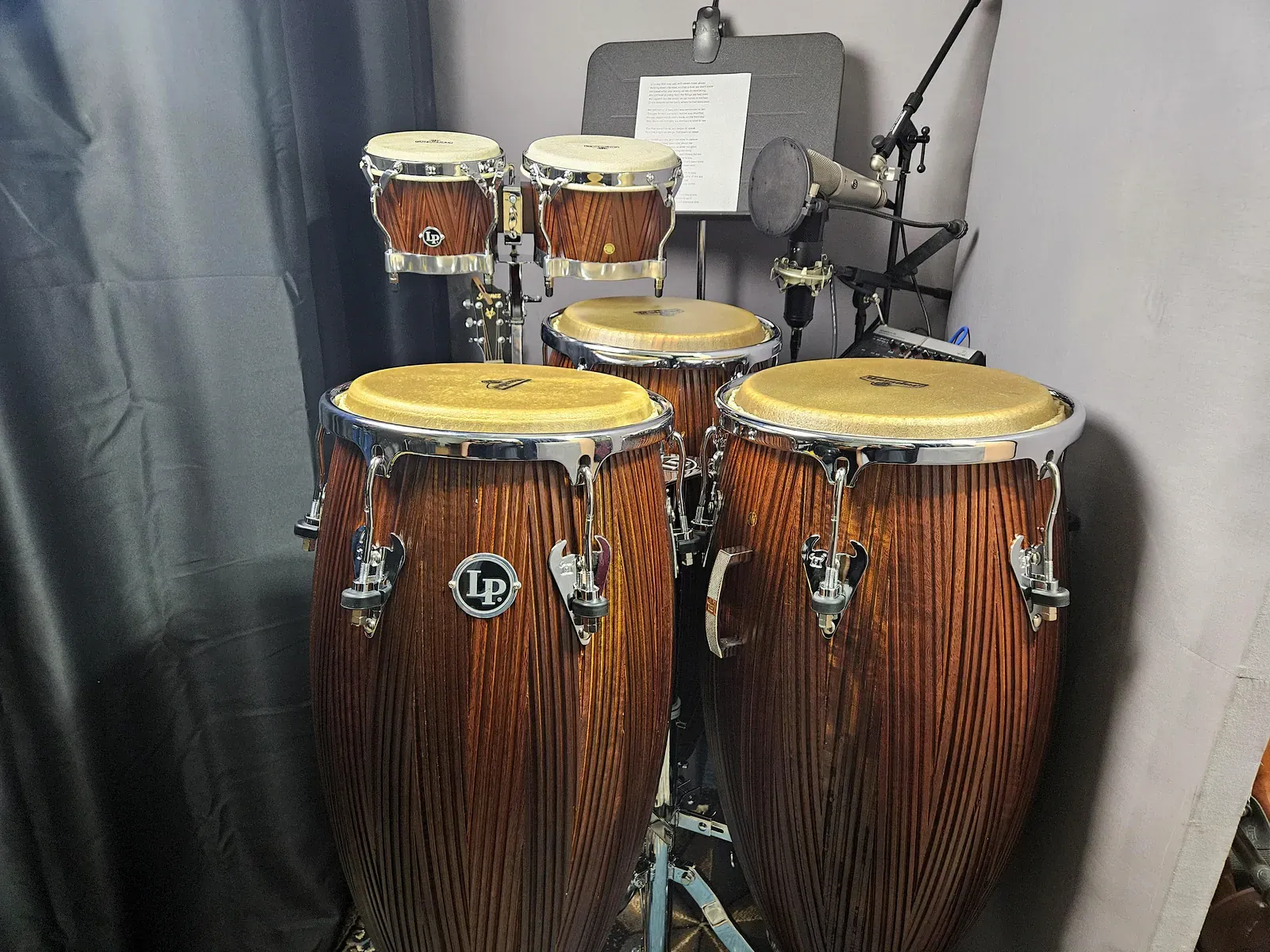
Stereo recording gave the style its other trademark. Ping-pong effects, with sounds passing from one speaker to the other, suited records meant to be heard on new hi-fi systems. The covers repeated the fantasy with idols, foliage and a posed model.
Mainstream success
Exotica sold, and not only in Hawaii. Denny’s cover of “Quiet Village” went gold in 1959 and reached number four on the Billboard Hot 100. Lyman’s “Yellow Bird” climbed to number four on the Billboard Hot 100 in 1961. Juan García Esquivel, a Mexican bandleader working for RCA, pushed the stereo idea furthest with Other Worlds, Other Sounds in 1958.
Others worked for small labels. Tak Shindo’s Mganga! (1958) used animal sounds and chants over Afro-Cuban rhythm, and Robert Drasnin’s Voodoo! (1959) featured a young John Williams on piano.
Notable recordings
Four records outline the style. Voice of the Xtabay (1950) made a far-off fantasy a million-selling album. Ritual of the Savage (1951) supplied the concept-album form. Exotica (1957) captured the Shell Bar sound and named the genre. Taboo (1958) showed what stereo percussion could do. Later, in 1978, the Japanese group Yellow Magic Orchestra included on its debut for Alfa a synthesizer version of Denny’s “Firecracker”, which carried the idea into electronic pop.
Culture
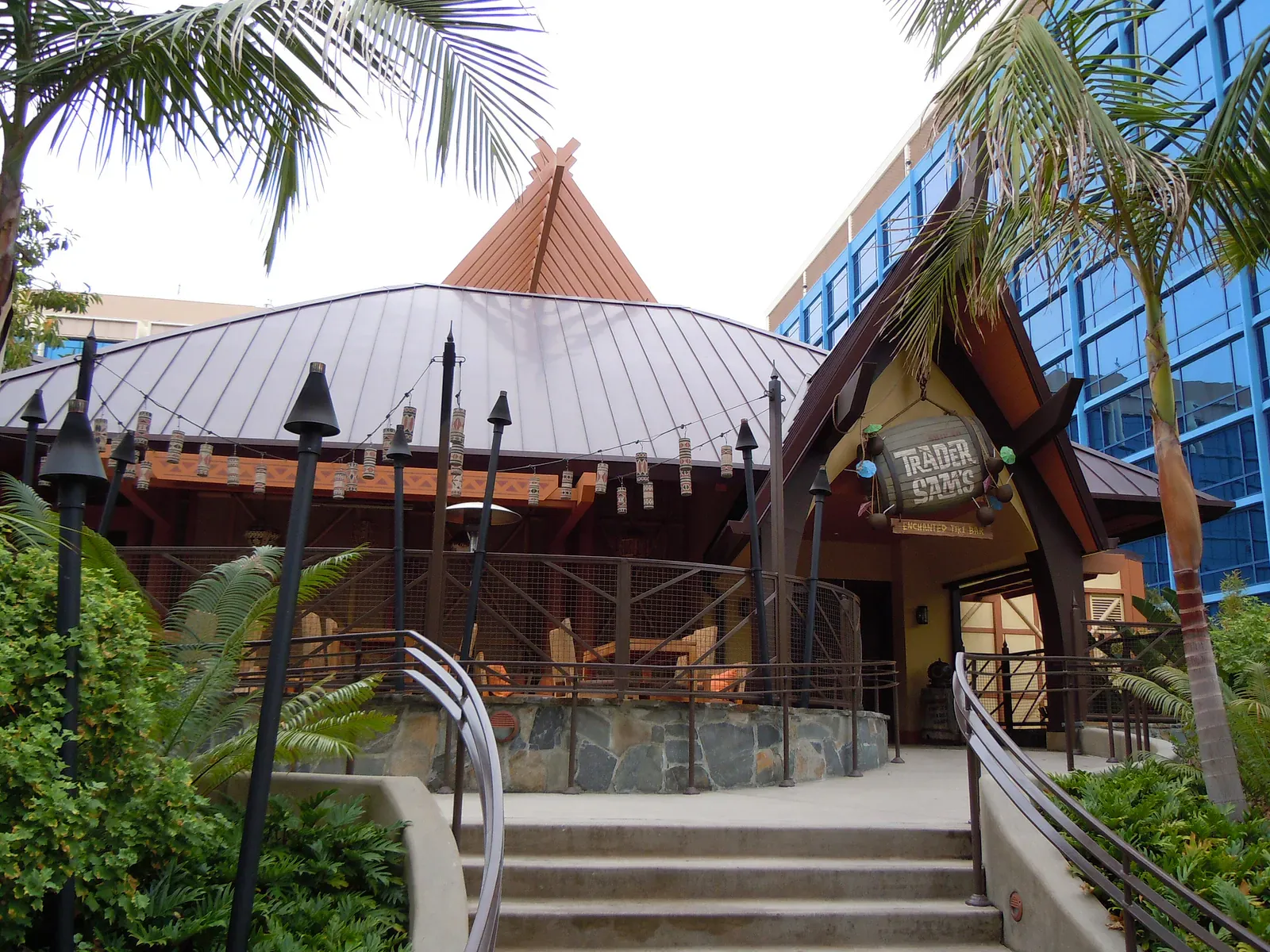
Exotica was a music for rooms. Tiki bars supplied the decor, hotel lounges the audience, and the record covers an entire visual language of masks, torches and sarongs. Disneyland’s Enchanted Tiki Room, opened in 1963, was the first attraction to use Audio-Animatronics, with singing birds and tiki gods in a theme-park show.
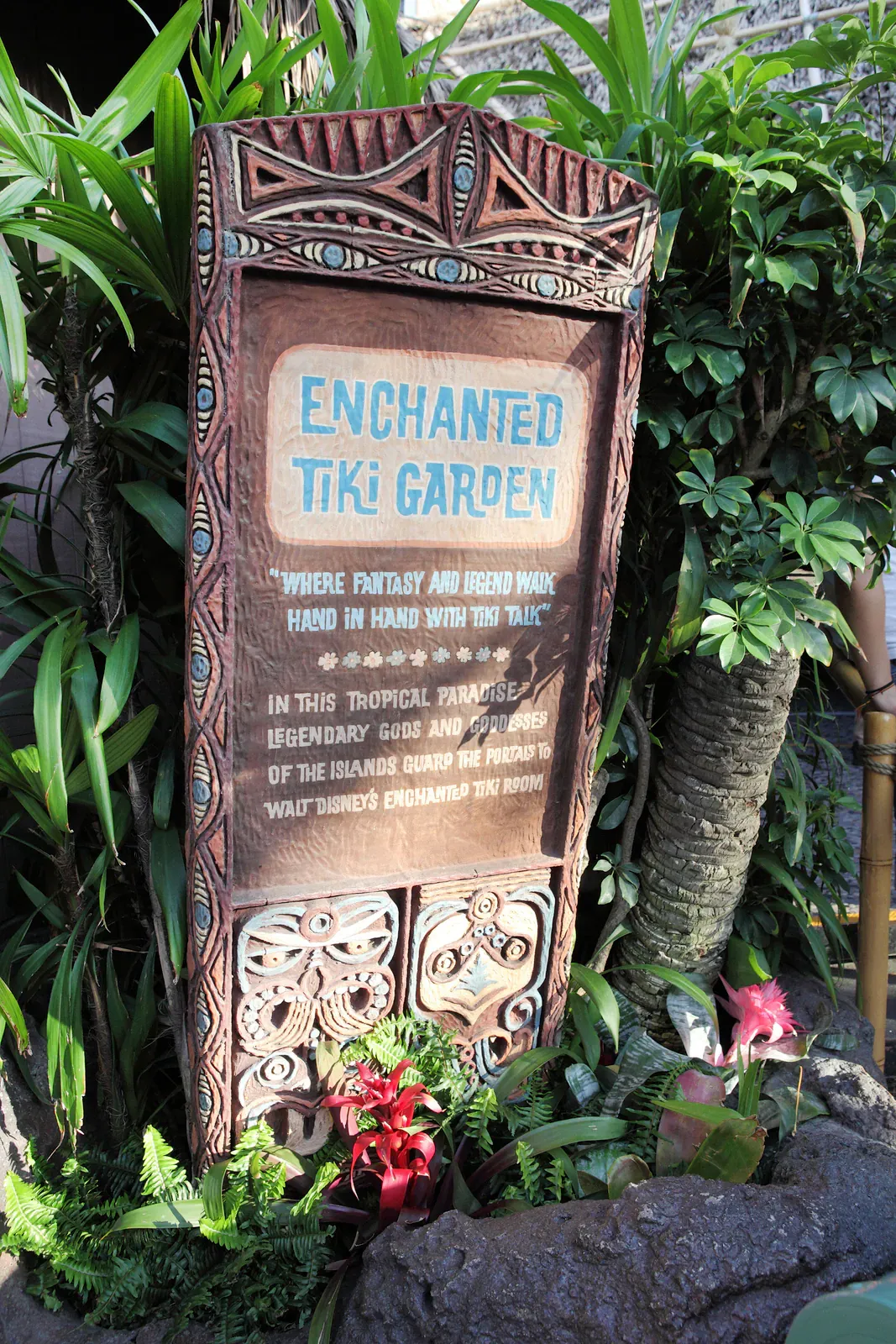
Hawaiian statehood in 1959 ended much of the Hawaiiana craze that had fed the market. Surf music and rock took over, most tiki bars had closed by the late 1970s, and the records went to thrift stores, where later collectors found them.
Legacy
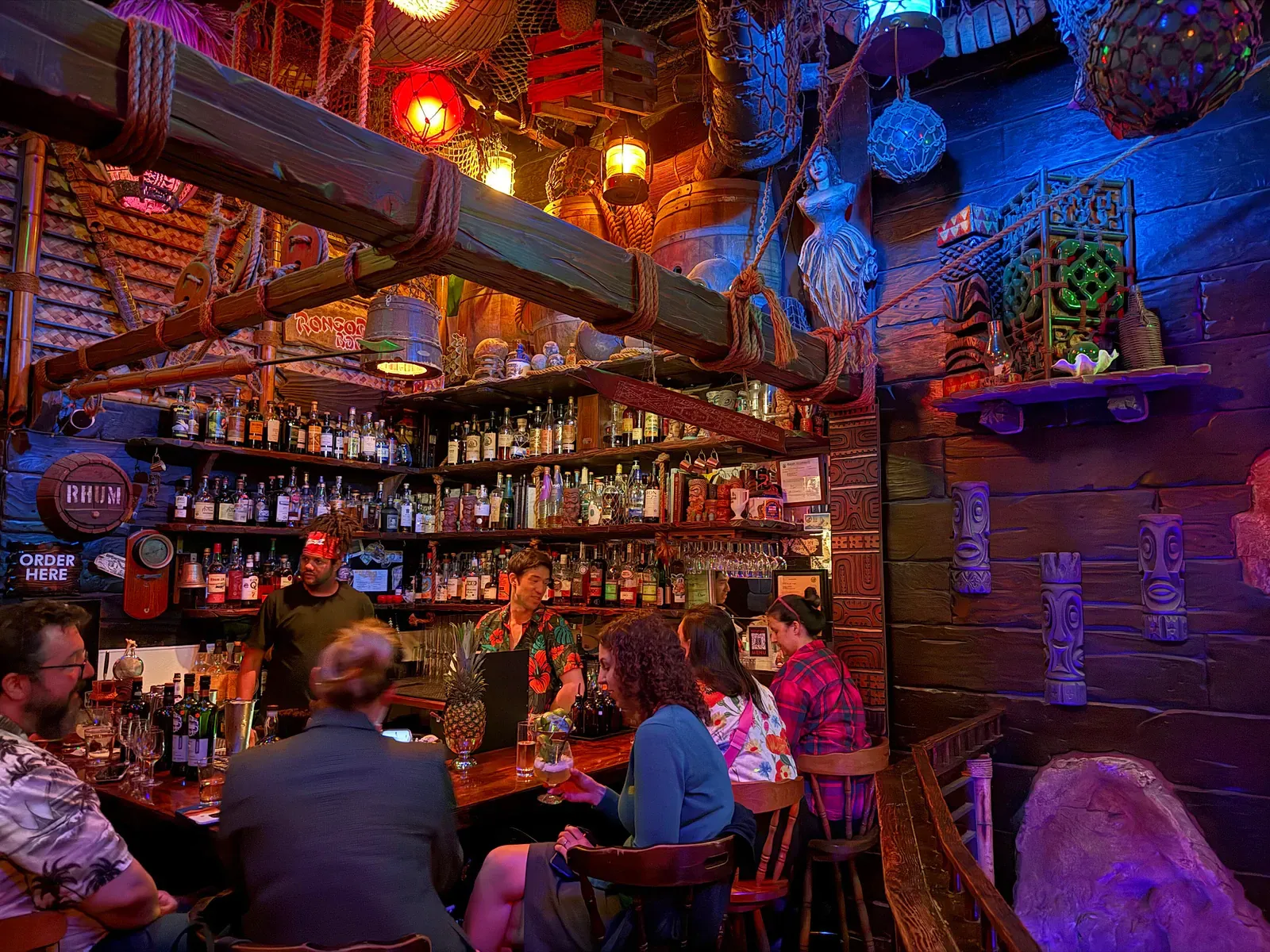
The revival began in the 1990s. Collectors’ books such as Incredibly Strange Music (1993) praised Denny and Esquivel, and Combustible Edison of Providence released I, Swinger on Sub Pop in 1994. Capitol’s Ultra-Lounge reissue series began in 1996. Sven Kirsten’s The Book of Tiki (2000) and the Tiki Oasis weekender, which started in Palm Springs in 2001, kept the visual side going.
Misconceptions
Exotica is not authentic world music. The records invented “native” sounds, and Denny himself called the music fantasy. Listeners and critics today often treat that invention as a stereotype of non-Western cultures as much as a charming pastiche.
It is also not simply lounge. Lounge covers hotel-bar swing, torch singers and Vegas acts; exotica is the tropical branch, defined by percussion and sound effects.
The genre was not only a Hawaiian product. Its first records came from Hollywood studios, and its best-known figures included a Peruvian singer, a Mexican bandleader and a Japanese-American arranger.
Frequently asked questions
What is exotica music?
Exotica is instrumental easy listening from the 1950s and 60s that evokes an imagined tropical or Asian setting. It uses vibraphone, Latin percussion, gongs and bird calls.
Who invented exotica?
Les Baxter’s 1951 album Ritual of the Savage set the pattern. Martin Denny’s 1957 album Exotica gave the style its name and its biggest hit, “Quiet Village”.
What is the difference between exotica and tiki music?
Tiki music is exotica played or revived for tiki bars. Exotica is the original 1950s style, which tiki culture adopted as its soundtrack.
Is exotica still made?
Yes. Bands such as Combustible Edison revived it in the 1990s, and tiki weekenders and internet radio keep new and old records in circulation.
Sound
Sound sheet
Anatomy of a track
| # | Part | Bars |
|---|---|---|
| 1 | Intro (bird calls, gong or vibes) | 4 |
| 2 | Theme A (melody over a Latin groove) | 16 |
| 3 | Percussion break (congas, boobams, effects) | 8 |
| 4 | Vibes or piano solo | 16 |
| 5 | Return of the theme | 16 |
| 6 | Coda (gong or fade with bird calls) | 4 |
Signature sounds
- Live bird calls and frog sounds worked into the arrangement
- Vibraphone melody over congas and bongos
- Gongs, bell trees and boobams for an imagined Pacific
- Wordless or animal-call vocals
- Stereo separation as a selling point
- Cover art of idols, jungle foliage and a posed model
Drums and percussion
- Congas
- Bongos
- Gongs
Techniques
- Live bird and animal calls
- Stereo ping-pong separation
- Latin groove under exotic melody
- Simultaneous organ and piano
- Vibraphone lead in place of strings
Keys and modes
Pentatonic melody. Flute and vibes lines on pentatonic scales evoke an imagined Orient, as in Quiet Village.
Vocals
Mostly instrumental. When voices appear they are wordless: ululations, chants or growls, as in Yma Sumac's very wide range.
Scenes
Where it happened
Where and when the sound lived: one bar per city on a shared timeline.
North America
Asia
Active scenes
Peak 4, 1956-2005
Waikiki hotels and clubs launch Denny and Lyman and make the sound a tourist soundtrack.
Capitol and Hi-Fi studios, Hollywood tiki bars and local TV make the city the sound's capital.
Trader Vic's roots the Bay Area strand of tiki culture.
The Mai-Kai Polynesian supper club has kept an island revue going since 1962.
Combustible Edison's base during the 1990s cocktail-nation moment.
Tiki Oasis begins here in 2001 before moving to San Diego.
Yellow Magic Orchestra reworks Firecracker and carries the exotic tradition into electronic pop.
Venues and places
Hollywood, 1933 to today. The bar that started tiki culture and later employed Martin Denny.
Oakland, 1936 to today. Victor Bergeron's Polynesian restaurant and the home of the Mai Tai.
Honolulu, 1955 to today. Martin Denny's combo played here by the hotel's lagoon, where bird calls entered the set.
Los Angeles, 1949 to today. Korla Pandit's silent organ show was broadcast from here.
Oakland Park, 1956 to today. Florida's Polynesian supper club has run an island revue since 1962.
Anaheim, 1963 to today. Tiki music with animated birds brought exotic pastiche to families.
Palm Springs, 2001 to today. The tiki weekender began here and moved to San Diego in 2006.
Culture
Culture markers
- Hawaiian shirts and sarongs
Tiki fashion that moved from the beach bar into mainstream leisure wear.
Fashion - Flaming torches and rattan decor
The look of Don the Beachcomber, copied by tiki bars worldwide.
Artwork - Floor-show island revues
The Mai-Kai Islanders Revue, running since 1962, keeps Polynesian dance-and-music nights alive.
Ritual - Silent organ stare
Korla Pandit played Hammond organ and piano on television without speaking, staring into the camera.
Ritual - The tiki weekender
Multi-day events such as Tiki Oasis gather bands, vendors and DJs each year.
Ritual - Exotic album sleeves
Idols, foliage and posed models on LP covers, later parodied in the 1990s revival.
Artwork
Media
Key media
- 1993Incredibly Strange Music, Vol. 1
by V. Vale and Andrea Juno (Re/Search). Collector interviews that put Denny, Esquivel and others in a hipster canon.
Book - 1996Ultra-Lounge
by Various (Capitol Records series). Capitol's reissue series brought exotica and lounge to 1990s CD buyers.
Compilation - 2000The Book of Tiki
by Sven Kirsten. A visual history of tiki design that fuelled the renaissance.
Book - 2015Korla
by Documentary (Korla Pandit). The story of the organist and the identity behind his persona.
Film - 2024Tiki Time
by SomaFM. An internet radio stream devoted to exotica and tiki music.
Radio
Glossary
Terms on this page
Bamboo tubes of different lengths played as tuned drums.
The 1990s revival of lounge and exotica as retro style.
Instrumental easy listening that evokes an imagined tropical or Asian elsewhere, a name taken from Martin Denny's 1957 album.
Hawaiian songs with mostly English lyrics, an ancestor of the tiki-bar sound.
The American craze for all things Hawaiian before and after statehood in 1959.
The Polynesian-themed bar and restaurant culture of rum drinks, carved idols and island decor.
A multi-day tiki festival with bands, vendors and art, as pioneered by Tiki Oasis.
Easy Listening family